25 Holiday Collectibles Hiding In Storage Bins
Every family has the bin. It comes down from the attic once a year, smells faintly of cardboard and pine, and holds decorations nobody has looked at closely since they were packed away.
Some of that stuff is worth real money now. Glass ornaments from the 1940s, Halloween paper from the 1920s and even plastic yard Santas have built serious followings, and collectors pay attention to boxes, marks and makers that most families never noticed.
Shiny Brite Glass Ornaments
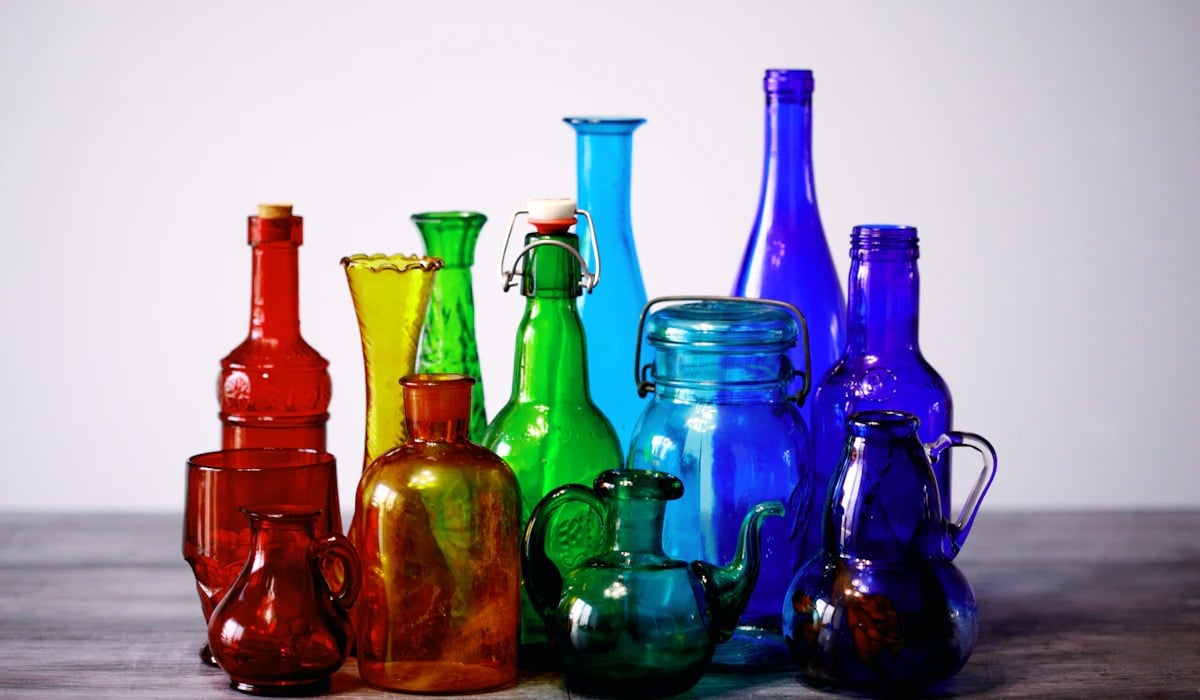
Max Eckardt launched Shiny Brite in 1937 and worked with Corning, which used its light bulb machinery to blow ornament blanks at enormous speed. The ornaments became the standard American tree decoration of the 1940s and 1950s.
Wartime metal shortages produced a distinctive variation: clear or lightly painted ornaments with cardboard caps instead of metal ones. Boxed sets of a dozen often sell for about 30 to 100 dollars, while unusual shapes like indents, lanterns and Santa figures bring more.
Flaking paint, missing caps and crushed boxes all lower values, and the original box often matters as much as the glass.
Hallmark Keepsake Ornaments From the Early Years
Hallmark launched its Keepsake Ornament line in 1973 with a small first collection that included glass ornaments and yarn figures. The series grew into one of the most collected holiday lines in the country, with annual releases and long-running series.
Most ornaments sell for a few dollars, but early pieces and the first entries in popular series attract real buyers. The first Frosty Friends ornament from 1980 often sells for a couple hundred dollars in its original box.
Without the box, or with faded paint and missing hangers, values drop sharply, sometimes by more than half.
NOMA Bubble Lights

Bubble lights, glass tubes of liquid that begin to bubble once the bulb heats up, became a postwar holiday sensation. NOMA Electric Corporation brought them to market around 1946 based on an idea credited to Carl Otis, an accountant.
The liquid inside, often methylene chloride, boils at a low temperature, which is why the bubbling begins after a few minutes of warmup. Vintage sets in original boxes commonly sell for about 50 to 200 dollars.
Cracked tubes, leaking liquid, frayed cords and missing bulbs reduce value, and working sets with bright colors draw the strongest interest.
Evergleam Aluminum Christmas Trees
The Aluminum Specialty Company of Manitowoc, Wisconsin, produced Evergleam aluminum trees from 1959, and they became the shiny symbol of the modern holiday home. A rotating color wheel was often sold alongside, since the metal branches could not safely hold electric lights.
Interest faded after A Charlie Brown Christmas mocked aluminum trees in 1965, and many ended up in attics. Today a full tree with its box often sells for about 200 to 800 dollars, with the rare pink versions bringing much more.
Crushed branches, missing pieces and lost sleeves reduce value significantly.
Christmas Blow Molds From Union Products and Empire
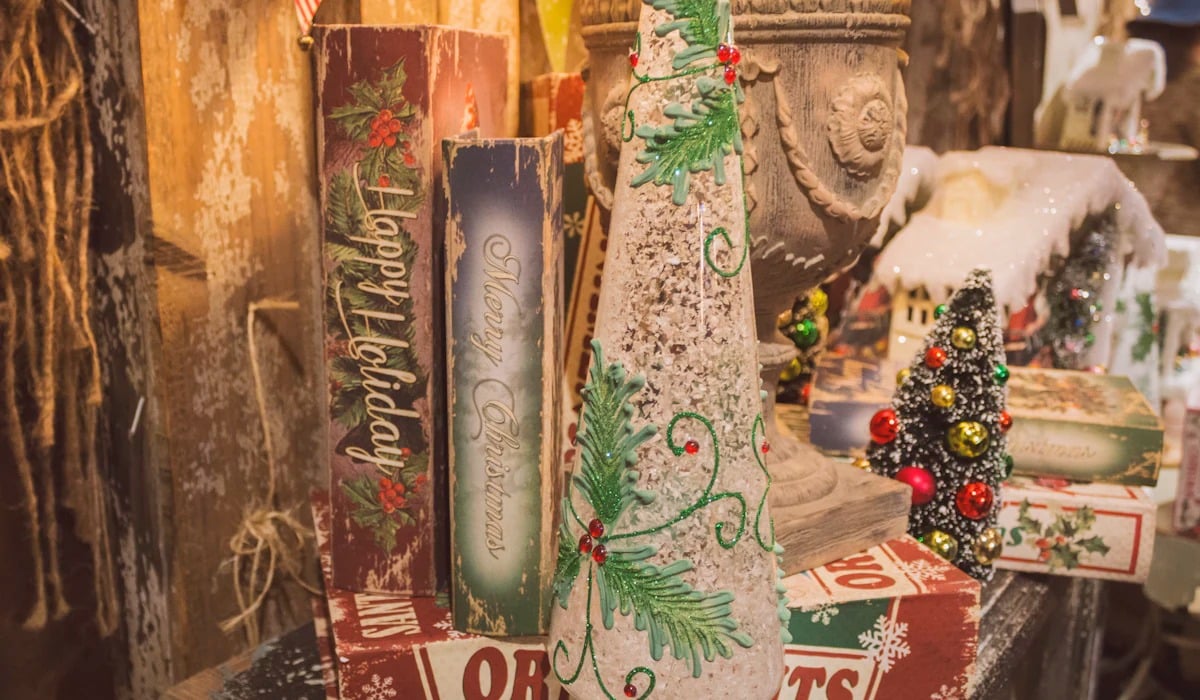
Hollow plastic blow mold Santas, snowmen, candles and nativity figures lit up American lawns from the 1960s onward. Companies such as Union Products of Massachusetts, Empire Plastic and General Foam made millions of them, and Union Products also produced the famous pink lawn flamingo designed by Don Featherstone.
Collectors look for specific molds, large figures and scarce designs. Common pieces often sell for about 30 to 100 dollars, while rare or oversized molds bring more.
Sun fading, cracks and broken light fixtures reduce value, and bright original paint commands a premium.
Department 56 Snow Village Houses
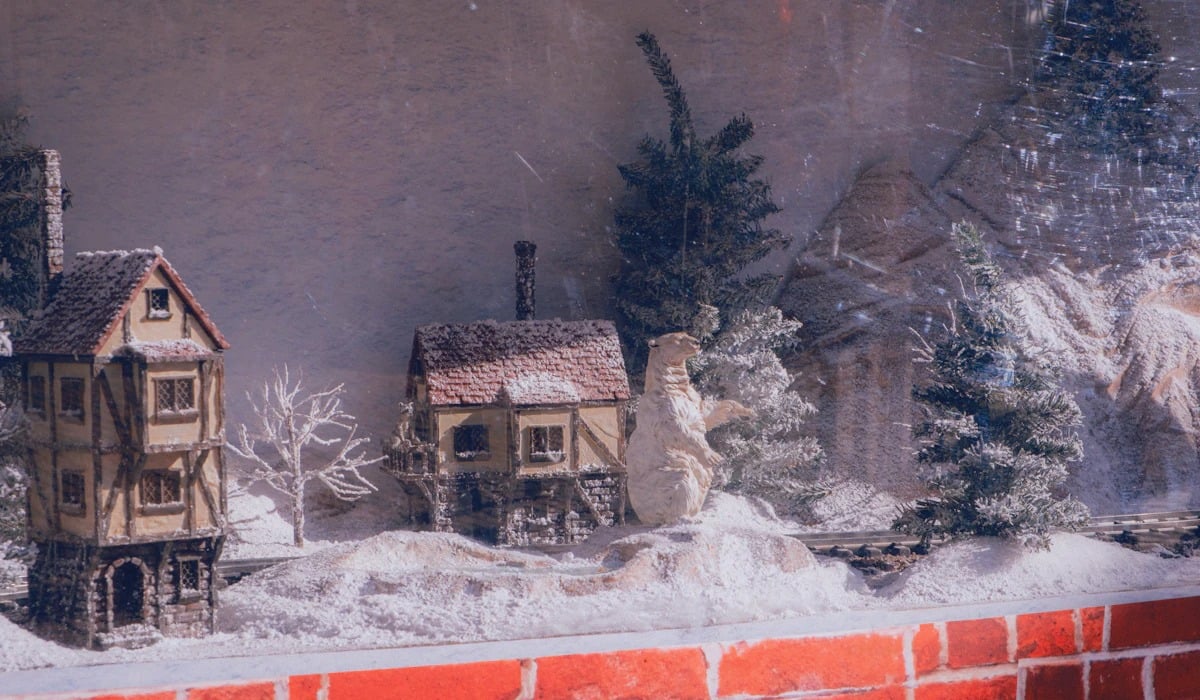
Department 56 introduced the Original Snow Village in 1976, a collection of lighted ceramic houses meant to be displayed together. The line grew steadily, with buildings retired each year to create scarcity.
Many common pieces sell for about 20 to 60 dollars, but early retired houses and limited editions often reach more than 100. Collectors want the original box with its foam insert and sleeve, as well as the light cord.
Chips, missing accessories and damaged boxes all reduce value, and condition matters more than age for most pieces in the line.
Christopher Radko Glass Ornaments

Christopher Radko founded his ornament company after a family tree fell in 1986 and broke many of his grandmother’s glass ornaments. Unable to find comparable replacements, he worked with glassblowers in Poland to make new ones.
His elaborate, colorful designs grew into a major brand, and early pieces became collectible. Most Radko ornaments sell for about 30 to 100 dollars, though rare and limited designs bring more.
Collectors look for the Radko hang tag and original box. Missing glitter, chipped paint and cracks reduce value, especially on delicate figural ornaments.
Byers’ Choice Carolers
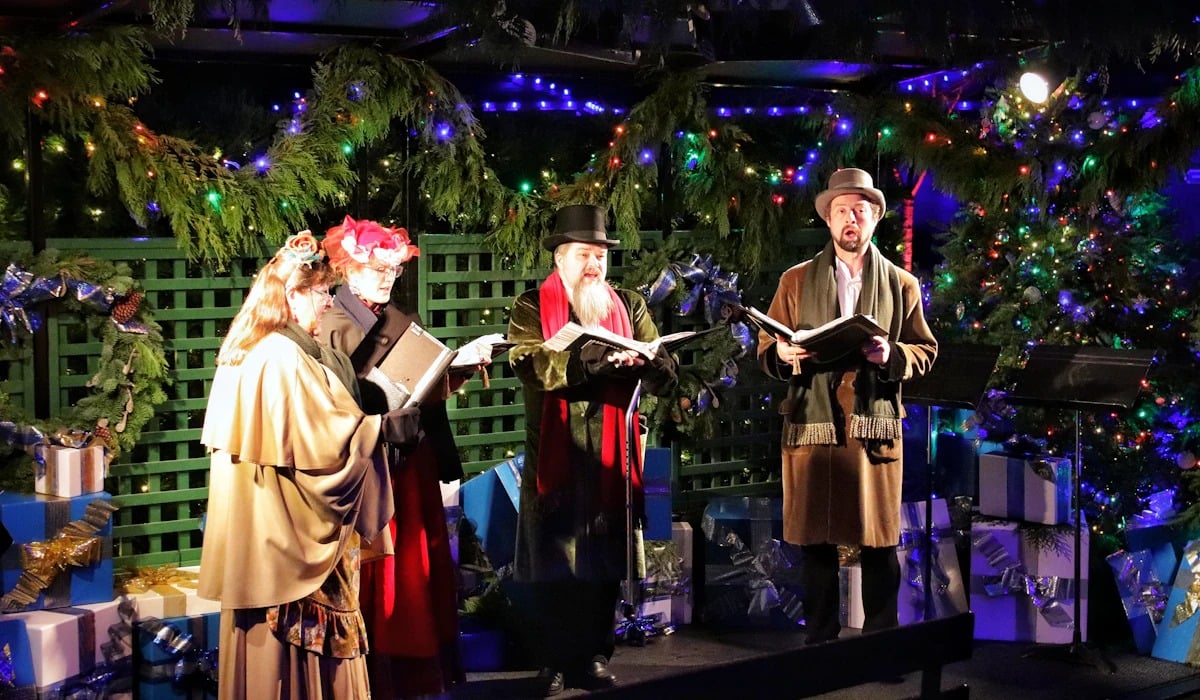
Joyce Byers began making caroler figures in the late 1960s from wire hangers, fabric scraps and plaster, partly in reaction to the aluminum trees of the era. After selling them through the Woman’s Exchange in Wayne, Pennsylvania, she and her husband Bob formed Byers’ Choice in 1978.
The company still makes the figures by hand in Chalfont, Pennsylvania. Retired figures and older designs often sell for about 40 to 150 dollars on the secondary market.
Collectors check for the signature, dates and original tags. Fading, stained clothing and damaged faces all lower what a caroler brings.
Annalee Felt Dolls

Annalee Thorndike began making whimsical felt dolls in Meredith, New Hampshire, in the 1930s, and the business grew into Annalee Dolls. The figures, with wire frames and hand-painted faces, cover Christmas elves, Santas, Halloween witches and Easter bunnies.
Early dolls from the 1950s and 1960s are the most sought after, and some sell for hundreds of dollars. More recent pieces usually bring about 10 to 40 dollars.
Collectors check tags to date the dolls. Moth damage, fading and stains on the felt reduce value, and dolls with intact original tags fare best.
Ceramic Light-Up Christmas Trees
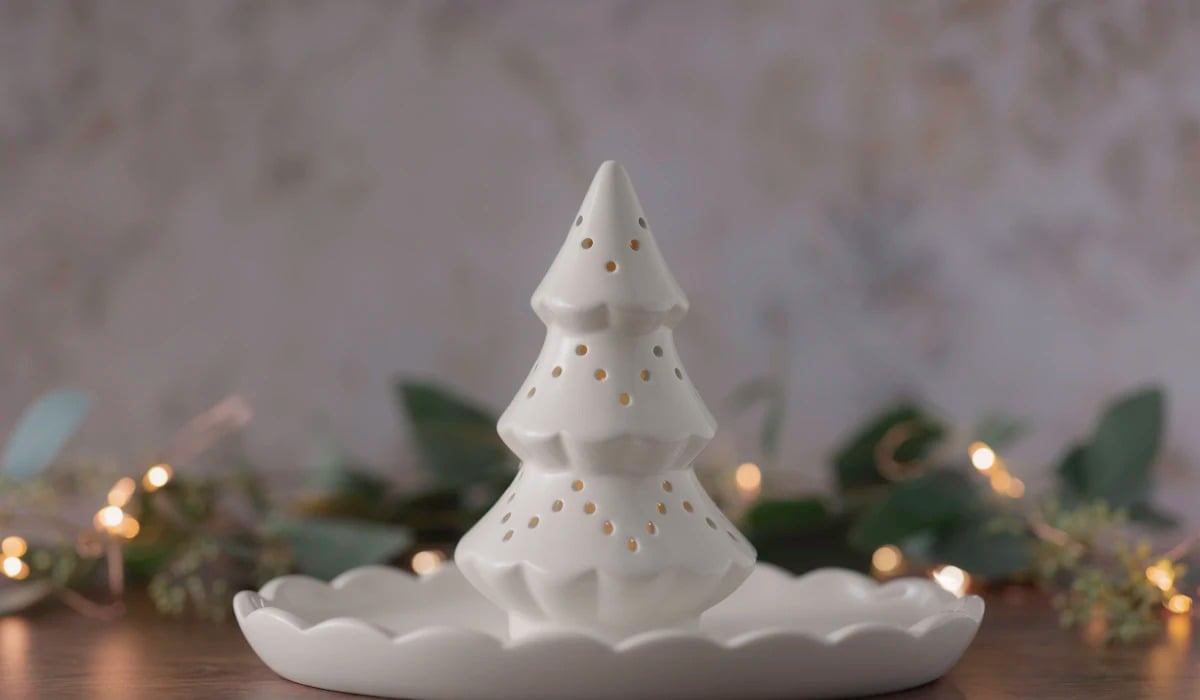
Ceramic Christmas trees with small plastic bulbs became a craze in the 1960s and 1970s, largely because they were made in home ceramics classes. Hobbyists poured molds, often from the Atlantic Mold company, then glazed and fired them before inserting colored pegs.
Their popularity has returned, and vintage trees often sell for about 75 to 300 dollars, with larger and unusually glazed trees bringing more. Collectors check for the original base and bulbs, which sometimes included bird and star shapes.
Chips, missing bulbs and wiring problems lower value considerably.
Japanese Putz Houses
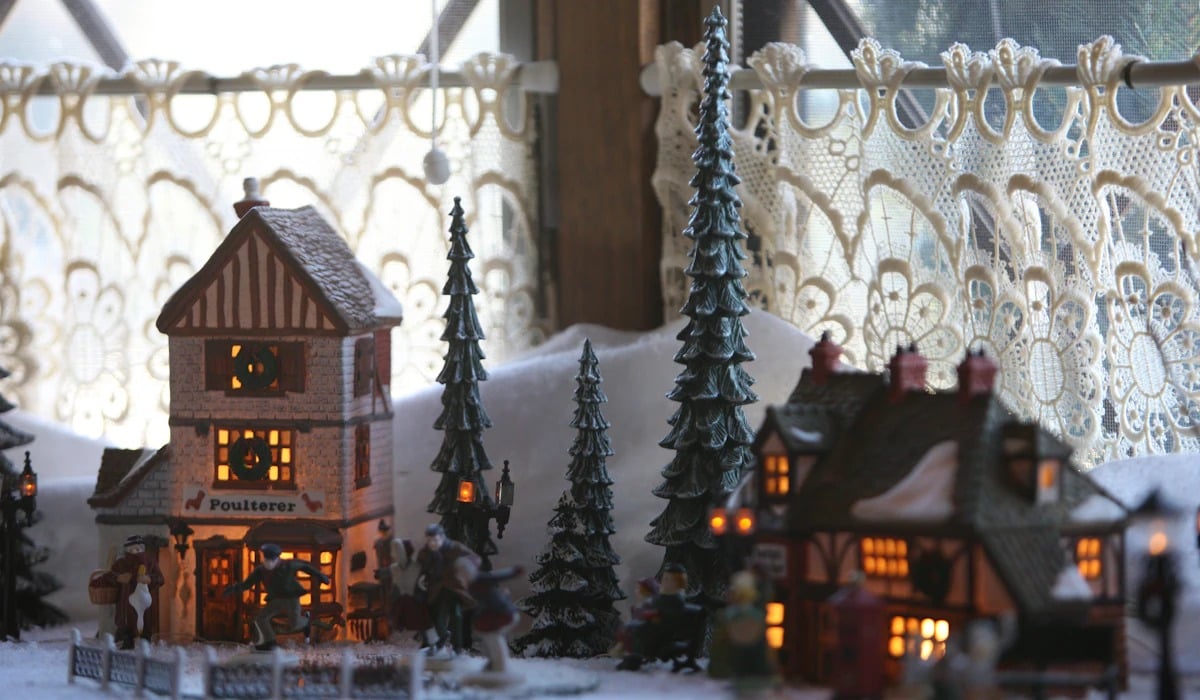
Small cardboard houses dusted with mica glitter were made in Japan in the 1920s through the 1950s and sold in American dime stores. They were designed for the putz, a nativity and village display tradition brought to Pennsylvania by Moravian settlers.
Many had cellophane windows and small trees. Individual houses often sell for about 10 to 40 dollars, while churches, larger pieces and rare designs bring more.
Collectors look for crisp colors and intact glitter. Crushed roofs, water damage and missing trees reduce value, and complete villages draw the strongest interest.
Knee Hugger Pixie Elves
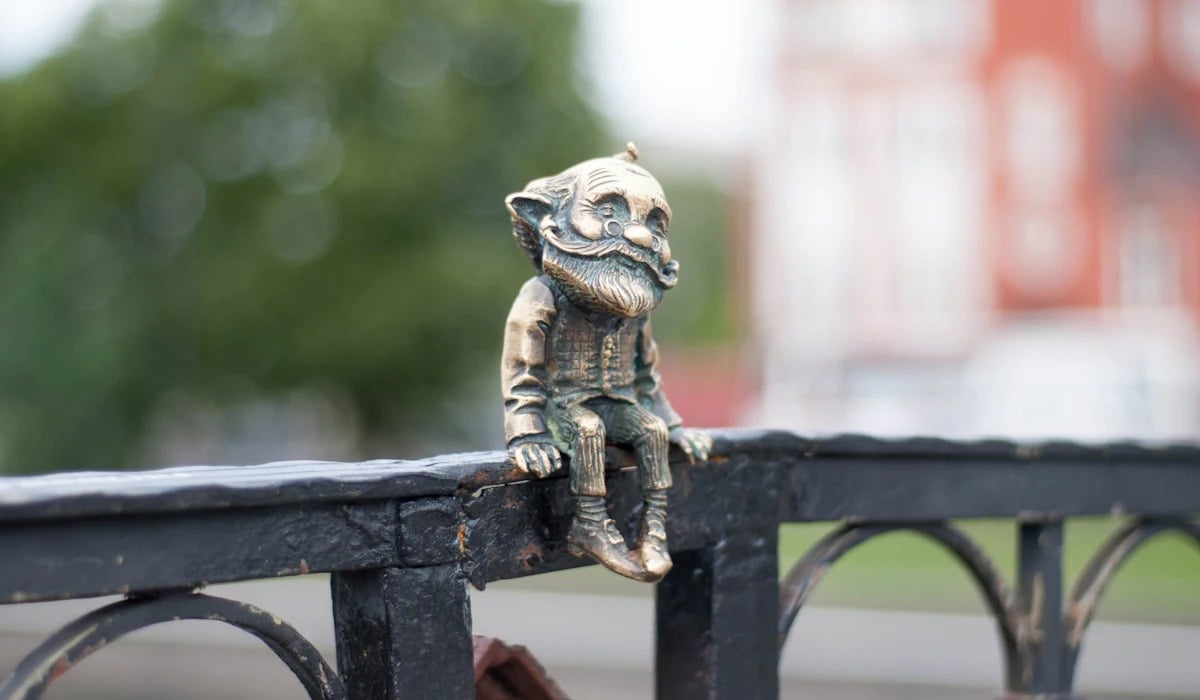
Felt elves with long legs that wrap around their knees were made in Japan during the 1950s and 1960s. Most had molded faces and pointed hats, and families perched them on trees, mantels and shelves.
The look predates the modern Elf on the Shelf tradition by decades. Individual elves often sell for about 15 to 60 dollars, with unusual colors and larger sizes bringing more.
Collectors check for paper labels marked Japan. Moth damage, fading and cracked faces reduce value, and pairs or sets in original packaging do especially well.
Rubber-Face Santa Dolls
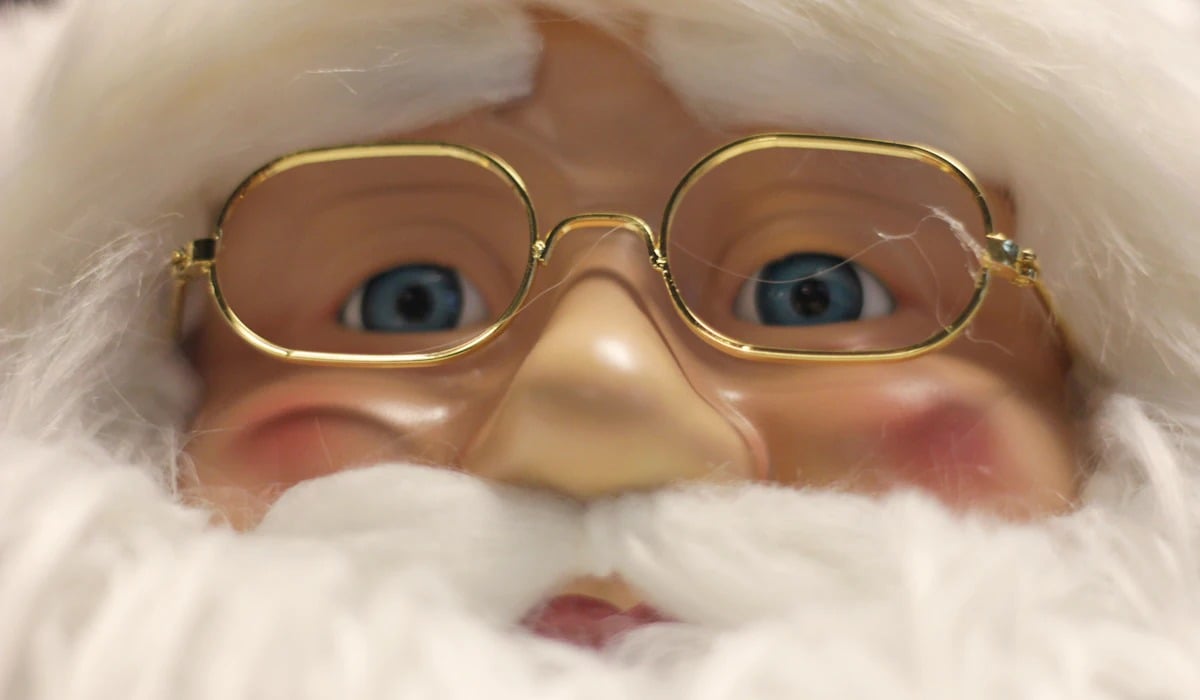
Plush Santas with molded rubber faces were made in large numbers during the 1950s, with the Rushton Company of Coldwater, Michigan, among the best known makers. The faces had rosy cheeks and wide smiles, and the bodies were soft red plush.
Collectors like the mid-century look and the way these Santas show up in old family photos. Values often range from about 50 to 200 dollars.
The rubber is the weak spot, since it hardens, cracks and darkens over time. Dolls with soft, unblemished faces and intact plush sell for the most.
Gurley Novelty Candles
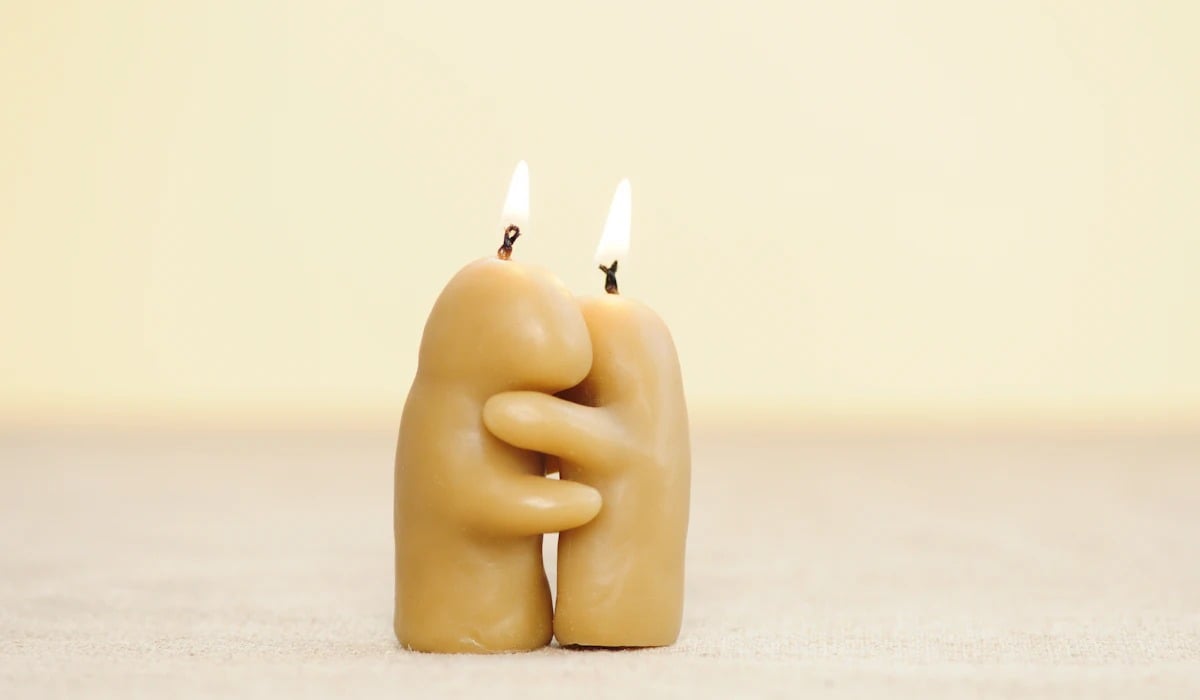
The Gurley Novelty Company of Buffalo, New York, made molded wax candles in the shapes of Santas, snowmen, angels, turkeys and jack-o’-lanterns. The company also produced the Tavern candle line, which began as a promotion for the Socony oil company.
These candles were meant to be burned, which is why unused examples are now scarce. Most sell for about 5 to 40 dollars, with larger figures and complete sets bringing more.
Collectors want the original paper labels on the base. Burned wicks, fading and dents reduce value significantly.
Spode Christmas Tree Dinnerware
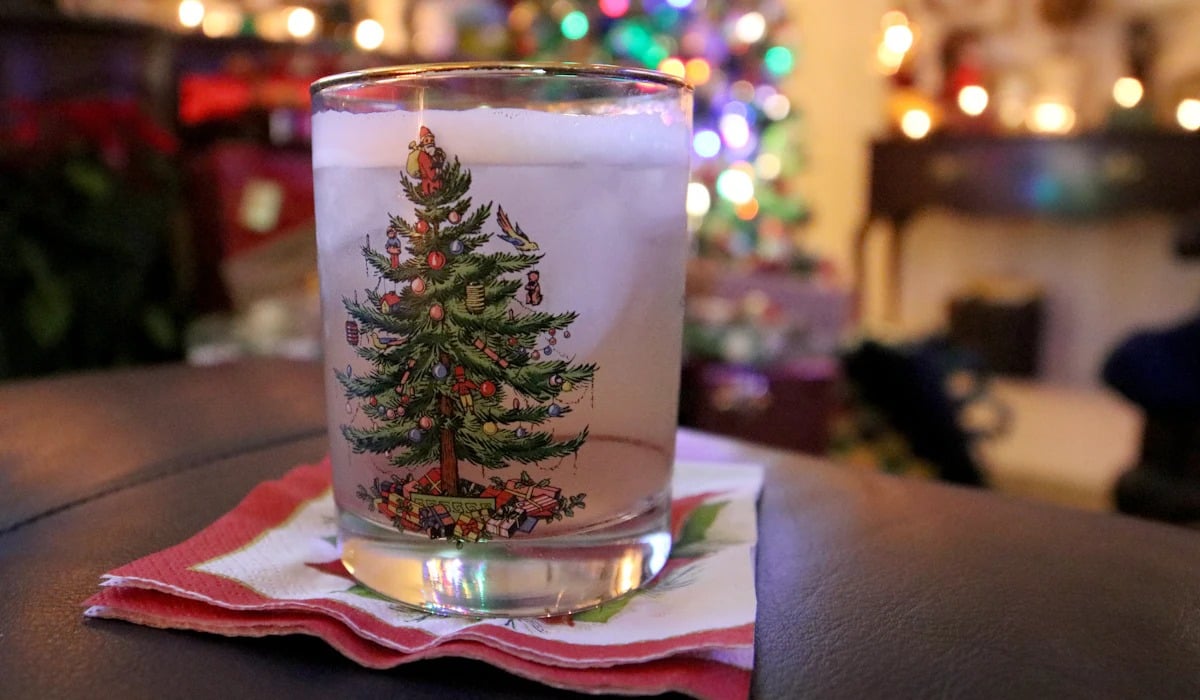
Spode introduced its Christmas Tree pattern in 1938, designed by Harold Holdcroft and aimed at the American market. The design shows a decorated tree with presents beneath it.
Many families brought it out every December for decades. Common plates often sell for about 15 to 40 dollars, while teapots, serving pieces and older items with early backstamps bring more.
Collectors note whether pieces were made in England, since later production moved overseas. Worn gold trim, crazing and chips reduce value, and dishwasher damage dulls the colors.
Coca-Cola Santa Advertising Pieces
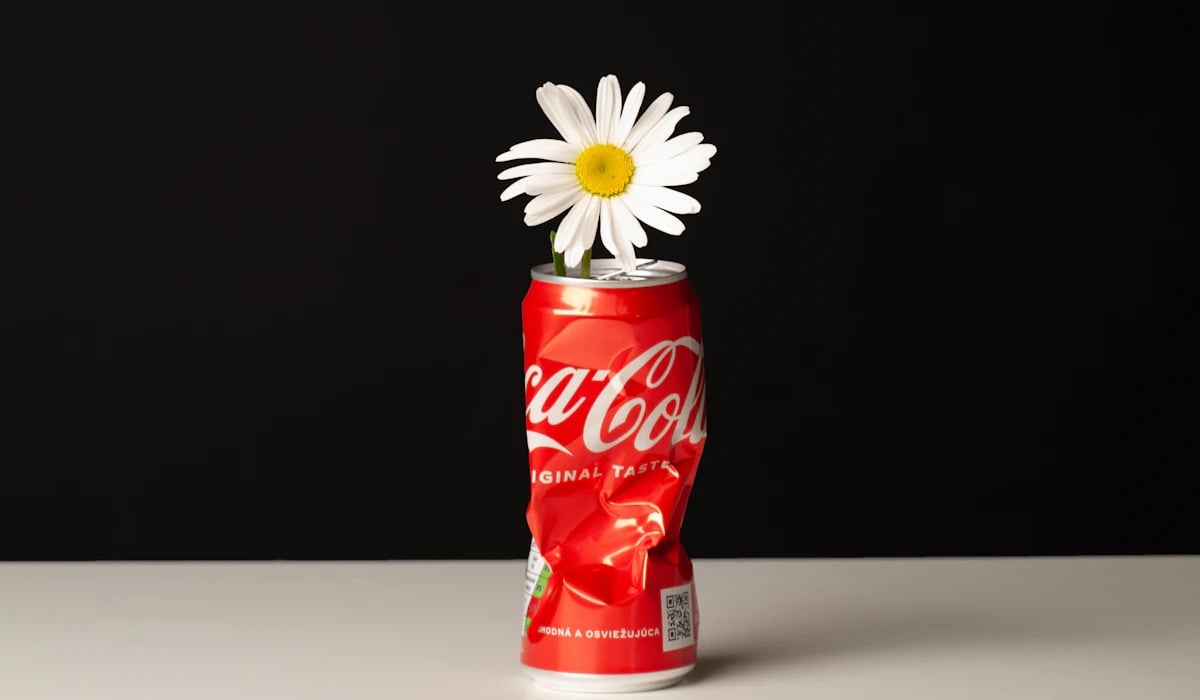
Haddon Sundblom began painting Santa for Coca-Cola advertising in 1931, and his warm, rosy-cheeked version helped shape how Americans picture Santa. The company used those images on cardboard store displays, trays, calendars and posters for decades.
Original displays from the 1930s through the 1950s often sell for hundreds of dollars, sometimes more for large pieces. Reproductions are common, so collectors study printing quality and paper, and newer licensed tins and signs fill the market at much lower prices.
Water stains, fading and tears reduce value, and pieces that survived storage in good shape command a premium.
Holt Howard Holiday Ceramics

Holt Howard, founded in Stamford, Connecticut, in 1949, became known for playful kitchen ceramics, including its Pixieware condiment jars. The company also produced holiday pieces such as Santa mugs, candle holders and planters.
The mid-century design style, with wide eyes and cheerful expressions, has a dedicated following. Pieces often sell for about 20 to 100 dollars, depending on rarity.
Collectors look for the Holt Howard stamp or paper label, since Japanese importers sold many lookalikes during the same years. Chips, crazing and worn paint all reduce value, and complete sets do best.
Dresden Cardboard Ornaments
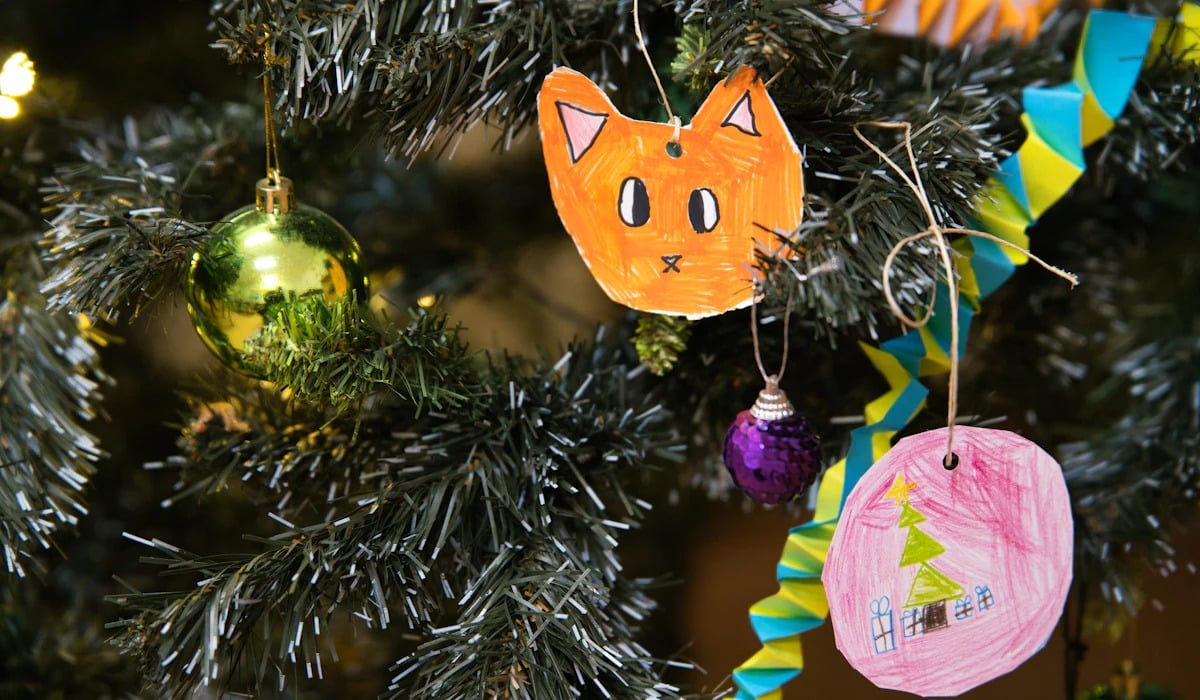
Embossed and gilded cardboard ornaments made in the Dresden and Leipzig region of Germany were popular from roughly the 1880s to the early 1900s. They came in elaborate shapes like animals, boats, carriages and musical instruments.
Some were made to hold small gifts or candy, and their three-dimensional pressed detail was remarkable for paper goods of the time. Rare designs often sell for hundreds of dollars, with exceptional pieces bringing more.
Collectors want crisp embossing and bright gilding. Crushed edges, tears and faded gilding reduce value, and repaired pieces sell for much less.
Beistle Halloween Die-Cuts
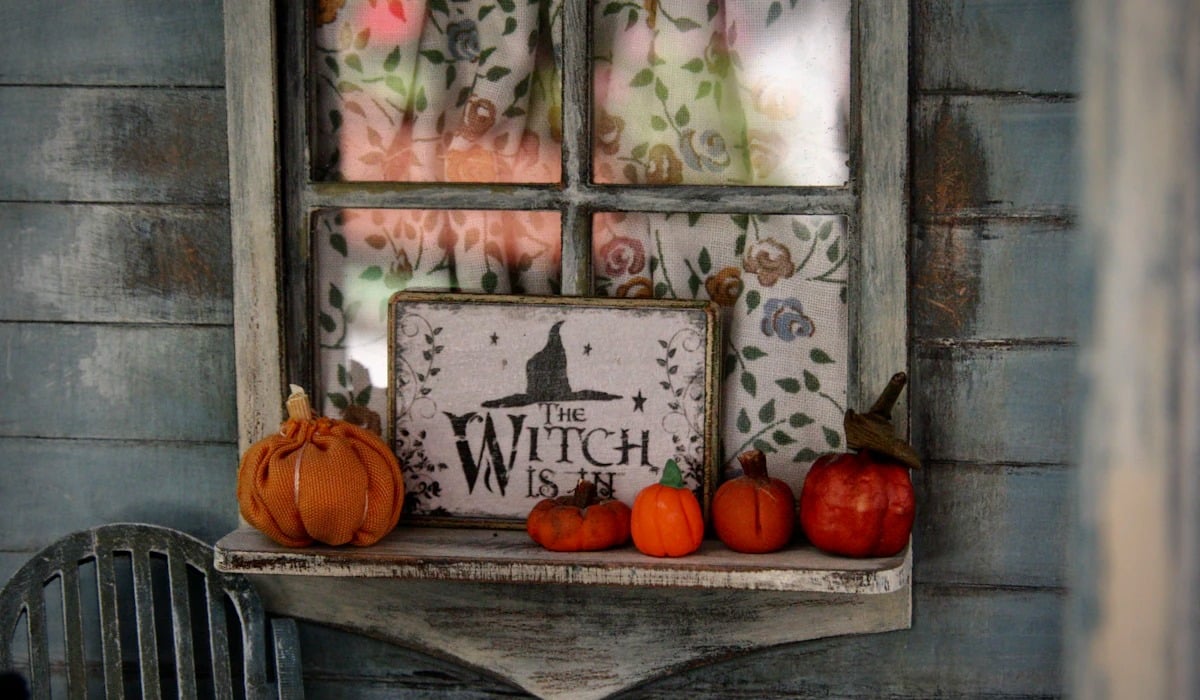
The Beistle Company of Shippensburg, Pennsylvania, founded in 1900, became one of the best known makers of paper holiday decorations. Its embossed die-cut witches, cats, owls and jack-o’-lanterns from the 1920s through the 1950s are especially collectible.
Beistle has reissued some designs, so collectors check printing and paper. Original early pieces often sell for about 30 to 200 dollars, with rare designs bringing more.
Fading, creases and tears reduce value. Pieces that spent years taped to classroom or kitchen windows usually show it in the form of sun fading and brittle, yellowed edges.
Paper Mache Jack-o’-Lanterns From Germany
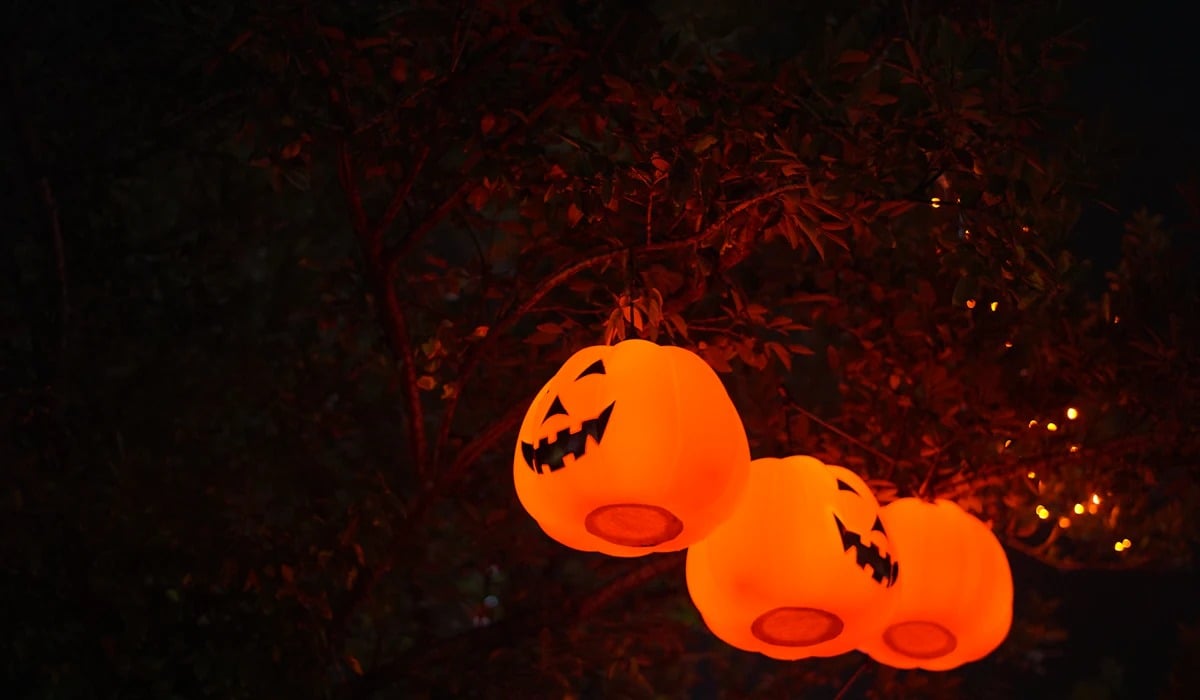
Germany produced paper mache jack-o’-lanterns before World War II, often with paper inserts in the eyes and mouth that glowed when lit with a candle. Similar pumpkins were later made in the United States from pressed pulp.
German examples are the most sought after, and they often sell for about 200 to 800 dollars, with rare shapes going higher. American pulp pumpkins usually bring less.
Reproductions are common, so collectors check construction and paint. Missing inserts, scorch marks from real candles and crushed sides reduce value, though some buyers forgive light scorching as proof of honest use.
Ben Cooper Boxed Halloween Costumes
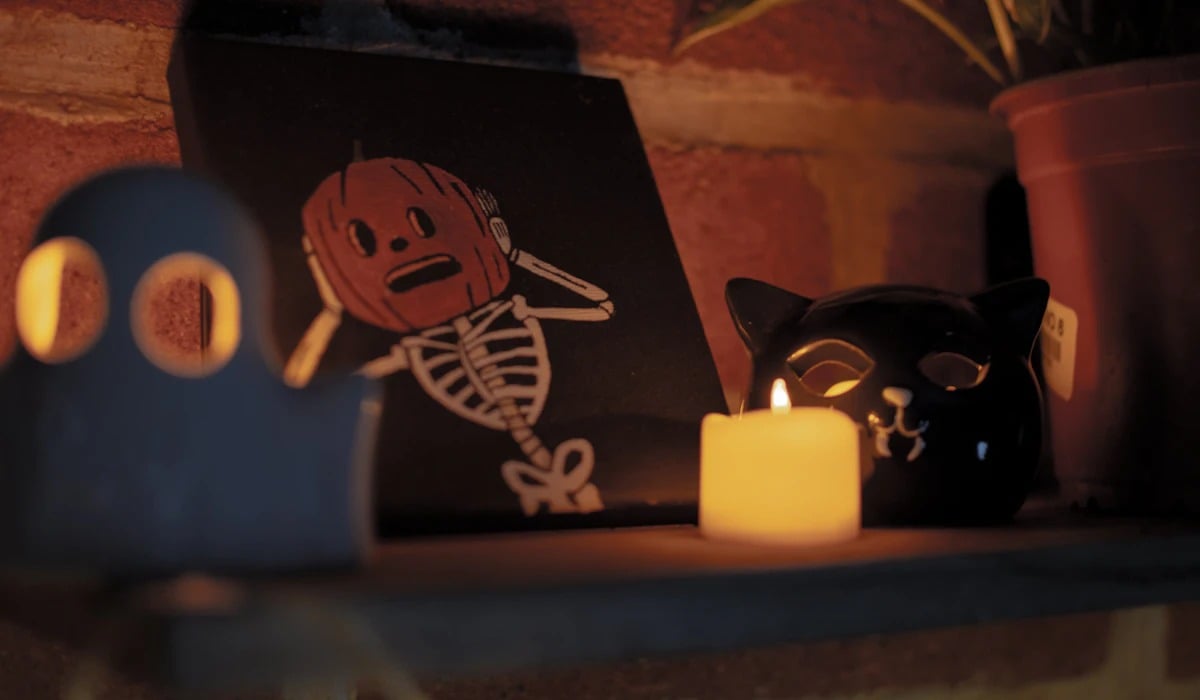
Ben Cooper, based in Brooklyn, New York, made boxed Halloween costumes with plastic masks and printed vinyl smocks for decades. The company held licenses for popular characters, including superheroes and Star Wars figures in the late 1970s.
Boxed costumes often sell for about 30 to 150 dollars, with rare characters bringing more. Collectors want the original box and an uncracked mask.
Torn smocks, broken elastic and crushed boxes reduce value. Since most kids wore the costumes once and tossed the box, complete, unused costumes command the highest prices.
Tin Lithographed Halloween Noisemakers
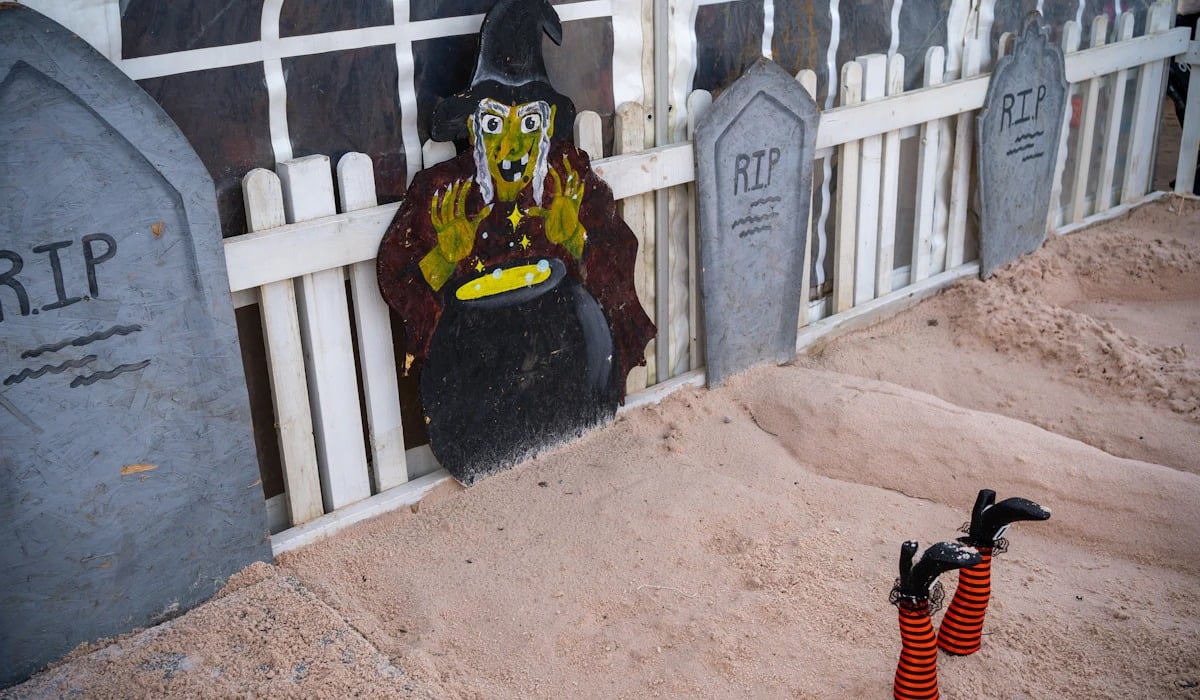
Tin noisemakers decorated with witches, black cats and pumpkins were made from the 1920s through the 1960s by companies such as U.S. Metal Toy, T.
Cohn and J. Chein.
Rattles, clackers and horns were sold cheaply and used hard on Halloween night. Bright, unrusted examples often sell for about 20 to 100 dollars, with rare designs and older pieces bringing more.
Collectors look for vivid lithography and maker marks, and the sound still matters to some buyers who like a clacker that works. Rust, dents and scratches reduce value considerably.
Easter Rabbit Candy Containers
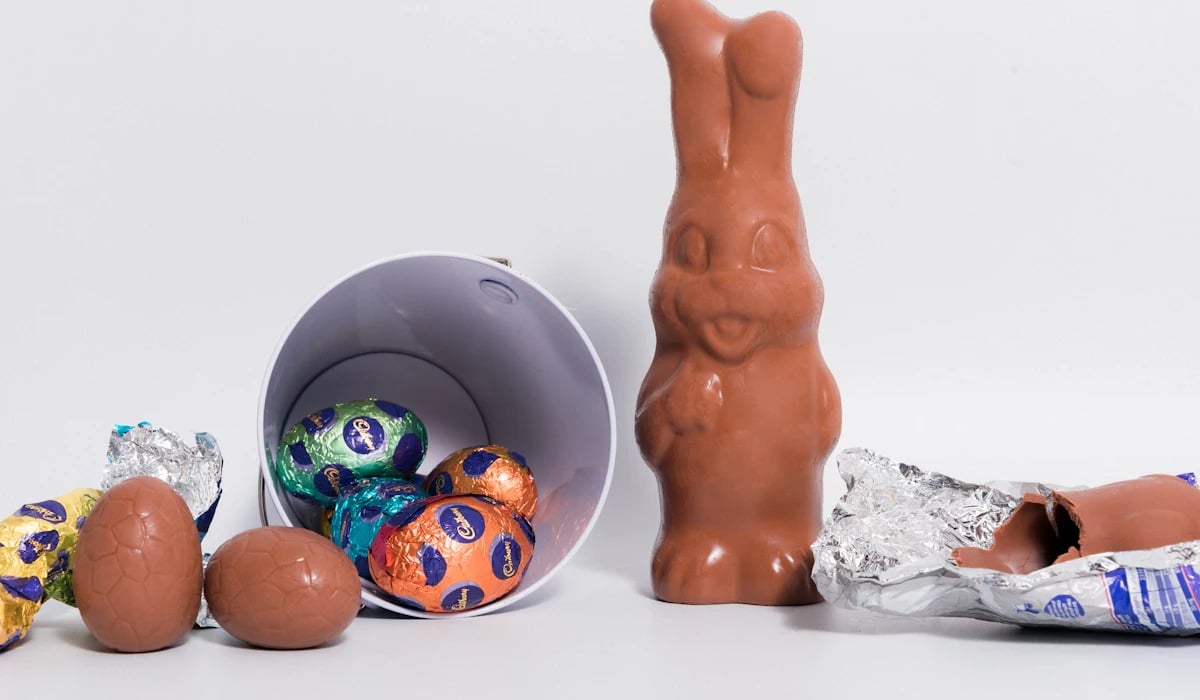
German candy containers shaped like rabbits, often made of paper mache or composition, were popular from the late 1800s through the 1930s. Many opened at the neck or base to hold candy, and some included glass eyes or fabric clothing.
Examples often sell for about 100 to 600 dollars, with rare forms bringing more. Collectors examine the paint and the closure, along with any original paper labels stamped Germany on the base.
Chipped paint, missing parts and repairs reduce value, and reproductions are common enough that buyers inspect carefully.
Mechanical Valentines From Germany
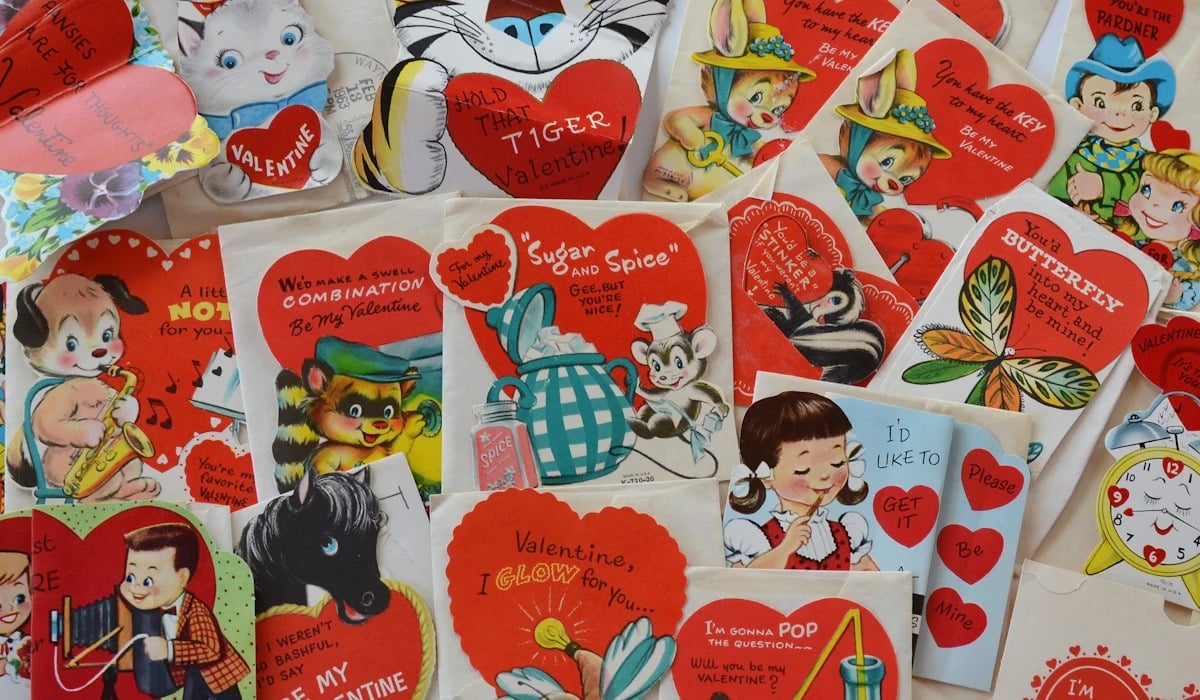
Early 1900s valentines with pull tabs, layered pop-ups and moving parts were often printed in Germany. Children exchanged them, and many were saved in scrapbooks and boxes.
Values typically range from about 10 to 100 dollars, with large and elaborate pieces bringing more. Collectors look for working mechanisms and bright colors, and some pay extra for cards featuring early automobiles, airplanes or other period details.
Torn tabs, missing pieces and water damage reduce value, and complete pieces that still move correctly are the most desirable.
Johnson Brothers His Majesty Turkey Platters
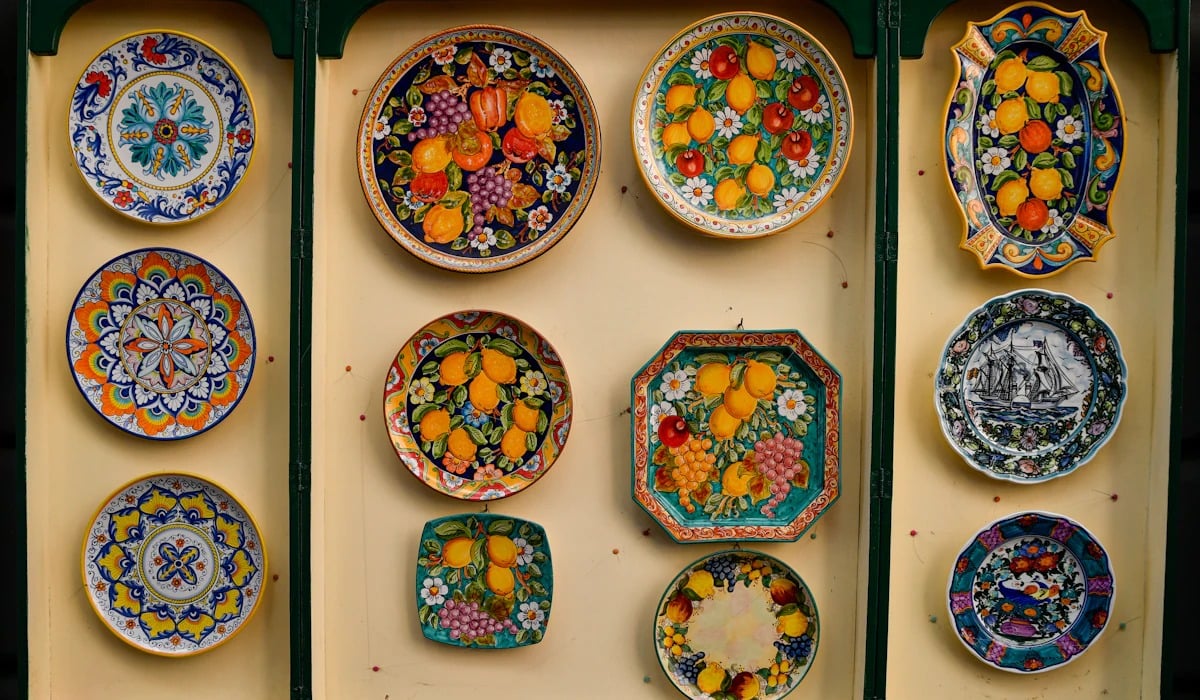
Johnson Brothers, an English pottery, produced His Majesty, a pattern featuring a turkey on a decorated platter. Many families used it for Thanksgiving dinners over several decades, and the printed transferware turkey suits autumn tables in a way plain white china never does.
Large platters often sell for about 75 to 200 dollars, with smaller plates and serving pieces bringing less. Collectors note whether pieces were made in England, since later production moved overseas after the company became part of the Wedgwood group.
Crazing, knife marks and chips reduce value, and pieces with crisp, bright decoration sell best.
Storage Bins as Family Calendars
Holiday decorations are built to be packed away, which is exactly why so many survive. They spend eleven months in the dark and one month in use, and that rhythm protects them better than most household objects.
The bins become a record of the years, layered with ornaments from different decades.
Value tends to follow the pieces that were used carefully and saved stubbornly. Boxes, tags and labels turn a decoration into a collectible.
The family that kept the box, even when it seemed silly, often ends up with the piece that sells.
MORE FROM GO2TUTORS!

- The Romanov Crown Jewels and Their Tragic Fate
- 13 Historical Mysteries That Science Still Can’t Solve
- Famous Hoaxes That Fooled the World for Years
- 15 Child Stars with Tragic Adult Lives
- 16 Famous Jewelry Pieces in History
Like Go2Tutors’s content? Follow us on MSN.