25 Inventions Redesigned After Health Concerns
Plenty of everyday objects reached mass production before anyone fully understood what they were doing to the people using them. The redesigns that followed were rarely voluntary corporate improvements; most came only after injury reports, lawsuits, or scientific studies made the original version impossible to keep selling as-is.
The Automobile Dashboard

Early automobile dashboards were built from rigid metal and hard plastic with sharp edges and protruding knobs, features that caused severe head and chest injuries in even minor collisions. Manufacturers resisted padding requirements for years, citing cost and the belief that seatbelts alone were sufficient protection. Federal safety standards introduced in the late 1960s eventually mandated padded, energy-absorbing dashboard designs that remain standard in every vehicle sold today.
Baby Cribs With Drop-Side Rails

Cribs with sliding side rails were popular for decades because they made it easier for parents to lift infants in and out, but the hardware controlling the rails frequently wore loose or broke, creating gaps that led to infant suffocation and strangulation deaths. Manufacturers continued selling the design even as recalls accumulated across multiple brands. Federal regulators banned the manufacture and sale of drop-side cribs entirely in 2011, replacing them with fixed-side designs now required by law.
Baby Walkers on Wheels

Wheeled infant walkers let babies move around before they could walk unassisted, but the added mobility sent tens of thousands of children to emergency rooms annually, mostly from falls down staircases. The toy and juvenile products industry argued for years that adult supervision, not product design, was the real issue. Canada banned the sale of wheeled walkers outright in 2004, while the United States instead mandated a wider frame in 2010 that prevents most models from fitting through a standard doorway.
Lawn Darts

Lawn darts were marketed as a family backyard game featuring large, heavy, metal-tipped projectiles thrown high into the air toward a ground target. The design caused repeated skull injuries and at least three child deaths from falls onto the head over more than a decade of sales. The Consumer Product Safety Commission banned the product outright in 1988 rather than requiring a redesign, concluding that no safe version of the concept was possible.
Cathode-Ray Tube Televisions

Early cathode-ray tube televisions emitted low levels of X-ray radiation from the high-voltage components used to project images onto the screen, a risk that went largely unmeasured through the 1950s. A wave of consumer concern followed a 1967 government investigation that found some sets emitting radiation above safety limits due to manufacturing defects. Manufacturers subsequently added lead shielding and tighter voltage regulation, standards that were mandated under the Radiation Control for Health and Safety Act passed the following year.
Children’s Pajamas

Flame-retardant treatments were added to children’s sleepwear beginning in the 1970s after a spike in burn injuries from garments catching fire near stoves and heaters. The first widely used flame retardant, called Tris, was later found to be a probable carcinogen that could be absorbed through a child’s skin. Manufacturers removed Tris from sleepwear by 1977 and shifted toward inherently flame-resistant fabrics and tighter-fitting designs that reduce fire risk without added chemical treatment.
Leaded Paint

Lead-based paint had been used in homes for decades because of its durability and rich color, even as physicians documented childhood lead poisoning cases tied to peeling paint chips and dust. Paint manufacturers resisted regulation for years, arguing that proper maintenance, not the paint itself, was the real problem. The federal government banned lead paint in residential use in 1978, and manufacturers reformulated interior and exterior paints entirely around titanium dioxide as the primary pigment.
The Bicycle Helmet

Early bicycle helmets, when worn at all, were often lightweight leather “hairnet” designs that offered minimal impact protection and were originally intended for racing rather than everyday safety. Rising rates of head injury among casual riders prompted new testing standards in the 1980s requiring helmets to absorb measurable impact force. Modern helmets use rigid expanded polystyrene foam shells engineered to specific crash standards, a design that did not exist in any consumer product before that testing regime was introduced.
Household Thermometers

Mercury-filled glass thermometers were standard in American medicine cabinets for most of the twentieth century, despite the risk of mercury exposure if the fragile glass broke. Health agencies grew increasingly concerned about mercury’s neurotoxic effects, particularly to children exposed to broken thermometers at home. Manufacturers phased out mercury thermometers almost entirely by the early 2000s in favor of digital models, and several states eventually banned mercury thermometer sales outright.
Non-Stick Cookware Coatings

Early non-stick cookware relied on a chemical compound called PFOA during manufacturing, a substance later linked to cancer and other health problems after it was found accumulating in human blood samples nationwide. Chemical manufacturer DuPont had internal data on the compound’s risks for years before regulators intervened. Major cookware and chemical companies phased out PFOA by 2013 under an EPA agreement, shifting to reformulated coatings that no longer use the compound during production.
Baby Bottles Made With Bisphenol A

Clear polycarbonate baby bottles containing the chemical bisphenol A, or BPA, were standard through the 1990s and 2000s until research linked the compound to hormone disruption, particularly in infants whose bottles were heated during sterilization or warming. Manufacturers initially disputed the health concerns as inconclusive. Consumer pressure and a wave of state-level bans led nearly every major manufacturer to eliminate BPA from baby bottles and sippy cups by 2012, well before any federal mandate took effect.
Car Seats Without Side-Impact Protection

Early child car seats were designed primarily to prevent forward ejection in a frontal collision, with little consideration for side-impact crashes, which crash data later showed caused a disproportionate share of severe child injuries. Manufacturers had few incentives to redesign seats absent a regulatory requirement. Federal side-impact testing standards introduced in 2011 forced a wholesale redesign of car seats to include energy-absorbing foam panels and deeper head protection along the sides.
Asbestos Insulation

Asbestos was used extensively in home and building insulation for most of the twentieth century because of its fire resistance and low cost, even as mining and factory workers exposed to asbestos dust began developing lung disease and mesothelioma. Manufacturers were aware of internal health studies linking the material to illness for decades before public regulation caught up. The EPA banned most new uses of asbestos beginning in the late 1980s, and buildings are now required to test for and safely remove asbestos-containing materials before renovation.
Window Blind Cords

Corded window blinds were installed in millions of homes with looped pull cords hanging within reach of toddlers, a design linked to hundreds of strangulation deaths documented by safety regulators over several decades. The window covering industry resisted a full redesign for years, instead offering optional safety tassels that did little to reduce incidents. Voluntary industry standards adopted in 2018, later reinforced by regulatory pressure, effectively eliminated accessible cords from most new stock window blinds sold in the United States.
Infant Inclined Sleepers

Inclined sleep products for infants, marketed under names like the Rock ‘n Play, allowed babies to sleep at an angle rather than flat, a position pediatricians eventually linked to dozens of suffocation deaths when infants rolled into unsafe positions. The manufacturer continued selling the product for years despite mounting death reports known to regulators. A 2019 recall was followed by a federal law banning inclined sleep products for infants entirely, requiring all crib and bassinet products to meet a flat-sleep-surface standard.
Retractable Window Screens on Older Homes

Older homes commonly used lightweight window screens designed only to keep insects out, offering no meaningful barrier against a child falling through an open window from height. Building codes for decades made no distinction between insect screens and fall-prevention devices. Updated building and window safety standards now require separate window guards or limiting devices on upper-floor windows in many jurisdictions, a change driven by tracked child fall injury data in dense urban housing.
Halogen Torchiere Floor Lamps
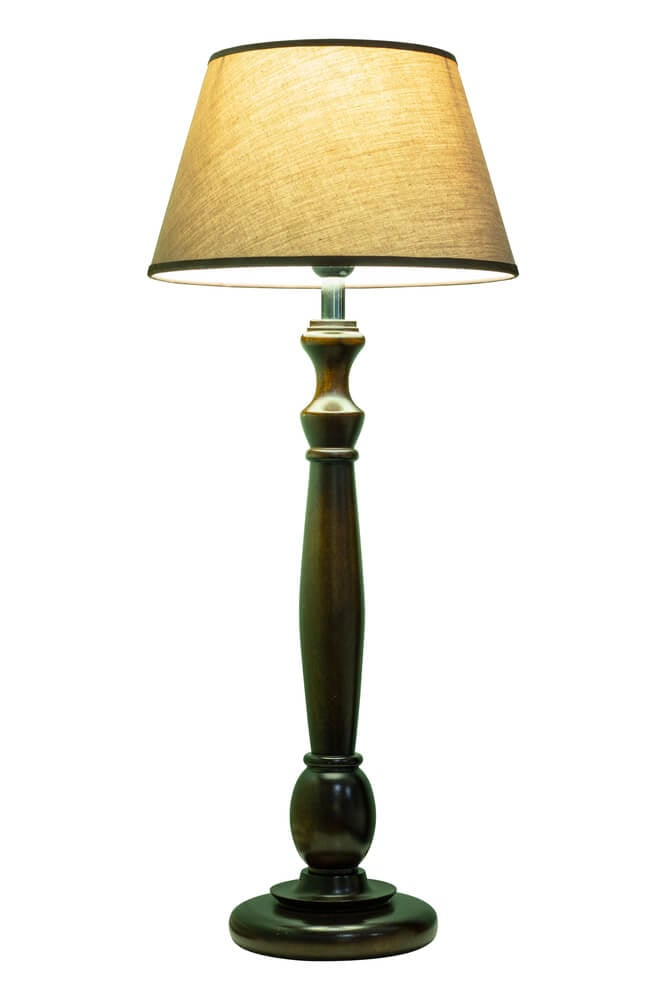
Halogen torchiere floor lamps, popular through the 1990s for their bright upward-facing light, ran hot enough to ignite curtains, bedding, or paper that came into contact with the exposed bulb, causing a documented wave of house fires. Manufacturers had used similar open-bulb designs for years without protective screening. Updated safety standards introduced in the late 1990s required protective wire guards over the bulb, and most lamps sold today use lower-heat bulbs designed specifically to meet the new fire risk threshold.
Portable Generators

Portable gasoline generators, widely used during power outages, produce carbon monoxide fast enough to cause fatal poisoning within minutes when run in enclosed or partially enclosed spaces, a risk that caused hundreds of deaths especially after major storms. Manufacturers for years relied on printed warning labels rather than design changes to address the risk. Newer safety standards require most portable generators to include automatic shutoff sensors that detect dangerous carbon monoxide buildup and stop the engine before levels become fatal.
Above-Ground Swimming Pool Ladders

Above-ground pool ladders traditionally remained attached and accessible at all times, making it easy for unsupervised young children to climb in without an adult present, a factor tied to a significant share of accidental drowning cases involving toddlers. Pool manufacturers offered removable ladders as an optional feature rather than a standard one for years. Updated safety codes in many states now require self-latching, removable, or barrier-equipped ladder access as a condition of sale for above-ground pools.
Infant Teething Necklaces

Amber and silicone teething necklaces, marketed as a natural way to soothe teething discomfort, were worn directly around an infant’s neck, creating both a strangulation risk and a choking hazard if beads broke loose. The products were sold for years with minimal regulatory scrutiny because they were marketed as jewelry rather than a medical device. The FDA issued a formal warning against teething jewelry in 2018, and several major retailers subsequently removed the products from shelves entirely rather than continue selling them under any redesign.
Space Heaters
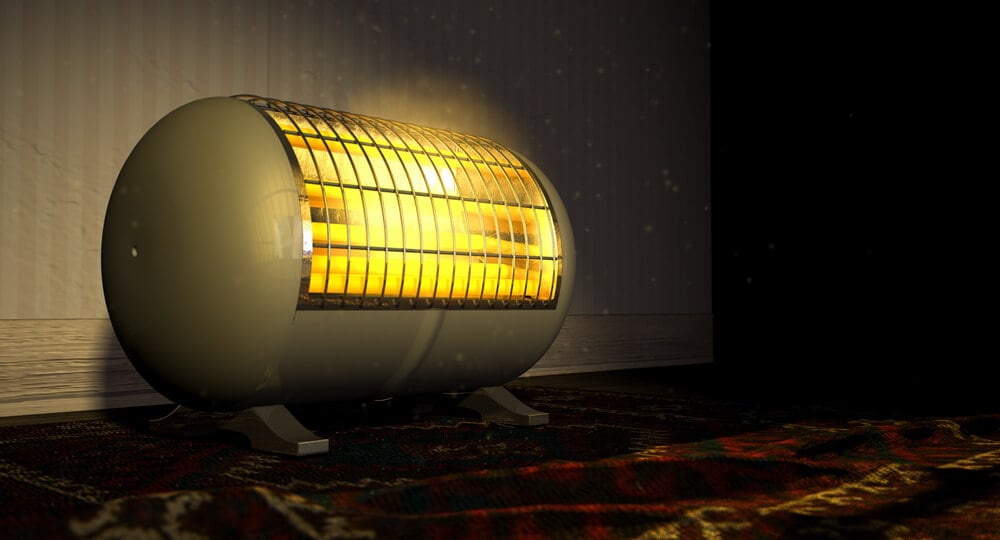
Older electric space heaters used exposed heating coils with minimal casing, a design responsible for a large share of house fires when the units were placed too close to furniture, bedding, or curtains. Manufacturers for decades treated placement warnings as sufficient protection against the risk. Modern space heaters are now required to include tip-over automatic shutoff switches and enclosed heating elements that stay cool enough to touch without causing burns.
Disposable Butane Lighters
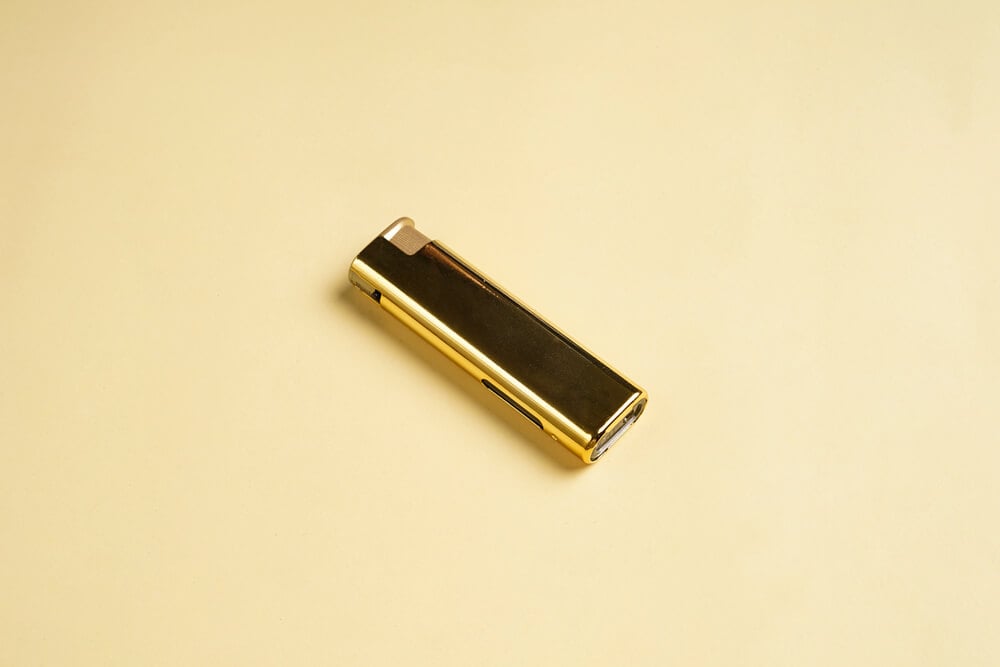
Early disposable lighters had no meaningful barrier preventing young children from operating them, a factor tied to thousands of child-started house fires documented by federal safety data through the 1980s. Lighter manufacturers argued that a redesign would be costly and inconvenient for adult users. The Consumer Product Safety Commission mandated child-resistant lighter mechanisms in 1994, a design requirement now standard across the entire disposable lighter industry.
Baby Bath Seats and Rings

Bath seats and rings designed to prop up infants in the tub were marketed as a convenience that freed up a caregiver’s hands, but the products were linked to numerous drowning deaths when infants slipped through leg openings or tipped the seat over unsupervised. Manufacturers included supervision warnings but made few structural changes for years. Revised voluntary safety standards eventually required tip-resistant bases and tighter leg openings, though pediatric safety groups continue to recommend against leaving any infant unattended in the products regardless of design.
Older Microwave Ovens
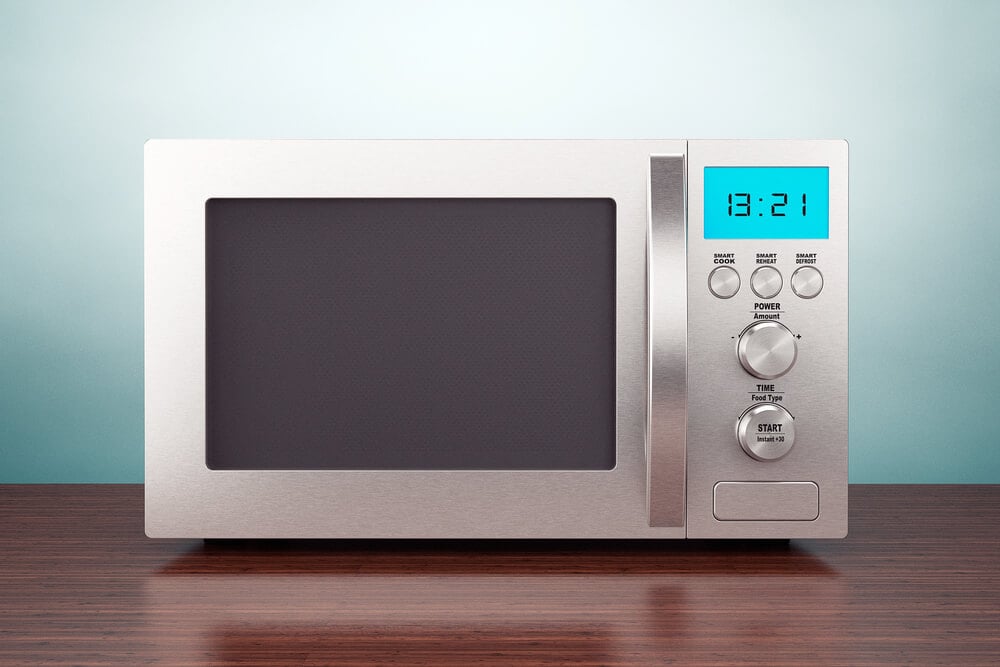
Early consumer microwave ovens sometimes leaked low levels of radiation through door seals that degraded with repeated use, a risk documented by federal testing beginning in the 1970s. Manufacturers had rushed early consumer models to market with door mechanisms borrowed from less rigorous commercial designs. Updated federal performance standards mandated stricter door seal and radiation leakage testing, requirements that brought consumer microwave safety in line with the far more cautious engineering already used in medical and industrial equipment.
Cotton Swabs Marketed for Ear Cleaning

Cotton swabs were marketed for decades with packaging that implied safe use for cleaning inside the ear canal, despite an established medical consensus that inserting anything into the canal risks eardrum perforation and pushes wax further inside rather than removing it. Manufacturers continued the ear-cleaning marketing angle because it drove a significant share of sales. Regulatory pressure in several countries, including a 2018 rule in the United Kingdom, has pushed manufacturers to add explicit warning labels advising against inserting swabs into the ear canal at all.
Redesigned by Necessity, Not Foresight

None of these products were engineered with the intention of causing harm, and in most cases, the original design solved a real problem reasonably well by the standards understood at the time. What changed was not intent but evidence: injury data, toxicology studies, and mounting recalls eventually made the original version indefensible to keep selling.
The lag between a safer design existing and that design becoming mandatory is where most of the damage in these stories actually happened. Voluntary redesign came late or not at all in nearly every case here, and it was regulation, not market pressure, that ultimately closed the gap.
More from Go2Tutors!

- The Romanov Crown Jewels and Their Tragic Fate
- 13 Historical Mysteries That Science Still Can’t Solve
- Famous Hoaxes That Fooled the World for Years
- 15 Child Stars with Tragic Adult Lives
- 16 Famous Jewelry Pieces in History
Like Go2Tutors’s content? Follow us on MSN.



