Heaviest Costumes in Film, Stage, and History
Some actors complain about wearing uncomfortable shoes or tight corsets for a few hours on set. Then there are the performers who basically wore an entire car’s weight in fabric, metal, and props just to bring a character to life.
These costumes pushed human endurance to wild limits, turning every scene into a physical workout that would make a gym session look easy. From ancient warriors dragging around actual armor to modern movie stars sweating under foam and latex, the commitment is real.
Let’s look at some of the most ridiculously heavy outfits ever worn.
C-3PO in Star Wars

Anthony Daniels spent decades inside a golden prison that weighed about 40 pounds. The original C-3PO suit from 1977 was made from fiberglass and metal, and it didn’t bend in the ways a human body naturally moves.
Daniels couldn’t sit down in most of the costume, so he had to lean against special boards between takes. The suit also had zero ventilation, turning every desert scene on Tatooine into a personal sauna that left him drenched and exhausted.
The Cowardly Lion costume

Bert Lahr wore a 90-pound lion suit made from real lion skin and fur in The Wizard of Oz. The costume took makeup artists hours to put on each morning, and Lahr could only consume liquid meals through a straw because he couldn’t really open his mouth properly.
The summer heat at MGM studios made things worse, and the heavy costume regularly pushed his body temperature to dangerous levels. He lost significant weight during filming just from sweating so much every single day.
Darth Vader’s armor

David Prowse stood inside roughly 50 pounds of black armor, helmet, and cape throughout the original Star Wars trilogy. The helmet limited his vision to tiny eye slits, and the whole getup made breathing normally almost impossible, which actually helped sell the character’s mechanical breathing sound.
Prowse had to navigate complex fight scenes and walk through narrow spaceship corridors while essentially wearing a wearable oven. The suit’s weight distribution was so awkward that it threw off his natural balance and made simple movements feel like obstacle courses.
Medieval jousting armor
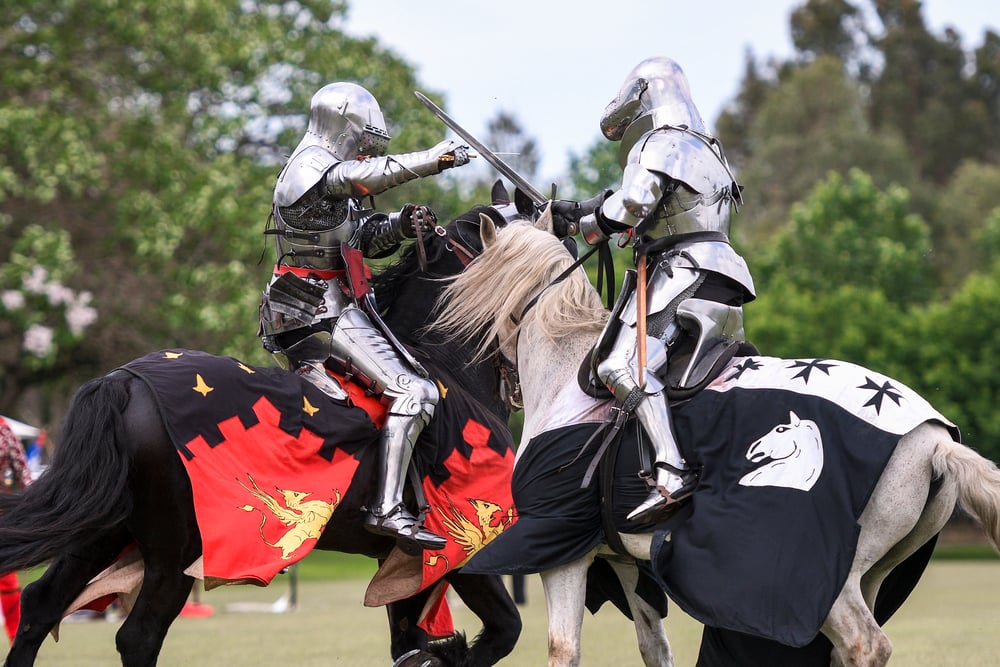
Knights competing in tournaments wore full plate armor that could weigh between 80 and 110 pounds. These metal suits covered every inch of the body and required help from multiple people just to put on correctly.
A knight couldn’t even mount his horse without assistance, and once he fell off during a joust, getting back up alone was nearly impossible. The armor turned grown men into slow-moving tanks who overheated quickly and tired out faster than you’d think.
The Predator suit
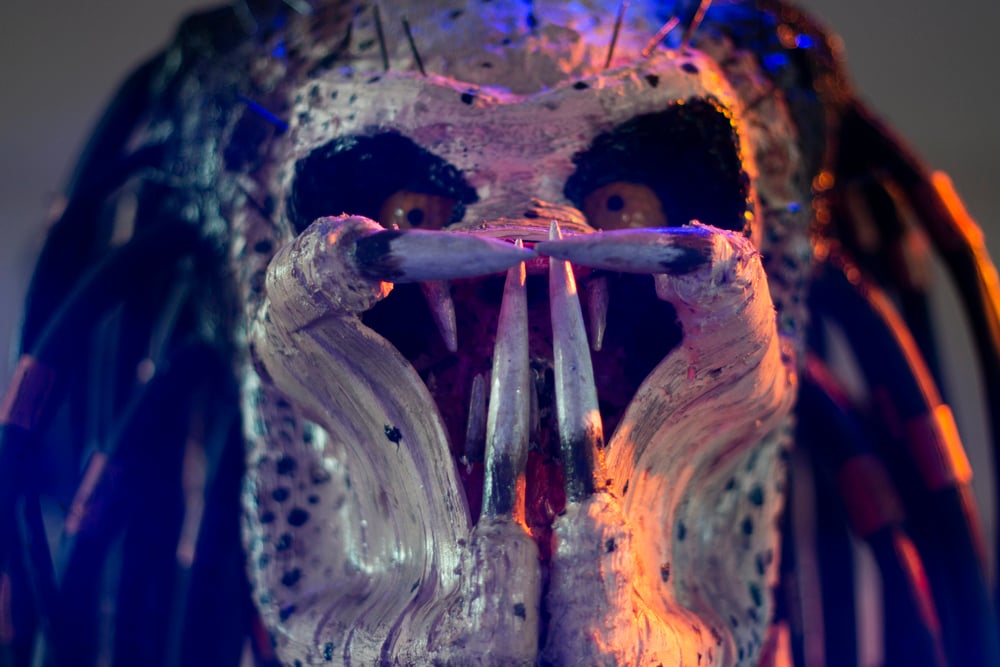
Kevin Peter Hall wore a 200-pound costume while filming Predator in the Mexican jungle during extreme heat. The suit included the creature’s body, mechanical head, and all the tubing for special effects, plus Hall wore stilts to make the alien appear even taller.
Temperatures inside the costume regularly hit over 100 degrees, and Hall could only stay in it for short periods before needing medical attention. The jungle humidity made the situation worse, and the weight of everything made the already difficult terrain nearly impossible to navigate.
Queen Elizabeth I’s court dresses
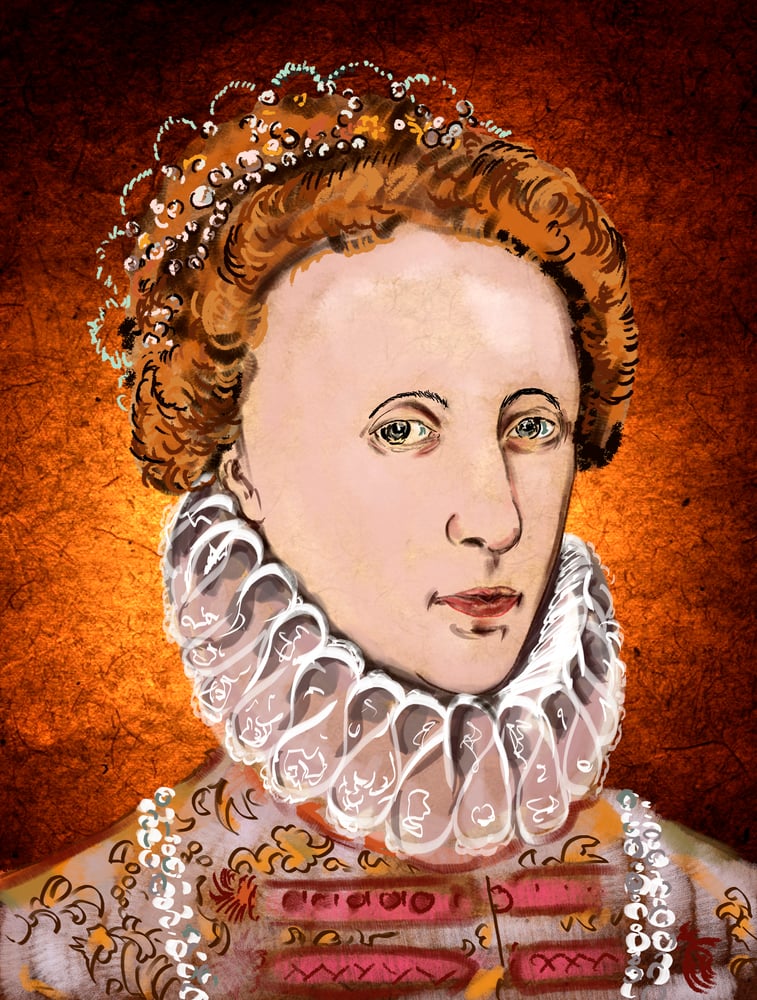
The Virgin Queen wore gowns that weighed up to 75 pounds thanks to layers of velvet, gold thread, jewels, and structured undergarments. These dresses required teams of ladies-in-waiting to help her dress, and once she was in one, moving around freely became a joke.
The weight sat mostly on her shoulders and waist, causing real physical pain after hours of standing during court ceremonies. Elizabeth reportedly changed outfits multiple times per day, and each change took at least an hour of work from her attendants.
The Tin Man suit
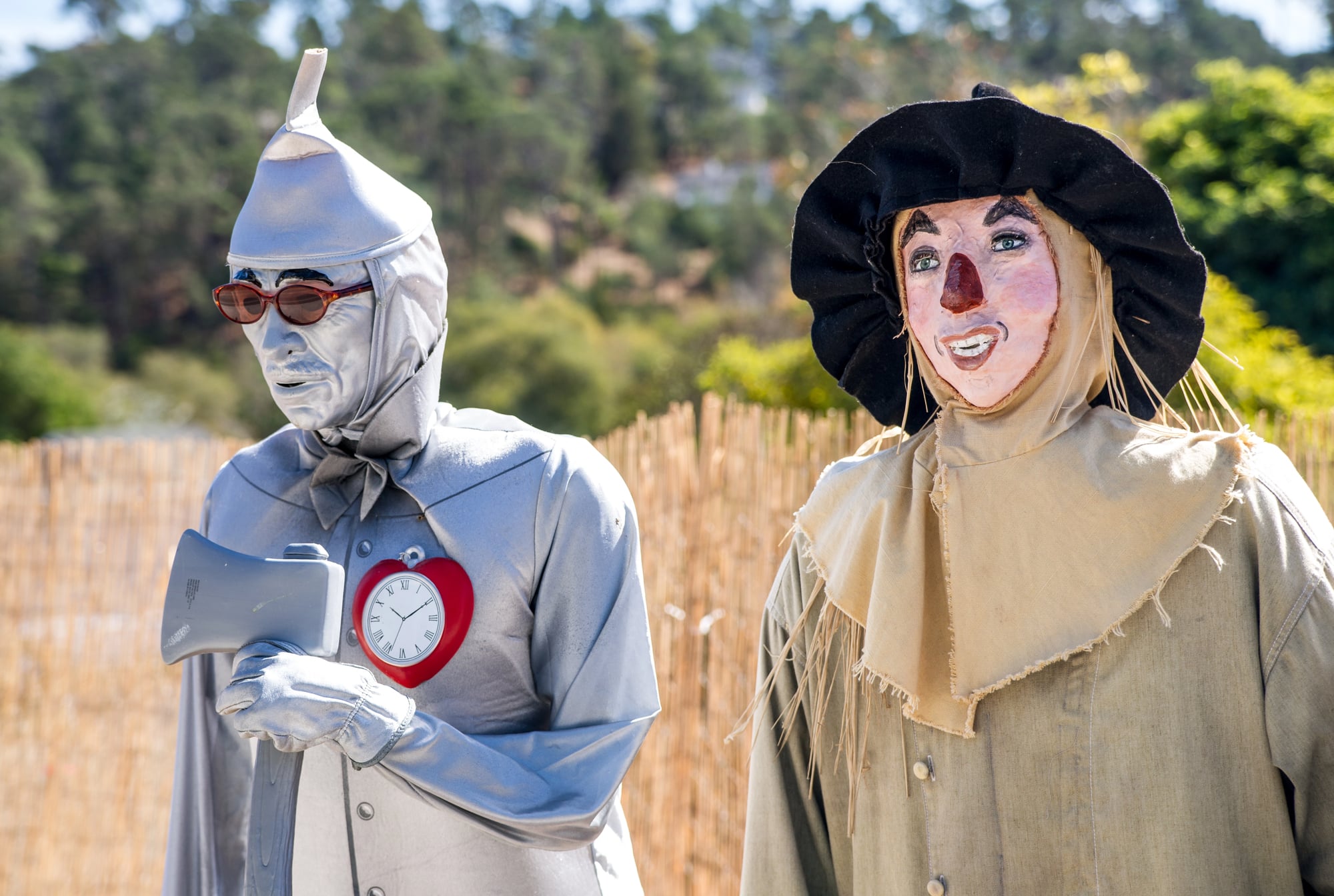
Jack Haley replaced Buddy Ebsen in The Wizard of Oz and wore a 90-pound costume made of buckram cloth covered in aluminum paste. The suit was so rigid that Haley couldn’t sit down during lunch breaks and had to eat standing up or leaning against a board.
His face makeup alone took two hours to apply each morning, and removing it at night damaged his skin so badly that he needed special treatments. The costume’s inflexibility meant that simple scenes required multiple takes because Haley just couldn’t move the way the script demanded.
Japanese samurai armor

Traditional samurai armor called yoroi weighed between 40 and 65 pounds and consisted of small iron plates laced together with leather and silk cords. Warriors wore this gear during battles that could last hours or even days, all while swinging heavy swords and running across rough terrain.
The armor offered great protection but also trapped heat and limited movement in ways that made fighting exhausting work. Samurai trained for years just to build up the strength and endurance needed to fight effectively while wearing all that weight.
The costume from The Elephant Man
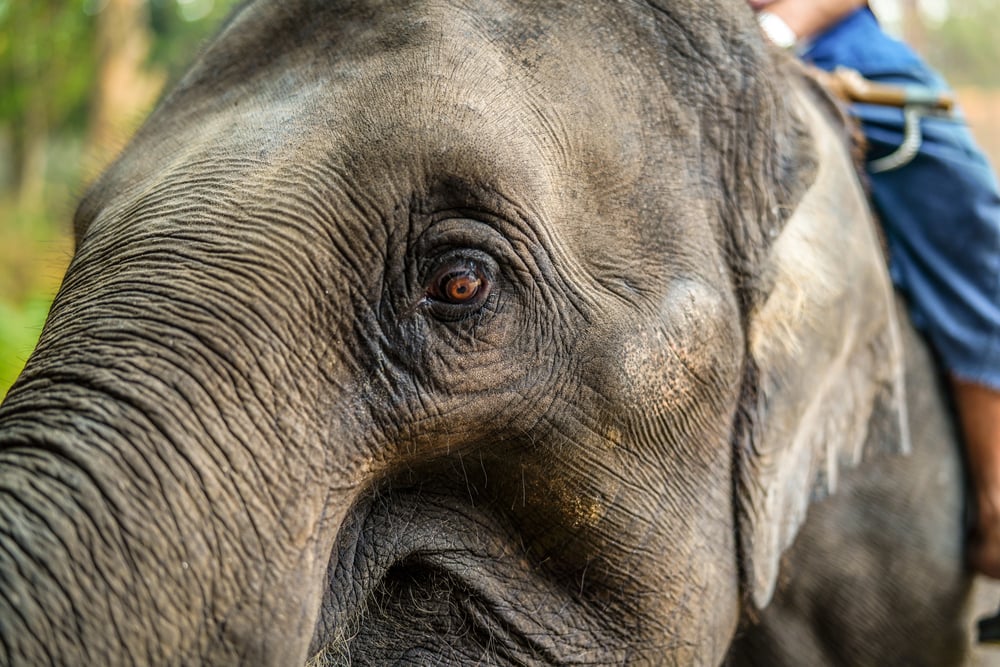
John Hurt spent hours in makeup and prosthetics that added significant weight to his head and body for the 1980 film. The facial prosthetics alone were so heavy that they gave him constant headaches and neck pain throughout filming.
Hurt had to keep his head tilted at uncomfortable angles to match the real Joseph Merrick’s condition, and the added weight made this position even more painful to hold. He could barely see through the makeup, and drinking or eating required careful assistance from the crew between takes.
Broadway’s Lion King Mufasa costume
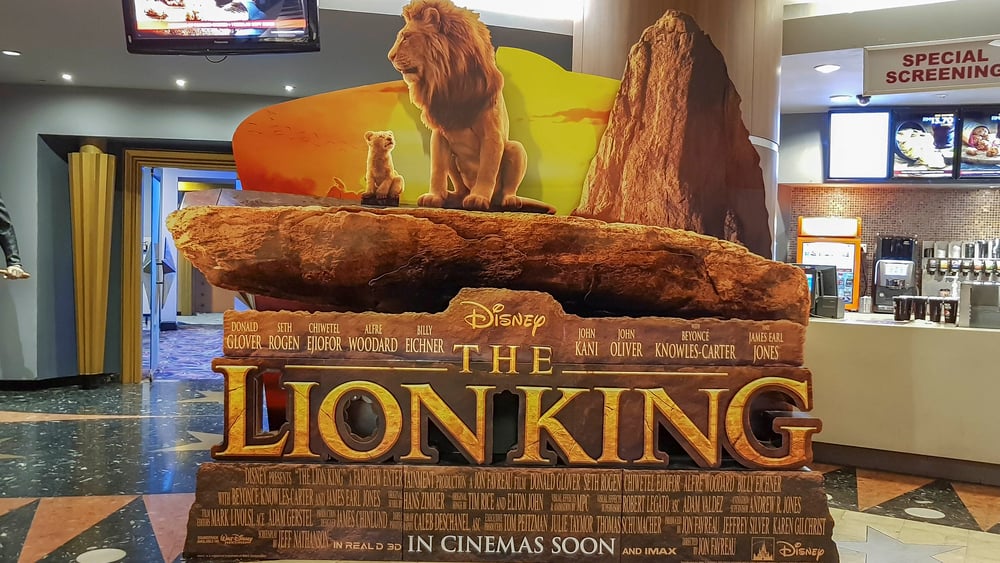
The actor playing Mufasa wears a costume and puppet head that together weigh around 45 pounds during eight shows per week. The puppet head sits on top of the actor’s own head, and they have to control it using rods and movements while also delivering their performance.
The costume restricts vision and hearing, and the actor has to remember complex choreography while balancing all that weight. Performing under hot stage lights for over two hours makes the experience even more demanding on the body.
Henry VIII’s armor
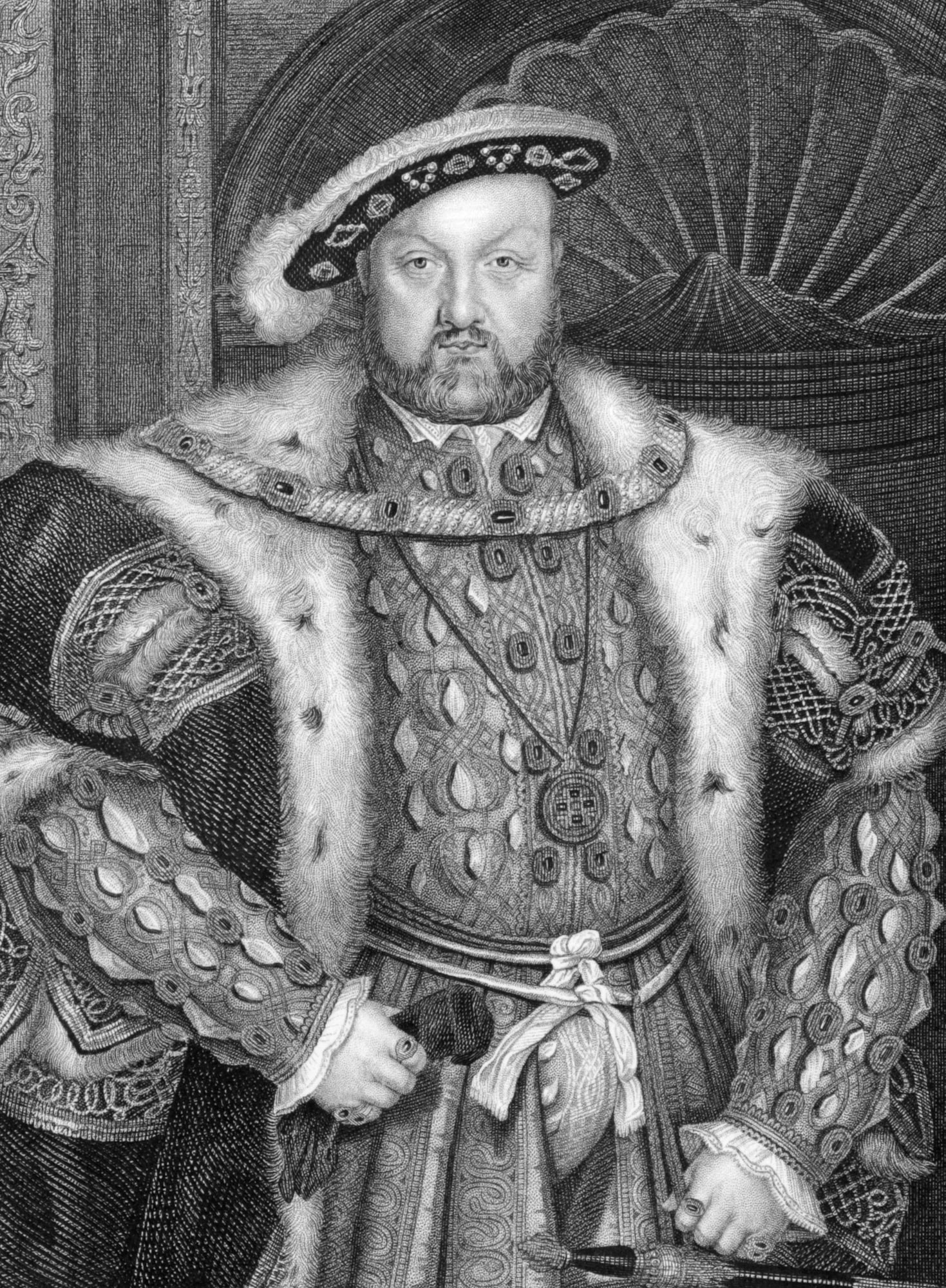
King Henry VIII owned multiple suits of armor, and his later suits weighed over 100 pounds as his body size increased with age. One surviving suit from 1540 shows just how large he had become, and moving in it would have been incredibly difficult even for a healthy man.
The armor had to be custom-fitted to his expanding waistline, and putting it on required several attendants and took considerable time. Henry likely never wore his heaviest suits into actual battle, but even wearing them for ceremonies and portraits was exhausting work.
Godzilla suits from the early films
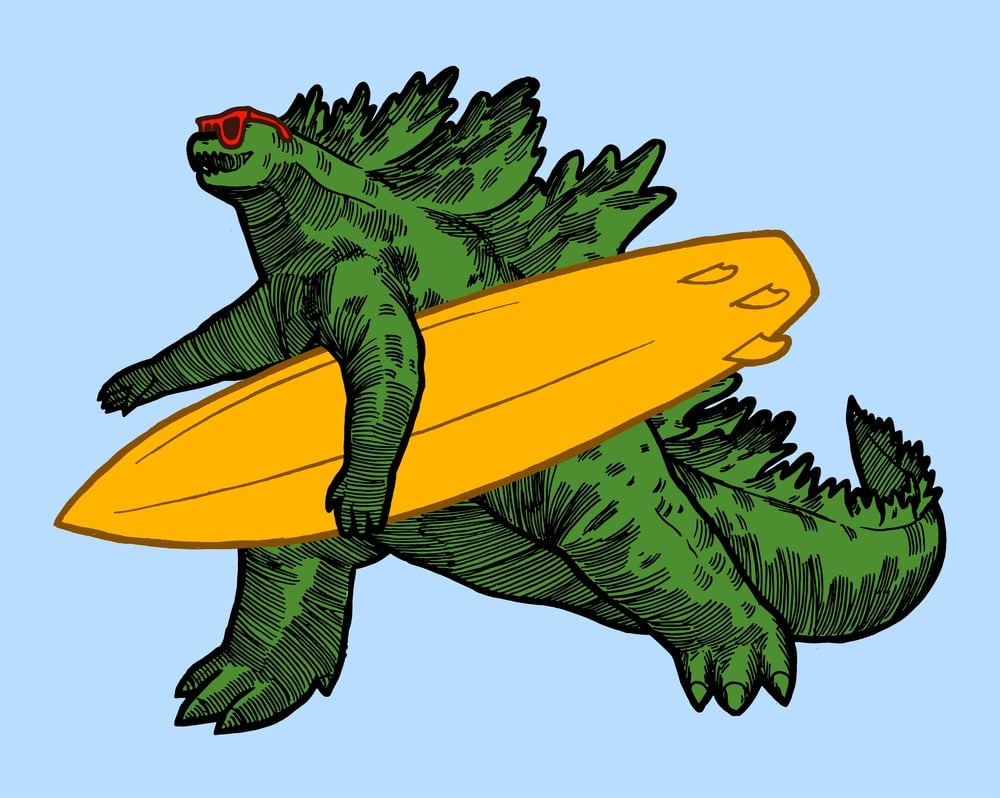
Haruo Nakajima and other actors wore Godzilla suits that weighed between 150 and 220 pounds in the original Japanese films. The suits were made of heavy latex and metal, and the actors could only see through the creature’s neck area using a small monitor.
Temperatures inside reached over 120 degrees, and actors could only perform for a few minutes before needing breaks to avoid passing out. Nakajima lost huge amounts of water weight during filming days and had to drink constantly to avoid serious health problems.
Roman gladiator armor
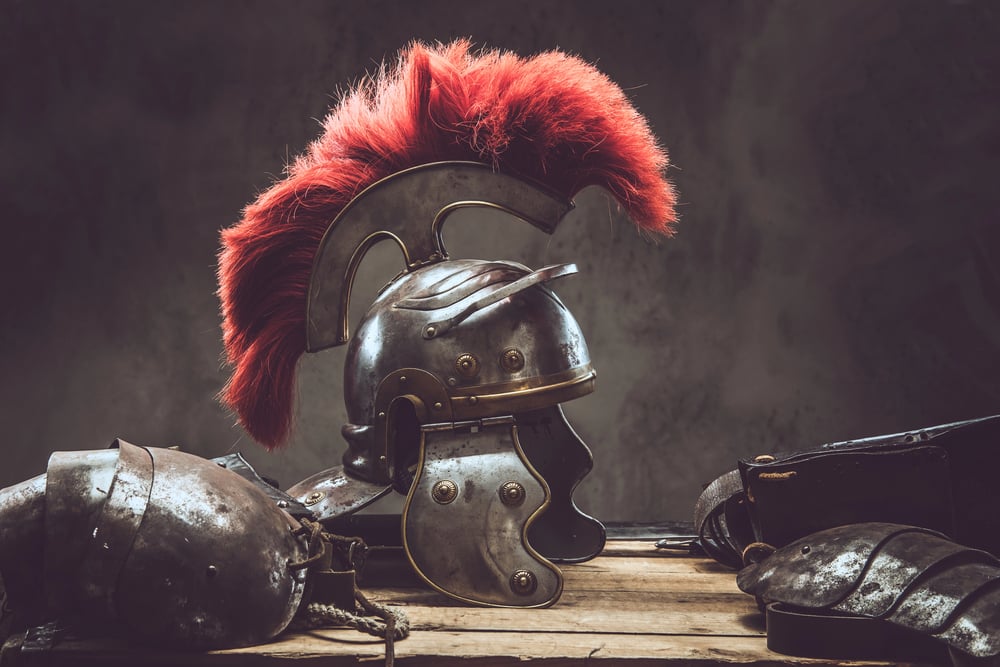
Gladiators wore different types of armor depending on their fighting class, but some carried over 40 pounds of metal protection. The murmillo class wore a large helmet, arm guard, leg guard, and carried a heavy shield, all while fighting in the hot Mediterranean sun.
Gladiators trained for months to build the strength needed to fight effectively under all this weight. The armor protected them but also slowed them down, and matches often became tests of endurance as much as skill.
King Kong costume tests from the 1970s
Early screen tests for the 1976 King Kong remake involved an actor wearing a 180-pound ape suit before they switched to mostly using a mechanical version. The costume was so heavy that the actor could barely walk in it, let alone perform the athletic movements the script required.
The suit’s weight distribution put enormous strain on the performer’s back and legs, and wearing it for more than a few minutes caused real pain. This costume eventually convinced the filmmakers that they needed a different approach for most of the movie’s scenes.
Victorian era crinolines and bustles
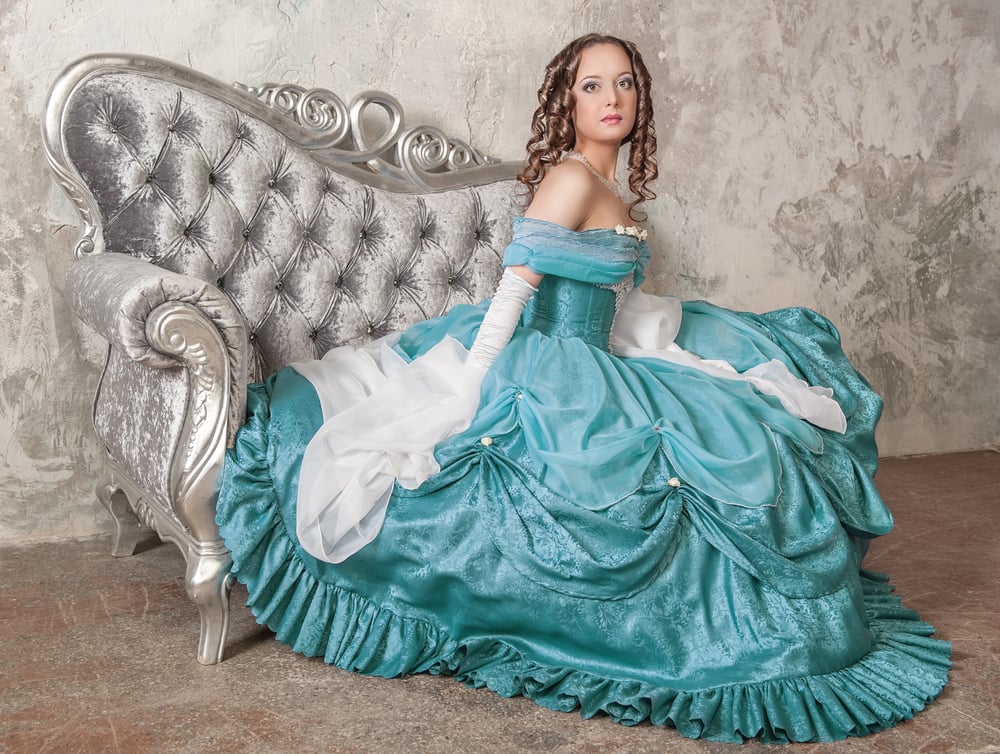
Back pain crept in fast under those skirts. From the 1850s to the 1880s, women carried up to forty pounds on their hips – cage crinolines and bustles dragging down from the waist.
Though the frame alone weighed ten to twenty, layers beneath added bulk: stiff petticoats, thick cloth draped all around. Sitting became awkward, doors turned into obstacles, carriage rides demanded assistance.
Day after day, twelve to sixteen hours strapped inside such gear, bodies ached beyond what most physicians noticed then. Movement strained, posture bent, energy drained before evening came.
The Bear Suit From The Revenant

A bright blue suit, packed with extra cushioning, covered the stunt crew when filming the bear moment – most of the animal would be drawn by machines afterward. Each person carried about forty pounds of padding plus safety layers, forced to twist and lunge like a real beast striking fast.
Out in Canada’s chill, the bulky outfit turned sluggish, heatless, hard to survive inside while acting out violent lunges again and again. Takes piled up across frozen mornings, every round demanding explosive bursts through frosty air.
All that strain – the load on the body, freezing skin, sharp motion – pulled them close to breaking during one of the movie’s fiercest stretches.
When fashion meets endurance

A weighty outfit can tell stories older than the script it belongs to. Though today’s films use breathable fabrics and airflow tricks, many performers still sit through long hours stuffed into rigid shells.
A single complaint about stiff shoes might pause if one imagines carrying another human on your spine during every scene. Back then, appearing right meant bearing down – bones creaking under duty’s load.
What looks flawless on screen often began with sore shoulders and shallow breath.
More from Go2Tutors!

- The Romanov Crown Jewels and Their Tragic Fate
- 13 Historical Mysteries That Science Still Can’t Solve
- Famous Hoaxes That Fooled the World for Years
- 15 Child Stars with Tragic Adult Lives
- 16 Famous Jewelry Pieces in History
Like Go2Tutors’s content? Follow us on MSN.