25 Labor Strikes That Changed American Life
American labor history is really a history of walkouts. Wages, hours, safety, and the basic right to organize were rarely handed down from above; they were fought for, one strike at a time, often at real personal cost to the workers involved.
These are the disputes that reshaped how the country works, sometimes through victory and sometimes through defeat that still influenced what came after.
The Great Railroad Strike of 1877
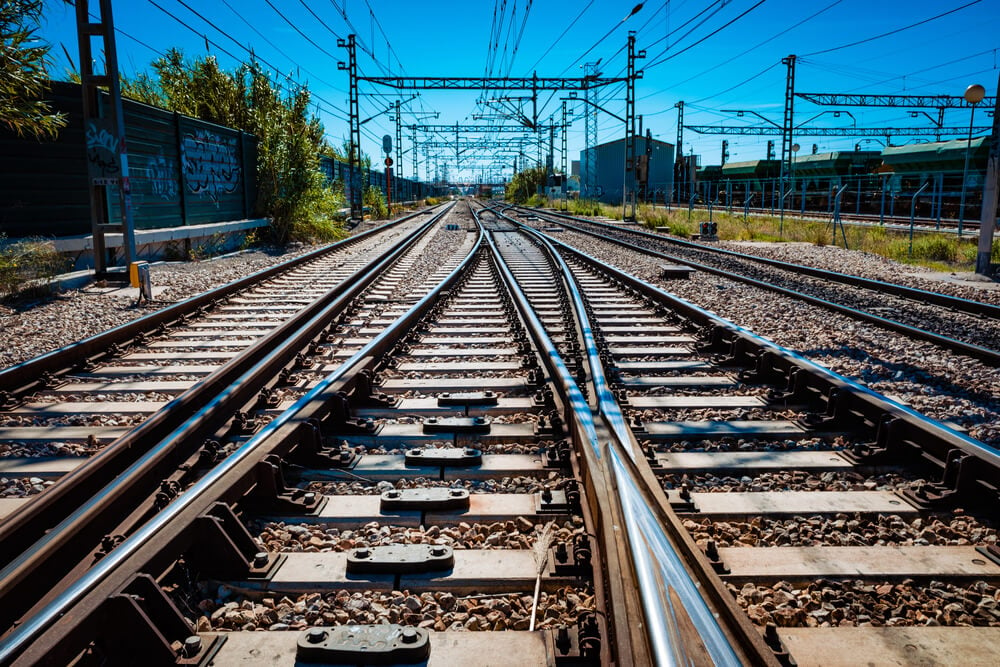
Wage cuts across multiple rail lines during an economic downturn sparked a wave of walkouts that spread from West Virginia to cities across the country, involving well over one hundred thousand workers before it was suppressed. Federal troops were deployed in several cities to break up the unrest, and dozens of people died in the resulting clashes.
The strike is widely considered the first major nationwide labor uprising in American history and exposed how unprepared the country was to handle organized worker unrest on that scale.
The Haymarket Affair of 1886
A rally in Chicago supporting an eight-hour workday turned violent when a bomb was thrown at police attempting to disperse the crowd, killing several officers and leading to a chaotic response that killed and injured both police and civilians. The trial and execution of several labor organizers afterward, based on thin evidence, became a rallying point for the labor movement for decades.
The event is often cited as the origin of International Workers’ Day, observed in many countries on May 1.
The Homestead Strike of 1892

Steelworkers at Andrew Carnegie’s Homestead, Pennsylvania plant struck after management moved to cut wages and break the union, leading to an armed standoff with private security guards that left several people dead on both sides. State militia eventually restored the plant to operation without the union.
The strike’s defeat set back steel industry unionization for decades and became a defining symbol of the era’s often violent labor conflicts.
The Pullman Strike of 1894
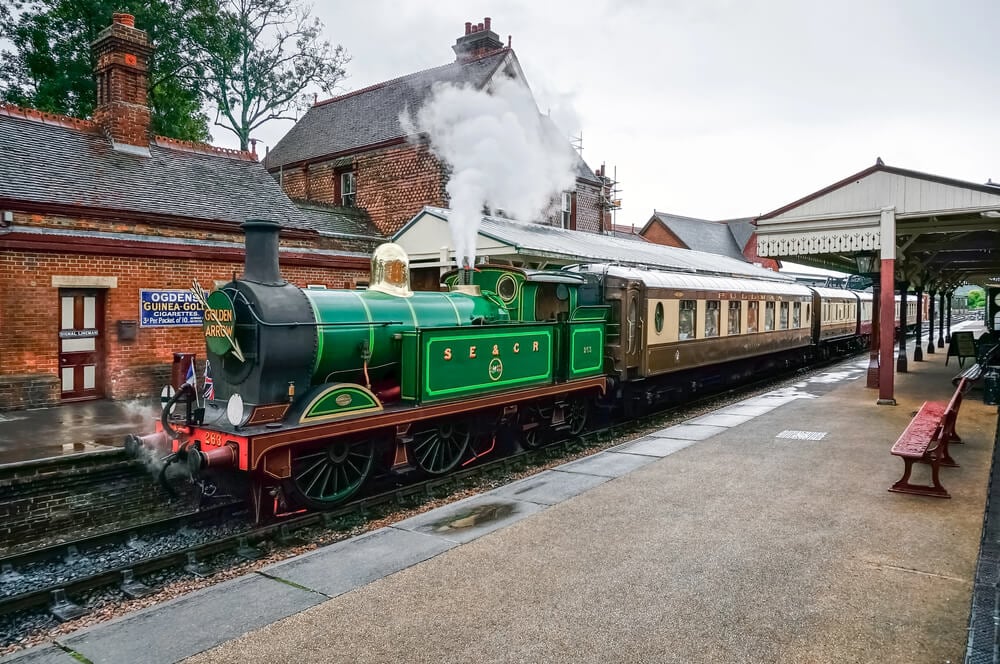
Workers at the Pullman Palace Car Company walked out after wage cuts were not matched by reductions in the rent charged for company-owned housing, and the American Railway Union soon organized a nationwide boycott of trains carrying Pullman cars. Federal troops were deployed to break the strike after it disrupted rail traffic across much of the country, and the strike’s leader, Eugene Debs, was jailed.
The dispute led directly to the creation of Labor Day as a federal holiday, signed into law shortly after the strike ended.
The Anthracite Coal Strike of 1902

Roughly one hundred and fifty thousand coal miners in eastern Pennsylvania struck for higher pay and shorter working days, threatening a coal shortage just as winter approached. President Theodore Roosevelt intervened directly, an unusual move for the federal government at the time, and helped broker a settlement that raised wages and shortened hours without fully recognizing the union.
It marked one of the first times a U.S. president actively mediated a labor dispute rather than simply sending troops to suppress it.
The Lawrence Textile Strike of 1912
Known afterward as the Bread and Roses strike, immigrant textile workers in Lawrence, Massachusetts walked out after a pay cut tied to a new state law limiting working hours, uniting workers across many different nationalities and languages. Public hearings exposed harsh conditions in the mills and shifted public sympathy toward the strikers.
The strike succeeded in winning wage increases and demonstrated the growing organizing power of immigrant and female textile workers.
The Ludlow Massacre of 1914
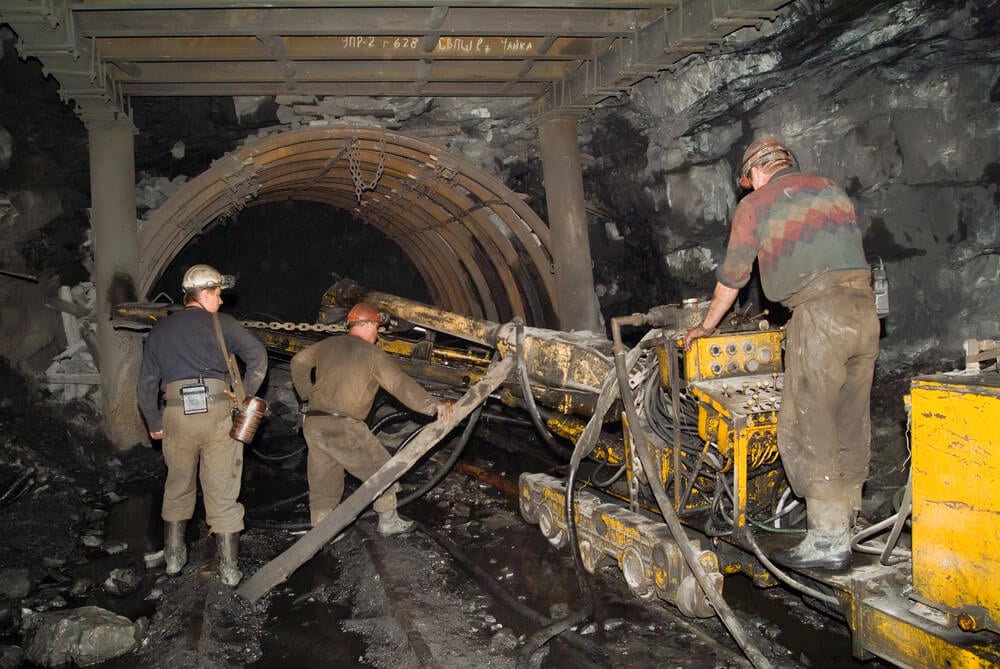
Striking coal miners in Colorado, evicted from company housing, had been living in tent colonies when the state militia and company guards attacked one of the camps, killing a number of men, women, and children. The event triggered several more days of armed conflict across the region before federal troops restored order.
Public outrage over the killings pushed forward broader conversations about labor rights and corporate responsibility for worker welfare.
The Seattle General Strike of 1919
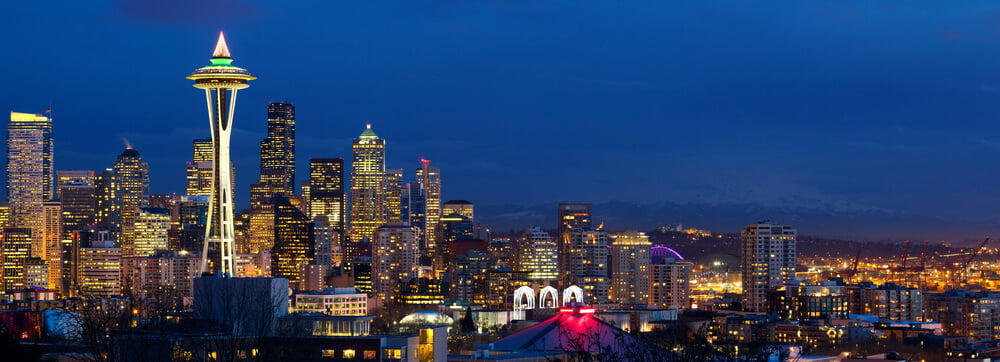
More than sixty thousand workers across nearly every industry in Seattle walked out in a coordinated sympathy strike supporting shipyard workers, effectively shutting down the city for several days. Local authorities and national media portrayed the strike as a radical threat, and it collapsed within a week without achieving its central demands.
It remains one of the only true general strikes in American history.
The Boston Police Strike of 1919
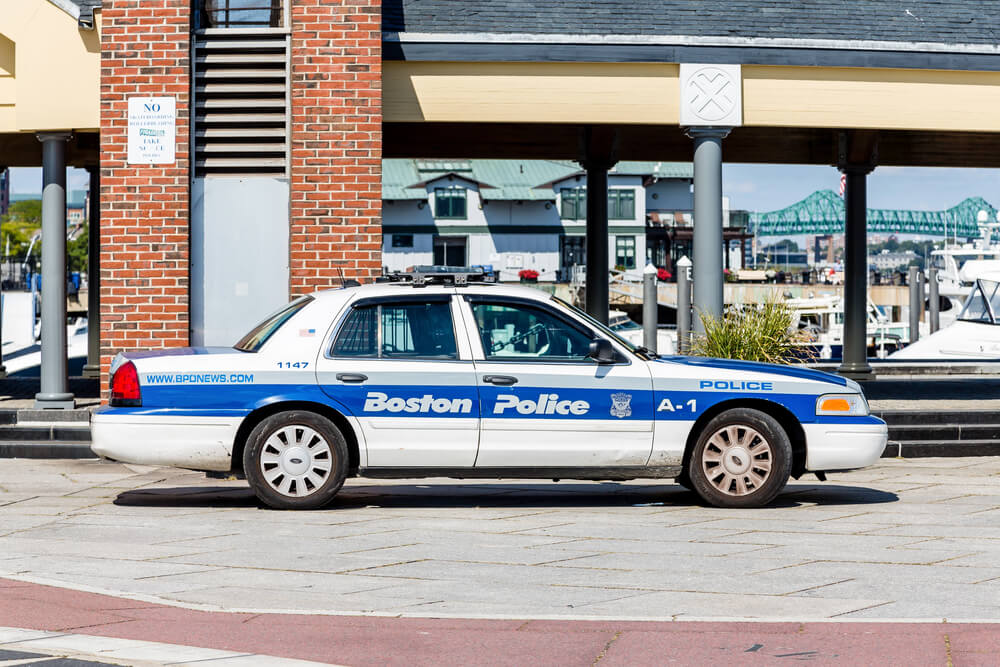
Boston police officers, denied the right to unionize and facing low pay, walked off the job, leading to a night of disorder in the city before state guard troops restored control. Massachusetts Governor Calvin Coolidge’s firm response to the strike, including refusing to reinstate the striking officers, gained him national attention and helped propel his later political career.
The strike’s failure discouraged public-sector unionization efforts for years afterward.
The Steel Strike of 1919
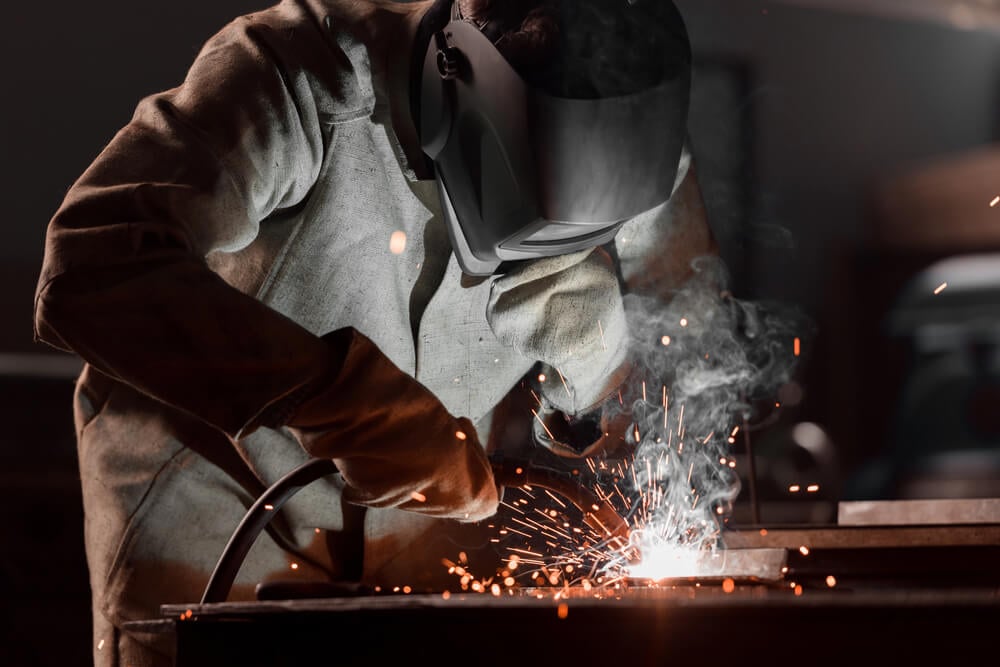
Roughly 350,000 steelworkers across the Midwest walked out demanding shorter hours, better pay, and union recognition in an industry that had aggressively resisted organizing. The strike ultimately collapsed amid internal division and strikebreaking efforts by companies, with workers returning without securing their central demands.
Its failure delayed meaningful steel industry unionization until the following decade.
The Railroad Shop Workers Strike of 1922
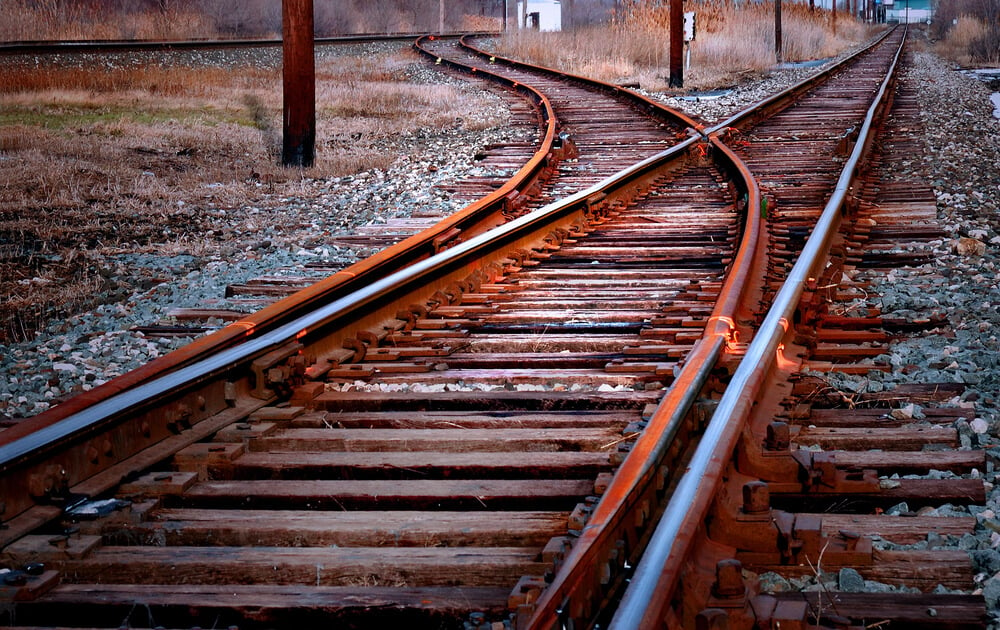
Roughly 400,000 railway shop workers struck nationwide over wage cuts ordered by a federal labor board, leading to significant disruption of rail service and, in some regions, violent confrontations between strikers and replacement workers. A sweeping federal injunction against the strike, one of the broadest issued up to that point, effectively forced an end to the walkout.
The dispute highlighted the government’s willingness to use the courts against organized labor during the period.
The San Francisco General Strike of 1934
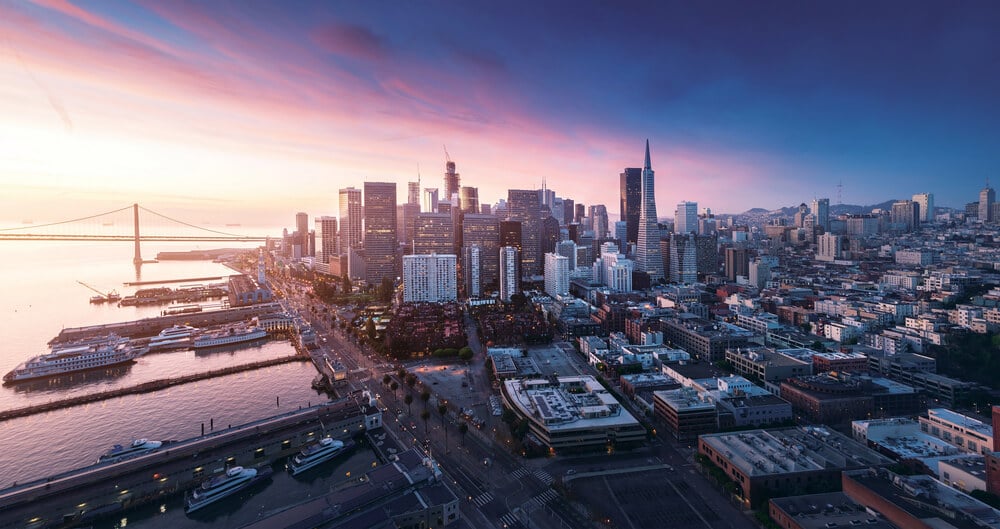
A dockworkers’ strike escalated into a citywide general strike after police killed two strikers during a violent confrontation on what became known as Bloody Thursday. Roughly 150,000 workers across the city walked out in solidarity, shutting down much of San Francisco for several days.
The strike ultimately strengthened the International Longshore and Warehouse Union and became a landmark moment for West Coast labor organizing.
The Textile Workers Strike of 1934
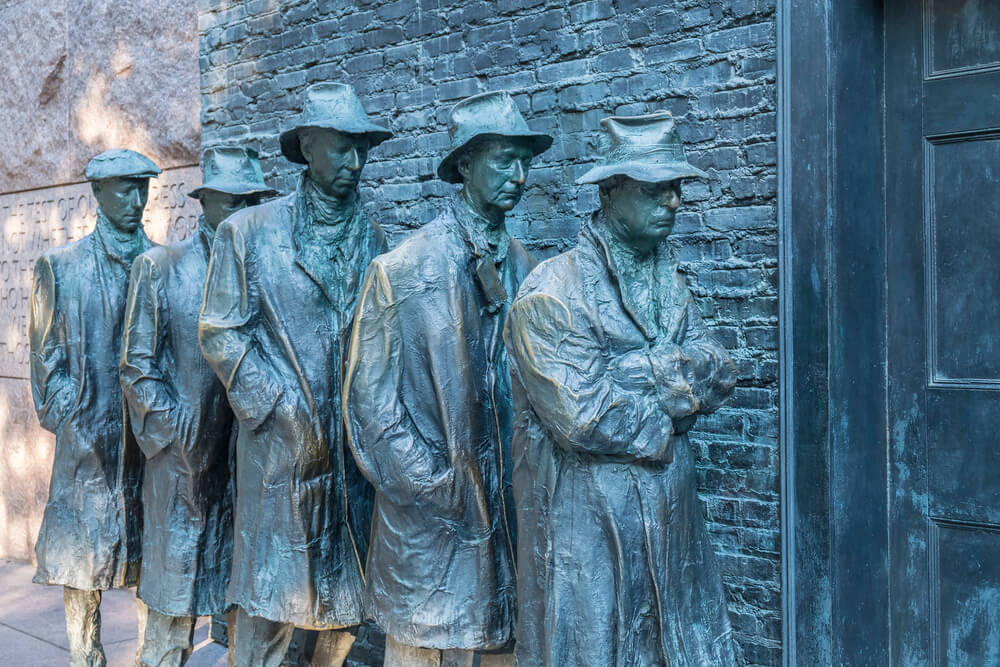
Around 400,000 textile workers across the East Coast and South walked out in what was, at the time, one of the largest strikes in American history, protesting wage cuts and demanding shorter hours during the Great Depression. National Guard troops were deployed in several states, and violent confrontations resulted in a number of deaths.
The strike ultimately failed to achieve most of its demands, and many participating workers were blacklisted from returning to their jobs.
The Flint Sit-Down Strike of 1936-1937
Autoworkers in Flint, Michigan pioneered the sit-down strike tactic, occupying General Motors plants rather than walking out, which prevented the company from simply bringing in replacement workers. Michigan’s governor refused to forcibly remove the strikers, and after over a month of occupation, GM agreed to recognize the United Auto Workers union.
The victory is widely credited with establishing the UAW as a major force and legitimizing sit-down tactics, though courts later ruled the tactic itself illegal.
The Postwar Strike Wave of 1945-1946
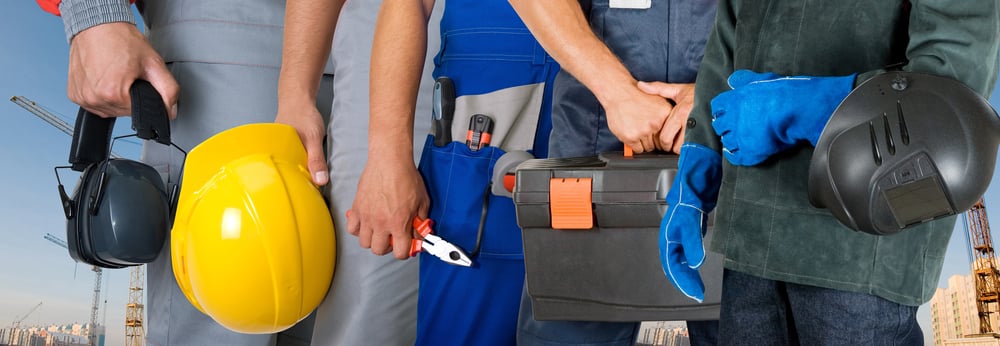
In the months following the end of World War II, a massive wave of strikes swept the country as wartime wage controls lifted and workers pushed to recover ground lost to inflation, involving major walkouts among auto, steel, coal, and electrical workers. Millions of workers participated across these separate but overlapping disputes, making it one of the largest strike periods in American history by total participation.
The wave ultimately contributed to the passage of the Taft-Hartley Act in 1947, which placed new restrictions on union activity.
The United Mine Workers Strike of 1946
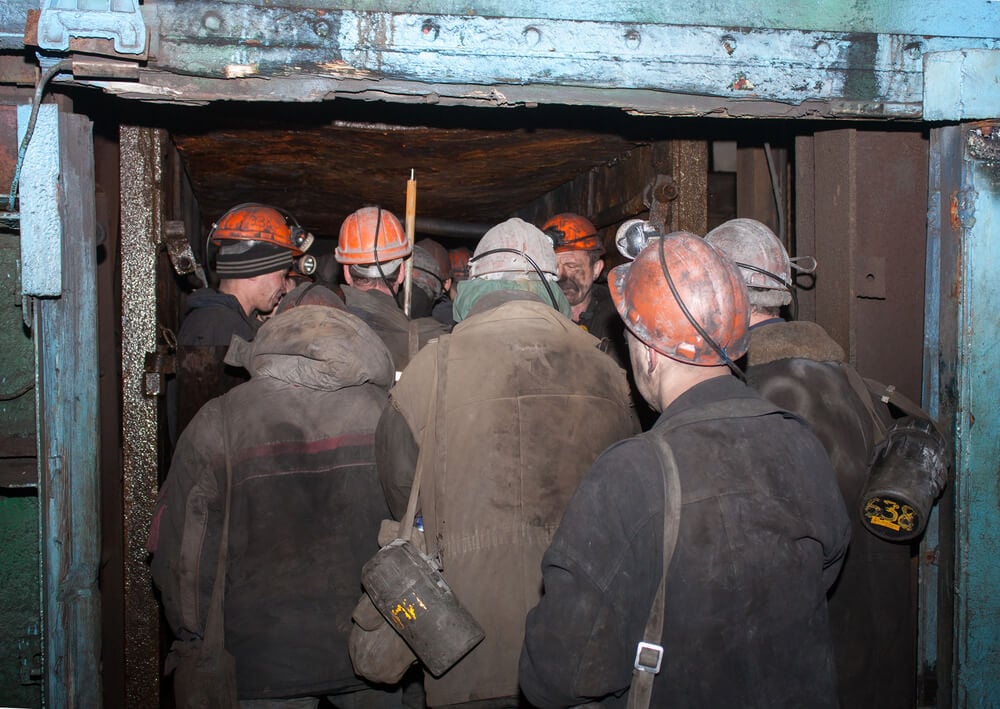
Coal miners under John L. Lewis struck over pay, benefits, and safety conditions, prompting the federal government to briefly seize control of the coal mines to keep production running during the dispute. The resulting settlement established a landmark health and retirement fund for miners, funded through a royalty on coal production.
It remains one of the most significant victories for benefits-based bargaining in American labor history.
The Delano Grape Strike and Boycott of 1965-1970

Filipino and Mexican American farmworkers, organized in part by Cesar Chavez and Larry Itliong, struck against California grape growers over wages and working conditions, later expanding into a nationwide consumer boycott of table grapes. The five-year campaign relied heavily on nonviolent tactics and public sympathy rather than economic disruption alone.
The strike led to the first union contracts for farmworkers in California history and the eventual formation of the United Farm Workers.
The Memphis Sanitation Strike of 1968
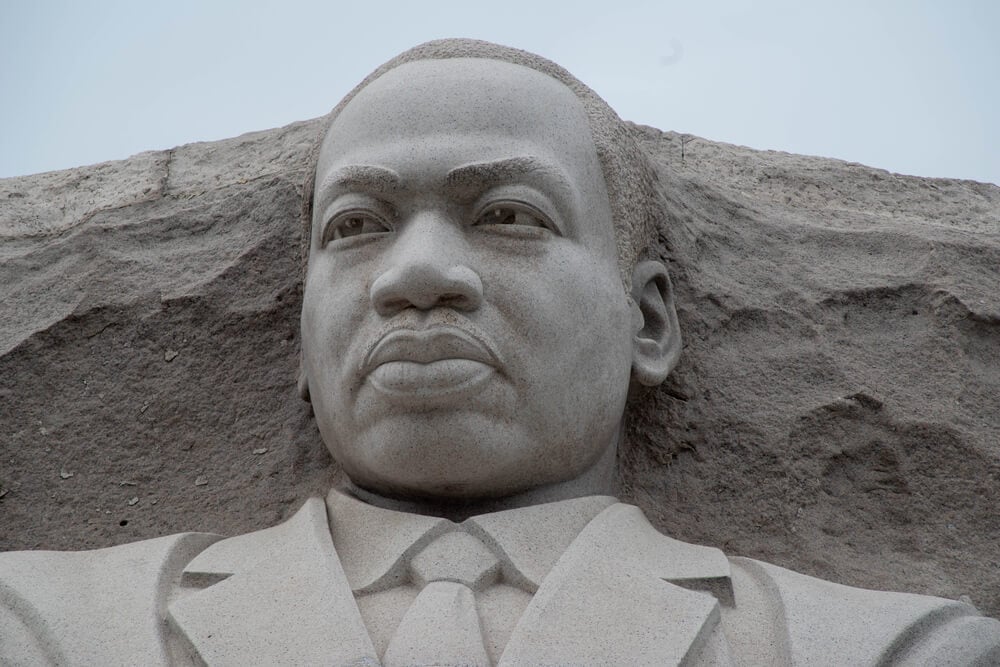
Following the deaths of two sanitation workers crushed by faulty equipment, roughly 1,300 Black sanitation workers in Memphis struck for union recognition, better pay, and safer conditions, carrying signs reading simply “I Am a Man.” Martin Luther King Jr. traveled to Memphis in support of the strike and was killed there before it concluded.
The strike ended with the city agreeing to recognize the union shortly after King’s death, cementing the dispute’s place in both labor and civil rights history.
The U.S. Postal Strike of 1970
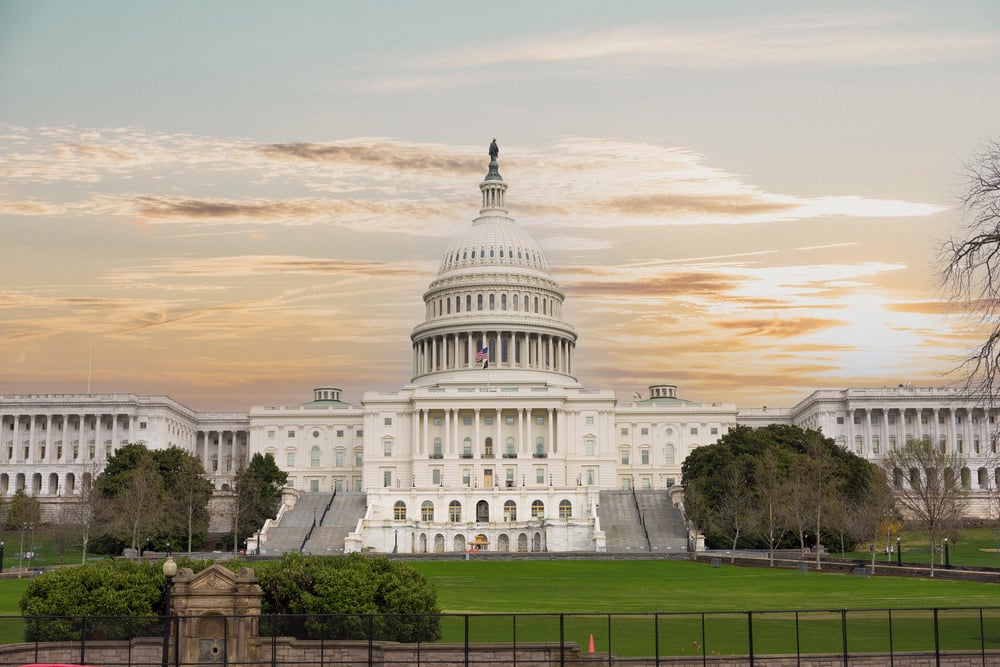
Postal workers across the country staged a wildcat strike, meaning it was not officially sanctioned by union leadership, protesting low pay that left many eligible for public assistance despite full-time federal employment. It remains the largest strike against the U.S. federal government in the nation’s history.
The dispute led directly to postal service reforms and pay increases, and helped establish the modern structure of the U.S. Postal Service as an independent agency.
The PATCO Air Traffic Controllers Strike of 1981
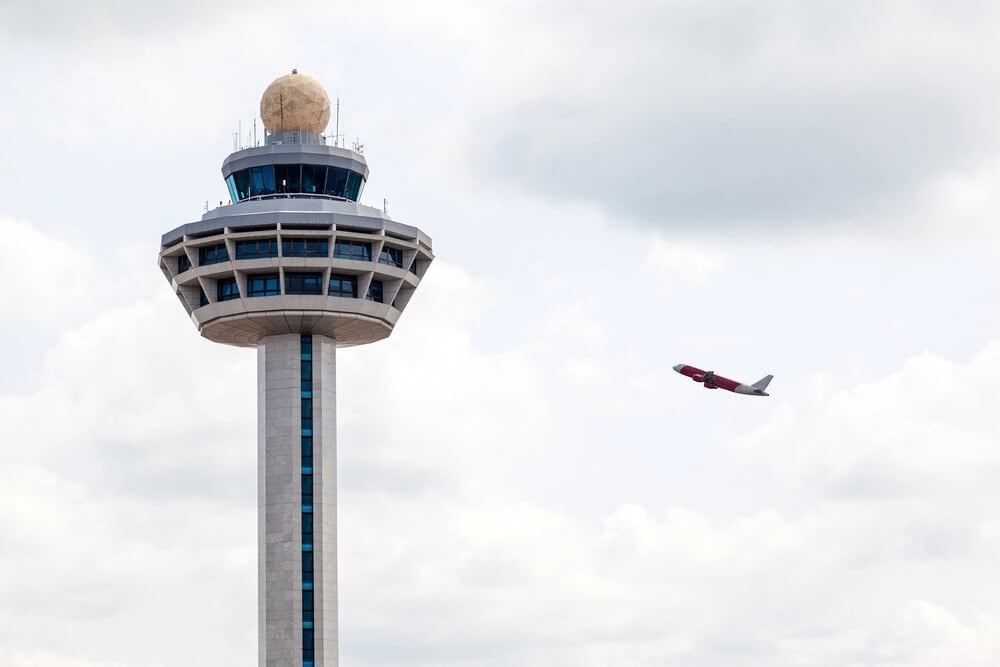
Federal air traffic controllers struck over pay, hours, and working conditions despite a legal prohibition on federal employee strikes, betting that the disruption to air travel would force concessions. President Ronald Reagan instead fired more than eleven thousand striking controllers and banned them from federal rehire, replacing them with military and supervisory personnel.
The strike’s outcome is widely viewed as a turning point that emboldened private employers to take a harder line against strikes in the decades that followed.
The Hormel Strike of 1985-1986
Meatpacking workers at a Hormel plant in Austin, Minnesota struck over wage cuts and demanding working conditions, a dispute that grew increasingly contentious as the company brought in replacement workers and the National Guard was called in to maintain order. The strike ultimately ended without the union achieving its core demands, and many striking workers were permanently replaced.
It became a widely cited example of the diminished leverage unions faced in the deindustrializing economy of the 1980s.
The Caterpillar Strikes of 1991-1998
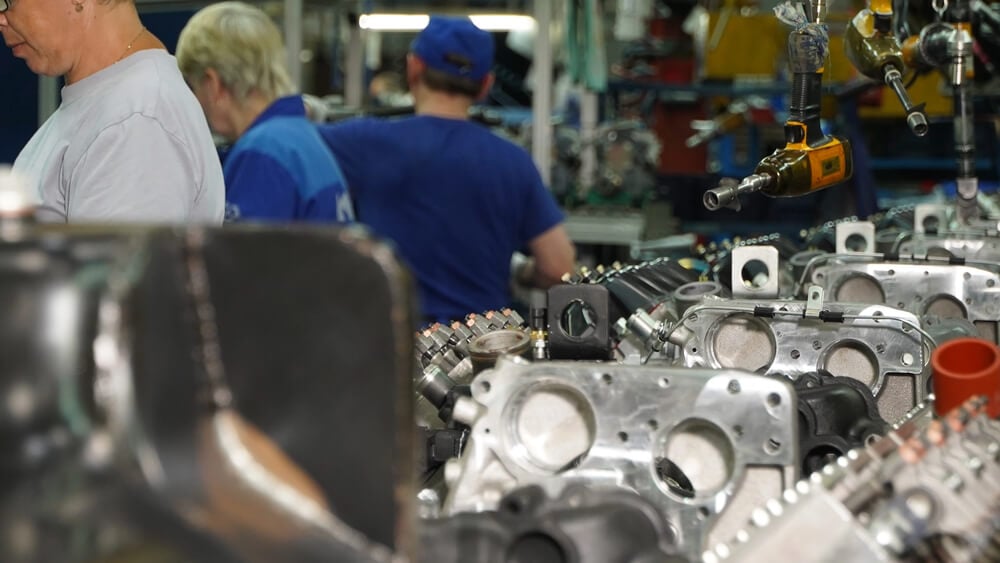
Workers at heavy equipment manufacturer Caterpillar engaged in a series of extended strikes and lockouts over multiple years, driven by disputes over wage concessions and the company’s increasing use of replacement workers. The prolonged conflict significantly weakened the United Auto Workers’ position at the company and became a widely studied case of employer resilience against strike pressure.
The dispute illustrated how permanent replacement worker strategies had shifted bargaining leverage away from unions since the PATCO strike a decade earlier.
The UPS Strike of 1997
Roughly 185,000 Teamsters union members at UPS struck over the company’s increasing reliance on part-time labor and its handling of pension contributions, disrupting package delivery nationwide for over two weeks. Public opinion largely favored the workers, and the strike ended with UPS agreeing to create thousands of new full-time positions.
It is often cited as one of the most successful major strikes of the late twentieth century.
The 2018-2019 Teacher Strike Wave
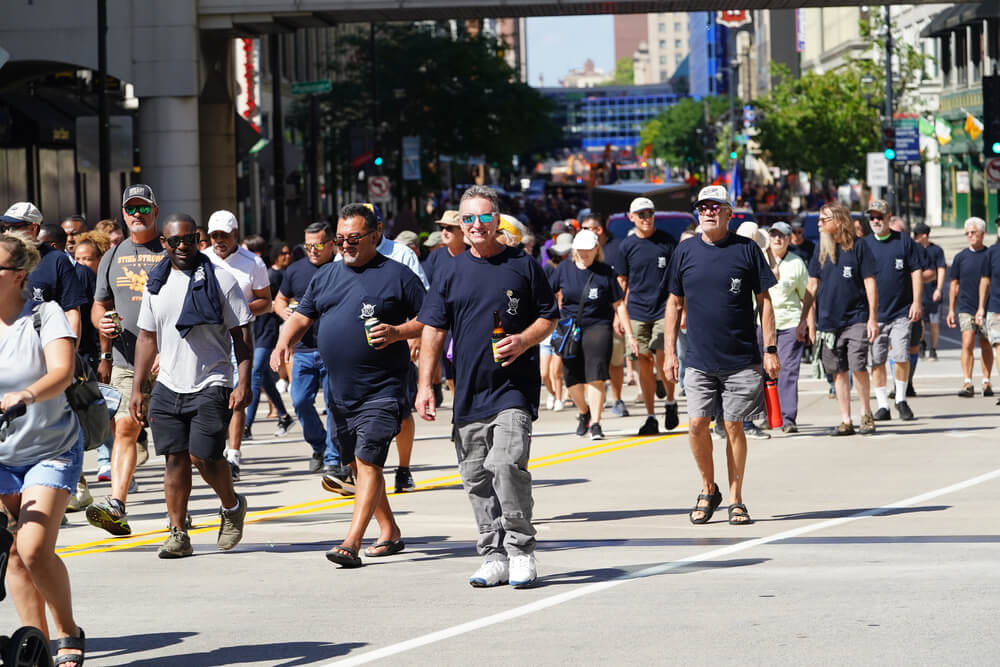
Beginning in West Virginia and spreading to Oklahoma, Arizona, and other states, teachers walked out over stagnant pay and underfunded classrooms, often in states where public-sector strikes carried no formal union backing or legal protection. The strikes drew broad public support and, in several states, resulted in legislatively approved pay increases.
The wave demonstrated renewed strike activity even in states with historically weak labor protections.
The UAW Strike of 2023
United Auto Workers members simultaneously struck General Motors, Ford, and Stellantis using a targeted “stand-up strike” strategy, hitting select plants rather than all locations at once to maximize pressure while limiting strike fund costs. The roughly six-week dispute ended with substantial wage increases and other concessions from all three automakers.
It marked the first time the union had struck all three major Detroit automakers simultaneously.
What the Walkout Was Really Asking
Strip away the specific decades and industries, and nearly every strike on this list was asking some version of the same question: whether the people doing the work have any real say in the conditions under which they do it. The answer shifted dramatically depending on the era, the industry, and how much the country was willing to tolerate disruption in the name of fairness.
None of these gains arrived automatically, and none were guaranteed to stay in place once won. The history of the strike is, in large part, the history of how much leverage ordinary workers have actually held at any given moment, and how hard they had to fight to prove it.
More from Go2Tutors!

- The Romanov Crown Jewels and Their Tragic Fate
- 13 Historical Mysteries That Science Still Can’t Solve
- Famous Hoaxes That Fooled the World for Years
- 15 Child Stars with Tragic Adult Lives
- 16 Famous Jewelry Pieces in History
Like Go2Tutors’s content? Follow us on MSN.