25 Laws Passed in Secrecy That Changed Entire Countries Overnight
Governments rarely announce when they’re about to do something that would cause public outrage. That’s not cynicism — it’s just how the historical record reads.
From emergency decrees signed at 3 a.m. to legislation buried inside unrelated bills, some of the most consequential legal changes in modern history were designed to be invisible until it was too late to stop them. The laws on this list weren’t minor bureaucratic adjustments.
They reshuffled power, stripped rights, redirected billions of dollars, and in several cases, altered the basic conditions of daily life for millions of people — often before the public even knew a vote had been taken. What makes these cases worth knowing isn’t just the outrage they caused after the fact.
It’s what they reveal about how power actually moves when it decides not to wait for permission.
The Enabling Act of 1933

Hitler didn’t seize power by force — he legislated it. The Enabling Act, passed by the German Reichstag on March 23, 1933, allowed the cabinet to enact laws without parliamentary approval, and it passed in a building surrounded by armed SA troops while Communist delegates had already been arrested and barred from voting.
What was sold as a temporary emergency measure became the legal foundation for twelve years of totalitarianism. The entire process, from introduction to signing, took less than a week.
The Patriot Act

The USA PATRIOT Act was signed into law on October 26, 2001 — just 45 days after the September 11 attacks — and the final bill ran to 342 pages, which most members of Congress openly admitted they hadn’t read before voting. It expanded surveillance authority so broadly that the NSA eventually used it to justify collecting phone records on virtually every American, a fact that remained classified until Edward Snowden disclosed it more than a decade later.
So a law passed in grief and urgency quietly became one of the largest domestic surveillance architectures in the country’s history. Congress had six weeks to think about it.
Stalin’s Decree on Collectivization
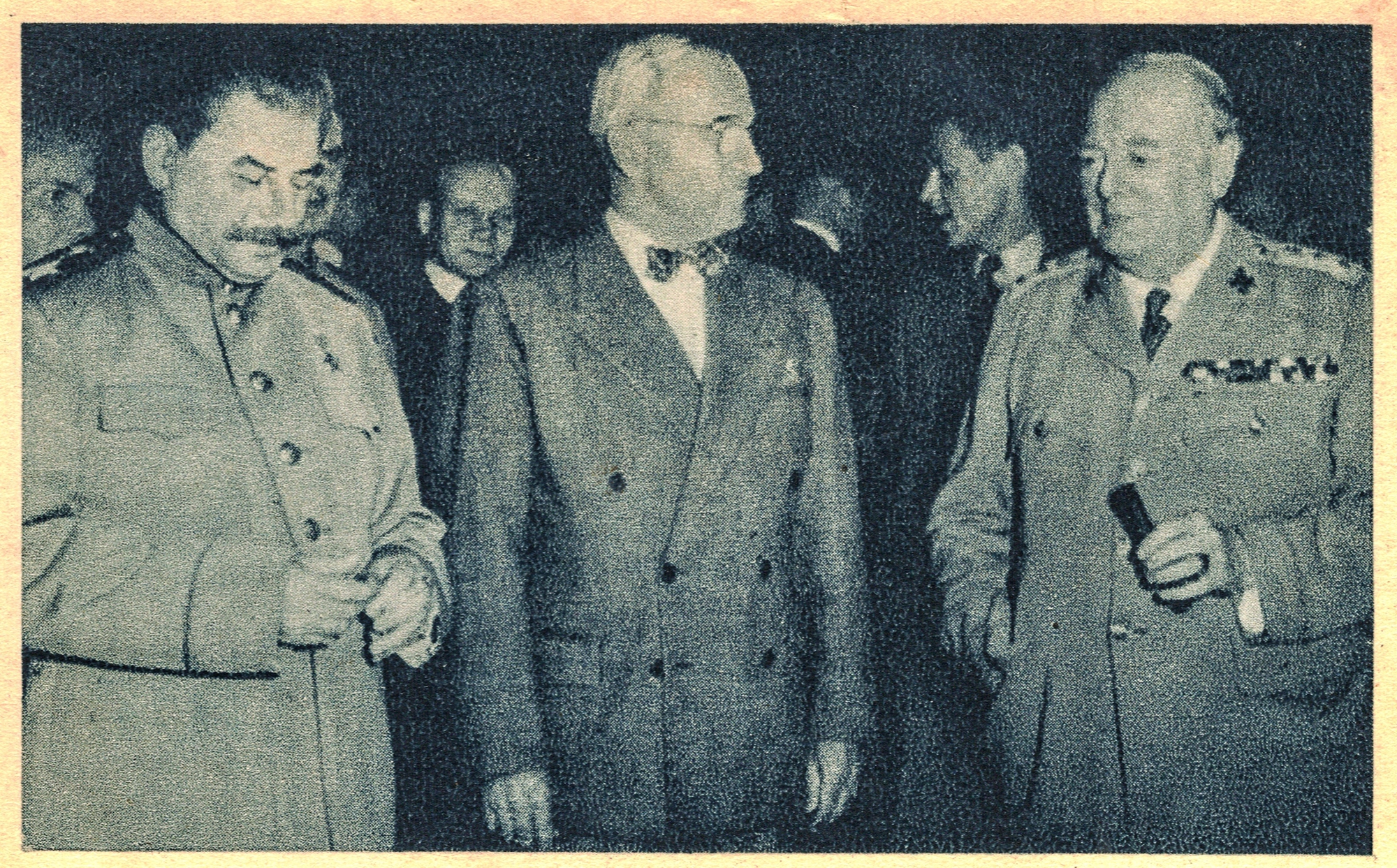
In December 1929, Stalin announced the “liquidation of the kulaks as a class” — a policy that had been developed inside the Politburo with almost no public debate and certainly no legislative transparency. What followed was the forced collectivization of Soviet agriculture, the confiscation of private land, and the deportation of millions of peasant families to labor camps in Siberia.
The Ukrainian famine that resulted, the Holodomor, killed somewhere between 3.5 and 7 million people depending on the methodology used to count. A decision made in closed rooms restructured an entire agricultural civilization in under five years.
The Apartheid Acts of South Africa

The legal architecture of apartheid wasn’t built in one dramatic moment — it was assembled piece by piece through laws passed by the National Party after their narrow 1948 election victory, many of them rushed through parliament before opposition parties could organize. The Population Registration Act, the Group Areas Act, and the Prohibition of Mixed Marriages Act all arrived in quick succession, each one treated almost as administrative housekeeping rather than a civilizational rupture.
By the time the full weight of what had been legislated was visible, the bureaucratic machinery was already running. South Africa had been reclassified — street by street, person by person — from the inside out.
Cambodia’s Agricultural Reforms Under the Khmer Rouge

When the Khmer Rouge took Phnom Penh in April 1975, they didn’t pass laws in any conventional sense — they simply issued decrees from an anonymous leadership body called Angkar, whose actual members were kept secret from the population for years. Money was abolished, cities emptied at gunpoint, and the entire country was reorganized around forced agricultural labor, all through directives that emerged without deliberation, debate, or documentation.
The results were catastrophic: estimates place the death toll of the following four years at somewhere between 1.5 and 2 million people. A regime that operated in total secrecy produced consequences that were impossible to ignore.
The Chinese Land Reform Law of 1950
Passed in June 1950 with minimal public debate and implemented with extraordinary speed, China’s Agrarian Reform Law confiscated land from landlords and redistributed it — at least nominally — to peasant farmers. The law itself sounded redistributive, even generous; what it actually authorized was a campaign of organized violence against landowners that killed an estimated one to two million people within two years.
The legislation moved faster than comprehension could. By the time the international press had a clear picture of what was happening, the transformation of Chinese rural society was already complete.
The Nuremberg Race Laws
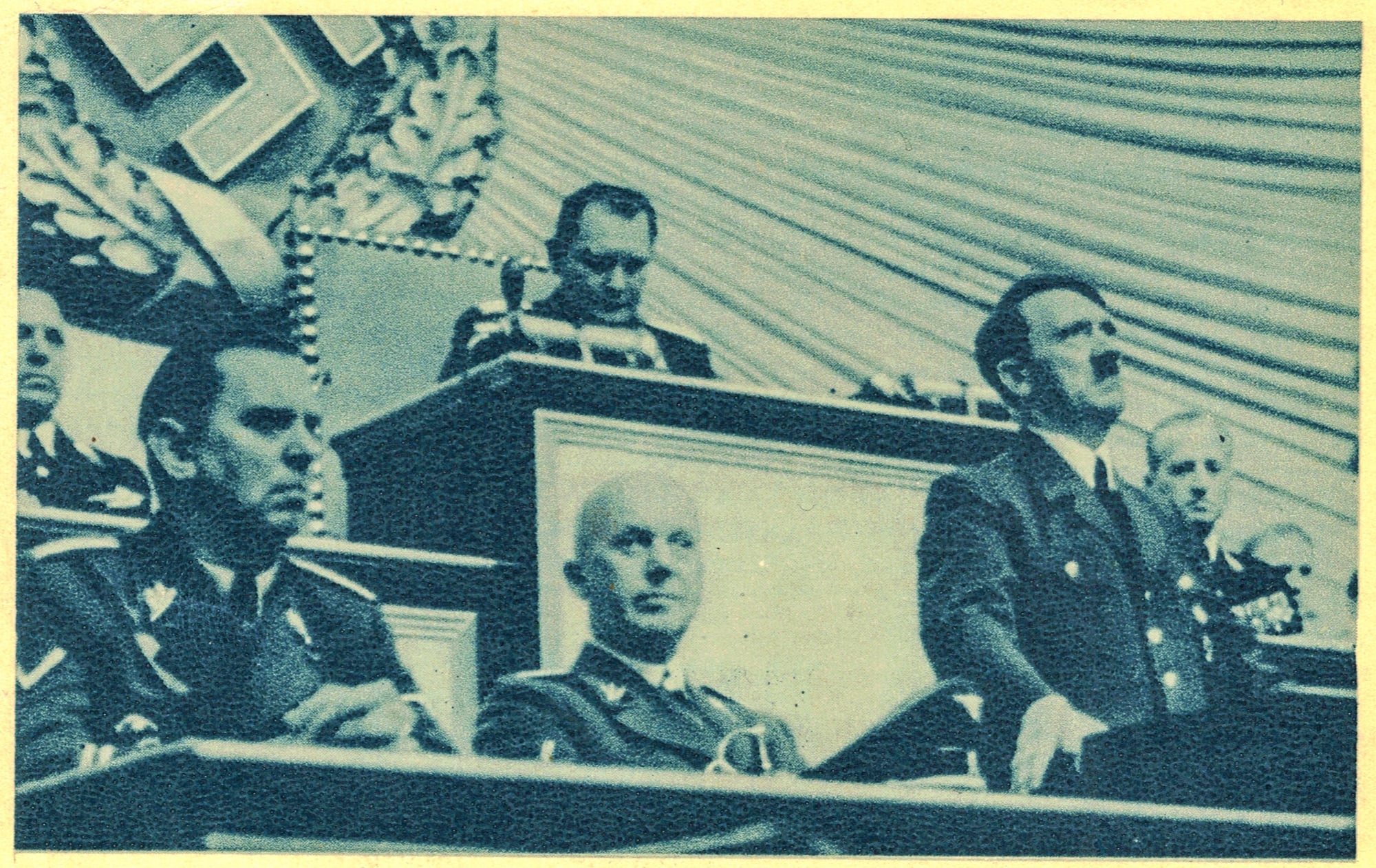
Drafted hastily during a Nazi Party rally in Nuremberg in September 1935 — so hastily that officials were scrambling for paper to write on — these laws stripped Jewish Germans of citizenship and criminalized marriage or relationships between Jews and non-Jewish Germans. What’s remarkable, in a deeply unsettling way, is the speed: the laws were conceived, drafted, and passed in a single weekend while the rally was still ongoing, with the Reichstag convened in special session.
There was no public consultation, no legislative committee, no debate. Germany’s Jewish population lost their legal personhood between Friday and Sunday.
The Decree on Press Freedom in Hungary, 2010

When Viktor Orbán’s Fidesz party won a supermajority in Hungary’s 2010 elections, it moved so quickly that critics were still processing the election results when new media legislation was already being drafted. The Media Council established by the law — whose members were all Fidesz appointees — gained authority to fine outlets for “unbalanced coverage” and require news organizations to reveal confidential sources in national security cases.
The European Commission called it incompatible with EU press freedom standards, but the law was already in force before the objections were formally filed. Speed, it turns out, is its own kind of strategy.
Poland’s Judicial Overhaul

Passed in July 2017 — with opposition lawmakers singing the national anthem in protest in the Sejm chamber — Poland’s judiciary reform allowed the ruling Law and Justice party to effectively replace the entire Supreme Court bench by lowering the mandatory retirement age. It happened fast enough that judges were arriving for work and being told their positions no longer existed.
The European Union launched unprecedented infringement proceedings, and the law was eventually partially reversed under EU pressure, but not before the composition of the court had already shifted. What takes generations to build can be dismantled in a single legislative session.
Emergency Decree 48 in Brazil, 1937

Getúlio Vargas used a fabricated communist plot — the Cohen Plan, a document his own intelligence services had forged — to declare a state of emergency in 1937 and suspend Brazil’s constitution. The Estado Novo dictatorship that followed, established by a decree read over state radio on November 10, 1937, dissolved congress, banned political parties, and centralized power entirely in Vargas’s hands.
The fake threat was real enough in the public imagination; the genuine threat came from the decree itself. Brazil wouldn’t hold direct presidential elections again until 1945.
The Emergency Powers Act in Rhodesia, 1965
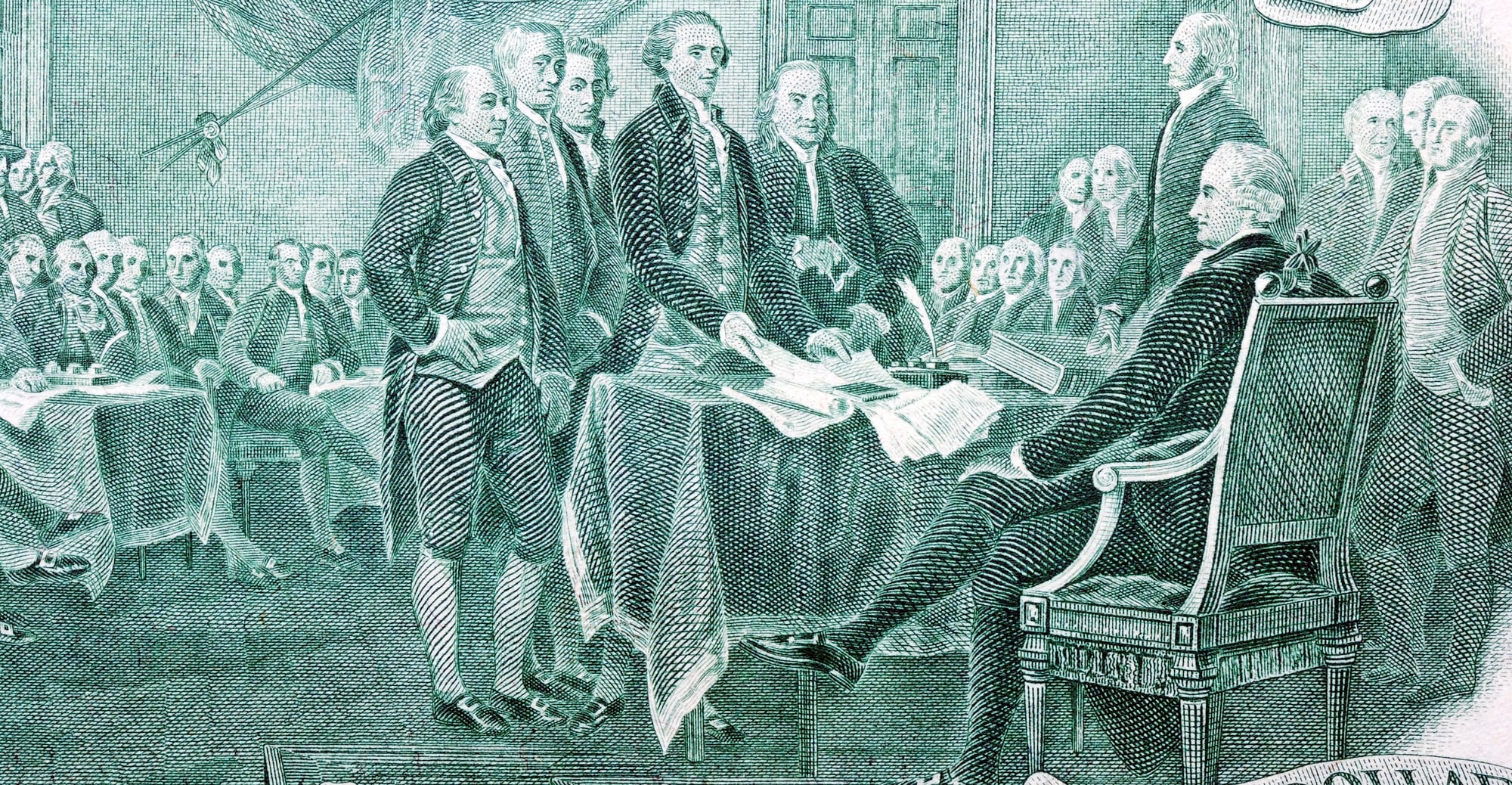
Ian Smith’s Unilateral Declaration of Independence on November 11, 1965, was accompanied by a battery of emergency regulations passed without any meaningful legislative process — because the legislature Rhodesia was abandoning was the British Parliament. The regulations that followed criminalized virtually any organized opposition to the white minority government, restricted movement for Black Rhodesians, and established detention without trial.
They were written to look bureaucratic and were governed to be permanent. The word “emergency” did a lot of lifting in that country for the next fourteen years.
The Family Law Reform in Iran, 1979
Within weeks of the Islamic Revolution’s success in February 1979, Ayatollah Khomeini’s government issued a series of decrees that effectively dismantled the Family Protection Act of 1967 — a law that had granted women rights to divorce, set the minimum marriage age at 18, and restricted polygamy. The reversals came through revolutionary decree rather than parliamentary legislation, moving faster than courts or civil institutions could process.
Women who had held government positions under the Shah found themselves dismissed under new regulations before any formal legal framework had been established. The revolution rewrote domestic law faster than it wrote its own constitution.
The Telecommunications Interception Law in Australia, 2015

Passed with relatively little public fanfare compared to its scope, Australia’s mandatory data retention law — enacted through amendments to the Telecommunications (Interception and Access) Act — required internet service providers to store metadata on all Australians for two years, accessible to law enforcement without a warrant. The bill passed the Senate in March 2015 with bipartisan support, which is the kind of political alignment that tends to happen when both major parties decide simultaneously that they’d rather not be asked uncomfortable questions about it.
Journalists and their sources were nominally protected, except that they weren’t: law enforcement could still access journalist metadata, just with an extra step. That distinction matters more on paper than in practice.
The Enabling Act in Fascist Italy, 1925
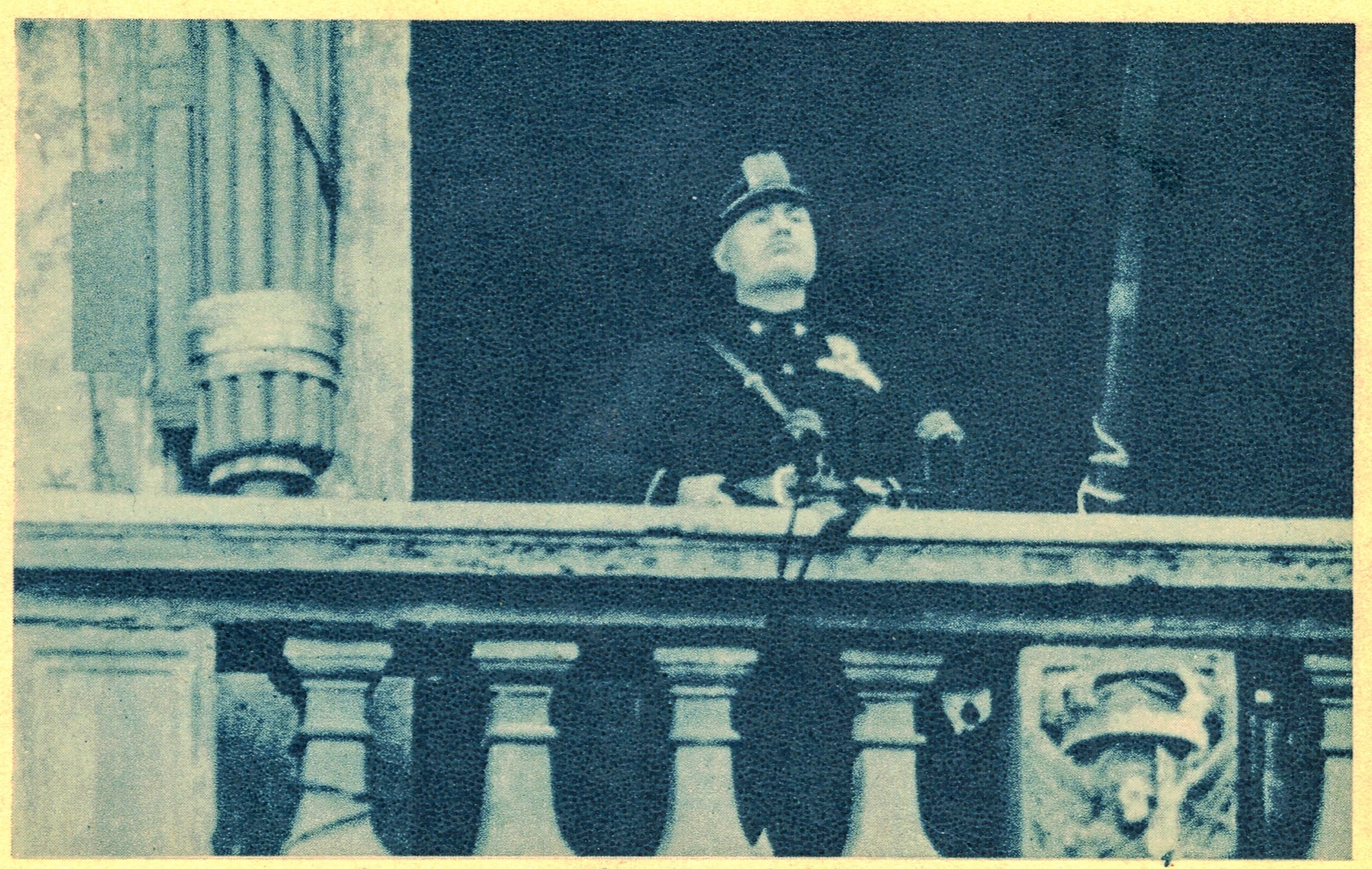
Mussolini didn’t consolidate his dictatorship through a single dramatic decree — he built it through a series of laws passed between 1925 and 1928, each one quiet enough to seem incremental, collectively totaling a complete restructuring of the Italian state. The 1925 law that made the prime minister responsible only to the king and not the parliament was particularly tidy: it looked like a constitutional clarification and functioned as the end of parliamentary government.
And Italy’s press — already facing intimidation campaigns — reported it as such. The country slid into authoritarianism in a sequence of steps, each of which could be rationalized individually.
The Night of Long Knives Decree, 1934
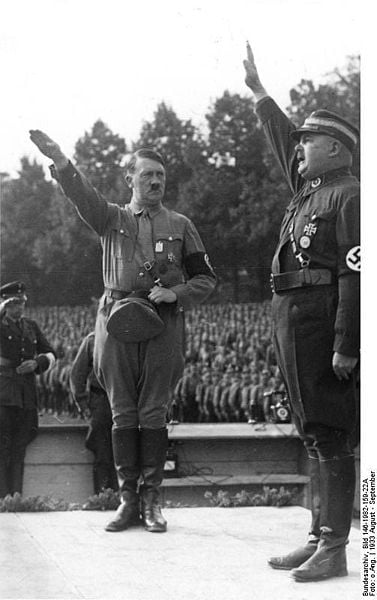
After ordering the murders of Ernst Röhm and dozens of other SA leaders over a single weekend in June 1934, Hitler passed a one-paragraph law on July 3 declaring that the killings had been legal acts of state self-defense. That’s the whole law: one paragraph, retroactively legalizing extrajudicial execution.
It passed without opposition, without debate, and was accepted by the cabinet in under twenty-four hours. The message it sent — that the government could kill its enemies and then pass a law saying it was fine — was arguably more significant than the killings themselves.
The Chinese National Security Law in Hong Kong, 2020
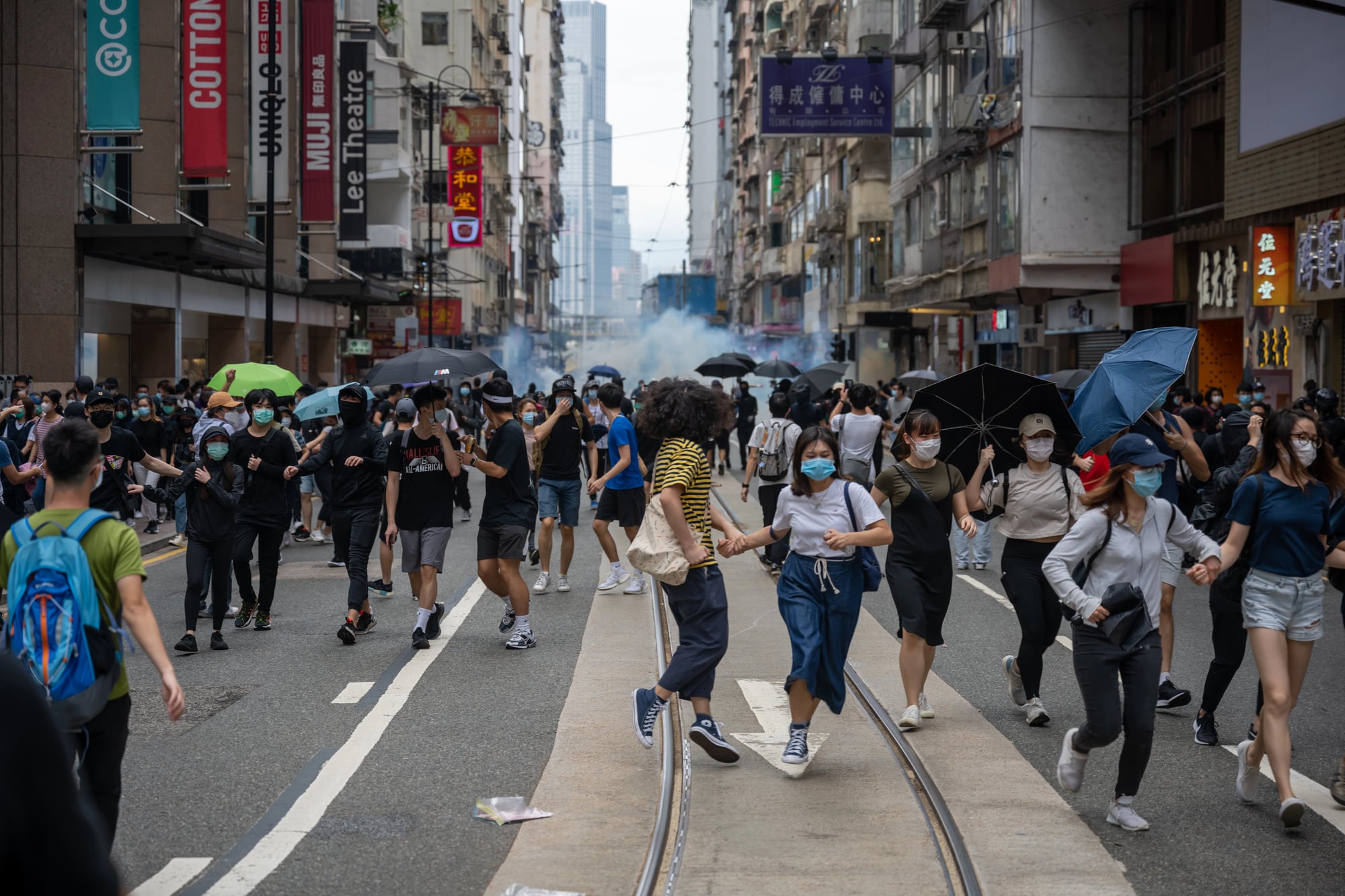
Beijing imposed the National Security Law on Hong Kong on June 30, 2020 — a law whose final text was kept secret even from Hong Kong’s own government until after it was signed. It came into force at 11 p.m. on June 30, effectively before July 1, the date of Hong Kong’s annual pro-democracy protest march.
Criminalizing secession, subversion, terrorism, and what it called “collusion with foreign forces” — a category broad enough to swallow most organized political opposition — the law fundamentally altered the legal landscape of a city of 7 million people overnight. The text appeared on the Hong Kong government website at midnight.
Emergency Decree Law in Chile, 1973
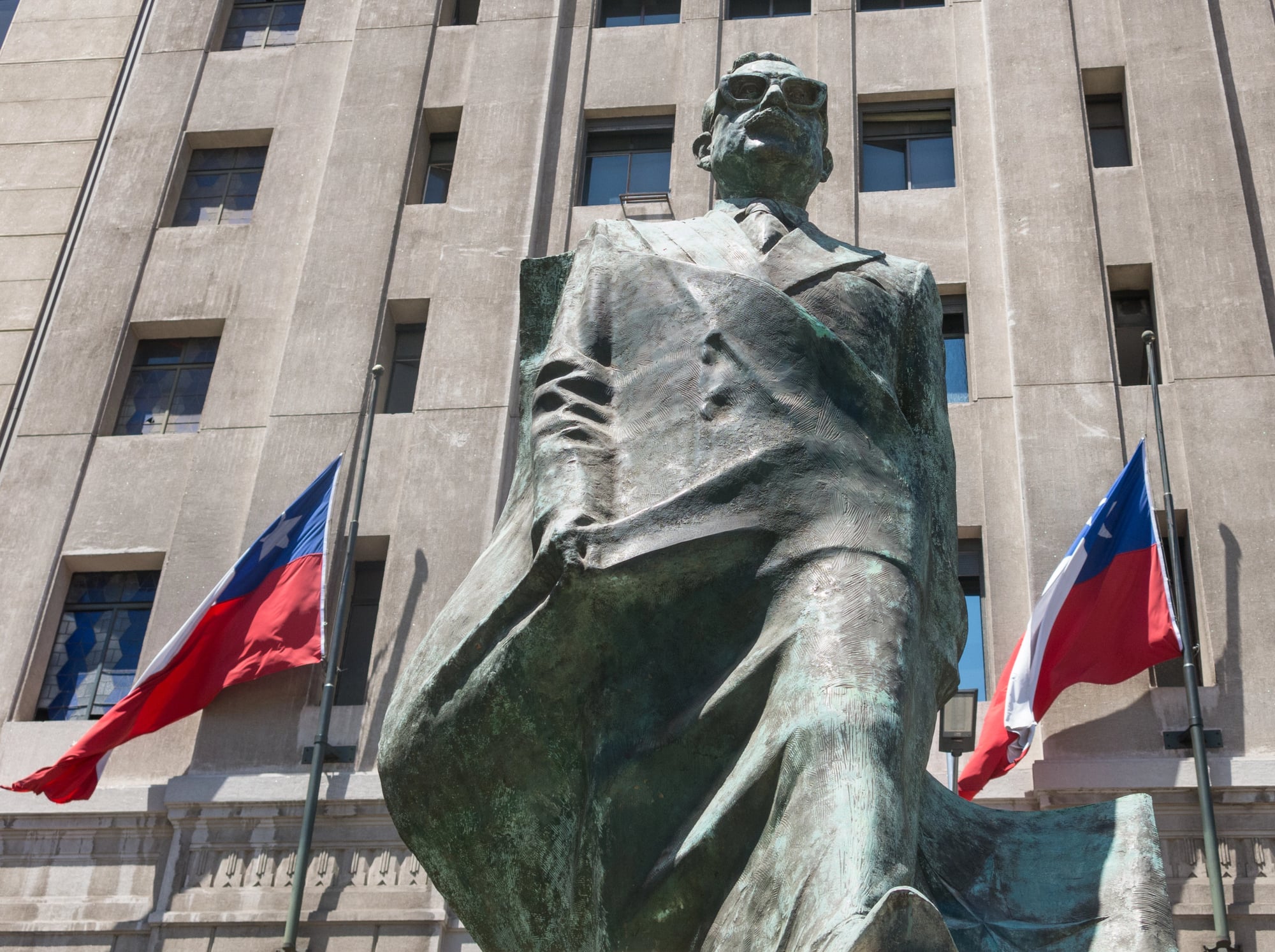
After the coup that removed Salvador Allende on September 11, 1973, Pinochet’s junta immediately governed by decree law — a form of legislation that bypassed any civilian input entirely and was essentially a military order with legal formatting. Decree Law No. 5 declared the country in a state of war, which retroactively justified the military’s actions against political opponents in the preceding days.
Thousands of people were detained, tortured, and killed under a legal framework that was created after the fact to describe itself as legitimate. The law followed the violence, not the other way around.
The Media Law in Venezuela, 2004
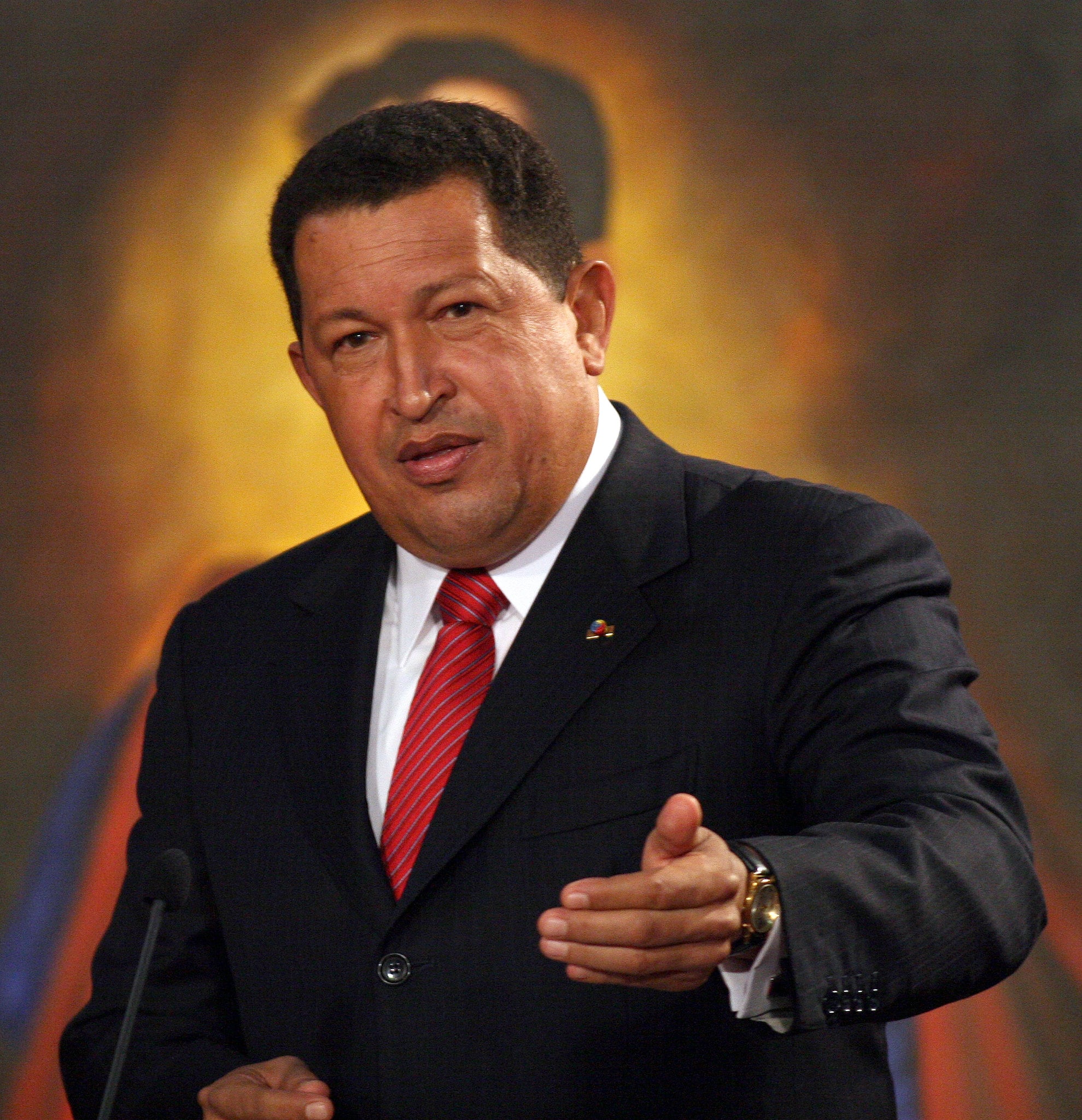
Hugo Chávez’s Law of Social Responsibility in Radio and Television — known locally as the Ley Resorte — was passed in 2004 and gave the government authority to sanction or revoke broadcast licenses for content deemed contrary to national security, social order, or public health. The definitions were vague enough to mean whatever the government decided they meant on a given day.
Independent television stations that had aired footage of the 2002 coup attempt against Chávez were obvious targets, and several were off the air within a few years. The law didn’t silence the press with a single action; it did something more effective — it made silence a rational choice.
The Law on National Minorities in Romania, 1938
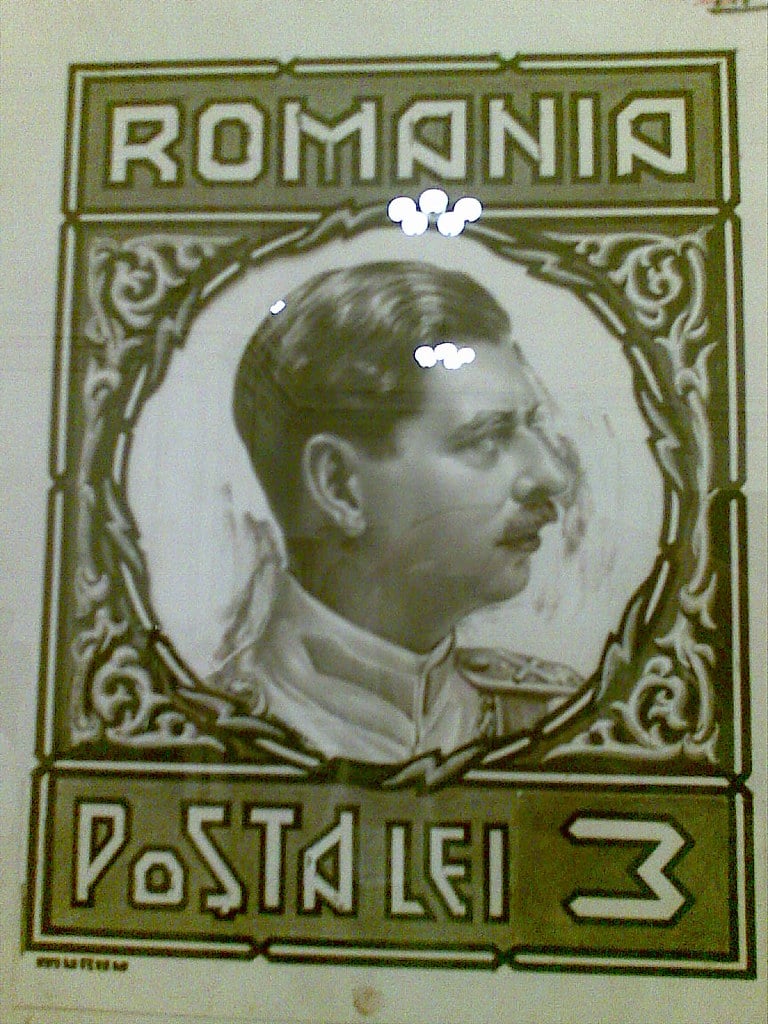
King Carol II’s royal dictatorship, established in February 1938, brought with it a new constitution drafted in secret and approved by plebiscite under conditions that made a credible “no” vote essentially impossible. The legal changes that followed — stripping political parties, reorganizing the press, defining national belonging in ethnically restrictive terms — were passed by royal decree rather than parliamentary vote.
Romania went from a constitutional monarchy with a functioning (if fractious) parliament to an authoritarian state in roughly three months. The press reported most of it in the tones of orderly transition.
The Prevention of Terrorism Act in the UK, 1974

Passed in less than 48 hours following the Birmingham pub bombings in November 1974 — bombings that killed 21 people and injured 182 — the Prevention of Terrorism Act gave British police powers to exclude people from mainland Britain and detain suspects for up to seven days without charge. Parliament was recalled on an emergency basis, the bill moved from introduction to royal assent in roughly two days, and it remained on the books in various forms for over thirty years.
Something that began as a crisis measure became a permanent feature of British law enforcement. These things have a way of staying.
Decree 770 in Romania, 1966
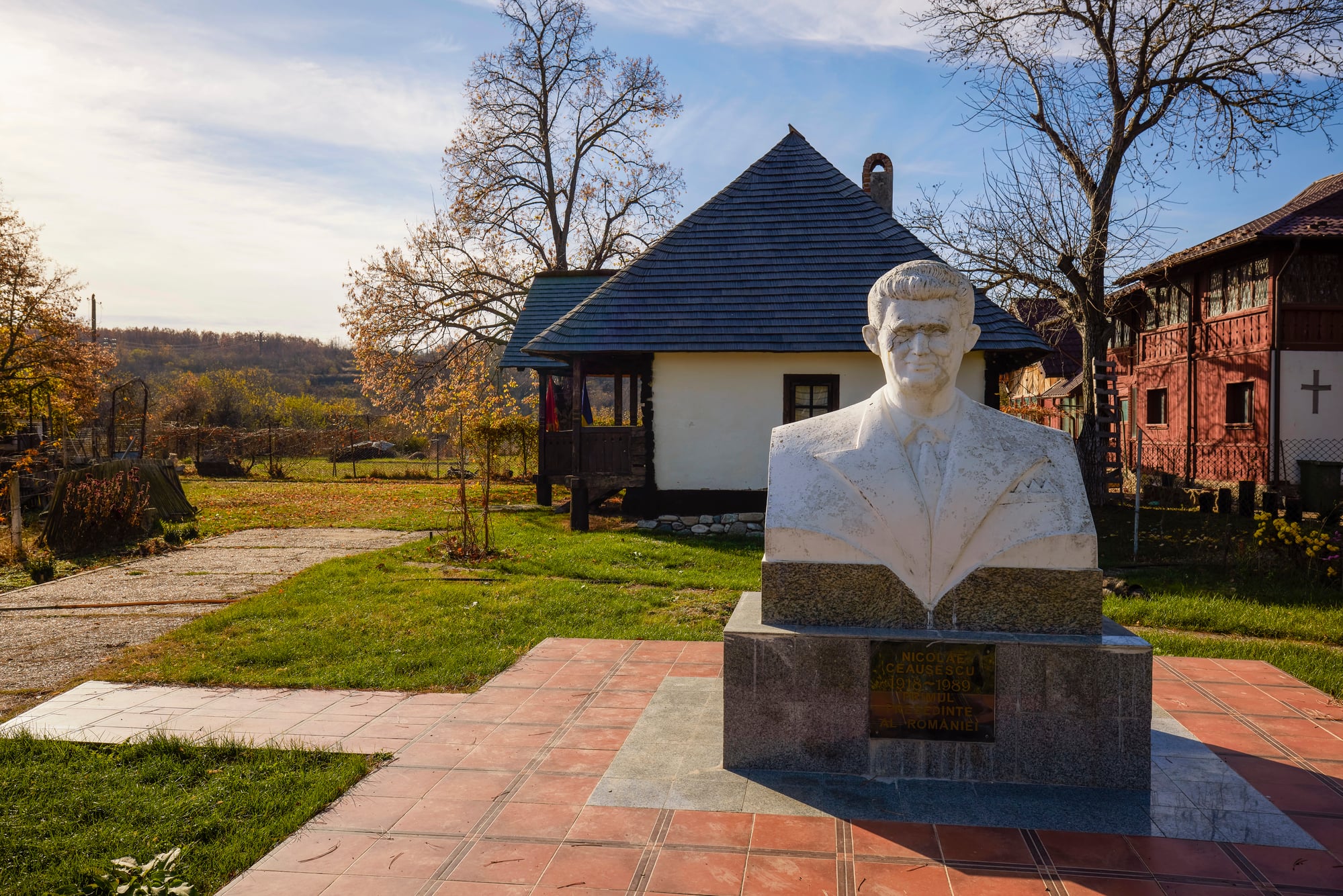
Nicolae Ceaușescu’s Decree 770, issued in October 1966, banned abortion and contraception for Romanian women under 40 who had fewer than four children, with almost no public warning or legislative deliberation. The birth rate spiked dramatically — which was the point — and so did maternal mortality, as illegal procedures became common.
Hundreds of thousands of children born under the decree grew up in chronically underfunded state orphanages, producing conditions that shocked Western observers when Romania opened its borders after 1989. One decree, sustained for over two decades, shaped the demographics and social fabric of an entire generation.
The Sedition Act of 1798
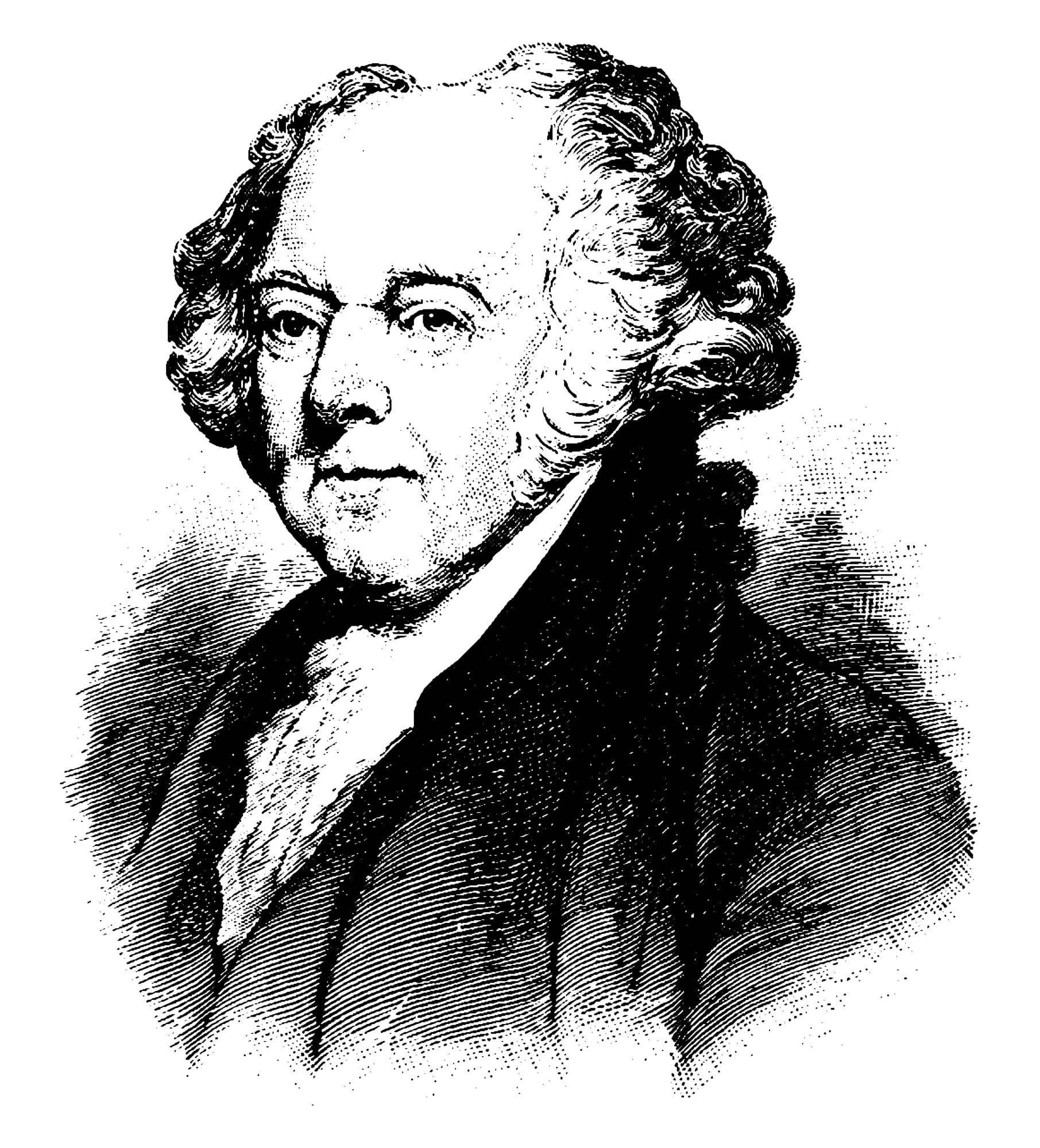
President John Adams signed the Alien and Sedition Acts in the summer of 1798, and the Sedition Act in particular — which criminalized “false, scandalous, and malicious” criticism of the federal government — was passed through a Federalist-controlled Congress with minimal transparency and considerable haste. Editors who criticized Adams were prosecuted and imprisoned.
The law was so politically convenient that it expired, not coincidentally, the day Adams left office in 1801. Jefferson called it unconstitutional; the Supreme Court never formally ruled on it, which meant the precedent it set lived on as an unsettled question about the limits of the First Amendment for decades.
The Law for the Protection of the Republic in Germany, 1922

Passed in the wake of the assassination of Foreign Minister Walther Rathenau by right-wing extremists, the Law for the Protection of the Republic moved through the Reichstag in weeks and gave the government sweeping powers to ban organizations it deemed hostile to the republic. It sounds reasonable as described, and probably was — except that its enforcement was applied almost exclusively to left-wing groups while right-wing paramilitary organizations operated with conspicuous freedom.
The Weimar Republic passed a law to protect democracy that democracy’s actual enemies turned into a lopsided weapon. History finds that kind of irony instructive, if rarely funny.
The Digital Millennium Copyright Act

Signed by President Clinton in October 1998, the DMCA was drafted largely with the input of entertainment industry lobbyists and passed with limited scrutiny of its anti-circumvention provisions — a section that criminalized bypassing digital rights management technology even for entirely legal purposes. Researchers studying cybersecurity couldn’t publish findings without risking prosecution; libraries couldn’t preserve digital works they legally owned; people couldn’t unlock phones they’d paid for.
The law was supposed to protect creators and ended up producing a legal category of activity — owning something but being forbidden from fully using it — that nobody had quite imagined before. Turns out “circumvention” covers a lot of ground.
The Enabling Legislation for the Eurozone Bailout Mechanisms

When the European debt crisis accelerated in 2010 and 2011, several Eurozone governments passed domestic legislation enabling participation in the European Financial Stability Facility and later the European Stability Mechanism under conditions of genuine urgency — and in several cases, with remarkably little parliamentary scrutiny. Greece’s austerity packages, required as conditions for bailout funding, were passed through the Hellenic Parliament in sessions marked by street riots outside and disputed vote counts inside, with MPs reporting they hadn’t received the full text before being asked to vote.
The substance of what was being decided — pension cuts, wage reductions, asset privatizations — affected millions of people in ways that outlasted every government that passed the laws. Complexity, it turns out, is its own form of opacity.
When Secrecy Becomes the Policy Itself

There’s a pattern in every case on this list that’s harder to name than any individual law. It’s not just secrecy — secrecy is a tool, and tools are neutral.
The pattern is the calculation: the deliberate choice to move faster than accountability can follow, to complete the legal architecture before the public can decide whether they want it. Some of these laws emerged from genuine crises and still produced harm far beyond what their authors claimed to intend.
Others were built on manufactured emergencies or outright lies. What unites them is the assumption that the people affected didn’t need to be consulted — that the people in the room already knew what was best. History has a stubborn way of complicating that assumption, usually at great cost to everyone who wasn’t in the room.
More from Go2Tutors!

- The Romanov Crown Jewels and Their Tragic Fate
- 13 Historical Mysteries That Science Still Can’t Solve
- Famous Hoaxes That Fooled the World for Years
- 15 Child Stars with Tragic Adult Lives
- 16 Famous Jewelry Pieces in History
Like Go2Tutors’s content? Follow us on MSN.