World’s Best Selling Whiskies
The whisky world is a fascinating place where tradition meets innovation, and where brands from Scotland to Japan compete for shelf space and consumer loyalty. Sales figures tell a compelling story about what people actually pour into their glasses, whether they’re mixing cocktails at home or ordering neat pours at bars.
The global whisky market has evolved dramatically over the past few decades, with some brands maintaining their dominance for generations while others have surged ahead with unexpected momentum.Understanding which whiskies sell the most gives us insight into global drinking preferences, marketing prowess, and the enduring appeal of certain flavor profiles.
Some of these brands have been around since the 1800s, while others represent newer approaches to an ancient craft. Here is a list of the world’s best-selling whiskies based on recent sales data.
Johnnie Walker

Diageo’s Johnnie Walker isn’t just the world’s best-selling Scotch—it’s in a league of its own, moving over 22 million nine-liter cases annually. The striding man logo has become so iconic that you’ll find it in duty-free shops from Dubai to Singapore, and the brand outsells its nearest Scotch competitor by a ratio of nearly three to one.
The range spans from the accessible Red Label to the luxurious Blue Label, giving the brand reach across multiple price points and consumer segments.
Jim Beam
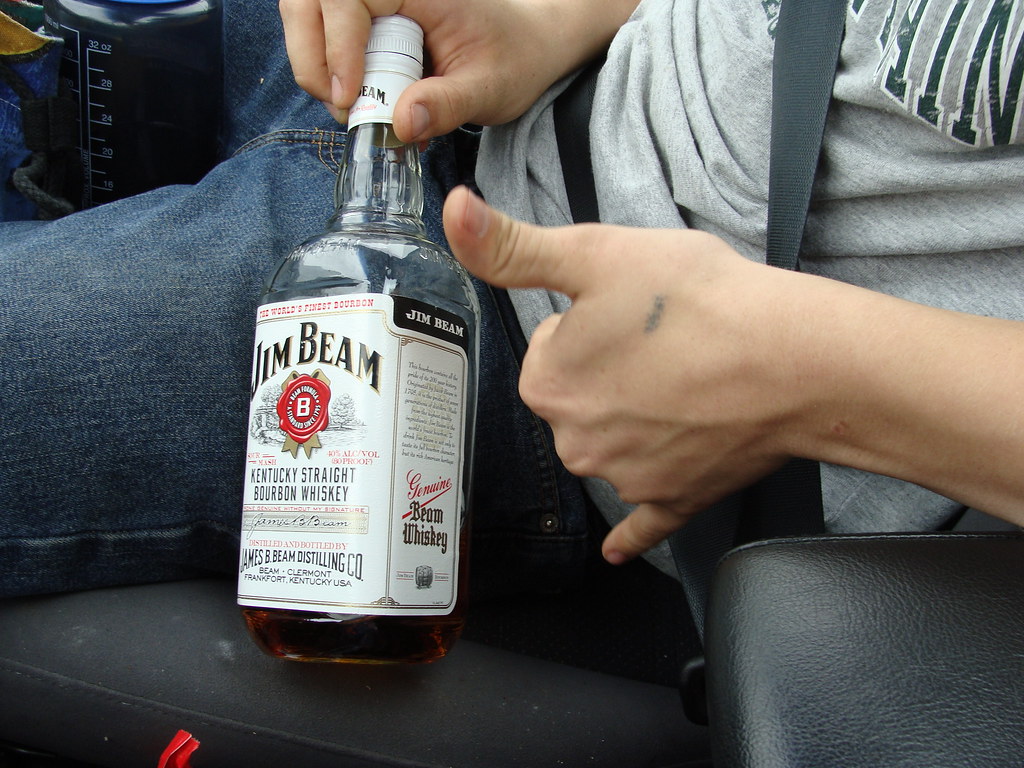
Kentucky’s Jim Beam has held the title of World Whisky Brand Champion for three consecutive years, and in 2024 it pushed past 17.5 million cases for the first time. Owned by Suntory Global Spirits, this bourbon has been passed down through seven generations of the Beam family since 1795.
The brand’s growth is particularly impressive considering that most American whiskeys in the million-case category have been declining, yet Jim Beam keeps finding ways to expand in markets like Japan, Mexico, and Brazil.
Suntory Kakubin
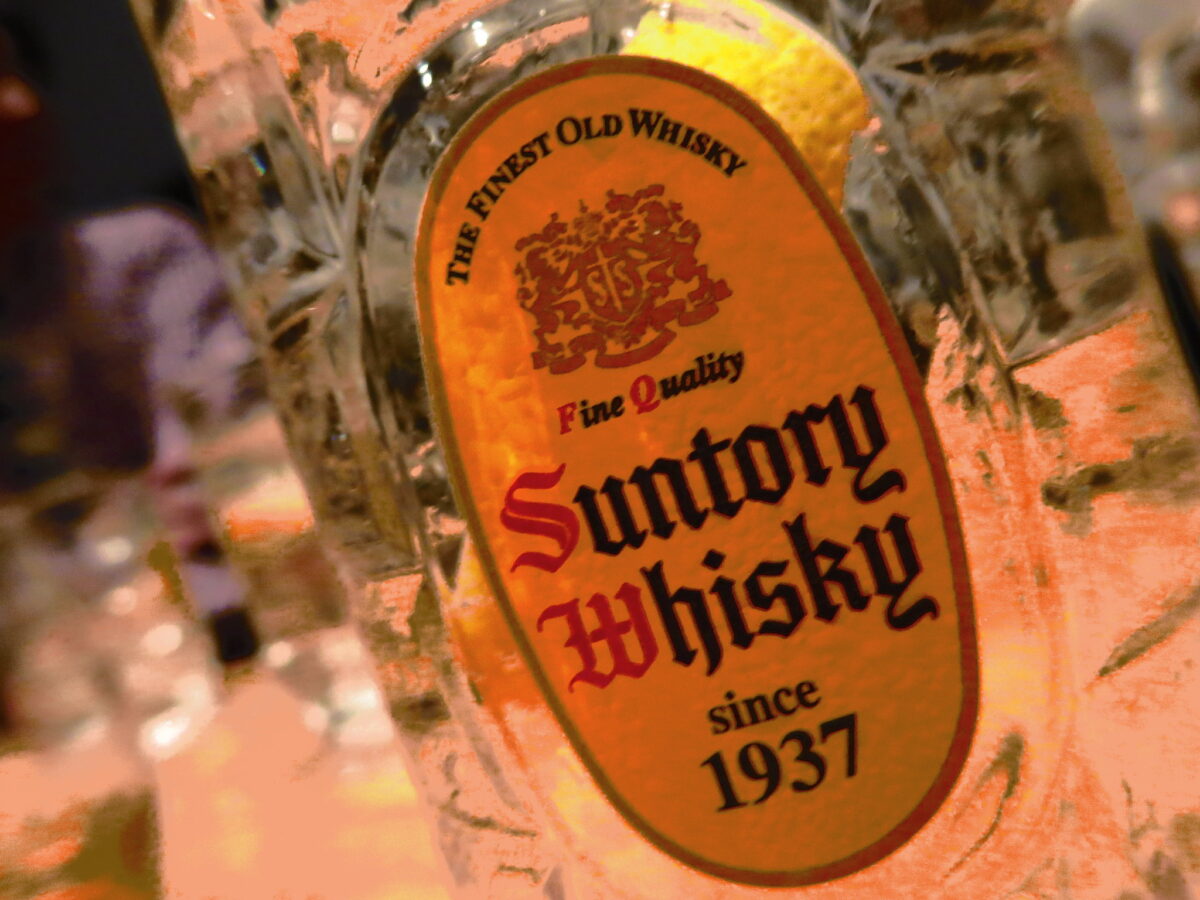
This Japanese whisky might not be as familiar to Western drinkers, but Kakubin dominates its home market with sales hovering around 15.8 million cases. The brand has been a staple in Japan since its launch, often served as the base for Highball cocktails in Japanese bars and restaurants.
While it can’t technically be called whisky in the EU due to its 37% ABV, that hasn’t stopped it from being one of the most consumed whiskies on the planet.
Jack Daniel’s
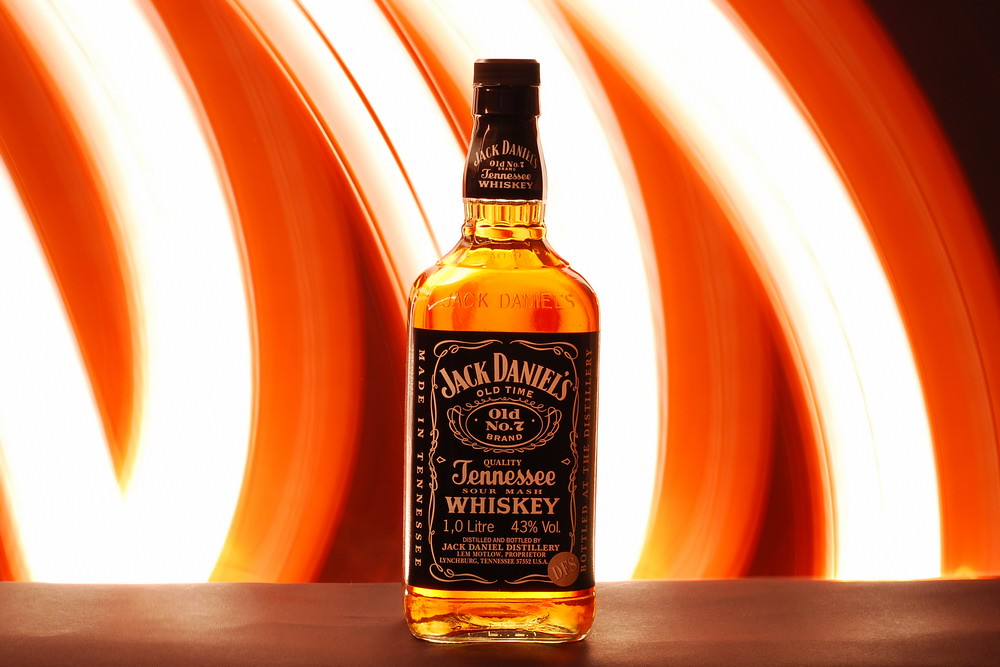
The Tennessee whiskey with the distinctive square bottle and black label sells approximately 14.1 million cases globally, making it one of the most recognized spirits brands anywhere. Distilled in Lynchburg, Tennessee at America’s oldest registered distillery, Jack Daniel’s goes through a unique charcoal mellowing process that drops the whiskey through 10 feet of sugar maple charcoal.
While sales have dipped slightly in the US market, the brand continues growing in Japan, Turkey, Brazil, and the United Arab Emirates.
Ballantine’s
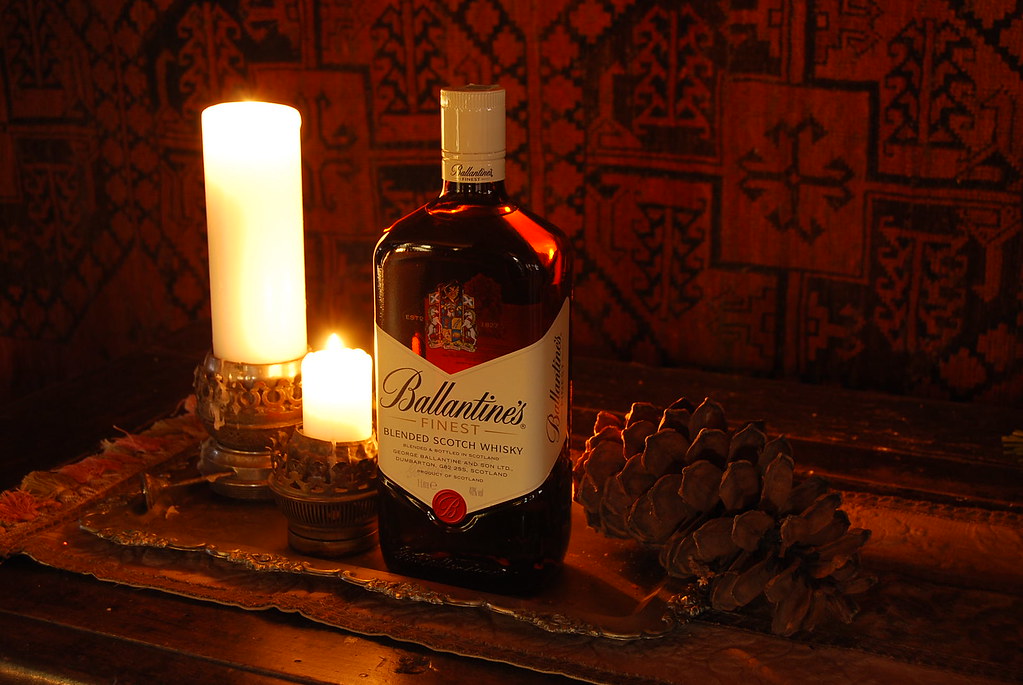
Pernod Ricard’s Ballantine’s has made a remarkable comeback, jumping to 9.3 million cases in 2024 with nearly 14% growth that earned it the Scotch Brand Champion title for 2025. The brand has figured out how to appeal to both traditional Scotch drinkers and younger consumers through innovations like Sweet Blend and Ballantine’s Sunshine, which feature more approachable flavor profiles.
Founded in Edinburgh in 1827, Ballantine’s has been steadily adding nearly a million cases a year to its sales figures since 2013.
Jameson
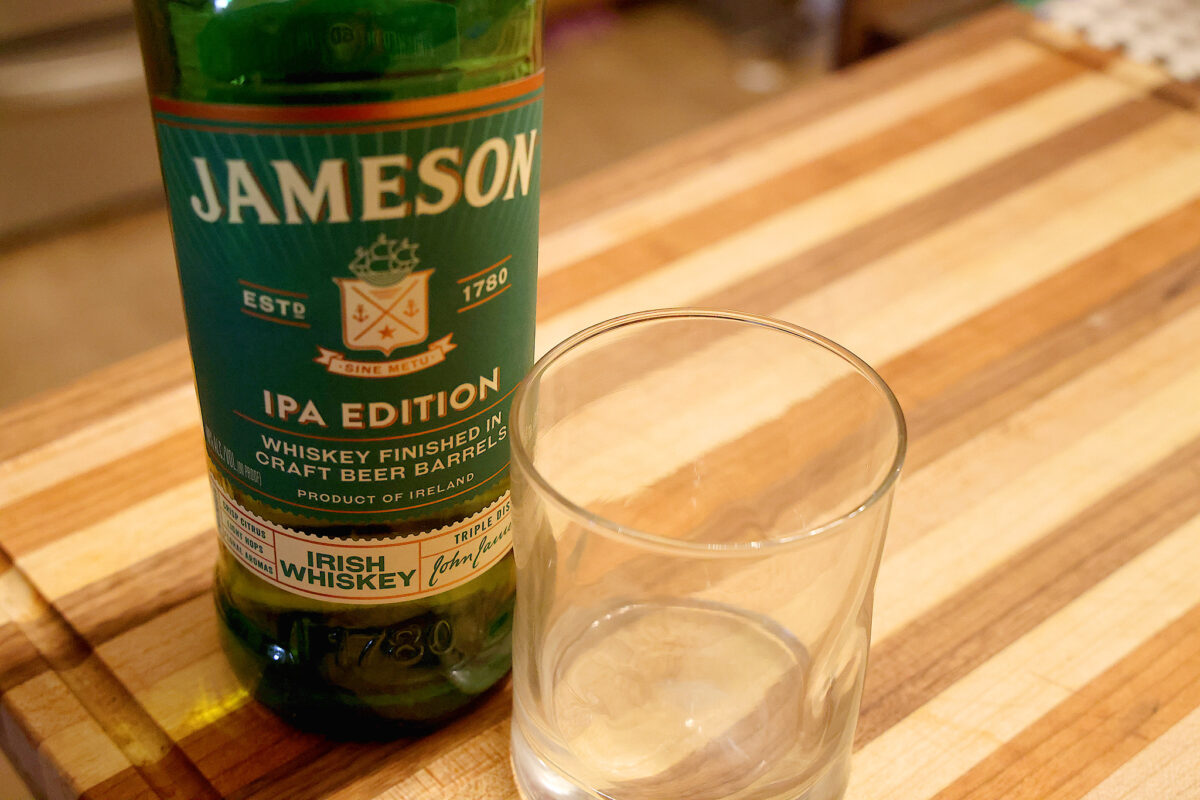
Ireland’s best-selling whiskey returned to growth in recent years, climbing to approximately 8.1 million cases with a 6.3% increase. The Pernod Ricard-owned brand has been triple-distilled since its founding, creating that smooth, approachable character that made its green bottle an international icon.
Jameson has been particularly active with partnerships, launching campaigns with rapper Anderson .Paak and actor Aaron Taylor-Johnson, while posting strong volume gains in India and solid growth in China and Europe.
Crown Royal
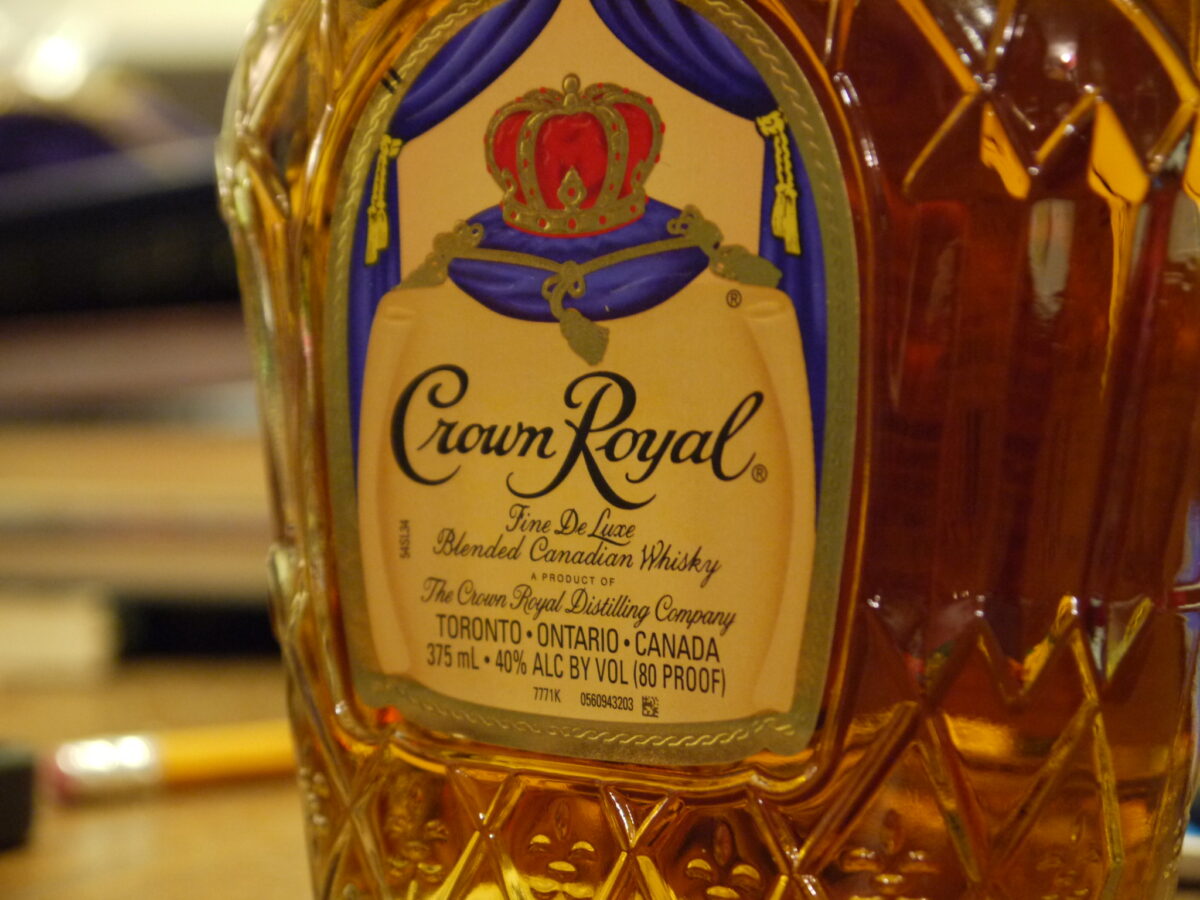
This Canadian whisky from Diageo sells around 7.3 million cases annually, packaged in its distinctive purple bag that’s become synonymous with premium Canadian whisky. Matured to what the brand calls perfection, Crown Royal offers a silky texture with hints of oak and sweet vanilla that works well in cocktails or neat.
The brand has positioned itself as the standard of excellence for Canadian whisky, though like many in the category, it faces challenges as consumer preferences shift.
Canadian Club
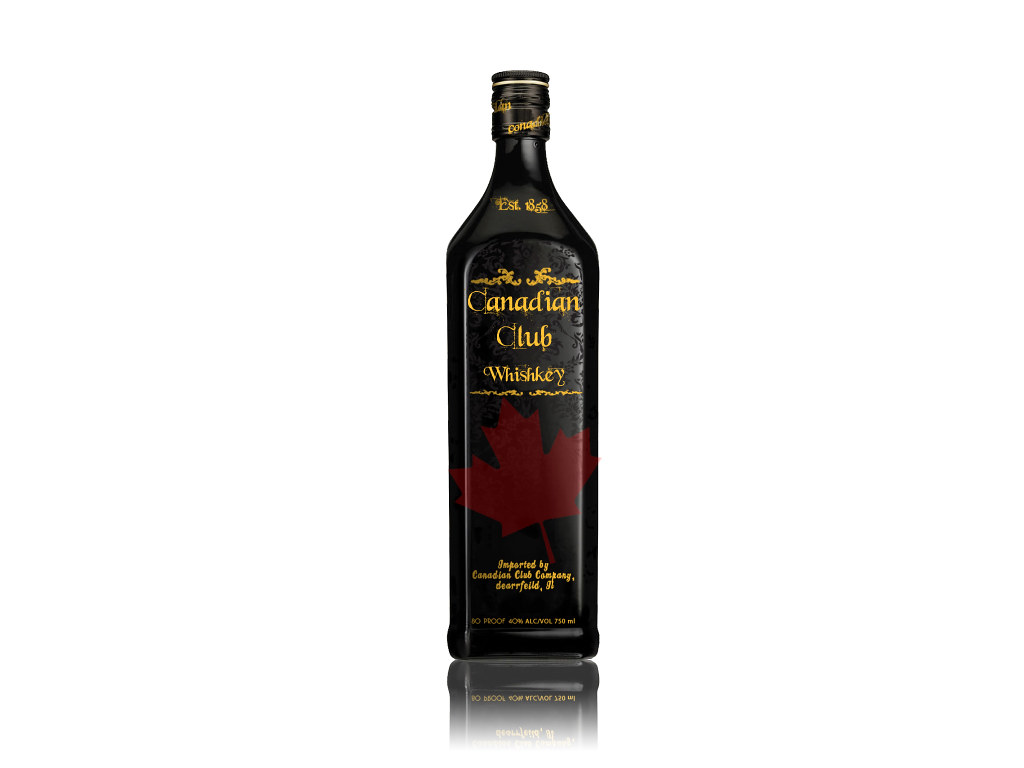
Suntory’s sole Canadian whisky brand has hit some rough patches, plunging 15.2% to 5.3 million cases in recent years—the biggest decrease among major sellers. According to on-premise data, Canadian whisky sales have fallen at twice the rate of American bourbon, reflecting broader challenges in the category.
The brand has focused heavily on its ready-to-drink line as it works to reverse the decline and recapture market share.
Chivas Regal
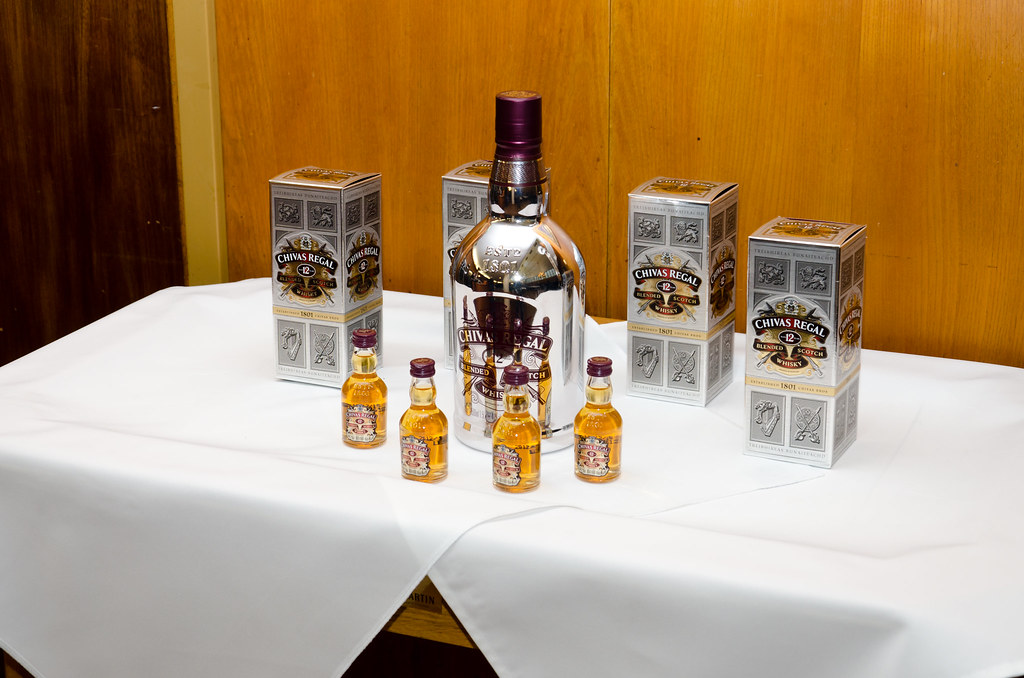
This Pernod Ricard premium blend aged 12 years and older sells approximately 4.6 million cases, though it’s been through several boom-and-bust cycles in recent decades. The brand was the leading imported spirit in China during the luxury boom, crashed after the government’s anti-extravagance crackdown, and has since been working to rebuild.
Recent innovations include the Extra range with rum cask finishes and Cognac-finished XV expressions, plus a partnership with Manchester United that’s helped maintain visibility.
Grant’s
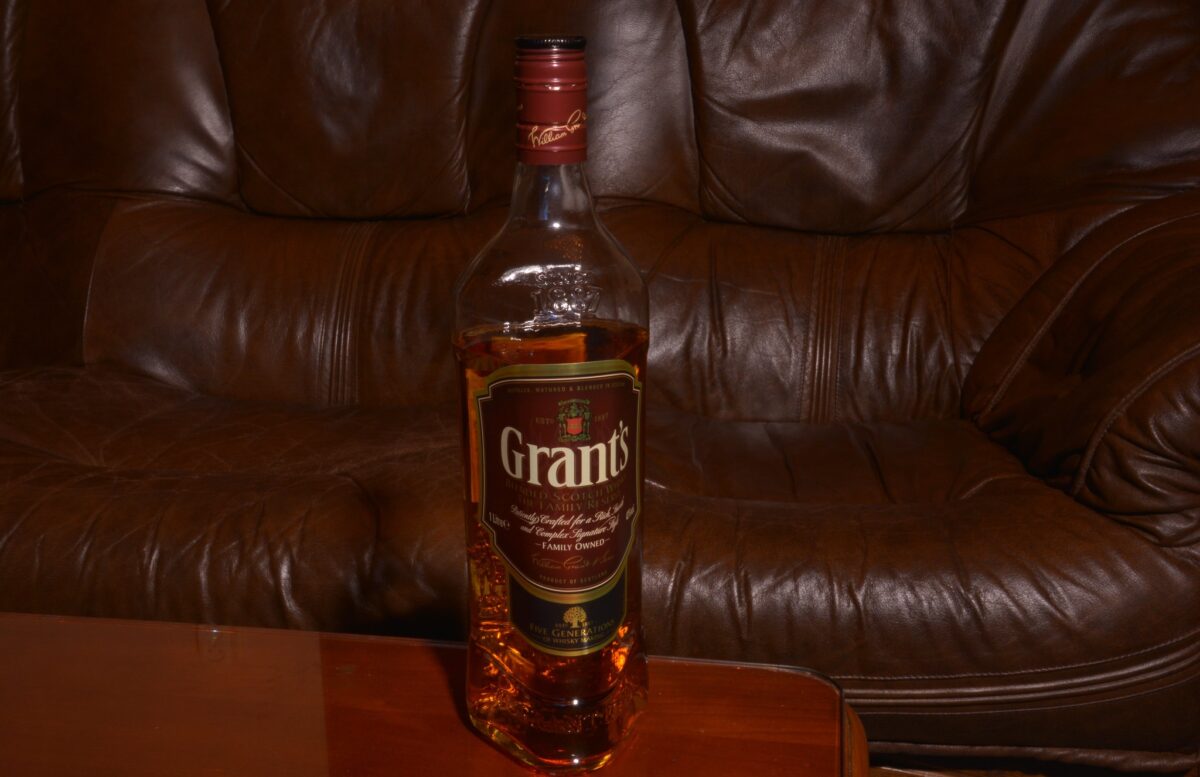
William Grant & Sons’ flagship blend has bounced back to 4.4 million cases with steady growth that returned it to its highest volume in five years. Unlike many competitors that started with blends, Grant’s story began with the Glenfiddich single malt in 1887, with blended whisky coming over a decade later.
The brand still carries ‘Standfast’—the family motto—on every bottle, and with a new CEO leading its parent company, there’s anticipation for renewed momentum.
William Lawson’s
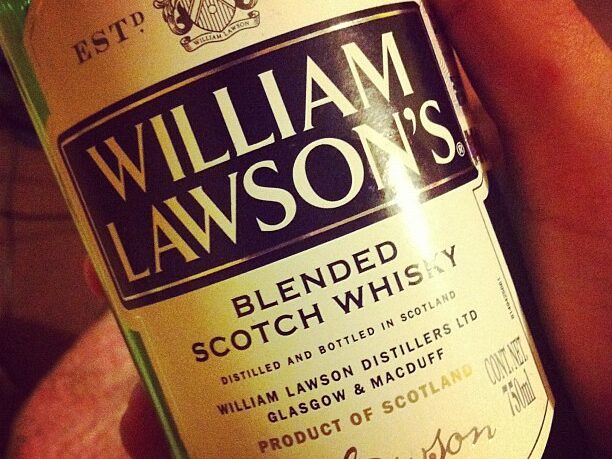
This Bacardi-owned Scotch moves approximately 3.4 million cases annually and has maintained that three-million-case threshold for five consecutive years. Despite being overtaken by sister brand Dewar’s as Bacardi’s top-selling Scotch and experiencing a 5.4% decline, William Lawson’s continues to hold steady in its markets.
The brand doesn’t command the same recognition as some competitors, but its consistent performance demonstrates a loyal consumer base.
Dewar’s
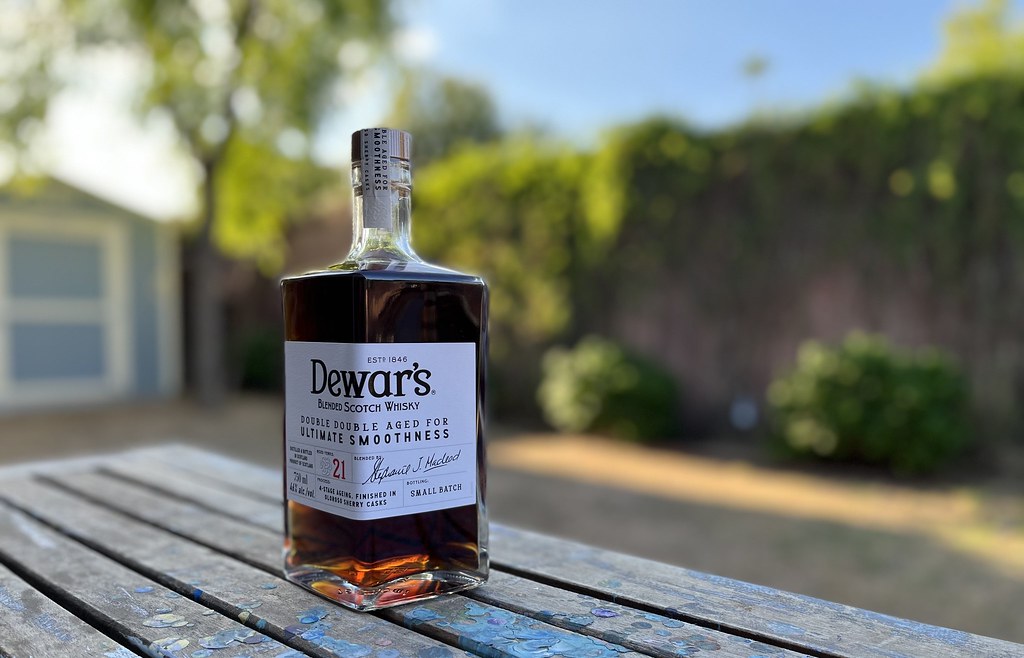
Bacardi’s Dewar’s climbed back to around 3.3 million cases with 1.8% growth, reversing some earlier declines through aggressive marketing. The company has made substantial pushes behind the brand with a new campaign featuring an image shift, plus partnerships with golf’s PGA and the US Open that target affluent consumers.
While it’s still below its 2022 peak, Dewar’s is performing significantly better than it did in 2020 and continues trending in the right direction.
J&B
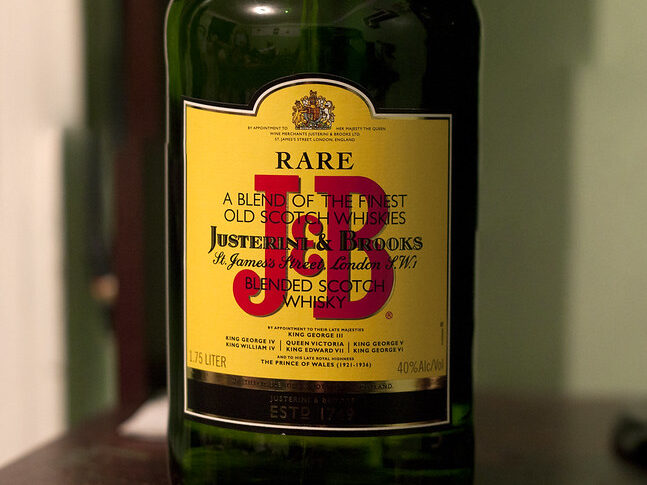
Diageo’s J&B—short for Justerini & Brooks—sells approximately 2.5 million cases, though it’s been on a downward trajectory with a 13.5% drop in recent years. The brand still moves more cases than during the 2020 pandemic lows, but it’s struggling to reach the heights of 2022 when it nearly returned to its 2019 peak.
J&B has maintained a presence in France and other European markets for decades, but changing consumer preferences have made things challenging.
Maker’s Mark
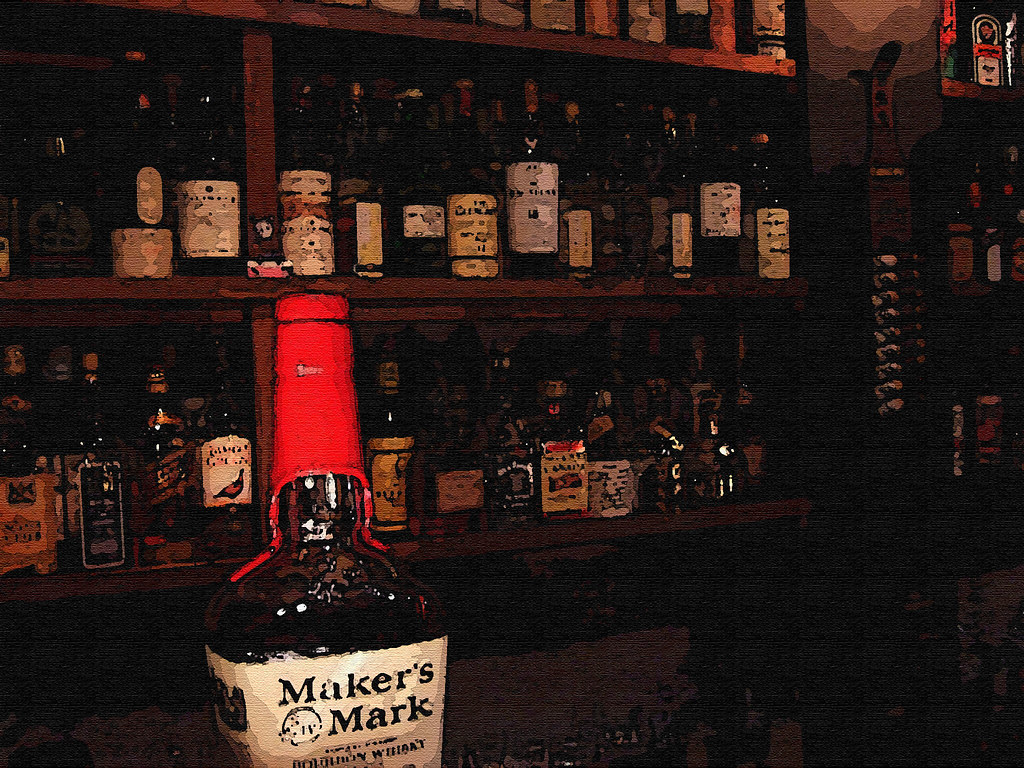
Suntory’s Maker’s Mark finally cracked three million cases before declining to around 1.7 million, representing its first decrease in five years with a 10.1% drop. The Kentucky bourbon with the distinctive red wax seal has been a consistent performer in premium bars, with the brand appearing as a house pour in nearly half of the world’s top bars.
Maker’s Mark launched a global campaign and released its first age-statement bourbon to maintain momentum, though recent figures suggest the brand is facing headwinds.
Glenfiddich
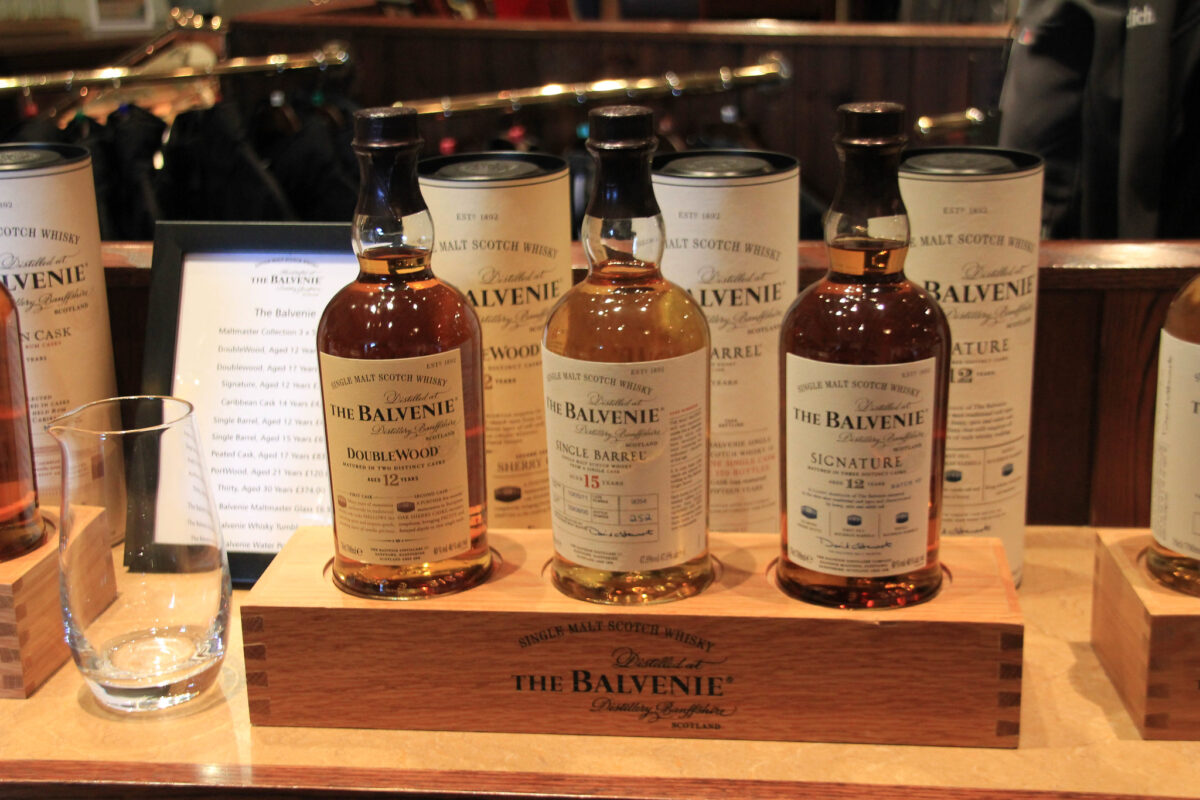
William Grant & Sons’ pioneering single malt remains the category leader with 1.7 million cases and 6.2% growth, outselling every other single malt Scotch. The brand was the first to seriously market single malt whisky internationally, and that early mover advantage has paid dividends for decades.
Glenfiddich’s ability to draw on multiple distilleries in the William Grant & Sons portfolio helps it avoid the supply shortages that plague many single malts trying to meet growing demand.
The Glenlivet
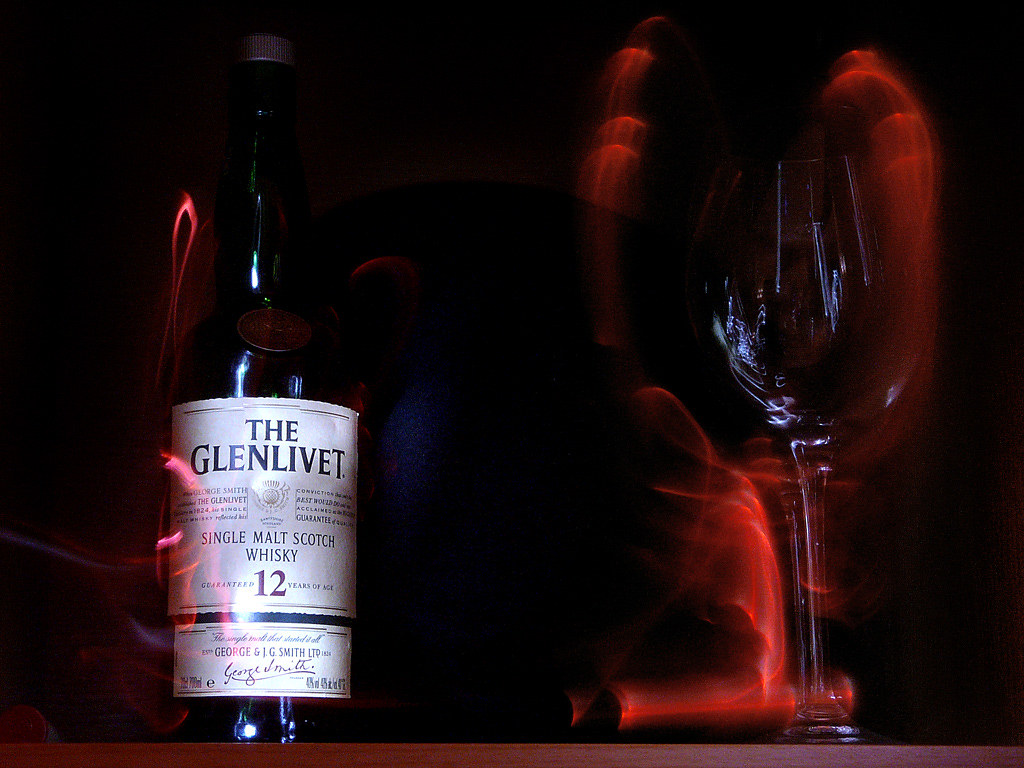
Pernod Ricard’s The Glenlivet has topped 1.07 million cases for multiple consecutive years, with the US accounting for roughly 40% of sales. When Bill Smith Grant began pushing the brand in America during the 1950s, annual sales stood at less than 700 cases—making the current figures a testament to sustained marketing excellence.
The Glenlivet briefly overtook Glenfiddich as the world’s best-selling single malt in 2014, and the two brands have been locked in friendly competition ever since.
The Global Pour
These brands collectively move hundreds of millions of cases each year, representing billions in revenue and employing thousands of workers from distillery floors to marketing departments. What started with Scottish farmers and Irish monks distilling grain spirits has evolved into a sophisticated global industry where Japanese precision competes with American tradition and Canadian smoothness.
The whisky market continues shifting as premiumization drives consumers toward higher-end expressions while value brands fight to maintain relevance in changing times. Whether you prefer your whisky neat, on the rocks, or mixed into cocktails, these brands have shaped how the world drinks and will likely continue influencing global spirits culture for generations to come.
More from Go2Tutors!

- The Romanov Crown Jewels and Their Tragic Fate
- 13 Historical Mysteries That Science Still Can’t Solve
- Famous Hoaxes That Fooled the World for Years
- 15 Child Stars with Tragic Adult Lives
- 16 Famous Jewelry Pieces in History
Like Go2Tutors’s content? Follow us on MSN.



