25 Optical Illusions That Still Work After Someone Explains Them
The most powerful optical illusions persist in their deception even after understanding the mechanism behind them. Knowledge that an illusion exists does not eliminate the illusion itself.
Explaining why an illusion works intellectually does not prevent the visual system from being fooled. These illusions reveal the gap between conscious knowledge and perceptual experience—between what we understand to be true and what our eyes insist we see.
Understanding the mechanism does not grant immunity from the effect.
The Rotating Snakes Illusion
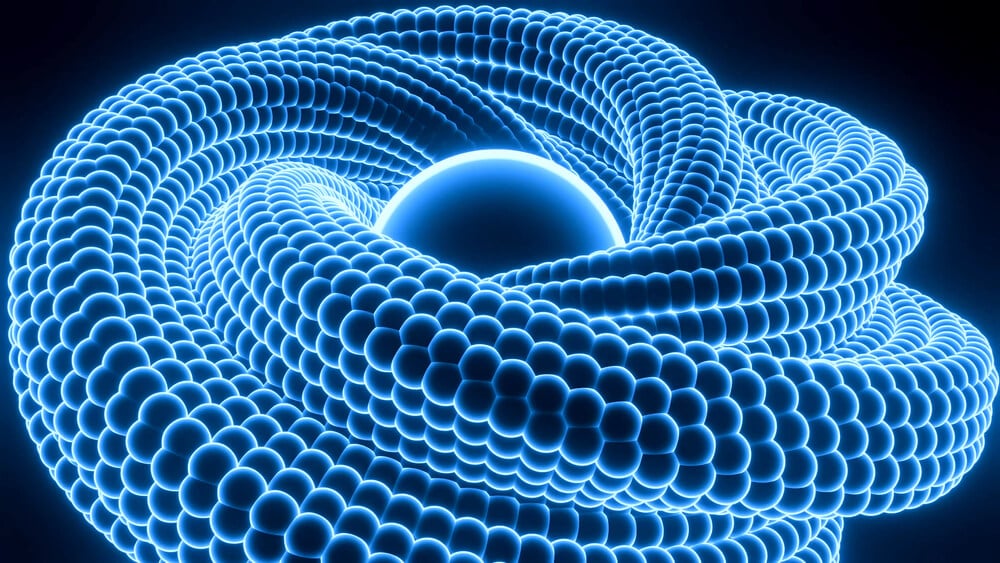
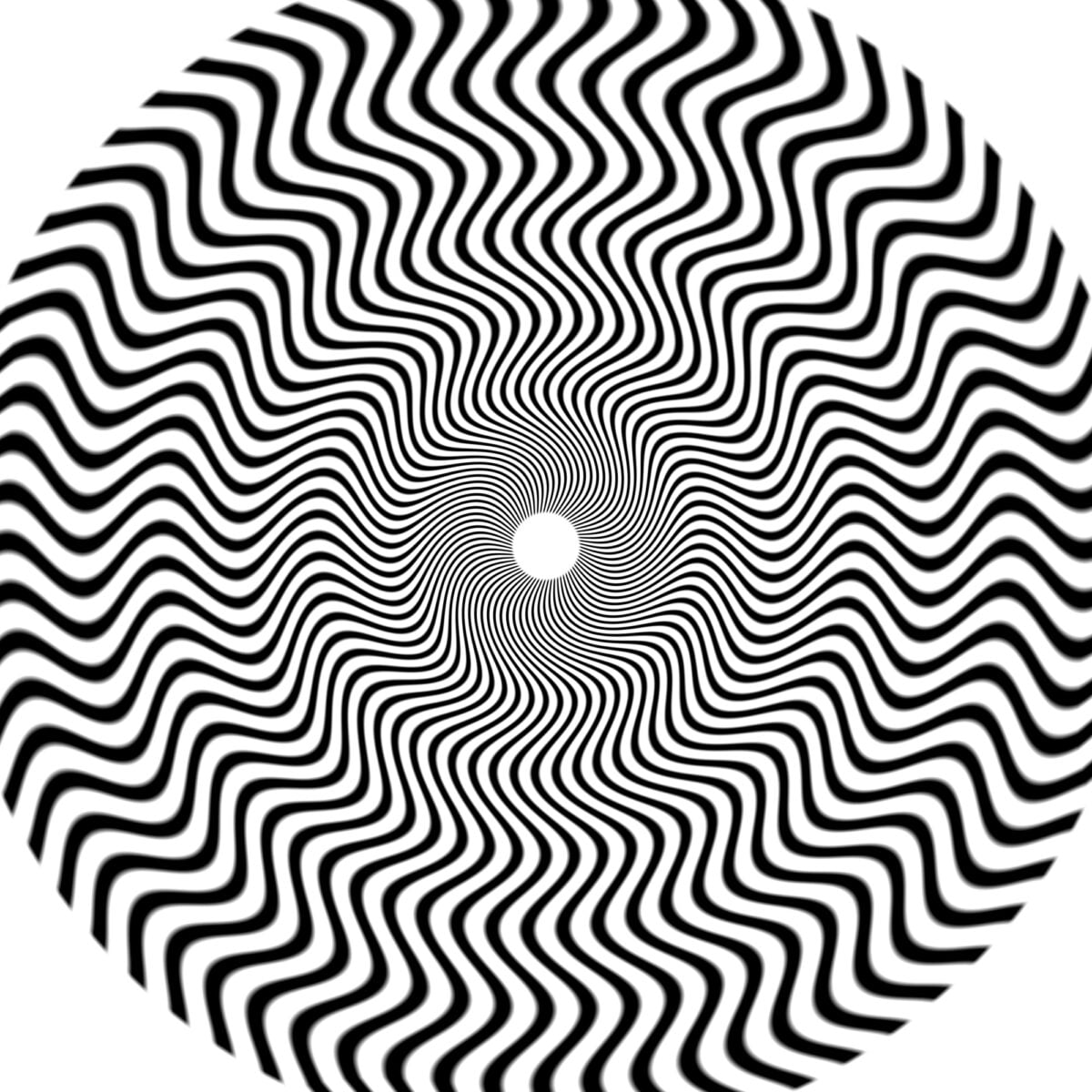
The Rotating Snakes illusion depicts still-life rings and snakes that appear to move and writhe across the page despite being completely static. Knowing the image is still does not prevent the perception of movement.
The illusion exploits the visual system’s sensitivity to color contrast and edge perception.
The Impossible Cube (Necker Cube)
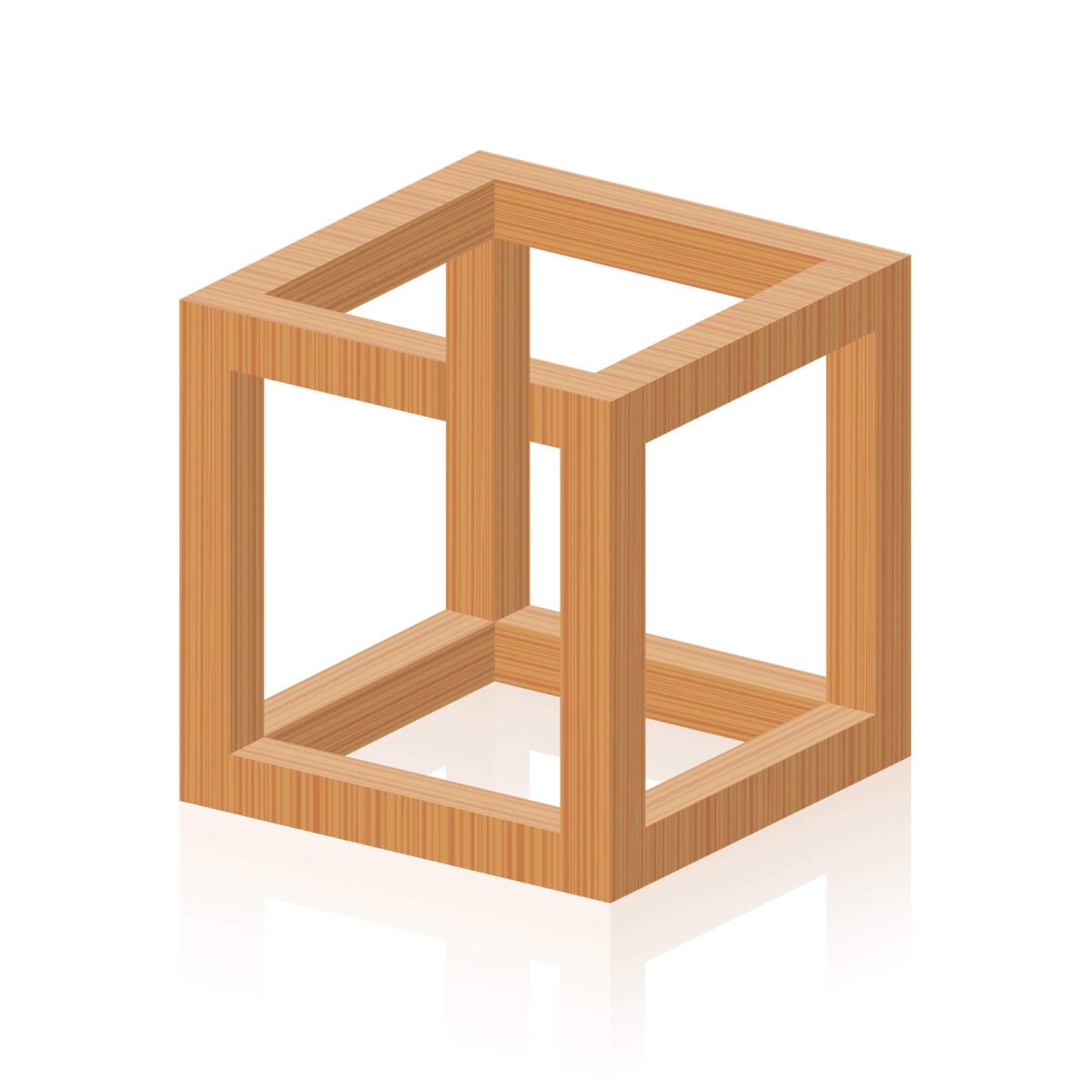
The Necker Cube is a wireframe cube that appears to switch orientation as you observe it. Understanding that it is simply a two-dimensional line drawing does not prevent the 3D reversing effect.
Your perceptual system continues to flip between interpretations.
Checker Shadow Illusion
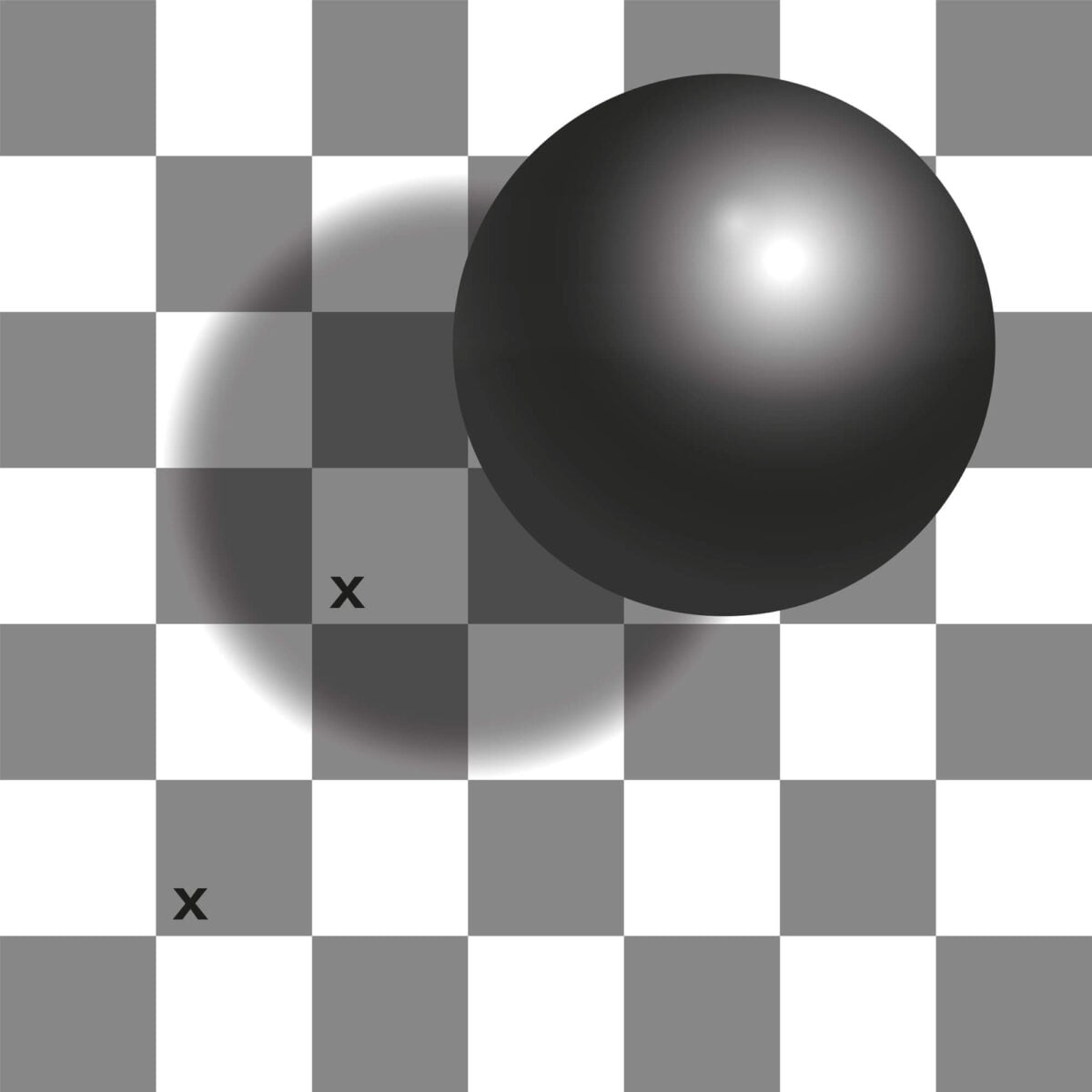
In this illusion, a checkerboard with a shadow appears to have squares of different shades, though actually adjacent squares are identical in color. Even after learning they are the same color, they still appear different due to contrast effects and the visual system’s interpretation of shadow.
The Ponzo Illusion
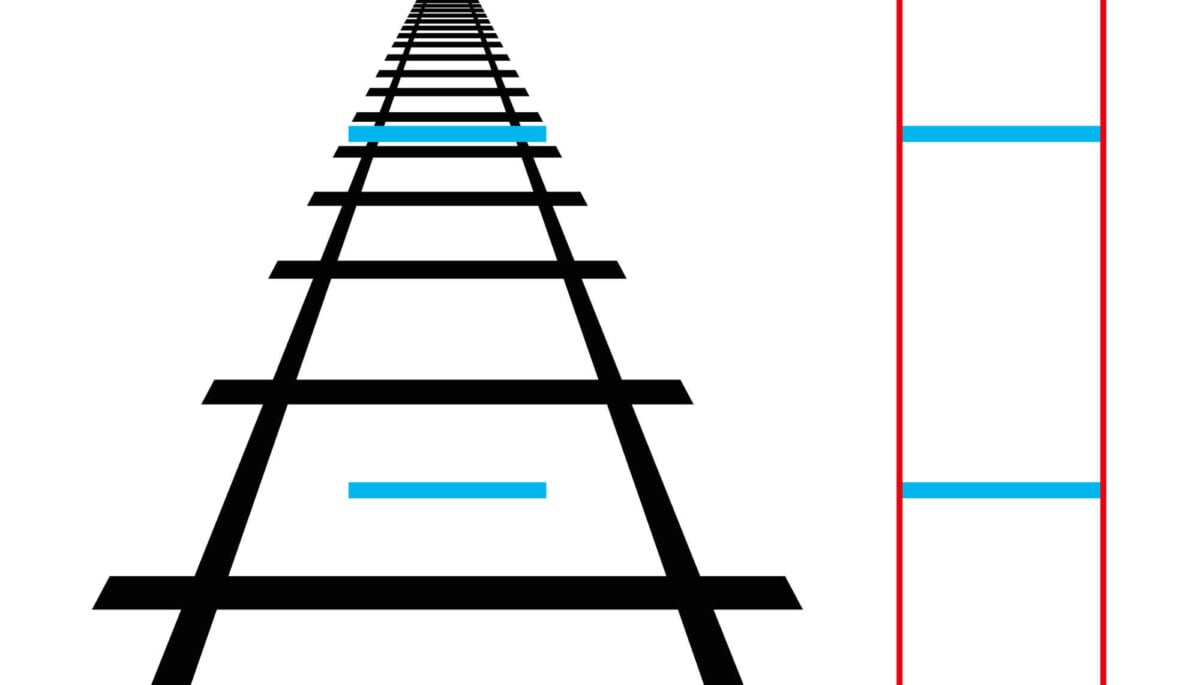
The Ponzo Illusion shows two identical-sized objects placed on converging lines that appear to be different sizes. The object further up the converging lines appears larger even though both objects are the same size.
Understanding the mechanism does not eliminate the size difference in perception.
The Moon Illusion

The moon appears larger when near the horizon than when high in the sky, though it is the same angular size in both cases. Understanding the illusion does not eliminate it.
The moon at the horizon still appears larger even when you consciously know it is the same size.
The Müller-Lyer Illusion
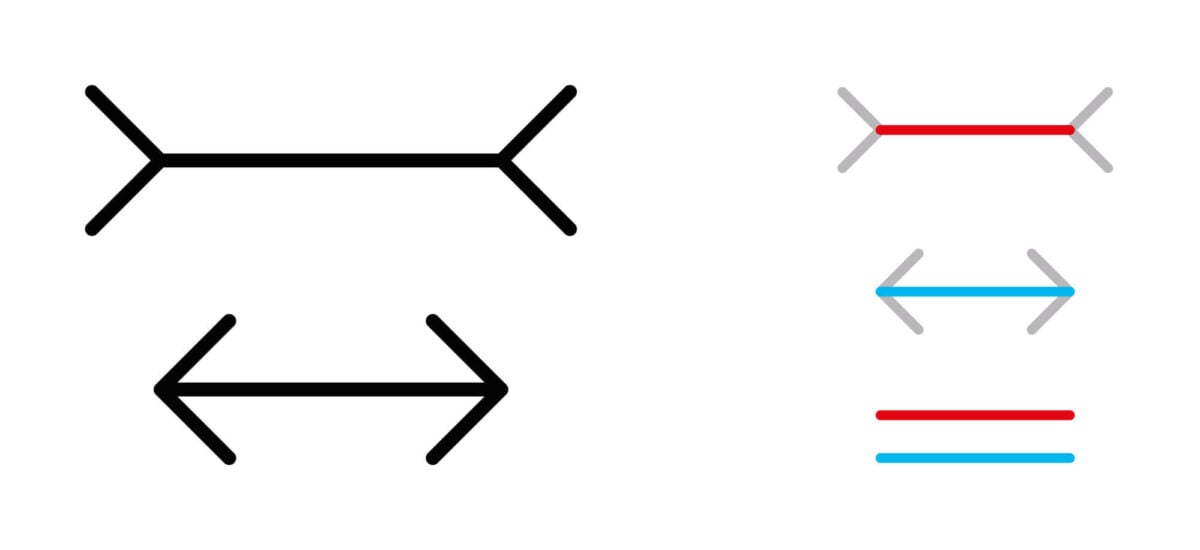
Two lines of identical length appear to be different lengths due to arrows pointing inward or outward at their ends. Even after learning the lines are equal, they still appear unequal in length.
Knowing the mechanism does not eliminate the perceptual difference.
The Zöllner Illusion
Parallel lines appear to be slanted or bent when crossed by short lines at angles. Understanding that the lines are parallel does not make them appear parallel when viewing the illusion.
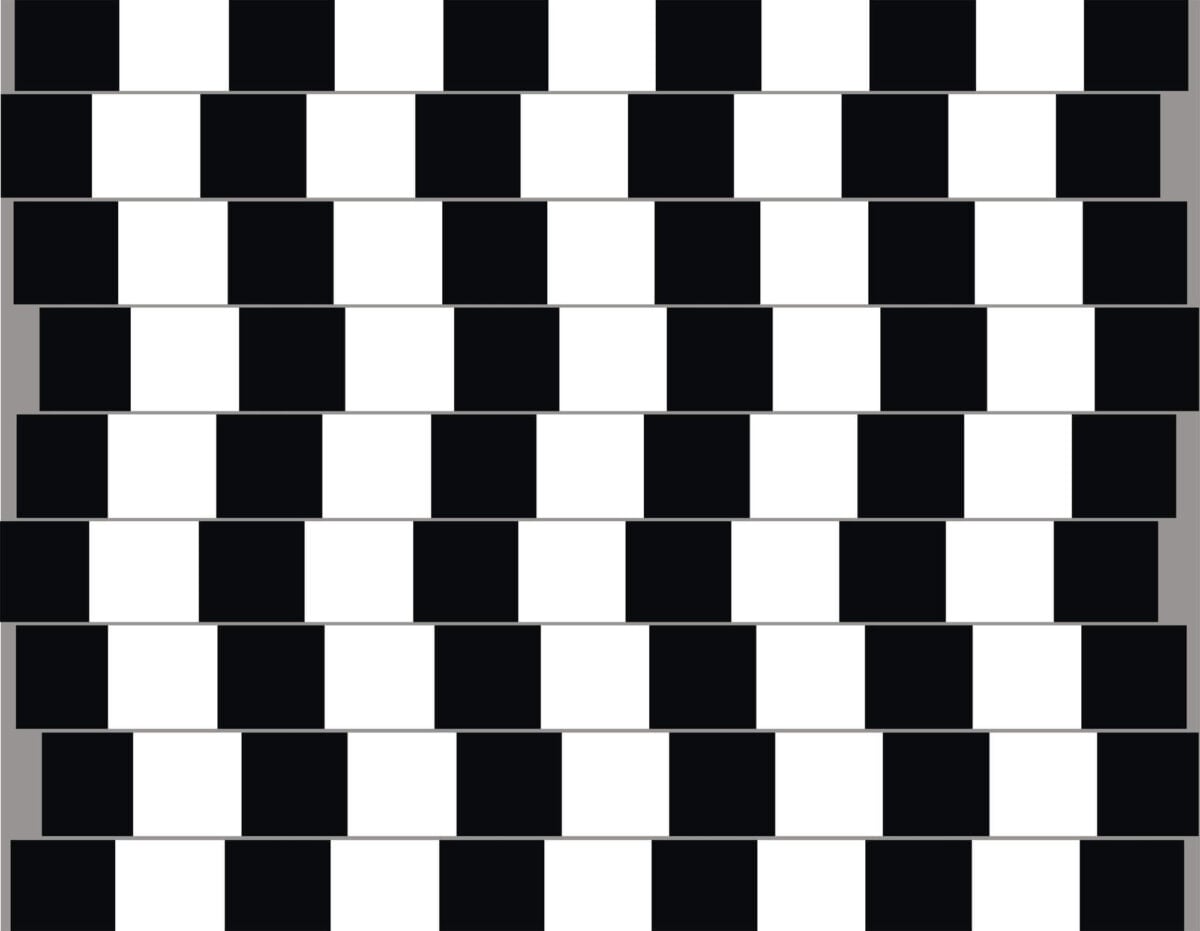
The Café Wall Illusion
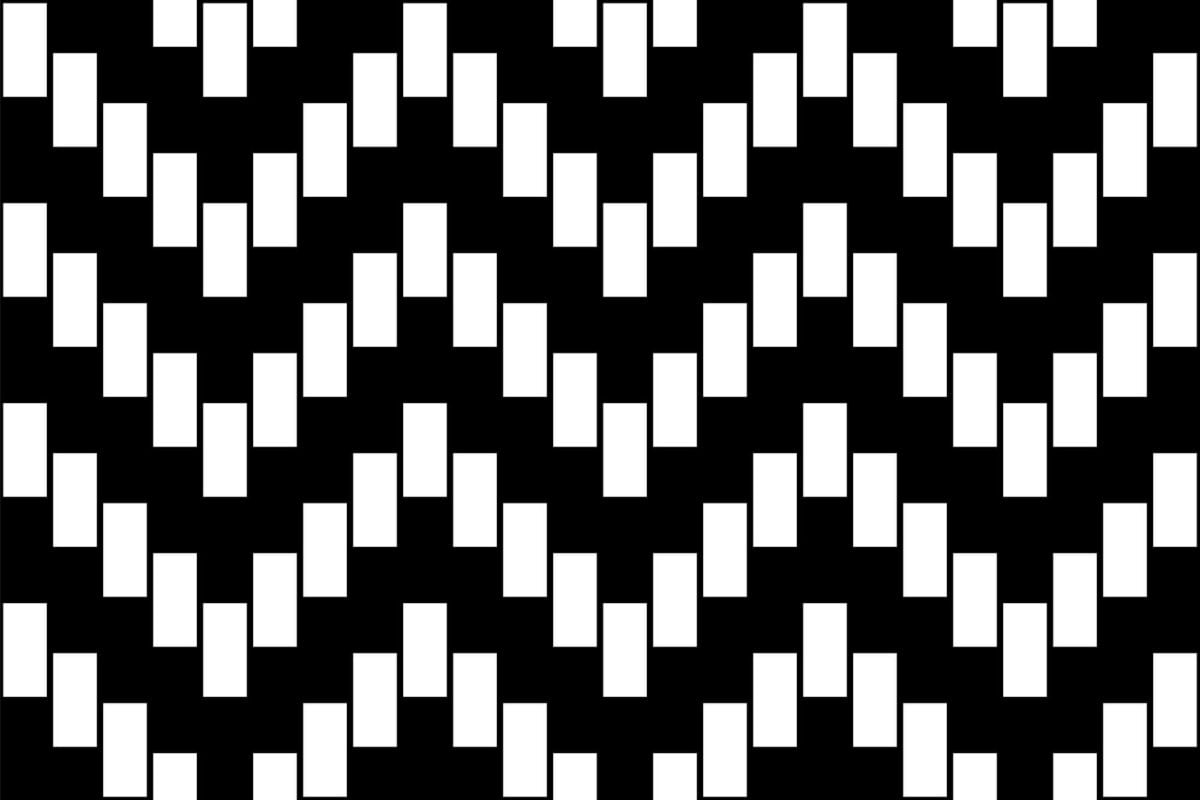
In a checkerboard pattern with offset rows and thin mortar lines, the rows appear to be slanted or tilted even though they are perfectly parallel. Understanding the geometry does not make the rows appear straight.
The Spinning Dancer

An animated silhouette of a woman appears to spin clockwise or counterclockwise depending on interpretation. Knowing the image is a simple 2D silhouette does not prevent the perception of rotation or the alternation between clockwise and counterclockwise directions.
The Face/Vase Illusion

A black and white image simultaneously depicts a woman’s profile and a vase depending on which portions are perceived as foreground versus background. Understanding there are two images does not prevent the reversing effect.
The Rubin Vase

Similar to the Face/Vase illusion, two faces appear to be looking at each other, but the space between them forms a vase. Understanding both interpretations does not prevent the perceptual alternation.
The Kanizsa Triangle
DepositPhotos
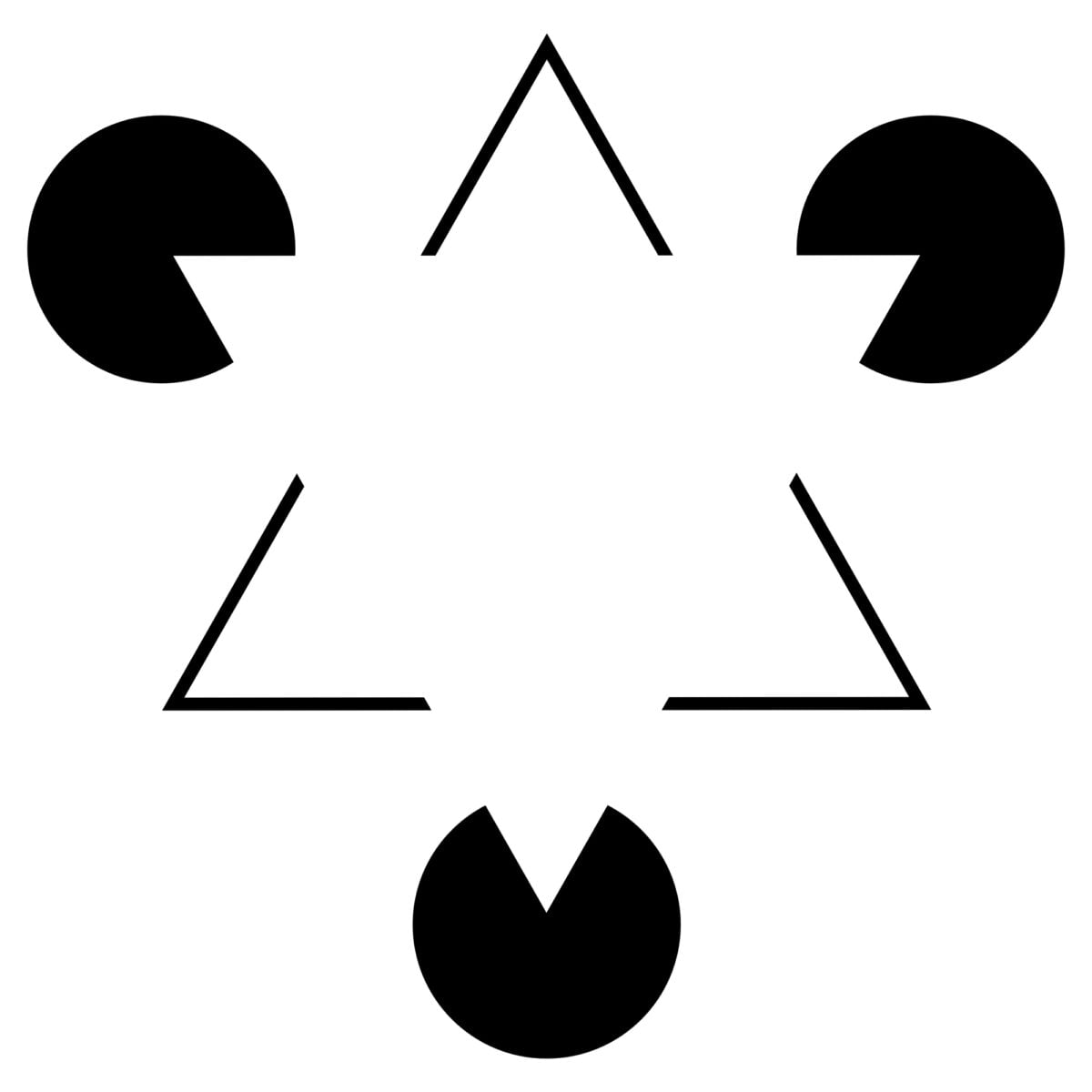
A triangle appears to be present in the space between three circles with wedges removed, though no actual triangle is drawn. The visual system completes the triangle from the implied edges.
Understanding the triangle is not physically there does not eliminate the perception of it.
The Stepping Feet Illusion
Animated figures appear to move vertically as their feet move horizontally, despite the background pattern moving in a way that would make them move only horizontally. Understanding the mechanism does not prevent the vertical movement perception.
The Fragmented Woman

An impossible reconstruction of a woman’s proportions appears to depict a grotesque figure due to the arrangement of body parts. Understanding the distortion does not eliminate the sense of wrongness or grotesqueness.
The Breathing Wall

A repeating pattern appears to pulse and breathe despite being completely static. Understanding the illusion does not prevent the perception of movement and expansion/contraction.
The Pinna Illusion
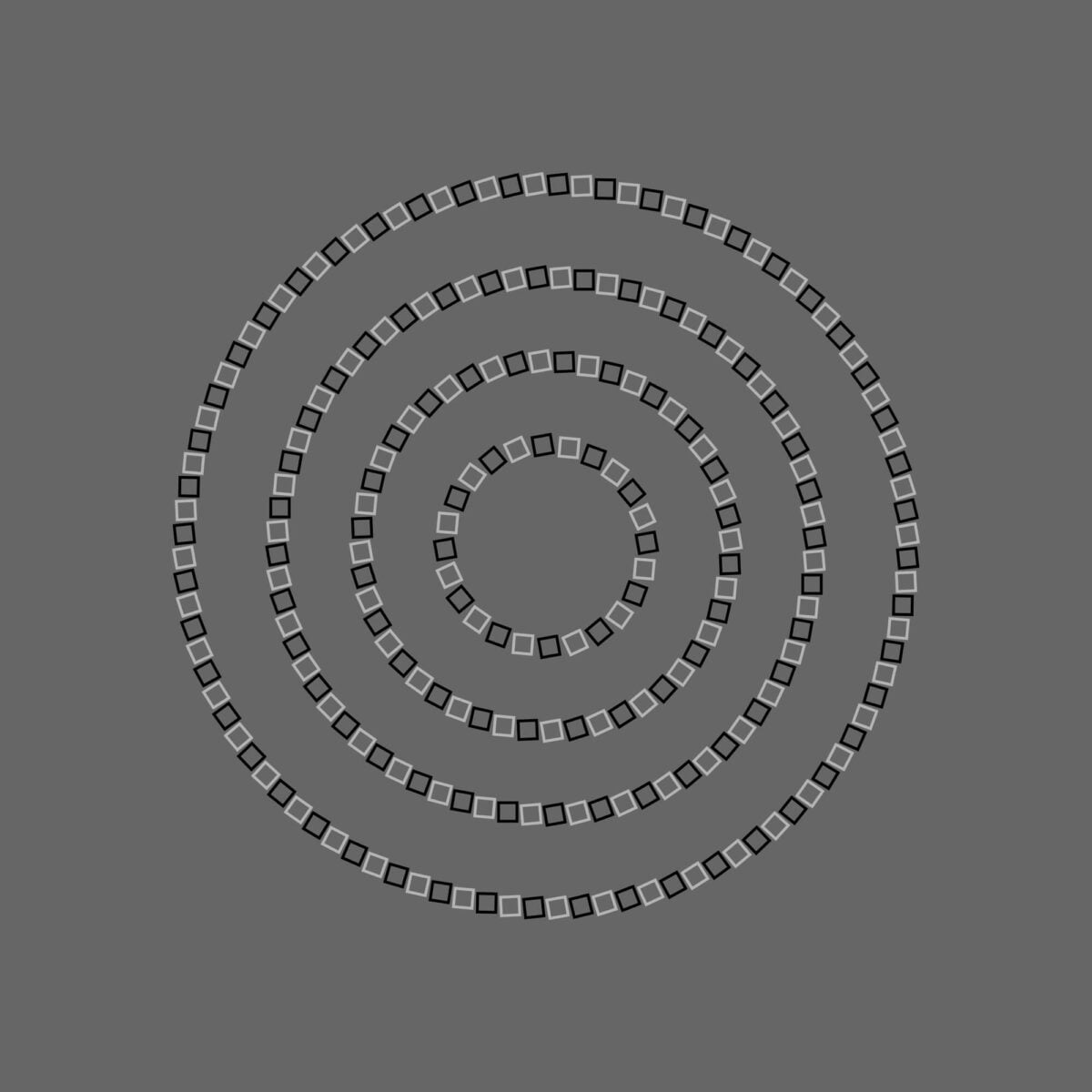
Concentric circles appear to have depth and rotation despite being flat. Understanding they are concentric circles does not prevent the perception of depth and movement.
The Peripheral Drift Illusion
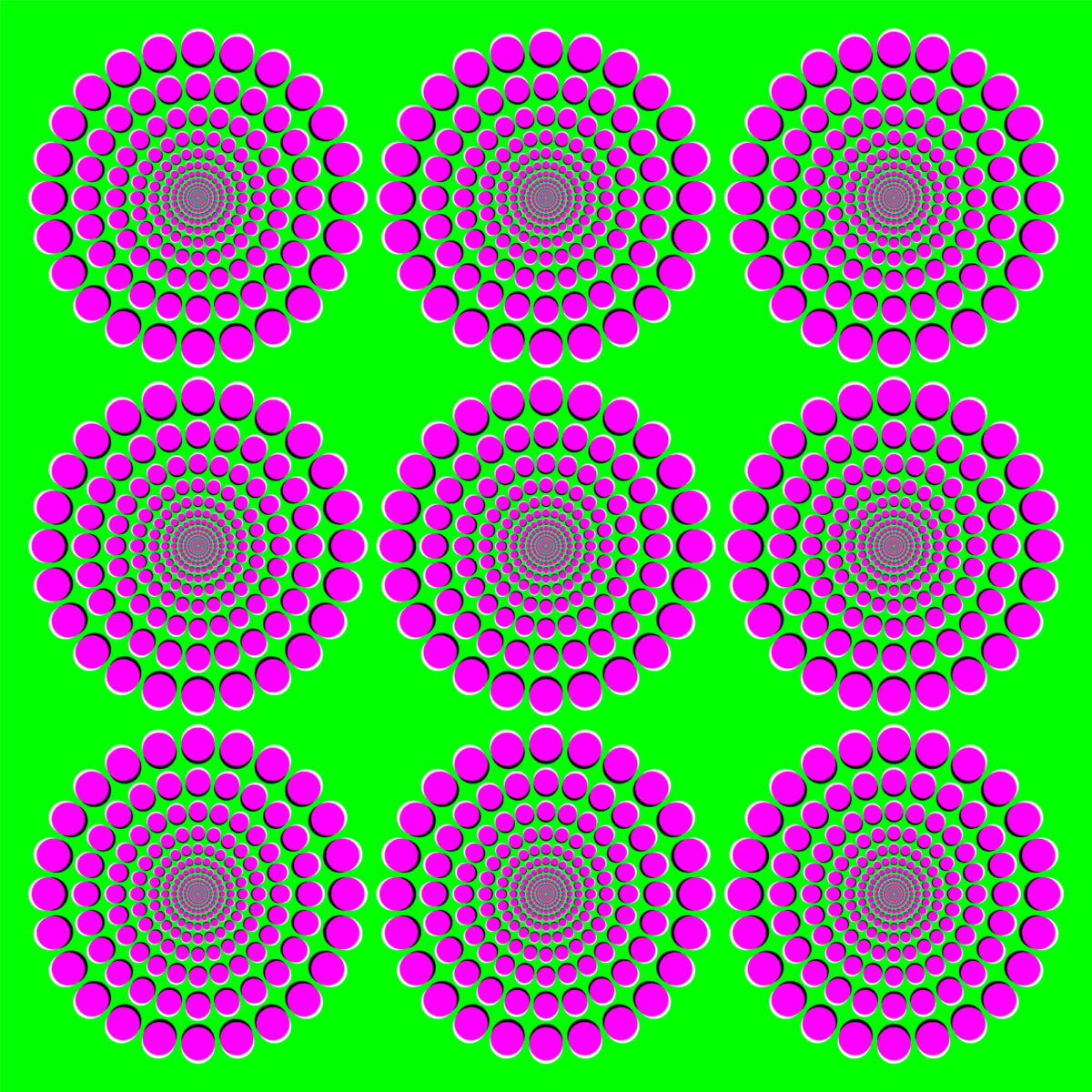
A pattern appears to move in the peripheral vision but remains still in direct gaze. Even while understanding this, the illusory motion persists in peripheral vision.
The Barber Pole Illusion
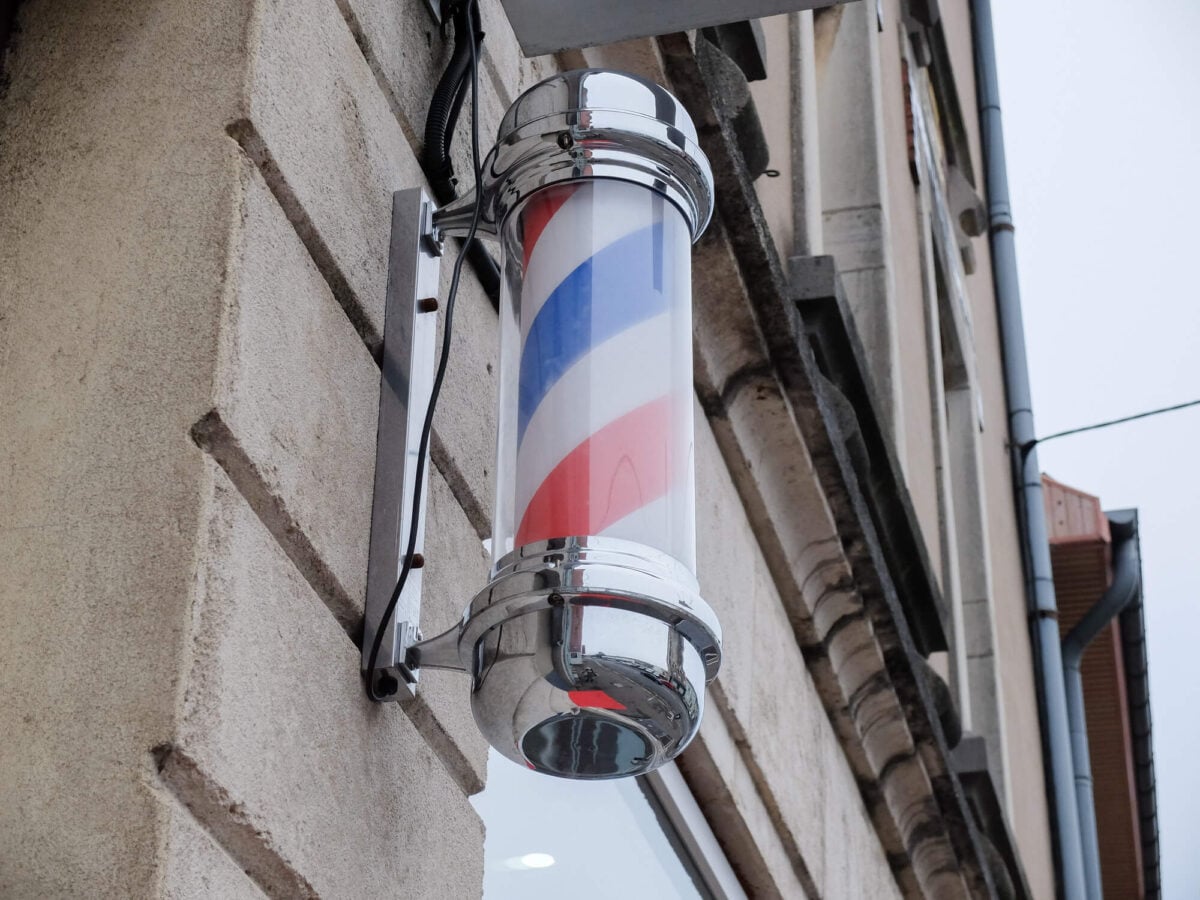
A rotating barber pole appears to move in one direction, but understanding that individual stripes move perpendicular to the pole’s surface does not prevent the perception of upward or downward motion.
The Waterfall Illusion

After watching a waterfall move downward, stationary scenery appears to move upward due to motion adaptation. Understanding the mechanism does not prevent the illusory upward motion perception.
The Blindspot Illusion
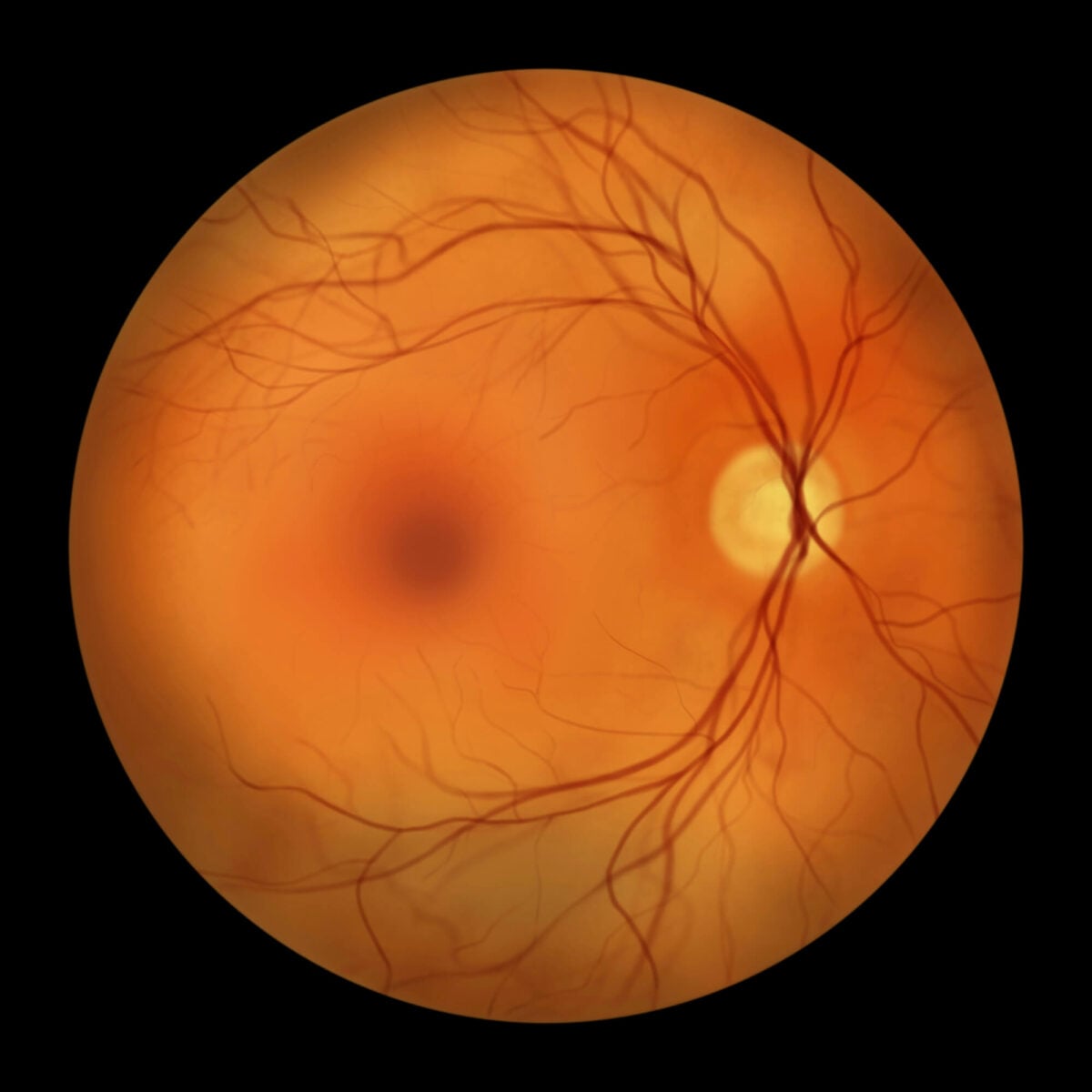
Every eye has a blindspot where the optic nerve exits the eye, but we do not perceive a gap in vision because the visual system fills it in. Understanding the blindspot exists does not make you consciously aware of it during normal vision.
The Flashing Dots Illusion
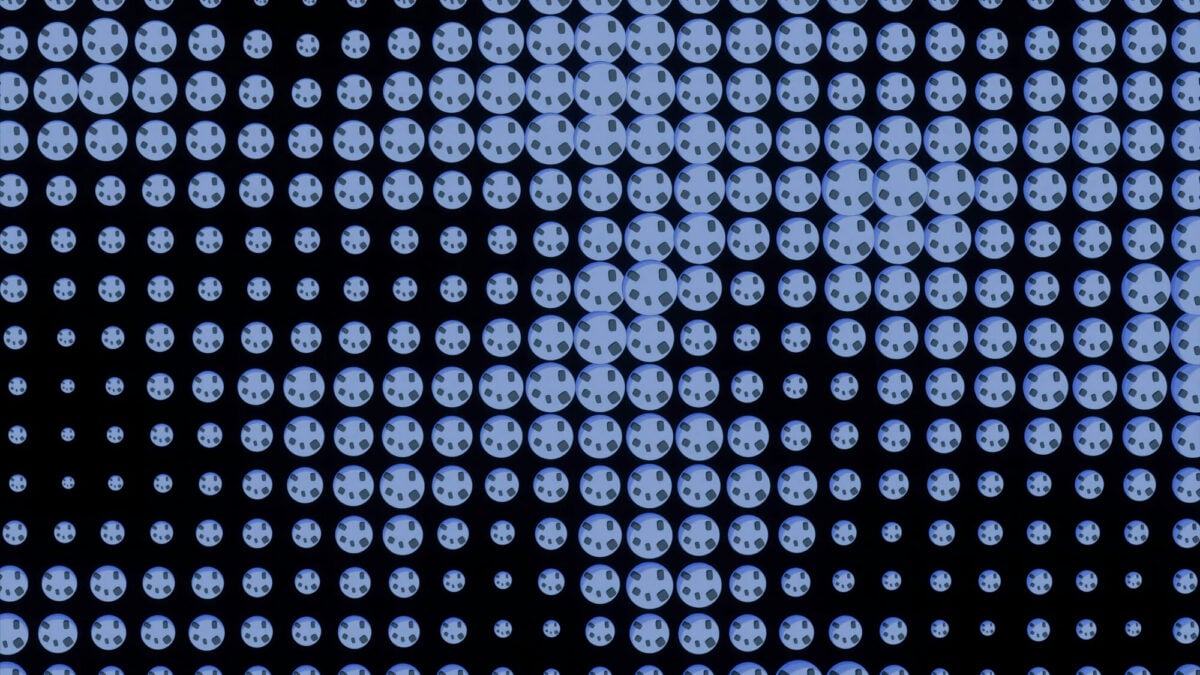
Dots appear to flash and move even though they are static. Understanding the dots are stationary does not prevent the perception of flashing and movement.
The Sideways Traffic Light Illusion

Traffic lights viewed from an angle appear to show more light than they actually emit. Understanding the optical properties does not eliminate the over-bright appearance.
The Blivet (Impossible Trident)
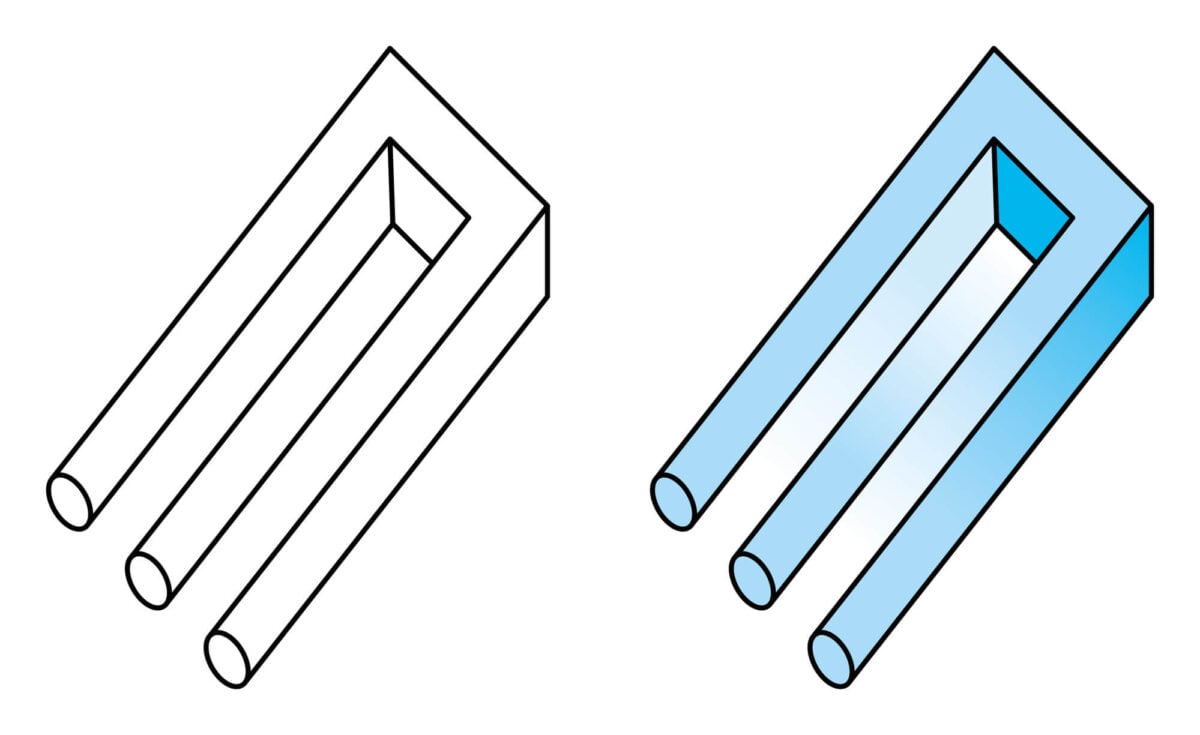
An impossible trident appears to have three prongs from one perspective and two prongs from another perspective. Understanding it cannot exist in three dimensions does not prevent the visual ambiguity.
The Scintillating Scotoma

A pattern creates illusory dark spots that flash at intersections of the grid pattern. Understanding the spots are not really there does not eliminate the perception of their flashing.
The Poggendorff Illusion
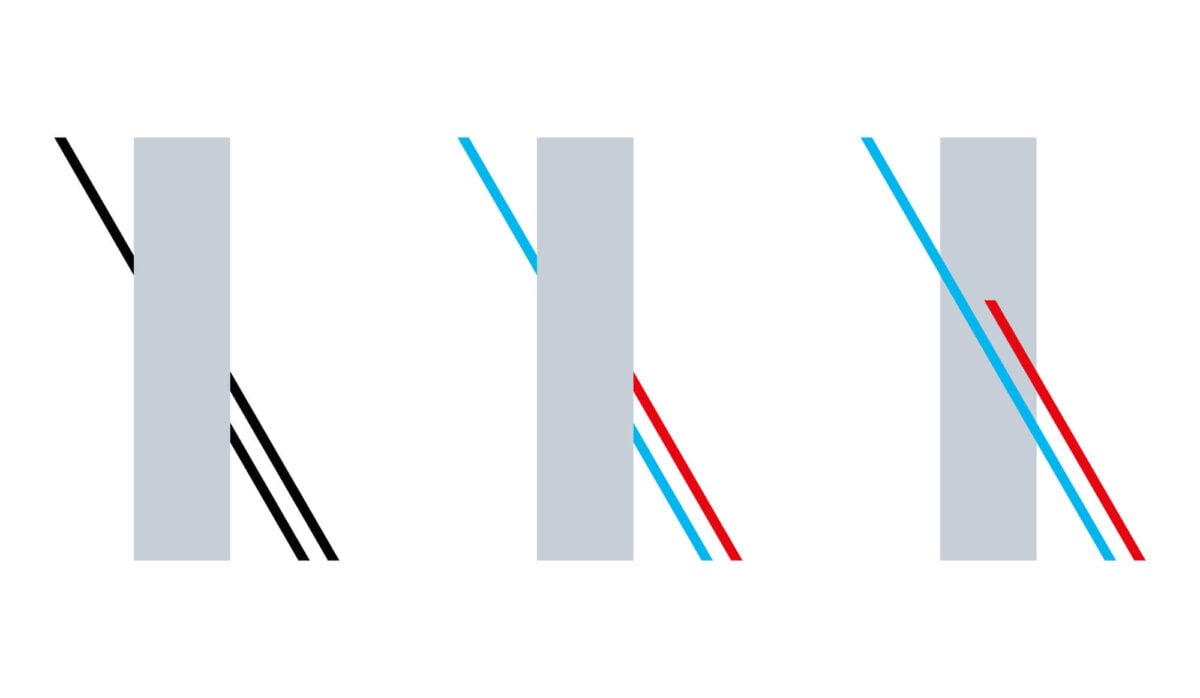
A line passing behind an occluding rectangle appears misaligned when it emerges on the other side, though the line is actually straight. Understanding the line is straight does not make it appear straight through the occluder.
The Power of Persistent Illusion
These illusions demonstrate that conscious knowledge of an illusion’s mechanism provides no immunity from the illusion itself. The visual system operates partly below the level of conscious control.
Understanding why we are fooled does not grant us the ability to prevent being fooled. This gap between knowledge and perception reveals the profound influence of unconscious visual processing on our experience of reality.
More from Go2Tutors!

- The Romanov Crown Jewels and Their Tragic Fate
- 13 Historical Mysteries That Science Still Can’t Solve
- Famous Hoaxes That Fooled the World for Years
- 15 Child Stars with Tragic Adult Lives
- 16 Famous Jewelry Pieces in History
Like Go2Tutors’s content? Follow us on MSN.



