14 Horses That Played Roles in Battles
Throughout history, the partnership between warriors and their steeds has often been the decisive factor in battle. While generals and soldiers get most of the glory, their four-legged companions played crucial roles in shaping military outcomes. These magnificent animals carried their riders through chaos, displayed incredible bravery under fire, and sometimes demonstrated intelligence that saved countless lives.
Here is a list of 14 remarkable warhorses whose contributions helped turn the tide of battle and change the course of history.
Bucephalus
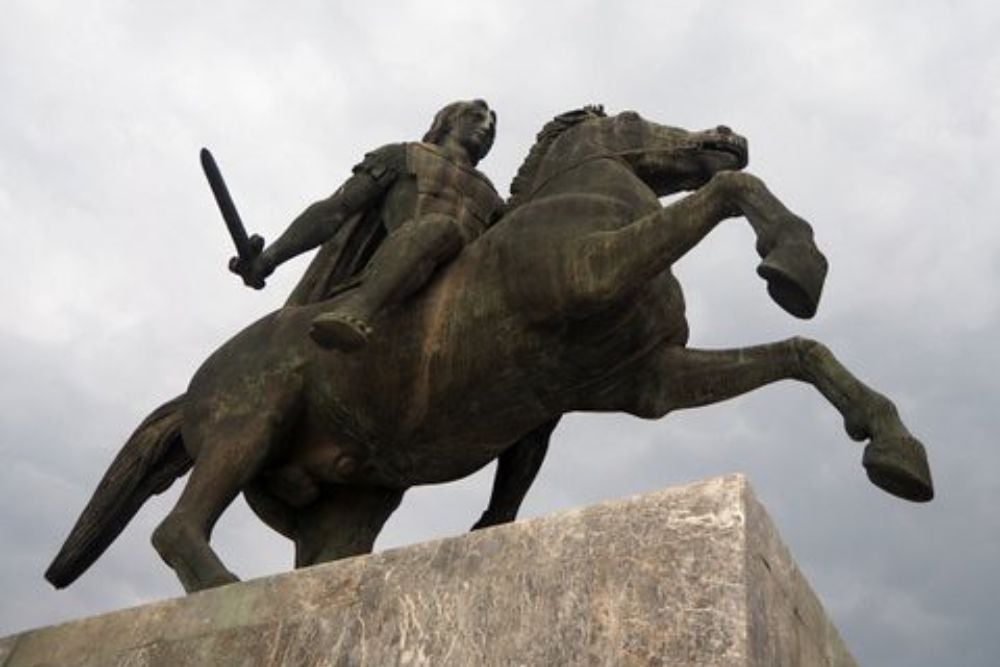
Alexander the Great’s legendary black stallion became almost as famous as his master. Purchased for an astronomical sum when Alexander was just a teenager, Bucephalus was considered untamable until young Alexander noticed the horse was afraid of his own shadow.
Their bond became unbreakable through numerous campaigns across Persia, Egypt, and India. Bucephalus carried Alexander through some of his most significant victories, including the decisive Battle of Gaugamela against Darius III, where they faced down war elephants and superior numbers.
When Bucephalus died in 326 BCE, Alexander named an entire city after him—Bucephala, in modern Pakistan.
Marengo

Napoleon Bonaparte’s trusty gray Arabian stallion carried the French emperor through some of his greatest triumphs and most bitter defeats. Standing just 14.1 hands high, this compact warhorse displayed remarkable endurance, reportedly carrying Napoleon safely through the disastrous Russian campaign.
Marengo survived eight wounds during his military career and participated in the Battle of Austerlitz, often considered Napoleon’s tactical masterpiece. After the defeat at Waterloo in 1815, British forces captured Marengo and brought him to England, where his skeleton remains on display at the National Army Museum in London as a testament to his remarkable service.
Like Go2Tutors’s content? Follow us on MSN.
Cincinnati
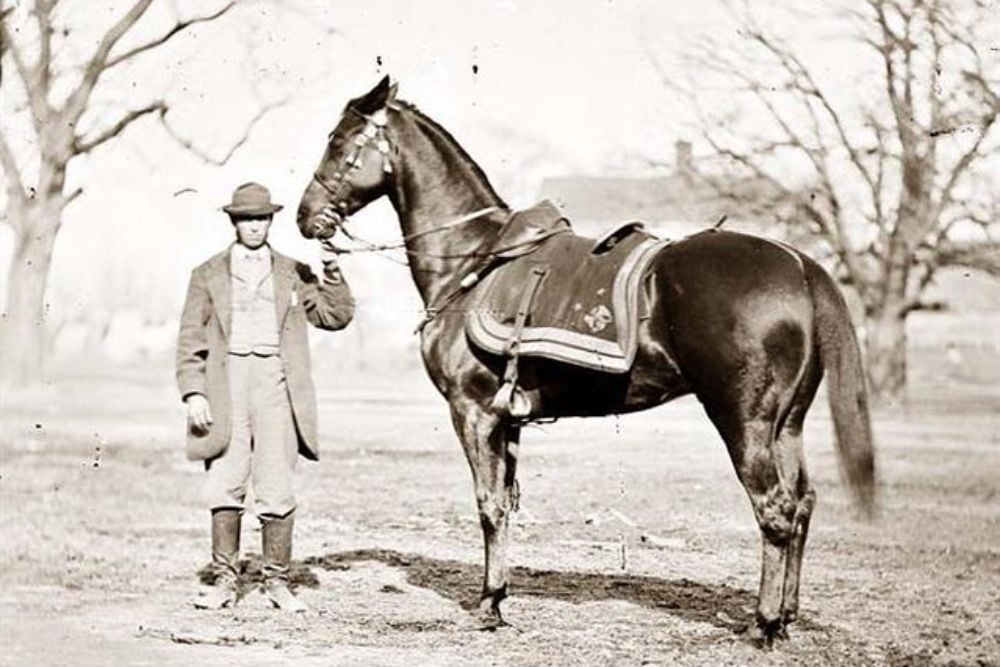
Ulysses S. Grant’s massive 17-hand horse became his preferred mount during the American Civil War. A gift from an admirer, Cincinnati’s strength and steadiness made him ideal for the chaos of battle, carrying Grant through the crucial Vicksburg campaign and witnessing the Confederate surrender at Appomattox.
Grant considered him one of the finest horses he’d ever seen, refusing offers as high as $10,000 for the magnificent animal—a fortune in those days. Even President Lincoln favored riding Cincinnati during his visits to Grant’s headquarters, remarking on the horse’s smooth gait and impeccable temperament.
Comanche
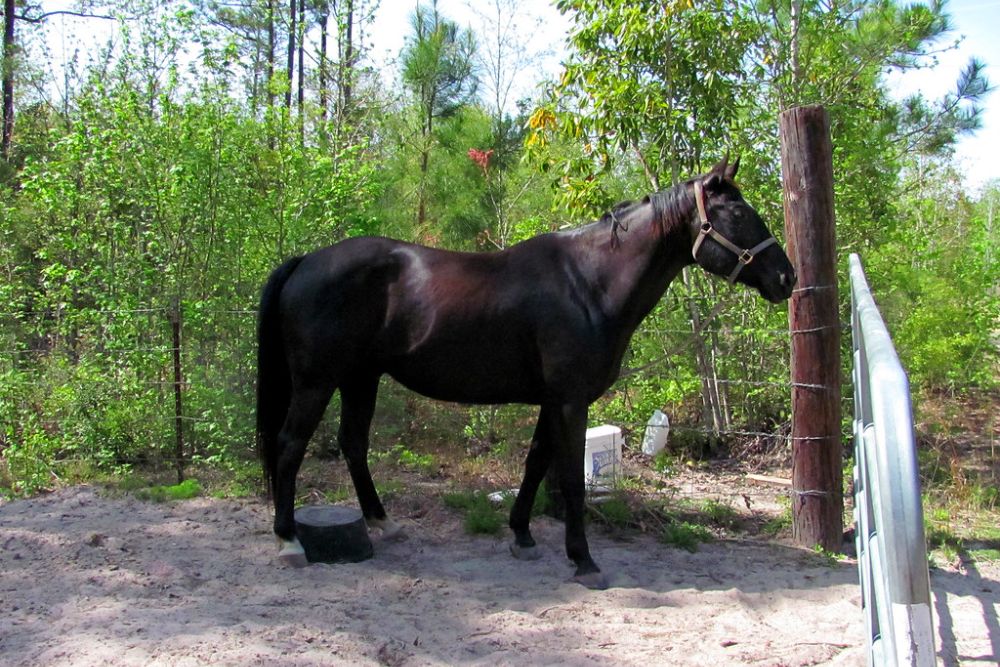
The only survivor of Custer’s 7th Cavalry at the Battle of Little Bighorn, this claybank gelding became a symbol of resilience and fortitude. Found two days after the battle with seven severe wounds, Comanche was nursed back to health and declared a “second commanding officer” of the regiment.
Military protocol dictated that no one could ride him again, and he became the regiment’s honored mascot until his death in 1891. During ceremonial parades, Comanche would appear fully saddled but with boots reversed in the stirrups—the military tradition symbolizing a fallen warrior.
His preserved remains are now displayed at the University of Kansas Natural History Museum.
Copenhagen
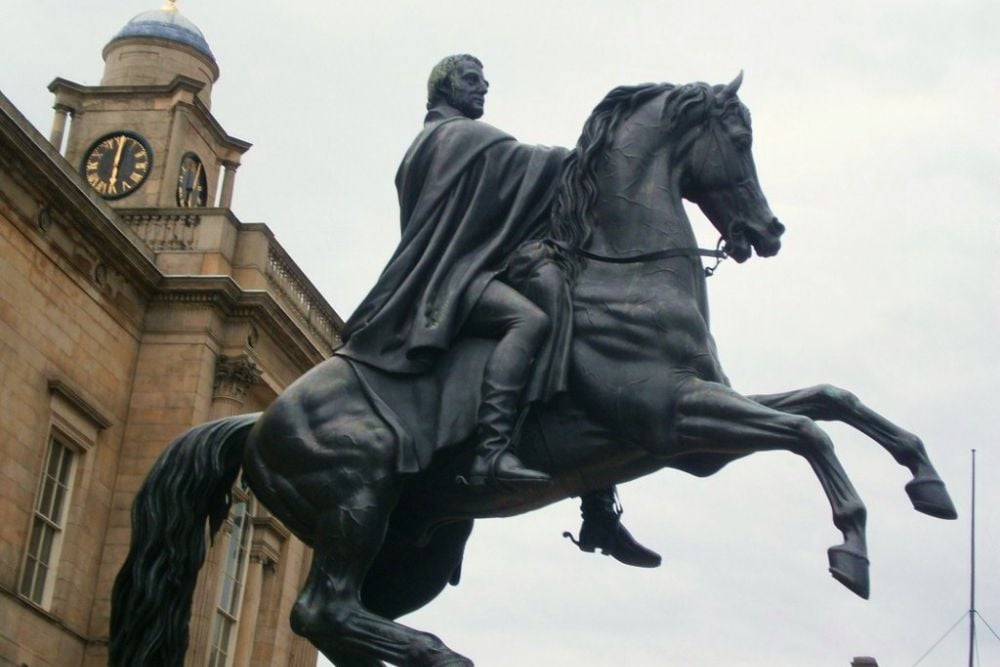
The Duke of Wellington’s steady chestnut stallion carried his master through the entire Battle of Waterloo—a grueling day of combat lasting over nine hours. Half-Thoroughbred and possessing remarkable endurance, Copenhagen showed no signs of fatigue despite Wellington remaining mounted for nearly 18 hours straight.
After dismounting at the battle’s conclusion, Wellington gave his exhausted horse an appreciative pat, only to nearly receive a kick for his troubles. Copenhagen lived out his retirement at Wellington’s estate, becoming a beloved celebrity who received numerous visitors and enjoyed eating treats directly from admirers’ hands.
Like Go2Tutors’s content? Follow us on MSN.
Traveller
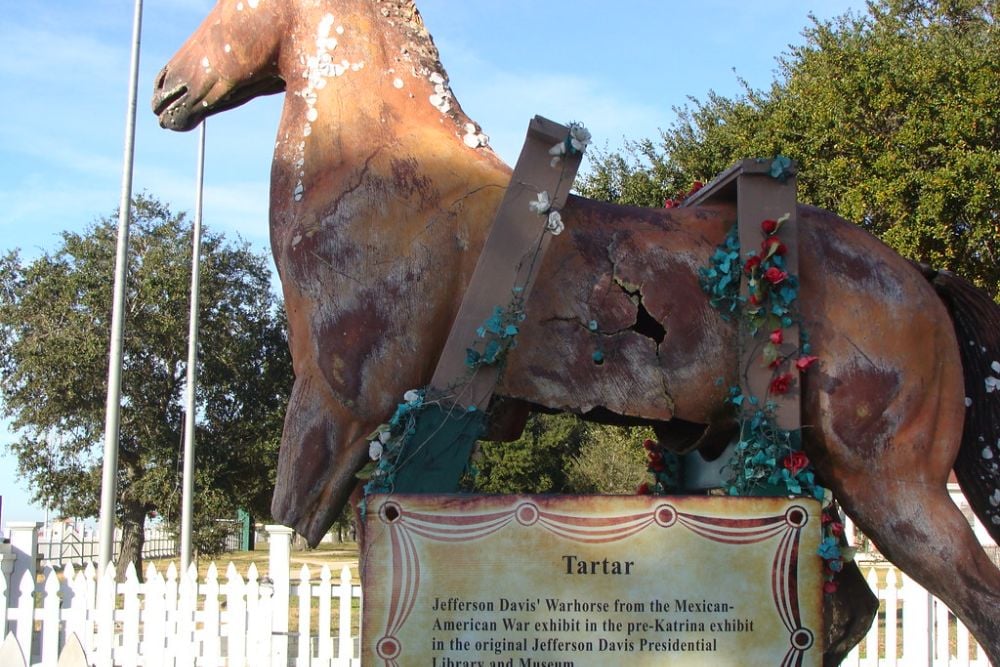
Robert E. Lee’s famous gray American Saddlebred became one of the most recognized horses of the American Civil War. Originally named “Jeff Davis,” Lee renamed him Traveller for his smooth gait and tireless energy. Throughout the conflict, Traveller carried Lee through countless battles, including Gettysburg and the Wilderness Campaign, often under direct fire without flinching.
Their bond became so well-known that Union soldiers were instructed not to shoot the distinctive gray horse, hoping instead to capture Lee. After the war, Traveller accompanied Lee to Washington College (now Washington and Lee University), where students would pluck hairs from his tail as souvenirs.
Chetak
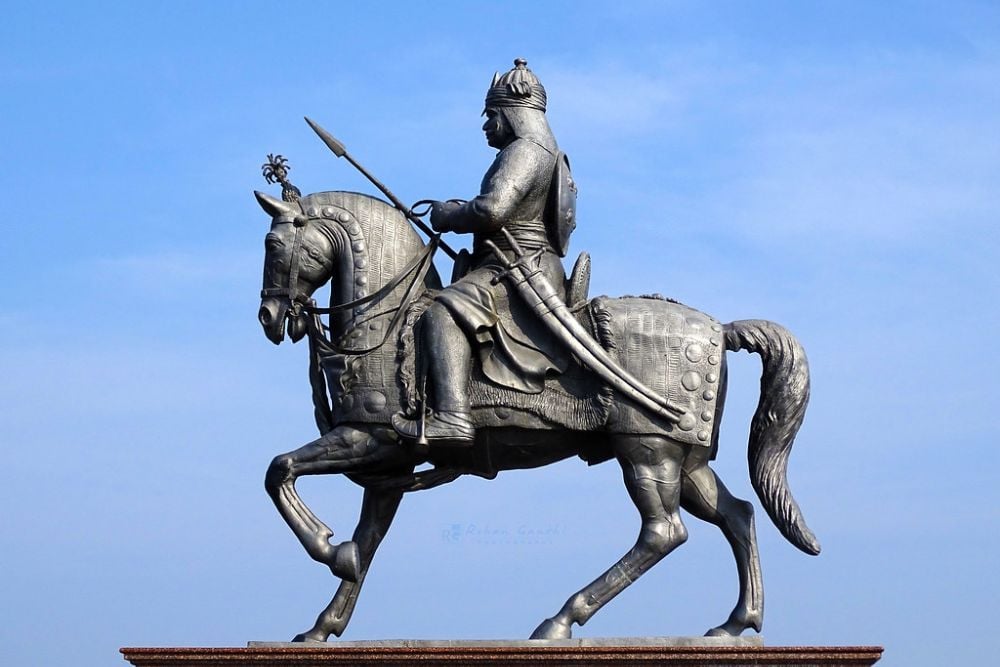
The legendary mount of Maharana Pratap of Mewar displayed extraordinary loyalty at the Battle of Haldighati in 1576. During fierce combat against the Mughal Emperor Akbar’s forces, Chetak sustained a serious injury when his leg was struck by an elephant’s tusk, but continued carrying his master through the fight.
When Maharana was surrounded, Chetak gathered his remaining strength and leapt across a stream to safety—a jump of over 25 feet, according to some accounts. The faithful horse collapsed shortly after, having saved his rider’s life.
Today, monuments to Chetak stand throughout Rajasthan, honoring his sacrifice and unwavering devotion.
Palomo
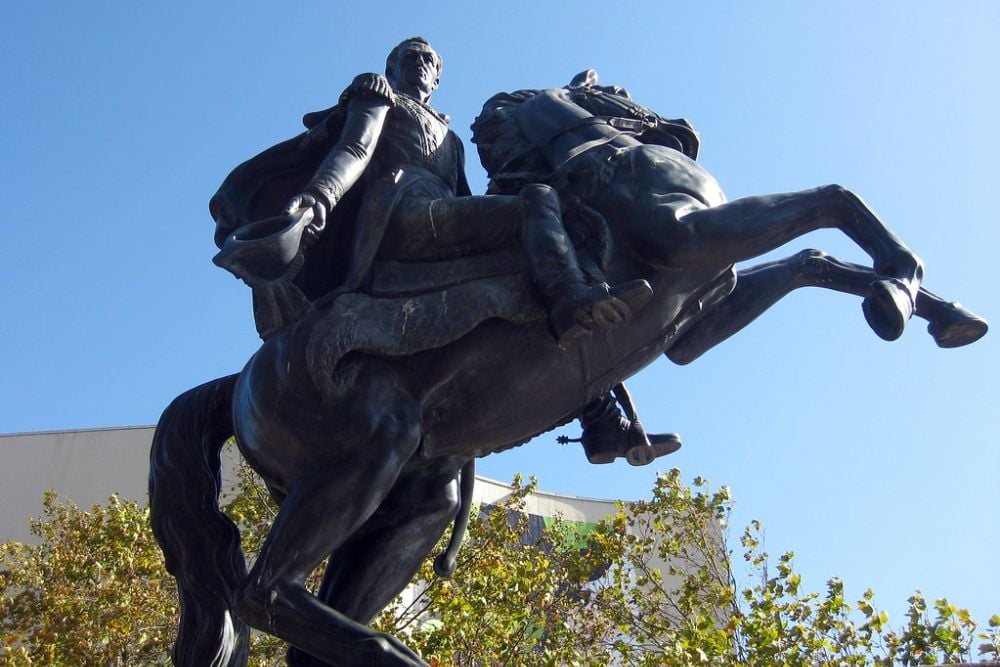
Simón Bolívar’s faithful white stallion carried the Liberator through numerous battles in South America’s wars of independence from Spanish rule. Palomo’s striking appearance made Bolívar easily identifiable to his troops, boosting morale during critical moments.
The horse became famous for his endurance during the epic crossing of the Andes in 1819, navigating treacherous mountain passes that claimed the lives of many other horses. This difficult journey led directly to the surprise victory at the Battle of Boyacá, a turning point that secured independence for Colombia.
Bolívar was so attached to Palomo that he mentioned the horse in his personal correspondence, lamenting when age finally forced the stallion into retirement.
Like Go2Tutors’s content? Follow us on MSN.
Sergeant Reckless

This small Mongolian mare became a Marine Corps legend during the Korean War, serving with the 5th Marine Regiment. Purchased from a Korean stable boy, Reckless was trained to carry ammunition to the front lines without human guidance.
During the Battle of Outpost Vegas in 1953, she made 51 solo trips through enemy fire, carrying 386 rounds of ammunition (over 9,000 pounds) up steep terrain. Despite being wounded twice, she never stopped her vital supply runs.
Reckless was awarded two Purple Hearts and officially promoted to Staff Sergeant—the only animal ever to hold official rank in the U.S. Marine Corps.
Kasztanka

Polish Marshal Józef Piłsudski’s chestnut mare became a symbol of Poland’s fight for independence. For 15 years, Kasztanka carried Piłsudski through campaigns against Russian forces, including the crucial Battle of Warsaw in 1920, often called the “Miracle on the Vistula.”
This victory halted the Soviet advance into Europe and secured Polish independence. The mare’s calm demeanor under artillery fire became legendary among Polish troops, who considered her appearance on the battlefield a good omen.
After Kasztanka’s death in 1927, Piłsudski ordered her hide preserved and displayed at a military museum, where she remained a powerful patriotic symbol until World War II.
Bijou
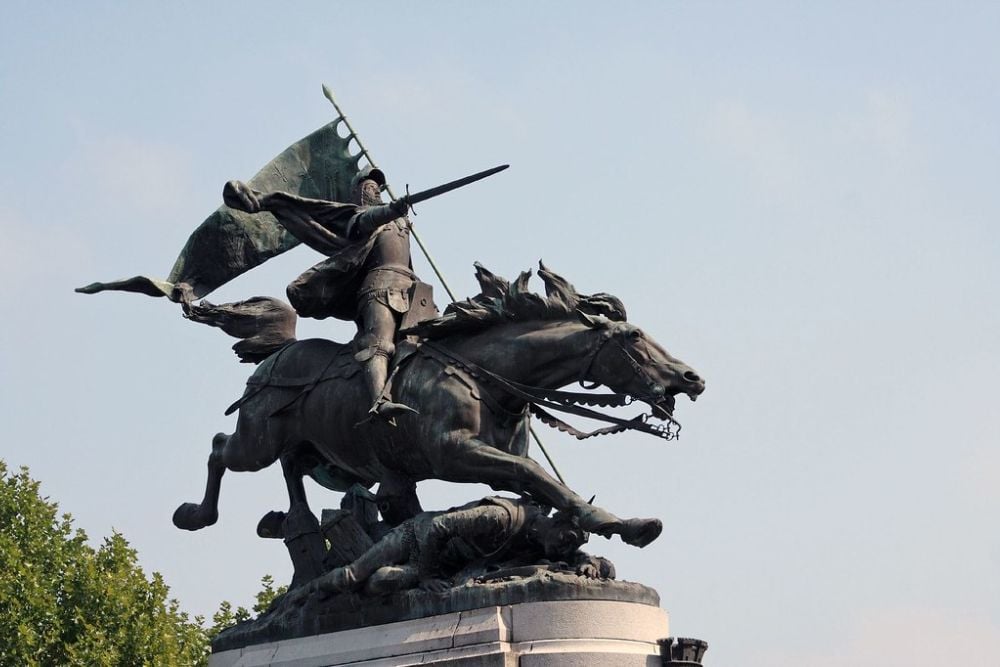
Joan of Arc’s white palfrey carried the Maid of Orléans during her campaigns to liberate French cities from English control during the Hundred Years’ War. This steady, reliable horse bore Joan through the decisive victory at Orléans in 1429, where the tide turned in favor of the French.
Witnesses described how Bijou remained calm amid the din of battle, seemingly unafraid of cannon fire or arrows, allowing Joan to effectively direct troops. The horse’s distinctive white coat made Joan easily identifiable to both friend and foe, adding to her mystique and helping cement her legendary status in French military history.
Like Go2Tutors’s content? Follow us on MSN.
Little Sorrel

Stonewall Jackson’s unassuming mount lacked the flashy appearance of other famous warhorses but proved his worth through steadfast reliability. Originally selected as a pack horse, Jackson chose the small chestnut gelding for his comfortable gait and extraordinary endurance.
Little Sorrel carried Jackson through the Shenandoah Valley Campaign of 1862, where Jackson’s forces outmaneuvered multiple Union armies through rapid marches that earned him the nickname “Stonewall.” The horse was known for falling asleep during artillery barrages, a trait that reflected his unusually calm temperament.
After Jackson’s death at Chancellorsville, Little Sorrel lived another 23 years, becoming a beloved symbol of Confederate resilience.
Blackjack

The striking black Morgan-Quarter horse that carried General Pershing through the Mexican Expedition against Pancho Villa earned his name from Pershing’s nickname, “Black Jack.” The horse’s speed and agility proved vital during the pursuit of Villa’s forces through difficult terrain, allowing Pershing to personally direct operations from the front.
Their success in this campaign led directly to Pershing’s appointment as commander of the American Expeditionary Forces in World War I. Blackjack’s distinctive appearance made him popular with photographers, and images of Pershing astride the handsome horse became iconic symbols of American military leadership during the early 20th century.
Warrior

Known as “the horse the Germans couldn’t kill,” Warrior carried General Jack Seely throughout World War I, surviving some of the conflict’s bloodiest battles. This Thoroughbred gelding endured machine gun fire, artillery barrages, and even the sinking of his transport ship.
At the Battle of Moreuil Wood in 1918, Warrior led a critical cavalry charge against German machine gun positions, helping secure a victory that stopped the German spring offensive. Despite facing odds that claimed the lives of eight million horses during the war, Warrior survived and returned home to the Isle of Wight, living to the remarkable age of 33.
Like Go2Tutors’s content? Follow us on MSN.
Hoofprints Across History

The partnership between warrior and warhorse shaped battlefields long before tanks and aircraft dominated warfare. These 14 remarkable animals didn’t just carry their riders—they inspired troops, affected tactical decisions, and sometimes made the difference between victory and defeat through their courage and endurance.
While modern warfare has moved beyond cavalry charges, the legacy of these battle-tested companions reminds us that throughout military history, some of the most important heroes had four legs instead of two. Their contributions to pivotal moments in history deserve recognition alongside the commanders who rode them into legend.
More from Go2Tutors!

- 18 Unexpectedly Valuable Collectibles You Might Have Lying Around
- 15 Things Every Teenager in the ’70s Did That Teens Today Wouldn’t Understand
- 15 Strange Things People Have Tried to Ban (And Failed)
- 15 Inventions That Were Immediately Banned After Being Created
- 20 Actors Who Were Almost Cast in Iconic Roles
Like Go2Tutors’s content? Follow us on MSN.



