25 Rare Beanie Babies Collectors Still Chase
Beanie Babies were supposed to be a retirement plan for an entire generation of collectors. By the end of the 1990s, people were storing the little bean bag animals in plastic tag protectors and checking price guides like stock tables.
Most of those animals are now worth a few dollars at best, and many online listings promising fortunes never actually sell. A small group of genuine rarities is different, though, and serious collectors still track them by color variation, tag generation and condition.
Royal Blue Peanut the Elephant
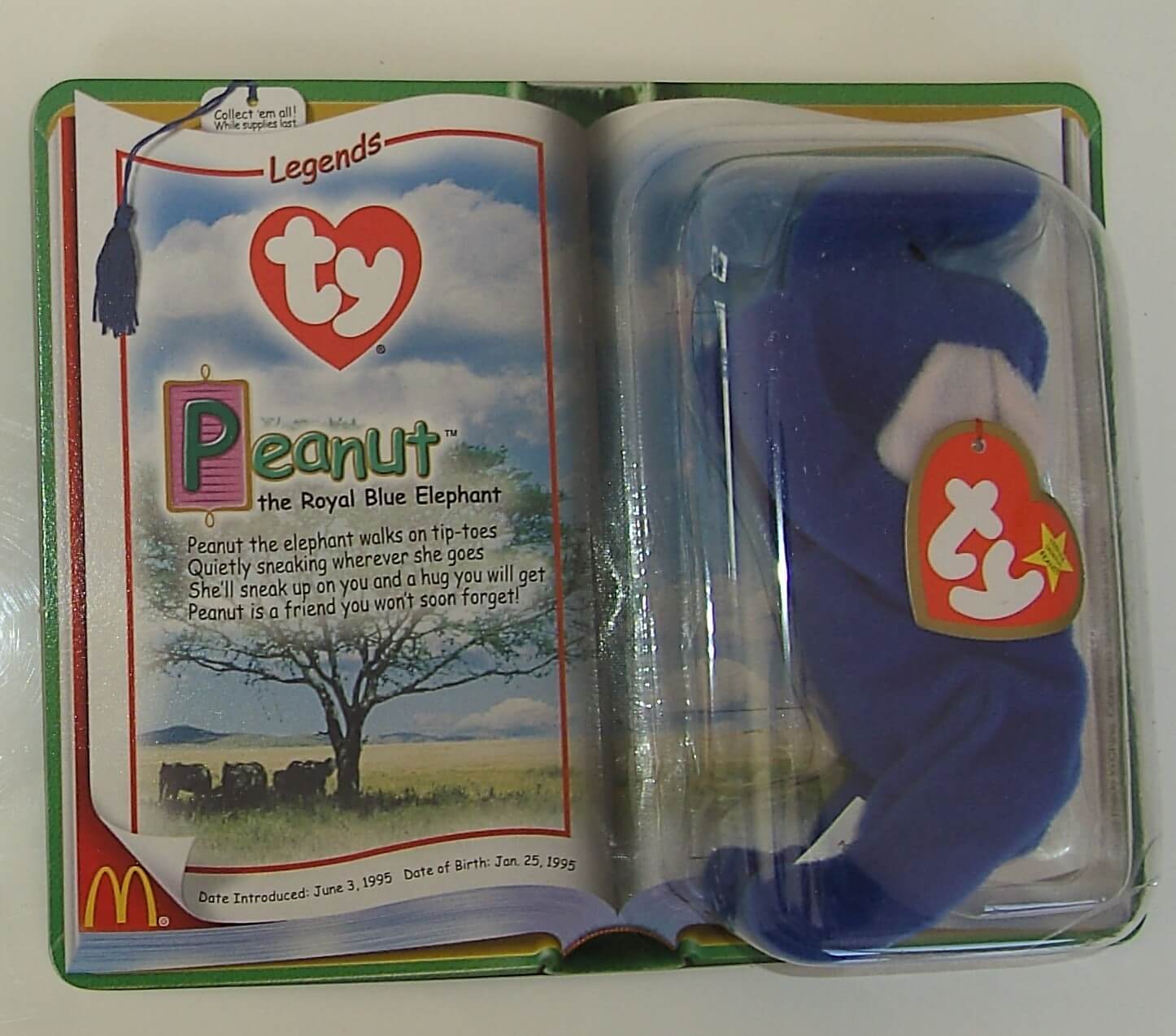
Peanut the elephant was first produced in a deep royal blue before Ty switched to the familiar light blue in 1995. Estimates of how many royal blue versions exist vary, but the figure most often cited is around 2,000.
Authenticated examples with original tags have sold for hundreds of dollars and occasionally more than a thousand, depending heavily on tag condition and generation. Counterfeits are widespread, so buyers look closely at fabric color, tush tag details and stitching.
Faded or creased tags reduce value sharply, and experienced collectors recommend professional authentication before any significant purchase.
Brownie the Bear
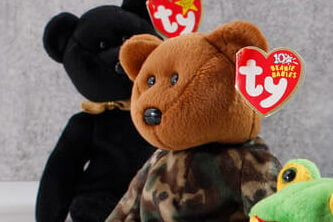
Brownie was a brown bear released in the earliest days of the line, before Ty renamed it Cubbie. Only examples carrying the first-generation swing tag with the Brownie name are considered true rarities, since the plush itself is the same as later Cubbies.
That makes the paper tag the entire source of value, and a torn, faded or missing tag leaves an ordinary bear. Verified sales for clean Brownie tags have reached the hundreds of dollars.
Collectors examine the tag font, printing and the matching tush tag carefully, because swapped tags are a known problem.
Nana the Monkey
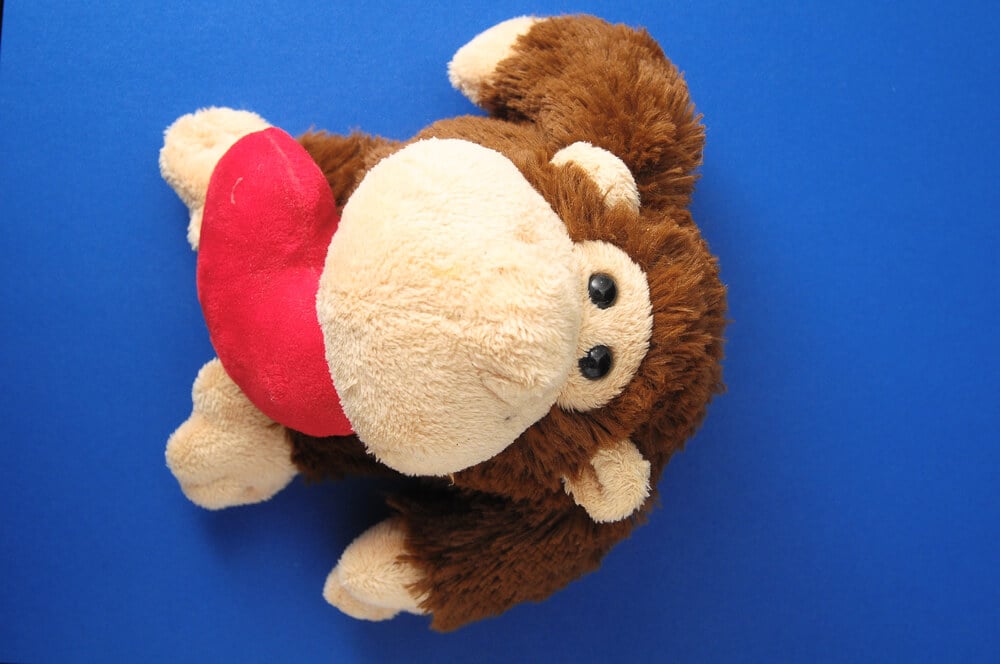
Nana was the original name of the brown monkey later sold as Bongo. The Nana name appears only on a third-generation swing tag, and relatively few made it to stores before the switch.
Like Brownie, the value lives almost entirely in the tag, so crisp, uncreased paper matters more than the plush. Authenticated Nanas have sold for hundreds of dollars, while asking prices online often run much higher.
Collectors check that the tail color and tush tag match early production, since some sellers attach Nana tags to later monkeys to fake the rarity.
Spot Without a Spot
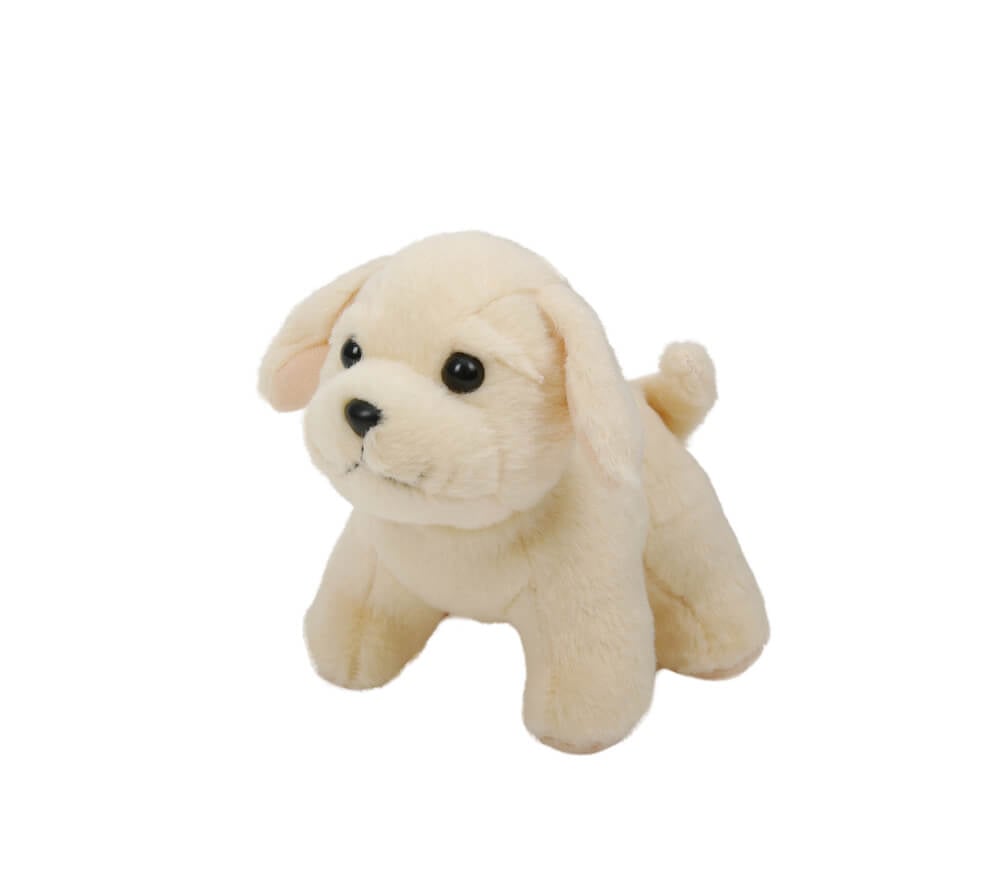
Spot the dog was first produced without the black spot on its back that gave it its name. Ty added the spot early in production, and the spotless first version became one of the more ironic rarities in the line.
Examples with first-generation or second-generation swing tags are the most desirable. Condition matters, since a spotless white body shows dirt and yellowing easily, and a stained dog is worth far less.
Collectors verify the tag generation and tush tag details before paying premium prices, because the plush alone is easy to misidentify.
Humphrey the Camel
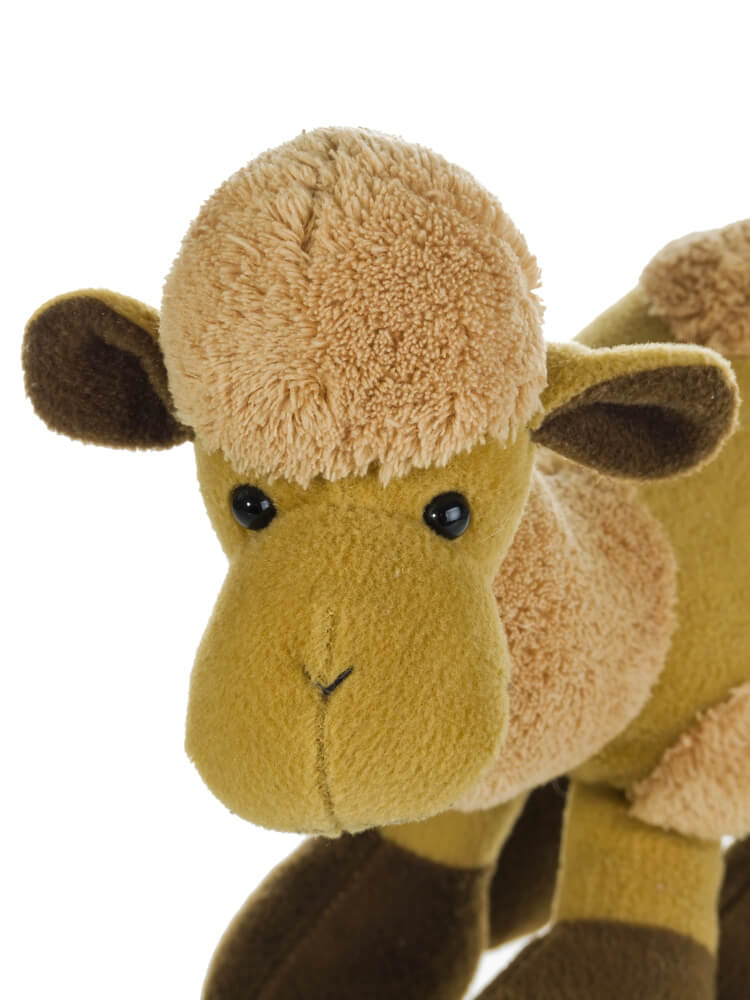
Humphrey the camel was among the first Beanie Babies retired, disappearing from production in 1995 before the craze reached its peak. Because it left the market so early, relatively few were sold compared with later animals, and a figure of about 25,000 is often repeated.
Examples with first-generation or second-generation swing tags in clean condition draw the most interest. Tagless or worn camels sell for far less.
Collectors also watch for counterfeit Humphreys, which usually give themselves away through incorrect tag printing, fabric texture or stitching around the humps.
Chilly the Polar Bear
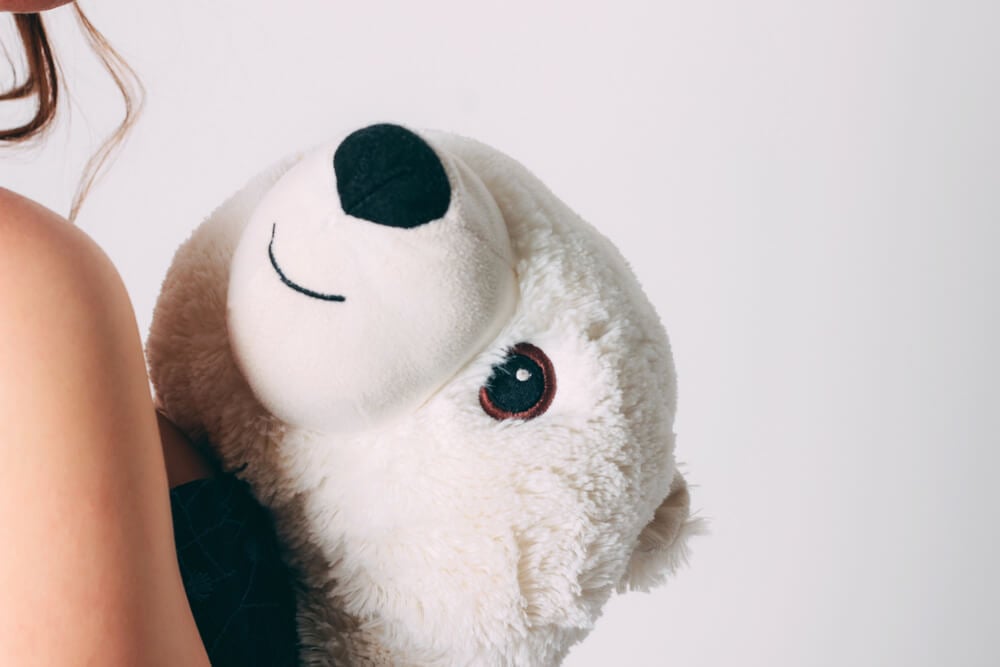
Chilly, a plain white polar bear, was retired in 1995 after a relatively short production run. The simple design made it less appealing to kids at the time, which kept sales low and made surviving examples scarce.
White fabric shows discoloration easily, so bears that have stayed bright and clean command much higher prices than yellowed ones. Swing tags from the first three generations are the main value drivers.
Authenticated examples in excellent condition have sold for hundreds of dollars, though many listings with inflated prices never find buyers.
Peking the Panda
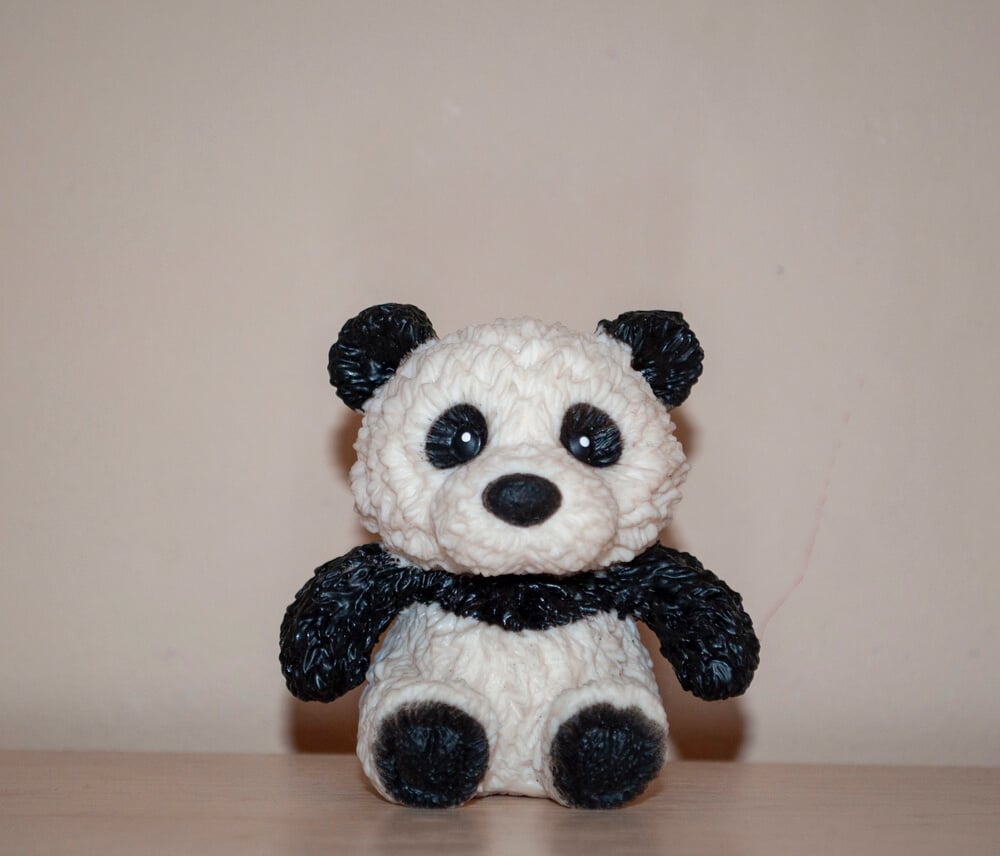
Peking the panda, one of the early bears in the line, was retired in 1995. It has the distinctive black eye patches of a giant panda and a slightly different body shape from later bears.
Surviving examples with early swing tags are sought after, and condition makes a large difference to price. Faded black fabric, loose stitching or a damaged tag can cut value substantially.
Authenticated Pekings with clean tags have sold for hundreds of dollars. Collectors often compare the tush tag and fabric against known originals, since fakes of early retirees exist.
Web the Spider
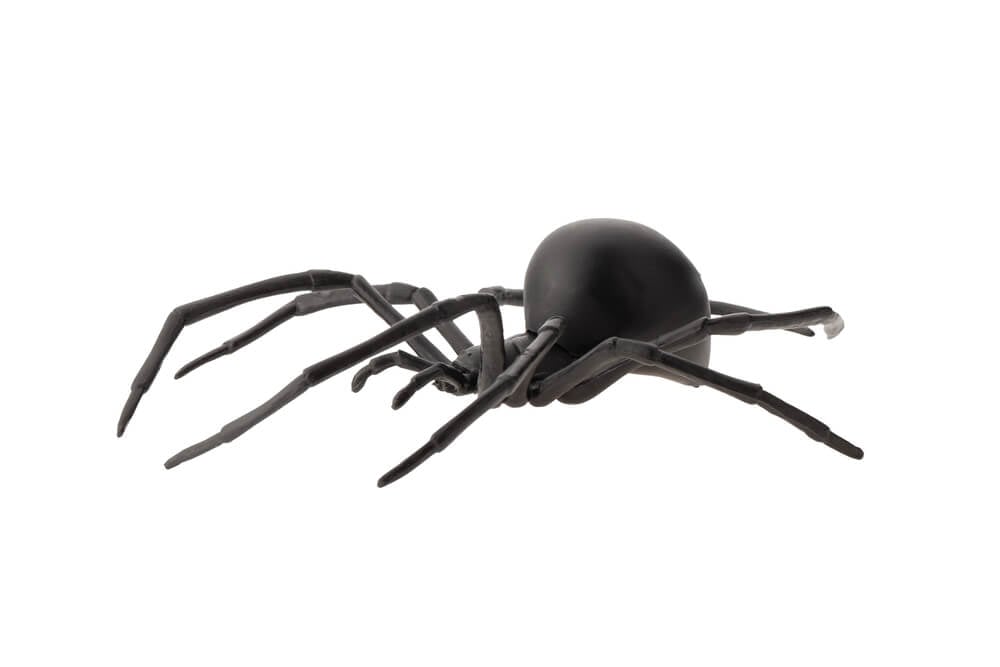
Web was an all-black spider with a red belly, released in 1994 and retired in 1996. Spiders were not popular with young buyers, which kept production small and made surviving examples harder to find.
Early swing tags increase value, while missing tags reduce it dramatically. Because the legs are long and thin, condition problems such as matted fabric or loose seams are common.
Authenticated examples in excellent condition have sold for hundreds of dollars. Web is also a favorite among collectors who specialize in the odd, less cuddly animals from the early line.
Old-Face Teddy Bears in Color
The original Teddy bears came in six colors, including brown, cranberry, jade, magenta, teal and violet, with a design known as the old face. Ty later redesigned the bears with a new face and retired most colors in 1996.
Old-face versions in the rarer colors are considered some of the most desirable early Beanie Babies. Collectors pay attention to tag generation, fabric color and overall cleanliness, since faded fabric reduces value.
Authenticated examples in top condition have sold for hundreds to a few thousand dollars, with the violet and magenta versions drawing particular interest.
Derby With the Fine Mane
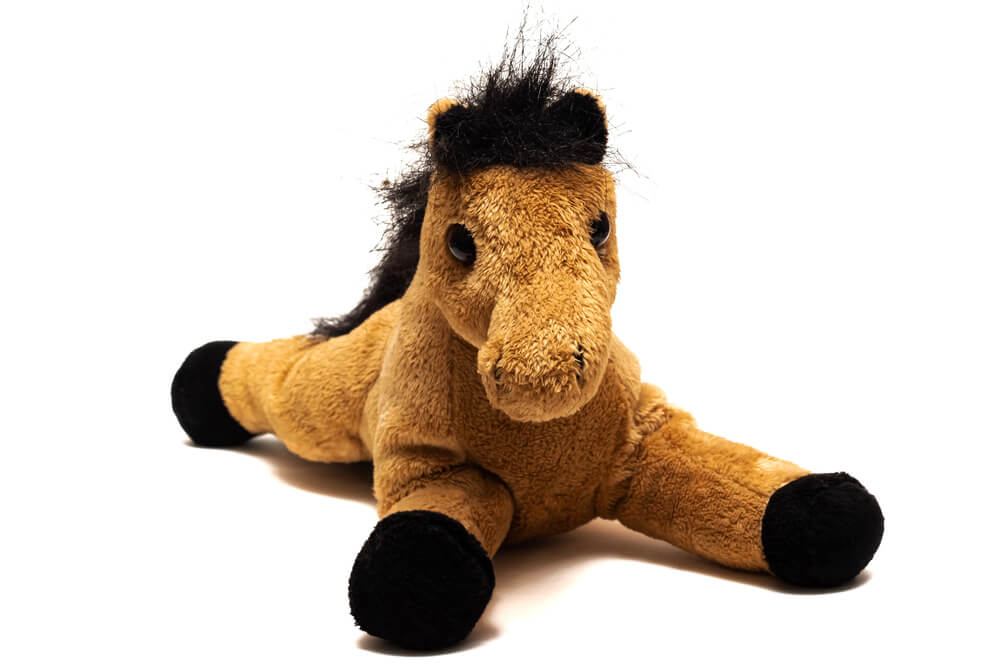
Derby the horse was originally made with a fine, thin yarn mane and tail before Ty switched to a coarser yarn. The fine-mane version was produced only briefly and is estimated to exist in the low thousands.
Collectors can identify it by comparing the thickness of the yarn, and the difference is obvious once seen side by side. Early swing tags increase value, and a thinning or tangled mane lowers it.
Authenticated fine-mane Derbys have sold for hundreds of dollars, while the later coarse-mane version is common.
Wingless Quackers
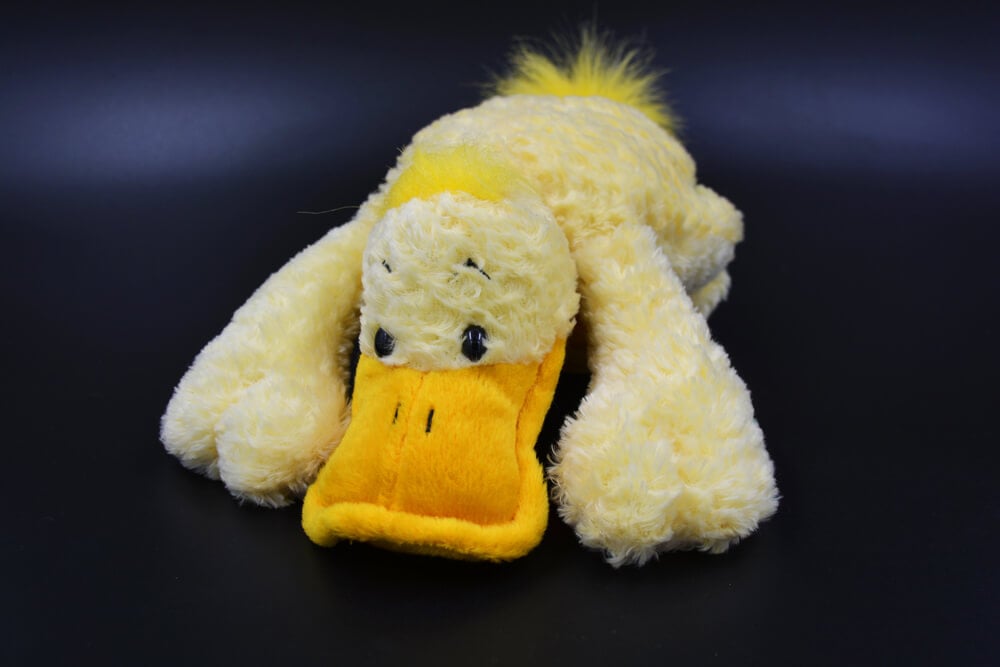
Quackers the duck was first produced without wings, a design choice that made the bird look oddly incomplete. The wingless version also used the spelling Quacker on its swing tag.
Ty added wings early in production, making the original version scarce. Collectors value examples with first-generation or second-generation swing tags, and a clean, uncreased tag significantly raises value.
Faded yellow fabric or damaged tags reduce prices. Authenticated wingless ducks have sold for hundreds of dollars, although many listings misidentify later ducks as wingless versions.
A quick look at the sides settles the question.
All-Gold Nip the Cat
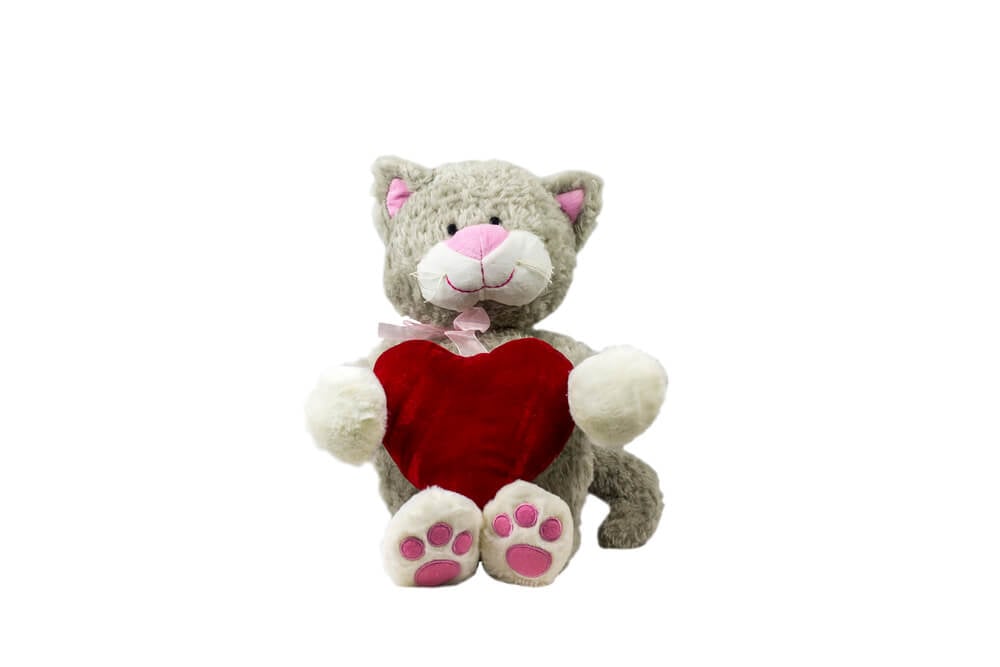
Nip the cat went through several color designs, and the all-gold version without a white face or white paws is the rarest. The first version had a white face and belly, then an all-gold version appeared briefly before Ty settled on gold with white paws.
Collectors compare paws, face and body color to confirm which variation they have. Tag generation and condition are key to value, since matted fur and faded tags reduce prices.
Authenticated all-gold Nips have sold for hundreds of dollars when tags are clean and intact.
All-Black Zip the Cat
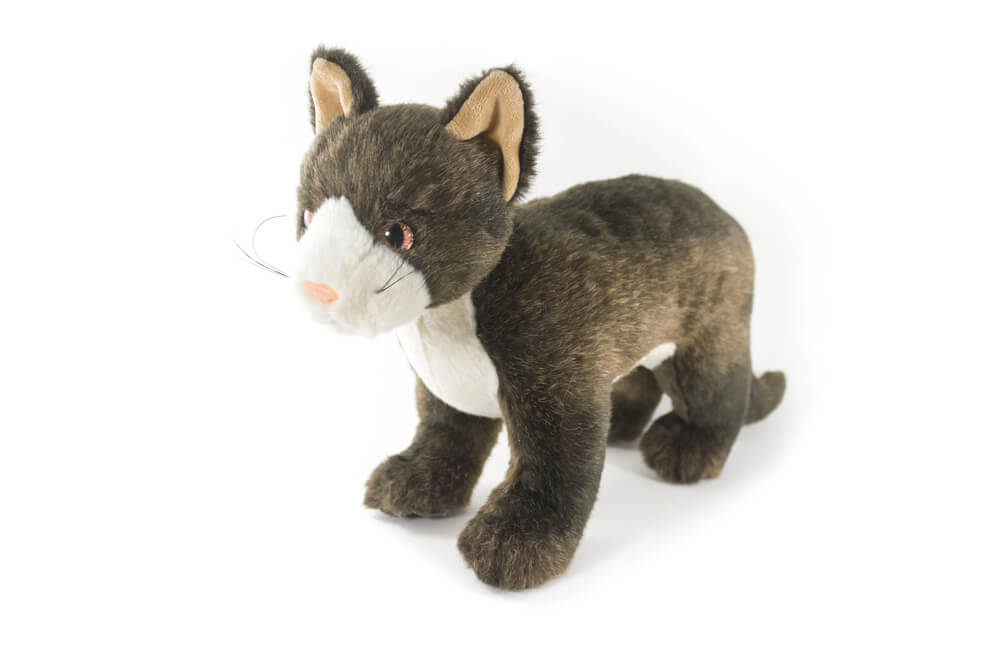
Zip the cat followed the same pattern as Nip, with several color designs. The all-black version, without a white face or white paws, was produced briefly and is now scarce.
Collectors distinguish it from other versions by checking the face and paws carefully. Because black fabric can fade or pick up lint, bright and clean examples command higher prices.
Early swing tags add significant value, and a missing or damaged tag cuts it sharply. Authenticated all-black Zips have sold for hundreds of dollars, although many online asking prices are much higher than actual sales.
Raspberry Patti the Platypus

Patti the platypus was first produced in a deep raspberry or maroon color before Ty switched to a brighter magenta. The early raspberry version is far scarcer and is considered one of the key early variations.
Color can be difficult to judge in photos, so collectors compare examples in natural light and check tag generation. Clean, uncreased first-generation or second-generation tags increase value, while faded fabric reduces it.
Authenticated raspberry Pattis have sold for hundreds of dollars, and the magenta version remains relatively common. Side-by-side comparisons are the safest test.
Tan Inky Without a Mouth
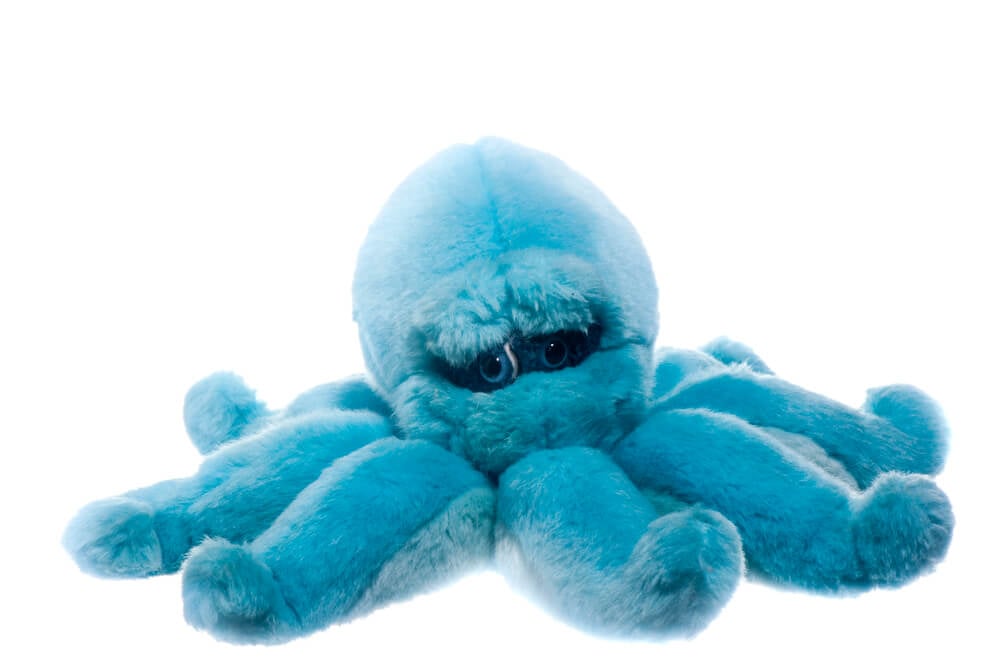
Inky the octopus was first produced in tan with no stitched mouth, then in tan with a mouth, and finally in pink. The tan version without a mouth is the earliest and rarest.
Collectors check for the missing mouth, the tan fabric and the tag generation to confirm the variation. Long legs make condition problems common, such as matted fabric or loose stitching, which lower value.
Authenticated examples in excellent condition have sold for hundreds of dollars. Later tan versions with mouths are also collectible, but the mouthless octopus remains the prize.
Maple With the Pride Tush Tag
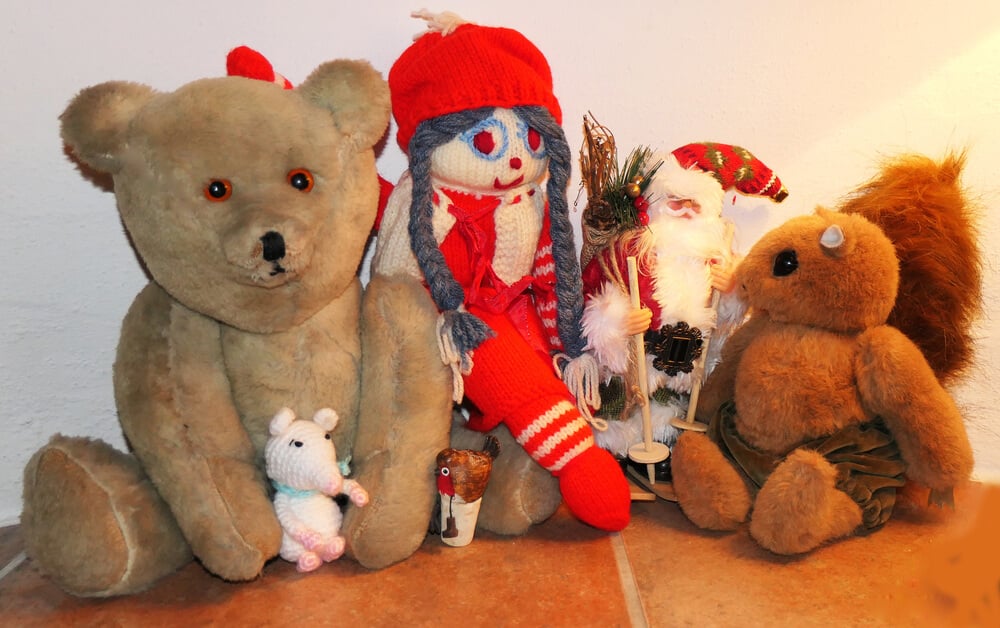
Maple was a white bear with a red Canadian maple leaf, released exclusively in Canada. The earliest examples carried a tush tag with the name Pride, used before the bear was officially named Maple.
Only a few thousand are believed to have been made with the Pride tag. Collectors verify the tush tag carefully, since it is the source of the value, and a cut or damaged tush tag reduces price drastically.
Authenticated Pride-tag Maples in clean condition have changed hands for several hundred dollars and sometimes more than a thousand.
Garcia the Tie-Dye Bear
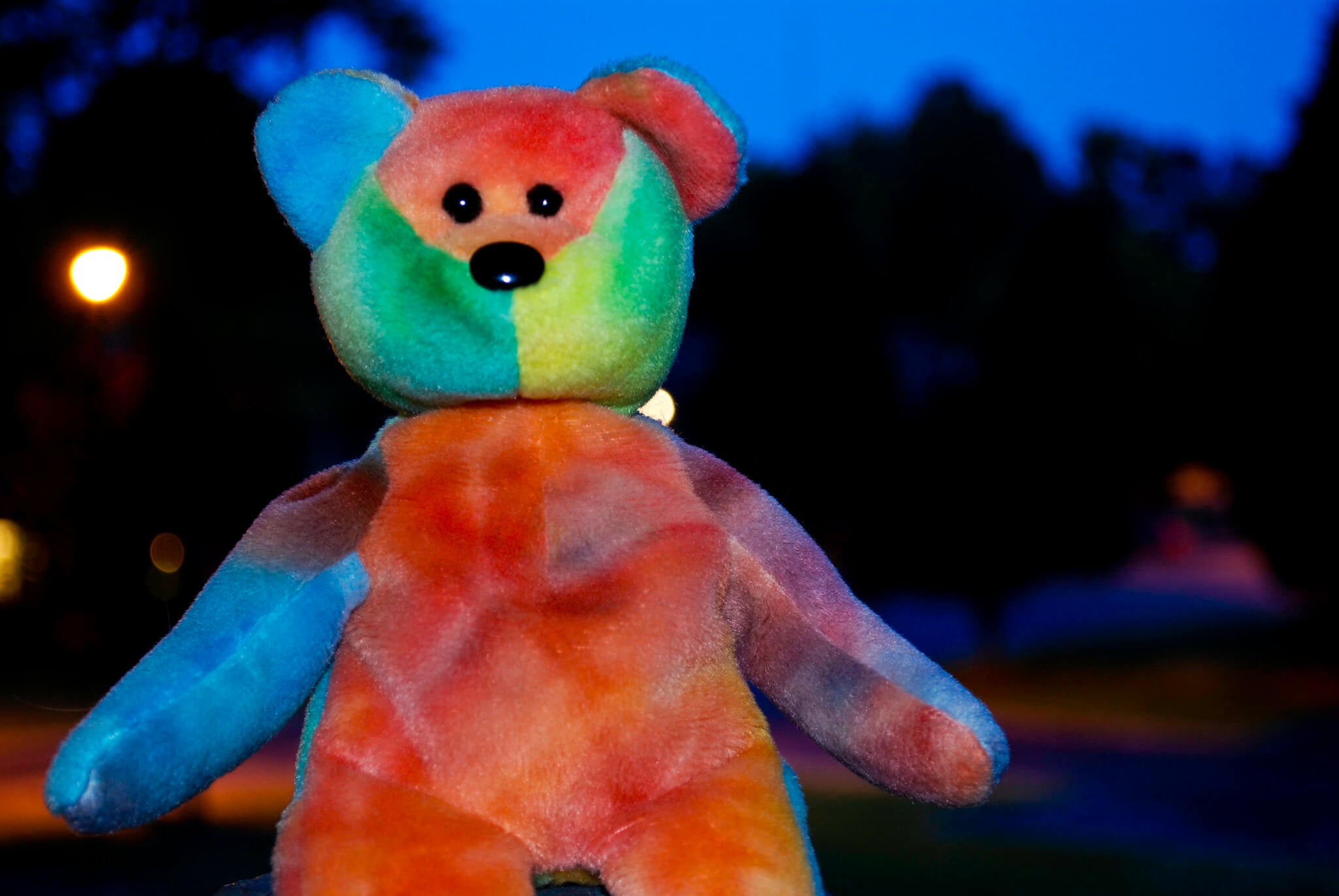
Garcia was a tie-dyed bear named in tribute to the late guitarist of the Grateful Dead, released in 1996 and retired in 1997. The tie-dye pattern varies from bear to bear, making each one slightly different.
Collectors prefer examples with bright colors and clean fabric, since faded dye reduces value. The swing tag and tush tag must be intact and in good condition.
Authenticated Garcias have sold for hundreds of dollars. The bear was later replaced by a similar tie-dye bear named Peace, which is far more common.
Sly the Fox With a Brown Belly
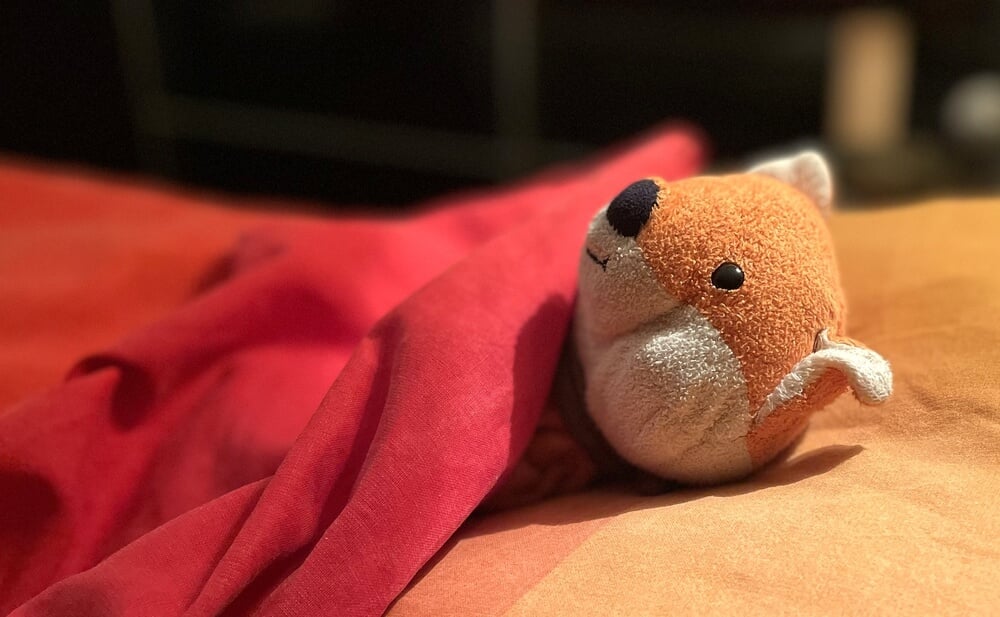
Sly the fox was first produced with a brown belly before Ty switched to a white belly. The brown-belly version was made only briefly, making it scarcer.
Collectors compare belly color and tag generation to confirm the variation. Faded fabric or damaged tags reduce value significantly.
Authenticated brown-belly Slys have sold for modest sums compared with the rarest Beanies, typically in the tens to low hundreds of dollars. Condition and tag quality still determine where an individual example lands, and many sellers overstate the rarity of the white-belly version.
Orange Digger the Crab
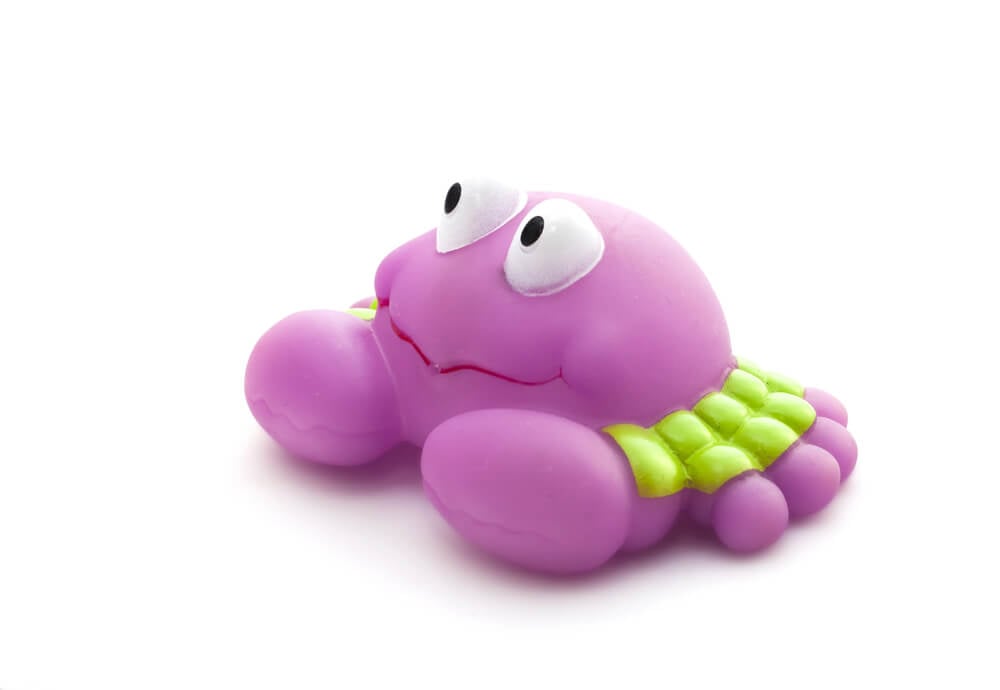
Digger the crab was first produced in orange before Ty switched to red. The orange version is rarer and more valuable to collectors.
Color can be tricky in photos, so buyers compare examples in natural light and check the tag generation. Clean, uncreased tags add value, while faded fabric reduces it.
Authenticated orange Diggers have sold for hundreds of dollars in excellent condition. The red version is far more common, and many listings incorrectly label red crabs as rare orange ones, which is why collectors look for photos taken without filters.
Seven-Spot Lucky the Ladybug
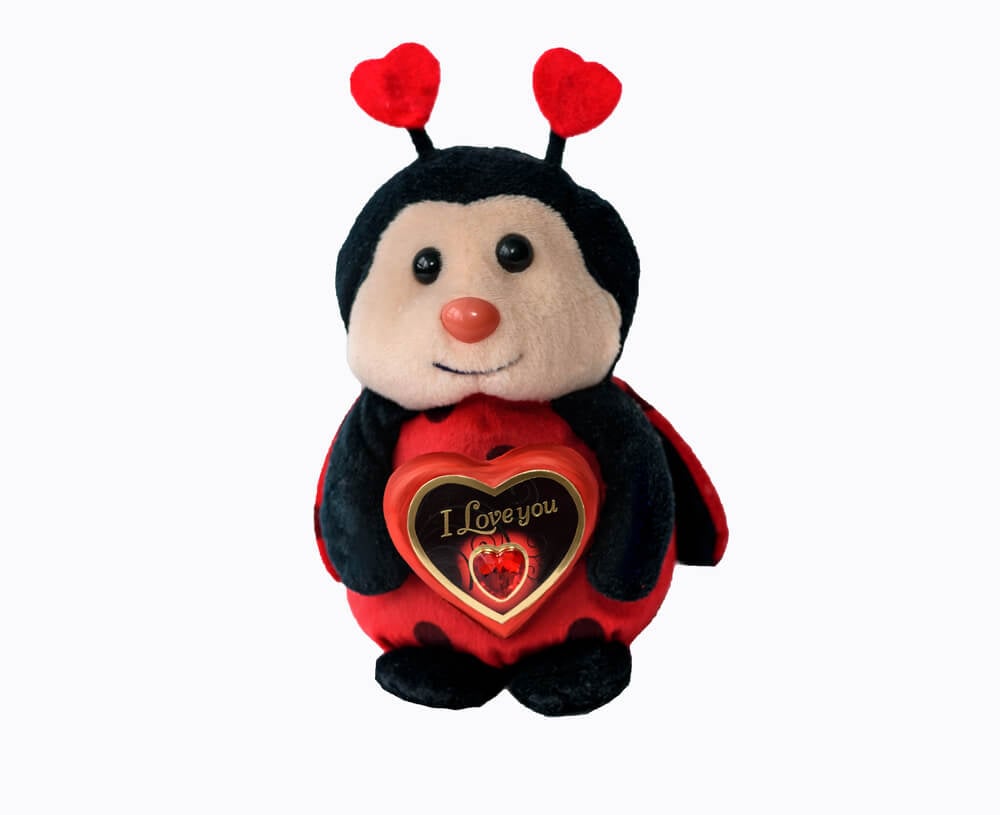
Lucky the ladybug was first produced with seven felt spots glued onto the fabric. Later versions used printed spots, with 11 and then 21 spots.
The seven-spot version is the rarest and most sought after. Collectors check the spots carefully, since missing or loose felt spots reduce value.
Tag generation also matters, and clean early tags raise prices. Authenticated seven-spot Luckys have sold for hundreds of dollars.
The felt spots are easy to lose over time, so examples with all seven intact are particularly prized.
Gray Happy the Hippo
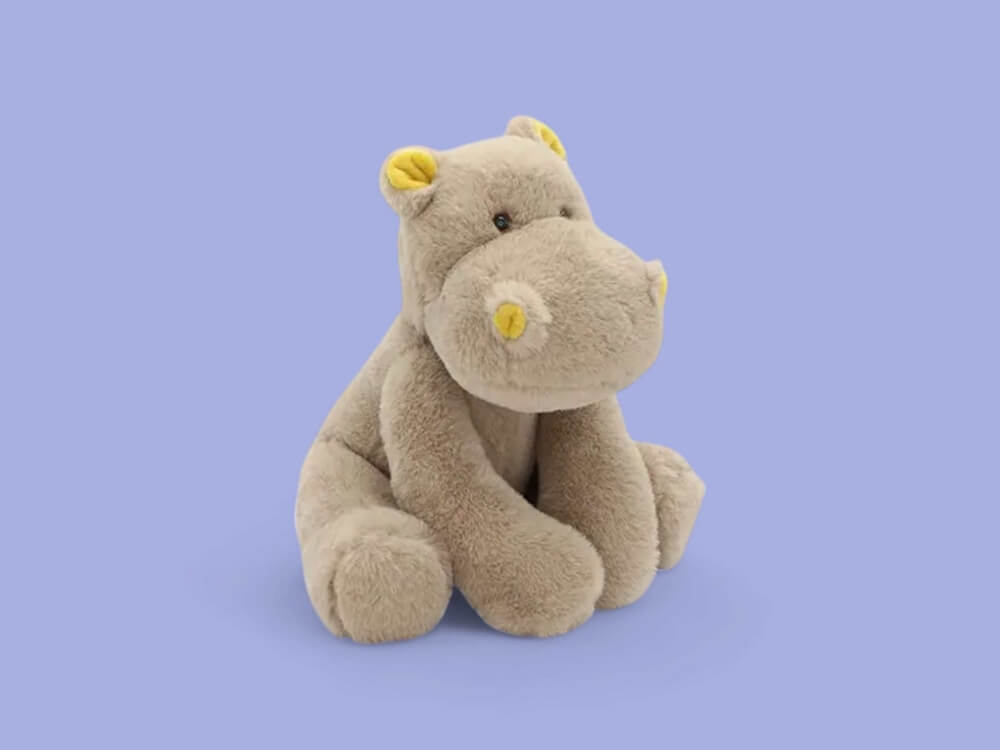
Happy the hippo was first produced in gray before Ty switched to lavender. The gray version was made only briefly and is scarcer.
Collectors compare fabric color and tag generation to confirm it. Gray fabric can pick up dirt easily, so clean examples command higher prices.
Early swing tags add significant value, while damaged tags reduce it. Authenticated gray Happys have sold for hundreds of dollars in excellent condition.
The lavender version is more common, although it is still collected by fans who want every color variation.
Pinchers With the Punchers Tag
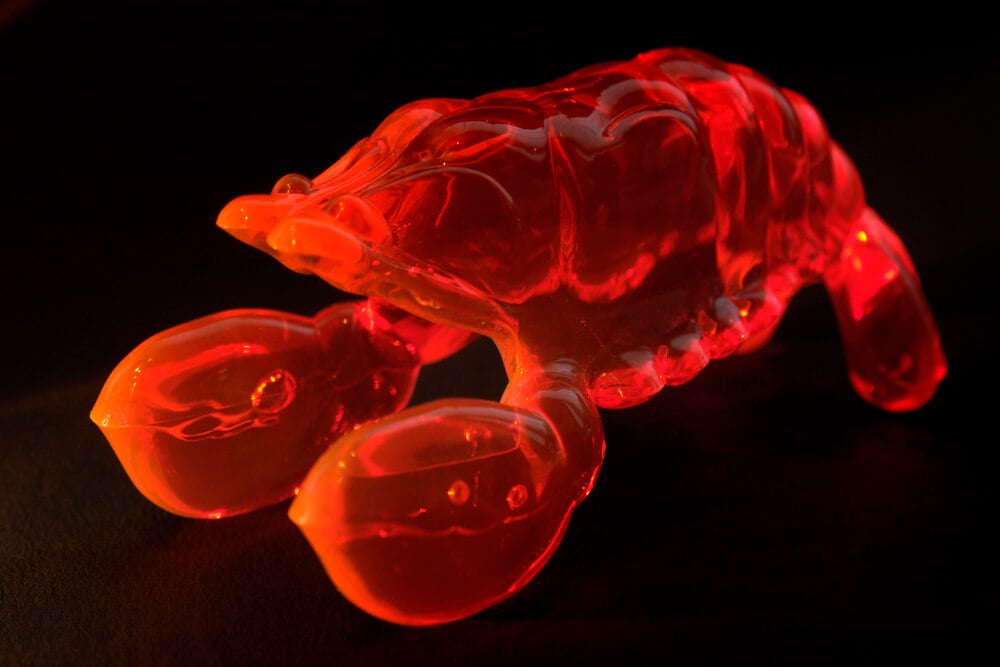
Pinchers the lobster is common, but some early examples carried a first-generation swing tag misspelled as Punchers. The tag error makes these lobsters rare, since the plush itself is identical to standard Pinchers.
Collectors focus entirely on the tag, checking that it is genuine and in clean condition. Creases, tears or fading reduce value substantially.
Authenticated Punchers tags have sold for hundreds to a few thousand dollars. Because the tag carries all the value, collectors are wary of swapped or reproduction tags, which have appeared in online listings.
Tabasco the Bull
Tabasco was a red bull released in 1995, named after the famous hot sauce. After the sauce company raised concerns about the name, Ty retired Tabasco and replaced it with Snort, a similar bull with white feet.
Tabasco has red feet, which is the easiest way to tell the two apart. Collectors check tag generation and condition, since faded fabric and damaged tags lower value.
Authenticated Tabascos in excellent condition have sold for hundreds of dollars. Snort remains common, while Tabasco is scarce enough to draw serious interest.
Billionaire Bears for Ty Employees
The Billionaire bears were made exclusively for Ty employees and were never sold in stores. They were given as rewards, often signed by Ty Warner, and each carried a special tag.
Because they were not intended for public sale, relatively few exist. Collectors verify signatures, tags and provenance, since fakes and unsigned examples are less valuable.
Condition matters as much as rarity, and a damaged tag or faded signature lowers the price. Authenticated examples have sold for hundreds to thousands of dollars, with the individual bear and its paperwork setting the price.
The Number One Bear
The Number One Bear was a red bear with a large number one on its chest, given to Ty sales representatives in December 1998 as a reward. Only 253 were made, and each was individually numbered and signed by Ty Warner.
The bear was never sold at retail, making it one of the rarest Beanie Babies. Collectors look for the original tag, signature and numbering, and condition matters greatly.
Authenticated examples have sold for thousands of dollars. Because so few exist, provenance and documentation are essential before any sale.
Plush Scarcity, Real Lessons
Most Beanie Babies never became the investment their owners hoped for. The ones that did gain value share a common thread: they were produced briefly, changed early or were never meant for public sale.
Scarcity came from accidents and design changes, not from hype. Collectors who still chase these animals know that condition and authentication matter more than any price guide.
A creased tag or a counterfeit can erase value instantly. Real rarity is quiet, while the loudest listings are often the least likely to sell.
More from Go2Tutors!

- The Romanov Crown Jewels and Their Tragic Fate
- 13 Historical Mysteries That Science Still Can’t Solve
- Famous Hoaxes That Fooled the World for Years
- 15 Child Stars with Tragic Adult Lives
- 16 Famous Jewelry Pieces in History
Like Go2Tutors’s content? Follow us on MSN.



