Foods Invented by Prisoners
Necessity sparks creativity – especially when supplies run low or choices disappear. Inside prisons, where food basics are hard to get and tools nearly nonexistent, prisoners whip up meals that eventually go viral outside.
A few recipes blow up into nationwide trends. Most stay under the radar, quietly shared between bunkmates.
One thing’s clear: tight limits force clever fixes.
Spread
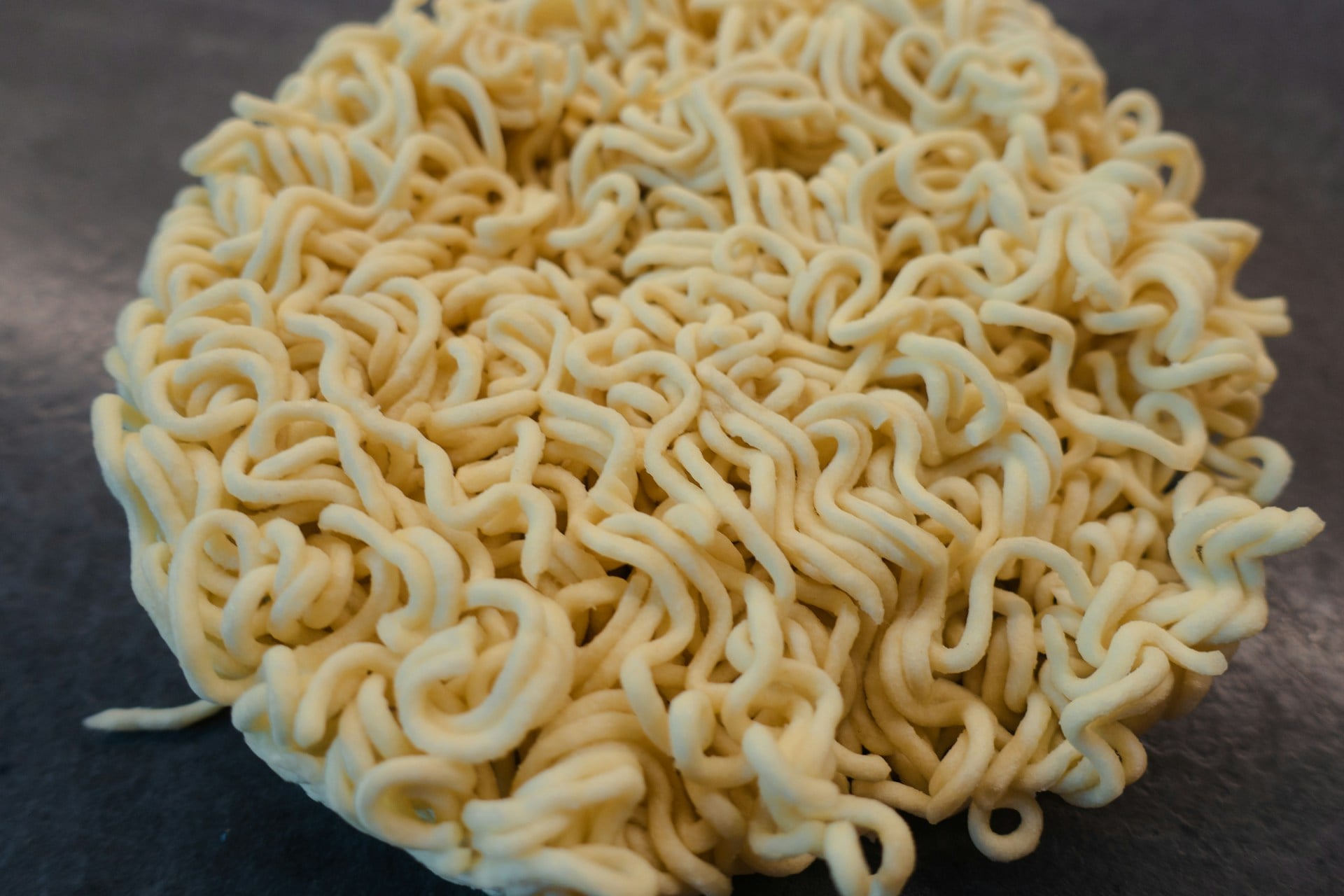
The most famous prison food creation doesn’t look like much. Ramen noodles crushed in the bag.
Mixed with whatever else is available from the commissary. Cheese puffs, packaged meats, chips, hot sauce. The whole mixture gets shaped and sometimes heated.
Sometimes eaten cold straight from the bag. The name comes from spreading ingredients across the table or bed to assemble the dish.
Every prison has its own version. Every inmate has their own recipe.
The base stays the same: instant noodles providing bulk and flavor packets providing seasoning. Everything else depends on what you can buy, trade, or save.
Spread has moved beyond prisons. People on the outside recreate it.
Food writers document regional variations. The dish represents more than just a meal.
It shows how people adapt when choices disappear.
Chi-Chi

This creation takes its name from the sound ingredients made when mixed in a bag. Inmates combine crushed chips with hot water or other liquids to create a paste.
Then they add whatever protein source they can access. Summer sausage. Tuna. Beans from a can.
The mixture gets spread thin like a tortilla or rolled into a burrito shape. Some versions include cheese or hot sauce.
Others stay simple. The result feeds someone when regular meals don’t satisfy or when hunger strikes between scheduled eating times.
Chi-Chi requires no heating element. No contraband cooking equipment.
Just a bag, some commissary items, and the willingness to experiment. That simplicity explains its popularity across different facilities.
Prison Wine

Fermenting fruit in a bag produces alcohol where alcohol isn’t allowed. Inmates call it pruno, hooch, or prison wine.
The process uses fruit from the dining hall, sugar packets saved over time, and warm water. Sometimes bread provides yeast. Sometimes the natural yeast on fruit skin is enough.
The mixture sits in a sealed bag for days or weeks. The bag gets hidden. The smell gets masked.
The liquid that results tastes terrible and carries health risks. Botulism becomes a real possibility when fermentation happens in a garbage bag with inconsistent temperature control.
People still make it. The desire for altered consciousness outweighs the danger.
Guards still find it. The cycle continues.
Jailhouse Tamales

These aren’t tamales in the traditional sense. They use chips as the masa.
Crushed corn chips mixed with hot water create a dough-like substance. That mixture wraps around a filling made from whatever meat product is available from commissary.
The whole thing gets rolled and sometimes steamed in a bag. The name comes from appearance more than taste.
Real tamales require corn flour, proper steaming, and corn husks. Prison versions make do with substitutes.
But the concept translates. A starch wrapper around a protein filling. Heat optional but preferred.
Inmates with access to hot water pots can steam these properly. Those without eat them cold or warm them against heating pipes.
The texture never quite matches authentic tamales. Nobody seems to mind.
Pad Thai

This prison version bears little resemblance to actual Thai cuisine. It starts with ramen noodles.
Peanut butter packets from the dining hall provide the nutty flavor. Hot sauce adds heat. Crushed peanuts from commissary add crunch.
The dish spread through California prisons before jumping to other states. Each facility adds its own twist.
Some include dried vegetables from soup packets. Others add meat.
The name suggests exotic origins but the ingredients come from standard prison commissary stock. The creation process matters as much as the result.
Making something that tastes different from standard prison fare. Showing skill in combining limited ingredients.
Sharing with cellmates or trading for commissary items.
Bricks
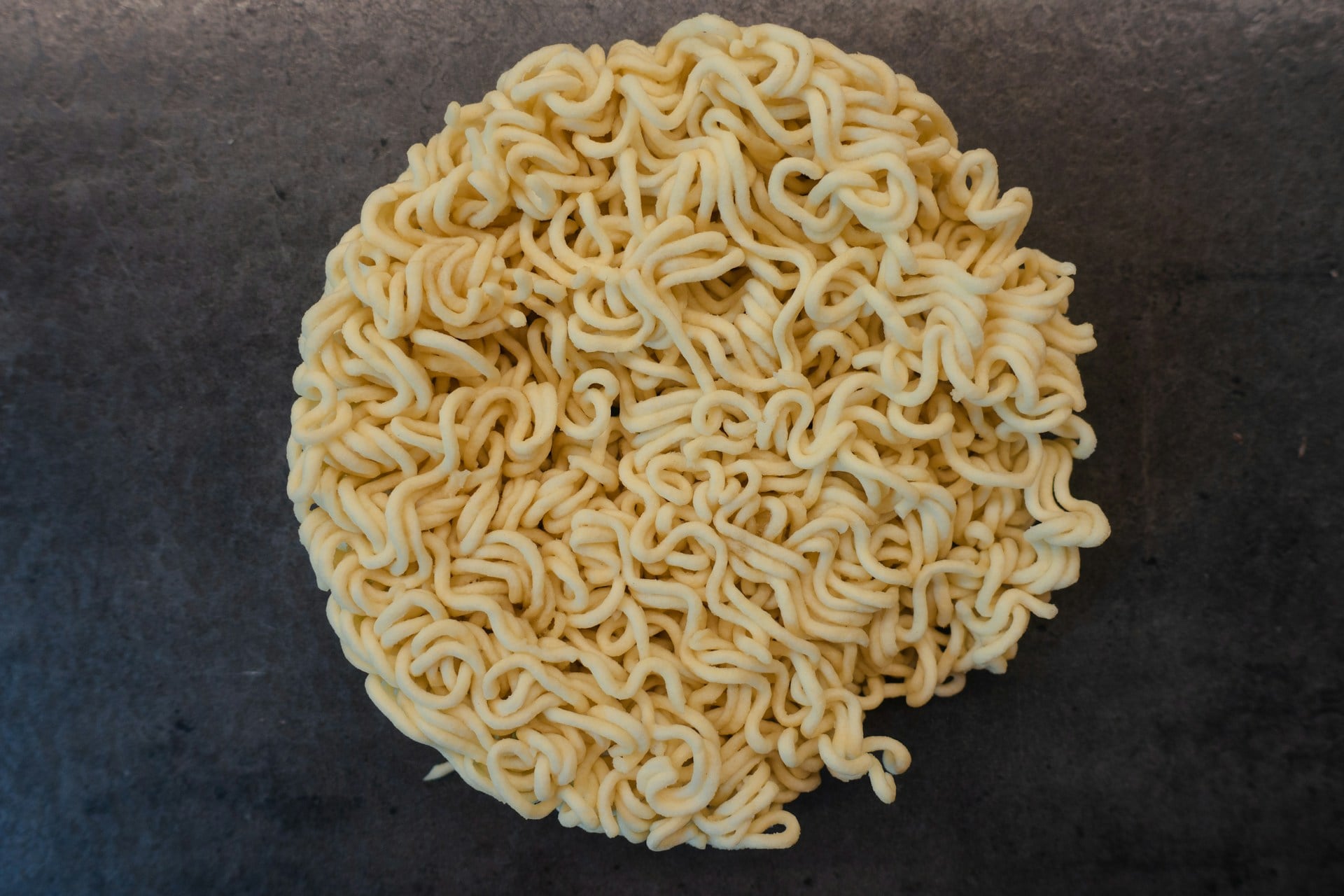
Ramen noodles cooked until soft, then pressed into a compact block and left to cool. The result holds its shape.
Can be sliced. Gets eaten like bread or used as a base for other ingredients. Some versions add cheese to help with binding.
Others rely purely on the starch in the noodles. Bricks solve the problem of eating ramen without a bowl or hot water.
They travel well. They last longer than cooked noodles in broth.
They can be flavored during cooking or topped afterward. The density provides more lasting satisfaction than regular ramen.
The technique requires patience. The noodles need to cool completely to hold shape.
Trying to slice too early results in a mushy mess. But inmates have time. That’s one resource that’s never scarce.
Jailhouse Burritos

Flour tortillas from commissary form the wrapper. The filling combines refried beans, cheese, crushed chips, hot sauce, and whatever meat can be obtained.
Some versions include rice from dinner trays. Others skip the grains entirely.
The challenge comes from heating. Without a microwave or stove, inmates improvise.
Some wrap the burrito in a towel and place it on a warm surface. Others use hot water from the tap to warm it through the wrapper.
The most enterprising fashion heating elements from materials not intended for that purpose. These burritos satisfy in ways prison food usually doesn’t.
They provide customization. Control over ingredients and proportions. A sense of making something rather than just accepting what’s served.
Prison Fudge
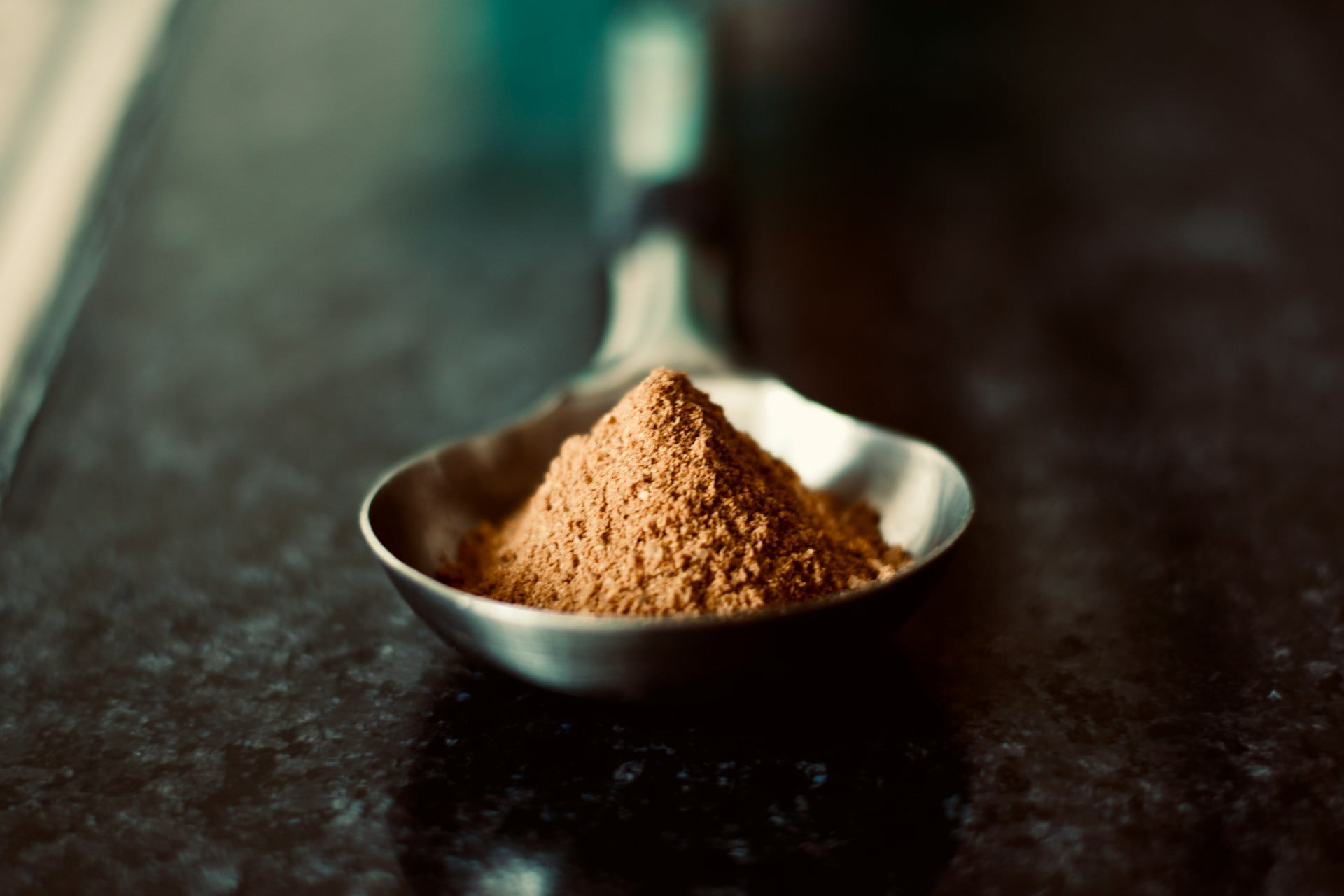
Sugar and cocoa powder from commissary mix with margarine saved from breakfast. The mixture gets heated using whatever method is available.
Then cooled. The result resembles fudge in texture if not quite in taste.
Some recipes add crushed cookies for texture. Others include powdered milk to make it creamier.
The heating step requires creativity. Some inmates use light bulbs as a gentle heat source. Others place the mixture in a bag and submerse it in hot tap water.
The finished product gets cut into pieces and shared or traded. Making sweets in prison carries social currency.
It shows resourcefulness. It provides a taste of something that feels normal in an abnormal environment.
Pizza

This requires the most ingredients and preparation. Crushed crackers or chips form the crust.
Cheese melts on top. Tomato-based products from commissary stand in for sauce. Meat products add protein.
The heating challenge is significant. True pizza needs sustained heat from below and above.
Prison pizza rarely achieves this. Instead it becomes more of a layered dish.
Crispy base. Warm toppings. The name persists even when the result doesn’t match expectations.
Some inmates press the mixture in a trash bag to create a more uniform shape. Others build it directly on a surface.
The eating experience matters more than the technical accuracy.
Breakfast Cakes

Oatmeal packets, sugar, and any available mix-ins combine to form patties. These get fried in margarine saved from breakfast trays.
The result provides a filling breakfast alternative to standard prison morning meals. Mix-ins vary wildly.
Crushed nuts. Dried fruit. Chocolate from candy bars. Coffee for depth of flavor. Each addition changes the character of the final product.
The technique stays constant but the possibilities multiply. The cooking method requires a flat surface and a heat source.
Inmates improvise both. Metal surfaces near radiators work. Hot plates fashioned from contraband components work better but carry more risk if discovered.
Cheesecake

Crushed graham crackers form the base. Cream cheese from commissary provides the filling layer.
Some versions add powdered milk to make it lighter. Others keep it dense. The whole thing sets in the refrigerator or cool place.
This dish requires more patience than most. The layers need time to firm up.
The crust needs to stay together. The filling needs to develop texture. Inmates working on cheesecake are planning days ahead.
The result rarely matches bakery quality. But in an environment without real desserts, it provides something special.
Making it for someone’s birthday or as a thank you carries weight. The effort shows care in a place where showing care is complicated.
Goulash

A bit of everything tossed into a bag – ramen first. If there are canned veggies, toss those in instead.
Maybe some meat grabbed from the commissary goes next. A chunk of cheese slides in after. Splash of hot sauce, always.
For crunch? Crushed chips get sprinkled on top. Heat it up however you can – or just eat it straight from the bag.
The name’s got nothing to do with classic Hungarian stew – prison talk calls it a “mix of anything.” Aim is piling on flavor and energy, using what you’ve got around.
Each batch tastes different since every one uses random stuff. This turns into a group meal.
Some prisoners add goods from their store – others chip in too. People gather round to eat at once.
Sharing food tightens connections where separation’s the goal.
The Innovation That Hunger Creates

These meals came about since regular jail food just isn’t enough. Portions are tiny. Flavor’s missing.
It doesn’t feel like real eating, not like how it used to be outside. That’s why prisoners cook up workarounds – using whatever they can get their hands on.
The recipes moved by people talking. When ingredients shift, they grow differently.
With new tools and limits, they adjust somehow. Once it was about surviving – now it’s a habit.
At first needed, now shaped with care. The meals may not wow expert cooks, yet they do what matters most.
Instead of fancy flavors, they let folks pick
More from Go2Tutors!

- The Romanov Crown Jewels and Their Tragic Fate
- 13 Historical Mysteries That Science Still Can’t Solve
- Famous Hoaxes That Fooled the World for Years
- 15 Child Stars with Tragic Adult Lives
- 16 Famous Jewelry Pieces in History
Like Go2Tutors’s content? Follow us on MSN.