25 Roller Skating Rink Traditions from the ’70s and ’80s That Deserve a Comeback
There’s something magical about lacing up a pair of rental skates and gliding across a smooth wooden floor under spinning disco lights. For those who lived through the golden age of roller skating in the ’70s and ’80s, the rink wasn’t just a place to skate — it was a universe unto itself, complete with its own customs, rituals, and unspoken rules that made every visit feel like stepping into another world.
Today’s roller skating renaissance has brought the wheels back, but many of the traditions that made those original rinks so special have been lost to time. These weren’t just quirky habits; they were the social fabric that turned a simple recreational activity into something approaching a cultural phenomenon.
From the way songs were announced to the elaborate birthday celebrations, every detail mattered in creating that distinctive rink atmosphere that kept people coming back week after week.
The All-Skate
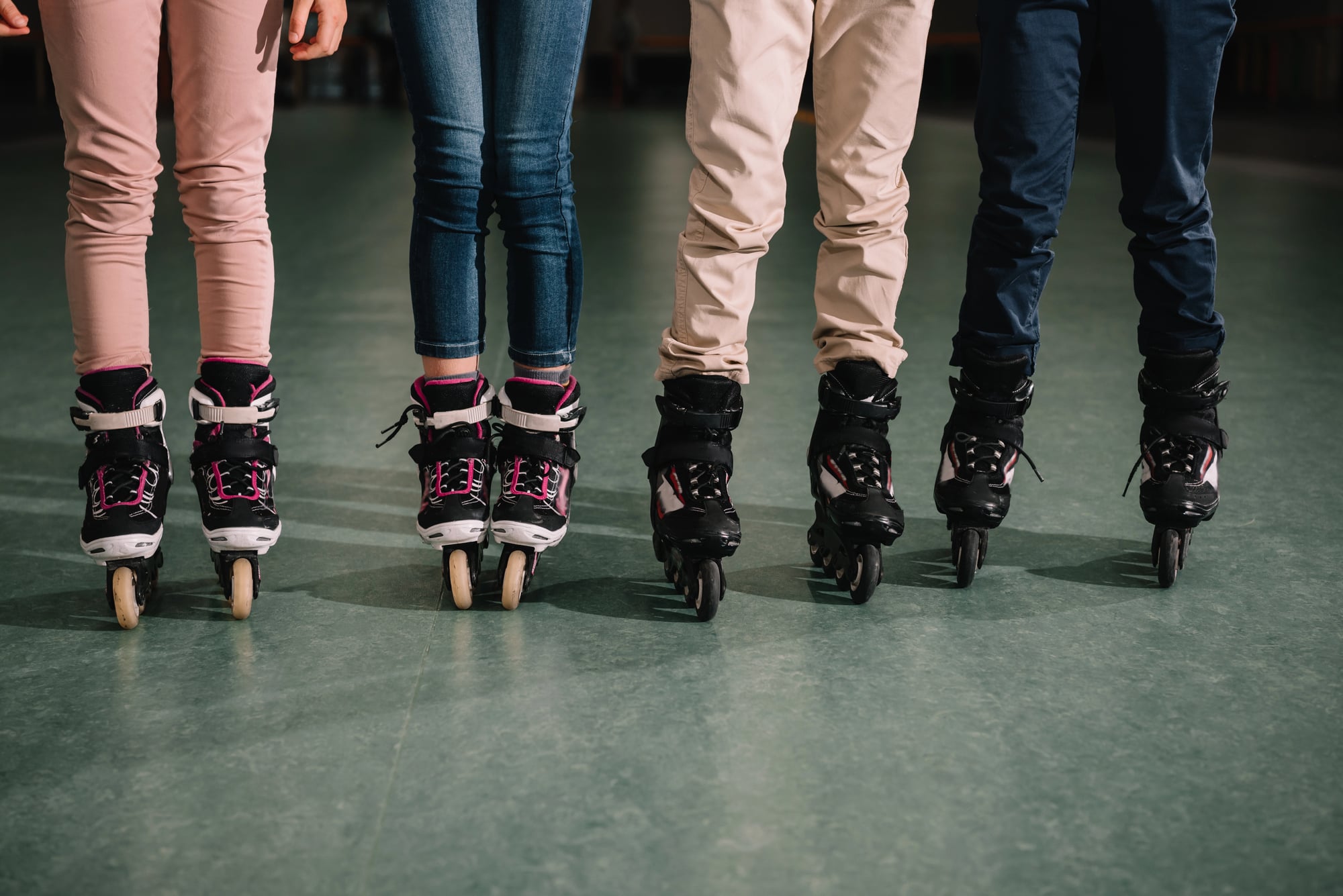
Everyone on the floor at once. No exceptions, no special rules, just pure chaos and joy rolled into four minutes of whatever song the DJ decided to throw at the crowd.
Backwards Skate
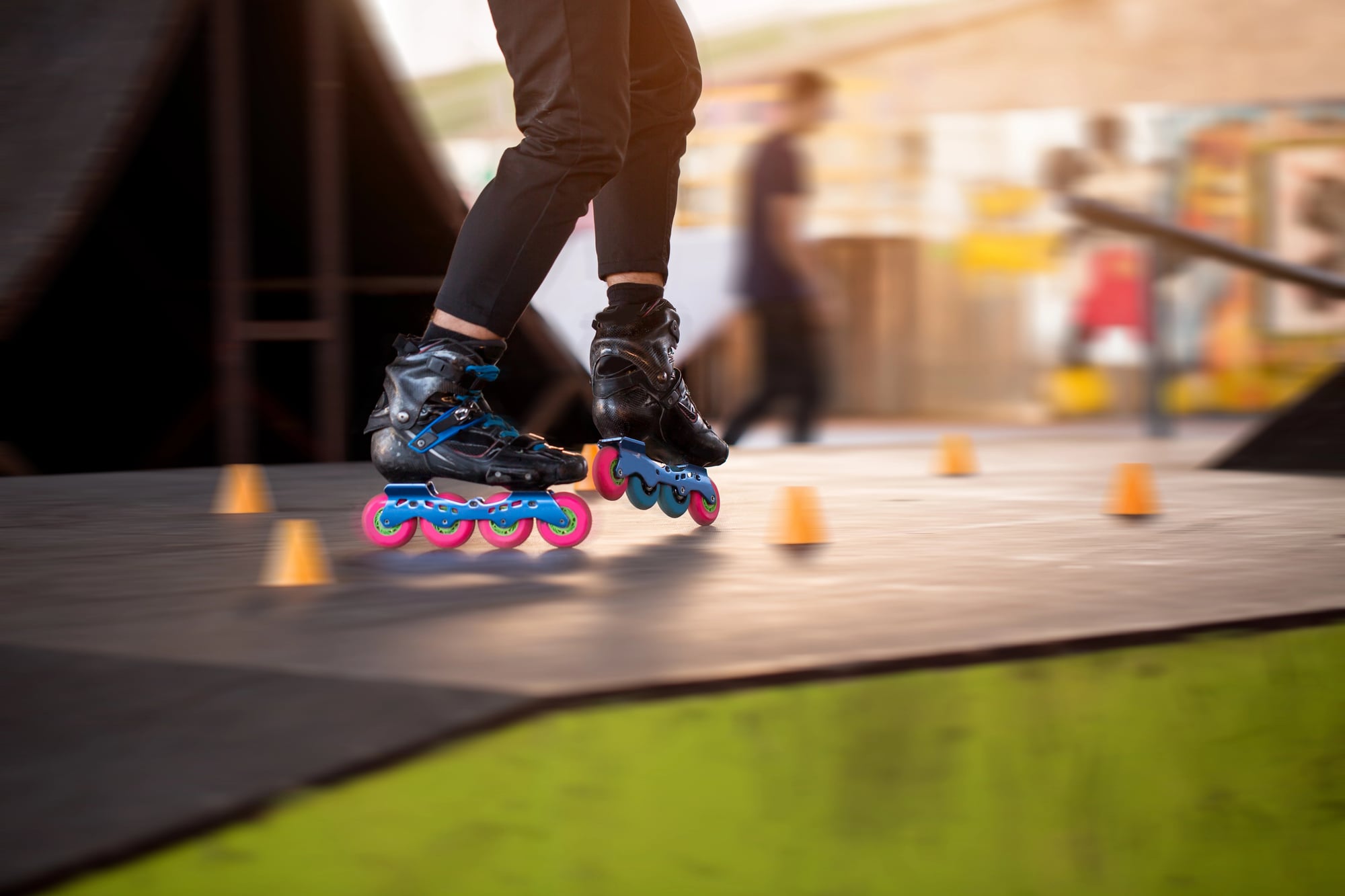
The rink would announce backwards skating sessions like they were declaring martial law. Half the floor would immediately empty while the other half would transform into graceful swans gliding in reverse — or at least that’s how it felt when someone actually knew what they were doing and the rest of you were just trying not to crash into the wall.
Couples Only
When the lights dimmed and the slow song started, the rink became a different place entirely. Suddenly, every awkward middle schooler was either desperately searching for a partner or pretending they needed to retie their skates for the third time in ten minutes (which, let’s be honest, was a perfectly reasonable strategy for avoiding the inevitable rejection that came with asking someone to couples skate when your skating ability peaked at “forward motion without falling”).
The ritual had unspoken rules that everyone understood: if someone asked you during couples skate, you either said yes or you sat it out completely — there was no skating alone during couples time, and there was definitely no cutting in once the music started.
And if you were lucky enough to find yourself holding hands with your crush while “Three Times a Lady” played over the sound system, well, that was pretty much the closest thing to magic that existed in suburban America during the Carter administration.
Ladies Only
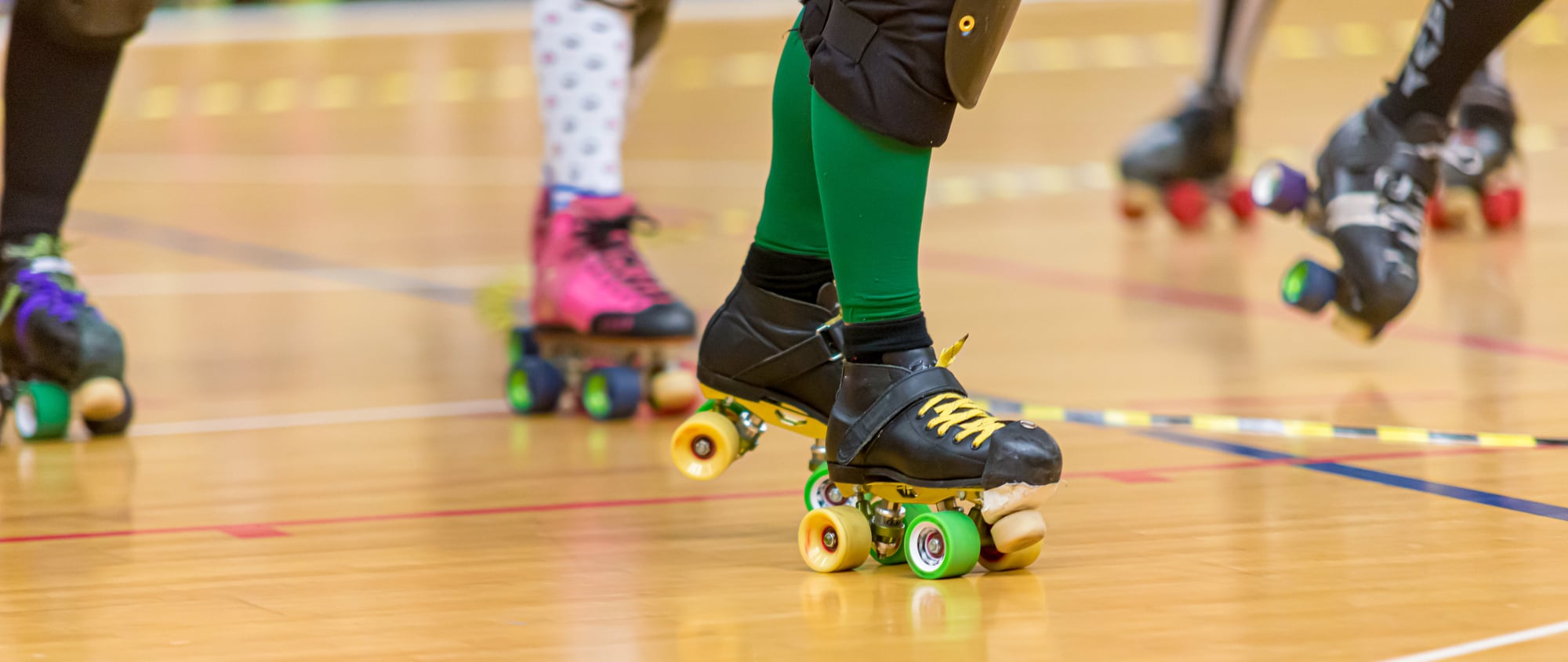
Pure vindication on wheels. The boys would clear the floor with theatrical groans and complaints, but this was the moment when the rink belonged entirely to the women and girls who’d been navigating around show-offs and speed demons all evening.
These sessions weren’t just about giving female skaters space — they were about watching the quiet girl from the corner suddenly reveal herself as a graceful backward skater, or seeing the teenager who worked at the snack bar transform into someone who could execute perfect turns at full speed.
Limbo Contest
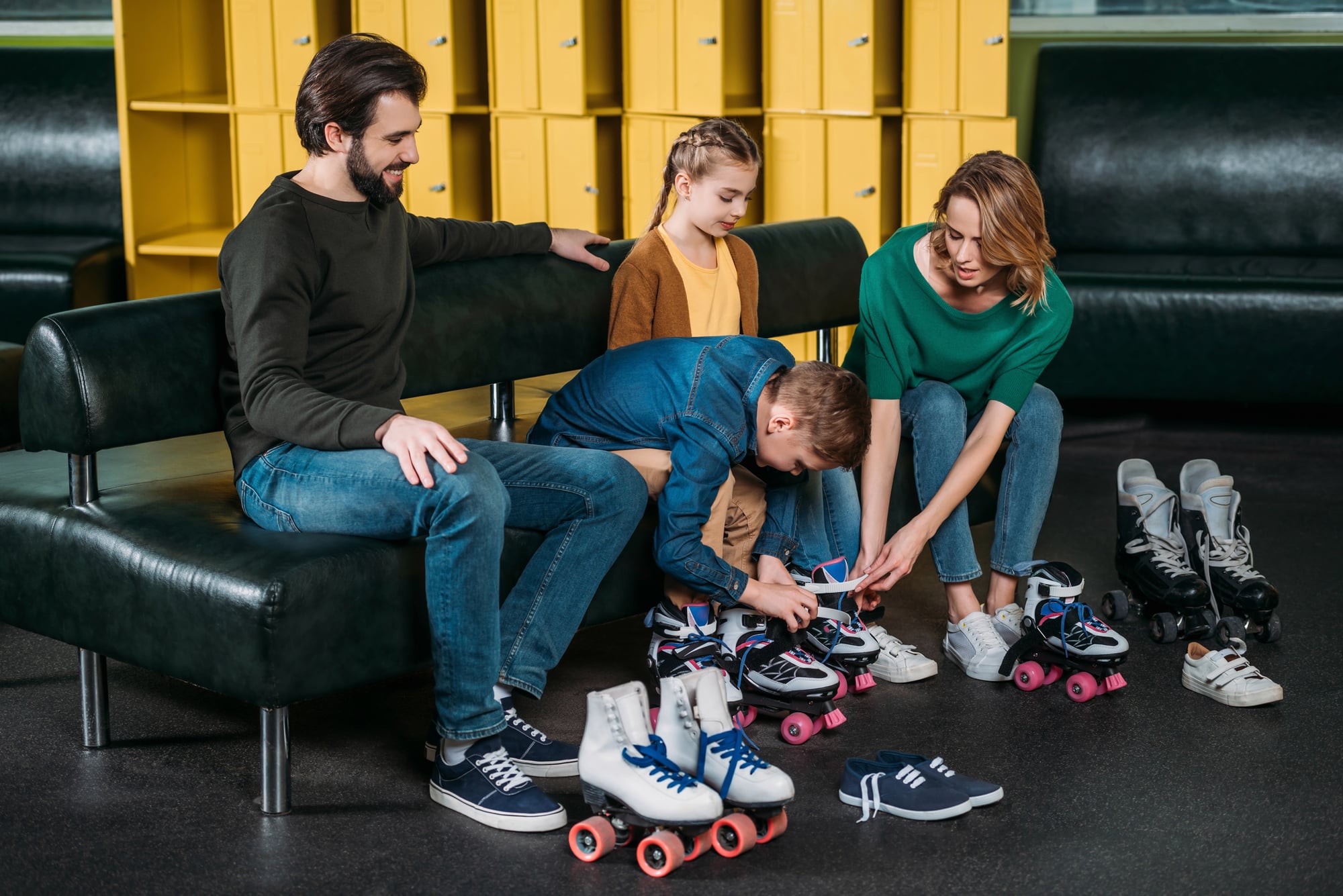
The limbo bar started high enough that even the most cautious skater could manage it. By the end, only the most flexible and fearless remained, bending backwards at impossible angles while maintaining forward momentum on eight wheels.
Success required equal parts courage and physics-defying flexibility. The real champions weren’t necessarily the best skaters — they were the ones willing to risk spectacular failure in front of everyone.
Four Corners
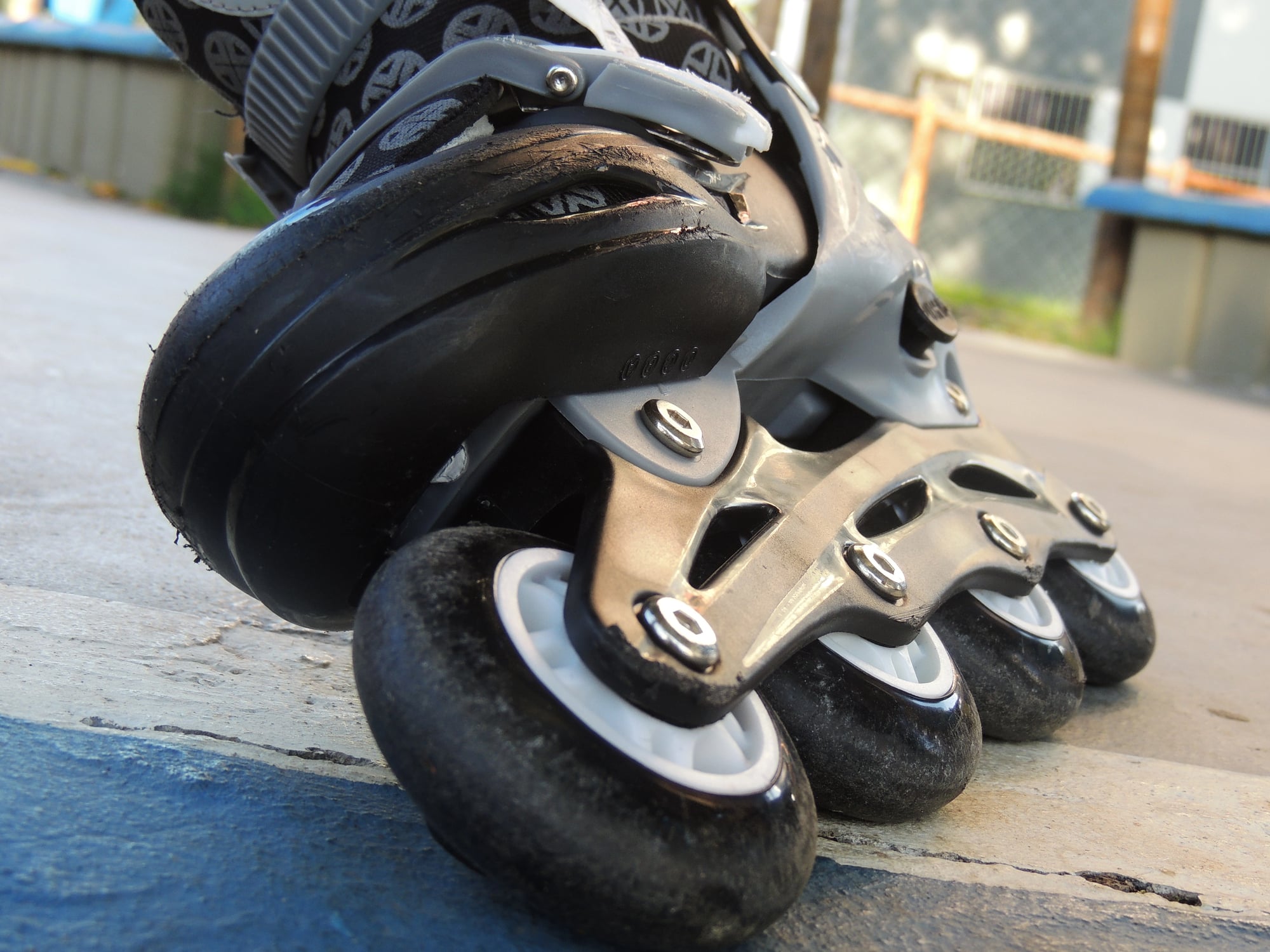
Each corner of the rink represented a different genre or era. Rock in one corner, disco in another, country somewhere else.
When the music stopped, that’s where you went. Last corner standing won something forgettable, but the real prize was the five minutes of musical democracy where everyone got to hear their preference.
Birthday Spotlight
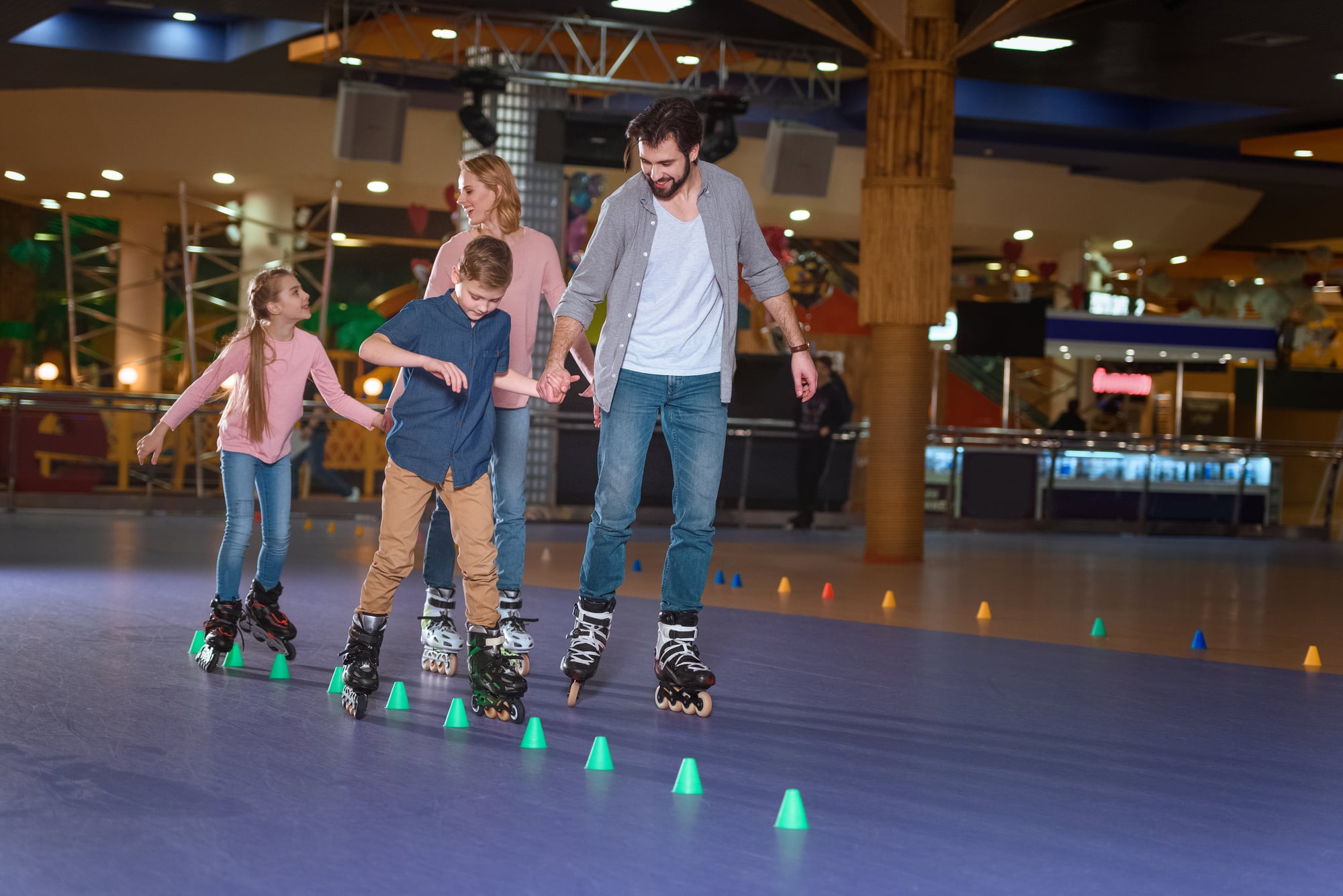
Birthday celebrations at the rink weren’t casual affairs (they were productions that involved stopping all regular programming, gathering every birthday celebrant in the center of the floor, and having the entire rink population sing while they skated slowly in a circle like some kind of wheeled parade). The DJ would announce each name individually, sometimes adding embarrassing details about age or whether this was their first time at the rink, and the birthday person would wave awkwardly while trying not to fall over in front of everyone they’d ever met.
But the real magic happened after the song ended, when the birthday skaters would rejoin the crowd and spend the rest of the evening basking in their moment of rink-wide recognition — which, for a twelve-year-old in 1979, was basically the equivalent of being crowned royalty for a day, complete with the kind of social currency that could last for weeks among the regular rink crowd.
Red Light, Green Light
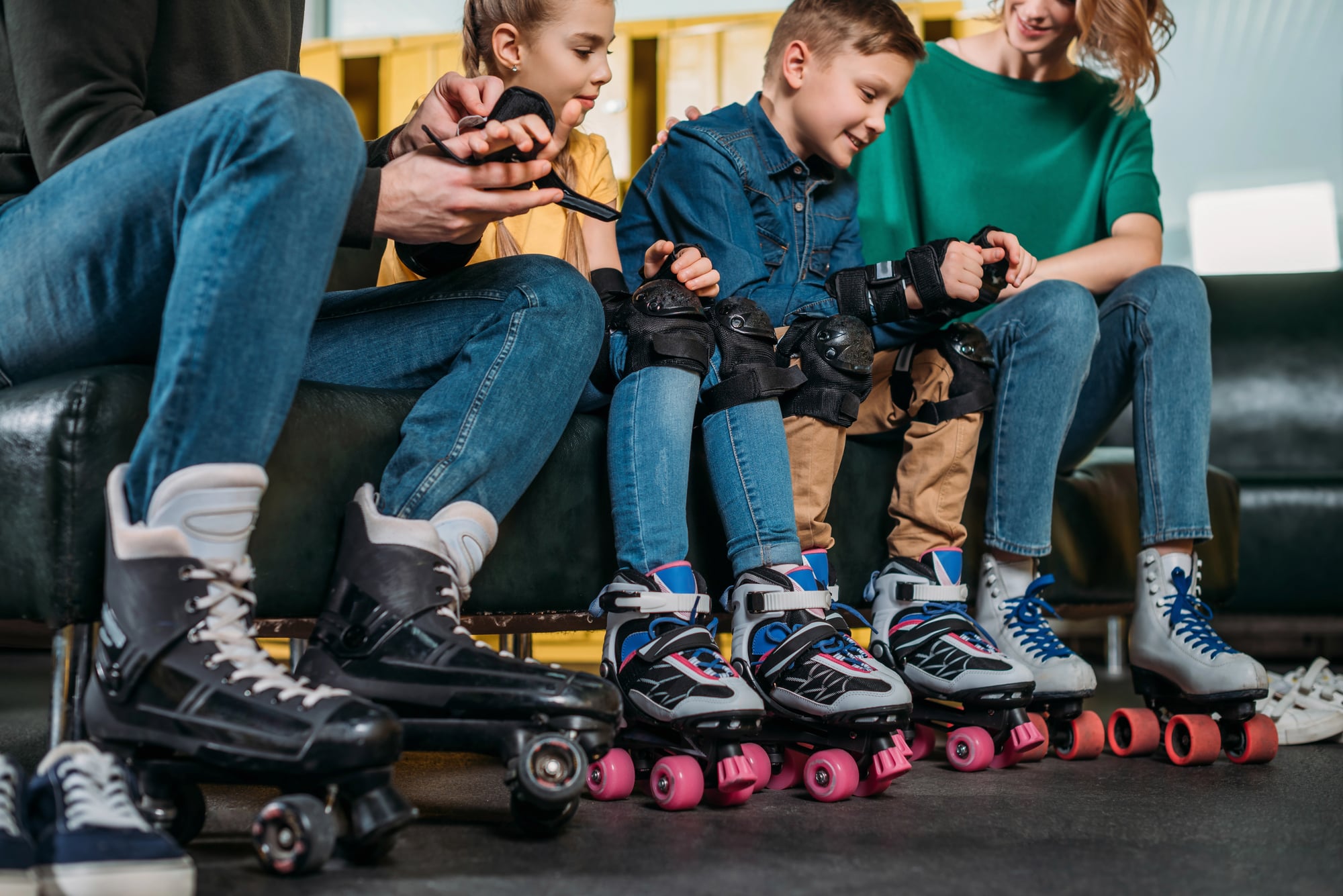
The music would cut out without warning. Green light meant skate as fast as possible. Red light meant freeze exactly where you were.
Move during a red light and the floor judge would point at you with the authority of a Supreme Court justice.
The game turned cautious skaters into speed demons and reckless skaters into statues. Getting caught moving was public humiliation.
Not getting caught meant you were either perfectly still or perfectly sneaky.
Speed Skate
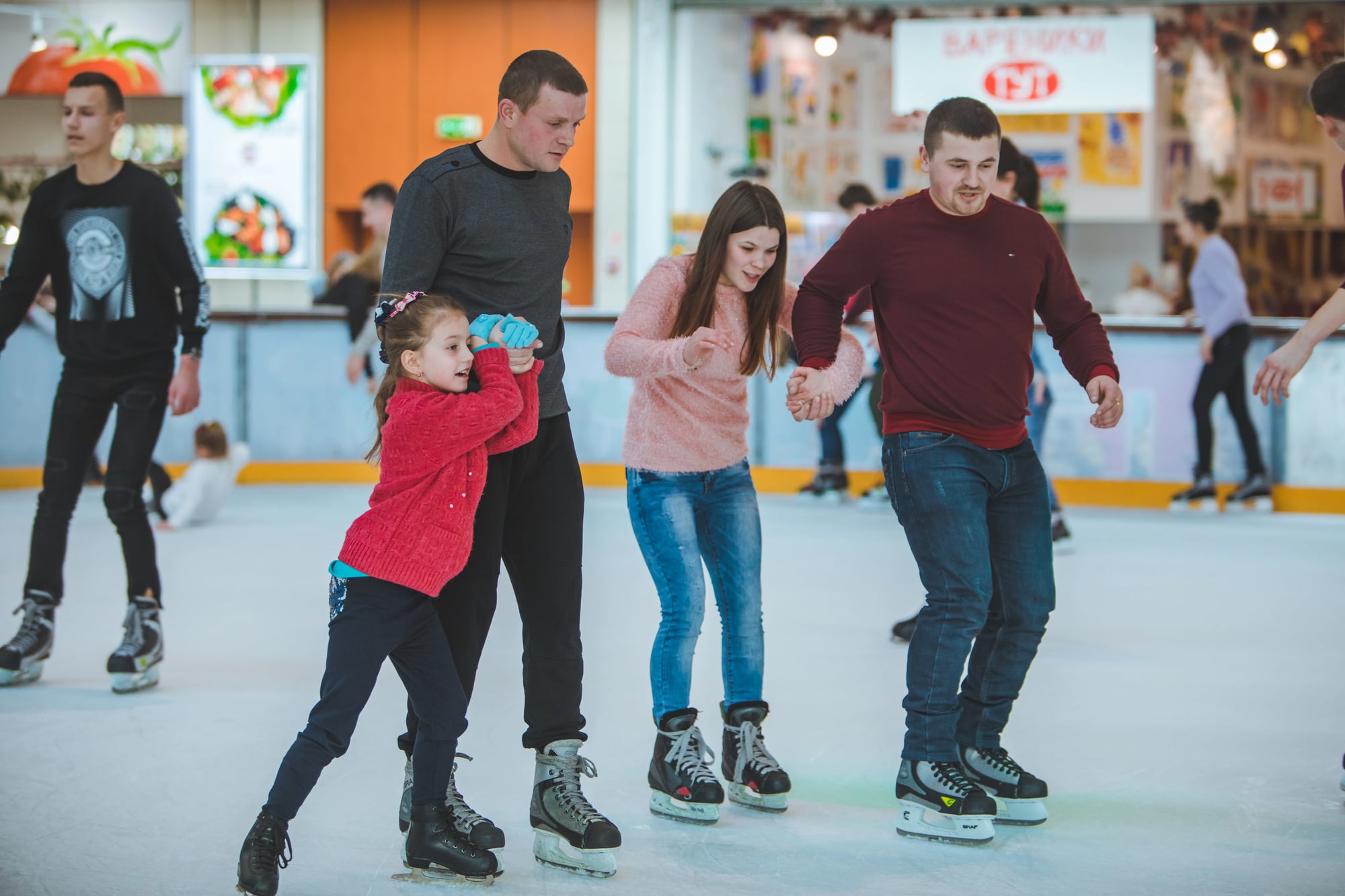
This was organized chaos with a four-minute time limit. The announcement would clear out half the floor — smart people who understood their limitations.
What remained was a mix of genuinely fast skaters and overconfident beginners who were about to learn some hard lessons about physics and wooden floors.
Snowball
One couple starts skating. When the music pauses, they each grab someone new.
Then those two couples grab more people. The math gets complicated fast, but the result is half the rink paired up and skating while the other half tries to figure out how they ended up holding hands with their friend’s older brother.
Hokey Pokey on Skates
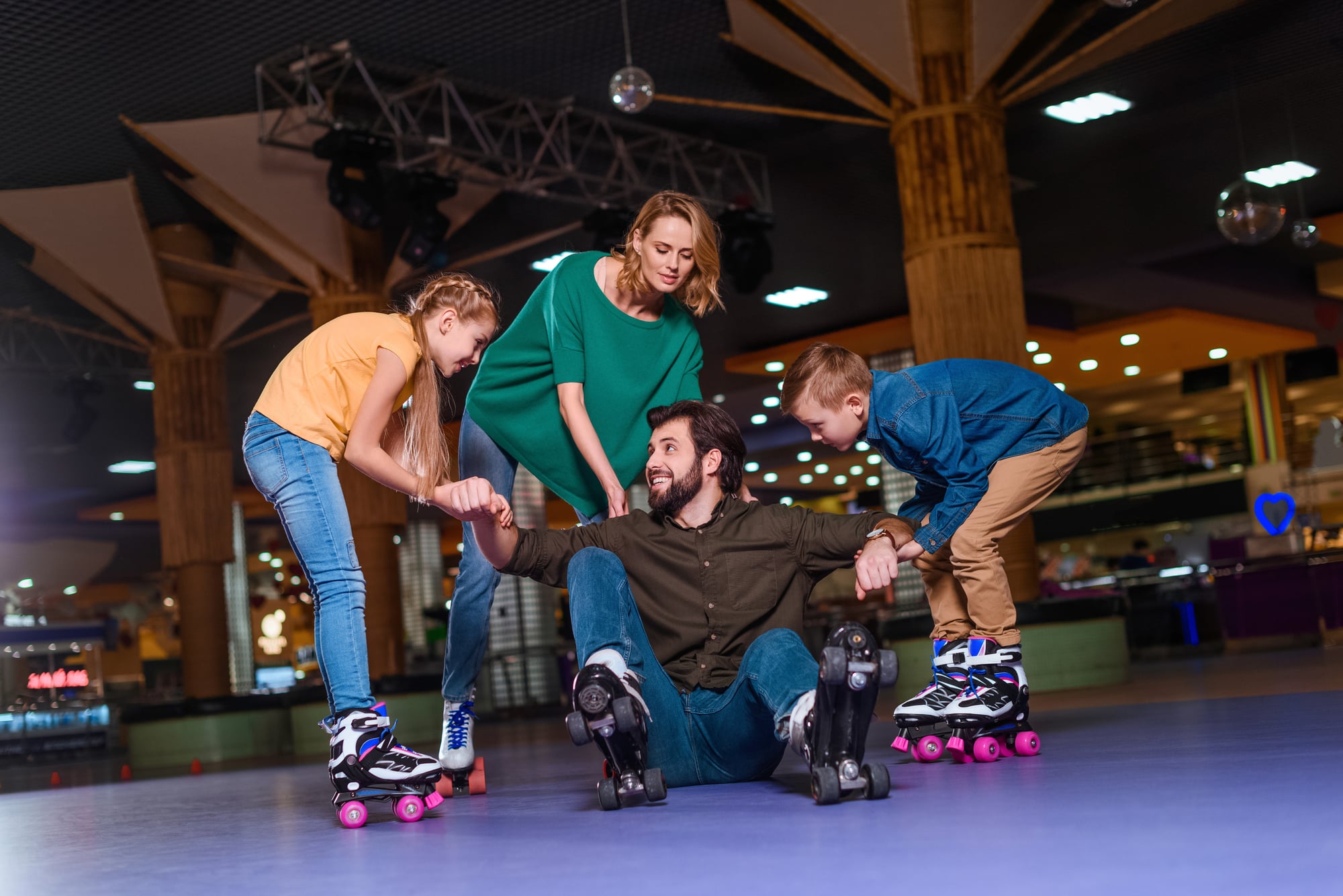
The regular Hokey Pokey was challenging enough on solid ground. Adding wheels turned it into a test of balance, coordination, and the ability to shake various body parts without losing control entirely.
Most people failed at least one of these requirements, which was exactly the point.
Freeze Dance
Similar to Red Light, Green Light, but with more style requirements. When the music stopped, freezing wasn’t enough — the pose had to look intentional.
This separated the performers from the people who were just trying not to fall down.
Skate Train
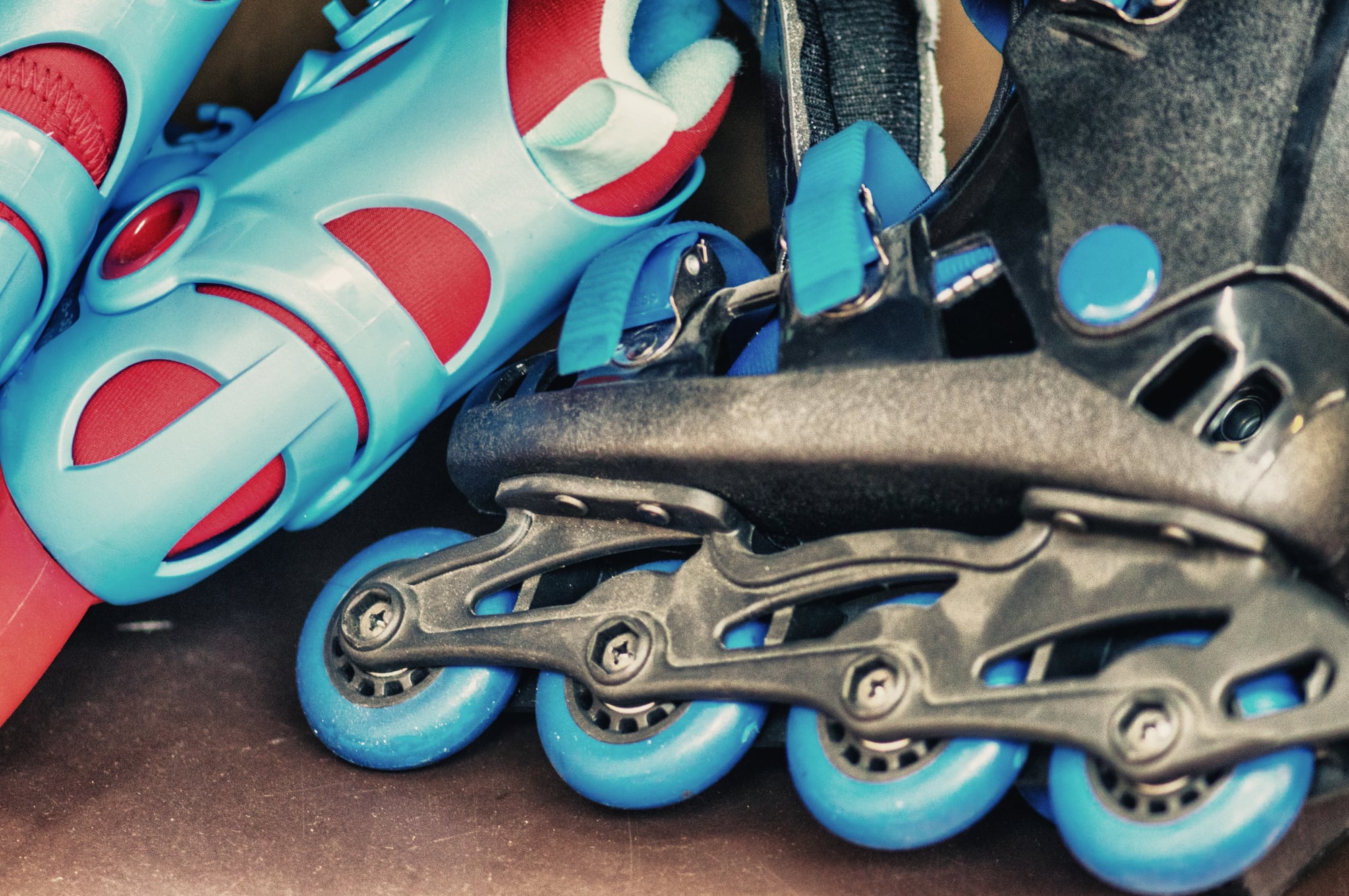
Someone would start a line by grabbing onto the person in front of them. Others would join until a chain of skaters snaked around the rink like a wheeled parade.
The challenge was staying connected while navigating turns without the entire train derailing into a pile of tangled limbs and rental skates.
Dance Contests
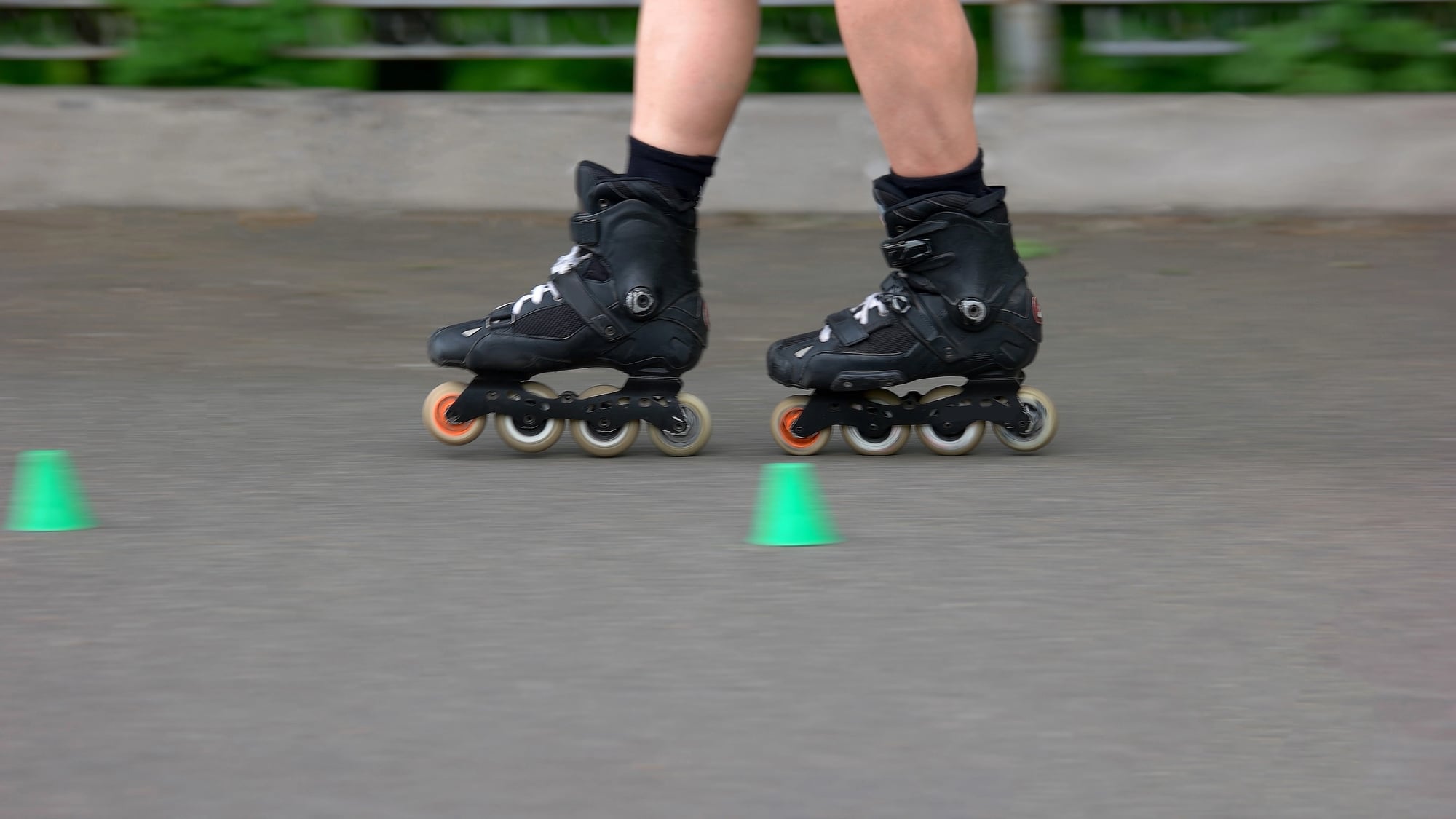
Regular dancing was hard enough, but doing the Bus Stop or the Electric Slide on roller skates required a completely different skill set. The winners weren’t necessarily the best dancers or the best skaters — they were the ones who could combine both without ending up on the floor.
Moonwalk on Wheels
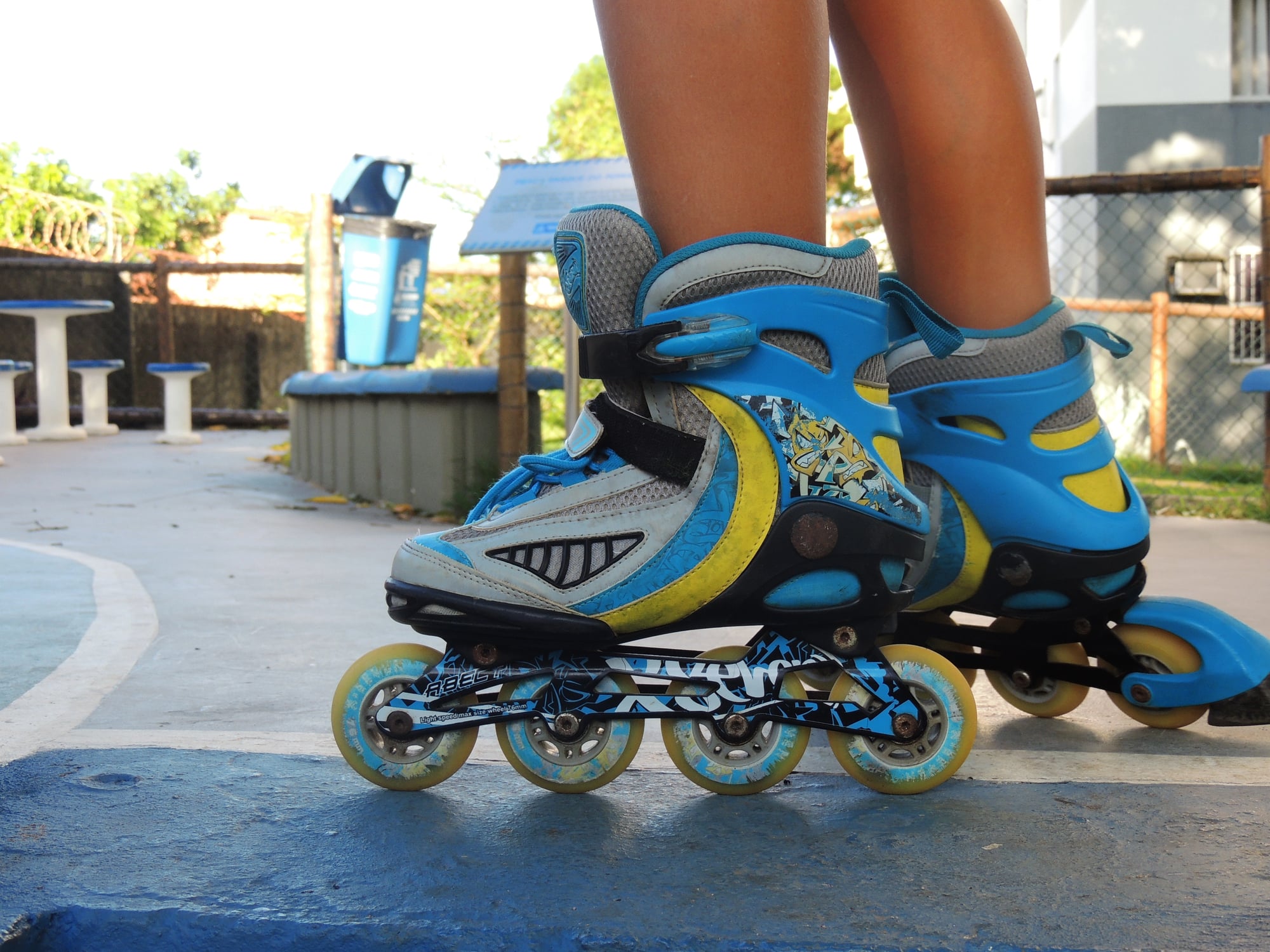
Michael Jackson’s moonwalk was impressive on any surface, but attempting it on roller skates was either genius or madness. Most attempts ended badly, but the rare successful moonwalk on wheels achieved legendary status among the regular rink crowd.
Ribbon Skate
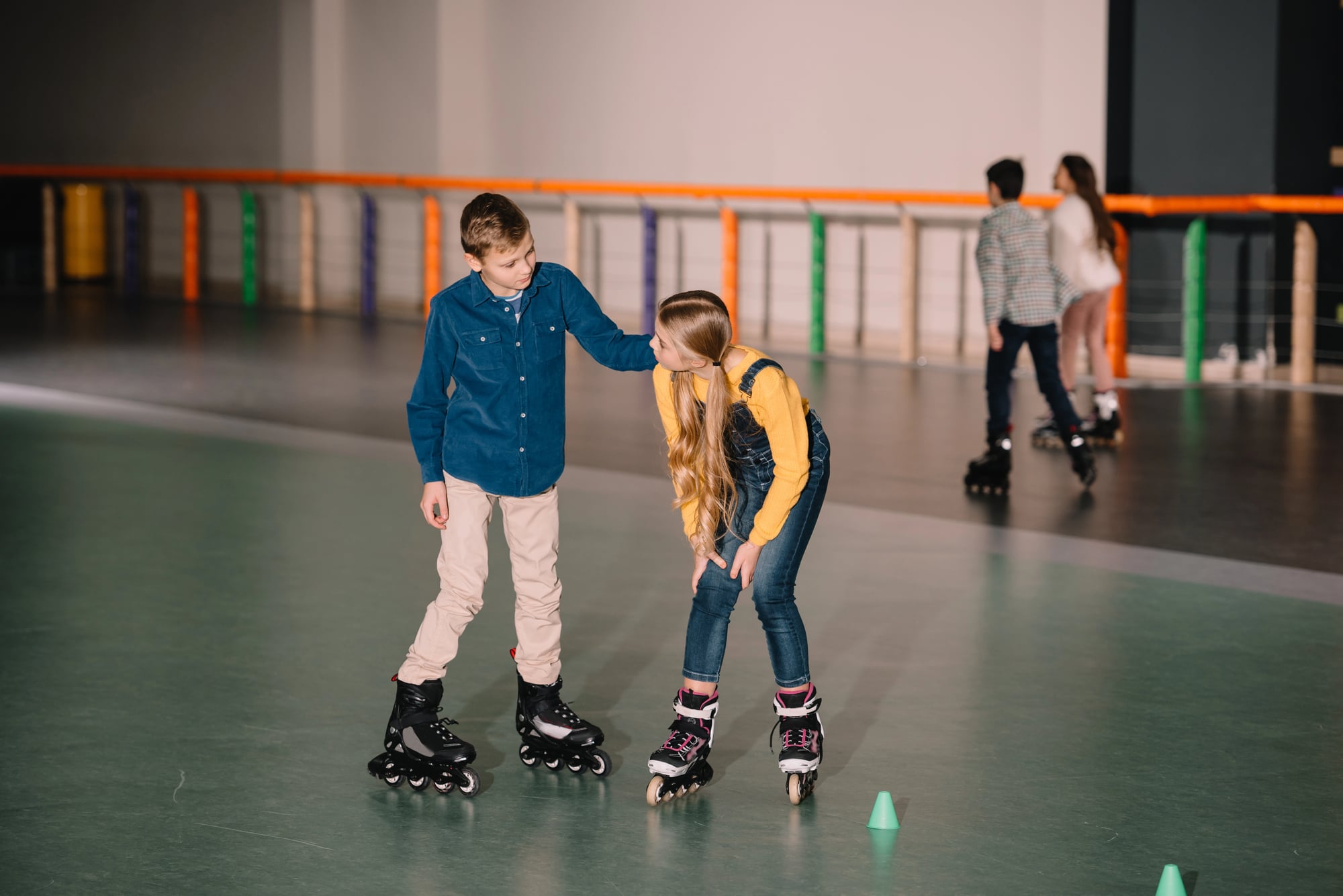
Couples would skate while holding opposite ends of a ribbon, maintaining tension without breaking it. The ribbon forced partners to stay in sync and communicate without words.
Breaking the ribbon meant starting over, which was somehow more embarrassing than just falling down.
Musical Chairs
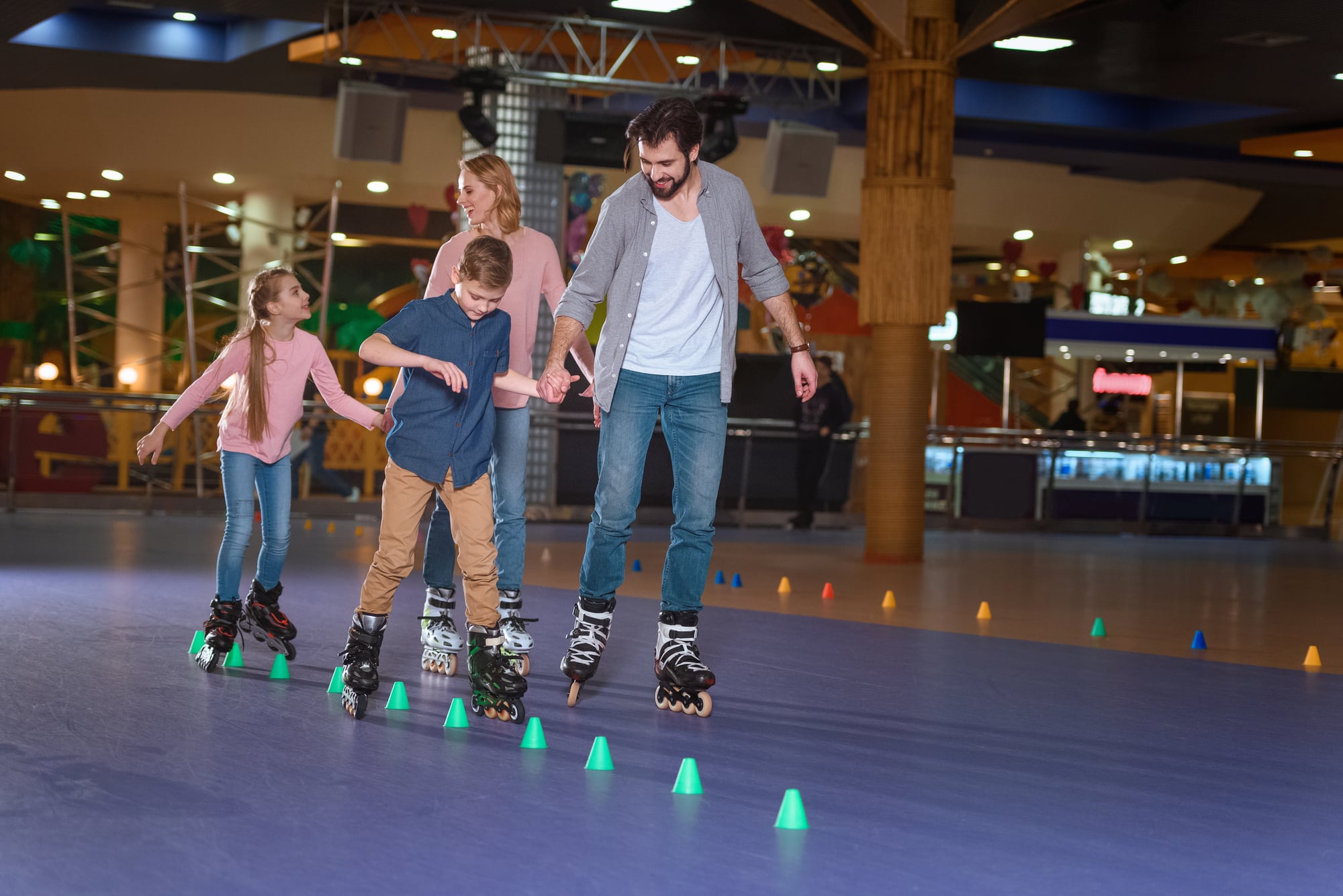
Folding chairs scattered around the rink. When the music stopped, everyone scrambled for a seat.
Doing this on wheels added an element of controlled collision that made every round unpredictable and slightly dangerous in the best possible way.
Races
Straightforward competition with complicated results. Age groups, skill levels, and sometimes random categories like “everyone wearing blue” or “people whose names start with J.”
Winning was less important than the brief moment of being the center of attention while the entire rink watched you skate as fast as possible.
DJ Requests
The DJ booth was a fortress, but a persistent skater with a dollar bill and a song request could sometimes breach the walls. Getting your request played was social currency.
Having it ignored was a learning experience about the politics of rink music selection.
Snack Bar Culture
The snack bar wasn’t just about food — it was social headquarters where alliances formed and dissolved over nachos and slush drinks. Prices were inflated, but leaving the rink to get food elsewhere was unthinkable.
The snack bar was part of the ecosystem, and everyone participated willingly in the overpriced ritual of rink dining.
Floor Guards
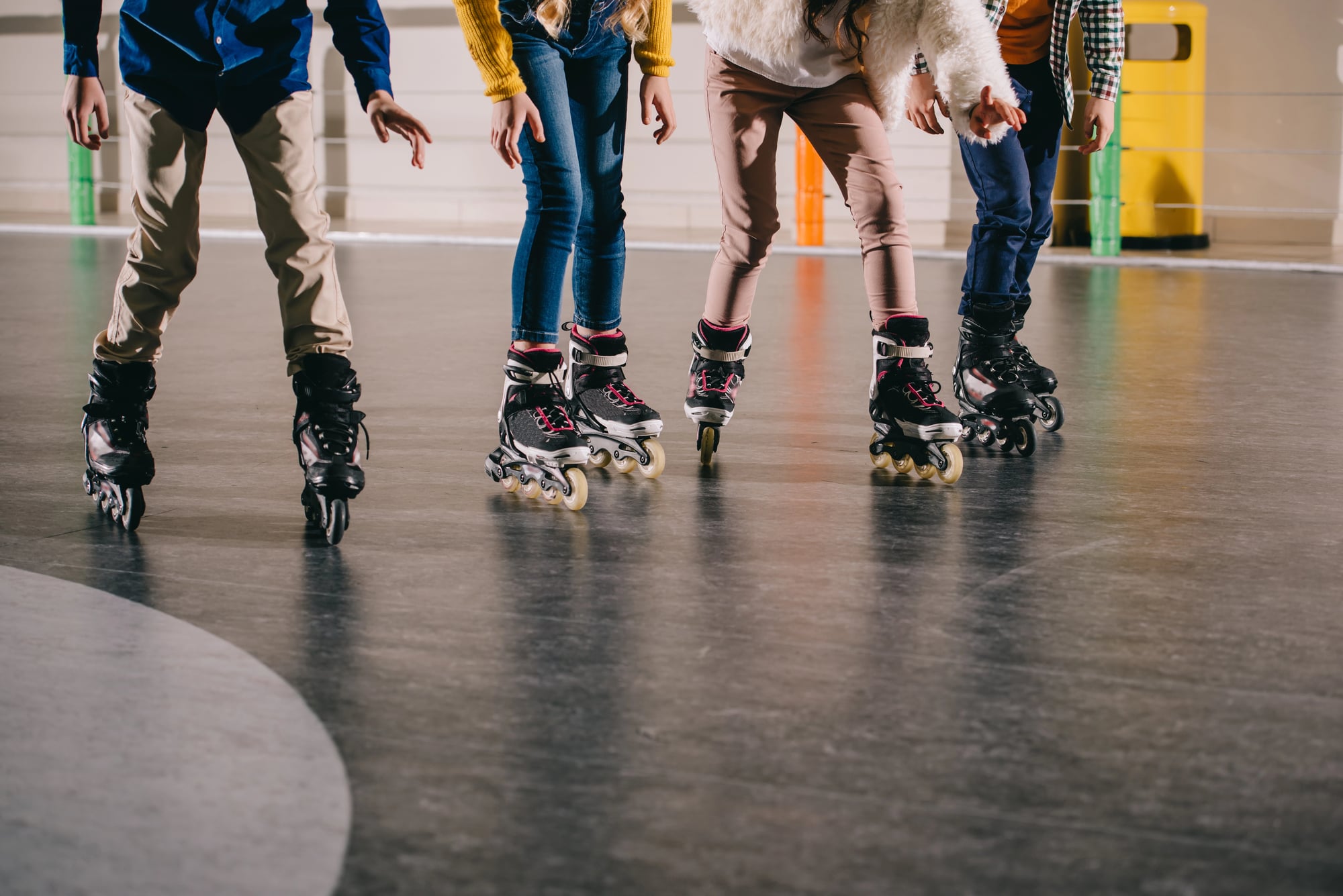
These weren’t just employees — they were referees, safety coordinators, and social arbiters rolled into one. They wore official-looking shirts and carried whistles with the authority of United Nations peacekeepers.
Getting a warning from a floor guard was serious business that could affect your standing in the rink social hierarchy.
Lost and Found Skate
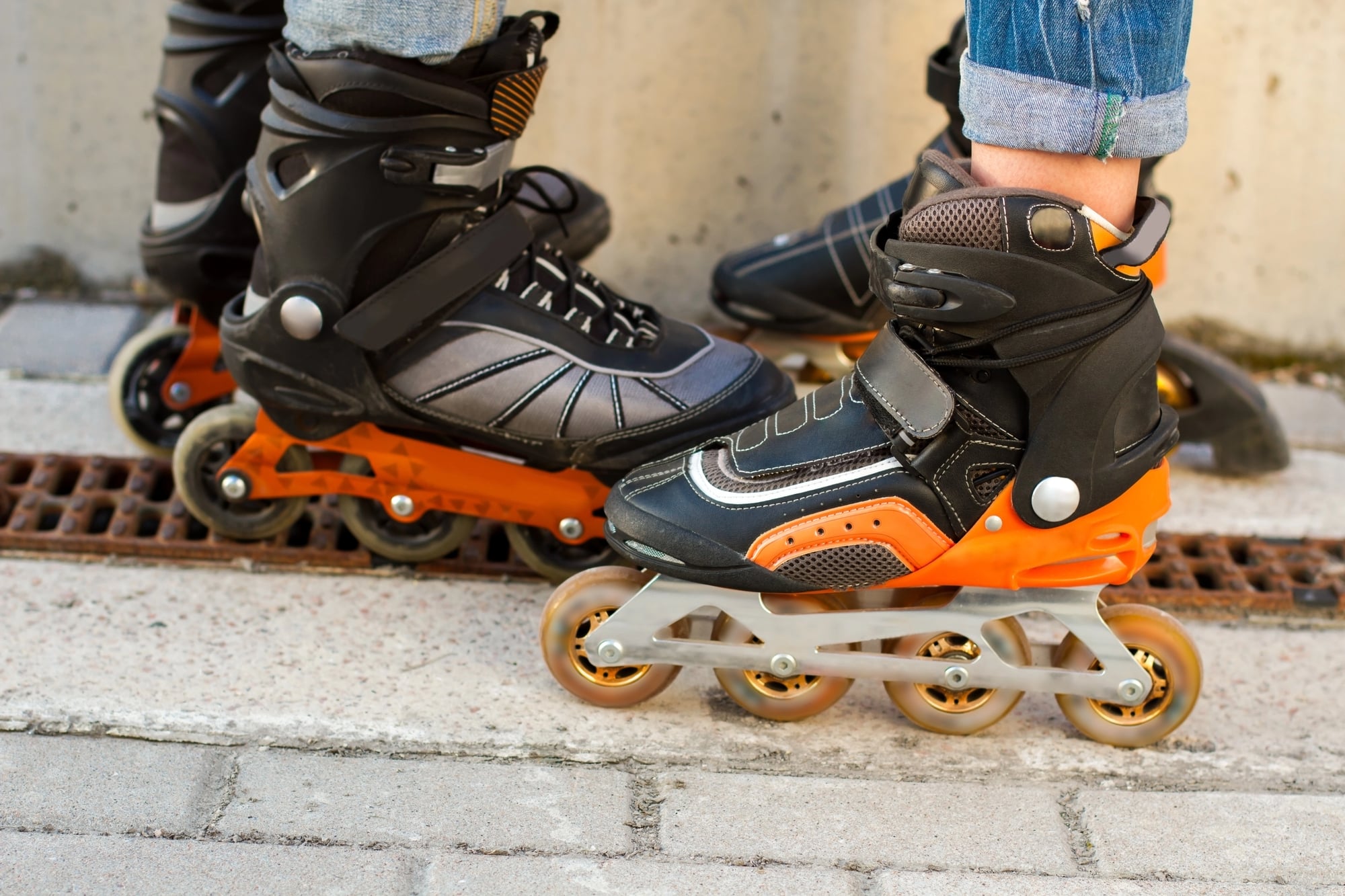
At the end of the night, orphaned items would be gathered for a final identification skate. Lost jewelry, hair accessories, and the occasional piece of clothing would be displayed while their owners sheepishly skated forward to claim them.
Not finding your missing item meant returning next week to check again.
Theme Nights
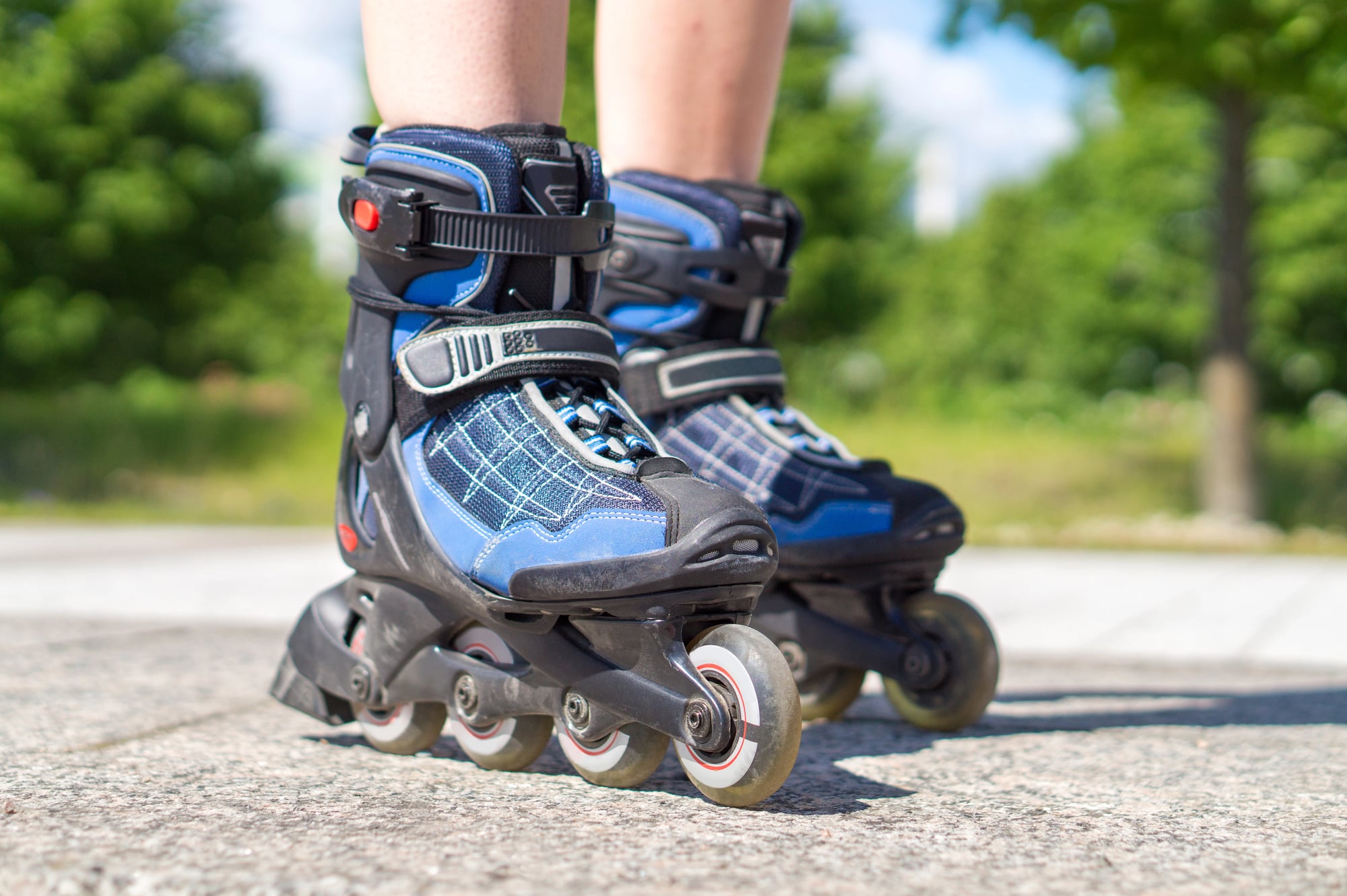
Disco Night, Rock Night, Country Night — the rink would transform its entire personality based on the chosen theme. Regular attendees would dress accordingly, the music selection would shift dramatically, and even the lighting would change to match the mood.
These weren’t just marketing gimmicks; they were cultural events that required preparation and commitment from the entire rink community.
Group Lessons
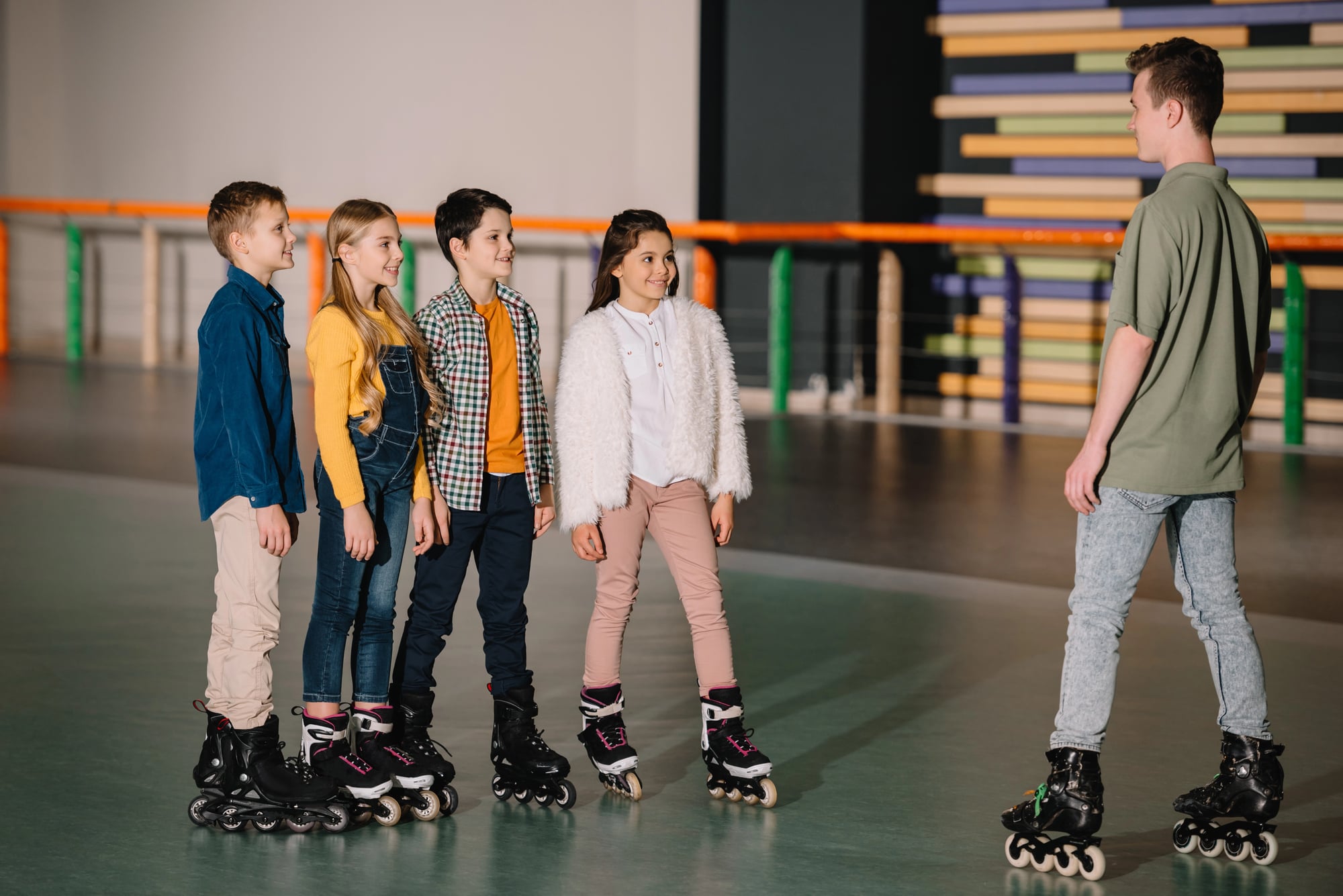
Before the regular session began, the rink would offer basic instruction for beginners. These lessons weren’t just about learning to skate forward without falling — they covered rink etiquette, basic dance moves, and the unspoken social rules that governed rink behavior.
Graduates of group lessons earned a kind of informal certification that marked them as legitimate members of the skating community.
Closing Circle
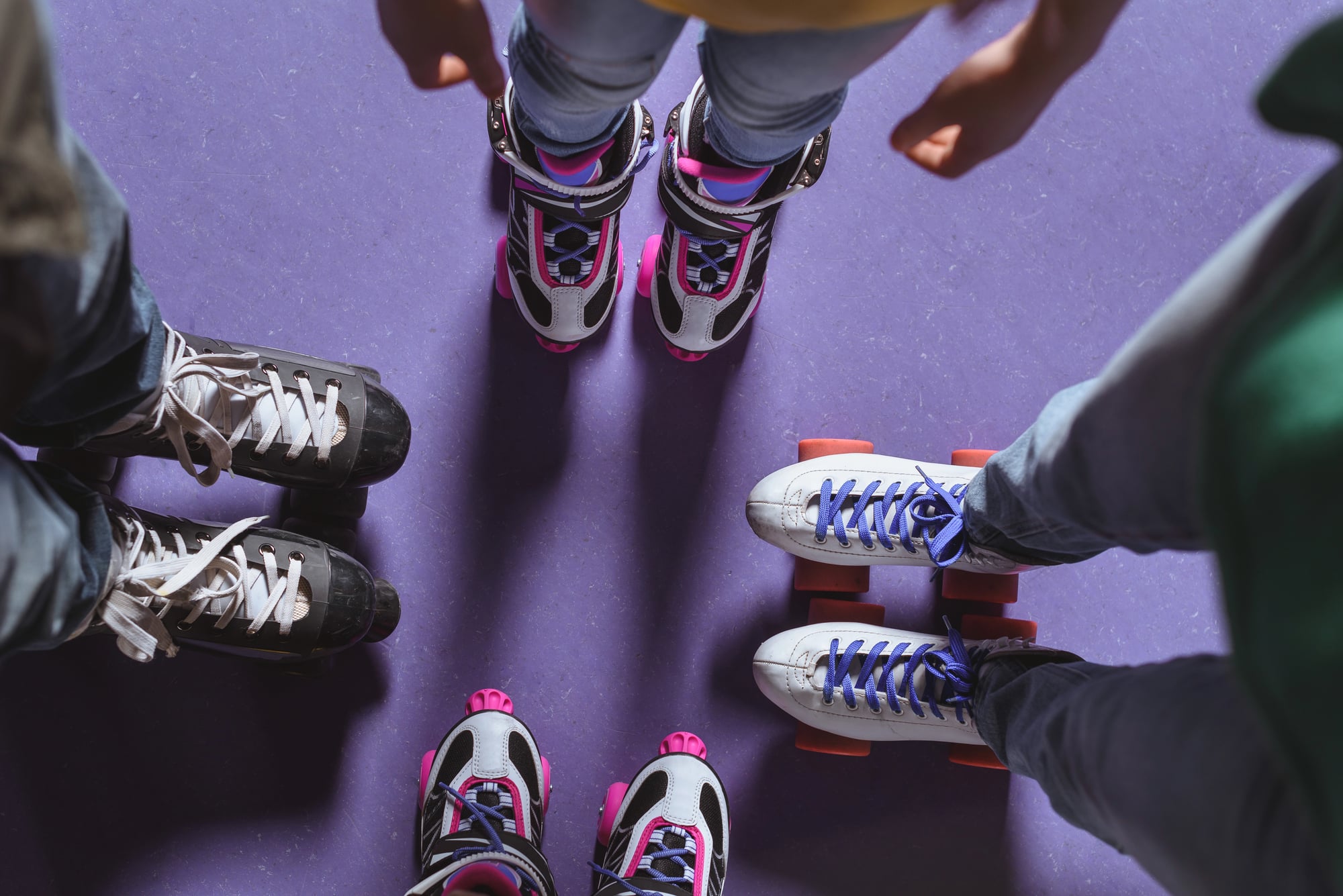
The final skate of the evening wasn’t just about using up the last few minutes — it was a ceremony that marked the end of another night in the rink universe. The music would be slower, more reflective, and everyone understood that this was the conclusion of something special.
As skaters gradually left the floor, there was always a sense that they were leaving behind more than just a recreational activity — they were stepping out of a world where the normal rules didn’t apply and magic happened on wheels.
Rolling Back Into the Future
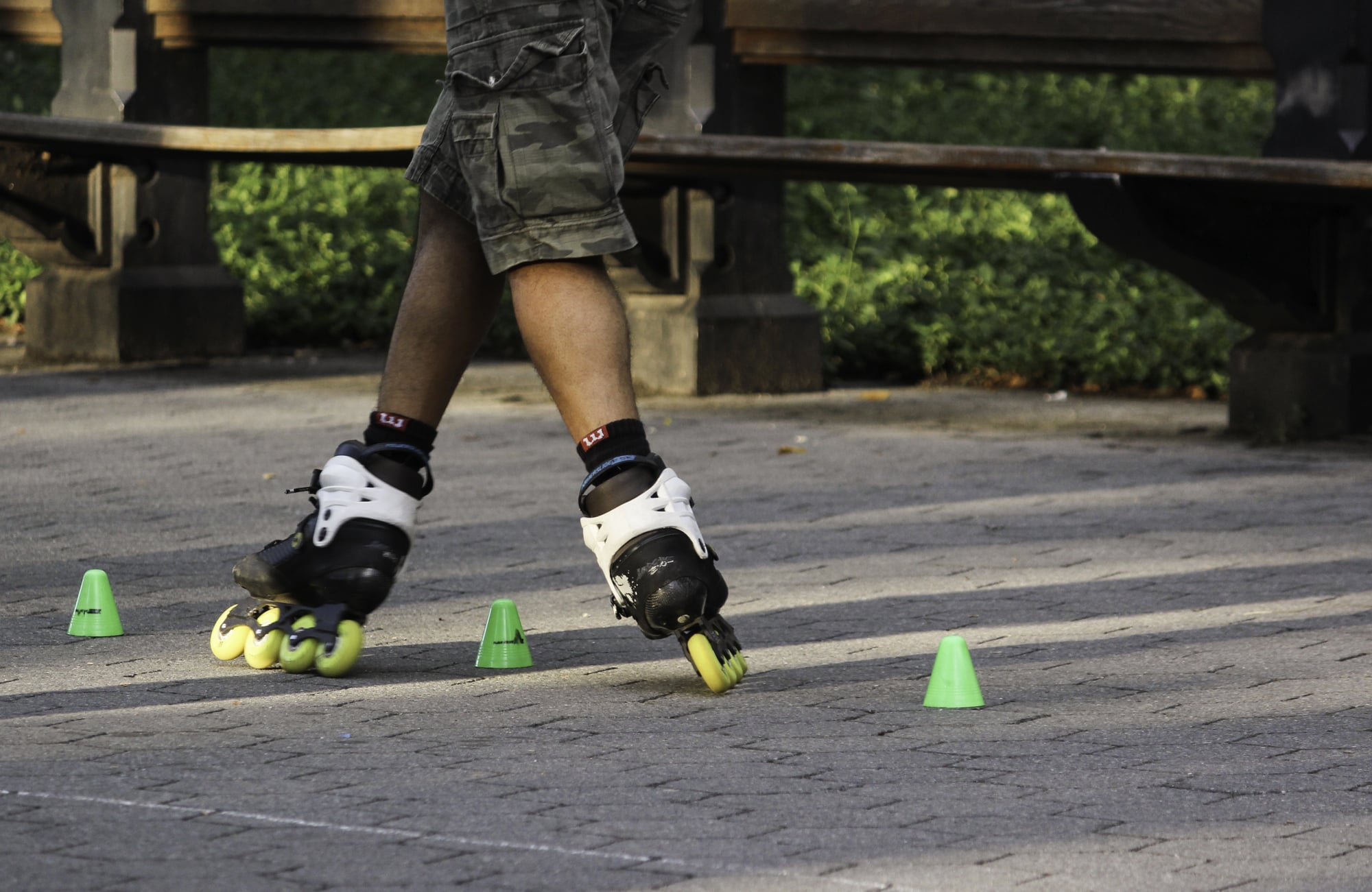
These traditions weren’t just arbitrary rules created by rink management — they were the organic culture that grew up around a simple activity that somehow became much more than the sum of its parts. They created structure and anticipation, gave shy people chances to participate and confident people opportunities to shine, and most importantly, they turned a night of skating into a shared experience that people talked about for the rest of the week.
Today’s skating revival has the wheels and the music, but bringing back these rituals might just be the missing ingredient that transforms a fun evening into the kind of magnetic social experience that kept people coming back every Friday night for decades.
More from Go2Tutors!

- The Romanov Crown Jewels and Their Tragic Fate
- 13 Historical Mysteries That Science Still Can’t Solve
- Famous Hoaxes That Fooled the World for Years
- 15 Child Stars with Tragic Adult Lives
- 16 Famous Jewelry Pieces in History
Like Go2Tutors’s content? Follow us on MSN.



