25 Rulers Who Were Overthrown by People They Completely Trusted
Power is rarely taken from rulers by strangers. The guards outside the palace door, the generals who won battles in their name, the cousins who shared their dining table — these are the people who most often ended empires.
History is full of rulers who were undone not by overwhelming external force but by the calculated patience of someone they had personally elevated, trusted, or loved. What makes these stories worth revisiting is not just the drama of the fall, but the intimacy of it.
A stranger’s betrayal is merely a threat. Betrayal from someone given access, title, and trust is something altogether darker — and, as the following list makes clear, considerably more common than any ruler ever seemed to anticipate.
Julius Caesar and Marcus Junius Brutus
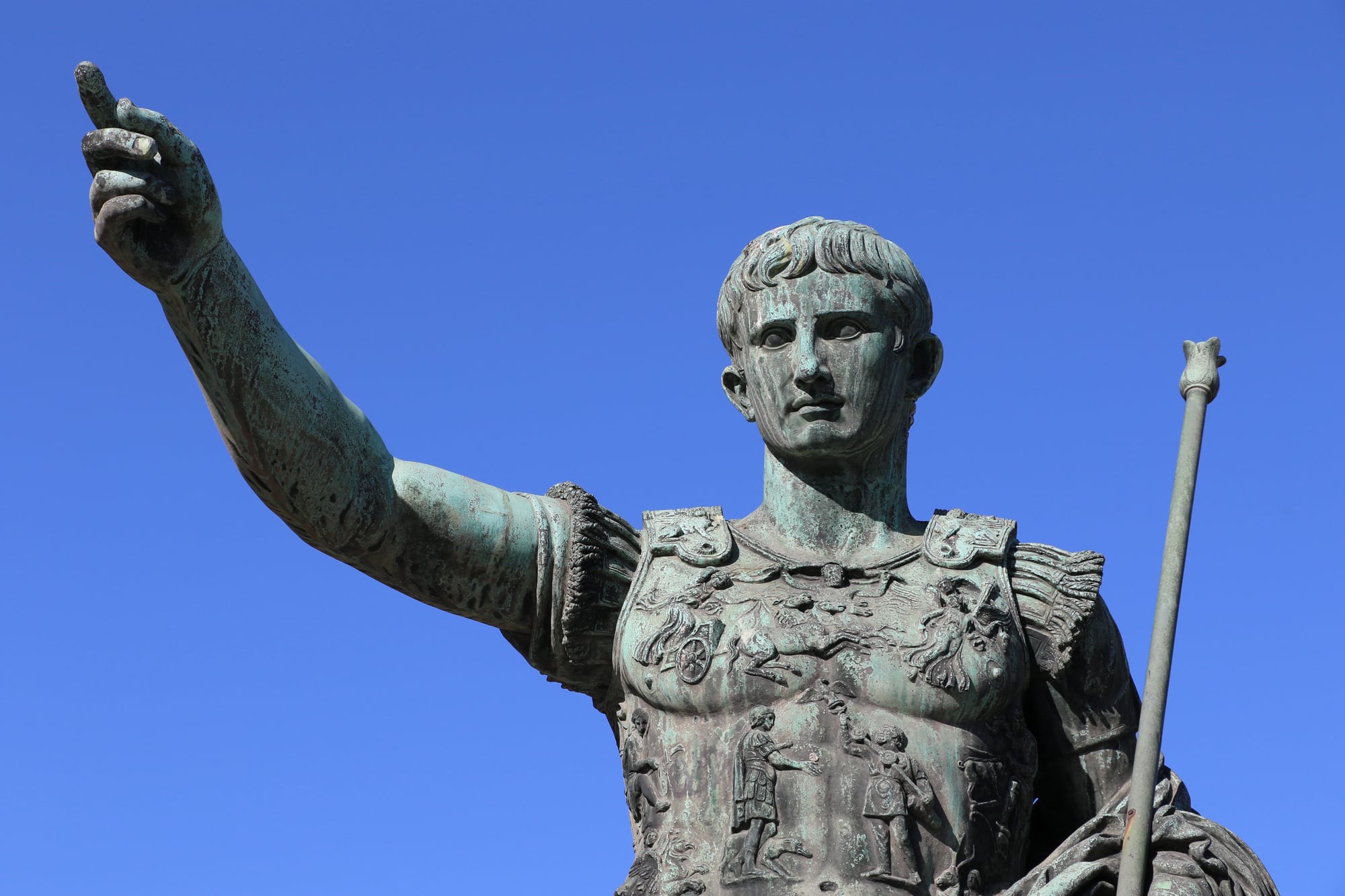
Caesar’s murder in 44 BCE is so well-documented that the shock has worn off, but the relationship behind it deserves closer examination. Brutus was not simply an ally — Caesar had shown him particular political favour, and some ancient sources suggest Caesar considered him almost a surrogate son.
The conspirators understood that Brutus’s participation would transform an assassination into a perceived act of civic virtue rather than ambition. His inclusion was strategic precisely because his loyalty had seemed so complete.
Richard II and Henry Bolingbroke
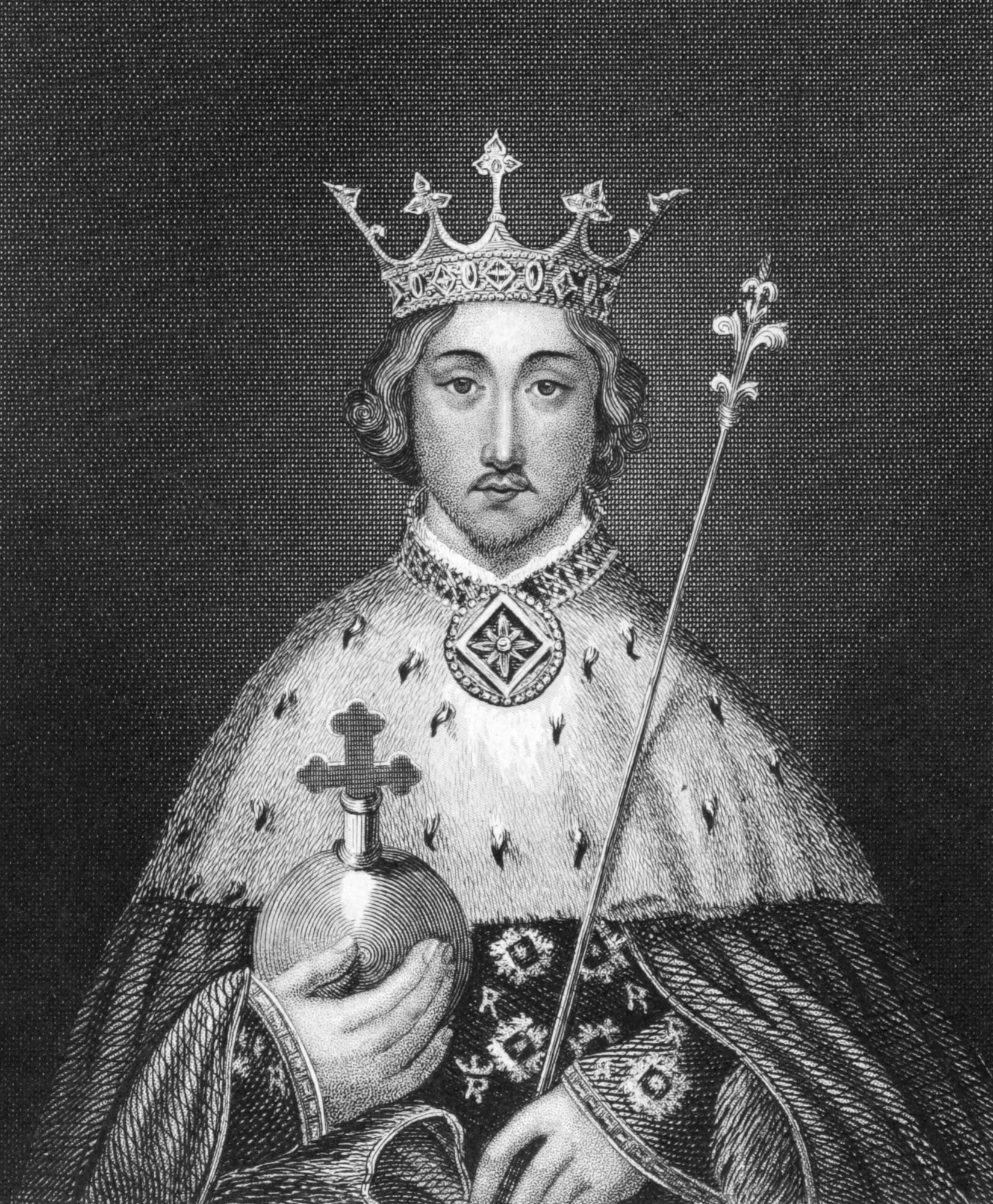
Richard II made the critical mistake of exiling his cousin Henry Bolingbroke in 1398 while also seizing Henry’s inheritance when his father, John of Gaunt, died. Richard trusted that the exile would hold, and that his own position was unassailable enough to survive the confiscation.
While Richard was campaigning in Ireland in 1399, Henry returned to England, gathered support from disgruntled nobles, and had amassed an army before Richard even knew what was happening. Richard was forced to surrender the crown, and Henry IV took the throne with barely a serious battle fought.
Pharaoh Teti and His Bodyguard
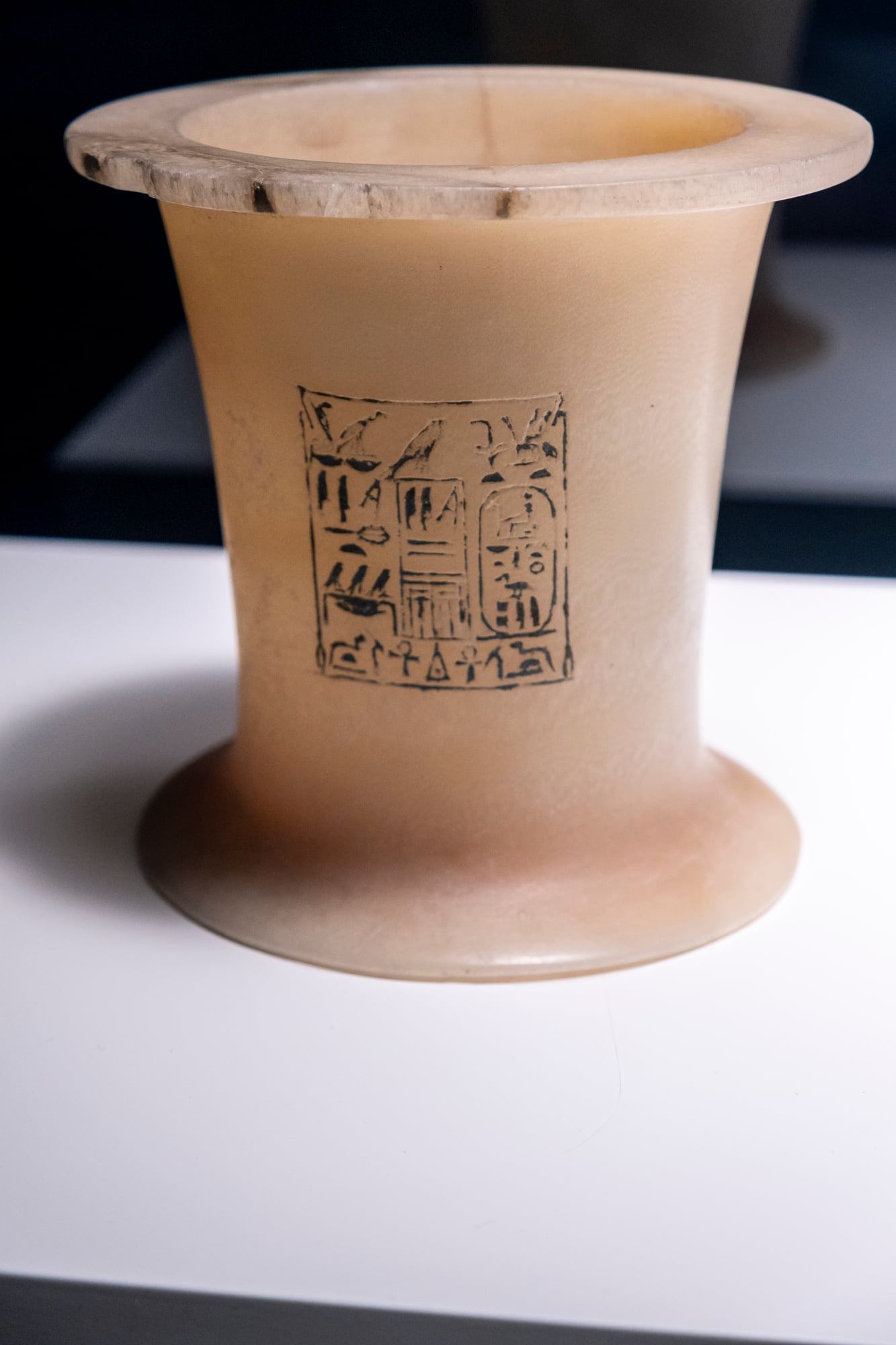
Egypt’s Sixth Dynasty pharaoh Teti, who reigned around 2345–2333 BCE, was reportedly assassinated by members of his own royal bodyguard. The ancient Egyptian historian Manetho recorded the killing, and the subsequent campaign to erase Teti’s memory from monuments suggests a succession dispute serious enough to require historical revision.
The men given the specific task of protecting him with their lives turned out to be the ones who ended it.
King Candaules of Lydia and Gyges
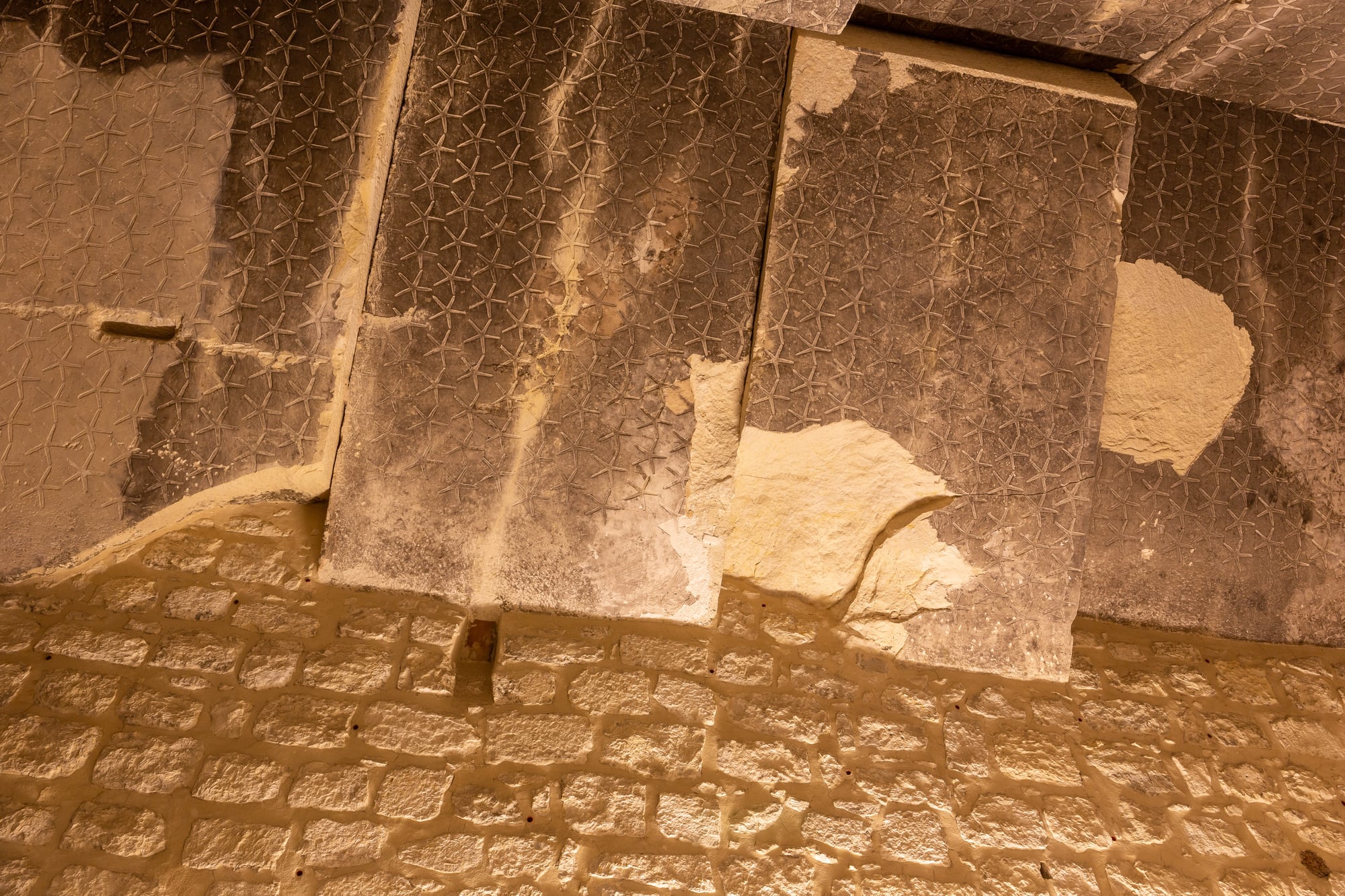
Around 860 BCE, King Candaules of Lydia was killed by Gyges, the very bodyguard he had trusted most. The ancient historian Herodotus records that Candaules had become so proud of his wife’s appearance that he insisted Gyges observe her without her knowledge — a profound violation of her privacy.
She discovered the scheme, confronted Gyges, and gave him a stark choice: die for what he had witnessed, or kill the king and marry her. Gyges chose survival. Candaules paid for his peculiar vanity with his life, and Gyges founded a new dynasty.
Astyages of Media and General Harpagus
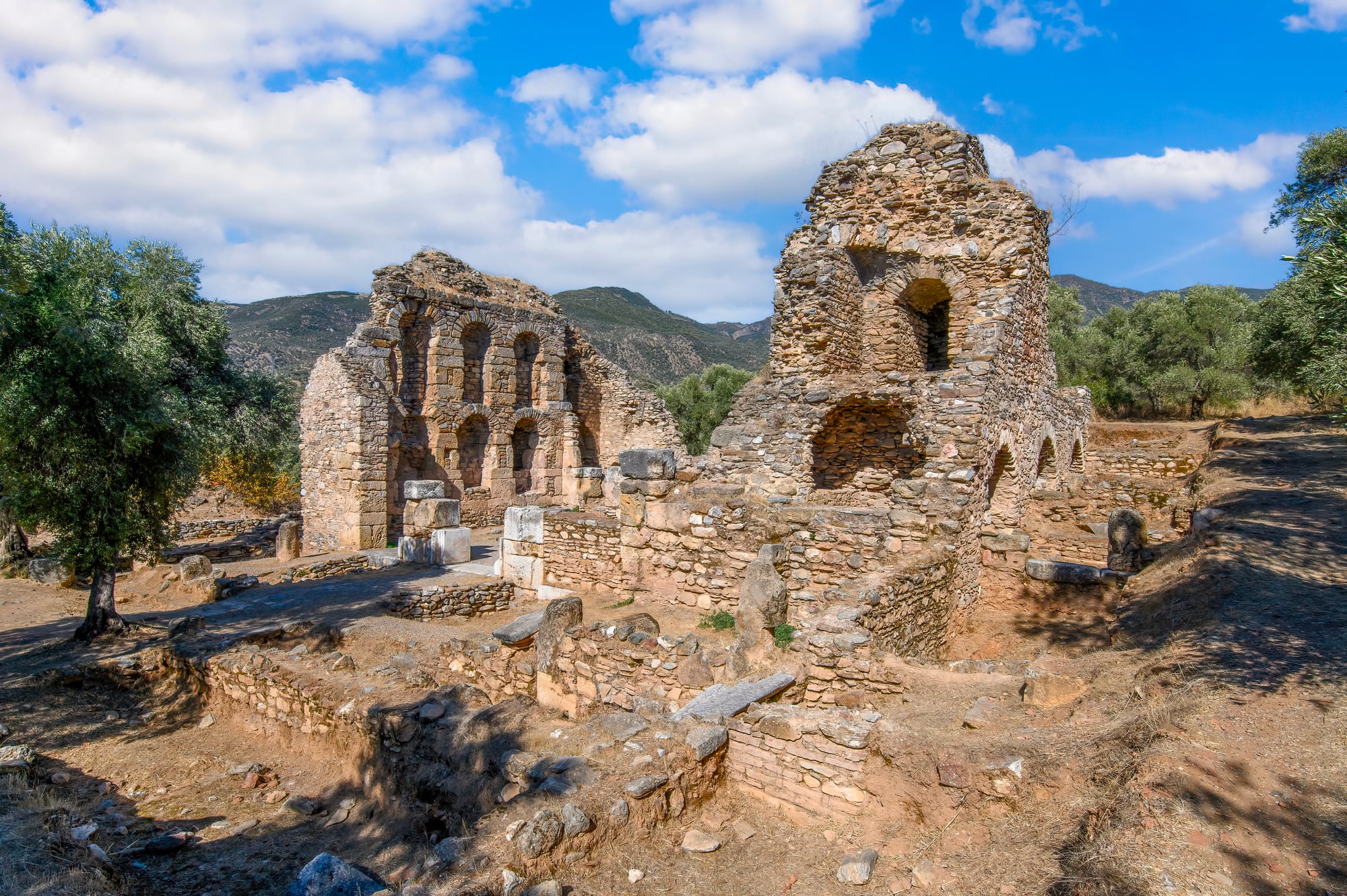
Astyages, king of the Medes, ordered his trusted noble Harpagus to arrange the death of the infant Cyrus — who would go on to become Cyrus the Great — after a dream suggested the child would overthrow him. Harpagus couldn’t bring himself to do it and passed the task to a shepherd.
When Astyages discovered the deception years later, his punishment was astonishing in its cruelty: he served Harpagus a feast that included the flesh of Harpagus’s own son. Harpagus concealed his reaction, bided his time, and eventually defected to Cyrus’s side during the war that toppled Astyages entirely.
Robert Mugabe and His Own Military Generals
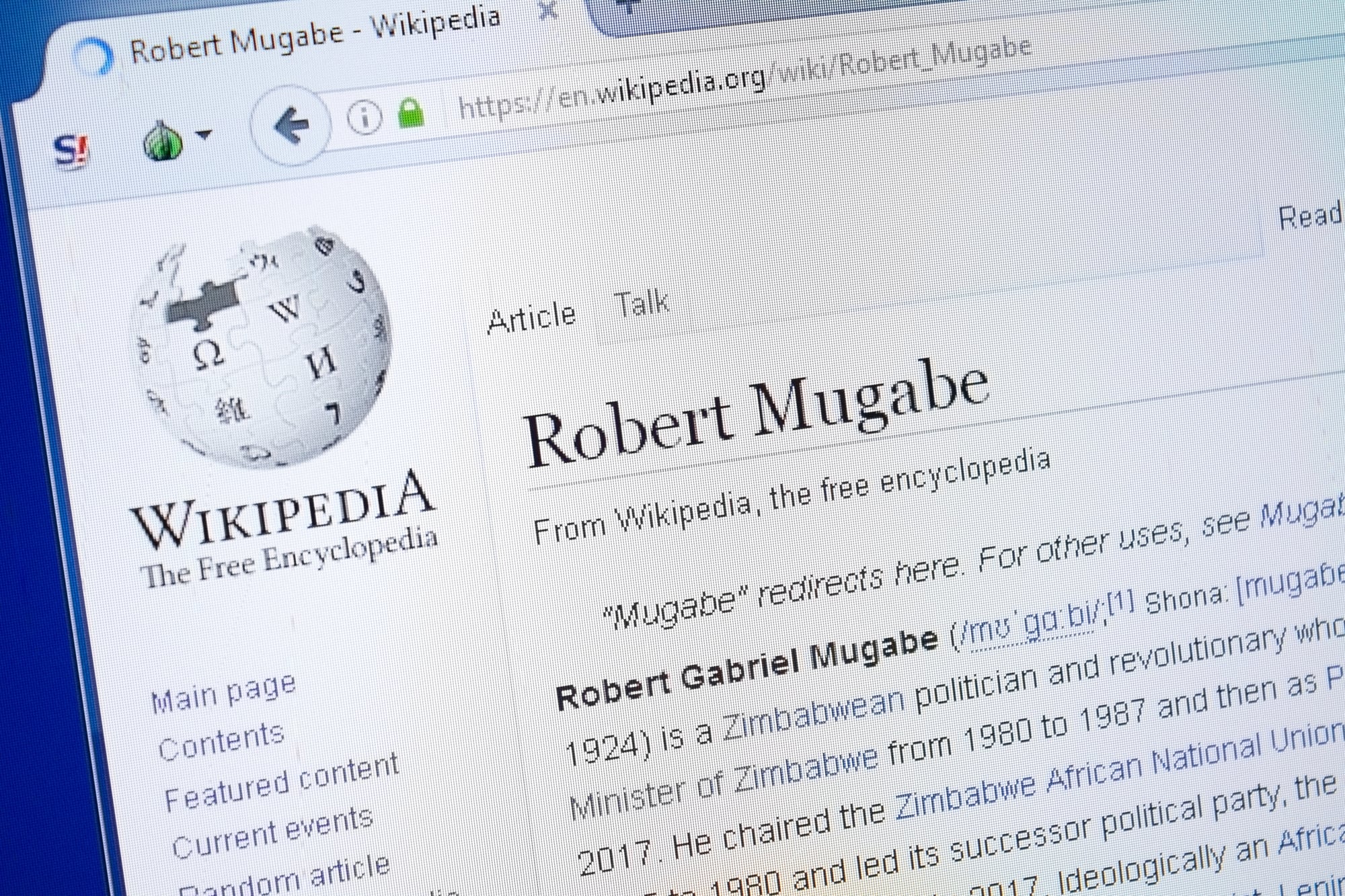
Robert Mugabe spent nearly four decades in power in Zimbabwe, and the men who finally ended his rule in November 2017 were the generals he had relied on since independence in 1980. His mistake was attempting to clear the path for his wife, Grace Mugabe, to succeed him — which required sidelining liberation war veterans who held the real military loyalty.
When Mugabe fired his vice president Emmerson Mnangagwa, General Constantino Chiwenga publicly warned him to stop the purges. Mugabe ignored the warning. Within days, tanks were on the streets of Harare, and the man who had survived decades of international pressure was undone in a week by the inner circle he had personally built.
Emperor Romanos IV and His Generals
After the disastrous Battle of Manzikert in 1071, the Byzantine emperor Romanos IV was captured by the Seljuk Turks. He negotiated his release and attempted to return to power, but the political ground had shifted entirely while he was captive.
His own officials and rivals had already proclaimed a new emperor in his absence. The men who had served under his flag refused to rally to him. He was captured, blinded, and died shortly afterward — brought down not by the Turks who had captured him, but by the court he had left behind.
Ngo Dinh Diem and His Military Officers
South Vietnam’s first president, Ngo Dinh Diem, was a committed anti-communist whom the United States had propped up as a bulwark against the North. By 1963, his own military generals had lost confidence in his ability to prosecute the war, and with covert American backing, they launched a coup on November 1, 1963.
Diem and his brother were captured and killed the following day. Declassified documents later confirmed that Washington knew about the coup planning and did nothing to stop it — making the betrayal something of a collaborative project between his closest generals and his most powerful foreign patron.
Mary, Queen of Scots, and Her Scottish Nobles
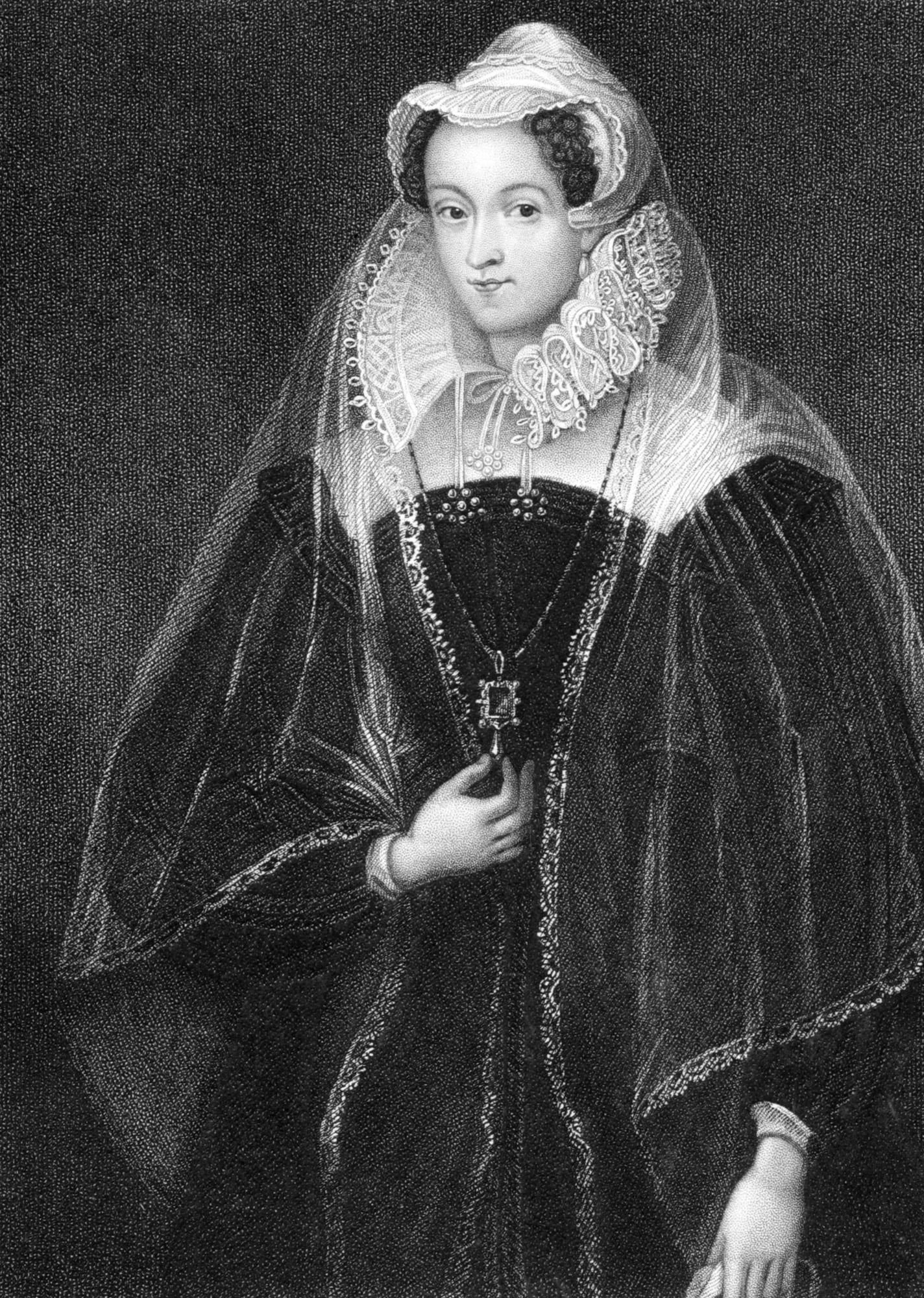
Mary’s reign was defined by the steady defection of allies she had counted on. After the murder of her husband Lord Darnley — in which some of those same nobles were implicated — and her controversial marriage to the Earl of Bothwell, the Scottish lords who had previously supported her turned entirely against her.
She was forced to abdicate in 1567 in favour of her infant son, James VI. The men who signed her abdication were men she had relied on to govern with her, not against her.
Peter III of Russia and Catherine the Great

Peter III had been Tsar of Russia for less than six months when his own wife organised a coup against him in July 1762. Catherine had cultivated relationships with the Imperial Guard regiments — the same forces sworn to protect the tsar — and when she made her move, they backed her almost unanimously.
Peter attempted to negotiate, was forced to abdicate, and died in suspicious circumstances a week later. The woman he had married, whom he had treated with considerable contempt during their marriage, had spent years quietly making friends with exactly the right people.
Shah Mohammad Reza Pahlavi and the Iranian Military
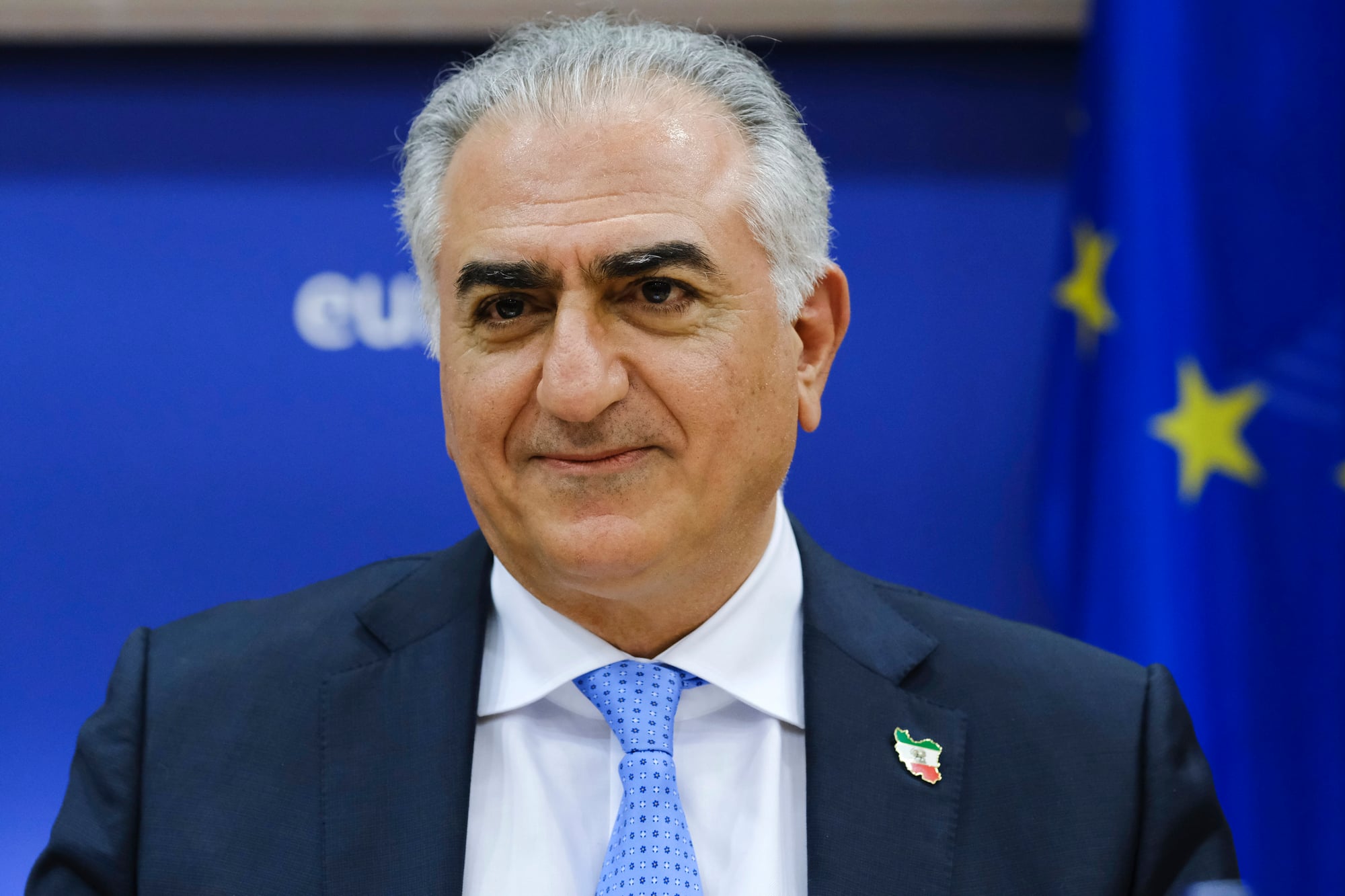
The Shah of Iran had built one of the most powerful military forces in the Middle East, lavishly equipped with American hardware and trained by Western advisers. When the revolutionary movement swept the country in 1978 and 1979, the critical question was whether the military would fire on the crowds.
It largely didn’t. Key officers defected, others declared neutrality, and some actively joined the revolution. The institution the Shah had personally funded and expanded for decades refused to act when he needed it most. He left Iran in January 1979, never to return.
Thomas Becket, Archbishop of Canterbury, and Henry II — Reversed
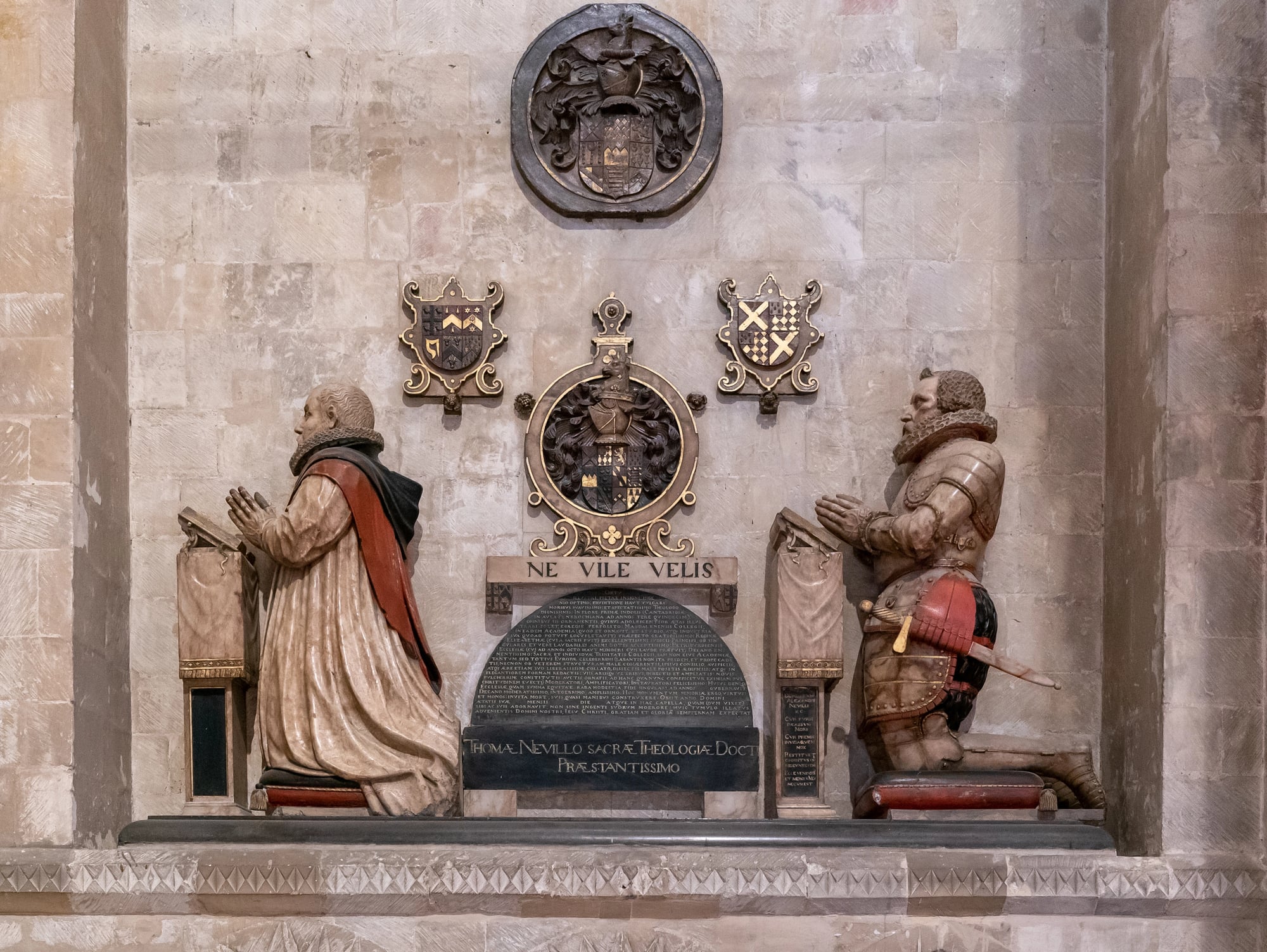
The famous case usually focuses on Henry II’s indirect role in Becket’s murder, but the original betrayal ran the other direction: Henry had appointed Becket as Archbishop of Canterbury specifically because he trusted Becket to keep the church subordinate to royal authority. Becket, once installed, sided with the church at every turn and spent years blocking Henry’s attempts to control clerical courts.
Henry’s furious outburst — reportedly asking why no one would rid him of this troublesome priest — ended in Becket’s murder by four knights who considered themselves loyal servants. Henry had created a trusted archbishop who refused to stay trusted, and the consequences outlasted both of them.
Ramesses III and the Harem Conspiracy
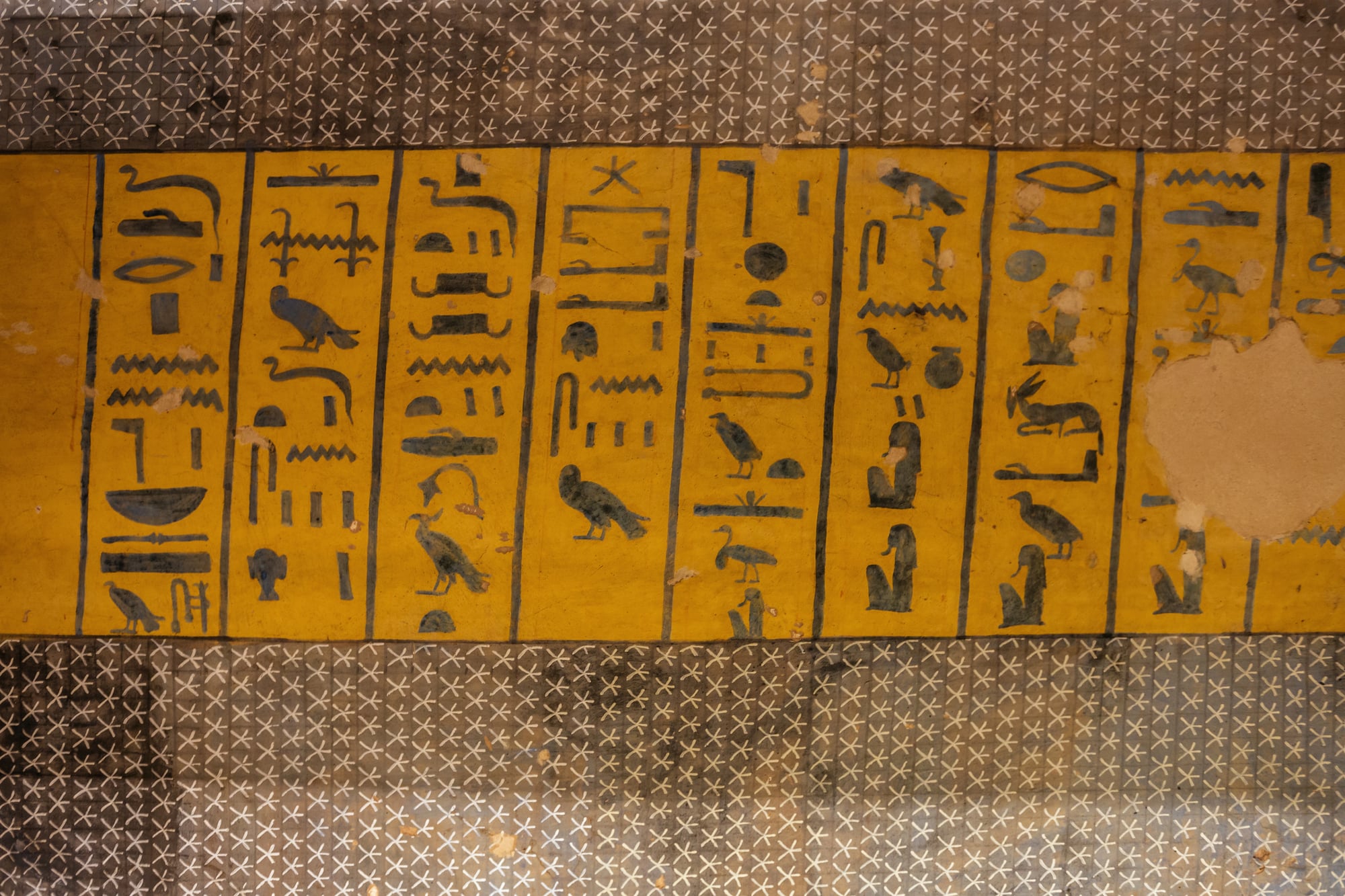
Around 1155 BCE, a plot to assassinate Pharaoh Ramesses III was organised by one of his own secondary wives, Tiye, who wanted her son Pentawer placed on the throne. The conspiracy included court officials, military officers, and members of the royal household — people embedded deep within the pharaoh’s inner circle.
A trial papyrus from the period, known as the Judicial Papyrus of Turin, records the proceedings. Forensic analysis of Ramesses III’s mummy conducted in 2012 revealed a deep cut to his throat, suggesting the plot at least partially succeeded even if Ramesses IV ultimately took the throne.
Louis XVI and the French Nobility and Military Officers
Louis XVI’s downfall is usually told as a story of popular revolution, but the collapse of noble loyalty and military discipline was what made it possible. Officers who should have defended the ancien régime either refused to act, defected to the revolutionary cause, or stood aside.
The storming of the Bastille on 14 July 1789 succeeded in large part because the troops ordered to defend Paris were unreliable, and Louis’s own advisers gave him contradictory counsel that paralysed his response at every critical moment.
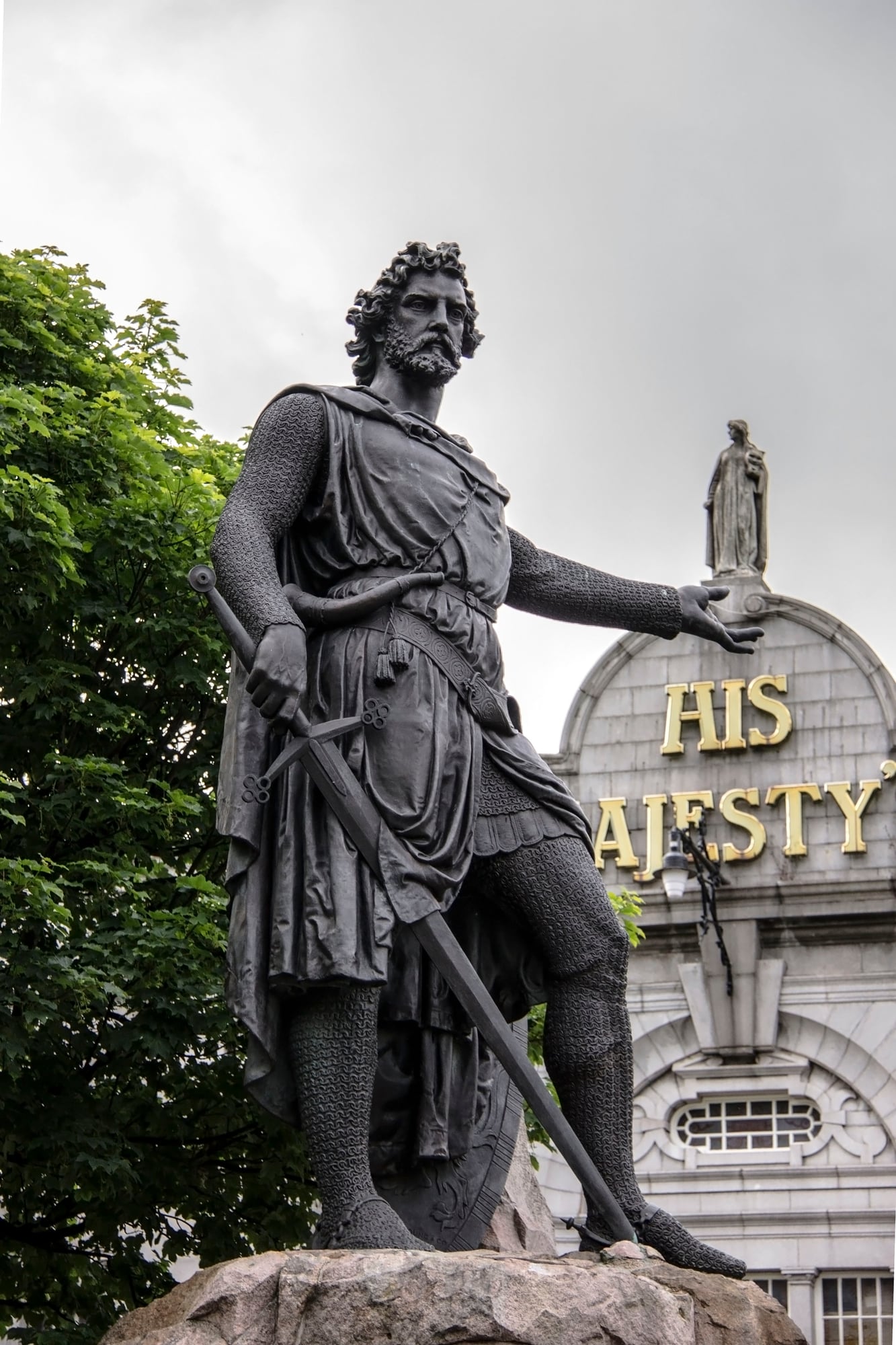
William Wallace and Sir John de Menteith
Scotland’s most celebrated resistance leader was captured in 1305 after years of evading English forces who couldn’t catch him through open pursuit. The man credited with delivering him — Sir John de Menteith — was a Scottish knight who had shared the same nationalist cause.
The exact nature of their prior relationship is debated by historians, but the betrayal stuck hard enough in Scottish memory that Menteith’s name became synonymous with treachery for centuries afterward. Wallace was taken to London and executed with deliberate brutality.
Emperor Claudius and the Praetorian Guard
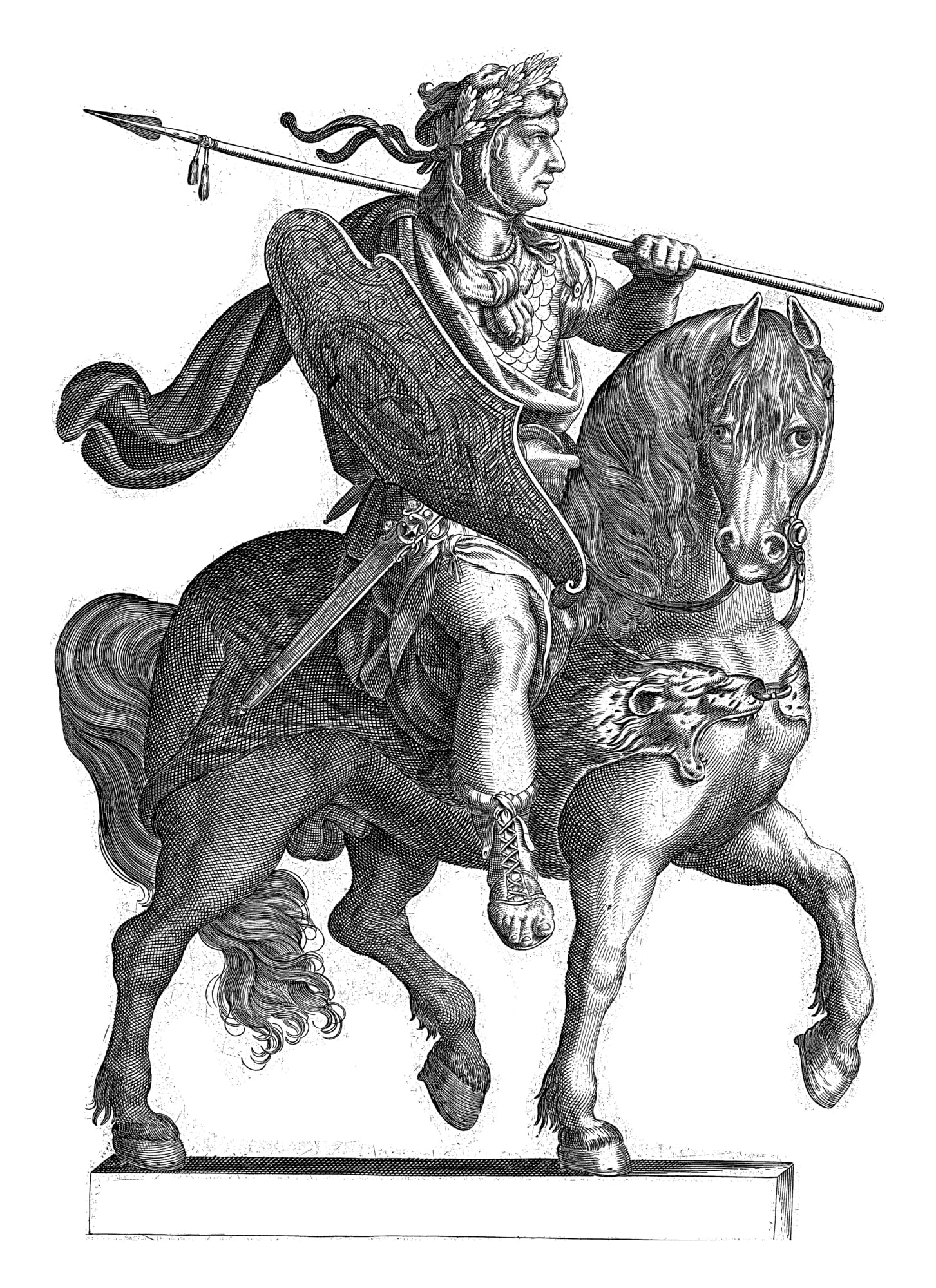
Claudius of Rome was elevated to emperor in 41 CE by the Praetorian Guard after the assassination of Caligula — not through any political campaign, but because the guards found him hiding behind a curtain and decided he would be a manageable emperor. They were wrong.
He proved capable and independent-minded. By the time he died in 54 CE, the most credible ancient accounts implicate his fourth wife, Agrippina, in poisoning him — with the Praetorian Guard then transferring their loyalty immediately to Nero. The institution that had made him emperor collaborated in ending him.
Nicholas II of Russia and His Generals
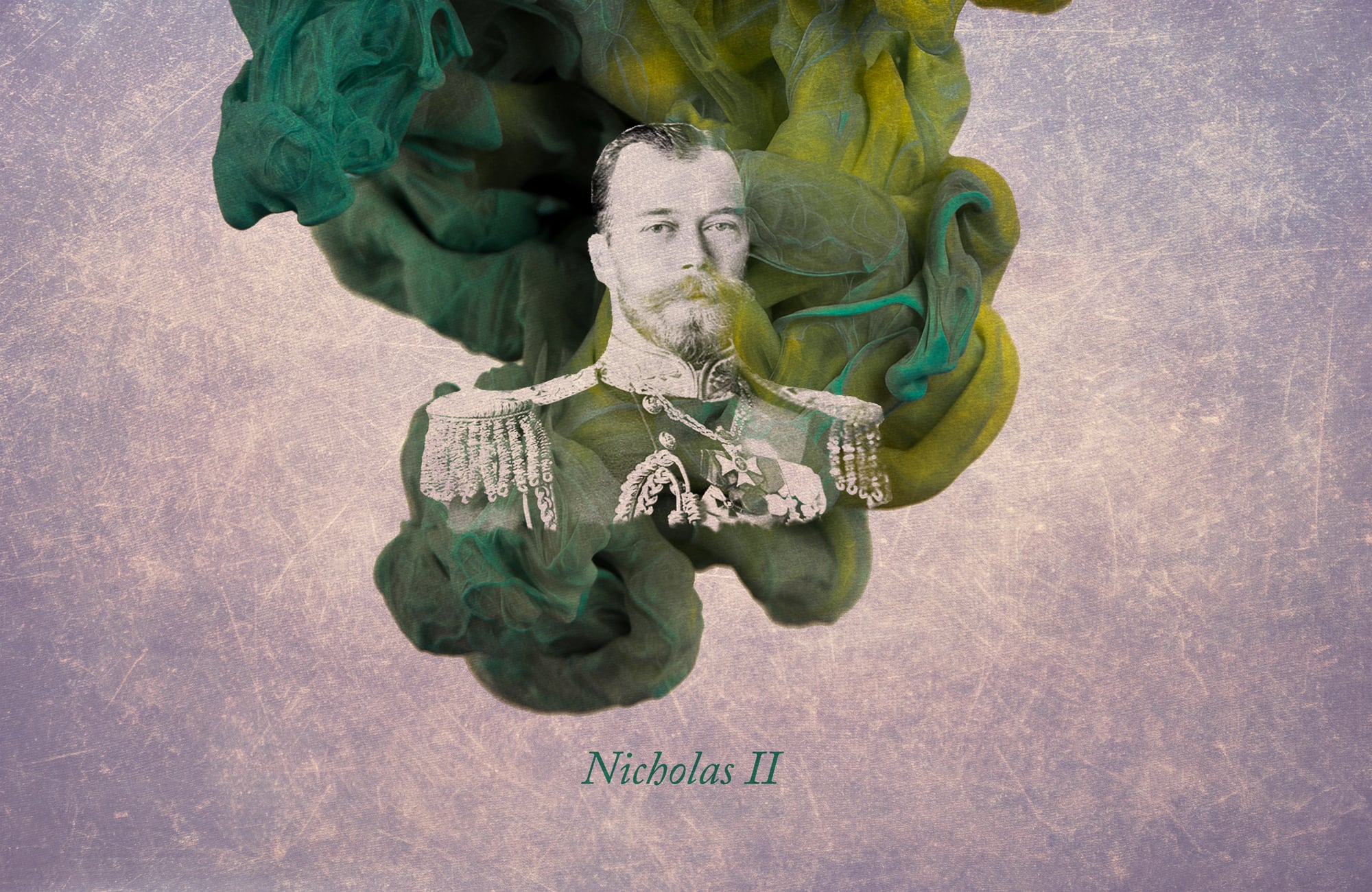
By February 1917, Tsar Nicholas II was at military headquarters when the general strikes and bread riots in Petrograd erupted. He ordered troops back to restore order.
Crucially, the generals he relied on either refused his orders or informed him that the situation was beyond military remedy. When he attempted to return to the capital, railway officials and military commanders effectively blocked his train. The tsar abdicated in March 1917, and not one general or senior official moved to prevent it. The men he commanded had simply decided he was no longer worth defending.
President Kwame Nkrumah of Ghana and His Military
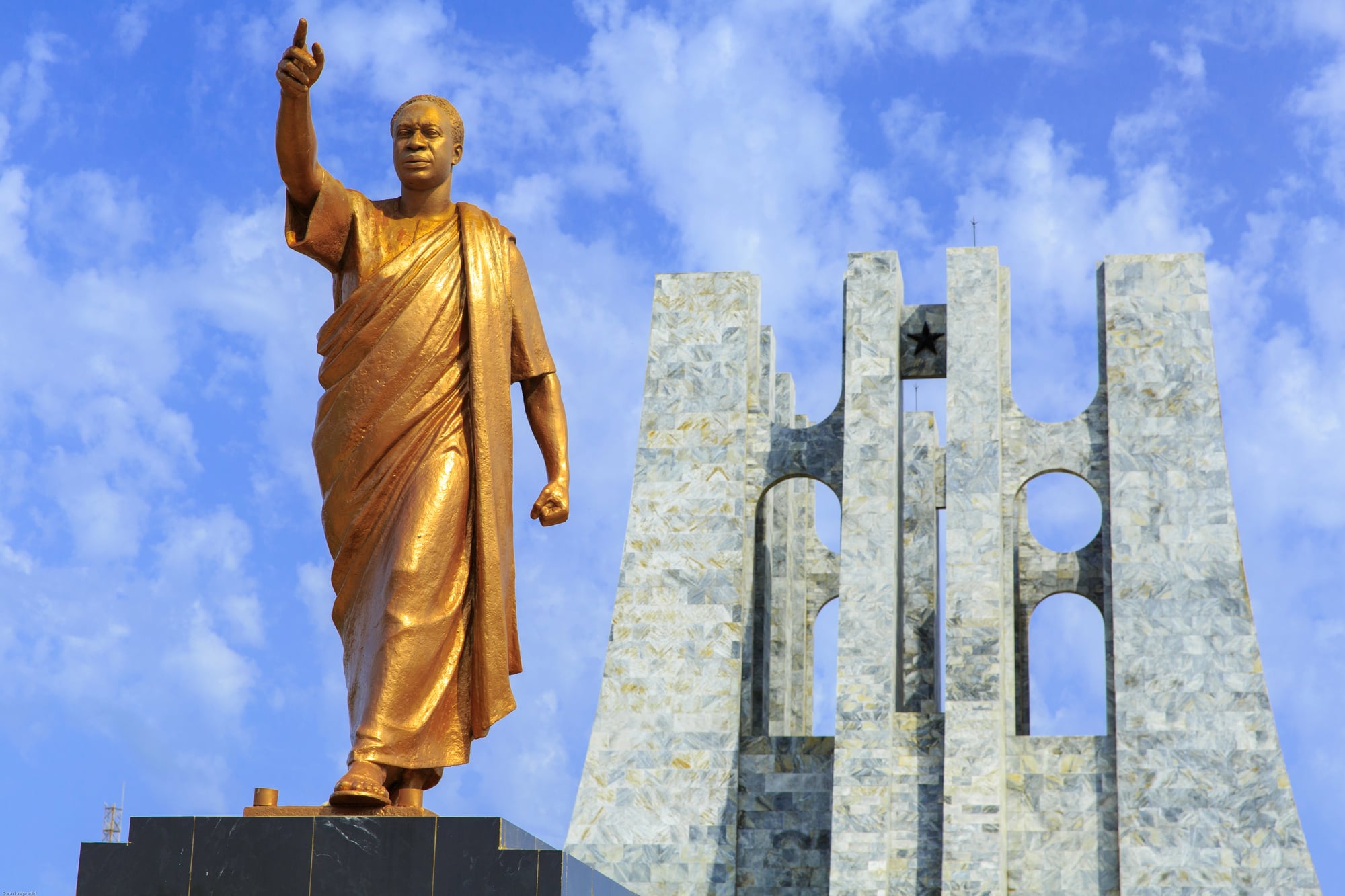
Ghana’s founder and first president, Kwame Nkrumah, was overthrown on 24 February 1966 while he was on a peace mission to Hanoi, attempting to negotiate an end to the Vietnam War. The coup was carried out by the National Liberation Council, made up of military officers and police who had served under his government.
Nkrumah arrived in Beijing to hear the news. He never returned to Ghana and spent the rest of his life in exile in Guinea.
King Farouk of Egypt and His Military Officers
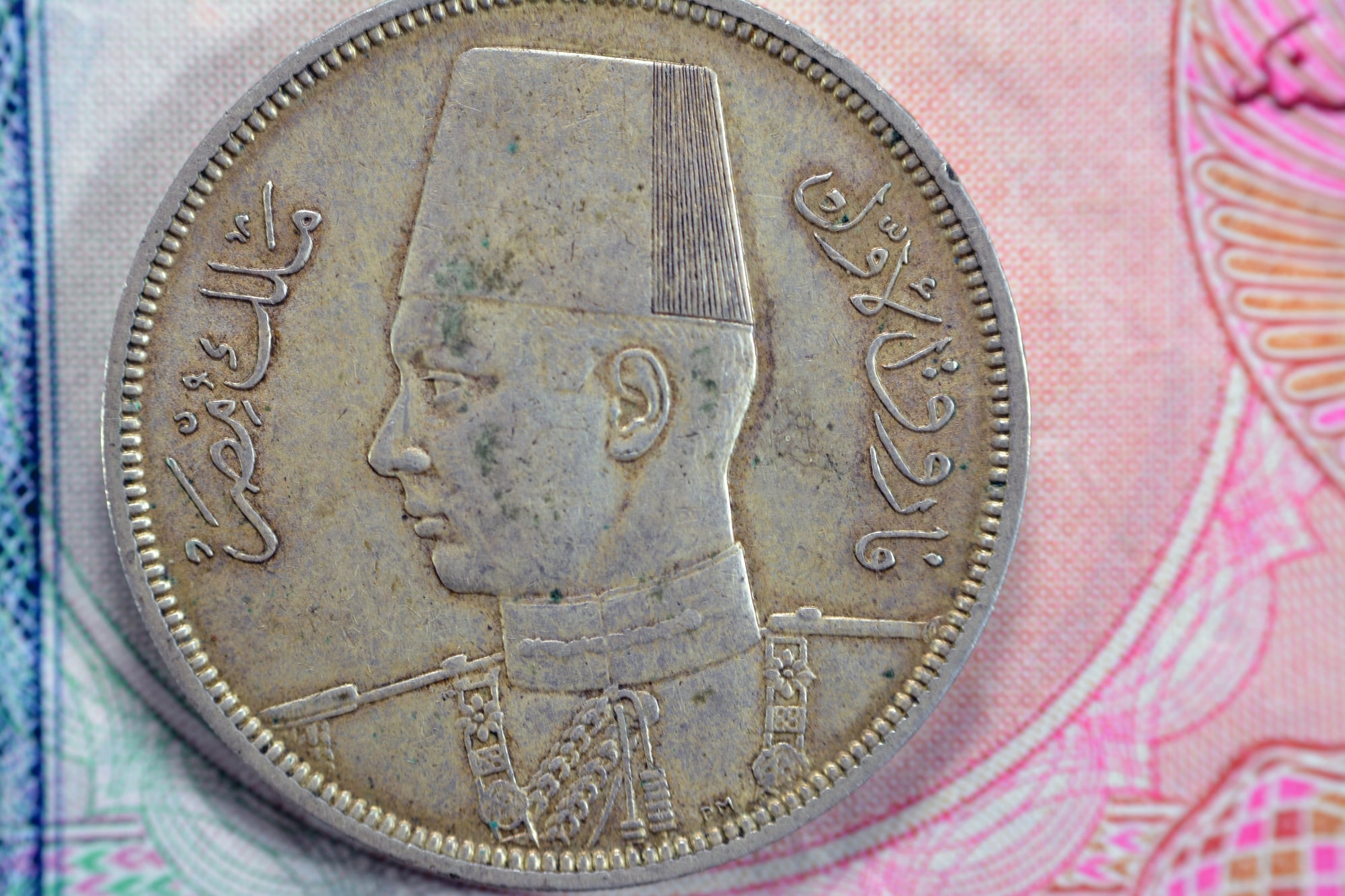
Egypt’s King Farouk was deposed in July 1952 by the Free Officers Movement — a group of military officers led by Muhammad Naguib and the then-obscure Gamal Abdel Nasser. Farouk had appointed many of these officers himself and had considered them loyal subordinates.
The coup was swift, professional, and almost entirely bloodless. Farouk was put on a boat to Italy with his luggage, and Egypt abolished the monarchy the following year.
Emperor Haile Selassie of Ethiopia and the Derg
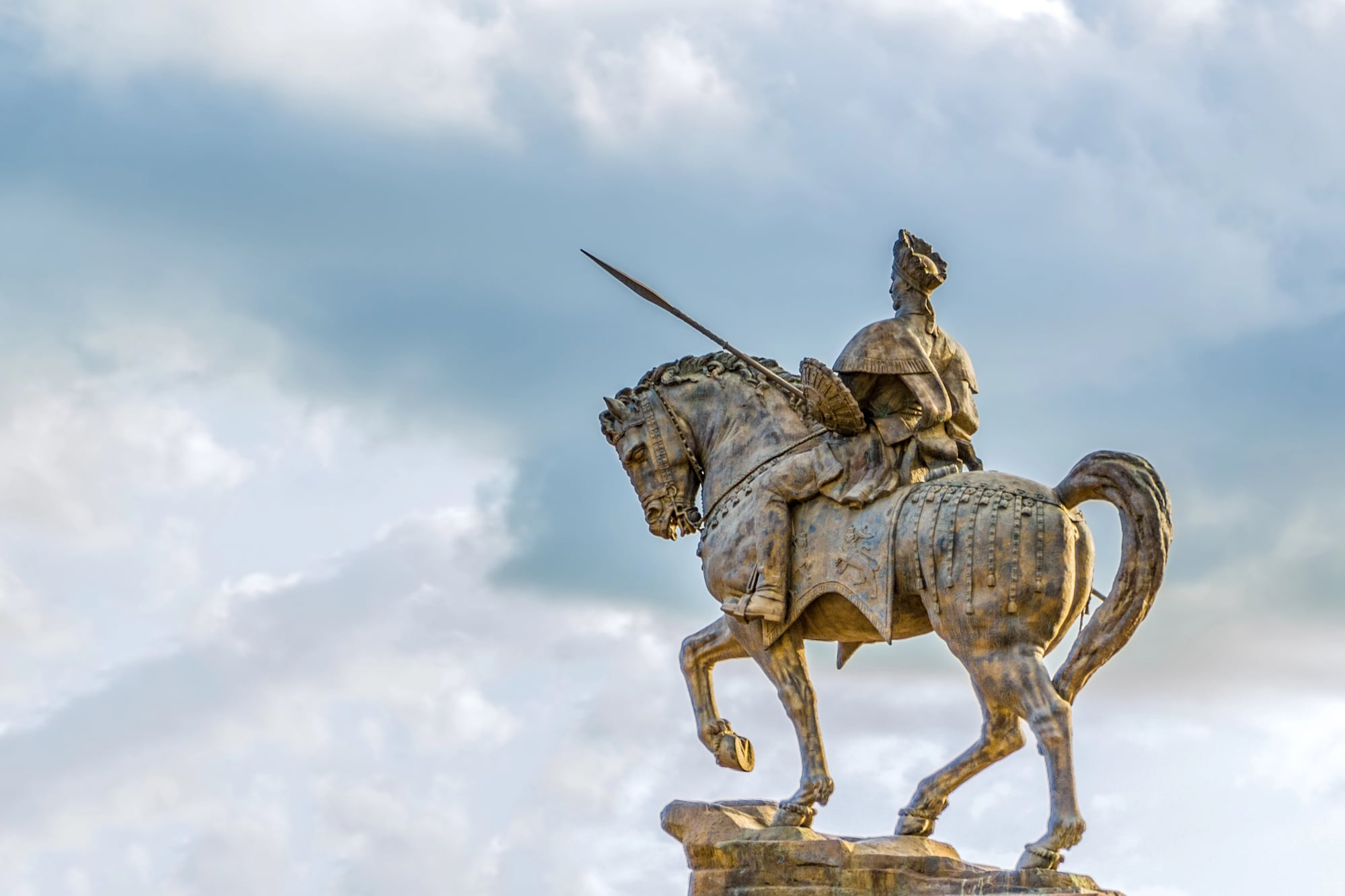
Haile Selassie had ruled Ethiopia since 1930 and was one of the most internationally recognised heads of state in the world. In 1974, a committee of low-ranking military officers called the Derg — men who had served within his own armed forces — began systematically stripping away his power, arresting his ministers, and undermining his authority in stages so gradual that he reportedly did not grasp the full extent of what was happening until it was complete.
He was deposed in September 1974 and died in custody the following year under circumstances that remain officially disputed.
Benito Mussolini and the Fascist Grand Council
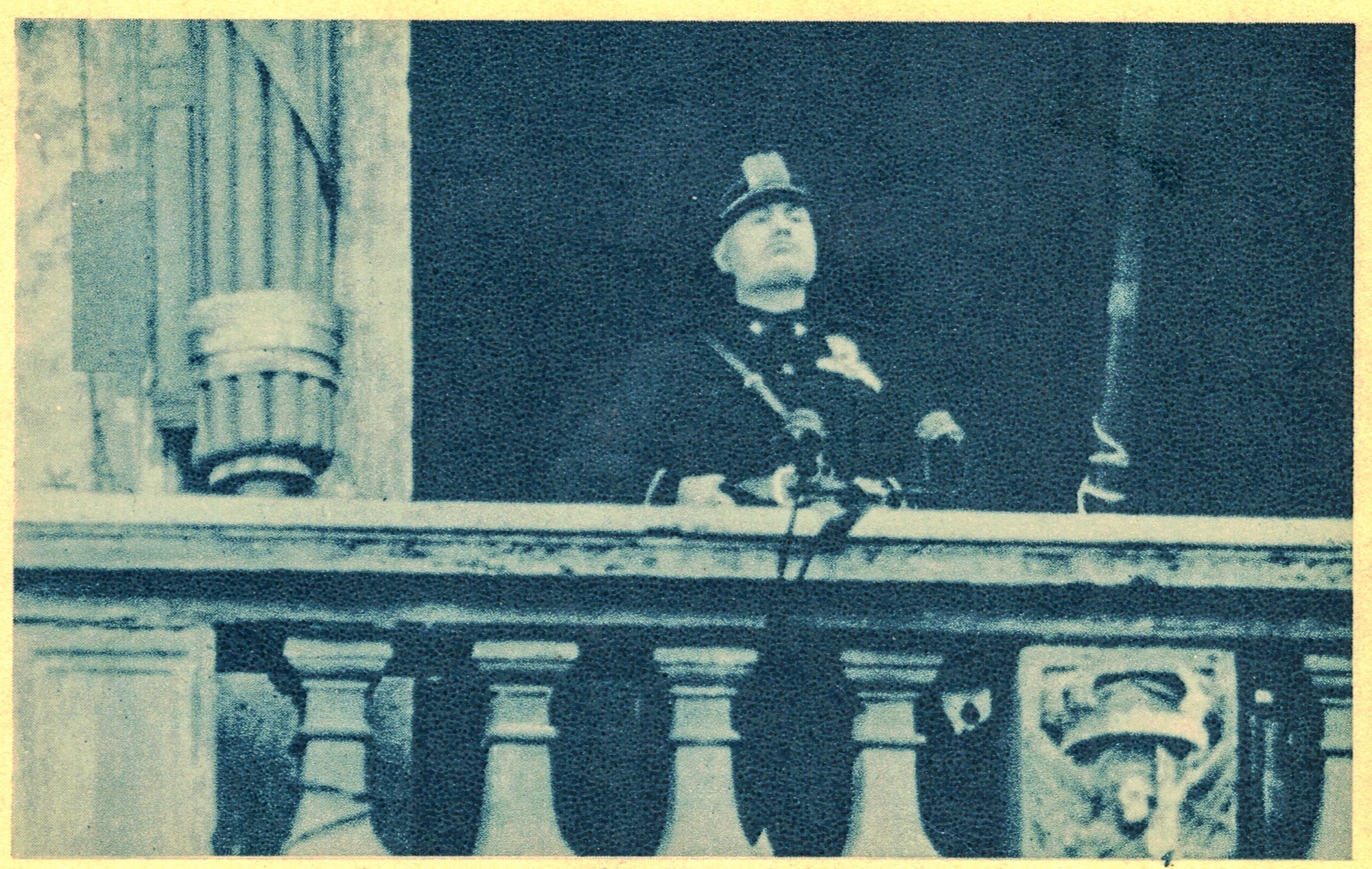
Mussolini was dismissed from power on 25 July 1943, not by the Allied armies fighting their way up the Italian peninsula, but by his own Fascist Grand Council — the governing body he had created. The vote to remove him was orchestrated by members who had been his loyal inner circle for years.
King Victor Emmanuel III, who had enabled Mussolini’s rise to power two decades earlier, then had him arrested. Mussolini was rescued by a German raid, briefly installed as a puppet leader in northern Italy, and eventually captured and killed by Italian partisans in April 1945.
Milton Obote of Uganda and Idi Amin
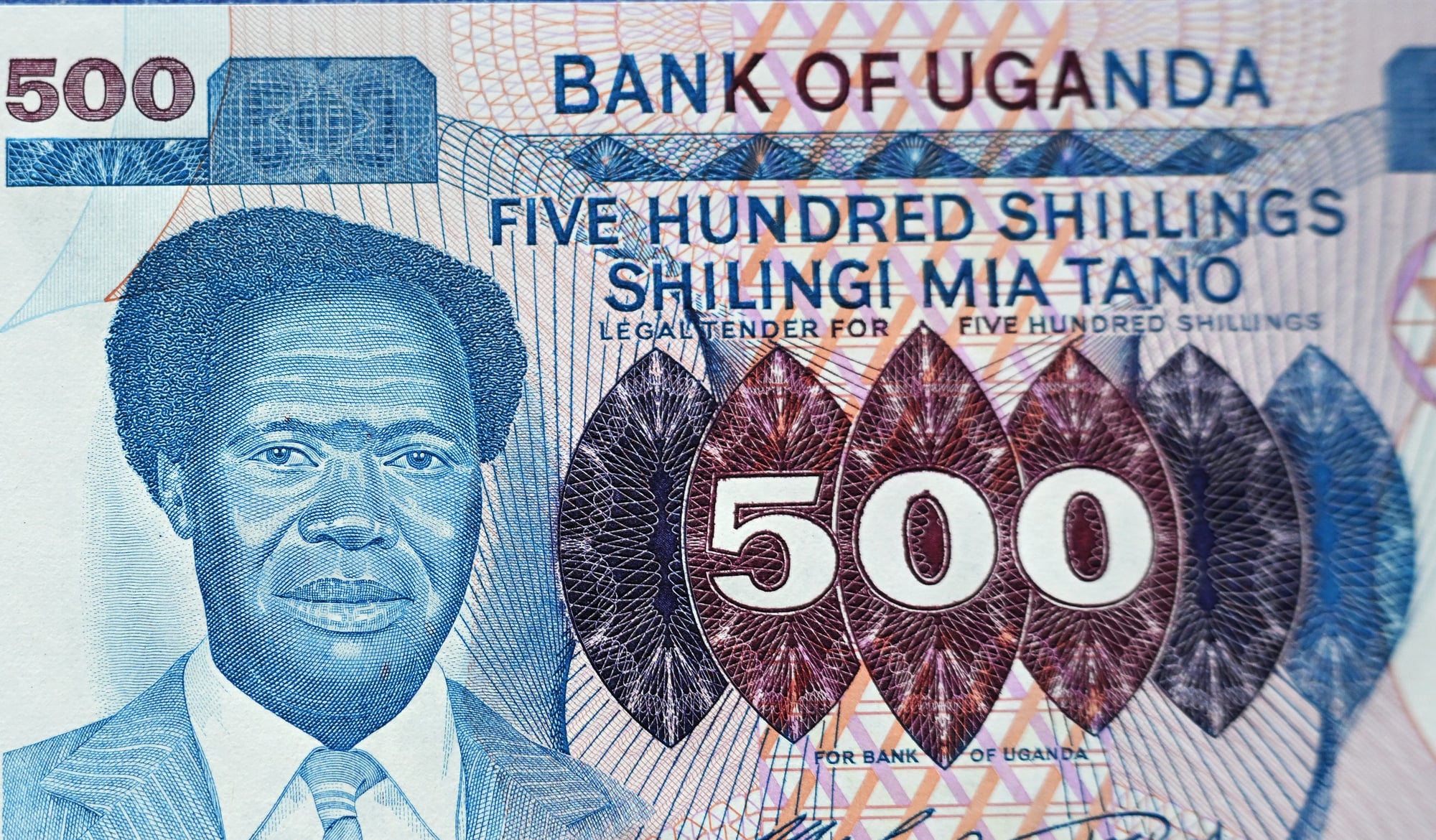
Milton Obote appointed Idi Amin as commander of the Ugandan army, trusting him as a loyal military subordinate. On 25 January 1971, while Obote was attending a Commonwealth conference in Singapore, Amin launched a coup and seized the capital.
Obote flew not home but to Tanzania, never able to safely return during Amin’s eight-year rule. The very general Obote had promoted, equipped, and trusted had been preparing the coup while his president was abroad representing the country on the international stage.
Gorbachev and the Soviet Hardliners

In August 1991, Mikhail Gorbachev was placed under house arrest in his Crimean dacha by a group of Communist Party hardliners calling themselves the State Emergency Committee. These were men from within his own government — the Vice President, the Prime Minister, the Defence Minister, the KGB chief.
They had all been appointed by or worked closely with Gorbachev. The coup failed within three days when military units refused orders and public resistance proved stronger than anticipated, but the damage to Gorbachev’s authority was permanent. He resigned as Soviet leader in December 1991.
Saddam Hussein and the Ba’athist Officials Who Informed on Him
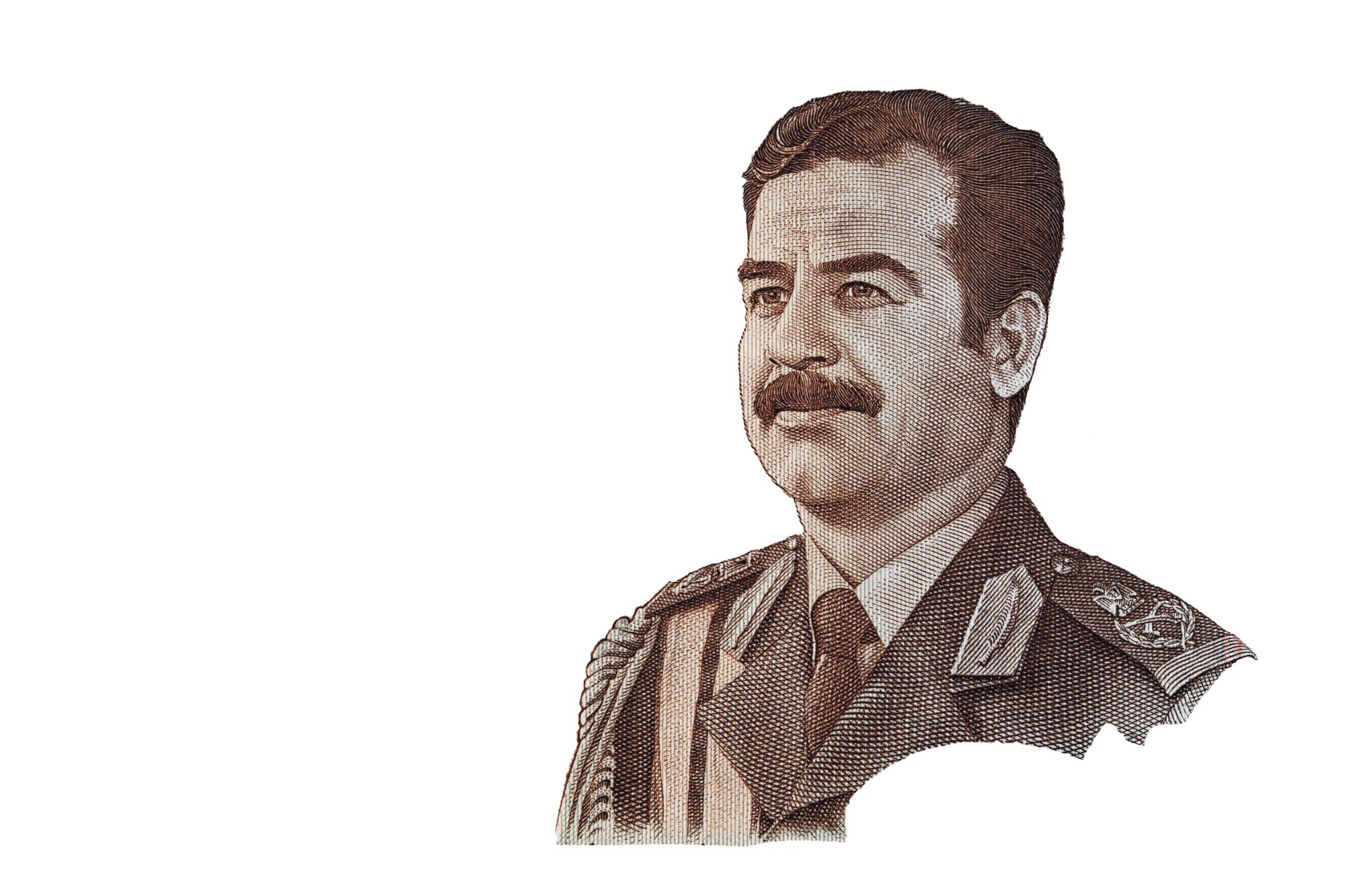
While Saddam was not overthrown by Iraqis he trusted — he was removed by the 2003 American-led invasion — the period leading up to it was notable for a different kind of betrayal. Senior Iraqi officials, military officers, and even family members provided intelligence to American forces, facilitated the rapid collapse of resistance, and disappeared when the moment came.
The regime that had been sustained for decades through a culture of absolute loyalty evaporated partly because those within it had made their own arrangements.
Hosni Mubarak and the Egyptian Military Leadership

Hosni Mubarak had ruled Egypt for thirty years, during which he had placed enormous trust in the military as the backbone of the state. When mass protests erupted in Tahrir Square in January 2011, the Supreme Council of the Armed Forces — the very institution Mubarak had relied on — refused to clear the protesters by force and then formally requested his resignation.
Mubarak stepped down on 11 February 2011. The generals he had spent his career cultivating handed him over to history rather than defend him against it.
The Weight of a Turned Back
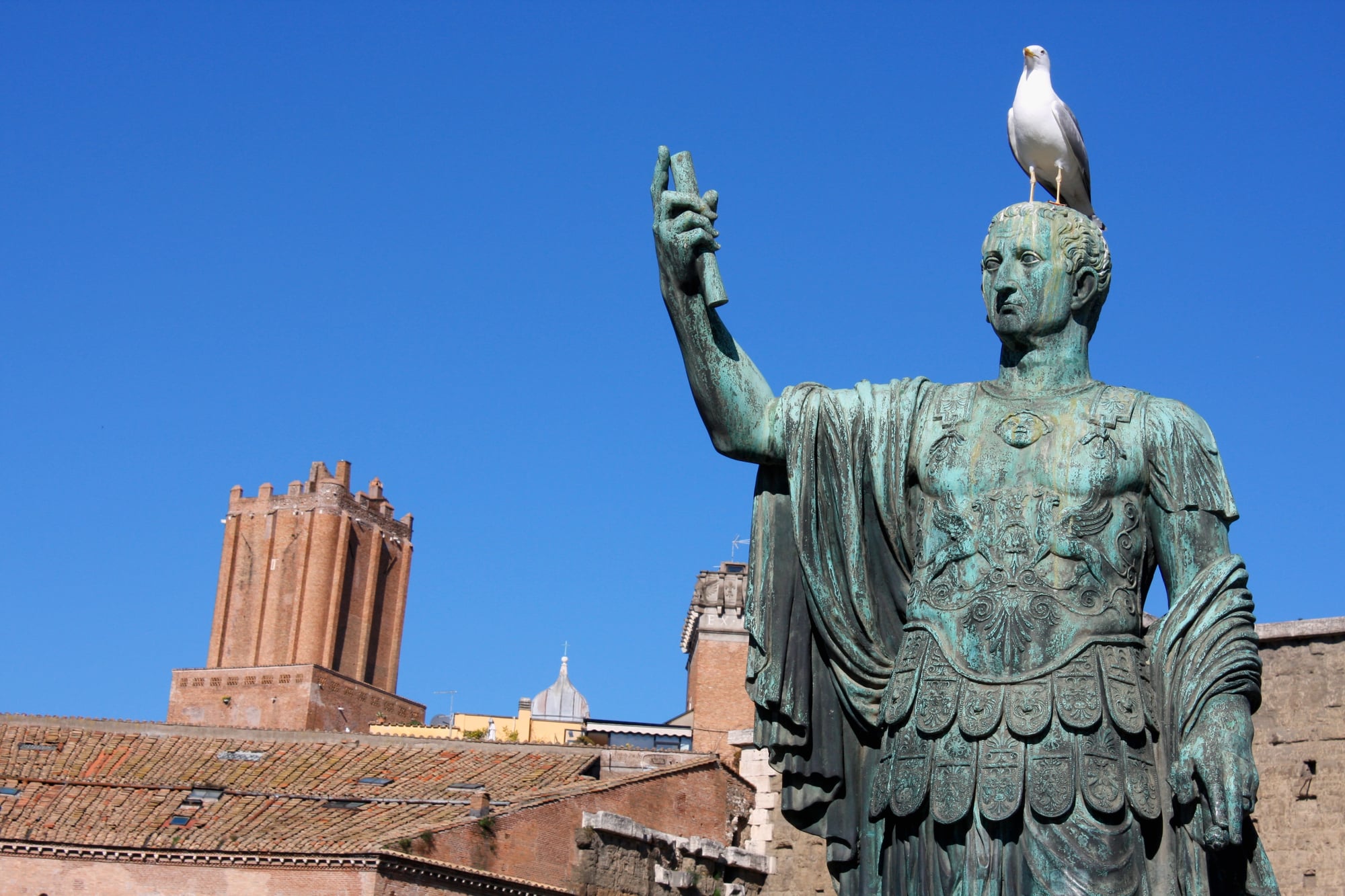
The pattern running through every case on this list is not incompetence or naivety on the ruler’s part — many of these were experienced, intelligent, and in some cases genuinely formidable figures. The pattern is access.
Every person who successfully overthrew these rulers had been given something — information, proximity, institutional power, or personal trust — that only the ruler could grant. The very acts that made these individuals valuable allies made them uniquely capable of becoming lethal enemies.
There’s a lesson here that history keeps offering and rulers keep failing to absorb: the closer someone stands to power, the less effort a betrayal requires. The guards, the generals, the wives, the cousins — they didn’t need to storm the gates. They were already inside.
More from Go2Tutors!

- The Romanov Crown Jewels and Their Tragic Fate
- 13 Historical Mysteries That Science Still Can’t Solve
- Famous Hoaxes That Fooled the World for Years
- 15 Child Stars with Tragic Adult Lives
- 16 Famous Jewelry Pieces in History
Like Go2Tutors’s content? Follow us on MSN.



