25 Shipwrecks Found Long After Anyone Stopped Looking
Some of these ships sat on the seafloor so long that the search for them became a historical footnote of its own. Sonar, deep-sea robotics, and decades of patient archival work eventually closed cases that many people assumed would never close.
Titanic
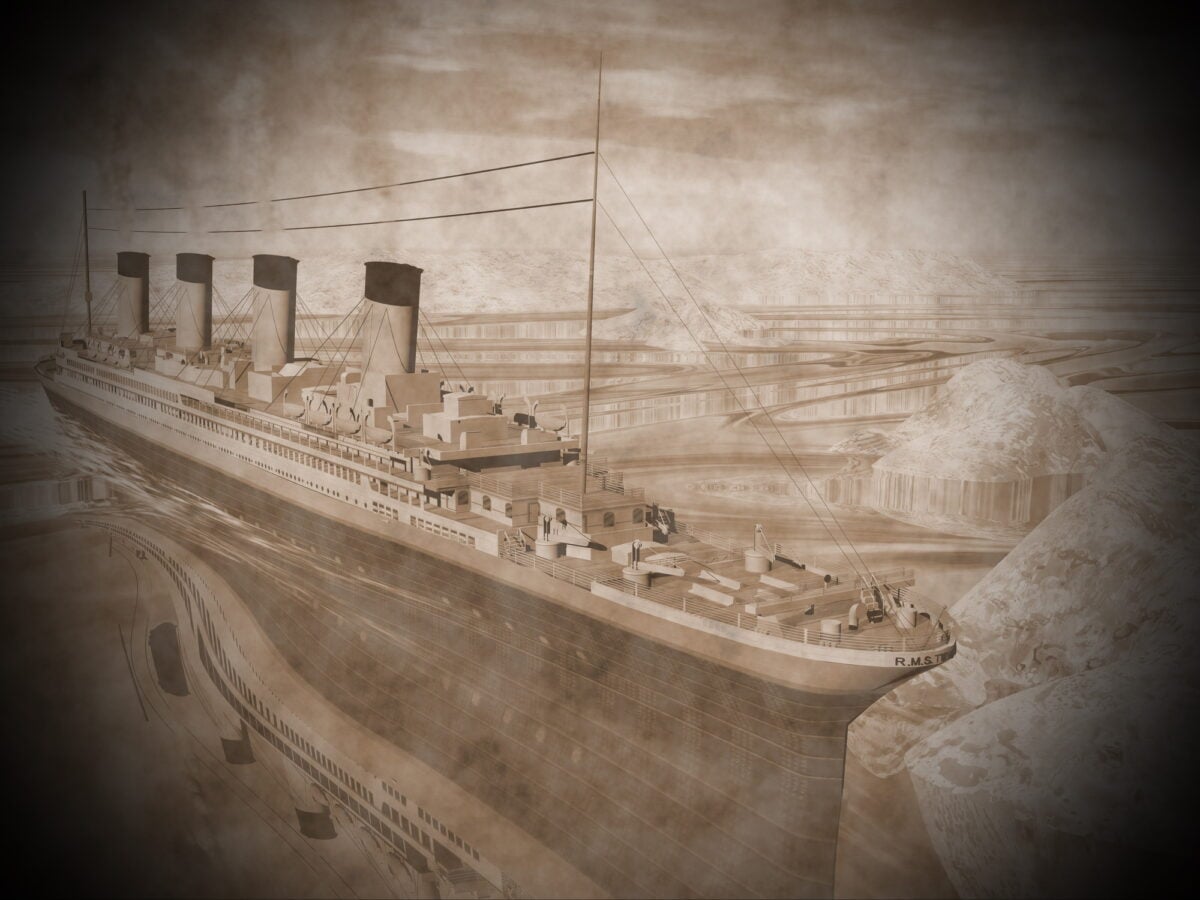
The wreck of the Titanic sat undiscovered for seventy-three years after it sank in 1912, despite decades of speculative search expeditions funded by wealthy enthusiasts. An American oceanographer working with a joint French and American team finally located the broken hull in 1985 using a combination of side-scan sonar and a deep-towed camera sled, and the debris field he mapped afterward helped explain how the ship split apart on its way down.
Bismarck
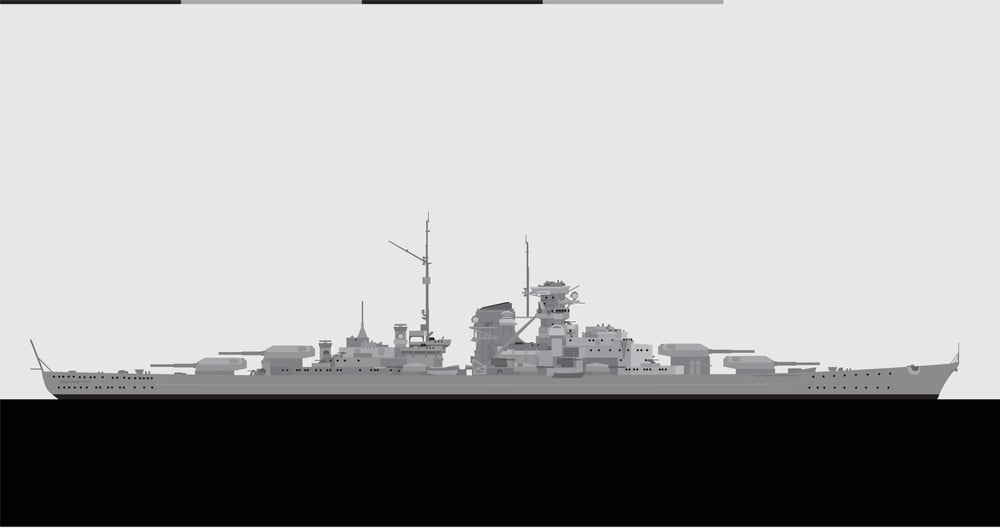
The German battleship Bismarck sank in 1941 after a fierce pursuit by the British Royal Navy, and its exact resting place remained unknown for nearly five decades. The same oceanographer who had found the Titanic four years earlier located the wreck in 1989 at a depth of more than 15,000 feet, finding it remarkably intact on an underwater mountainside, which reopened debate over whether the crew had scuttled the ship before it could be sunk outright.
USS Indianapolis
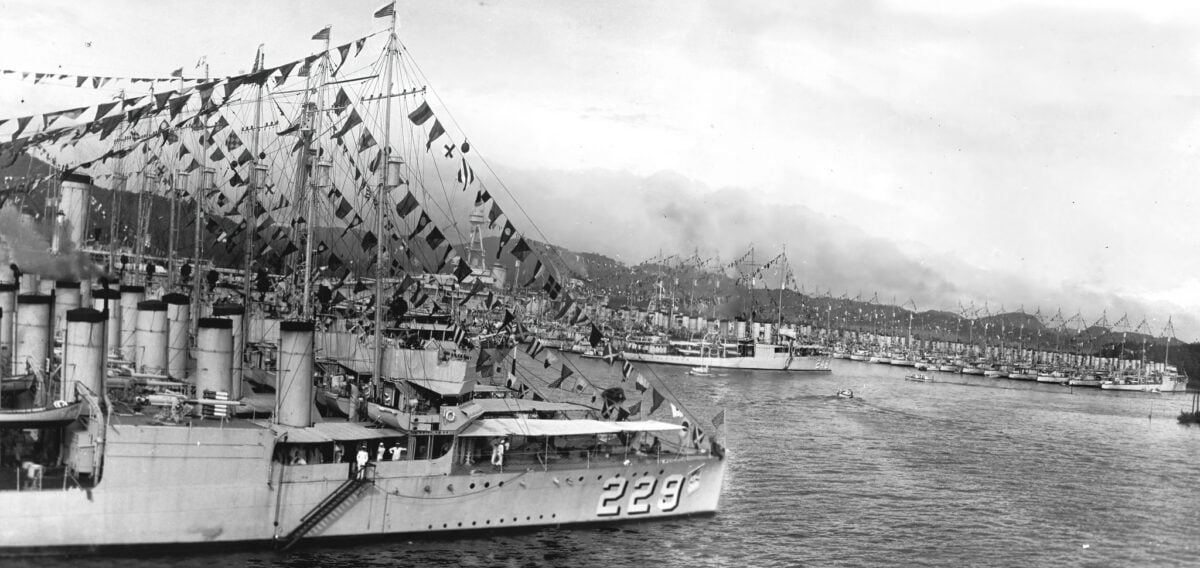
The USS Indianapolis sank in 1945 after delivering components for the atomic bombs later used against Japan, and its loss became infamous for the shark-plagued days survivors spent adrift before rescue. A privately funded expedition using the location clues from a historian’s research finally located the wreck in 2017, more than five miles down in the Philippine Sea.
Endurance
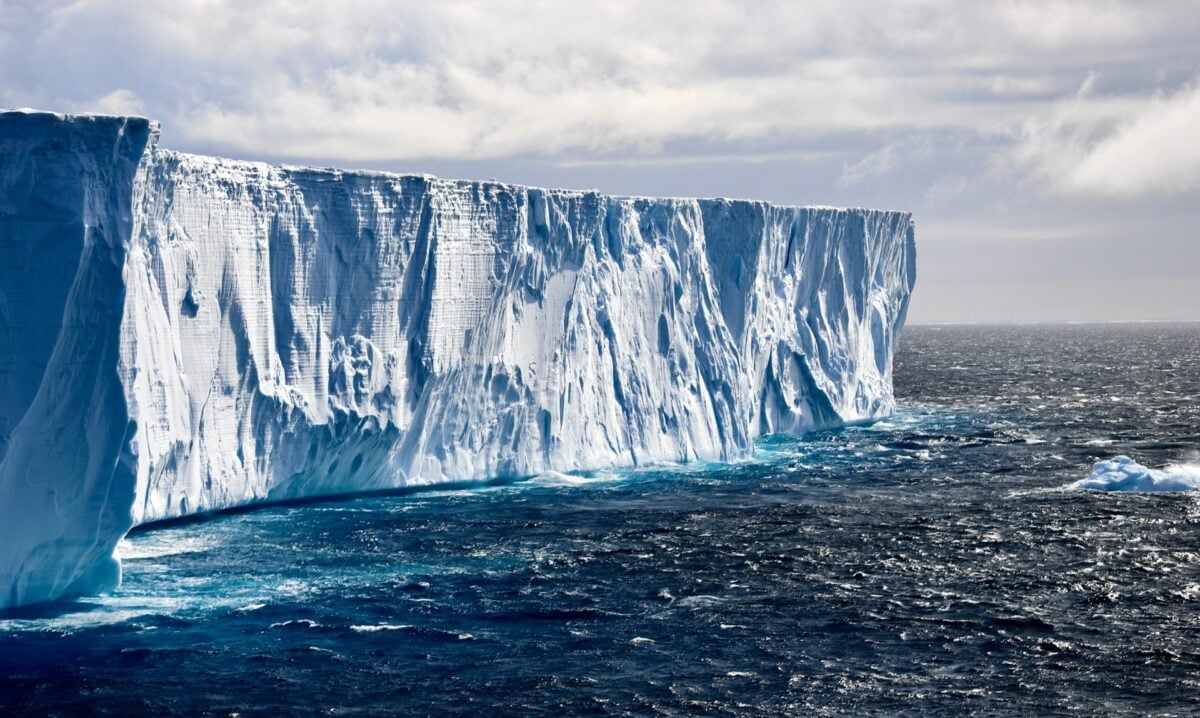
Ernest Shackleton’s ship Endurance was crushed by pack ice and sank in the Weddell Sea in 1915, and its precise location remained a mystery for more than a century. A 2022 expedition used underwater drones to find the wreck within four miles of the position recorded by the ship’s captain, sitting remarkably preserved in the cold, low-oxygen water.
Mary Rose
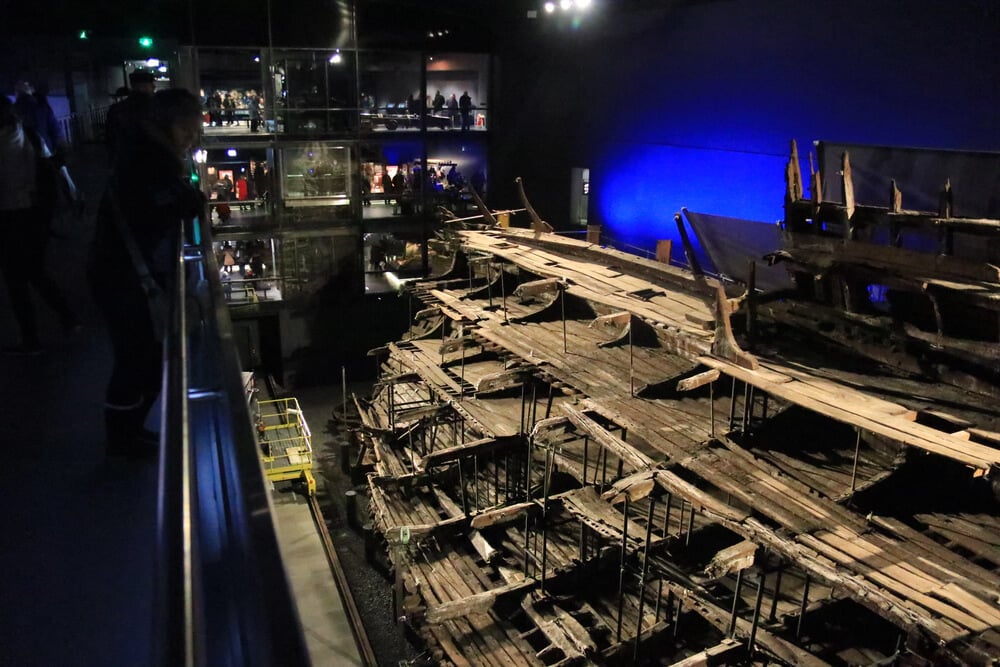
King Henry VIII’s warship Mary Rose sank in 1545 during a battle in the Solent, and although its general location was known, the silted hull itself went unlocated for centuries. Divers rediscovered the wreck in 1971, and a major excavation eventually raised the surviving hull in 1982, giving researchers an unprecedented look at Tudor-era shipbuilding and daily life aboard a warship.
Vasa
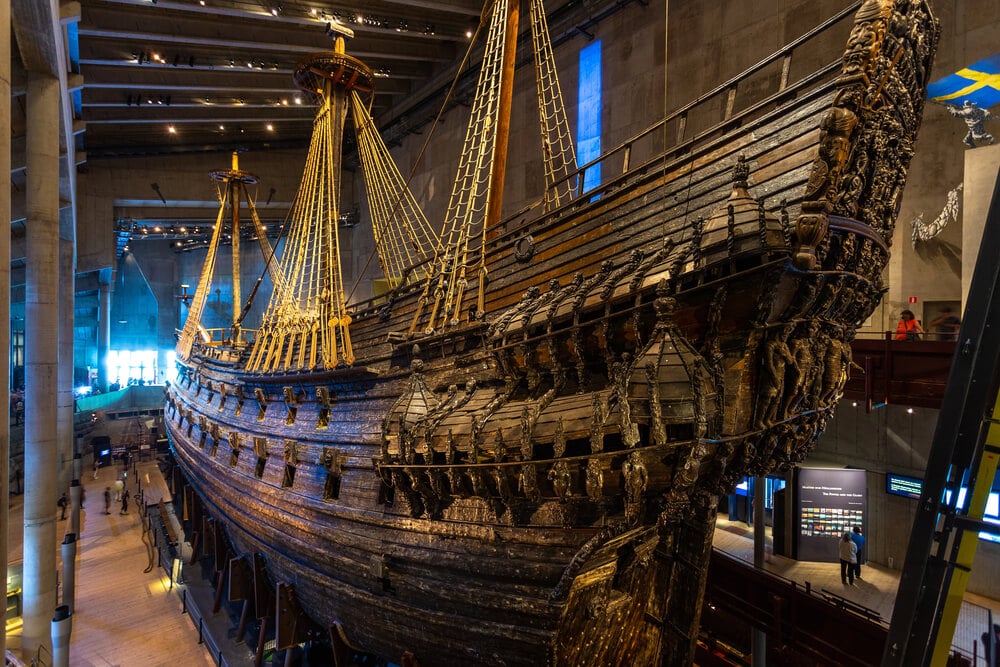
The Swedish warship Vasa capsized and sank on its maiden voyage in 1628, just outside Stockholm harbor, and its location faded from memory over the following centuries. A researcher who spent years combing archives and dragging the harbor floor finally pinpointed the wreck in 1956, and the ship was raised nearly intact in 1961 thanks to the brackish, low-salinity water that had slowed the decay of its timber.
USS Johnston
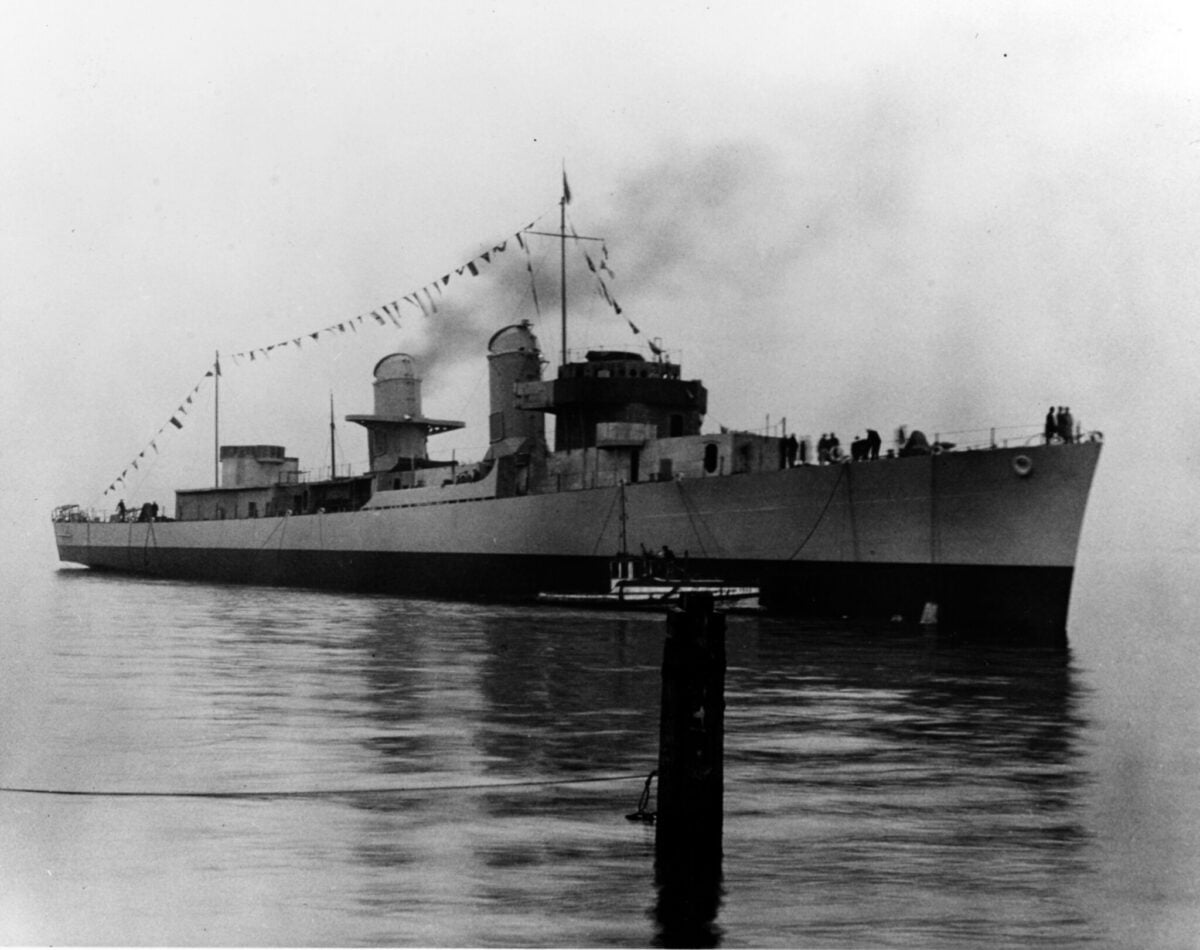
The destroyer USS Johnston went down fighting during the 1944 Battle off Samar, and for decades its resting place was assumed to be beyond any reasonable search depth. A 2021 expedition located the wreck more than 20,000 feet down in the Philippine Trench, making it the deepest shipwreck ever surveyed at the time.
San José Galleon
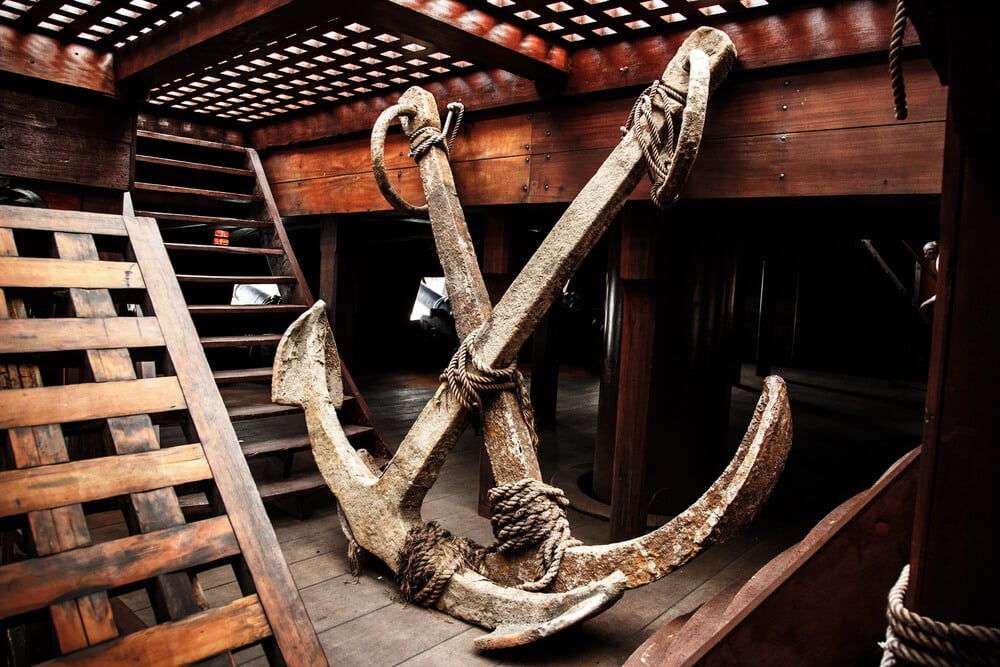
The Spanish galleon San José sank in 1708 during a battle with British warships off Cartagena, taking an enormous cargo of gold, silver, and emeralds to the bottom along with most of its crew. The wreck eluded search teams for more than three hundred years until a 2015 expedition using an autonomous underwater vehicle finally located it, though its exact coordinates remain a closely guarded state secret.
HMS Erebus
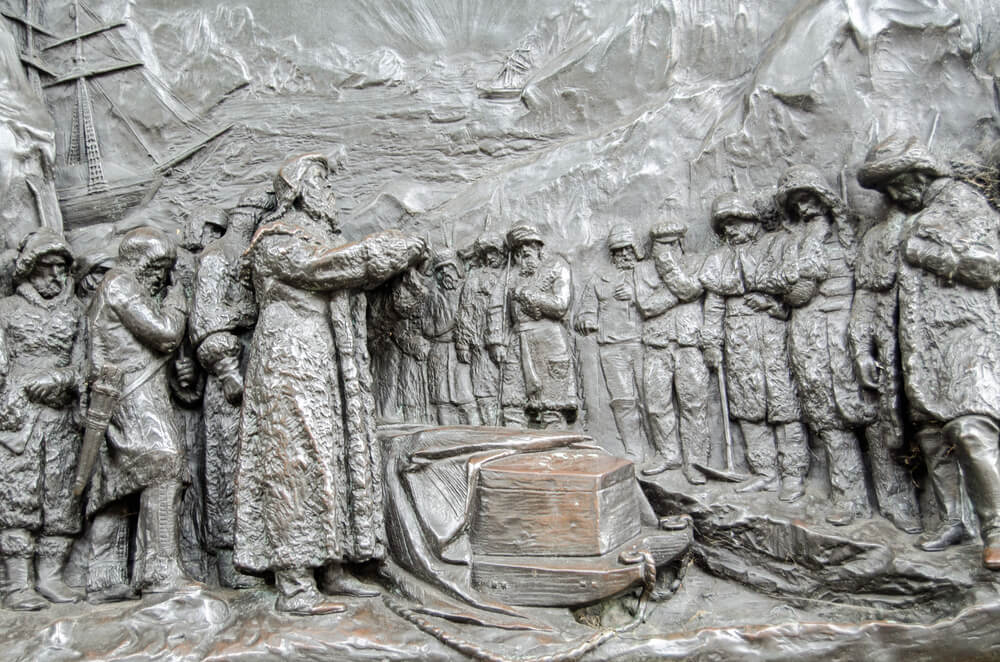
HMS Erebus vanished along with its sister ship during Sir John Franklin’s doomed 1845 search for the Northwest Passage, and the fate of both vessels became one of the great mysteries of polar exploration. Canadian searchers, guided partly by long-dismissed Inuit oral testimony, finally located the wreck in 2014 in shallow water off King William Island.
H.L. Hunley
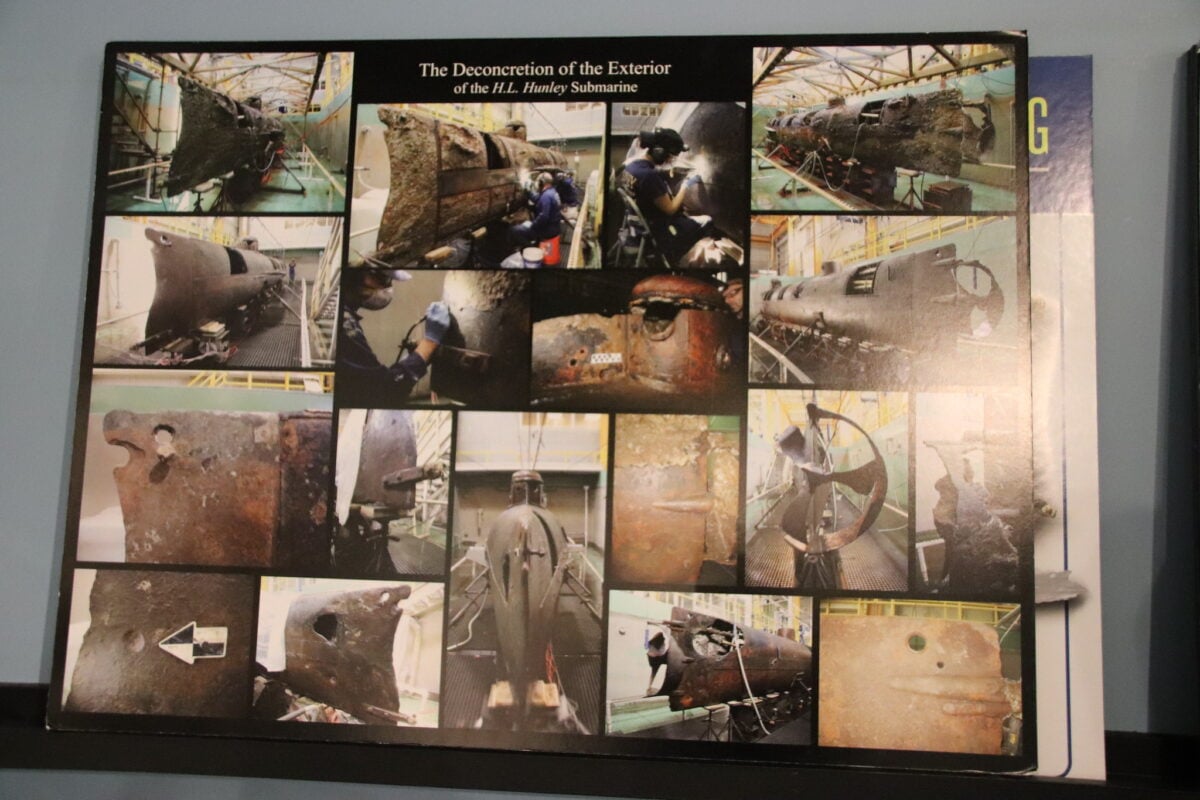
The Confederate submarine H.L. Hunley became the first submarine in history to sink an enemy warship in 1864, then vanished with its entire crew shortly afterward. Researchers searched for the tiny vessel for more than a century before locating it buried in sediment off Charleston in 1995, and it was raised intact five years later.
HMS Terror
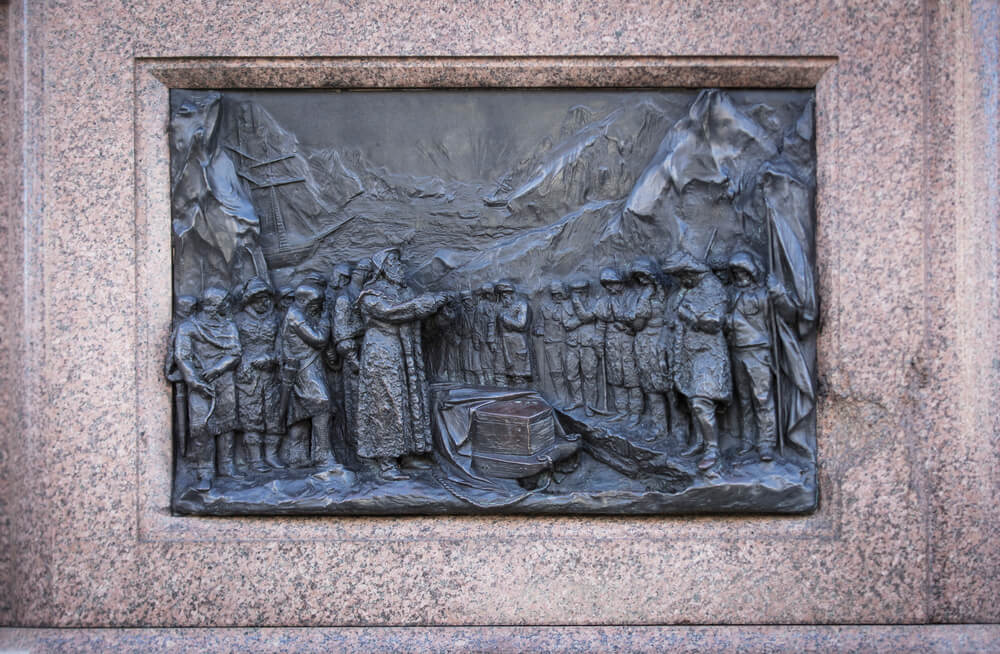
— Photo by ElectricEgg
HMS Terror, the second ship from the Franklin expedition, remained missing two years after its sister ship was found, despite searchers assuming both vessels had sunk near each other. A local hunter’s tip led investigators to Terror Bay in 2016, where the wreck turned out to be so well preserved that researchers could see undisturbed dishes still sitting on shelves inside.
Queen Anne’s Revenge
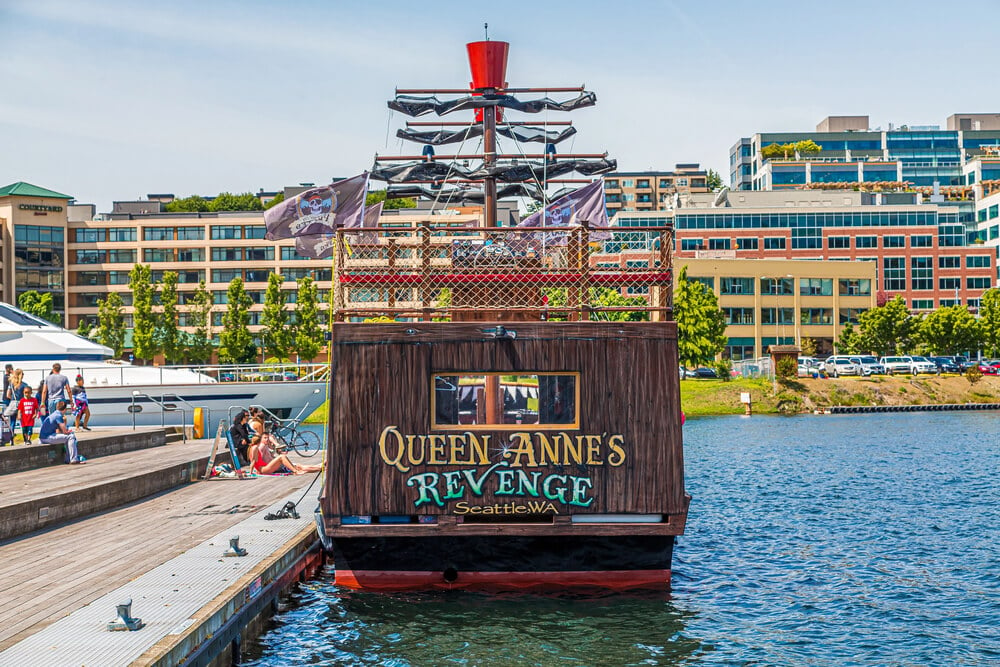
Blackbeard’s flagship ran aground and was abandoned off the North Carolina coast in 1718, and its wreck sat unidentified for more than two and a half centuries. A private research firm located a promising wreck site in 1996, and years of careful excavation and artifact analysis eventually confirmed it as Queen Anne’s Revenge.
SS Central America
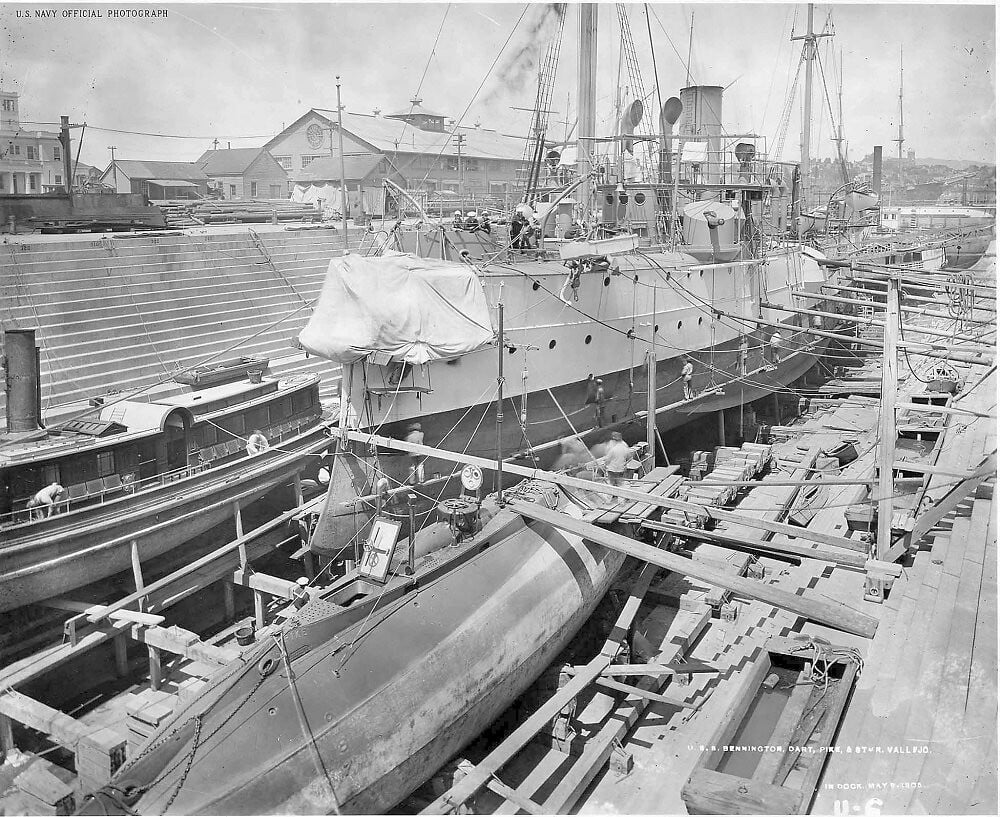
The SS Central America sank in a hurricane in 1857 while carrying a large shipment of California gold, a loss so severe it contributed to a national financial panic. A commercial salvage team located the wreck in 1988 under more than 7,000 feet of water, and a subsequent legal battle over ownership of the recovered gold lasted almost as long as the search itself.
HMY Gloucester
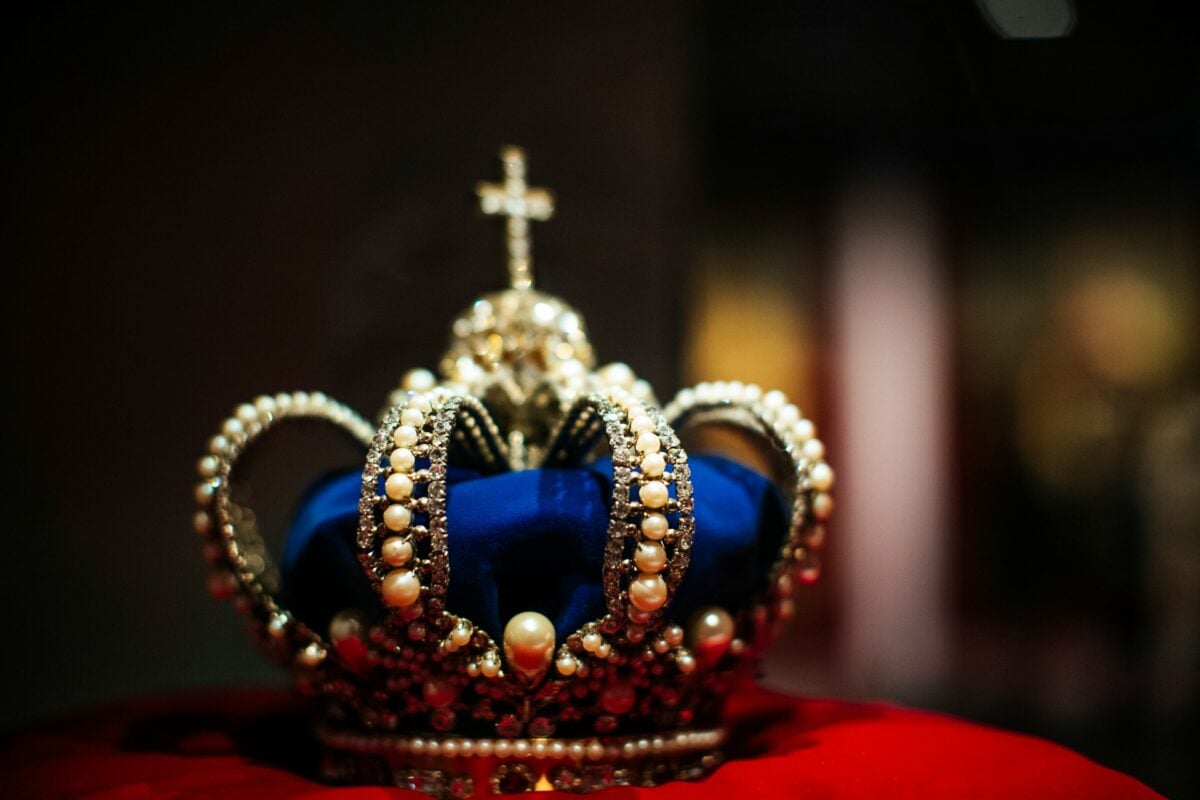
The royal yacht Gloucester ran aground and sank off the English coast in 1682 while carrying the future King James II, who narrowly escaped with his life. The wreck went unidentified for more than three centuries until divers who had been searching the area for years finally confirmed its identity in 2022.
USS Hornet
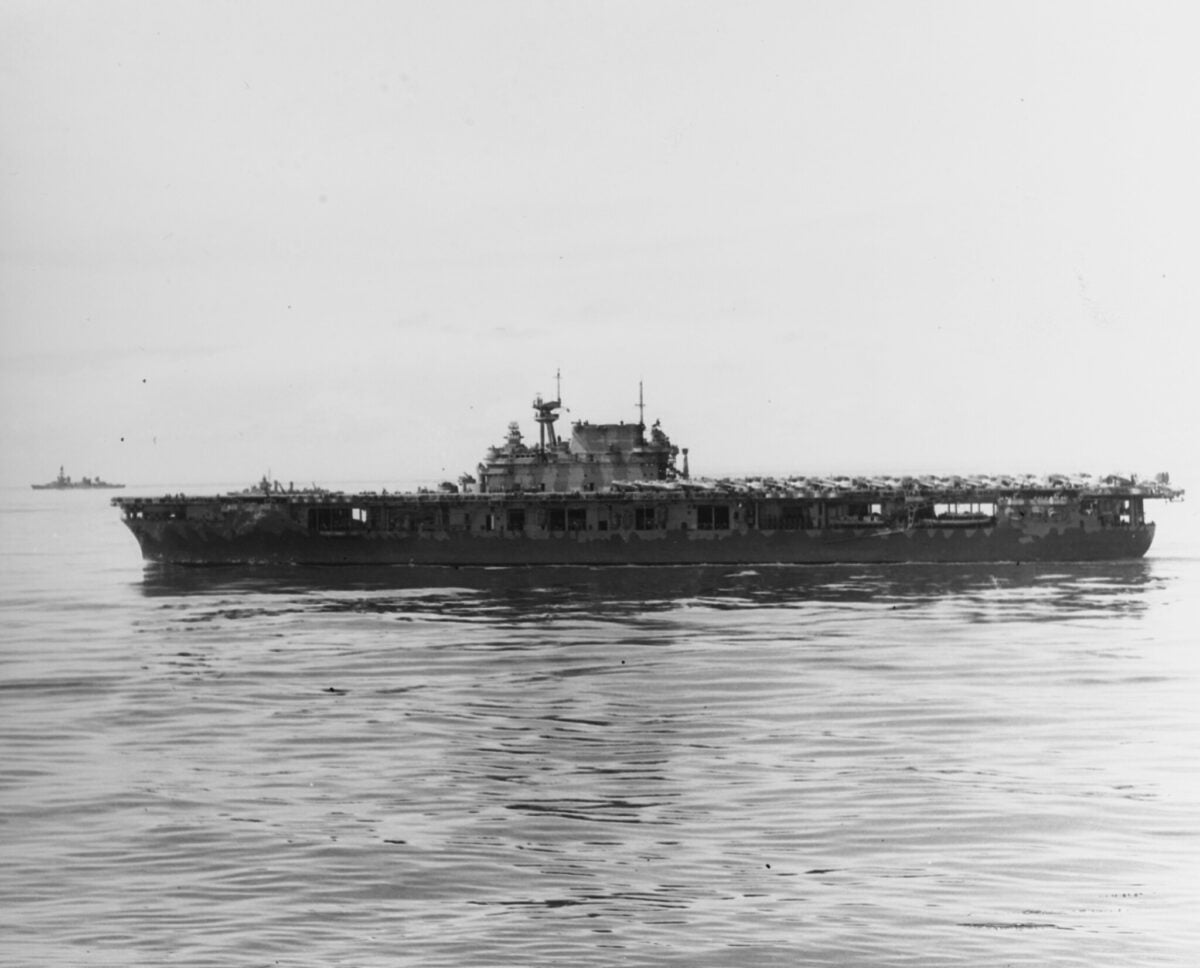
The aircraft carrier USS Hornet, famous for launching the Doolittle Raid on Japan, sank during the Battle of the Santa Cruz Islands in 1942. A privately funded expedition located the wreck in 2019, more than three miles down in the South Pacific, still bearing visible battle damage from the engagement that sank it.
Nuestra Señora de Atocha
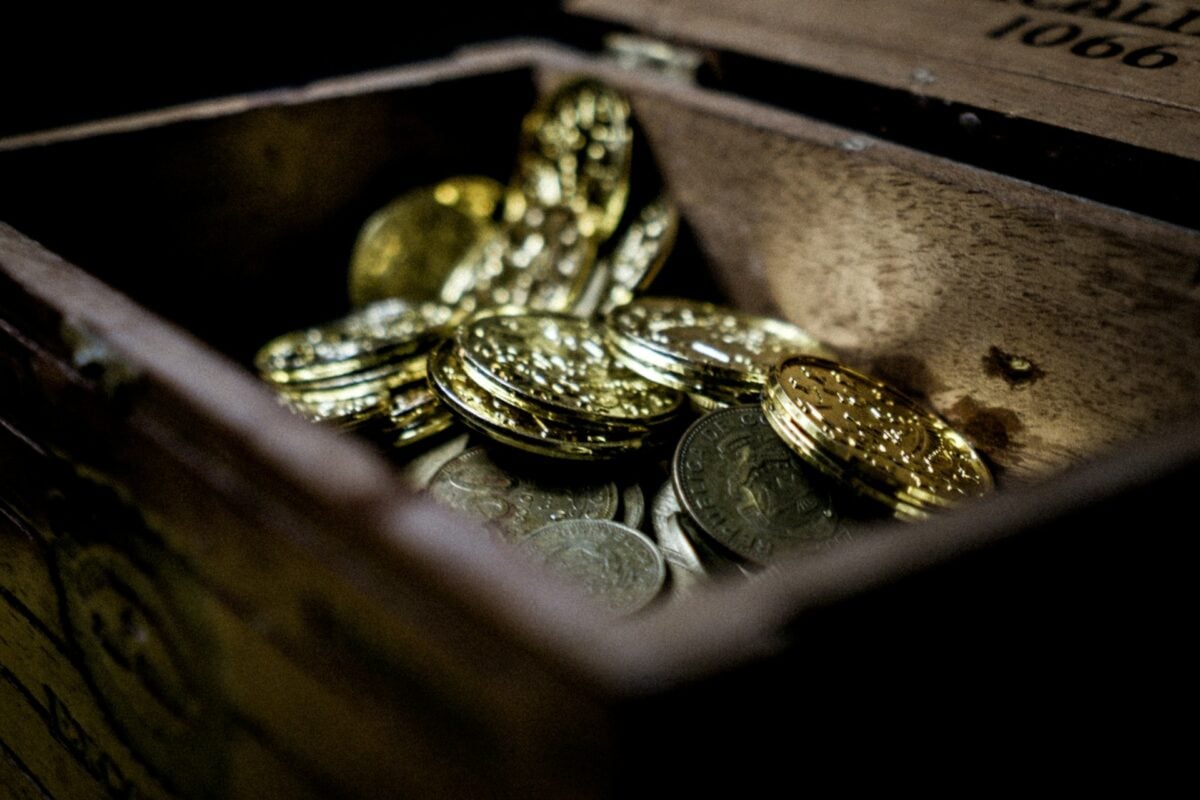
The Spanish treasure galleon Nuestra Señora de Atocha sank in a hurricane off the Florida Keys in 1622, carrying a fortune in silver, gold, and emeralds. Treasure hunter Mel Fisher spent sixteen years searching before his team finally located the main wreck site in 1985, a discovery that came only after his own son and daughter-in-law died in a diving accident during the long search.
USS Lexington
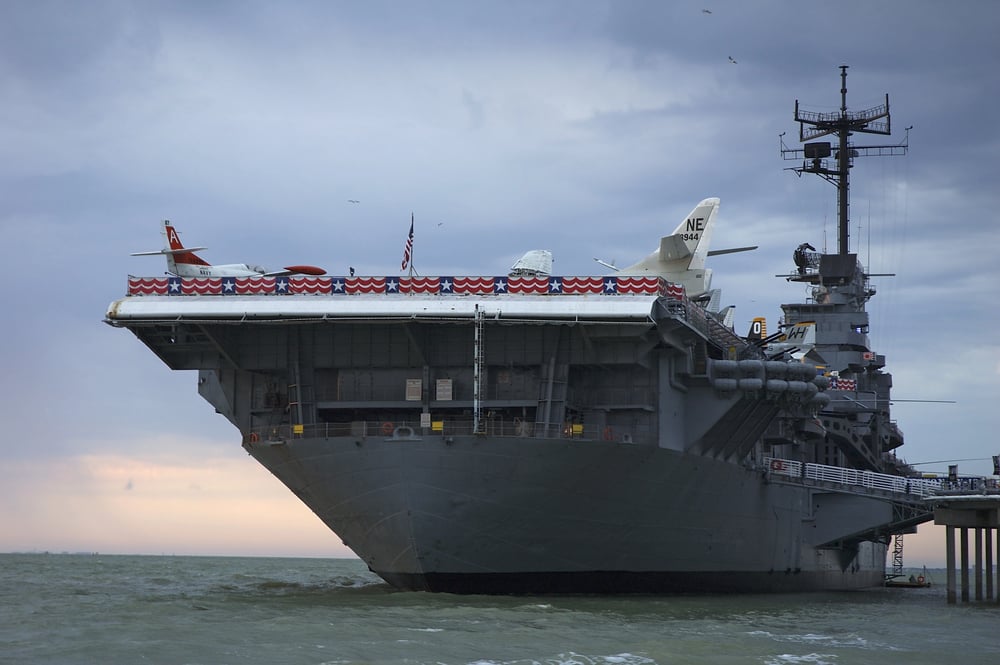
The aircraft carrier USS Lexington sank during the Battle of the Coral Sea in 1942 after being scuttled to prevent capture, and its remains lay undisturbed for more than seventy-five years. A 2018 expedition funded by a technology billionaire located the wreck nearly two miles down, with several of its fighter planes still resting on the seafloor around the hull.
USS Juneau
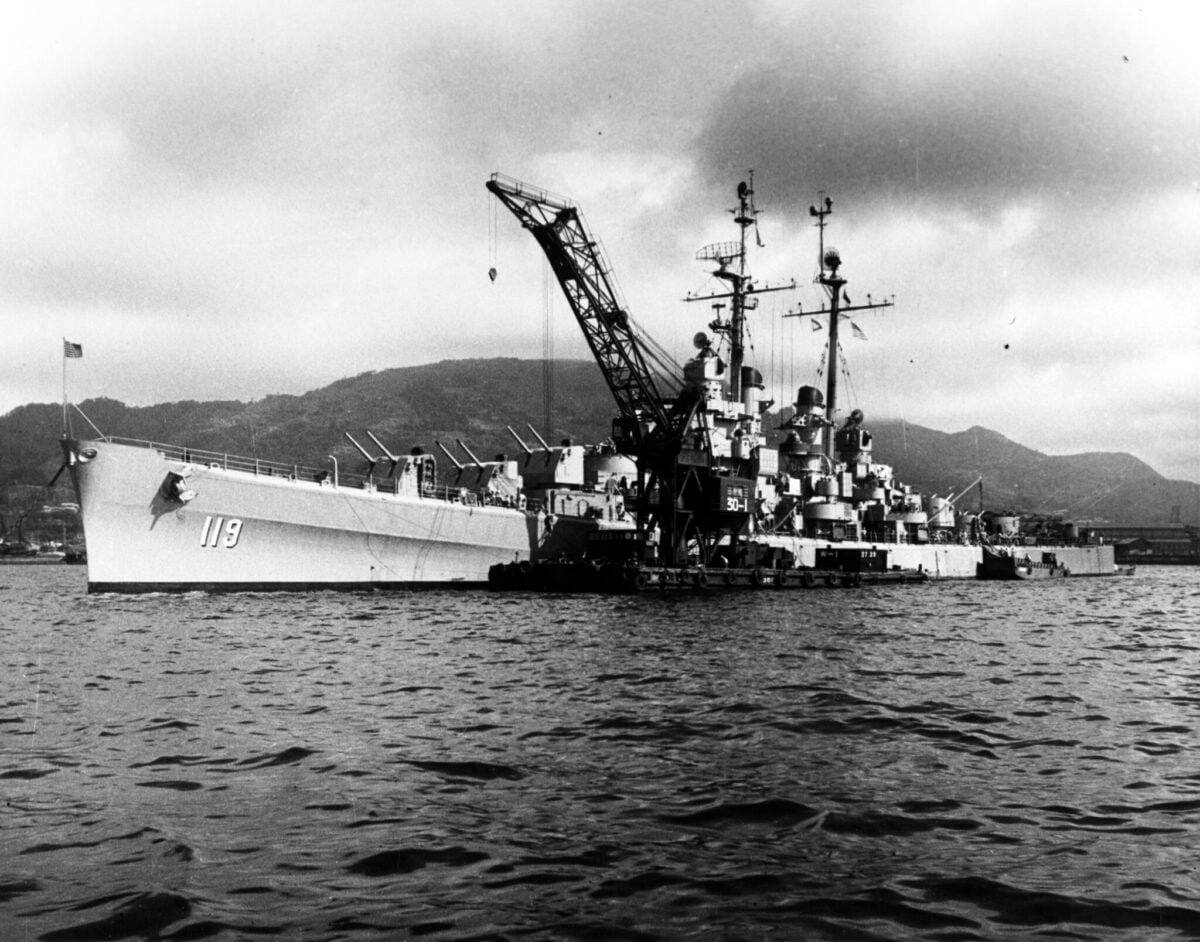
The USS Juneau sank in 1942 after a torpedo strike, a loss made especially painful because it killed all five Sullivan brothers who were serving together aboard the ship. The wreck was located in 2018 by the same research team that found the Lexington, resting more than 4,000 meters deep in the waters off Guadalcanal.
Clotilda
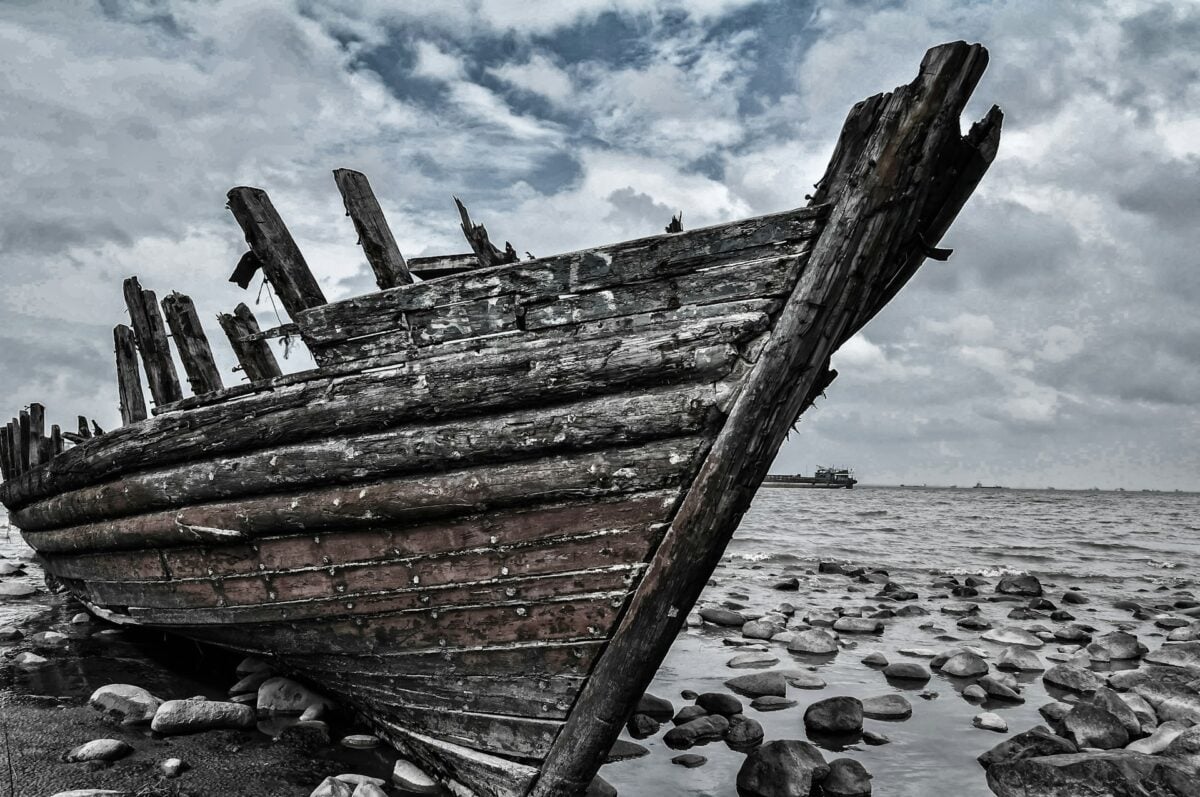
The Clotilda was the last known ship to bring enslaved Africans to the United States, arriving illegally in 1860 decades after the transatlantic slave trade had been banned, and its crew burned and sank it afterward to hide the evidence. Journalists and historians spent years chasing false leads before researchers finally confirmed the true wreck in the Mobile River delta in 2019.
SS Gairsoppa
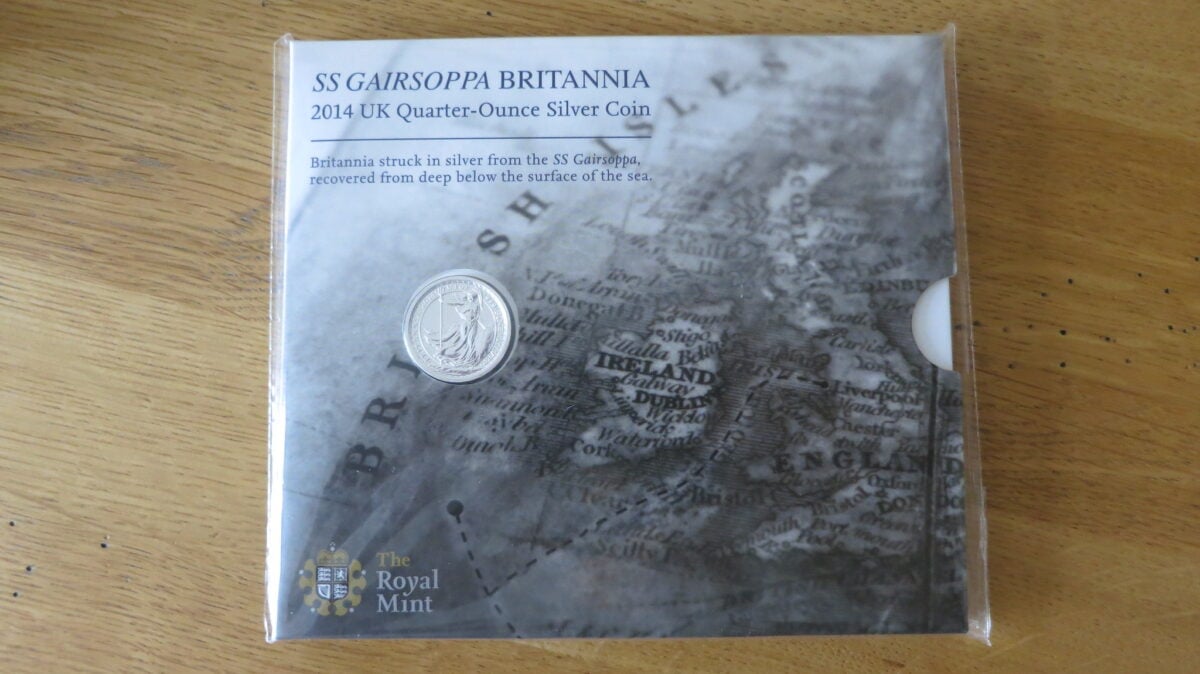
The British cargo steamer SS Gairsoppa sank in 1941 after being torpedoed while carrying a large shipment of silver bullion for the war effort. A salvage company located the wreck in 2011, nearly three miles deep in the North Atlantic, and went on to recover what was, at the time, the deepest and largest haul of precious metal ever retrieved from a shipwreck.
USS Grayback
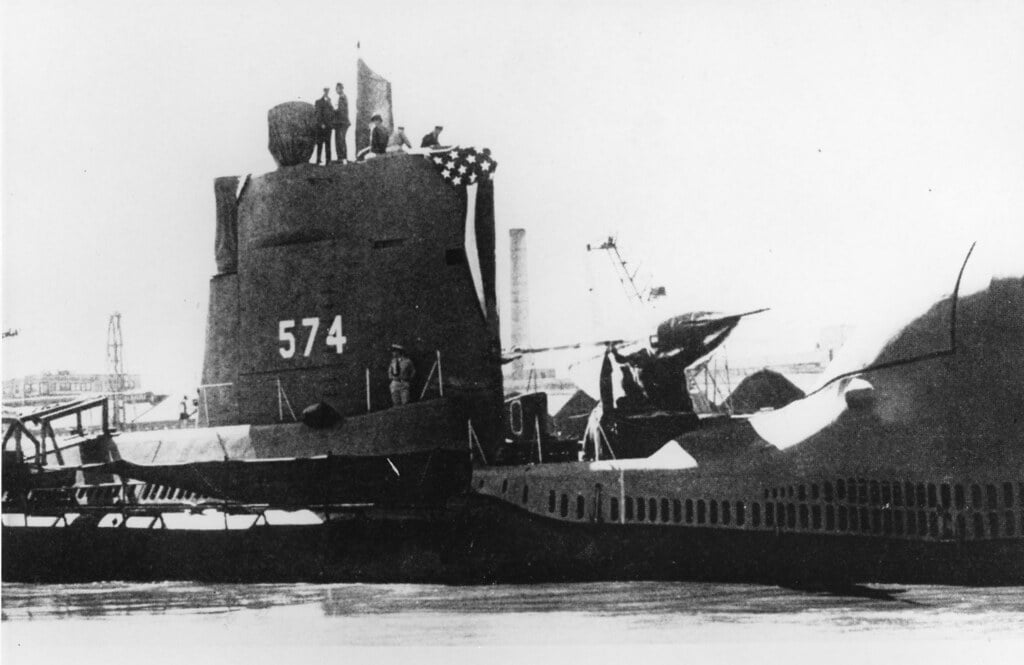
The submarine USS Grayback vanished in 1944 after a Japanese air attack, and a wartime translation error placed its likely sinking location dozens of miles from where it actually went down, which stalled every later search. A team of deep-sea wreck hunters corrected the error and located the submarine in 2019, more than a thousand feet down in the East China Sea.
USS Nevada
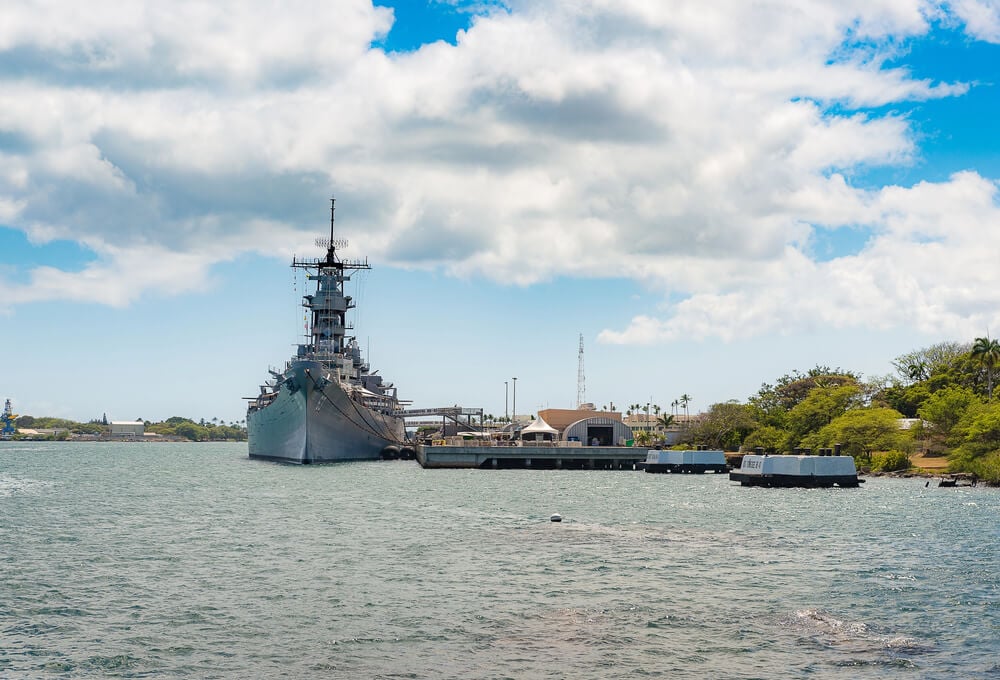
The battleship USS Nevada survived the attack on Pearl Harbor, saw combat throughout the Second World War, and was later used as a target ship in atomic bomb tests before finally being sunk by the Navy in 1948. The wreck went unlocated for more than seventy years until a research team found it in 2020, more than three miles deep off Hawaii.
Kronan
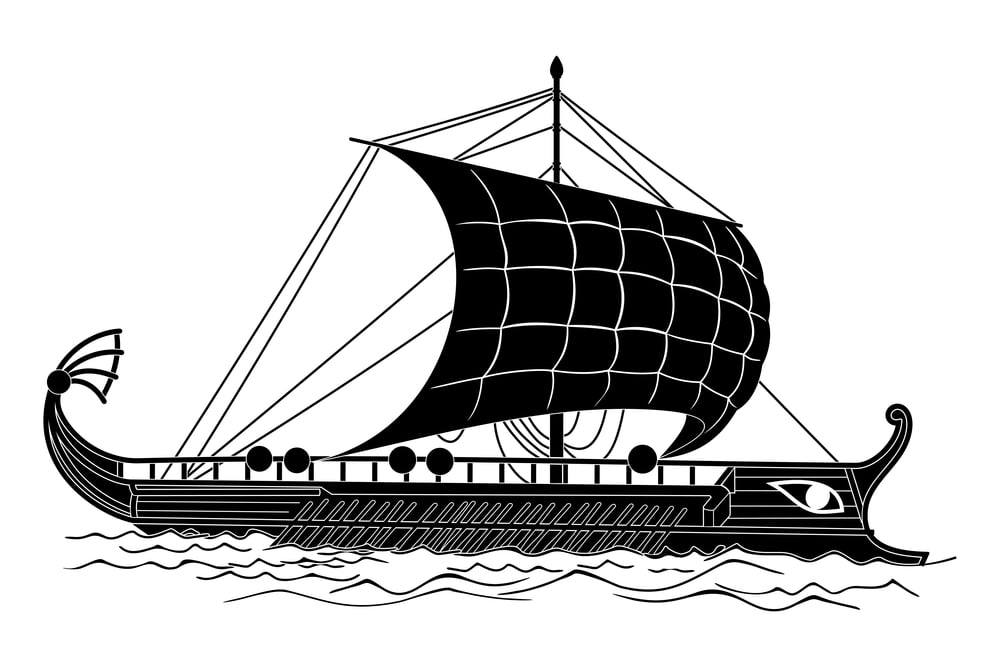
The Swedish warship Kronan exploded and sank during a 1676 naval battle in the Baltic Sea, taking most of its eight hundred crew members down with it. A marine archaeologist located the wreck in 1980 after years of research into contemporary battle accounts, and ongoing excavation has since recovered thousands of coins, weapons, and personal artifacts.
La Belle
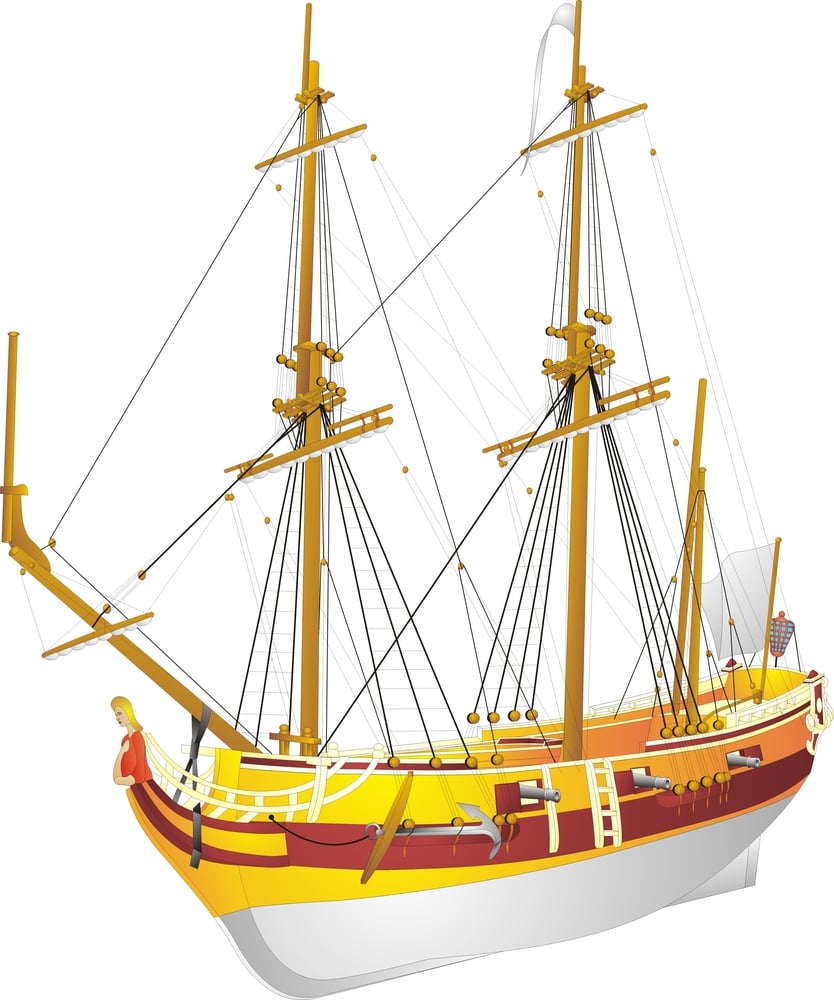
The French explorer La Salle’s ship La Belle sank in a storm off the Texas coast in 1686 during an ill-fated attempt to establish a colony near the mouth of the Mississippi River. Texas archaeologists located the wreck in 1995 after decades of intermittent searching, and its excavation produced one of the most complete collections of seventeenth-century French colonial artifacts ever recovered in North America.
SS Republic
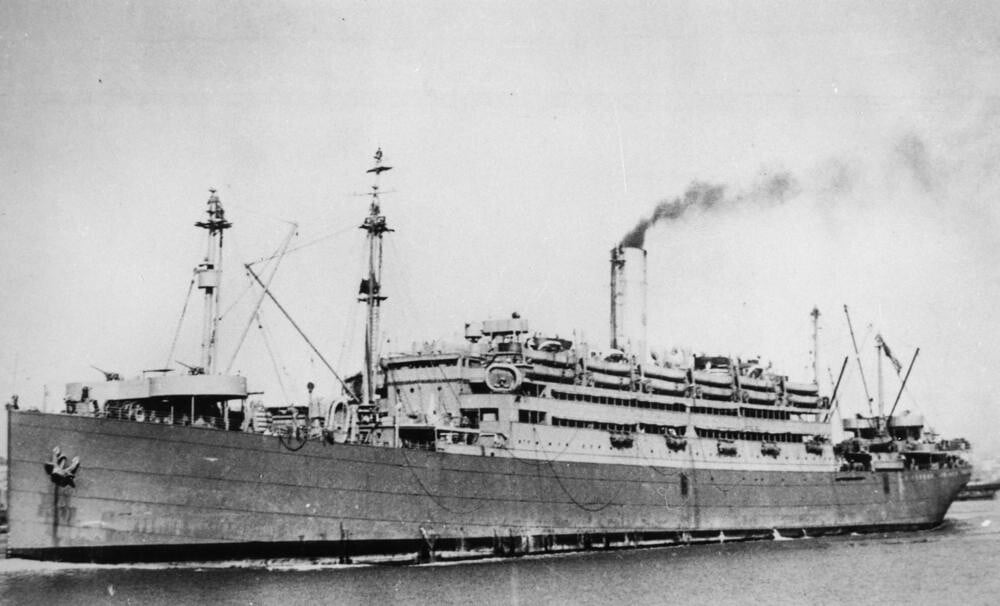
The steamship SS Republic sank in a hurricane in 1865 while carrying a large cargo of coins meant to help rebuild the postwar Southern economy. A commercial exploration company located the wreck in 2003, more than 1,700 feet down off the Georgia coast, and went on to recover tens of thousands of gold and silver coins from the site.
What the Seafloor Keeps
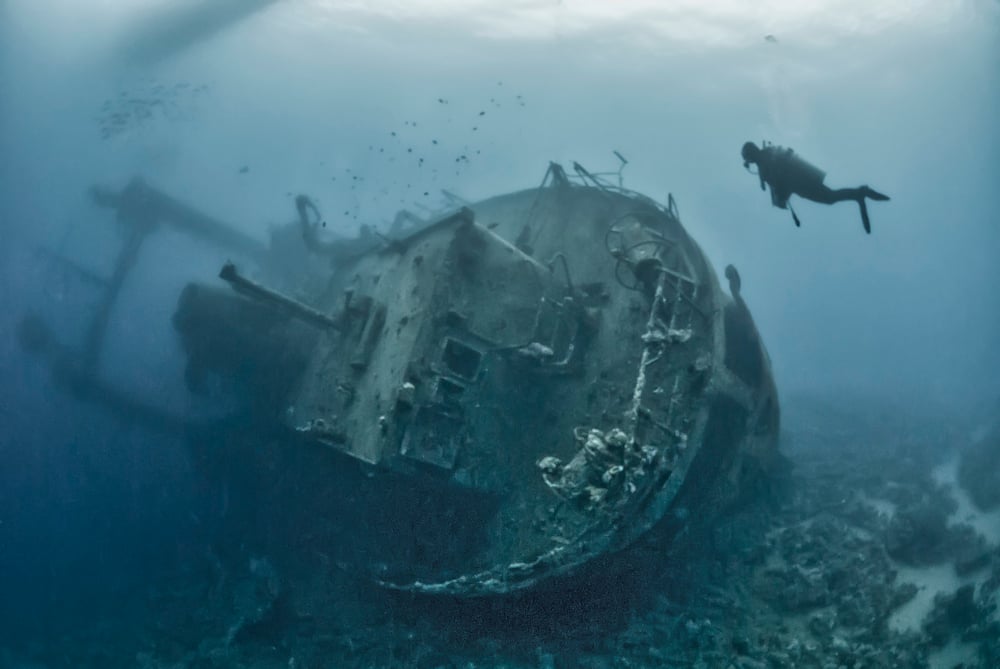
Every wreck on this list disappeared for a reason: bad coordinates, an ocean too deep for the technology of its era, a translation error, or simply the passage of enough time that the search itself was forgotten before the ship was. What finally closed each case was rarely luck alone.
It was patient cross-referencing of logbooks, currents, and battle reports, paired with sonar and robotics that only became affordable in the last few decades. The ships were never really lost. The methods for finding them just had not caught up yet.
More from Go2Tutors!

- The Romanov Crown Jewels and Their Tragic Fate
- 13 Historical Mysteries That Science Still Can’t Solve
- Famous Hoaxes That Fooled the World for Years
- 15 Child Stars with Tragic Adult Lives
- 16 Famous Jewelry Pieces in History
Like Go2Tutors’s content? Follow us on MSN.