25 Summer Camp Traditions from the ’80s That Haven’t Survived
Summer camp in the 1980s was a specific experience built around separation from home, unstructured time with a cohort of peers, and activities designed more around tradition than measurable outcomes. Children attended for multi-week sessions, lived in cabins with strangers, and participated in evening campfires, talent shows, and organized games.
Parental contact was minimal—no phone calls, no email, no video chat. The isolation was total.
The traditions built around this isolation were specific and haven’t transferred to modern summer camp culture, which prioritizes different goals and acknowledges different parental expectations. What killed these traditions wasn’t a single innovation.
It was a combination of factors: increased parental communication expectations, structured activity focus, safety liability concerns, and the decline of unstructured outdoor time as a cultural norm. Modern camp tries to accomplish different things.
The old traditions served a camp culture that no longer exists.
The Week-Long Bonfire Ritual
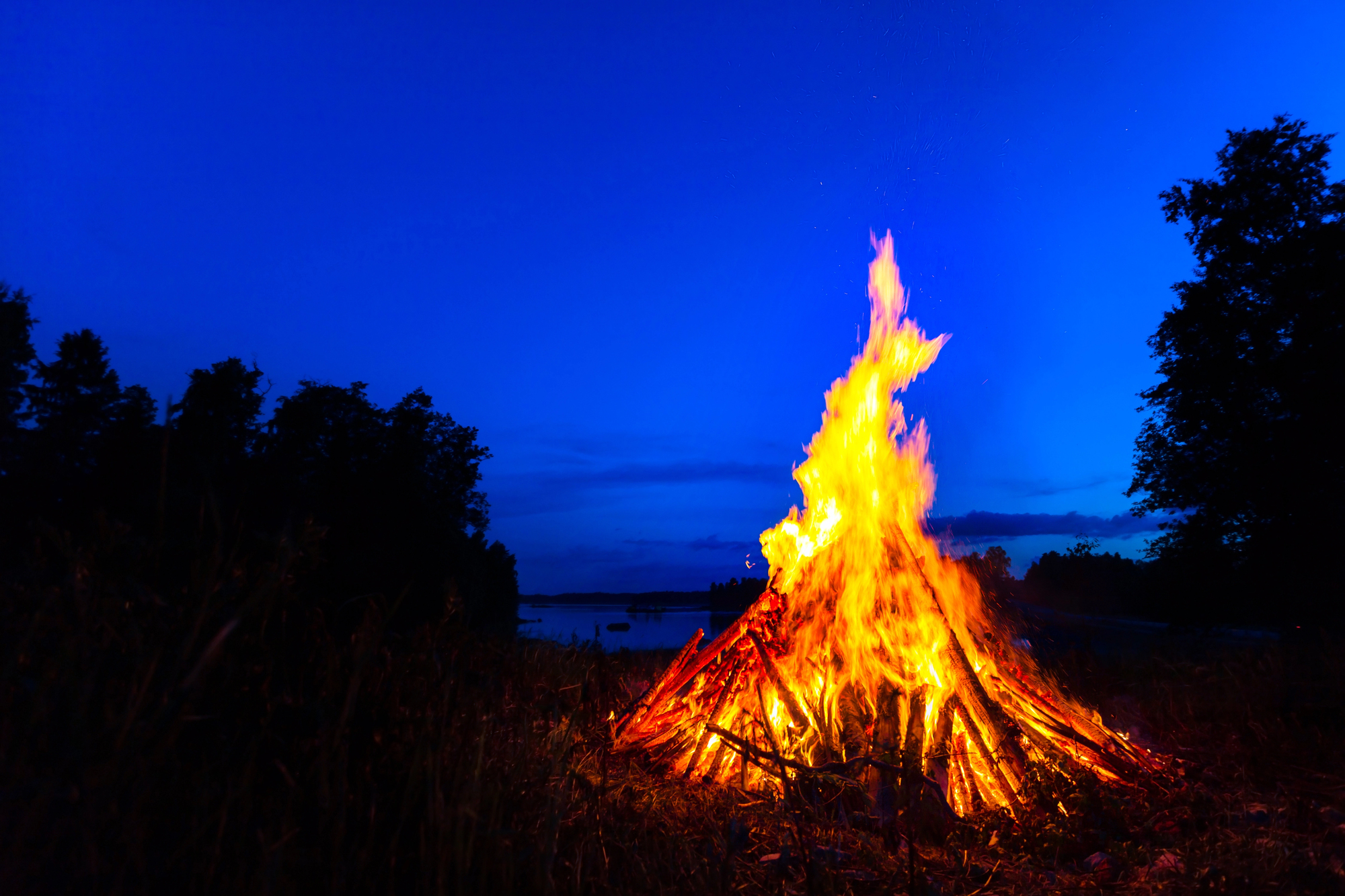
Each evening included a campfire where the entire camp gathered around a large central fire. Counselors led singing of traditional camp songs—”Kumbaya,” “The Rainbow Connection,” and folk songs passed down through camp generations.
Sitting in circles, kids would sing, sometimes roast marshmallows, and listen to stories. The fire was social infrastructure; gathering meant the absence of other entertainment.
Hierarchical Cabin Organization
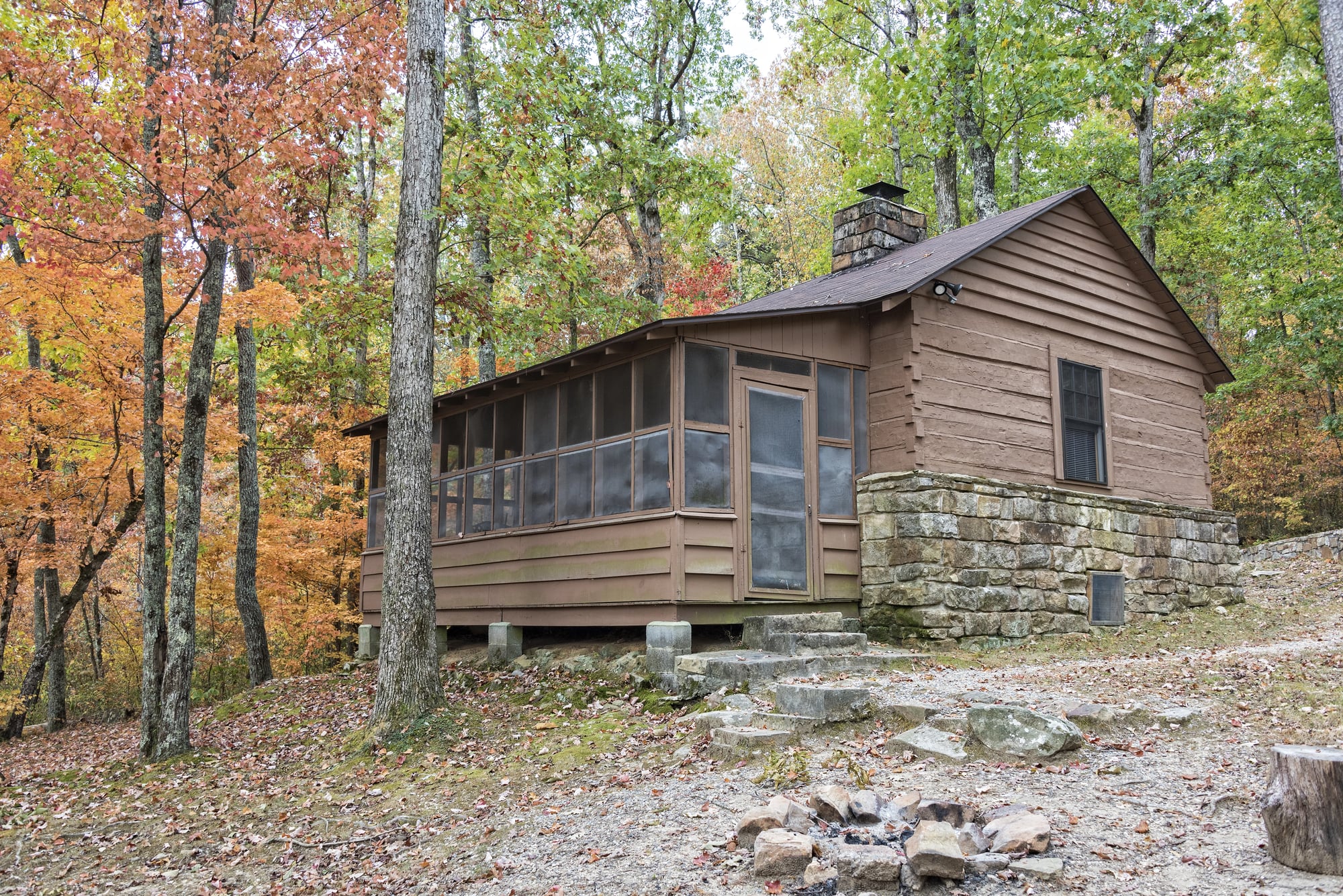
Each cabin had a clearly defined hierarchy: senior kids (oldest campers) had authority over younger kids; counselors supervised but maintained distance. Younger kids deferred to older kids; the structure was built into the arrangement.
Conflicts were resolved within the cabin, not immediately escalated to staff. The hierarchy created a rigid social order that modern parents and institutions would find problematic.
Homesickness as Expected Suffering
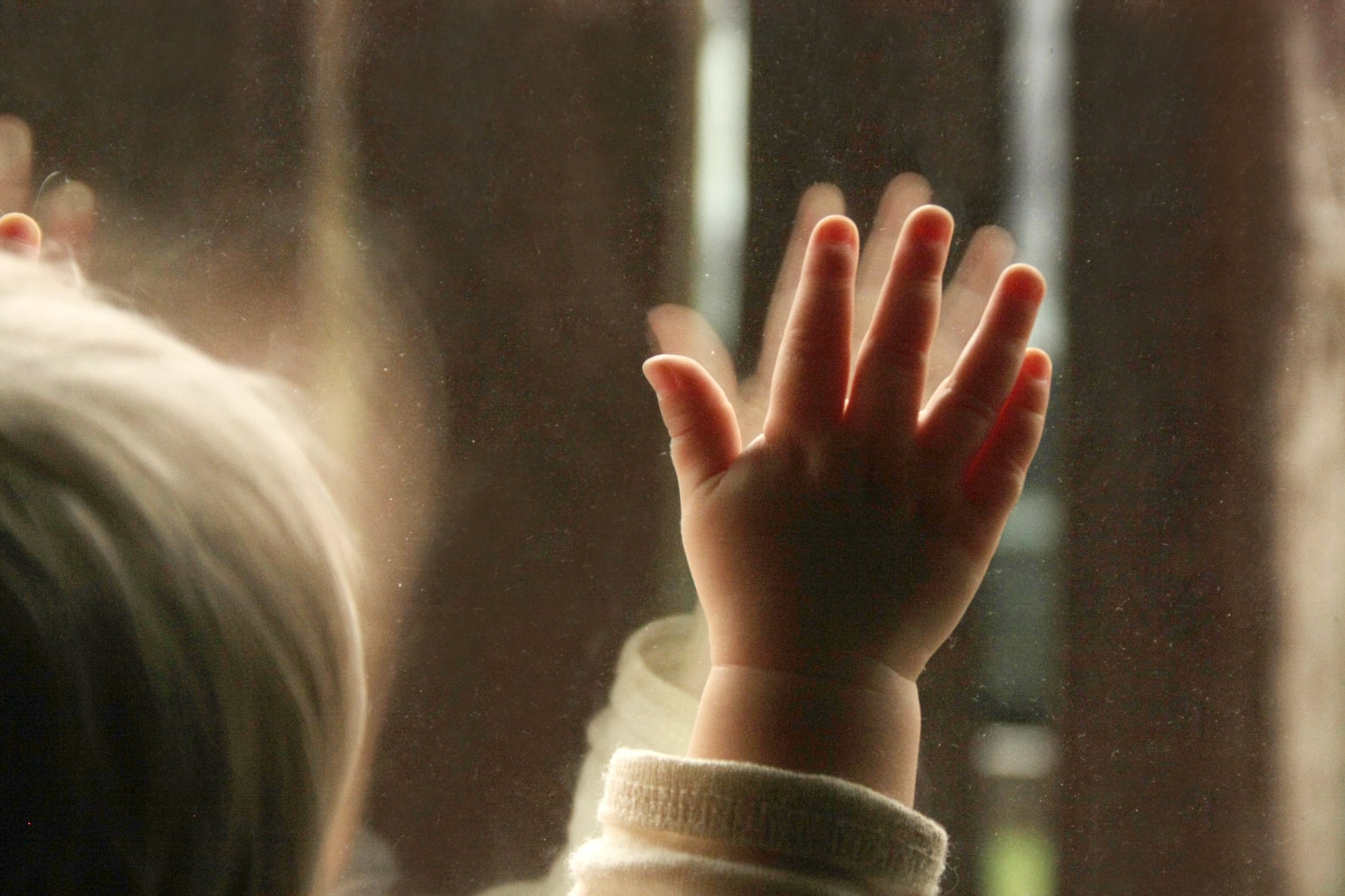
Kids were expected to experience homesickness, particularly during the first week. Counselors acknowledged it as normal but didn’t coddle it.
Parents received letters describing homesickness without instructions to pick up their child. Letters back from parents encouraged adjustment rather than offering escape options.
The expectation was that you attended for the full session regardless of distress.
Letter Writing as Communication

Campers wrote letters home; parents wrote letters back. Mail arrived once or twice weekly.
This was the only contact mechanism. Parents couldn’t call; children couldn’t email.
The delay in communication created a specific dynamic—kids processed homesickness before receiving parental responses. The separation was genuinely separated.
The Talent Show Requirement
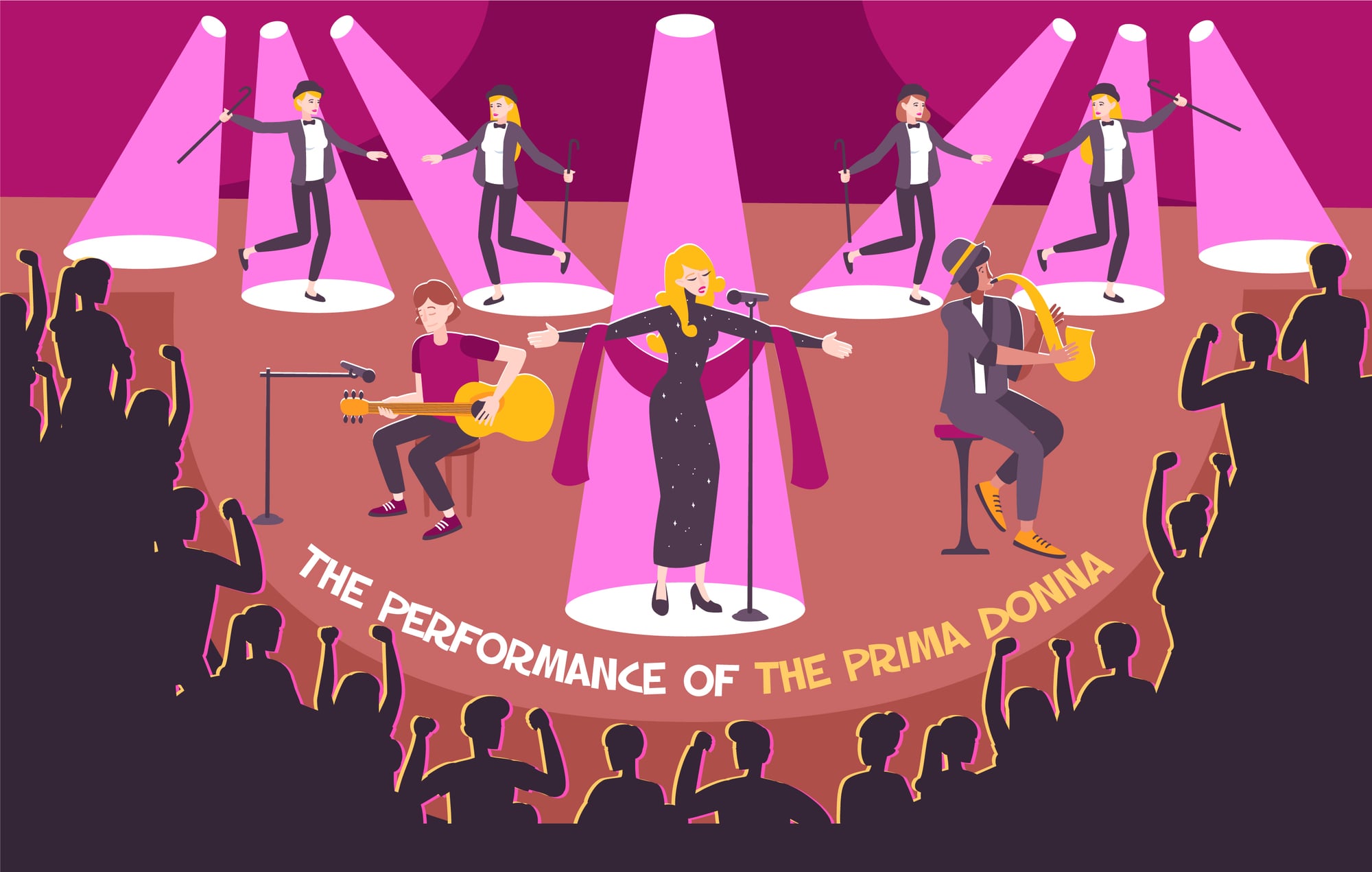
Every camper was expected to participate in the end-of-session talent show, even if they had no particular talent to display. Participation was mandatory; going on stage was non-negotiable.
Shyness wasn’t an accommodation; it was something to overcome through forced participation. The cultural expectation was that camp demanded you participate in community events whether ready or not.
Intramural Competitions Extending for Weeks
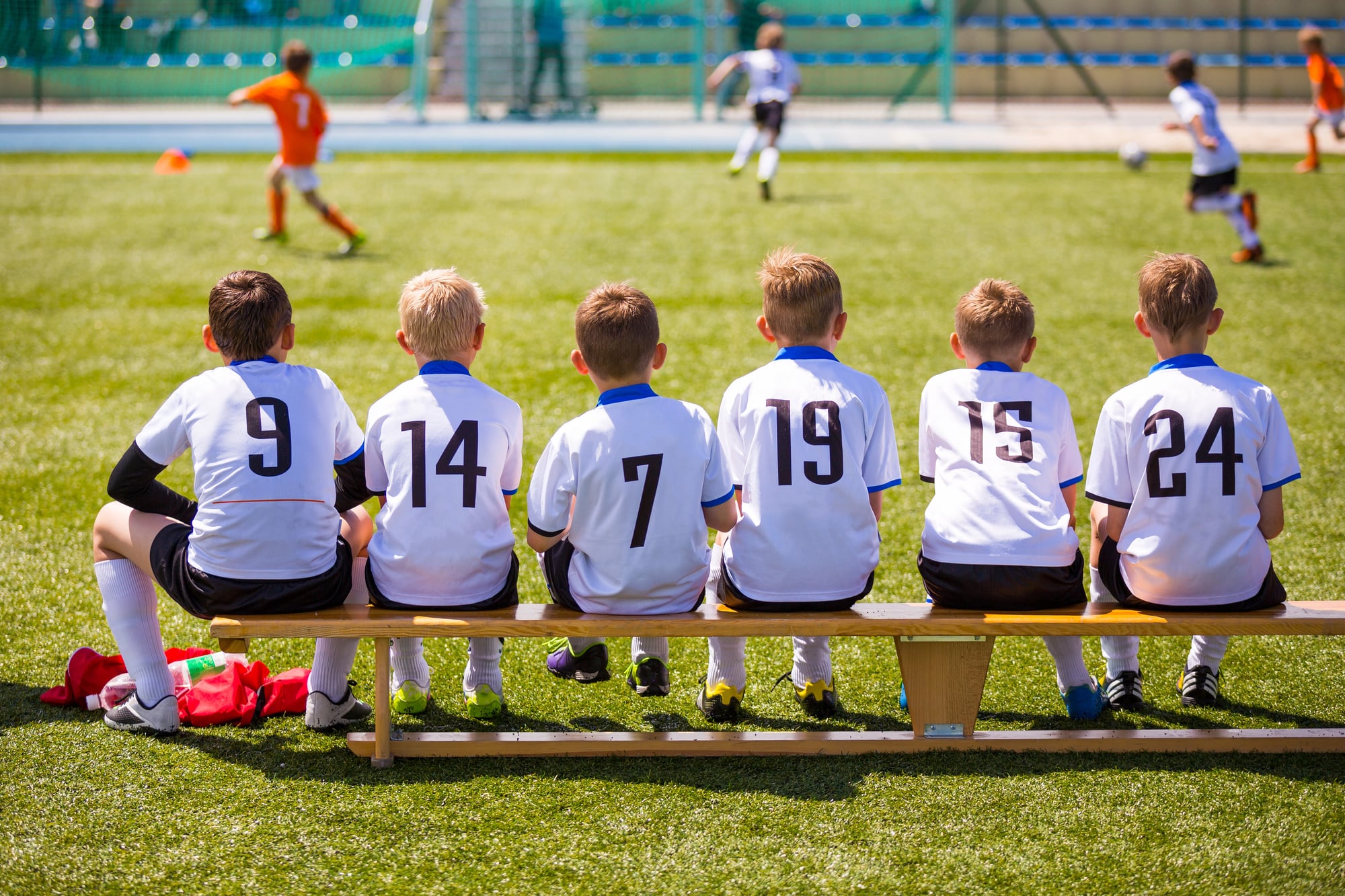
Different cabins competed against each other in ongoing competitions—relay races, cabin chants, group challenges—that lasted the entire session. Points accumulated; winners were recognized publicly.
Participation was mandatory for all campers, regardless of athletic ability. The competitions created entire hierarchies of relative success and failure visible daily.
The Canteen as Currency

A small store on camp grounds sold snacks, sodas, and supplies. Campers received an allowance or brought money and made limited purchases.
The canteen became social infrastructure—kids gathered there between activities. Limited selection meant you bought what was available, not what you preferred.
Running out of favorite items was common.
Group Meals With No Alternatives

All campers ate together in the dining hall at set times. The meals were prepared centrally; no options were available.
Picky eaters adapted or went hungry. Dietary restrictions were minimal; everyone ate approximately the same food.
The communal meal was social time and opportunity for camp announcements.
Cabin Pranks and Late-Night Rituals
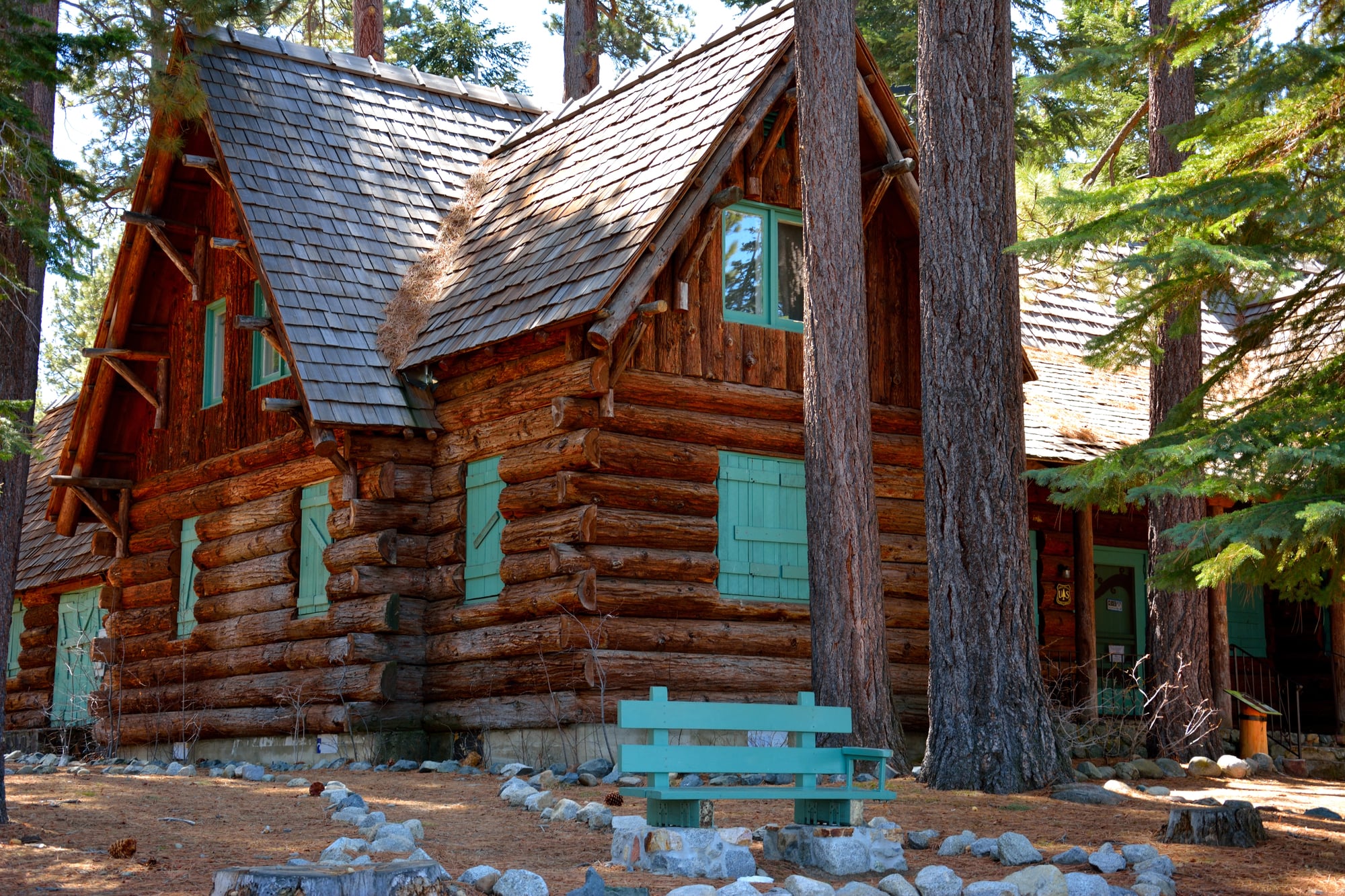
Older campers perpetrated pranks on younger cabins—bedsheet raids, water balloon attacks, coordinated midnight disturbances. These were part of camp culture; counselors tolerated them as acceptable boundary-testing.
The pranks created social tension and bonding through shared mischief. Modern liability concerns have essentially eliminated this.
The Flag Raising Ceremony
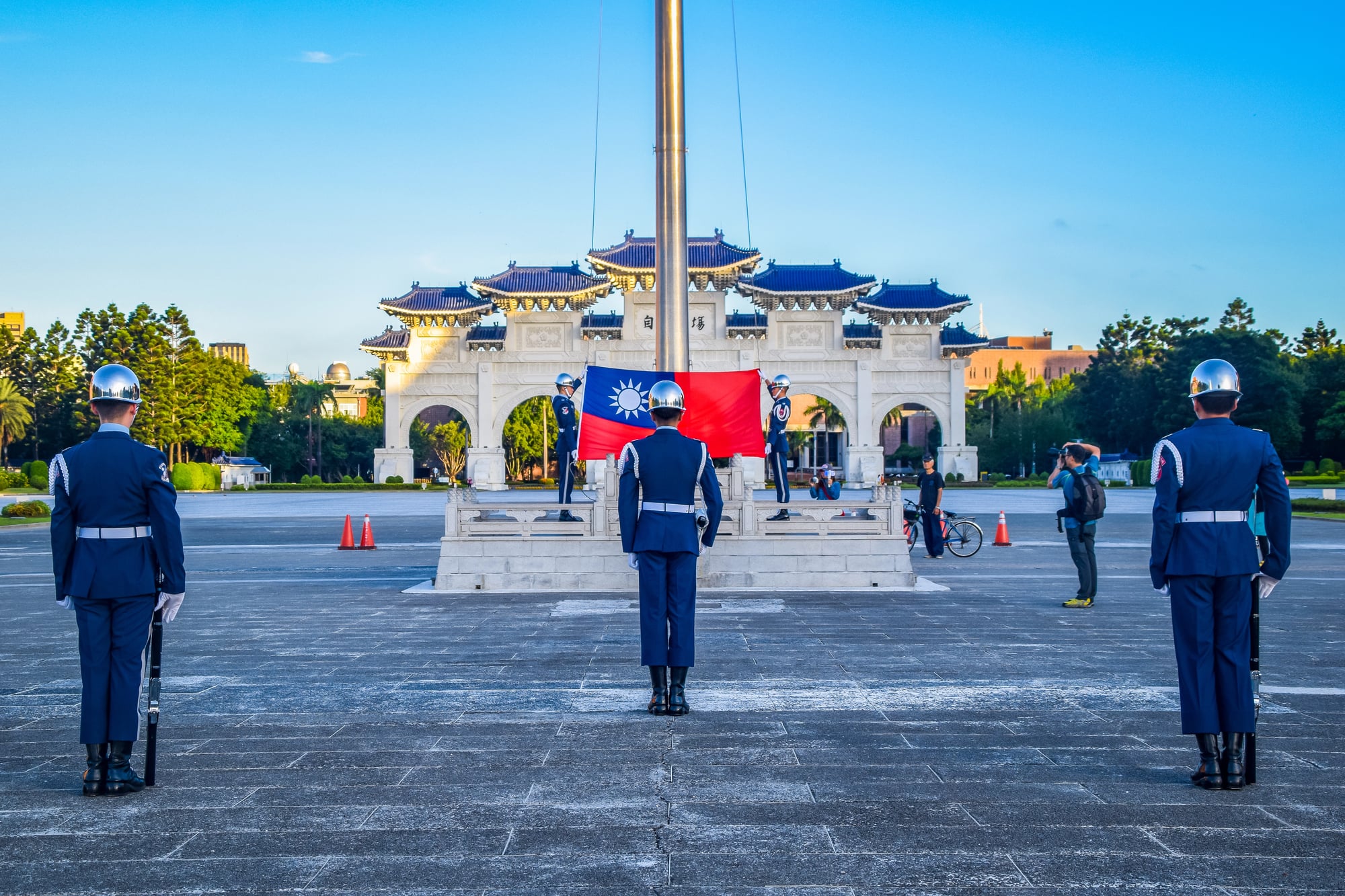
Morning flag raising with the entire camp gathered on the lawn was mandatory. Staff led the pledge; campers stood in lines by cabin.
The ceremony created the visual hierarchy of cabin organization, leadership hierarchy, and collective identity. It marked the official beginning of the day.
Archery and Riflery Without Modern Safety Infrastructure

Summer camps offered archery and small caliber rifle shooting to children with minimal safety certification or parental opt-out. These activities were simply available; interest determined participation.
Modern liability has made these activities extremely restricted or entirely eliminated.
The Overnight Hike as Rite of Passage
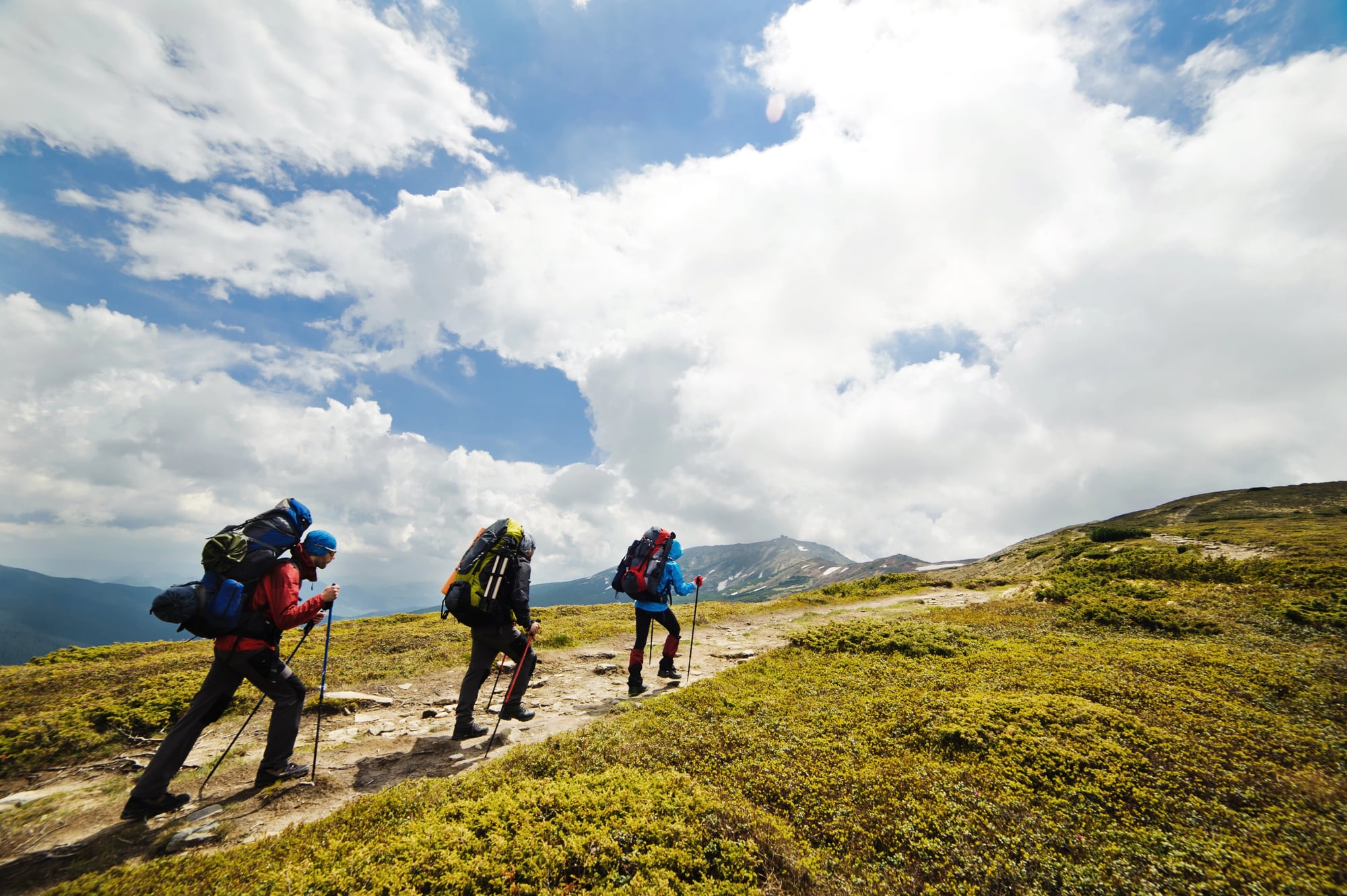
Extended hiking trips—often two or three nights camping in the woods—were offered to campers. Minimal adult supervision, navigation by older campers, and sleeping outdoors created a specific experience of independence and risk.
Modern camps restrict these trips to daylong excursions with significant supervision.
Segregated Male and Female Cabins Without Question

Campers were assigned to gender-segregated cabins without exception. The segregation was assumed; no flexibility existed.
Cross-gender socialization happened in structured settings; cabin time was strictly separated. This architecture has been completely reconsidered in modern camp culture.
The Evening Skit Night

Before or after the talent show, cabin groups would prepare skits for camp-wide performance. Scripts were improvised by counselors and campers.
Humor was often crude, performances were sometimes laughably bad, but participation and effort counted more than quality. The evening was entertainment within the camp community.
No Parents Visiting Mid-Session

Parents were not allowed to visit during the session. Camp visitors were restricted to family day, usually one afternoon near the end.
The separation was deliberate; visits mid-session would undermine the camp experience. Parents sent packages, but physical visits weren’t part of the model.
The Crafts Fair Display

Campers created simple crafts—pot holders, clay bowls, painted rocks—that were displayed and exchanged on the final night. Craftsmanship varied wildly; the activity was about participation and taking something home.
The fair was built into camp culture rather than being an optional activity.
Horseback Riding for All Skill Levels
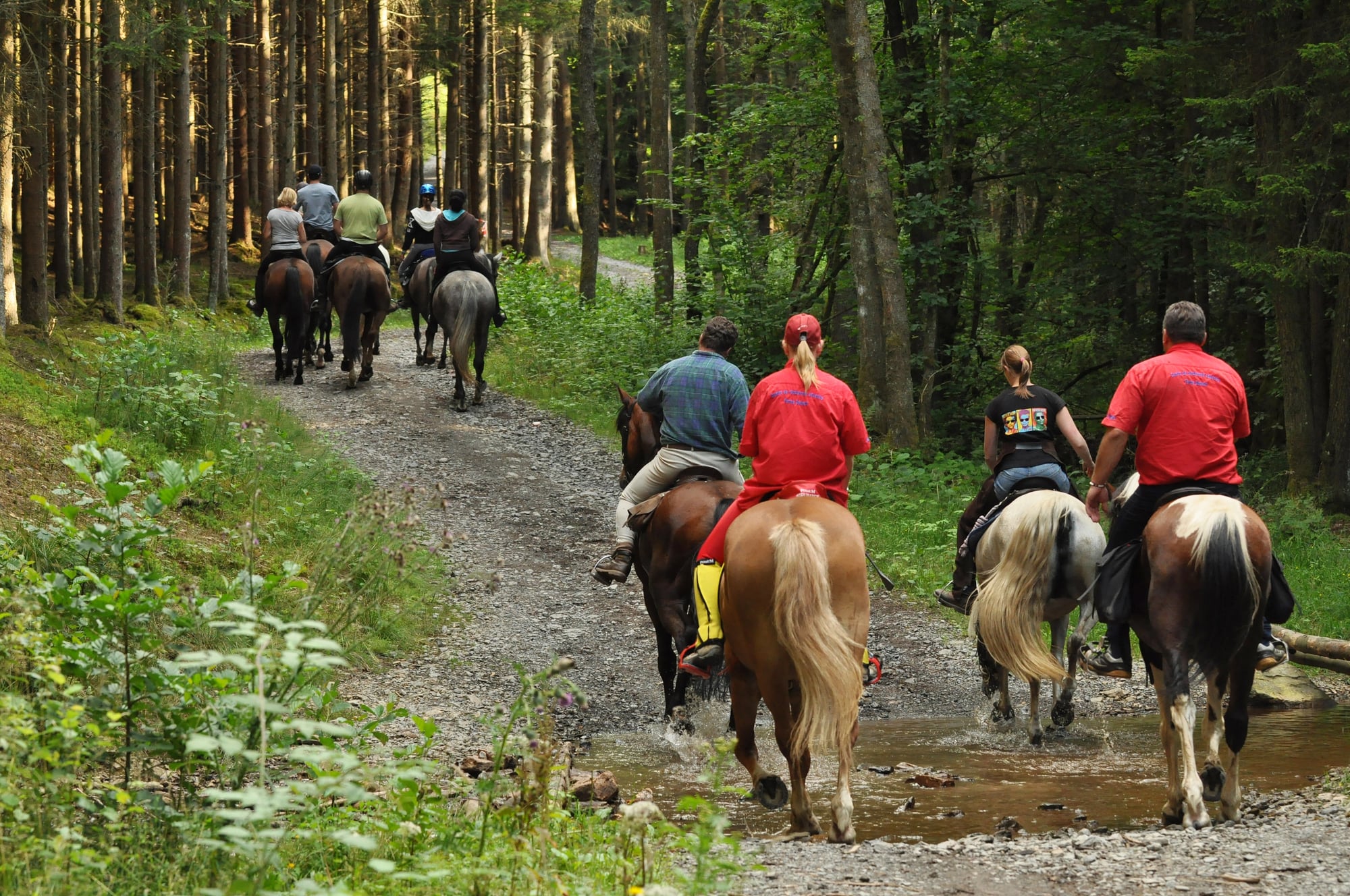
Horses were available for riding; instruction ranged from complete beginners to experienced riders. Campers might get on a horse for the first time ever with minimal preparation.
The activity had genuine risk; injuries happened but were managed within camp context without immediate parental notification.
The Song Tradition Passed Down Verbally
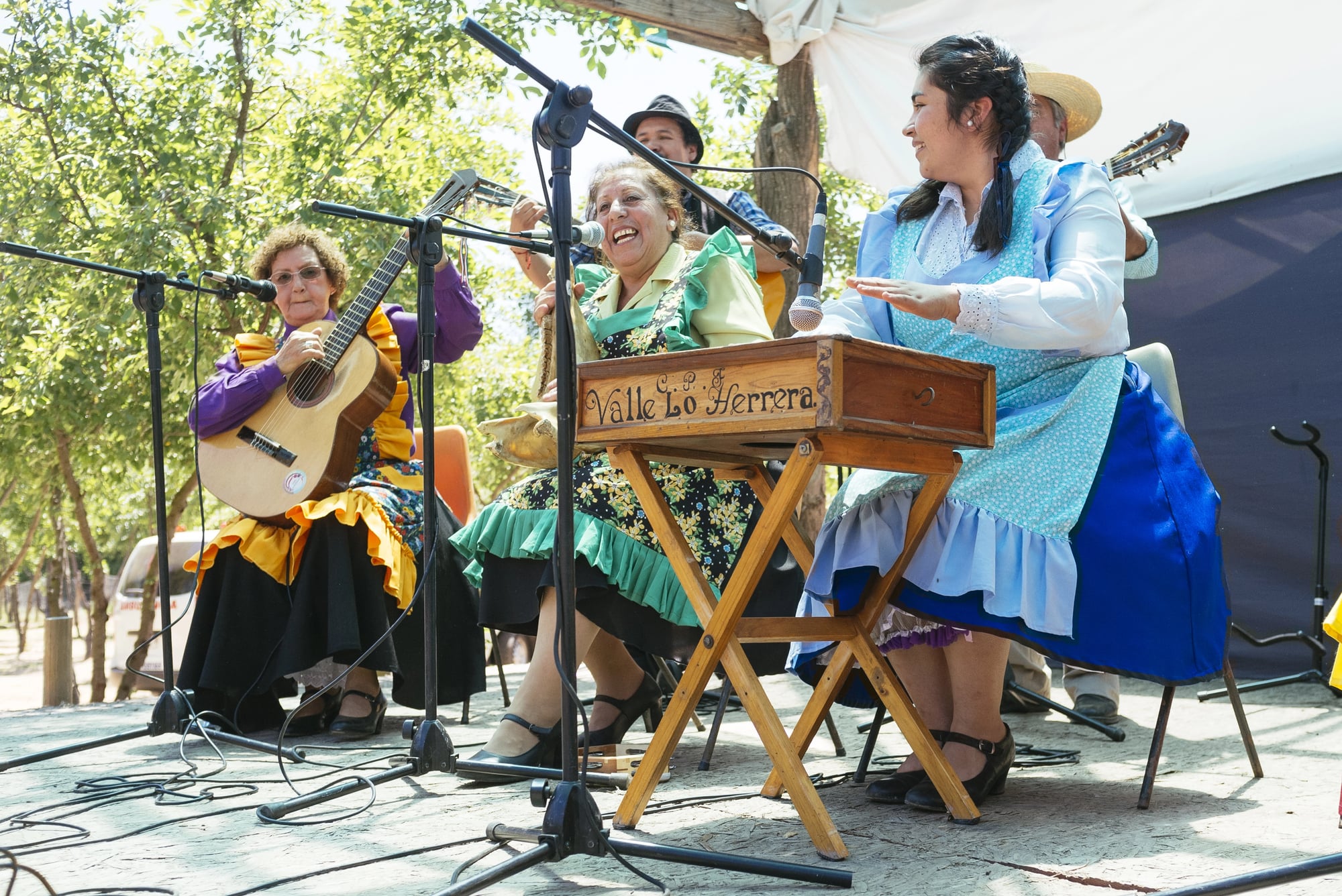
Camp songs existed in oral tradition. Senior campers taught new songs to junior campers.
Lyrics were sung rather than printed; variations happened naturally. The tradition of accumulating song knowledge over multiple summers was how camp culture persisted across generations.
Cabin Counselors as Minimal-Authority Figures
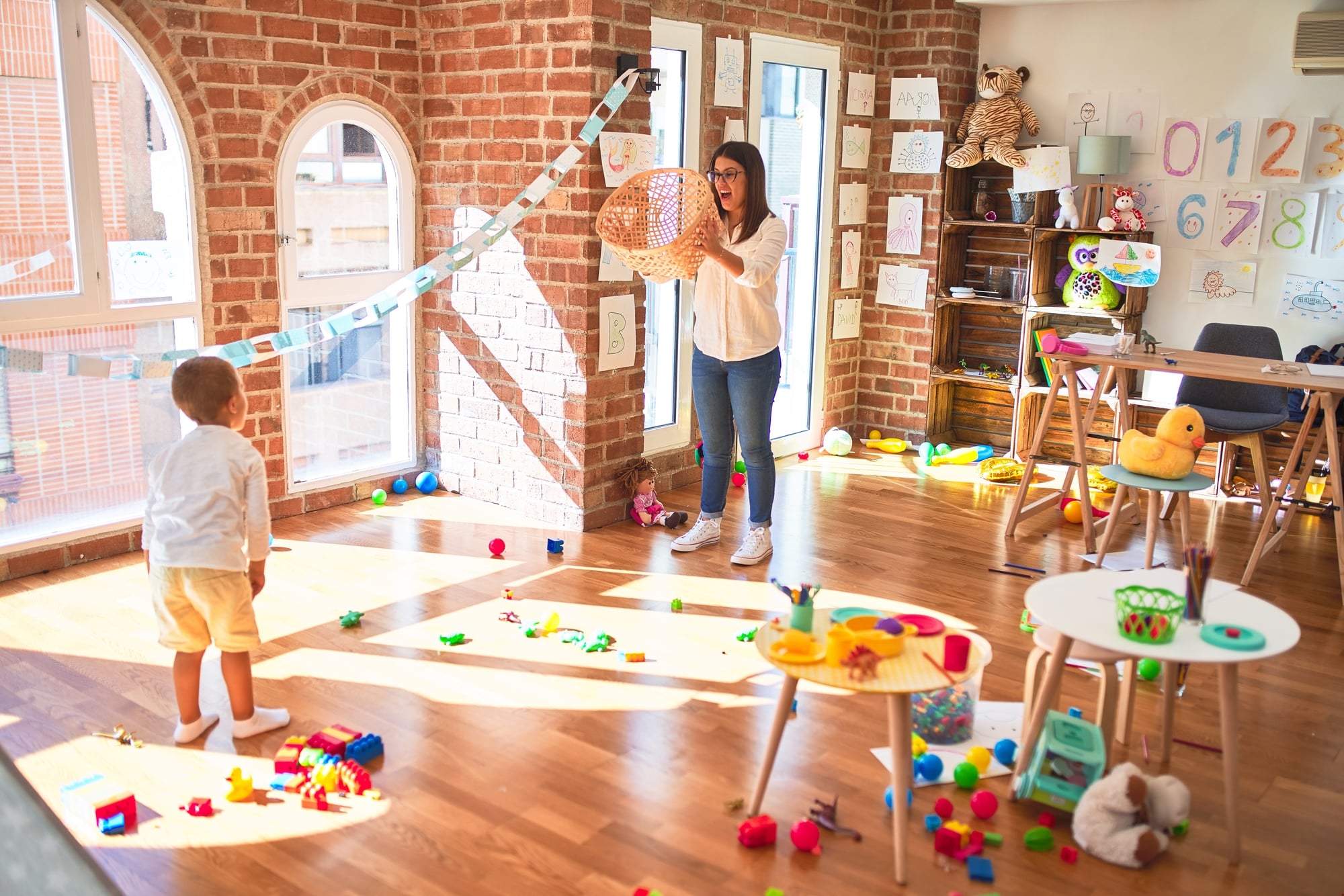
Counselors were often only a few years older than campers—sometimes college-aged, sometimes as young as nineteen. Authority was present but not absolute.
Relationships were mentoring-adjacent; counselors were older peers more than authoritarian figures. The dynamic created specific power structures that modern institutions find inappropriate.
The Closing Ceremony Celebration

The final evening included a formal ceremony celebrating the summer, announcing awards, and facilitating goodbyes. Songs were sung in specific order; traditions were recognized.
The ceremony formalized the ending while celebrating achievement. Modern camps do versions of this but often with reduced emotional weight.
Campfire Stories Passed Down and Modified

Ghost stories and legends were told around fires, transmitted between campers over years. Stories evolved; new ones emerged.
The oral tradition of storytelling created camp-specific narrative culture. Modern entertainment has mostly replaced this informal storytelling practice.
Communal Bathrooms With Minimal Privacy

Campers showered in communal facilities with limited stalls and minimal privacy expectations. Bathroom time was scheduled to manage crowd flow.
The forced communal experience created a specific desensitization to physical proximity. Modern camps have added privacy considerations.
The Homemade Care Package Ritual

Parents sent packages mid-session with snacks, candy, letters, and personal items. Receiving a package was a significant event; opening it in front of other campers created social dynamics.
Package contents were traded and shared. The anticipation of possible packages was part of camp infrastructure.
The Absence of Structured Activity Planning

Campers had significant unstructured time between activities. This wasn’t programmed; it was given time.
Boredom, informal socializing, and self-organized games filled these hours. Modern camps tend toward full-day programming with minimal downtime.
The Permanence of Separation

When the session ended, you left camp and might not see those campers again until next summer or ever. Phone numbers were exchanged but contact rarely happened.
The relationships were specific to camp; they rarely extended beyond the session. Modern campers stay connected through social media, maintaining connections across sessions and years.
The Nostalgia Without Replacement
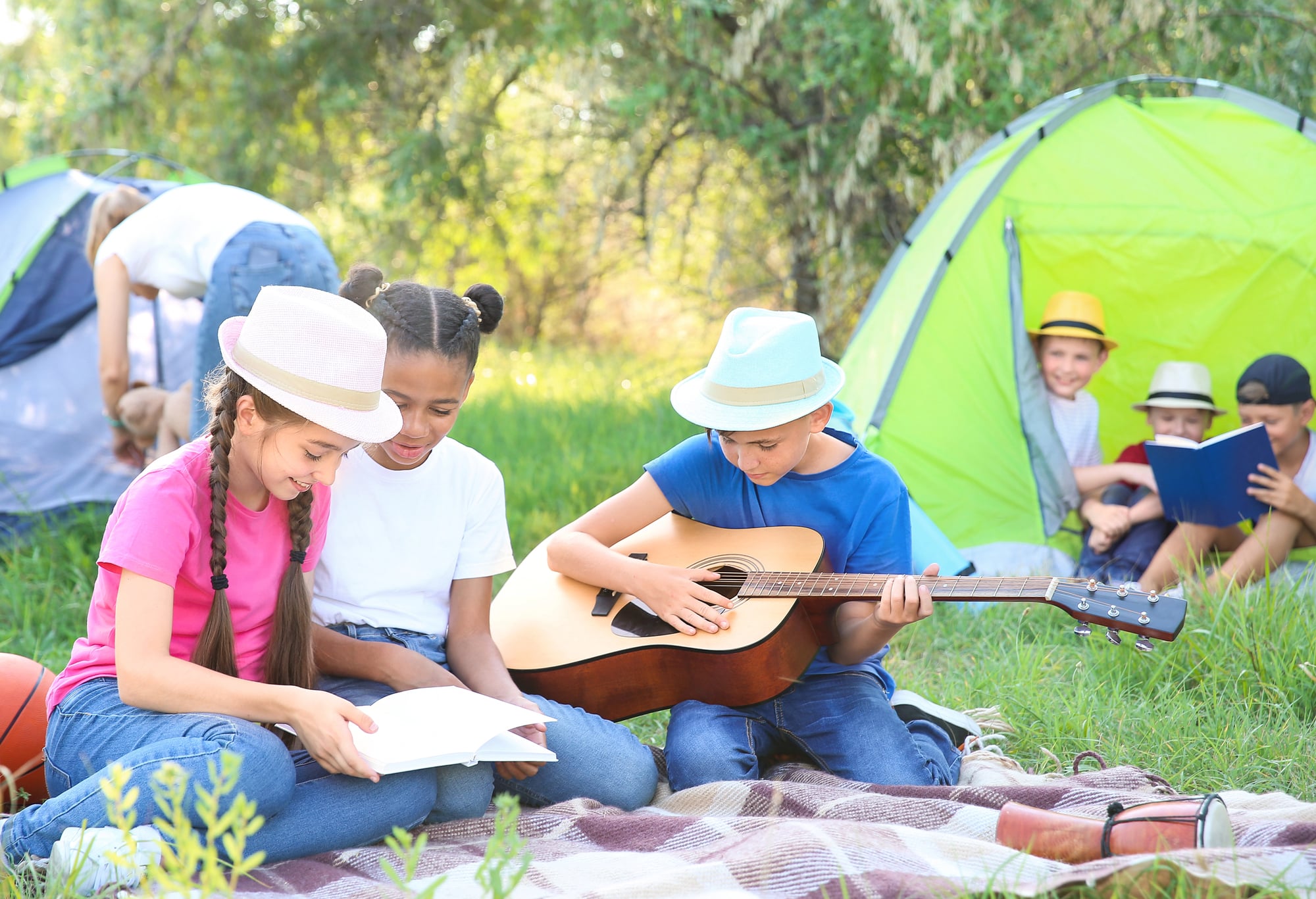
Summer camp traditions from the 1980s haven’t been replaced by equivalent modern traditions. They’ve been eliminated by changing expectations about parental involvement, children’s autonomy, liability management, and leisure time structure.
The specific experience of summer camp—extended separation, communal living, adult-managed socialization—has changed fundamentally. The traditions served a culture of camp that no longer exists, and no equivalent culture has emerged to replace it.
More from Go2Tutors!

- The Romanov Crown Jewels and Their Tragic Fate
- 13 Historical Mysteries That Science Still Can’t Solve
- Famous Hoaxes That Fooled the World for Years
- 15 Child Stars with Tragic Adult Lives
- 16 Famous Jewelry Pieces in History
Like Go2Tutors’s content? Follow us on MSN.