25 Things About the History of Chocolate That Sound Completely Made Up
There’s been around long enough that most people assume they know its story. Cacao, candy bars, Valentine’s Day — the general shape of it feels familiar.
But the actual history of chocolate is stranger, more violent, more bizarre, and more fascinating than the tidy version suggests. Some of it reads like a fever dream.
Some of it reads like a cautionary tale. All of it is real, and almost none of it gets mentioned when someone hands you a truffle at a hotel check-in.
So here are 25 facts about chocolate’s past that sound like someone made them up — and absolutely didn’t.
Chocolate Was Drunk, Not Eaten, for Most of Its History
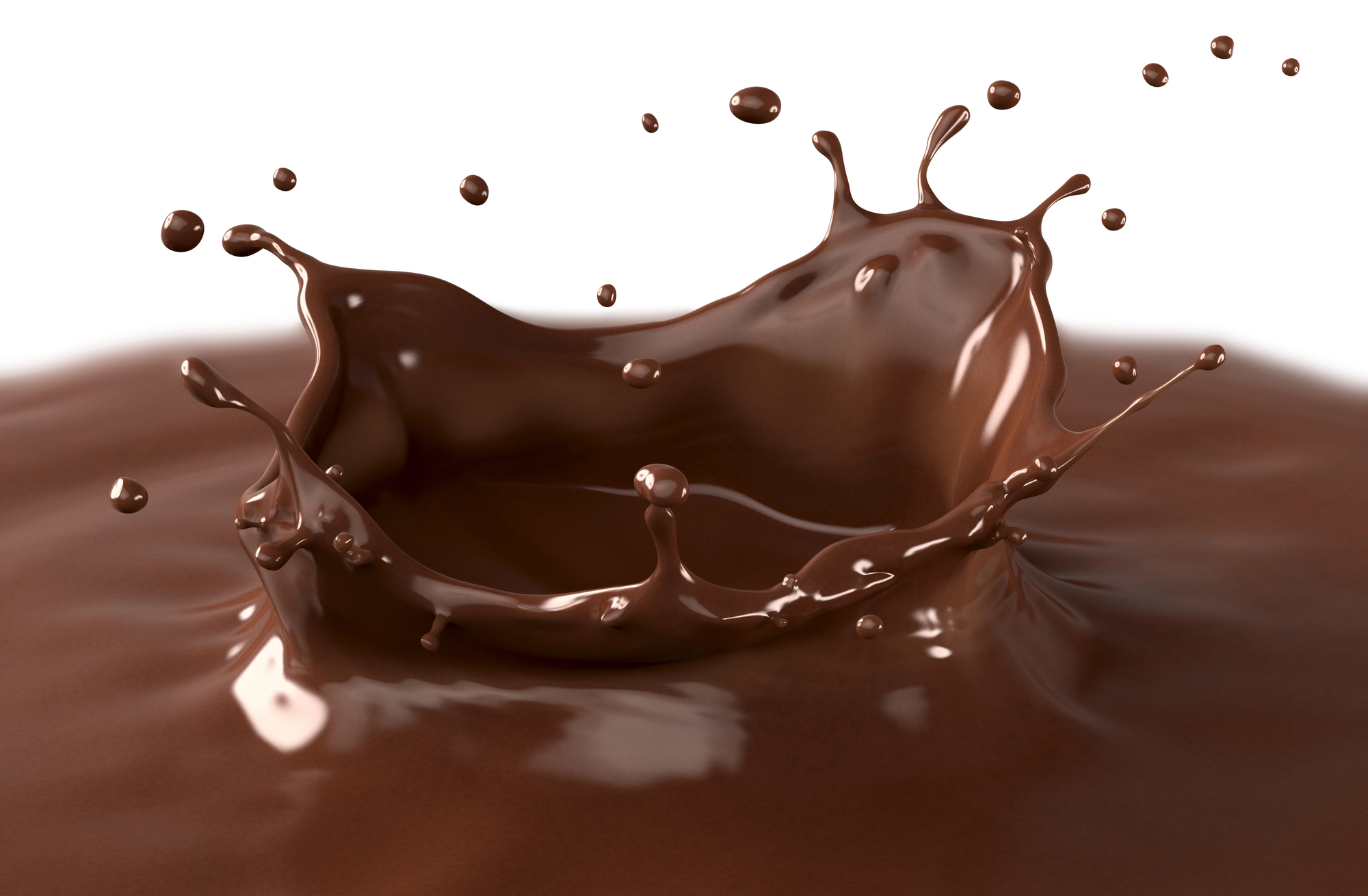
For roughly 90 percent of chocolate’s existence as a human food, nobody ate it. It was a bitter, frothy drink — sometimes mixed with chili peppers, cornmeal, or fermented pulp — consumed by Mesoamerican civilizations for at least 3,000 years before anyone thought to press it into a solid bar.
The idea of “chocolate” as something you bite into is genuinely recent, arriving only in the 19th century.
The Word “Cacao” Predates Every European Language That Uses It
Linguists trace the word “cacao” back to the Olmec language — one of the oldest known Mesoamerican civilizations — dating to somewhere around 1000 BCE, possibly earlier. It passed through Mayan, then Nahuatl, then Spanish, and eventually into every modern language that sells it in foil wrappers.
The word is older than most of the cultures that now consider chocolate their own.
The Aztecs Used Cacao Beans as Literal Currency
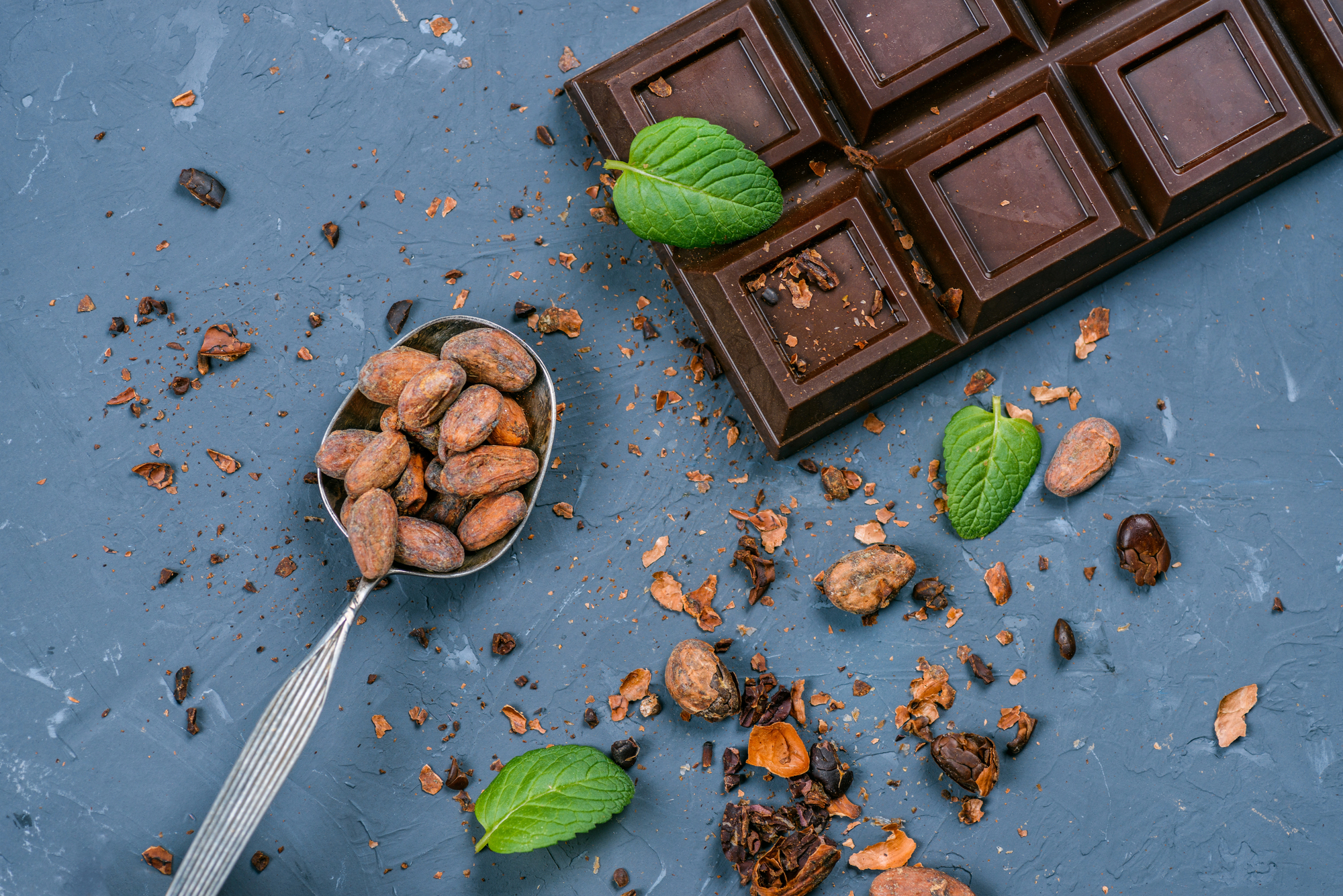
This one sounds like a joke someone tells at a dinner party, but it’s documented. Cacao beans functioned as currency in pre-Columbian Mesoamerica — a turkey cost about 100 beans, a tamale around 3, and a small rabbit somewhere in between.
The logic wasn’t sentimental; cacao was valuable because it was useful, perishable, and difficult to counterfeit. A functioning economy, denominated entirely in something you could also drink.
Counterfeit Cacao Beans Were a Real Criminal Problem
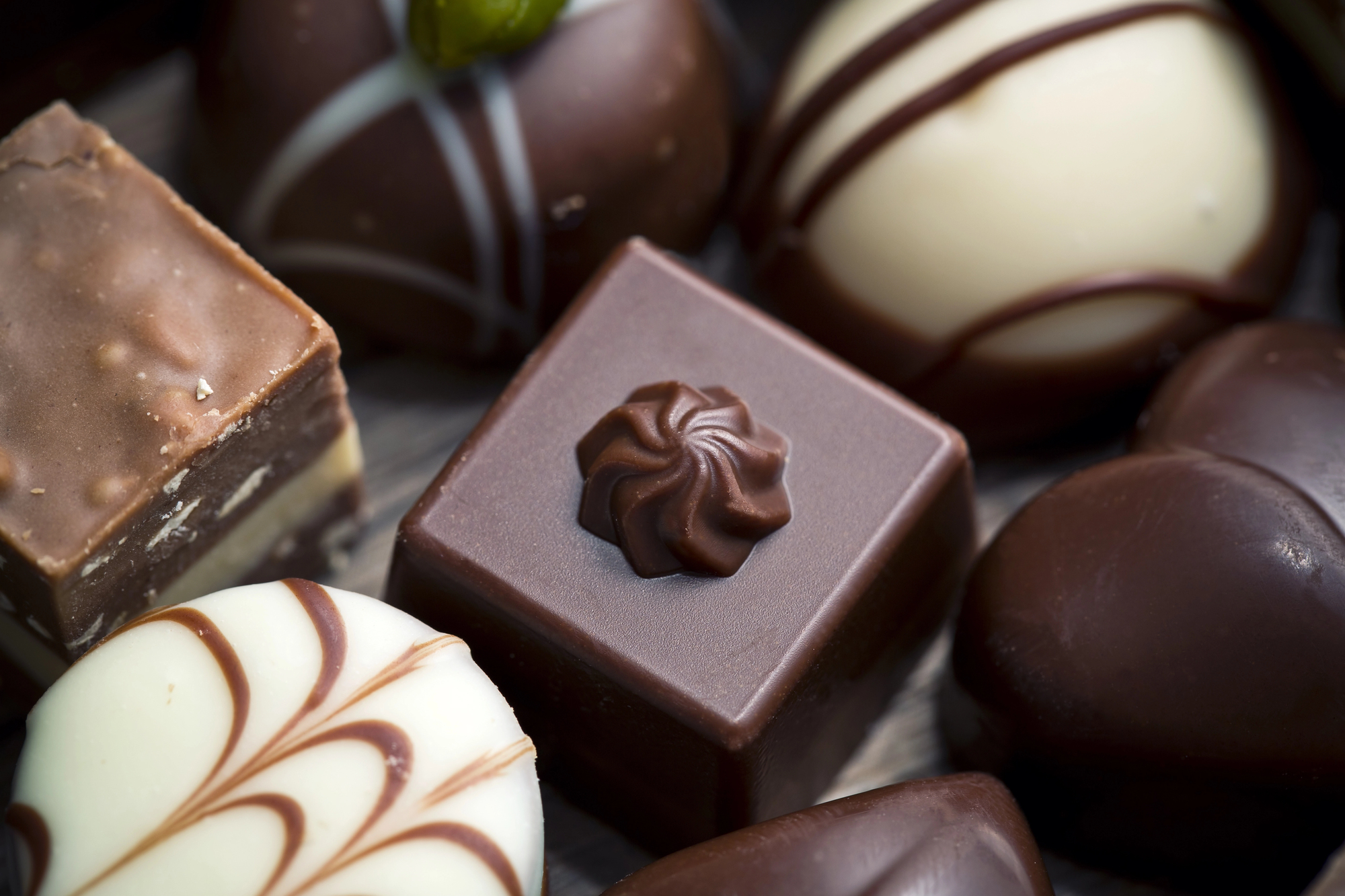
And because cacao beans were money, people forged them. Archaeologists and historical accounts both confirm the practice: counterfeiters would hollow out a real bean, fill the shell with mud or wax or worthless seeds, and pass it off in transactions.
Merchants inspected beans the way a jeweler inspects a stone. The world’s first chocolate fraud predates the chocolate bar by several centuries.
Montezuma Reportedly Drank 50 Cups of Chocolate a Day
The Spanish chronicler Bernal Díaz del Castillo wrote that the Aztec emperor Montezuma II consumed about 50 servings of cacao daily, often from golden cups, before entering his harem. The number is almost certainly an exaggeration — but the habit itself was real, and the association between cacao and vitality was deeply embedded in Aztec culture long before Europeans arrived to misinterpret it.
Fifty cups, though. Even as myth, that’s committed.
Europeans Thought Chocolate Was Dangerous When They First Tried It
When cacao reached Spain in the 16th century, the reaction was not immediate enthusiasm. Many Europeans found the bitter, spiced drink deeply unpleasant, and a number of clergy debated whether consuming it during religious fasts was spiritually acceptable or outright sinful.
One Spanish missionary described it as “more a drink for pigs than for humanity.” It took nearly a century, and the addition of sugar, before Europe decided it was a luxury.
The Catholic Church Spent Decades Arguing About Whether Chocolate Broke a Fast
This debate ran for over 100 years and involved multiple popes. The question was whether drinking chocolate — which was caloric and filling — violated the rules of fasting during Lent.
Different bishops in different countries reached different conclusions, parishes disagreed with each other, and at least one papal ruling left enough ambiguity that the argument simply continued. The final general consensus — that liquid chocolate didn’t break a fast — arrived sometime in the 17th century, though not everyone accepted it.
Chocolate Houses in 17th-Century London Were Proto-Cafes for the Elite
Before coffee dominated, chocolate houses were the fashionable gathering spots for London’s upper classes — places where men (women were largely excluded) could drink hot chocolate, gamble, argue politics, and conduct business. The most famous, White’s Chocolate House, opened in 1693 and eventually became White’s Club, which still exists today as one of the oldest and most exclusive private members’ clubs in the world.
Chocolate didn’t just fuel conversations; it apparently built institutions.
Cacao Was So Valuable That Colonial Plantations Enslaved Millions to Grow It
The dark architecture underneath modern chocolate production was built early and brutally. When European demand for cacao exploded in the 17th and 18th centuries, colonial powers — Spain, Portugal, France, Britain — established cacao plantations across the Caribbean and South America that ran almost entirely on enslaved African labor.
The sweetness of European chocolate and the violence of the Atlantic slave trade were not separate stories; they were the same story.
A British Quaker Family Basically Invented the Modern Chocolate Bar
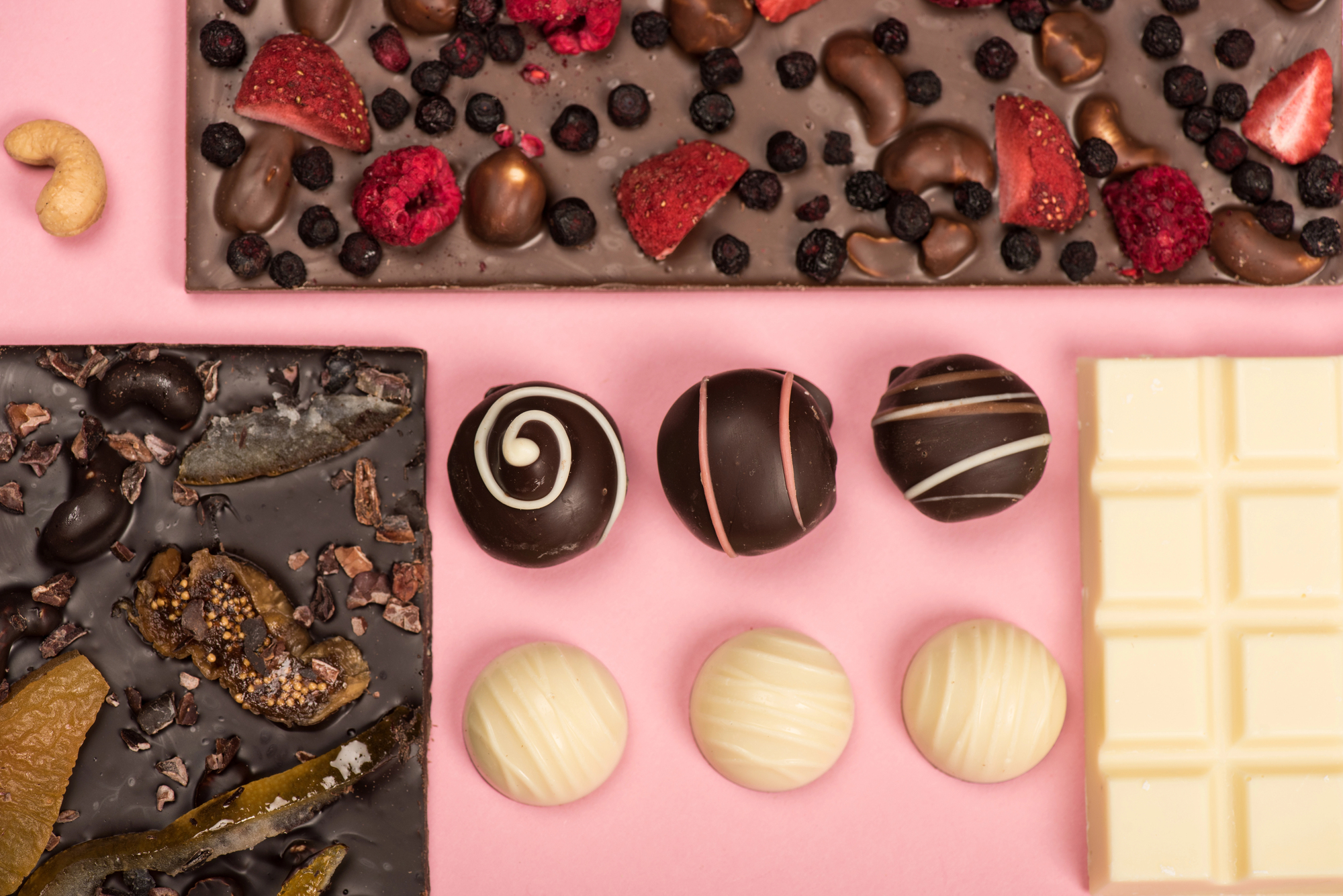
The solid chocolate bar as an everyday consumer product owes an unlikely debt to the Fry family of Bristol — Quakers, abolitionists, and confectioners. In 1847, J.S. Fry & Sons discovered that mixing cacao powder with cocoa butter and sugar produced a paste that could be molded into a solid, edible bar.
It was the first product that looked anything like what sits in a checkout lane today. The Quaker connection to chocolate goes surprisingly deep — Cadbury and Rowntree’s were also Quaker-founded companies.
Cadbury’s Was Built Partly as a Utopian Social Experiment
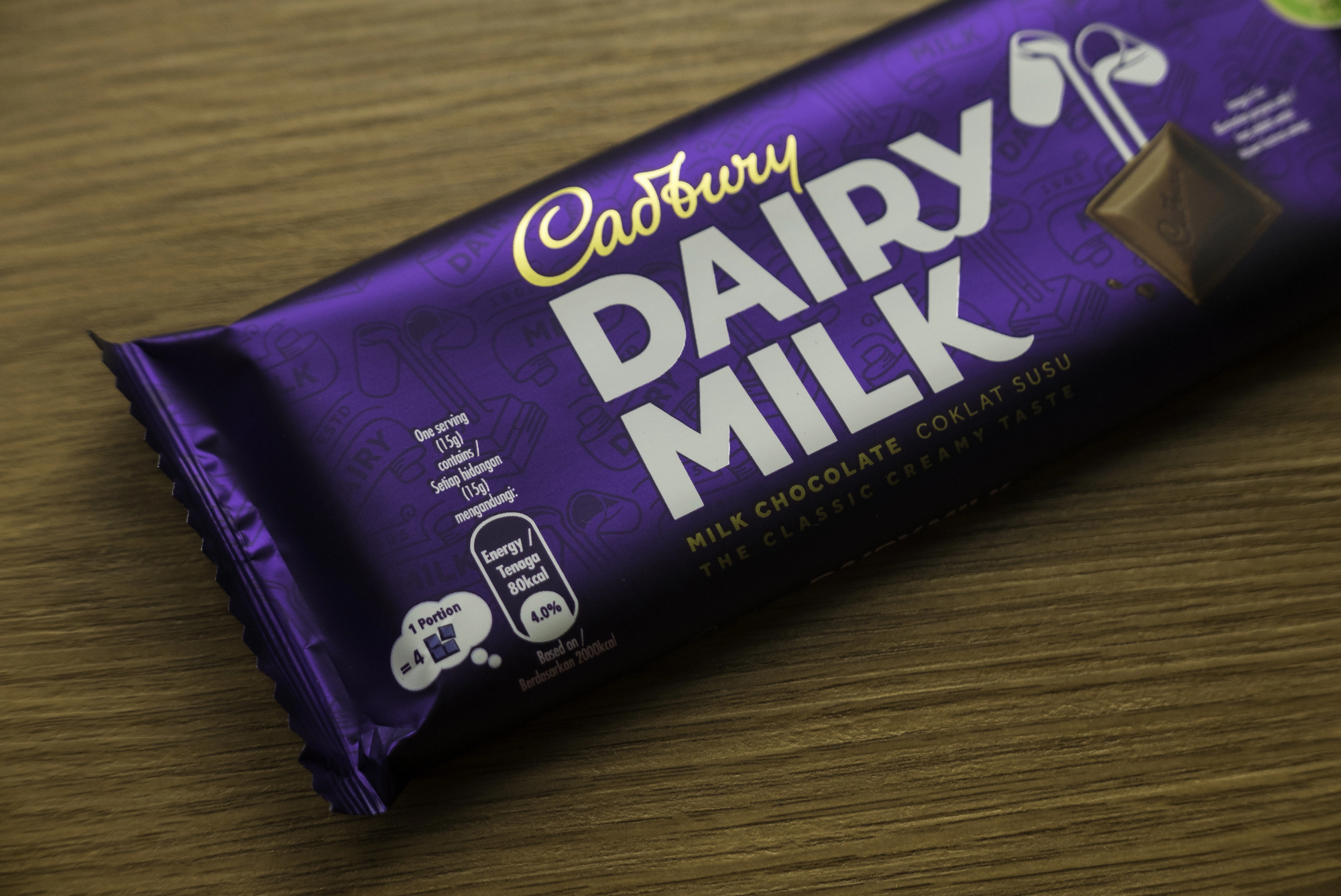
George Cadbury wasn’t just in the chocolate business — he was trying to prove a point about how workers should live. In 1893, he began building Bournville, a model village outside Birmingham, designed to give his factory workers decent housing, gardens, and open space.
There were strict rules: no public houses (pubs were banned), and the architecture had to meet specific standards. The village still exists and is still managed by a charitable trust.
A chocolate company built a functioning neighborhood from scratch to demonstrate that capitalism could be humane.
Milton Hershey Failed at Candy-Making Twice Before He Succeeded
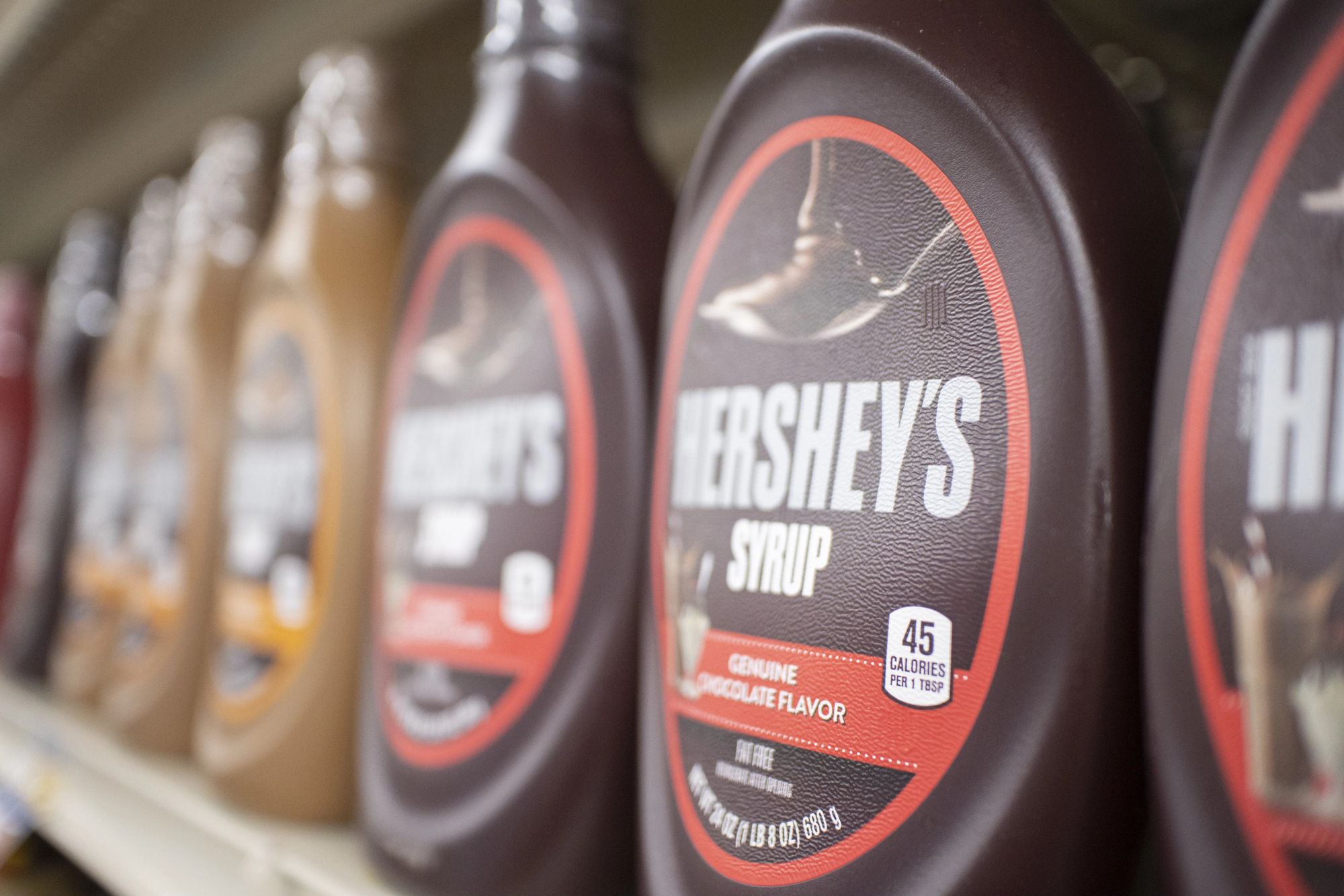
Before Hershey became synonymous with American chocolate, Milton Hershey launched two candy businesses that both collapsed into bankruptcy — one in Philadelphia, one in New York. He was in his mid-30s, considered a failure by most reasonable assessments, when he returned to Lancaster, Pennsylvania and started again.
The thing that changed his trajectory wasn’t ambition or genius; it was a British caramel-making technique he’d observed at an exhibition. One borrowed process, and the whole trajectory shifted.
The Hershey Bar’s Distinctive Flavor Comes From a Preservation Technique
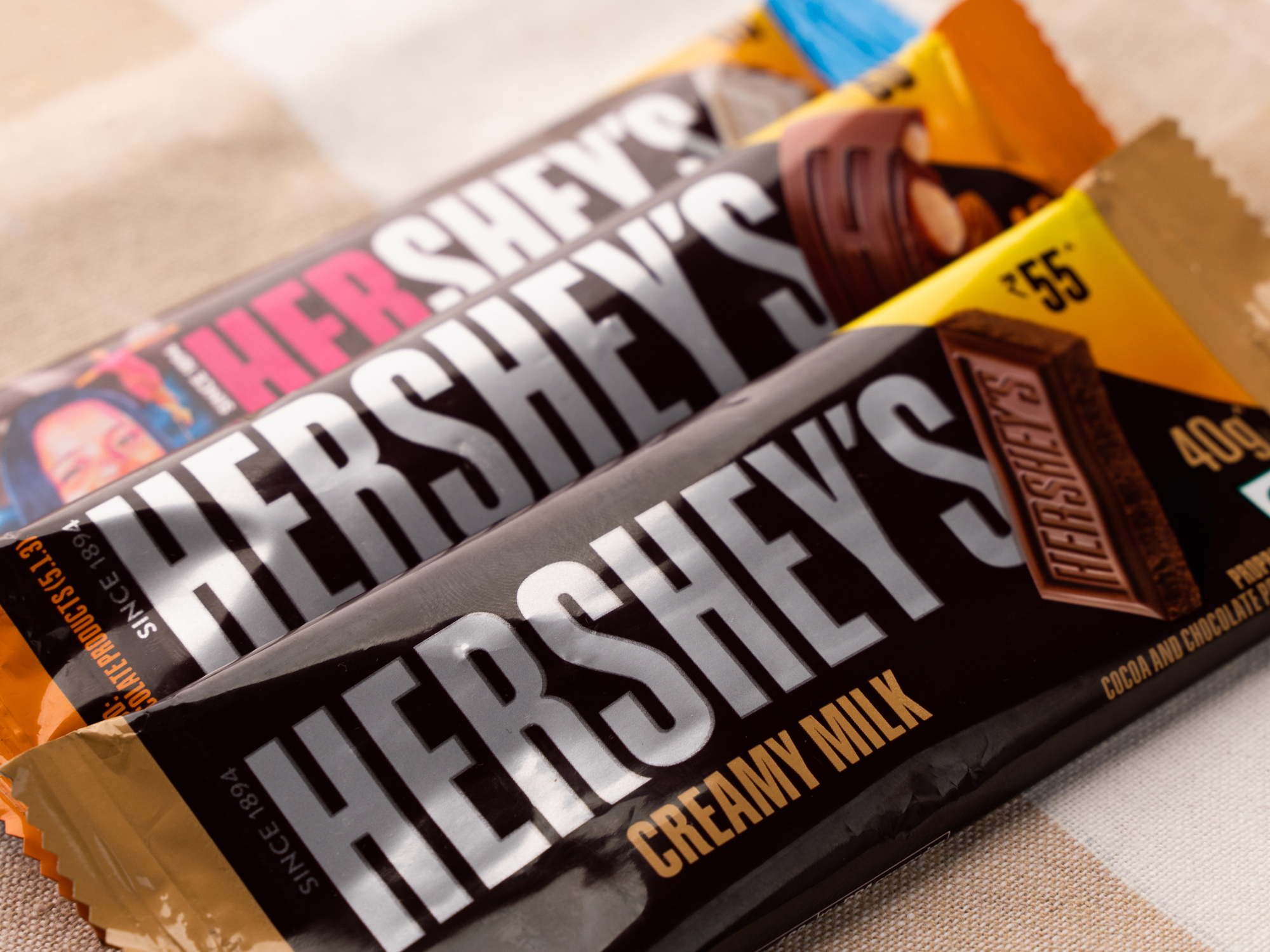
American chocolate has a slightly sour, almost tangy note that Europeans often find puzzling. That flavor — unmistakable once you know it’s there — comes from a process Hershey developed in the early 1900s to keep milk chocolate shelf-stable without refrigeration.
The process partially lipolizes the milk, producing butyric acid. Hershey’s kept the exact method proprietary for decades, which meant that when competitors tried to match the taste, they couldn’t — and now Americans have grown up expecting that particular flavor as the definition of chocolate. Familiarity is a powerful thing.
Chocolate Was Issued to American Soldiers as Emergency Rations in World War II
The U.S. Army contracted with Hershey’s to produce a specific field ration bar for soldiers — the D ration — that was deliberately made to taste bad. The logic was entirely practical: if it tasted good, soldiers would eat it before an actual emergency, defeating the purpose.
The bar was engineered to be calorie-dense, melt-resistant, and unpleasant enough that nobody would eat it recreationally. An entire chocolate product designed to be unappealing. Mission mostly accomplished.
White Chocolate Is Not Technically Chocolate Under Most Legal Definitions
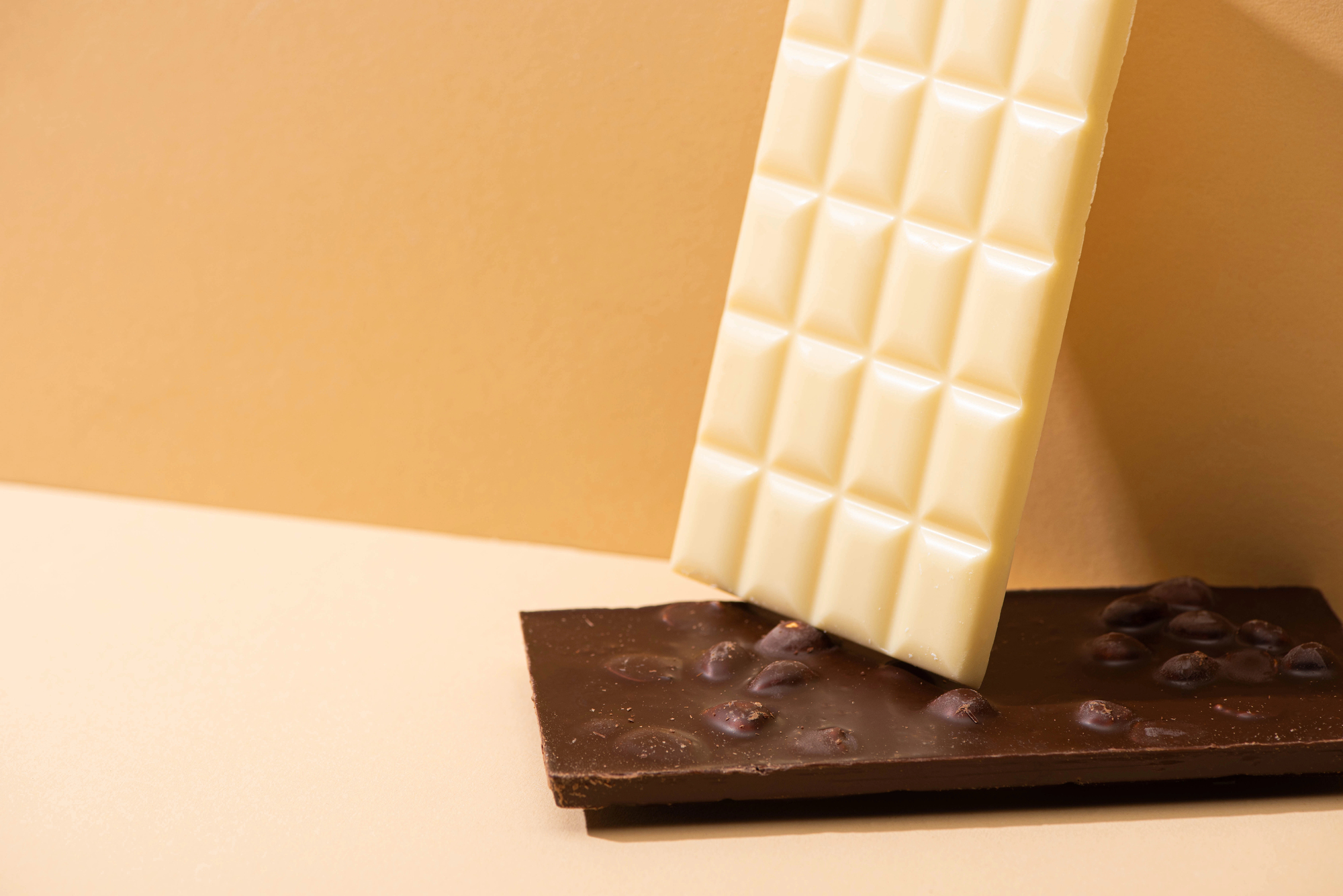
White chocolate contains no cacao solids — it’s made from cocoa butter, milk, and sugar, which means it has none of the compounds that technically classify something as chocolate. The FDA didn’t even have a formal standard of identity for white chocolate until 2004.
Whether this makes it “real” chocolate is a question that generates genuine friction among food scientists and passionate arguments among snack enthusiasts, but legally, for most of its commercial existence, white chocolate existed in a definitional gray zone.
The Swiss Didn’t Invent Milk Chocolate — An Anglo-Swiss Partnership Did
Switzerland gets enormous credit for milk chocolate, and it’s not entirely unearned — but the origin is messier. Daniel Peter, a Swiss chocolatier, spent years trying to stabilize a milk-and-chocolate mixture without success.
The breakthrough came when his neighbor Henri Nestlé — yes, that Nestlé — suggested using condensed milk instead of fresh milk. The resulting product launched in 1875.
The Swiss chocolate reputation was built, in part, on a collaboration between a candy-maker and the man who would go on to build one of the largest food corporations on earth.
Roald Dahl Worked as a Chocolate Taster as a Schoolboy
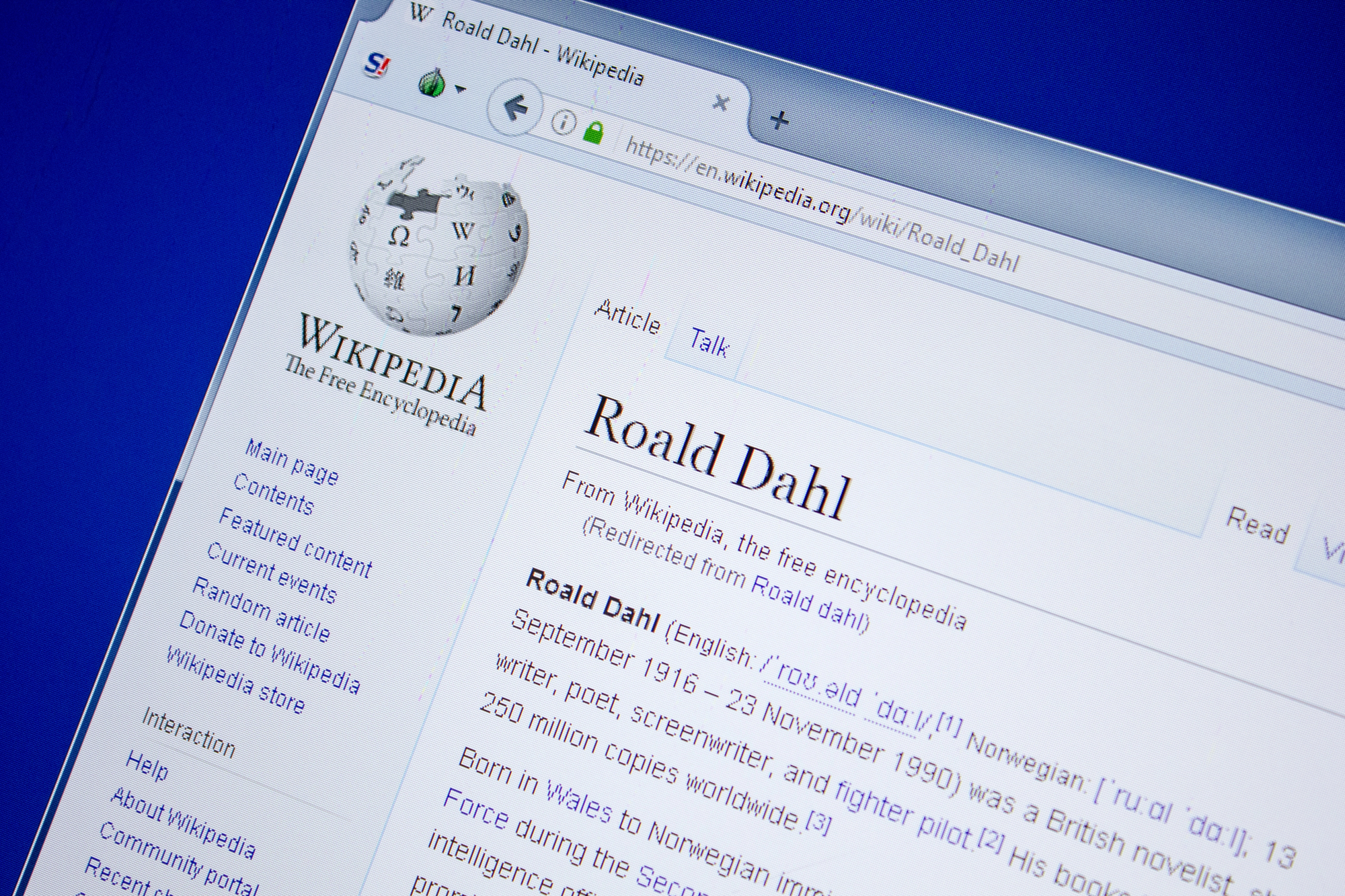
The author of Charlie and the Chocolate Factory didn’t invent his fascination with confectionery entirely from imagination. As a student at Repton School in the 1930s, Dahl and his classmates were occasionally recruited by Cadbury’s to test and evaluate new chocolate prototypes.
The boys would receive a small box of samples and fill out a feedback form. Dahl later said the experience lodged itself permanently, and the image of a factory producing strange and extraordinary candy came directly from those childhood boxes.
The book was essentially a memory dressed up as a fantasy.
Cacao Trees Are Extraordinarily Fragile Despite Being Worth Billions
For a crop that underpins a $100 billion global industry, the cacao tree is almost stubbornly ill-suited to commercial production. It produces fruit only within about 20 miles of the equator, requires shade from taller trees to survive, is vulnerable to a long list of fungal diseases, and produces pods that can only be harvested by hand — no machine has successfully replicated the process.
Most of the world’s cacao is grown on small family farms of just a few acres, not industrial plantations. The global chocolate supply rests on an almost implausibly delicate foundation.
The Ivory Coast Produces About 40 Percent of the World’s Cacao
A single country — Côte d’Ivoire — is responsible for roughly two-fifths of all the cacao on Earth. Ghana, the second-largest producer, brings the West African share to somewhere near 65 percent of global supply.
The entire structure of the modern chocolate industry sits on a geographic concentration that would alarm any supply chain manager — and has, in fact, produced periodic price crises whenever drought or disease hits West Africa.
Fermentation Is What Makes Cacao Taste Like Chocolate
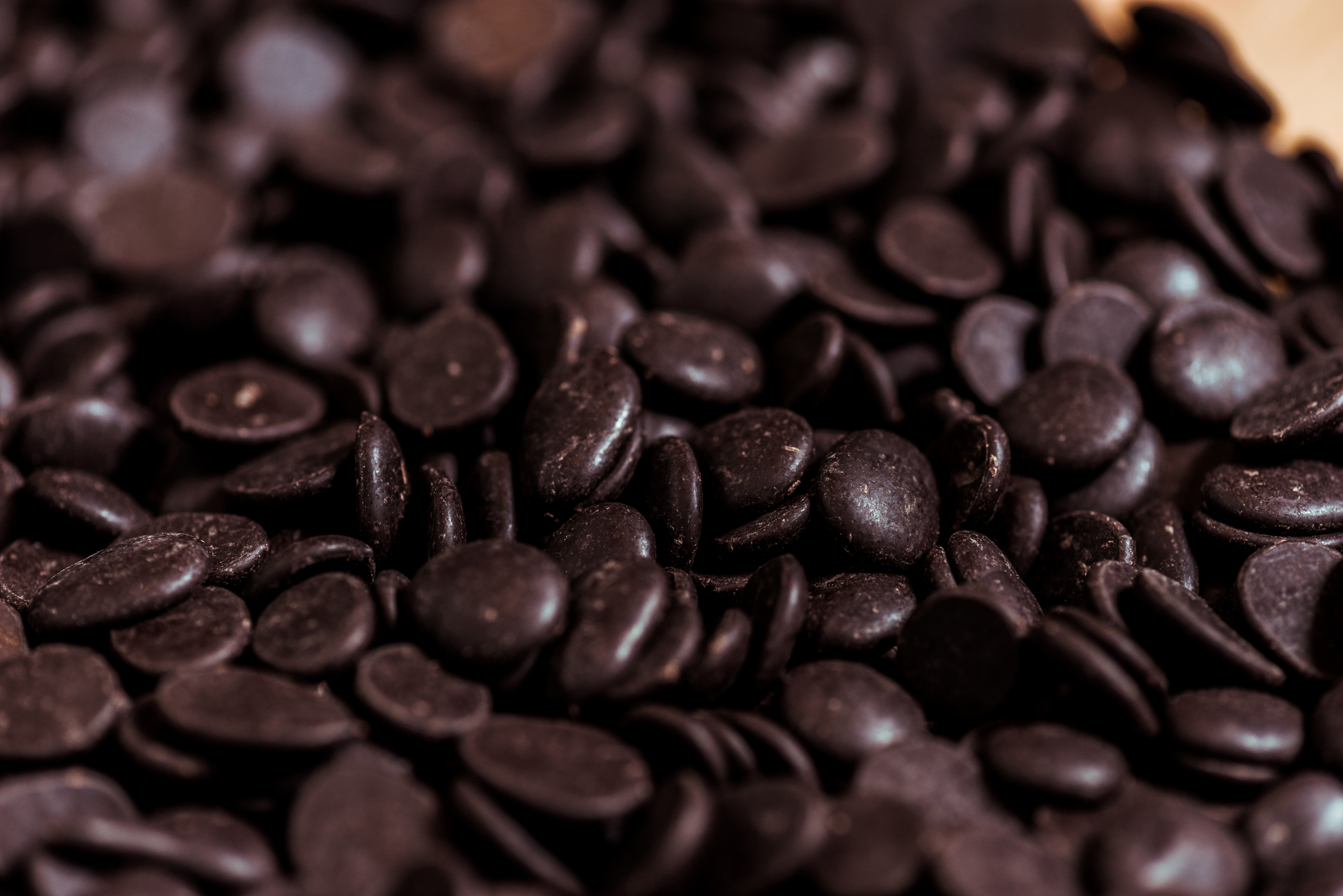
Raw cacao beans taste nothing like chocolate. The flavor profile that ends up in a bar comes almost entirely from a fermentation process that happens after the pods are harvested — beans are left in heaps, covered with banana leaves, and allowed to ferment for several days.
The microbes doing the work are largely wild and uncontrolled, and the resulting chemical transformations produce the precursors that develop into chocolate flavor during roasting. The whole thing operates more like winemaking than candy production, which is something most chocolate advertising neglects to mention.
Dark Chocolate Was Once Considered Medicine
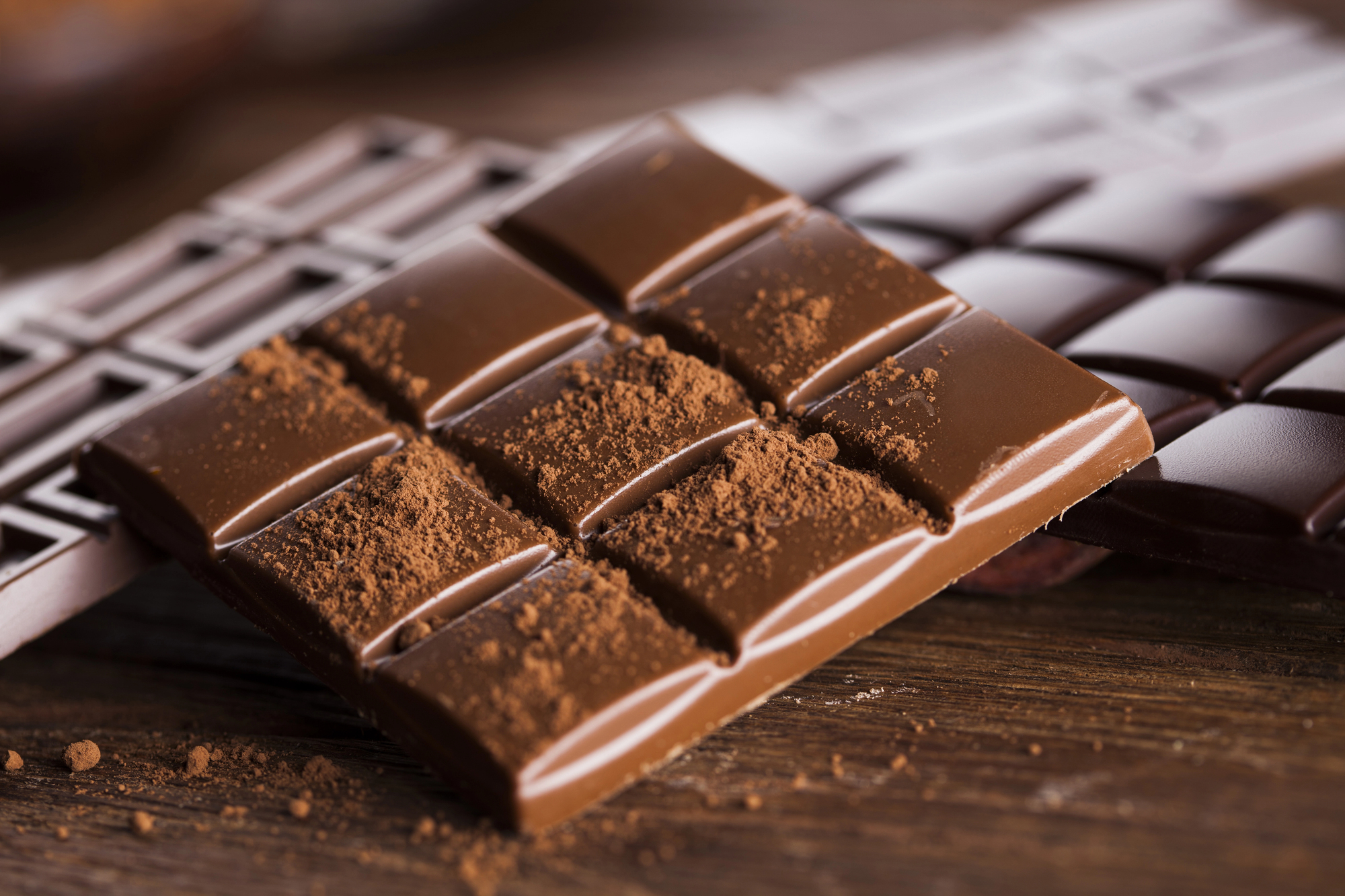
Before it was a treat, dark chocolate — or more precisely, bitter cacao preparations — was prescribed by physicians in Europe and the Americas for conditions ranging from digestive complaints to exhaustion to melancholy. 17th and 18th-century medical texts list cacao as a treatment for everything from liver disease to low weight.
The therapeutic reputation stuck long enough that apothecaries in several countries sold chocolate alongside conventional remedies. The modern habit of calling dark chocolate “healthy” is, in a way, just the oldest marketing pitch in the business.
Nazi Germany Attempted to Develop a Chocolate Assassination Device
During World War II, British intelligence uncovered a German plot involving chocolate bars coated in a thin layer of dark chocolate that concealed explosive material. The device was designed to detonate seven seconds after a piece was snapped off.
A sketch of the device survives in the British National Archives, along with the warning that the bars were intended to be placed near Winston Churchill. Whether any were actually produced and deployed remains unclear — but the design was real enough that British intelligence had artists render it for distribution.
The First Chocolate Advertisement in America Ran in 1705
A Boston newspaper ran what is generally considered the first American advertisement for chocolate in 1705 — a notice for “Choice Chocolate” available from a merchant near the Town House. American colonists were drinking chocolate well before the Revolution, and it competed directly with tea and coffee as the fashionable hot beverage of the era.
The Boston Tea Party is famous; the role of chocolate in early American beverage culture is considerably less so.
Chocolate Played a Role in the Invention of the Microwave Oven
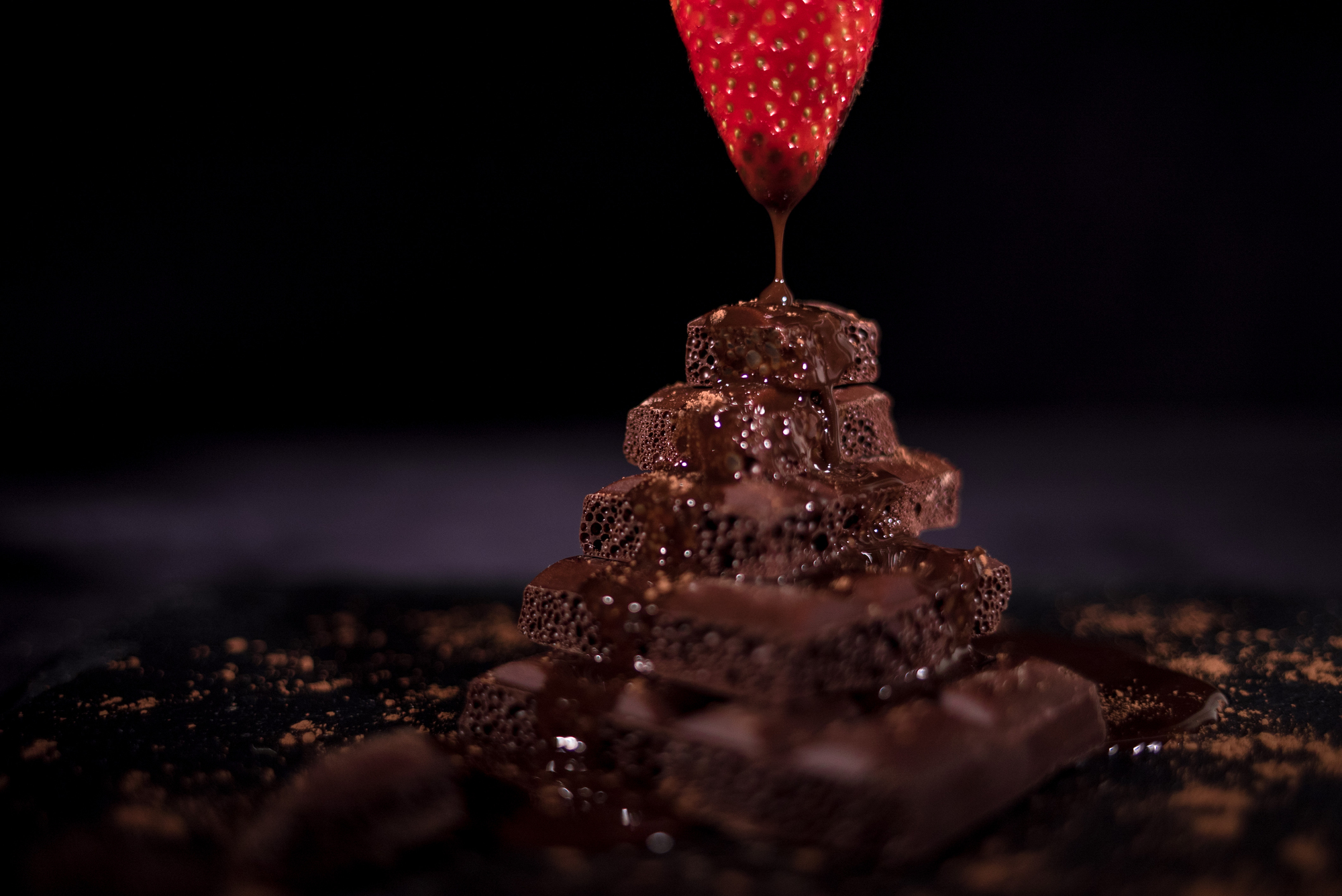
Percy Spencer, a Raytheon engineer, was working with magnetrons — radar technology components — in 1945 when he noticed that a chocolate bar in his pocket had melted. The observation led directly to experiments with microwave radiation and food, and eventually to the first commercial microwave oven, which Raytheon released in 1947.
It was six feet tall, weighed 750 pounds, and cost around $5,000. A melted chocolate bar launched an appliance industry.
Belgium’s Reputation for Chocolate Is Barely 150 Years Old
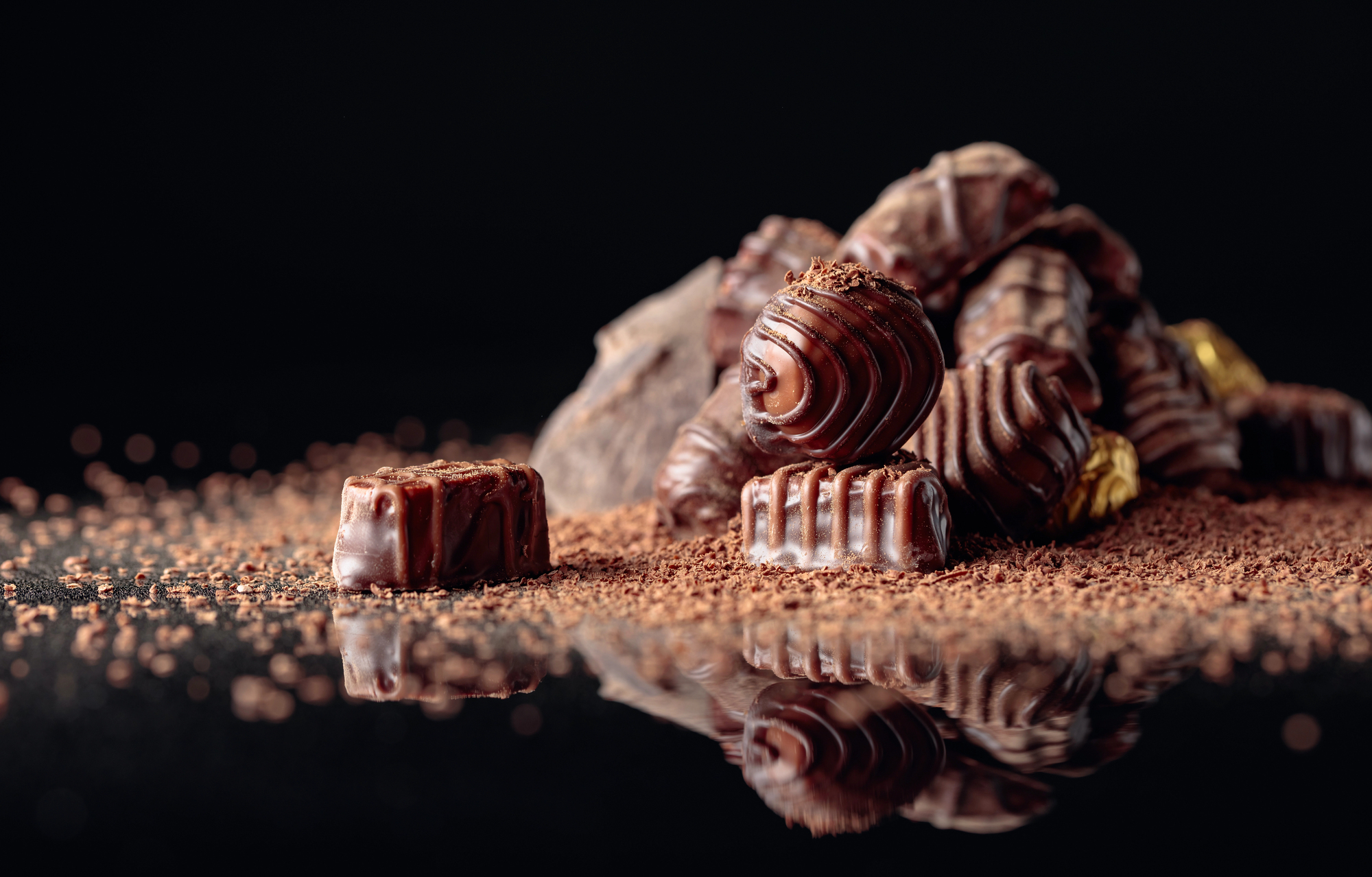
Belgium is now treated as the global benchmark for fine chocolate, but the country’s reputation is recent by historical standards. Belgian pralines — the filled chocolates that built the national identity — were invented in 1912 by Jean Neuhaus II, who replaced the paper shells of medicated lozenges with chocolate and filled them with soft ganache.
The “Belgian chocolate” reputation, built on this invention and amplified by two world wars that left Belgian chocolatiers largely intact while others suffered, is essentially a 20th-century construction. Which doesn’t make the chocolate worse — it just makes the mythology younger than it looks.
The Sweetness Underneath
The strangest thing about chocolate’s history isn’t any single fact — it’s the distance between what chocolate is and what most people think it is. It started as a fermented, bitter drink for priests and warriors.
It funded empires built on forced labor. It was debated by popes, weaponized by spies, and accidentally invented the microwave oven.
And somewhere along the way, it became the universal symbol of comfort and celebration — the thing you give someone when you love them, or when you’re sorry, or when you need to say something and don’t have words for it. That transformation, from sacred Mesoamerican currency to checkout-lane candy bar, is so improbable that if you heard it as a pitch, you’d say it doesn’t hold together.
And yet here it is, in every grocery store in America, waiting for you to not think about it at all.
More from Go2Tutors!

- The Romanov Crown Jewels and Their Tragic Fate
- 13 Historical Mysteries That Science Still Can’t Solve
- Famous Hoaxes That Fooled the World for Years
- 15 Child Stars with Tragic Adult Lives
- 16 Famous Jewelry Pieces in History
Like Go2Tutors’s content? Follow us on MSN.