31 Radio Shows That Held a Nation’s Attention
Before television claimed the living room, a wooden cabinet in the corner set the household schedule. Supper moved, chores waited, and entire streets went quiet at the same minute because the same voice came through every open window.
Ratings services of the era counted audiences in the tens of millions, in a country of about 130 million people. The programs below, most of them American and a couple British, did more than fill airtime.
They decided when a nation sat down.
Amos ‘n’ Andy
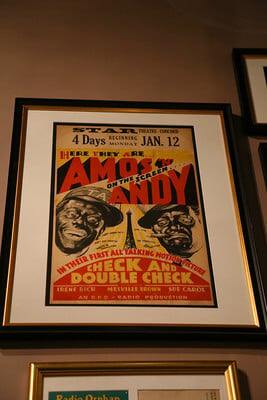
Freeman Gosden and Charles Correll launched the serial on Chicago’s WMAQ in 1928, and NBC carried it coast to coast from August 1929. At its peak around 1930 and 1931, an estimated 40 million people tuned in six nights a week, roughly a third of the country.
Movie theaters halted their films at seven and piped the fifteen minutes through the house speakers rather than lose the crowd. The two white creators voiced Black characters in dialect, and the Pittsburgh Courier gathered hundreds of thousands of petition signatures against the show in 1931.
Both facts belong in the record.
The Jack Benny Program
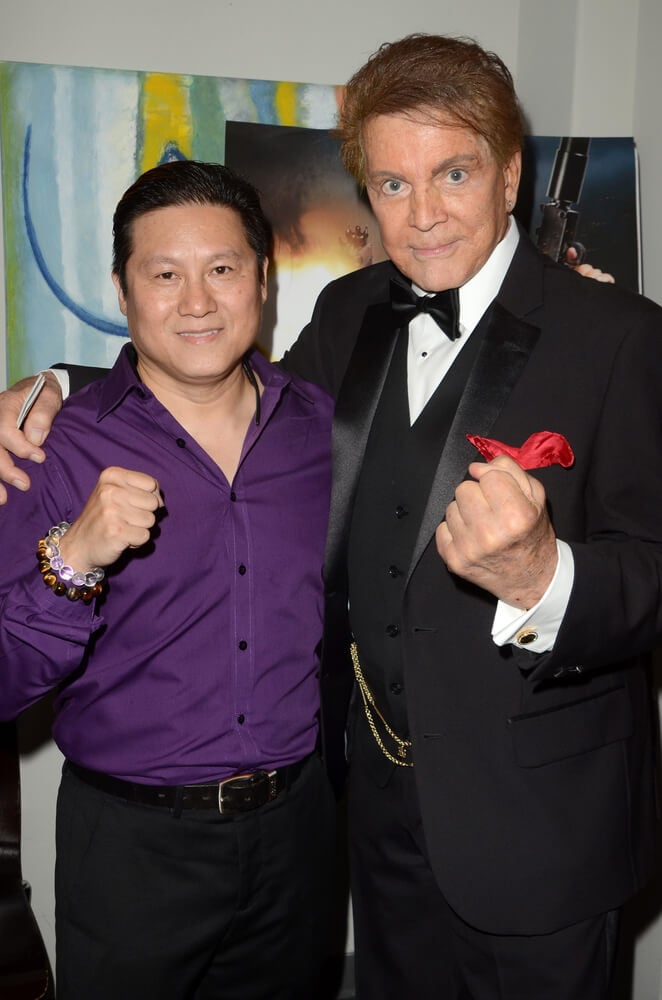
Benny went on the air in 1932 and held Sunday night at seven for most of the next twenty-three years. His character was vain, cheap, and forever thirty-nine, and the writers let the supporting cast get the laughs at his expense.
The most famous gag arrived in 1948, when a mugger demanded “Your money or your life” and the silence that followed ran long enough to become the joke. Benny’s patience with dead air taught radio comedy that a pause could outperform a punchline.
Fibber McGee and Molly
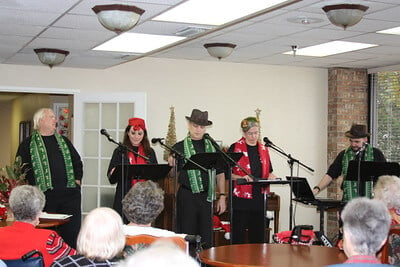
Jim and Marian Jordan, a married vaudeville couple from Peoria, brought the show to NBC in 1935 and stayed on the air in one form or another until 1959. The address was 79 Wistful Vista, and the running gag was a hall closet that emptied itself on whoever opened the door.
Sound-effects men built the avalanche by hand each week from skates, tin pans, and a final tinkling bell. By the early 1940s the program ranked at or near the top of the ratings, and the phrase “Fibber McGee’s closet” entered the language for any overstuffed storage space.
The Shadow
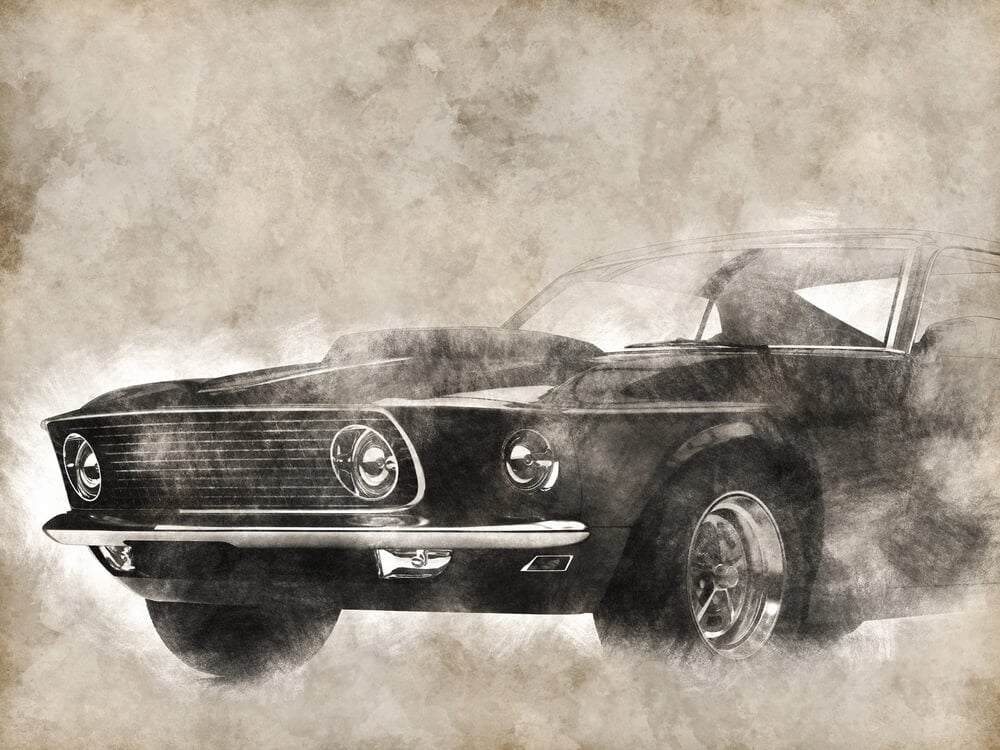
The character began in 1930 as nothing more than a sinister narrator on a program built to sell Street and Smith’s detective magazine. Listeners asked newsstands for that Shadow magazine, so the publisher created one, and the narrator became a crime fighter.
A twenty-two-year-old Orson Welles voiced Lamont Cranston in the 1937 season, a year before his Martian broadcast. The opening line about the evil that lurks in the hearts of men, followed by a low laugh, remains one of the most imitated sounds radio ever produced.
The Lone Ranger
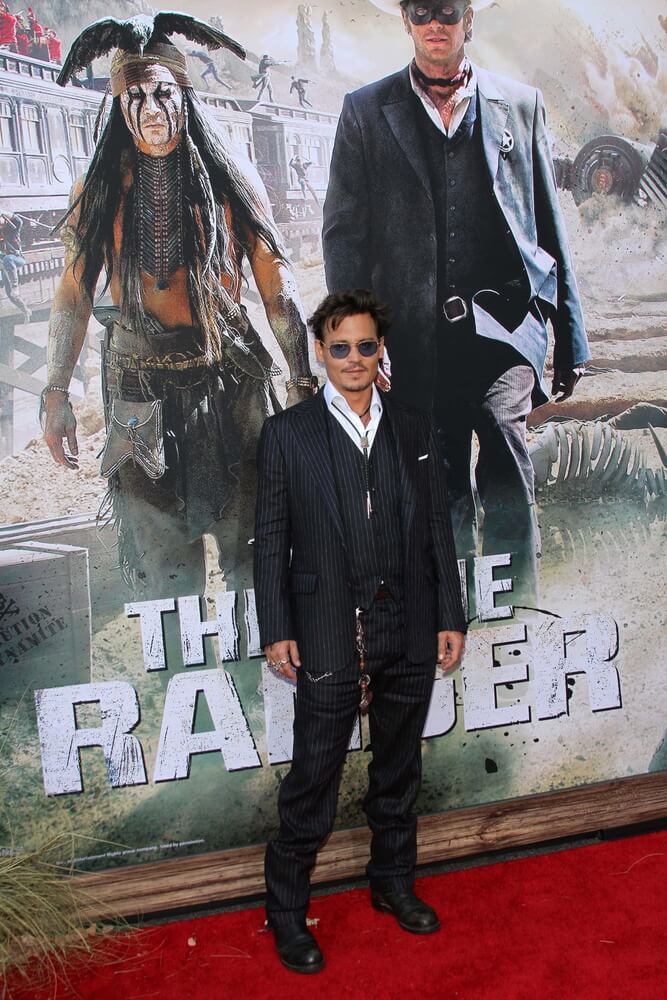
Station WXYZ in Detroit introduced the masked rider in January 1933 because owner George W. Trendle wanted a program he could own outright instead of renting one from a network. Writer Fran Striker turned out the scripts, and Rossini’s “William Tell” overture supplied a theme that cost nothing in royalties.
The show helped anchor the new Mutual network in 1934. When actor Earle Graser died in a car accident in 1941, the writers kept the Ranger wounded and nearly silent for several episodes until Brace Beemer’s deeper voice could take over without jolting young listeners.
Lux Radio Theatre

Hollywood came to the parlor every Monday night after Lux moved its hour-long film adaptations from New York to Los Angeles in 1936. Cecil B. DeMille hosted, screen stars often repeated their original roles, and the audience reportedly reached 30 to 40 million.
DeMille’s tenure ended in January 1945 over a single dollar. His union levied a one-dollar assessment to fight a California right-to-work proposition, he refused on principle, and the refusal cost him his membership.
Without a union card he could no longer appear on the air.
The Chase and Sanborn Hour
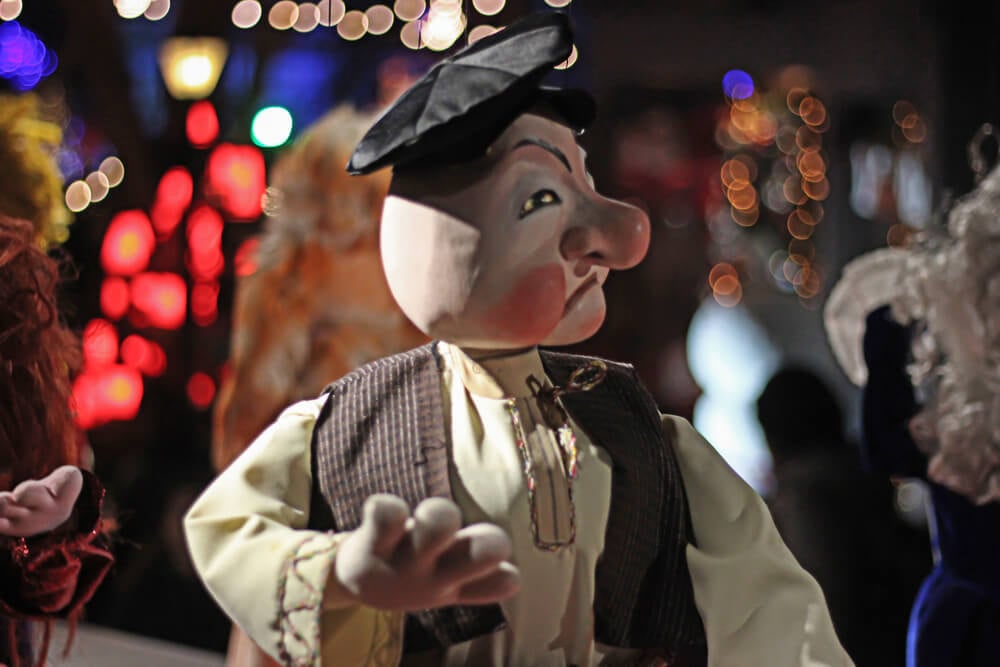
A ventriloquist act has no business working on radio, yet Edgar Bergen and his wooden partner Charlie McCarthy topped the ratings within months of joining the program in 1937. Nobody could see whether Bergen’s lips moved, and nobody cared, because Charlie’s insults to W. C. Fields made the best feud on the air.
The show also drew one of radio’s early censorship storms. After Mae West’s suggestive Adam and Eve sketch in December 1937, complaints poured in, and NBC kept her off its airwaves for years.
The Guiding Light

Irna Phillips created the serial in Chicago, and it premiered on NBC radio in January 1937 as the story of a minister whose study lamp stayed lit for anyone in trouble. It moved to television in 1952, ran on both media for four years, and did not leave the air until September 2009.
That span of seventy-two years makes it one of the longest-running dramas in broadcast history. Phillips dictated her scripts aloud while acting out every part, and she trained the writers who later built much of daytime television.
Ma Perkins
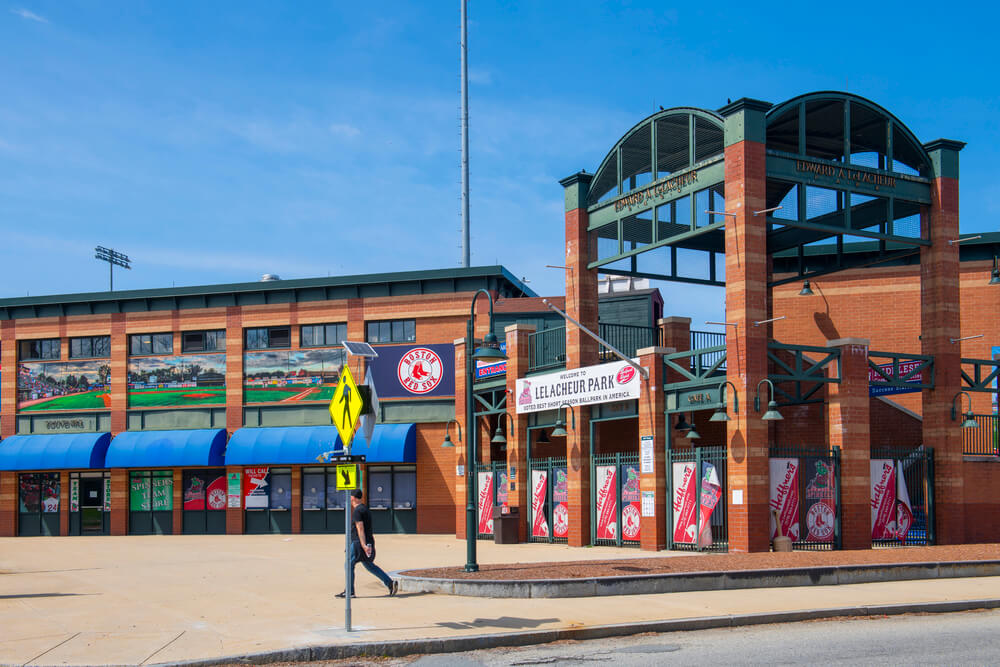
Virginia Payne was twenty-three when she first played the widowed owner of a lumberyard in Rushville Center, and she kept the part for the next twenty-seven years. The serial began on WLW in Cincinnati in August 1933, reached NBC that December, and ran to 7,065 episodes before ending in November 1960.
Payne never missed a performance. Procter and Gamble’s Oxydol sponsored the show so visibly that it helped fix the term “soap opera” to the entire genre.
For much of the 1940s it aired on NBC and CBS on the same day.
Grand Ole Opry
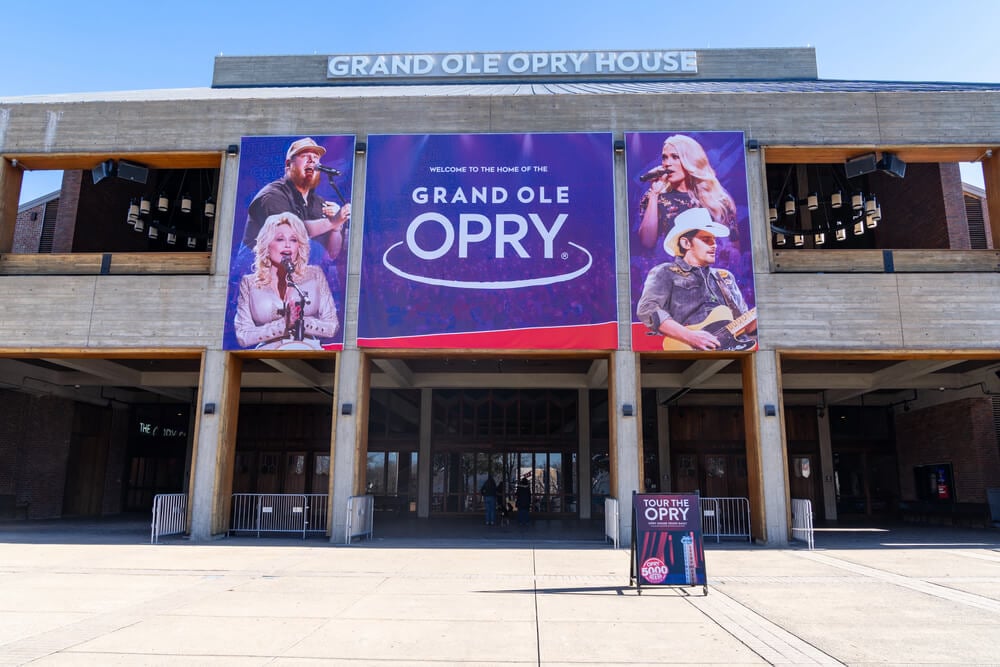
WSM in Nashville put a barn dance on the air on November 28, 1925, with a fiddler in his late seventies named Uncle Jimmy Thompson. Announcer George D. Hay gave the show its name in 1927, joking that listeners had just heard grand opera and would now get the Grand Ole Opry.
NBC picked up a half hour for national broadcast in 1939. WSM’s clear-channel signal covered much of the country on Saturday nights, and the program has never gone off the air, making it the longest-running radio broadcast in American history.
National Barn Dance
Chicago’s WLS beat Nashville to the idea by more than a year, launching its Saturday night barn dance in April 1924. Sears, Roebuck owned the station, and the call letters stood for World’s Largest Store.
The show sold tickets to a live audience at the Eighth Street Theatre from 1932 and filled two performances a night for years. Gene Autry, Red Foley, and Pat Buttram all passed through before moving on to bigger stages.
NBC carried an hour nationally from 1933, giving Midwestern farm families a network show built for them.
The Goldbergs
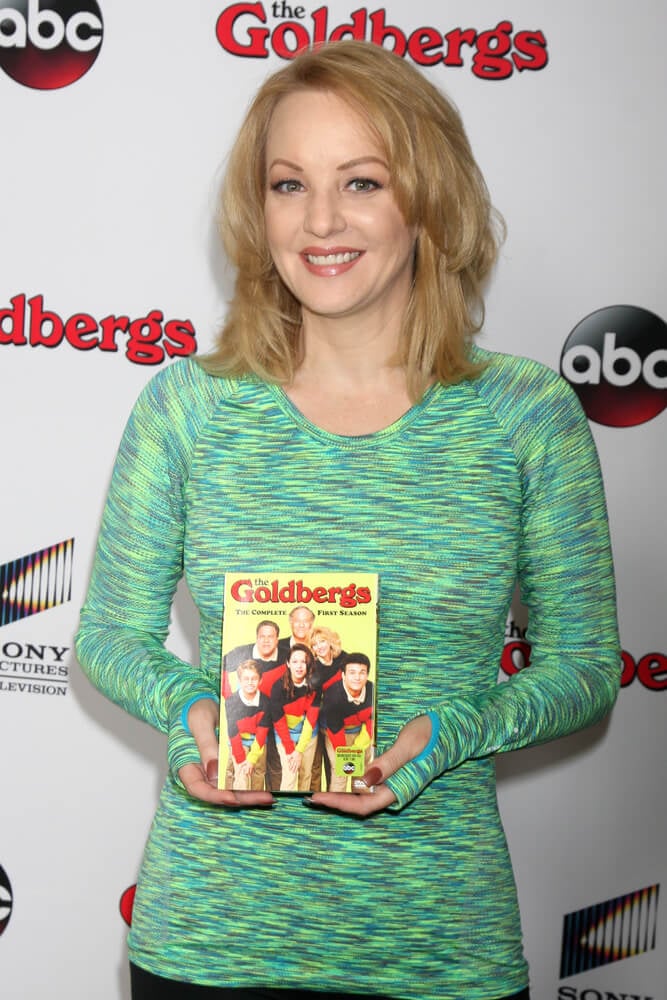
Gertrude Berg wrote, produced, and starred in her own network program beginning in November 1929, an almost unheard-of degree of control for anyone in radio, let alone a woman. She played Molly Goldberg, a Jewish mother in a Bronx tenement who called up the airshaft to her neighbors.
Berg wrote thousands of scripts by hand, usually at dawn. The family’s immigrant worries played out to a national audience during years when open prejudice was common on the air.
She carried the show to television in 1949 and won the first Emmy given to a lead actress.
Little Orphan Annie

The comic-strip orphan reached NBC in 1931 as one of the first late-afternoon serials aimed squarely at children. Ovaltine sponsored it, and the announcer spent nearly as much time selling as the cast spent adventuring.
Members of Radio Orphan Annie’s Secret Society mailed in a proof of purchase for a decoder badge, then copied down the coded message read at the end of an episode. The film “A Christmas Story” turned the payoff into a joke about advertising.
The real messages were usually a teaser for the next day’s plot.
The Adventures of Superman
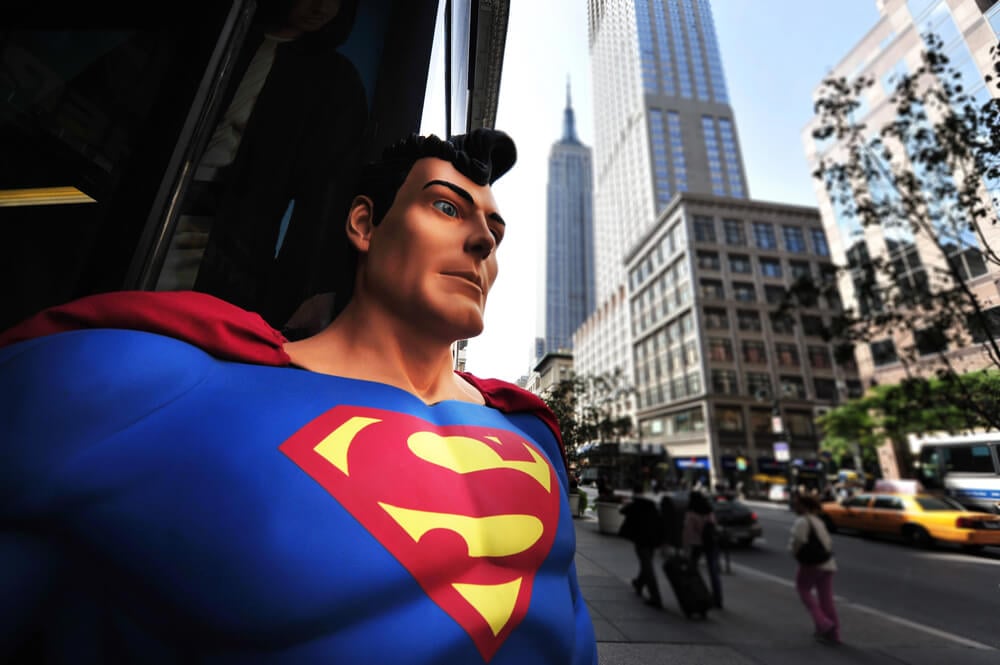
The radio serial, which began in 1940, invented much of what later generations assumed came from the comics. Kryptonite first appeared on the air in 1943, and it proved handy whenever actor Bud Collyer needed a vacation, since a groaning, incapacitated Superman could be voiced by anyone.
Cub reporter Jimmy Olsen and editor Perry White were radio creations too. In 1946 the writers ran a sixteen-part story called “Clan of the Fiery Cross,” using details about Ku Klux Klan rituals supplied by activist Stetson Kennedy.
Millions of children heard the organization’s secrets mocked by their hero.
Dragnet

Jack Webb brought his police procedural to NBC radio in June 1949, two and a half years before the television version. He rode along with Los Angeles detectives, borrowed real case files, and insisted that actors underplay every line.
The result sounded like nothing else on the air: flat voices, paperwork, long waits, and a four-note theme. The closing announcement that names had been changed to protect the innocent became a national catchphrase.
Webb’s clipped style set the template for nearly every police drama that followed.
Gunsmoke
CBS launched the radio version in April 1952 as a Western for adults, with William Conrad as a weary, sometimes brutal Marshal Matt Dillon. The sound crew recorded real spurs, real horses, and footsteps on actual boardwalk planks, and episodes often ended badly for decent people.
When the network cast the television series in 1955, it passed over Conrad, whose build did not match his voice. The radio show outlasted most of network drama anyway, running until June 1961, by which point the form itself was nearly gone.
Suspense
For twenty years beginning in 1942, CBS used this anthology to prove what sound alone could do to a nervous system. Its most requested episode, “Sorry, Wrong Number,” first aired in May 1943 with Agnes Moorehead as a bedridden woman who overhears a murder plot on a crossed telephone line.
She repeated the performance seven more times over the years by popular demand. When the final episode aired on September 30, 1962, the same night “Yours Truly, Johnny Dollar” signed off, historians marked the date as the end of radio’s golden age.
Inner Sanctum Mysteries
The show opened in 1941 with a door hinge that needed oil and a host named Raymond who plainly enjoyed his work. Producer Himan Brown liked to say the creaking door was one of the few sounds ever granted trademark protection.
Raymond’s puns about corpses were dreadful on purpose, and the stories that followed featured Boris Karloff and Peter Lorre at full volume. The series ran until 1952.
Brown kept the door, and he used it again in 1974 to open the “CBS Radio Mystery Theater.”
Your Hit Parade

Every Saturday night from 1935, the program counted down the most popular songs in the country, and the ranking method stayed a closely guarded secret. The producers said only that they surveyed sheet music sales, record sales, jukebox plays, and bandleader requests.
Listeners argued about the results all week, which was the point. A skinny singer named Frank Sinatra joined the cast in 1943 and brought screaming teenagers into the studio audience.
The weekly countdown, suspense included, has never really left broadcasting.
Kraft Music Hall

Bing Crosby took over as host in 1936 and spent a decade making an hour of network radio sound like a man chatting in his den. His relaxed delivery depended on the microphone, and it changed how popular singers sang.
Crosby hated performing live on the network’s clock and wanted to record in advance. NBC refused, so he left in 1946 for ABC, where his engineers soon began editing programs on captured German tape technology.
That quarrel over convenience introduced magnetic tape to American broadcasting.
The Fred Allen Show

Allen wrote most of his own material, fought his network’s censors weekly, and staged a mock feud with Jack Benny that began in the mid-1930s and never really ended. His best-remembered segment, Allen’s Alley, sent him knocking on the doors of Senator Claghorn, Mrs. Nussbaum, and Titus Moody.
In 1948 ABC scheduled a telephone giveaway called “Stop the Music” against him, and listeners stayed by their phones instead. Allen offered to insure anyone who missed a prize while listening to him.
His ratings collapsed anyway, and he left the air in 1949.
Burns and Allen
George Burns played the straight man and gave his wife, Gracie Allen, every laugh for nearly two decades on radio. The couple understood publicity stunts better than anyone in the business.
In 1933 Gracie wandered onto other programs searching for her supposedly missing brother, a gag that ran for weeks across rival shows. In 1940 she ran for president on the Surprise Party ticket, toured by train, and drew real write-in votes that November.
The party mascot was a kangaroo, and the slogan was “It’s in the bag.”
Information Please

The premise reversed the usual quiz: listeners mailed in questions and won money when they stumped a panel of experts. The show debuted on NBC in 1938 with Clifton Fadiman as moderator and columnist Franklin P. Adams and sportswriter John Kieran as regulars, joined soon by pianist Oscar Levant.
A stumper earned a few dollars at first and eventually a set of the Encyclopaedia Britannica. Questions arrived by the sackful every week.
The title phrase, borrowed from telephone operators, later named an almanac that stayed in print for decades.
Take It or Leave It

This CBS quiz, which began in 1940, let contestants double their money with each correct answer, from one dollar up to a top prize of sixty-four. The final question gave American English a permanent idiom.
People still speak of the sixty-four dollar question without knowing it once referred to an actual sum. The program was renamed for its own catchphrase in 1950.
Five years later television multiplied the stakes by a thousand, and the inflated version helped set up the quiz show scandals.
Truth or Consequences

Ralph Edwards turned a parlor game into a network hit in 1940. Contestants who missed a deliberately impossible question had to perform a stunt, and the stunts were the show.
For the tenth anniversary in 1950, Edwards promised to broadcast from any town willing to rename itself after the program. Hot Springs, New Mexico, voted yes, and it has been Truth or Consequences ever since.
Edwards returned for the town’s annual fiesta for roughly the next fifty years, which is more loyalty than most sponsors ever showed.
Major Bowes’ Original Amateur Hour

Edward Bowes put ordinary people in front of a network microphone in the mid-1930s and let the audience vote by telephone and mail. Losers heard a gong.
At the height of the Depression, thousands of hopefuls applied every week, and many traveled to New York on money they could not spare. In September 1935 a quartet billed as the Hoboken Four won the vote, and Bowes sent them on the road with one of his touring units.
The thin one, Frank Sinatra, quit the tour within months.
One Man’s Family

Carlton E. Morse began the saga of the Barbour family of San Francisco in 1932, and he organized it like a novel, into books and chapters. By the time it ended in 1959 the count stood at more than 130 books and 3,256 chapters, the longest run of any serial drama in American radio.
Characters aged in real time, married, went to war, and died. Morse dedicated the program to the mothers and fathers of the younger generation and to their bewildering offspring.
Listeners mailed wedding gifts to fictional brides.
Gang Busters
Phillips H. Lord built the program in the mid-1930s on real case files and opened each episode with police whistles, marching feet, machine-gun fire, and sirens. That barrage gave the language the phrase “coming on like gangbusters.”
Each broadcast closed with a description of an actual fugitive, and listener tips reportedly led to hundreds of arrests over the years. It ran in one form or another from 1935 to 1957.
Few shows have been so loud in their first ten seconds or so useful in their last sixty.
It’s That Man Again

The BBC launched Tommy Handley’s comedy in the summer of 1939, and the title borrowed a newspaper headline about Hitler. Through the Blitz and beyond, the show fired off catchphrases every few seconds, and the country repeated them in shelters, factories, and barracks.
At its wartime peak an estimated 40 percent of the British population listened. When Handley died suddenly in January 1949, the BBC canceled the program at once, and thousands lined the streets of London for his funeral.
No replacement host was ever considered.
The Archers

The BBC introduced this everyday story of country folk nationally on January 1, 1951, partly to slip modern farming advice to a country still living with food rationing. The Ministry of Agriculture had a hand in early storylines.
On September 22, 1955, the writers killed Grace Archer in a stable fire, and the broadcast happened to fall on the night commercial television launched in Britain. It stole the next morning’s headlines.
The serial has passed 20,000 episodes and remains the longest-running drama in the world.
American Top 40

Casey Kasem counted down the Billboard chart for the first time over the Independence Day weekend of 1970, on just seven stations. Syndication by mailed vinyl discs spread the show to hundreds of American outlets and to the Armed Forces network overseas.
Kasem’s long-distance dedications, letters from listeners read over a slow song, turned a sales chart into something closer to a national bulletin board. He signed off each week by telling listeners to keep their feet on the ground and keep reaching for the stars.
A Country That Kept the Same Hours
Radio’s great trick was simultaneity. A listener in a Kansas farmhouse and another in a Brooklyn walk-up heard the same joke at the same second, and both knew it.
No medium before had offered that, and the ones that came after have steadily given it up.
Recordings of most of these programs survive, and they are easy to find. The part that cannot be recovered is the certainty that the neighbors were listening too.
That shared appointment, more than any script or star, is what held a nation’s attention.
More from Go2Tutors!

- The Romanov Crown Jewels and Their Tragic Fate
- 13 Historical Mysteries That Science Still Can’t Solve
- Famous Hoaxes That Fooled the World for Years
- 15 Child Stars with Tragic Adult Lives
- 16 Famous Jewelry Pieces in History
Like Go2Tutors’s content? Follow us on MSN.