26 Archaeological Finds Made Entirely By Accident
The greatest archaeological discoveries are rarely the result of systematic excavation. Often they emerge by chance when someone digging a foundation, plowing a field, or exploring a cave stumbles upon artifacts that reshape the understanding of entire civilizations.
These are the accidental discoveries that changed everything.
The Dead Sea Scrolls (1947)
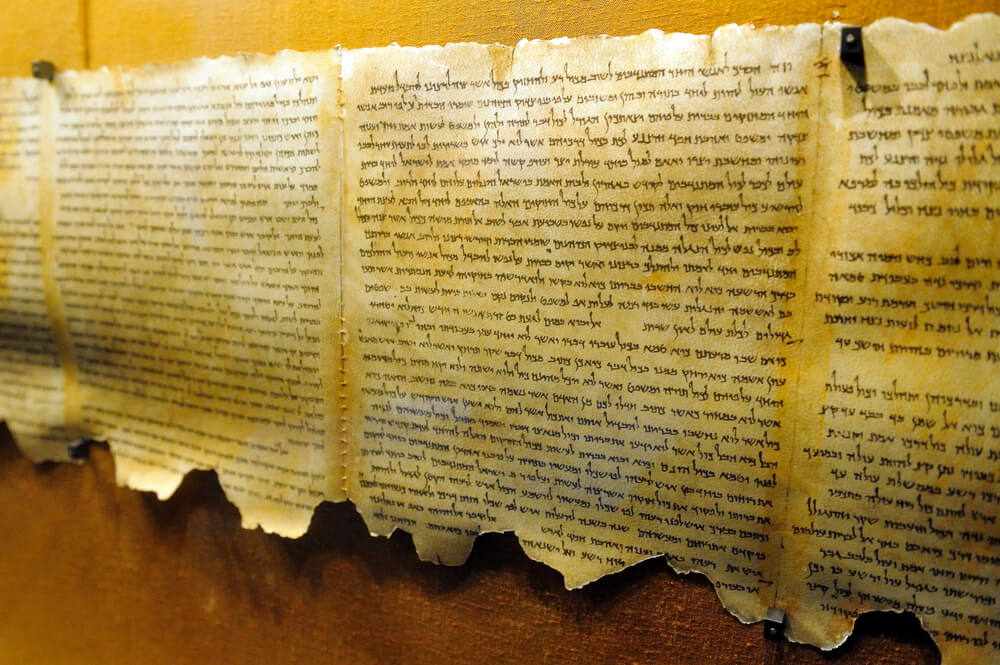
A Bedouin shepherd searching for a lost goat near the Dead Sea in 1947 discovered a cave containing pottery jars filled with ancient biblical manuscripts, including the oldest known copies of biblical texts and sectarian Jewish writings from around the second century BCE. The discovery was entirely accidental, the result of following a goat into a rocky outcrop.
The scrolls revolutionized the study of Judaism and Christianity.
The Rosetta Stone (1799)
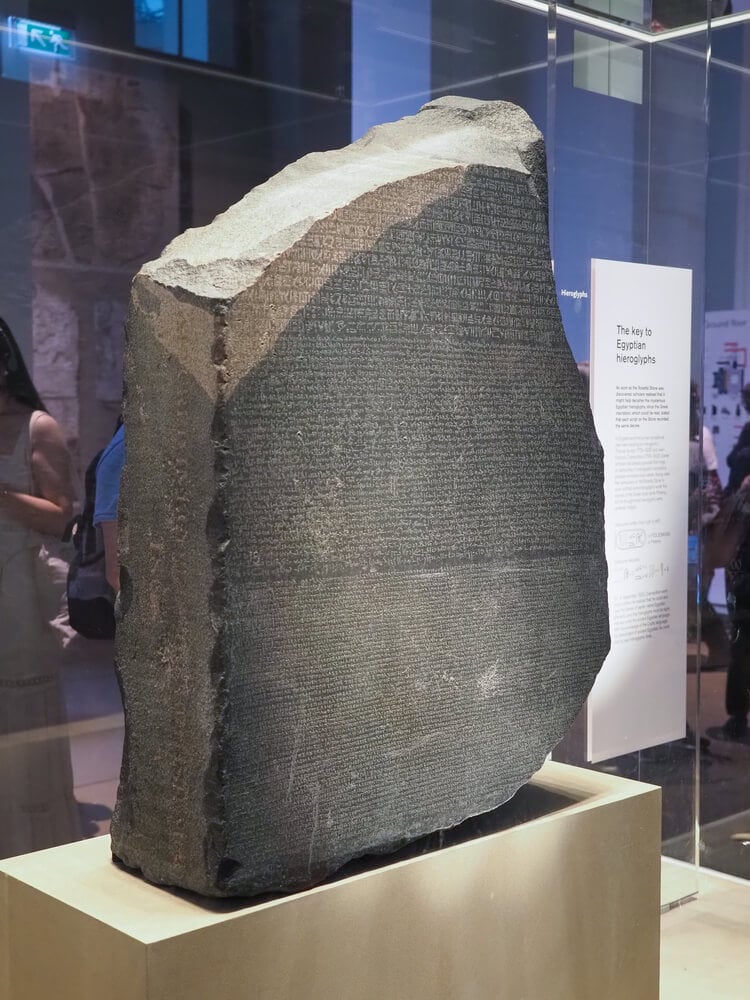
A French soldier named Pierre-François Bouchard discovered the Rosetta Stone while digging fortifications in the Nile Delta in 1799, an entirely accidental find that provided the key to deciphering Egyptian hieroglyphics and unlocking the language of ancient Egypt. Bouchard was not conducting an archaeological expedition; he was following military orders to strengthen French fortifications.
The stone’s discovery more than a century later made the linguistic breakthrough possible.
Pompeii and Herculaneum (1748)
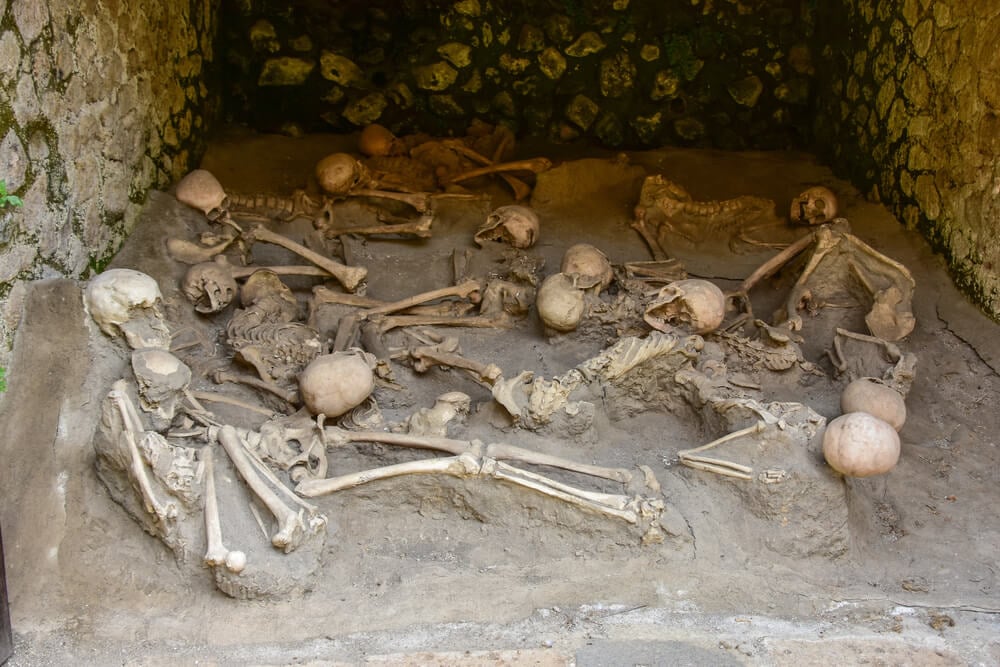
While digging a well in 1748, workers accidentally broke through into the preserved city of Herculaneum, buried under volcanic ash from Mount Vesuvius in 79 CE, leading to systematic excavation that eventually exposed both Herculaneum and the nearby Pompeii. The digging was routine well construction, not archaeological prospecting.
The accidental breakthrough led to a century of subsequent excavation.
The Terracotta Army (1974)
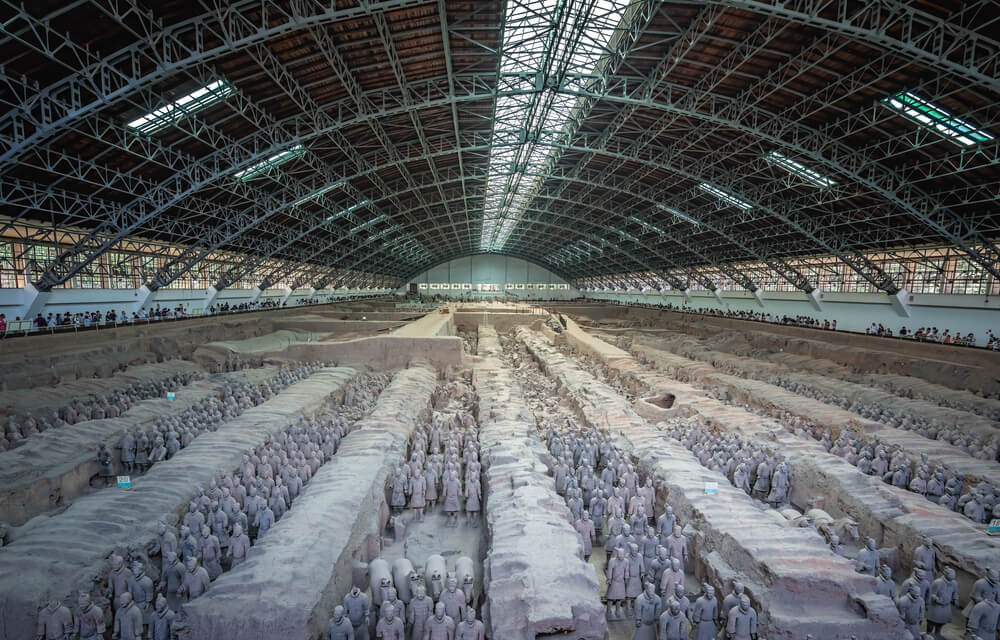
Chinese peasants digging a well near Xi’an in 1974 uncovered the first terracotta warrior, leading to the discovery of an entire underground army of life-sized clay soldiers guarding the tomb of China’s first emperor, Qin Shi Huang. The farmers were not looking for history; they were seeking water.
The discovery, made by accident, revealed one of the world’s greatest archaeological treasures.
King Tutankhamun’s Tomb (1922)
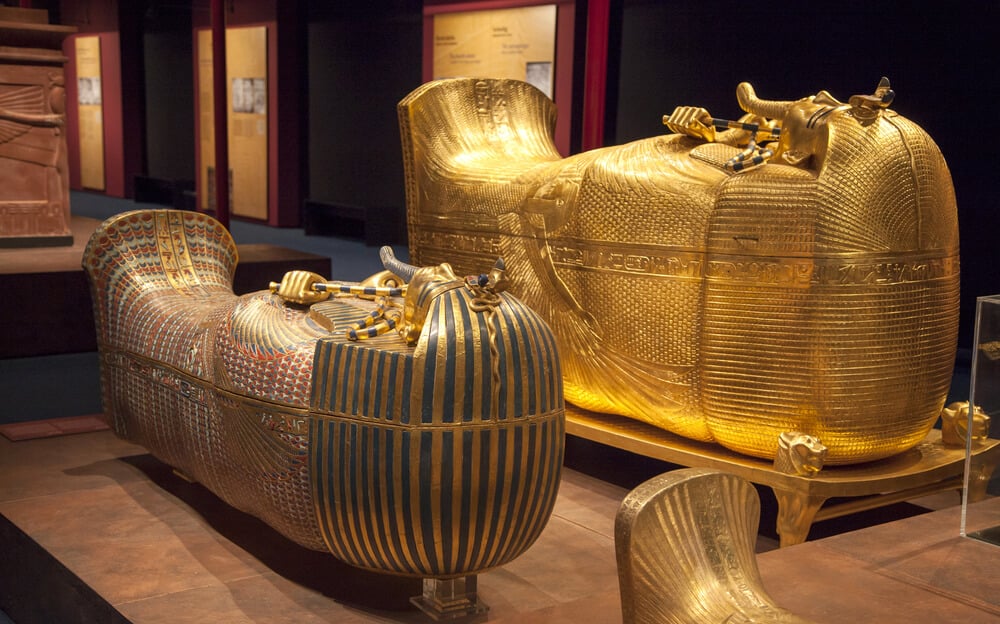
While excavating in the Valley of the Kings, archaeologist Howard Carter’s team accidentally stumbled upon the edge of a previously unknown tomb in 1922, leading to the discovery of the nearly intact tomb of the young pharaoh Tutankhamun. Though Carter was specifically excavating in the valley, the tomb’s precise location was unknown and its discovery was serendipitous.
The find revolutionized Egyptology.
The Antikythera Mechanism (1900)
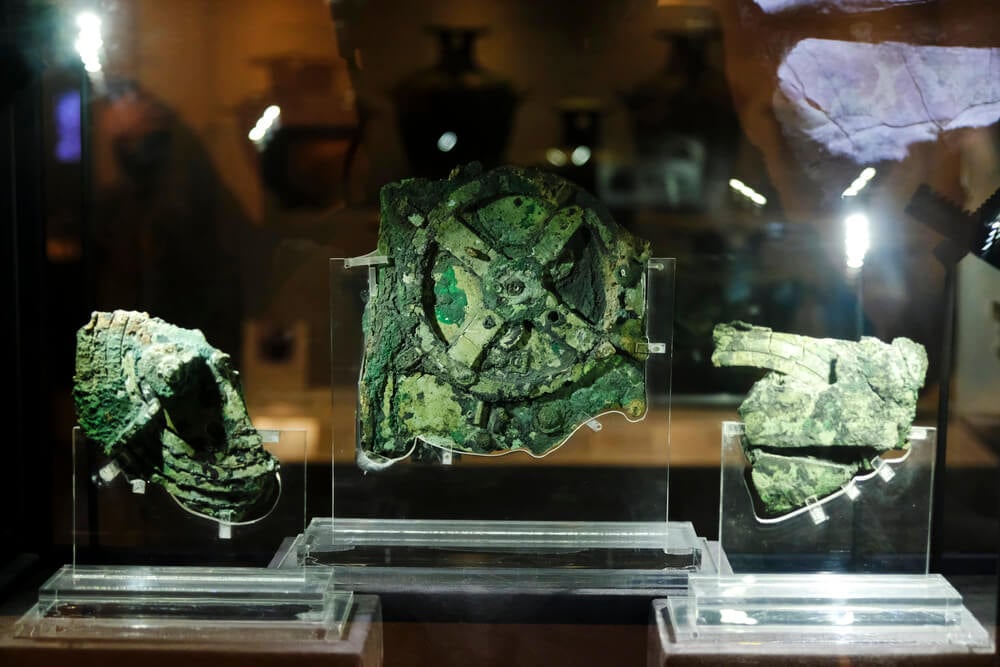
Greek sponge divers accidentally discovered a wreck off the island of Antikythera in 1900 while searching for sponges, leading to the recovery of an ancient Greek analog computer for calculating astronomical positions from around the first century BCE. The divers were not conducting a systematic salvage; they discovered the wreck by chance.
The mechanism revealed technological sophistication that surprised modern researchers.
Viking Settlement in North America (1960)

Norse archaeology students and their professor, Helge Ingstad, discovered physical evidence of a Viking settlement at L’Anse aux Meadows in Newfoundland in 1960 after local residents mentioned finding old artifacts on their property. The discovery was not the result of systematic excavation but of following up on local reports.
The settlement, dated to around 1000 CE, proved Norse exploration of North America centuries before Columbus.
The Vindolanda Tablets (1973)
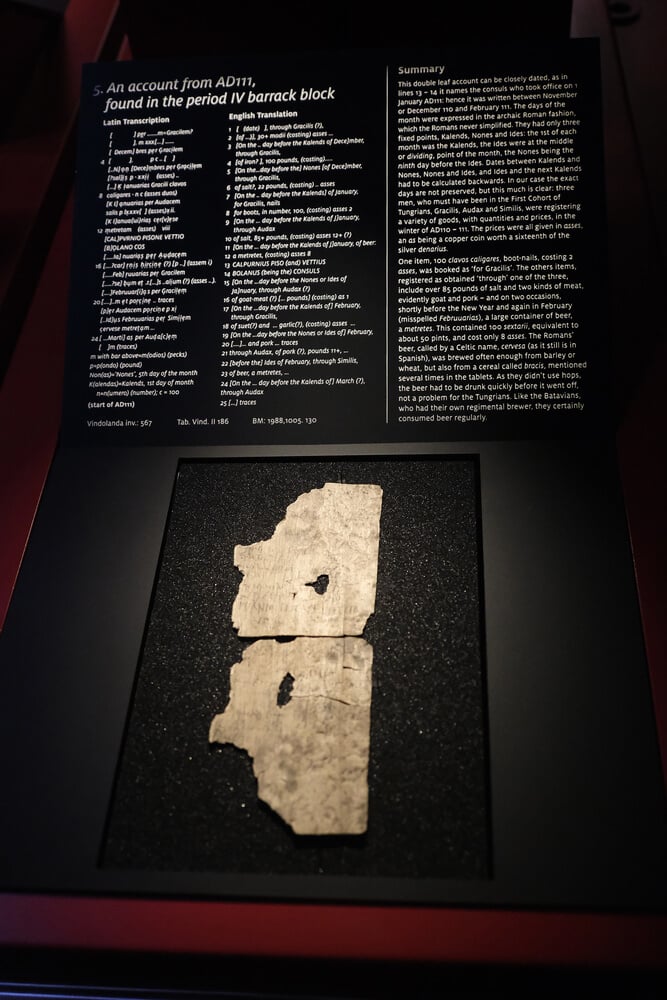
While excavating a Roman fort at Vindolanda on the English-Scottish border, archaeologists accidentally discovered a cache of wooden tablets with handwritten correspondence and daily records from Roman soldiers, dated to around 90 CE. The tablets survived because of unusual soil conditions and were discovered as an unexpected byproduct of routine excavation.
The writings provided intimate details of daily Roman military life.
The Nag Hammadi Library (1945)

Egyptian peasants digging for sabakh (nitrogen-rich soil used as fertilizer) in 1945 accidentally broke through a buried jar containing ancient Gnostic Christian manuscripts, including the Gospel of Thomas and other texts that had been hidden for nearly sixteen hundred years. The peasants were not seeking manuscripts; they were seeking agricultural resources.
The discovery revolutionized the understanding of early Christianity.
The Black Obelisk of Shalmaneser III (1846)
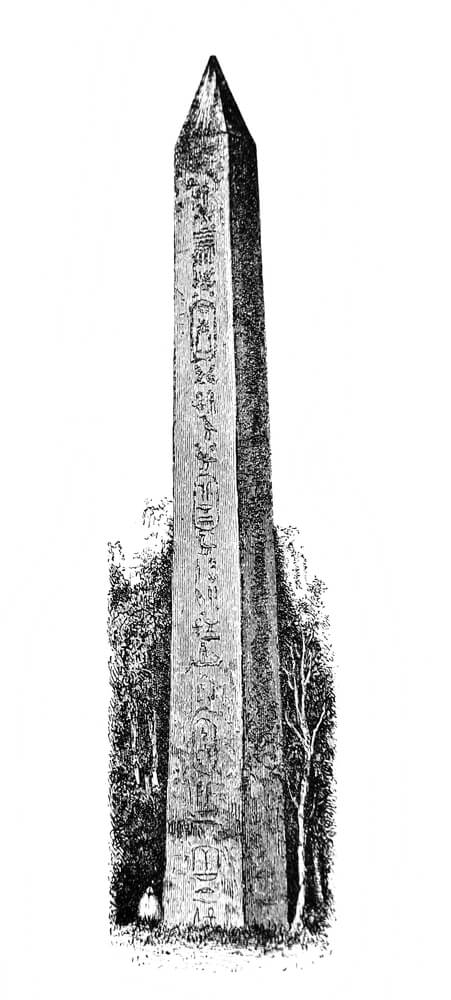
While excavating at Nimrud in what is now Iraq, archaeologist Austen Henry Layard’s team accidentally discovered the Black Obelisk, an Assyrian monument from the ninth century BCE depicting king Shalmaneser III and including the first extra-biblical reference to an Israelite king (Jehu). The obelisk was buried and unknown until the accidental excavation uncovered it.
The inscription reshaped biblical and Assyrian history.
The Voynich Manuscript (1912)
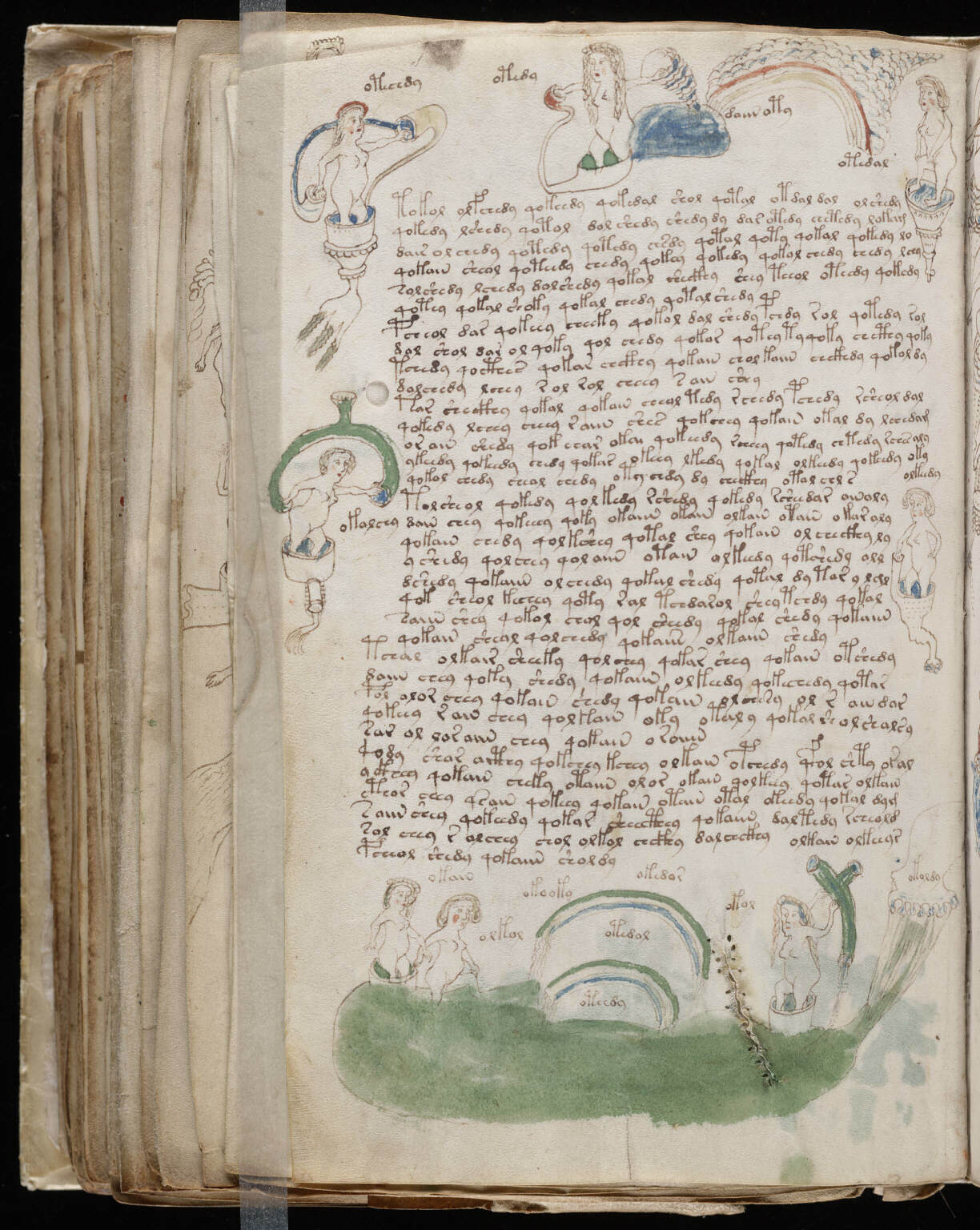
Antiquarian Wilfrid Voynich accidentally discovered the Voynich Manuscript, a fifteenth-century illustrated text written in an unknown cipher, while browsing a collection of manuscripts offered for sale in Rome in 1912. He was not searching for this specific manuscript; he stumbled upon it while examining items.
The manuscript’s origins and meaning remain unsolved more than a century later.
Hopewell Culture Mounds (1880s-1890s)
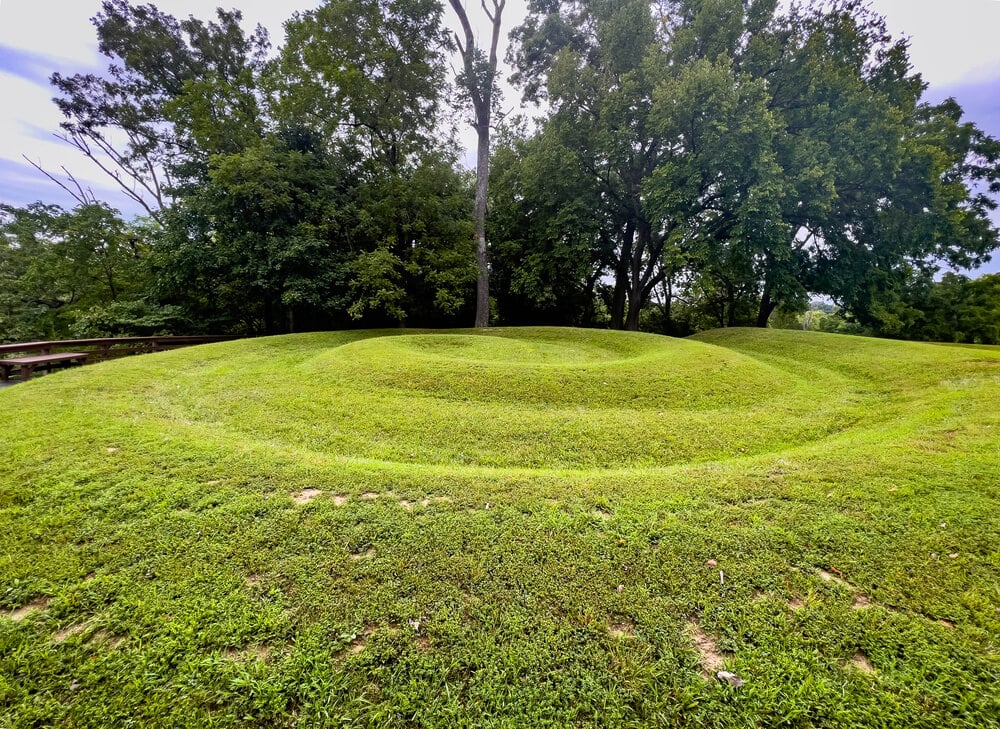
While clearing land and digging ditches in Ohio, workers and local antiquarians accidentally discovered and excavated elaborate earthwork mounds built by the Hopewell culture around 200 BCE to 500 CE, revealing sophisticated pre-Columbian North American civilization. The mounds were known to locals but their significance was revealed through accidental exposure during land clearing.
The discoveries reshaped understanding of pre-Columbian North America.
The Denisova Child (2010)
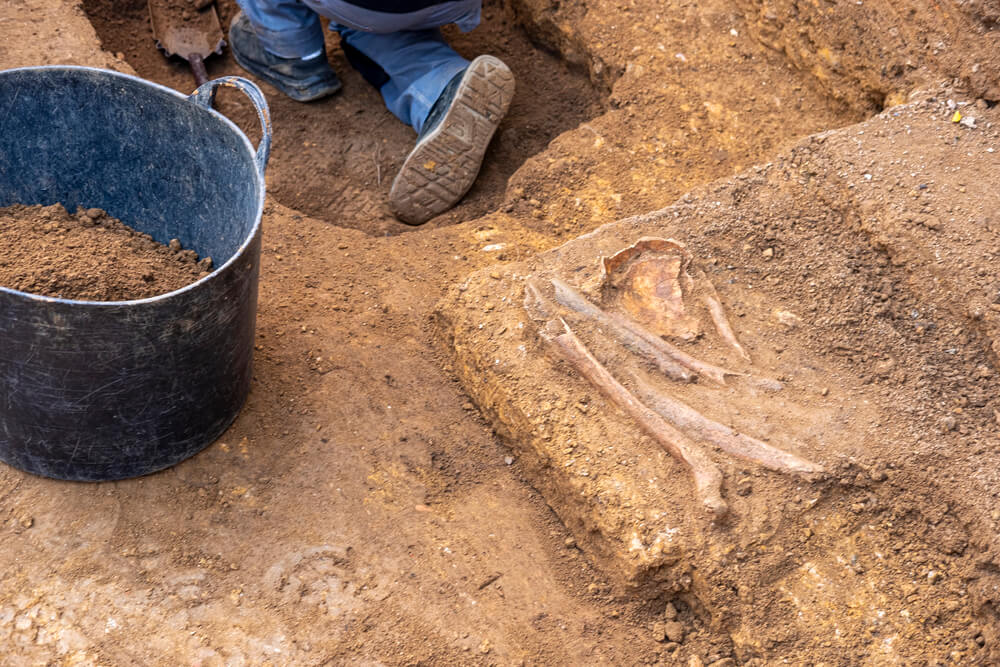
Russian archaeologists excavating Denisova Cave in Siberia found a bone fragment in 2010 that turned out to be from a previously unknown human species, the Denisovans, revealed through accidental DNA testing in 2010. The bone was small and initially not recognized as significant.
The discovery proved a human species that had previously existed only as a genetic ghost in modern human DNA.
The Sutton Hoo Ship Burial (1939)
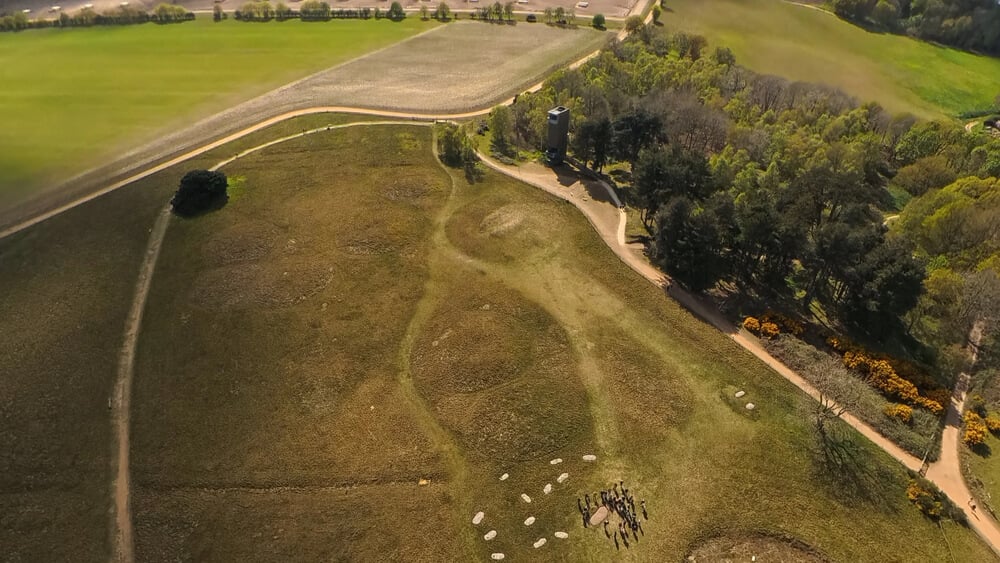
While investigating an earthen mound on an English estate, archaeologists accidentally broke into a seventh-century Anglo-Saxon ship burial containing royal treasures and artifacts, never before systematically excavated. The landowner allowed excavation of mounds on his property out of curiosity, not expecting major discoveries.
The treasure discovered became one of the defining artifacts of Anglo-Saxon England.
The Gobekli Tepe Complex (1995)
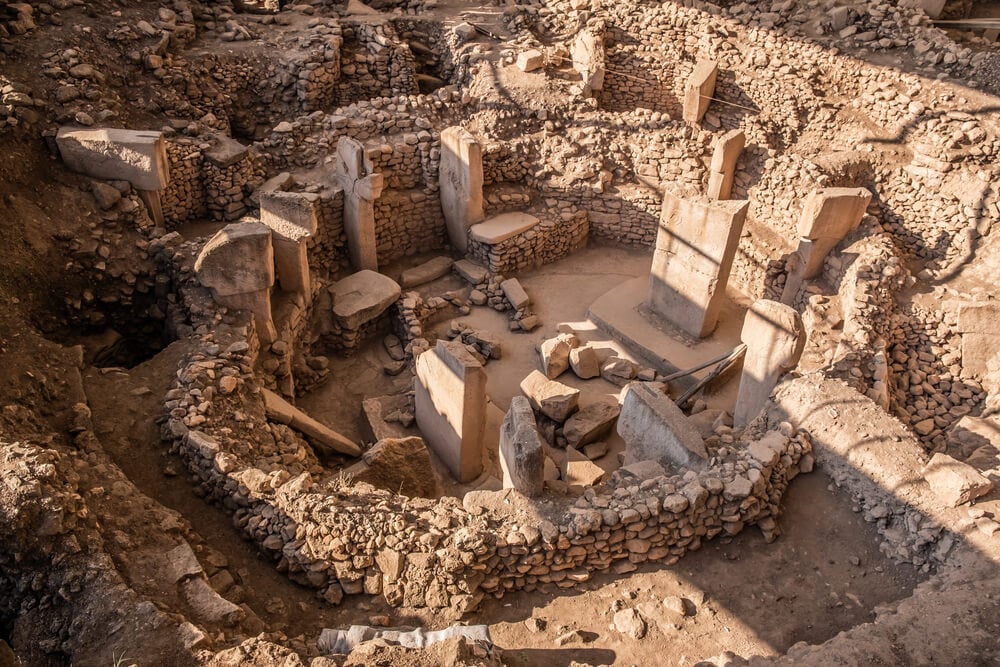
Turkish archaeologists accidentally discovered Gobekli Tepe, an elaborate temple complex from approximately 9500 BCE, while surveying a hilltop in southeastern Turkey in 1995, revealing the oldest known monumental religious architecture and reshaping understanding of pre-agricultural societies. The survey was not specifically targeted to find temples; the structures were visible on the surface.
The discovery proved that monumental architecture predated agriculture.
The Lucy Skeleton (1974)
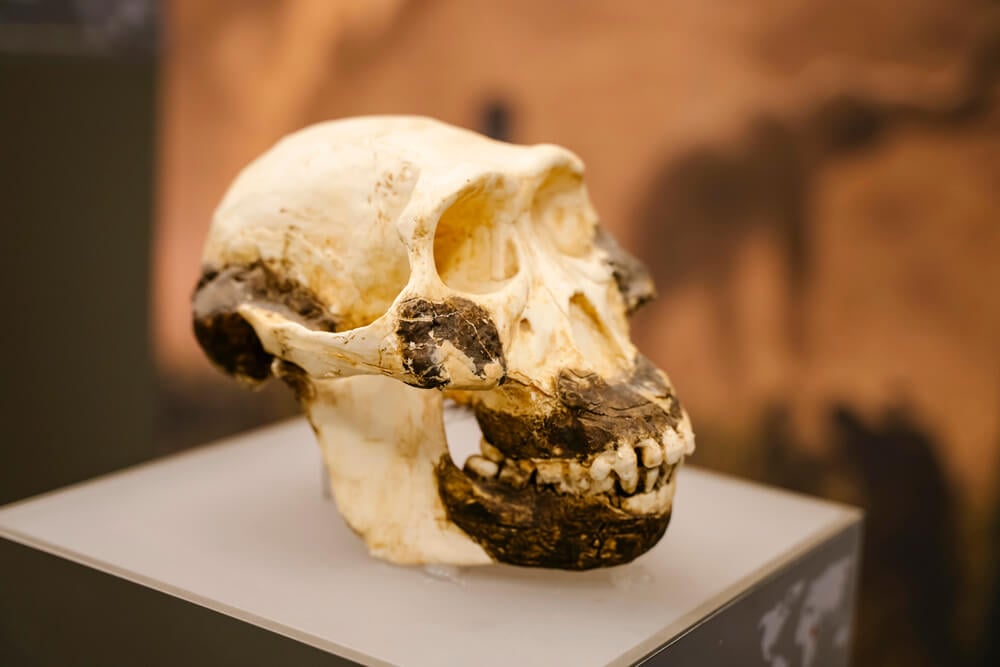
American paleoanthropologist Donald Johanson accidentally discovered the remains of Australopithecus afarensis in the Afar Depression of Ethiopia in 1974, a female skeleton approximately 3.2 million years old that became one of the most important hominin fossils ever found. Johanson stumbled upon the bones while walking back to camp after unsuccessful searching.
The skeleton revealed the trajectory of human evolution.
The Knights Templar Seal (1960)
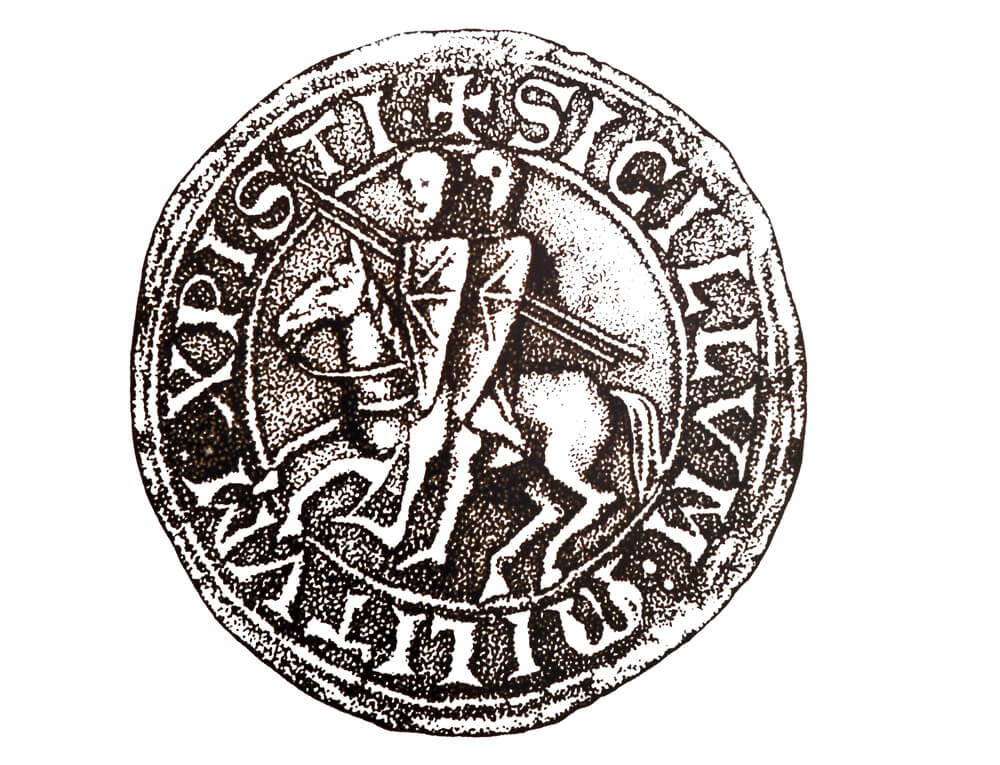
While excavating in Jerusalem, archaeologists accidentally uncovered a lead seal bearing the impression of two knights on a single horse, the famous emblem of the Knights Templar, providing archaeological evidence of the order’s presence in the Holy Land. The seal was buried and unknown until the accidental excavation.
The seal became an iconic image of the medieval order.
Cahokia Mounds Preservation (1800s)
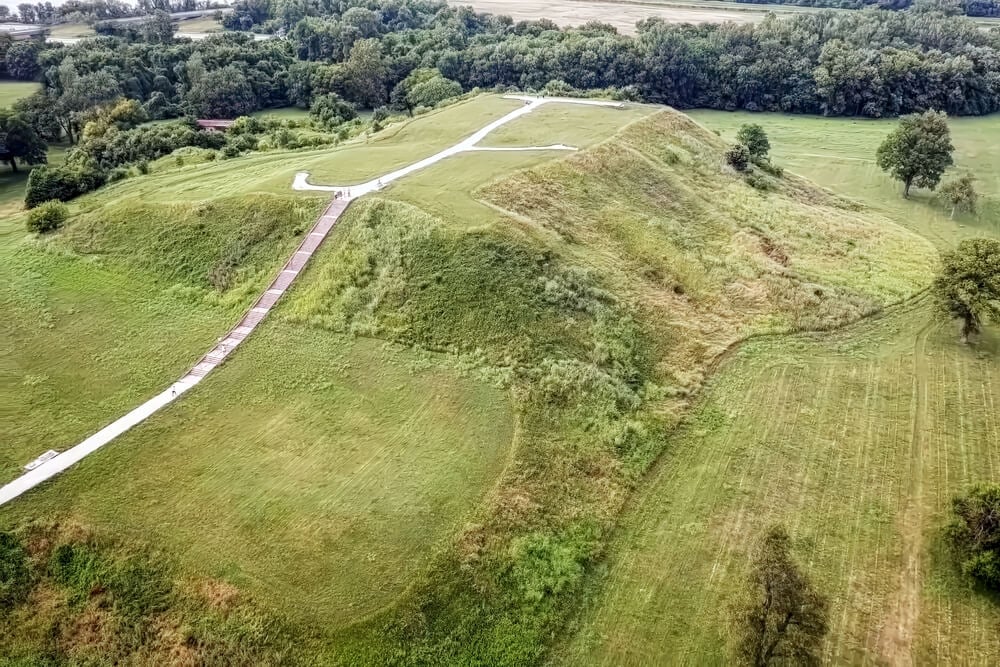
As St. Louis grew in the nineteenth century, workers accidentally excavating for construction repeatedly broke into prehistoric mounds built by the Mississippian culture around 1050-1200 CE, revealing a sophisticated pre-Columbian city that had existed where the modern city now stands. The excavations were accidental, not archaeological.
The discoveries proved North American indigenous civilization far exceeded earlier estimates.
The Jade Mask of Pakal the Great (1952)
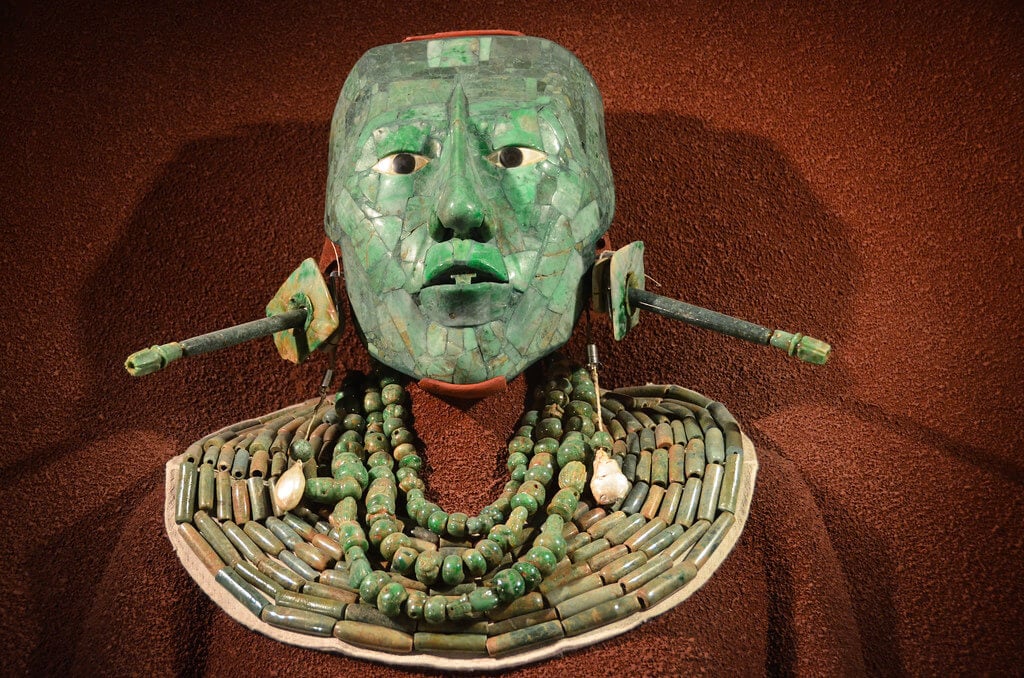
While excavating inside the Temple of the Inscriptions at Palenque in Mexico, archaeologists accidentally broke through a sealed chamber in 1952, discovering the tomb of the seventh-century Maya king Pakal and his elaborate jade mask and funerary goods. The chamber had been sealed and hidden for thirteen hundred years.
The discovery became one of the most iconic Maya artifacts.
The Boxgrove Tibia (1993)
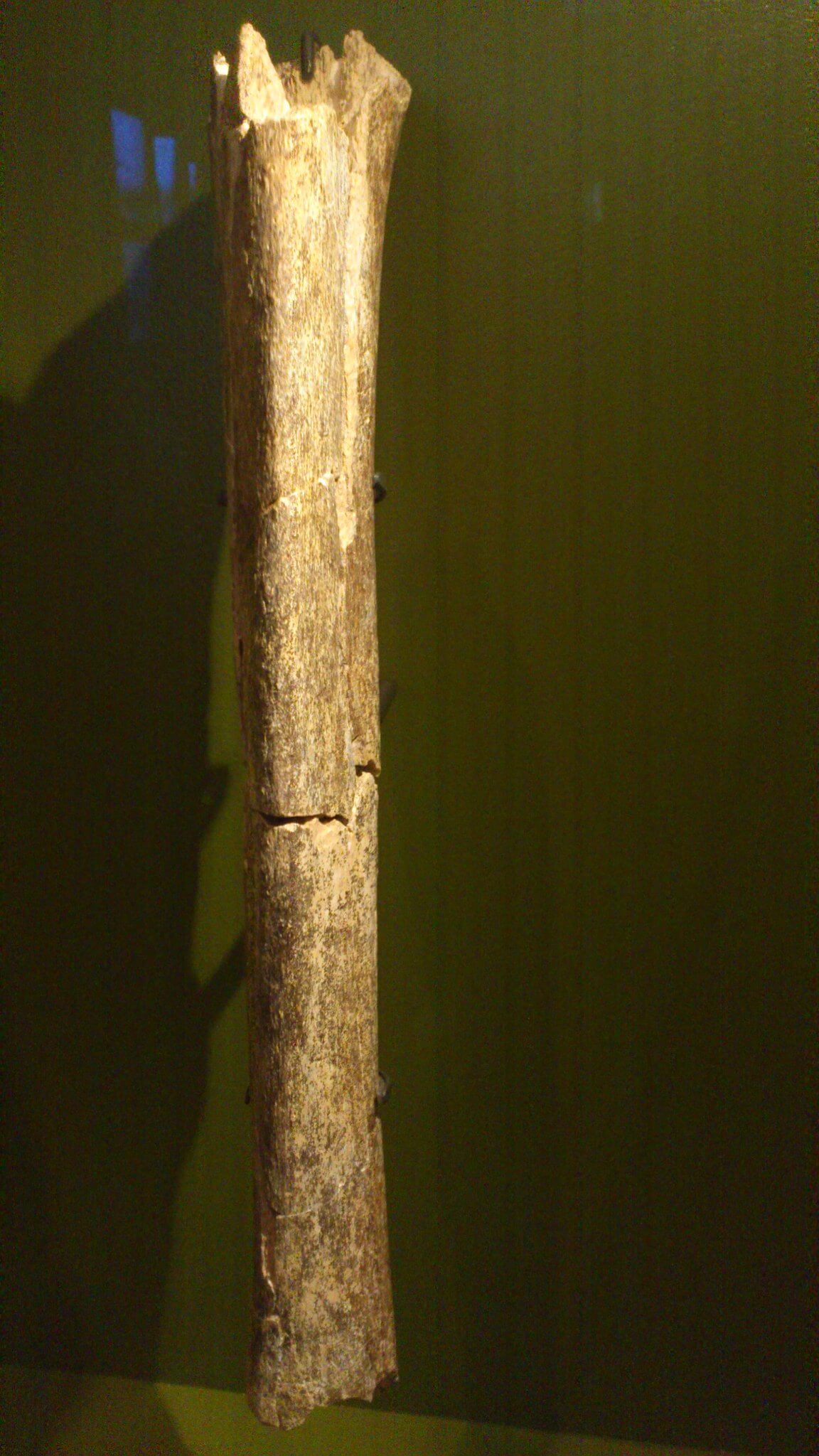
While excavating a quarry in southern England, workers accidentally exposed a fossil leg bone from a human ancestor approximately 500,000 years old, at the time the oldest known evidence of human habitation in Britain. The quarry workers were not conducting archaeology; they were extracting stone.
The bone’s discovery proved human settlement in Britain far earlier than previously believed.
The Oetzi Iceman (1991)
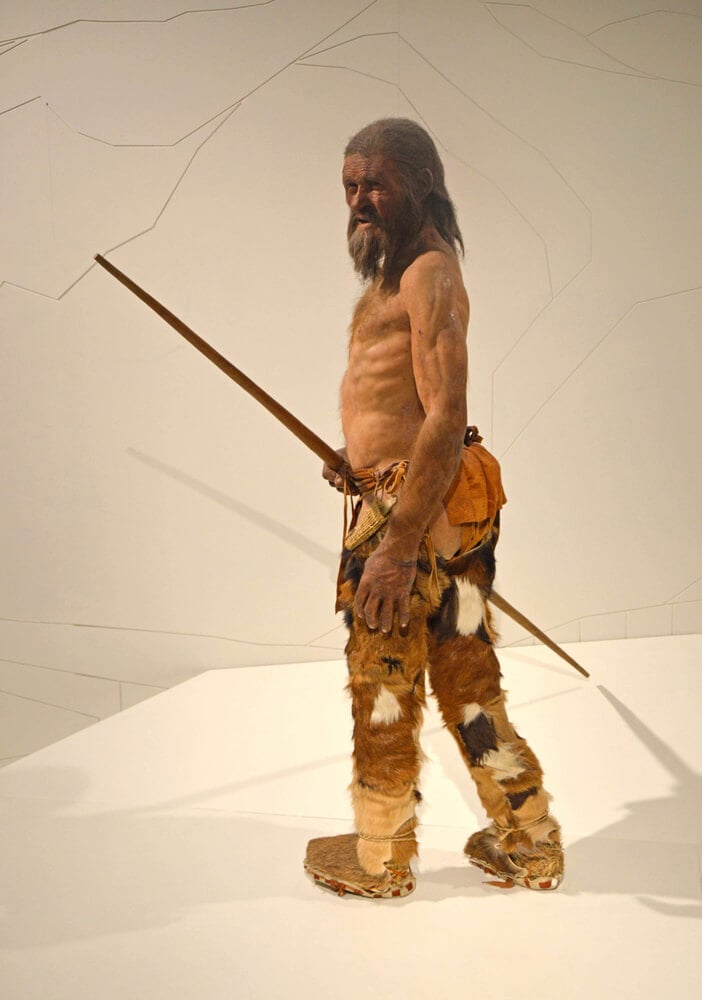
Hikers accidentally discovered the preserved remains of a Neolithic man embedded in ice on the Italian-Austrian border in 1991, a mummy approximately 5,300 years old with clothing, tools, and even the copper-tipped arrow that may have killed him still present. The hikers were not searching for archaeological remains; they found the body by chance while hiking.
The preservation revealed Neolithic life in unprecedented detail.
The Archimedes Palimpsest (1999)
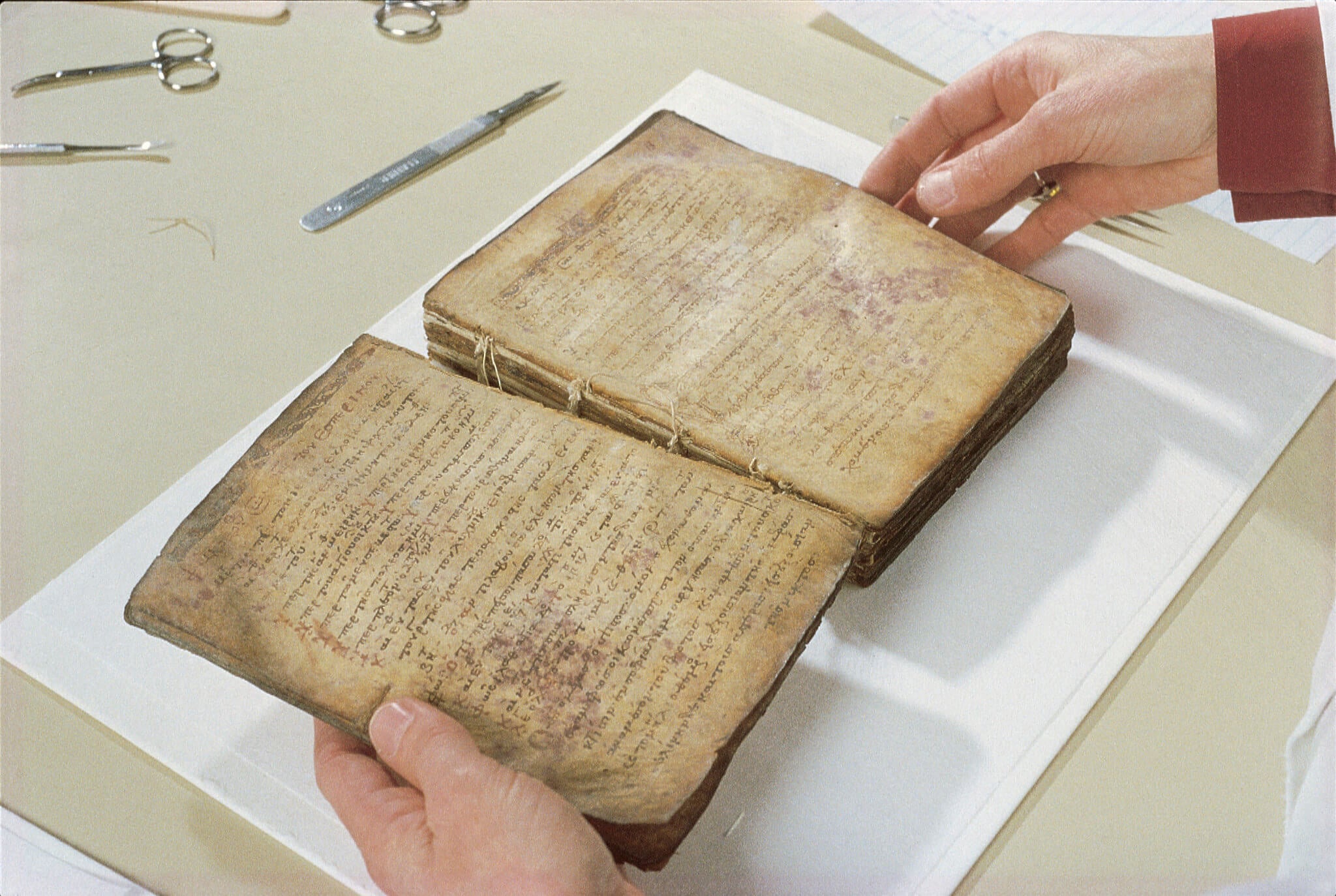
A book dealer accidentally discovered that a twelfth-century prayer book contained erased and overwritten text from Archimedes’ mathematical treatises in 1999, leading to the recovery of ancient mathematical work thought lost. The palimpsest was purchased for what the discoverer thought was a single religious manuscript.
The discovery recovered works that had vanished from the historical record.
The Sea Peoples Inscriptions (1970s)
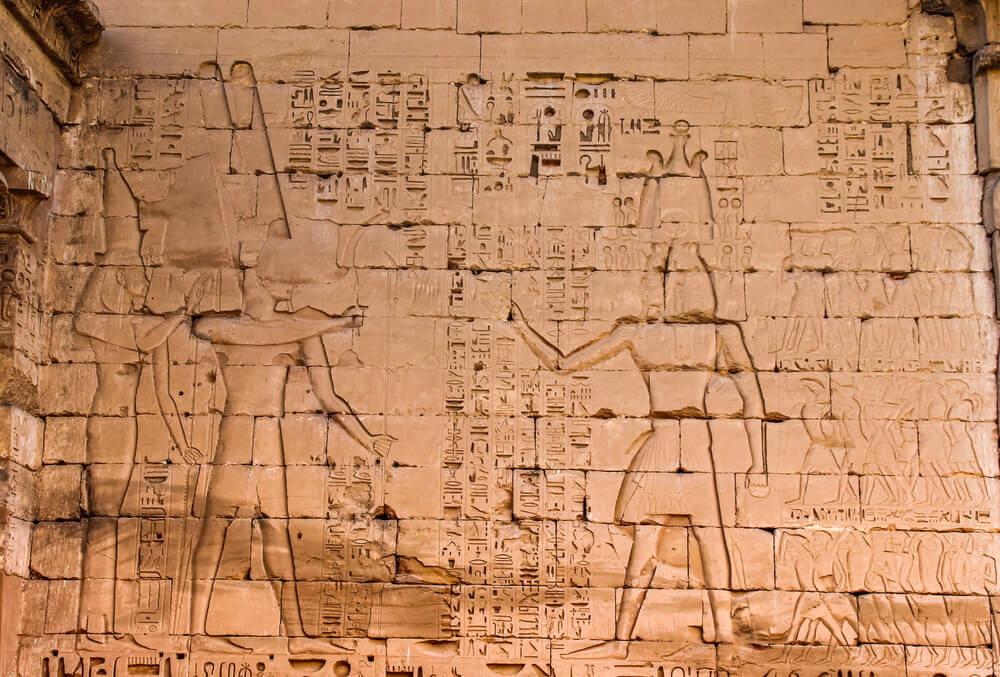
While excavating at various Mediterranean sites, archaeologists accidentally discovered references to the Sea Peoples, mysterious maritime raiders who threatened Egypt and the Mediterranean in the twelfth century BCE, in temple inscriptions and official records. The references were not sought but emerged from systematic excavation.
The discoveries proved the Sea Peoples’ historical existence.
The Sarcophagus of Alexander (1998)
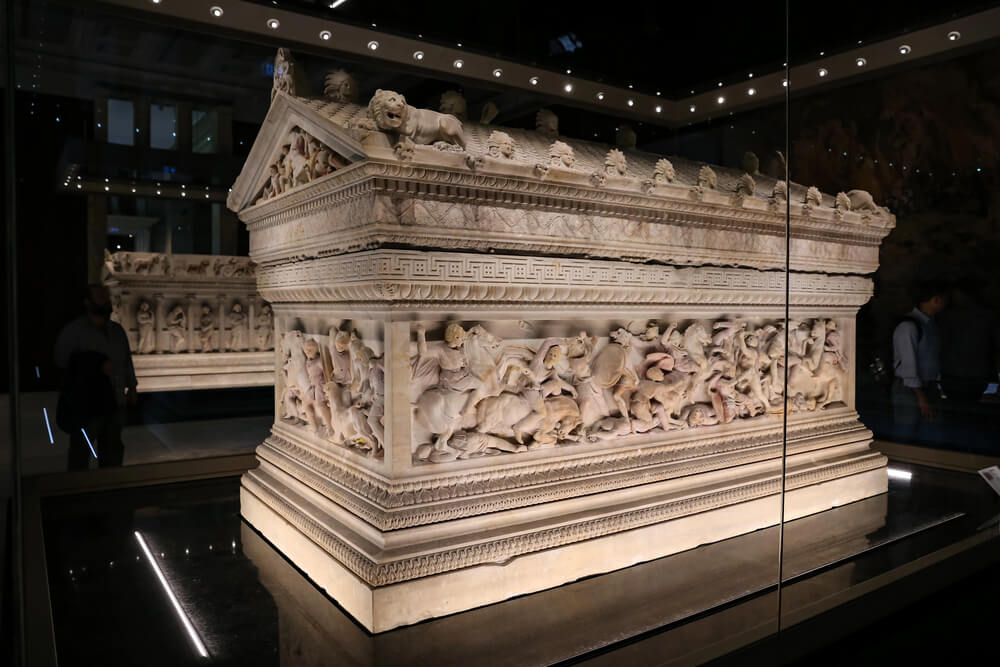
While excavating Alexandria’s catacombs, archaeologists accidentally broke into a sealed chamber containing what is believed to be the sarcophagus of Alexander the Great, the legendary Macedonian conqueror, though definitive proof remains elusive. The burial location had been lost for nearly two thousand years.
The accidental discovery sparked decades of research into Alexander’s final resting place.
The Baghdad Battery (1936)
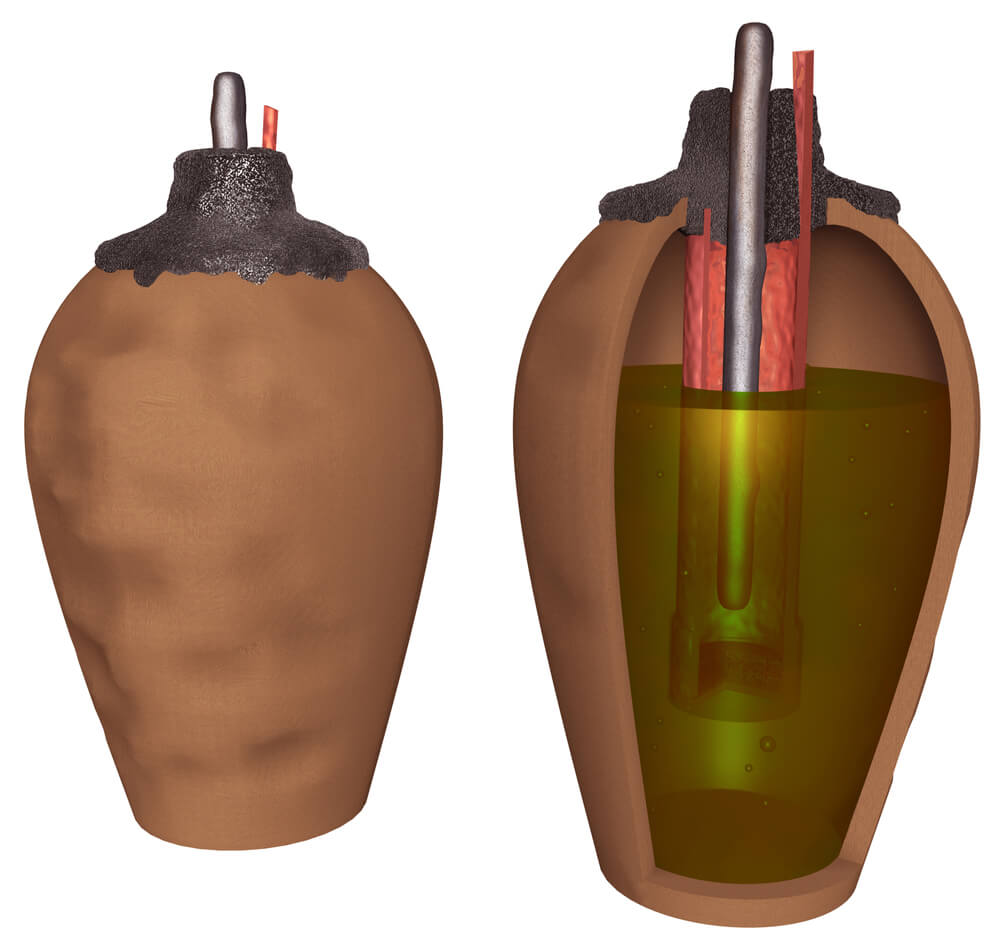
While excavating near Baghdad, archaeologists accidentally discovered terracotta jars containing copper cylinders and iron rods, objects from the Parthian period (250 BCE to 640 CE) that modern researchers speculate may have functioned as galvanic cells, though their actual purpose remains unclear. The jars were found during routine excavation.
The discovery sparked debate about ancient technological capabilities.
The Chaucer Manuscript (1920)
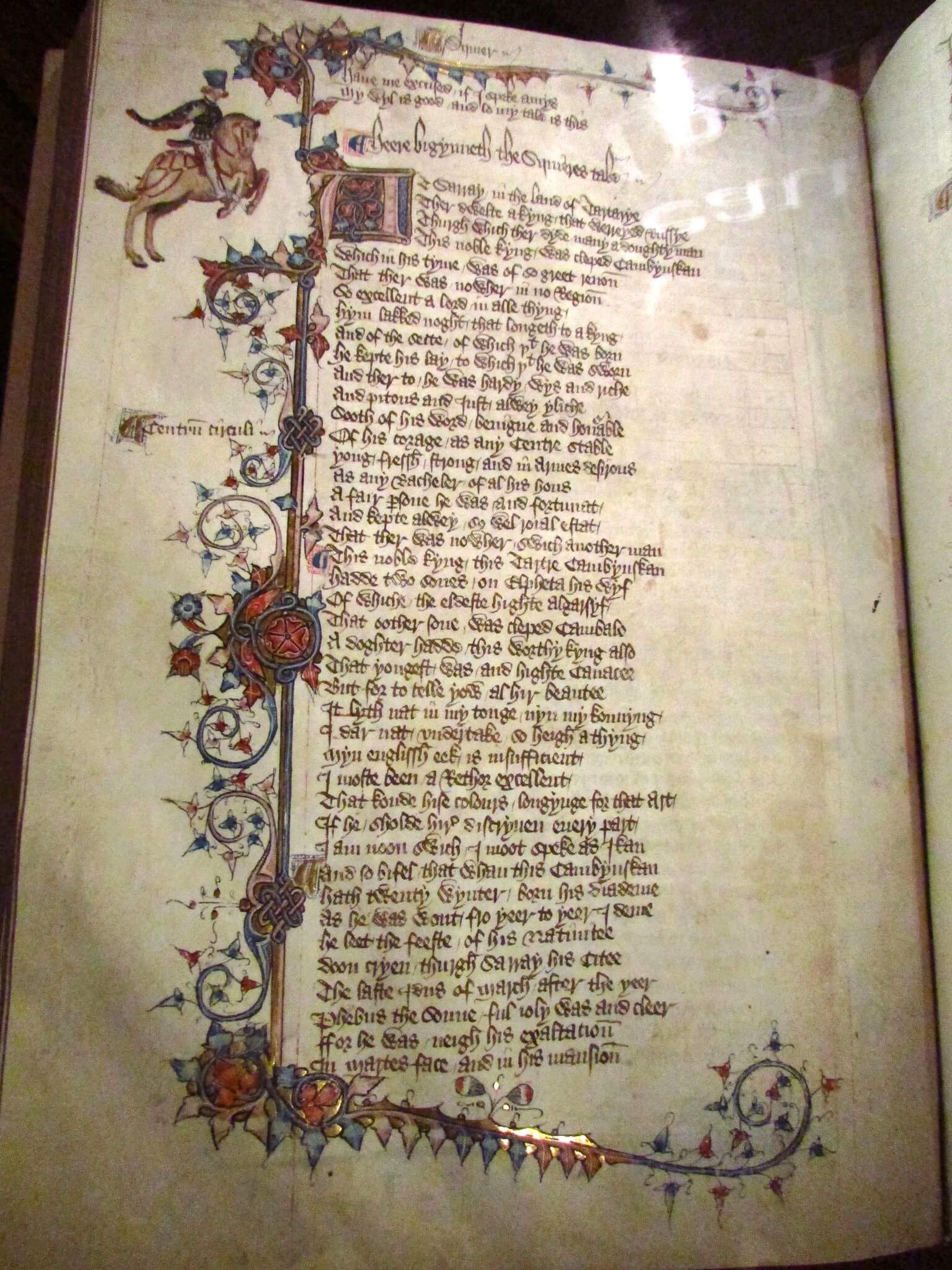
While clearing a London townhouse, workers accidentally discovered a manuscript containing previously unknown works by Geoffrey Chaucer, medieval English poet, in 1920. The manuscript was found during routine renovation, not through systematic searching.
The discovery revealed new material from one of English literature’s greatest figures.
When Accident Reveals What Search Cannot

The greatest discoveries often come to those not looking. Archaeological excavation is methodical and deliberate, yet most transformative finds emerge through chance encounters with the past.
A farmer digs a well, a hiker walks a trail, a builder breaks ground, and suddenly history emerges from the earth. There is something fitting about this pattern: the past does not reveal itself on demand; it emerges unexpectedly when circumstances align.
The most important thing about these accidental discoveries is not the accidents themselves but the fact that someone recognized what they had found. Many people have stumbled upon artifacts and kept walking.
The discoveries that matter are those made by people who understood they were holding history.
More from Go2Tutors!

- The Romanov Crown Jewels and Their Tragic Fate
- 13 Historical Mysteries That Science Still Can’t Solve
- Famous Hoaxes That Fooled the World for Years
- 15 Child Stars with Tragic Adult Lives
- 16 Famous Jewelry Pieces in History
Like Go2Tutors’s content? Follow us on MSN.



