26 Disney Collectibles Worth Real Money
A cartoon mouse drawn in 1928 has been printed, stitched, stamped and molded onto more objects than almost any other character in commercial history. Most of those objects are worth very little, which is exactly what makes the exceptions interesting.
Attics across the country hold Ingersoll watches that stopped ticking decades ago, felt dolls with faded red shorts, and ticket books from a park that opened in 1955. A few of them pay for a vacation.
The rest explain why collectors learn to read the fine print on a maker’s mark before they get excited.
Ingersoll Mickey Mouse Wristwatch from 1933
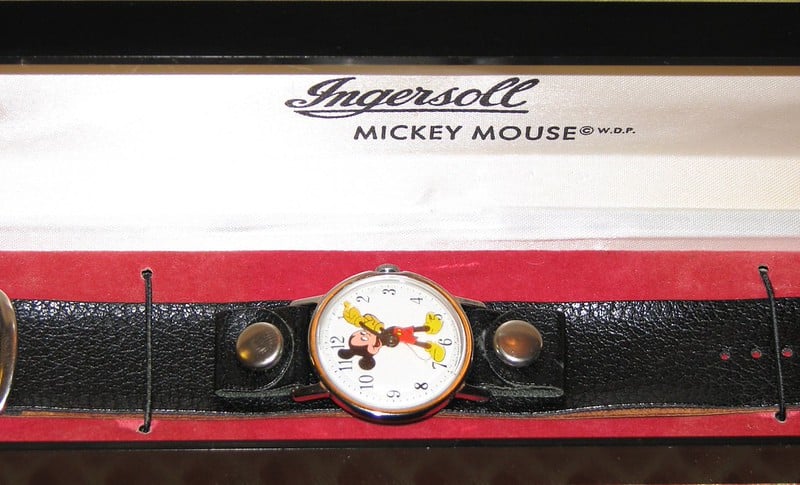
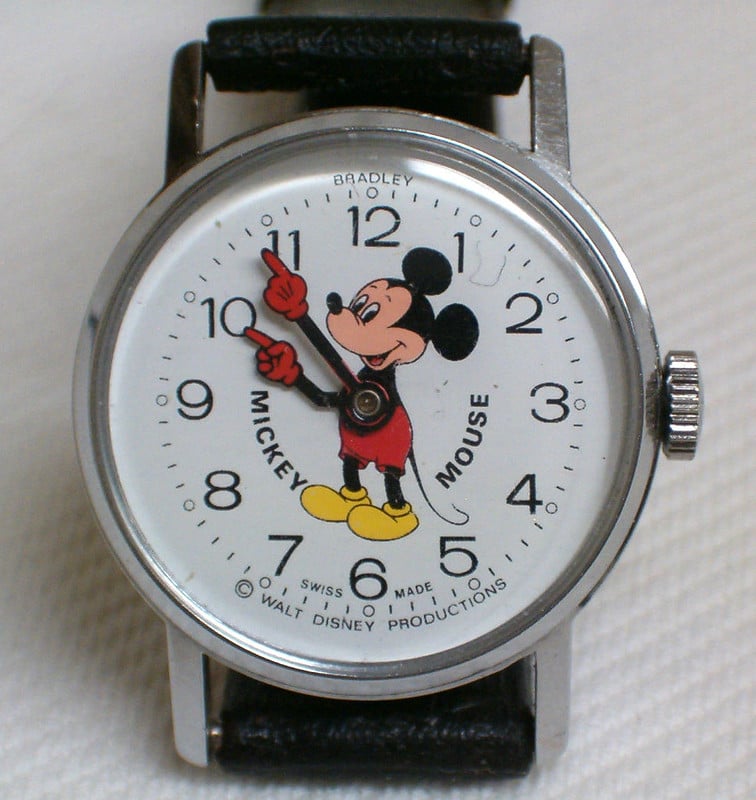
Ingersoll produced the first Mickey Mouse wristwatch in 1933, with Mickey’s gloved hands serving as the hour and minute hands and three tiny Mickeys circling a seconds subdial. The watch is credited with helping pull Ingersoll through the Depression, and millions were sold, so the watch itself is not scarce.
The original box and the condition of the dial are what separate a 200 dollar example from a serious one. Boxed, clean examples typically bring about 1,500 to 3,000 dollars, and one with its box sold for 2,980 dollars at Heritage in November 2021.
Replaced bands, refinished dials and dead movements all drag the figure down sharply.
Ingersoll Mickey Mouse Pocket Watch from 1934
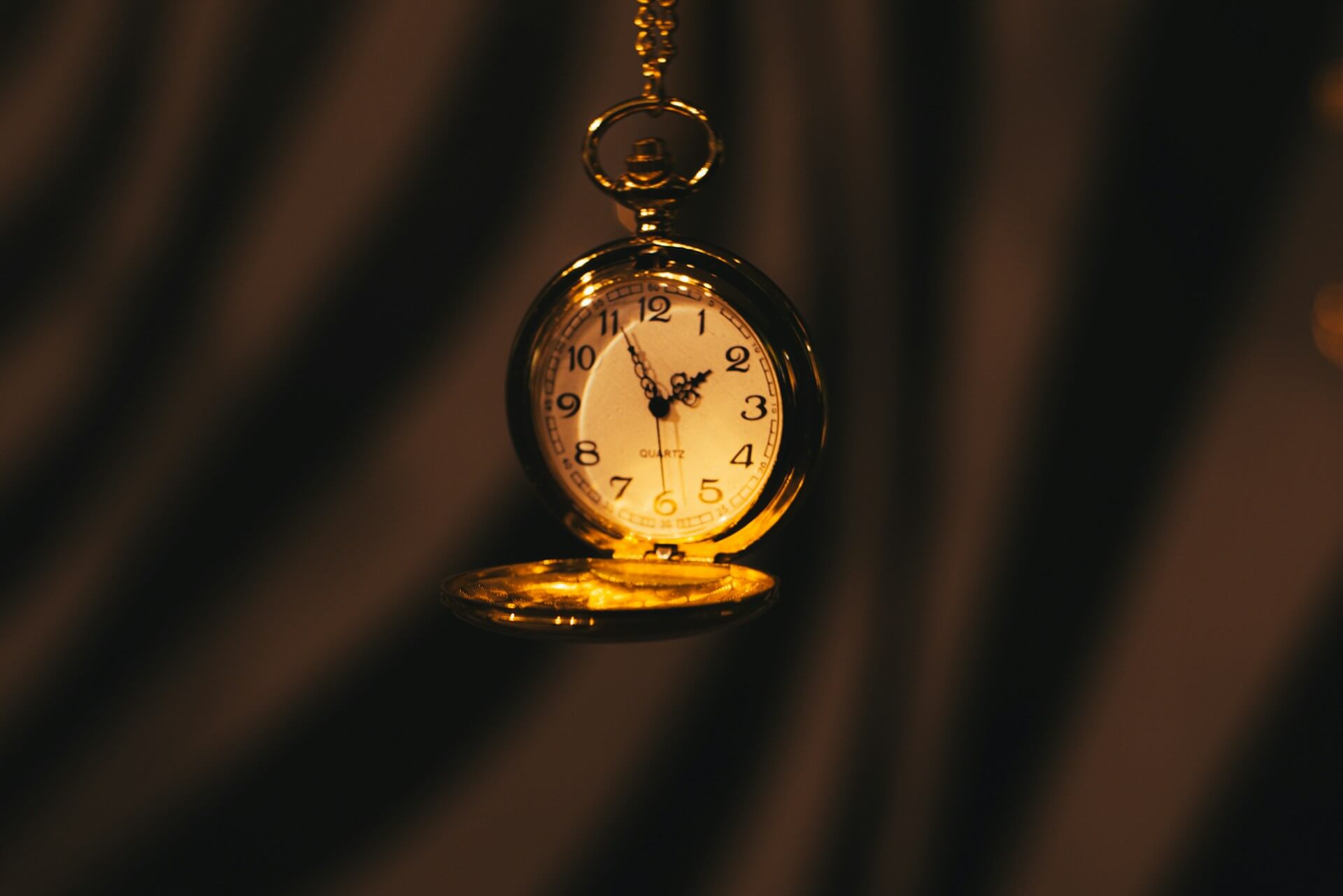
A year after the wristwatch, Ingersoll issued a Mickey Mouse pocket watch with the same animated-hands idea on a larger dial. Some came with a metal fob showing Mickey in profile, and a fob that survives with its watch adds real value because most were lost or snapped off.
Working examples with honest dials have sold for several hundred dollars, and one 1934 example brought 875 dollars on eBay in 2022. Buyers look closely at the crystal for scratches and at the case back for a correct Ingersoll stamp, since married parts from unrelated pocket watches turn up often.
Gerald Genta Mickey Mouse Retrograde Watch
Swiss designer Gerald Genta, best known for shaping the Royal Oak and the Nautilus, also put Mickey Mouse on serious wristwatches with retrograde minute displays. Mickey’s arm sweeps across an arc and snaps back to the beginning each hour, a complication that makes the character part of the mechanism rather than decoration.
One Genta Mickey retrograde sold for 28,750 dollars at Sotheby’s in March 2022. Service history, original dial and the presence of papers matter in this corner of the market, and a Genta watch with a replaced dial loses much of what collectors pay for.
Lionel Mickey and Minnie Handcar
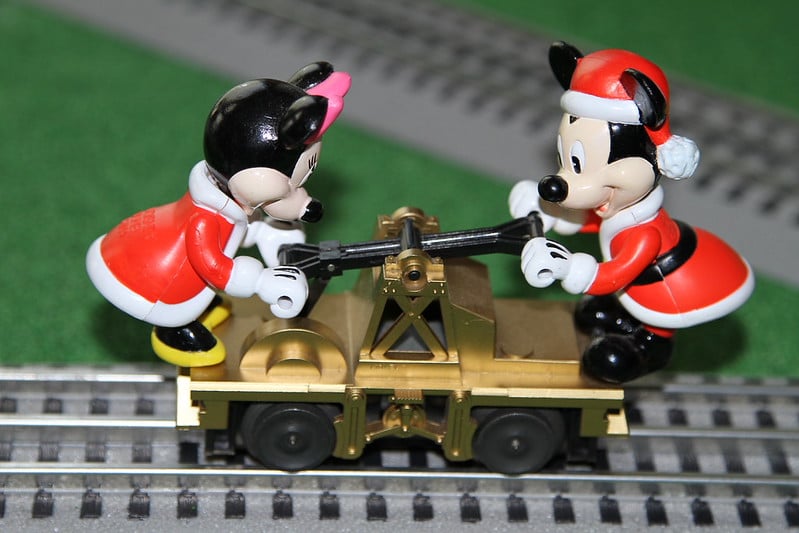
Lionel released a wind-up handcar around 1934 with composition figures of Mickey and Minnie pumping a lever as it circles a loop of track. The toy is often credited with helping Lionel’s finances during the Depression, though the exact figures are hard to pin down.
Red is the common body color, while green and other variants draw stronger bids. Complete sets with track and the illustrated box have sold for well into four figures, and loose cars with chipped figures bring far less.
Repainted figures and reproduction handles are common, so buyers check the paint under the arms for wear that matches the rest of the toy.
Lionel Mickey Mouse Circus Train
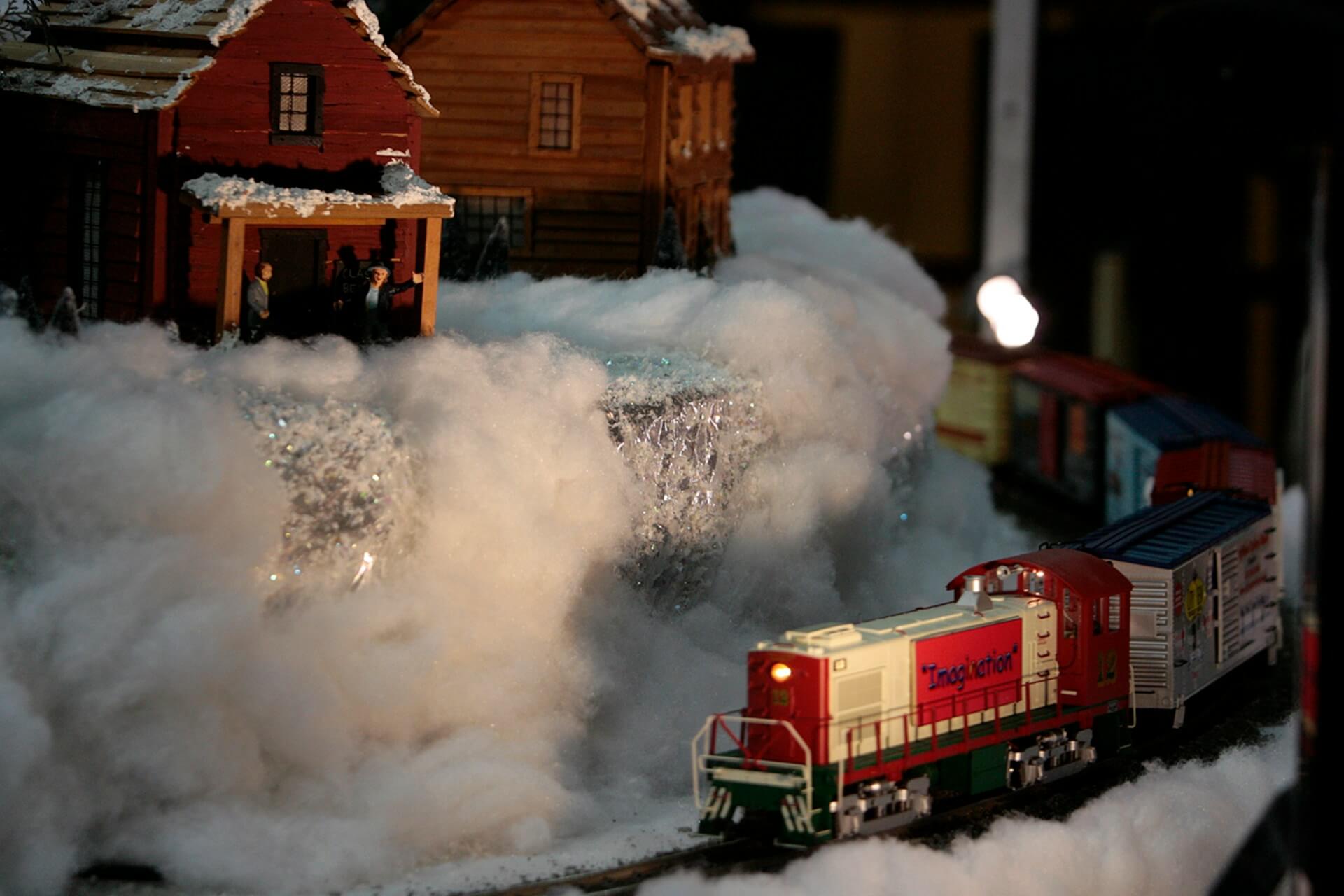
Lionel followed the handcar with a Mickey Mouse Circus Train, a wind-up set that included a locomotive, circus cars, a cardboard tent and a composition Mickey barker figure. The paper and cardboard pieces were the first things to vanish, which is why a complete boxed set is a different animal from a lone engine.
Complete examples have appeared at Hake’s and have sold for thousands of dollars. Collectors treat the cardboard circus tent as the make-or-break component, and the presence of the small Mickey figure and the original box can double what an incomplete set would bring.
Steiff Velvet Mickey Mouse
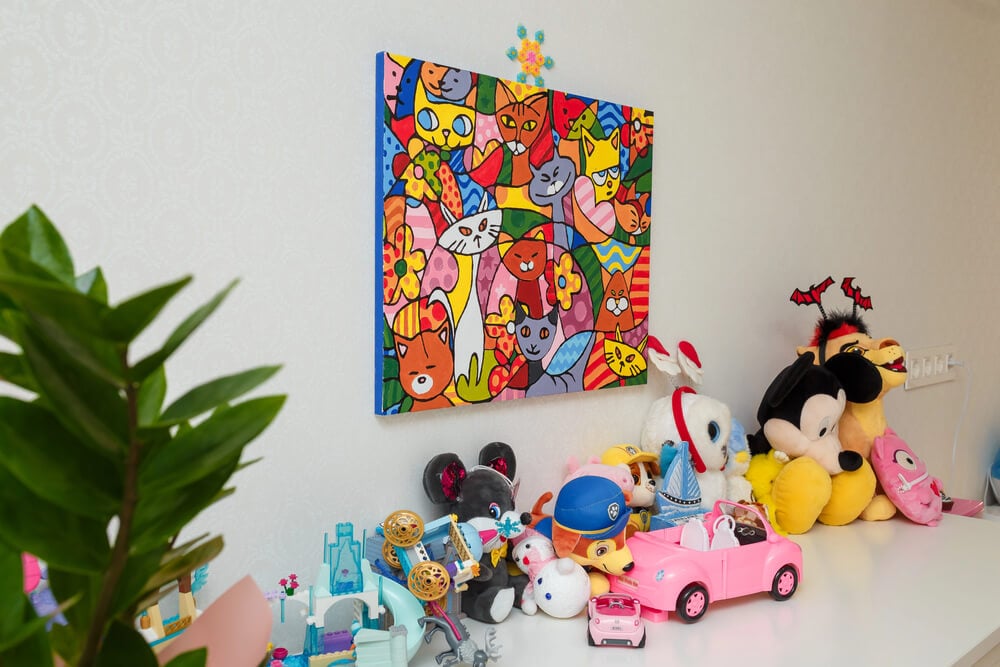
Steiff of Germany made velvet Mickey and Minnie dolls in the early 1930s under license, with the company’s trademark button in the ear and a distinctive toothy grin. They came in several sizes, and the largest size is the one that draws the most attention from doll auctioneers such as Theriault’s.
A Steiff Mickey has sold for several thousand dollars, with the button, chest tag and unfaded velvet all pushing the result upward. Moth damage, missing pie-cut eyes and replaced felt hands are the usual problems, and unmarked examples attributed to Steiff without a button sell for far less.
Charlotte Clark Mickey Mouse Dolls
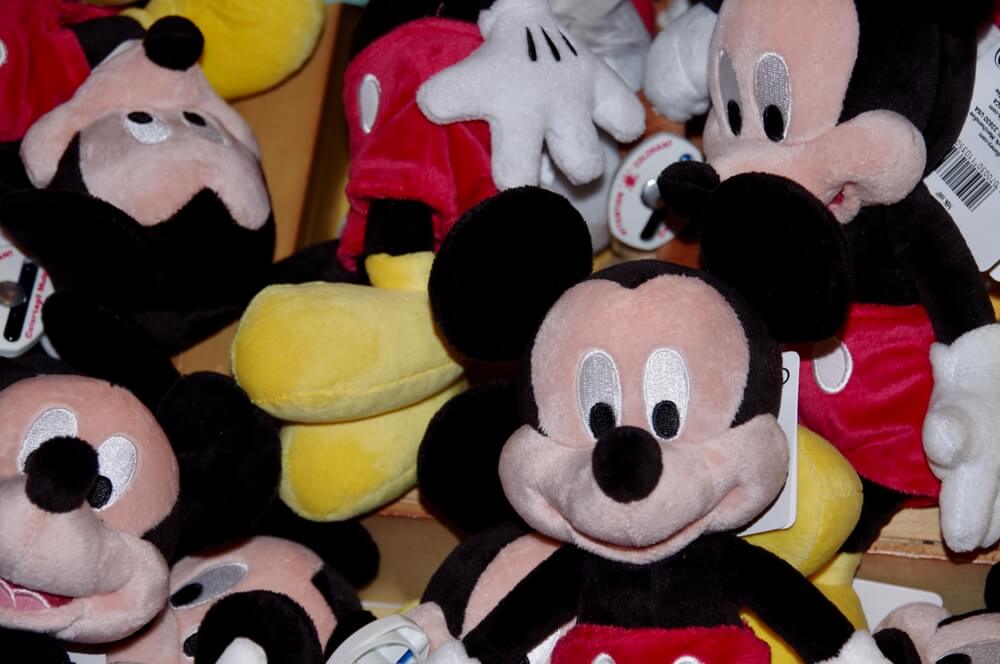
Charlotte Clark began sewing stuffed Mickey Mouse dolls in Los Angeles around 1930, and Walt Disney liked them enough that her small workshop became the source of the earliest authorized Mickey dolls. Her design, with its oversized head and stitched smile, set the template for plush Mickeys that followed.
Original Clark dolls have sold at Hake’s for prices well into the thousands, and pairs of Mickey and Minnie with documented provenance do best. Fabric fading, loose stitching and replaced buttons on the shorts all count against a doll, and home-sewn versions from the published McCall’s pattern are worth a fraction of a workshop original.
Dean’s Rag Book Mickey Mouse
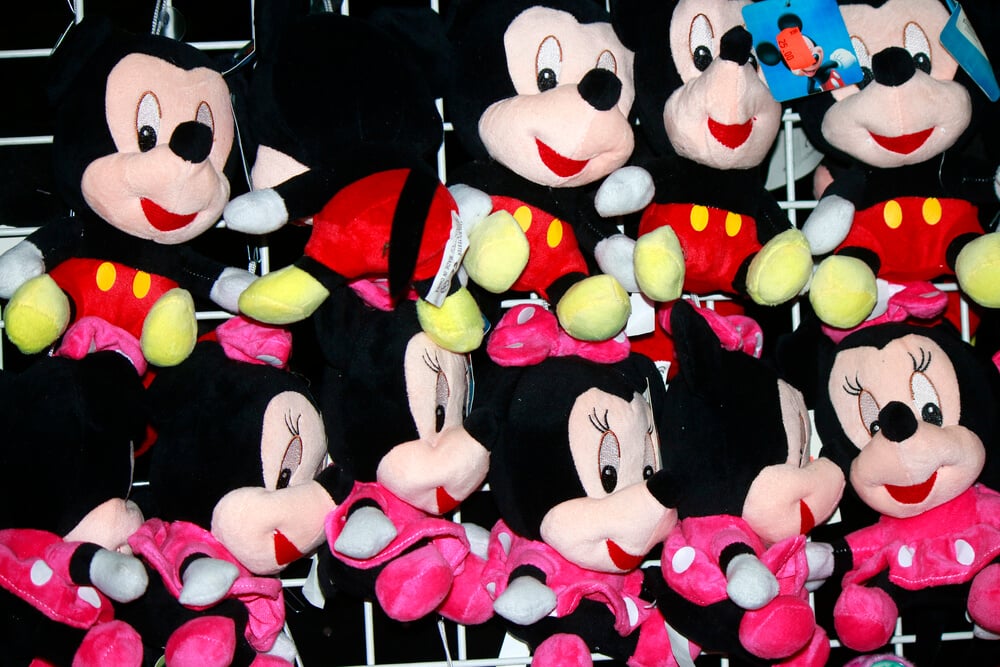
Dean’s Rag Book Company of London held the British license for Mickey Mouse in the early 1930s and produced a stuffed Mickey with long, thin limbs, a toothy grin and a printed label on one foot. The Victoria and Albert Museum holds an example in its collection.
Early Dean’s Mickeys have sold for well over 1,000 dollars when the fabric is bright and the label is legible, and the rarer turned and painted wooden version draws dealer prices higher still. Sun fading on the red shorts and lost labels are the most common deductions, and later Dean’s Mickeys with rounder bodies bring less than the first design.
Knickerbocker Composition Mickey Mouse
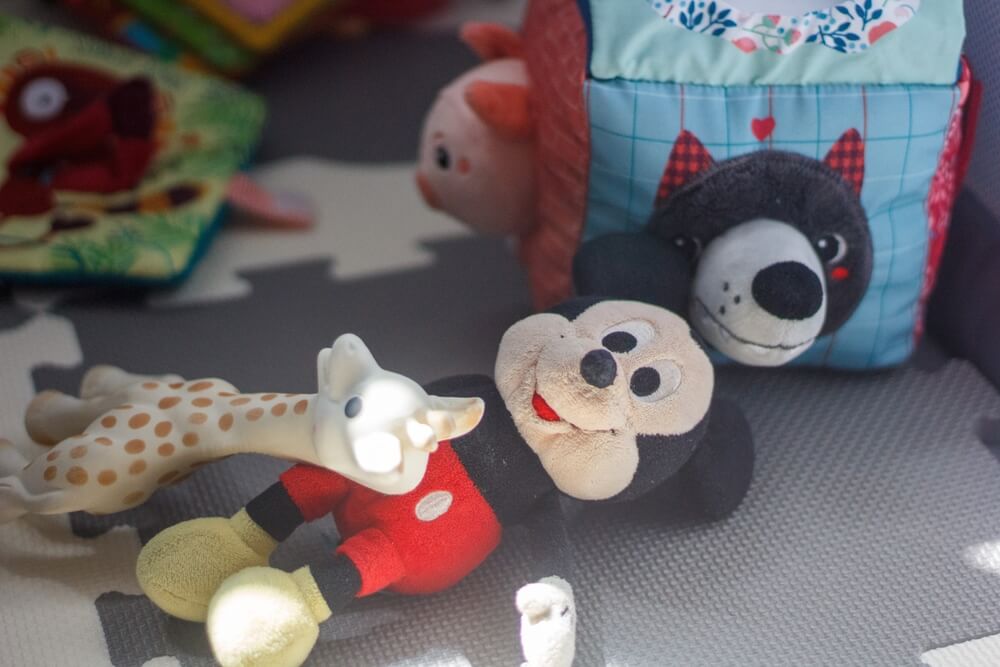
Knickerbocker made composition Mickey dolls in the 1930s with jointed limbs, painted features and cloth clothing, and some appeared in character outfits such as the Mickey bandleader with a baton and uniform. Composition is a pressed wood-pulp material that crazes and flakes with humidity changes, so examples with smooth, uncracked paint are hard to find.
High-grade Knickerbocker Mickeys have sold at Hake’s for four figures. Crazing across the face, missing tails and replaced outfits bring the number down fast, and the earlier five-fingered glove style is the detail that advanced collectors look for first.
Marx Mickey Mouse Express Tin Wind-Up
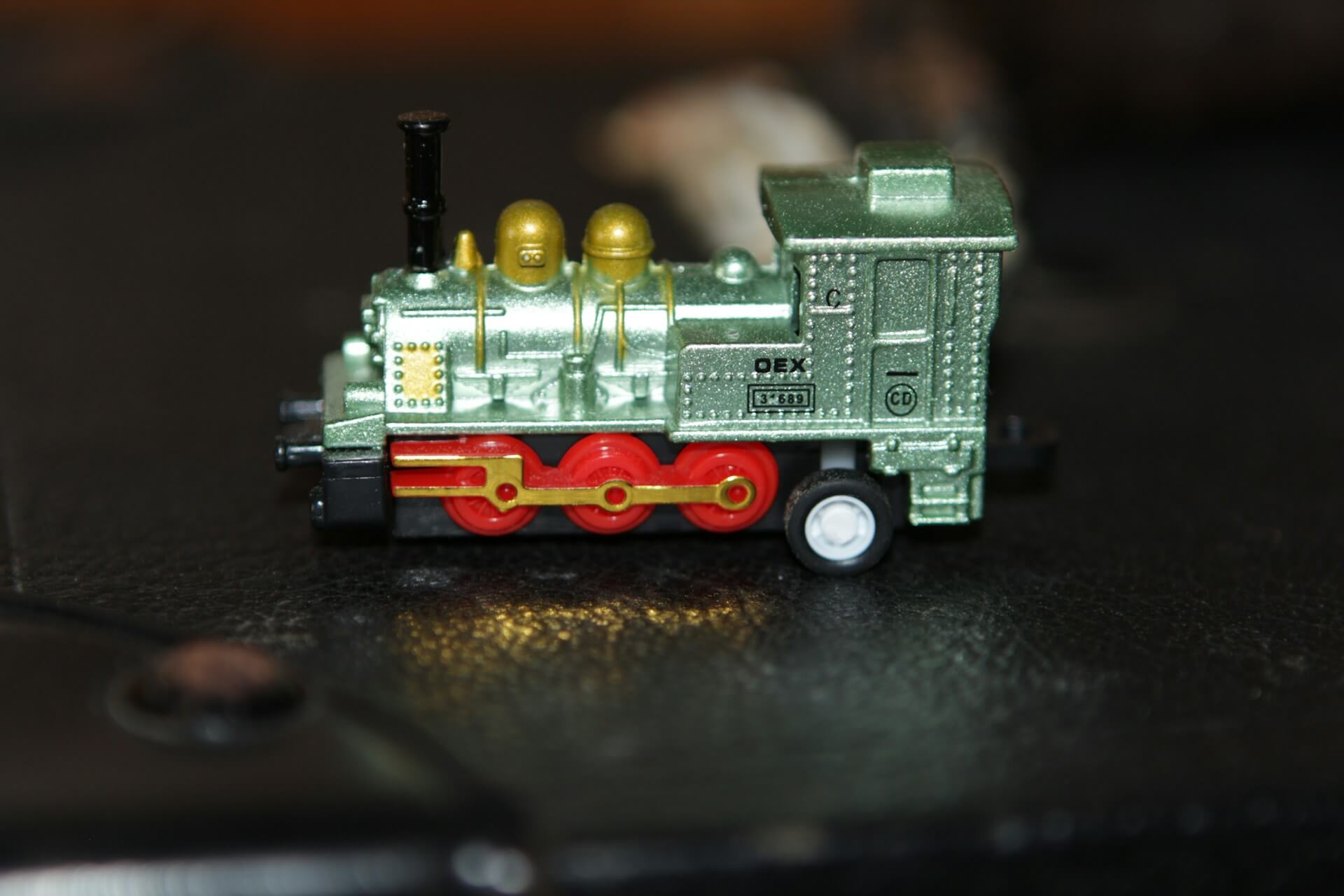
Louis Marx produced the Mickey Mouse Express in the 1950s, a lithographed tin toy with a small train running around a circular base past a Disneyland-style depot while a plane spins overhead. The lithography is dense and colorful, which is both the appeal and the problem, because every scratch shows.
Working examples with bright lithography have sold at auction for several hundred dollars and sometimes more with the box. A seized motor, a bent plane arm or heavy rust on the base are typical issues, and a working key is worth checking for since the originals are often missing.
Nifty Mickey Mouse Scooter Wind-Up
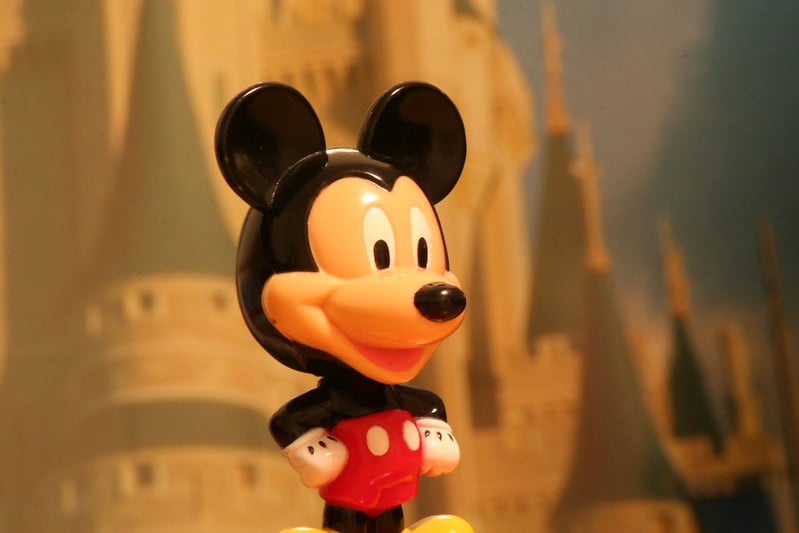
An early 1930s wind-up credited to Nifty features a celluloid Mickey riding a tin scooter, and it is one of the scarcer character toys of the period. Celluloid is brittle and prone to cracks and shrinkage, so intact figures are uncommon.
Hake’s has offered an example with its original box, and boxed survivors are considered exceptional. Prices for working examples have climbed into four figures.
Cracked celluloid, missing rubber tires and non-working motors are the usual faults, and the box alone adds a large premium because almost none were kept.
Snow White Production Cel on a Courvoisier Setup

Production cels from Snow White and the Seven Dwarfs, released in 1937, were sold to the public through the Courvoisier Galleries in San Francisco, often trimmed and mounted on painted or airbrushed backgrounds with a gallery label on the back. These setups are the entry point for original Disney animation art, and a Snow White cel has sold at Heritage Auctions for 26,500 dollars.
Dwarfs and the Queen generally bring more than background animals. Paint flaking, cel wrinkling and separation from the mount reduce value, and the Courvoisier label is a key authentication point.
Fantasia Roadshow Souvenir Program
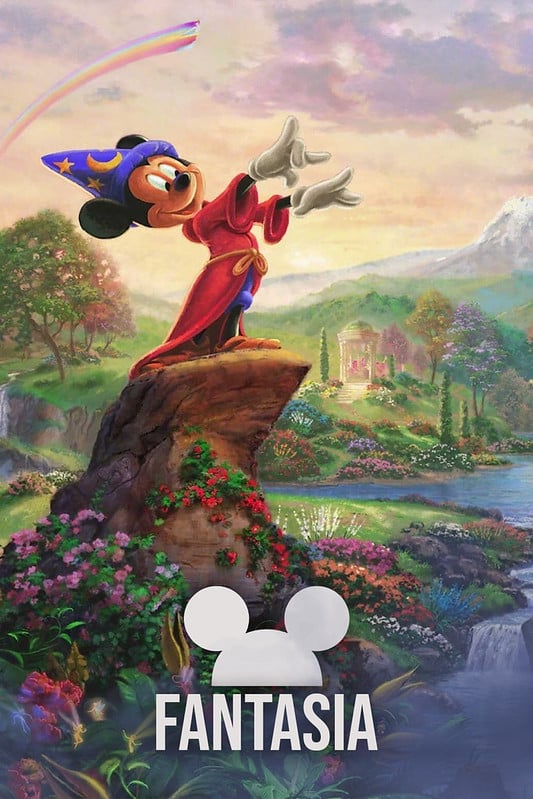
Fantasia opened in 1940 as a roadshow engagement with reserved seating, and theaters sold a large souvenir program with full-color plates and an explanation of the music. The program is a substantial booklet rather than a pamphlet, and copies turn up regularly at movie-paper auctions such as Heritage and eMoviePoster.
Clean copies typically sell for about 100 to 300 dollars, with rare variants and unusually crisp examples bringing more. Spine splits, water staining and loose plates are common after eighty years, and copies with the original mailing envelope or ticket stubs tucked inside draw extra interest.
Disneyland 1955 Dedication Press Ticket
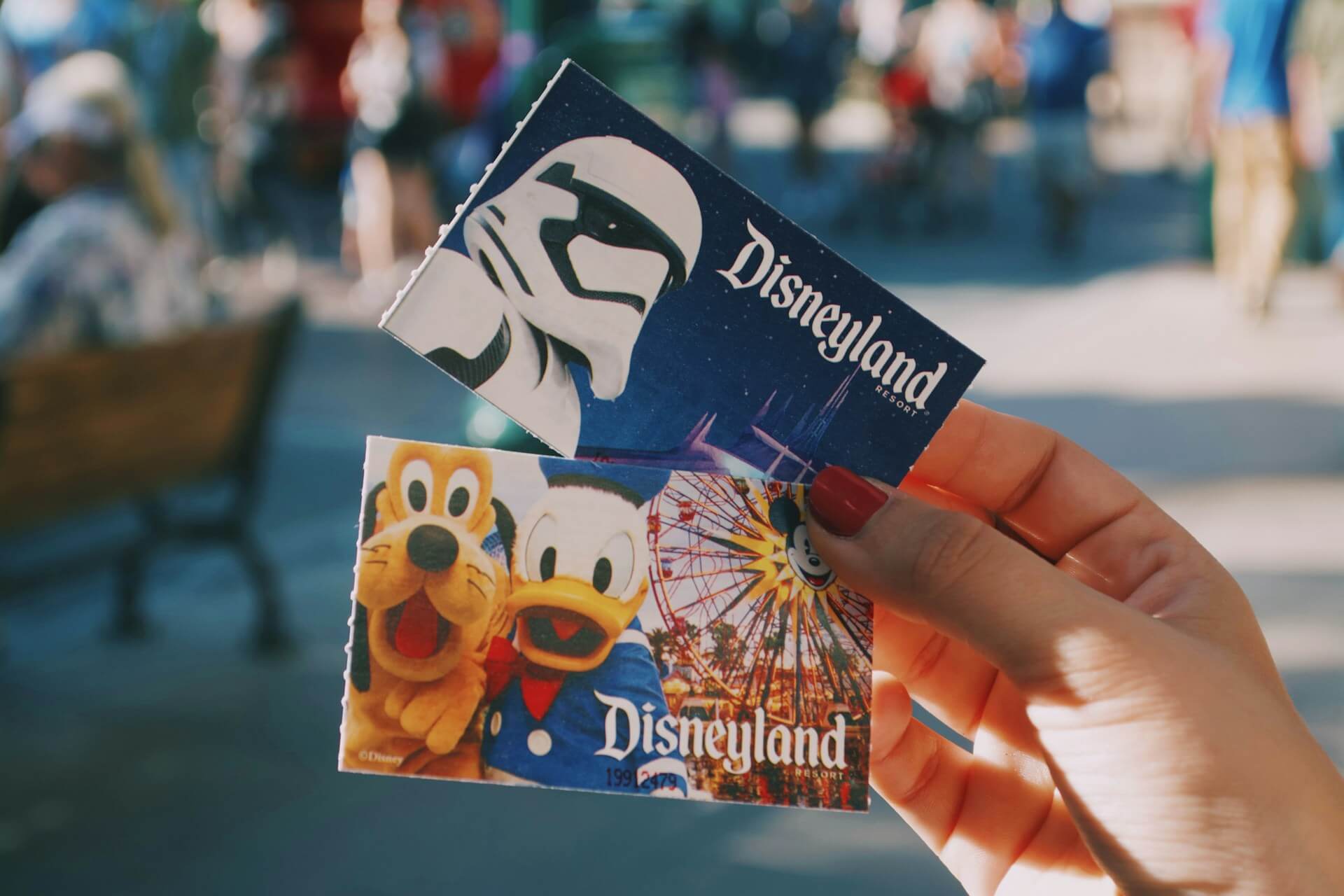
Disneyland opened on July 17, 1955, with a chaotic invitation-only preview that was broadcast live on ABC. Press and guests received printed invitations and passes for the dedication, and those pieces of paper are among the most sought Disneyland collectibles.
A 1955 press pass has been estimated by Nate D. Sanders Auctions at more than 5,000 dollars, and documented examples have sold at that level. Folds, pencil notes and torn corners lower the price, while a pass that can be tied to a named journalist or guest carries a premium because the story travels with the ticket.
Disneyland 1955 Souvenir Guide Book

Visitors in Disneyland’s first season could buy a souvenir guide with illustrations of the five original lands and attractions that no longer exist. Later printings changed the cover art and added attractions, so collectors learn to tell the first-year version from those that followed by the attractions listed and the cover design.
First-season guides in clean condition have sold for several hundred dollars, and the price climbs when the book comes with a matching ticket book or map. Water damage, missing pages and childhood crayon all cut the figure, and the many reprints sold in later decades have no comparable value.
Disney Dollars from the 1987 Series
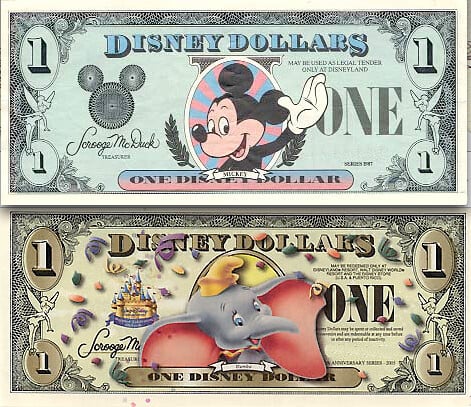
Disneyland introduced Disney Dollars in 1987 as park currency, with Mickey on the 1 dollar note and Goofy on the 5 dollar note and engraving-style artwork that borrowed from real banknotes. The first series carried an A prefix and was printed in limited quantities compared with later years.
Graded first-year notes from PCGS and PMG have sold for well above face value, and sequential sets and early serial numbers draw more. Folds, handling marks and faded ink matter, since paper money collectors grade these the same way they grade federal notes, and uncirculated examples are what the premium is paid for.
Club 33 Matchbooks and Menus
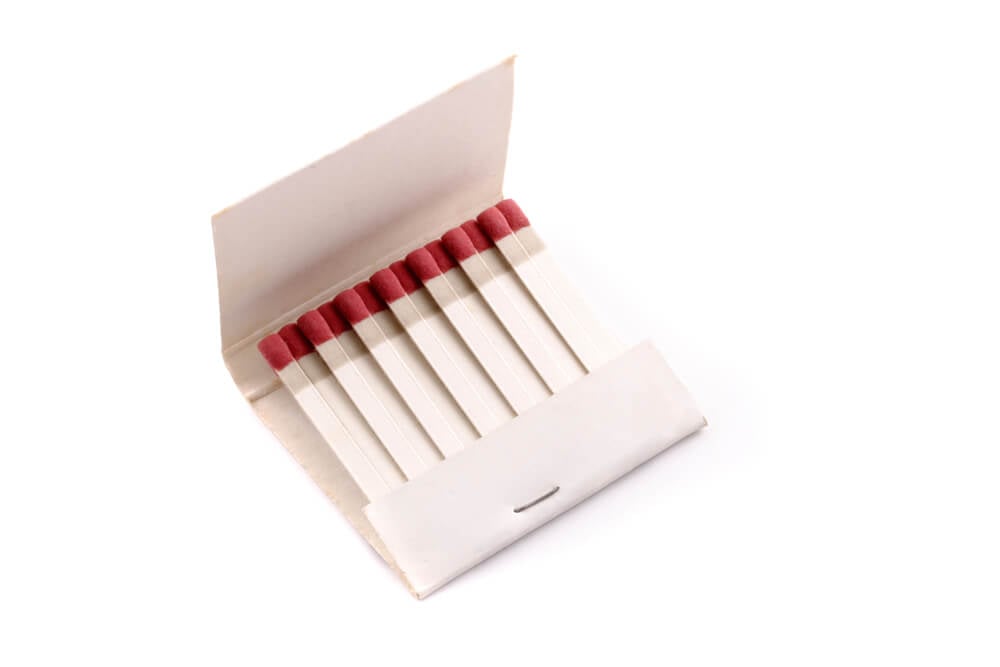
Club 33 opened in Disneyland’s New Orleans Square in 1967 as a private dining club, and for decades it was the only place in the park that served alcohol. Members and guests carried off matchbooks, menus and napkins bearing the club’s logo, and those small items circulate among collectors who may never be invited inside.
Unstruck Club 33 matchbooks and vintage menus have sold for well above what paper souvenirs usually bring, and anniversary pieces and early logo designs lead the field. Struck matches, stains and torn covers reduce interest, and Van Eaton Galleries has included Club 33 items in its Disneyland auctions.
Mickey Mouse Club Magazine from 1956

Walt Disney’s Mickey Mouse Club Magazine launched alongside the television show, with the Winter 1956 issue among the earliest, and the publication later became Walt Disney’s Magazine. Issues feature Mouseketeers on the cover, Disneyland features and serialized stories, and they were read to pieces by children.
The early issues in high grade have sold for well over 100 dollars each, with the first volume drawing the most attention. Spine stress, detached covers and subscription labels knock the grade down, and complete runs of the first volume are hard to assemble because so few copies were kept flat.
Little Golden Books Disney First Printings
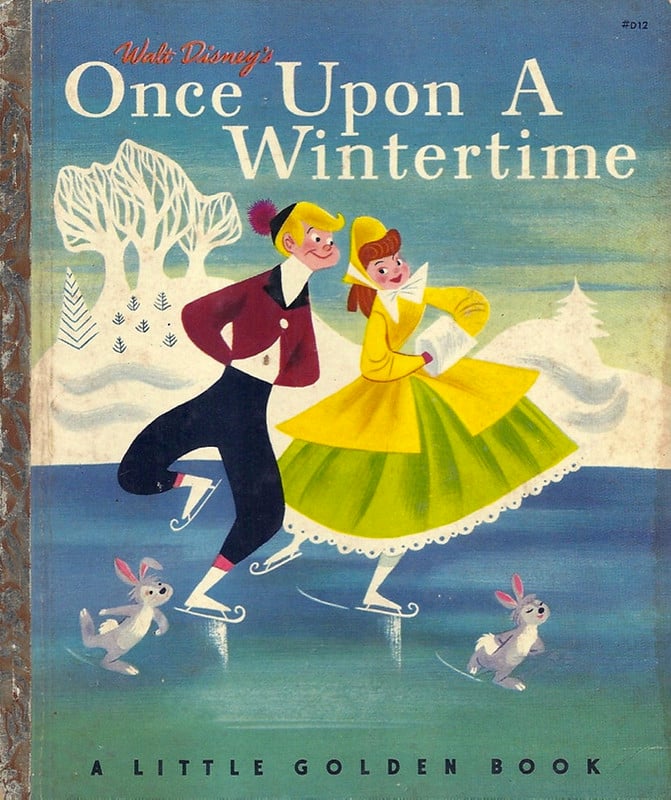
Little Golden Books began printing Disney titles in the 1940s, and the first printings of titles such as Cinderella from 1950 are identified by a letter code on the last page, with an A marking the first run. The books cost a quarter when new, which explains why millions exist and why the earliest printings in clean shape stand apart.
First printings of popular Disney titles have sold for about 50 to 200 dollars, and scarce titles climb higher. Torn spines, scribbled names and missing dust jackets on the early jacketed editions are the chief deductions, and later printings with the same cover art are worth only a few dollars.
Bakelite Mickey Mouse Pencil Sharpener
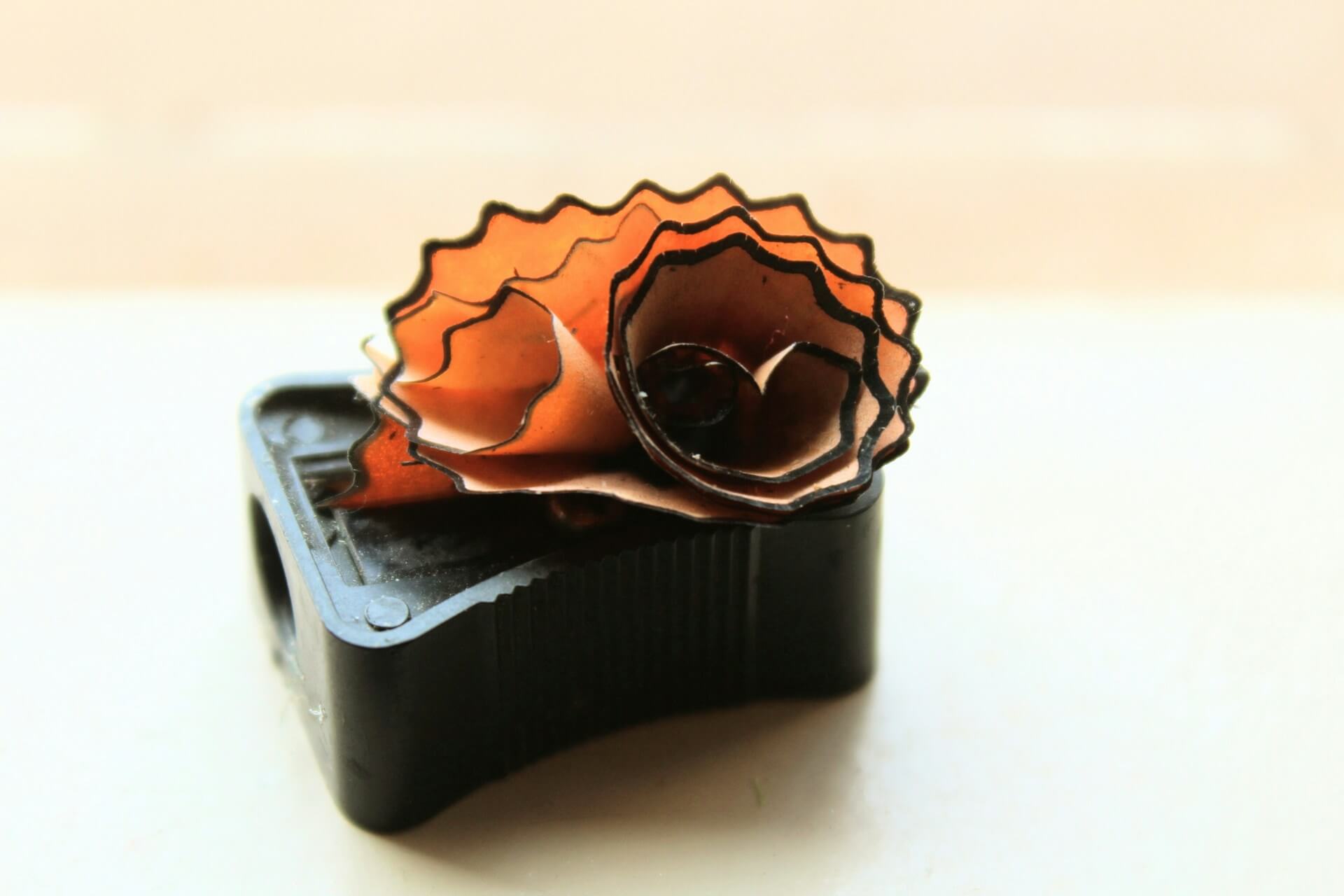
Small Bakelite pencil sharpeners decorated with a decal of Mickey Mouse were sold in the 1930s in colors including red, green and marbled tones. Bakelite was the plastic of the moment, and the sharpeners were cheap novelties, which makes the survival of a decal in sharp condition the entire story.
Examples with a crisp Walt Disney Enterprises decal have sold for about 50 to 200 dollars, while worn decals pull the figure down to a few dollars. Reproduction decals exist, so collectors check for age-appropriate wear on the Bakelite that matches the decal, and rarer character images from the same line bring more than Mickey.
Fisher-Price Mickey Mouse Puddle Jumper
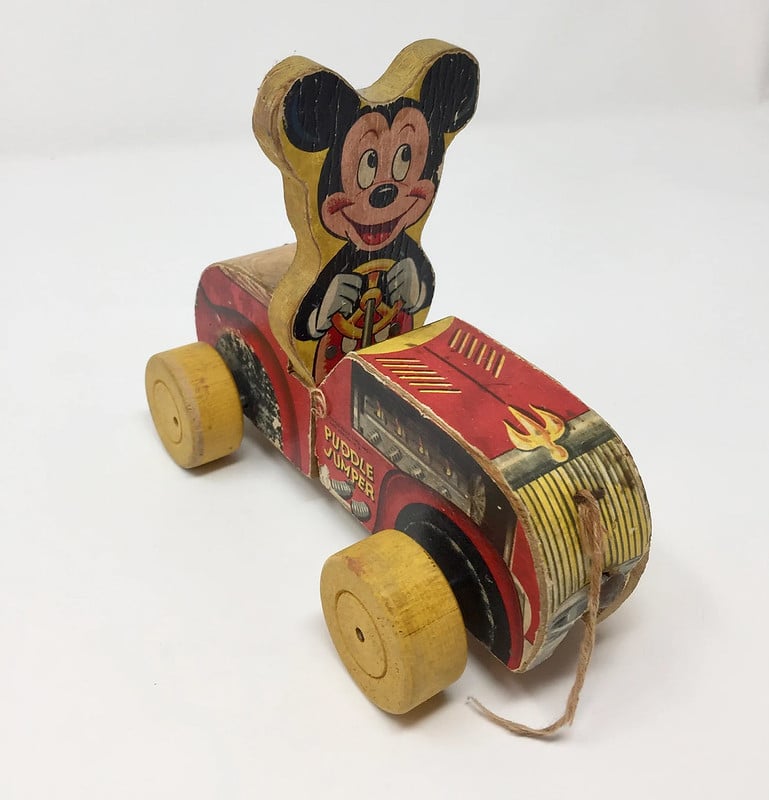
Fisher-Price issued the Mickey Mouse Puddle Jumper as No. 310 in 1953, a wooden pull toy with Mickey driving a lithographed car whose wheels make his arms and head move as it rolls. The paper lithography on these toys is glued directly to the wood, and chips at the edges are nearly universal.
Examples with bright, complete lithography have sold for about 100 to 300 dollars. Missing pull cords are easy to replace and matter little, while water damage, missing wheels and heavy paper loss are the faults that cut the figure to a fraction of that range.
Walt Disney Classics Collection Figurines
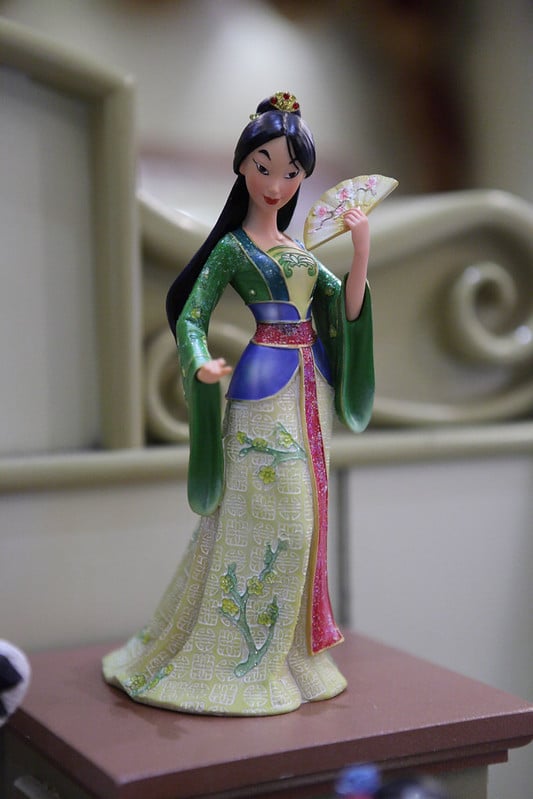
The Walt Disney Classics Collection, often shortened to WDCC, produced sculpted porcelain figurines of scenes from the animated films from 1992 until the line ended in 2012. Each piece carried a backstamp and a certificate of authenticity, and many were limited editions or retired after a set run.
Most WDCC pieces sell for less than their original retail price today, but scarce limited editions and large multi-figure scenes have sold for well over 1,000 dollars. The box and certificate are expected, hairline cracks and chipped fingers are common, and a repaired piece sells for far less than one with no restoration.
Limited-Edition Disney Trading Pins
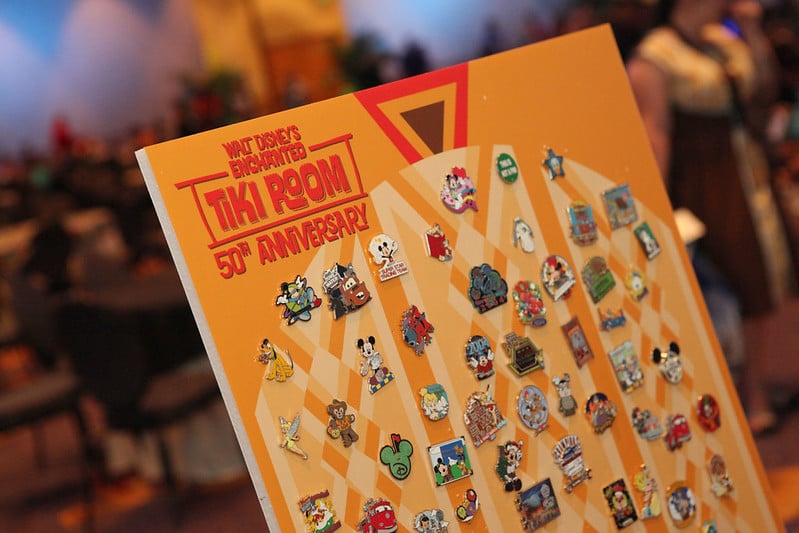
Disney parks turned pin trading into an organized hobby around the 1999 Millennium Celebration, and limited-edition pins with low edition sizes developed a secondary market almost immediately. Pins stamped with edition sizes of a few hundred, jumbo pins and event-exclusive releases are the ones that climb, and some have sold for hundreds of dollars.
Counterfeit pins, known to hobbyists as scrappers, are widespread, so buyers check the back stamp, the metal weight and the enamel fill. Scratched enamel, missing backs and bent posts all reduce value, and a pin still on its original card with the edition number intact does best.
Disney Store Musical Snow Globes
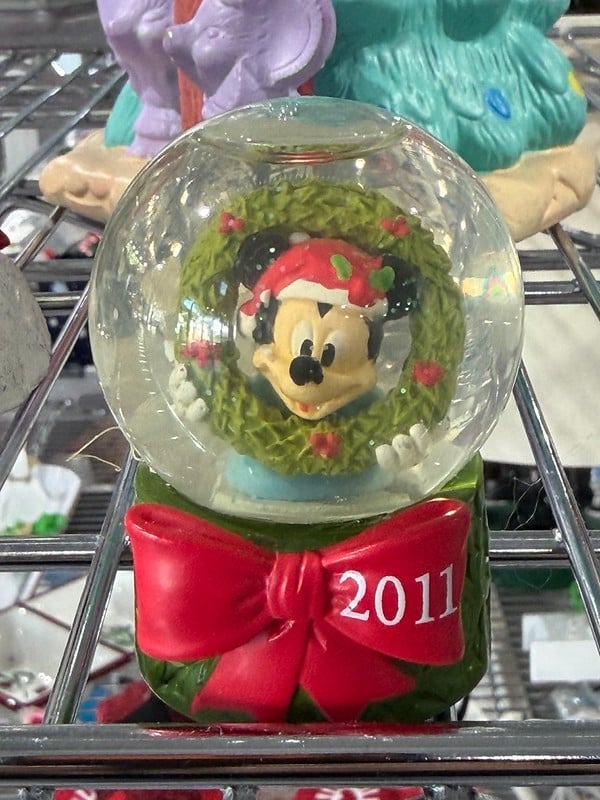
Disney Store musical snow globes of the 1990s and early 2000s were built as elaborate sculptural scenes with rotating figures, lights and movements playing songs from the films. They were heavy, fragile and sold only in limited runs, so intact survivors are far rarer than the sales numbers suggest.
Scarce designs from films such as The Lion King and Beauty and the Beast have sold for several hundred dollars. Cloudy water, a dead music box, cracked glass and missing accessory pieces all slash the figure, and the original foam-fitted box is a major plus because shipping these without it is a gamble.
Vinylmation Chaser Figures
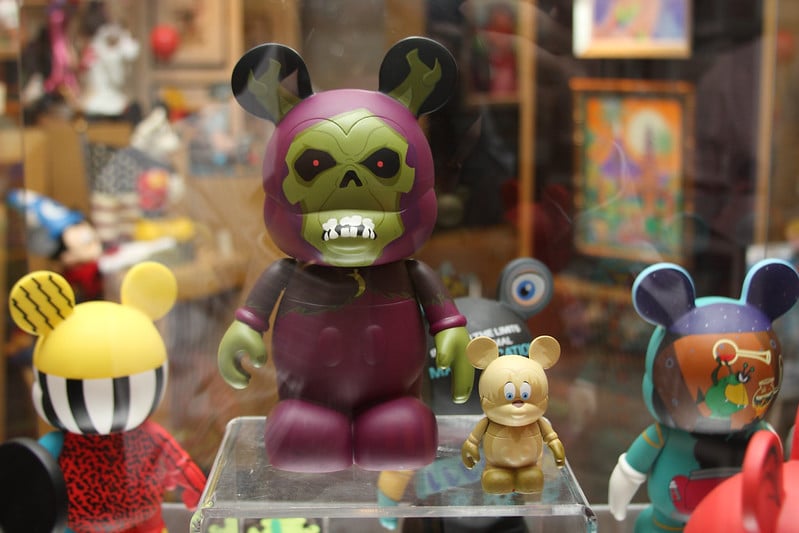
Disney launched Vinylmation in the late 2000s, three-inch vinyl figures shaped like Mickey and sold in sealed blind boxes so buyers did not know which design they would receive. Each series included a chaser figure produced in much smaller numbers than the rest, and chasers along with artist-signed and park-exclusive variants became the line’s collectible core.
Chasers from popular series have sold for about 50 to several hundred dollars, while common figures are worth little. Paint rubs on the ears, missing cards and loose joints bring the price down, and the sealed-box market adds a lottery element that keeps some buyers paying premiums for unopened cases.
Mouseketeer Ears Hat from the 1950s
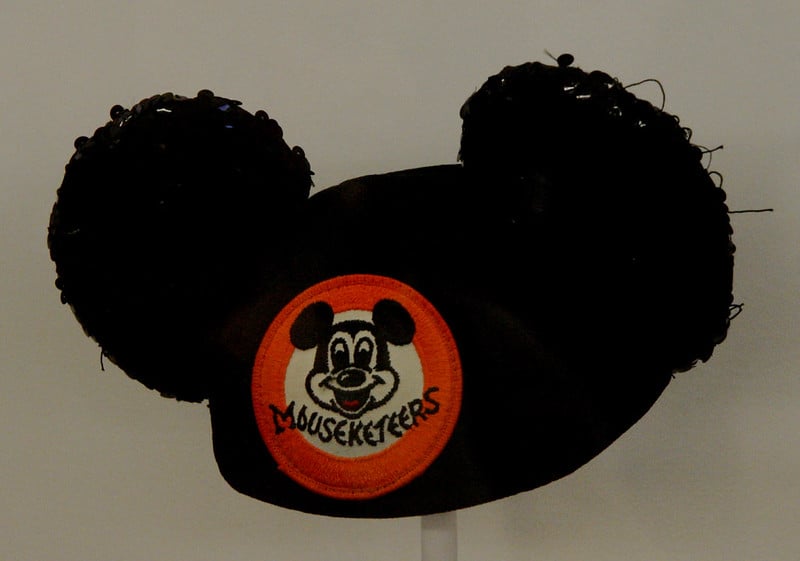
The felt Mouseketeer ears hat worn on The Mickey Mouse Club television show became a Disneyland souvenir in the 1950s, with a stitched name on the front and black felt ears on a felt skullcap. Early examples differ from modern ears in construction and in the style of the embroidered name.
First-decade hats with their original tag have sold for a few hundred dollars, and hats tied to a documented cast member have gone much higher. Moth damage, crushed ears and sweat staining are the usual condition problems, and the enormous number of later reproductions means an unprovenanced hat sells on condition and construction alone.
Mouse Ears and the Weight of Paper
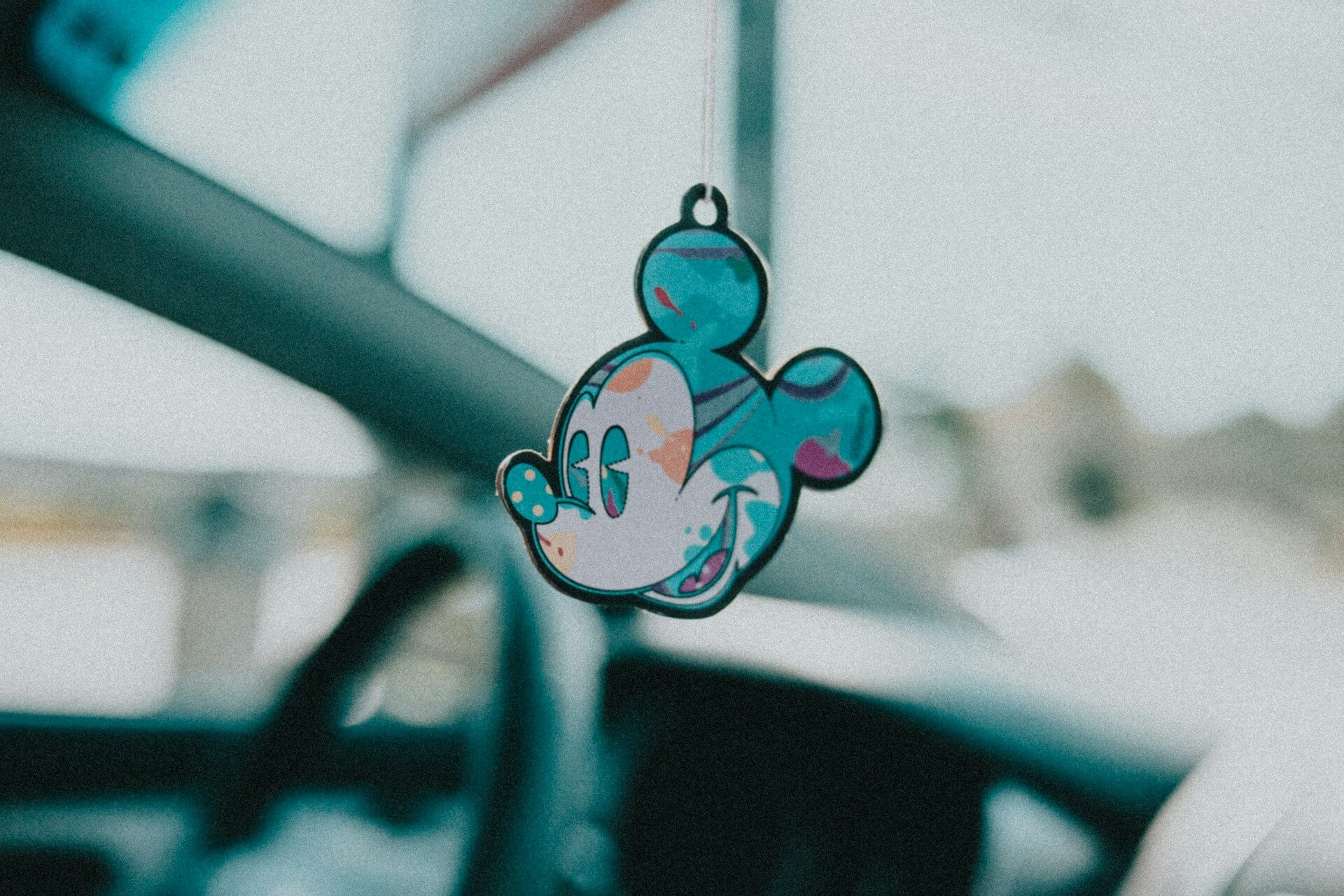
Almost every item on this list was cheap when it was new. A quarter bought a Little Golden Book, a few dollars bought a wristwatch, and a matchbook was free with dinner.
What turned those objects into money was not the object but the survival of everything around it, the box, the label, the tag, the certificate, the ticket stub nobody meant to keep.
That pattern is the quiet lesson of Disney collecting. The company made millions of everything, so scarcity is manufactured by time and carelessness rather than by design, and value flows to whoever kept the paper.
A collector who understands that will spend more time reading a maker’s mark than admiring a mouse.
More from Go2Tutors!

- The Romanov Crown Jewels and Their Tragic Fate
- 13 Historical Mysteries That Science Still Can’t Solve
- Famous Hoaxes That Fooled the World for Years
- 15 Child Stars with Tragic Adult Lives
- 16 Famous Jewelry Pieces in History
Like Go2Tutors’s content? Follow us on MSN.