26 Cereal Mascots Kids Grew Up With
Long before streaming services and smartphones, the most reliable entertainment at the kitchen table came printed on a cardboard box. A cartoon tiger, a lovesick rabbit or a vampire with a sweet tooth could hold a child’s attention through an entire bowl, and sometimes through the back panel’s maze as well.
These characters were built by ad agencies, voiced by Hollywood talent and tested like any other product. Some lasted for generations, while others vanished after a few seasons on the shelf.
Each one left a mark on Saturday mornings that is surprisingly hard to scrub away.
Tony the Tiger and the Frosted Flakes Roar
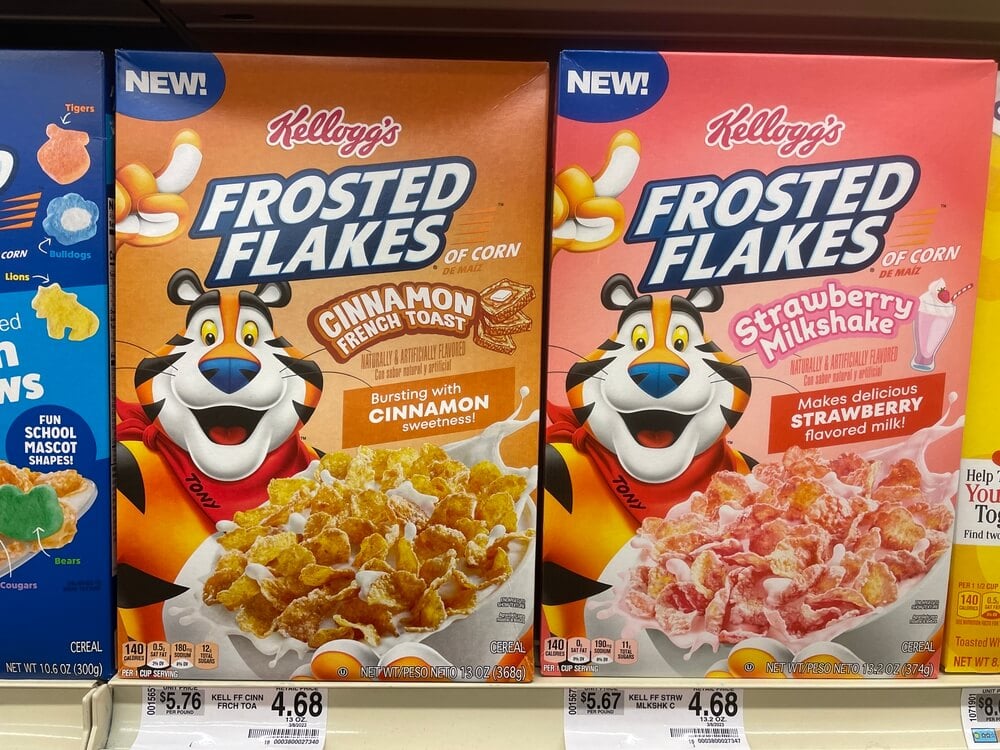
Tony the Tiger arrived on Kellogg’s Sugar Frosted Flakes in 1952, and he did not win the job unopposed. Kellogg’s originally rotated several animal characters on the box, including Katy the Kangaroo, and Tony proved so popular with shoppers that the others were quietly retired.
The Leo Burnett agency shaped his look over the following decades, slimming him down from a cartoonish cat into an athletic coach figure. Thurl Ravenscroft supplied the booming growl for roughly half a century until his death in 2005, after which Lee Marshall took over the voice.
Tony’s long-running catchphrase, a stretched-out declaration that the flakes are great, is among the most recognized lines in American advertising.
Snap, Crackle and Pop on the Rice Krispies Box
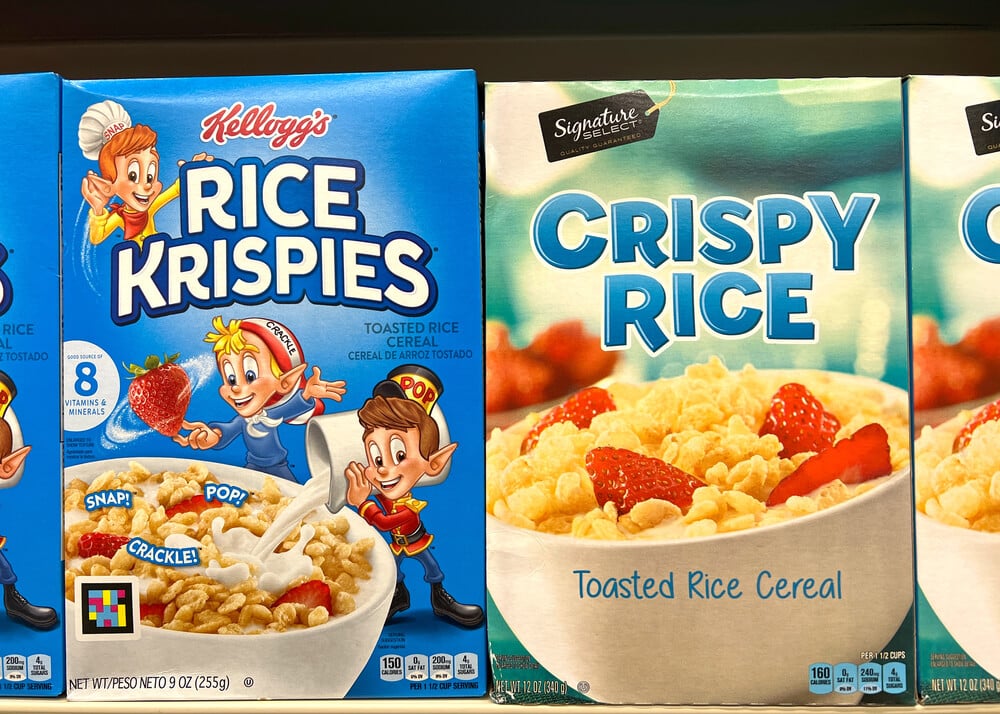
Kellogg’s Rice Krispies hit shelves in 1928, and a radio ad soon described the cereal’s noise in milk as a snap, a crackle and a pop. Illustrator Vernon Grant turned those three sounds into a trio of gnomish elves in the early 1930s, and they have appeared on the box ever since.
Over the decades the characters shed their pointed ears and older faces, becoming younger and friendlier with each redesign. In other countries the trio carries local names, so German and French children hear different words for the same sounds.
Few cereal mascots can claim a longer continuous run on the same product.
Toucan Sam Follows His Nose to Froot Loops
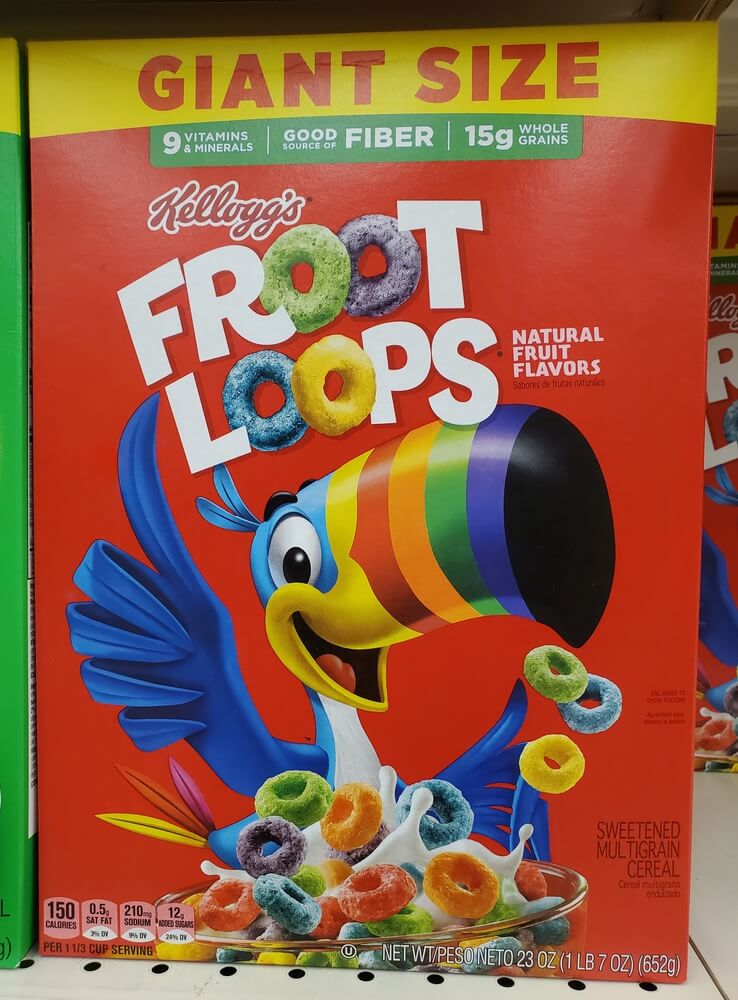
Froot Loops launched in 1963, and Toucan Sam came along to sell it with a giant striped beak and a famous ability to sniff out fruit flavors from a distance. Mel Blanc, the voice of Bugs Bunny, was the first to speak for the bird.
Paul Frees later gave Sam a clipped British accent, and Maurice LaMarche carried the role into the modern era. In older commercials Sam traveled with nephews who learned the family trade of tracking cereal by scent.
The odd spelling of the cereal’s name has long been a point of trivia, since the loops share flavors rather than containing much actual fruit.
The Trix Rabbit Who Never Gets a Bowl
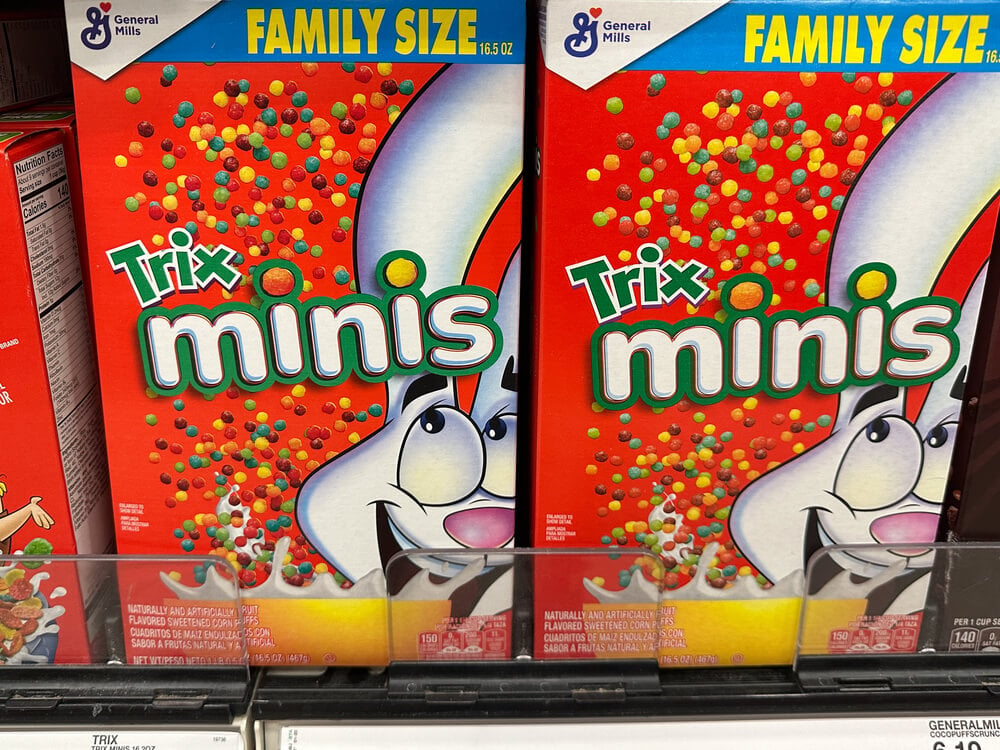
The Trix Rabbit was created by illustrator Joe Harris, who also helped create the cartoon hero Underdog, and he first appeared in General Mills ads around 1959. The premise never changed much.
The rabbit schemes and disguises himself to get a bowl of Trix, and the children he meets always catch him and declare that the cereal is meant for kids. General Mills held mail-in votes in 1976 and 1980 that let the rabbit finally eat some, and children voted overwhelmingly in his favor.
Those rare victories made headlines precisely because his defeats had become a fixture of Saturday television.
Lucky the Leprechaun Guards the Marshmallows
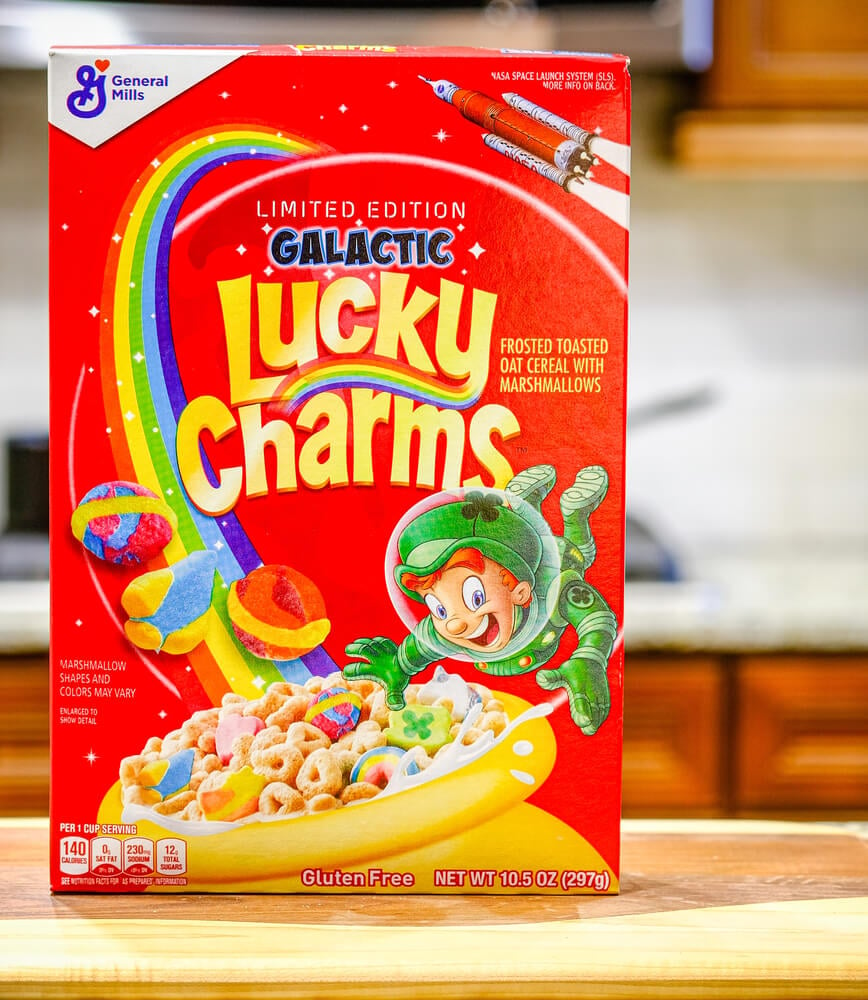
General Mills introduced Lucky Charms in 1964, pairing oat pieces with colorful marshmallow shapes the company called marbits. The leprechaun on the box spent decades running from children who wanted his cereal, crying out that they were after his charms.
In the mid-1970s, General Mills briefly tested a wizard named Waldo as a replacement in some markets, but Lucky returned and kept the job. The marshmallow lineup has changed many times, adding rainbows, hourglasses and unicorns while dropping others.
Lucky’s sing-song brogue and green hat remain unchanged enough that adults who grew up with him still recognize the voice instantly.
Cap’n Crunch at the Helm of the S.S. Guppy
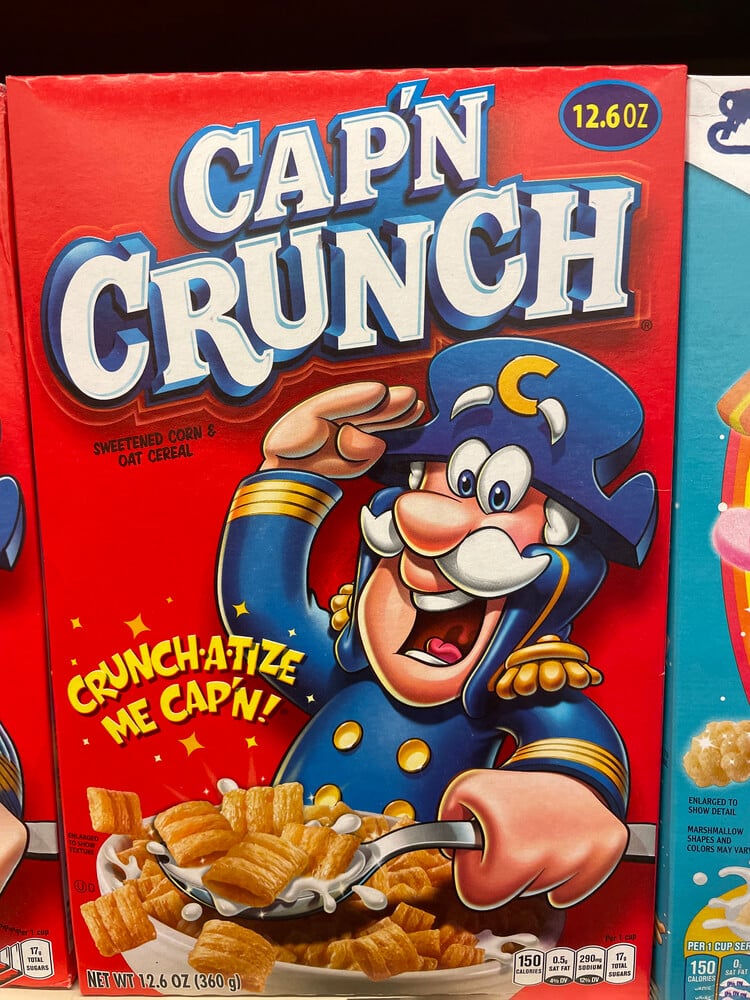
Quaker Oats launched Cap’n Crunch in 1963 with help from Jay Ward’s studio, the team behind Rocky and Bullwinkle. Animator Allan Burns designed the character, and Daws Butler gave him his gruff voice.
His full name was eventually listed as Horatio Magellan Crunch, and he sailed a ship called the S.S. Guppy with a crew of children. In 2013 a widely shared observation pointed out that the stripes on his uniform suggested the rank of commander rather than captain, prompting Quaker to defend his title playfully.
The cereal itself became notorious for scraping the roof of the mouth, a side effect many fans accepted cheerfully.
Count Chocula and His Chocolate Obsession
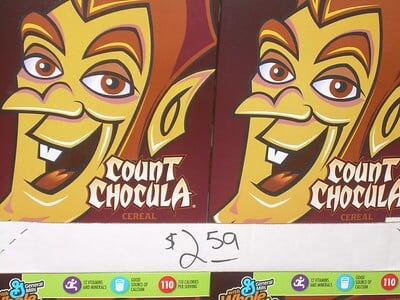
Count Chocula debuted in 1971 as one half of General Mills’ first pair of monster cereals. The character was a gentle vampire who craved chocolate cereal rather than anything more sinister, and his voice borrowed heavily from Bela Lugosi’s famous Dracula accent.
In early commercials he bickered constantly with his partner Franken Berry over whose cereal was better. The cereal was sold year round for decades before General Mills shifted the monster lineup to a seasonal release around Halloween.
That change made the count a fall tradition, and collectors now watch for retro box designs that appear on shelves each autumn.
Franken Berry and the Strawberry Scare
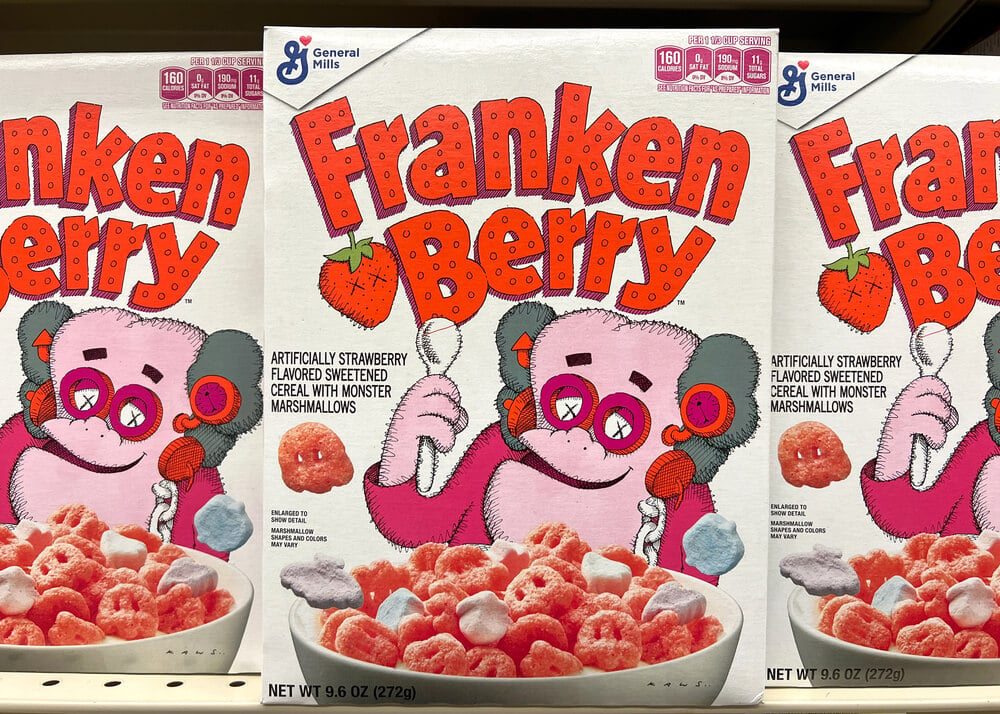
Franken Berry arrived alongside Count Chocula in 1971, a pink Frankenstein-style monster who loved strawberry-flavored cereal. His original formula used a red dye that the body did not fully absorb, and a 1972 medical case report described a child whose digestive output had turned an alarming pink after eating it.
The harmless condition was later nicknamed Franken Berry stool, a footnote that has followed the character ever since. General Mills adjusted the coloring, and Franken Berry continued his rivalry with the count for years.
Today he reappears seasonally with the rest of the monster crew each fall.
Boo Berry, the Mellow Ghost
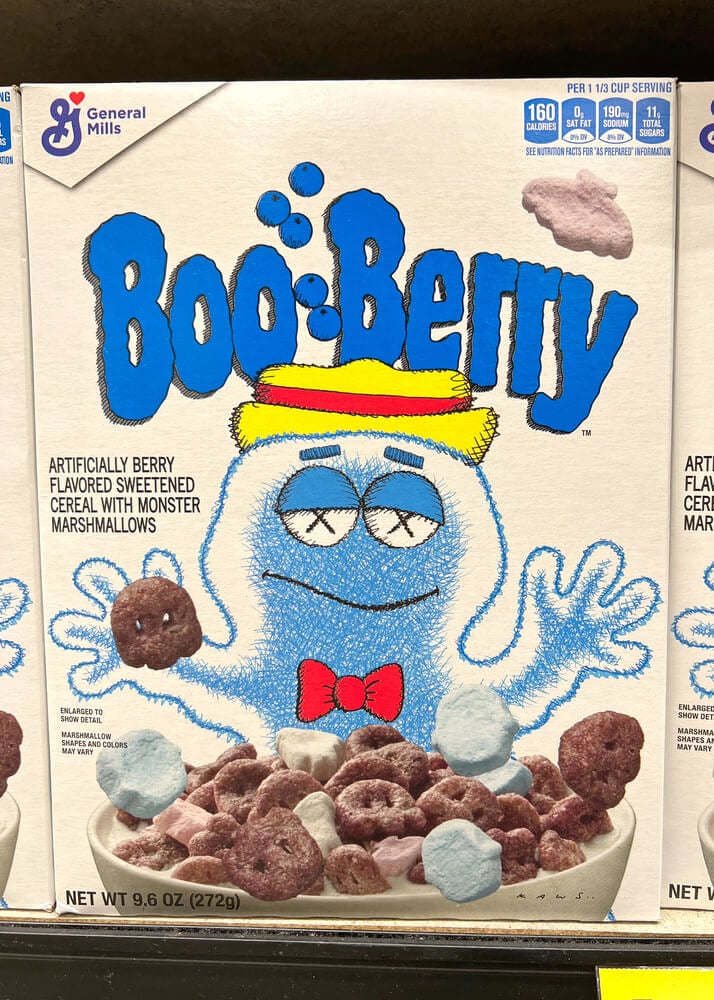
Boo Berry joined the General Mills monster lineup in 1973 as a blue ghost who sold blueberry-flavored cereal. His voice was modeled on the actor Peter Lorre, giving him a soft, slightly spooky delivery that set him apart from his louder companions.
He wore a small hat and a bow tie, which made him look more like a sleepy dinner guest than a haunting spirit. Boo Berry earned a devoted following that kept going long after his early advertising ended, and fans often name his cereal as the best of the monster group.
He returns with the others in the seasonal lineup around Halloween.
Fruit Brute, the Forgotten Werewolf
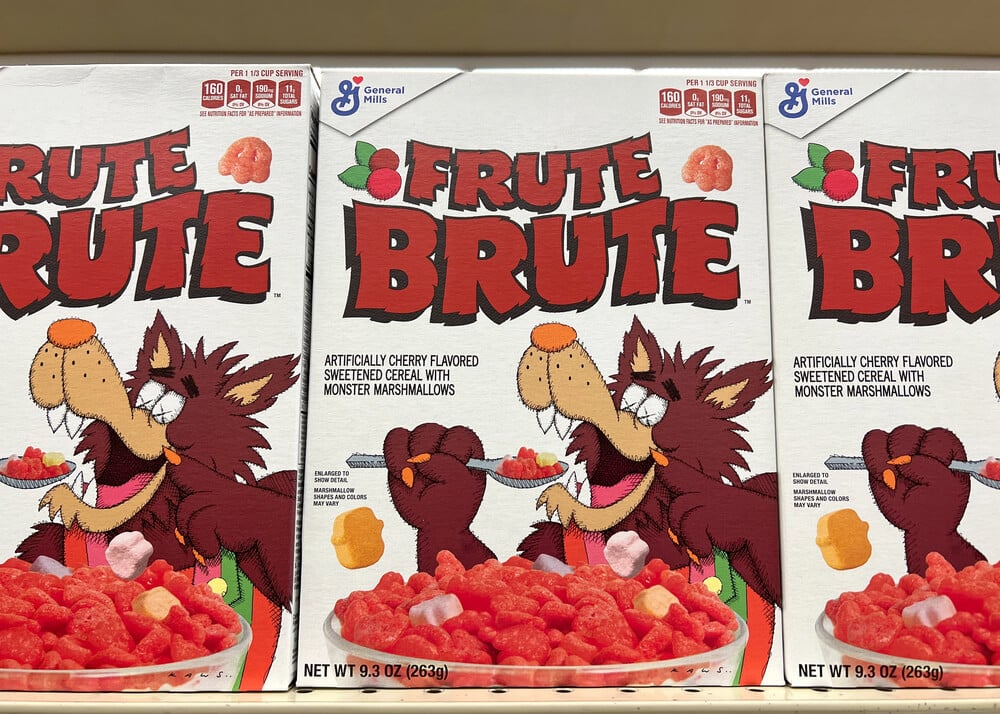
Fruit Brute was a werewolf mascot added to the General Mills monster lineup in 1974 to sell fruit-flavored cereal with lime marshmallows. He wore striped overalls and had a friendly, slightly goofy look rather than anything frightening.
Sales never matched those of his monster colleagues, and the cereal disappeared from shelves in the early 1980s. His scarcity turned old Fruit Brute boxes into prized collector items.
He also enjoyed an unusual afterlife in film, as a box of the long-gone cereal appeared in a kitchen scene in Quentin Tarantino’s Pulp Fiction. General Mills has revived him only in limited retro runs.
Yummy Mummy and the Orange Creme Bowl
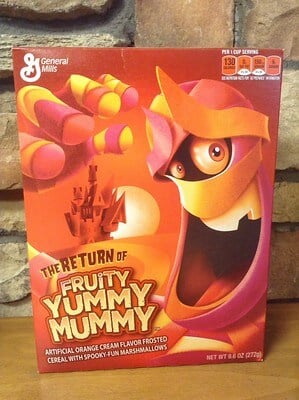
Yummy Mummy was the last of the original monster cereal characters, introduced by General Mills in 1987. The bandaged mascot sold a fruit-flavored cereal with vanilla marshmallows, and some boxes promoted an orange creme flavor.
He had a cheerful, easygoing personality, a far cry from the scary mummies of classic horror films. Like Fruit Brute, he lasted only a few years on store shelves before being discontinued in the early 1990s.
General Mills brought him back in a limited release in 2013, giving a new generation a brief chance to find the bandaged mascot in the cereal aisle.
Sonny the Cuckoo Bird and His Cocoa Puffs Craze
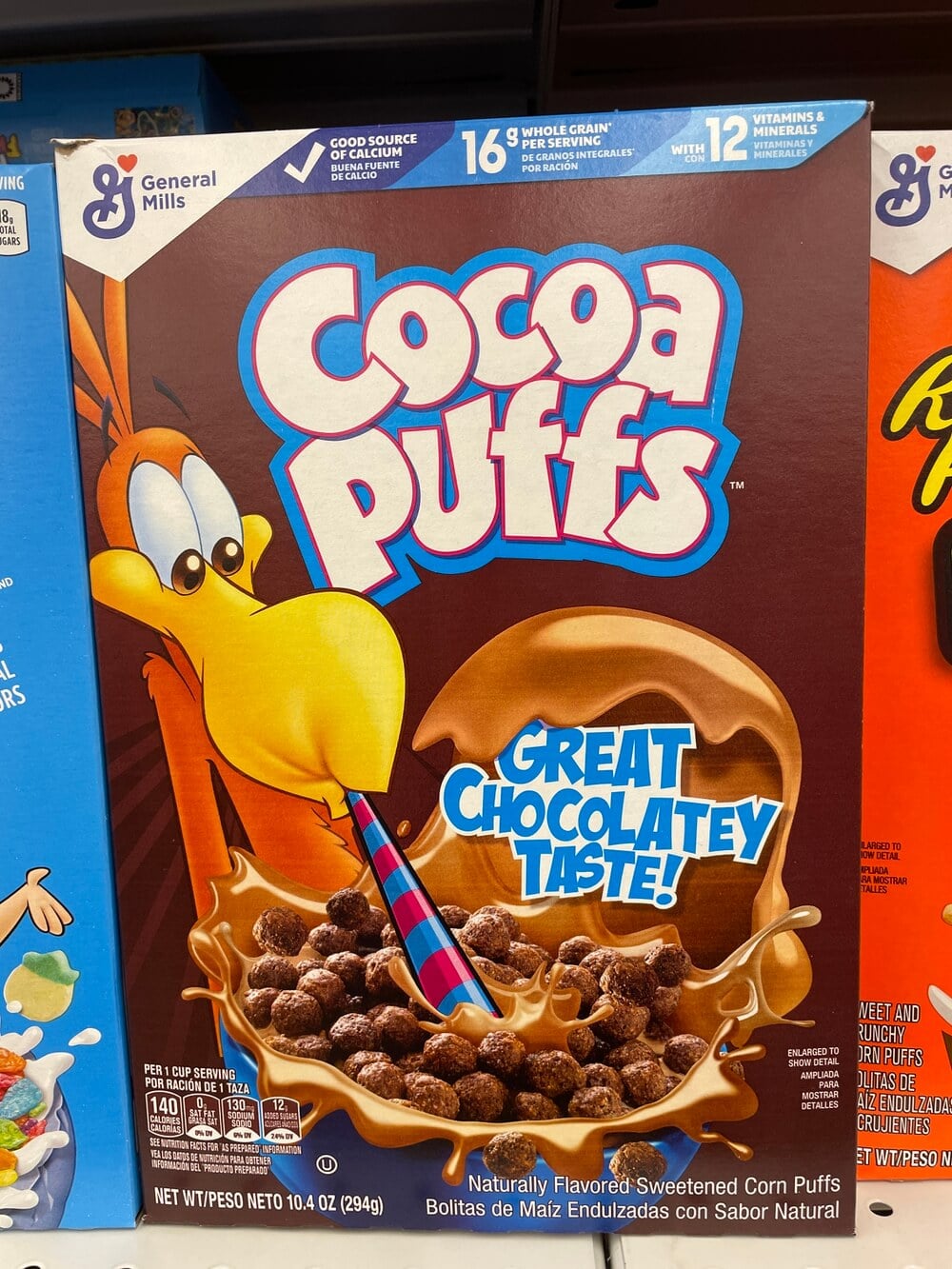
Sonny the Cuckoo Bird has represented General Mills Cocoa Puffs since the early 1960s. His entire personality revolves around losing control at the mere sight of the chocolatey cereal, flapping and squawking until he announces that he has gone cuckoo for it.
Commercials often showed him trying to resist temptation before collapsing into giddy excitement. Over the years, ad agencies experimented with a calmer Sonny who tried to pace himself, though the frantic version always returned.
The phrase about going cuckoo for the cereal became so familiar that it slipped into everyday speech as shorthand for wild enthusiasm about almost anything.
Buzz the Honey Nut Cheerios Bee
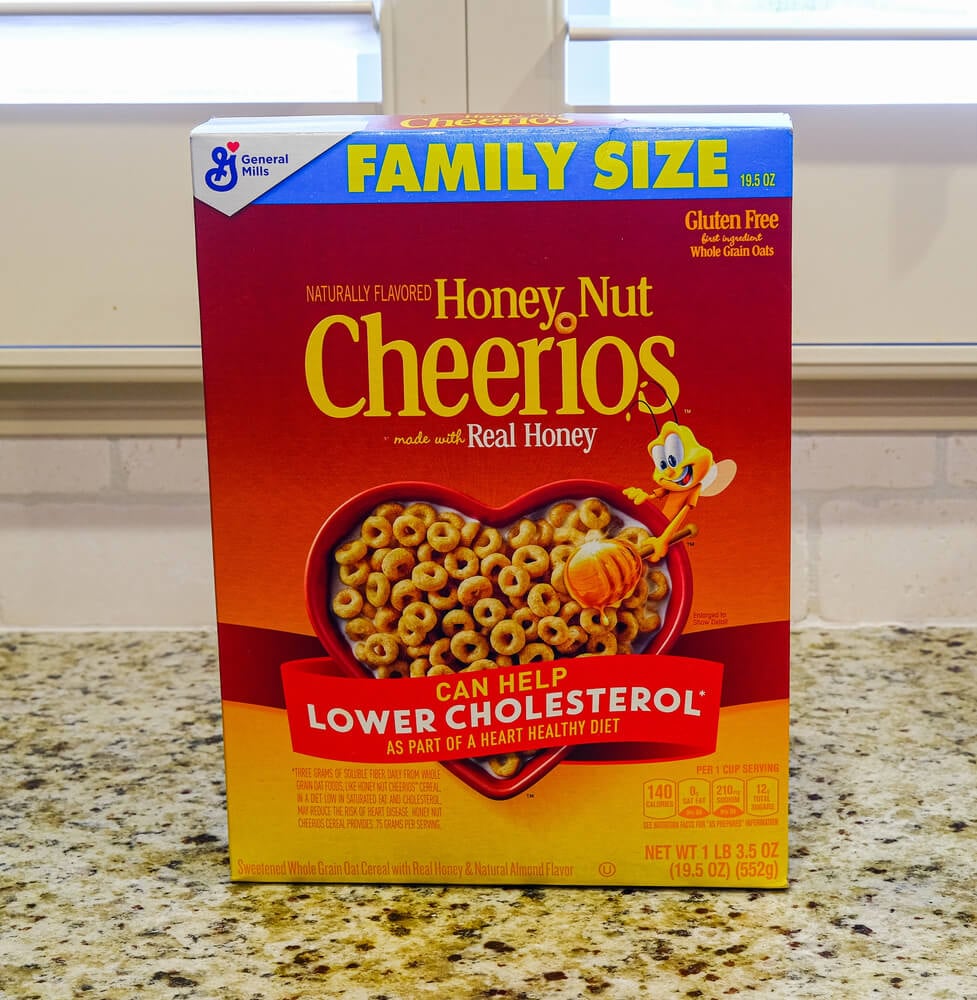
Honey Nut Cheerios launched in 1979, and a cartoon honeybee joined the box soon after to promote its sweeter flavor. The character went unnamed for years and, by most accounts, was officially named Buzz in 2000 through a naming contest held by General Mills.
In 2017 the company made headlines by removing Buzz from its boxes in a campaign to draw attention to declining bee populations. The empty space on the packaging pointed shoppers toward a program that sent out wildflower seed packets to help pollinators.
Buzz returned after the campaign, but the stunt remains one of the more unusual cases of a mascot disappearing on purpose.
Dig ‘Em Frog and the Smacks Name Changes
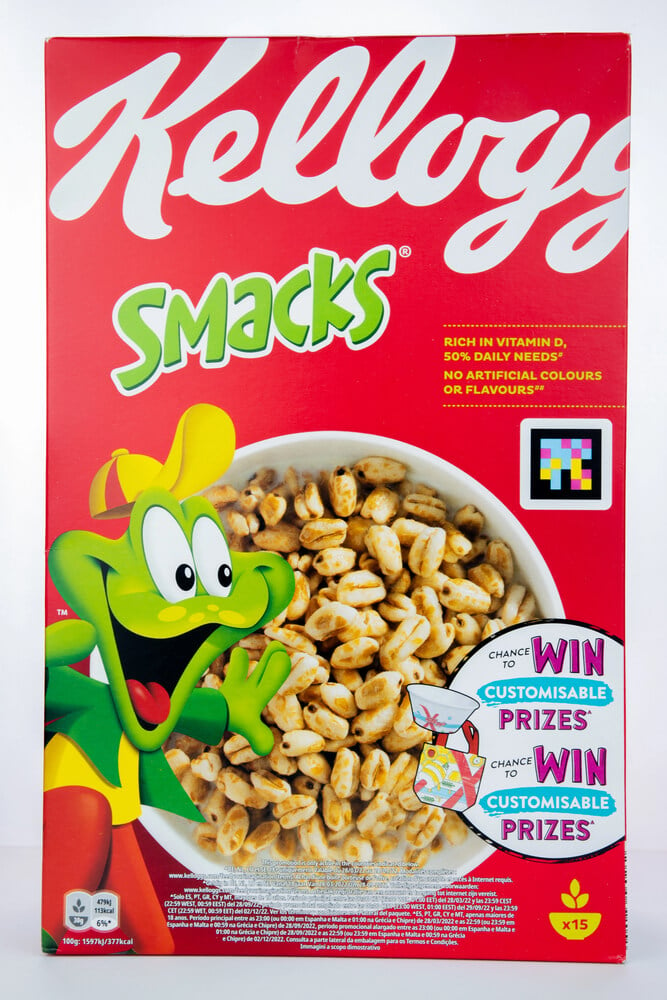
Dig ‘Em Frog became the mascot of Kellogg’s Sugar Smacks in 1972 after several other characters, including a seal and a cartoon cowboy horse, had tried the job. The green frog wore a cap backward, spoke in a cool, gravelly voice and carried himself like the most relaxed kid in the neighborhood.
His cereal changed names several times as sugar fell out of favor in marketing, moving from Sugar Smacks to Honey Smacks, then to plain Smacks and back again. Through every rename, Dig ‘Em remained on the box.
His laid-back style made him a natural fit for the 1980s.
Cornelius the Corn Flakes Rooster
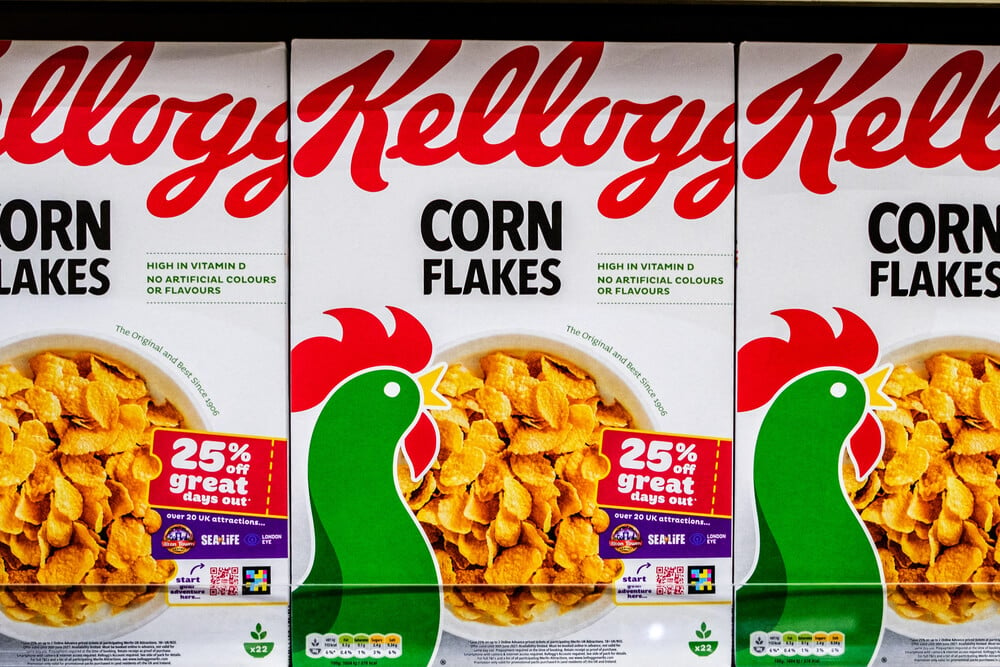
Cornelius Rooster became the face of Kellogg’s Corn Flakes in the late 1950s, and the brand later confirmed his name officially. Corn Flakes itself dates to the late 1890s, making Cornelius a latecomer to a much older product.
A story long repeated in Kellogg’s lore holds that the rooster was chosen partly because the Welsh word for rooster sounds a bit like Kellogg. Whatever the reason, the bird has appeared on boxes across many countries, sometimes redrawn to suit local tastes.
Recent redesigns gave him a more modern, cartoonish look, but the green and red coloring has stayed remarkably consistent.
Fred and Barney for Pebbles Cereal
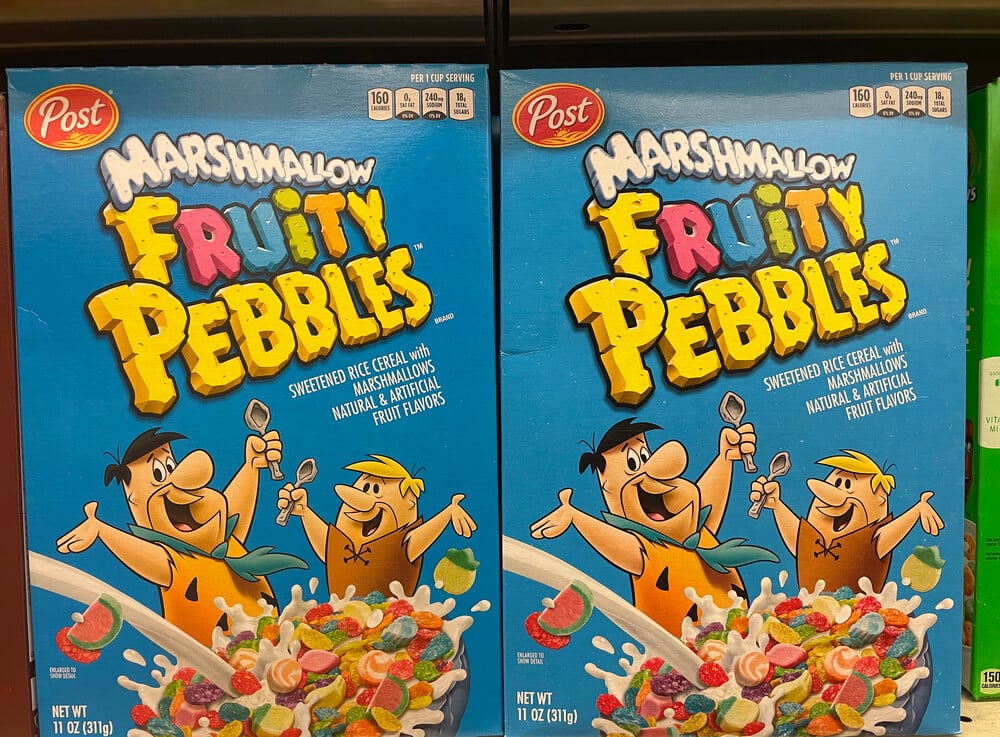
Post launched Fruity Pebbles and Cocoa Pebbles in 1971, licensing Fred Flintstone and Barney Rubble from The Flintstones television series. The commercials followed a reliable formula in which Barney devised elaborate schemes to steal Fred’s cereal and Fred roared his outrage when the plan succeeded.
The cartoon duo had already appeared in other ads during the 1960s, but the Pebbles campaign gave them a long second career. Pebbles commercials kept running for decades after the original series ended, keeping the Stone Age neighbors in front of children who had never seen a full episode.
The cereal brand has since added spin-offs and limited flavors.
Sugar Bear, the Smooth-Talking Crooner
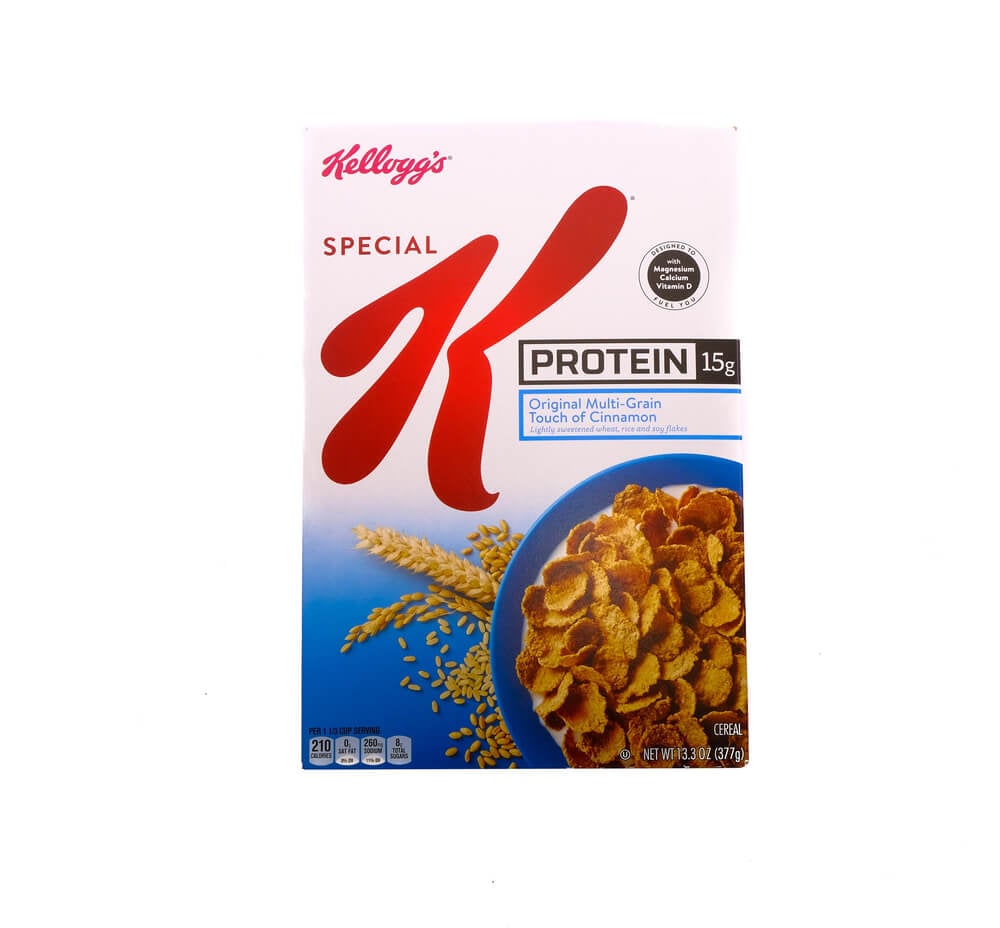
Sugar Bear sold Post’s sugar-coated wheat cereal, originally known as Sugar Crisp and later rebranded as Super Sugar Crisp and then Golden Crisp. The character developed his signature personality in the 1960s as a relaxed, cool-headed bear with a crooner’s voice.
Actor Gerry Matthews provided that voice, borrowing the style of popular lounge singers of the era. Sugar Bear also appeared on the 1960s Saturday morning show Linus the Lionhearted.
Commercials often pitted him against villains like Granny Goodwitch, who wanted his cereal for herself. The name changes reflected marketing shifts, but Sugar Bear stayed calm through every one.
Quisp, the Propeller-Topped Alien
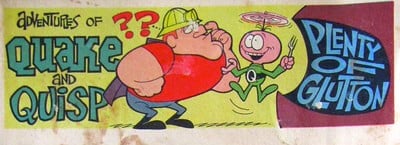
Quaker Oats introduced Quisp in 1965 with another Jay Ward production, featuring a small pink alien with a propeller on his head. Quisp was released alongside a rival cereal called Quake, whose mascot was a burly miner, and the two brands were promoted as competitors.
Quaker later held a vote asking children to choose between them, and Quisp won, leading to Quake’s departure from shelves. Daws Butler, who also voiced Cap’n Crunch, gave Quisp his voice.
The cereal faded from mainstream stores but has been revived in limited runs and online sales, keeping its small but loyal fan base fed.
Coco the Monkey and Chocolate Rice Cereal
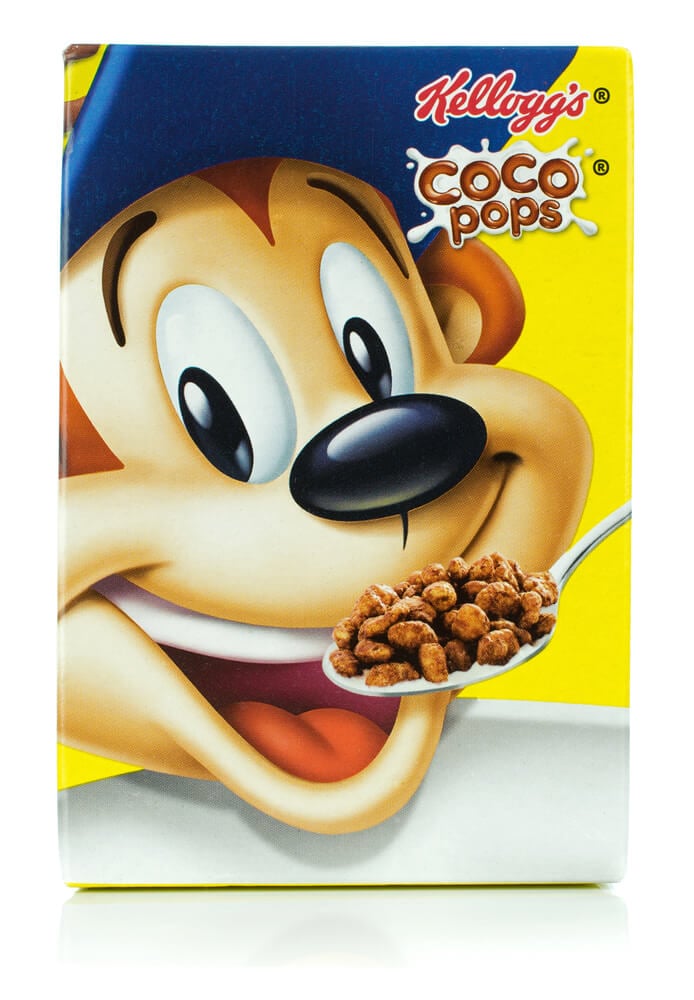
Coco the Monkey has long been tied to Kellogg’s chocolate rice cereal, sold as Cocoa Krispies in the United States and as Coco Pops in Britain and other markets. The cheerful monkey became especially prominent in British and Australian advertising, where he swung through jungle settings and promoted the cereal’s chocolatey milk.
American boxes over the decades used a rotating cast of mascots, including Snagglepuss and other cartoon figures, before Coco became a familiar face. Cocoa Krispies itself dates to the late 1950s.
Coco’s popularity abroad helped make him one of the more widely known Kellogg’s characters outside the United States.
Chip the Wolf and the Cookie Crisp Crew
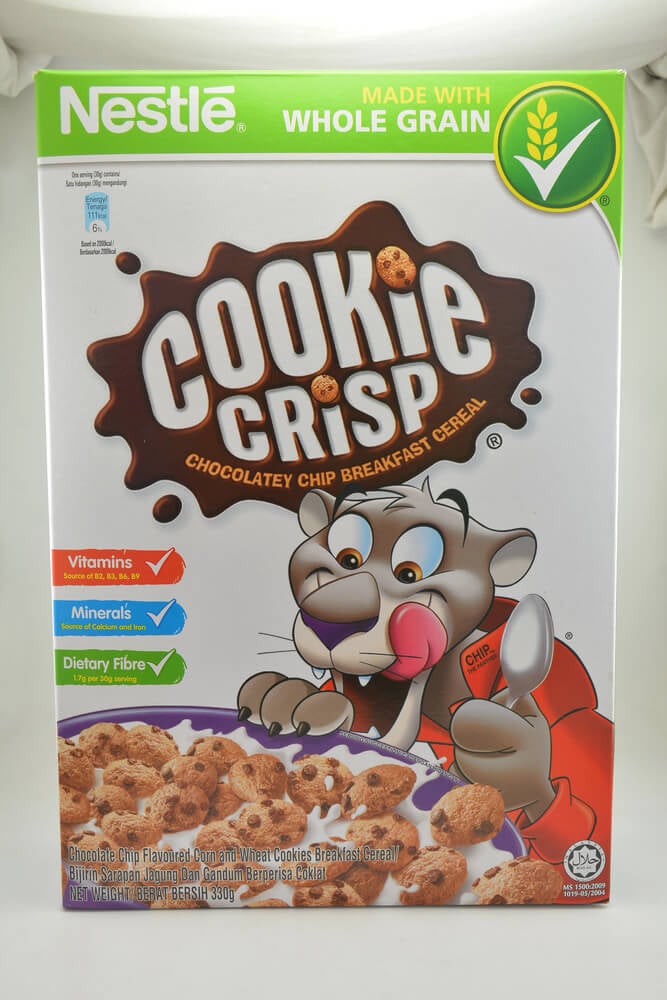
Cookie Crisp arrived in 1977, and its earliest advertising featured a wizard named Cookie Jarvis. Later ads introduced the Cookie Crook, a bandit always trying to steal the cereal, chased by an officer named Crumb.
General Mills eventually replaced that cast with Chip, a dog mascot, who was later redesigned as a wolf. The wolf version fit the theme of a sly character trying to snatch the cookie-shaped cereal for himself.
Cookie Crisp’s long list of mascots makes it one of the busier brands for character turnover, and each version reflects the style of its decade.
Wendell and the Cinnamon Toast Crunch Bakers
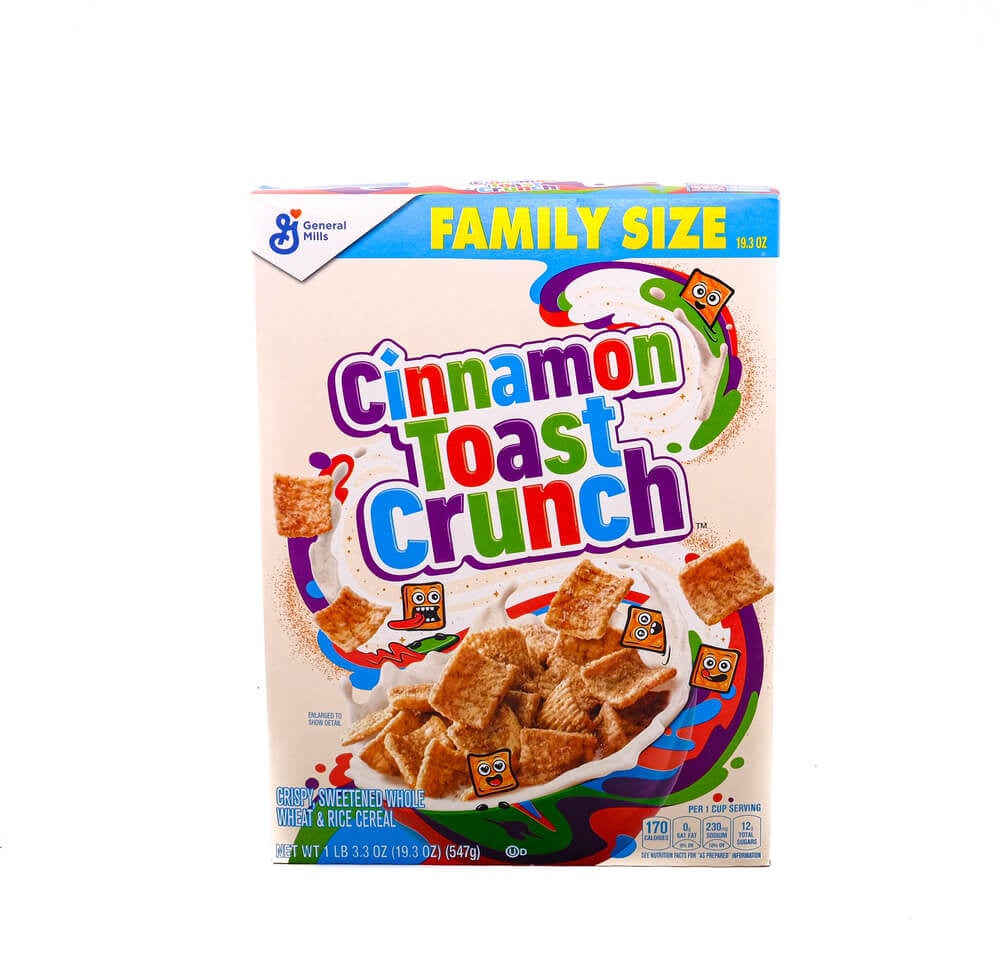
Cinnamon Toast Crunch debuted in 1984 with a trio of bakers named Wendell, Bob and Quello. The chefs appeared in commercials trying to figure out what made the cereal so tasty.
Over time, Wendell became the lead character, a cheerful baker with white hair and a chef’s hat. In 2009 General Mills replaced him with animated cereal squares known as the Crazy Squares, which spent their time eating each other.
Wendell later returned to the brand in a smaller role, and General Mills has since published a company story retelling his history for fans who remembered him.
King Vitaman, the Royal Breakfast Mascot
King Vitaman was introduced by Quaker Oats around 1970 to sell a cereal shaped like small crowns. The character was a cartoon king with a jolly expression who ruled over a kingdom of children.
The cereal was marketed as a fortified option with added vitamins. Though it never achieved the sales of bigger brands, King Vitaman held on for decades and became a fixture in certain grocery stores.
Later boxes featured a simpler cartoon design, but the crown-shaped pieces remained the main draw for kids.
The Honeycomb Craver
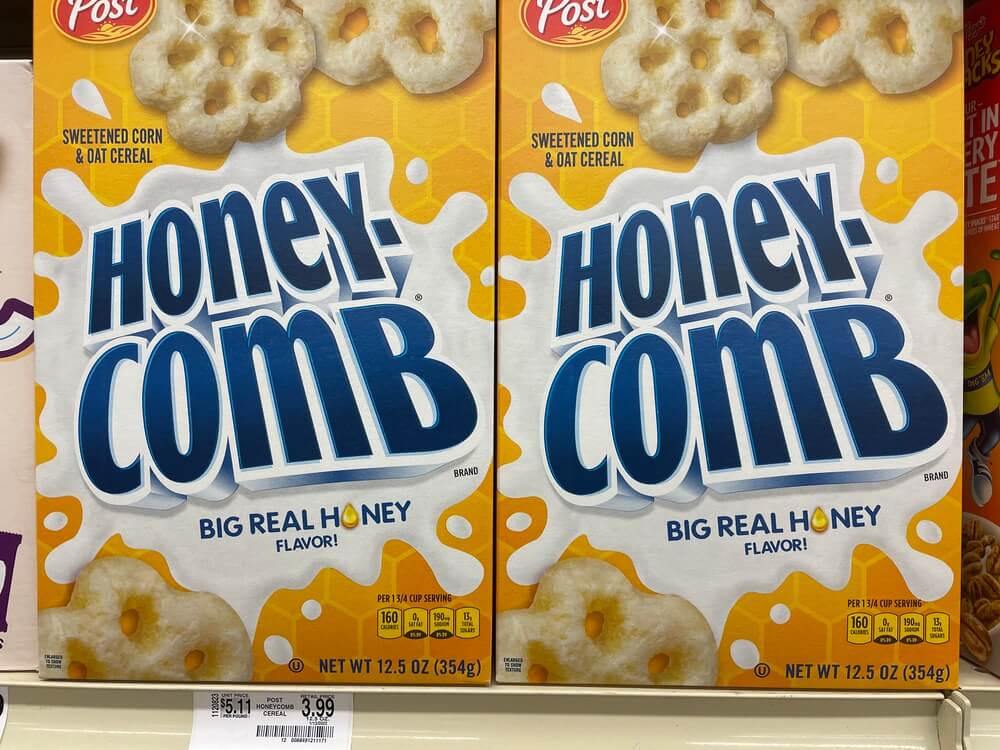
Post Honeycomb launched in 1965, and the brand cycled through several advertising ideas before introducing the Craver around the turn of the millennium. The Craver was a wild, shaggy creature that represented the overwhelming hunger kids felt for the cereal.
Commercials showed children transforming into the Craver when they wanted Honeycomb, a gag that played into the cereal’s big, chunky pieces. Earlier Honeycomb ads had emphasized a club of kids and the size of the honeycomb shapes.
The Craver was eventually retired, but he remains memorable for his frenzied energy and appetite.
The Freakies and Their Tree
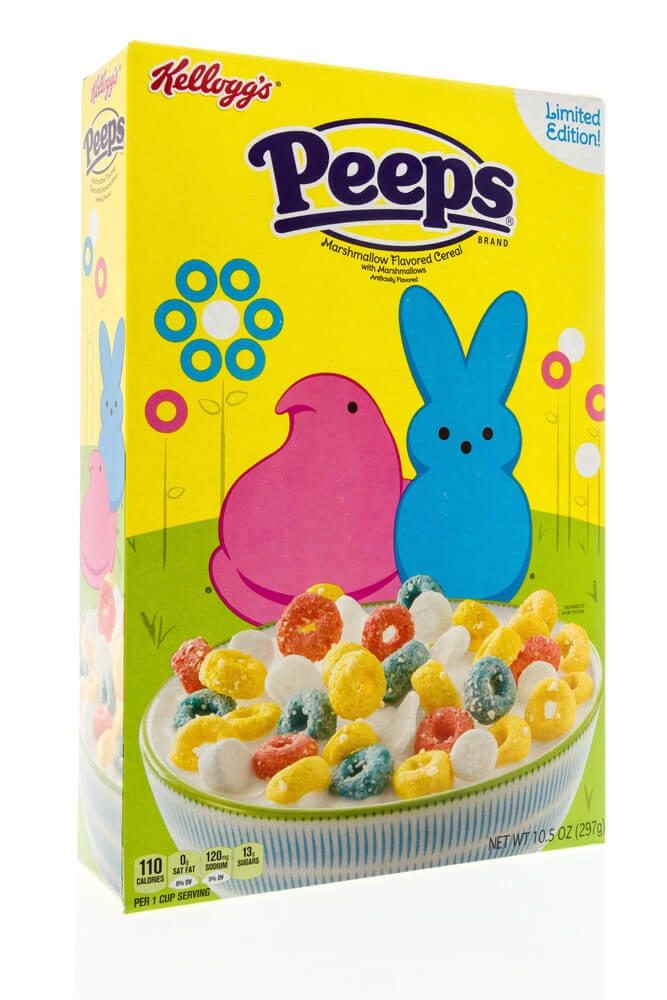
Ralston introduced Freakies cereal in 1972 along with a band of seven odd creatures. The group included Boss Moss, Gargle, Grumble, Hamhose, Cowmumble, Goody-Goody and Snorkeldorf, each with a different personality.
The characters lived in a giant tree and argued constantly about who would get the cereal. Small plastic figures of the Freakies were given away as prizes in boxes, and they became popular collectibles.
Though the cereal was discontinued later in the decade, the characters left a strong impression. Ralston revived the cereal briefly in later years, but it never regained its original success.
Smurf-Berry Crunch and the Little Blue Crew
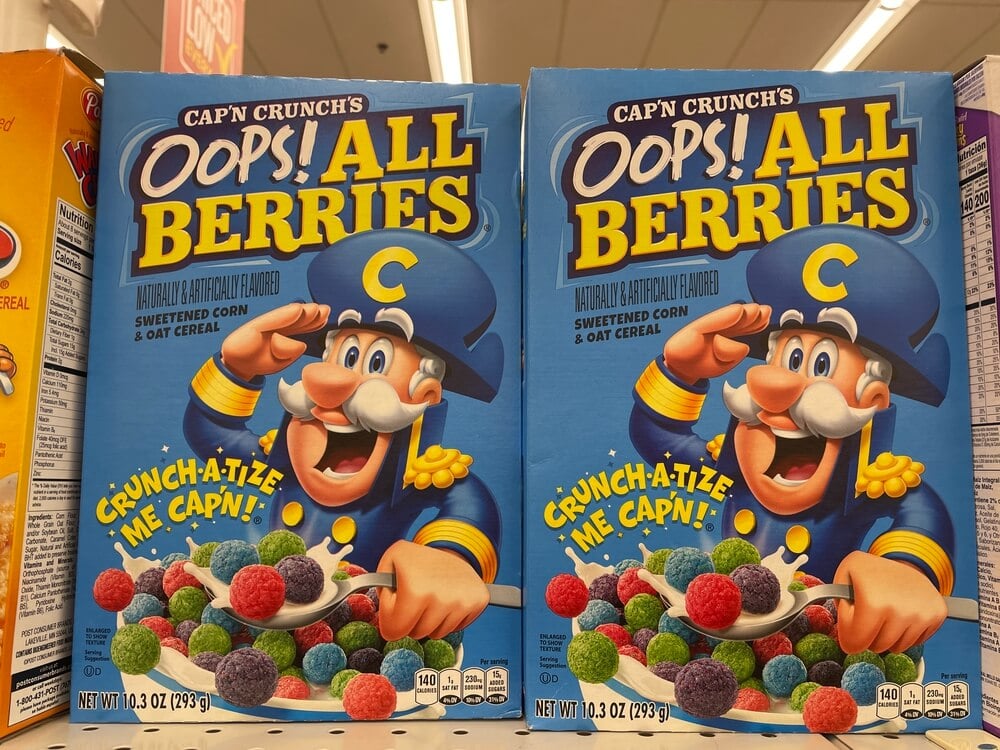
Post released Smurf-Berry Crunch in 1983, riding the wave of the Smurfs’ Saturday morning cartoon success. The Smurfs themselves served as the mascots, with Papa Smurf and the gang promoting berry-flavored cereal pieces.
The cereal arrived when the Smurfs, created by the Belgian cartoonist Peyo, were dominating American children’s television through their NBC series. Commercials featured the little blue characters gathering the berries in their forest village.
The product was popular for a few years but faded as the Smurf craze cooled later in the decade. It remains a frequent subject of nostalgia, often listed among the most missed discontinued cereals.
Linus the Lionhearted and His Own Show
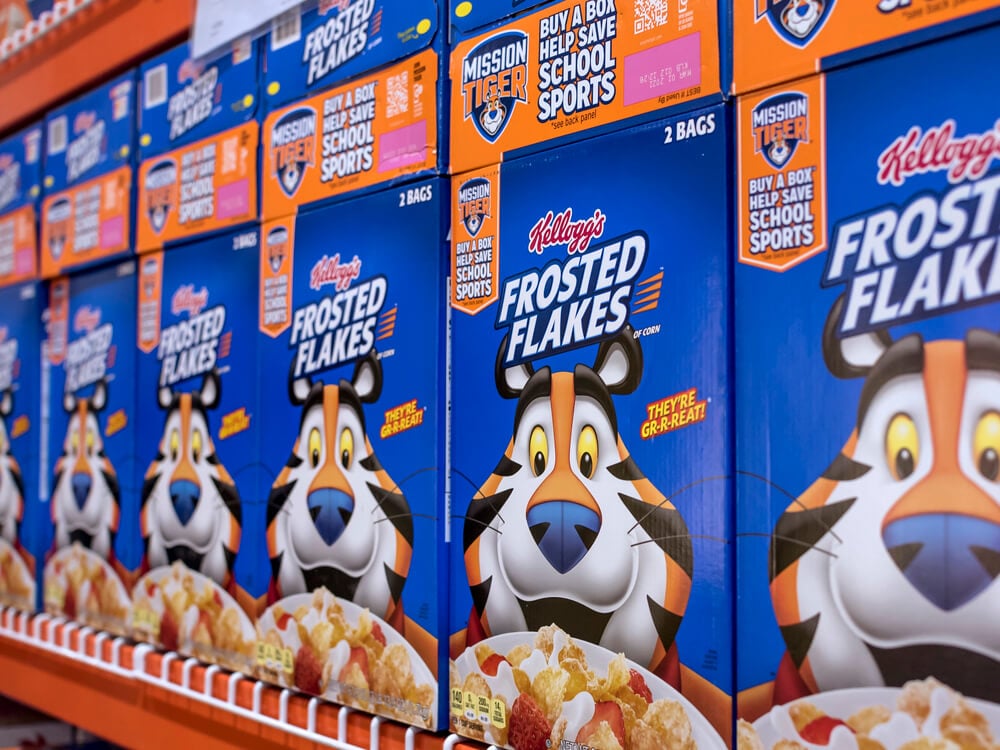
Linus the Lionhearted was the mascot for Post Crispy Critters, a cereal shaped like animals. In 1964 the character got his own Saturday morning television show on CBS, featuring Sugar Bear and other Post mascots.
Sheldon Leonard voiced Linus, giving him a gentle, kindly tone. The show ran on CBS for two seasons before reruns moved to ABC, and it drew criticism for blurring the line between entertainment and advertising.
By most accounts, federal pressure against programs built around commercial mascots pushed the reruns off the air in 1969. The episode became an early example of concerns about marketing to children on television.
Cartoons That Sold Breakfast
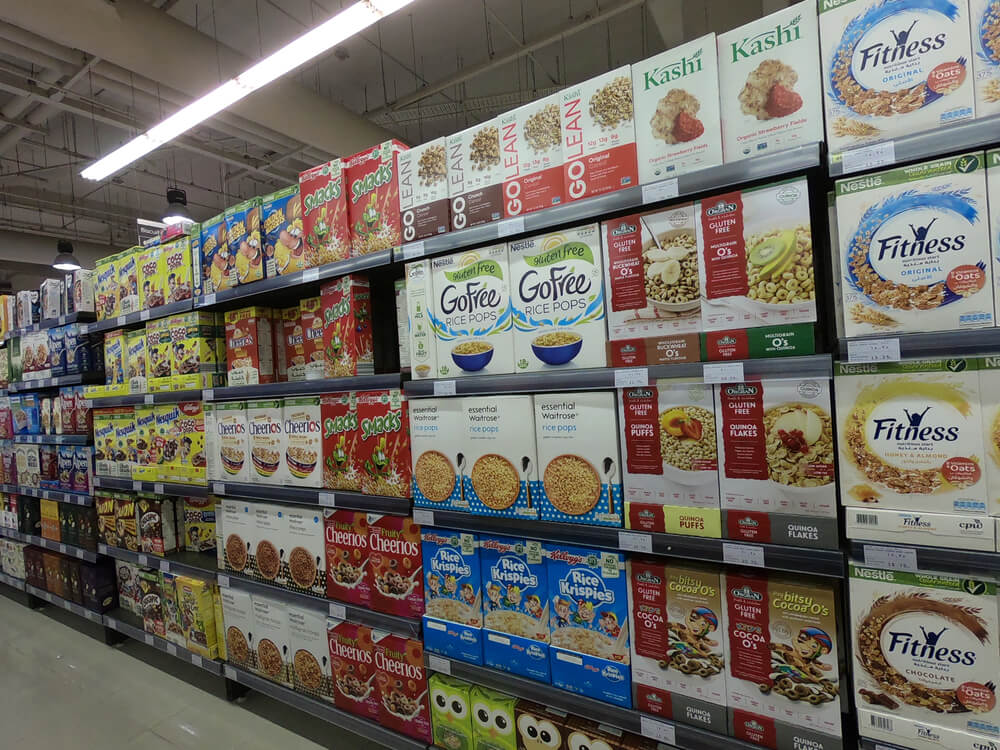
These characters were never meant to be art. They were designed to move product off shelves, and every gesture, catchphrase and color scheme was tested for its effect on young shoppers.
Yet many of them earned genuine affection that has lasted for decades.
The mascots reveal how deeply advertising wove itself into childhood routines. A box of cereal was a small daily ritual, and the face on the front became a companion for it.
When a brand retires a character or revives one in a retro box, it taps into memories that have little to do with the cereal itself.
More from Go2Tutors!

- The Romanov Crown Jewels and Their Tragic Fate
- 13 Historical Mysteries That Science Still Can’t Solve
- Famous Hoaxes That Fooled the World for Years
- 15 Child Stars with Tragic Adult Lives
- 16 Famous Jewelry Pieces in History
Like Go2Tutors’s content? Follow us on MSN.