Disturbing Ingredients Once Common in Food
Today, food comes with nutrition labels, ingredient lists, and safety standards. But a few decades—or even a century—ago, people regularly ate things that would alarm modern consumers.
From toxic metals to questionable animal parts, the history of food contains ingredients that seem shocking by today’s standards.
Lead acetate

Romans had a sweet tooth and used a substance called “sugar of lead” to sweeten wine and food. Lead acetate tastes very sweet, but lead is extremely poisonous, causing serious health problems including brain damage.
Wealthy Romans consumed it regularly, contributing to widespread health issues among the upper class. This practice continued for centuries until the dangers became clear.
Arsenic
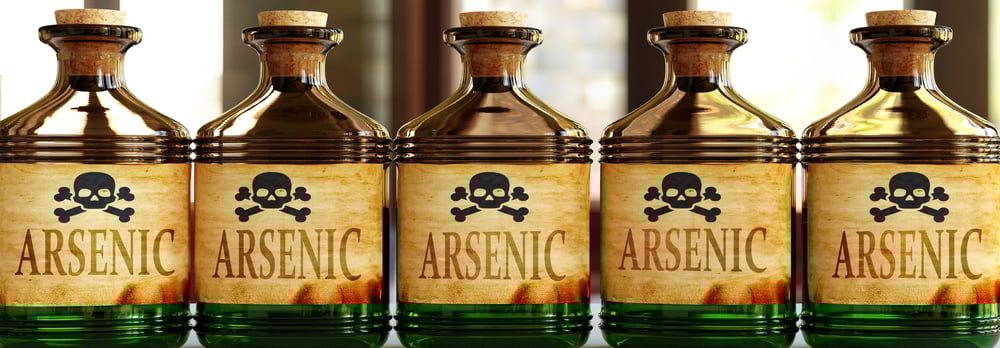
Victorian food makers used arsenic to create bright green colors in candies and desserts. Children eagerly bought these sweets, unaware that arsenic is deadly.
It was also used in beer and wine to clarify drinks. Multiple poisoning scandals eventually led to arsenic being banned in food.
Radium
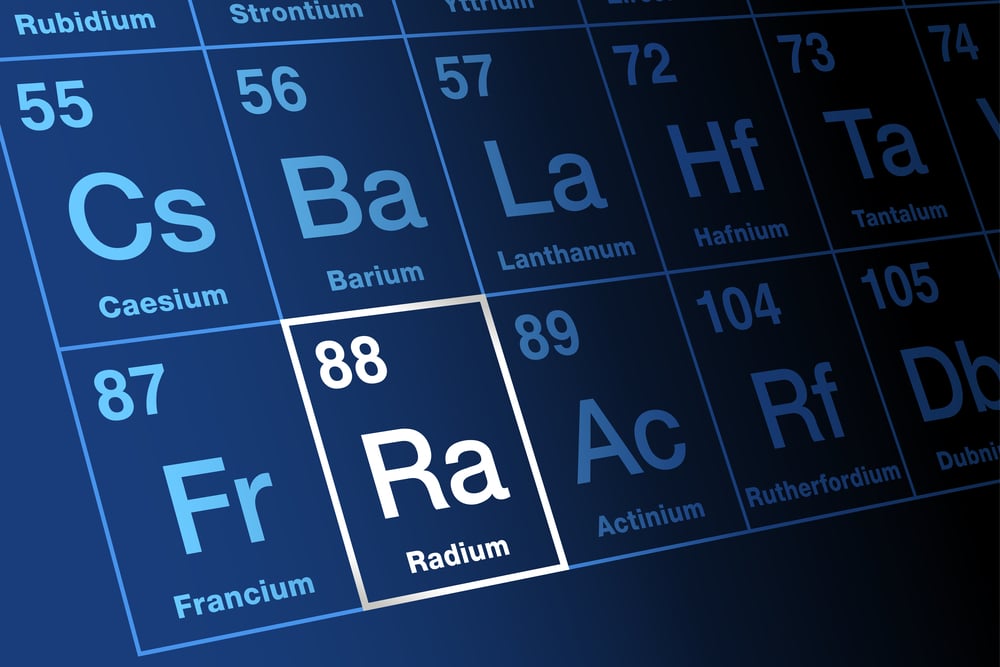
In the early 1900s, radium was marketed as a health tonic and added to products like water and chocolate. People believed radioactive substances increased energy and vitality.
In reality, radium causes cancer and bone damage. Several deaths and illnesses finally led authorities to remove radium-laced products from the market.
Borax

Before modern preservatives, borax was used to keep meat and butter from spoiling. Regular consumption can cause nausea, vomiting, and organ damage.
Despite its risks, companies used it because it was cheap and effective. Scientific studies and advocacy eventually led to its ban in food.
Cocaine

Coca-Cola originally contained cocaine extracted from coca leaves until 1903. It was marketed as a brain tonic and headache cure.
Other soft drinks and tonics also included cocaine. Public pressure and new drug laws eventually forced its removal.
Formaldehyde

Early 1900s milk producers added formaldehyde to prevent spoilage. The same chemical used to preserve corpses was being consumed by children.
Formaldehyde causes cancer and respiratory damage. Campaigns exposing this practice led to regulations banning its use in food.
Sawdust

Bread makers sometimes added sawdust to stretch flour, especially in times of shortage. Cellulose from wood has no nutritional value and can cause digestive problems.
Some cheese products were also adulterated with sawdust. Food testing and regulations made the practice rare, though occasional cases still occur.
Plaster of Paris

Candy manufacturers used plaster of Paris as a cheap filler. This material can cause serious intestinal blockages.
Children were most at risk. Widespread use of fillers like this helped drive the creation of early food safety laws.
Copper sulfate

Vegetable canners used copper sulfate to make peas and other greens look fresh. This pesticide and fungicide can cause stomach pain, vomiting, and liver damage.
Improved canning techniques and color regulations eventually ended this practice.
Mercury

Mercury appeared in some 1800s food products and medicines as a preservative. Long-term exposure causes neurological damage and mental health issues.
Recognition of mercury’s toxicity led to its removal from consumer products.
Alum
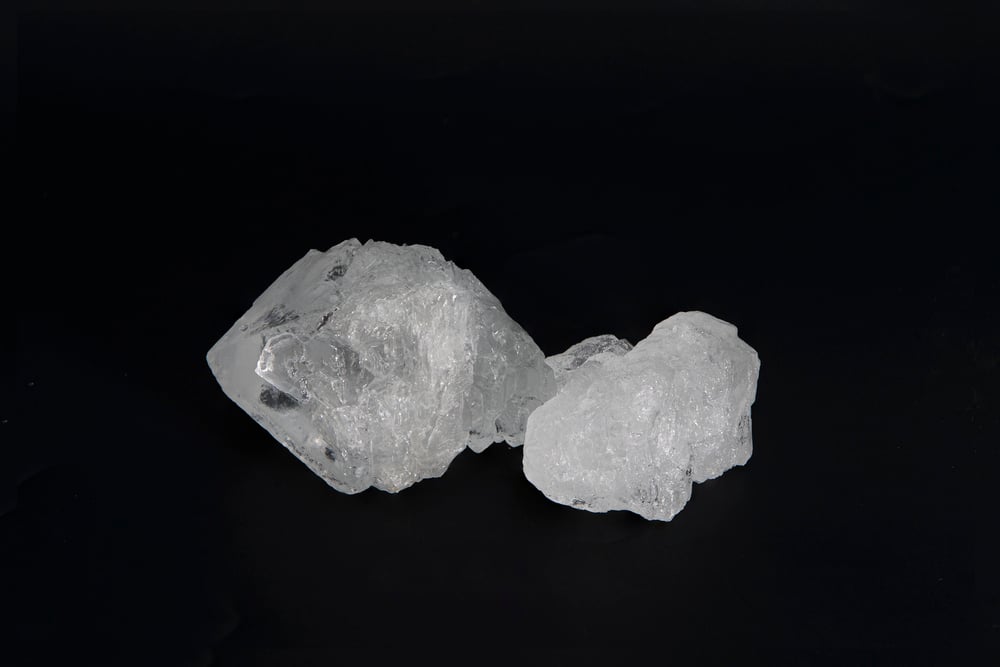
Bakers added alum to bread to make it whiter and appear fresher. Alum is an astringent that can cause digestive issues and interfere with nutrient absorption.
Pure food advocates campaigned for regulations banning alum in baked goods.
Sulfuric acid

Beer and wine producers sometimes added sulfuric acid to speed fermentation or adjust acidity. This corrosive chemical can cause severe internal damage.
Stricter brewing standards eventually eliminated its use.
Brick dust

Ground bricks were added to spices like cayenne and paprika to stretch expensive inventory. Brick dust provides no nutrition and can damage teeth and digestion.
Food safety regulations helped prevent this kind of fraud.
Strychnine
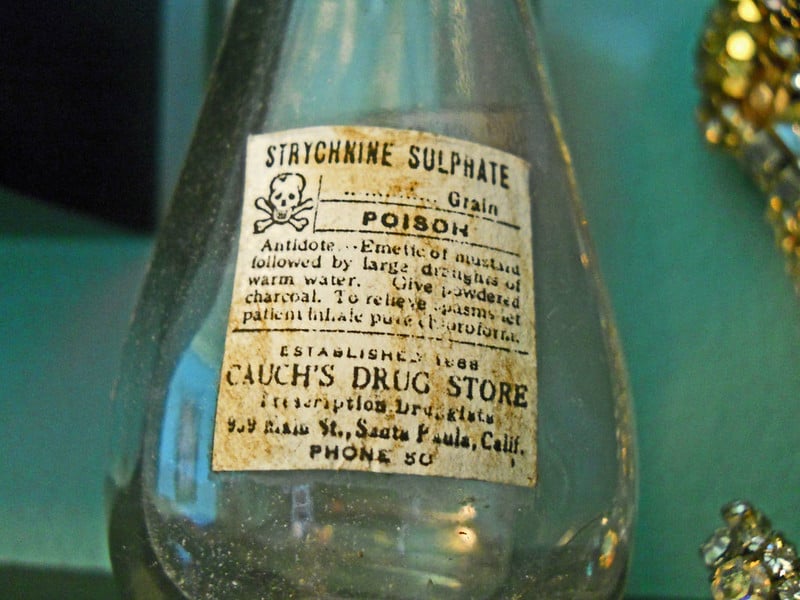
This deadly poison was used in tonics and alcoholic drinks as a supposed stimulant. Even small miscalculations could be fatal.
Medical understanding of poisons eventually led to a ban on strychnine in food and beverages.
Coal tar dyes

Coal tar dyes were added to candy, drinks, and other foods to make them brightly colored. Many are carcinogenic or trigger allergic reactions.
Decades of research and regulation removed most dangerous dyes from the market.
Ether

Some alcohol producers added ether to increase potency. Ether is flammable and causes dizziness, nausea, and unconsciousness.
Regulatory crackdowns ended this dangerous practice.
Chalk

Chalk was added to milk to make watered-down milk look thicker and whiter. While not toxic, it has no nutritional value and can cause digestive discomfort.
Public outrage and dairy regulations brought more honesty to milk production.
Where we stand now

Food safety has improved dramatically since the days of lead-sweetened wine and formaldehyde milk. Modern regulations ensure testing, transparency, and labeling that would have seemed impossible a century ago.
These disturbing historical ingredients remind us why food safety laws exist and why we should value them. Clean ingredient labels today reflect decades of advocacy, science, and regulation protecting us from the hazards our ancestors unknowingly consumed.
More from Go2Tutors!

- The Romanov Crown Jewels and Their Tragic Fate
- 13 Historical Mysteries That Science Still Can’t Solve
- Famous Hoaxes That Fooled the World for Years
- 15 Child Stars with Tragic Adult Lives
- 16 Famous Jewelry Pieces in History
Like Go2Tutors’s content? Follow us on MSN.