26 Famous Dogs From History That Held Official Titles or Military Rank
Throughout military history, certain dogs have earned official recognition far beyond mascot status. Some received formal military ranks, others held positions with government agencies, and a select few carried titles that placed them alongside elite military operatives and dignitaries. These weren’t pets in the traditional sense—they served in combat, carried credentials, wore insignia, and in some cases outranked their human counterparts. Their contributions were so significant that they transcended the boundary between animal and soldier, earning the kind of honors usually reserved for decorated service members.
Sergeant Stubby
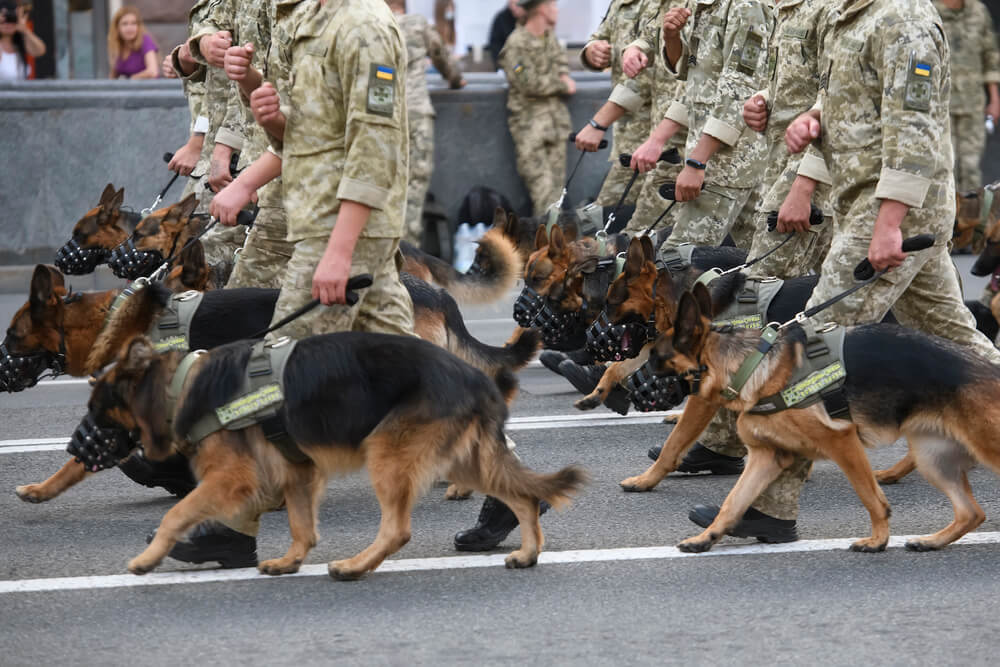
Sergeant Stubby holds the distinction of being the only dog nominated for rank and then promoted to sergeant through combat, making him the first canine to receive such an honor. A Boston Terrier mix who stumbled upon the 102nd Infantry Regiment training at Yale, Stubby reportedly saluted his commanding officer when discovered, which earned him the right to stay as a mascot.
During the Great War, he detected incoming gas attacks, located wounded soldiers by their voices, and captured a German spy by tripping him during an infiltration. He was eventually given a promotion to the rank of sergeant, the first canine to receive such an honor.
Balto
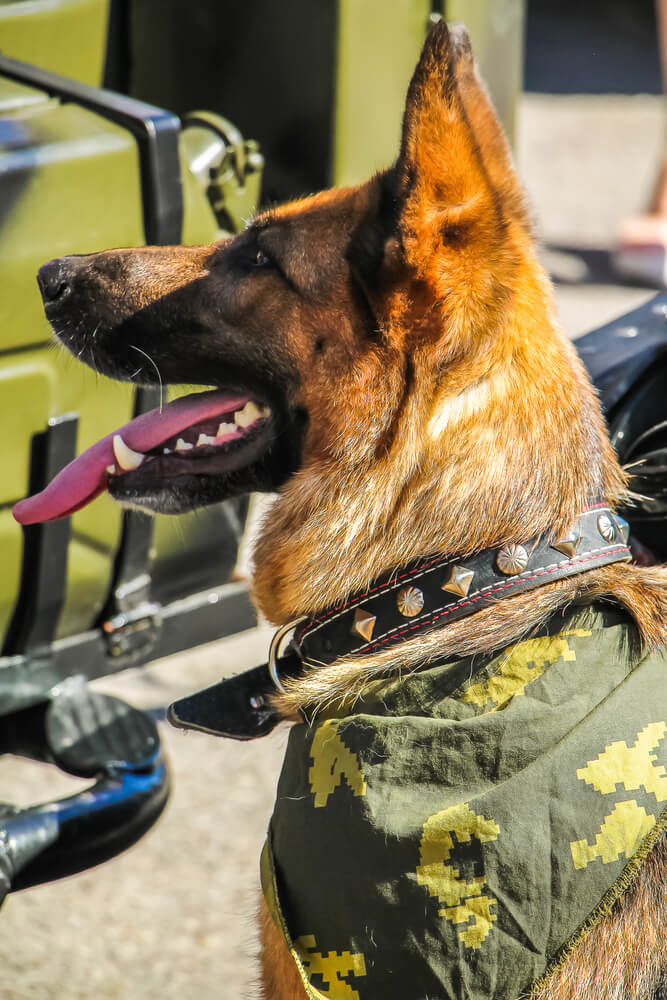
In January 1925, Balto led the last relay team through some of the worst conditions of the diphtheria serum run to Nome, and a group of dog-lovers successfully raised money and petitioned the city to include a monument to Balto in Central Park. The statue was unveiled on December 17, 1925, making Balto the only sculpture subject in Central Park to be present at its own dedication ceremony.
President Calvin Coolidge awarded Balto a gold medal, and the dog became an international celebrity, receiving honors and medals from grateful municipalities across America.
Togo
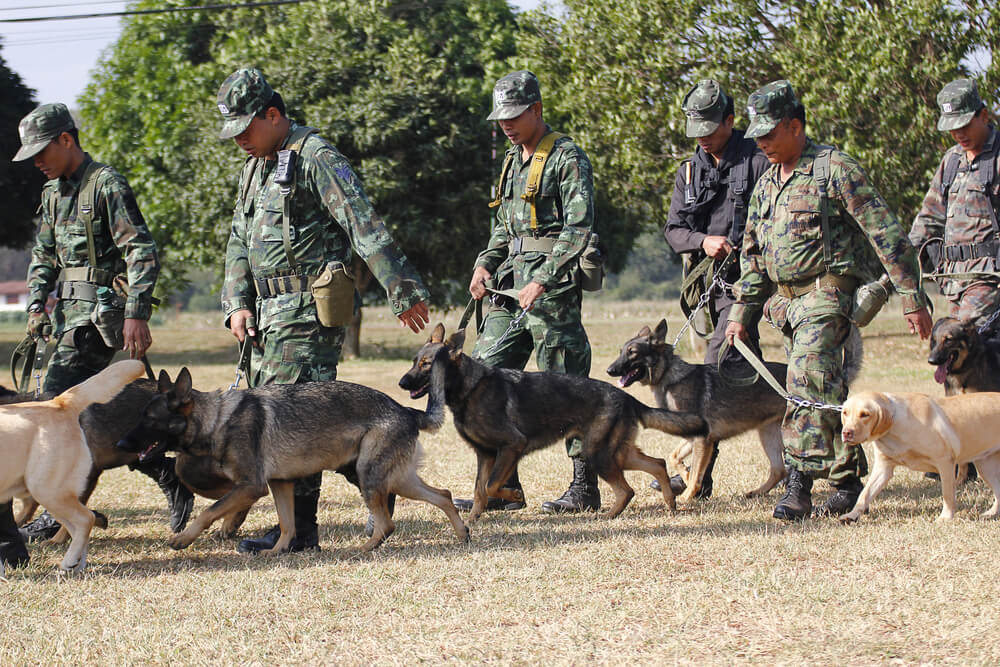
Though Balto captured public imagination, Togo was arguably the most heroic canine of the serum run, as his team ran nearly five times as far as Balto’s and through terrifying weather conditions. Togo received a gold medal at Madison Square Garden from the Alaskan Society of New York after the historic run.
The sled dog’s accomplishment far exceeded Balto’s journey, yet Balto received the monument while Togo faded from public memory—a testament to how arbitrary historical fame can be.
Rags
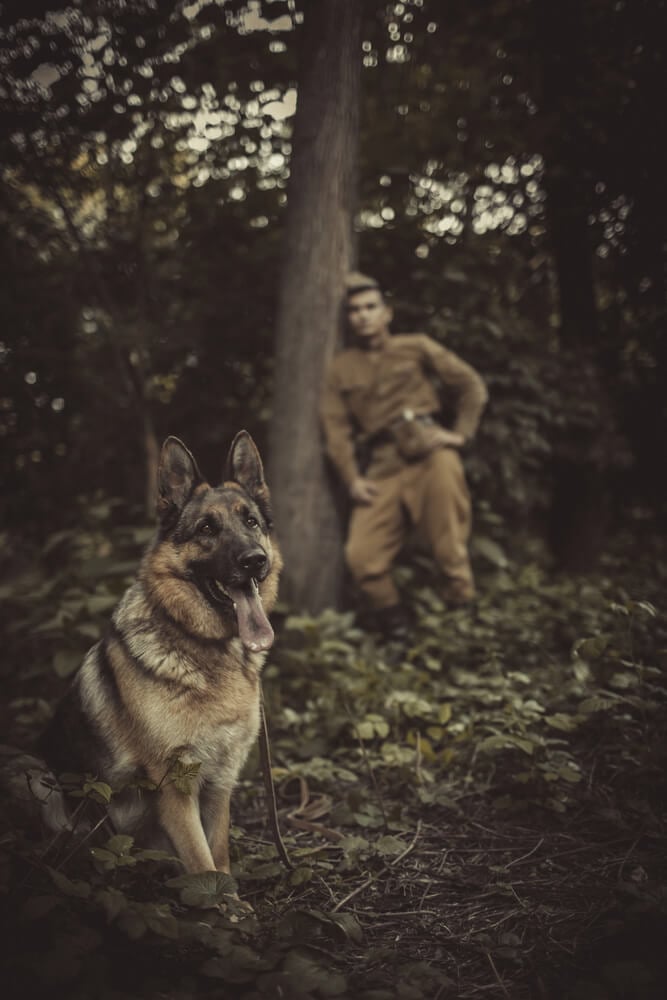
Rags became an icon and the mascot of the First Division of the American Expeditionary Force in World War I, learning to run through gunfire, locate broken communications wire for the Signal Corps to repair, and alert soldiers to incoming shells, saving the lives of hundreds of American soldiers. Rags learned to run messages between rear headquarters and the front lines during World War I after being rescued as a stray in Paris in July 1918.
Both Rags and his handler, Private James Donovan, were wounded together during the Meuse-Argonne Offensive and evacuated on the same stretcher—one of the war’s most enduring symbols of human-animal bonds.
Smoky
Smoky was a 4-pound Yorkshire Terrier who served in World War II and was transformed into a war hero after being discovered by an American in the New Guinea jungle. She was best-known for spending long hours warding off enemy fighters and parachuting 30 feet from a tree using a specially made parachute, earning eight battle stars and later the PDSA Certificate for Animal Bravery or Devotion.
Despite her microscopic size, she flew a dozen combat missions and survived 150 air raids on New Guinea plus a typhoon at Okinawa.
Staff Sergeant Reckless
Sergeant Reckless was promoted to the rank of Staff Sergeant in 1959, making her the first animal to hold an official rank in the United States military. Technically a warhorse rather than a dog, she carried ammunition and supplies during the Korean War, enduring hostile fire and evacuation of wounded soldiers.
Her bravery and dedication earned her numerous awards and honors, including two Purple Hearts and a Marine Corps Good Conduct Medal. A bronze statue honoring her service was unveiled at the National Museum of the Marine Corps in Virginia.
Sinbad (Coast Guard)
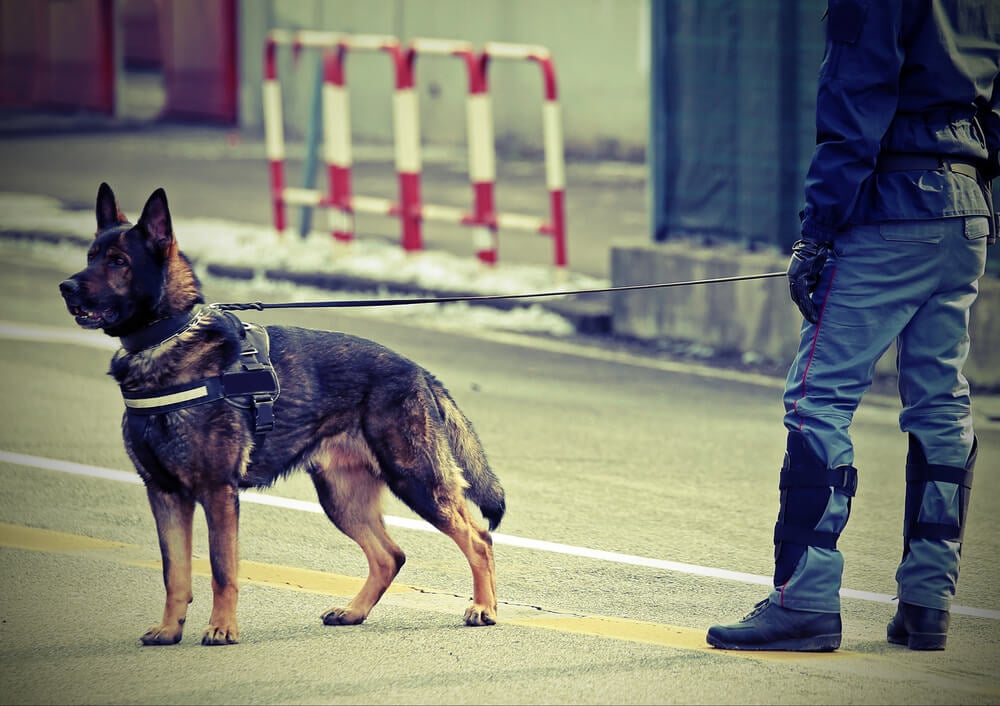
A mixed-breed canine, Sinbad served 11 years aboard the United States Coast Guard Cutter George W. Campbell and was enlisted in the Coast Guard with a paw print on his papers making it official, assigned the rank of K9C (or “Chief Dog”), the equivalent to Chief Petty Officer. Sinbad became the mascot of US Coast Guard Cutter Campbell and remained aboard during its entire World War II tour, during which it sank the German submarine U-606.
He is believed to be the only dog to hold an official Coast Guard rank with documented credentials.
Lucca
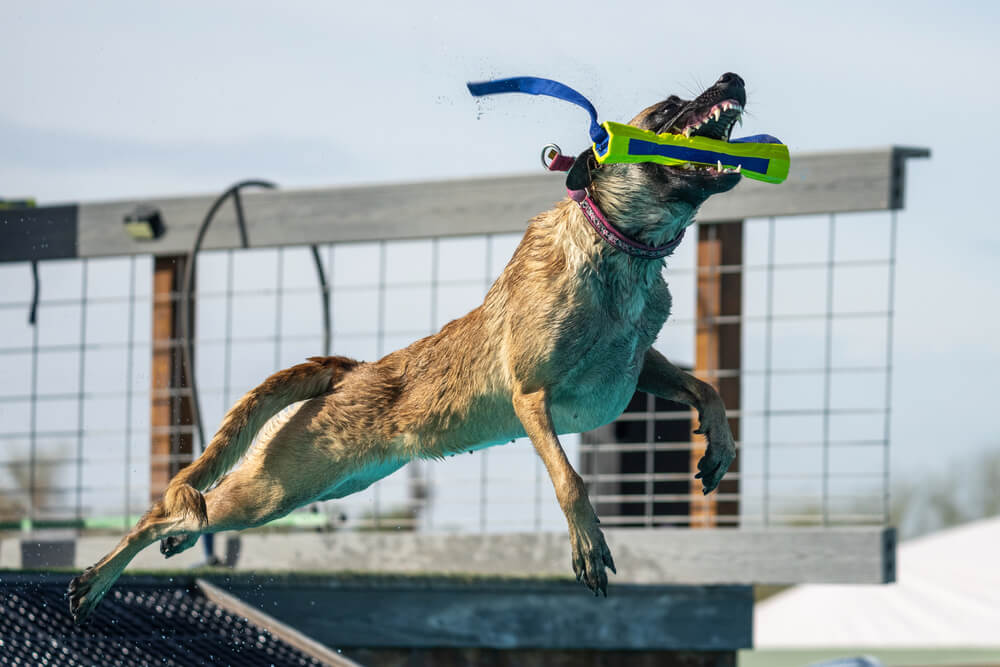
In 2012, Lucca, a bomb-sniffing U.S. Marine Corps dog, lost her front leg in a roadside IED blast while on duty in Afghanistan after already serving in the military for over six years, successfully completing more than 400 missions and protecting the lives of thousands of allied troops in areas of conflict in the Middle East. She was the first U.S. Marine Corps dog to receive the PDSA Dickin Medal, considered the world’s top military honor for non-humans.
Despite her catastrophic injury, there reportedly wasn’t a single human casualty during any of her patrols.
Chips
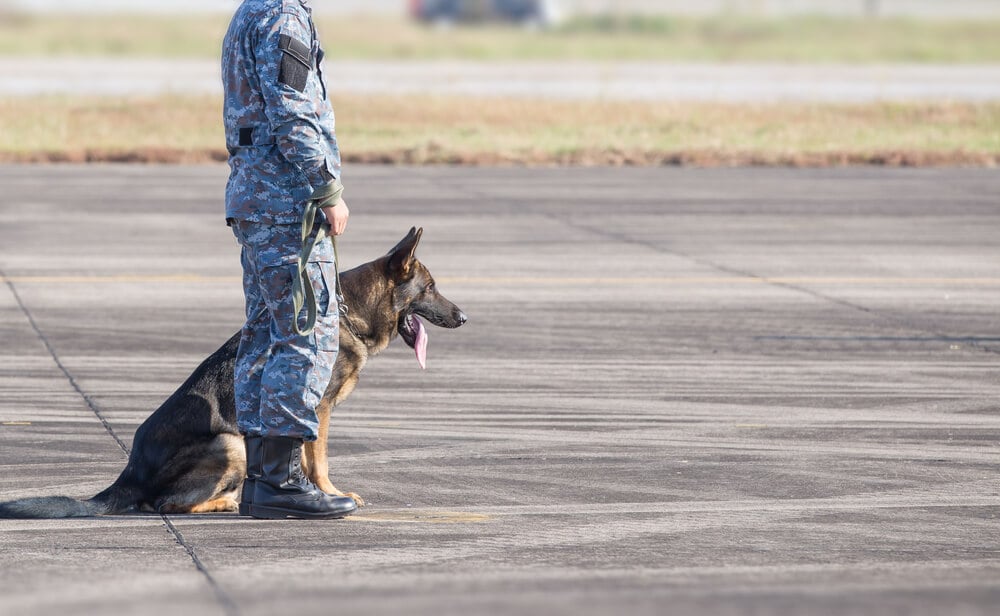
Chips was a German Shepherd-Collie-Malamute mix owned by Edward J. Wren of Pleasantville, New York, and is reputedly the most decorated war dog from World War II. In 1943, during the invasion of Sicily, Chips broke free from his handler and attacked a machine-gun nest, forcing four enemy soldiers to surrender.
Although Chips was initially awarded the Silver Star and Purple Heart, these were later revoked when the Commander of the Order of the Purple Heart objected to decorating an animal. He was posthumously awarded the PDSA Dickin Medal in 2018 and the Animals in War & Peace Medal in 2019.
Sergeant Gander
Gander, originally Pal and also known as Sergeant Gander, was a Newfoundland dog who served as the mascot of the Royal Rifles of Canada during World War II and was killed in action during the Battle of Hong Kong in 1941. In his final act of bravery, Gander picked up a thrown Japanese hand grenade and rushed with it toward the enemy, dying in the ensuing explosion but saving the lives of several wounded Canadian soldiers.
He was posthumously awarded the Dickin Medal, the animals’ Victoria Cross, in 2000 for his deeds during the battle—the first such award in over 50 years.
Conan (Delta Force)
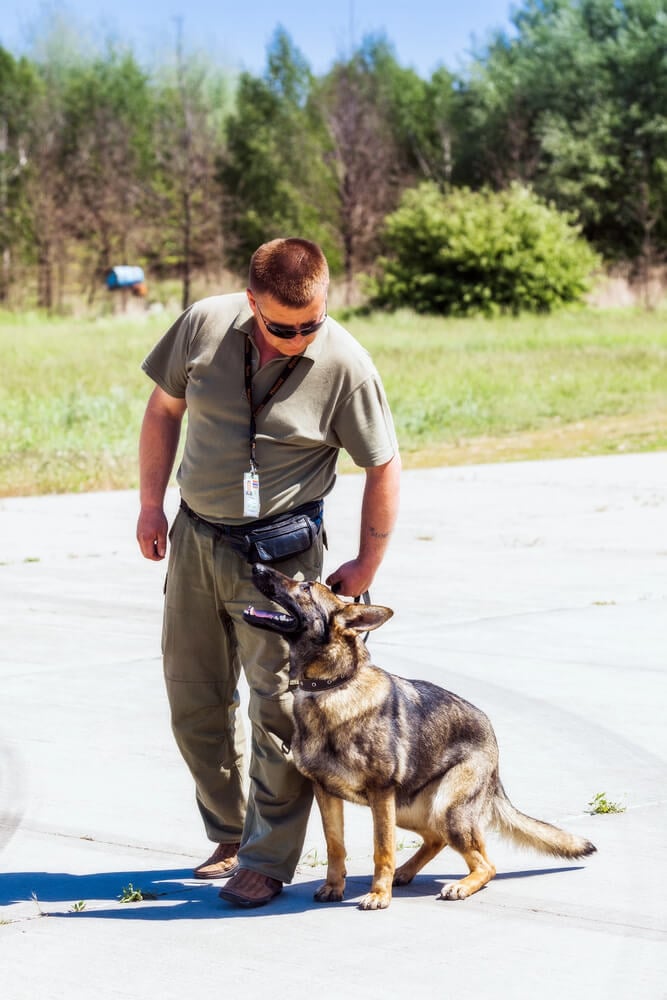
Conan, a Belgian Malinois assigned to 1st Special Forces Operational Detachment-Delta, is credited with chasing Abu Bakr al-Baghdadi down a tunnel during a secret raid on the ISIS leader’s compound. Conan was a four-year veteran of the SOCOM K-9 program and had been a member of approximately 50 combat missions before his involvement in the Baghdadi raid.
The dog was injured when Baghdadi detonated a self-harm vest, but recovered quickly and has since gone out on more raids. President Trump presented Conan with a medal and certificate at the White House following the 2019 raid.
Cairo (SEAL Team Six)
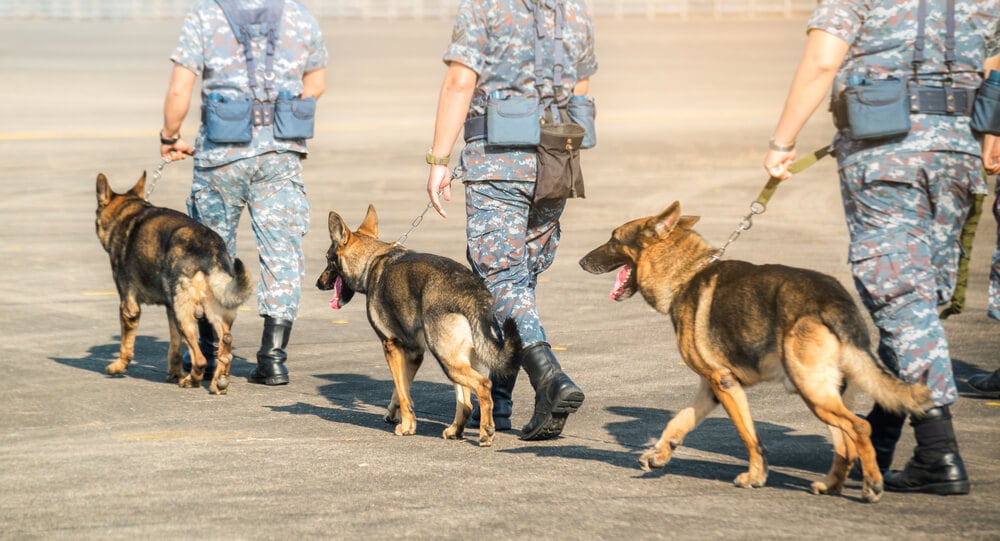
On May 2, 2011, Cairo, a Belgian Malinois, was seated between Navy SEAL Will Chesney’s legs, wearing a Kevlar vest and night-vision goggles, as the Sikorsky UH-60 Black Hawk carrying the team made its way to Abbottabad, Pakistan for the raid on Osama bin Laden’s compound. That evening, the only name released to the public about which heroes were involved in the raid was “Cairo, Belgian Malinois.”
Despite being the only casualty-preventing operative whose name was immediately declassified, Cairo could not receive military decorations like the Silver Star awarded to his human teammates, as service dogs were barred from such honors at that time.
Sergeant Major Jiggs (Marine Corps)
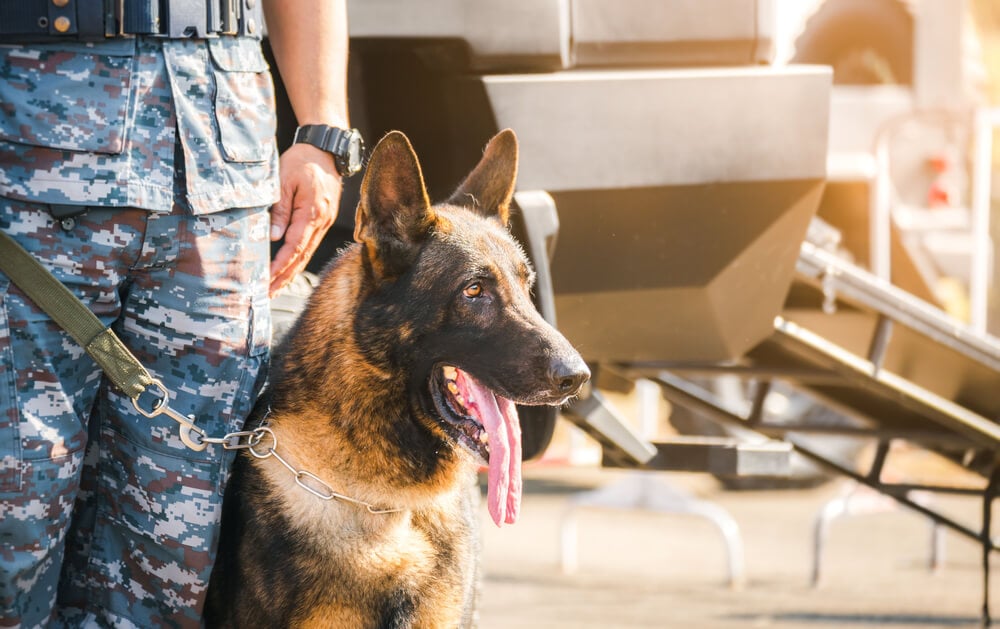
Sergeant Major Jiggs was the original Marine Corps bulldog mascot who began his career in 1922 as a private and advanced through the ranks to reach E-9, serving under the famous Major General Smedley Butler—one of the only Marines to earn two Medals of Honor. Jiggs held a position of such prestige that he was referred to as “Sergeant Major,” making him one of the few dogs to hold an official military rank equivalent to that of a senior enlisted advisor in modern military structure.
Chesty XIV (Marine Corps Bulldog)
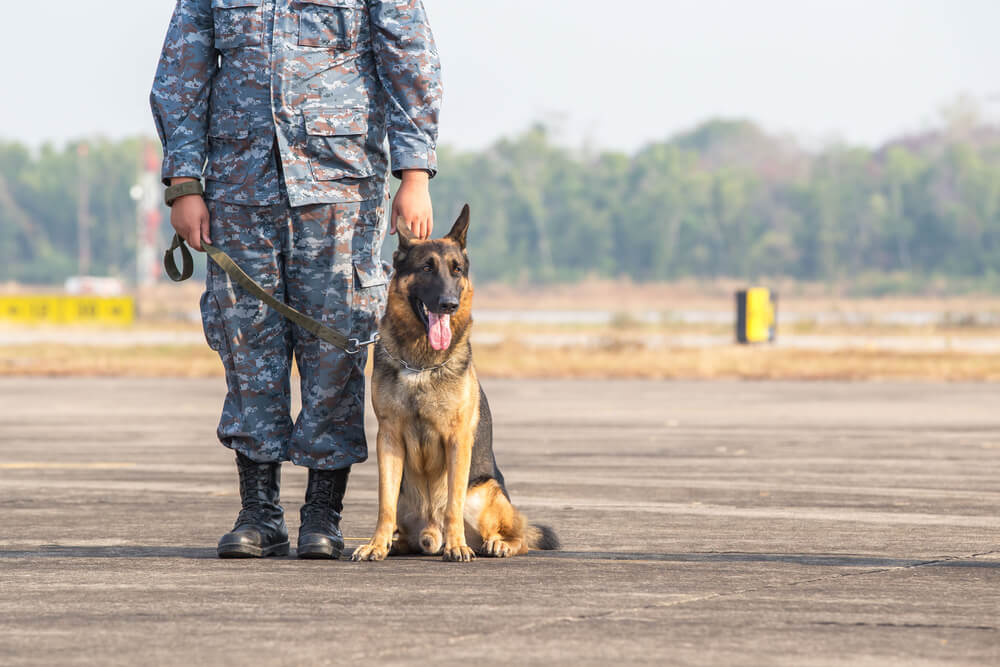
Chesty XIV, named after the most highly-decorated Marine, Chesty Puller, is the current official mascot of the Marine Corps and has his own dog-sized National Defense medal, with sergeant responsibilities like training the junior Marines in his charge. The current bearer of the title represents a long lineage of Marine Corps bulldogs, each earning the right to wear rank insignia and participate in official military ceremonies and parades.
Lucca’s Handler Partnership
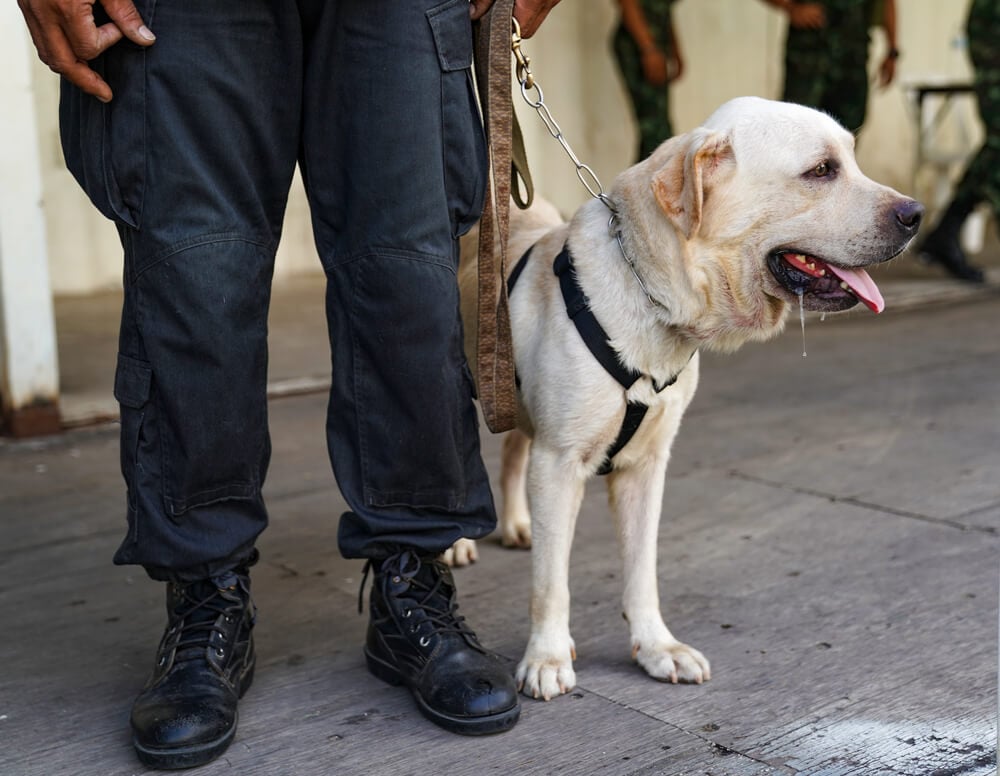
While Lucca herself bears the medals, her partnership with Marine Corps handlers exemplifies how official recognition extends through the human-animal bond. Her Gunnery Sergeant Chris Willingham and previous handler Corporal Juan Rodriguez both received official recognition through their association with her decorated service and multiple deployments.
Smoky’s Perpetual Honor
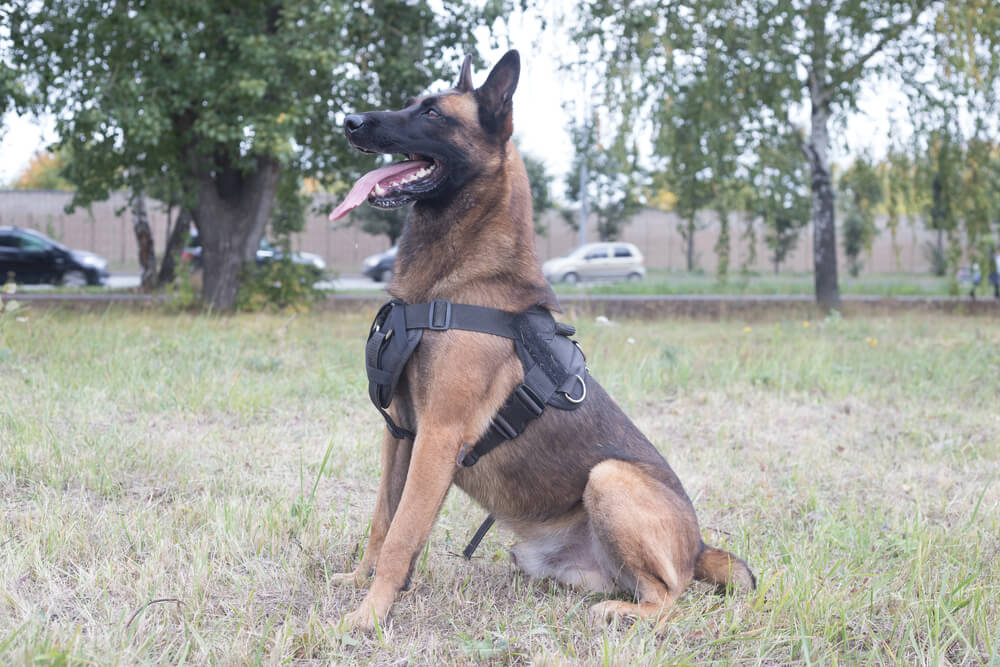
Beyond her battle stars, the Yorkshire Terrier National Rescue organization annually awards the Smoky Award in honor of this famed pup, creating a perpetual official honor in her name that continues to recognize canine bravery in the modern era.
Crumstone Irma
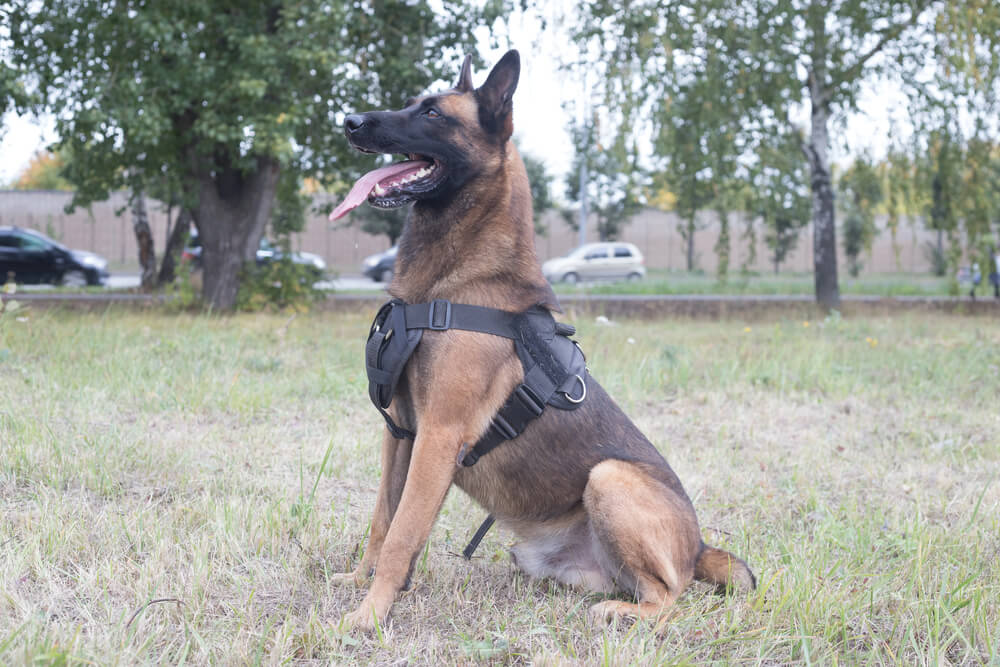
A German Shepherd who assisted in rescue operations during the bombing of London, Crumstone Irma assisted in the rescue of 191 people trapped under blitzed buildings and was awarded the Dickin Medal in 1945. Her official recognition came from work directly saving human lives during the Blitz, making her one of the earliest decorated rescue dogs on record.
Jet of Iada
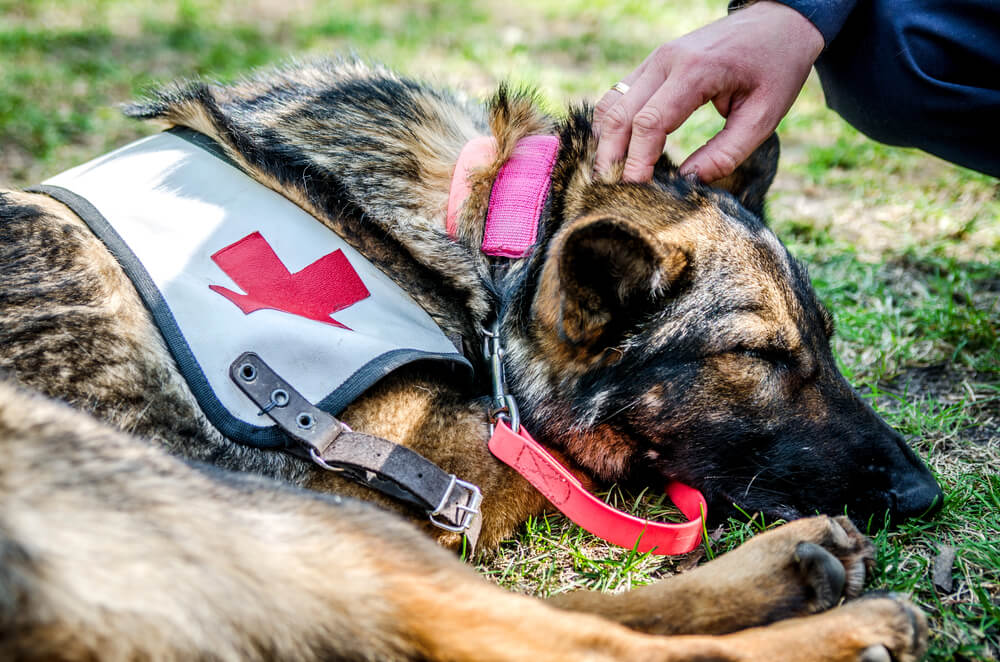
Jet of Iada, a German Shepherd, assisted in the rescue of 150 people trapped under blitzed buildings and was awarded both the Dickin Medal and the RSPCA’s Medallion of Valor for his rescue efforts. Unlike many military dogs whose service focused on combat, Jet earned dual civilian honors for humanitarian rescue work.
Judy (Royal Navy)
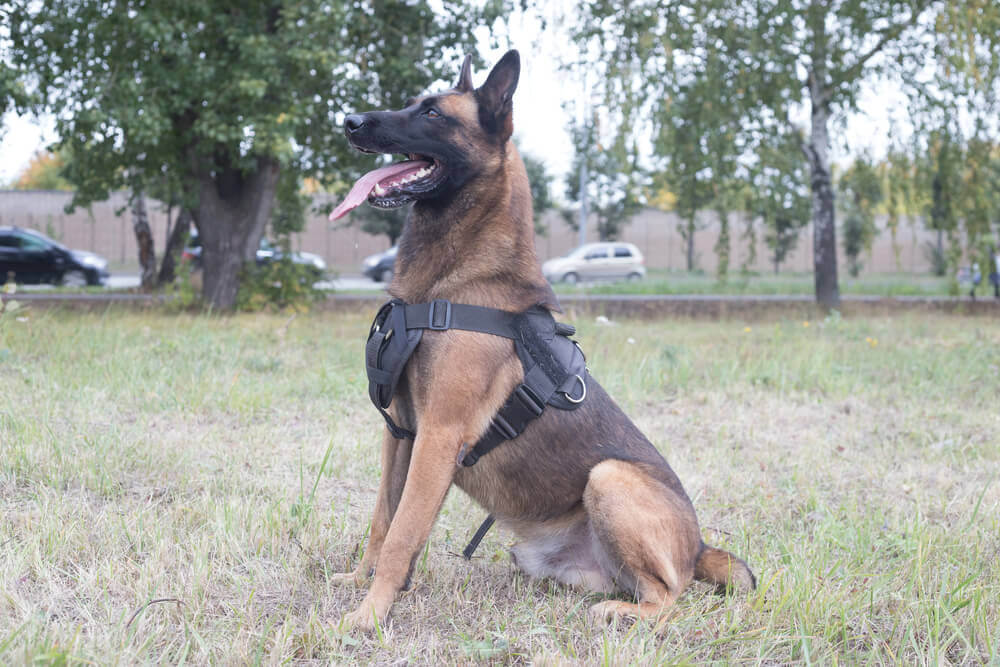
Judy, a ship’s dog who served with the Royal Navy, was the only animal to have been officially registered as a Japanese prisoner of war. She survived sinking ships, Japanese captivity, and multiple combat theaters, earning official military and prisoner-of-war recognition that no other dog has matched.
Chopper (Navy SEAL)
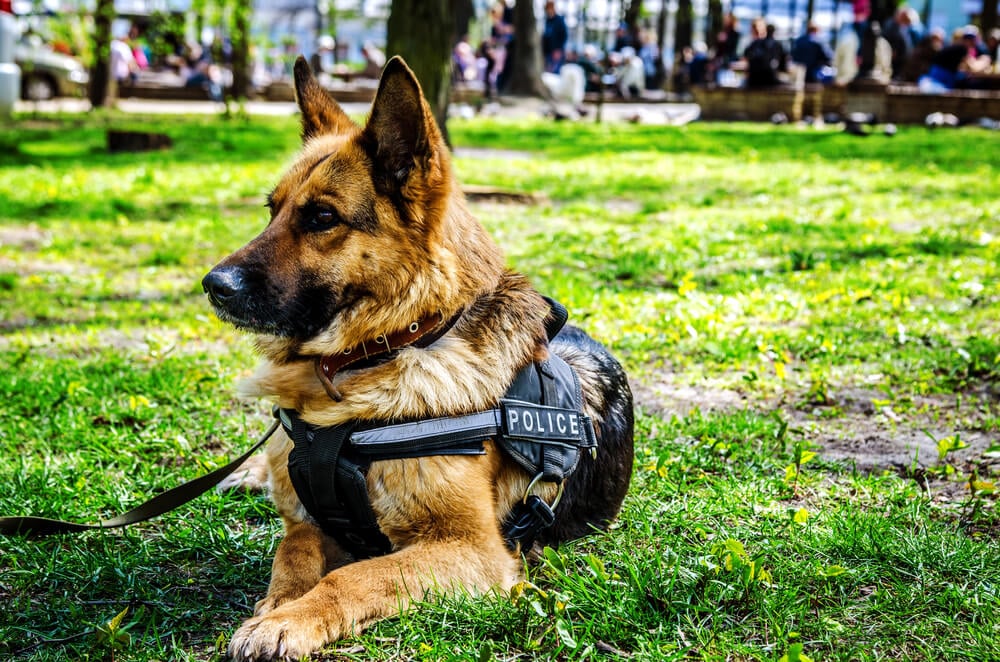
Chopper, a Navy SEAL dog who served in Iraq and Afghanistan from 2007-2011, was honored at the White House and along with his handler Trevor Maroshek, was the subject of a 2015 Smithsonian Channel documentary titled SEAL Dog. His official White House honor placed him in the same ceremonial tradition as Cairo and other elite military canines.
Kuno (British Special Forces)
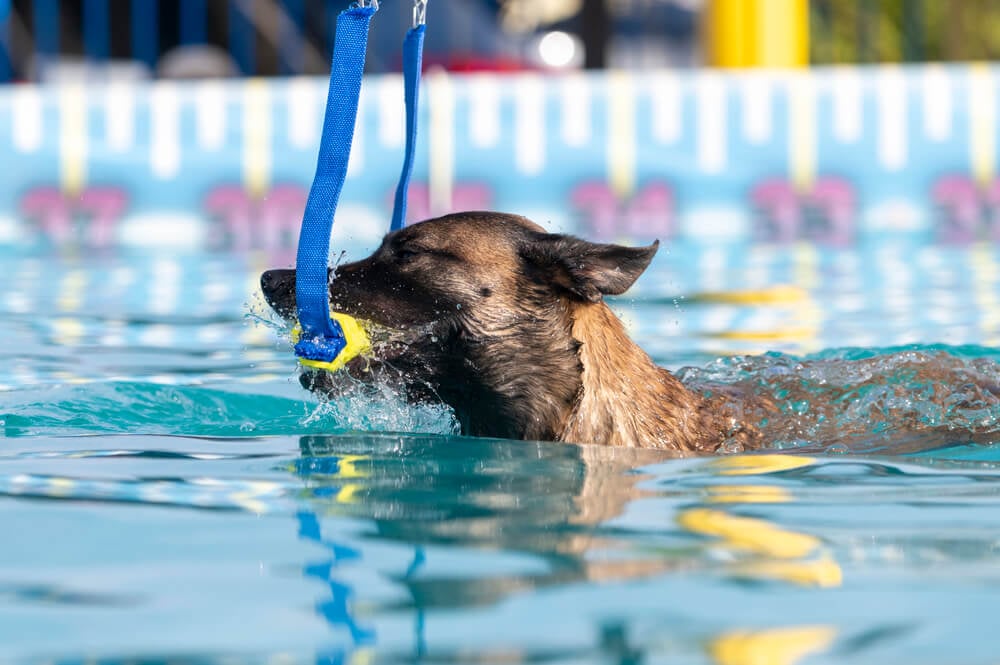
Kuno, a Belgian Malinois working with British Special Forces, earned global attention in 2020 when he was awarded the Dickin Medal for bravery during a raid in Afghanistan, charging enemy combatants under heavy gunfire, allowing British troops to advance, though he was shot in both hind legs but completed the mission before collapsing. Kuno became the first UK military dog to receive custom prosthetic limbs following his recovery, marking a new era in official care and recognition for wounded military working dogs.
Apollo (9/11 Ground Zero)
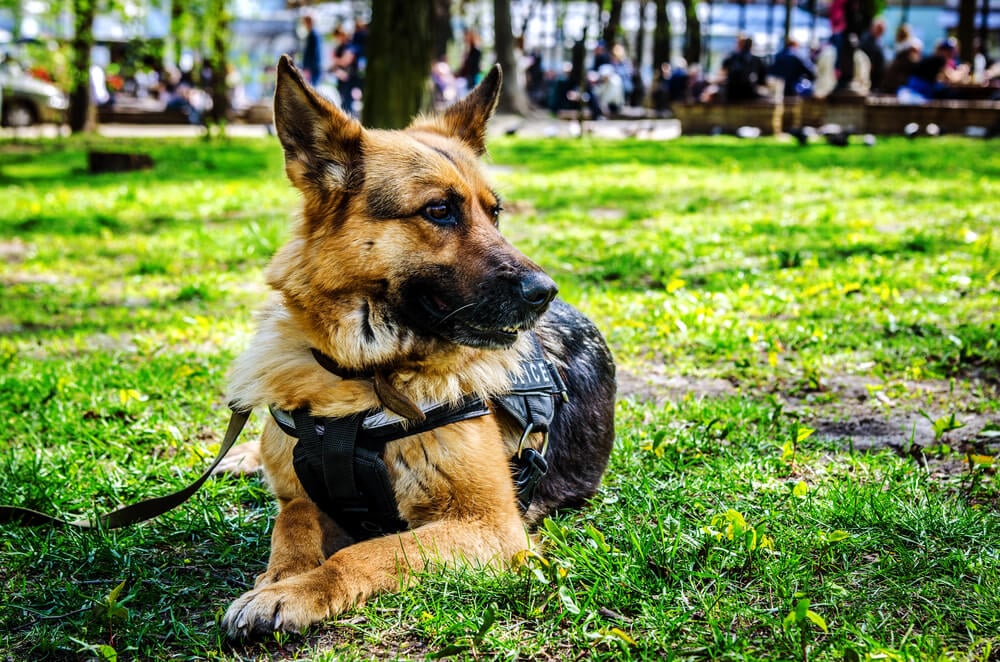
NYPD dog Apollo received the PDSA Dickin Medal on behalf of all the Search and Rescue dogs at Ground Zero and the Pentagon following the terrorist attack on 11 September 2001. His official recognition honored not just his individual service but represented thousands of unnamed search and rescue dogs who worked recovery operations at the nation’s most traumatic site.
Stormy (Vietnam War)
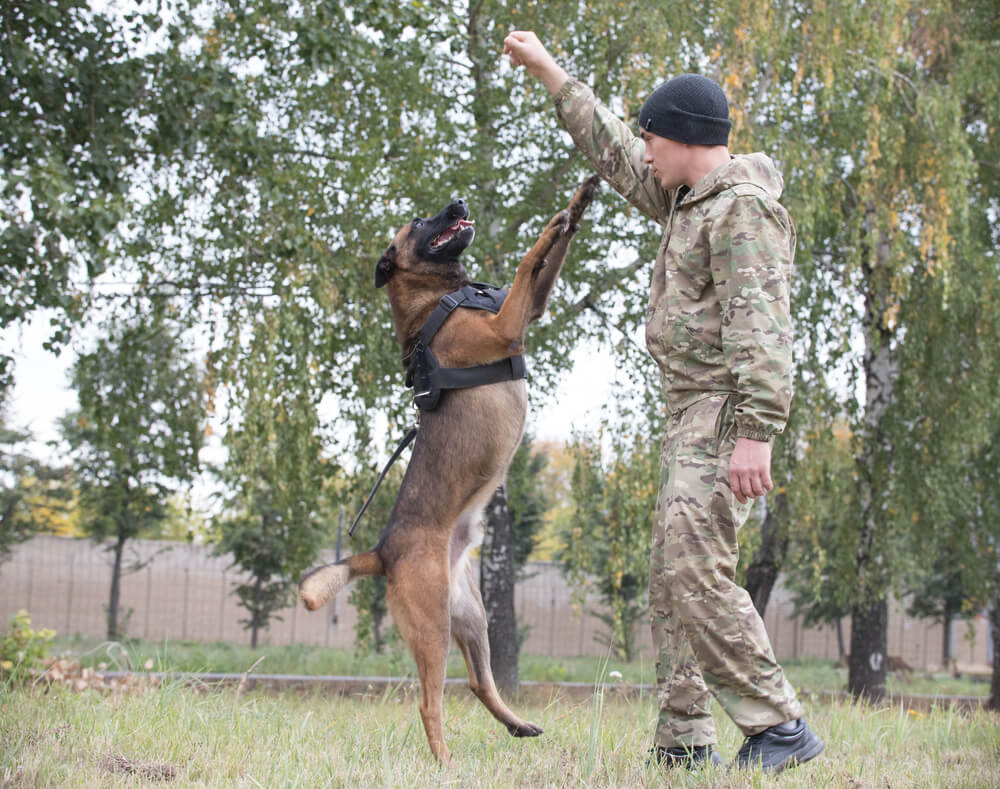
Stormy, a German Shepherd who helped capture enemy soldiers during the Vietnam War, received posthumous recognition through the Animals in War & Peace Medal of Bravery, acknowledging service that at the time went largely unrecognized due to military policy against honoring service animals.
Rip (Battle of Britain)
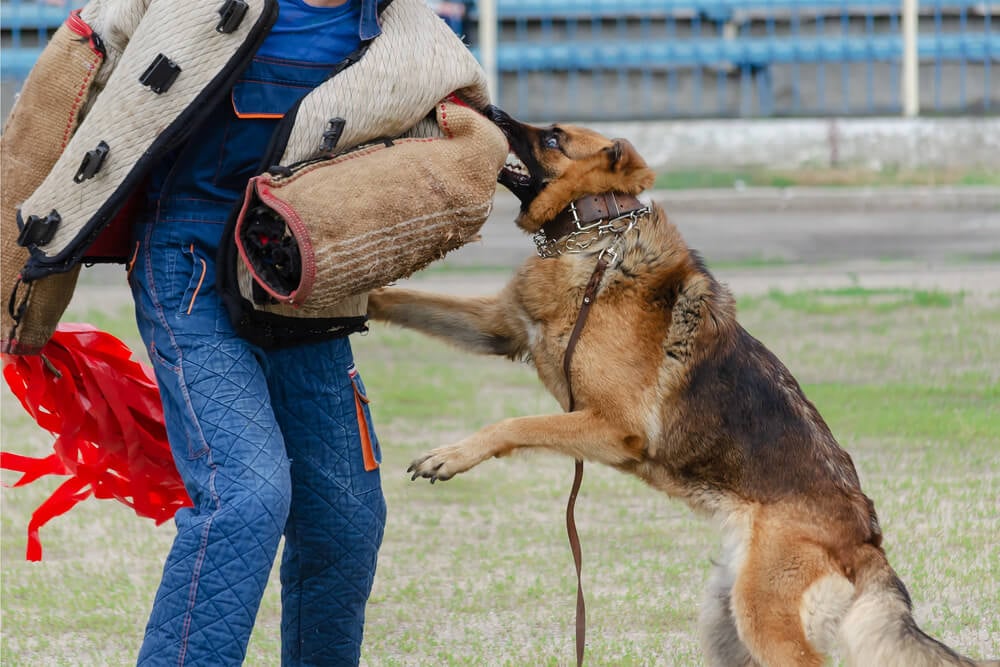
This mongrel terrier served with Civil Defence crews during the bombing of London, earning official recognition for locating survivors trapped in rubble. Rip became famous during the Battle of Britain, and the plucky little dog’s own home was bombed, yet he simply tagged along with Civil Defence crews.
His service exemplified how dogs served essential non-combat roles worthy of official acknowledgment.
Horrie the Wog Dog (Australian Forces)
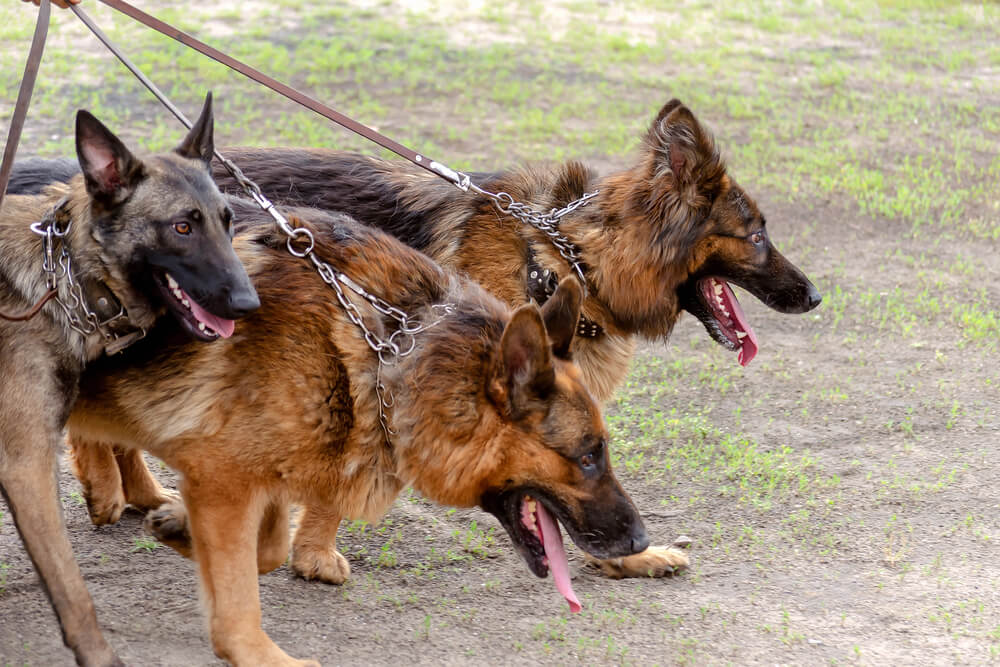
Horrie the Wog Dog was found in Egypt by Australian Forces in 1942 during World War II and saved the lives of many Australian soldiers. Despite being smuggled home to Australia after the war (against military regulations), Horrie earned sufficient official recognition to appear in military histories and be memorialized by the Australian War Memorial.
Stubby’s Congressional Record
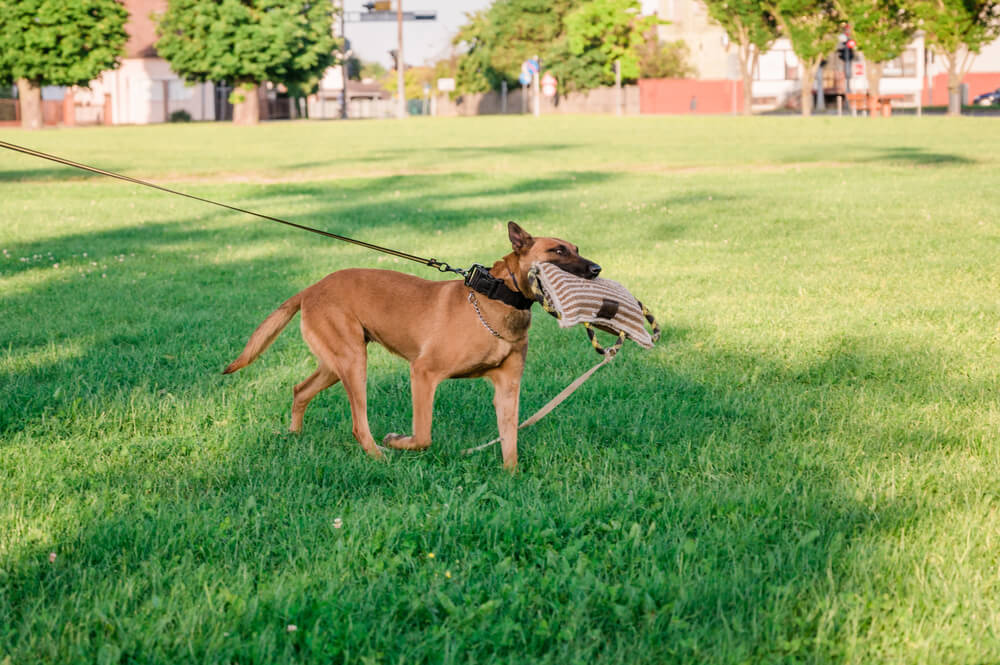
Sergeant Stubby’s rank became so officially recognized that he was buried with military honors, one of the few dogs ever granted such status. His rank appeared in official Army records and Congressional testimony, cementing his transformation from stray to soldier in permanent governmental documentation.
From Mascots to Soldiers
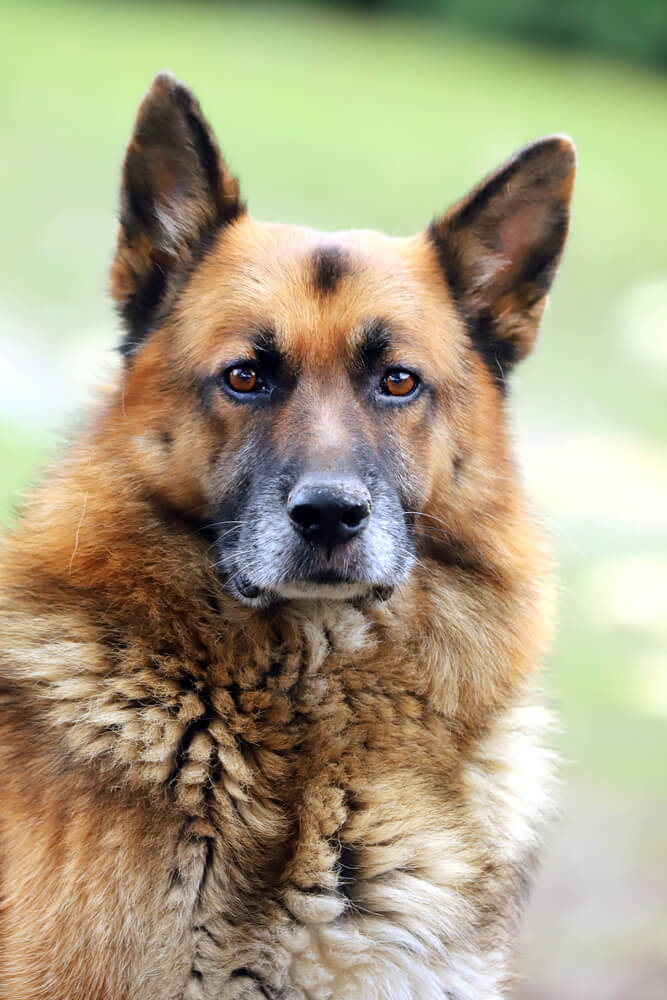
These twenty-six canines represent a historical shift in how militaries recognized animal contributions. Ealy mascots like Rags and Stubby earned informal promotions through combat necessity.
By World War II, official awards like the Dickin Medal formalized recognition. Modern operations now deploy dogs with official ranks, credentials, and equipment equal to specialized human operatives.
The progression from hidden companion to declassified operator reflects growing acknowledgment that military working dogs are not accessories but equal members of combat teams worthy of official title and lasting honor.
More from Go2Tutors!

- The Romanov Crown Jewels and Their Tragic Fate
- 13 Historical Mysteries That Science Still Can’t Solve
- Famous Hoaxes That Fooled the World for Years
- 15 Child Stars with Tragic Adult Lives
- 16 Famous Jewelry Pieces in History
Like Go2Tutors’s content? Follow us on MSN.