World Art Day: 16 Iconic Works That Changed the Way We See the World
Art has a special ability to alter viewpoints, question accepted wisdom, and seize moments that characterize whole periods. Some of the greatest works of art in history have changed the way people think about themselves and the world in a profound way, transcending their canvas, marble, or material.
These pieces do more than just showcase technical mastery; they also influence cultural dialogues, introduce novel approaches, and occasionally reinterpret the idea of art itself.
Here are 16 groundbreaking pieces of art that profoundly altered artistic expression and cultural knowledge and altered our perception of the world.
Cave Paintings of Lascaux
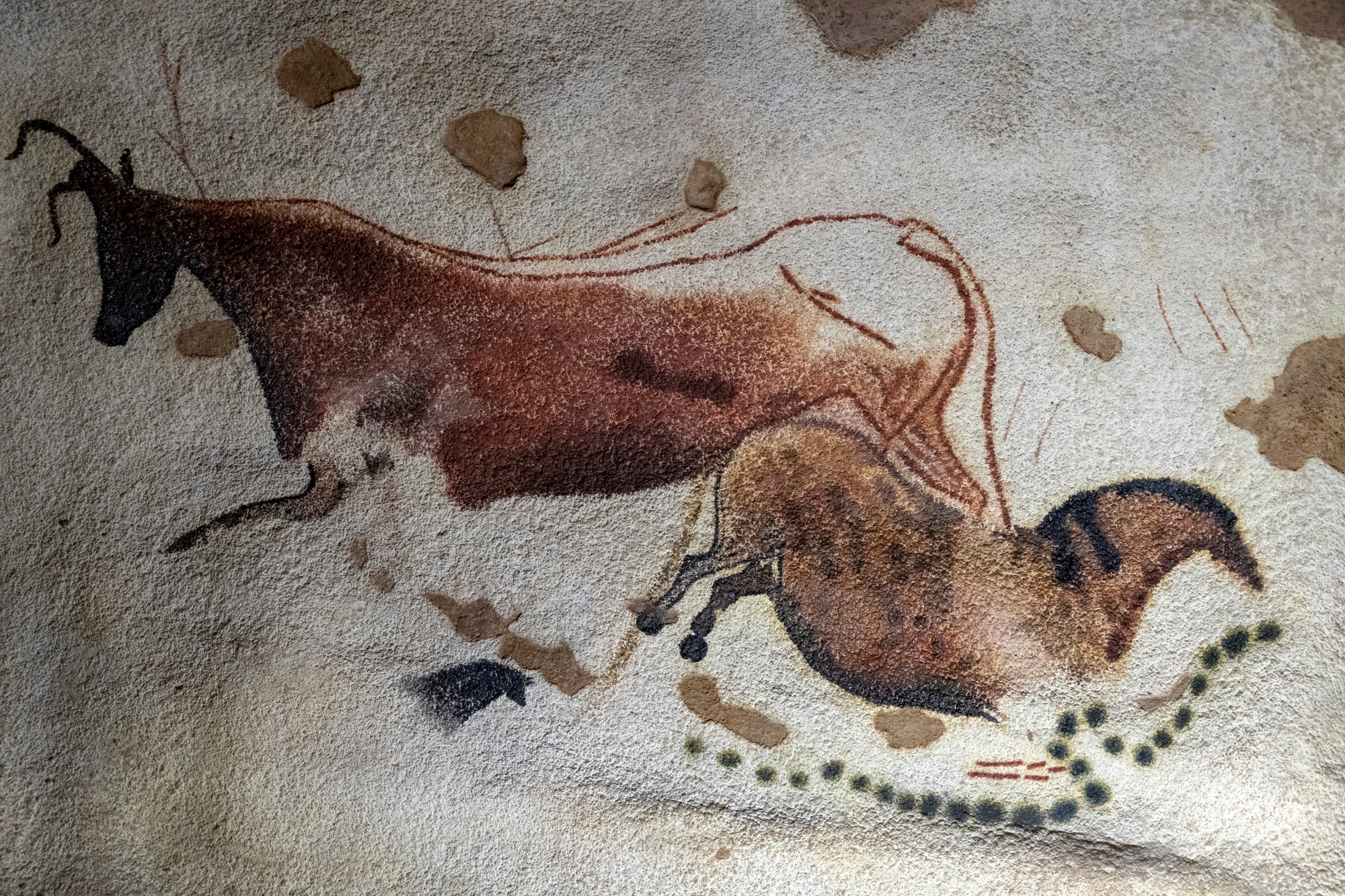
Created roughly years ago, these prehistoric paintings demonstrate that artistic expression predates civilization itself. The sophisticated depictions of animals showcase a remarkable understanding of form and movement, challenging assumptions about early human capabilities.
Their discovery in revolutionized anthropological understanding, proving that artistic impulse represents a fundamental aspect of human consciousness rather than a luxury of advanced societies.
The Bust of Nefertiti

This limestone sculpture, with its remarkably preserved colors and delicate features, transformed our understanding of ancient Egyptian artistry. The bust’s naturalistic style and exquisite craftsmanship demonstrate artistic sophistication far beyond what historians previously attributed to that era.
Its idealized yet humanistic portrait of female beauty established aesthetic principles that continue influencing contemporary beauty standards across continents and millennia.
The Parthenon Marbles
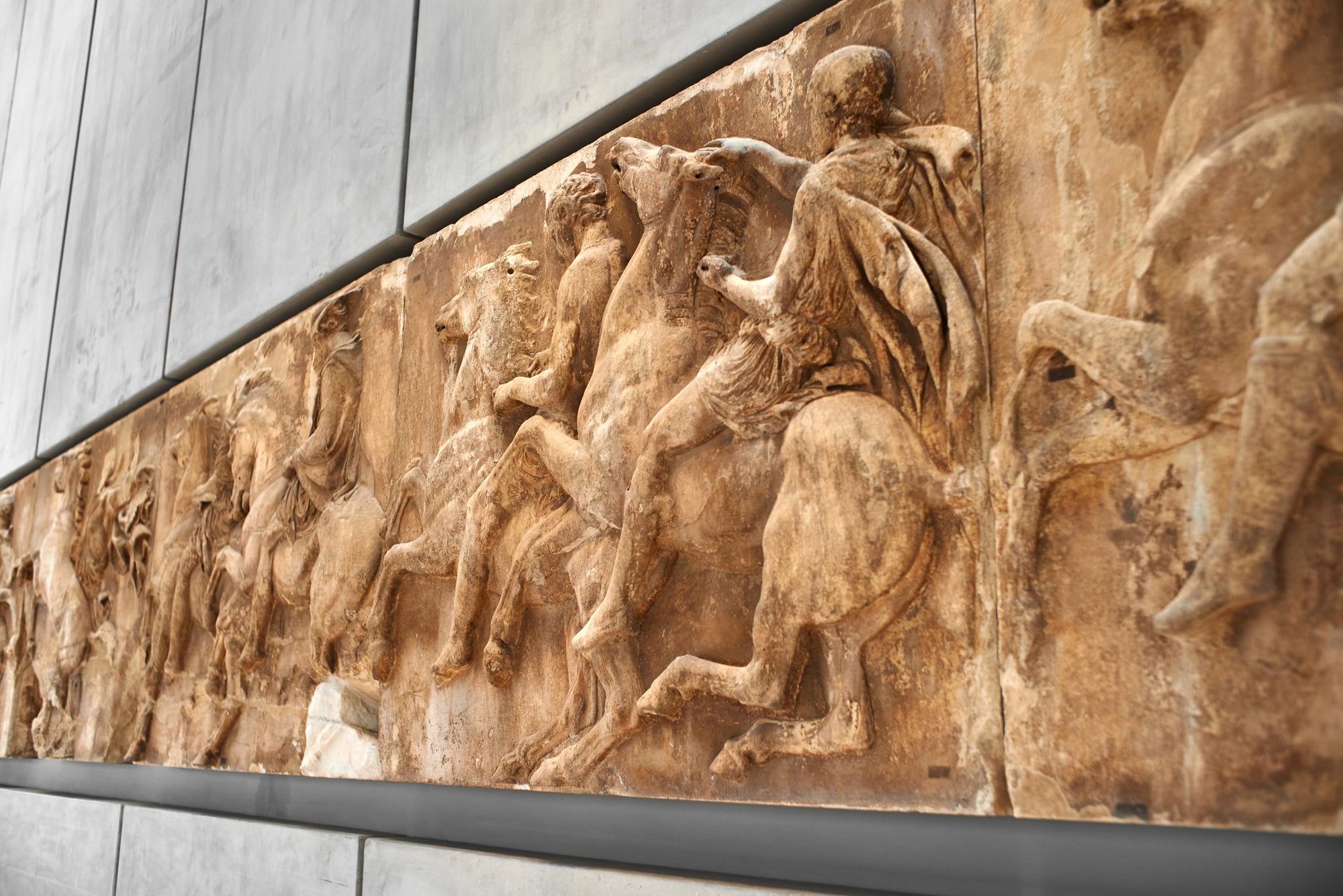
These Classical Greek sculptures, created between BCE, established mathematical principles of beauty and proportion that dominated Western art for centuries. The marble reliefs pioneered techniques for depicting natural human movement and anatomically accurate forms.
Their influence extends beyond art into architecture, design, and even modern concepts of physical fitness, embedding Greek aesthetic ideals so deeply in Western culture that they became the invisible standard against which other traditions were measured.
The Terracotta Army
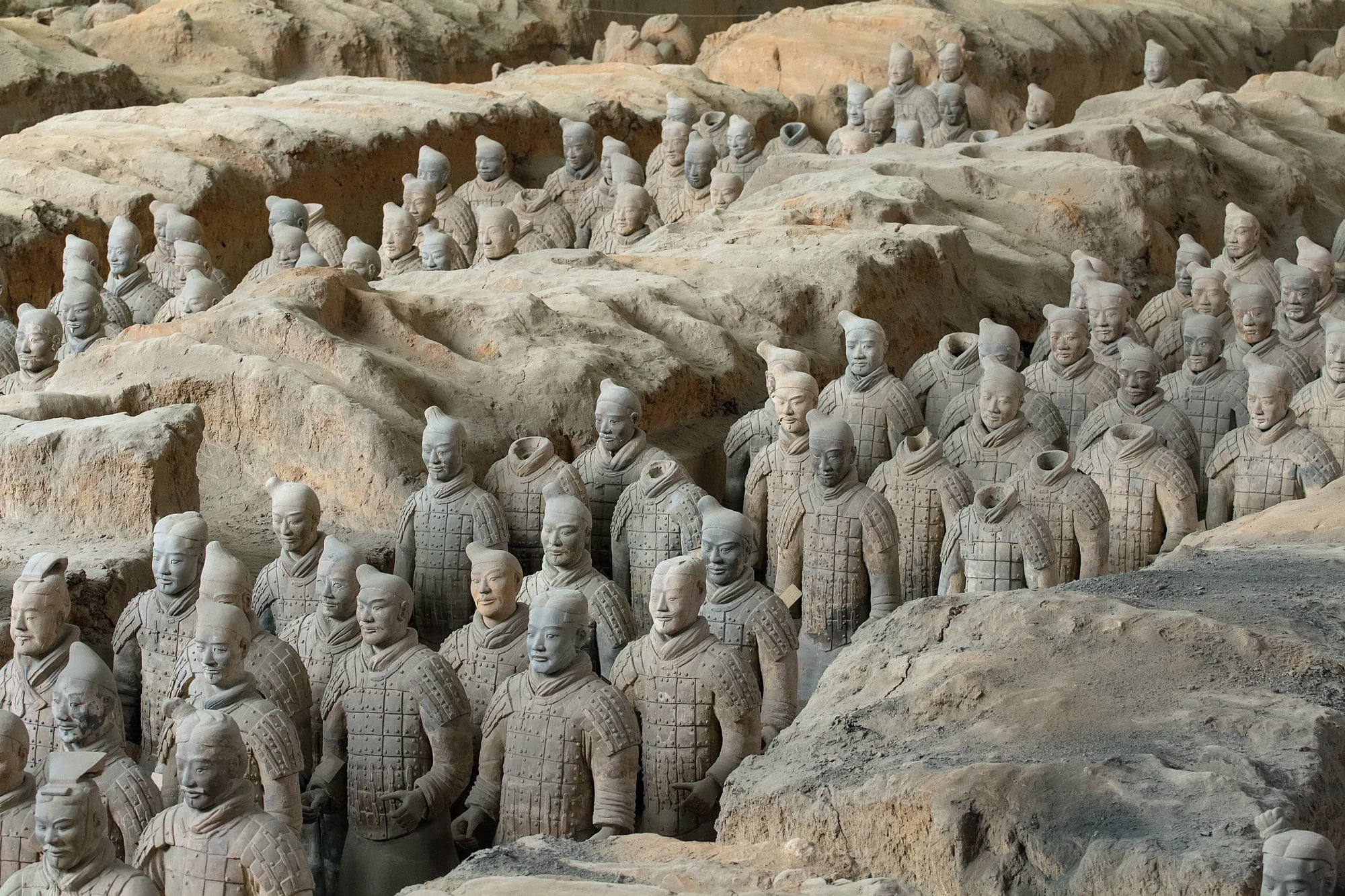
Discovered in , these unique soldier figures buried with Emperor Qin Shi Huang in BCE represented a quantum leap in understanding ancient Chinese artistic capabilities. Each soldier features distinct facial features and expressions, demonstrating mass production alongside meticulous individualization.
The massive scale and technical sophistication of this underground army transformed archaeological understanding of ancient organizational capacity and artistic production methods previously thought impossible for that era.
Mona Lisa
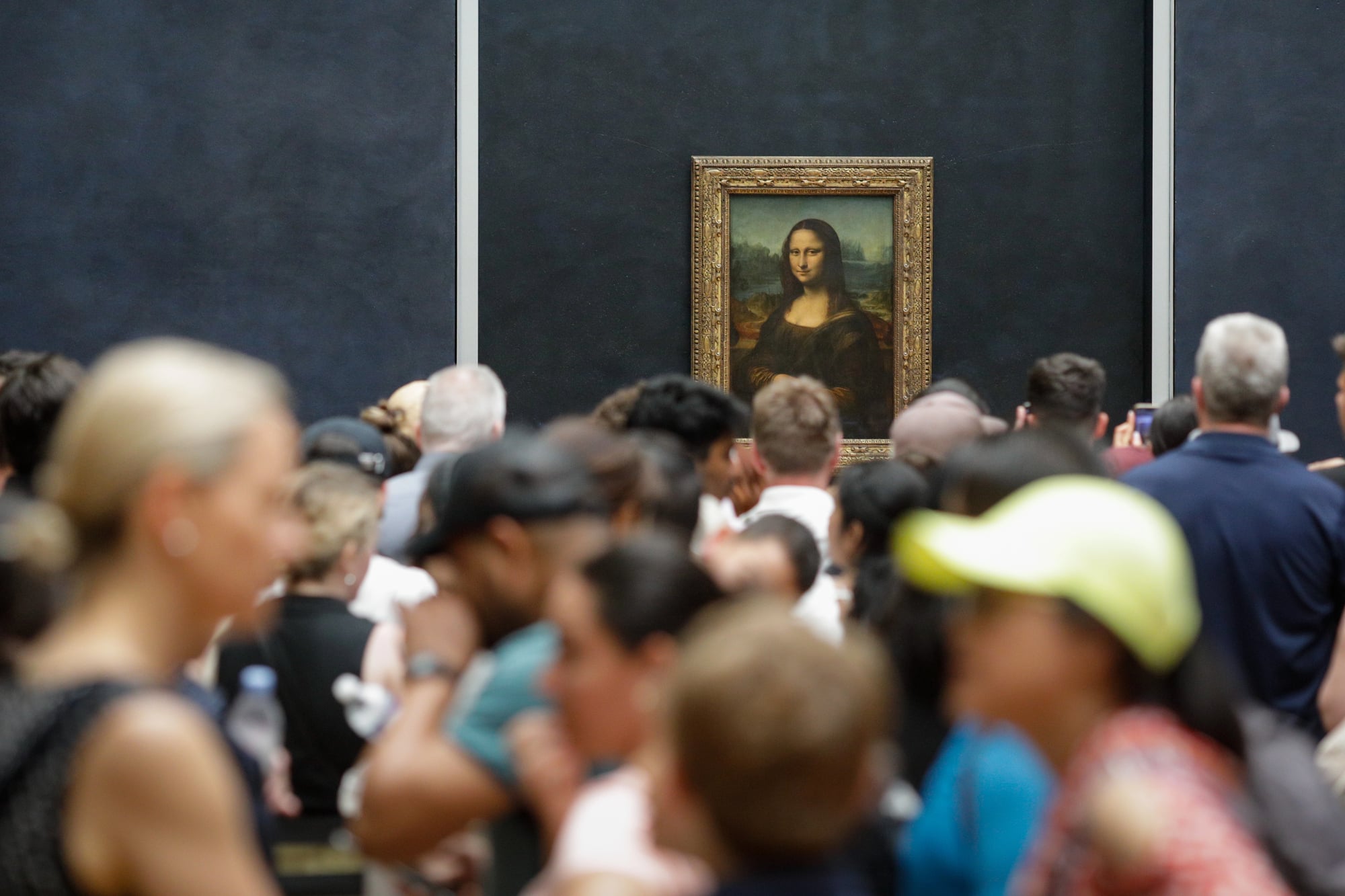
Leonardo da Vinci’s seemingly simple portrait revolutionized painting through its atmospheric perspective, subtle modeling, and enigmatic expression. The innovative sfumato technique created soft transitions between colors, establishing new standards for realistic rendering.
Beyond its technical achievements, the work’s ambiguous expression continues to generate speculation and analysis five centuries later, demonstrating how artistic ambiguity can engage viewers more powerfully than explicit messaging.
The Sistine Chapel Ceiling
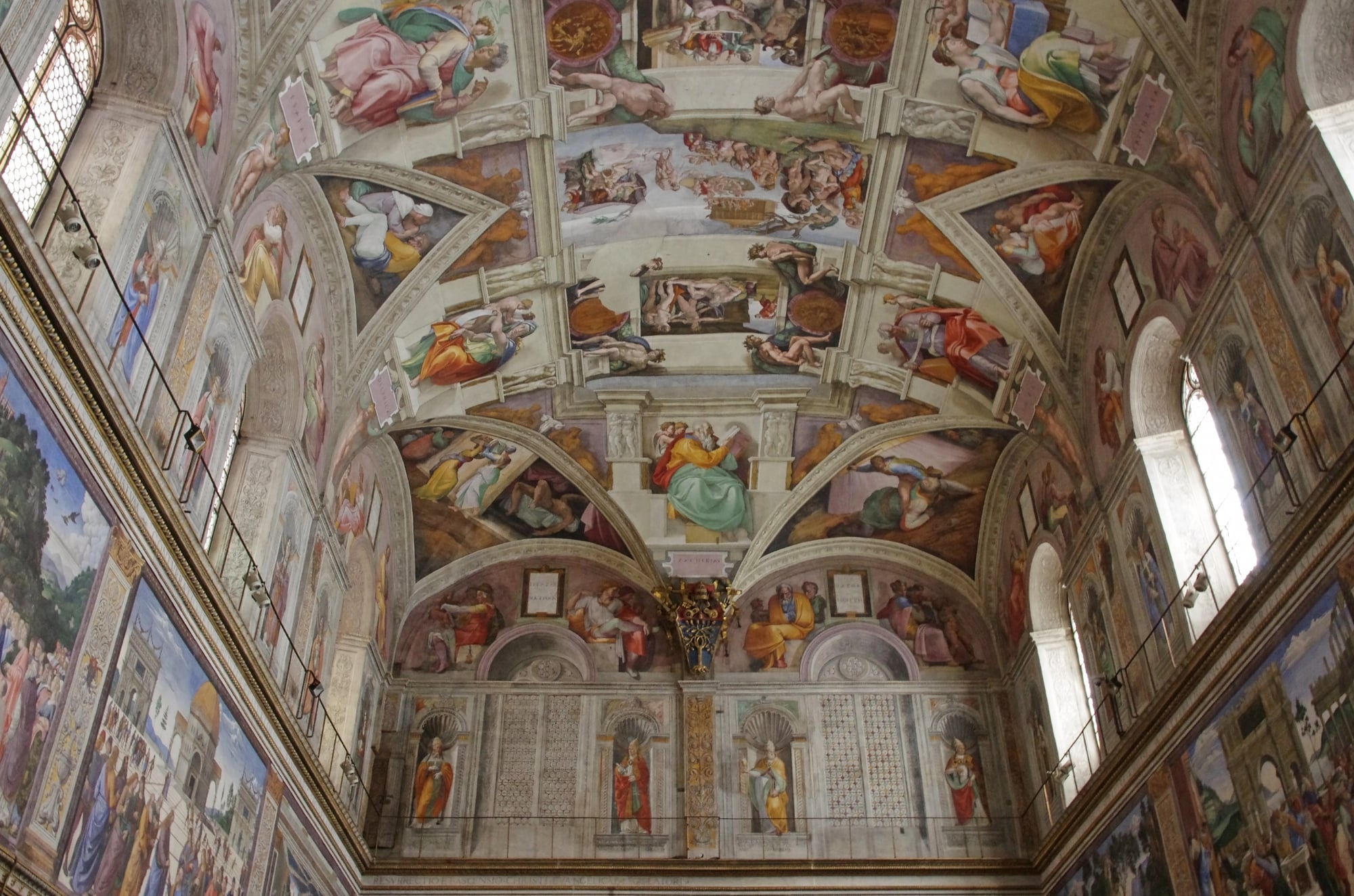
Michelangelo’s monumental fresco transformed religious imagery by depicting biblical figures with unprecedented anatomical accuracy and dynamic postures. The ceiling’s ambitious scope proved that painting could rival architecture in creating immersive spiritual environments.
Its influence extends beyond religious contexts, establishing new possibilities for narrative visual storytelling that later informed everything from comic books to cinema through its revolutionary use of sequential scenes and dramatic figural compositions.
The Night Watch
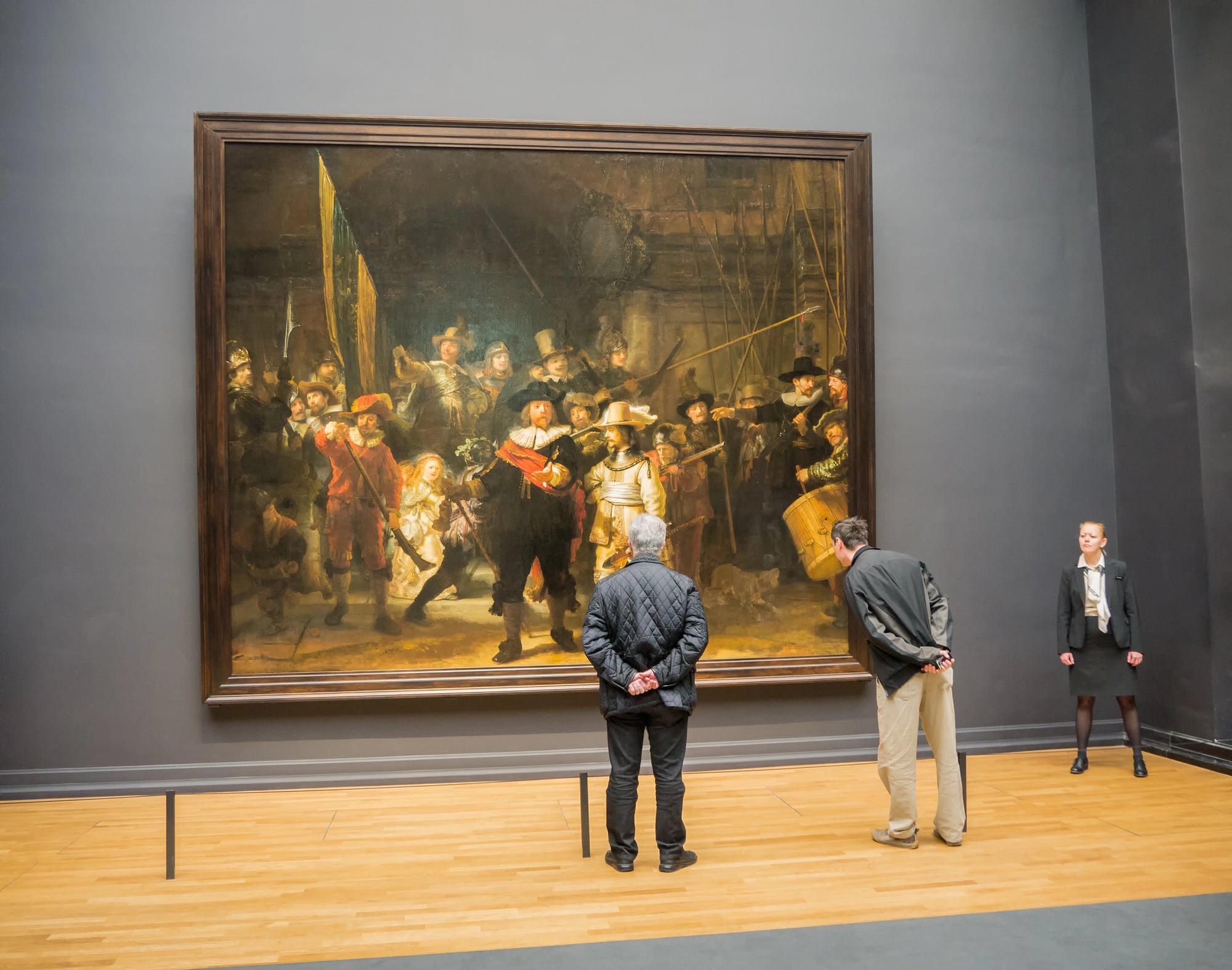
Rembrandt’s revolutionary group portrait broke conventions by depicting its subjects in dramatic action rather than static, formal poses. The painting’s innovative use of light and shadow creates theatrical drama within an ostensibly documentary format.
Its psychological complexity transformed portraiture from a straightforward representation to a complex character study, influencing centuries of artists to seek deeper human truths beyond surface appearance.
Les Demoiselles d’Avignon
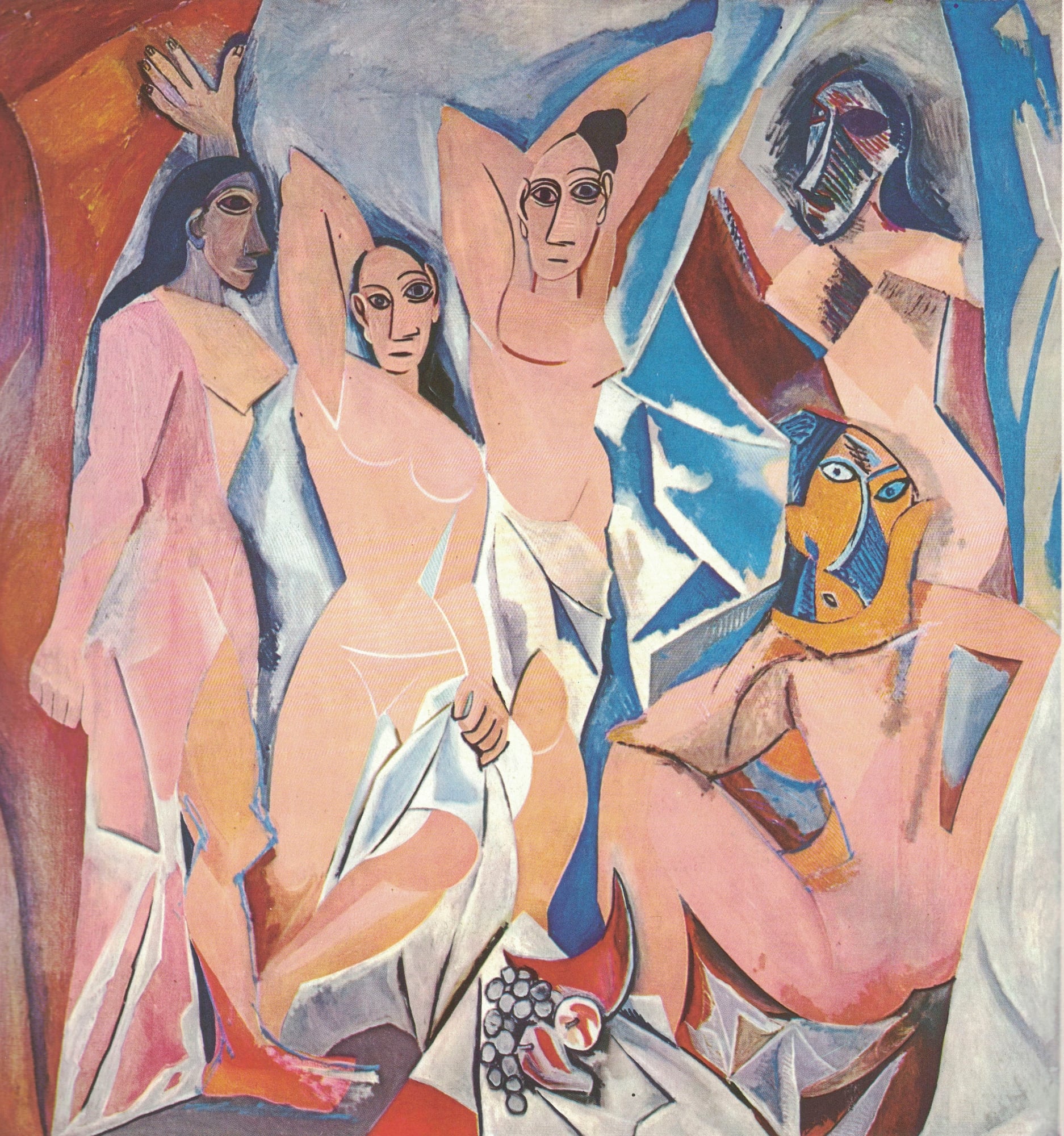
Picasso’s shocking painting shattered artistic conventions by abandoning perspective and realistic representation, fundamentally challenging how art could depict reality. Its aggressive, angular treatment of female figures and incorporation of African mask aesthetics broke Western artistic traditions.
This radical work essentially announced modernism’s arrival, giving artists permission to deconstruct visual reality and reassemble it according to conceptual rather than perceptual principles.
The Persistence of Memory
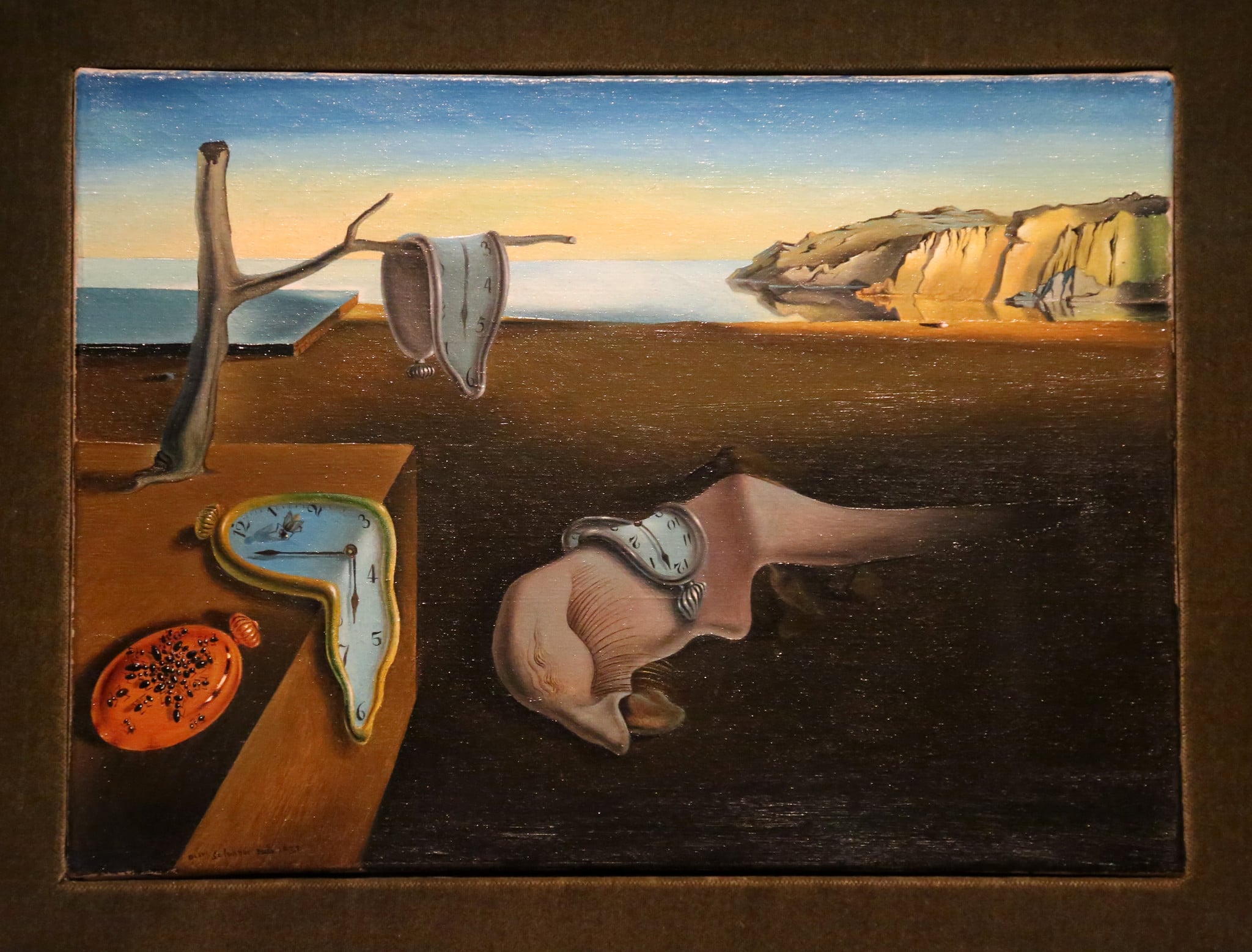
Salvador Dalí’s dreamscape of melting timepieces transformed surrealism from an artistic movement into a cultural touchstone. The painting visualized concepts from emerging psychoanalytic theory, making Freudian ideas accessible through unforgettable imagery.
Its strange juxtapositions and impossible physics created a visual language for depicting subconscious experience that continues to influence advertising, film, and digital art through its method of making abstract concepts viscerally understandable.
Guernica

Picasso’s monumental response to the bombing of a Spanish town created a new visual language for depicting modern warfare. The large-scale painting captured emotional truth through distortion rather than realism, using fragmented bodies and primal imagery.
Its power transformed political art by prioritizing emotional impact over documentary accuracy, establishing an approach to depicting atrocity that influenced generations of artists responding to conflicts from Vietnam to Syria.
American Gothic
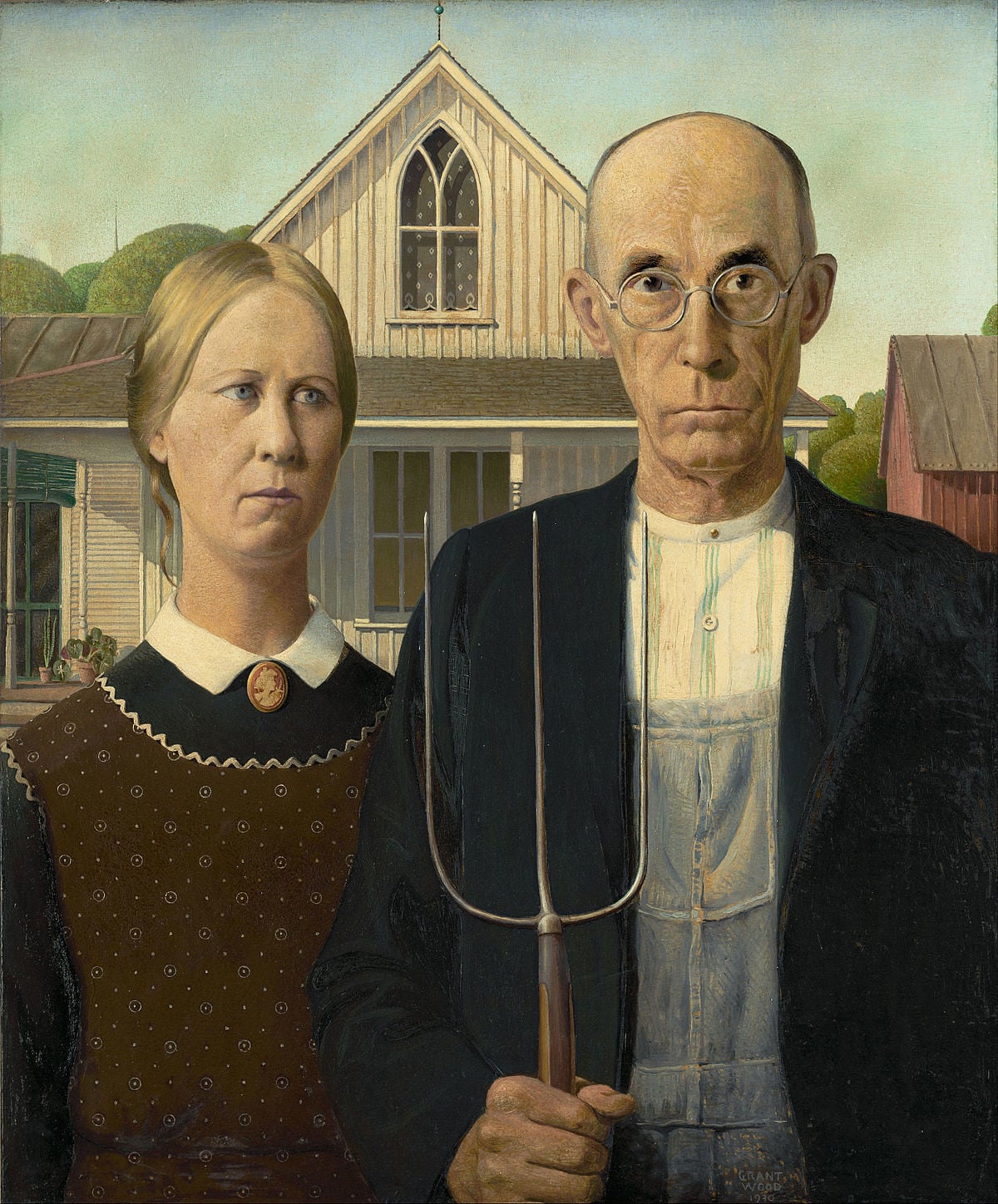
Grant Wood’s deceptively simple portrait of rural Americans became an instantly recognizable cultural icon that Americans continuously reinterpret. The painting’s ambiguous tone—neither clearly celebrating nor mocking its subjects—allows viewers to project their own feelings about American values.
Its adaptability has made it possibly the most parodied artwork in history, demonstrating how art becomes culturally significant when it creates a visual framework flexible enough for continuous reinterpretation.
Fountain

Marcel Duchamp’s audacious submission of a store-bought urinal to an exhibition fundamentally challenged definitions of art itself. By declaring a mass-produced object “art” through context rather than craftsmanship, Duchamp shifted emphasis from technical skill to conceptual framing.
This revolutionary act laid groundwork for conceptual art, installation art, and the entire postmodern approach that continues to challenge assumptions about artistic value and authenticity today.
Nighthawks
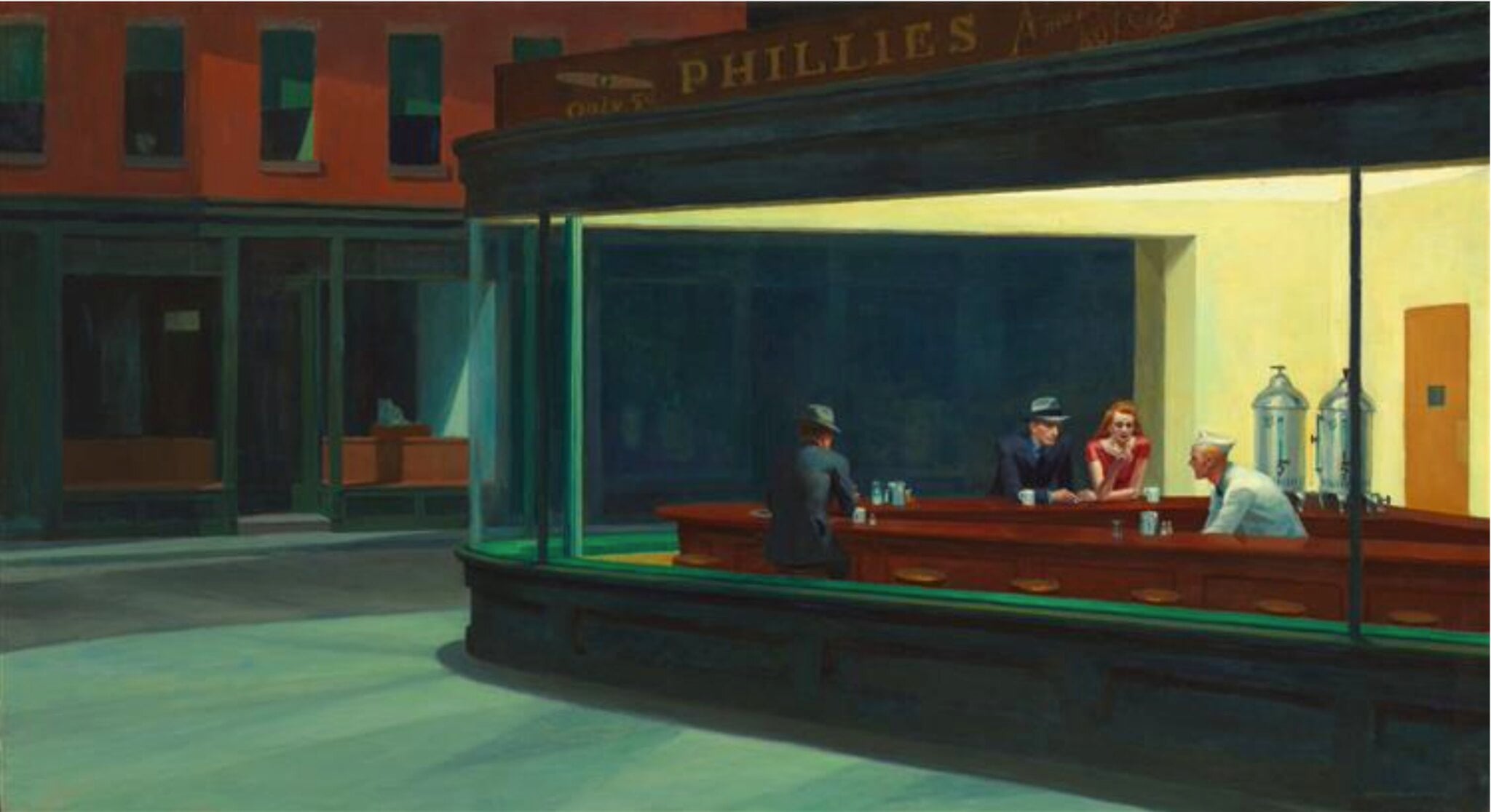
Edward Hopper’s painting of late-night diner patrons created a visual shorthand for urban loneliness that continues resonating across media. The work’s cinematic composition influenced film noir and established a distinctly American visual vocabulary for depicting isolation amid crowds.
Its psychological tension and artificial lighting created a distinctly modern sense of alienation that continues to inform visual storytelling from photography to graphic novels through its economical yet emotionally resonant scene-setting.
Campbell’s Soup Cans
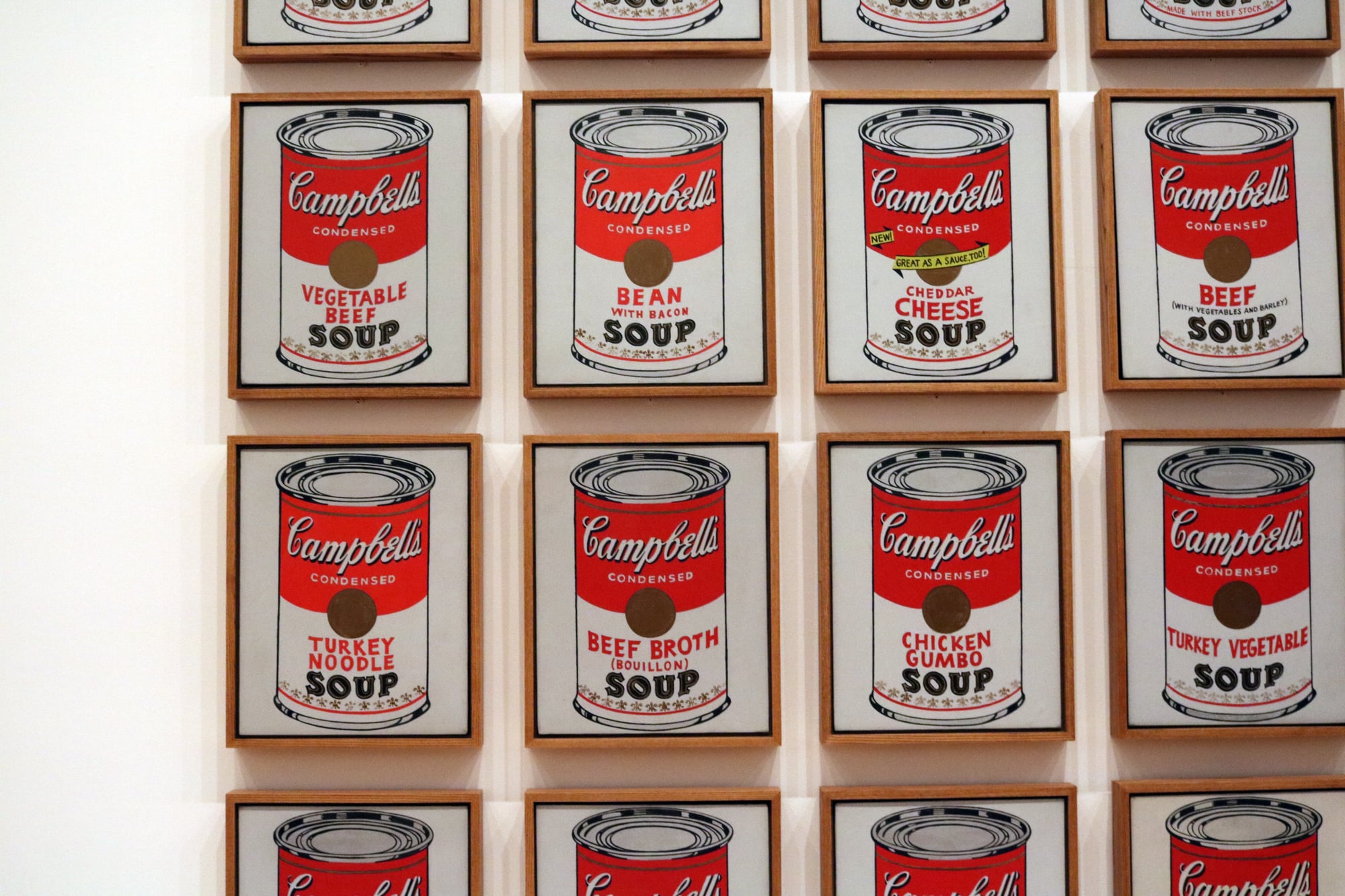
Andy Warhol’s soup can paintings collapsed distinctions between commercial design and fine art, questioning fundamental assumptions about artistic value. By elevating everyday consumer objects to gallery status, Warhol forced a reconsideration of hierarchies separating “high” and “low” culture.
His mechanical reproduction approach anticipated digital culture’s emphasis on replication and remixing, forecasting contemporary questions about originality in an age of infinite reproducibility.
Dropping a Han Dynasty Urn
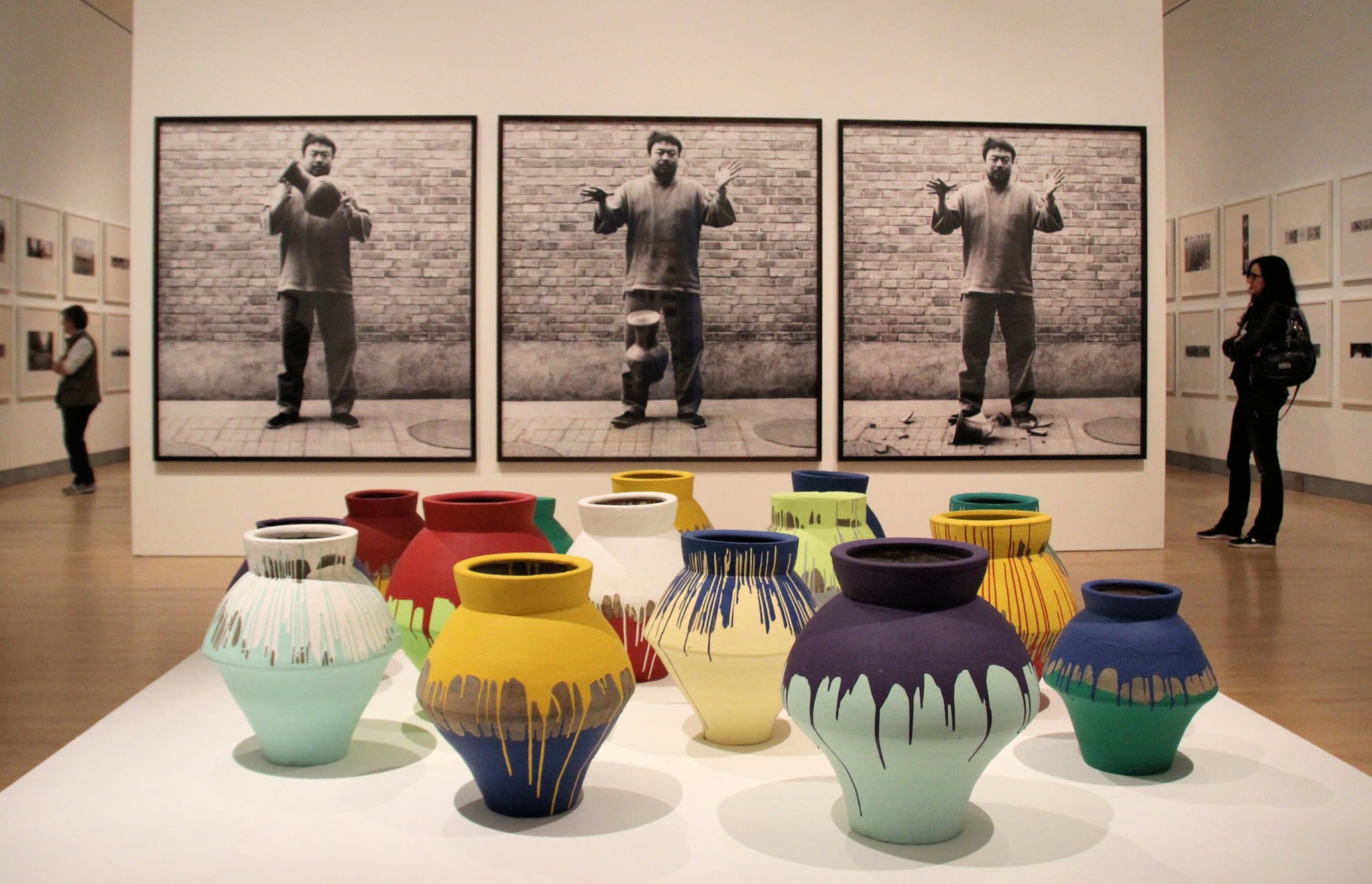
Ai Weiwei’s photographic triptych documenting his destruction of a -year-old artifact transformed understanding of art’s relationship to cultural heritage and political protest. The deliberate cultural vandalism challenged notions of artistic creation requiring physical making rather than conceptual destruction.
This provocative act expanded art’s territory to include documentation of transgressive performances, establishing new parameters for art as political intervention rather than an aesthetic object.
Untitled Film Stills
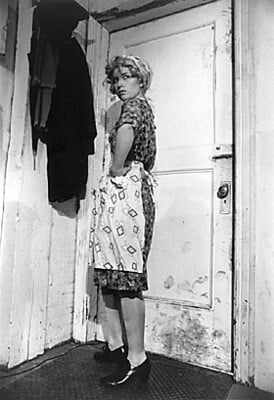
Cindy Sherman’s black-and-white self-portraits mimicking movie scenes revolutionized photography’s relationship to identity and representation. By playing multiple character roles, Sherman demonstrated how feminine identity is culturally constructed rather than natural.
The series transformed the understanding of photographic portraiture from documentation to performance, anticipating social media’s self-staging dynamics decades before Instagram by treating identity as something performed rather than revealed.
The Power of Visual Revolution
These transformative works remind us that art’s greatest power lies not in technical virtuosity alone, but in its ability to fundamentally reshape perception. Each of these creations marked a fracture point where visual culture pivoted toward new possibilities, either through technical innovation, conceptual breakthrough, or radical reframing of existing traditions.
On World Art Day, we celebrate not just beautiful objects, but those pivotal visual moments that expanded human consciousness and forever altered how we understand ourselves and our world.
More from Go2Tutors!

- The Romanov Crown Jewels and Their Tragic Fate
- 13 Historical Mysteries That Science Still Can’t Solve
- Famous Hoaxes That Fooled the World for Years
- 15 Child Stars with Tragic Adult Lives
- 16 Famous Jewelry Pieces in History
Like Go2Tutors’s content? Follow us on MSN