26 Grocery Store Memories From Childhood That Still Feel Oddly Vivid
There’s something about grocery stores from childhood that lodges itself in the brain with unusual stubbornness. Not the dramatic moments, not the holidays — just a Tuesday afternoon, fluorescent lights humming, and the specific squeak of a cart with one wheel that didn’t cooperate.
Those ordinary hours somehow burned themselves into memory more clearly than things that actually mattered. Maybe it’s the sensory overload of the place, or maybe it’s that grocery stores were one of the few grown-up spaces where kids were allowed to exist, dragged along as reluctant participants in the business of feeding a household.
Whatever the reason, the memories stuck. Here are 26 of the ones that hit hardest.
The Cart With the Bad Wheel
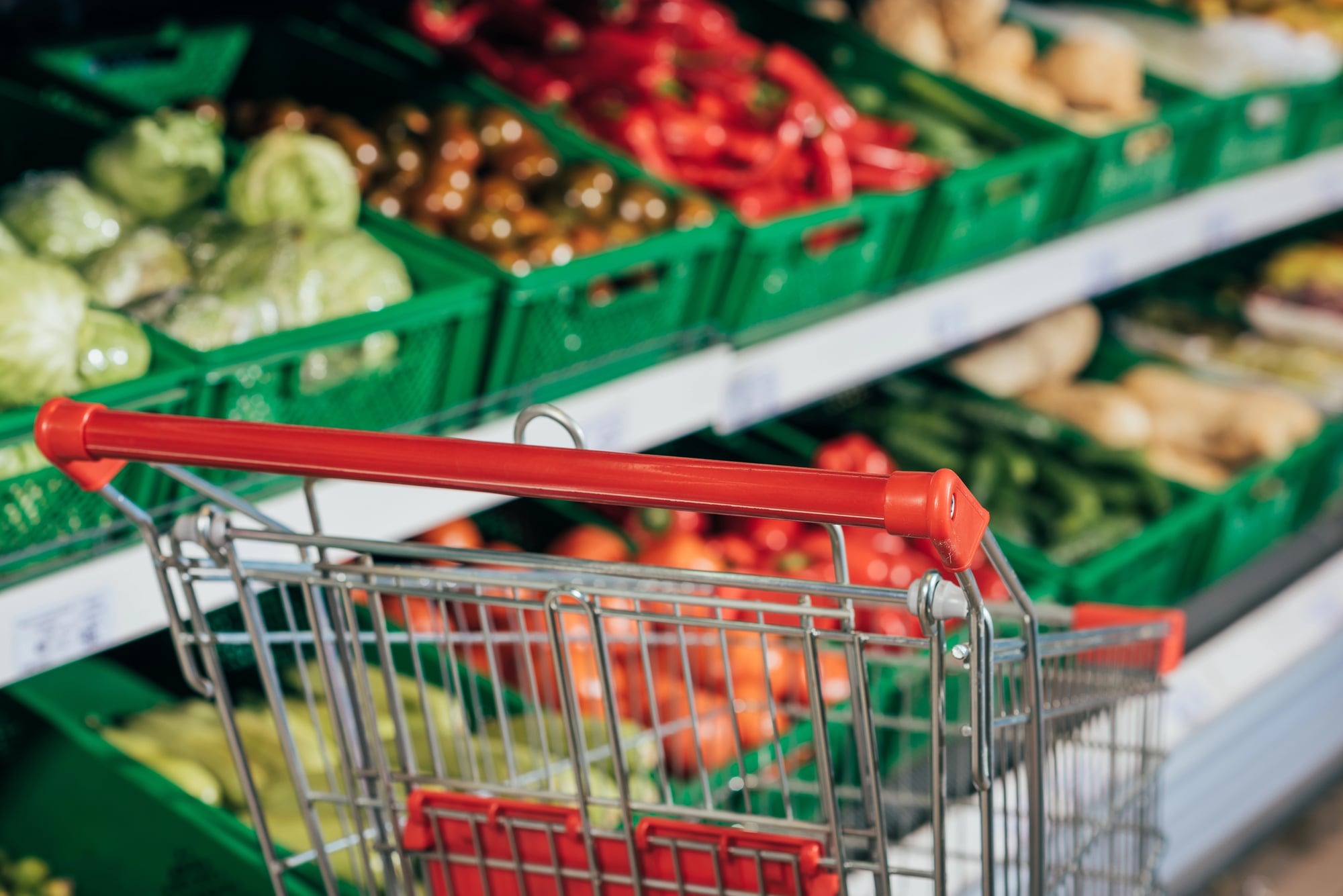
Every single cart had that one wheel. Crooked, stubborn, dragging sideways no matter how hard you leaned into the handle — and somehow your parent always grabbed that exact one.
The cart was a kind of compass needle pointing nowhere useful, correcting itself every few feet by lurching in the opposite direction.
The Coin-Operated Horse by the Exit
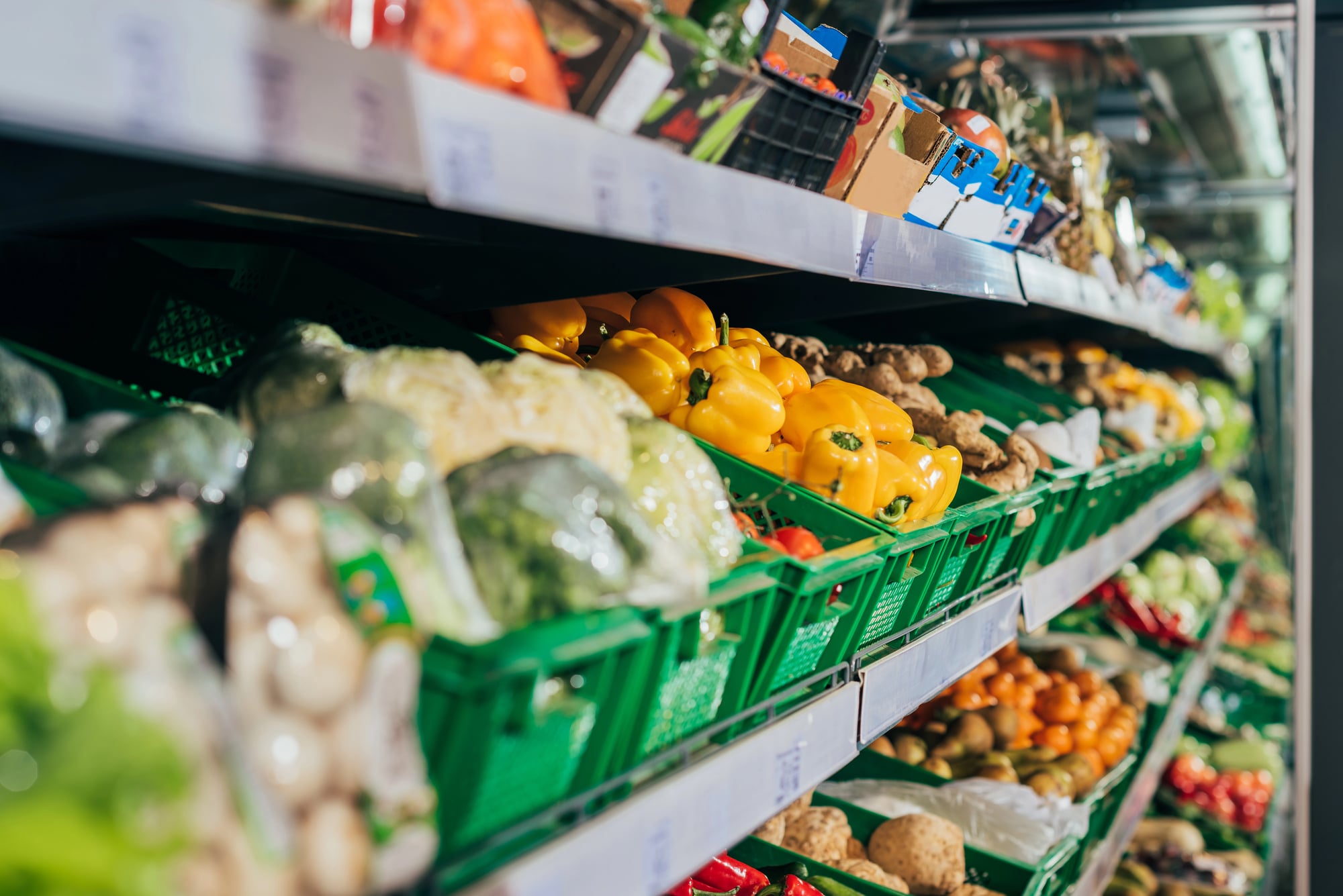
That plastic horse near the door asked for a quarter and delivered approximately four seconds of mechanical rocking in return, which felt like an extraordinarily fair deal at the time. It was sun-faded and slightly unsettling up close, with painted eyes that had seen too many Saturday mornings.
And yet the negotiation to ride it happened every single visit, with the same intensity as if the outcome were ever in doubt.
The Smell of the Bakery Section
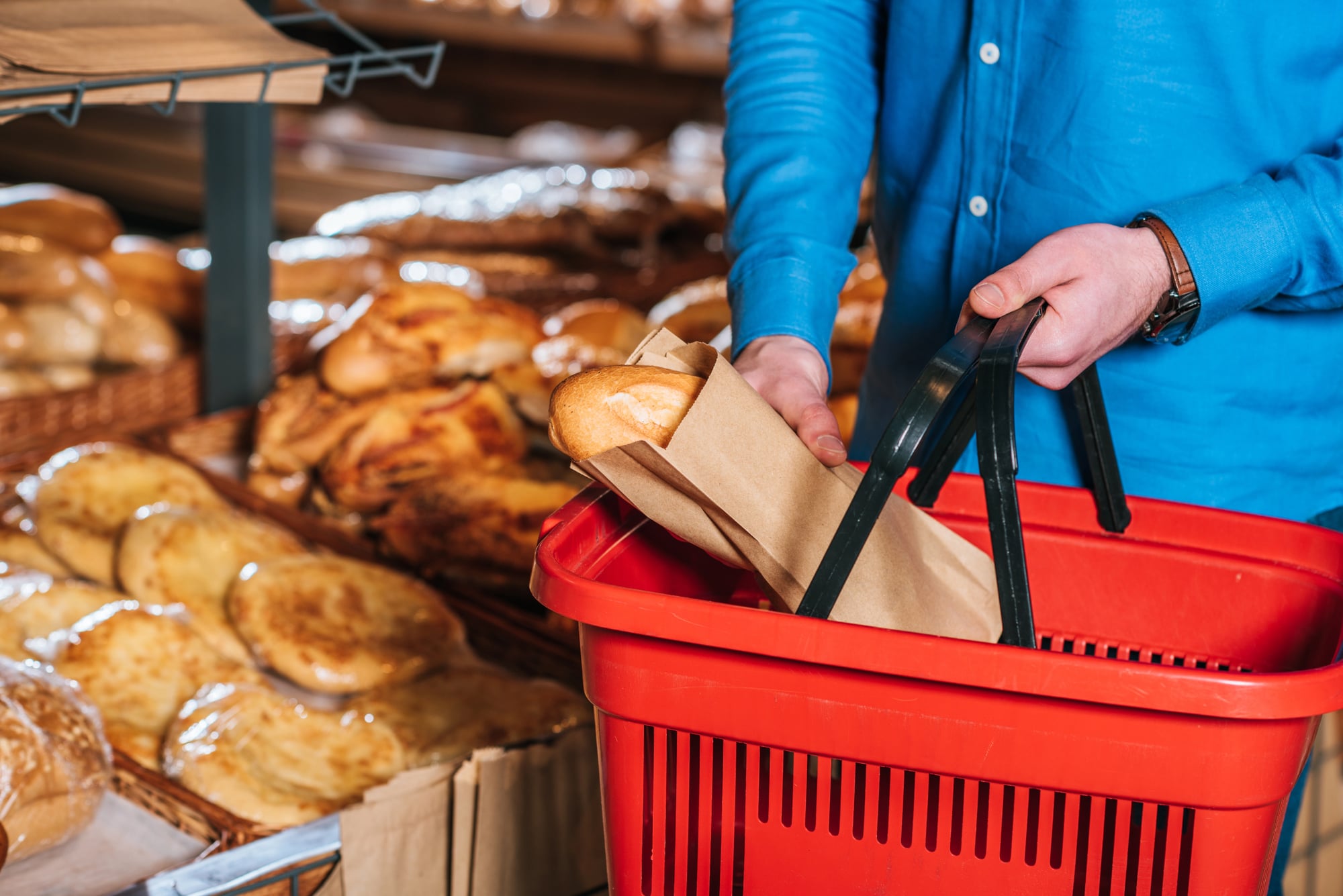
The bakery smell hit you before you even turned down the aisle — warm, yeasty, slightly sweet, and almost aggressive in how good it was. It’s the olfactory equivalent of a sales pitch, and it worked on every kid unconditionally.
You didn’t need to want a donut until that smell decided you did.
Asking for the Sugary Cereal
— Photo by madvideos.gmail.com
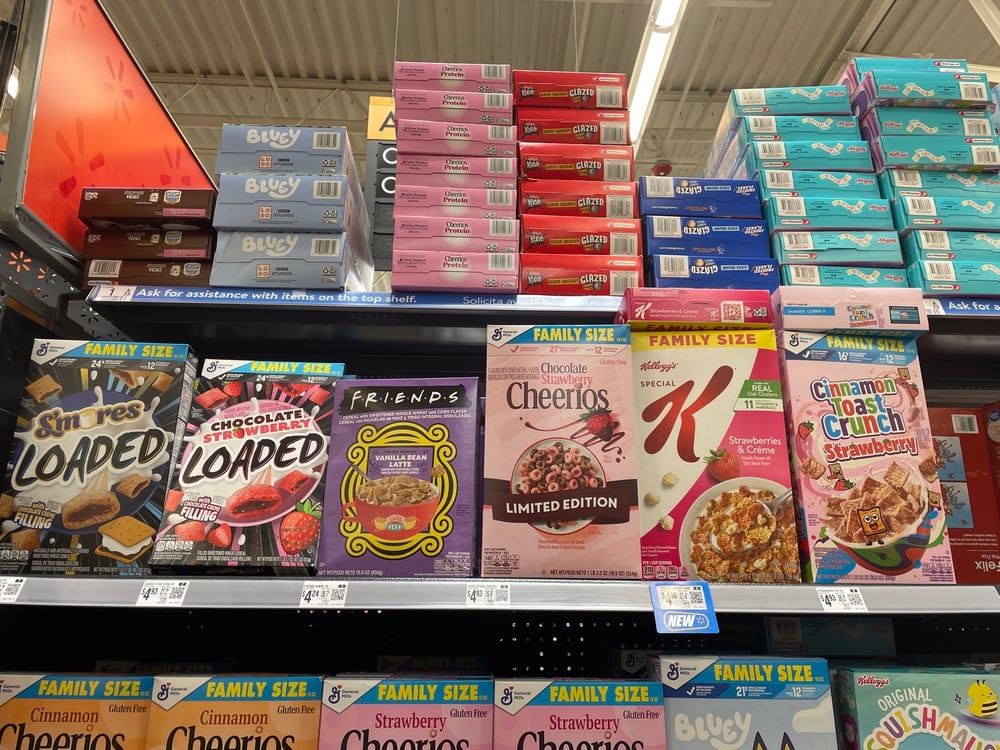
The cereal aisle was, functionally, a showroom for things you weren’t going to get. Bright boxes at eye level (specifically child eye level, which was not an accident), mascots grinning from every shelf, promises of prizes buried somewhere inside.
You asked anyway, every time, with the optimism of someone who had never once succeeded at this particular mission.
The Deli Counter Number System
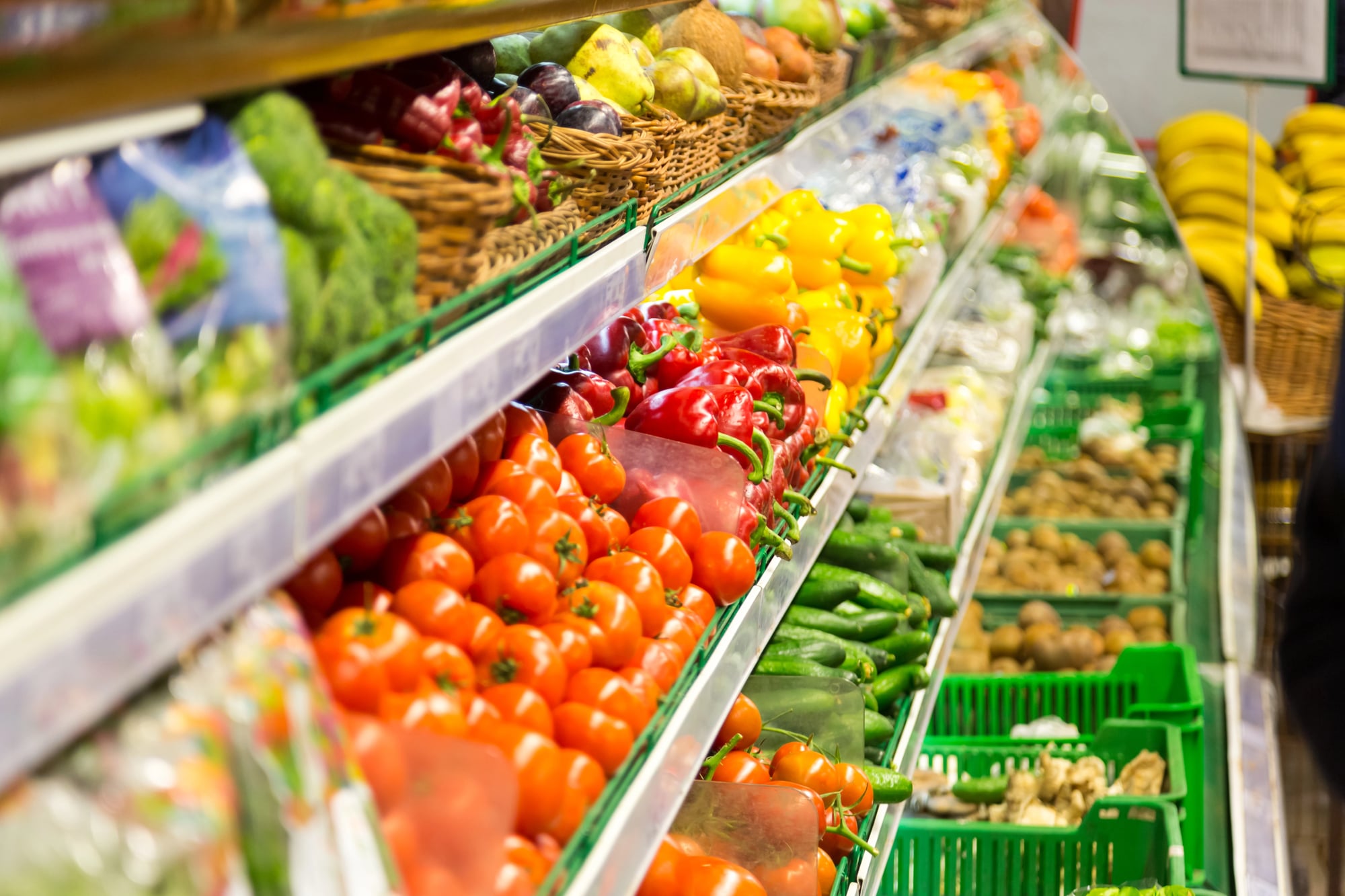
Taking a number from the little red dispenser felt oddly ceremonial — like you’d been issued official permission to exist in that part of the store. The wait was interminable, the adults around you seemed to speak a foreign language of cold cuts and weights, and the whole experience smelled aggressively of smoked meat.
But holding that numbered ticket made you feel, briefly, like you were part of something official.
The Freezer Aisle Cold
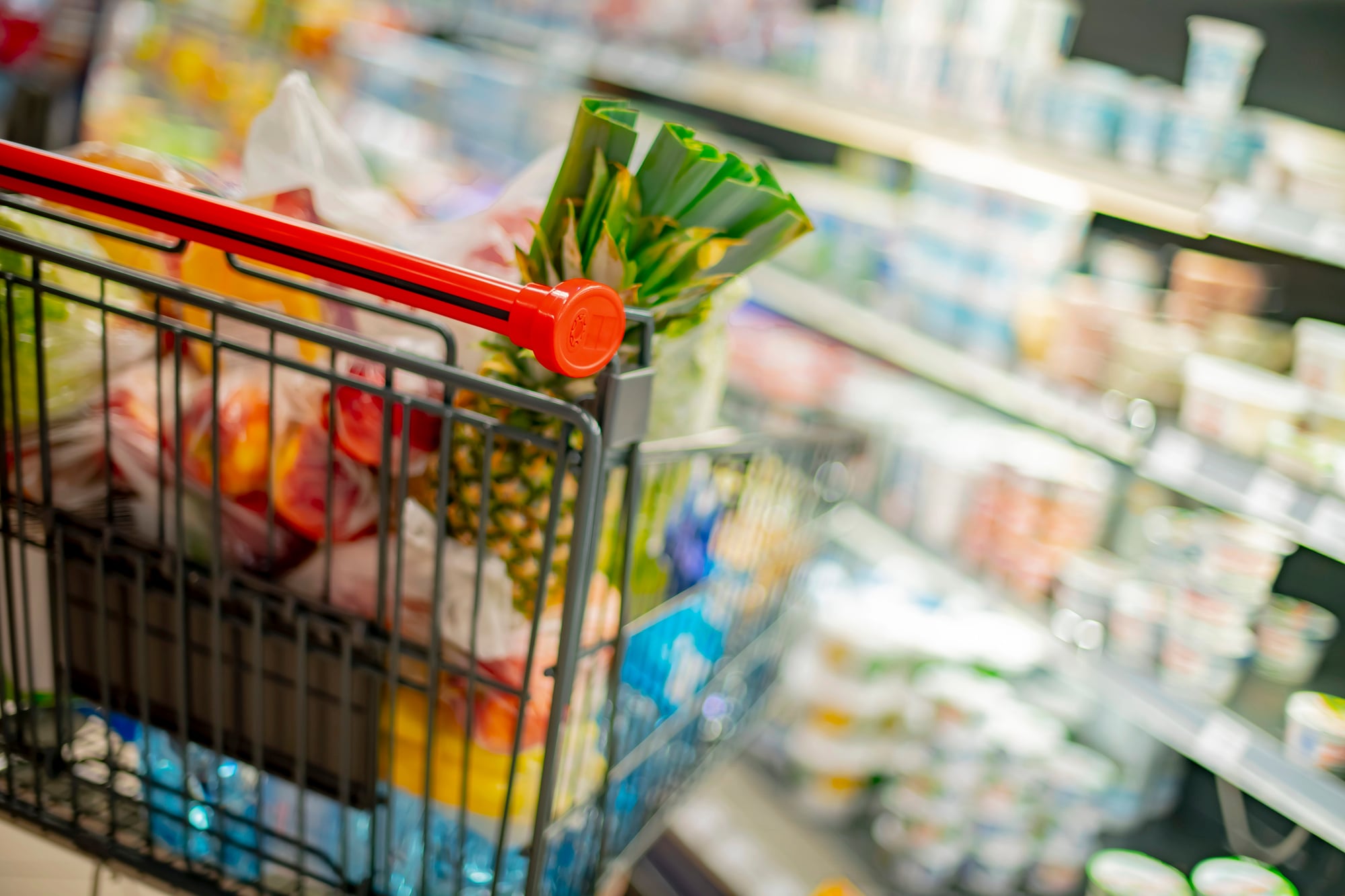
The frozen food aisle was a different climate entirely, and no one ever seemed to find that strange. You’d drift from the warmth of the soup section into something approaching refrigerated air, glass doors fogged from the inside, your breath suddenly visible if you leaned close enough.
Grocery stores were the first place many kids understood that a building could contain more than one kind of weather.
Sneaking Items Into the Cart
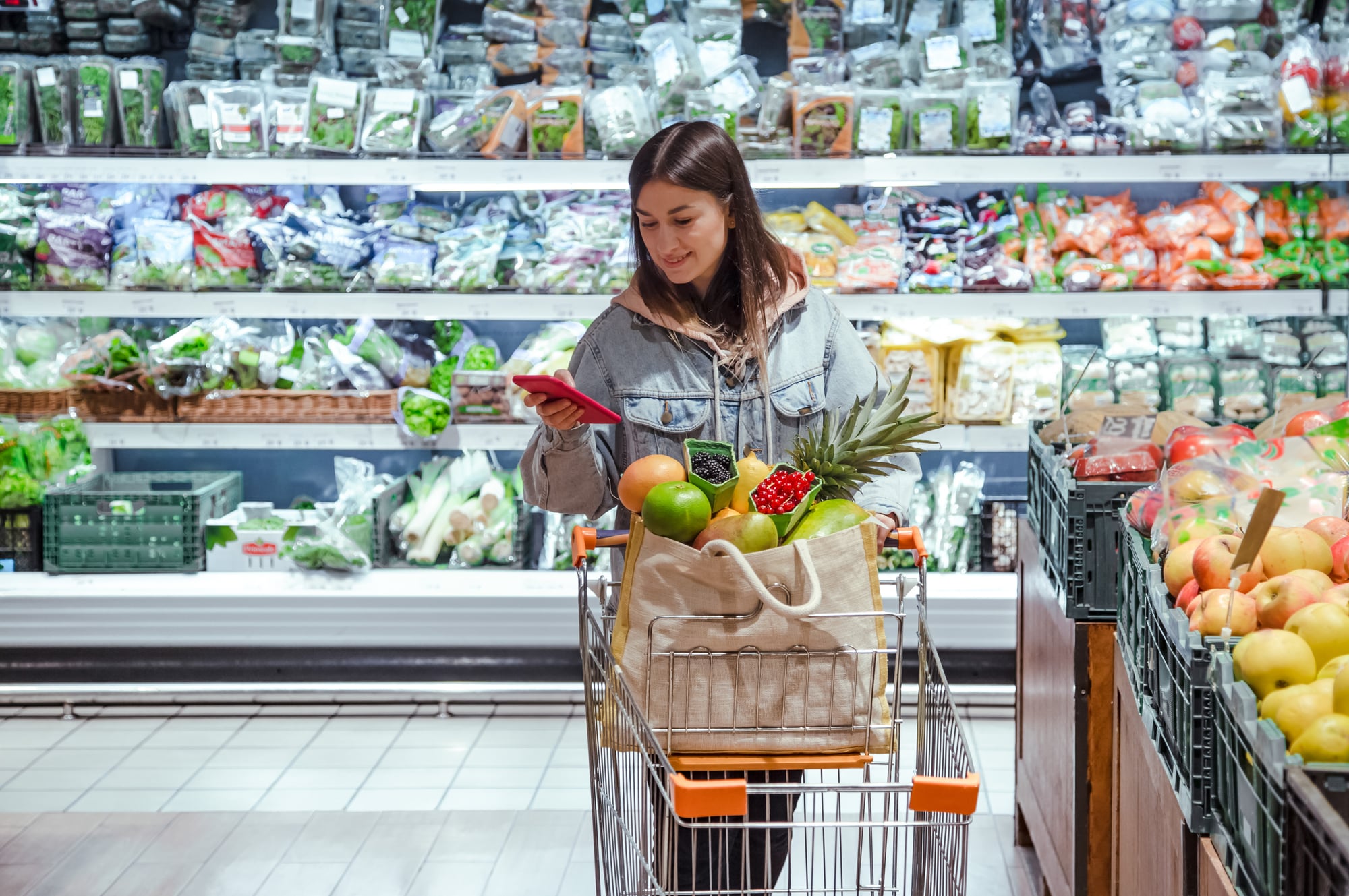
There was a whole strategy to it. You didn’t ask — asking was already a known losing move.
Instead, you placed the item at the back of the cart, casually, as if it had always been there, as if it were simply part of the plan. Sometimes it worked.
Most times, there was a quiet removal and a look that required no words.
The Olive Bar or Salad Bar Nobody Understood
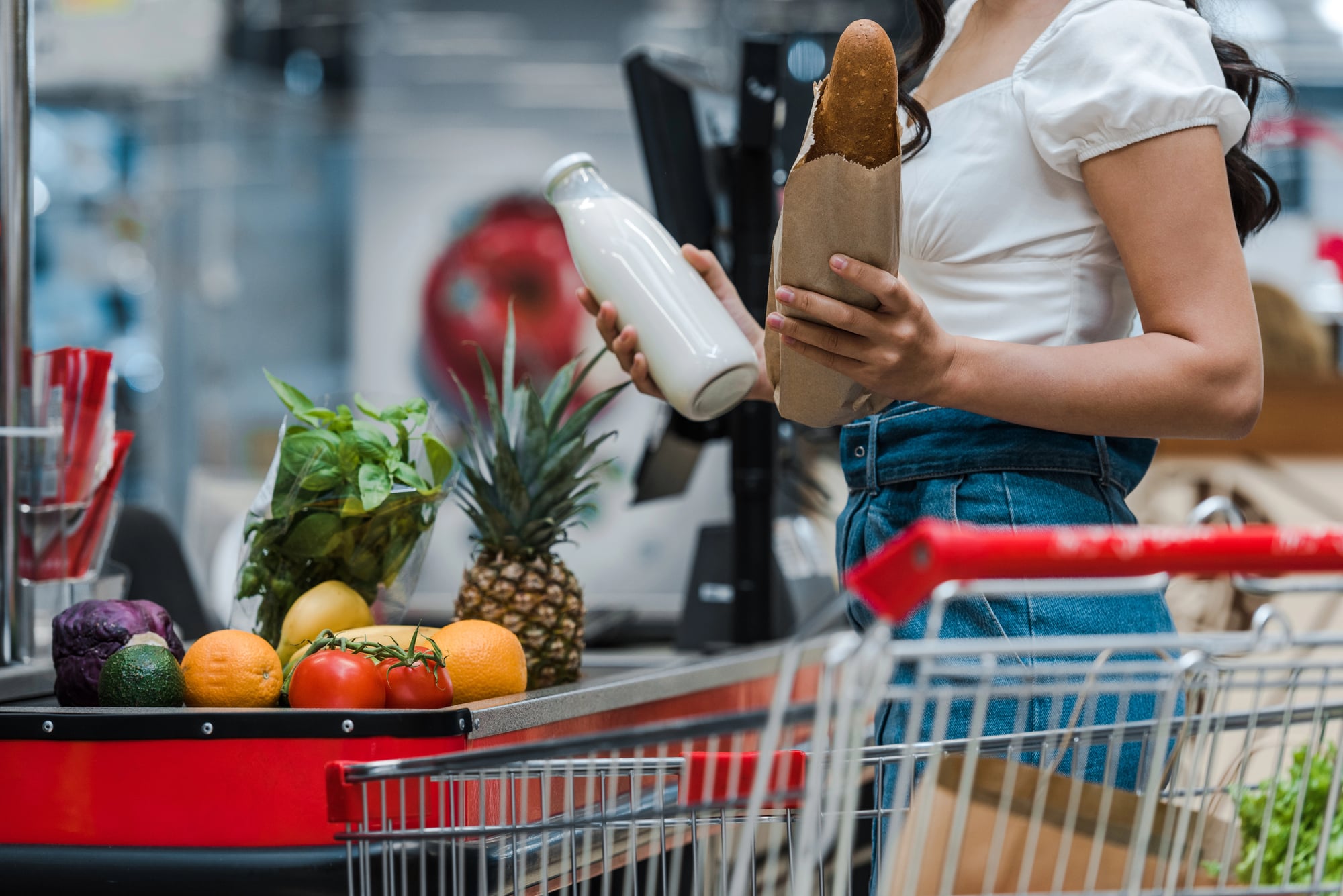
Those elaborate self-serve stations with the little tongs and tiny containers were clearly designed for adults who had opinions about olives, which made them completely baffling to anyone under twelve. They looked important and complicated, like a science experiment or a buffet for very serious people.
The tongs were always slightly sticky and the sneeze guard was always slightly too low.
Riding on the Cart
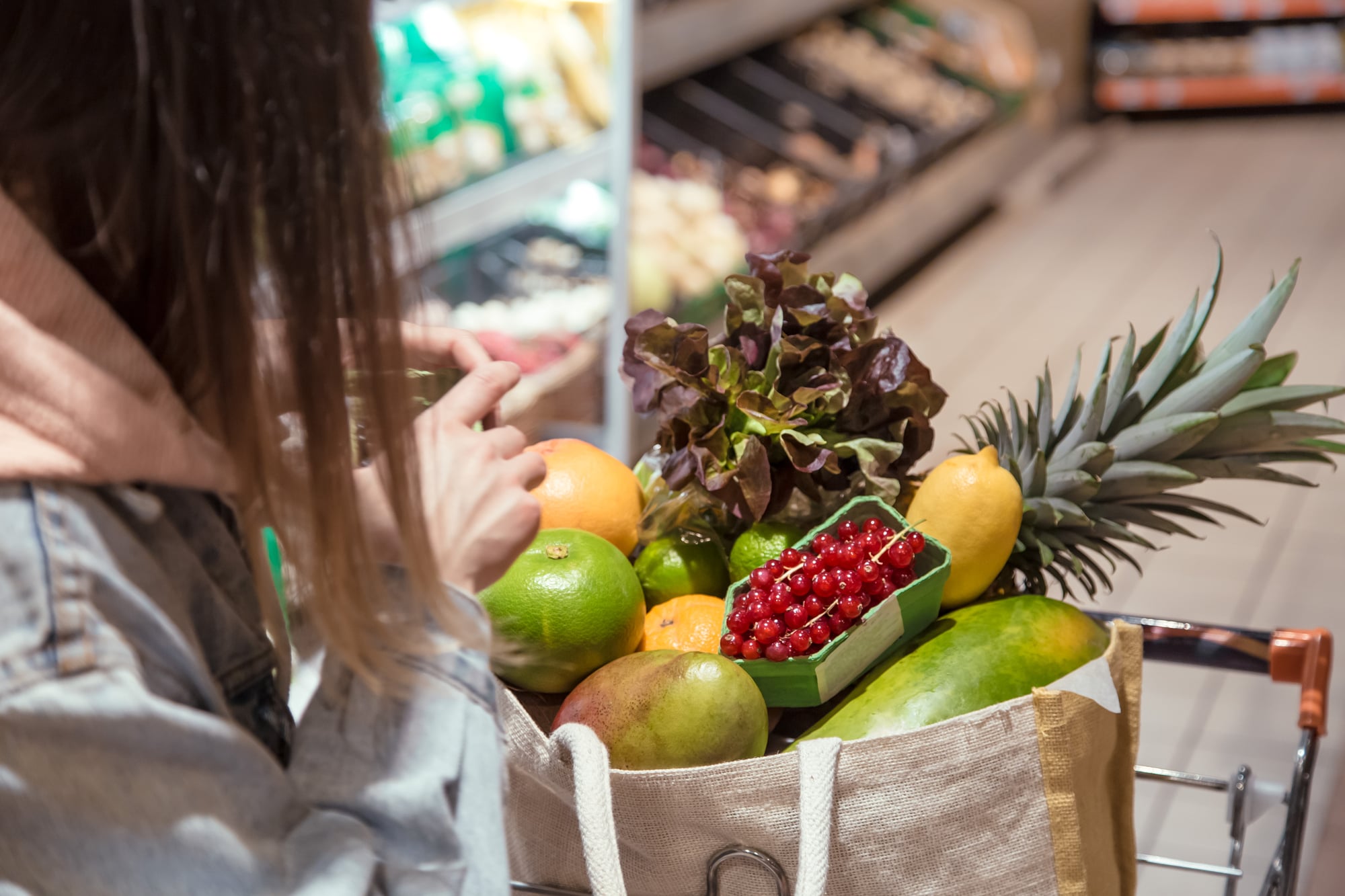
Standing on the lower bar at the front while the cart rolled down an empty aisle — this was one of the minor joys of being small enough to pull it off. The physics of it were precarious at best, a full cart listing forward while you balanced at the front like a very small figurehead on a ship made of groceries.
Every parent eventually said to get off. The interval before that happened was the whole point.
The Checkout Conveyor Belt
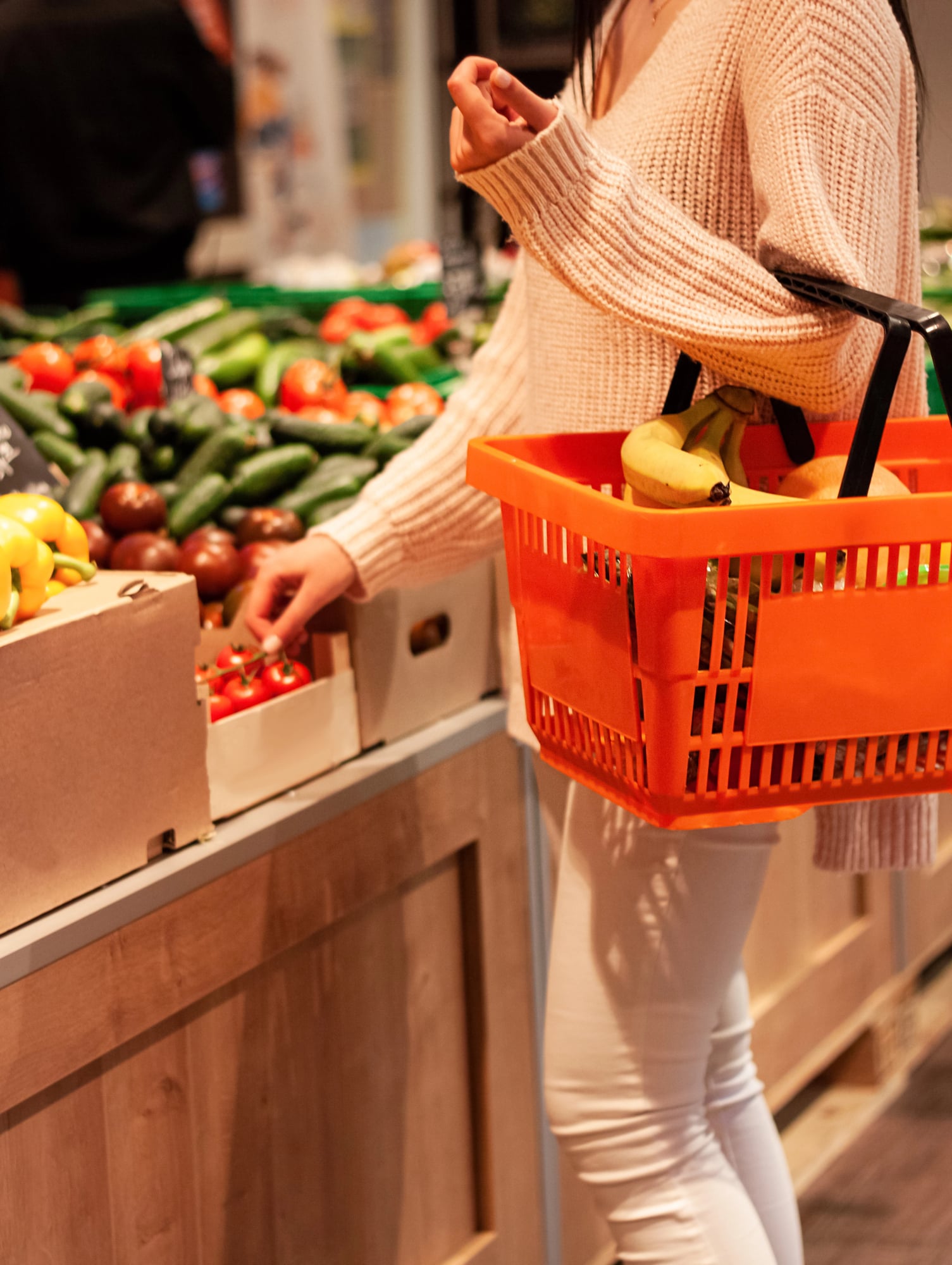
That rubber belt was hypnotic in the specific way that slow-moving mechanical things always are to children who have been dragged somewhere and have nothing else to do. You’d place items on it and watch them travel forward with a kind of reverence, and if your parent wasn’t looking, you’d put your hand on it and let it drag you until the resistance became noticeable.
The beep of the scanner was satisfying in a way that’s hard to explain and impossible to deny.
The Gumball Machine Gauntlet
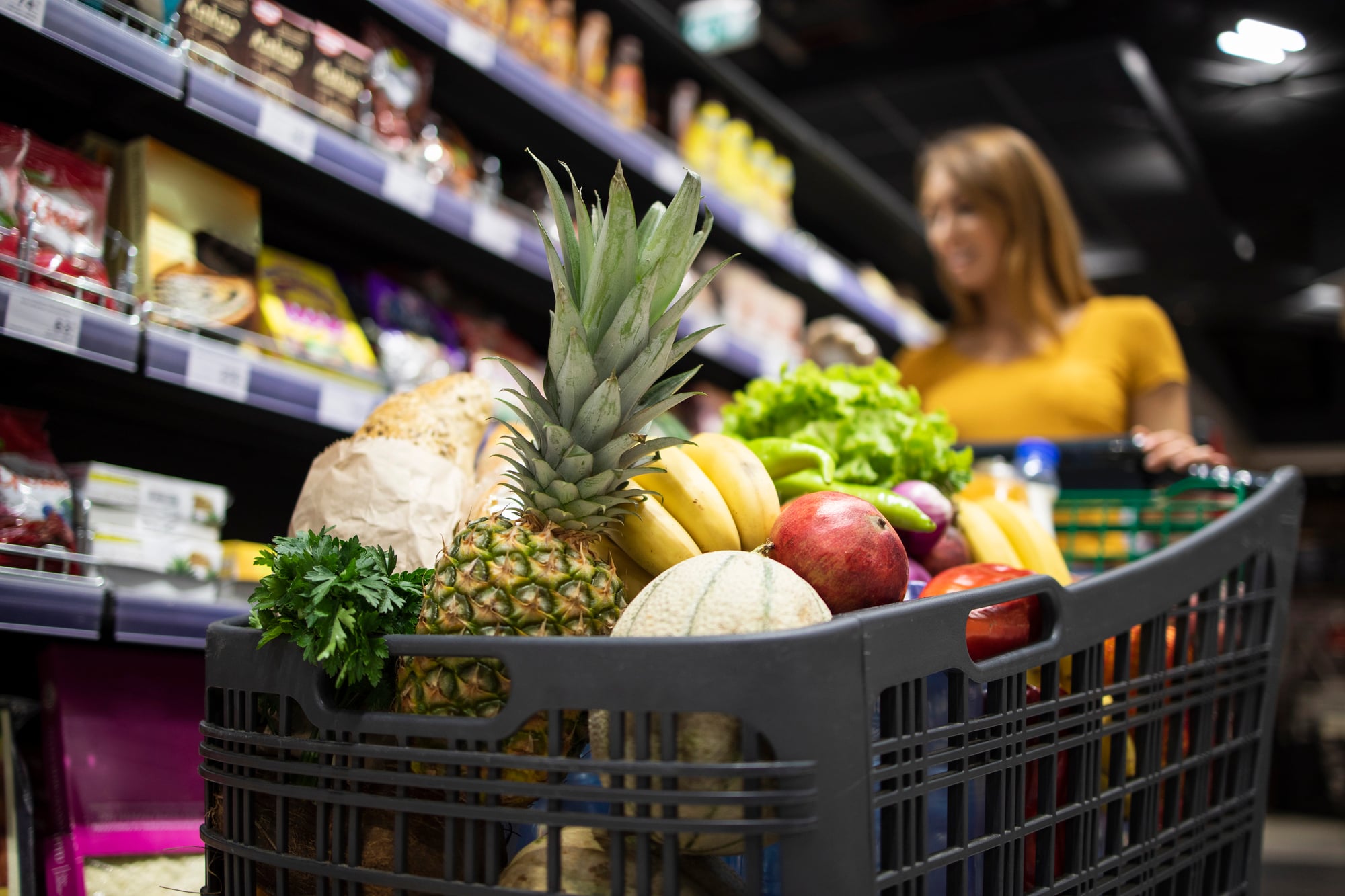
Grocery stores from a certain era placed coin-operated machines — gumballs, bouncy orbs, those little temporary tattoos in plastic pods — right at the exit, which was either genius placement or a form of targeted cruelty toward parents who had already spent forty minutes saying no. You’d stop at every single one.
You’d read each machine carefully, as if it contained important information. You wanted all of them.
The Free Cookie at the Bakery Counter
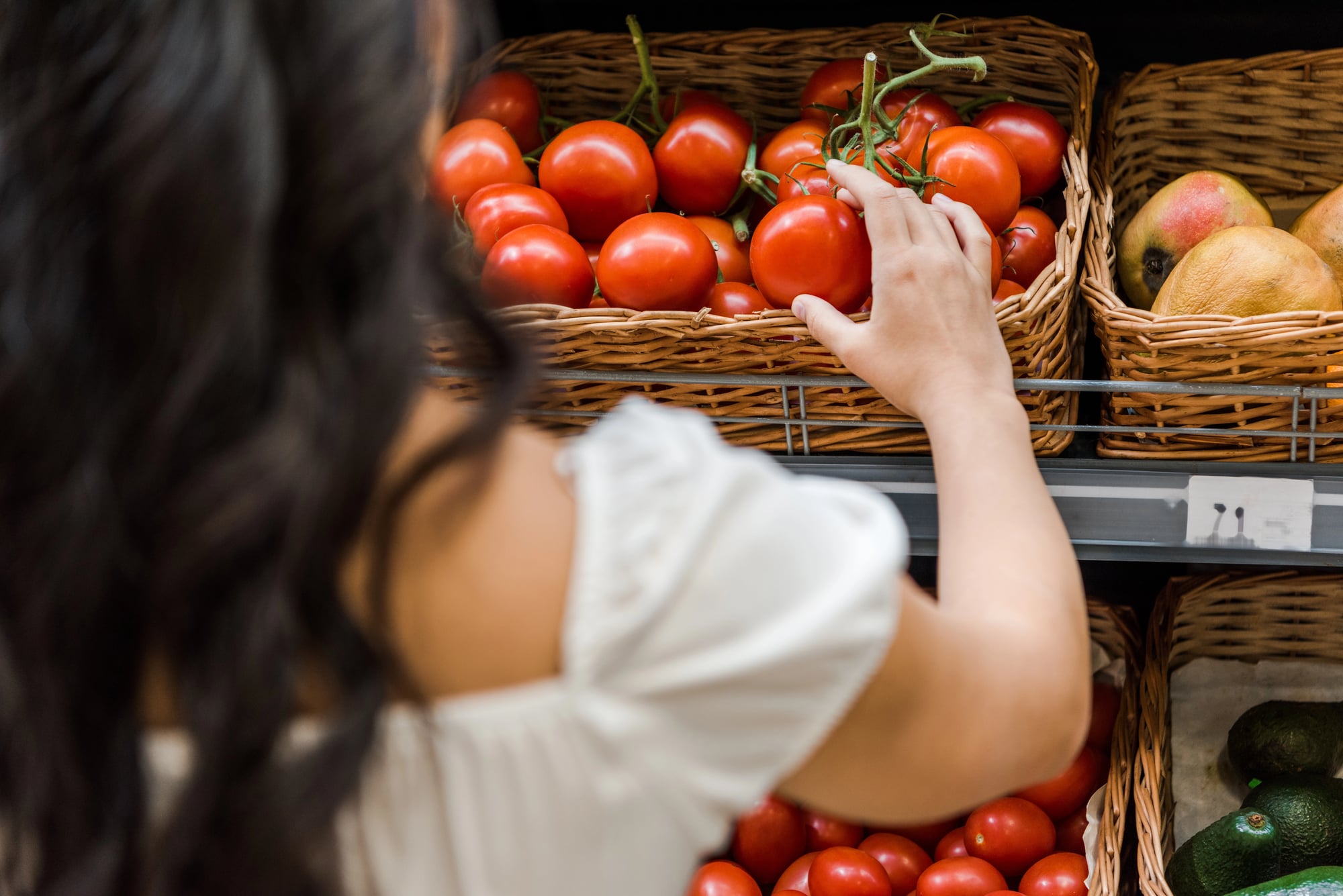
Some stores handed out free cookies to kids at the bakery counter, and this was — to be absolutely clear — the greatest institutional policy in American retail history. A single sugar cookie with thick frosting, handed over the counter in wax paper, entirely unprompted.
It tasted better than any cookie obtained through normal means ever could, because it was a gift from the universe, or at least from someone in an apron.
The Magazine Rack
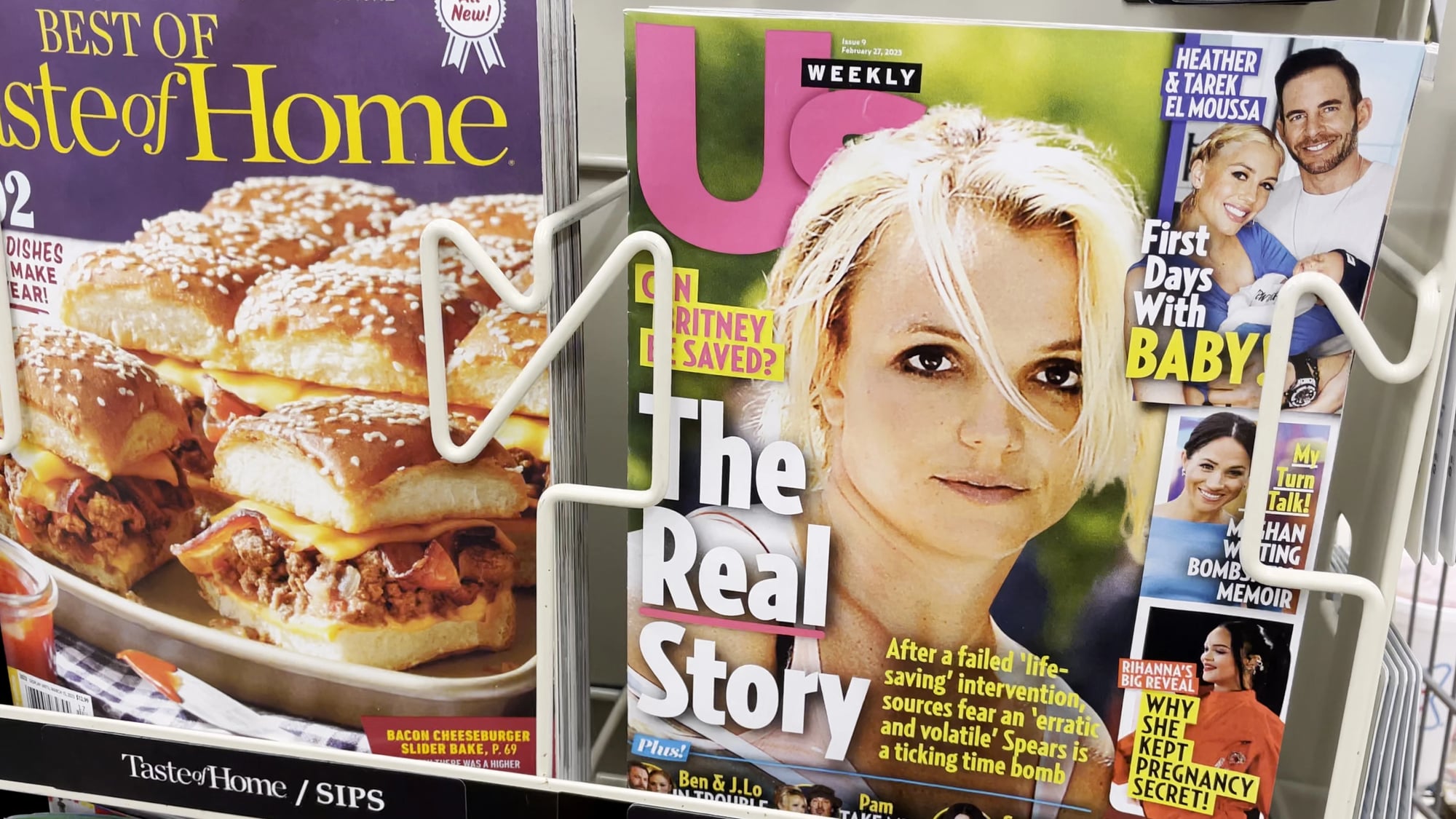
The magazine rack near the checkout lived in a strange middle zone — too tall to see the top shelves, perfectly positioned for the ones at knee height, which were almost always TV guides or puzzle books or something about fishing. But the covers were interesting in an undefined way, all those glossy faces staring out from the rack like a gallery of people who existed somewhere more interesting than this grocery store.
The Weird Smell of the Produce Misting System
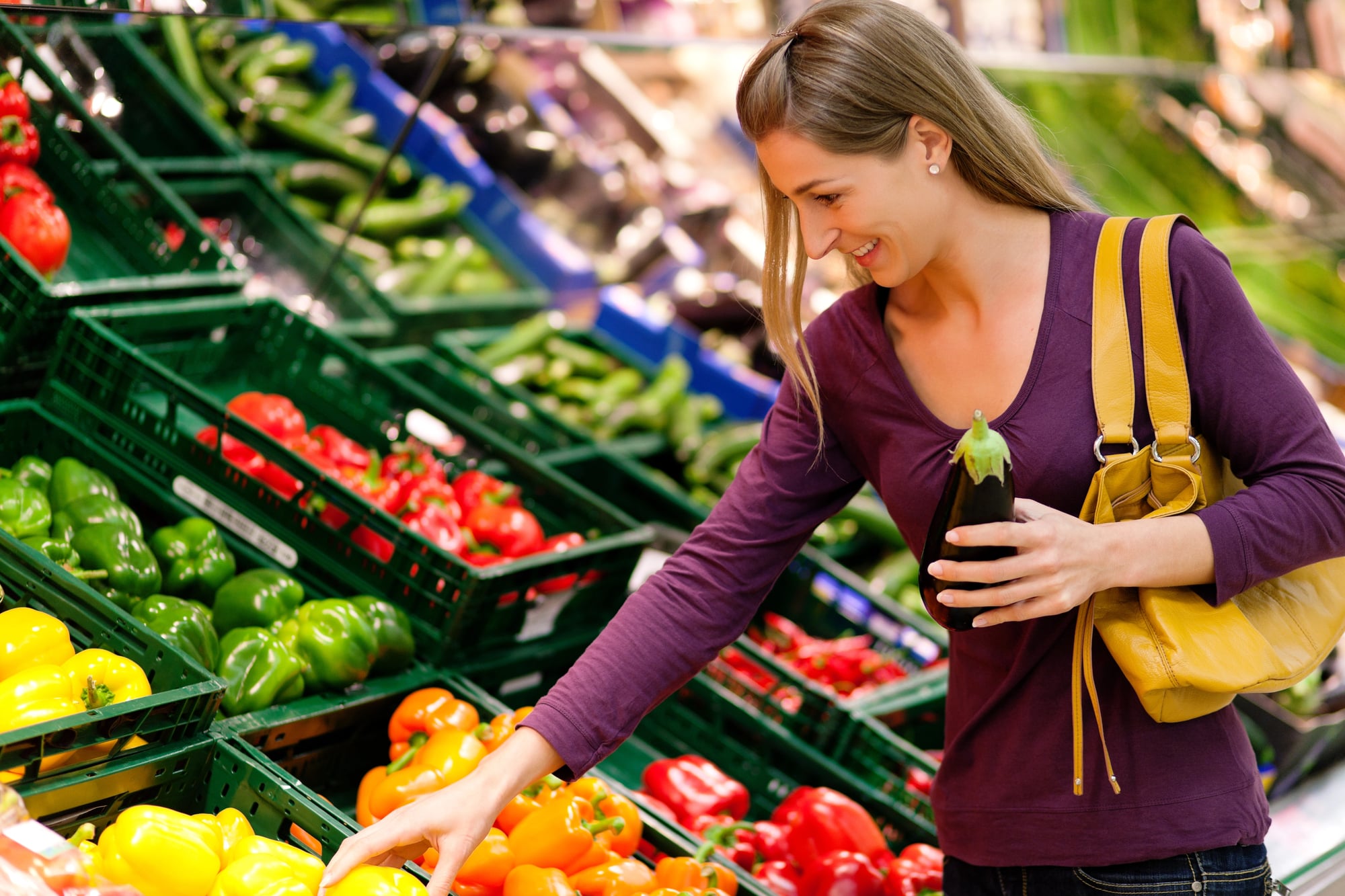
Grocery stores that misted their vegetables had a specific smell — damp, green, faintly earthy — that arrived before the produce section did. It was a smell that belonged outdoors, transplanted into a building with drop ceilings and fluorescent lights, which made it feel slightly uncanny.
The mist itself was a delight. If you stood close enough, you could feel it on your arm.
The Ethnic Foods Aisle
Every store had that one aisle that felt like an anthropological exhibit — shelves of canned and jarred things with labels in other languages, unfamiliar shapes, ingredients that didn’t correspond to anything in your kitchen. As a kid, you studied those labels with quiet intensity, not because you wanted the food, but because the labels felt like dispatches from places the store had visited that you hadn’t.
The mystery was the point.
Waiting by the Car
Sometimes you got left in the car. This was a different era and a different set of parental calculations, and what it produced was approximately fifteen minutes of sovereignty over a locked vehicle and the radio.
The parking lot had its own geography — carts wandering, engines starting, strangers walking past with their brown bags — and watching it from inside the car felt like observing a world that hadn’t noticed you yet.
The Fish Counter
The fish counter was bracing in the way that cold, honest things are bracing. Whole fish on ice, eyes still open, price per pound written on a little card — there was no softening of what this section was or what it was for.
Kids who hadn’t yet learned to be indifferent to that kind of honesty tended to stare. The fishmonger behind the counter was always somehow the most focused person in the entire store.
Following the Cart and Getting Lost
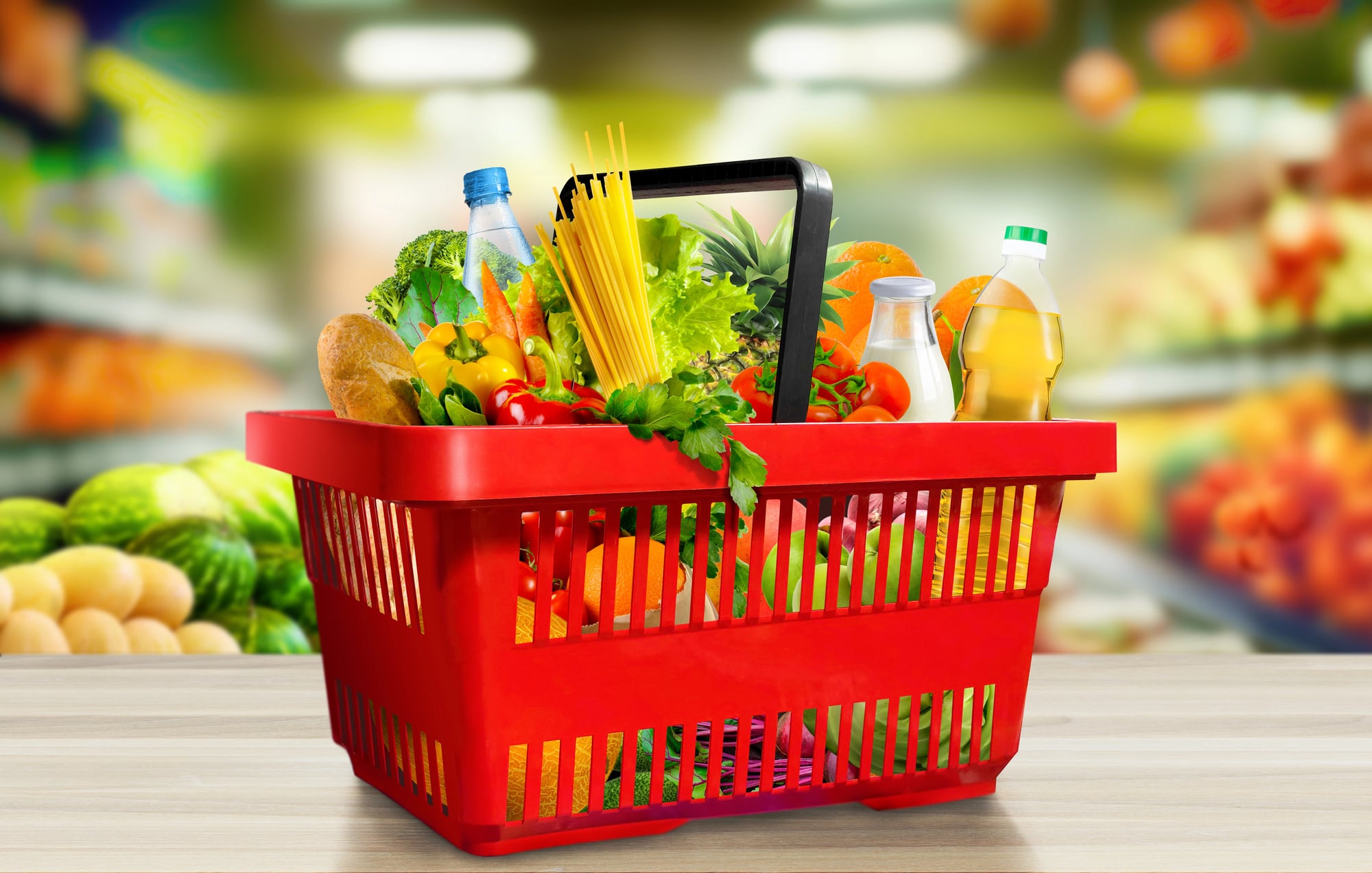
Grocery stores were bigger than they looked from the outside. You’d drift two shelves away to examine something — a can with an interesting label, a row of things stacked too high — and when you looked up, the cart was gone, your parent was gone, and the aisle suddenly felt like it extended in both directions forever.
The panic was brief and total. The relief when you found them was equally intense.
The “Express Lane” Math
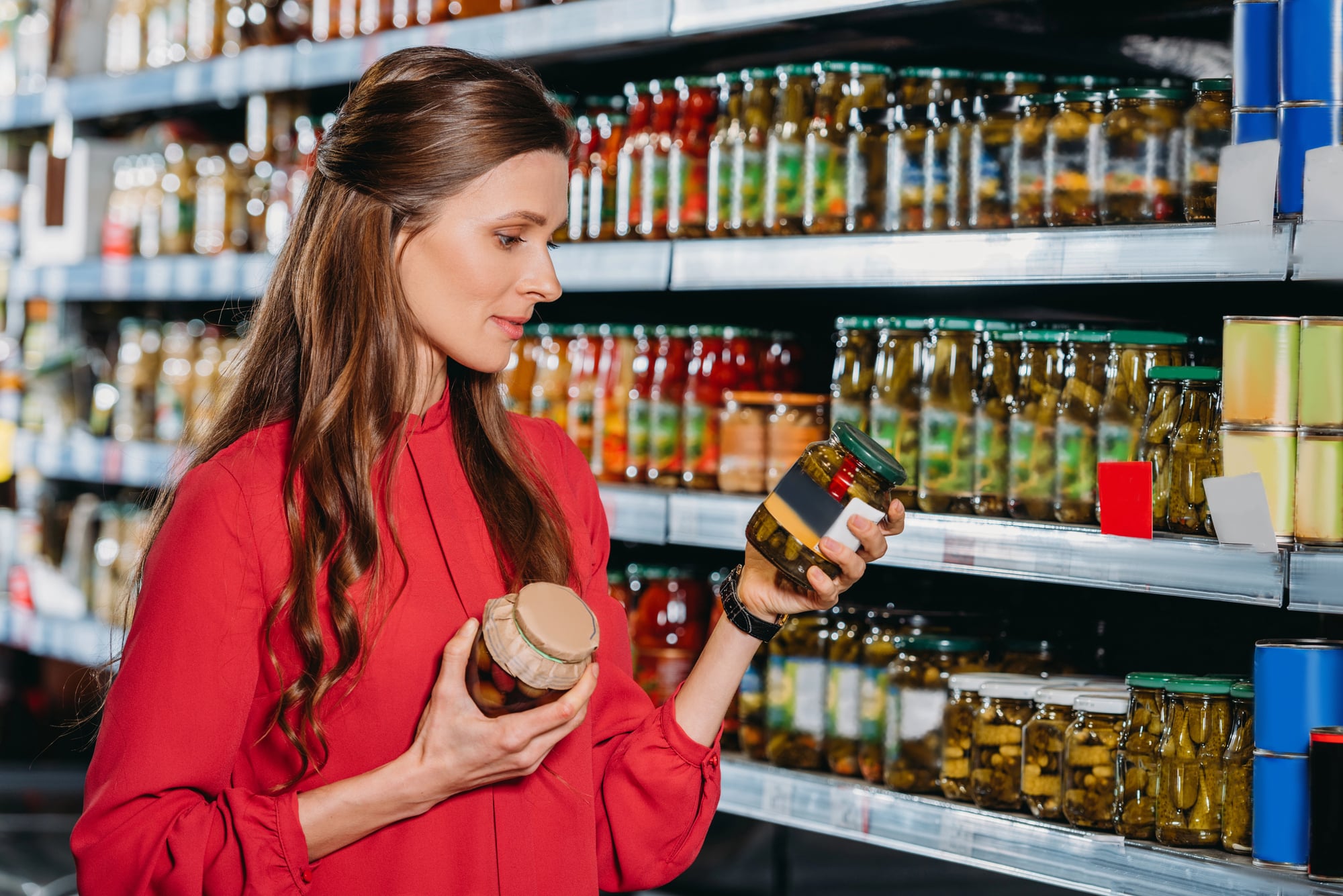
Twelve items or fewer. You learned to read that sign before you could reliably read much else, because there was always a moment of counting — your parent counting the cart, you counting along, both of you arriving at slightly different numbers.
The express lane felt like a test you were either passing or cheating on, and the stakes were exactly the judgment of the person behind you.
The Bulk Candy Section
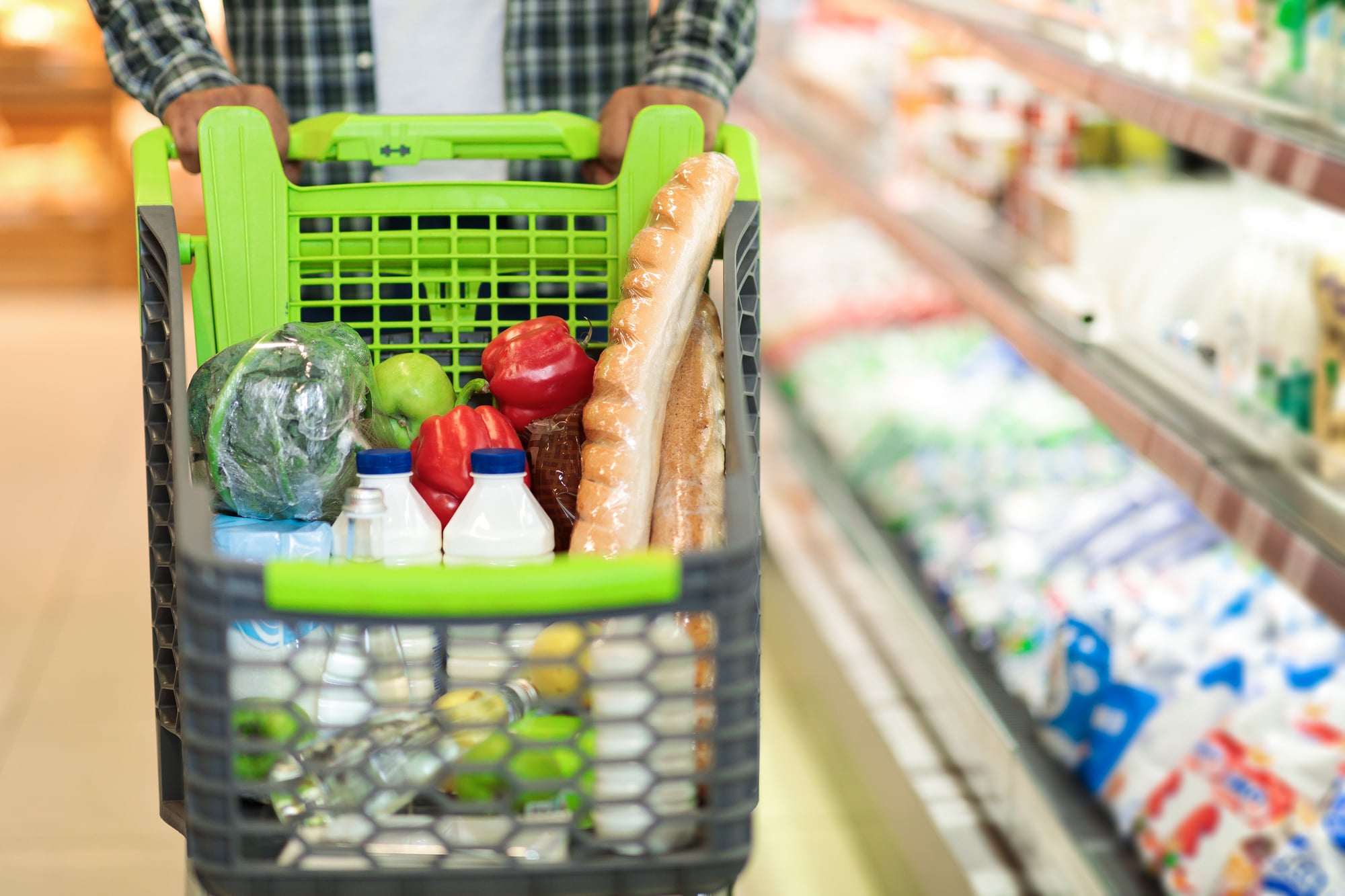
The bulk candy bins, where you used a scoop and a clear plastic bag and tried to fill it without eating anything first — this section operated on the honor system, which was ambitious. Gummy worms, chocolate-covered raisins, yogurt pretzels, things with no clear identity but a very clear appeal.
The bag was always heavier than expected. The price per pound was always more than your parent expected.
Helping Unload the Bags at Home
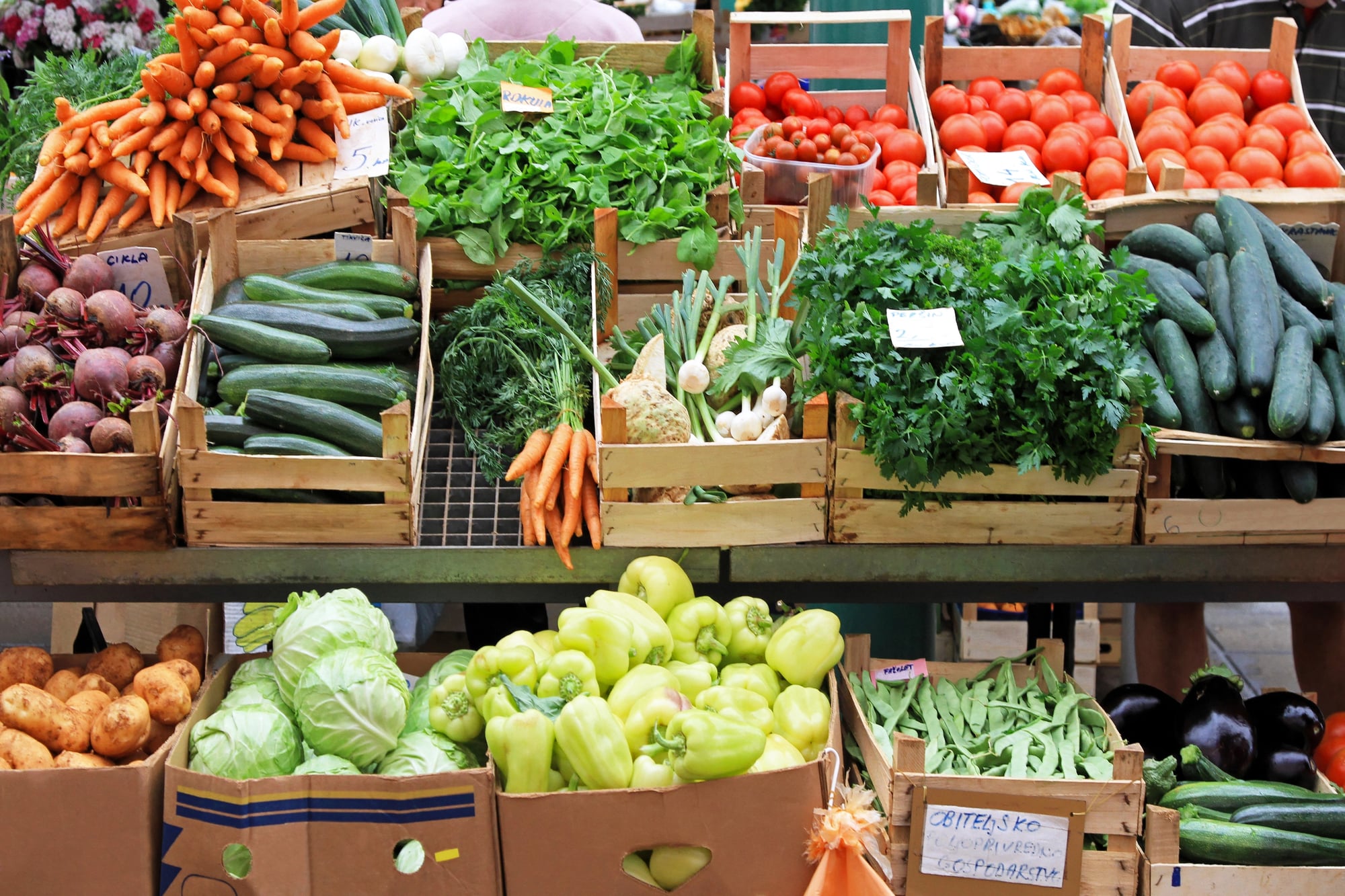
This was the ceremonial end of the grocery store experience: the bags spread across the kitchen counter, everyone unloading, the refrigerator door hanging open while things got sorted and put away. It had the rhythm of a small ritual, things finding their places, the pantry reorganizing itself.
And somewhere in the bags was usually the one thing that had been negotiated for — a small concession, placed there without comment.
The Store Brand Versions of Everything
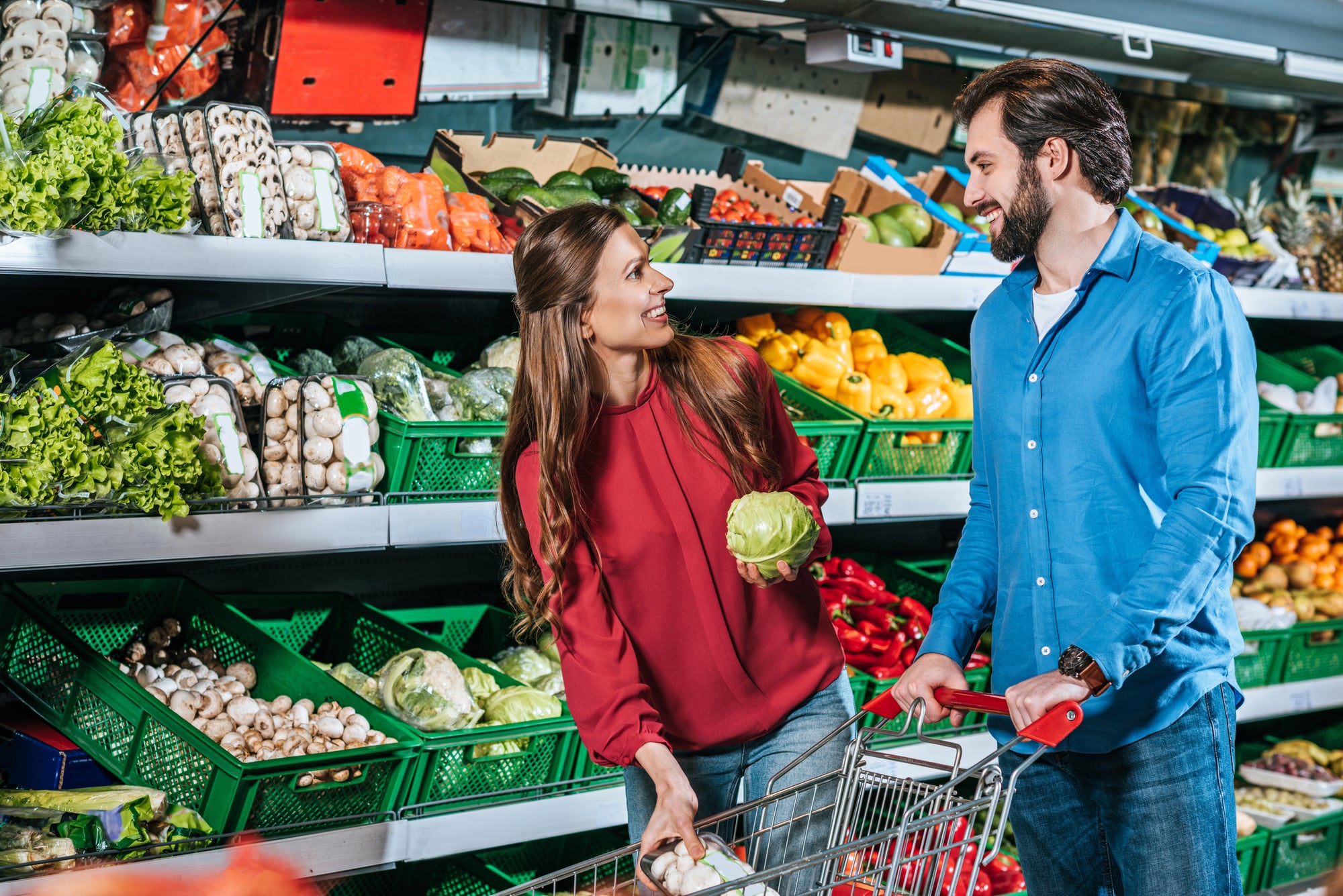
Generic cereal in a white box with the word CORN FLAKES printed in a font that believed in itself slightly less than the original. Store brand soda.
Store brand cookies that were almost right but not quite. The visual language of generic products had its own aesthetic — stripped down, honest about what it was, making no promises — and kids absorbed it without realizing they were learning something real about the economics of a household.
The Loyalty Card Keychain Tag
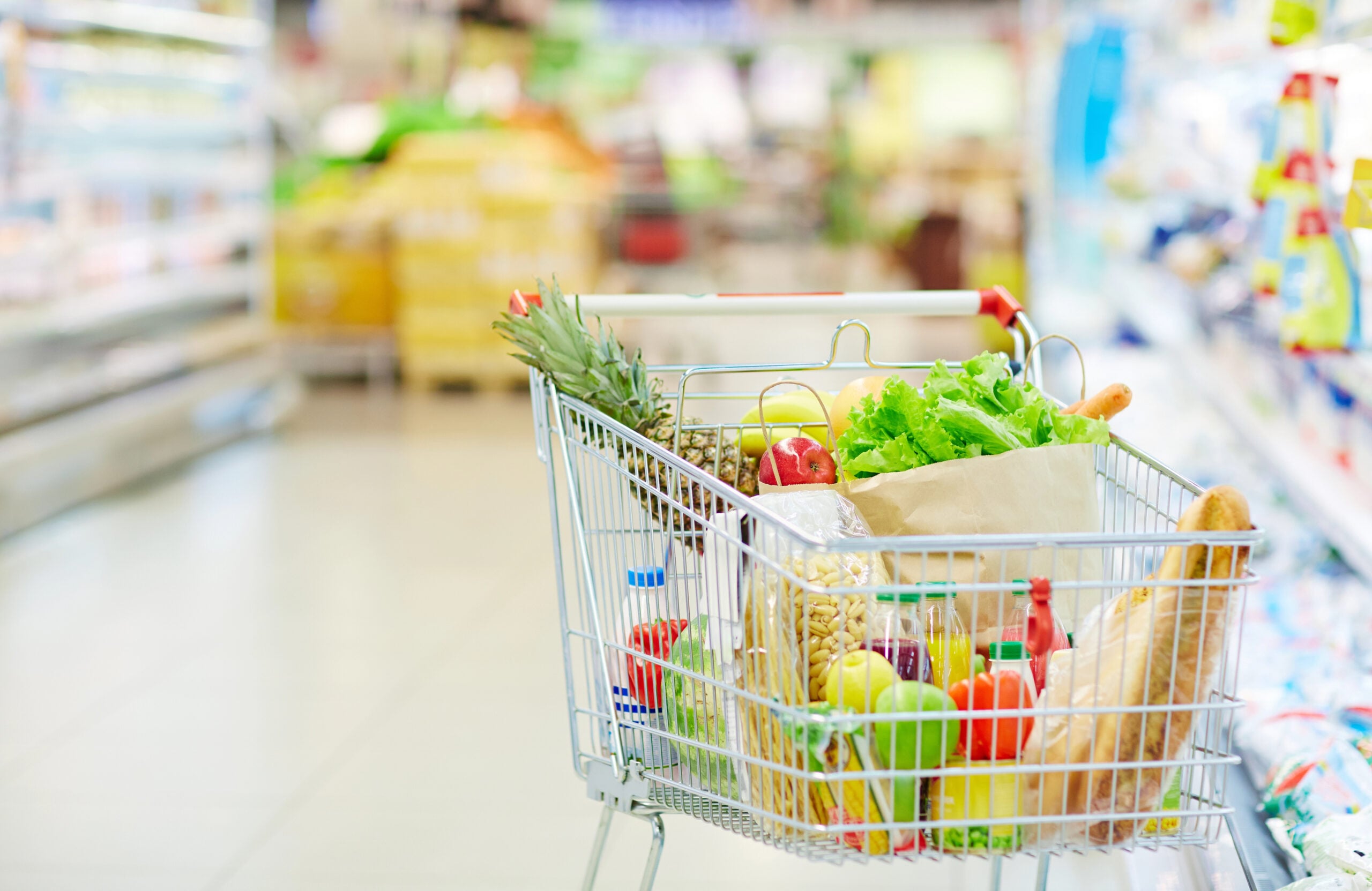
By a certain point in the nineties, every grocery store issued a loyalty card, and most households had the little keychain version attached to the car keys. You knew your store’s card the way you knew a local landmark — it was just part of the environment, unremarkable and constant.
Scanning it at checkout produced a small beep and a small discount that your parent tracked with more attention than most other numbers in daily life.
The Fluorescent Light Flicker
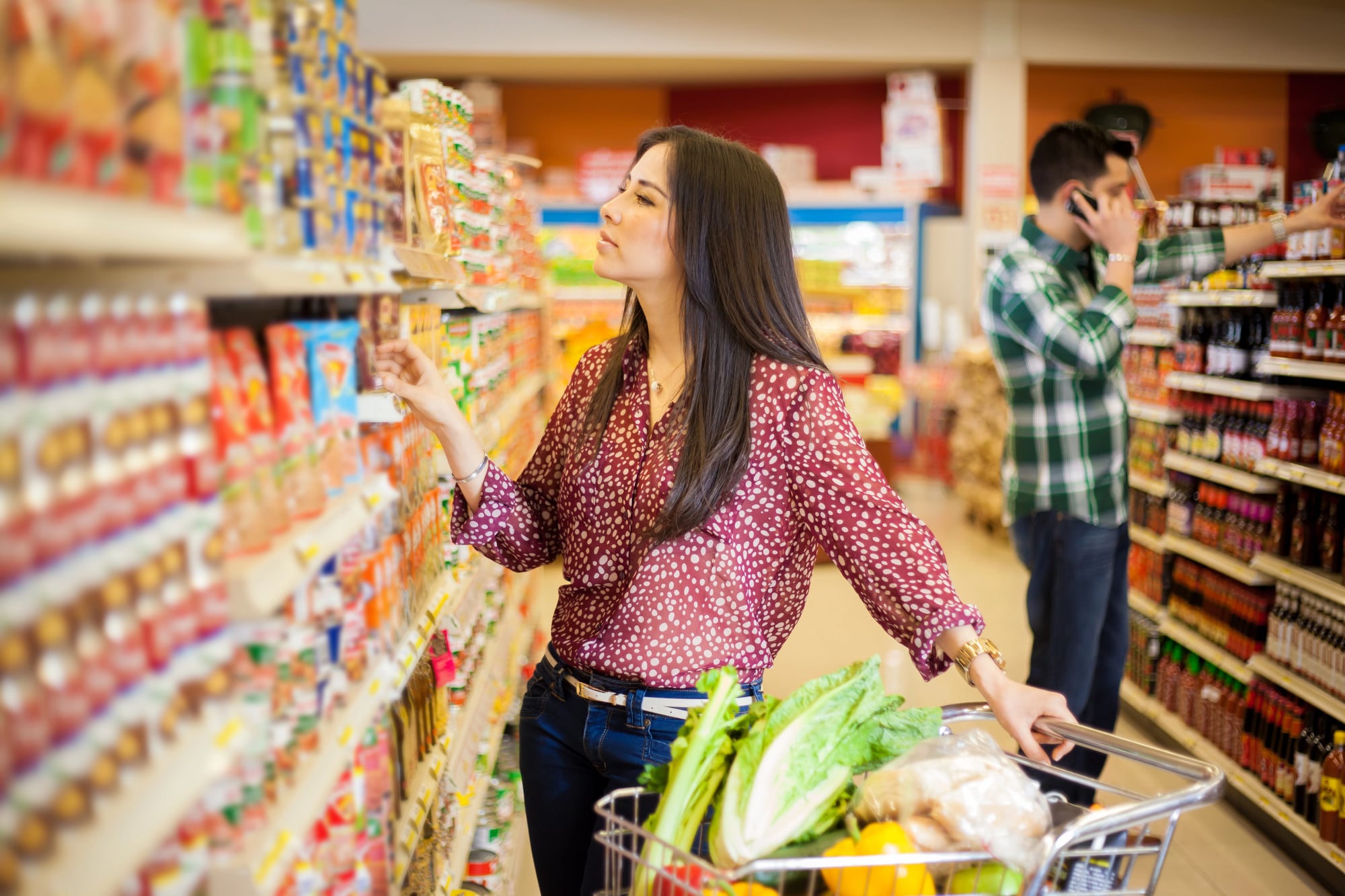
At least one light was always doing something it shouldn’t. A slow flicker at the end of an aisle, or a persistent hum at a slightly different frequency than the rest — and once you noticed it, you couldn’t stop noticing it.
Grocery store lighting was functional and nothing else, a fact that was somehow very easy to feel even if a kid couldn’t articulate it. The produce section was always slightly better lit.
Everything else was slightly greenish.
The Tabloids at Checkout
The checkout line tabloids were positioned at adult eye level but child reading level, which produced a particular kind of confused literacy. Headlines that made no sense, photos of people you half-recognized, stories about things that were clearly impossible stated with total confidence.
You read whatever was in front of you because there was nothing else to do, and you absorbed a low-grade ambient weirdness about the world of famous people that persisted for years.
Running Into Someone Your Parent Knew
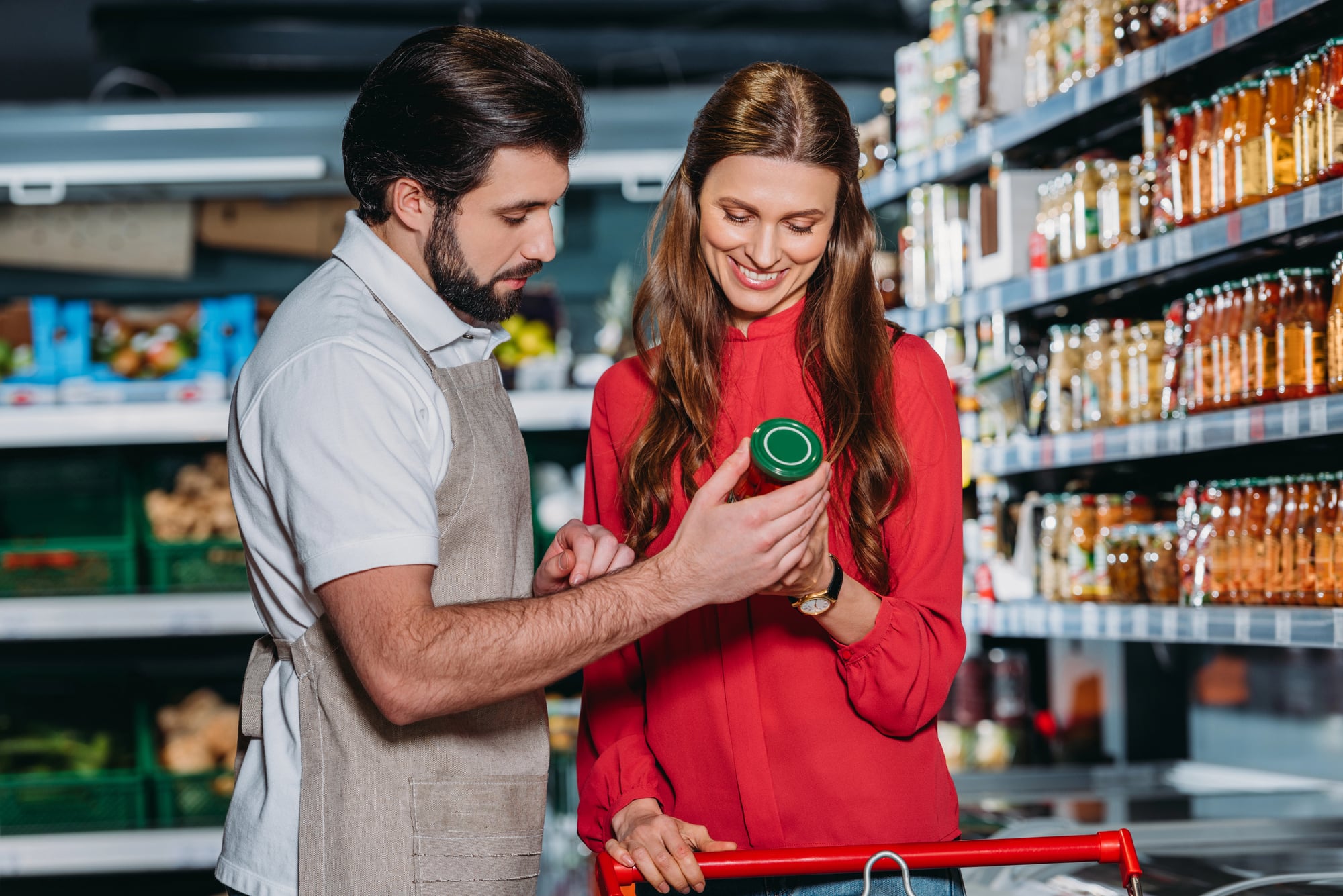
This was the one that made the whole trip last longer — that moment when your parent stopped the cart, turned at the sound of a name, and suddenly two adults were talking in an aisle with no particular intention of stopping. You knew, immediately and with certainty, that you had entered a different kind of time.
The kind where minutes didn’t pass at the normal rate, where the cart sat idle and you leaned on it and studied the middle distance and understood, in some wordless way, that this was simply part of being a person in the world.
What the Cart Actually Carried
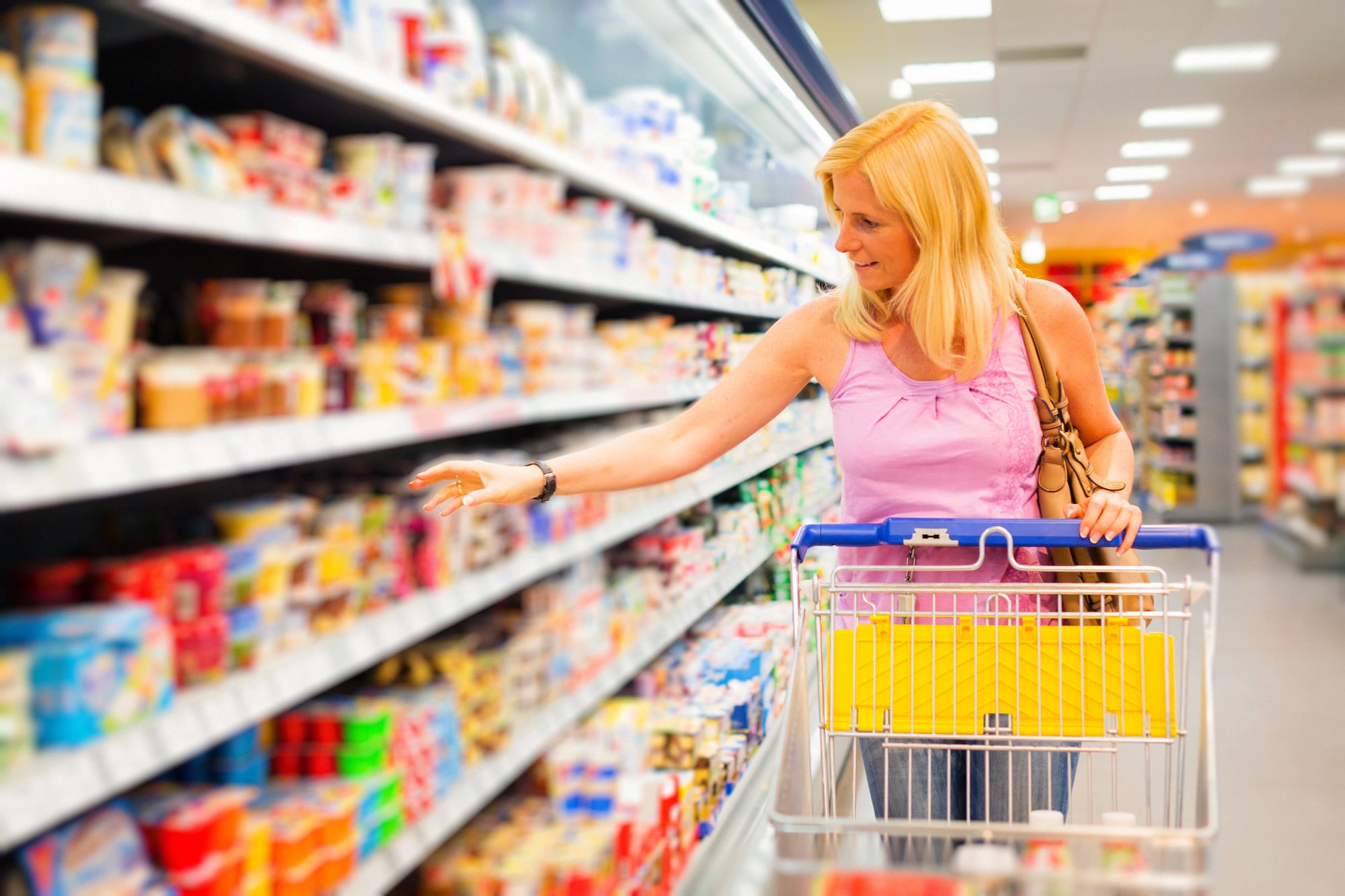
The grocery store of childhood was never really about food. It was about learning how the world was organized, in aisles, by category — what things cost, what you could ask for, what the answer would probably be.
You didn’t know you were being educated. You thought you were just bored, rolling down the cereal aisle with your hand trailing along the shelves.
But those trips built something: a map of how ordinary life actually works, filed quietly under fluorescent light, smelling faintly of bread and refrigerated air. Some maps stay with you.
More from Go2Tutors!

- The Romanov Crown Jewels and Their Tragic Fate
- 13 Historical Mysteries That Science Still Can’t Solve
- Famous Hoaxes That Fooled the World for Years
- 15 Child Stars with Tragic Adult Lives
- 16 Famous Jewelry Pieces in History
Like Go2Tutors’s content? Follow us on MSN.