26 Historical Figures Later Historians Reassessed Entirely
The historical record is never really finished. New documents surface, old ones get reread with different questions in mind, and figures who once seemed settled, either as villains or heroes, get pulled apart and reassembled by each new generation of historians.
Some of the most dramatic reversals in historical reputation have happened not because new facts appeared but because historians finally asked why the old story was told the way it was.
Richard III
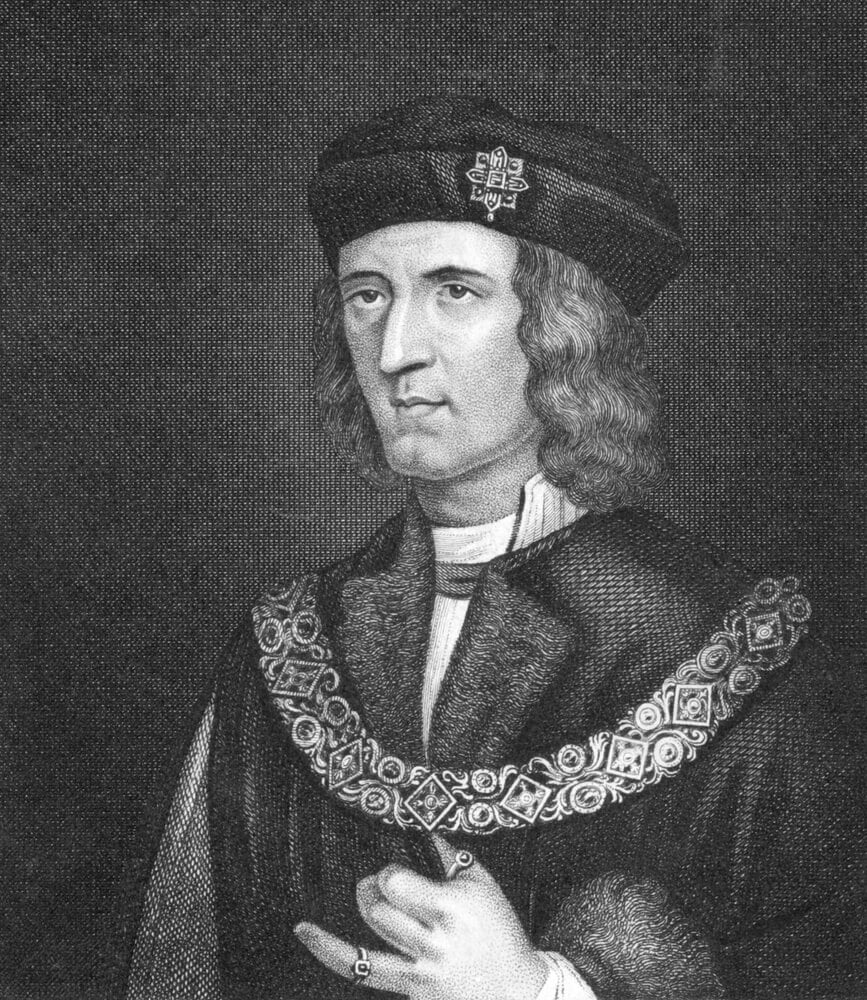
Shakespeare’s play cemented Richard III as a scheming, physically deformed usurper who murdered his nephews, a portrait largely built on Tudor-era propaganda meant to legitimize the dynasty that defeated him. The discovery of his skeleton beneath a Leicester parking lot in 2012 confirmed he had scoliosis but not the hunched, withered-arm caricature of later legend, and it reignited historical debate over his brief, contested reign.
The Richard III Society has spent decades pushing for a more balanced reading of a king whose surviving record was written almost entirely by his enemies.
Anne Boleyn
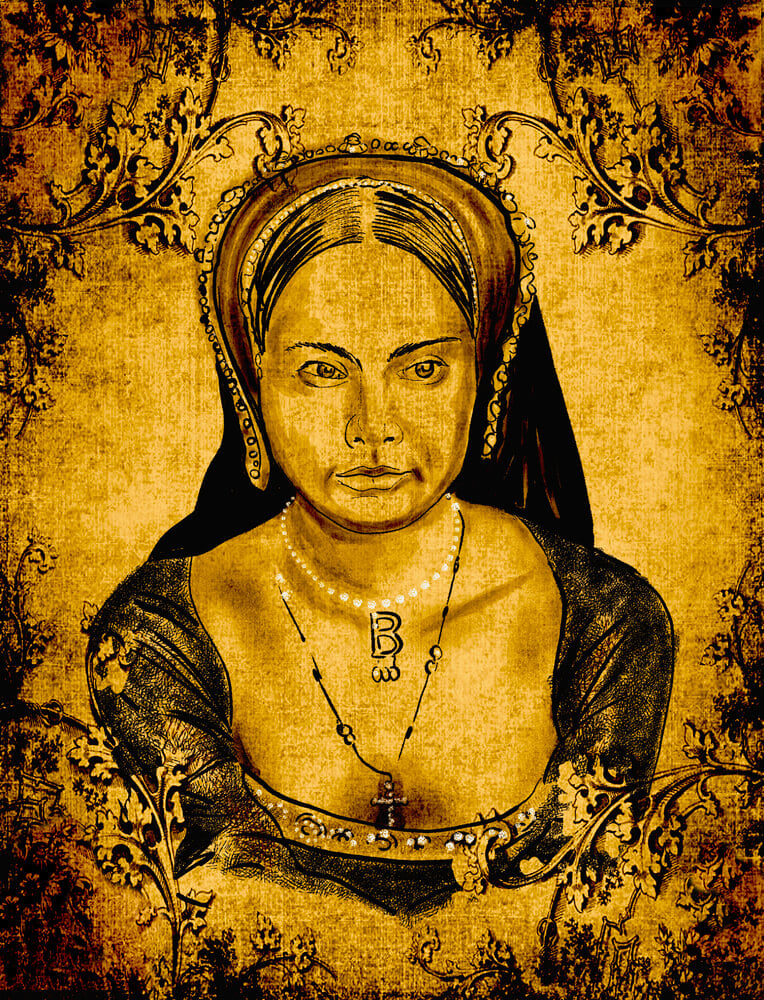
For centuries, Henry VIII’s second wife was remembered largely through the lens of the accusations that led to her 1536 execution, including charges of infidelity and treason that most modern historians now regard as fabricated to clear the way for the king’s next marriage. Later scholarship, particularly since the late twentieth century, has reframed her as a politically engaged reformist queen whose religious influence helped shape the early English Reformation.
Her posthumous reputation shifted from cautionary tale to a figure of considerable political agency.
Ulysses S. Grant
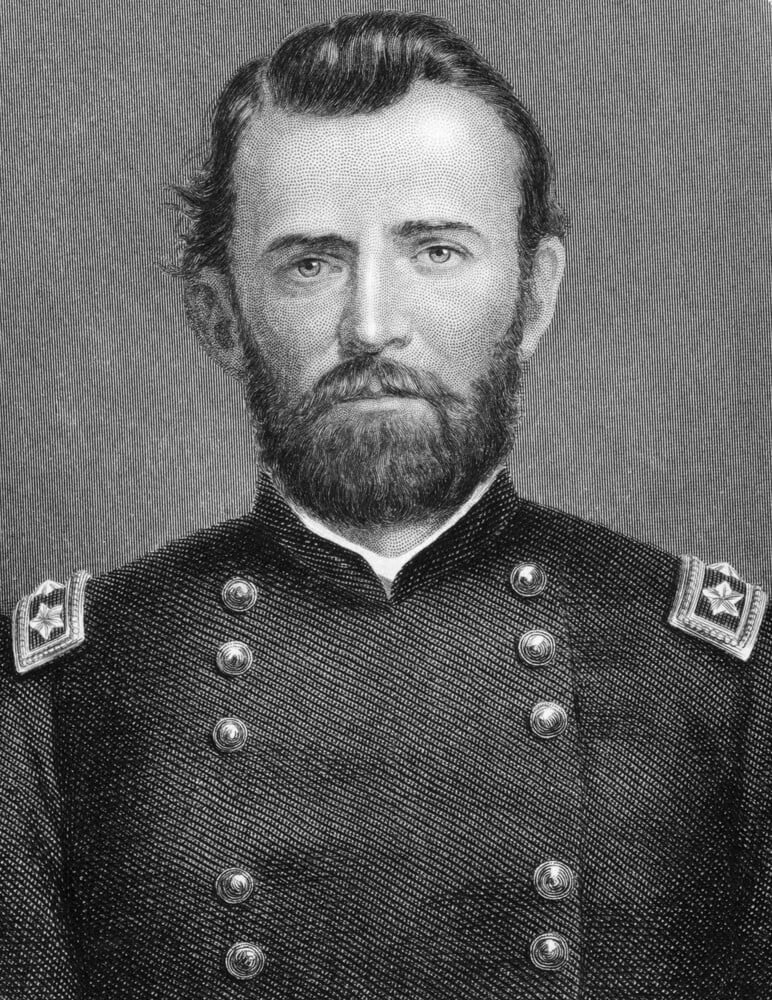
For much of the twentieth century, historians ranked Grant’s presidency among the country’s weakest, citing corruption scandals among his appointees and a reputation, inherited partly from Lost Cause-influenced Southern historians, as a poor administrator overshadowed by his military record. A wave of reassessment beginning in the late twentieth century and continuing through recent decades has elevated his standing considerably, crediting him with vigorous efforts to protect the rights of formerly enslaved Americans during Reconstruction.
Recent presidential rankings by historians now regularly place him well above his standing a century earlier.
Marie Antoinette
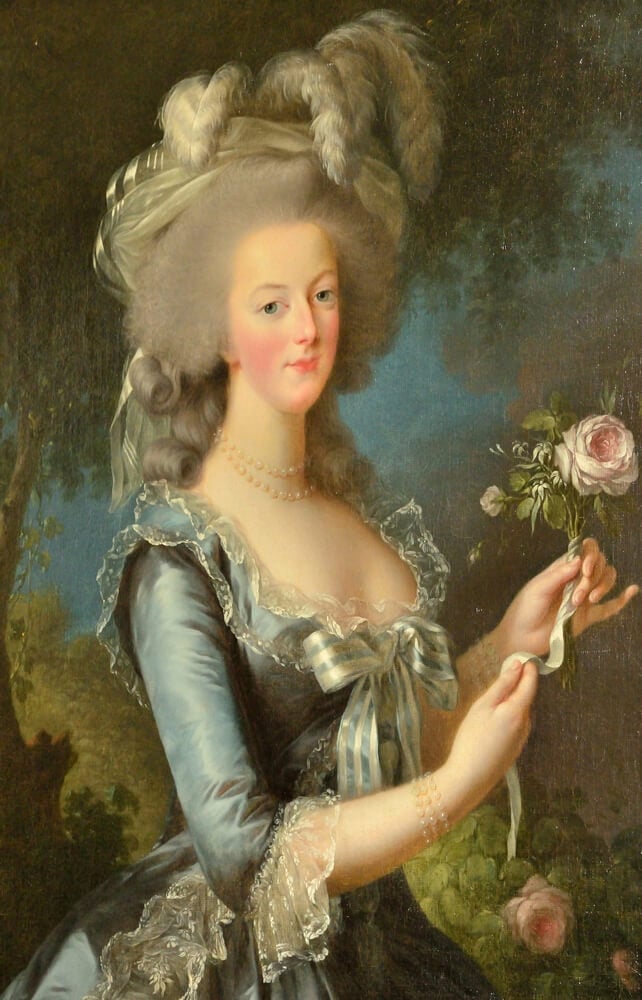
The French queen has been remembered for over two centuries chiefly through the phrase “let them eat cake,” a line she almost certainly never said and which appears in Jean-Jacques Rousseau’s writing before she was even queen. Modern historians have worked to separate the woman from the revolutionary propaganda that painted her as a callous foreign spendthrift, examining her genuine political constraints as a young queen navigating a hostile court.
Her reputation remains contested, but few serious historians now accept the caricature at face value.
Genghis Khan
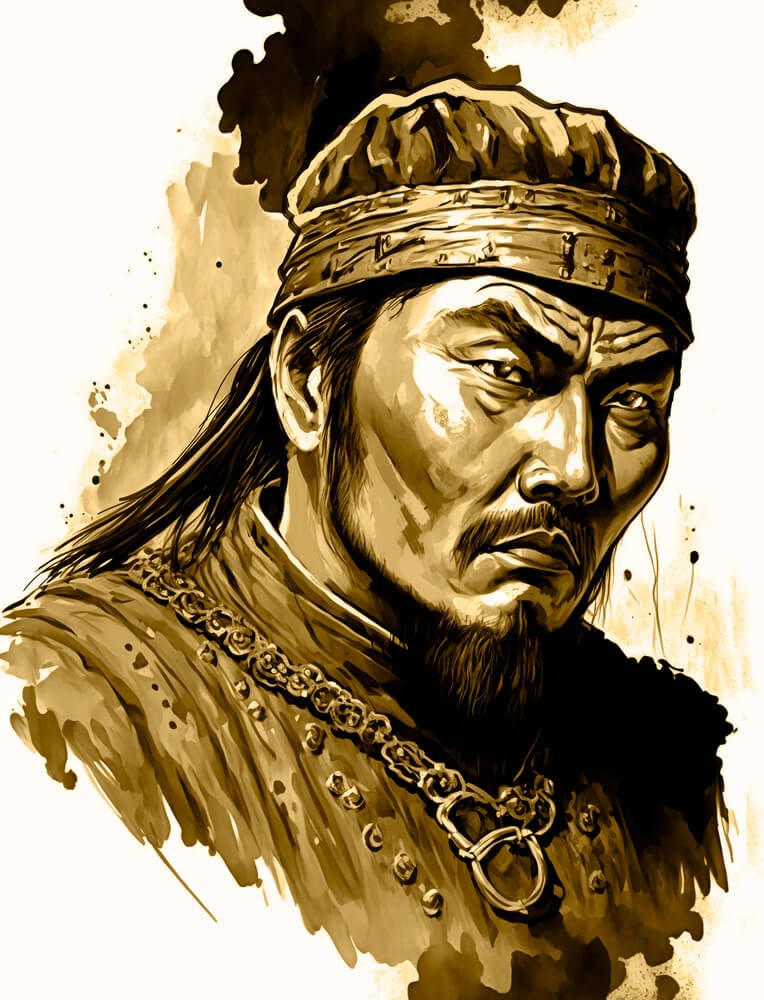
Long remembered in Western historical writing primarily as a symbol of unrestrained conquest and destruction, Genghis Khan has been substantially reassessed by historians studying the Mongol Empire’s administrative innovations, including relatively broad religious tolerance, a unified legal code, and the protection of trade routes across Eurasia. Scholars have increasingly credited the empire he founded with helping connect East and West during a period now sometimes called the Pax Mongolica.
His destructive military campaigns remain well documented, but historians now present a more complex figure than the purely destructive image of earlier centuries.
Nero
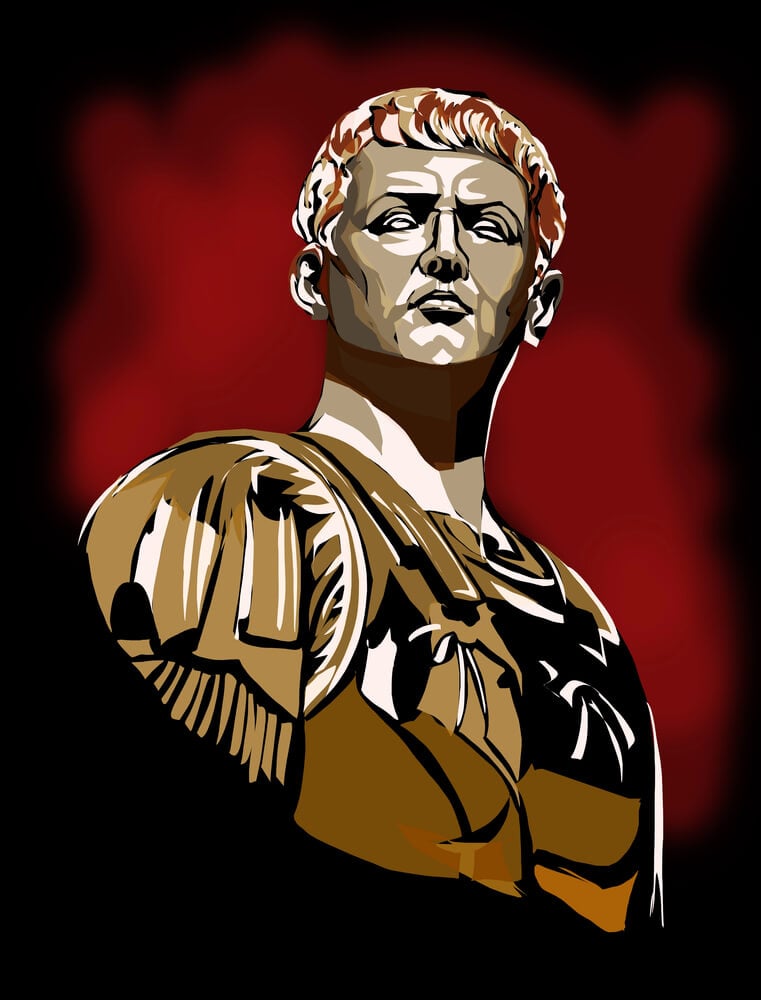
Ancient sources written largely by the Roman senatorial class, hostile to Nero’s populist tendencies, portrayed him as a matricidal tyrant who fiddled while Rome burned, an account modern historians treat with considerable skepticism. Archaeological and numismatic evidence, along with closer readings of contemporary sources, suggest a more complicated ruler who remained popular among common Romans even as the elite despised him.
A major British Museum exhibition in 2021 was built specifically around presenting this more nuanced reassessment to the public.
Galileo Galilei
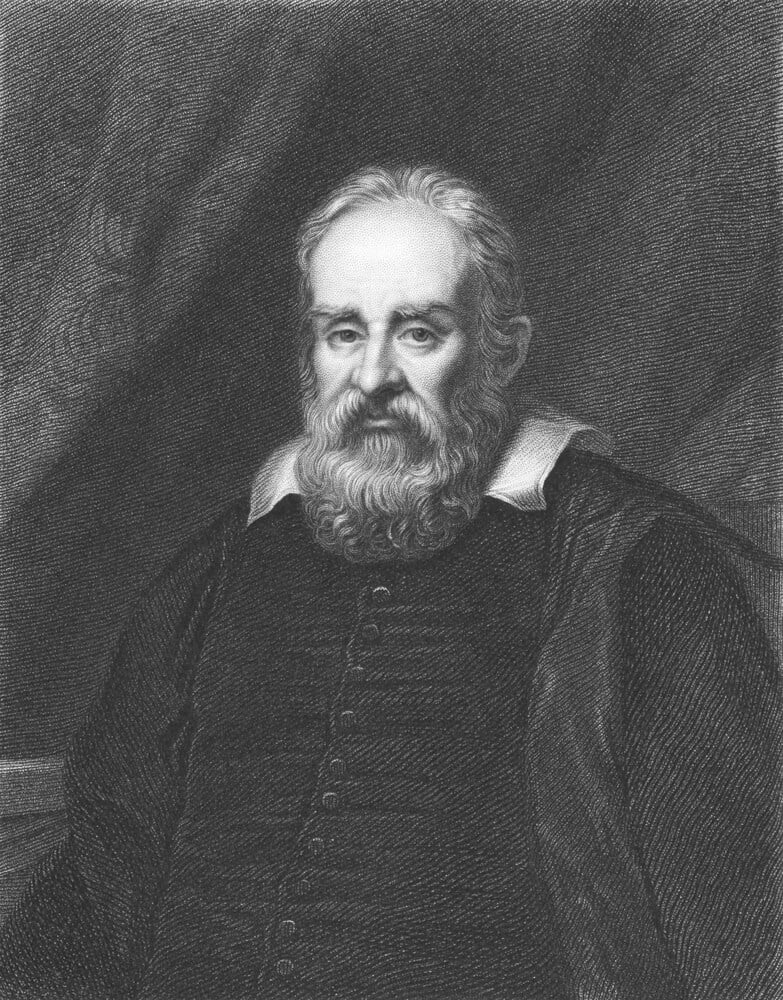
Galileo’s conflict with the Catholic Church has often been simplified into a straightforward story of science persecuted by dogma, but historians of science have spent decades complicating that narrative, noting political and personal factors within the Church hierarchy that shaped his 1633 trial as much as pure doctrinal objection. Pope John Paul II formally expressed regret over the Church’s handling of the case in 1992, closing a long process of internal reassessment.
Historians continue to debate how much of the conflict reflected genuine theological dispute versus court politics and personal rivalries.
Rosa Parks
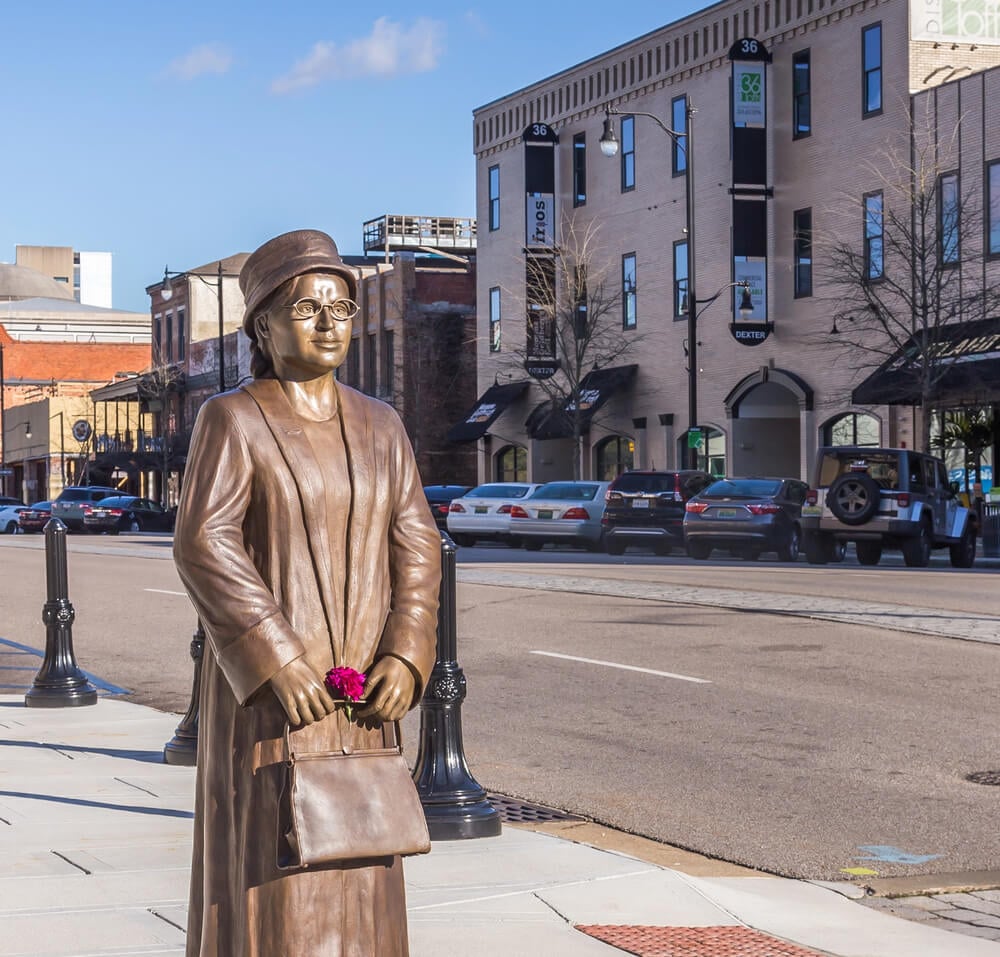
Popular memory long reduced Parks to a tired seamstress who spontaneously refused to give up her bus seat in 1955, but historians drawing on her own writings and organizational record have reestablished her as a longtime NAACP activist and trained organizer who had prepared for acts of civil disobedience for years before that day. She had served as secretary of the Montgomery NAACP chapter and had specific training in nonviolent resistance strategy.
The “accidental activist” version of her story has been steadily replaced in historical writing by a picture of deliberate, sustained political work.
Alan Turing
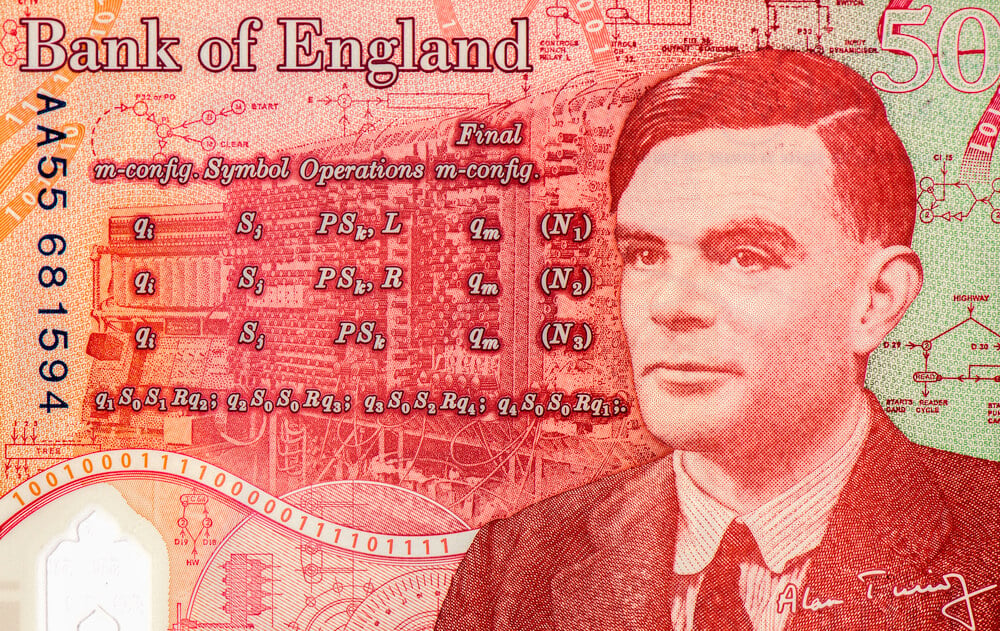
Turing’s central role in breaking German wartime codes remained officially classified for decades after the Second World War, meaning most historical accounts through the 1970s barely mentioned his contributions at all. Declassification of wartime intelligence records beginning in the 1970s allowed historians to properly credit his work at Bletchley Park, and Britain’s government issued a formal posthumous pardon in 2013 for his 1952 criminal conviction related to his personal life.
Turing is now widely regarded as a foundational figure in computer science rather than the largely unknown mathematician he remained for much of the postwar period.
Woodrow Wilson
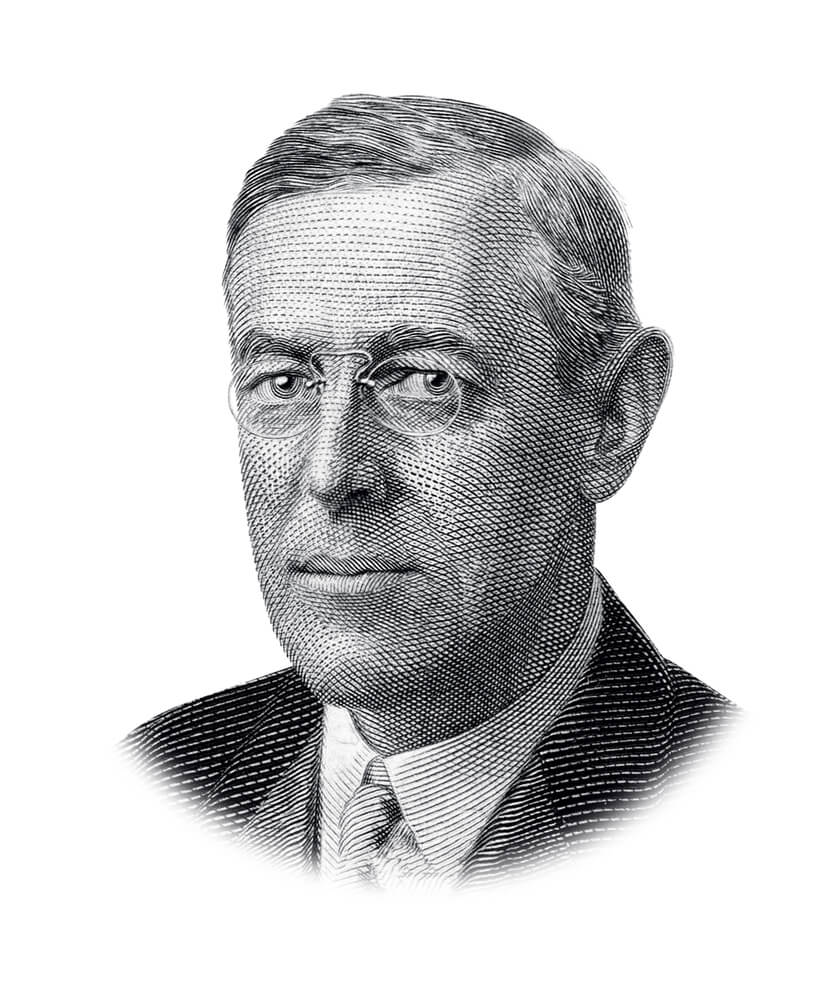
For much of the twentieth century, historians ranked Wilson highly for his internationalist foreign policy and progressive-era domestic reforms, with relatively little attention paid to his administration’s expansion of racial segregation within the federal government. More recent scholarship has foregrounded that record substantially, and several universities, including Princeton, have reconsidered how prominently his name and legacy should be honored on campus as a result.
His overall historical ranking among American presidents has shifted downward in polls of historians conducted over the past two decades.
Catherine the Great
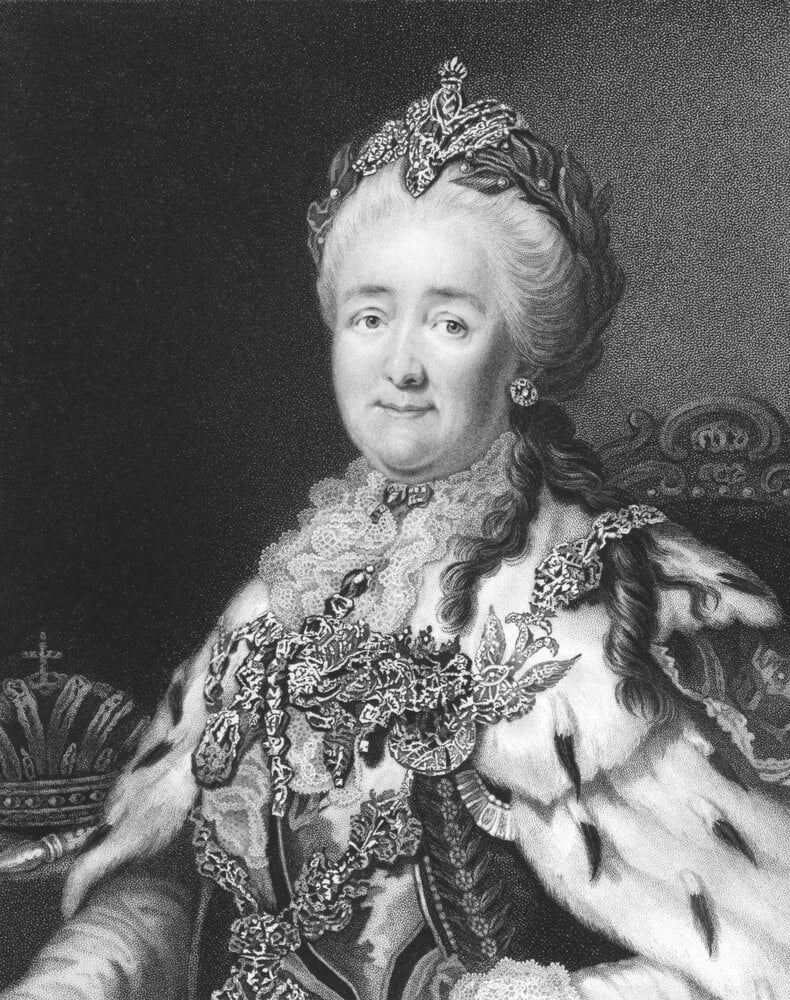
Catherine’s reputation in some earlier popular accounts leaned heavily on scandalous rumors about her personal life, rumors modern historians regard as largely fabricated by political rivals and foreign observers hostile to a female ruler holding power in her own right. Scholarly biographies published in recent decades have refocused attention on her substantial legal, educational, and territorial reforms during a reign that lasted more than three decades.
She is increasingly discussed by historians primarily as one of the most consequential rulers in Russian history rather than through the lens of court gossip.
Andrew Johnson
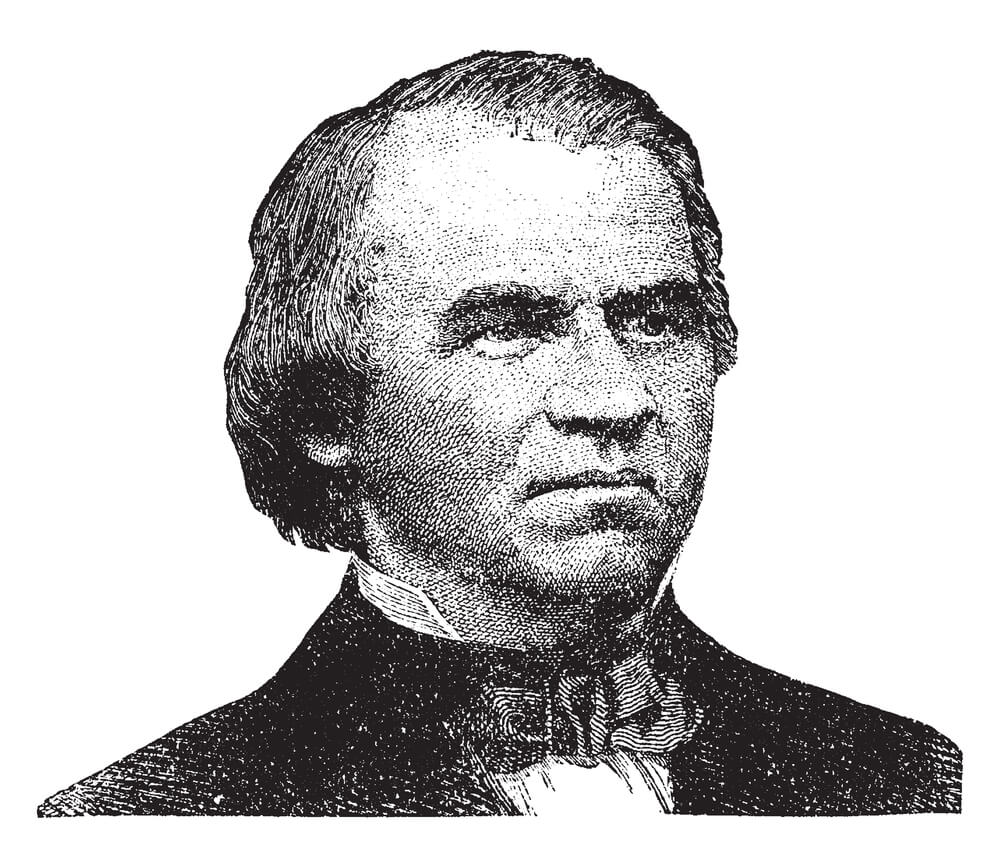
Johnson’s presidency was judged relatively charitably by some early twentieth-century historians influenced by Lost Cause narratives, which framed his lenient approach to the defeated South as pragmatic statesmanship. Later generations of historians, drawing on the experiences of formerly enslaved Americans during Reconstruction, have reassessed his presidency far more critically, citing his vetoes of civil rights legislation and his obstruction of Reconstruction-era protections.
He now regularly ranks among the lowest-rated presidents in surveys of American historians.
Wu Zetian
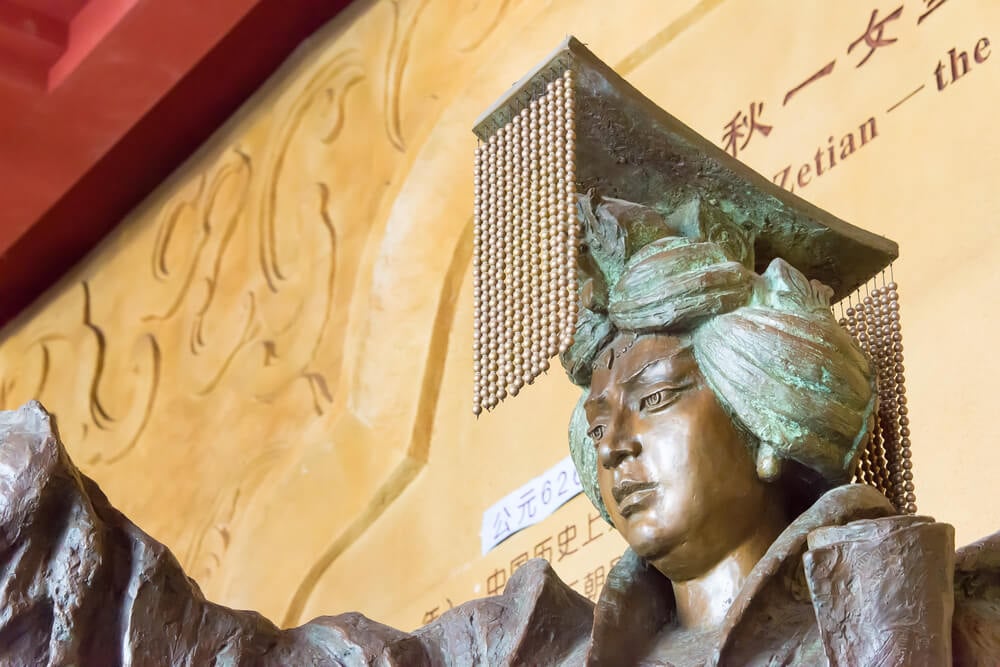
China’s only female emperor in her own right, who ruled during the Tang dynasty in the seventh century, was portrayed in traditional Confucian historical accounts written by male court historians as a ruthless, illegitimate usurper. Modern historians, reading those same court chronicles with more skepticism toward their authors’ evident bias against female rule, have reassessed her reign as a period of substantial administrative competence, expanded civil service examinations, and territorial stability.
She remains a contested figure, but few historians now accept the traditional account uncritically.
Vlad III of Wallachia
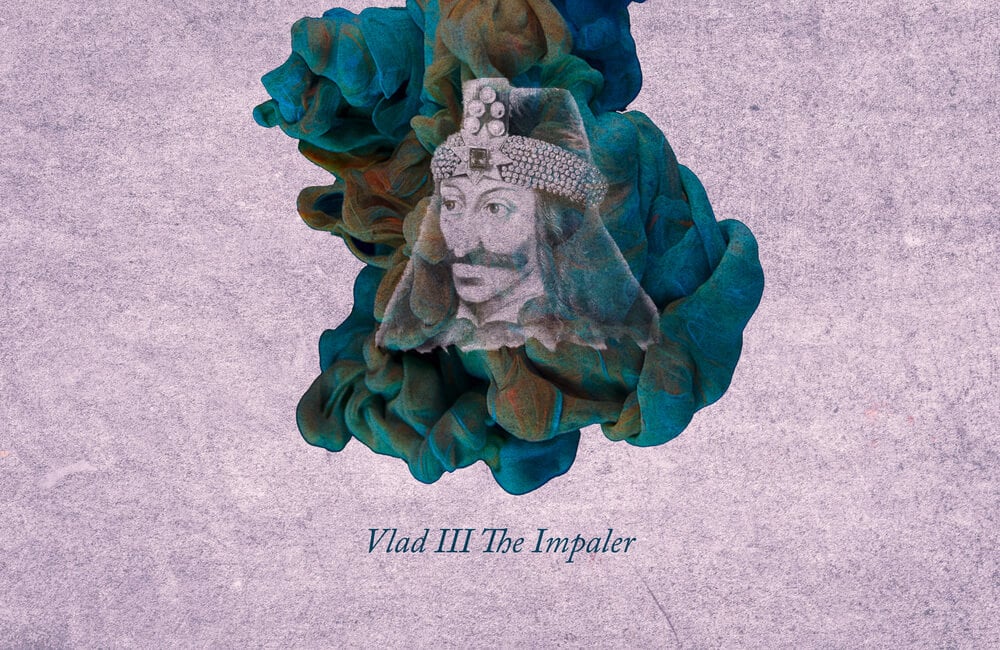
Vlad III, the fifteenth-century Wallachian ruler whose brutal reputation inspired the name behind Bram Stoker’s fictional vampire, was demonized in German pamphlets circulated by political rivals and printers capitalizing on sensational stories after his death. Romanian historians in particular have worked to separate the historical ruler, remembered domestically as a defender against Ottoman incursion, from the exaggerated foreign accounts that shaped his international reputation.
His actual historical record remains genuinely brutal by most accounts, but historians now treat the most extreme foreign claims with considerable caution.
King John
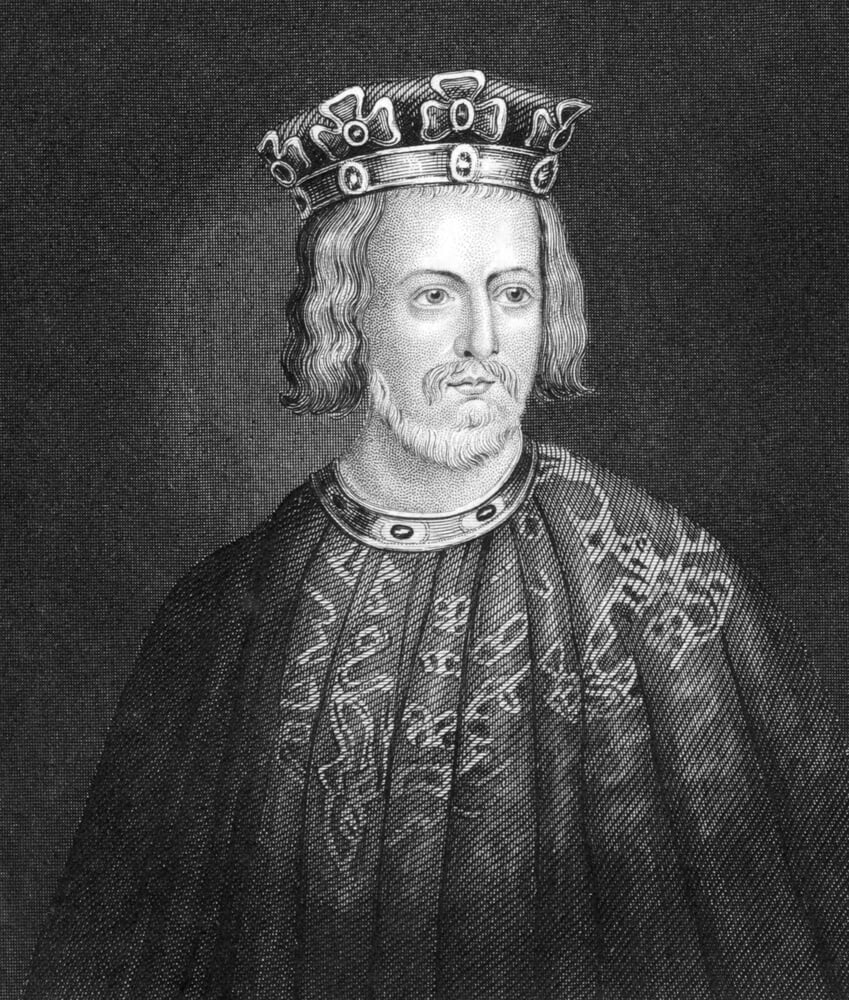
Long remembered largely through his adversarial role in Robin Hood folklore and as the villain who was forced to sign Magna Carta in 1215, King John has been reassessed by some medieval historians as a competent, if deeply unpopular, administrator whose legal and financial reforms outlasted his troubled reign. His reputation for cruelty and incompetence, cemented by chroniclers writing under his Plantagenet successors, has been softened somewhat by closer study of surviving administrative records from his government.
He remains, by most measures, one of the more poorly regarded English monarchs, but the caricature has been complicated.
Christopher Columbus
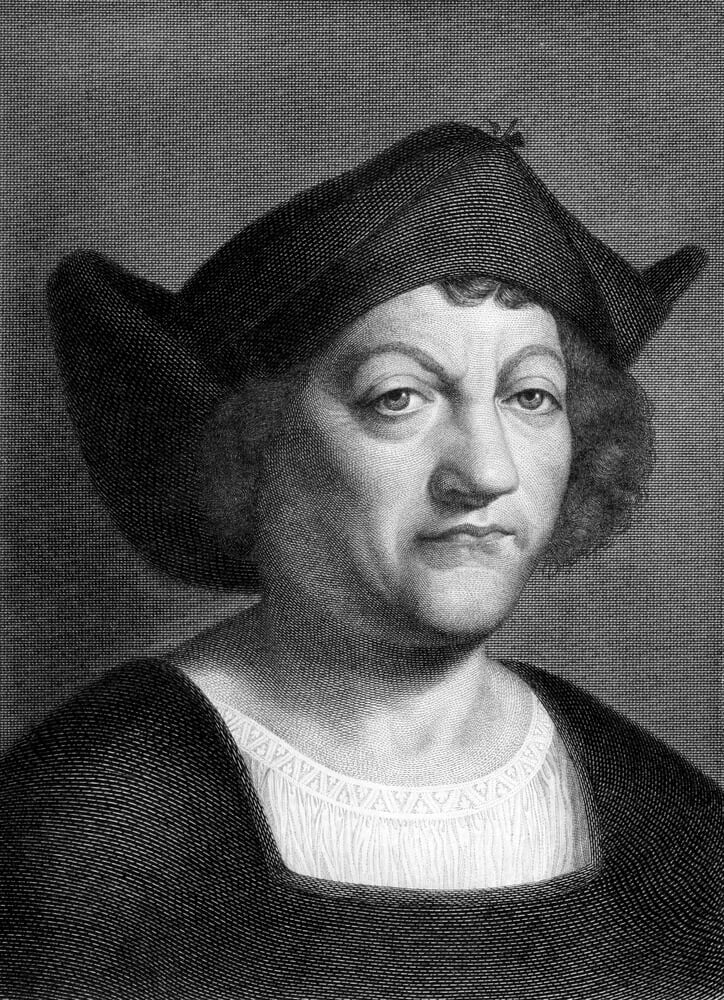
Long celebrated in American and European popular memory primarily as a bold explorer who connected two hemispheres, Columbus has undergone a dramatic historical reassessment as scholars have foregrounded his role in the enslavement and mistreatment of Indigenous peoples in the Caribbean, documented in contemporary accounts including those of missionary Bartolomé de las Casas. Many American cities and states have reconsidered Columbus Day observances as a direct result of this scholarship.
His navigational achievements remain historically significant, but his broader legacy is now presented with far more critical context than in earlier textbooks.
Thomas Jefferson
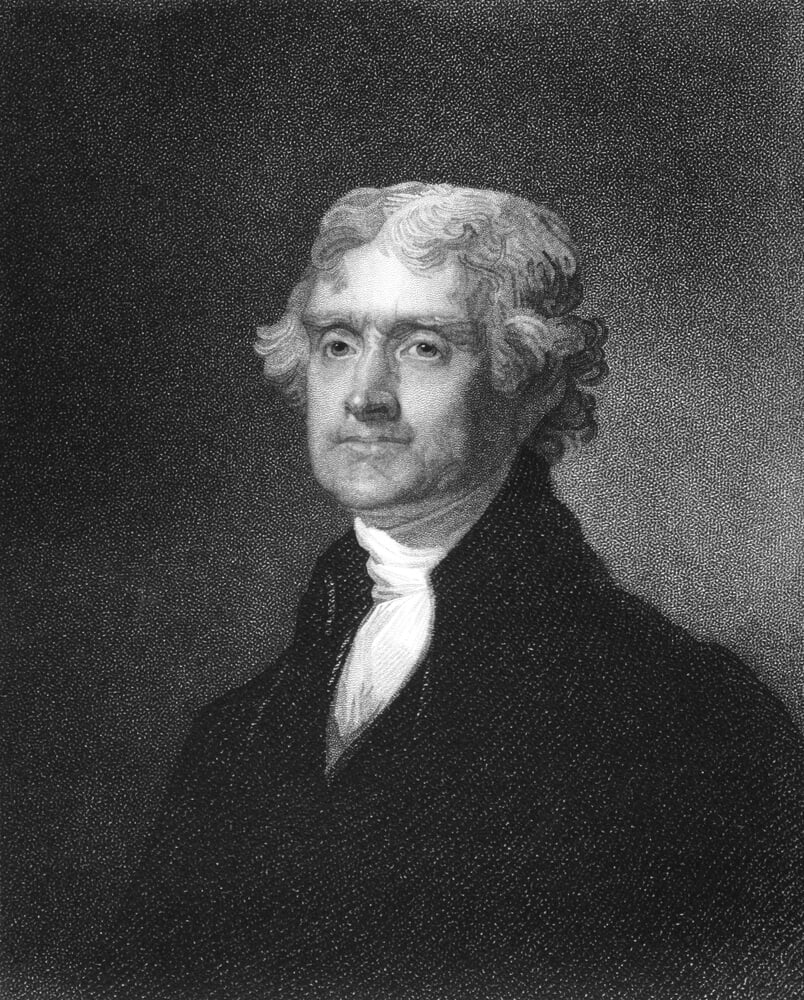
Jefferson’s public image as a champion of liberty and Enlightenment ideals coexisted for generations with limited public acknowledgment of his ownership of enslaved people, including his decades-long relationship with Sally Hemings. DNA testing in 1998 provided strong evidence supporting oral histories from Hemings’s descendants that had long been dismissed by many mainstream historians, prompting institutions including Monticello to substantially revise how they present his biography.
Contemporary historical treatment of Jefferson now routinely addresses this history rather than omitting it.
King Leopold II of Belgium
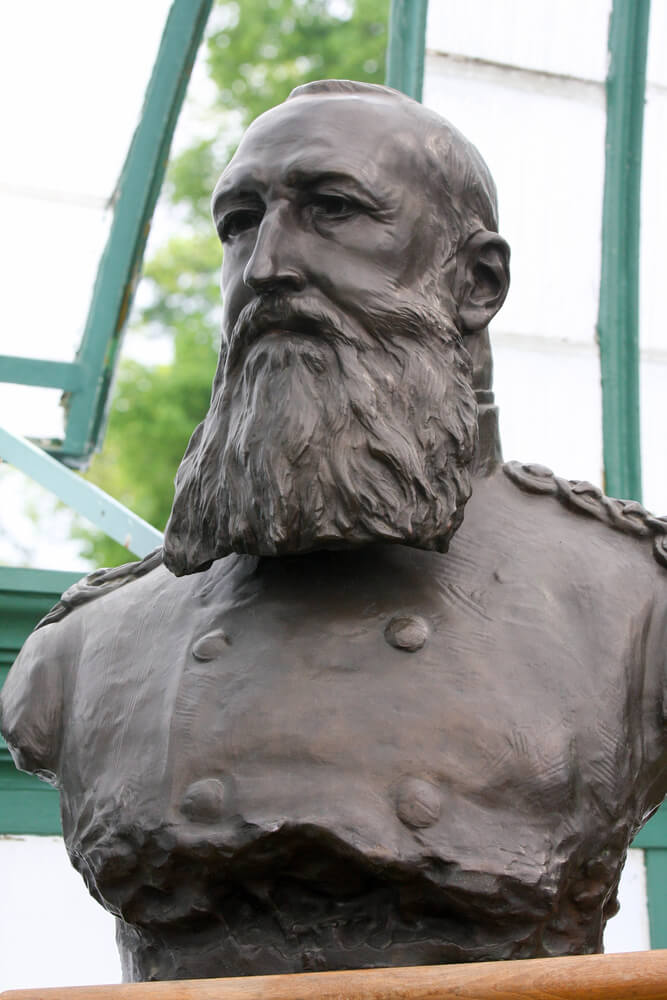
Leopold II was long remembered in much of Europe primarily as a modernizing monarch, with relatively limited public attention paid to his personal ownership and brutal exploitation of the Congo Free State, which resulted in the deaths of millions of Congolese people. International investigations at the time, along with later historical scholarship, established a far darker record than the modernization narrative Belgian authorities promoted for decades.
Belgium has since removed or contextualized numerous Leopold statues and monuments as public understanding of this history has spread.
Cleopatra VII
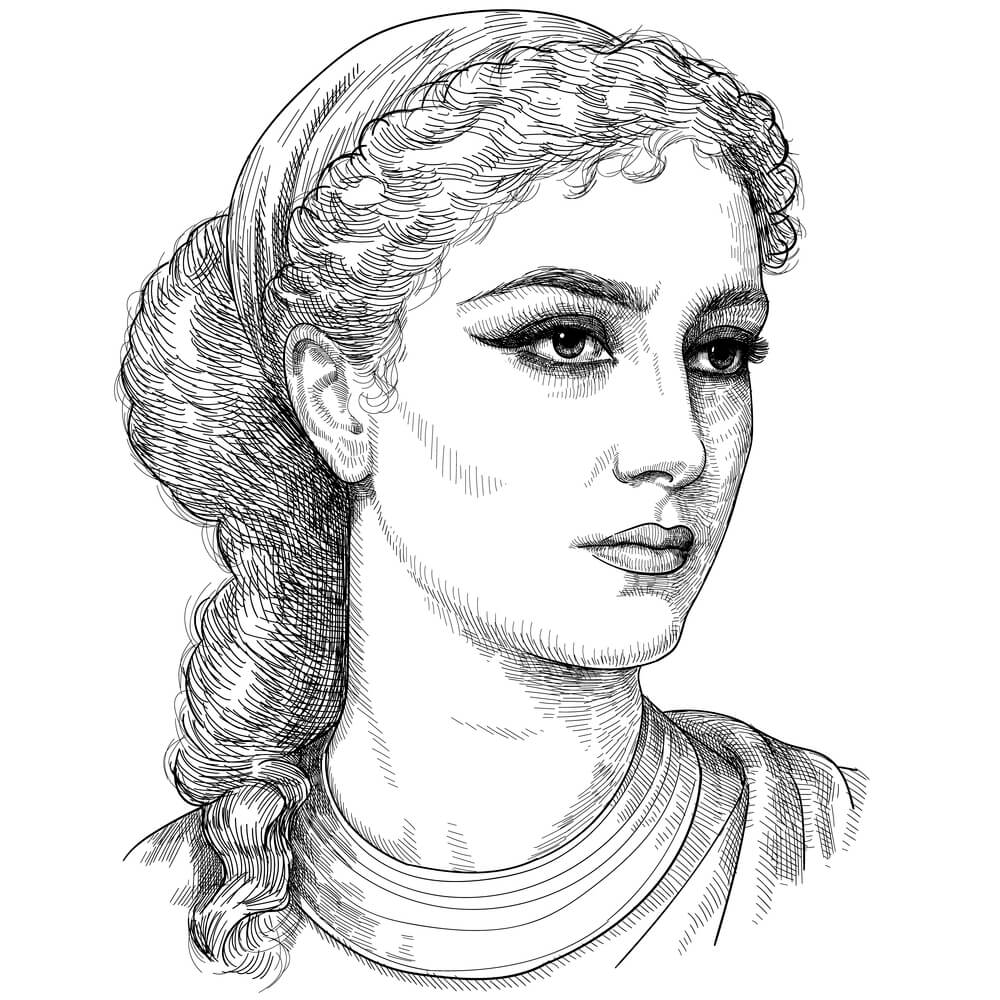
Roman writers, working under the political influence of Octavian following his defeat of Cleopatra and Mark Antony, portrayed the Egyptian queen primarily as a seductive foreign threat to Roman virtue rather than as a serious political and military strategist in her own right. Modern historians and Egyptologists have reassessed her as a highly educated ruler fluent in multiple languages who skillfully managed alliances during a period of existential threat to her kingdom’s independence.
Her military and diplomatic record receives far more serious scholarly attention today than in earlier centuries of largely dismissive Western retellings.
Empress Dowager Cixi
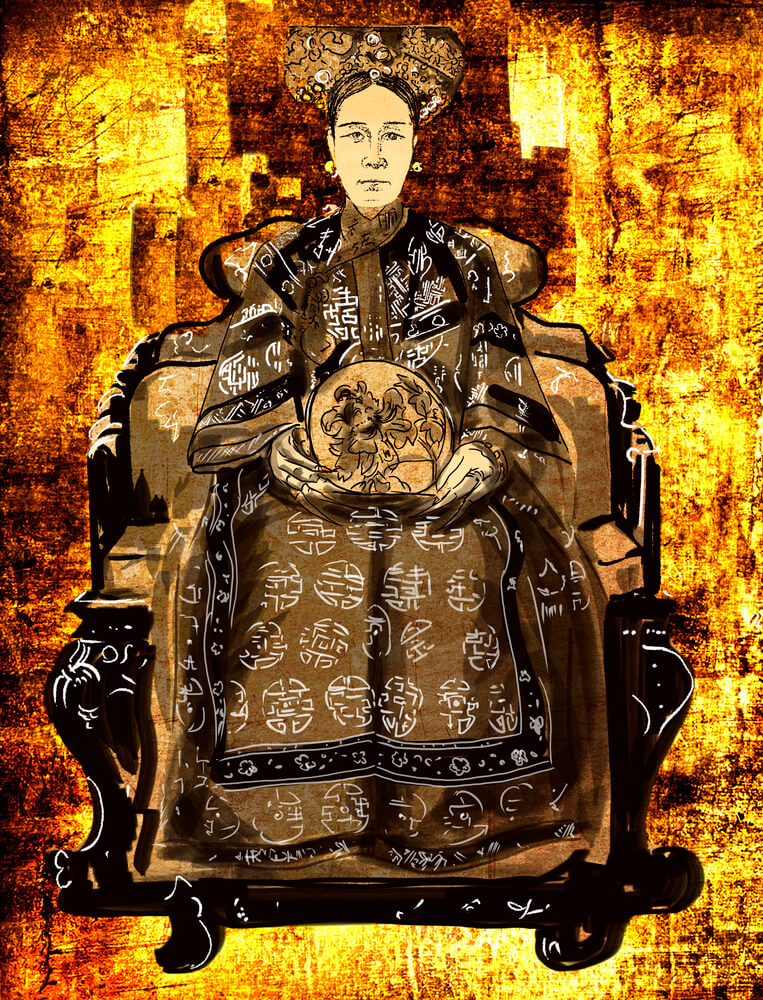
Cixi, who effectively ruled China for decades in the late Qing dynasty, was frequently portrayed in early twentieth-century Western and some Chinese accounts as a reactionary, power-hungry figure who blocked necessary modernization. More recent historical scholarship, drawing on Qing court records, has presented a more complicated picture of a ruler navigating an empire under severe external pressure from foreign powers while attempting, with mixed success, to balance reform against political survival.
Her historical reputation remains contested, but the simple villain narrative has been substantially complicated.
Benedict Arnold
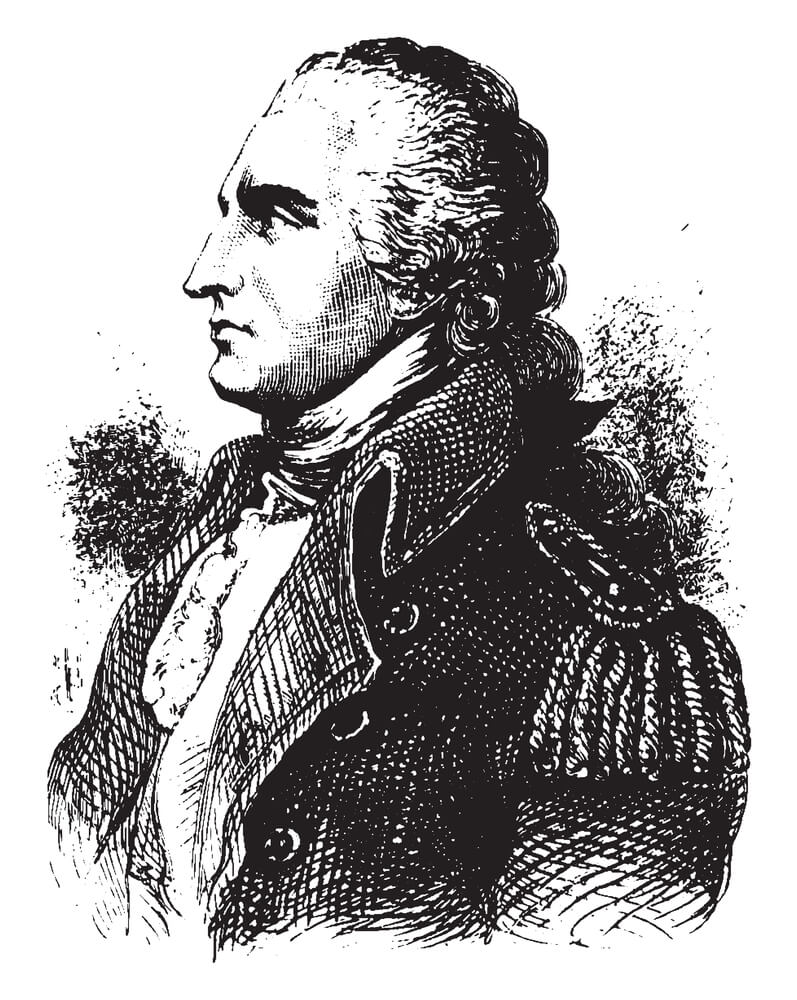
Arnold is remembered almost exclusively in American popular memory as history’s archetypal traitor for his 1780 attempt to surrender West Point to the British, a reputation that has somewhat overshadowed his earlier record as one of the Continental Army’s most effective field commanders. Historians studying his early campaigns, including the Battle of Saratoga, have worked to restore recognition of his significant military contributions before his defection, without excusing the act itself.
Some battlefield monuments, including one at Saratoga, deliberately honor his military leg wound without naming him, reflecting the tension historians still navigate around his legacy.
Isaac Newton
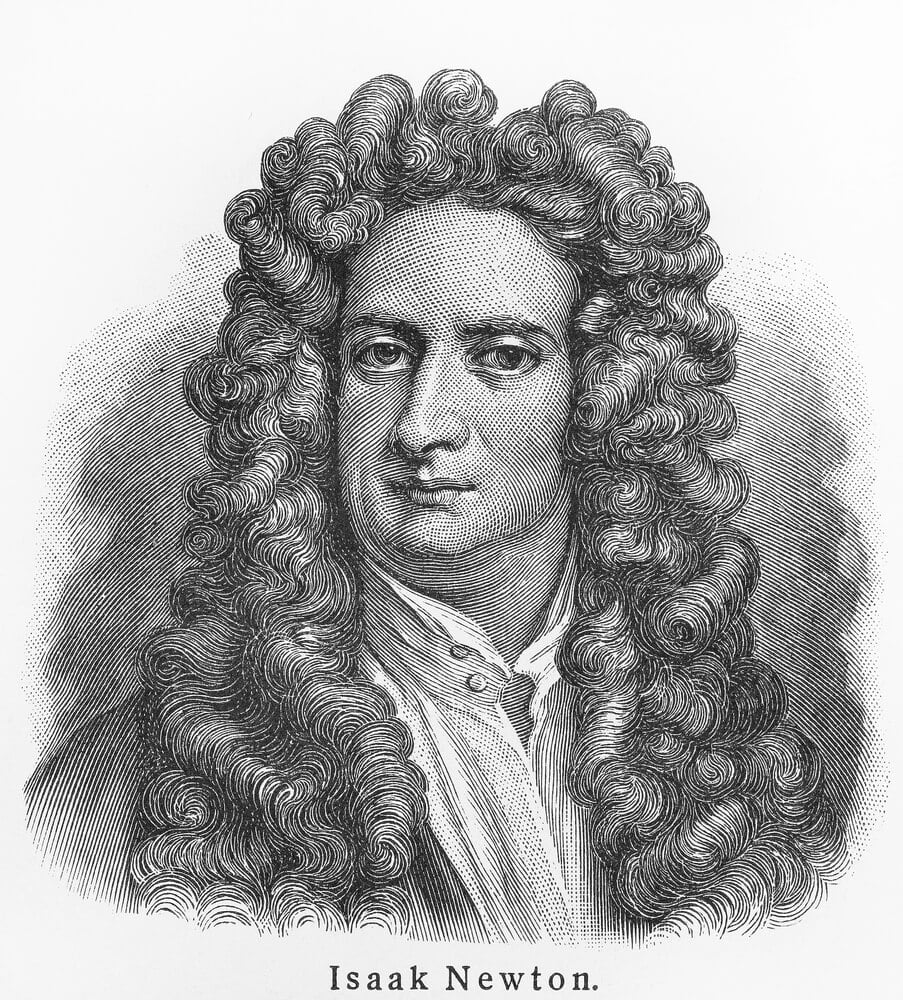
Newton’s public image as a purely rational scientific genius coexisted for centuries with limited attention to his extensive private writings on alchemy and biblical chronology, material that mainstream science historians largely dismissed or ignored for generations after his death. The rediscovery and serious academic study of these papers, particularly since the mid-twentieth century, has led historians of science to reassess Newton as a figure whose scientific work was deeply intertwined with, rather than separate from, these other intellectual pursuits.
Modern biographies now typically integrate this material rather than treating it as an embarrassing footnote.
Harriet Tubman
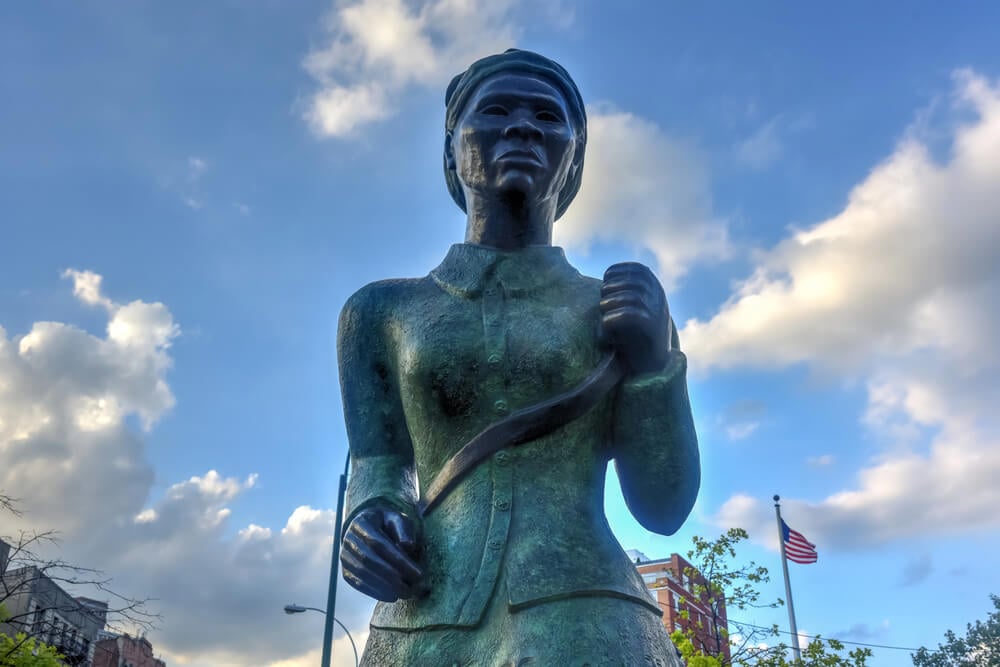
Tubman’s popular image for much of the twentieth century was often simplified into that of a folkloric, almost mythic figure associated primarily with the Underground Railroad, with relatively less attention paid to her later work as a Union Army scout, spy, and armed expedition leader during the Civil War. Historians drawing on military records have reestablished her as the first woman in American history known to have planned and led a military raid, the 1863 Combahee River Ferry raid, which freed several hundred enslaved people.
Her broader record as a strategist and intelligence operative has become far more prominent in recent historical treatment.
Nikola Tesla
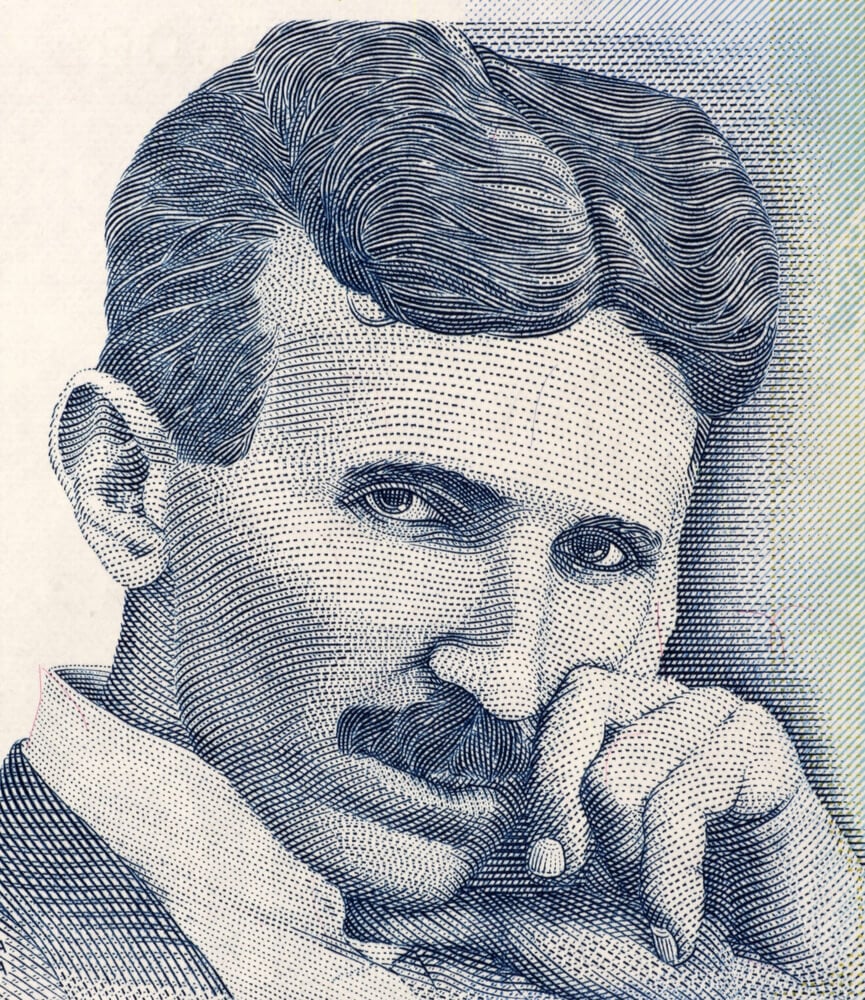
For much of the twentieth century, Tesla remained a comparatively obscure figure overshadowed in popular memory by Thomas Edison, despite his foundational contributions to alternating current electrical systems. Renewed historical and popular interest beginning in the late twentieth century, aided by the release of previously scattered archival material, has led to a substantial reassessment of his role in the development of modern electrical infrastructure.
He is now widely credited by historians of technology as at least an equal contributor to the era’s electrical innovations, rather than the eccentric footnote he was often treated as for decades.
Boudica
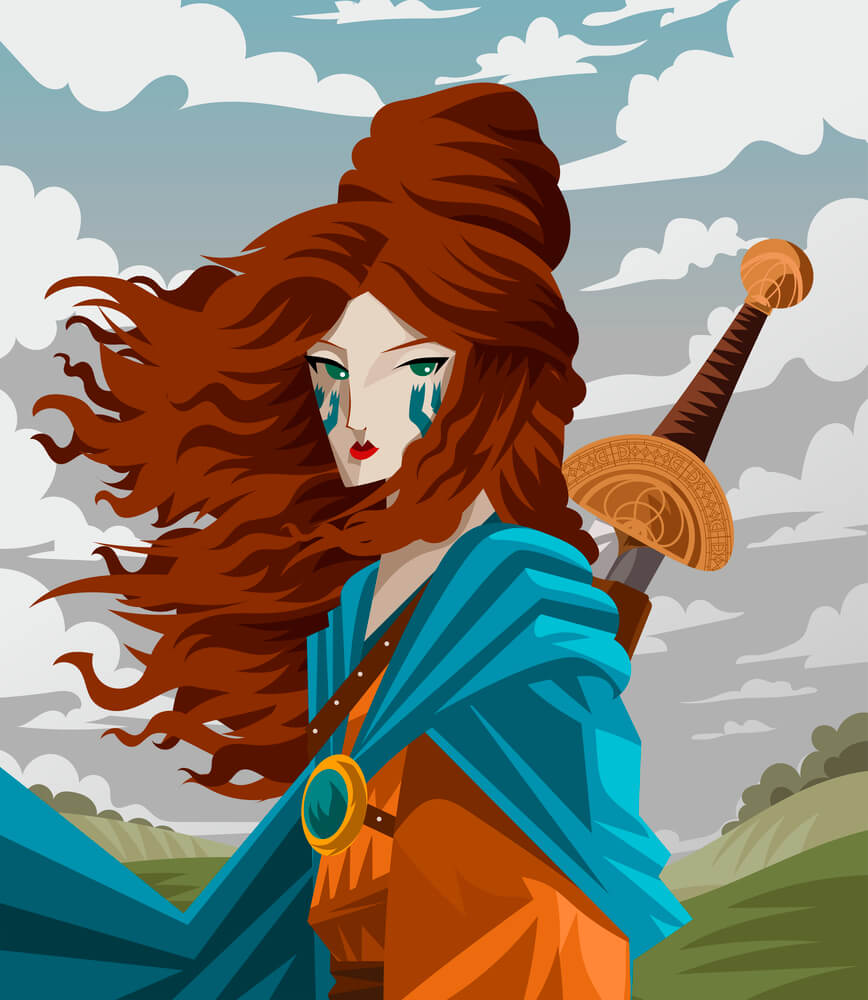
The Iron Age British queen who led a major revolt against Roman occupation in the first century survives in the historical record almost entirely through the accounts of Roman historians Tacitus and Cassius Dio, writing from the perspective of the empire she fought against. Archaeological evidence of widespread burning in Roman Britain corresponding to her revolt has lent independent support to the scale of the uprising described in those accounts.
Modern historians have worked to read past the Roman framing of her as a barbarian aberration, presenting her instead as a serious military and political leader responding to specific grievances against occupying authority.
Emperor Justinian’s Reign Through the Secret History
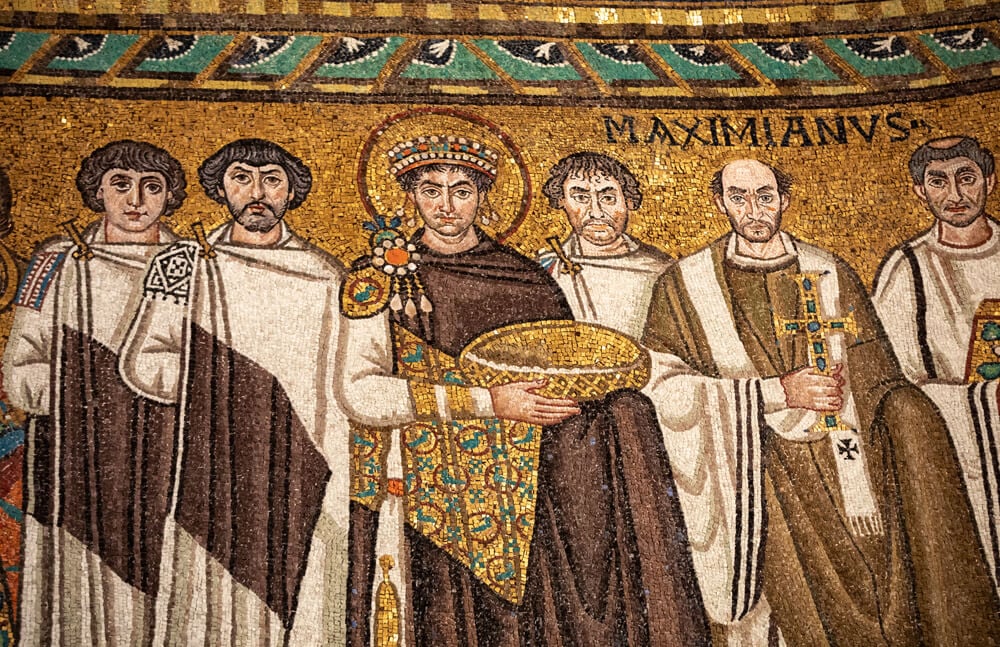
Justinian I, the sixth-century Byzantine emperor remembered for codifying Roman law and constructing the Hagia Sophia, was for centuries assessed largely through officially sanctioned, favorable court chronicles. The rediscovery and wider circulation of Procopius’s Secret History, a scathing contemporary account harshly critical of Justinian and his wife Theodora, gave later historians a dramatically different and far more critical source to weigh against the official record.
Modern historians now generally treat both sources with skepticism, reconstructing a more balanced picture from archaeological and administrative evidence alongside the competing narratives.
The Verdict That Keeps Being Appealed
None of the figures on this list changed. What changed was who got to tell their story, and how long it took later historians to notice that the first version had been written by someone with an obvious stake in how it turned out.
Court chroniclers, political rivals, and government censors shaped the earliest accounts of nearly everyone on this list, and those accounts often went unchallenged simply because no one had reason to look closer. Reassessment is rarely a single dramatic reveal.
It is usually the slow accumulation of archives reopened, artifacts reexamined, and questions historians simply had not thought to ask before. The historical record does not so much get rewritten as it gets reread, and the figures who benefit most from that rereading tend to be the ones whose original story was written by somebody else entirely.
More from Go2Tutors!

- The Romanov Crown Jewels and Their Tragic Fate
- 13 Historical Mysteries That Science Still Can’t Solve
- Famous Hoaxes That Fooled the World for Years
- 15 Child Stars with Tragic Adult Lives
- 16 Famous Jewelry Pieces in History
Like Go2Tutors’s content? Follow us on MSN.



