26 Home Gadgets That Once Sat in Every Kitchen
The kitchen has always been ground zero for domestic innovation, the place where manufacturers tested theories about how to make cooking faster, easier, and somehow more entertaining. But many of these gadgets that seemed revolutionary in their time—absolute necessities that transformed daily routines—have disappeared so completely that contemporary homeowners are honestly confused about what they even were.
The kitchen’s evolution tells the story of America’s changing relationship with labor, convenience, and the role of appliances in domestic life.
Rotary Phones
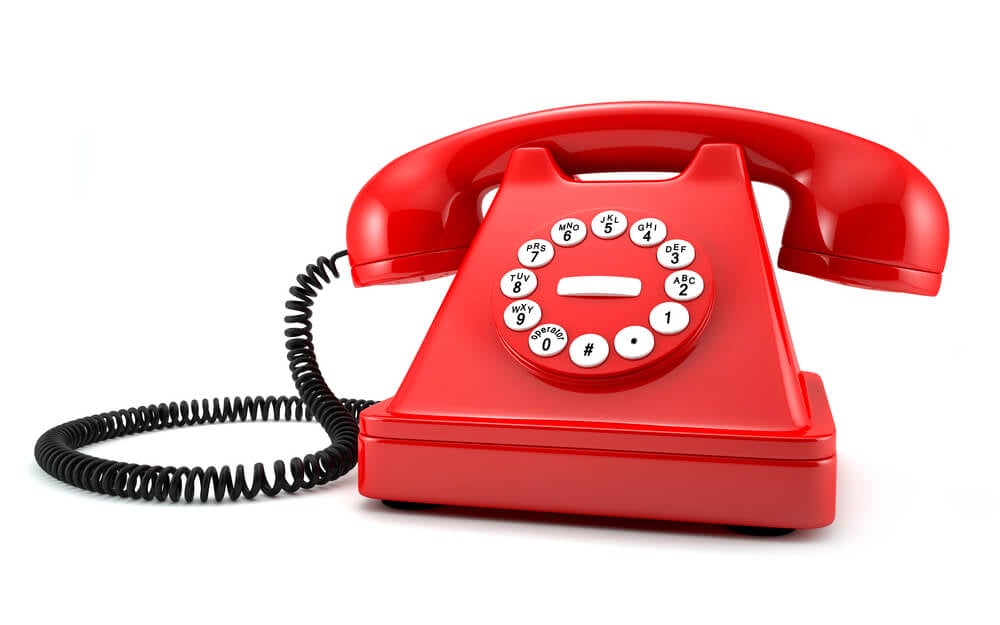
Once a fixture on kitchen walls or counters, these mechanical devices required spinning a physical dial to enter each number, making phone calls a deliberate and time-intensive process compared to today’s instant-touch systems. The phones came in pastel colors—mint green, sky blue, avocado—that matched 1960s and 1970s kitchen décor, becoming decorative objects as much as functional devices.
Vintage rotary phones now sell for $200 to $2,000 depending on rarity and condition, valued by collectors for their craftsmanship and aesthetic charm.
Wall-Mounted Can Openers
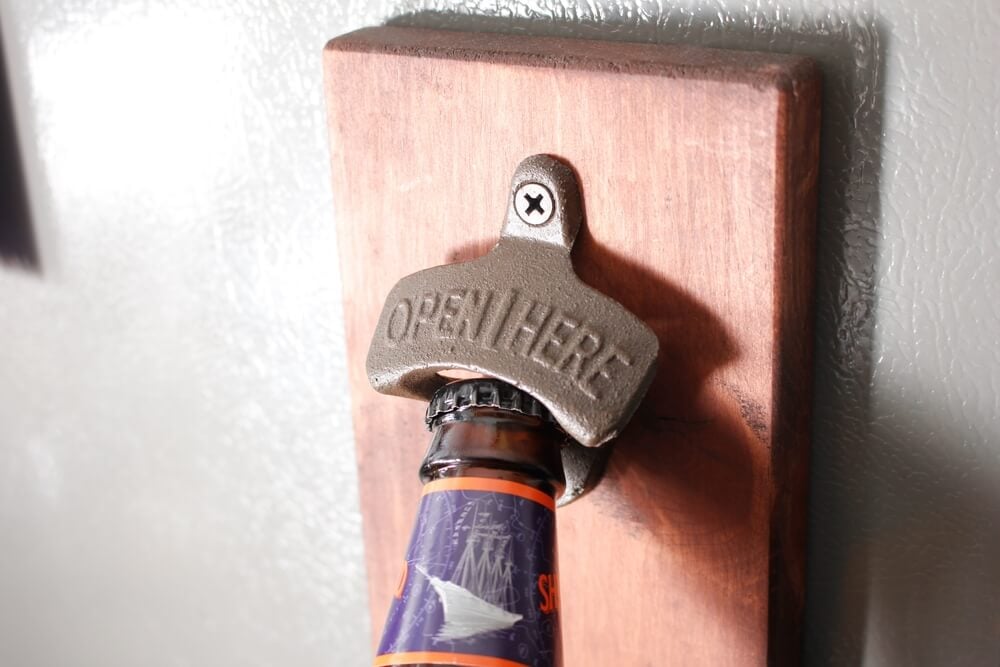
These permanently installed devices mounted to kitchen walls opened canned goods through a grinding mechanism that pulled metal wheels downward against sealed lids. Before pull-tabs became standard on canned products, this was the only reasonable way to access canned foods efficiently, making it an essential kitchen fixture.
Contemporary kitchens have abandoned wall-mounted openers in favor of handheld alternatives or pull-tab cans.
Formica Countertops
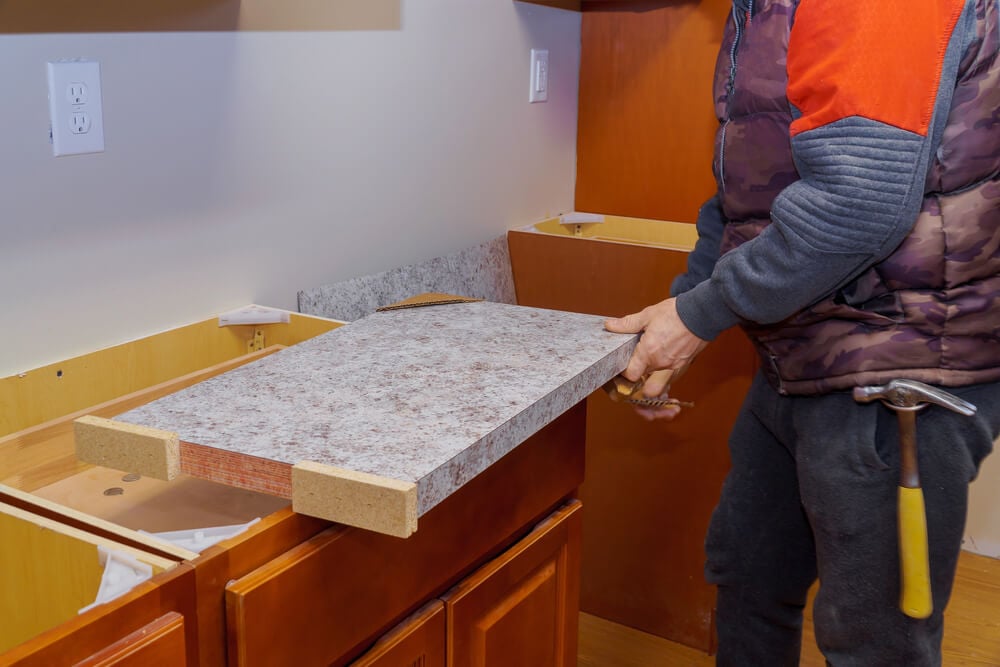
This bright, colorful plastic material covered kitchen and bathroom counters throughout the 1950s and 1960s, prized for durability, ease of cleaning, and bold design possibilities that made kitchens feel modern and optimistic. The material allowed for patterns and colors that natural stone counters couldn’t achieve—geometric designs, checkerboard patterns, and colors like harvest gold and avocado green.
Formica is experiencing a minor resurgence among designers who appreciate its retro aesthetic, though contemporary versions lack the distinctive shine of original mid-century examples.
Shag Carpeting in Kitchens
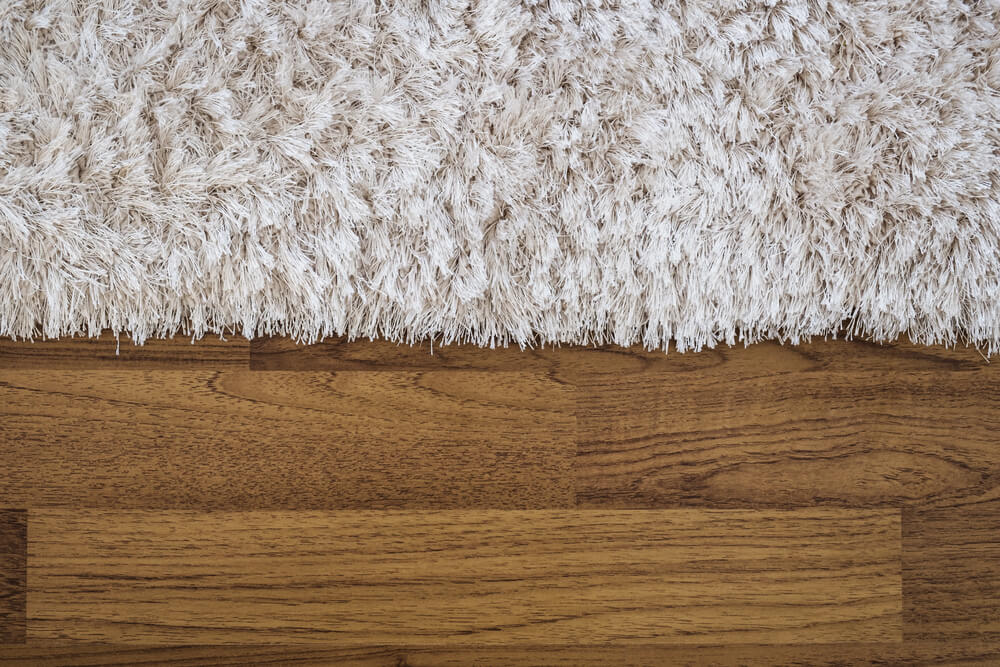
The high-pile rugs with extra-long, loose fibers that defined 1960s and 1970s home design briefly extended into kitchens, creating a shaggy, soft underfoot experience that competed with practical considerations like cleanliness and sanitation. Striking chevron and geometric patterns in colors like marmalade orange and cucumber green made bold design statements in kitchens.
The impracticality of fabric flooring in food preparation spaces eventually became obvious, and shag carpeting disappeared from kitchens faster than other rooms.
Kitchen Pantry Phones

Before smartphones, kitchens were designated places where home phones resided, with families gathering to make calls in this central domestic space. The phone typically sat on a counter near a notepad, creating a communication hub where household members would coordinate activities.
Contemporary mobile phones have rendered this centralized communication model completely obsolete.
Lava Lamps
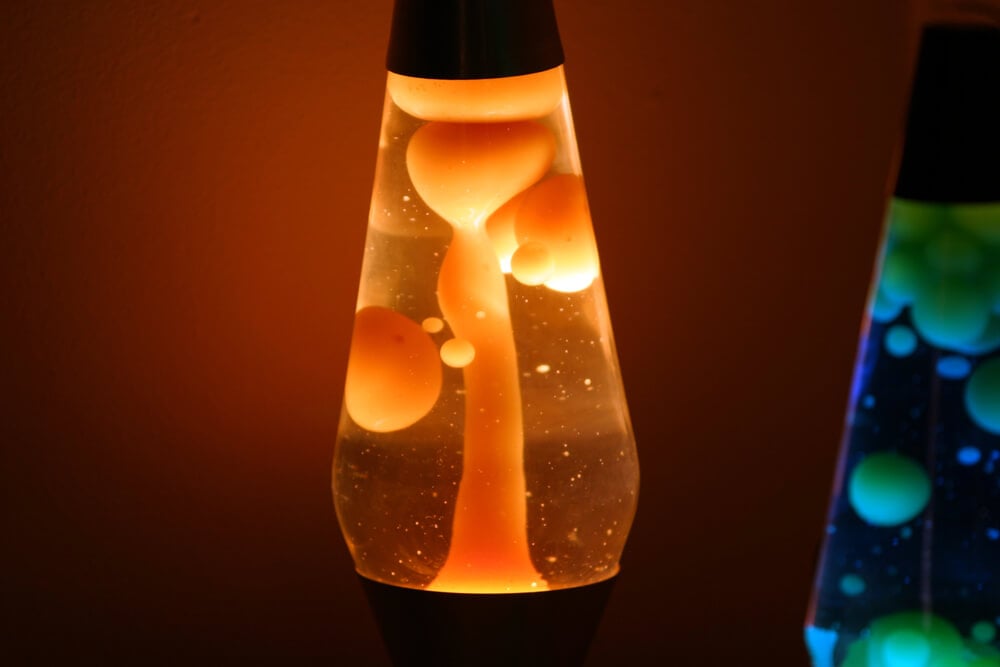
These mesmerizing décor items containing colored wax suspended in liquid became kitchen and counter-top fixtures, providing ambient lighting and visual interest to domestic spaces. The glowing, floating blobs created a psychedelic aesthetic that defined 1960s and 1970s homes, and they’ve experienced a significant resurgence on social media platforms where influencers use them for ambient aesthetic appeal.
Modern versions replicate the original concept while addressing safety and efficiency concerns.
Starburst Clocks
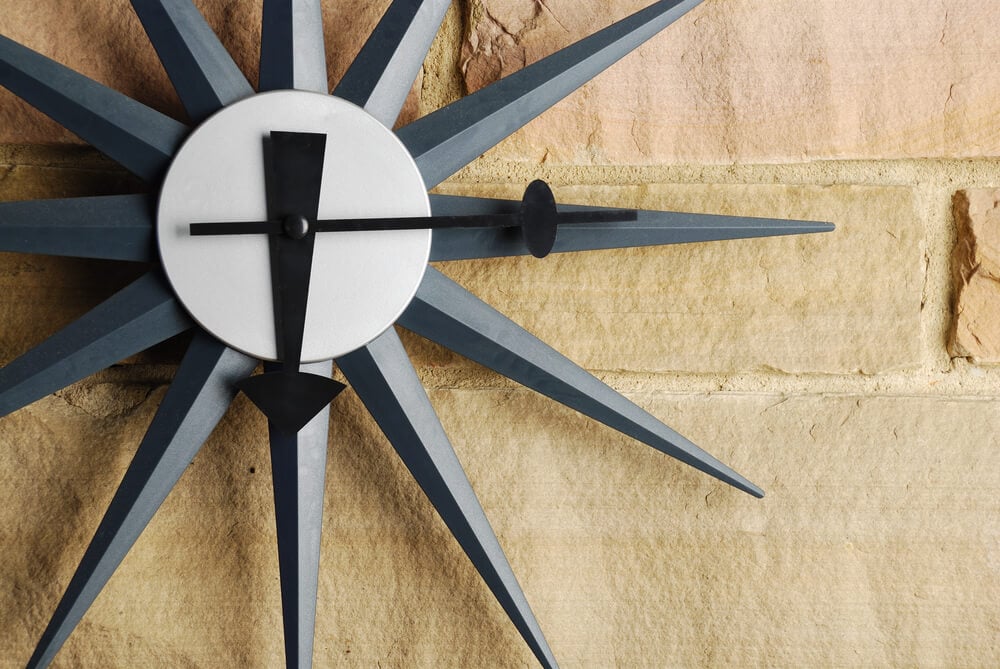
Also known as sunburst clocks, these timepieces gained popularity in the 1950s and 1960s with radiating metal rods extending outward from a central face, creating an atomic-age aesthetic that perfectly captured the era’s optimistic modernism. Many featured thin numerals or bare markers rather than full numbers, forcing clock readers to calculate time by rod positions.
These clocks have become valuable vintage collectibles, priced based on condition and originality.
Popcorn Ceilings
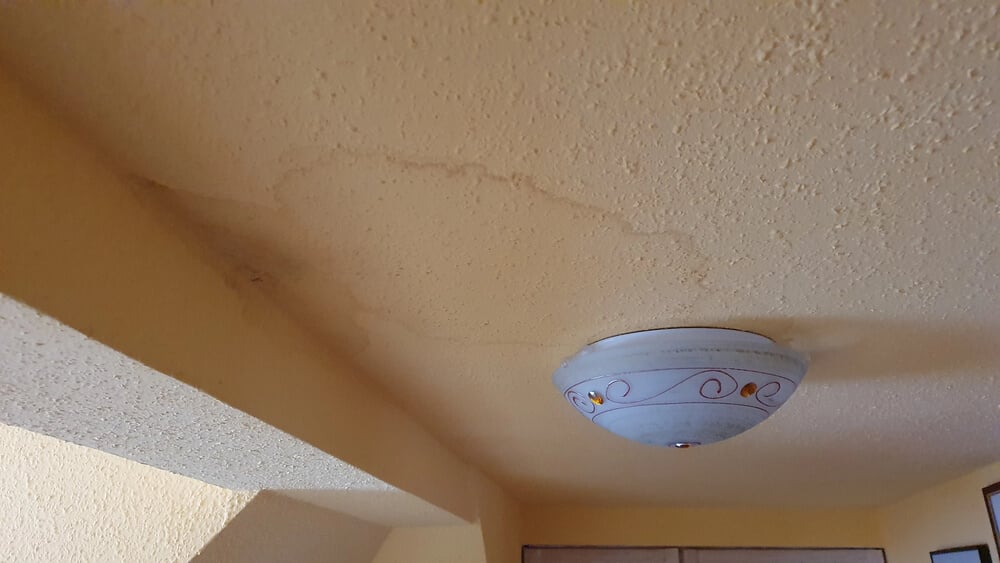
These textured ceiling surfaces made from spray-applied material helped with soundproofing and concealed imperfections while giving kitchens a distinctive bumpy appearance that seemed to define the 1980s. The material was made using vermiculite and sometimes asbestos, creating serious health concerns that weren’t widely understood at the time.
Removing popcorn ceilings has become a common renovation project as homeowners reject the outdated aesthetic.
Glass Block Walls
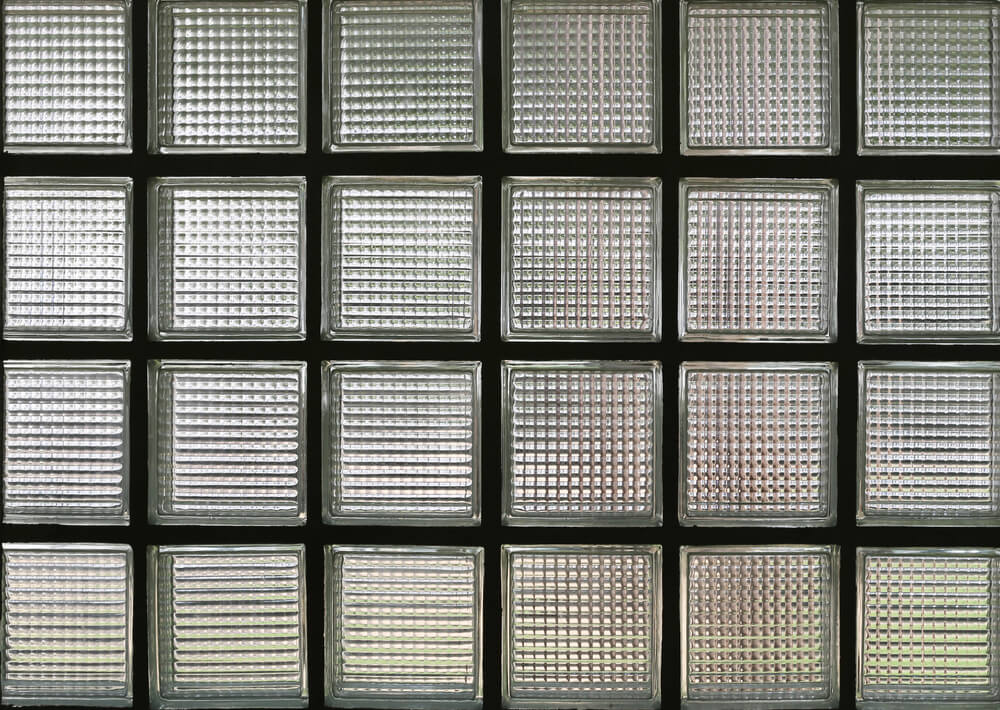
These architectural features made from transparent glass bricks became fashionable in 1980s kitchens and bathrooms, creating interesting visual partitions while allowing light transmission. The blocks could be arranged in patterns and incorporated into walls to create distinctive design statements.
Contemporary kitchens have moved away from glass blocks in favor of more subtle design approaches.
Wood-Grain Wallpaper
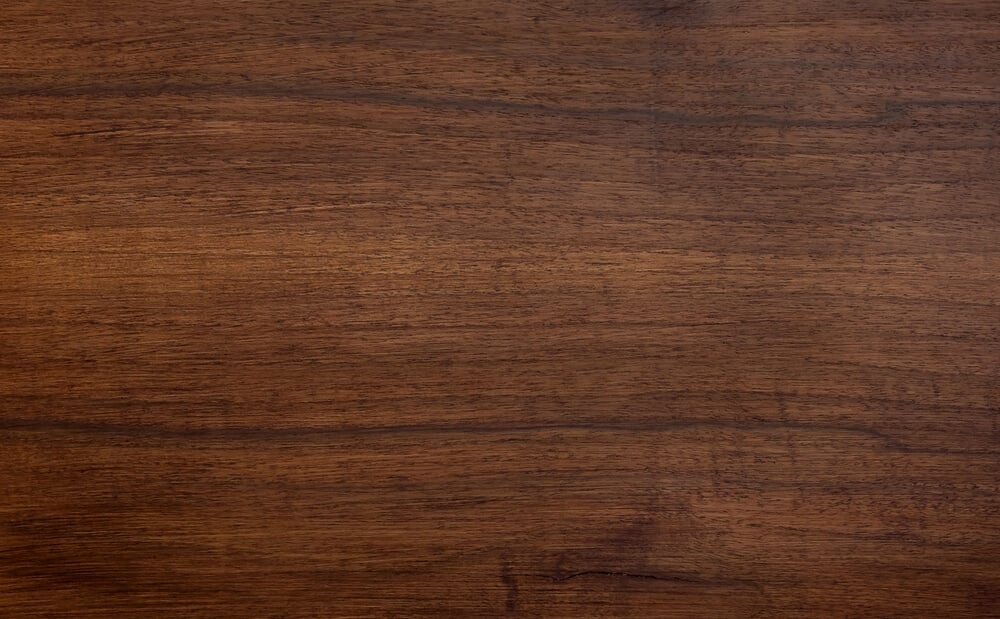
This adhesive paper featuring fake wood textures covered kitchen walls throughout the 1970s and 1980s, creating a warm, woodsy aesthetic without the expense or maintenance of actual wood paneling. The patterns often featured pseudo-realistic wood grain that was obvious in its artificiality but somehow appealing in its honesty about decoration.
Modern kitchens have moved toward painted walls and subtler finishes.
Kitchen Television Sets
— Photo by j.hendrickson3
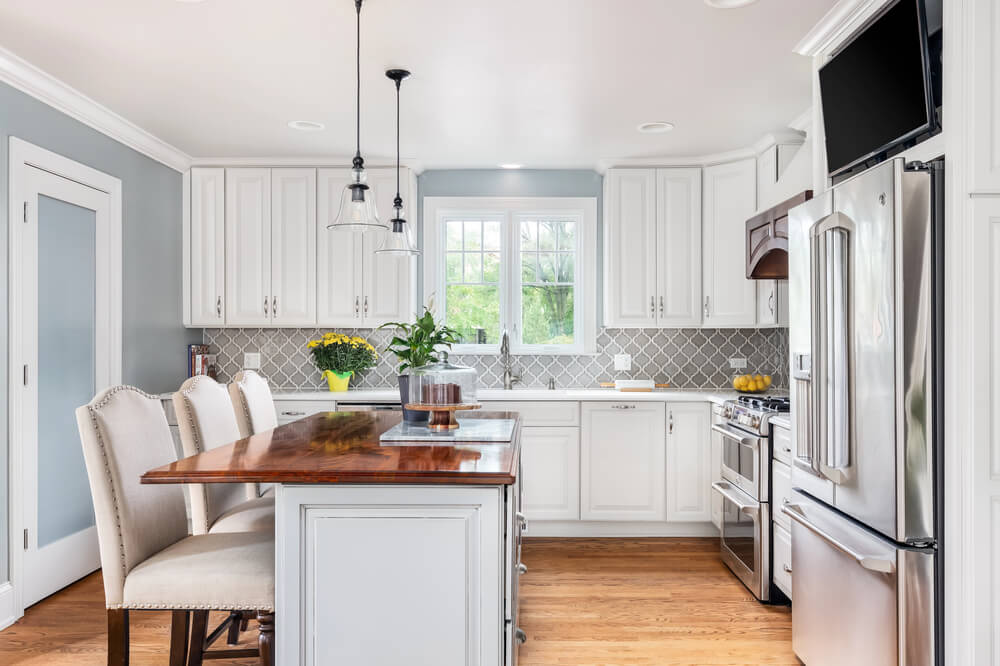
Dedicated television sets that were built into kitchen spaces or sat on stands became common in the 1980s and 1990s, allowing homemakers to watch shows while cooking or eating. The sets were typically smaller than living room televisions and often featured wood veneer cabinetry that matched kitchen aesthetics.
Contemporary kitchens have replaced dedicated sets with streaming devices that can display content on larger screens.
Harvest Gold Appliances
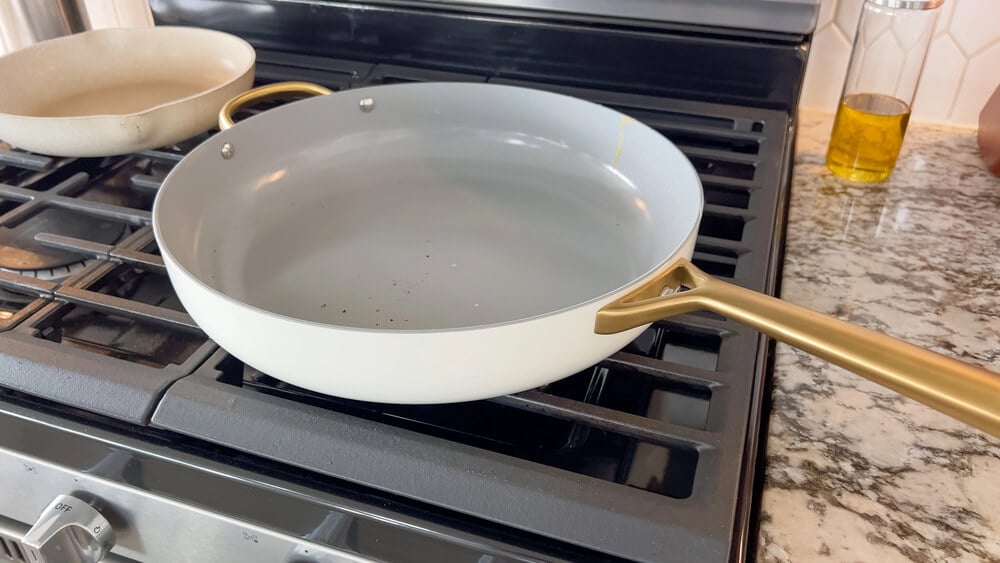
This warm yellowish-orange color dominated 1970s kitchens, appearing on refrigerators, ovens, and other major appliances that would have typically been almond or stainless steel in other eras. The color seemed to transform kitchens into golden, warm spaces, and it coordinated with harvest gold countertops, backsplashes, and accessories.
Contemporary kitchen design has rejected this color in favor of neutral tones, though harvest gold appliances are valuable vintage collectibles.
Avocado Green Appliances
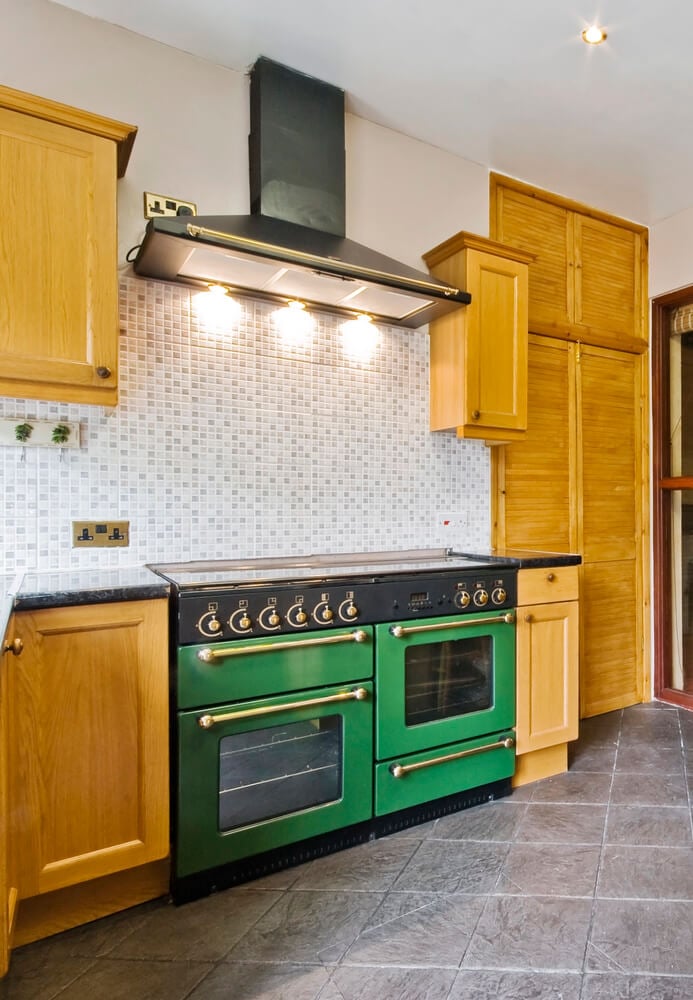
This muted greenish-brown color competed with harvest gold as the must-have appliance shade in the 1970s, and it coordinated with avocado countertops and wall colors that created complete kitchen color schemes. The color now appears garish and dated, but at the time it represented modernity and fashion-forward thinking.
Vintage avocado appliances have become popular in retro-themed kitchens.
Vintage Stand Mixers
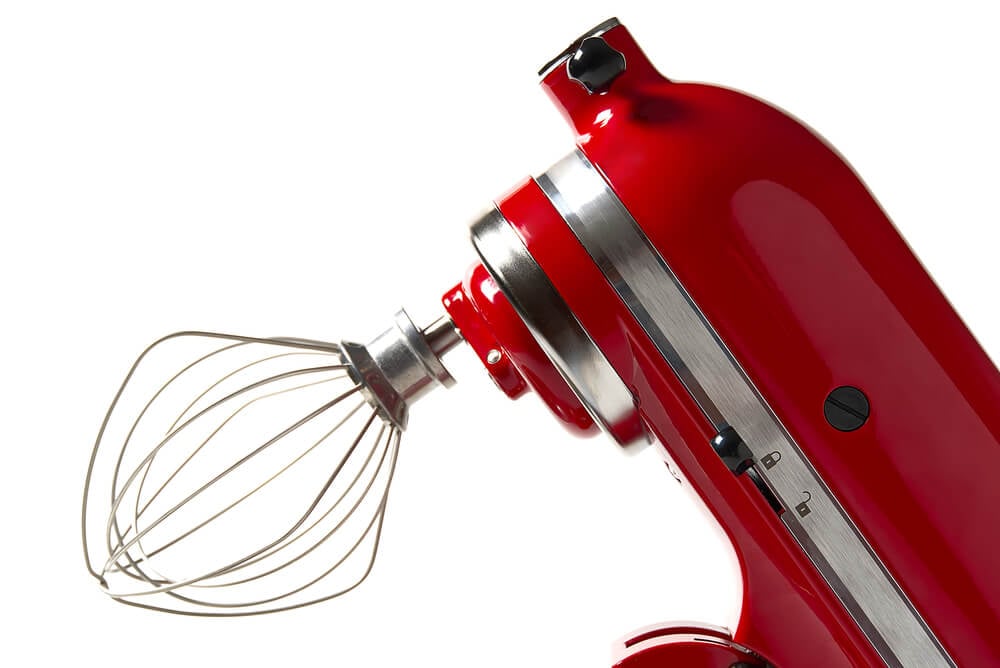
While stand mixers still exist, the vintage versions featured decorative elements, specific color palettes, and mechanical sophistication that modern versions sometimes lack. Brands like KitchenAid produced machines that were both functional and beautiful, making them display-worthy kitchen fixtures.
Modern versions prioritize function over aesthetic, though contemporary consumers are rediscovering vintage machines for their durability and design.
Egg Beaters with Rotary Gears
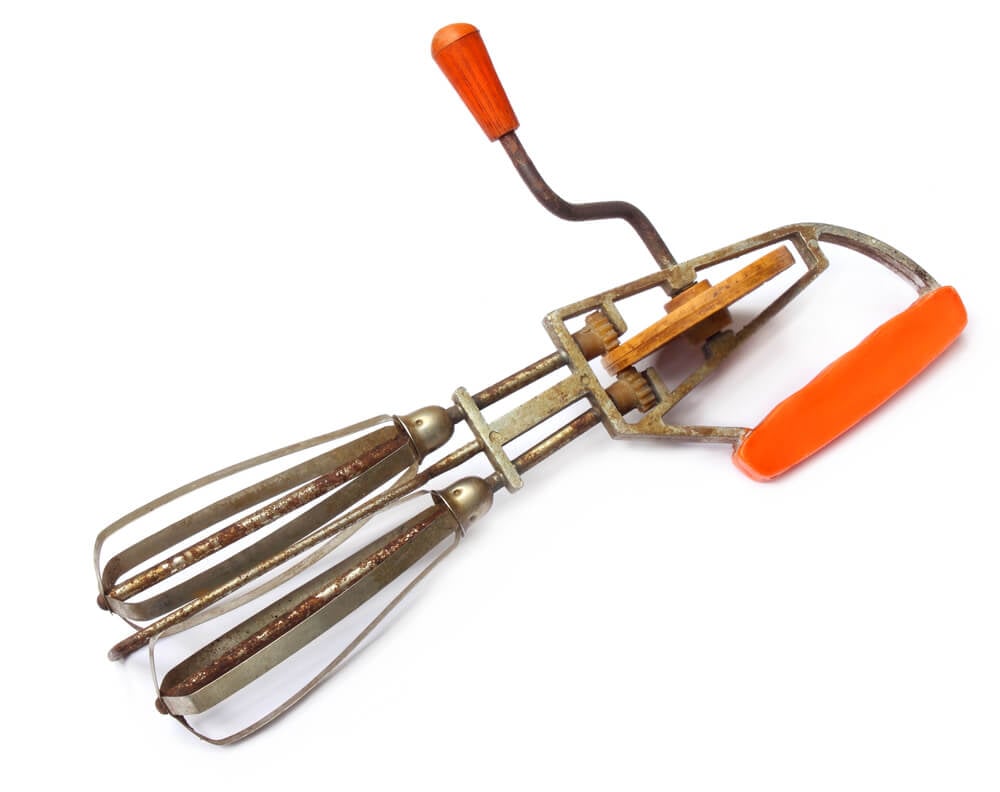
Early egg beaters featured intricate mechanical systems with rotating gears that made beating eggs and whipping cream possible without electricity, representing innovations by inventors who established modern kitchenware design. African American inventor Johnson’s rotary gear egg beater became particularly significant, inspiring the electric egg beaters that exist today.
Manual egg beaters have been replaced by electric mixers for most applications.
Banana Slicers
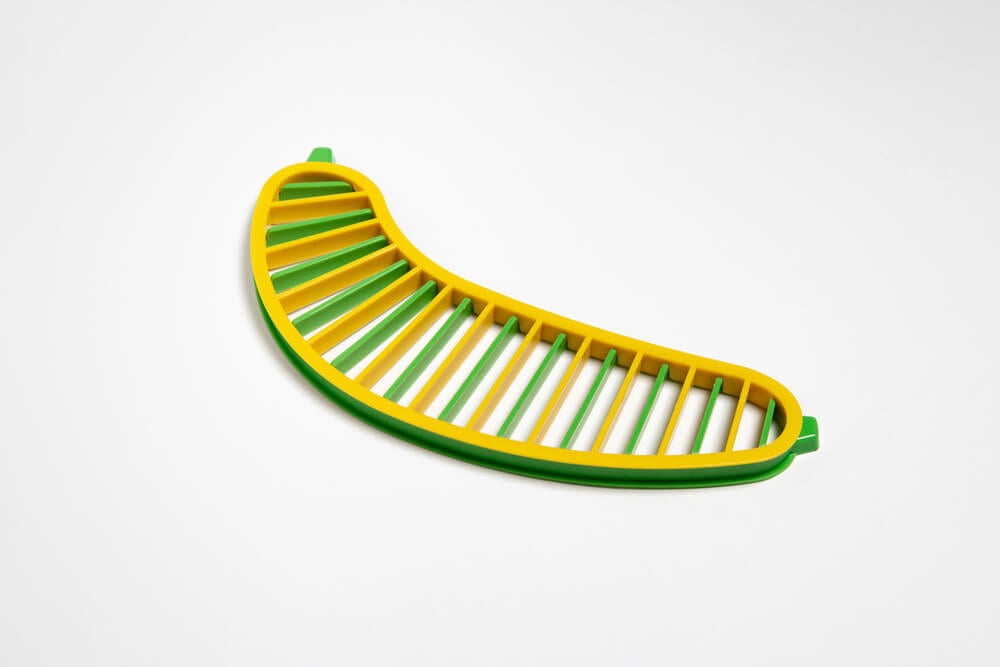
This peculiar single-purpose gadget features parallel wires that simultaneously slice bananas into uniform rounds when pressed downward, existing primarily as a novelty item and cautionary tale about over-specialized kitchen tools. The devices were marketed as essential for creating perfect banana slices for cereal or fruit salads, despite the obvious ease of using a standard knife.
Banana slicers exemplify the gadget industry’s tendency to create solutions to problems that don’t actually exist.
Egg Cutters
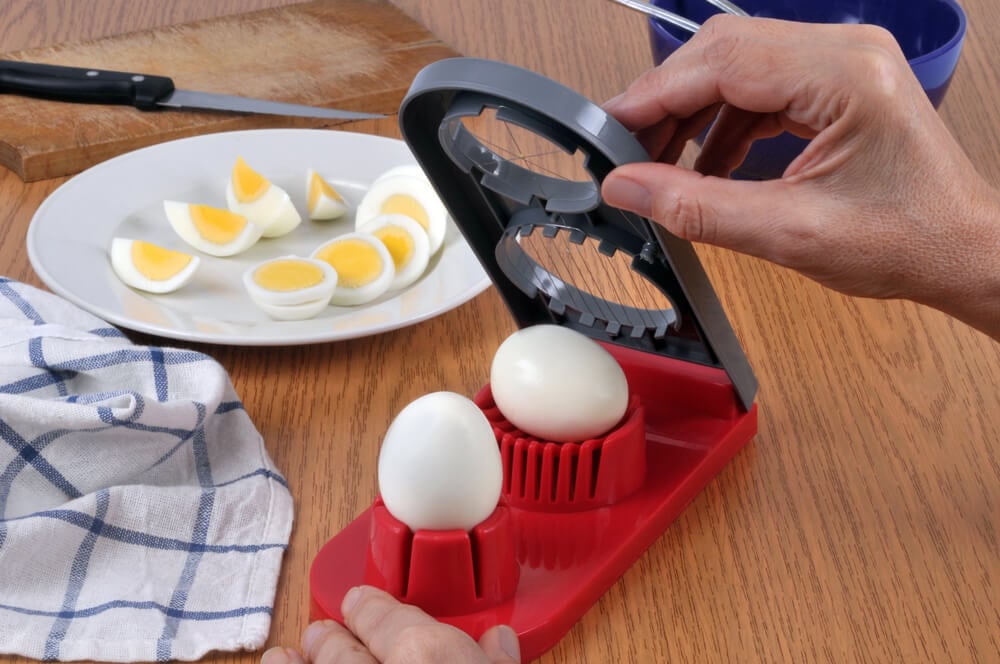
Similar in function to banana slicers, these specialized devices cut hard-boiled eggs into uniform slices through wire-cutting mechanisms, representing another example of unnecessary kitchen specialization. The devices were marketed as producing perfect egg slices for salads and sandwiches, though a simple knife performs identically.
These gadgets are primarily valuable now as historical curiosities and conversation starters.
Wall-Mounted Kitchen Utensil Racks
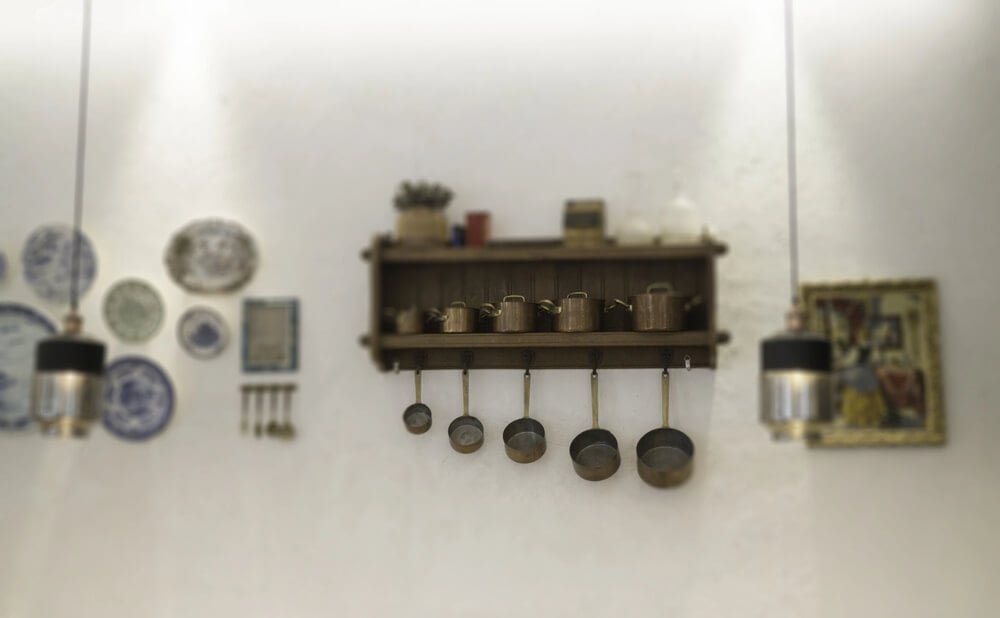
These mounted storage systems kept knives, spoons, and spatulas organized and visible on kitchen walls, serving both functional and decorative purposes in kitchens before cabinet-based organization became standard. The racks were often simple metal constructions holding utensils in plain sight, making it easy to see and grab needed tools.
Contemporary kitchens typically store utensils in drawers or cabinet organizers.
Vintage Kitchen Canister Sets
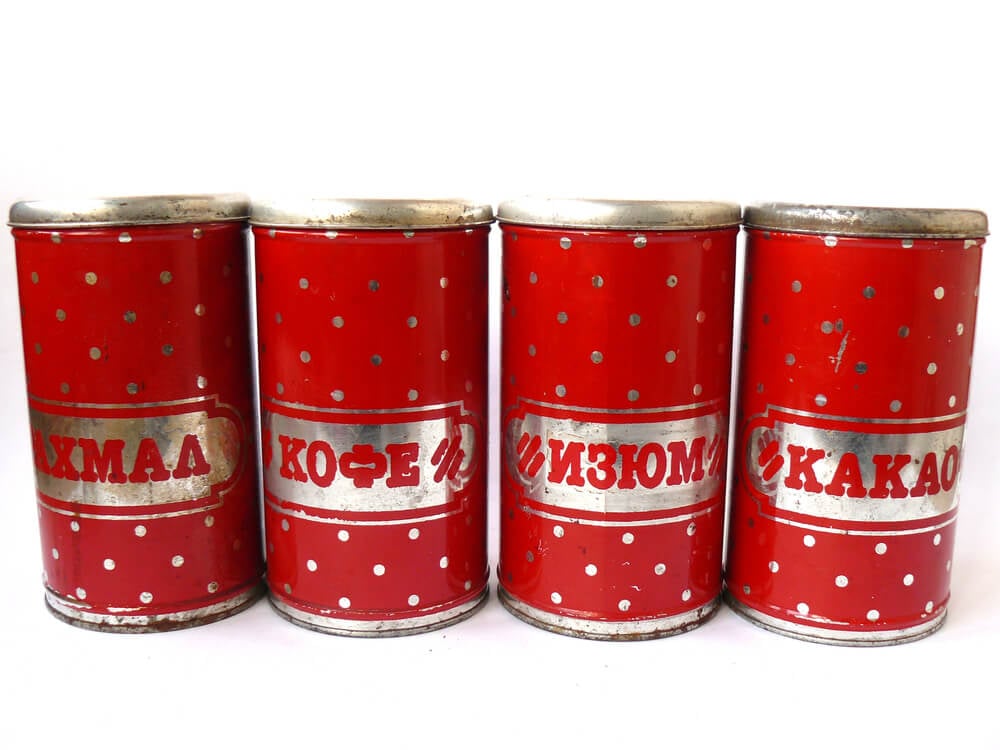
Decorative canisters made from ceramic, glass, or tin stored dry goods like flour, sugar, and coffee on kitchen counters, serving as both functional storage and kitchen décor. Sets typically included four to six pieces in coordinated designs and colors, often featuring labels identifying contents.
Contemporary kitchens typically use sealed plastic containers stored in cabinets.
Decorative Cookie Jars
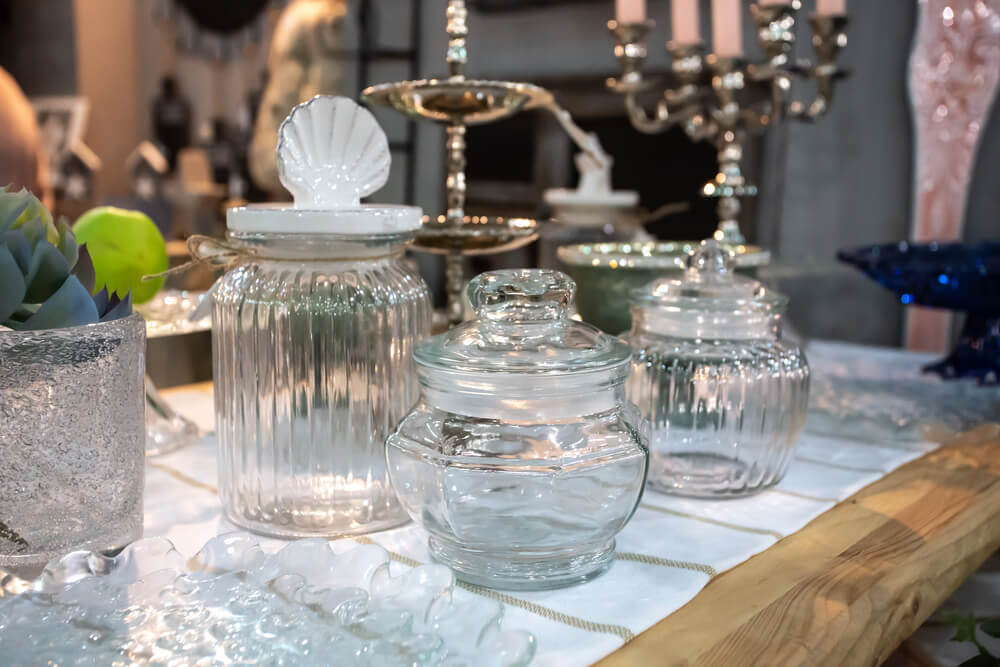
These ceramic or glass containers featured whimsical or decorative designs—shapes like animals, fruits, or characters—and stored cookies or baked goods while serving as display pieces on kitchen counters. Some featured mechanical lids and were particularly elaborate in their design and craftsmanship.
Modern kitchens have largely abandoned decorative counter storage in favor of cabinet-based organization.
Vintage Kitchen Scales
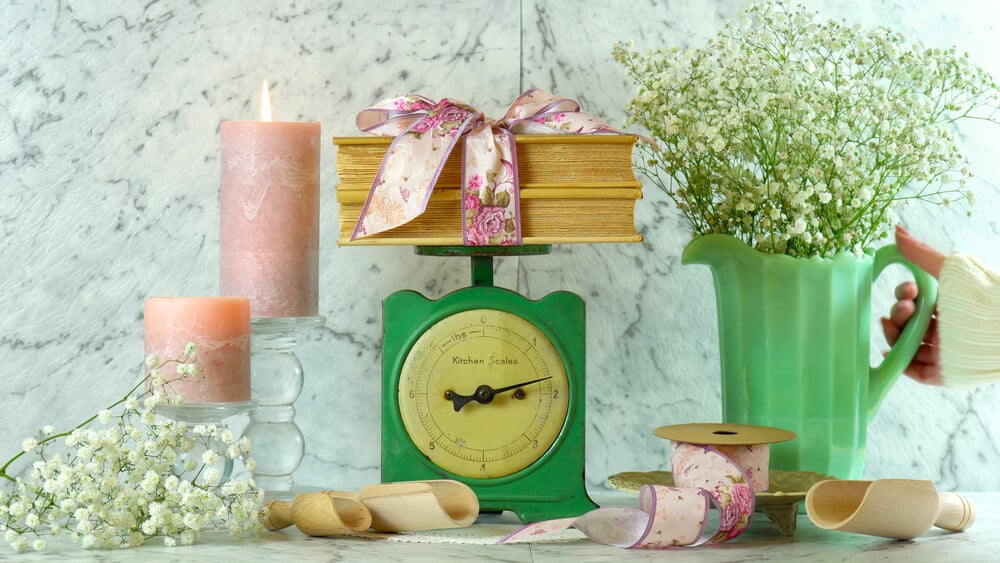
Mechanical scales with rotating dials measured ingredients by weight, providing precision for baking and cooking before digital scales with LED readouts emerged. The scales were often built into countertop surfaces or designed as standalone devices, and they represented the height of kitchen precision technology.
Digital scales have replaced mechanical versions for most applications.
Retro Chrome Kitchen Stools
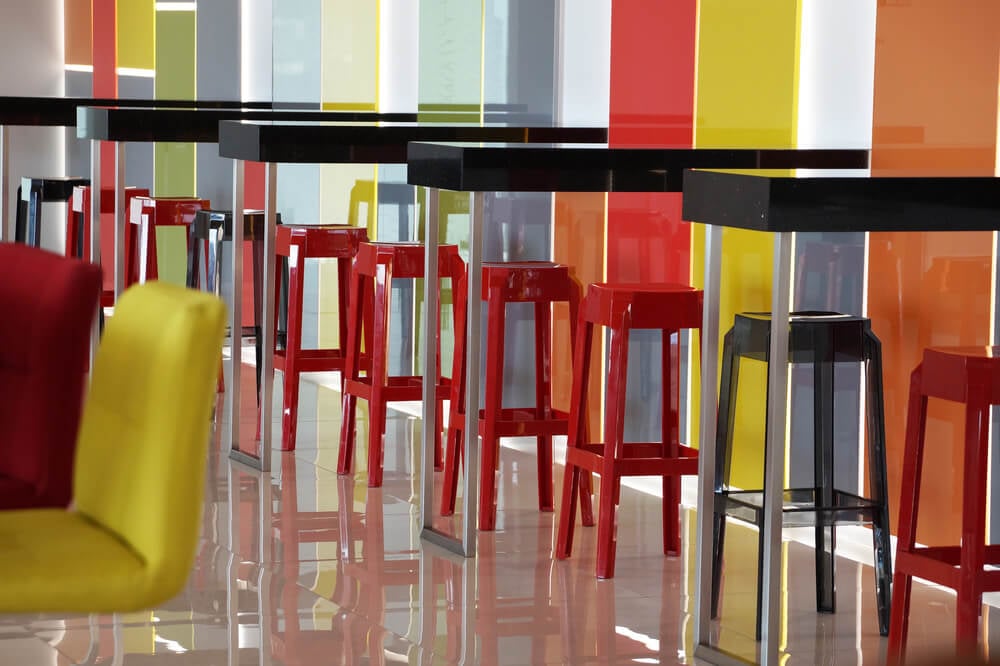
These curved metal stools with vinyl seats and chrome frameworks became iconic kitchen seating fixtures that coordinated with chrome table frames and provided stylish informal dining areas. The stools were typically adjustable for height and featured swiveling capabilities, making them practical kitchen fixtures.
Modern kitchens have abandoned this aesthetic in favor of wooden stools or integrated seating.
Vinyl Kitchen Chairs and Dinettes
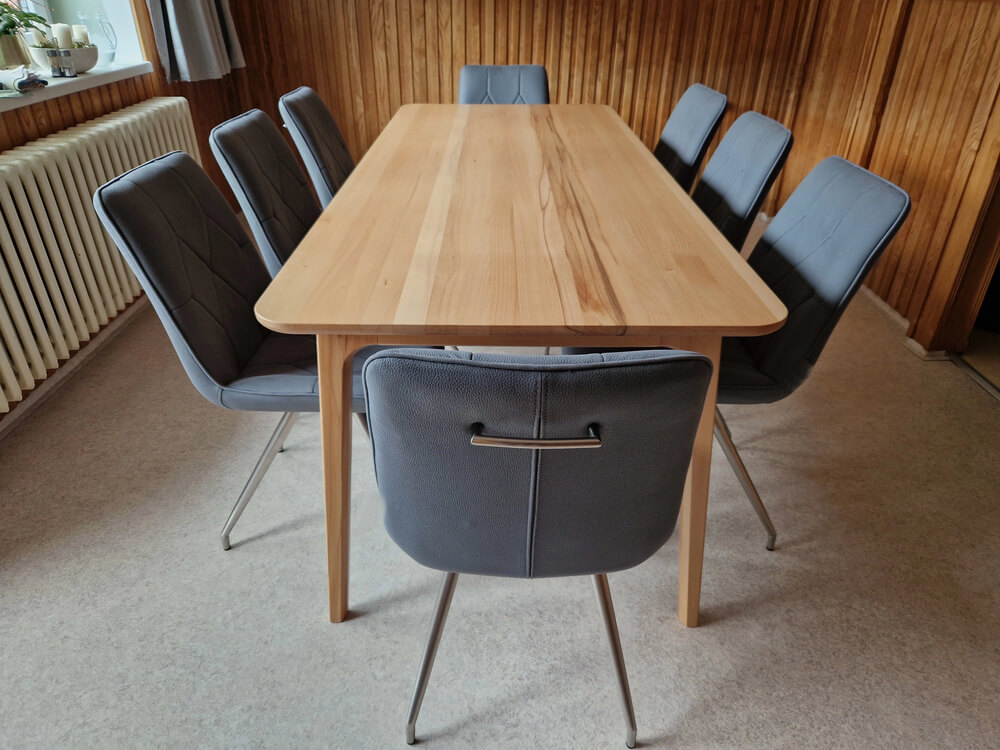
Chrome-framed tables with vinyl seats and Formica tops became synonymous with 1950s and 1960s kitchen design, creating bright and cheerful dining spaces that were easy to clean. These dinette sets came in various colors and patterns, often coordinating with kitchen countertops and wallpaper.
Contemporary kitchens have largely abandoned vinyl upholstery in favor of wood and fabric seating.
Linoleum Flooring
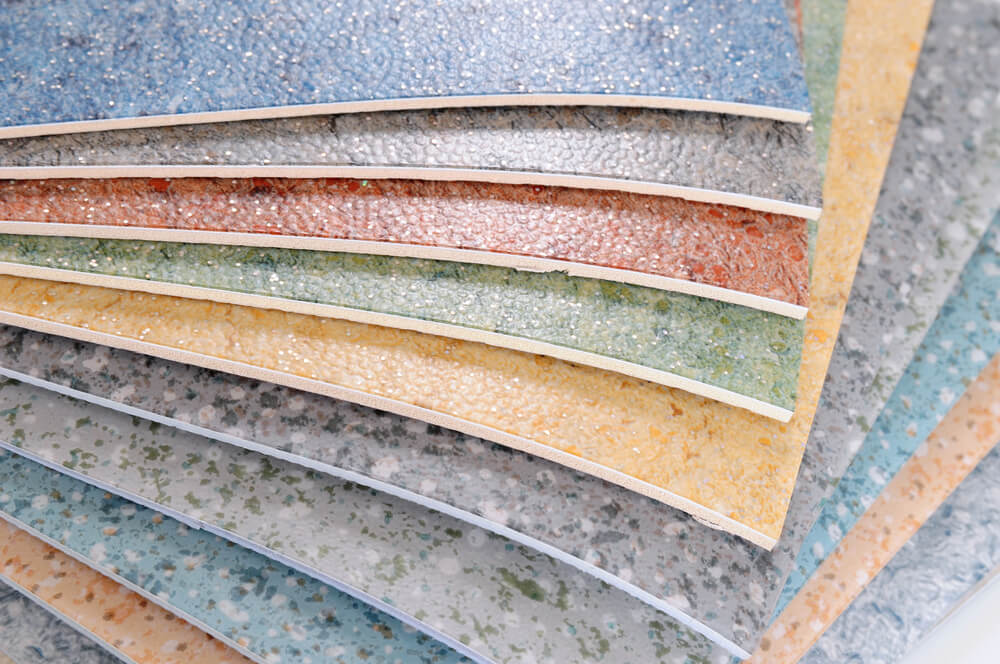
This vinyl-based material featuring printed patterns (often meant to resemble tile or wood) covered kitchen floors throughout much of the 20th century, providing affordable, easy-to-clean surfaces that resisted staining. Linoleum has experienced a resurgence among environmentally conscious homeowners who appreciate its renewable composition compared to petroleum-based alternatives.
Modern versions offer much better design possibilities than vintage options.
Turntables and Record Players in Kitchens
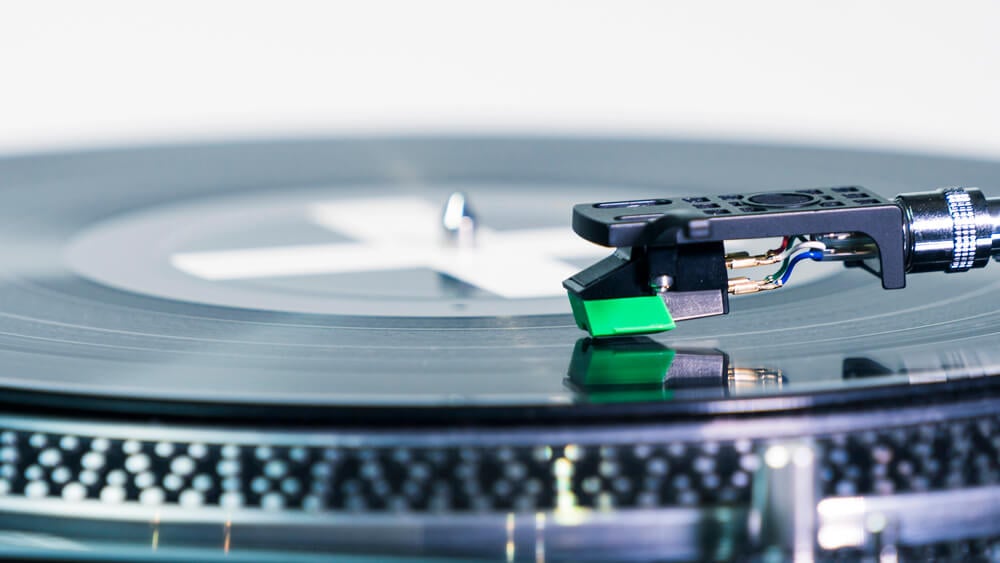
Kitchens sometimes featured portable record players that provided music while cooking or eating, representing an era when kitchen entertainment was an important consideration. The scratchy music from vinyl records provided a distinctive ambiance that digital music somehow lacks.
Few modern kitchens feature record players, though some enthusiasts have reinstalled them as retro décor.
Vintage Percolator Coffee Makers
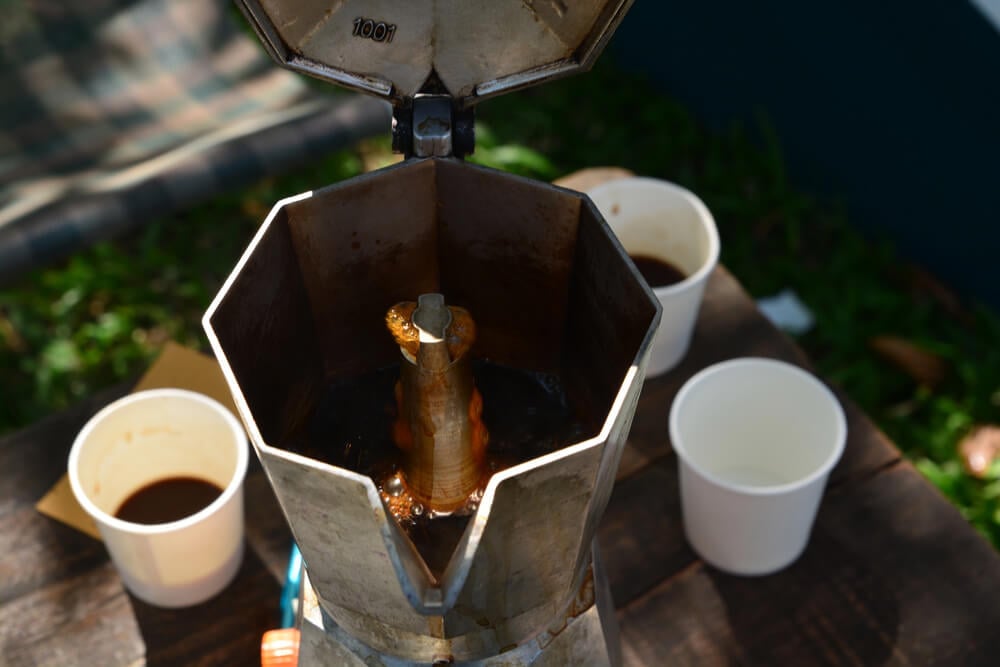
These stovetop devices brewed coffee through percolation, creating distinctive bubbling sounds that signaled when coffee was ready, and producing a rich, strong brew that was either beloved or despised depending on personal taste. The percolators came in decorative designs and colors that coordinated with kitchen aesthetics.
Contemporary electric coffee makers and espresso machines have replaced percolators in most kitchens.
When Kitchens Were Experimental Spaces
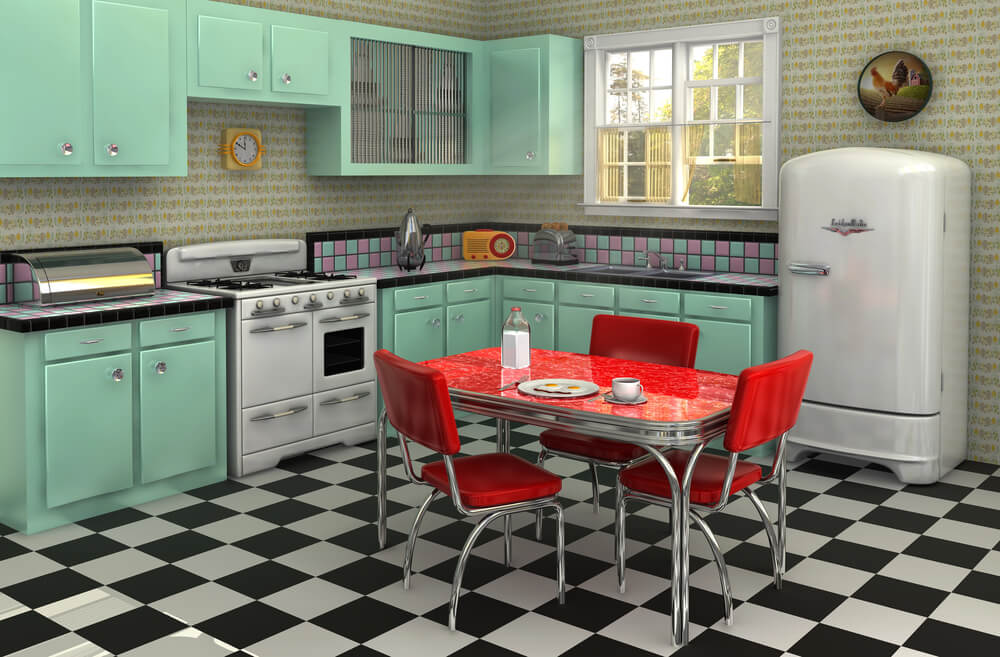
The disappearance of these gadgets and design elements reflects changing attitudes toward domestic labor, kitchen design philosophy, and the role of decoration in functional spaces. Contemporary kitchens prioritize minimalism, efficiency, and neutral aesthetics over the bold experimentation that characterized previous decades.
What we’ve lost in these transitions is the willingness to treat kitchens as spaces for aesthetic expression and domestic ritual beyond mere functional efficiency.
More from Go2Tutors!

- 16 Historical Figures Who Were Nothing Like You Think
- 12 Things Sold in the 80s That Are Now Illegal
- 15 VHS Tapes That Could Be Worth Thousands
- 17 Historical “What Ifs” That Would Have Changed Everything
- 18 TV Shows That Vanished Without a Finale
Like Go2Tutors’s content? Follow us on MSN.