27 Snack Bar Favorites That Quietly Disappeared
The candy and snack bar aisle has always been a place of magical choices, endless possibilities, and bittersweet disappointment. Generations grew up discovering new favorites, collecting wrappers, and stashing their preferred bars in backpacks and gym lockers.
Yet the shelves shift constantly. New products arrive with marketing fanfare only to vanish without explanation. Others hang around for years before quietly disappearing, their absence noticed only by devoted fans who came to rely on them.
These 27 snack bars represent the ones that made an impact, earned loyalty, and then vanished—sometimes for good. Some lasted decades, others only months.
But all of them occupy a permanent place in the memory of those who loved them, a testament to how deeply personal food choices can become.
Marathon Bar
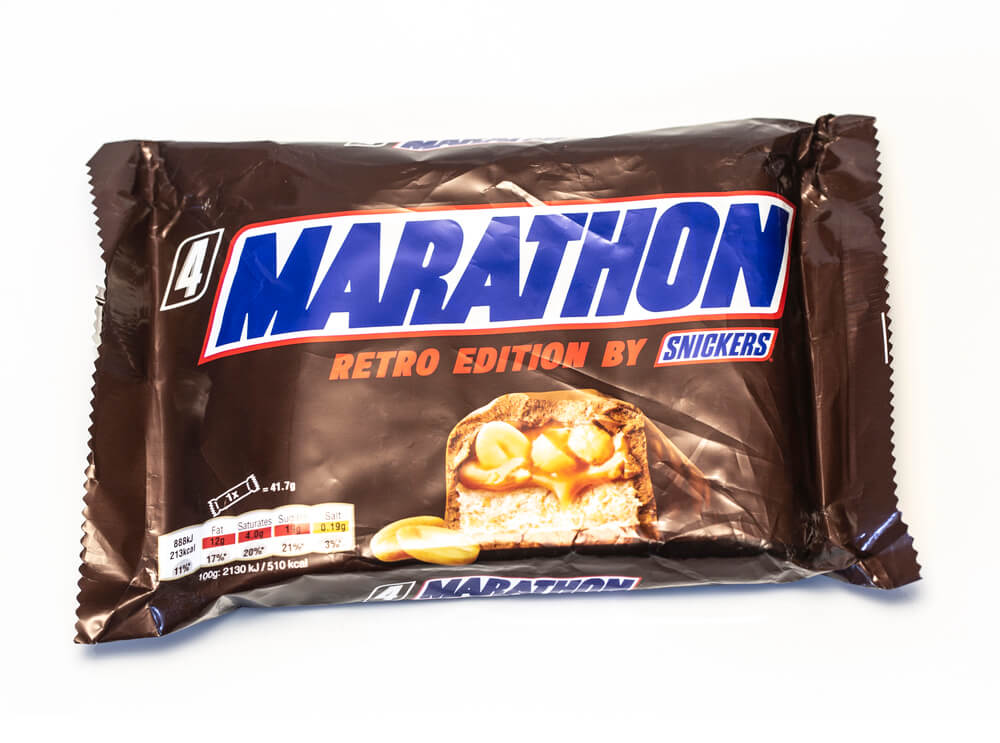
Mars released the Marathon Bar in 1973 as an eight-inch behemoth of braided caramel wrapped in milk chocolate. The packaging included a ruler emphasizing the bar’s extraordinary length, and its size became its selling point—an indulgent challenge to finish in one sitting.
Despite its popularity and cult following, Mars discontinued it in 1981 after eight years of production, leaving behind a void that even the British Cadbury Curly Wurly has never completely filled.
Reggie! Bar
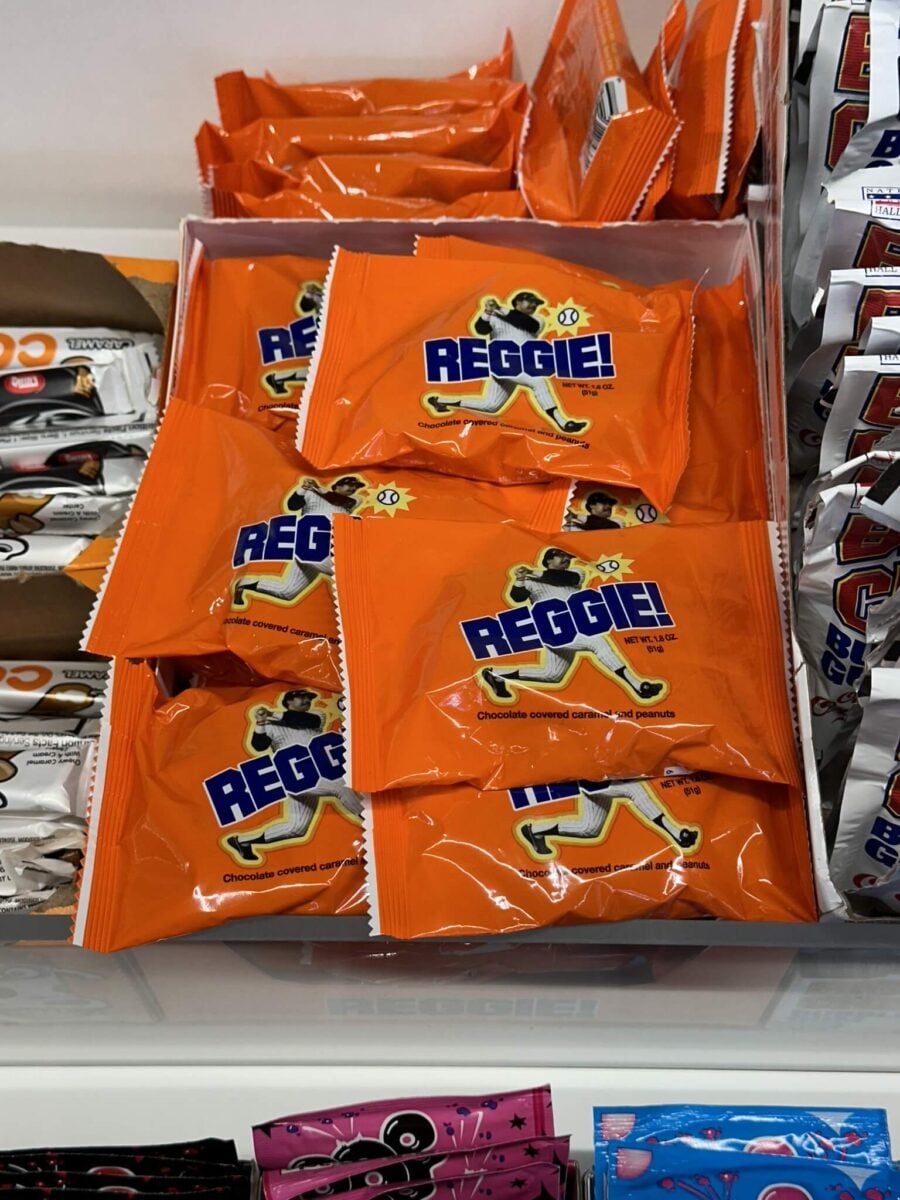
Named after New York Yankees legend Reggie Jackson, the Reggie! Bar launched in 1978 at the peak of Jackson’s fame. The chocolate bar featured rich caramel, roasted peanuts, and a smooth chocolate coating.
Marketing was aggressive and tied directly to Jackson’s baseball performance; fans at Yankee Stadium were given free bars to toss onto the field when he hit home runs. Despite its initial success, the bar was discontinued in 1981 as Jackson’s cultural dominance faded.
Thingamajig
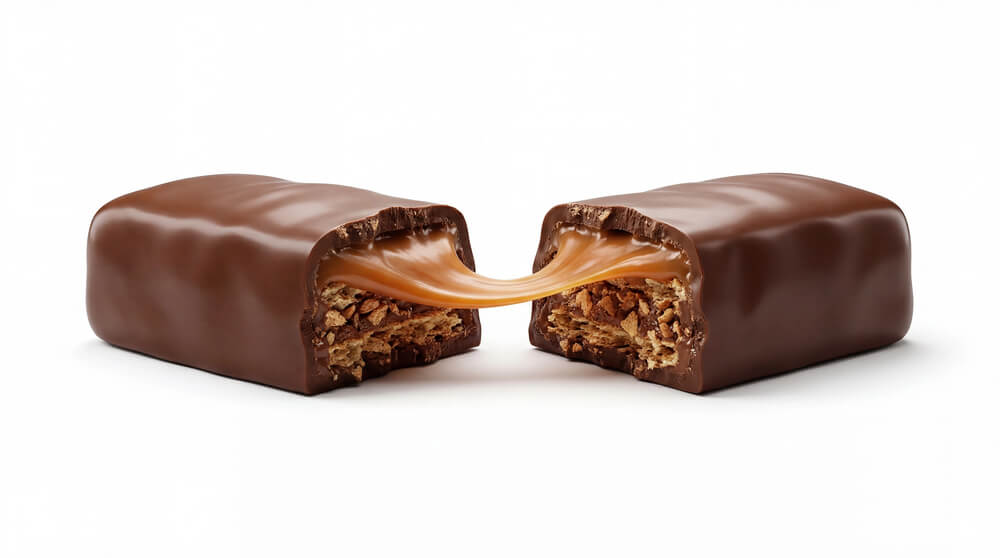
Hershey’s released this playfully named candy bar in 2009 as a companion to the existing Whatchamacallit. Where Whatchamacallit emphasized caramel, Thingamajig featured peanut butter crème and cocoa-flavored crisps with a richer, darker chocolate coating.
Despite developing a devoted fanbase, it disappeared from shelves in 2012, seemingly unable to establish its own identity separate from its predecessor.
3 Musketeers Truffle Crisp
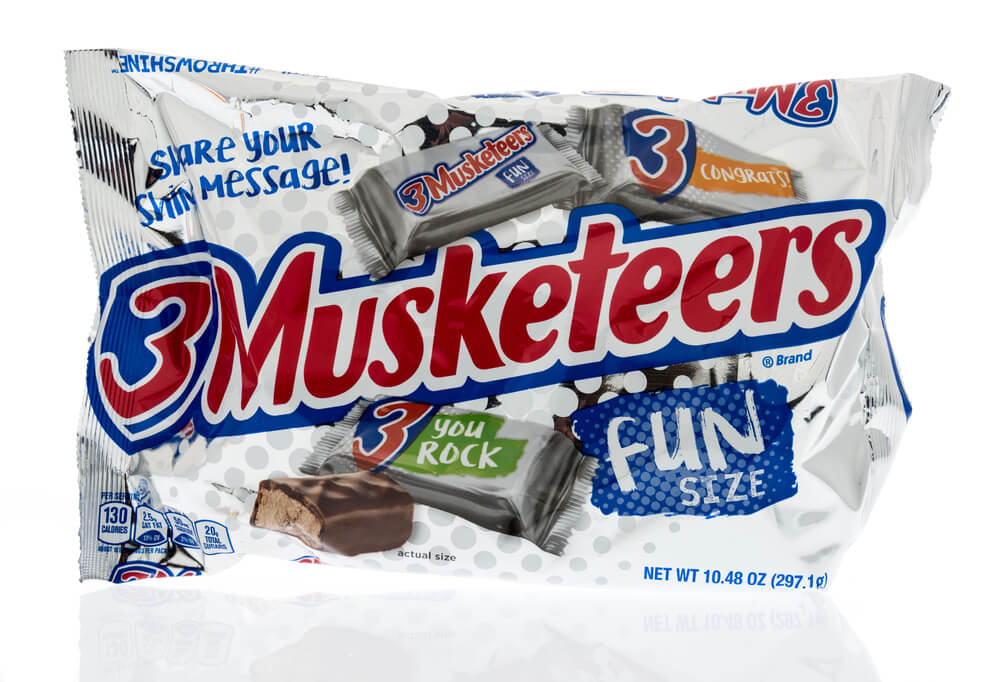
Introduced in 2010, this double candy bar consisted of two thin logs with light, whipped truffle centers and a crisp meringue base, delivering only 170 calories for both sticks. Its low-calorie positioning backfired when shoppers realized the smaller portion was not reflected in the price.
By late 2012, Mars discontinued the bars despite their quality execution.
Reese’s Whipps
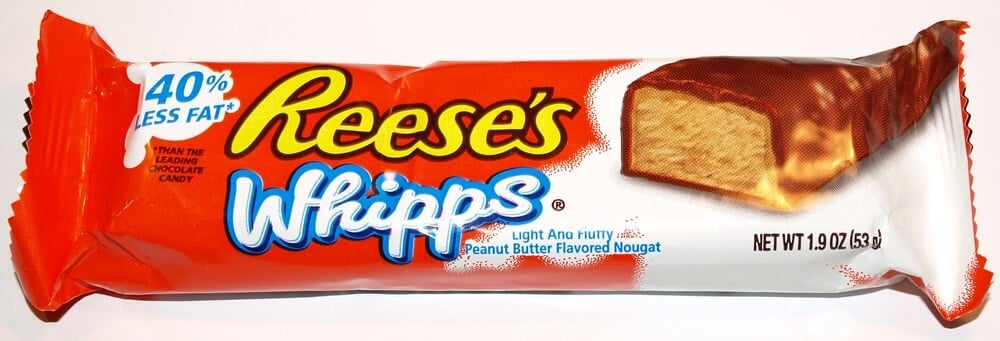
Described as a peanut buttery version of the 3 Musketeers bar, Reese’s Whipps arrived with high expectations but vanished within three years of release. Despite its short existence, the candy maintains passionate supporters who have launched petitions on Change.org calling for its resurrection.
Raspberries ‘n Creme Bar
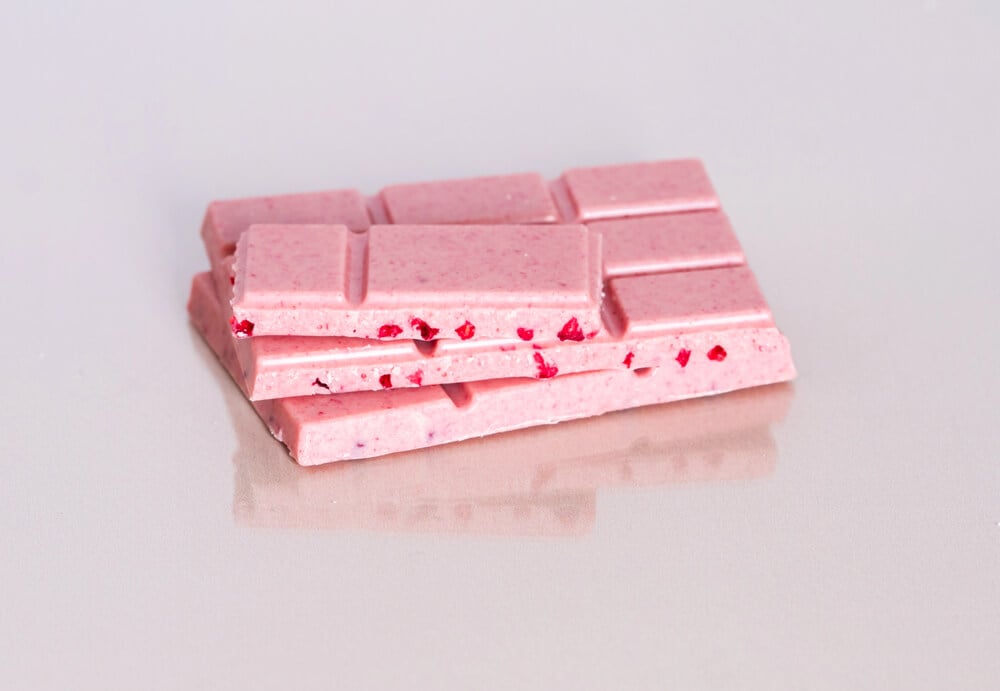
Hershey’s took a risk releasing this white chocolate bar with raspberry-flavored bits melted into it in 2006. Unfortunately, it was discontinued in the same year, making it one of Hershey’s shortest-lived products.
Reviewers described it as intensely aromatic with overwhelming artificial raspberry flavor that turned consumers away.
Wonka Bar

— Photo by teamjackson
After the first “Charlie and the Chocolate Factory” film premiered, Wonka bars appeared in stores as official novelty merchandise. The chocolate bar featuring nougat and caramel never achieved commercial success despite the film’s popularity, and it was discontinued by 2010.
Today, collectors seek out vintage wrappers since actual bars from the 1970s are no longer edible.
Butterfinger BBs
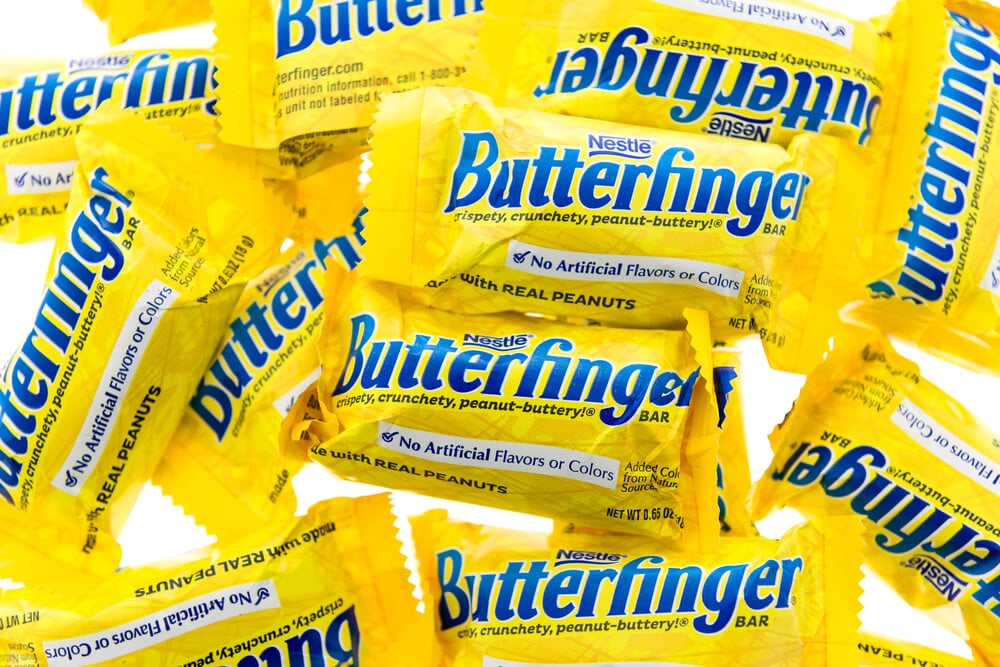
Nestlé created bite-sized versions of the classic Butterfinger bar and partnered with “The Simpsons” for marketing, making them instantly popular with kids in the 1990s. The product lasted from 1992 until 2006 when Nestlé decided to discontinue them, much to the dismay of consumers who still requested the product.
Wonka Donutz
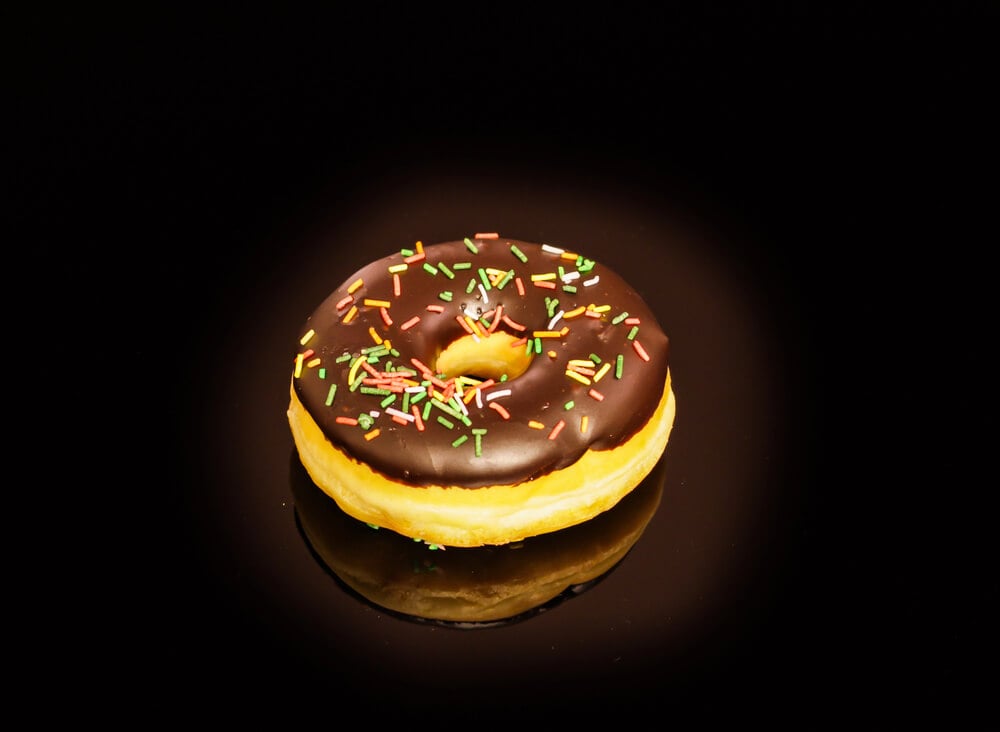
This product line extended the Wonka brand beyond chocolate bars into donut-shaped candy treats released in 2005. Despite its novelty appeal and brand recognition, the product didn’t sustain demand and was discontinued before 2010.
Hershey’s S’Mores Bar
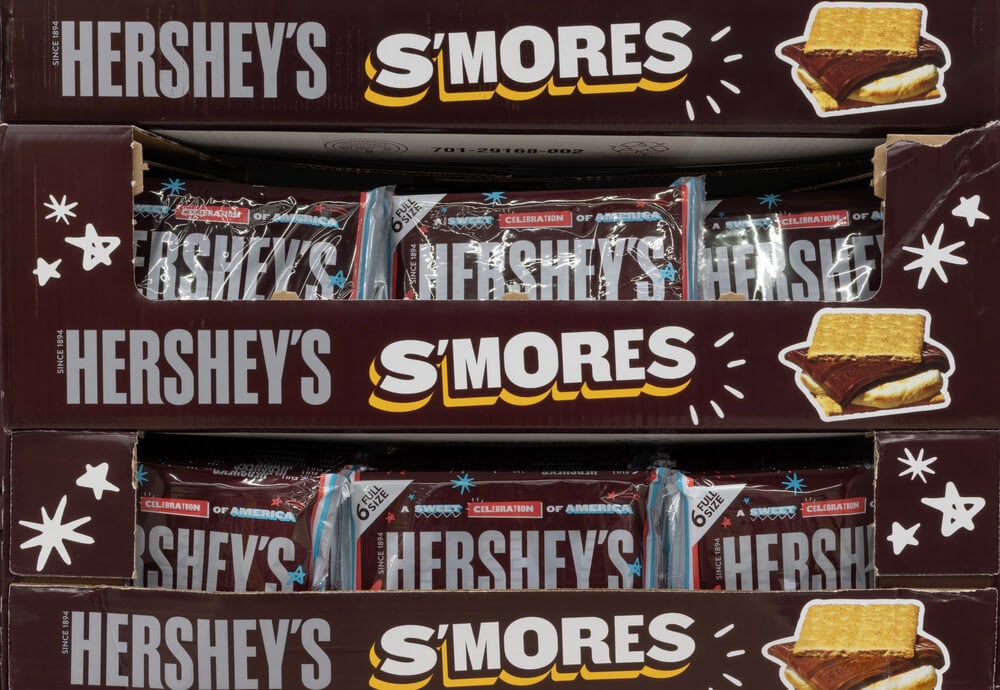
Hershey’s attempted to capture the campfire experience in chocolate form with this bar combining graham cracker pieces, marshmallow, and chocolate. Introduced in 2003, it lasted until 2012 before disappearing from shelves, unable to compete against consumers’ memories of actual s’mores made over fire.
Hershey’s Kissables
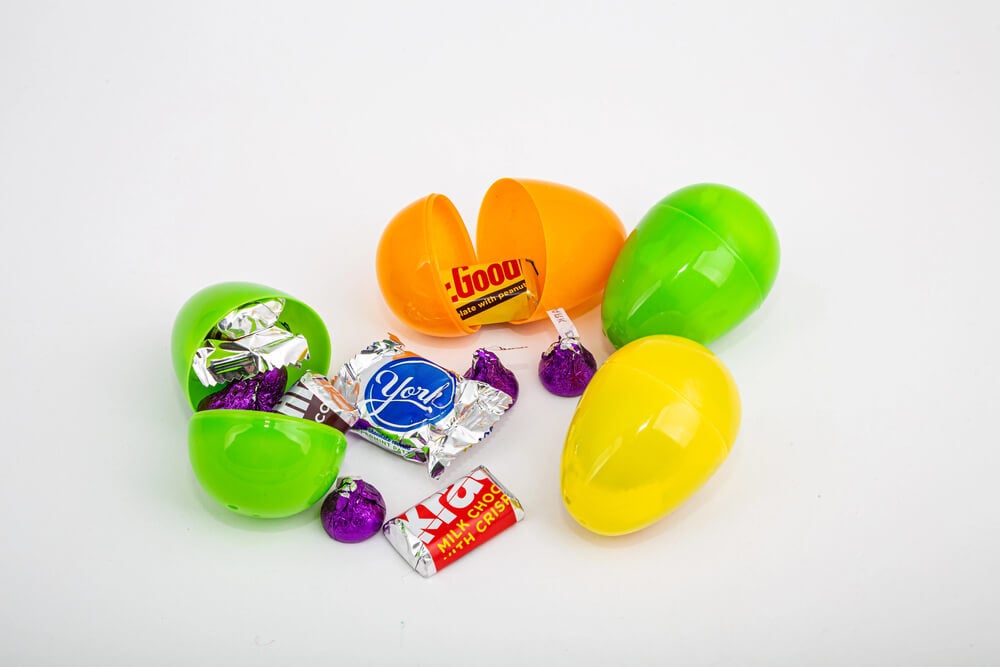
Released in 2003, Kissables were small Hershey’s Kiss-shaped candies with a chocolate shell and candy center, attempting to create a Hershey’s competitor to M&Ms. The product lasted only until 2009, joining the graveyard of Hershey’s experimental products.
Hershey’s Tastetations

These small, colorful chocolate candies came in various flavors but never captured the imagination of snack consumers. Released in the 1990s, they faded from shelves within a decade.
Hershey’s Rally Bars
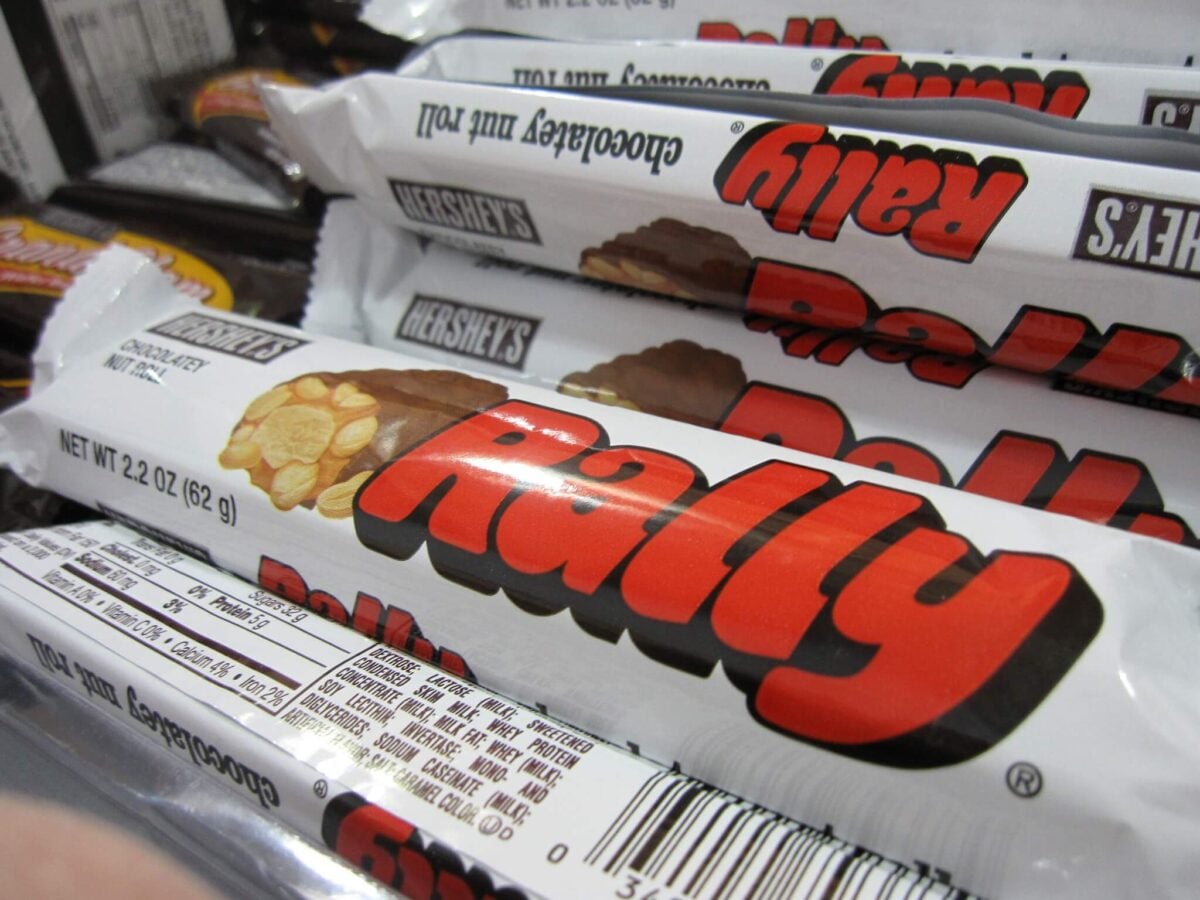
This 1970s throwback featured a fudge, caramel, and peanut center finished with a milk chocolate coating. Marketed as “The Crowded Candy Bar,” Rally Bars were discontinued in 1980, unable to maintain their market presence against more established competitors.
Hershey’s Swoops
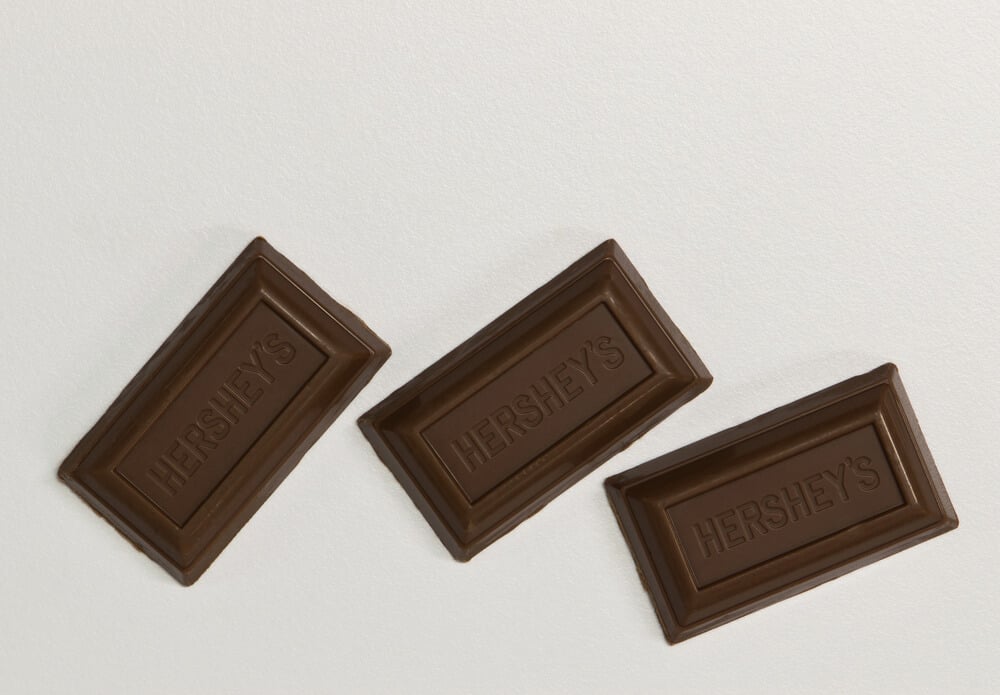
Released in 2003 and discontinued in 2006, Swoops were curved chocolate wafers in various flavors designed to resemble Pringles chips. The novelty appeal didn’t translate to sustained sales despite Hershey’s marketing efforts.
Nestlé Alpine White

This white chocolate bar was produced by Nestlé from 1986 until 1994, when the company decided it couldn’t compete in the white chocolate segment. Despite its creamy texture and vanilla flavor, it failed to achieve lasting popularity.
Peanut Butter Oompas
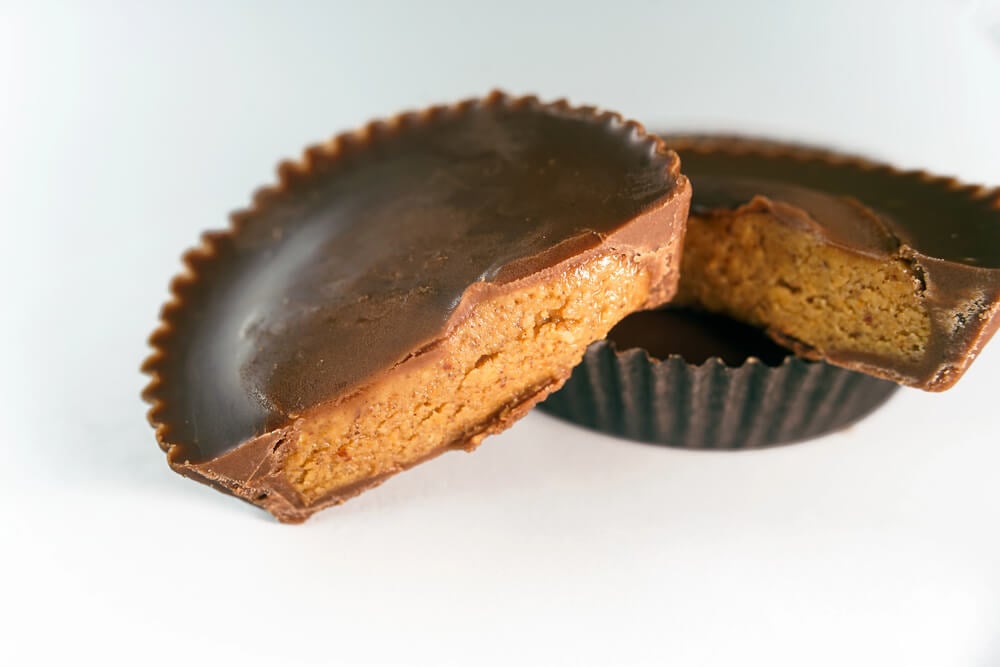
These peanut butter-flavored candies were part of the Wonka line but lasted only from 1971 to 1983, unable to establish a loyal following among consumers who preferred traditional chocolate-based candy.
Summit Cookie Bar
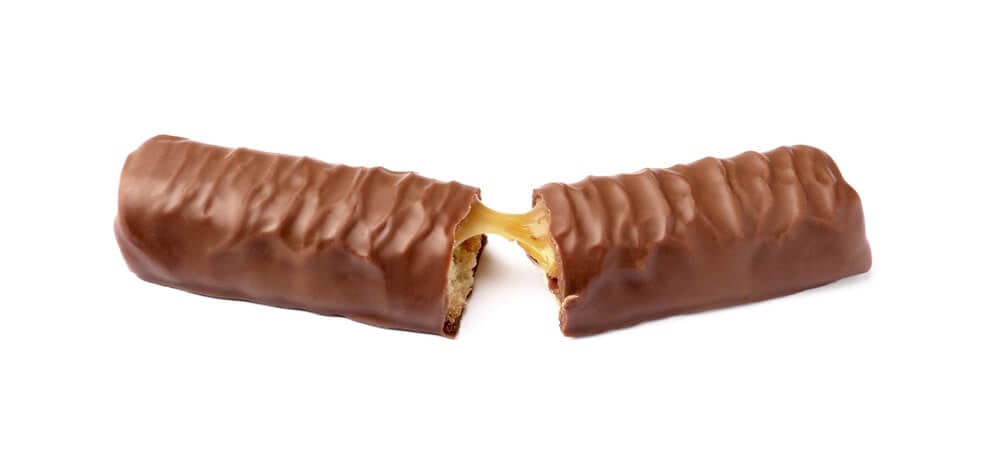
Released in the 1980s as a novelty product combining cookie pieces with chocolate, Summit Cookie Bar lasted until 2006 before being discontinued due to declining sales and shifting consumer preferences.
Milkshake Bar
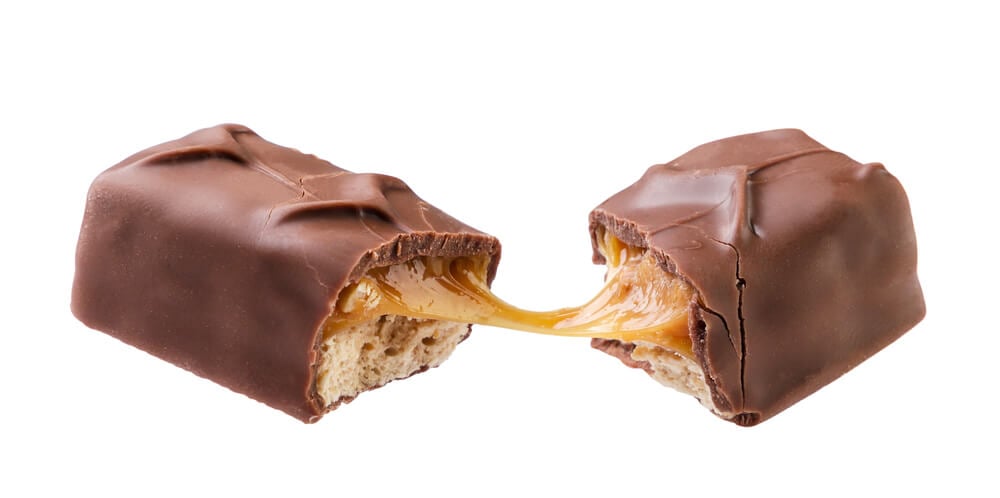
Dating back to 1927, this nougat and caramel bar lasted an impressive 69 years before discontinuation in 1996. Its longevity suggests it had a core fanbase, but eventually even that loyalty wasn’t enough to sustain production.
Powerhouse Candy Bar
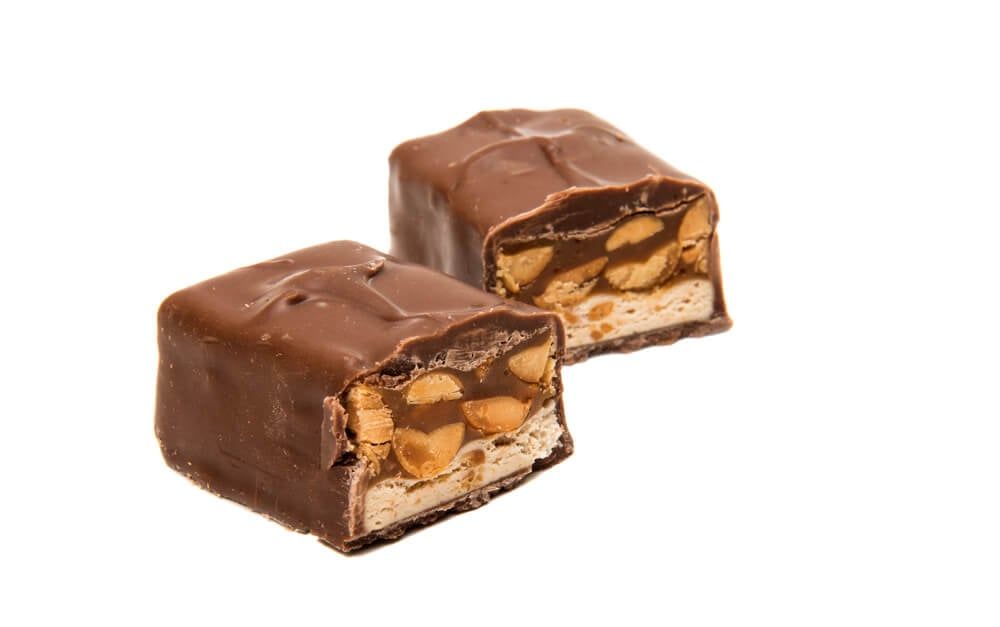
Introduced in 1927, Powerhouse featured a fudge and caramel center with peanuts, lasting until the 1980s when declining sales ended its production. Despite its decades-long run, it has faded from cultural memory.
High Noon Candy Bar
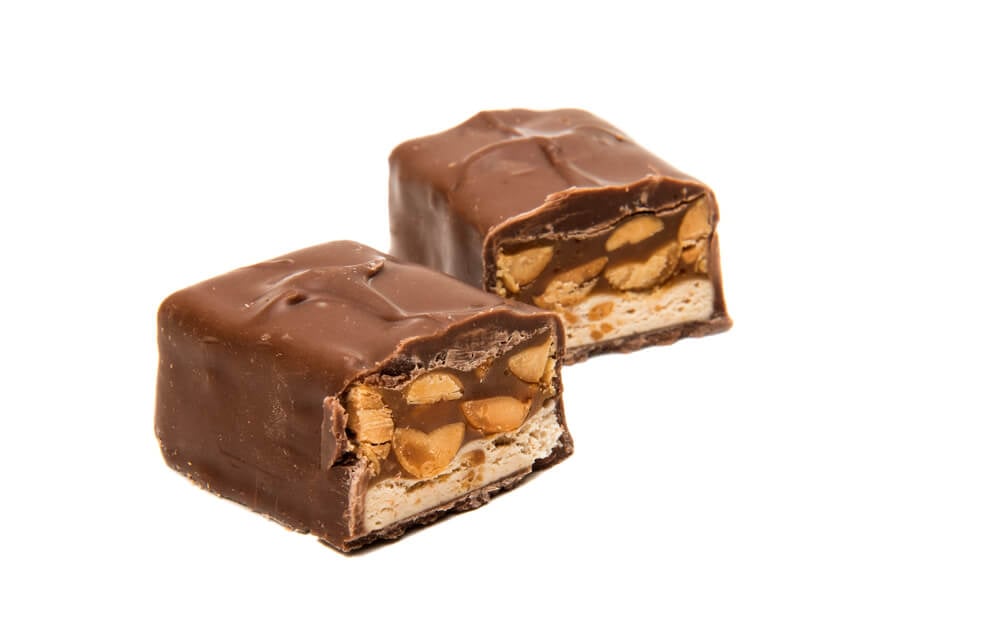
This bar disappeared from shelves in 1979 after a brief run in the 1950s and 1960s, becoming one of the forgotten products of the candy aisle’s golden era.
PB Max
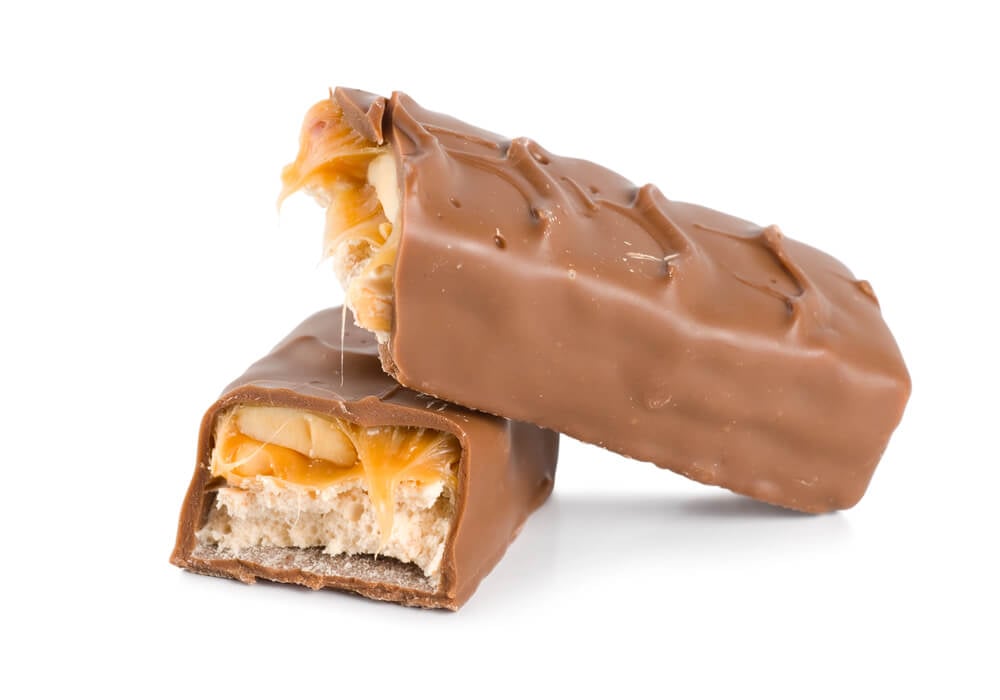
Late 1980s and early 1990s candy fans remember PB Max for its crunchy cookie, peanut butter filling, and milk chocolate coating. This combination should have ensured lasting success, but the product was discontinued and has never returned despite passionate fan requests.
Space Food Sticks
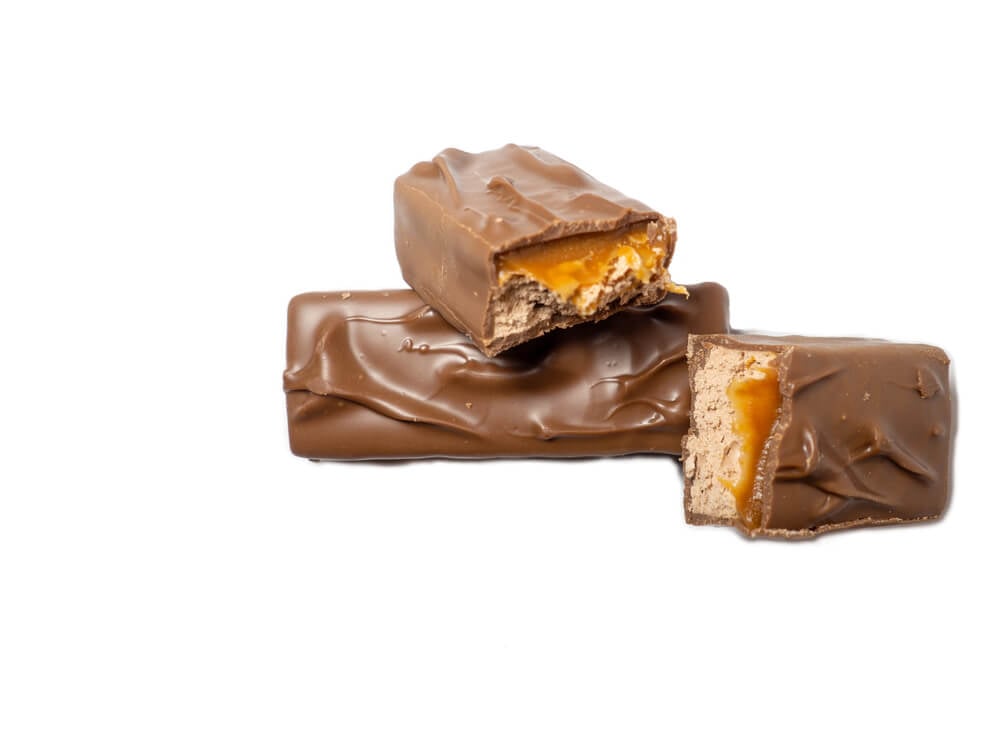
Developed jointly by Pillsbury and NASA, Space Food Sticks traveled to the moon with Neil Armstrong and Buzz Aldrin in 1969 and came in chocolate, caramel, and peanut butter flavors. Despite this NASA heritage, the product was taken off the North American market in the 1980s.
Seven-Up Candy Bar
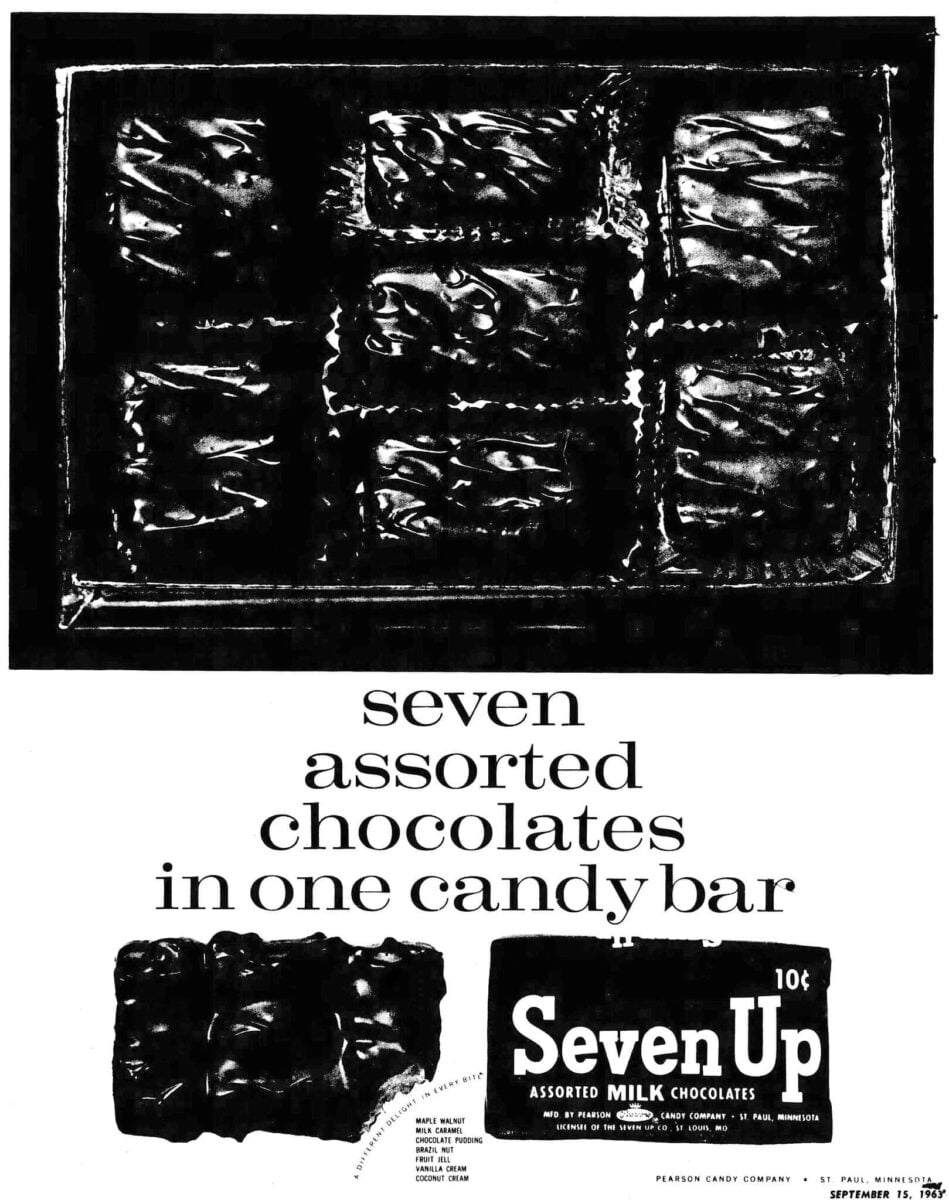
Released in the 1930s and discontinued in 1979, this candy bar was named not for the soda but simply for its seven distinct layers. Despite its interesting construction, it never achieved widespread popularity.
Snirkles Caramel Bar
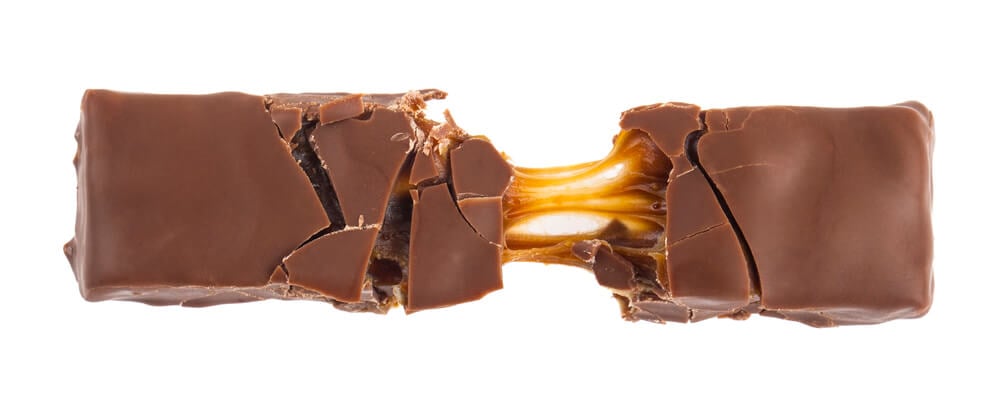
Dating back to the 1920s, Snirkles existed for most of the twentieth century before fading from production in unknown circumstances, leaving minimal documentation of its original appeal.
Milky Way Lite
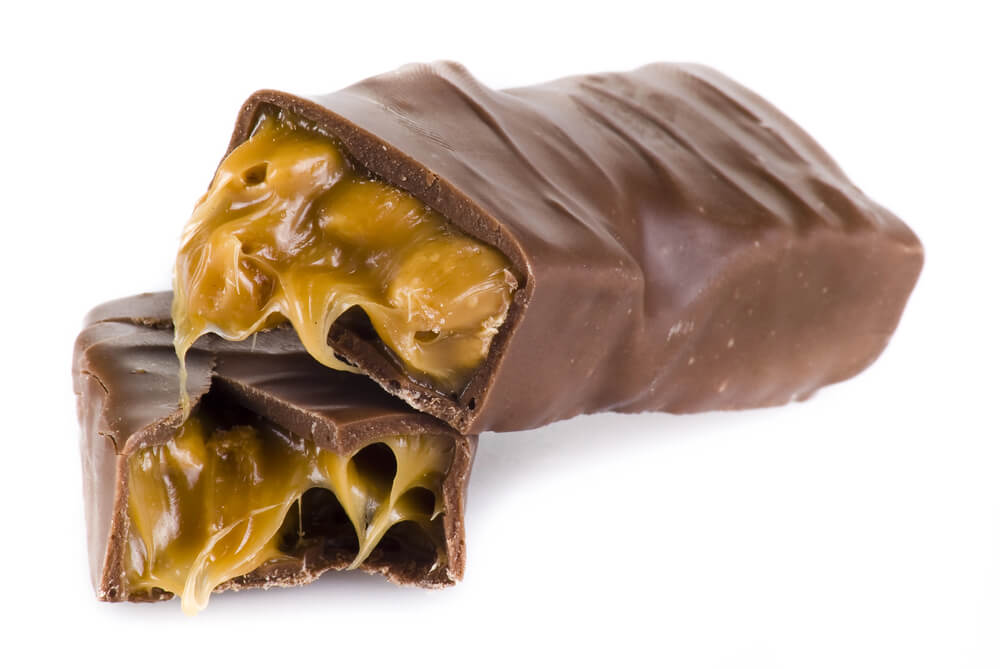
Introduced in 1996, Milky Way Lite was a reduced-calorie version of the classic bar that never captured the market segment Milky Way hoped for, leading to its discontinuation within a few years.
M&M’s Almonds
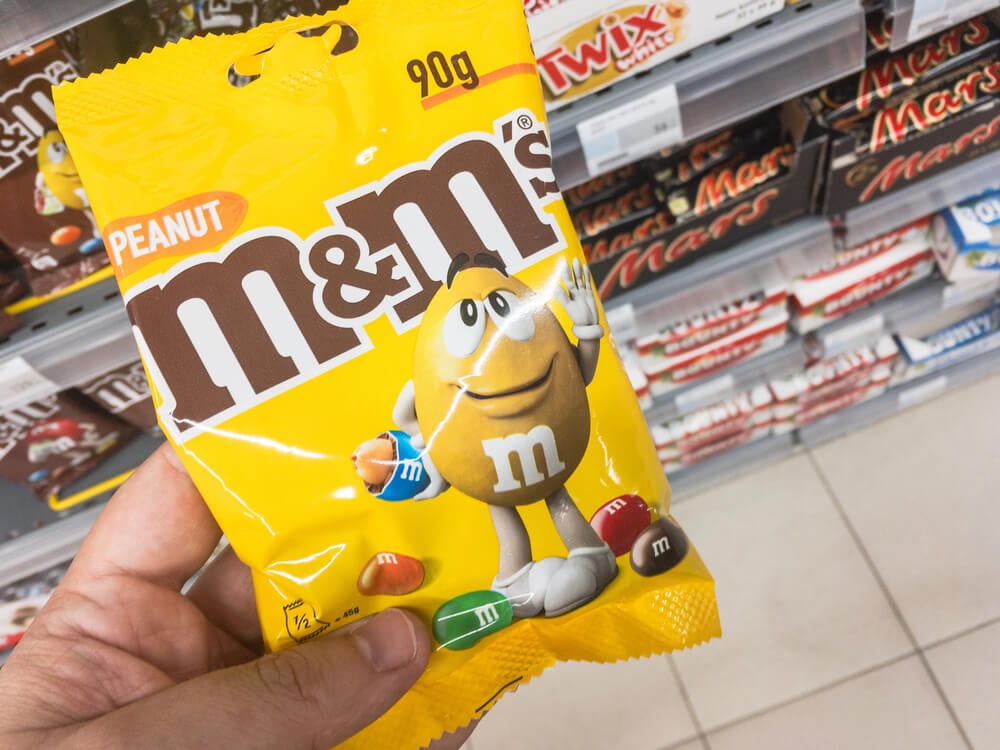
Available from 1959 until 2011, M&M’s Almonds lasted an impressive 52 years before being briefly revived in 2012. The almond variant has never returned to regular production despite the success of the original M&M’s brand.
Melo Bar
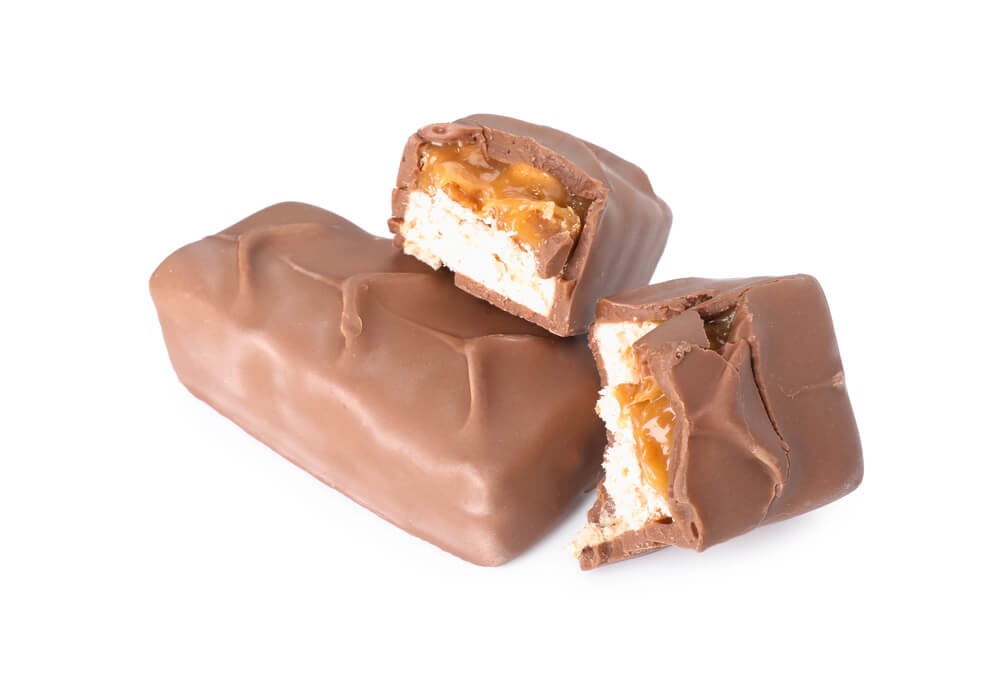
This candy bar existed for only one year, 2005, as a limited promotional item sent to season-ticket holders of the NBA All-Star Game. Its brief existence and limited distribution make it one of the rarest discontinued candy bars, with old unopened wrappers commanding premium prices from collectors.
When Candy Disappeared
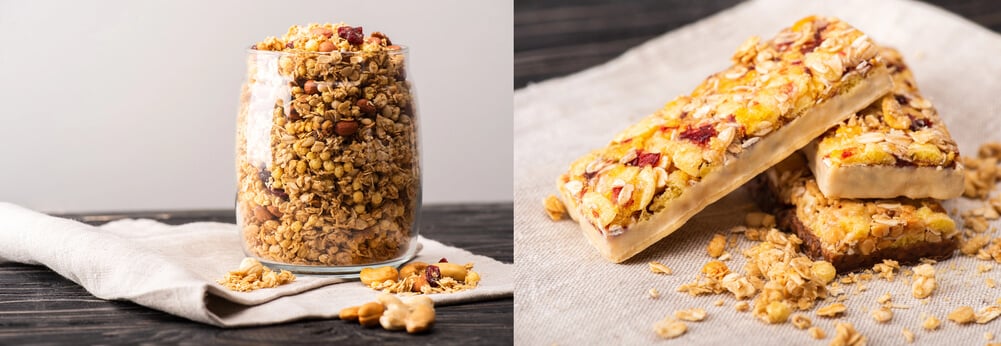
The discontinuation of beloved snack and candy bars represents more than just corporate decision-making. Each product removal represents the end of a small pleasure, a familiar comfort stripped from shelves without ceremony.
Some were discontinued due to low sales, others were victims of corporate consolidation or changing market strategies. What unites them is their ability to linger in memory long after they’ve been removed from production, a testament to how food memories shape our sense of nostalgia and time.
More from Go2Tutors!

- 16 Historical Figures Who Were Nothing Like You Think
- 12 Things Sold in the 80s That Are Now Illegal
- 15 VHS Tapes That Could Be Worth Thousands
- 17 Historical “What Ifs” That Would Have Changed Everything
- 18 TV Shows That Vanished Without a Finale
Like Go2Tutors’s content? Follow us on MSN.