Theme Park Souvenirs That Became Valuable Collectibles
Walking through a theme park gift shop feels like stepping into a treasure hunt where you don’t know the rules. That plastic figurine catching your eye might be tomorrow’s holy grail, or it could end up forgotten in a junk drawer.
The difference between worthless trinket and coveted collectible often comes down to timing, scarcity, and the mysterious alchemy of nostalgia.
What makes a simple souvenir suddenly worth hundreds or thousands of dollars? Sometimes it’s a production error that creates instant rarity.
Other times, it’s the slow burn of childhood memories maturing into adult obsession. The most valuable pieces often share a common thread: they captured a specific moment in theme park history that can never be replicated.
Original Disneyland Guidebooks From 1955
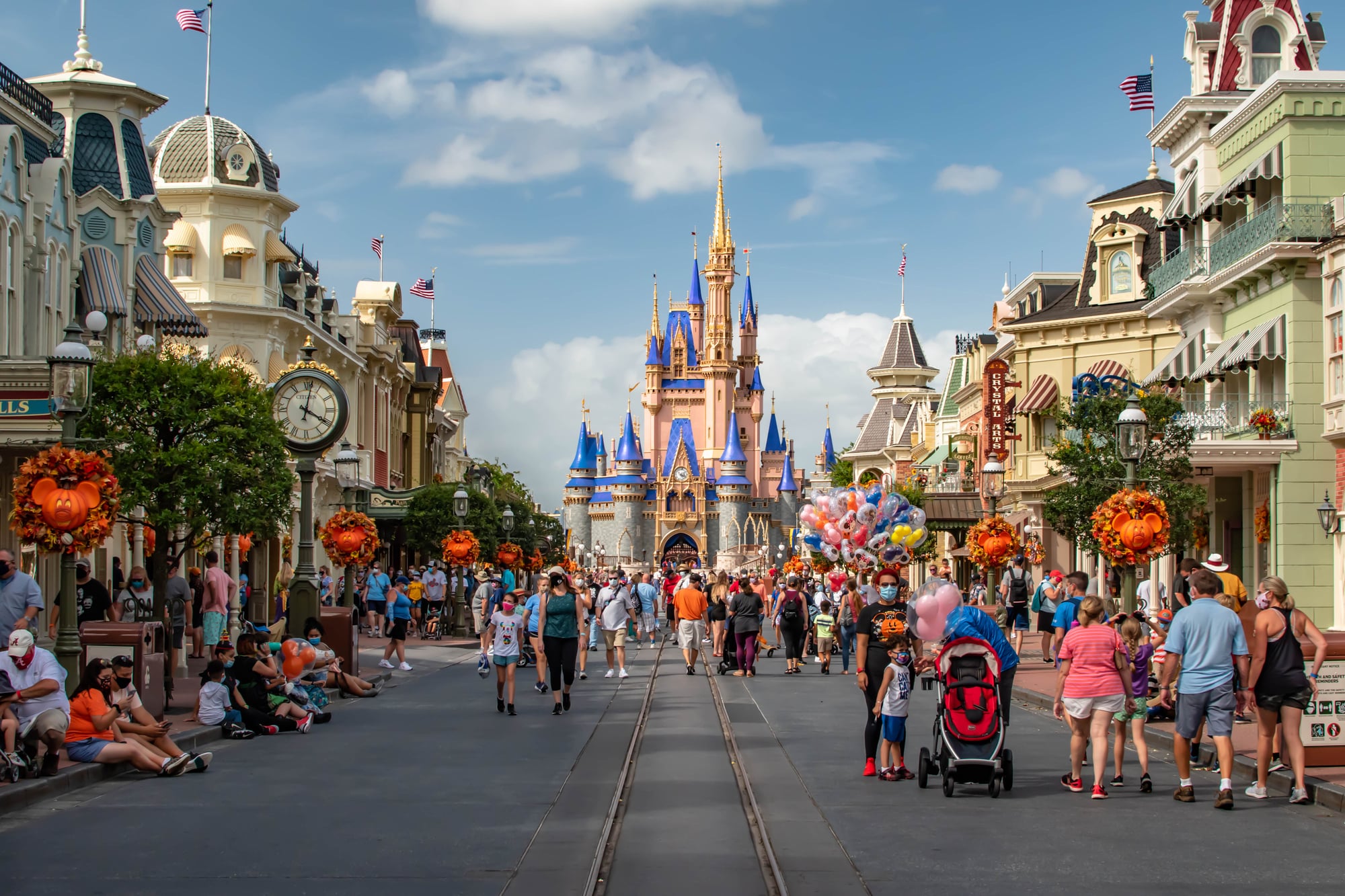
The very first Disneyland guidebooks handed out on opening day are worth more than some cars. These simple pamphlets, originally free, now sell for $3,000 to $8,000 depending on condition.
Walt Disney’s signature appears on some of these guides. Finding one feels like discovering a handwritten note from history itself.
Vintage Disney Ears With Specific Names
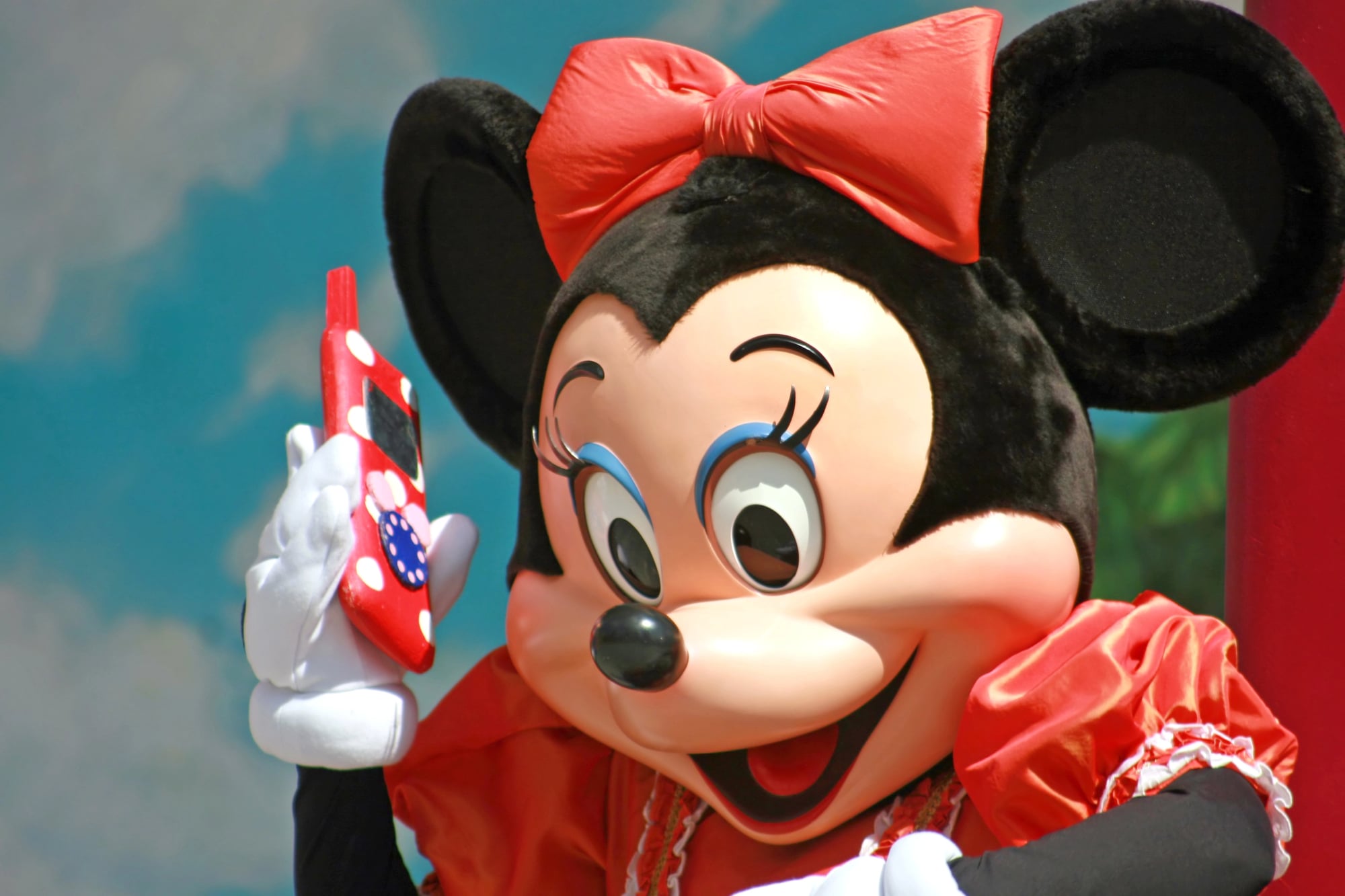
Mickey Mouse ears seem common enough, but certain vintage versions with embroidered names have become goldmines. The catch? The name has to belong to someone famous who later became a household name.
Ears belonging to celebrities (even before they were famous) or featuring names that became culturally significant can fetch thousands. A pair embroidered with “Michael” from the 1960s sold for $4,200 after the buyer claimed they belonged to a young Michael Jackson (though authenticating such claims proves nearly impossible, which only adds to the mystique).
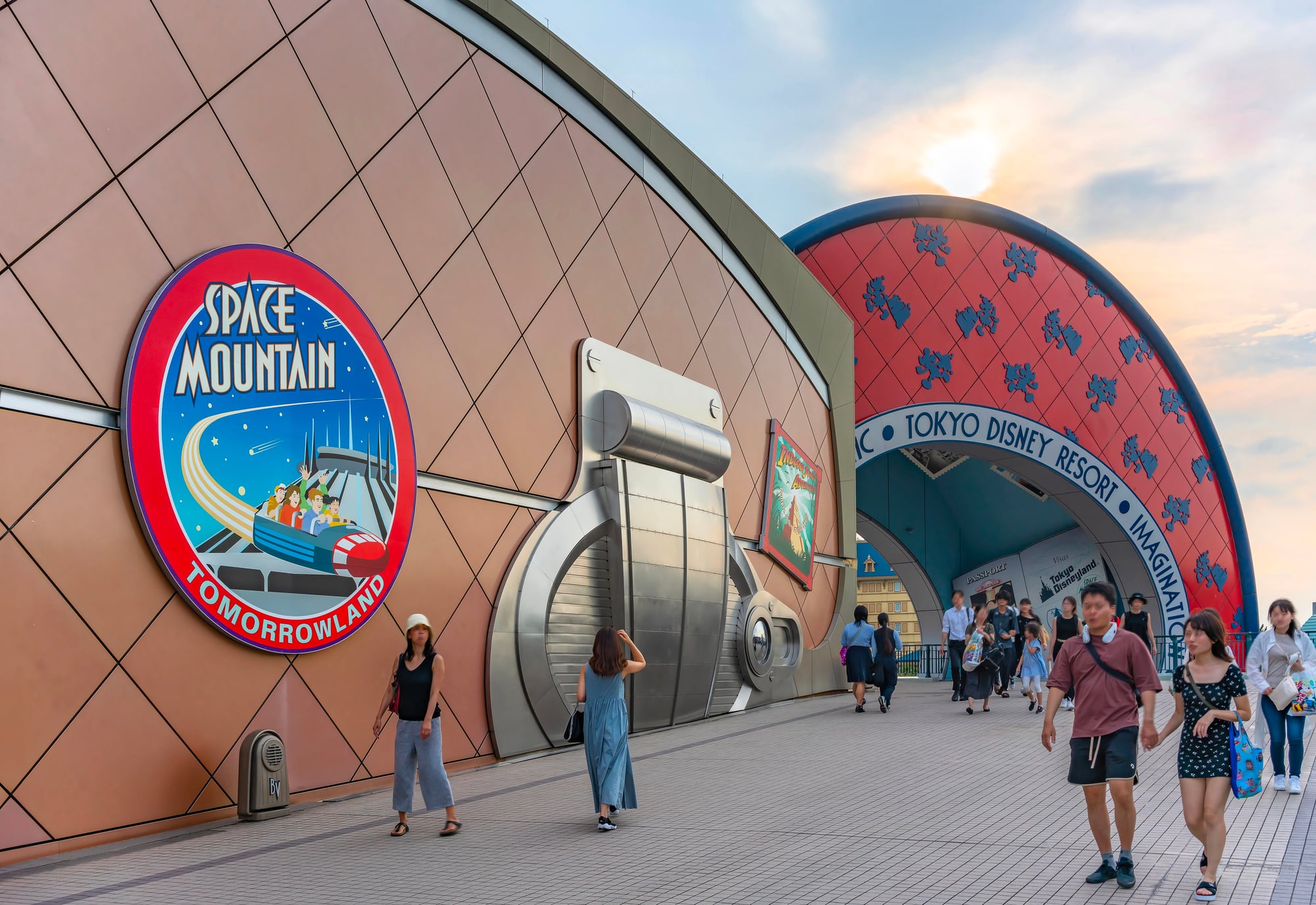
Early Space Mountain Merchandise
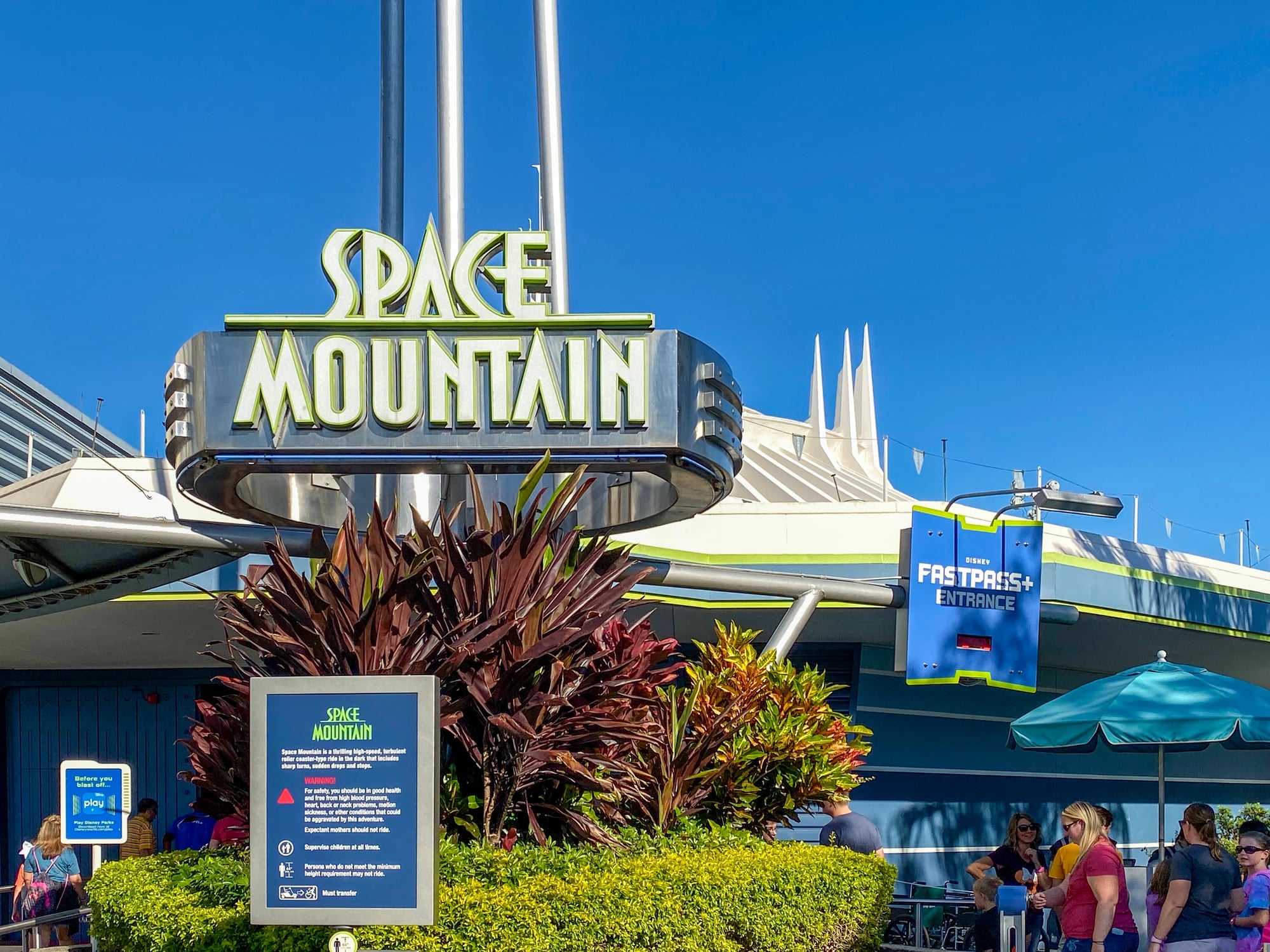
When Space Mountain opened at Disneyland in 1977, the merchandise felt futuristic in a way that now reads as charmingly retro. Those original silver and black t-shirts, especially in larger sizes that survived decades of wear, command serious money among collectors.
The truly valuable pieces are the employee-only items from the attraction’s opening. A staff jacket from Space Mountain’s inaugural crew sold for $1,800 in 2019.
But here’s where it gets interesting (and slightly absurd): the more “space age” the font looked in 1977, the more collectors want it now. So those t-shirts with lettering that screamed “FUTURE” in all caps?
They’re worth more than subtle designs, purely because they captured that specific moment when tomorrow looked like chrome and neon.
EPCOT Center Opening Day Pins
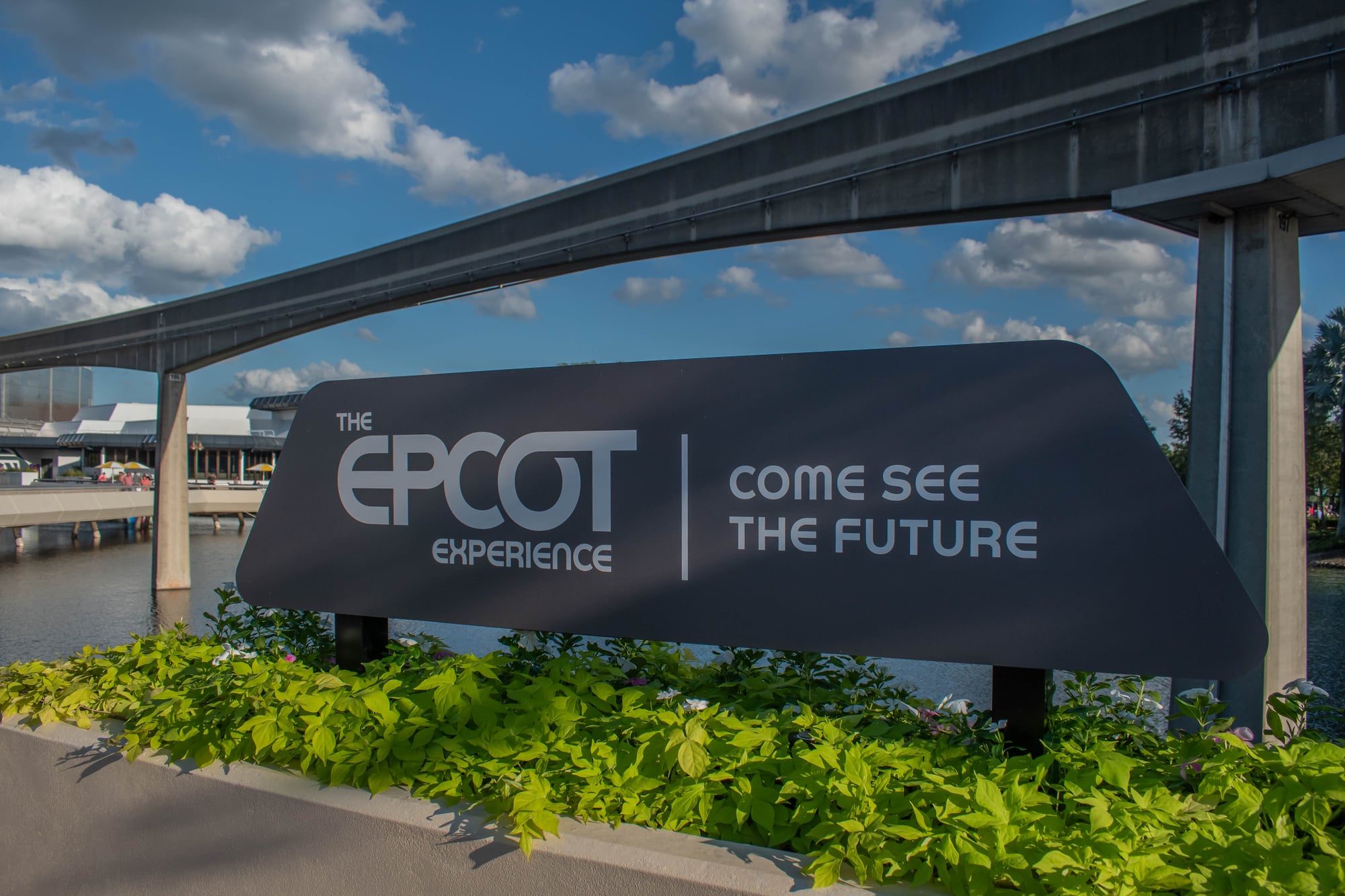
EPCOT’s 1982 opening created a category of collectibles that defies logic. The original employee pins from opening day weren’t meant for public sale, which makes them perfect black market gold.
Cast member pins featuring the original EPCOT Center logo (before it became just “Epcot”) sell for $500 to $1,200. The geometric design feels like architectural jewelry now.
Trading these pins among Disney employees created an underground economy that still thrives today.
Limited Edition Imagineering Blueprints
Disney occasionally sold reproduction blueprints of attractions as high-end souvenirs. The originals from the 1970s and 1980s weren’t mass-produced, making them genuine collector’s items rather than manufactured nostalgia.
Blueprints of Pirates of the Caribbean and Haunted Mansion command the highest prices. There’s something about owning the technical drawings of childhood wonder that speaks to a particular type of obsession.
These weren’t meant to be art, but they’ve become museum pieces that happen to live in suburban basements and home offices.
First-Year Universal Studios Tour Merchandise
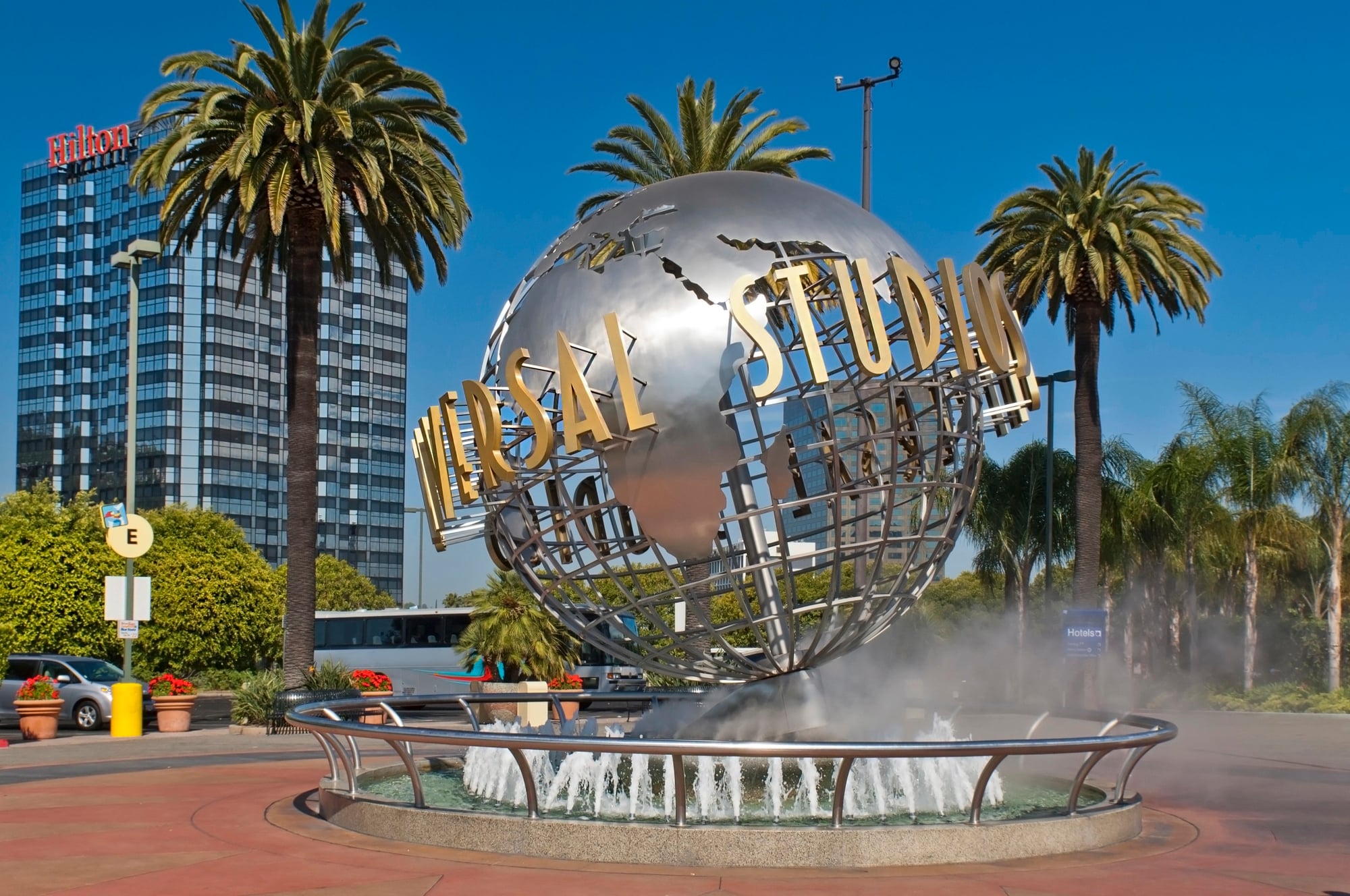
Universal Studios Hollywood opened its tram tours to the public in 1964, and the souvenirs from those early years feel like artifacts from a different entertainment era. The tour was simpler then—no elaborate sets or staged explosions, just glimpses behind movie magic.
Original tour guidebooks and merchandise featuring the classic Universal globe logo from the 1960s can sell for hundreds of dollars. But the real treasures are items that reference specific movies being filmed at the time, creating accidental historical documents of Hollywood’s golden age transitioning into the modern blockbuster era.
Knott’s Berry Farm Ghost Town Souvenirs
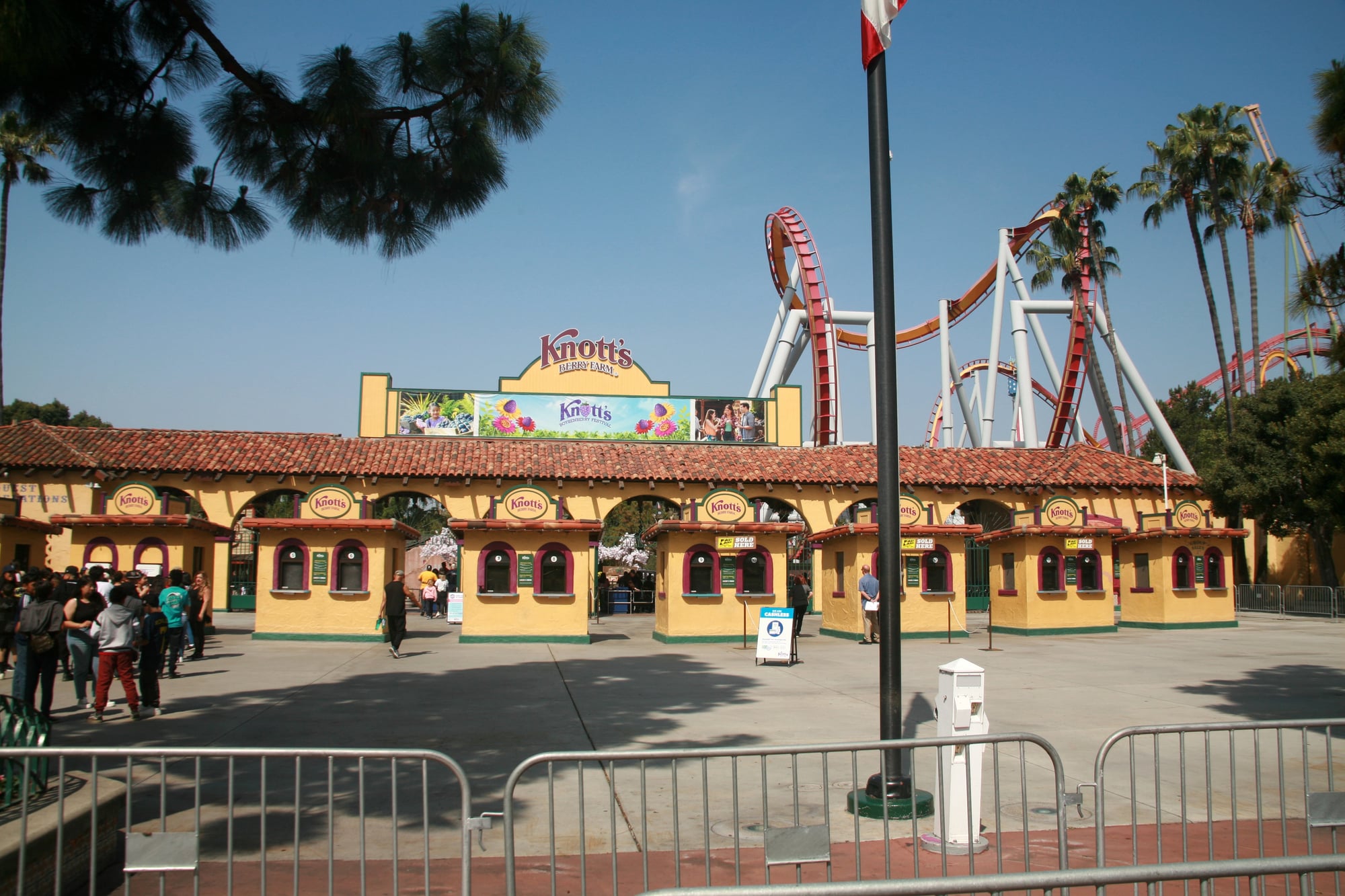
Knott’s Berry Farm operated as America’s first theme park long before Disneyland existed. Walter Knott’s original Ghost Town attracted visitors starting in the 1940s, and souvenirs from those early decades carry the weight of theme park prehistory.
Ghost Town merchandise from the 1940s and 1950s—especially items made from real wood or featuring hand-painted details—can sell for $200 to $800. These pieces feel authentic in a way that modern theme park souvenirs don’t, because they were crafted when the line between genuine Old West artifacts and tourist trinkets was still blurry.
Original Six Flags Over Texas Memorabilia
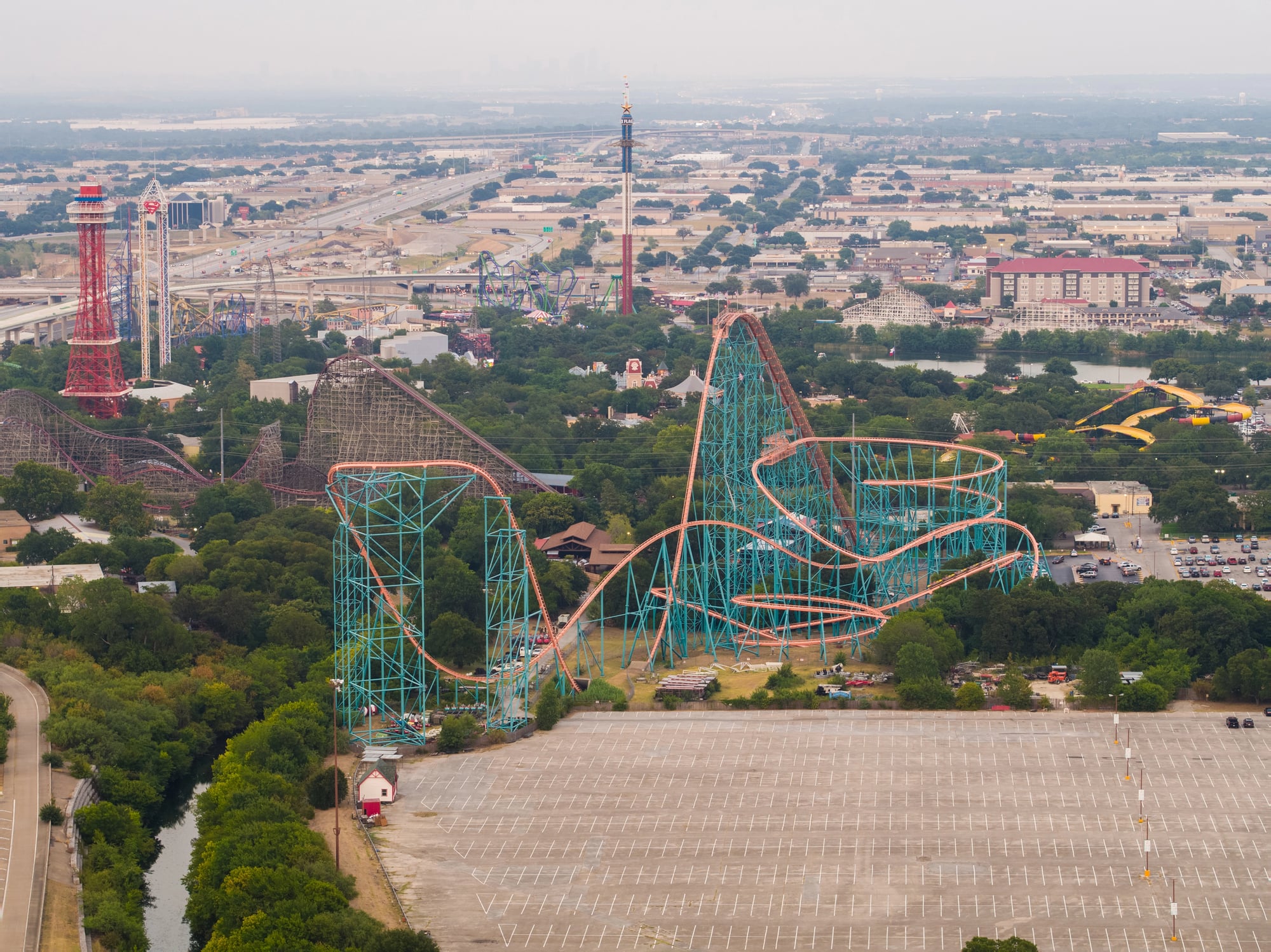
Six Flags Over Texas opened in 1961 with a concept that seems quaint now: six themed areas representing the different nations that had governed Texas. The historical angle created unique merchandise that documented a very specific vision of American heritage.
Souvenirs featuring the original six flags (Spain, France, Mexico, Republic of Texas, Confederate States, and United States) are valuable partly because some of those flags became politically uncomfortable to display. Items from the Confederate-themed section are particularly sought after by collectors, not for ideological reasons, but because the park quietly phased out much of that theming over the years.
Cedar Point Wooden Coaster Artifacts
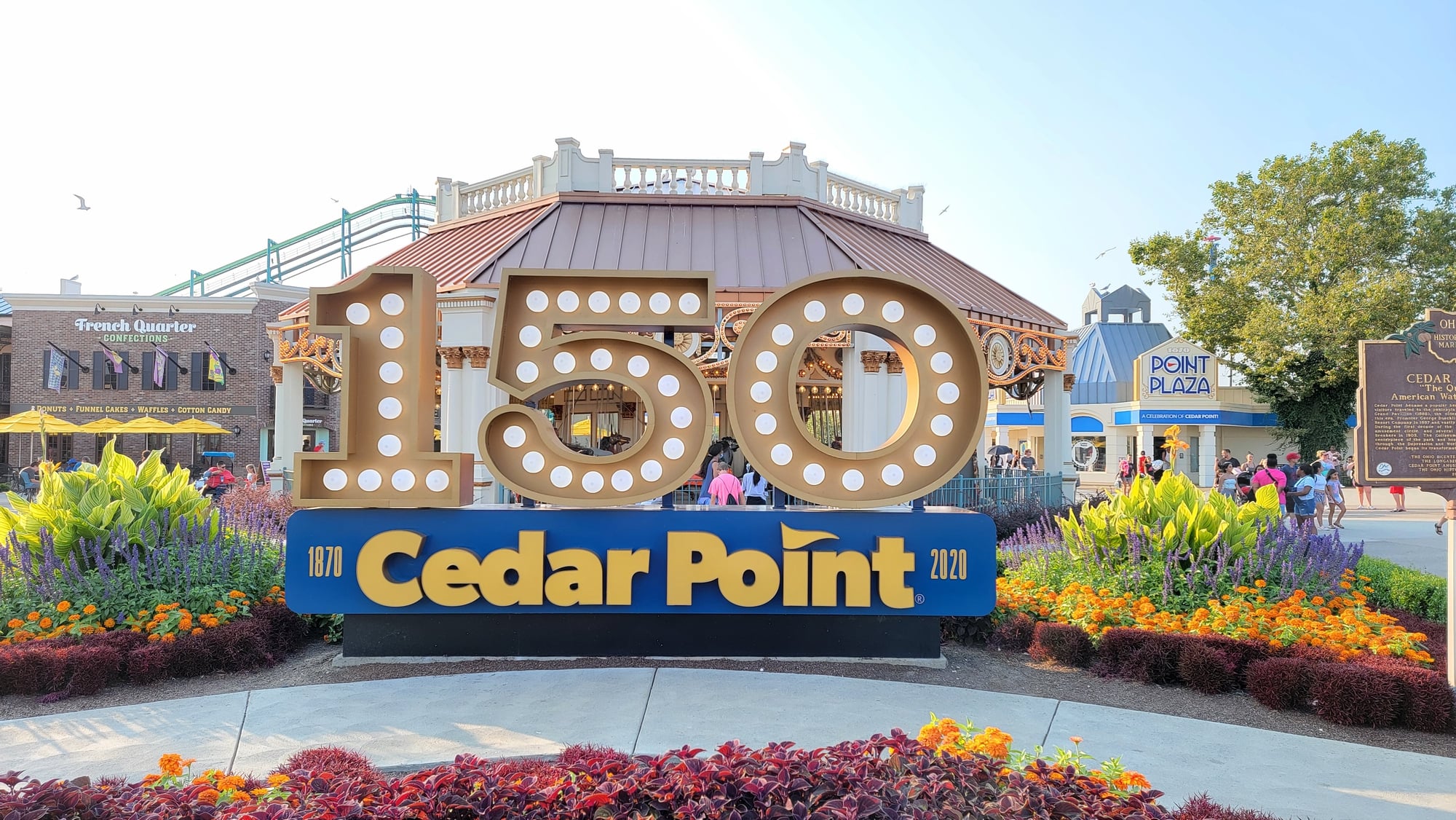
Cedar Point in Ohio has operated roller coasters since 1892, creating over a century of potential collectibles. The park’s tendency to remove older wooden coasters to make room for newer rides turned demolished attraction merchandise into instant nostalgia.
Pieces from the original Cyclone (demolished in 1951) or the Wildcat (removed in 1978) are rare enough to command premium prices. A vintage Wildcat t-shirt sold for $650 in 2018.
The value comes from the realization that these coasters, once thought to be permanent fixtures, were actually temporary experiences that happened to last decades.
Early Disney World Grand Opening Items
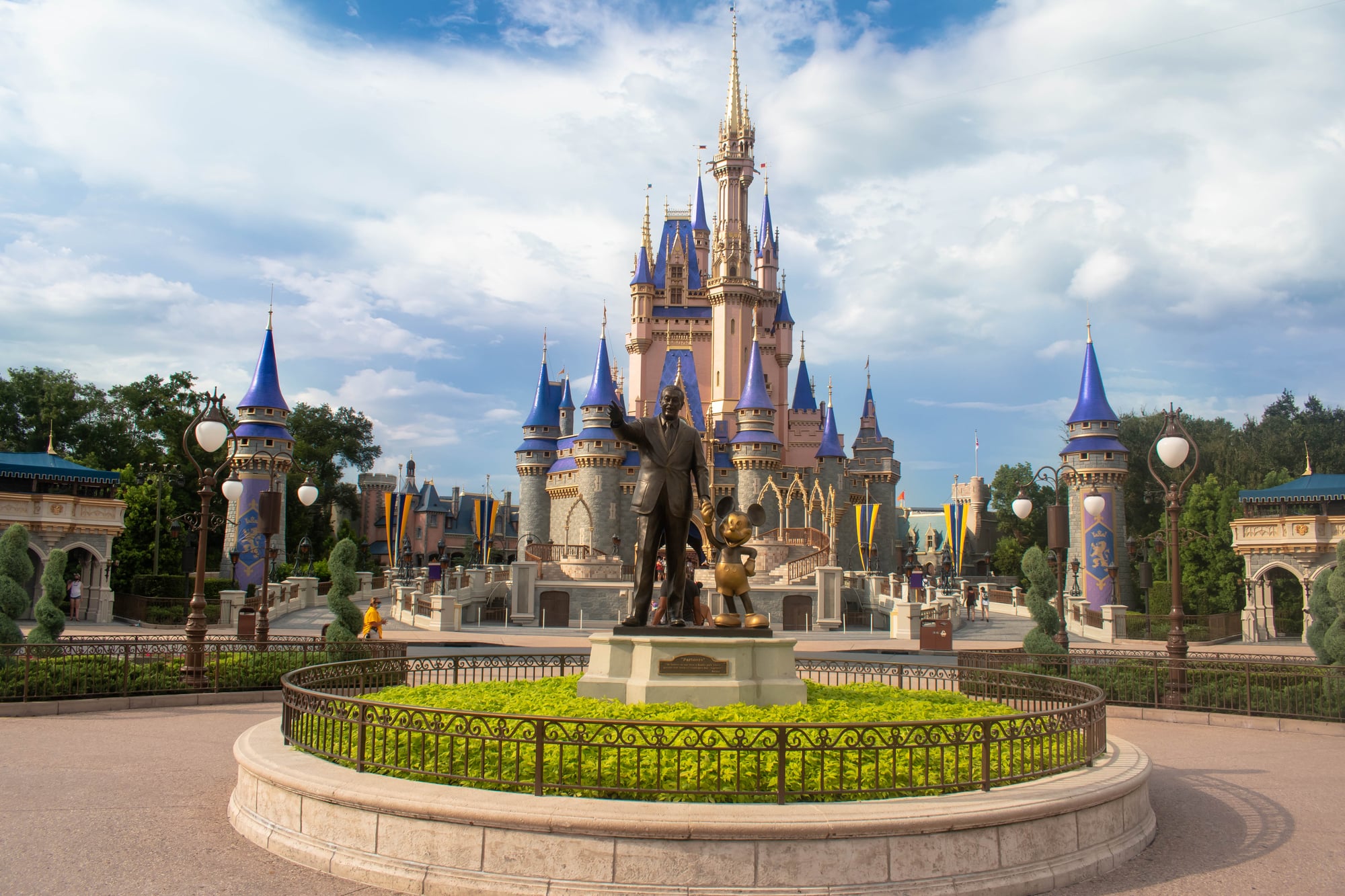
Walt Disney World’s 1971 opening was a media event that generated massive amounts of official and unofficial merchandise. The challenge for collectors lies in distinguishing between items actually sold during the opening period versus later reproductions.
Authentic opening day items feature specific design elements that were quickly changed: the original Tomorrowland font, the first version of the Disney World logo, and color schemes that were adjusted within months of opening. A genuine opening day ticket book can sell for over $1,000, but only if it shows the subtle design differences that prove its authenticity.
Busch Gardens Adventure Island Artifacts
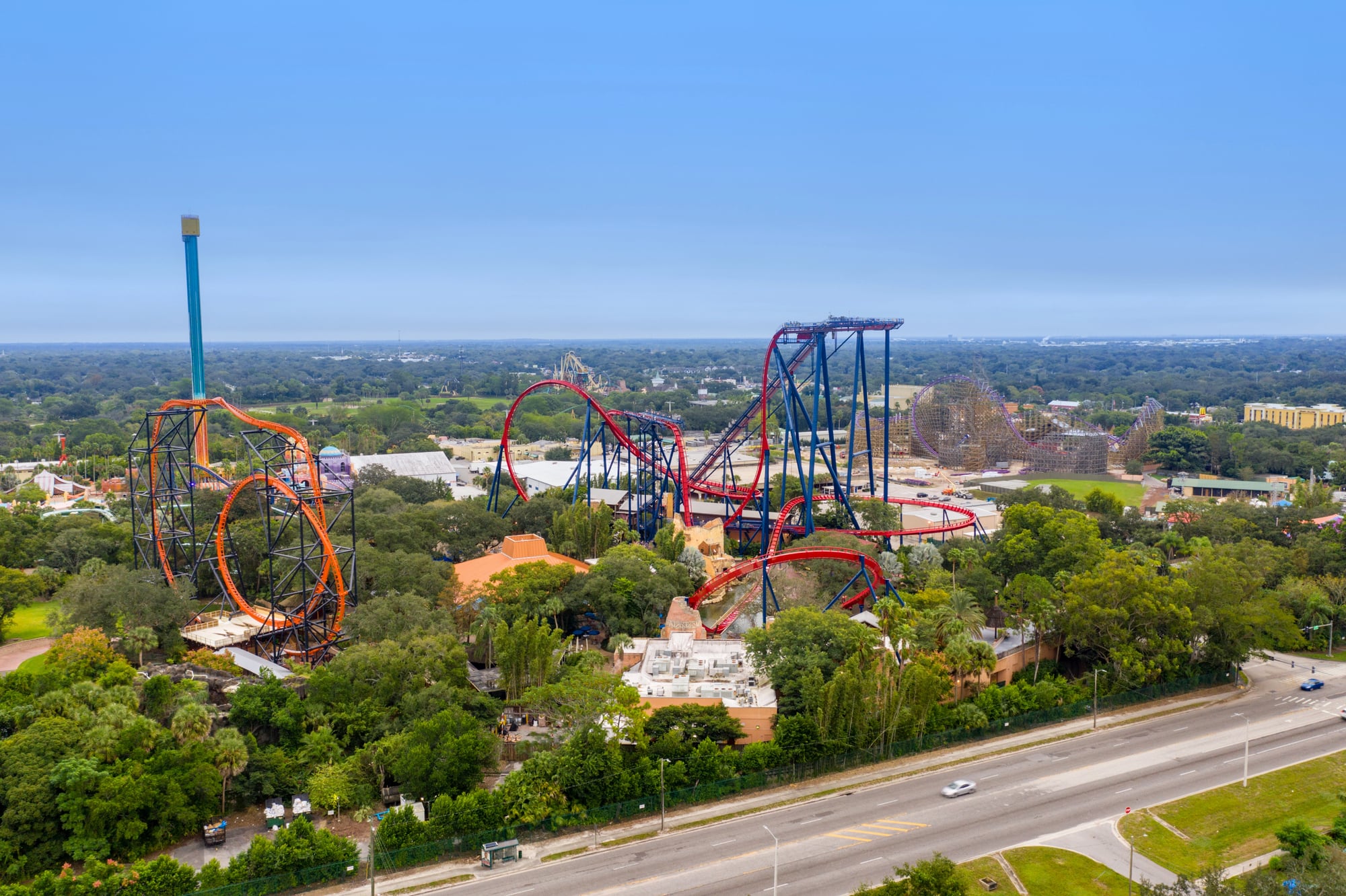
Before Busch Gardens became known for elaborate roller coasters, the original parks focused on educational experiences about wildlife and brewing. This created a category of souvenirs that feel more like natural history museum pieces than traditional theme park merchandise.
Original items from Busch Gardens’ early years—especially anything featuring the Anheuser-Busch Clydesdale horses or educational materials about conservation—appeal to collectors who appreciate the parks’ original mission. These pieces represent a time when theme parks saw themselves as genuinely educational experiences rather than pure entertainment.
Vintage Great America Merchandise
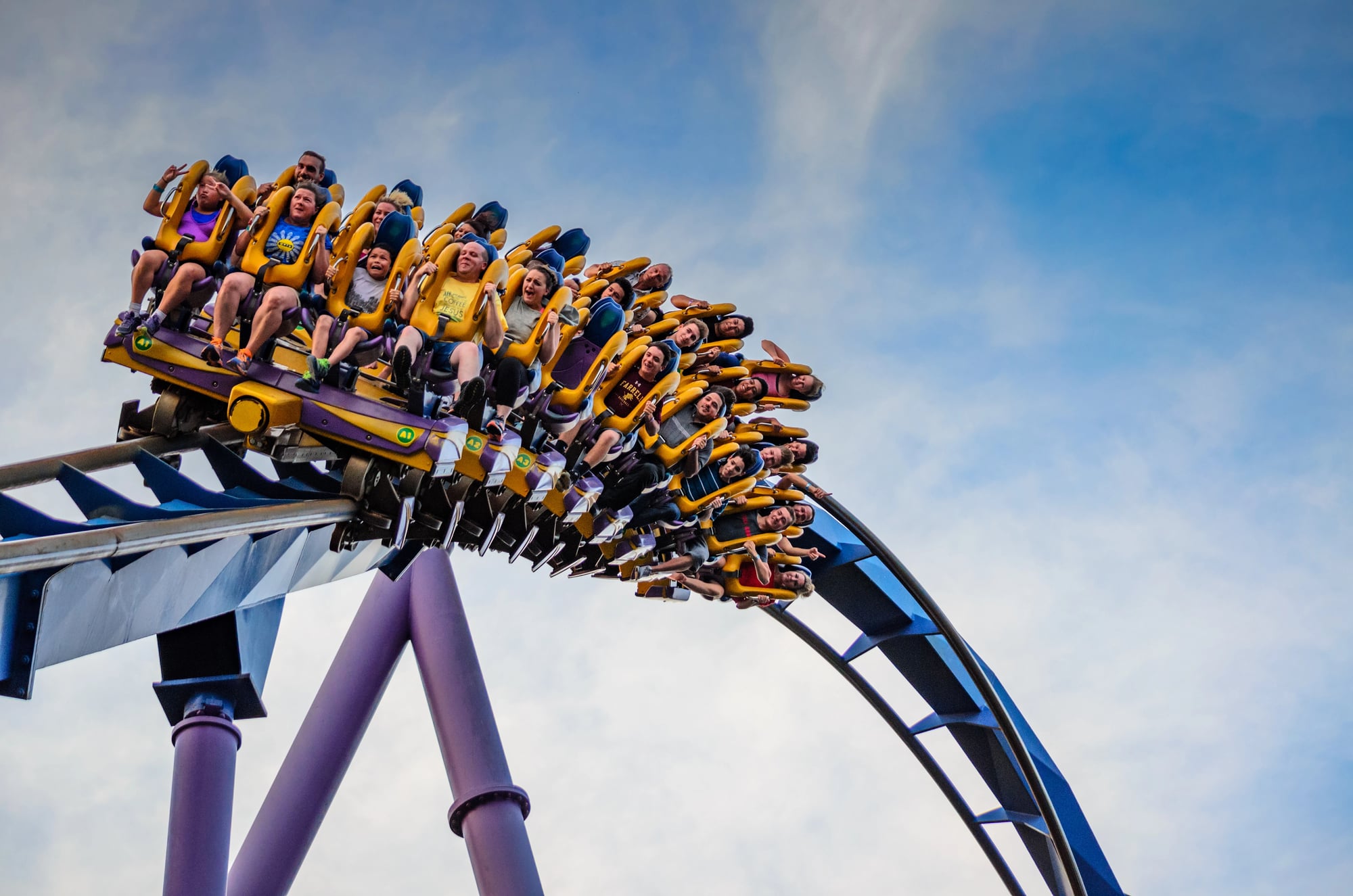
Both California’s Great America and Illinois’ Great America opened in 1976 with identical layouts and theming, creating a fascinating case study in collectible geography. Souvenirs from these parks are valuable partly because the concept of duplicate theme parks seems impossible now.
Items that specifically reference the “Great America” brand (rather than individual rides) are particularly sought after because the parks were eventually sold to different companies and diverged in character. Owning merchandise from this brief period when two identical theme parks existed feels like possessing evidence of an alternate universe.
Original Action Park Souvenirs
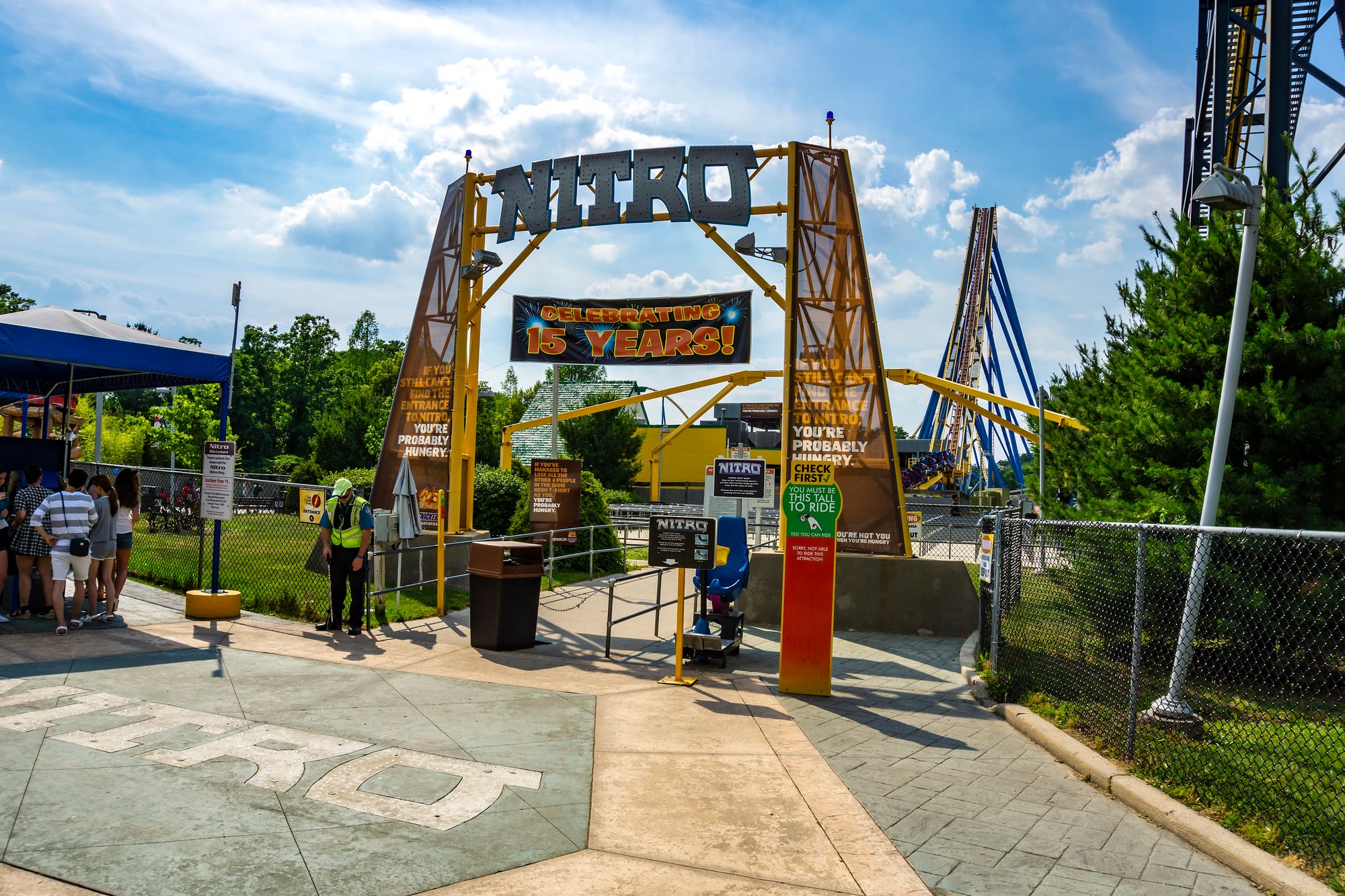
Action Park in New Jersey operated from 1978 to 1996 and gained a reputation as one of the most dangerous amusement parks ever built. This notoriety has made its merchandise surprisingly valuable among collectors who appreciate the park’s chaotic energy.
The park’s own t-shirts and merchandise lean into the dangerous reputation with slogans like “There’s Nothing in the World Like Action Park.” These items weren’t created with collectors in mind—they were genuine expressions of a park that operated by different rules than anywhere else.
Early Dollywood Merchandise
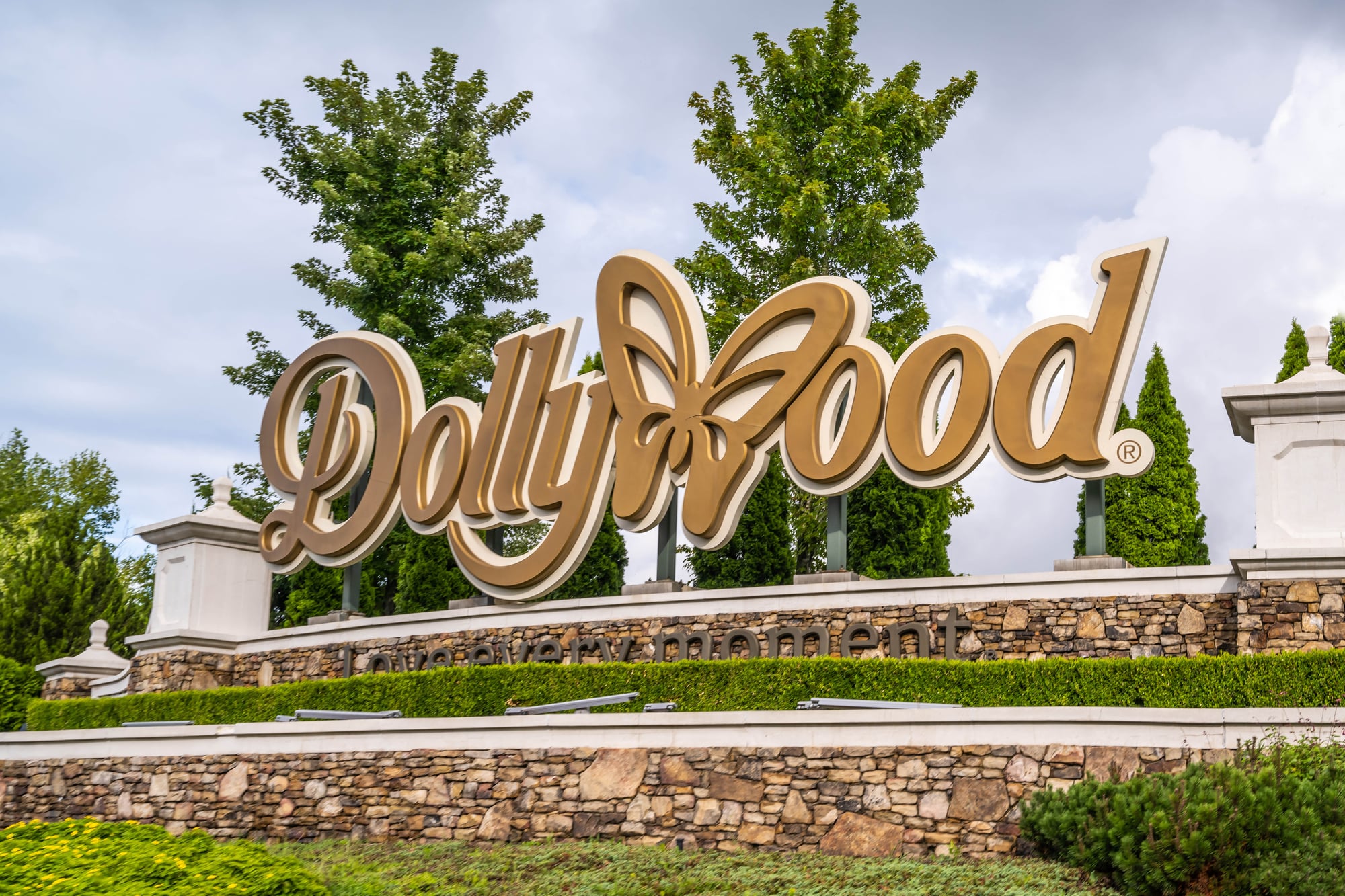
Dollywood opened in 1986 when Dolly Parton partnered with the existing Silver Dollar City Tennessee. The transition period created unique merchandise that blended country music stardom with traditional theme park souvenirs.
Original Dollywood items from the first few years feature design elements that feel more authentically connected to Appalachian culture than later, more polished merchandise. Hand-crafted items sold in the park’s early gift shops—especially quilts and woodwork—have appreciated significantly because they represented genuine local artisans rather than mass-produced souvenirs.
Sea World Educational Materials

Sea World parks originally positioned themselves as marine life education centers with entertainment elements, rather than pure amusement parks. This mission created souvenirs that feel more like museum pieces: detailed guides to marine biology, educational posters, and scientific materials.
As public attitudes toward marine mammal captivity shifted, these educational materials became historical artifacts of a different era in animal entertainment. Original Sea World field guides and educational booklets from the 1970s and 1980s are valuable because they document a time when the parks’ scientific mission felt more genuine.
When Memories Become Currency
Theme park collectibles operate on emotional economics that don’t follow normal market rules. A faded t-shirt becomes valuable not because of its material worth, but because it proves someone was present for a specific moment that can’t be recreated.
These souvenirs transform from simple merchandise into certificates of experience, and the rarest experiences command the highest prices.
The most valuable pieces share a common characteristic: they captured moments when theme parks were still figuring out what they wanted to be. Whether it’s Disney’s early educational mission, Universal’s behind-the-scenes focus, or Action Park’s beautiful chaos, these souvenirs document the experimental years before corporate polish smoothed away the rough edges that made each park unique.
More from Go2Tutors!

- The Romanov Crown Jewels and Their Tragic Fate
- 13 Historical Mysteries That Science Still Can’t Solve
- Famous Hoaxes That Fooled the World for Years
- 15 Child Stars with Tragic Adult Lives
- 16 Famous Jewelry Pieces in History
Like Go2Tutors’s content? Follow us on MSN.