26 Jobs Machines Replaced Within a Single Generation
The early 20th century brought anxieties that sound familiar to anyone worried about automation today. In 1922, the President of the Rockefeller Foundation asked: “Can education run fast enough” to keep up with machines?
By 1929, the New York Times was running editorials blaming automation for unemployment. What’s remarkable isn’t that the worry was wrong.
It’s that most of the predicted job losses happened—entire professions vanished—and yet the economy kept creating work. The jobs that disappeared rarely came back in the same form.
The people who had those jobs didn’t always find good alternatives. But whole categories of employment did evaporate within a generation, replaced by machines that performed the work faster, cheaper, and more consistently than humans ever could.
What follows are professions that existed as stable, skilled work, employed millions, and then largely disappeared as technology made them obsolete. Most vanished not because they were bad jobs, but because machines made them unnecessary.
Telephone Switchboard Operators

U.S. telephone companies once employed more than 250,000 switchboard operators, predominantly women. They physically connected circuits to route calls through the network.
Automated relay systems and push-button dialing replaced them. Within a generation, the profession was nearly extinct.
Elevator Operators

Riding an elevator required a trained operator to control speed, level the car with the floor, and manage doors. Automated relay controls and push-button technology made the job obsolete.
Public fear of unmanned elevators required a trust campaign, but the machines won anyway.
Gas Station Attendants

Attendants once pumped gas, checked oil, washed windows, and maintained stations. Self-service pumps eliminated most of these jobs within decades.
The attendant became optional instead of required.
Bell Ringers

Church bells were once rung by hand. Clockwork mechanisms that played melodies automatically replaced them, making the 11th-century bell ringer one of the first jobs lost to automation.
Lamplighters

Cities once employed lamplighters to manually ignite street lamps each evening. Electric lighting systems that turned on automatically eliminated the profession entirely.
Telegraph Operators

Before telephones, telegrams transmitted information across distance. Operators encoded and transmitted messages.
Telephone technology made the skill obsolete.
Typists and Stenographers

Shorthand typists and stenographers were skilled professionals. Dictating machines and eventually computers that could capture text directly eliminated the need for intermediaries.
Factory Assembly Line Workers (Specific Roles)
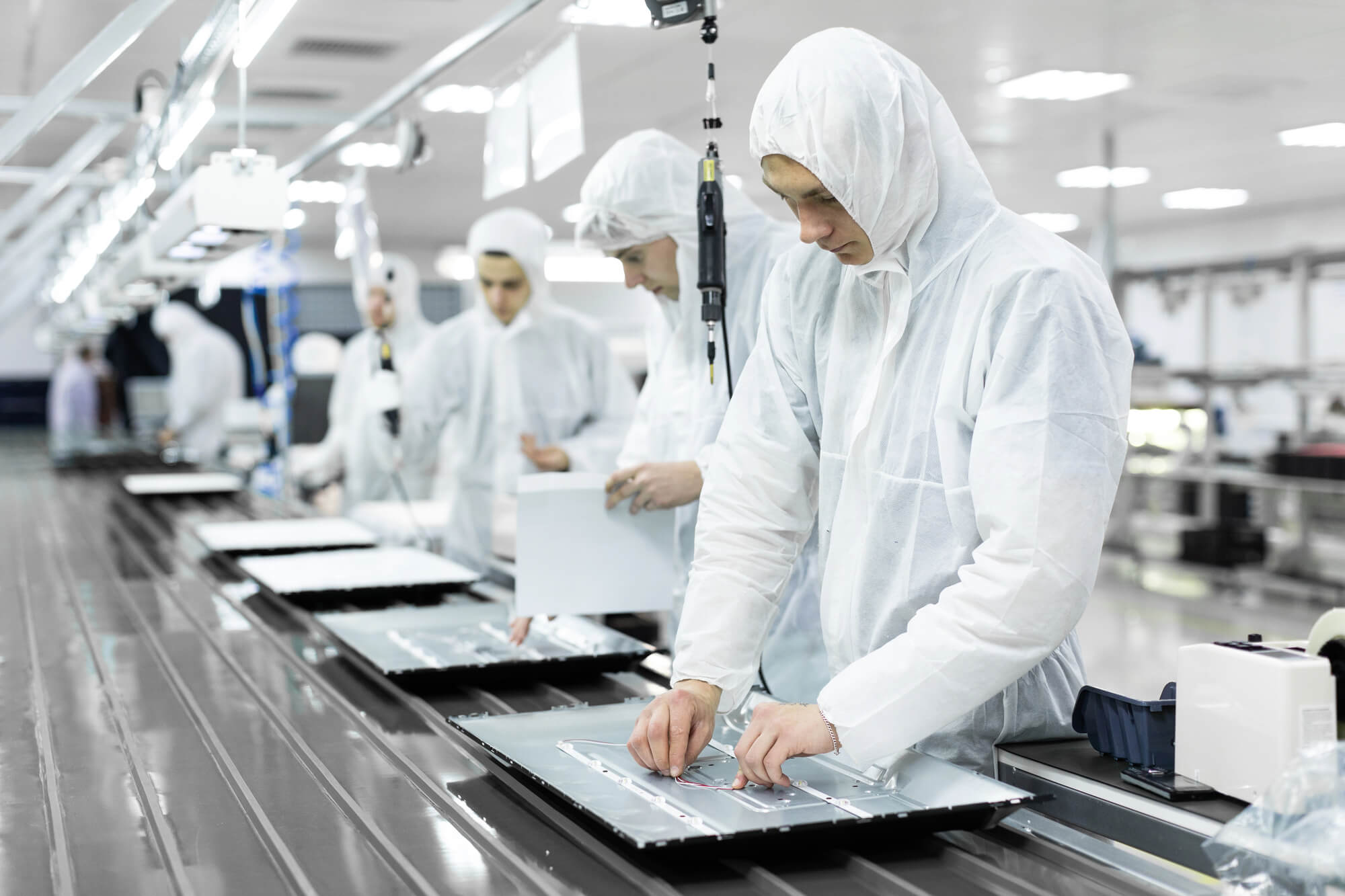
While factories still exist, automation eliminated entire classes of assembly line work. Welding, spray painting, and repetitive assembly tasks now performed by robots required humans in the early 20th century.
Check Sorters and Bank Tellers (Partial)

Electronic processing and ATMs reduced demand for check-sorting staff and tellers. Bank work exists but in a fraction of its previous employment.
Farriers (Horseshoe Makers)

The transition from horses to automobiles eliminated farriers. The profession that had existed for centuries disappeared as horses stopped being primary transportation.
Telegraph Line Maintainers
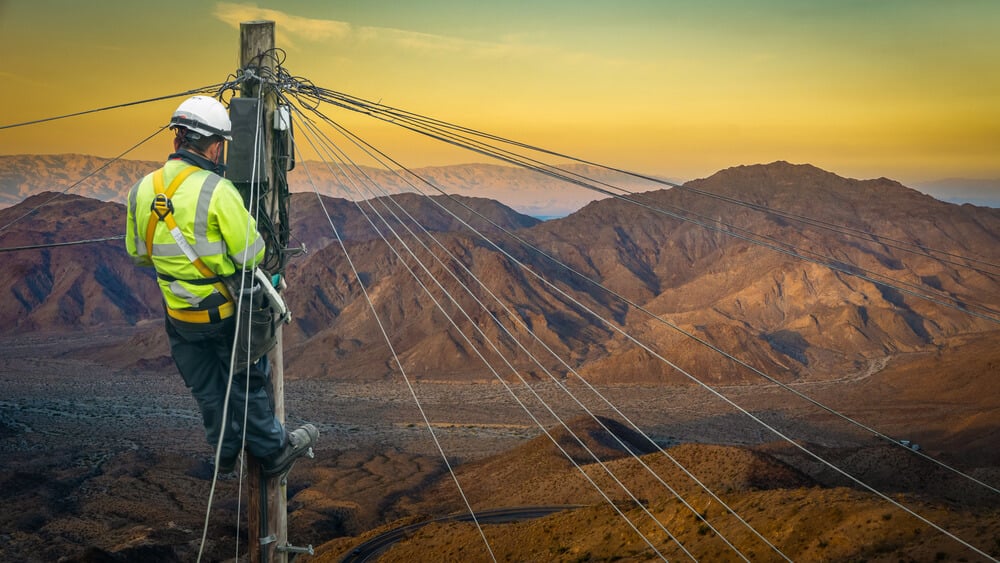
Telegraph wires required constant maintenance and repair. Digital communication eliminated both the need for the lines and the jobs maintaining them.
Loom Operators (Power Loom Era)

The Luddite rebellion occurred partly because power looms replaced skilled hand-loom workers. The new machines required fewer operators and paid less.
Icemen

Before refrigeration, icemen delivered blocks of ice to homes for ice boxes. The refrigerator eliminated both the need and the job.
Laundresses and Washerwomen

Commercial washing machines and home washers eliminated the profession of the laundress. Work that once required a full staff became a home appliance.
Switchboard Installers

As telephone technology automated, the skilled job of manually installing switching equipment disappeared. Automated systems required maintenance, not manual installation.
Milk Delivery Drivers

Milkmen delivered fresh milk daily to homes. Supermarkets and refrigeration made the daily delivery route obsolete.
Telegram Messengers

Young messengers once delivered telegrams throughout cities. Digital communication eliminated the profession almost entirely.
Lamplighter’s Helper
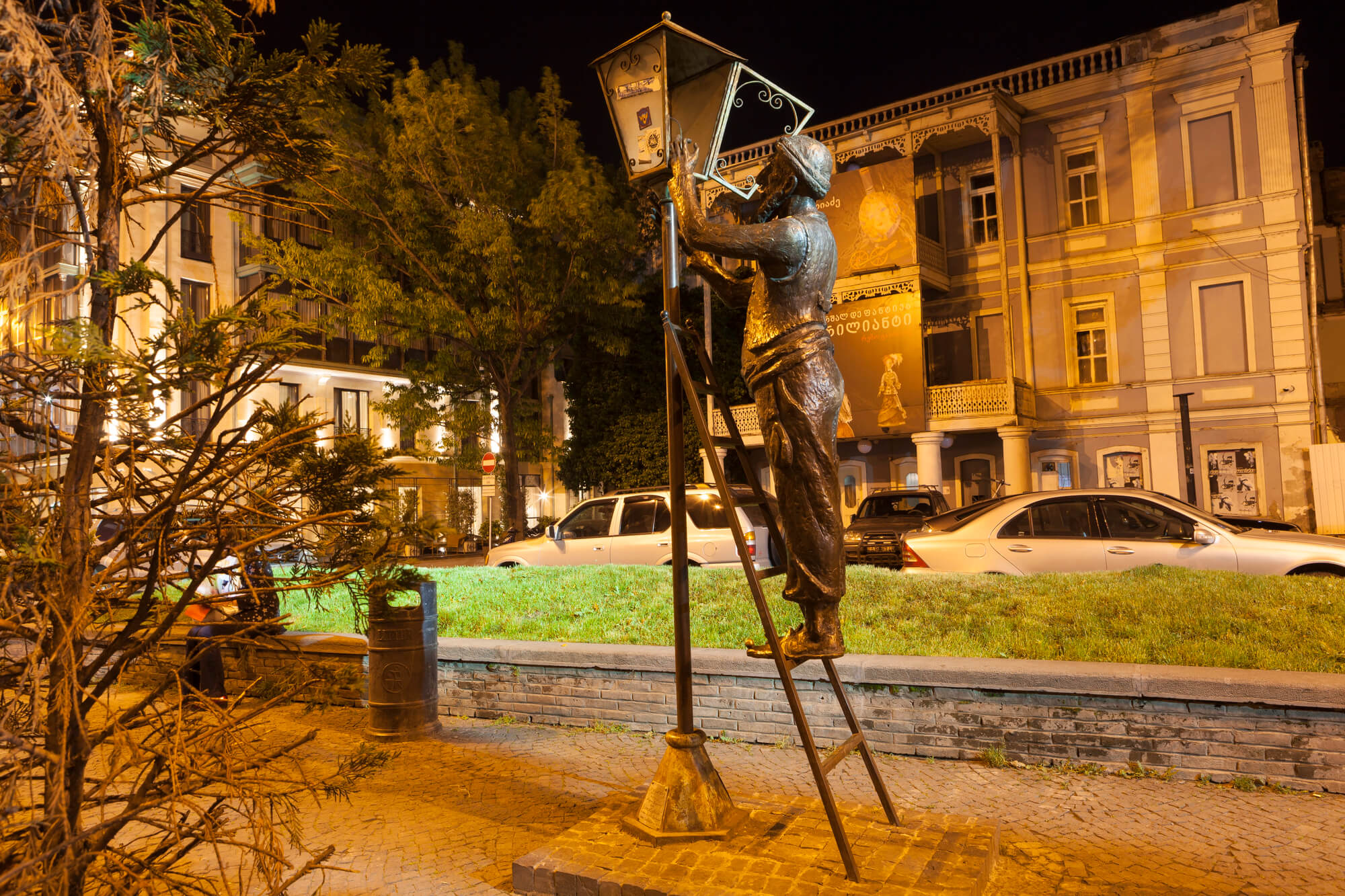
As street lighting automated, even the assistant positions vanished. The job didn’t just shrink; it disappeared completely.
Punch Card Operators
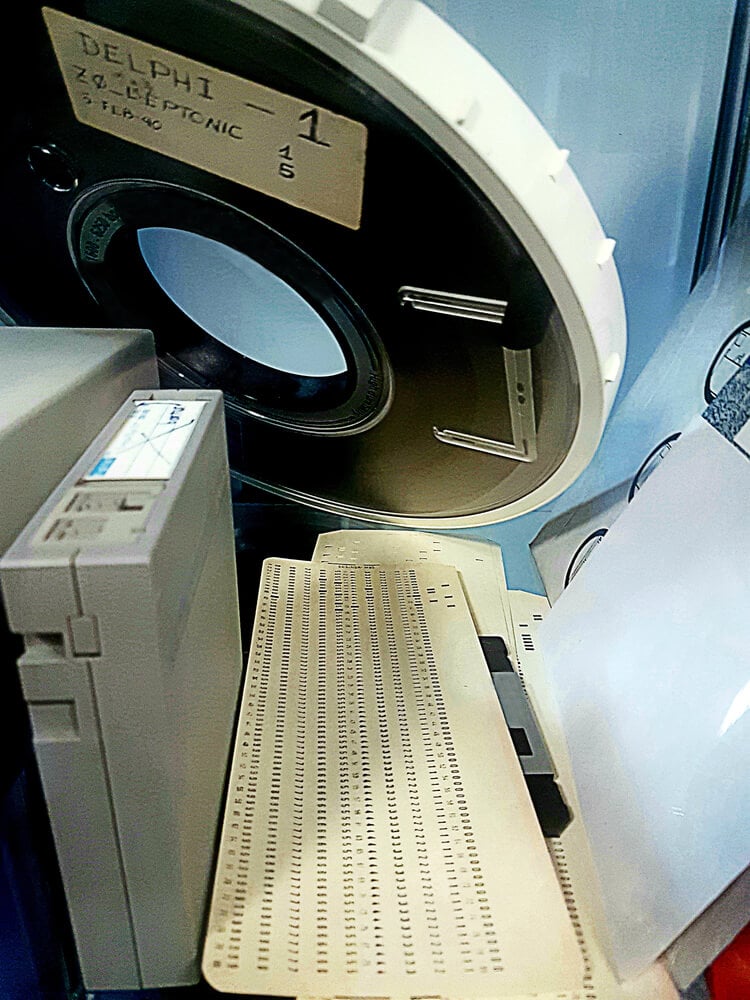
IBM punch cards required operators to transcribe data onto cards for computer processing. Magnetic tape and direct data entry replaced the profession.
Camera Operators (Specific Roles)

Silent film projection required skilled operators to change reels and manage equipment. Automation in projection eliminated specialized positions.
Water Carriers

Piped water systems replaced the profession of carrying water from wells to homes. The job became unnecessary the moment plumbing became standard.
Knocker-Uppers

In Britain and Ireland, “knocker-uppers” were hired to wake workers early in the morning by tapping on windows. Cheap alarm clocks eliminated the job.
Stenotype Reporters (Partial)
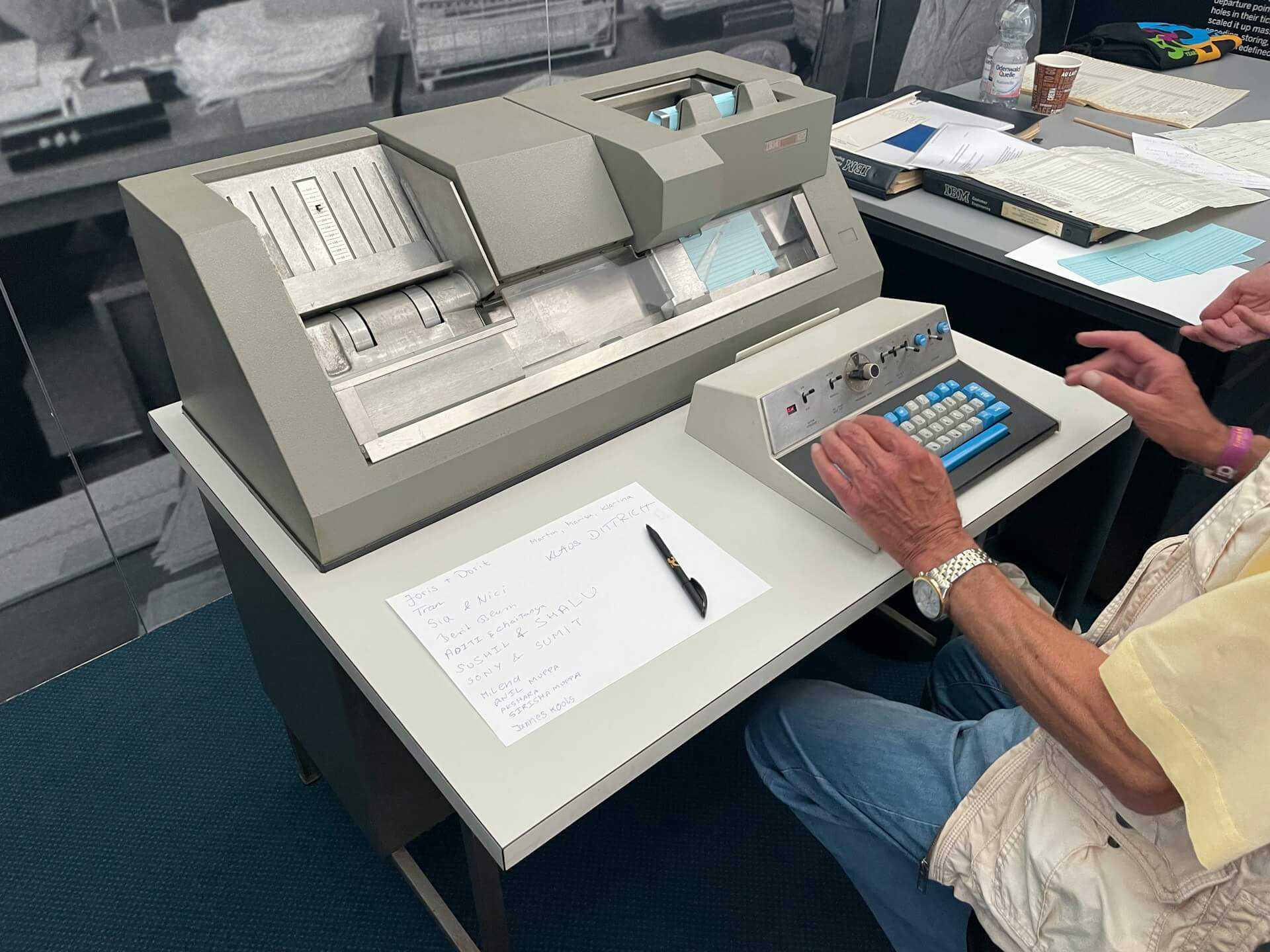
While court reporters still exist, speech-to-text technology and digital recording have reduced demand significantly. The skilled stenotype operator is less essential now.
Horse Breeders and Handlers (Professional)

Professional horse breeders and handlers experienced dramatic job loss as automobiles replaced horses. Some remain, but the profession’s scale contracted by 90 percent.
Card Sorters (Computer Era)

Early computers required people to sort punch cards before processing. Digital input made manual card sorting completely unnecessary.
Carbon Copiers

Before copy machines, people manually transcribed documents using carbon paper. Photocopiers made the job instantly obsolete.
The Jobs That Didn’t Adapt
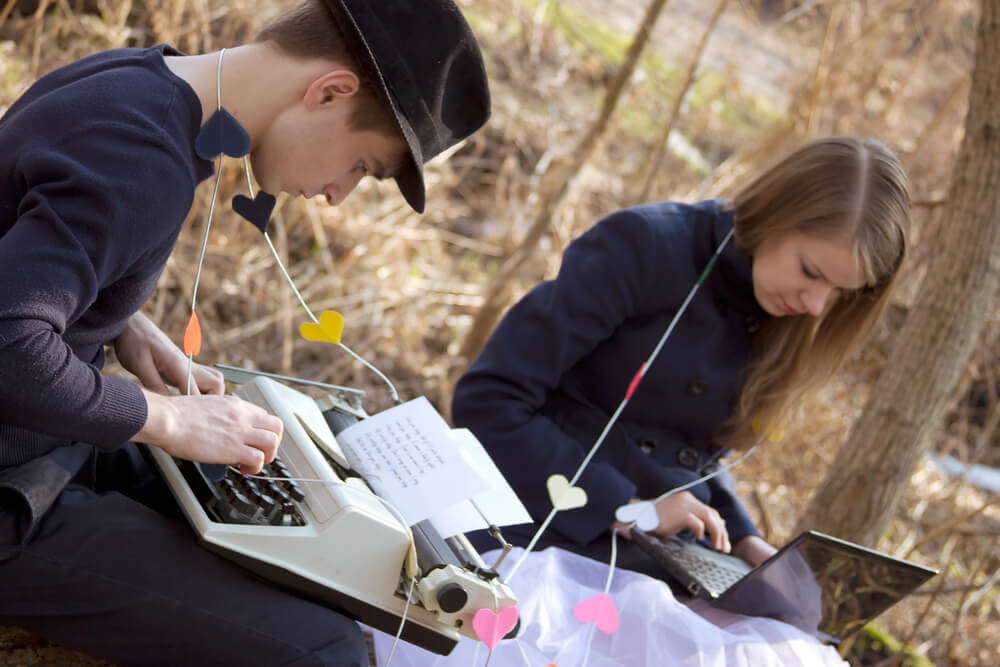
What’s notable about these professions isn’t just that they disappeared, but that many workers never found equivalent work. A switchboard operator couldn’t automatically become an elevator operator when phones automated.
A lamplighter had no natural transition to any remaining profession. The economy created new work, but it rarely created it in the same place for the same people.
More from Go2Tutors!

- The Romanov Crown Jewels and Their Tragic Fate
- 13 Historical Mysteries That Science Still Can’t Solve
- Famous Hoaxes That Fooled the World for Years
- 15 Child Stars with Tragic Adult Lives
- 16 Famous Jewelry Pieces in History
Like Go2Tutors’s content? Follow us on MSN.