26 Music Formats Listeners Replaced One After Another
Every generation has believed its way of hearing a song was the final one, right up until a smaller, cheaper, or clearer format made the old shelf of media look like clutter. The history of recorded sound is really a history of these handoffs, each one promising better fidelity or more convenience while quietly making an entire industry of manufacturing, storefronts, and collecting habits obsolete.
Phonograph Cylinder
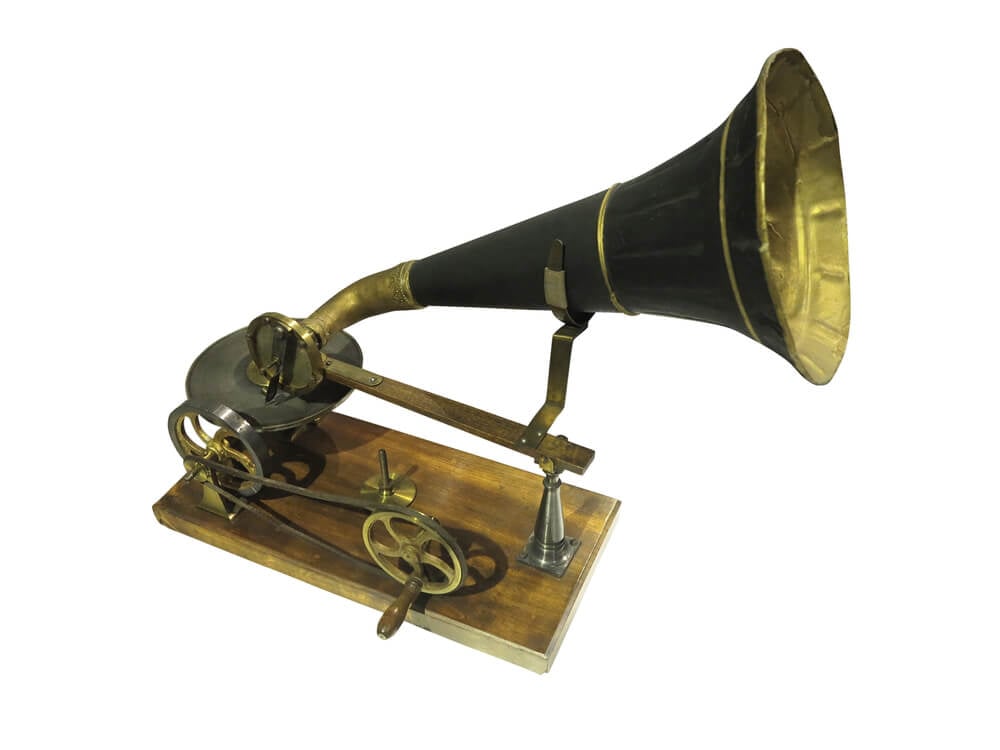
Thomas Edison’s original playback medium wrapped a groove around a rotating wax tube rather than a flat disc, and early cylinders could only be played a few dozen times before the grooves wore down. Companies like Edison Records kept producing cylinders into the 1910s even as flat discs overtook them commercially, largely because Edison personally favored the format’s sound.
Collectors today still hunt for surviving brown wax cylinders, many of which have physically decayed beyond recovery.
Shellac 78 Rpm Disc
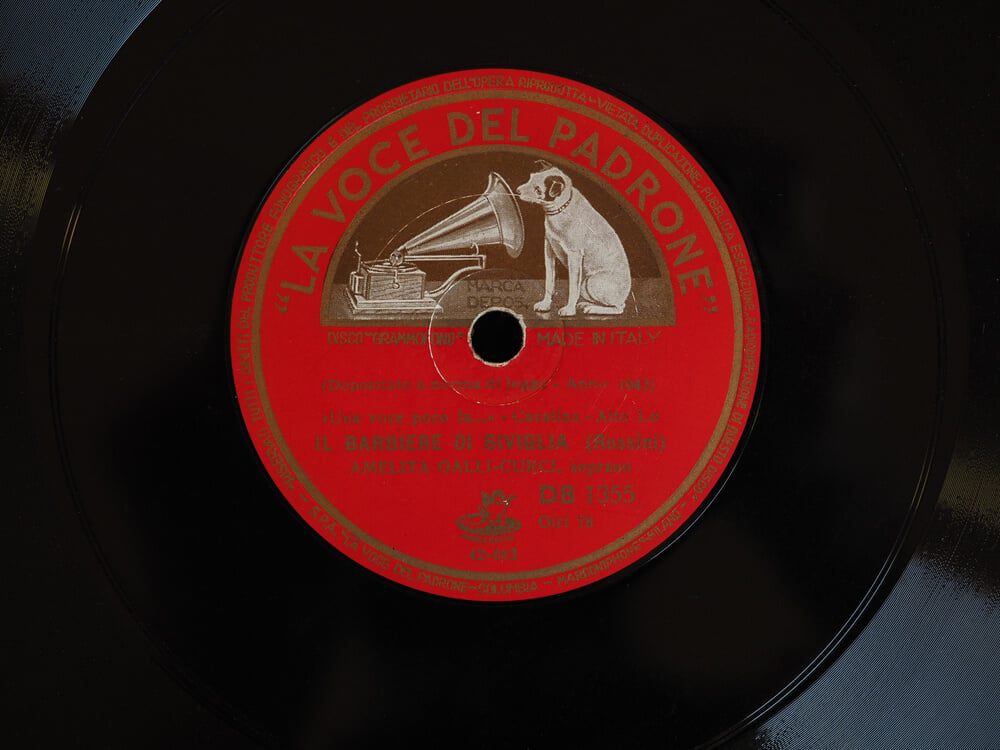
Made from a brittle compound of shellac resin and mineral filler, the 78 rpm disc dominated the record industry from the 1900s through the early 1950s and shattered easily if dropped. A single 78 typically held only about three to four minutes of music per side, which shaped the standard length of the popular song for decades.
Wartime shellac shortages during the Second World War even forced labels to ask customers to trade in old records for new ones.
Player Piano Roll
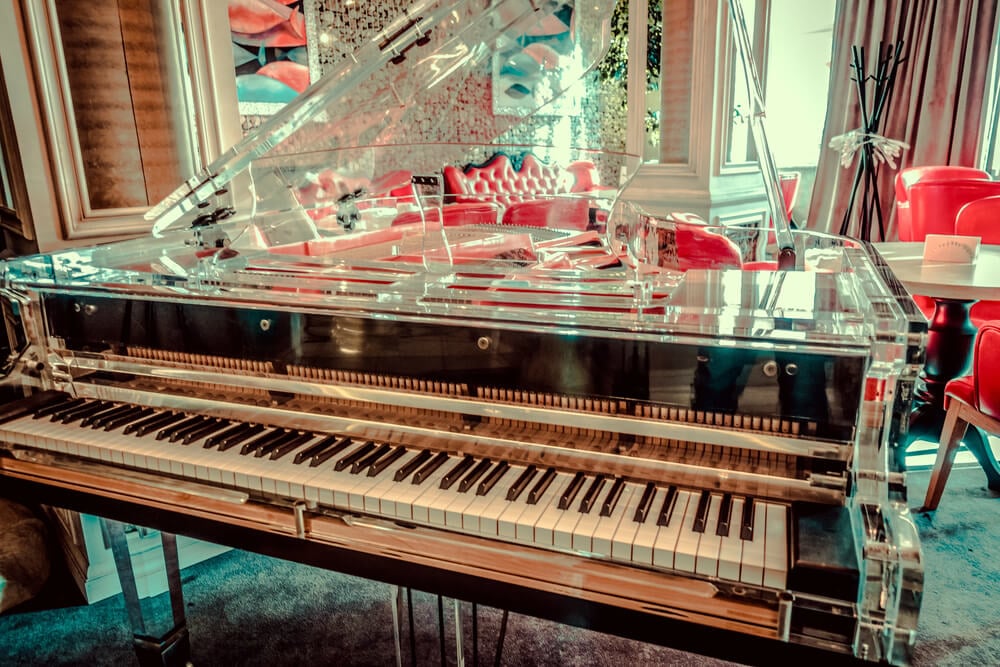
Before home audio playback was common, many households heard “recorded” music through perforated paper rolls fed into a player piano, which used a pattern of perforations to trigger the keys mechanically. The format sold in the millions during the 1910s and 1920s, with companies like QRS Music cutting rolls of ragtime and popular tunes.
Piano roll sales collapsed almost overnight once affordable phonographs and radio reached the same households.
Wire Recorder Spool
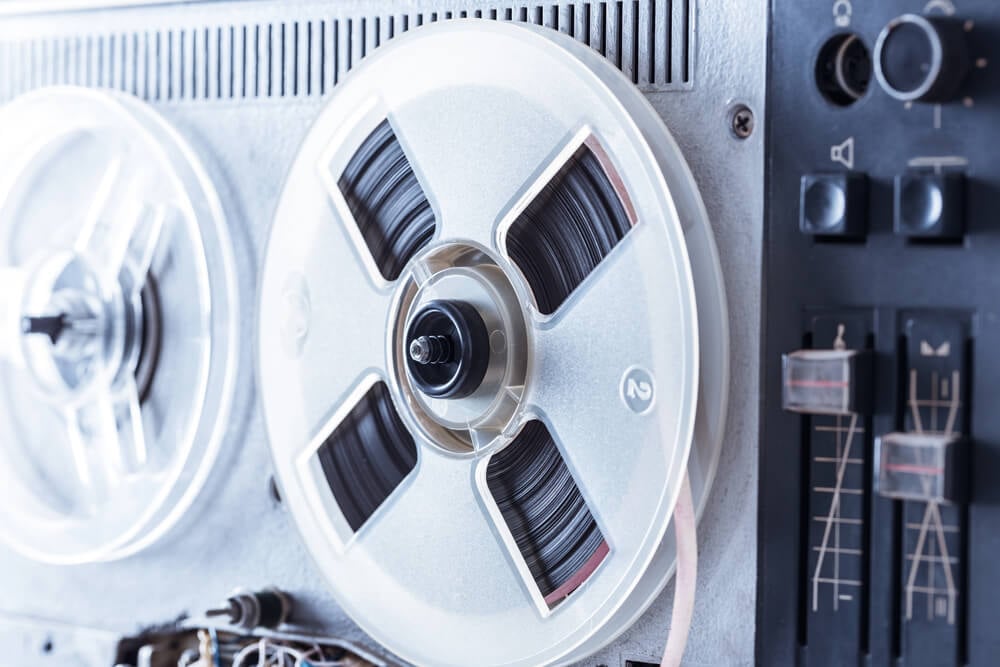
In the years before magnetic tape became practical, some recorders used a spool of thin steel wire that stored sound magnetically, a format popular briefly with hobbyists and journalists after the war. Wire recordings could run for long stretches without changing media, which made them useful for dictation and early broadcast interviews.
The wire itself was fragile and prone to tangling into a hopeless knot, a flaw that magnetic tape solved almost immediately.
Vinyl LP
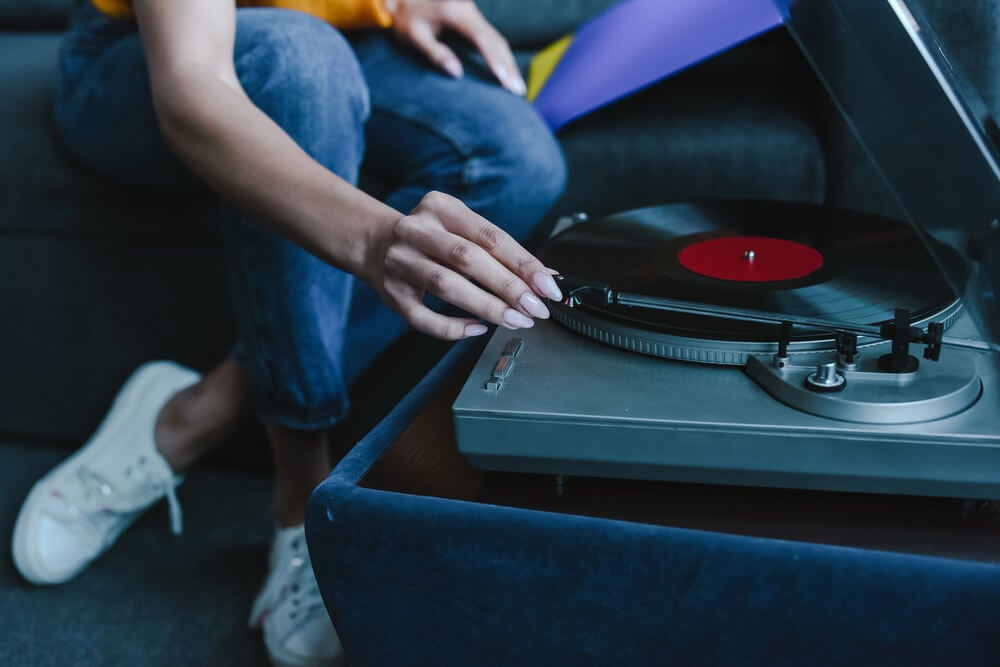
Columbia Records introduced the 33⅓ rpm long-playing vinyl record in 1948, allowing over twenty minutes of music per side instead of the few minutes a 78 could hold. The format’s durability and the microgroove technology behind it made it the dominant medium for albums for nearly four decades.
Vinyl never fully disappeared and has seen a sustained sales resurgence in the 2010s and 2020s among collectors who prize its physical ritual.
45 Rpm Single
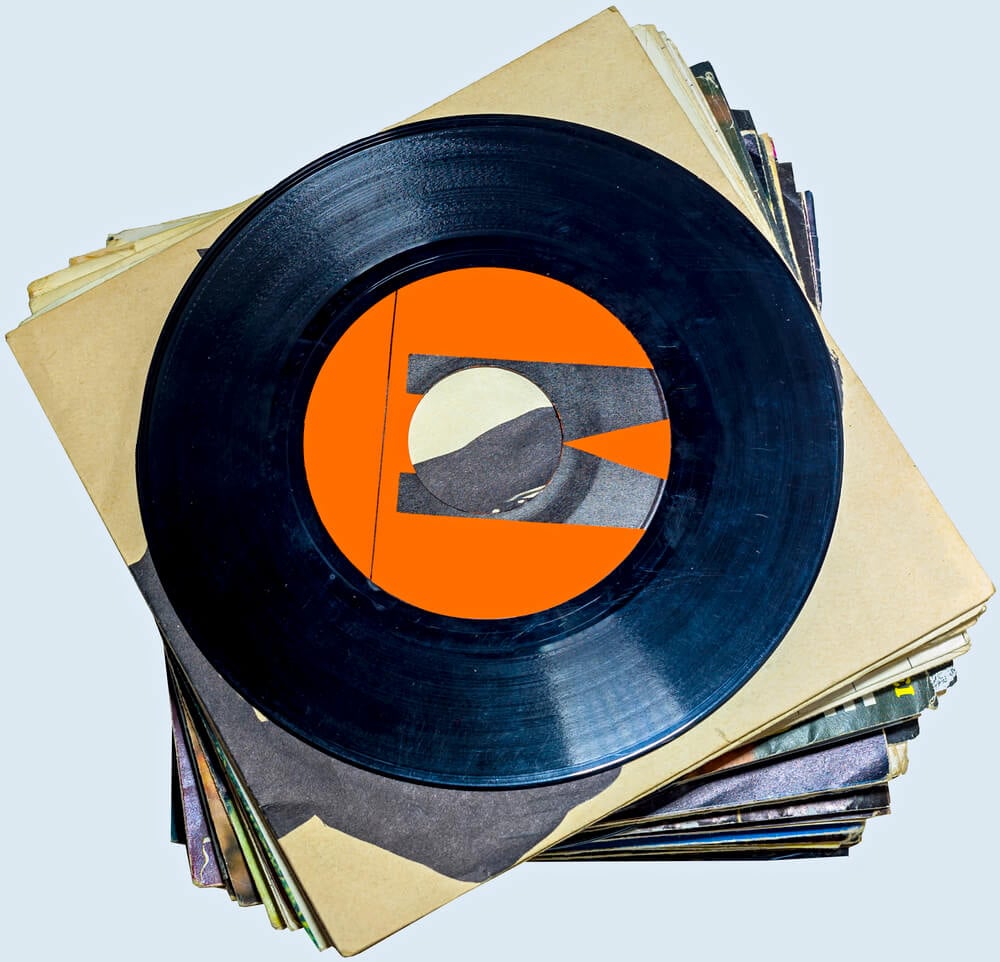
RCA Victor answered Columbia’s LP with a smaller seven-inch disc spun at 45 rpm, built around a wide center spindle opening that required a special adapter or turntable. The format became the standard for individual pop songs and jukebox play through the 1950s and 1960s.
Its compact size and cheap pressing cost made it a natural fit for teenage buyers with limited spending money.
Reel-to-Reel Tape
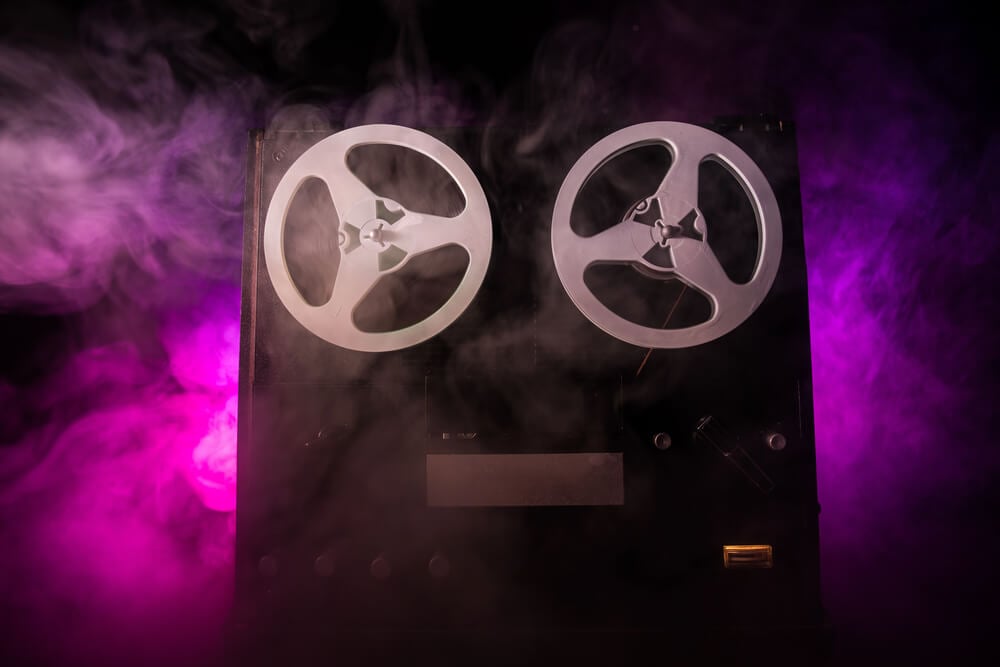
Magnetic tape wound between two open reels gave recording studios and serious home listeners far better fidelity than vinyl could offer, along with the ability to edit and splice recordings physically. Consumer reel-to-reel decks were popular through the 1950s and 1960s among audiophiles willing to thread tape by hand before each listening session.
The format’s complexity and bulk made it a natural target for the cartridge-based formats that followed.
Quadraphonic Vinyl
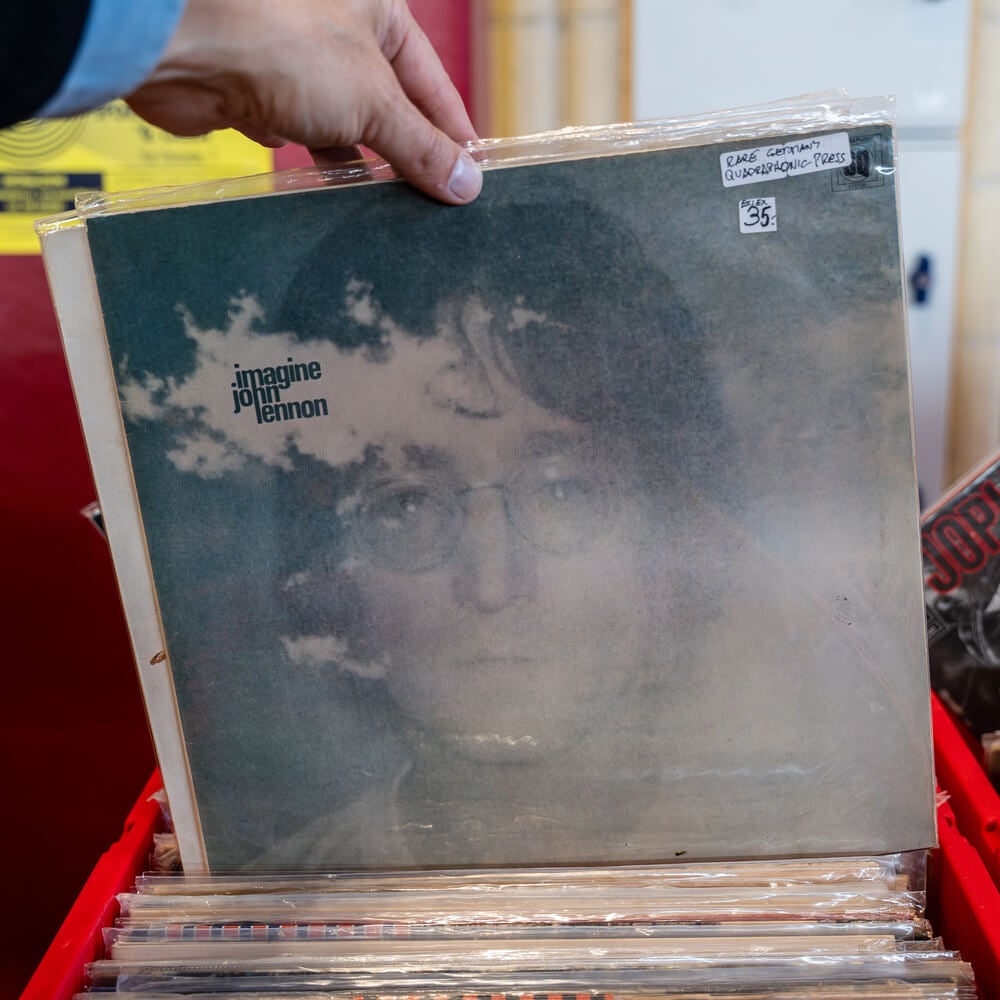
In the early 1970s, several record labels pushed four-channel “quad” mixes of albums, requiring a special decoder and four speakers to hear the intended surround effect. Competing and incompatible quad encoding systems from different manufacturers confused retailers and buyers alike.
The format was largely abandoned by the end of the decade, leaving behind a small but devoted collector market for quad-mixed pressings.
8-Track Cartridge
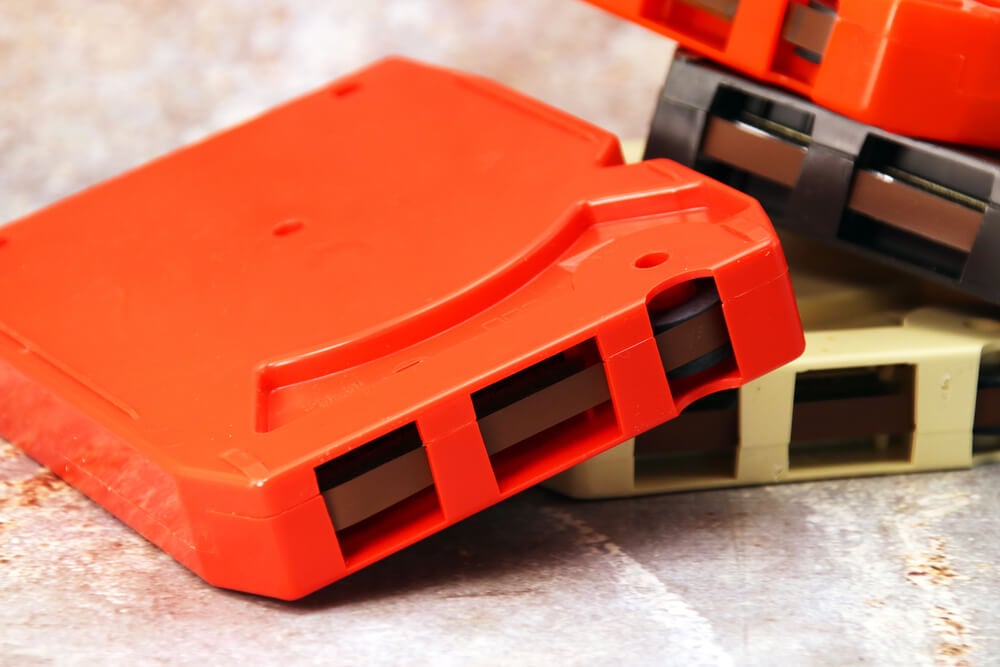
Developed with backing from Ford Motor Company for use in car stereos, the 8-track cartridge let drivers change albums without ejecting a reel, though songs were often split awkwardly across the tape’s four programs. The format thrived in cars and living rooms through the 1970s.
Cassette decks, which were smaller and allowed rewinding, pushed 8-tracks out of most stores by the early 1980s.
Compact Cassette
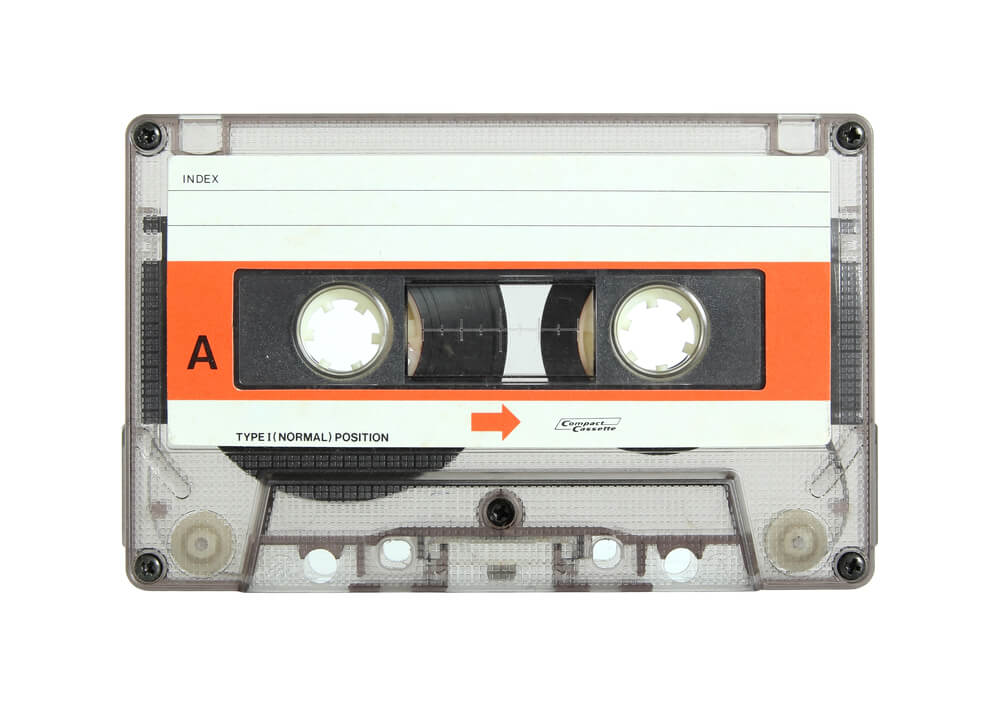
Philips introduced the compact cassette in 1963, and by the late 1970s it had become the format of choice for mixtapes, portable players, and car stereos worldwide. Its combination of small size, low cost, and the ability to record from the radio gave listeners control over their own playlists for the first time.
Cassette sales were eventually overtaken by compact discs in the early 1990s, though a niche cassette revival has continued among independent musicians.
Elcaset
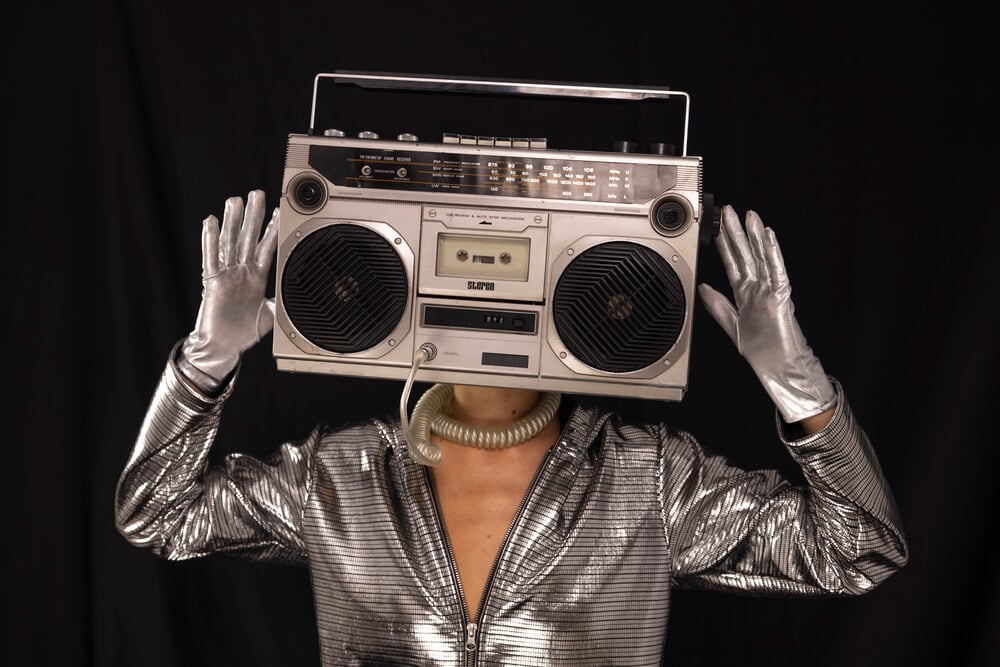
Sony and other manufacturers tried to split the difference between cassette convenience and reel-to-reel fidelity with the Elcaset in the mid-1970s, a larger cartridge that exposed its tape for higher-quality playback. The format arrived just as standard cassette quality was improving through better tape formulations, leaving little reason for buyers to adopt something bulkier.
Elcaset decks were pulled from the market within a few years of launch.
Digital Compact Cassette
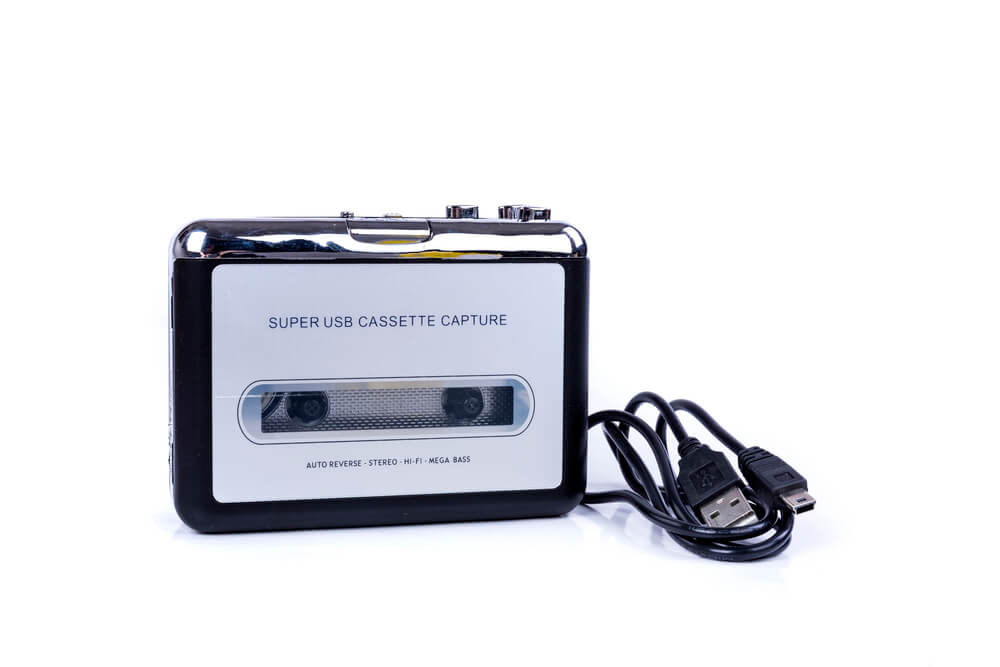
Philips tried again in 1992 with the Digital Compact Cassette, a tape format that stored digital audio while remaining backward-compatible with analog cassette players. It launched into direct competition with Sony’s MiniDisc and with the compact disc, and consumers saw little reason to buy new tape hardware when CDs already offered digital sound.
Philips discontinued the format in 1996 after a brief run.
Digital Audio Tape
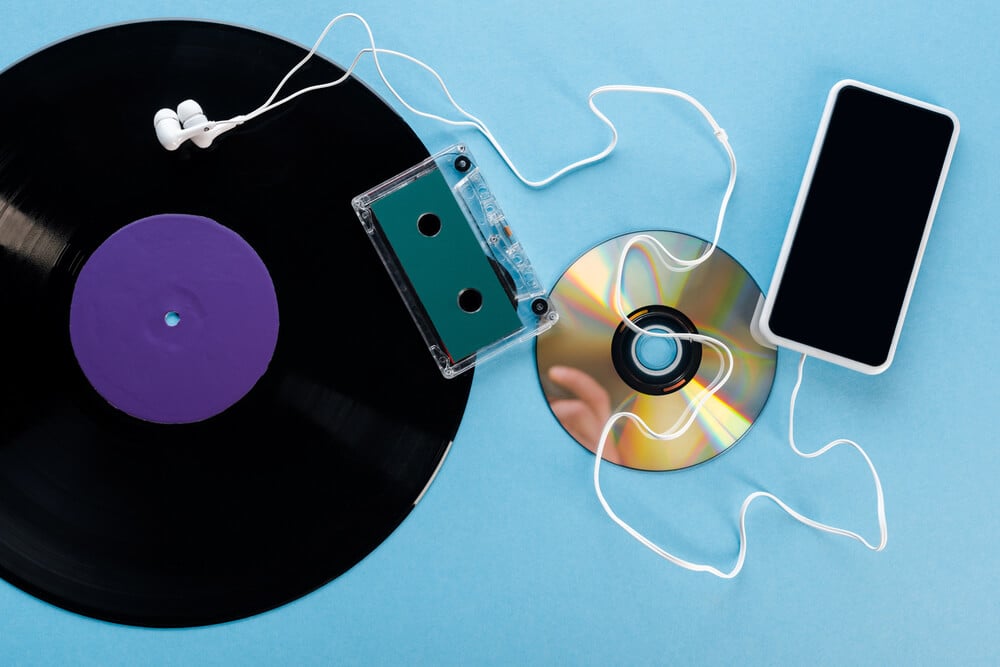
Digital Audio Tape, or DAT, offered studio-quality digital recording in a cassette smaller than a standard audio tape and became a staple of professional recording studios and radio stations. Record labels lobbied against consumer DAT decks over fears that they would enable perfect digital copying of albums, which slowed the format’s retail rollout in the United States.
DAT survived mainly as a professional tool long after consumer interest faded.
Compact Disc
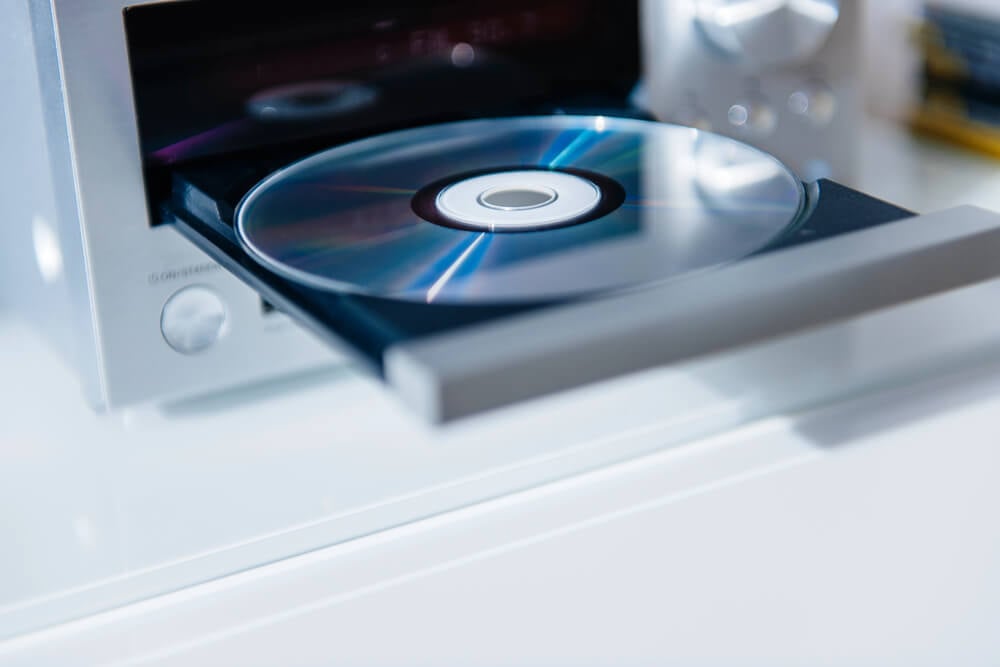
Sony and Philips jointly developed the compact disc, which reached stores in 1982 and offered digital sound without the surface noise of vinyl or the hiss of tape. CD sales overtook cassette sales in the United States by 1991 and the format became the best-selling physical medium in music history.
Streaming and downloads eventually eclipsed it, though CDs remain in production for collectors and specific fan releases.
CD Single
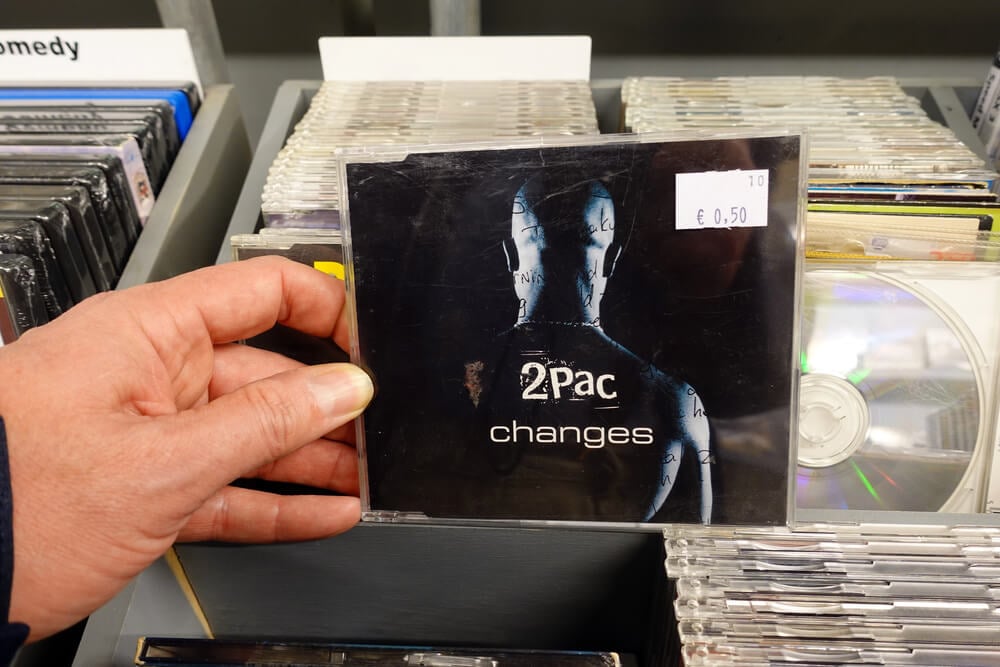
Retailers in the 1990s often sold individual songs on a smaller three-inch or standard-sized compact disc known as the CD single, sometimes bundled with remixes or B-sides. The format let labels test a song’s popularity before committing to a full album release.
Digital downloads made the physical CD single largely unnecessary by the early 2000s.
MiniDisc
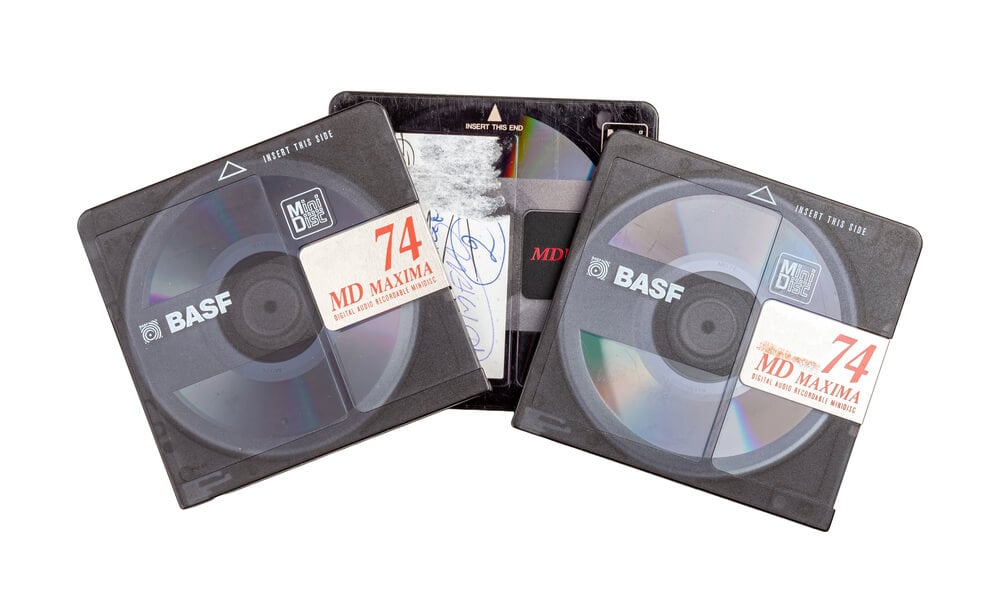
Sony launched the MiniDisc in 1992 as a rewritable digital format housed in a rugged plastic case similar to a small floppy disk, aimed at replacing the cassette for portable recording. It found a loyal following among musicians, students, and radio producers who valued its skip-resistant playback and easy editing.
MiniDisc never caught on with the mainstream public and was discontinued by Sony in 2013.
Super Audio CD
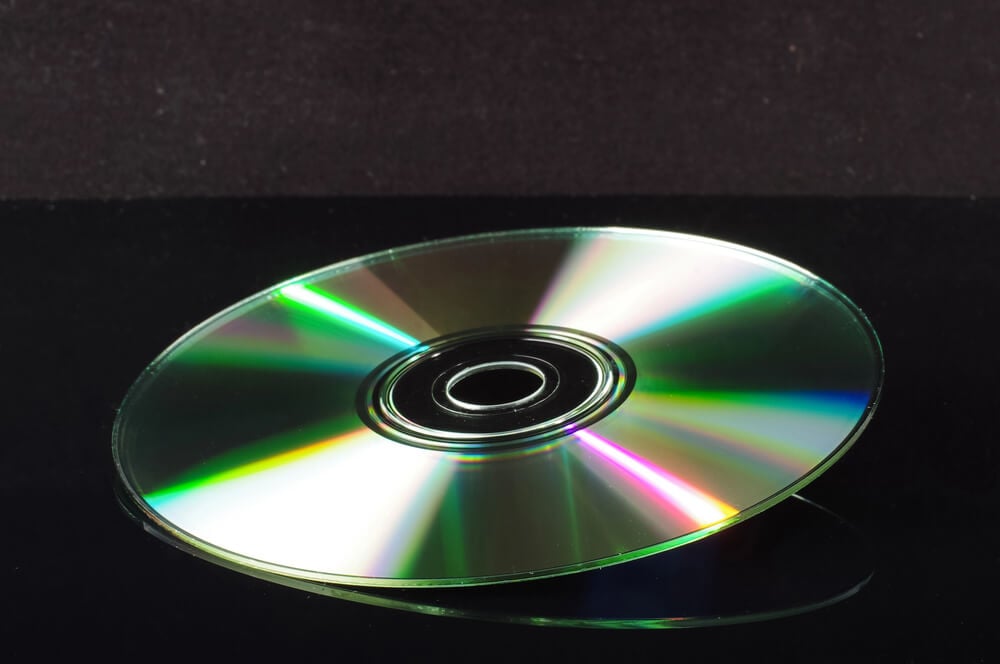
Sony and Philips followed the standard CD with the Super Audio CD in 1999, a higher-resolution disc aimed at audiophiles and often mixed in surround sound for classical and jazz reissues. The format required a compatible player that many households never bought, limiting it to a specialty market.
Super Audio CD releases continue in small numbers for collectors, but the format never reached mass adoption.
Napster-Era MP3 File
Peer-to-peer file-sharing services like Napster, launched in 1999, let listeners trade compressed MP3 files freely and effectively created a new de facto format overnight. Record labels sued the service into shutting down in 2001, but the shift toward digital files had already taken hold.
The episode reshaped how the music industry approached digital distribution for the following decade.
Purchased Digital Download

Apple’s iTunes Store opened in 2003 and offered a legal alternative to file sharing by selling individual songs for ninety-nine cents each, undercutting the traditional full-album purchase. The store became the largest music retailer in the United States within a few years of launch.
Paid downloads themselves began declining once subscription streaming offered access to entire catalogs for a flat monthly fee.
Portable MP3 Player
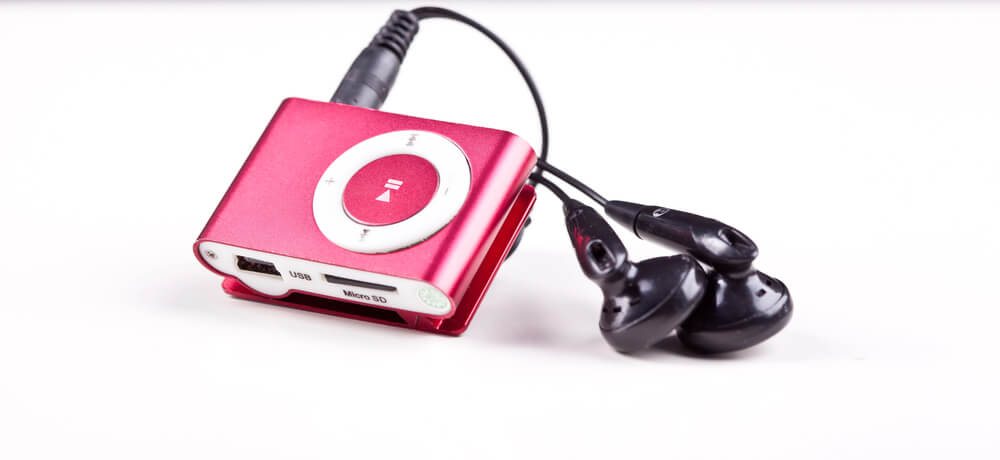
Devices like Apple’s iPod, introduced in 2001, let listeners carry thousands of songs in a pocket-sized player instead of a binder of CDs or cassettes. The iPod’s click wheel interface and iTunes integration made it the dominant portable music device of the 2000s.
Smartphones absorbed the same function within a decade, making dedicated MP3 players largely unnecessary.
Polyphonic Ringtone
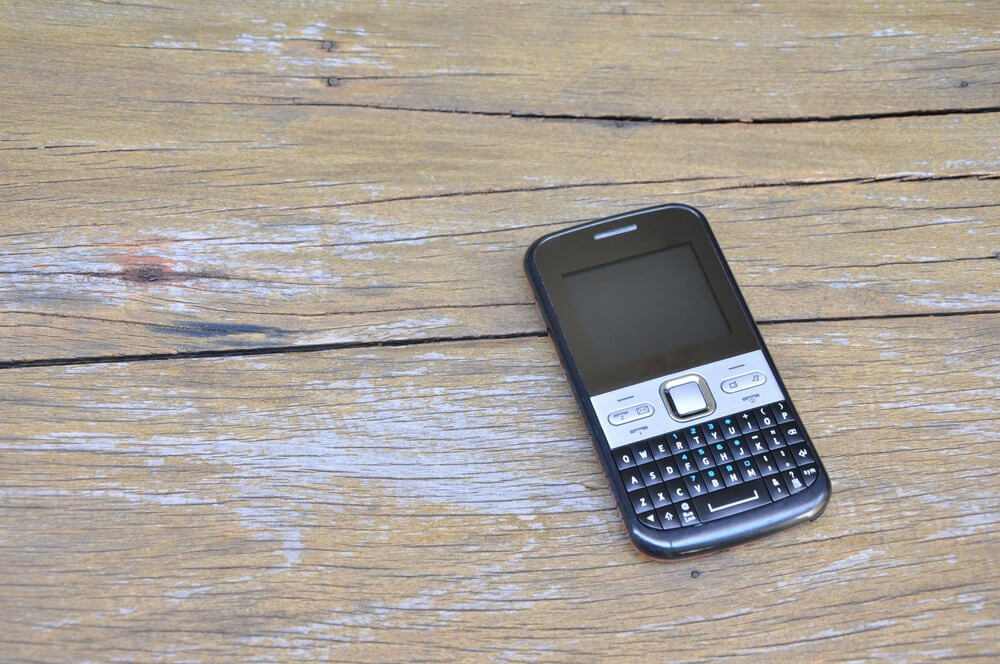
In the early 2000s, mobile carriers sold short instrumental clips of popular songs as ringtones, and the ringtone market briefly became a billion-dollar segment of the music business. Labels licensed hit songs specifically for ringtone remixes to capture the trend.
Smartphone customization options and the decline of caller-specific tones ended the ringtone boom by the end of the decade.
Burned CD Mixtape
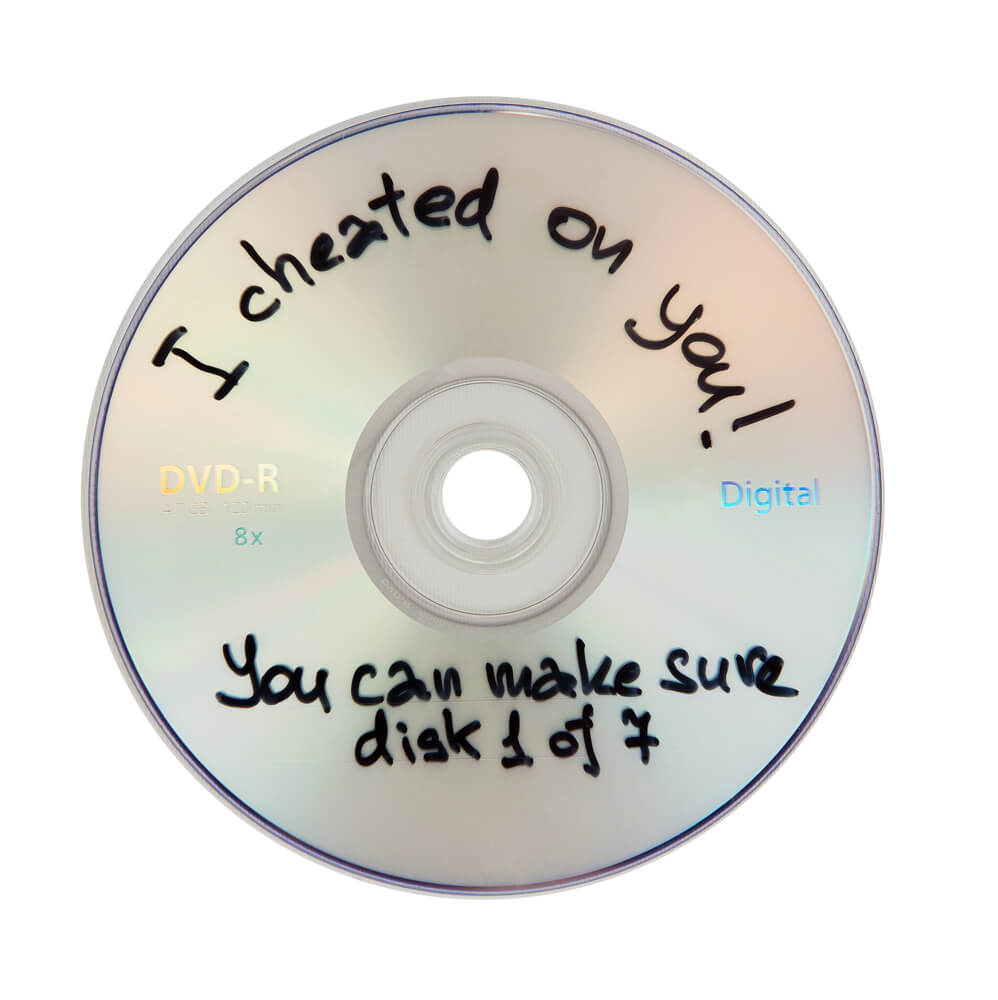
Home CD burners, widely available by the late 1990s, let listeners compile their own mixes onto blank discs the way earlier generations had recorded cassette mixtapes off the radio. Blank CD-R sales soared through the early 2000s as a result.
The rise of streaming playlists eventually replaced the burned mix disc as the easiest way to share a curated set of songs.
Streaming Service Playlist
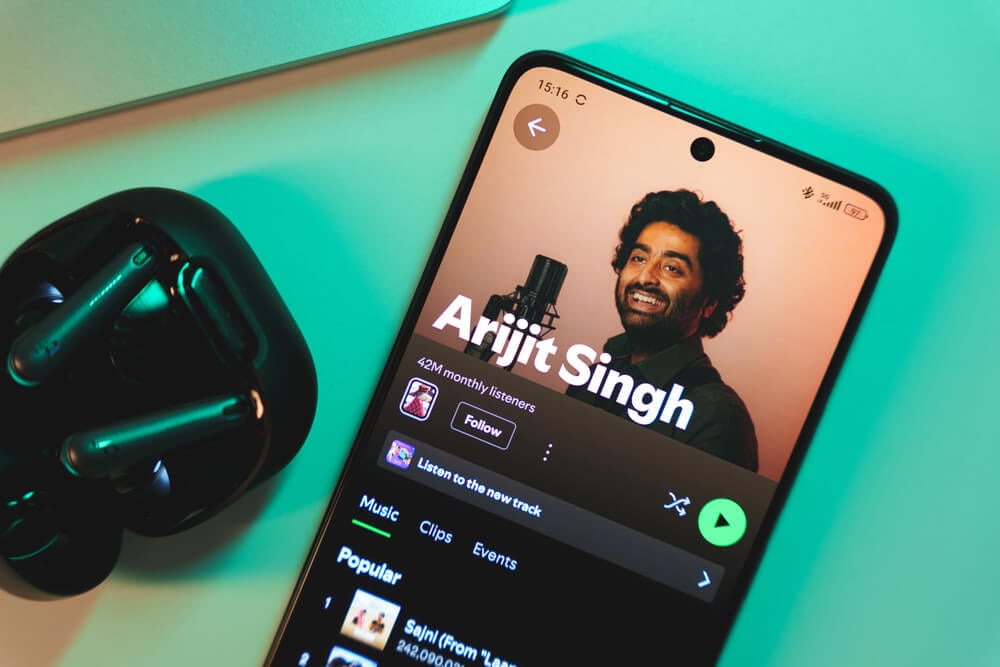
Services such as Spotify, which launched in Sweden in 2008 and expanded to the United States in 2011, replaced the idea of owning a copy of a song with paying for access to a shared catalog. Streaming became the primary source of recorded music revenue worldwide by the mid-2010s.
The shift moved industry attention away from unit sales and toward algorithmically generated playlists and per-stream royalties.
High-Resolution FLAC Download

As streaming’s compressed audio drew criticism from audiophiles, some retailers began selling lossless FLAC files that preserved more of a recording’s original detail than standard MP3 or streaming quality. Dedicated hi-res download stores served a comparatively small but committed customer base.
Major streaming platforms later added lossless tiers of their own, undercutting the case for buying separate hi-res files.
Smart Speaker Voice Streaming
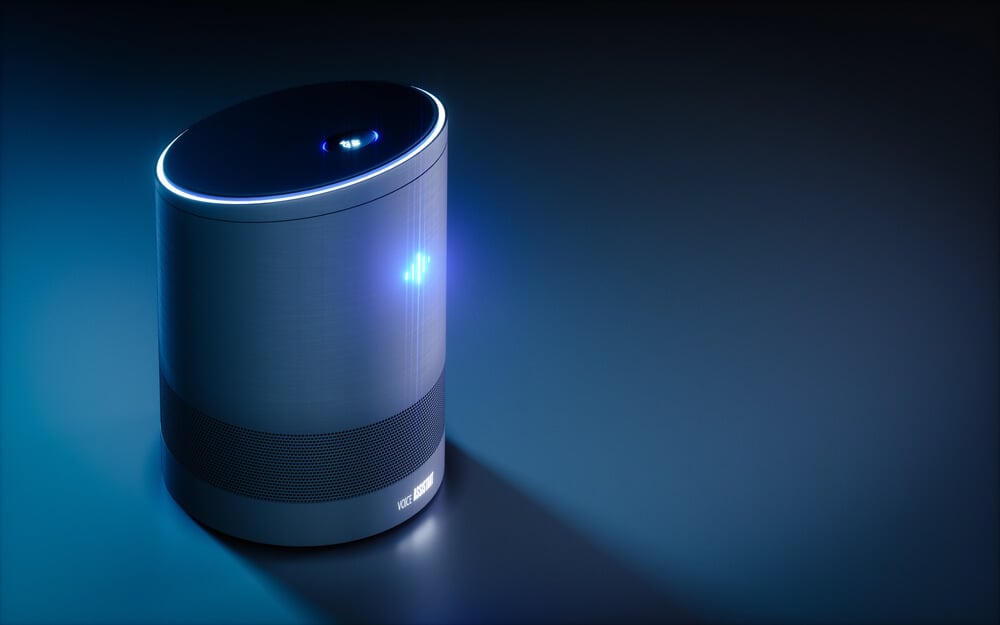
By the late 2010s, devices like Amazon’s Echo and Google’s Nest speakers let listeners request music by voice command rather than choosing a file, disc, or app screen at all. The shift moved playback further from physical or even visual media toward an ambient, spoken interface.
It represents the most recent stage in a long line of formats, each one asking listeners to give up a little more physical control in exchange for convenience.
Flexi Disc
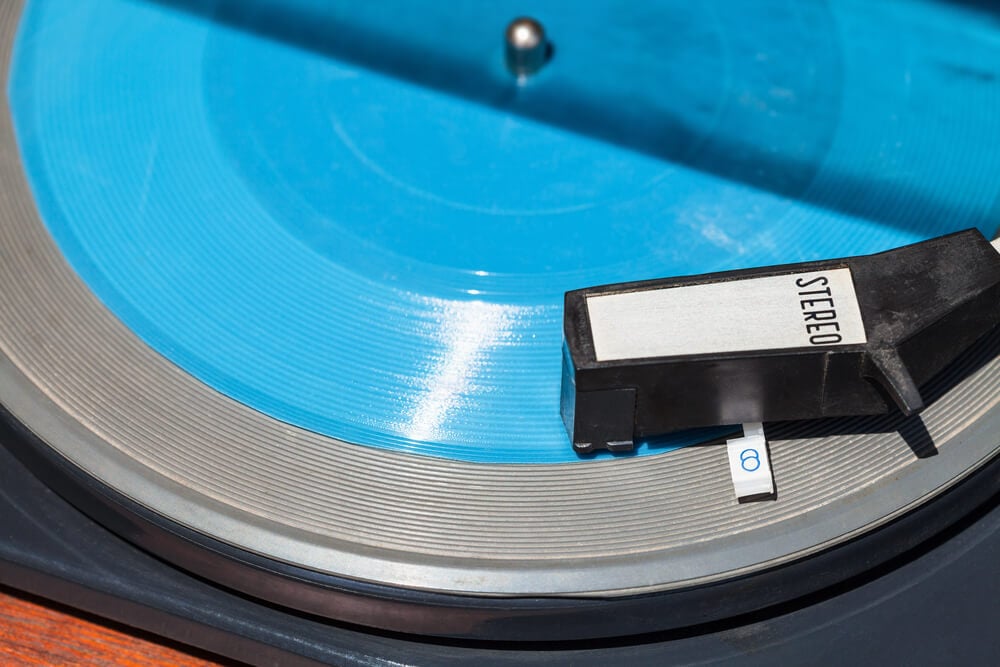
Thin, flexible vinyl sheets known as flexi discs were cheap enough to bind directly into magazines, cereal boxes, and even the backs of comic books, giving readers a playable song without the cost of a standard record. Music magazines used them through the 1970s and 1980s to distribute exclusive tracks and interviews to subscribers.
The format faded once cassettes and later CDs offered far better durability and sound quality for a comparable production cost.
The Shelf That Keeps Emptying Itself

None of these formats died because the music on them stopped mattering. Each one lost out to something smaller, cheaper to produce, or easier to carry, and the listeners who adopted the replacement rarely mourned the format they left behind until decades later, when nostalgia turned obsolete media into a collectible.
What survives from each era is rarely the technology itself but the habits it created: the mixtape, the liner notes, the ritual of flipping a record over. Those habits keep getting rebuilt in whatever format comes next, which suggests the shelf currently holding a phone and a pair of wireless earbuds is not the final one either.
More from Go2Tutors!

- The Romanov Crown Jewels and Their Tragic Fate
- 13 Historical Mysteries That Science Still Can’t Solve
- Famous Hoaxes That Fooled the World for Years
- 15 Child Stars with Tragic Adult Lives
- 16 Famous Jewelry Pieces in History
Like Go2Tutors’s content? Follow us on MSN.