26 Old Coins Worth Checking Change For
Most jars of spare change are just spare change. But a small number of coins still turning up in circulation are worth many times their face value, and a few are worth a small fortune. Knowing what to look for takes only a few seconds of squinting at a date and a mint mark.
1943 Copper Penny
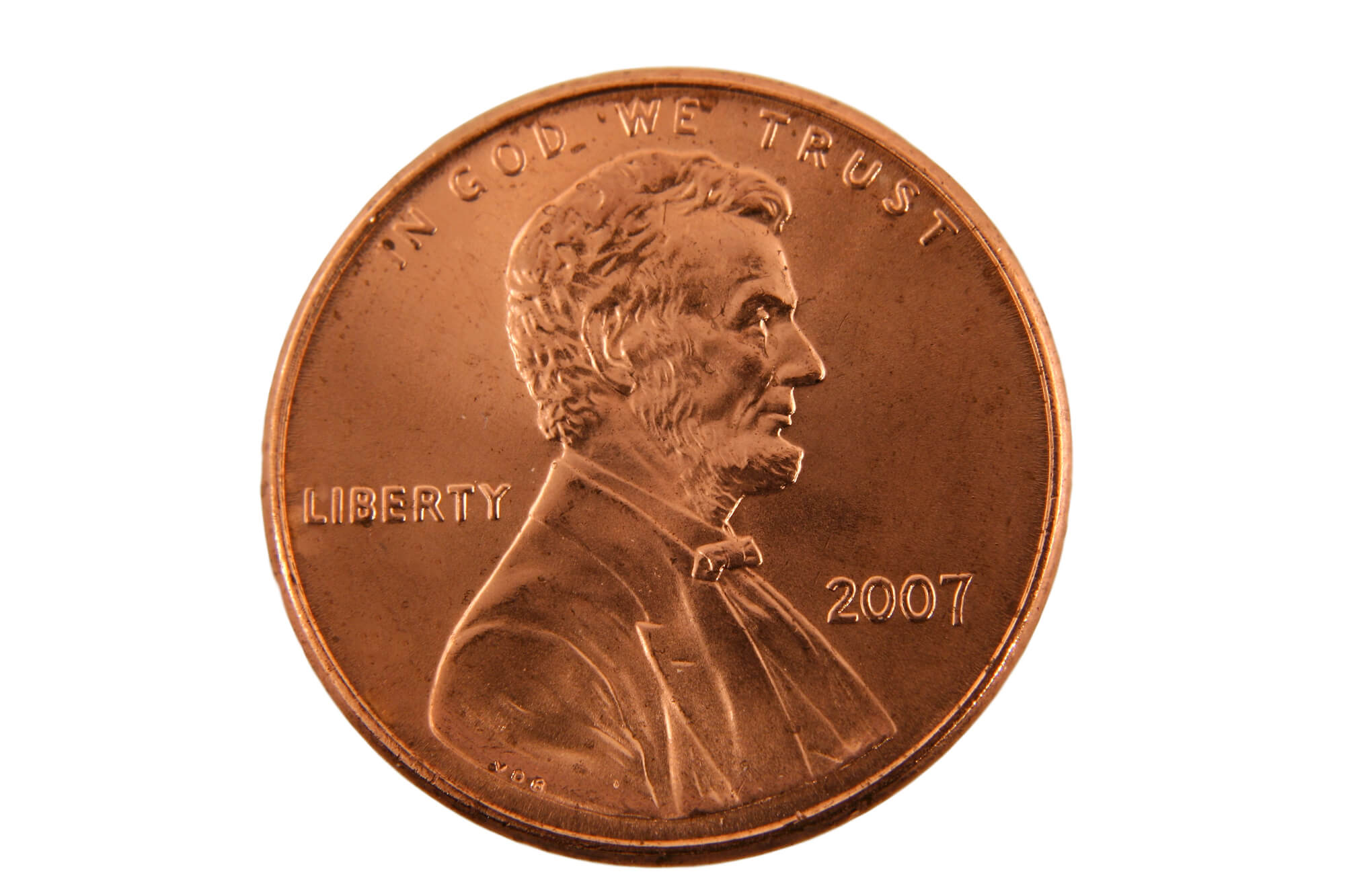
Wartime pennies were supposed to be struck in zinc-coated steel to save copper for the war effort, but a handful of copper blanks slipped through the presses at all three mints. Fewer than two dozen are confirmed to exist, and genuine examples have sold at auction for over a million dollars. A simple magnet test settles the question immediately, since the correct steel version will stick and the rare copper one will not.
1955 Doubled Die Penny
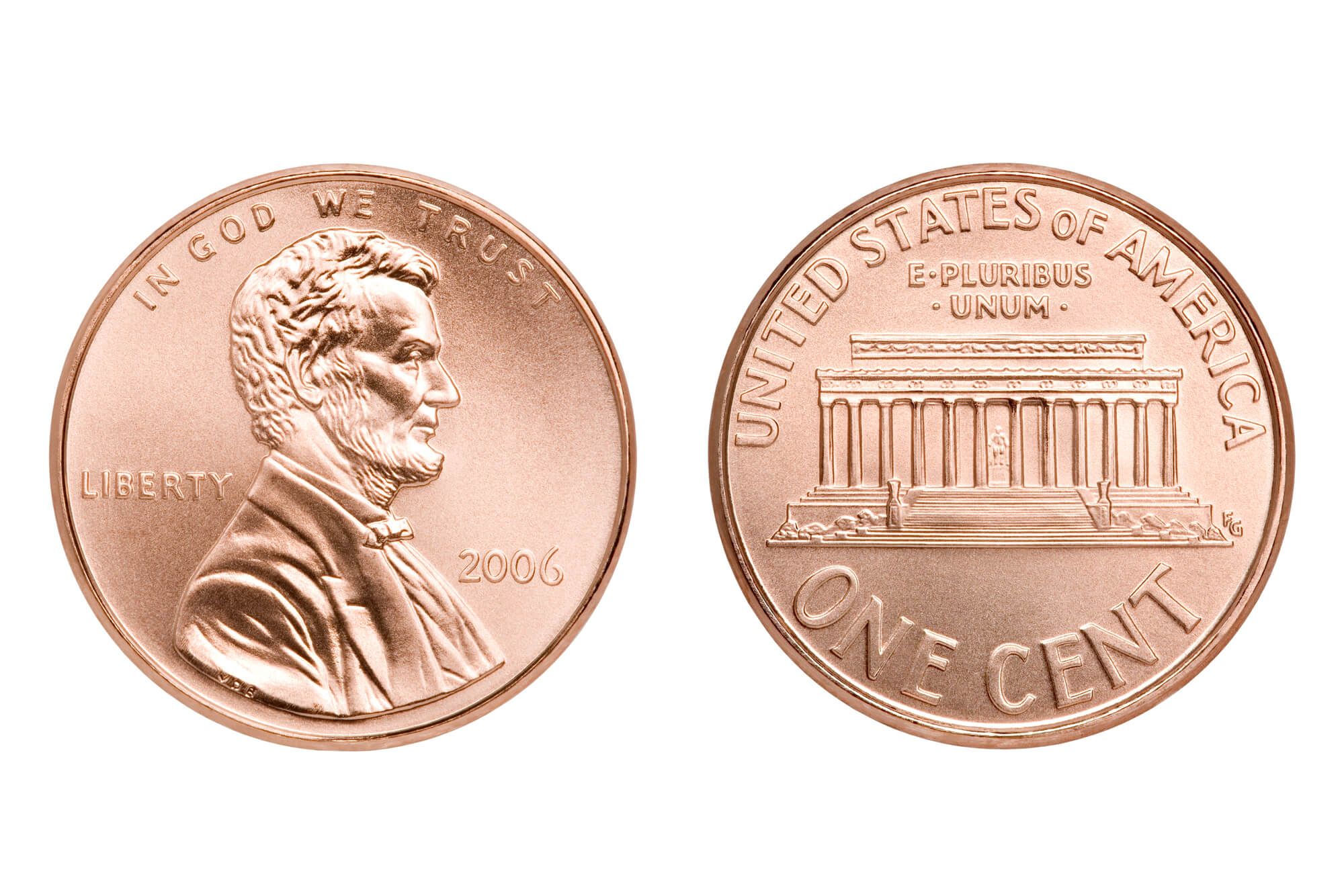
A production error caused the date and lettering on this penny to appear doubled and blurred, a flaw visible without magnification. It slipped past quality control and into general circulation before anyone noticed. Well-preserved examples regularly sell for thousands of dollars, and even heavily worn ones still bring solid money from collectors.
1969-S Doubled Die Penny
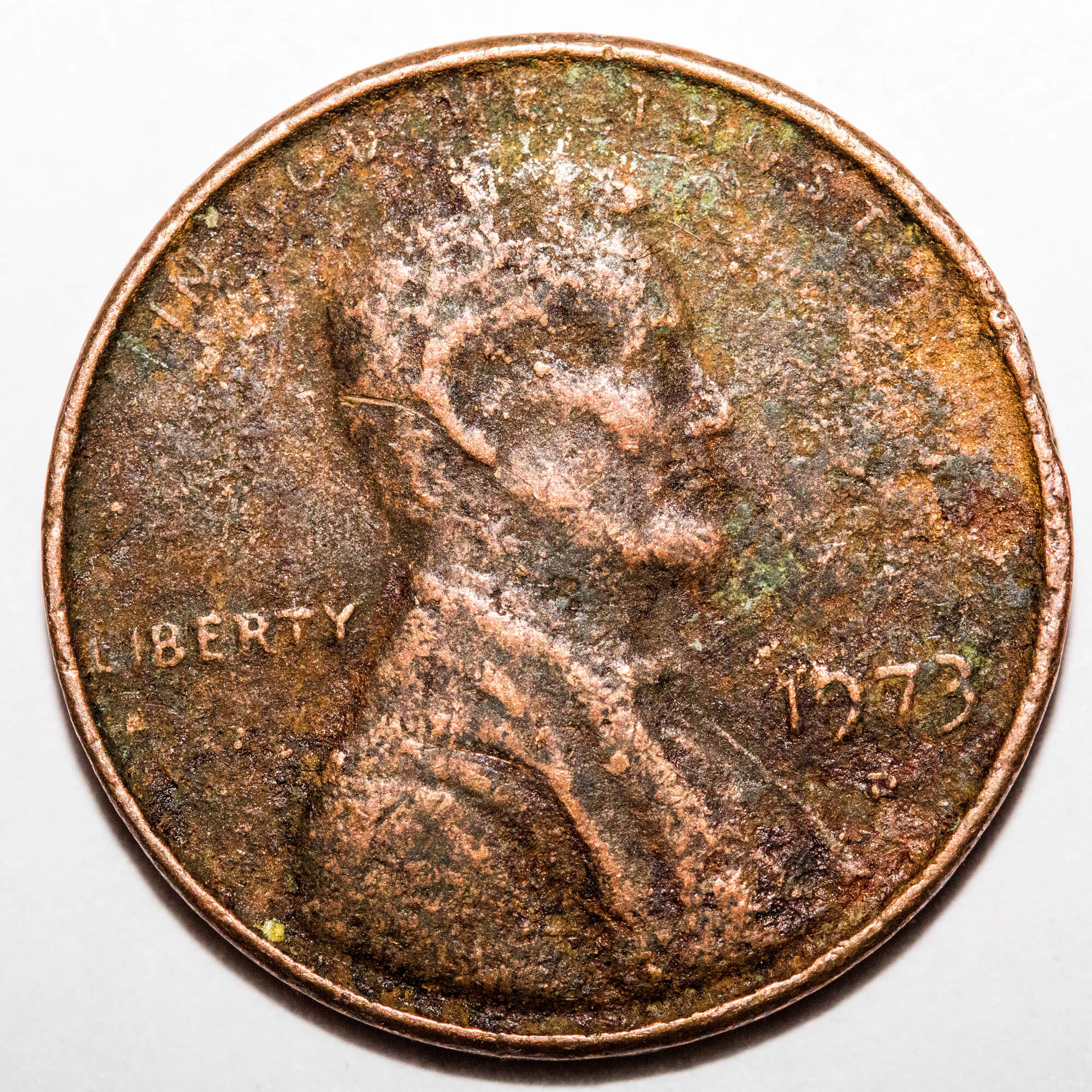
Similar to its 1955 cousin, this San Francisco-minted penny shows obvious doubling on “LIBERTY” and the date. It is scarcer than the 1955 version and was the subject of counterfeiting scares in the 1970s, which makes professional authentication especially important today. Confirmed originals can fetch tens of thousands of dollars.
1922 “Plain” Lincoln Penny
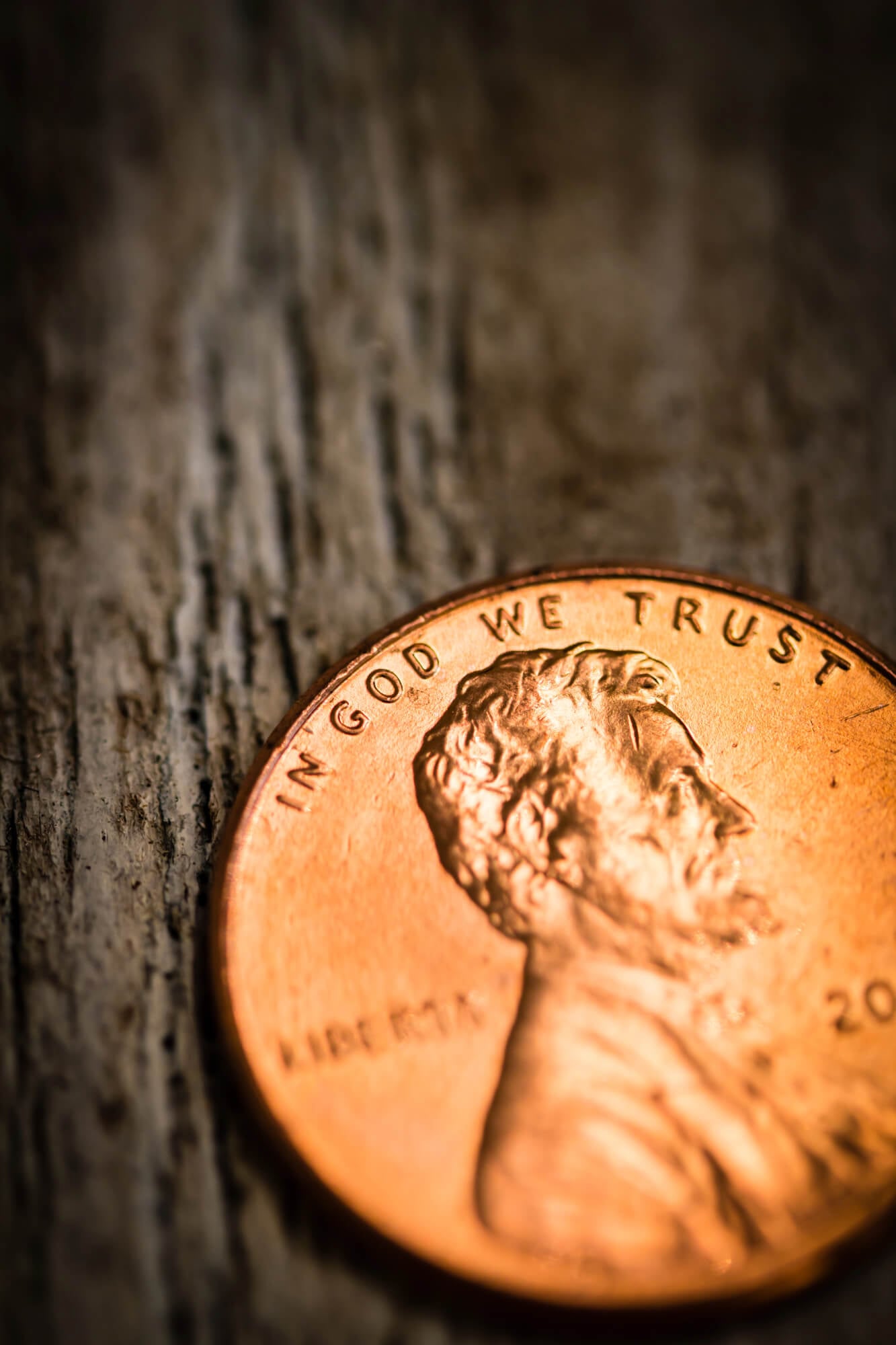
Only the Denver mint struck pennies that year, and a worn die caused some coins to be missing their mint mark entirely. Because Lincoln pennies without a mint mark are supposed to come only from Philadelphia, a “plain” 1922 cent is an anomaly collectors specifically hunt for. Strong examples can bring several thousand dollars.
1937-D Three-Legged Buffalo Nickel
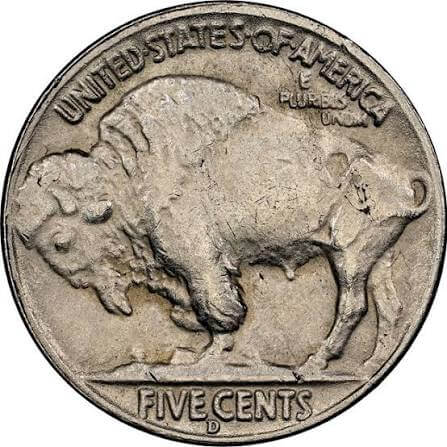
An overzealous attempt to polish out a die clash accidentally removed one of the bison’s legs from the design. The result looks unmistakably wrong once you know to look for it, with the animal appearing to balance on three limbs. Collectors pay a steep premium for the error, with better examples exceeding a thousand dollars.
1942-1945 Silver War Nickel
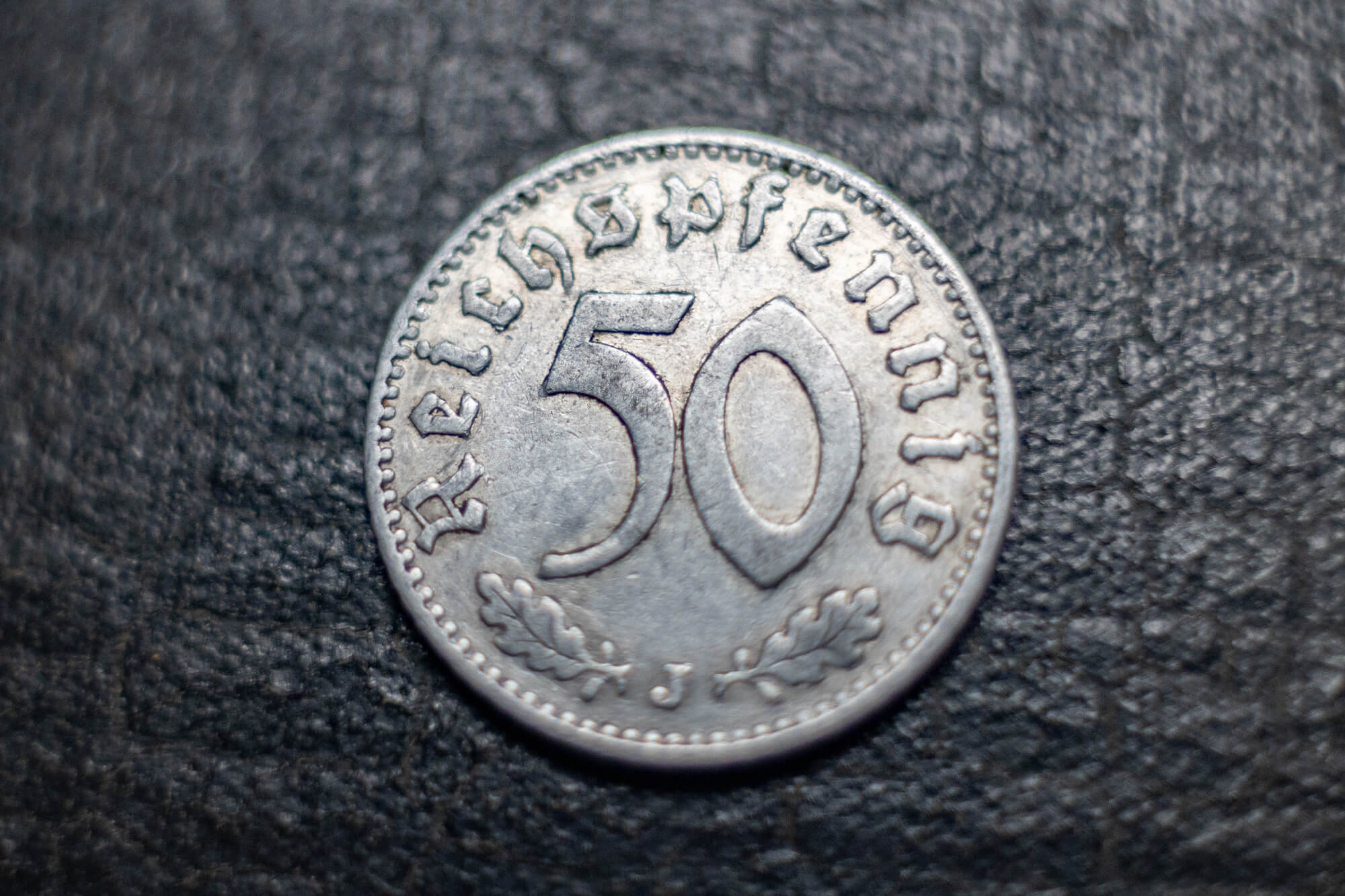
To conserve nickel for military use, the U.S. Mint temporarily struck five-cent coins in a silver alloy instead. These are identifiable by a large mint mark placed above Monticello’s dome, a location used only during this wartime run. They are common enough to find with some searching, but their silver content alone makes them worth several times face value.
1916-D Mercury Dime
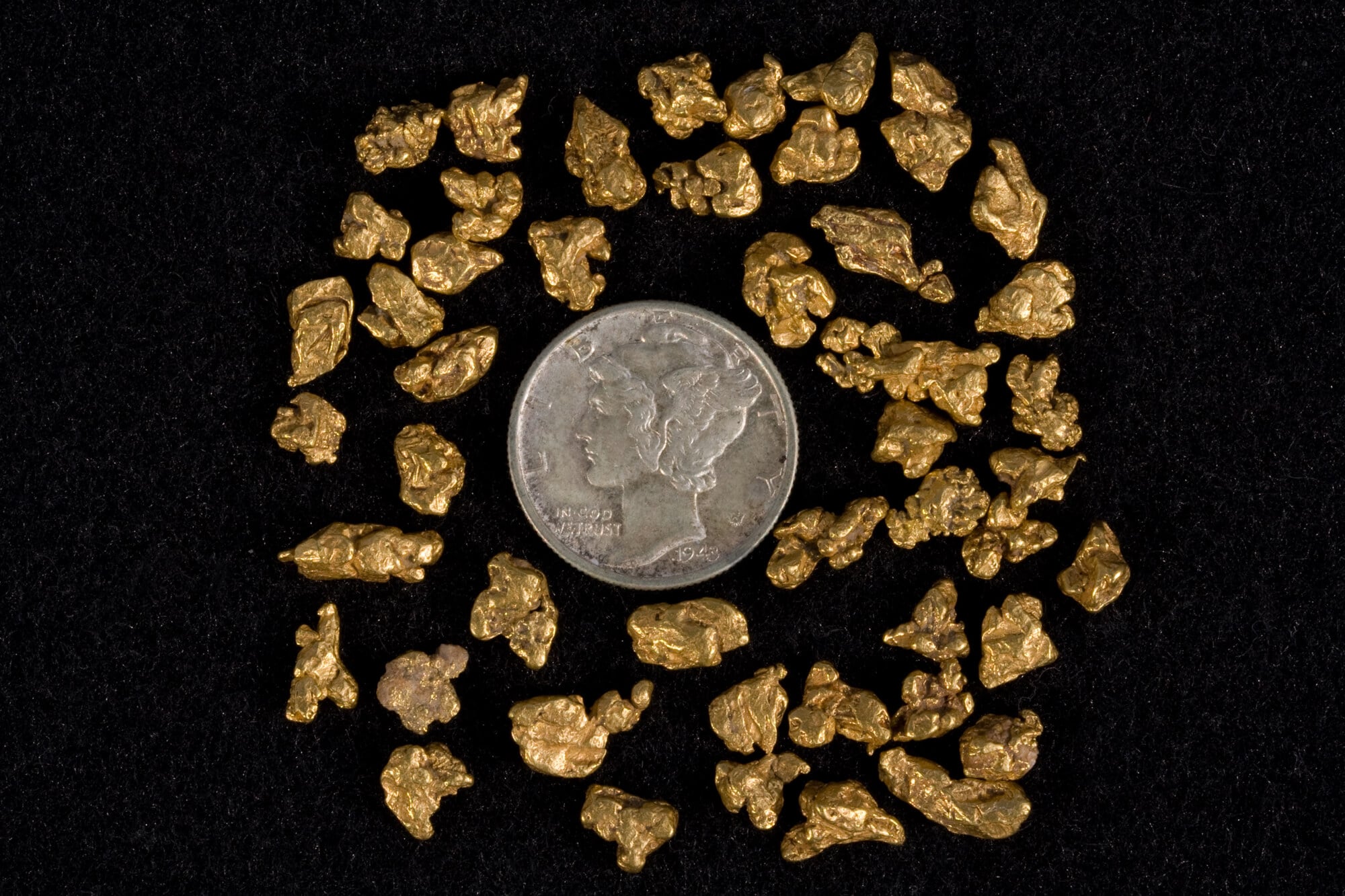
The Denver mint’s first year striking dimes produced a comparatively small run, making this the key date collectors chase across the entire Mercury dime series. Well-worn examples still command several hundred dollars, while sharp ones climb into the thousands. Counterfeits with altered mint marks are common enough that authentication is standard practice.
1932-D and 1932-S Washington Quarters
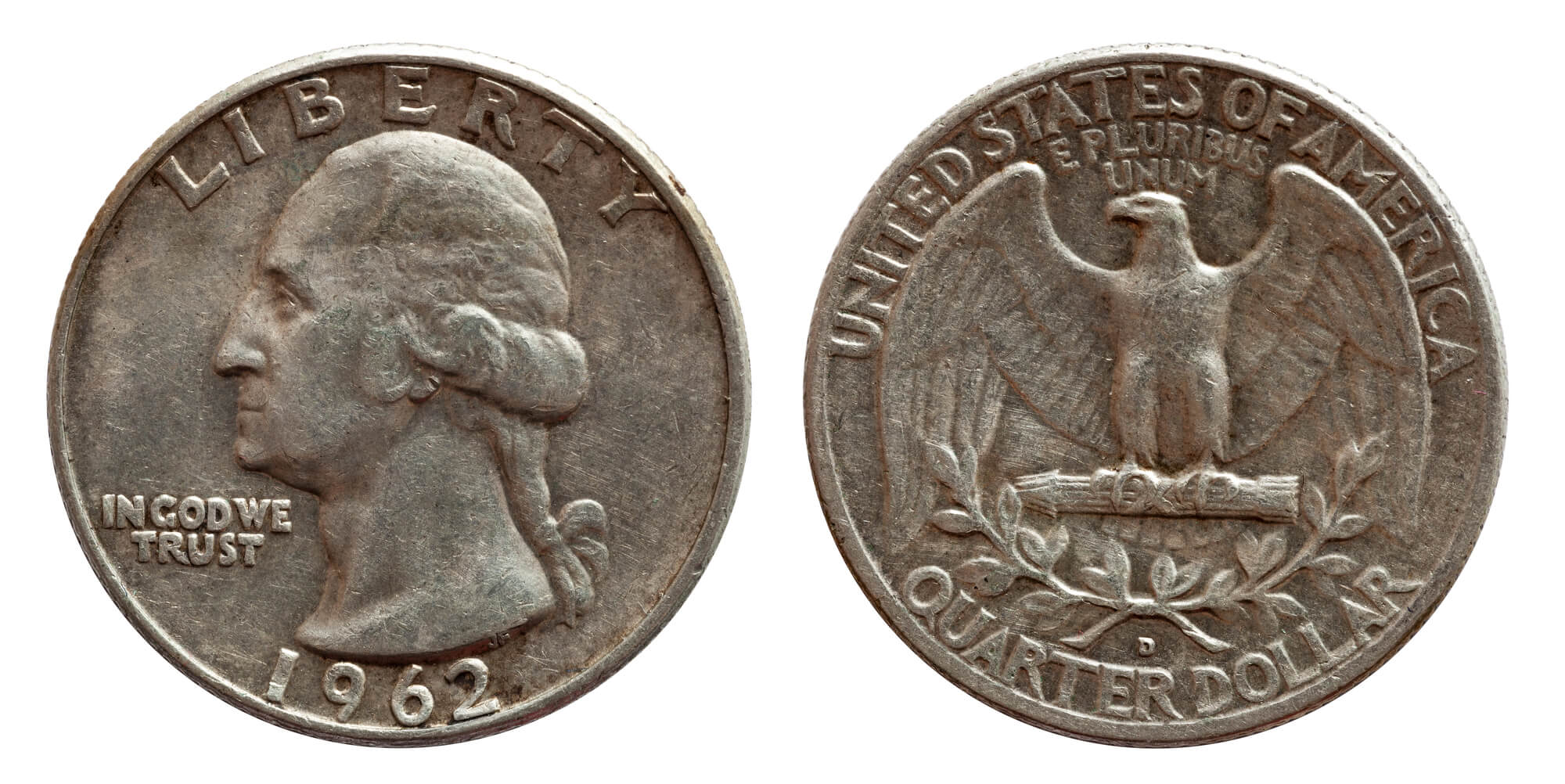
The first year of the Washington quarter design coincided with the depths of the Depression, when mintages at the Denver and San Francisco facilities were kept unusually low. Both dates are considered essential to complete a full set and sell for hundreds of dollars even in worn condition. Philadelphia quarters from the same year are common and worth only face value.
1970-S Small Date San Francisco Penny
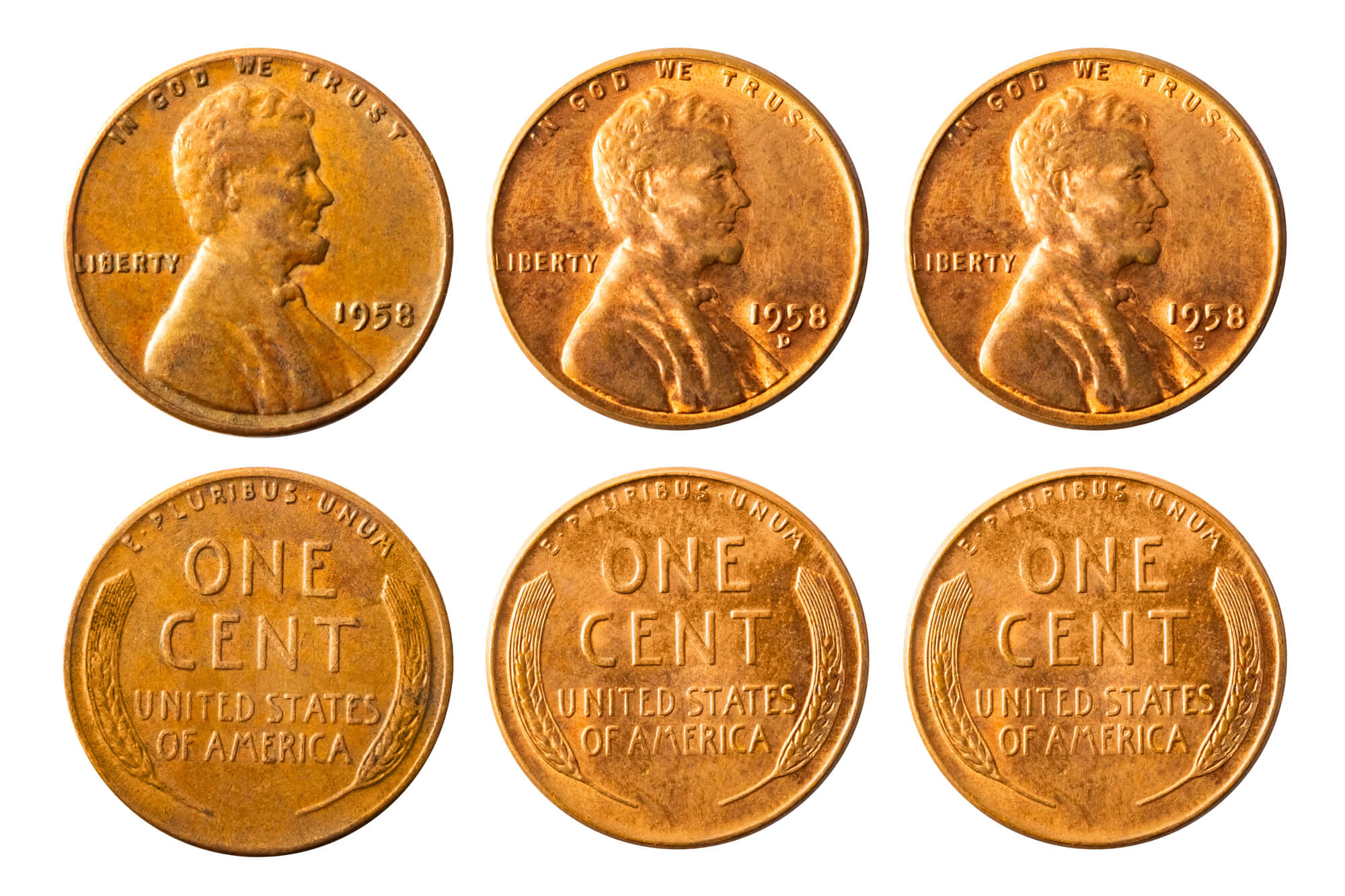
A subtle variation in the size of the date numerals separates an ordinary penny from one worth real money. The small date variety is scarcer and, in uncirculated condition, can sell for hundreds of dollars. Because the difference is easy to miss, many examples likely remain unrecognized in old coin jars.
1972 Doubled Die Penny
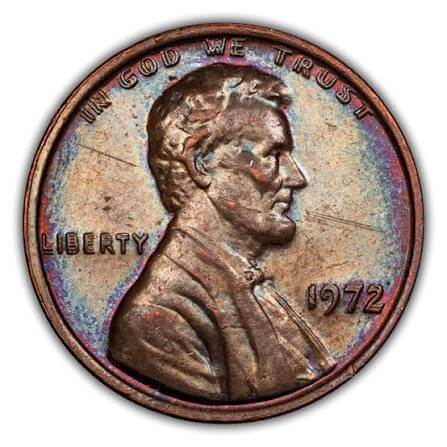
Another doubling error, this one affecting the date and “IN GOD WE TRUST,” produced a batch of pennies with an obvious ghosted appearance to the lettering. Millions were struck before the error was caught, which keeps prices more accessible than the 1955 version, but sharp uncirculated examples still bring several hundred dollars.
1955 “Bugs Bunny” Franklin Half Dollar
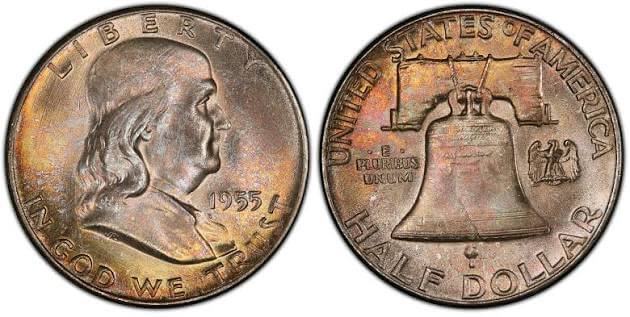
A die clash left a small mark near Benjamin Franklin’s lip on this half dollar, giving the design what collectors nicknamed a buck-toothed appearance. It is a minor and unofficial variety, but the nickname has made it a popular target for casual collectors sorting through old half-dollar rolls. Value climbs quickly with condition.
1982 No-Mint-Mark Roosevelt Dime
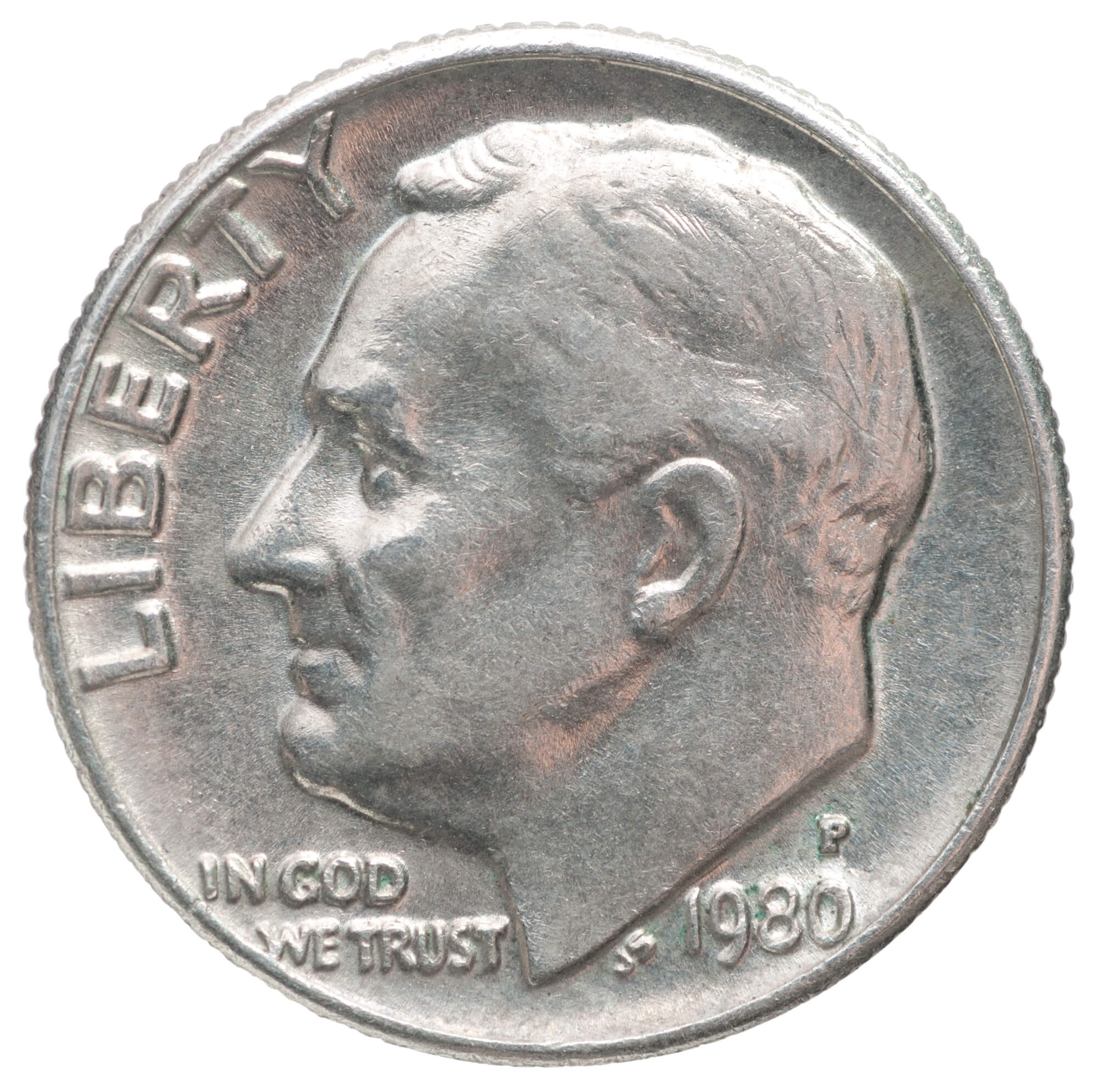
During a transition in minting equipment, a small number of Philadelphia dimes were struck without their usual “P” mint mark, an error that briefly slipped past inspectors. Because 1982 dimes are otherwise unremarkable, this omission is the entire source of value. Examples in good condition sell for well over a hundred dollars.
1943-S Steel Penny Struck on Bronze Planchet
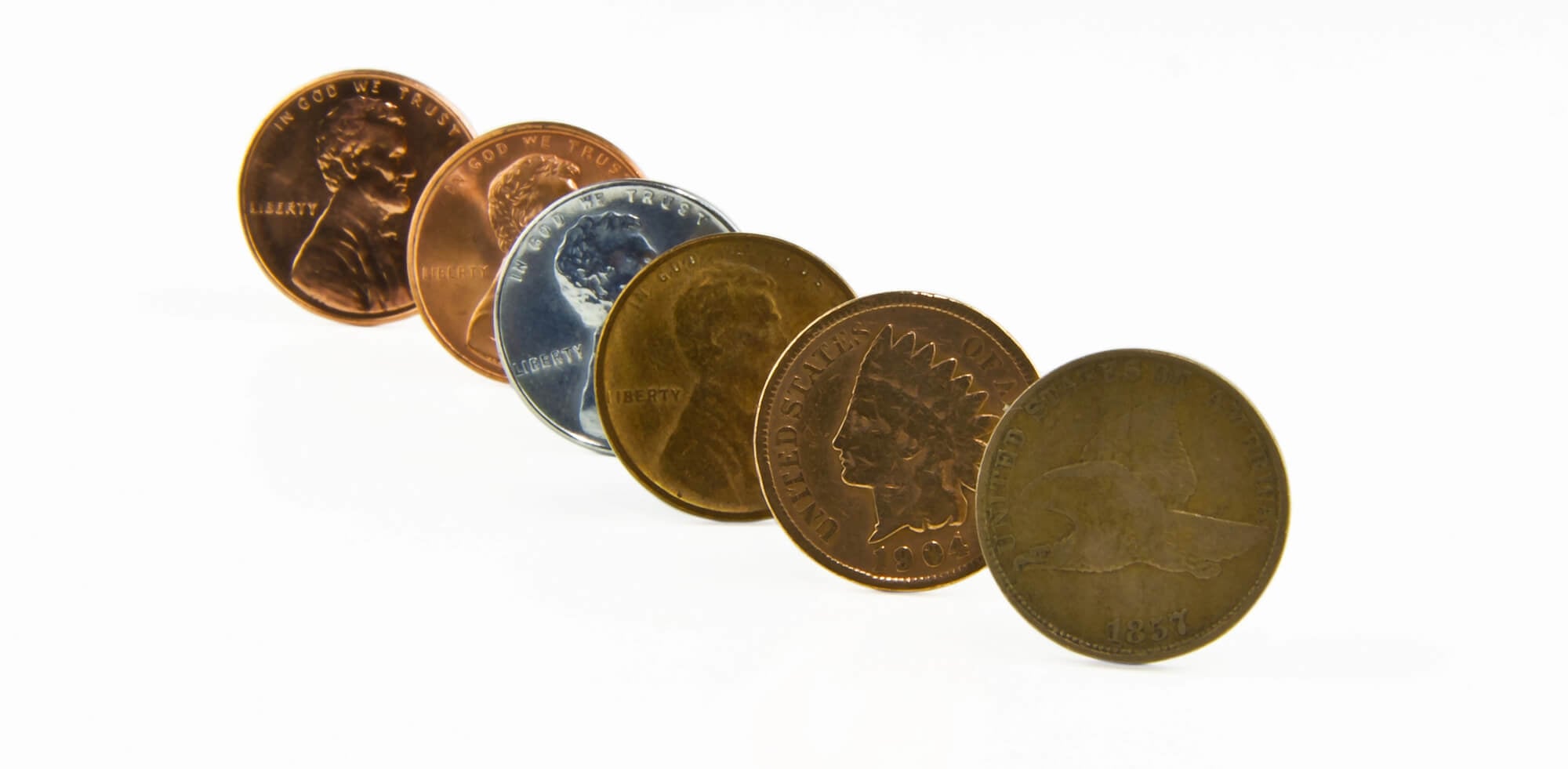
A rare mule error, this coin is the mirror image of the famous 1943 copper cent: a steel-cent design accidentally struck on a leftover bronze blank from 1942. Only a few are known, and they command prices comparable to their more famous counterpart. Authentication through a major grading service is essential given the coin’s value.
Barber Dimes, Quarters, and Half Dollars (1892-1916)
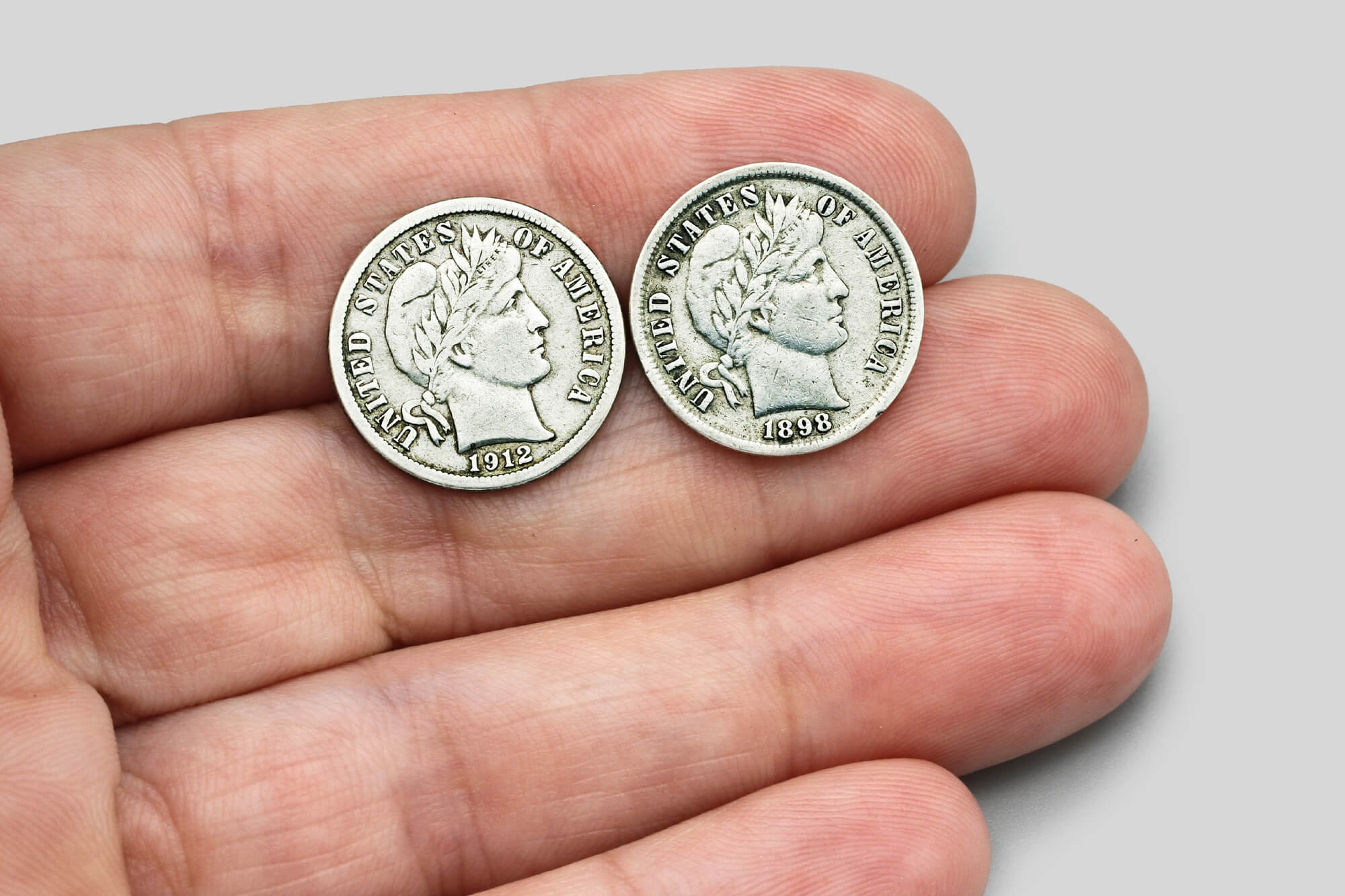
Named for their designer, Charles E. Barber, these silver coins circulated for over two decades and are common enough in worn condition to be affordable entry points into collecting. Certain dates and mint combinations, particularly from New Orleans and San Francisco, carry substantial premiums. Their silver content sets a reliable value floor regardless of date.
1877 Indian Head Penny
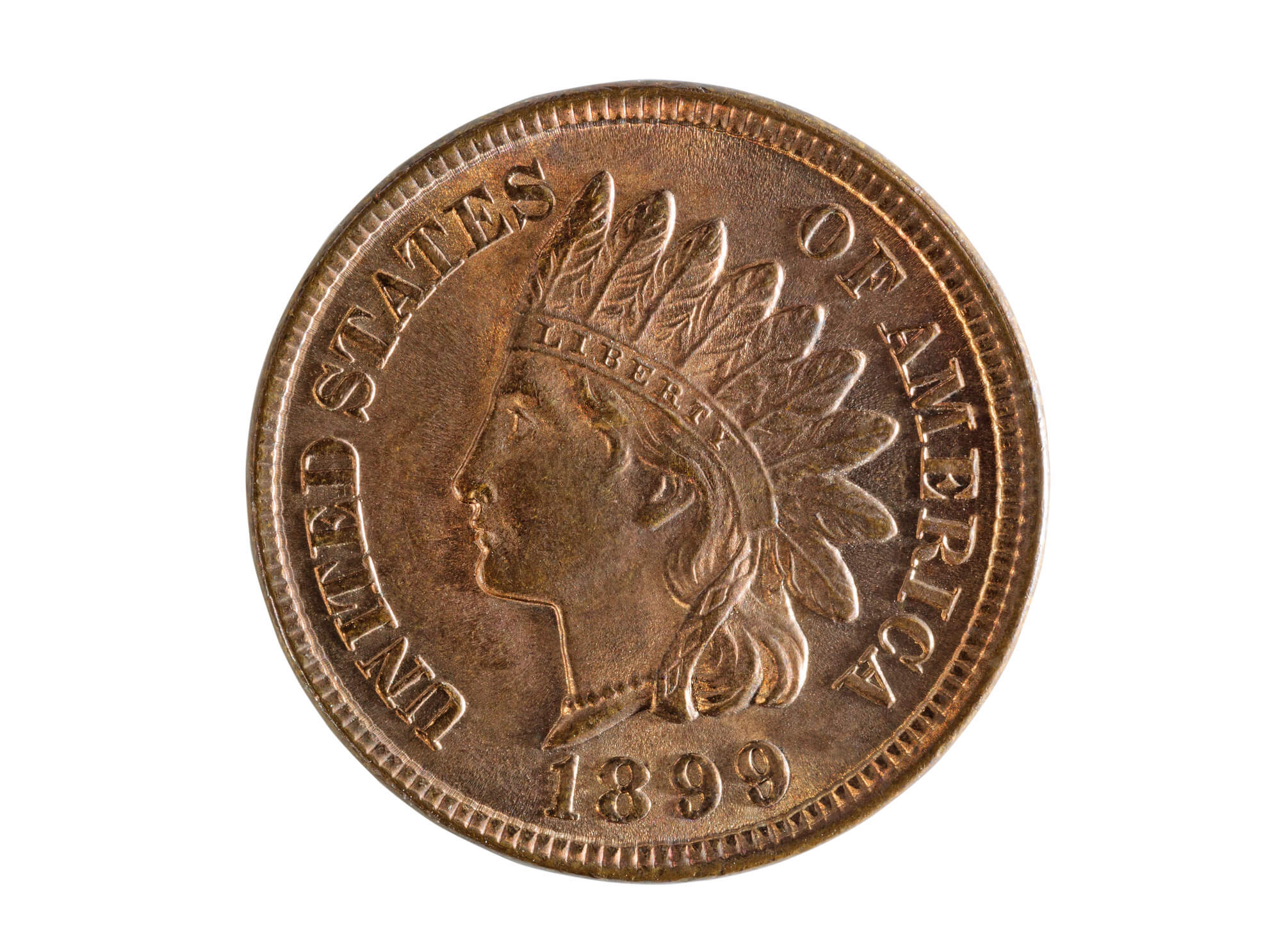
A low mintage year makes this the key date for the entire Indian Head cent series, which ran from 1859 to 1909. Even heavily worn examples sell for several hundred dollars, with sharp ones reaching into the thousands. Counterfeits with altered dates are common, making professional grading advisable before any purchase.
Two-Cent Piece (1864-1873)
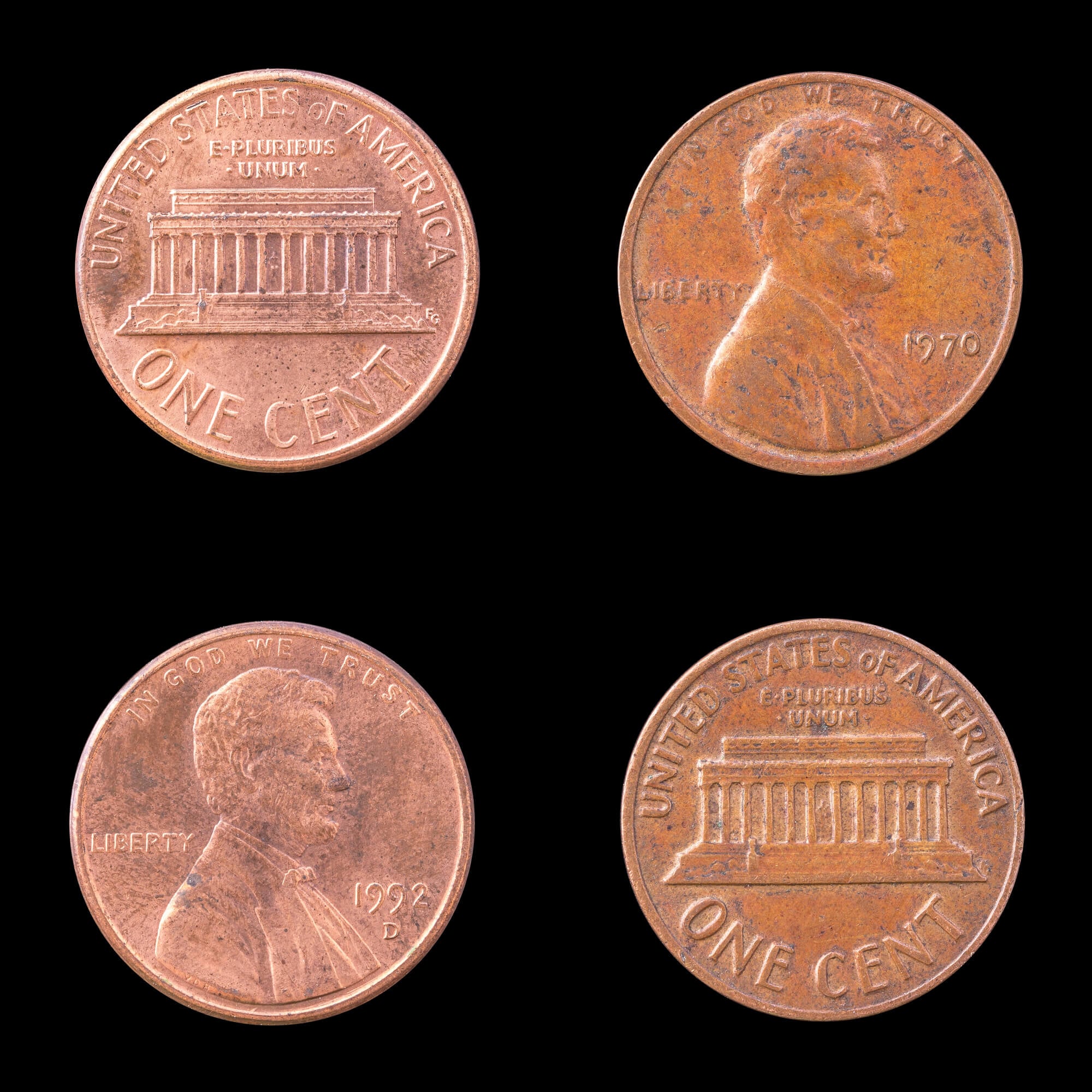
A short-lived denomination introduced during the Civil War coin shortage, this piece is notable as the first U.S. coin to carry the motto “In God We Trust.” It never gained lasting popularity and was discontinued within a decade, which makes surviving examples a genuine curiosity rather than a common find. Even modestly worn pieces attract collector interest.
1913 Liberty Head Nickel
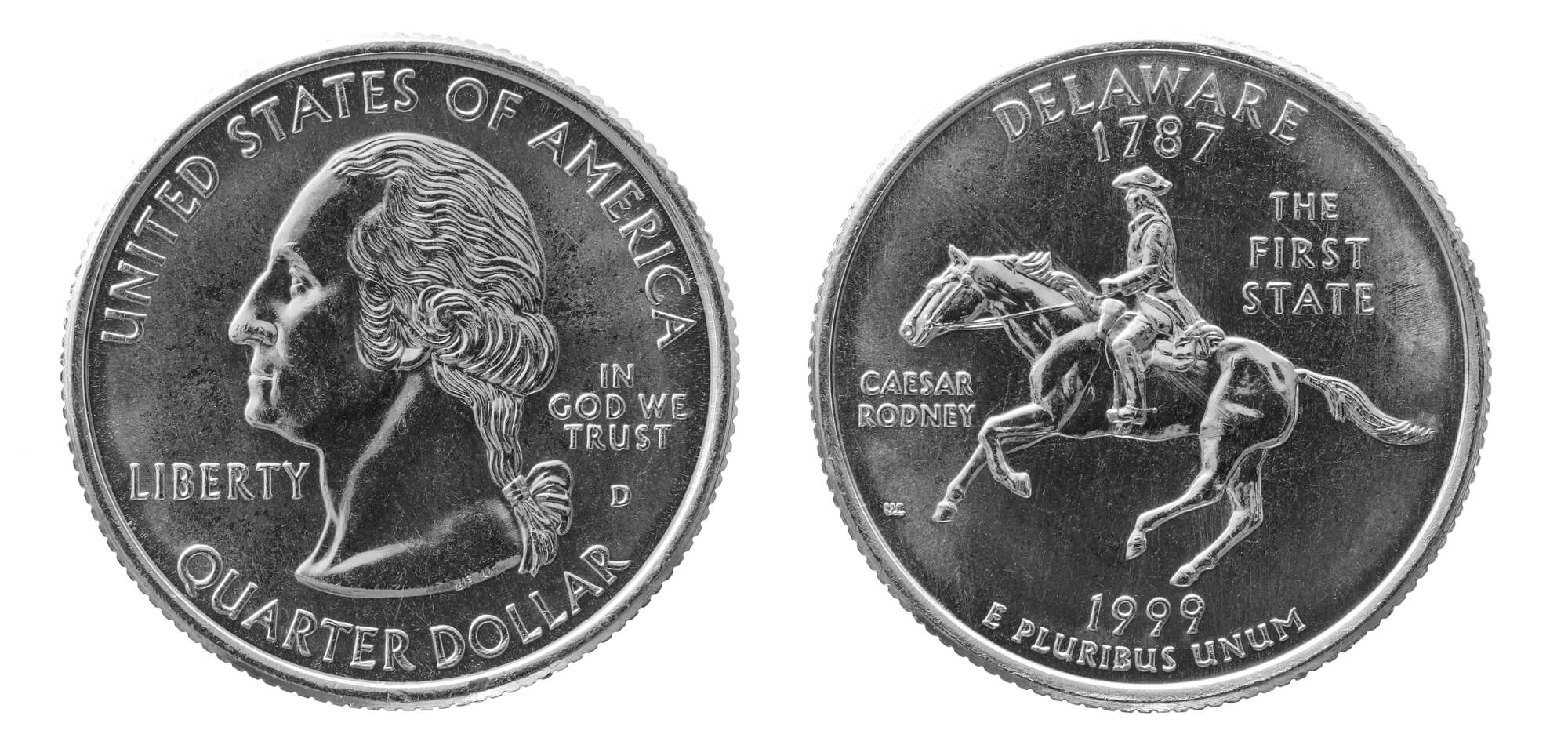
Officially, the Liberty Head design was retired at the end of 1912, replaced by the Buffalo nickel in 1913. Five examples dated 1913 exist anyway, apparently struck without authorization by a mint employee, and their unclear origin has only added to their mystique. One sold at auction for over four million dollars, making it among the most valuable U.S. coins known.
Standing Liberty Quarter, Type 1 (1916-1917)
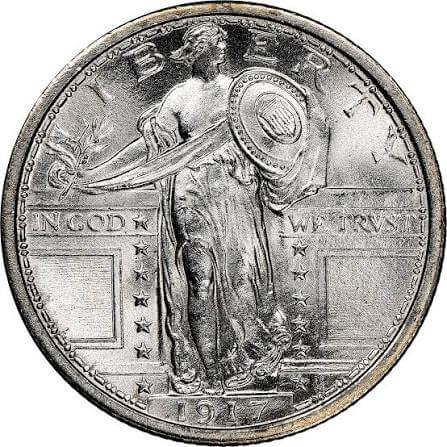
The earliest version of this design depicted Liberty with an exposed chest, a detail revised within two years after public objection. The short production run makes original Type 1 examples notably scarcer than the revised version that followed. Well-preserved pieces are prized by type collectors assembling a full design set.
1909-S VDB Lincoln Penny
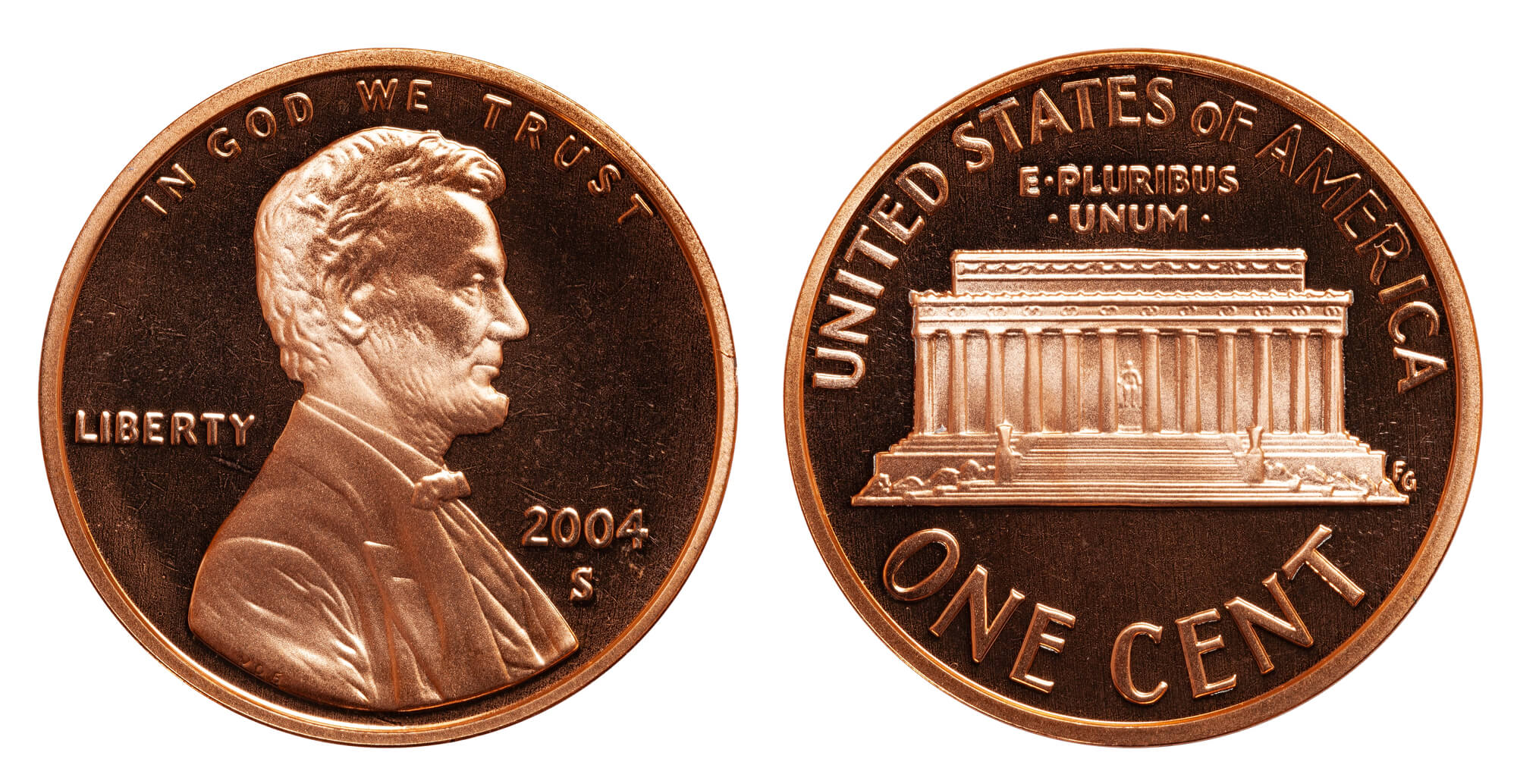
The initials of designer Victor David Brenner appeared prominently on the reverse of the first Lincoln pennies, prompting complaints that a private citizen’s name shouldn’t be so visible on currency. The initials were removed within the same year, making the San Francisco-minted VDB version both the first and one of the scarcest in the series. Clean examples can sell for well over a thousand dollars.
1804 Draped Bust Silver Dollar
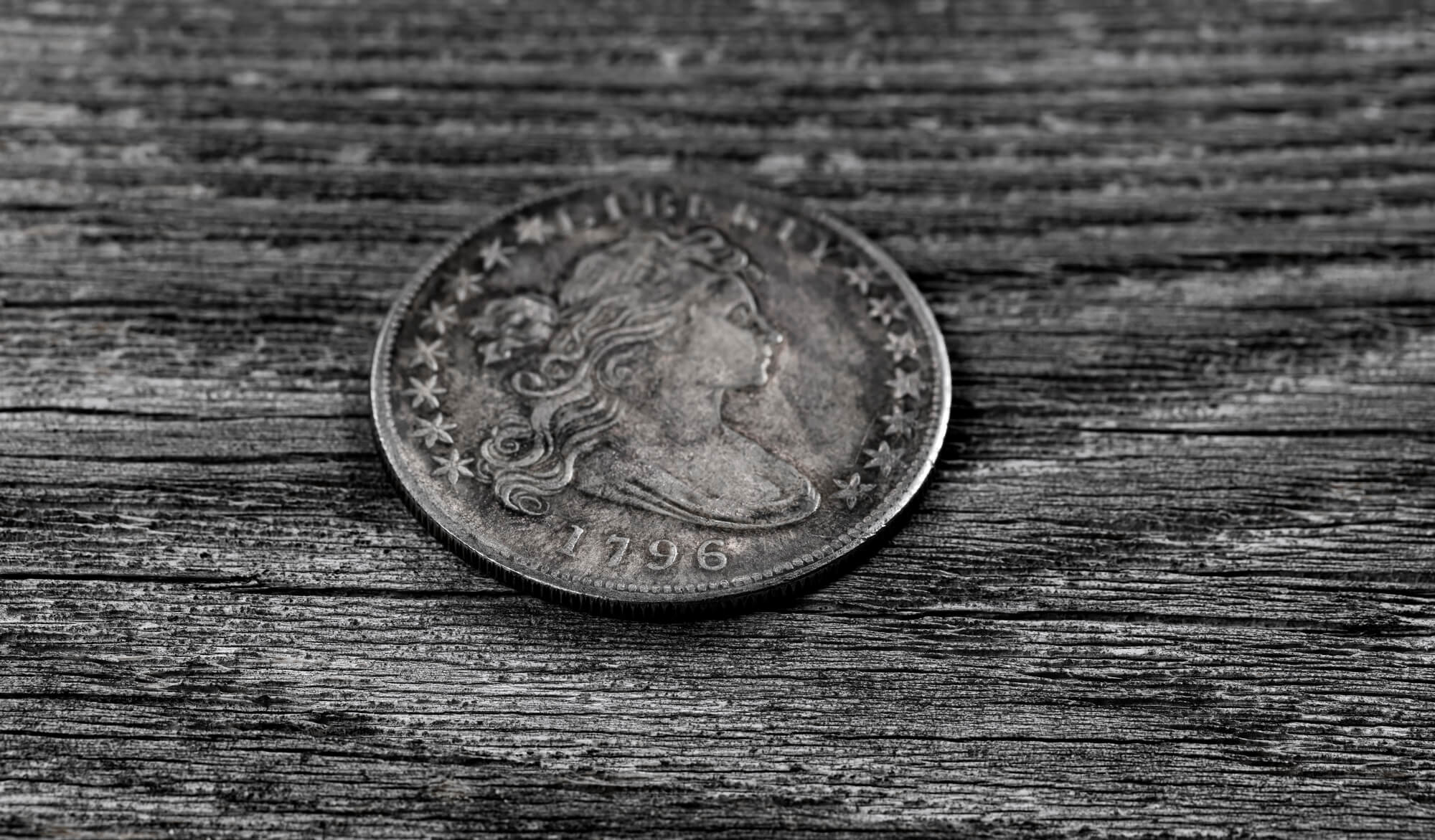
Despite its date, this coin wasn’t actually struck until decades later, made for diplomatic gift sets and later restrikes using leftover dies. Only a small number exist across two distinct classes, and examples have sold for multiple millions of dollars at auction. It remains one of the most famous rarities in American numismatics.
Morgan Silver Dollar, Carson City Mints (1878-1893)
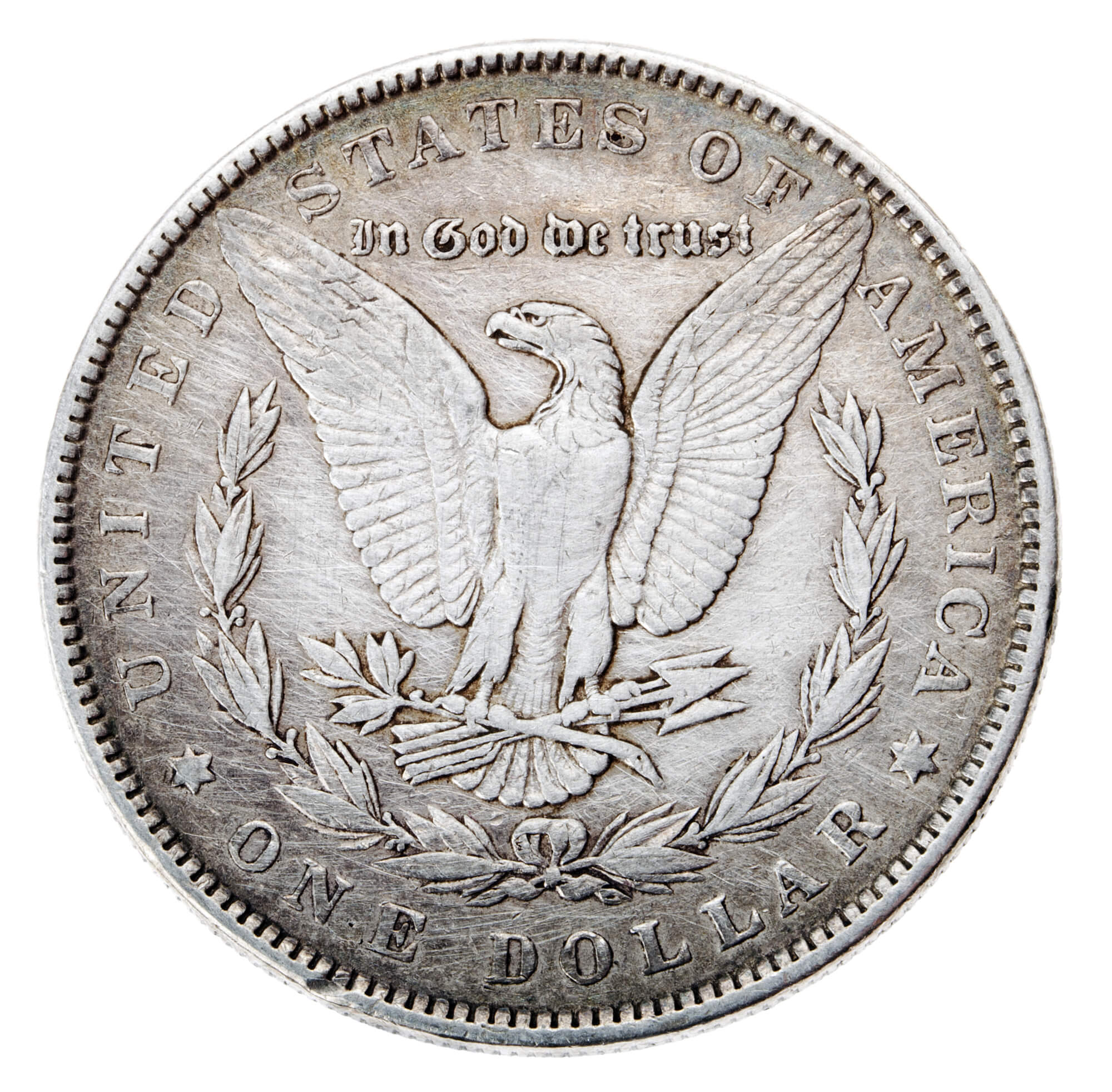
Struck at the short-lived Carson City mint in Nevada, these dollars carry a “CC” mint mark that collectors specifically seek out over more common Philadelphia and New Orleans issues. The mint’s remote frontier location and eventual closure in 1893 give the coins a built-in scarcity story. Uncirculated examples in original government storage bags can command significant premiums.
1794 Flowing Hair Silver Dollar
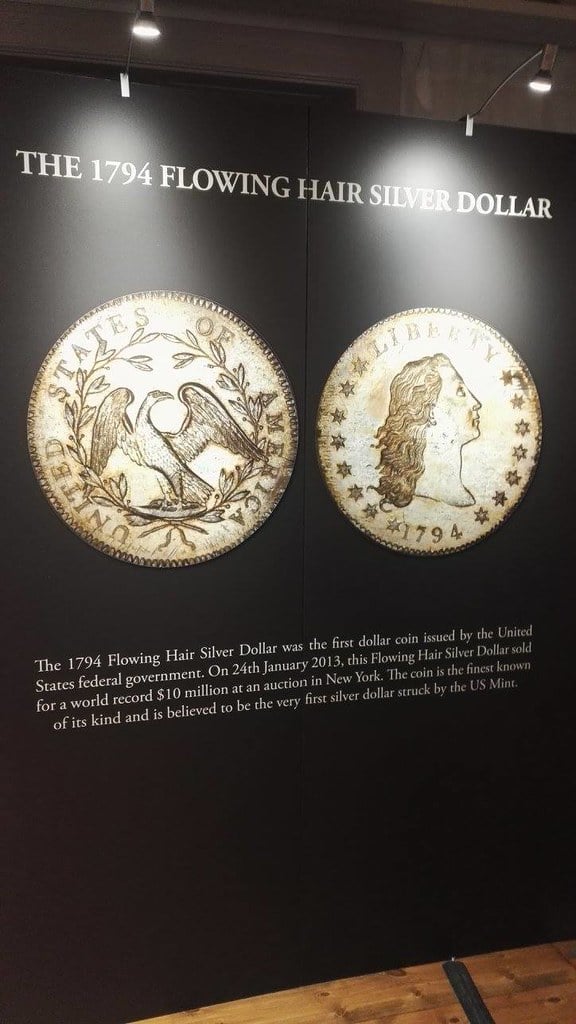
Among the first silver dollars struck by the newly formed United States Mint, this coin is scarce partly because of its age and partly because early striking equipment struggled with the large silver planchets, leaving many examples weakly struck. A well-preserved specimen sold privately for over ten million dollars, a price driven as much by its place in American history as by its rarity.
Buffalo Nickel Full-Strike Dates (1913-1938)
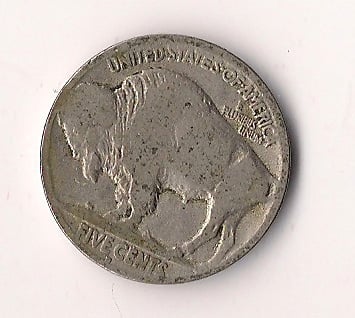
Beyond error varieties, ordinary Buffalo nickels from this run are worth checking regardless of error status, since the design wears down quickly and full, sharp strikes are increasingly scarce. Dates from the mid-1920s in top condition can bring meaningful premiums over common examples. The series remains a popular and affordable way to start type collecting.
Eisenhower Dollar, 1972 “Type 2” Variety
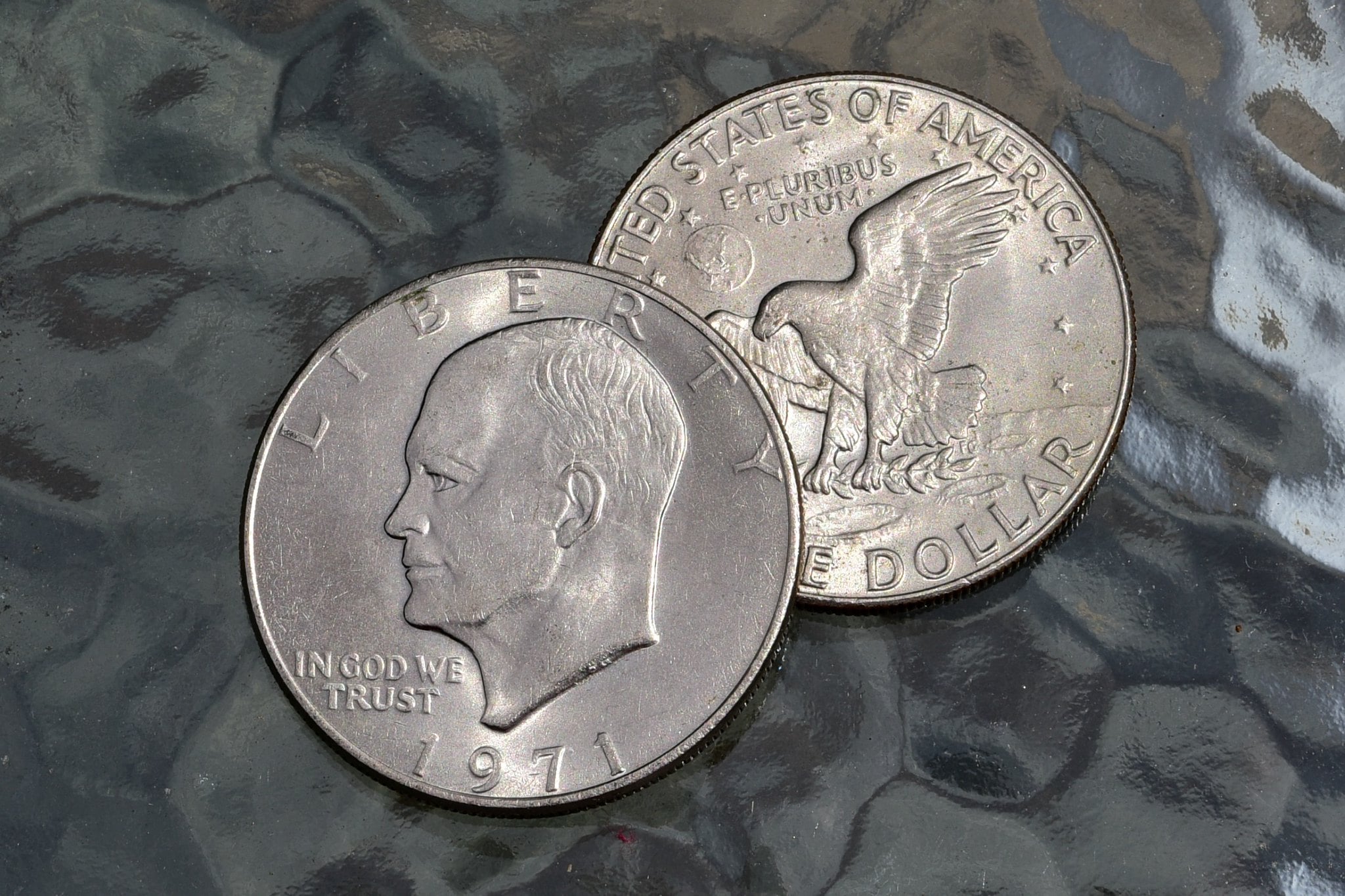
A subtle difference in the design of the reverse Earth continents on some 1972 Eisenhower dollars separates an ordinary coin from a scarcer variety collectors specifically seek. The differences are small enough that a reference guide is usually needed to tell them apart. Confirmed examples in high grade sell for a solid premium over face value.
Susan B. Anthony Dollar, 1981 Proof-Only Issues
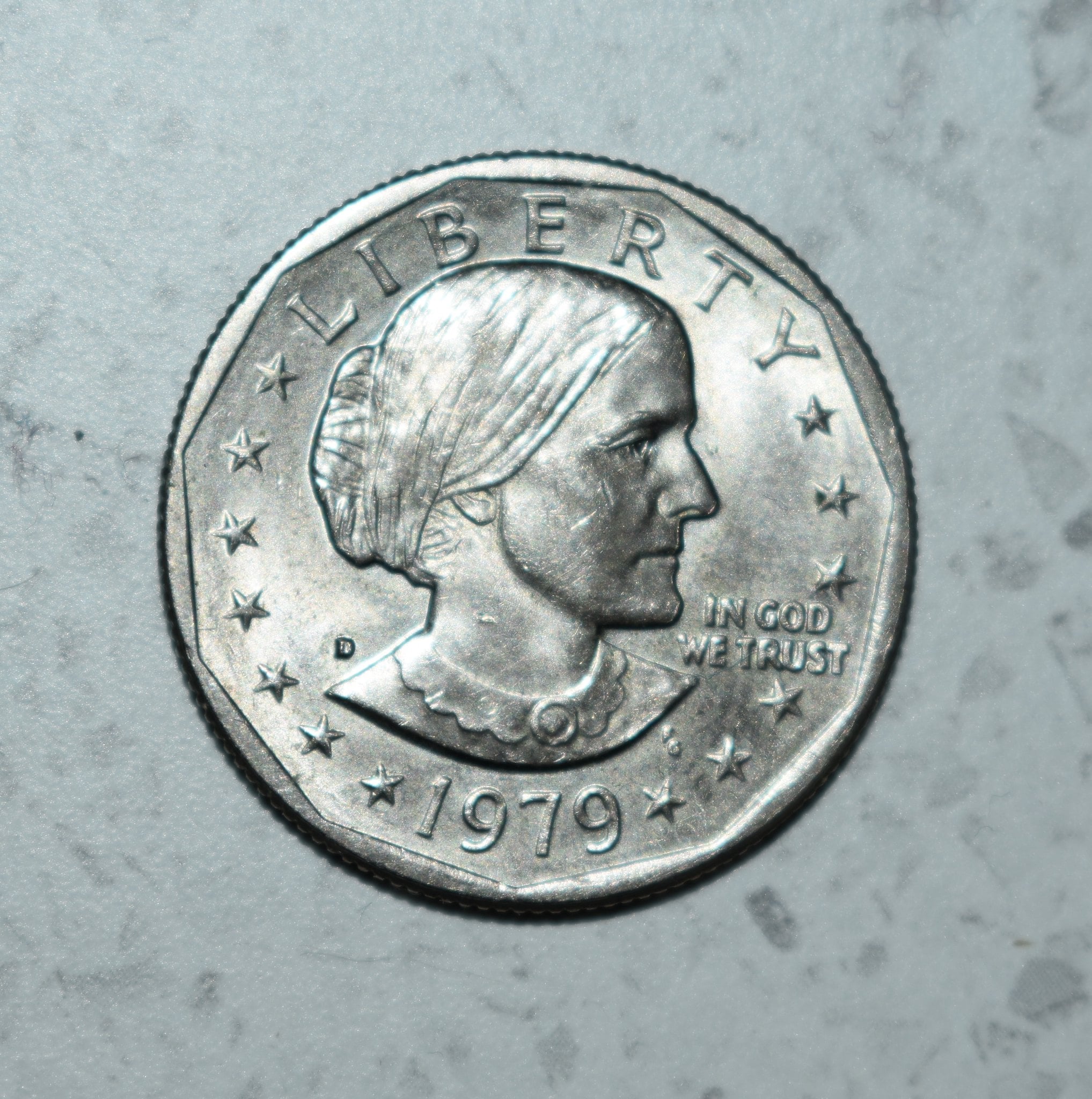
After lukewarm public reception, the Anthony dollar was pulled from general circulation after only a few years, and 1981-dated coins were struck exclusively for collector proof sets rather than everyday use. That makes the 1981 date scarcer in the marketplace than its total mintage might suggest. Complete proof sets in original packaging hold their value well.
Any Pre-1965 Silver Coin
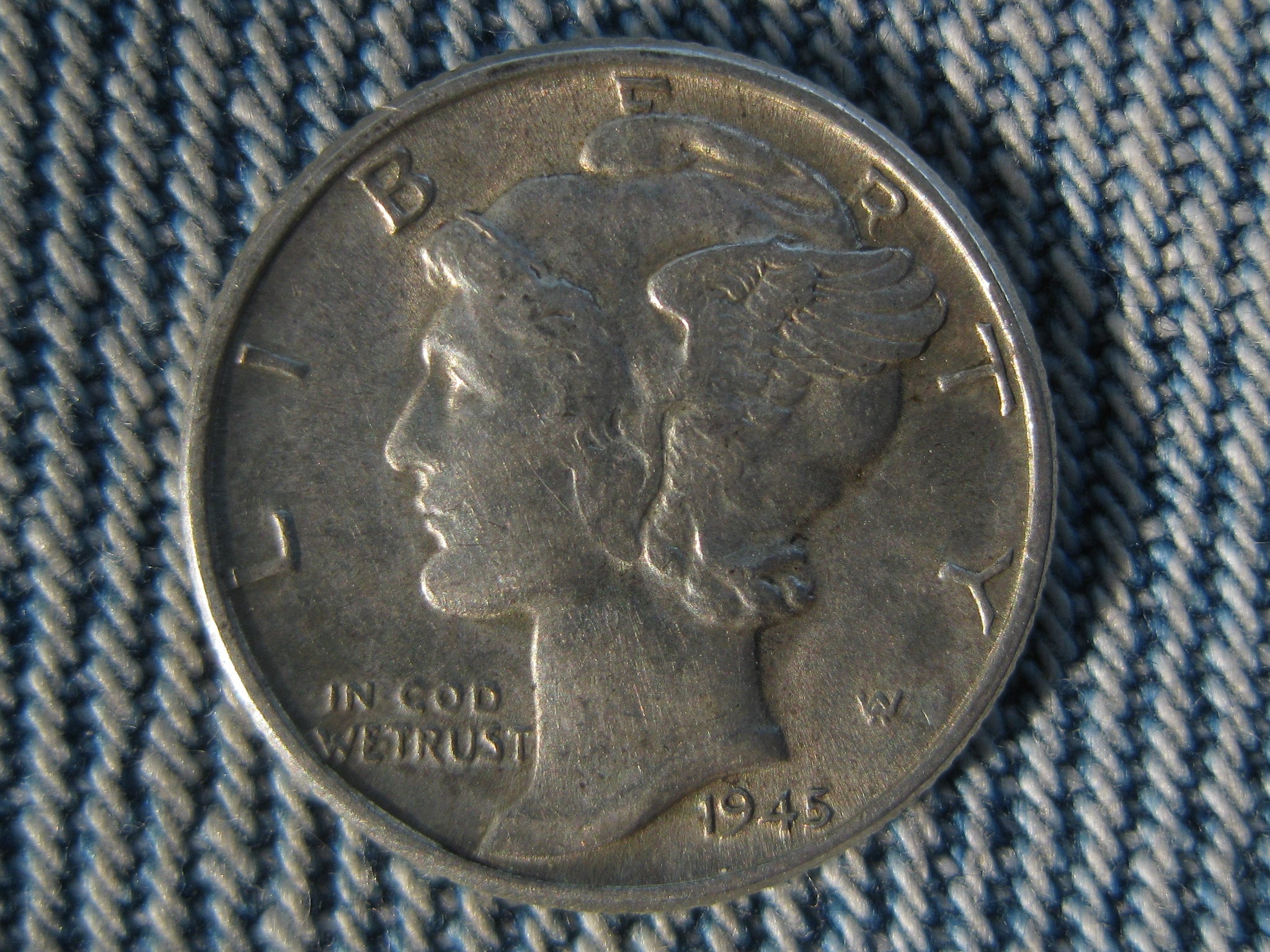
Dimes, quarters, and half dollars struck before 1965 were made from a ninety percent silver alloy, before rising silver prices forced the Mint to switch to a copper-nickel clad composition. Regardless of date or condition, these coins carry a “melt value” tied directly to the price of silver, giving them a value floor well above face value. Checking the edge for a solid silver-colored strip, rather than a visible copper stripe, is a fast way to spot one in a handful of change.
The Long Game of Checking Pocket Change
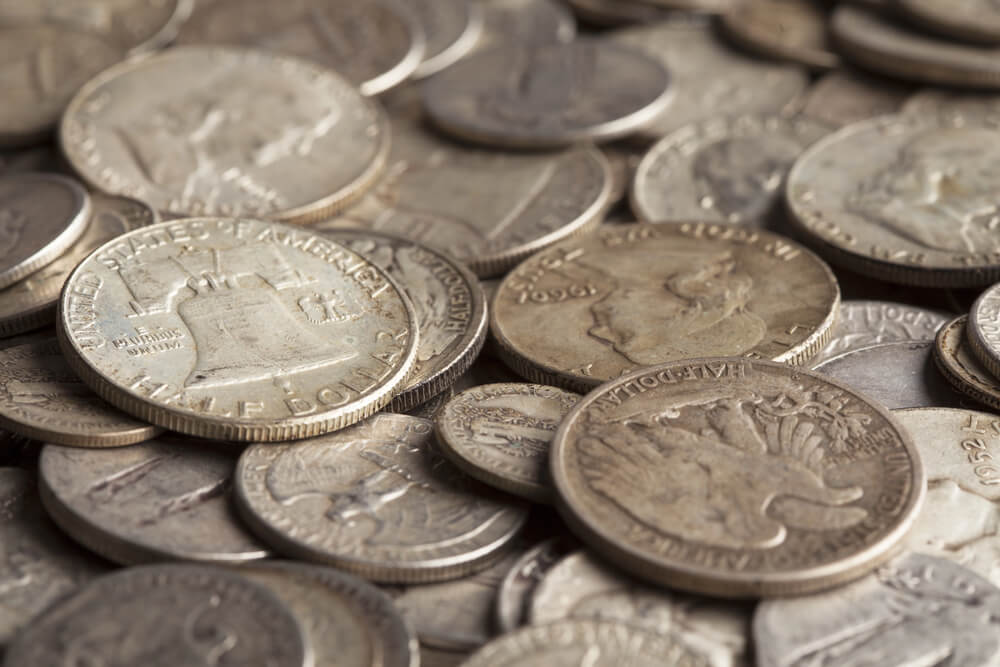
None of this requires a coin shop or an appraiser to start. It requires patience, a decent magnifying glass, and the willingness to actually look at the coins passing through a register drawer instead of tossing them in a jar unexamined. Most people who search change never find anything beyond face value, and that is precisely why the ones who do keep talking about it.
The odds are long, but they are not zero, and that combination is what keeps this particular hobby alive across generations. A coin worth thousands has almost certainly changed hands as ordinary money at some point since it left the mint, unnoticed by whoever spent it. Somewhere between the checkout counter and the coin album is a gap that a little attention can still close.
More from Go2Tutors!

- The Romanov Crown Jewels and Their Tragic Fate
- 13 Historical Mysteries That Science Still Can’t Solve
- Famous Hoaxes That Fooled the World for Years
- 15 Child Stars with Tragic Adult Lives
- 16 Famous Jewelry Pieces in History
Like Go2Tutors’s content? Follow us on MSN.



