26 Photos of Everyday Life From a Century Ago
A century ago, street photographers roamed cities with portable cameras, catching ordinary moments that would otherwise vanish into time. These early photojournalists documented factory workers at lunch, children playing in alleys, vendors selling newspapers on corners, and families strolling through parks.
The photographs show a world utterly transformed from our own—the clothes, the transportation, the architecture—yet the fundamental patterns of human life remained remarkably constant. The following 26 photographs capture those vanished moments of daily existence.
Women in Hats on City Streets

Photographers from Berlin to New York captured the uniform of the era: women and men wearing hats in crowded city streets. A single photograph might show dozens of hats—straw, felt, wool, silk—a visible marker of respectability and social order.
Without these hats visible in street photographs, we would struggle to understand how pervasive the hat-wearing culture was in the 1920s and 1930s.
Factory Workers at Lunch
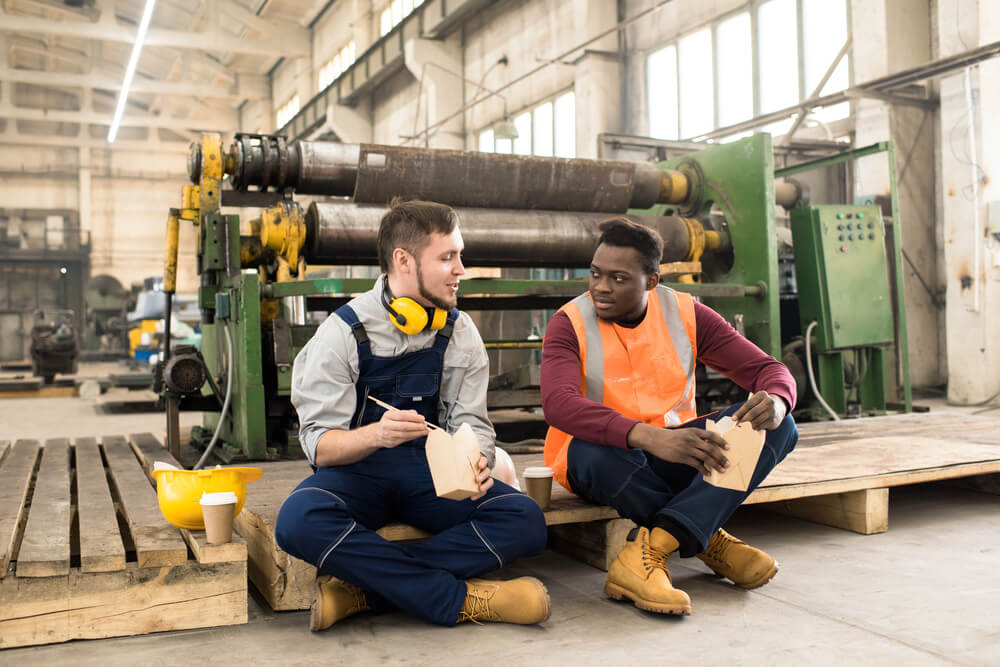
Ansel Adams photographed the lunchtime rituals of Los Angeles aircraft factory workers in the 1940s, capturing men in work clothes eating sandwiches on the ground next to their workstations. These images of industrial lunch breaks show workers carving out small moments of rest during the intense labor that was building American air power.
Children Playing in Rubble and Empty Lots
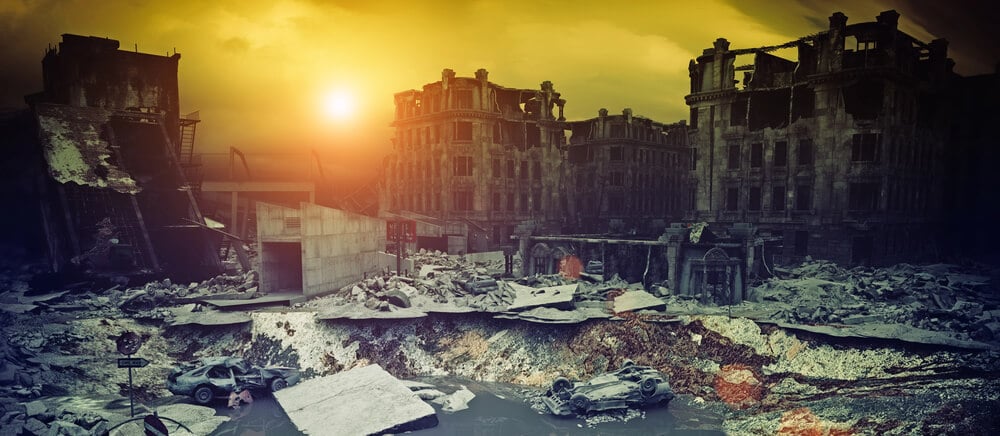
Street photographers documented children playing not in designated playgrounds but in the gaps of urban development—rubble piles, construction sites, empty lots where buildings had been demolished. These children turned destruction into an adventure playground without hesitation or fear of the kinds of liability concerns that haunt playgrounds today.
Men Playing Checkers on Stoops
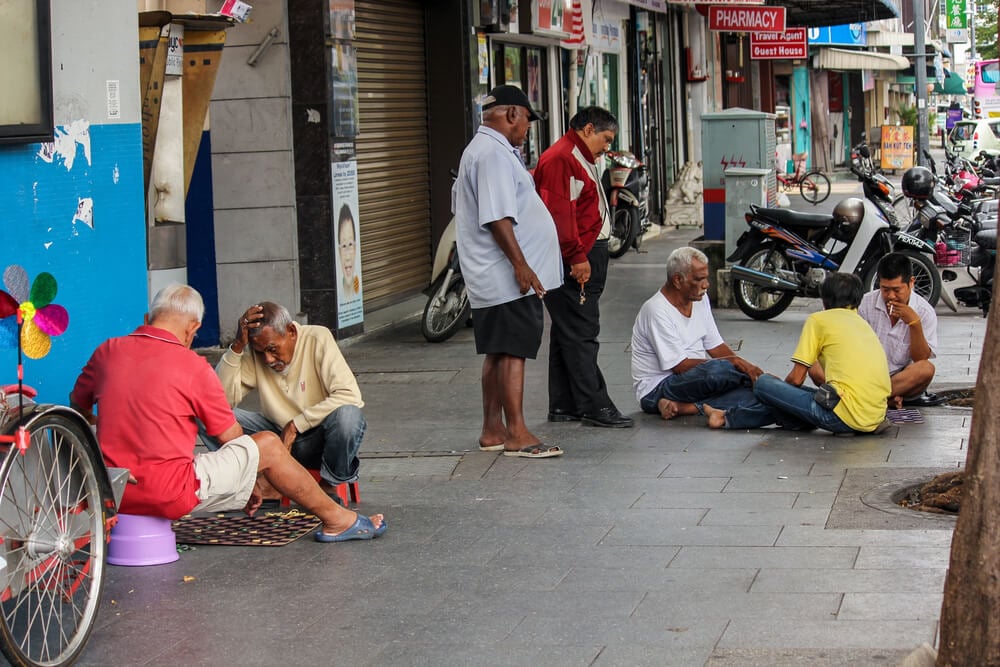
Hansel Mieth’s photographs of Harlem in 1938 captured men playing checkers on the stoops of brownstone buildings, with spectators watching from windows and passing pedestrians stopping to observe the games. These were public dramas of strategy and skill enacted on the street itself.
Newspaper Vendors on Corners
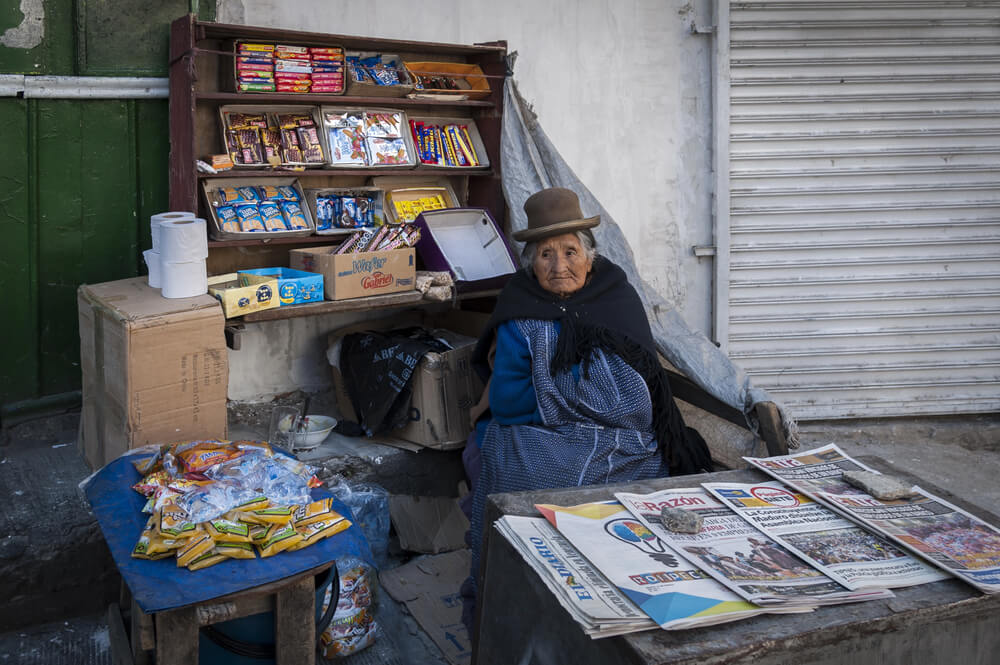
Photographs from multiple cities show newspaper vendors standing on street corners, their wares displayed on wooden stands, calling out headlines to passersby. The act of buying a newspaper was a street-level transaction, not a private mall visit or online subscription.
Laundry Hanging from Windows and Lines

Photographs of every city block show clotheslines stretching across streets, windows, and fire escapes, draped with wet laundry drying in the air. This practice, nearly absent today, was so ubiquitous in urban photography that it became almost invisible—a backdrop rather than a subject.
Trailer Parks for Industrial Workers
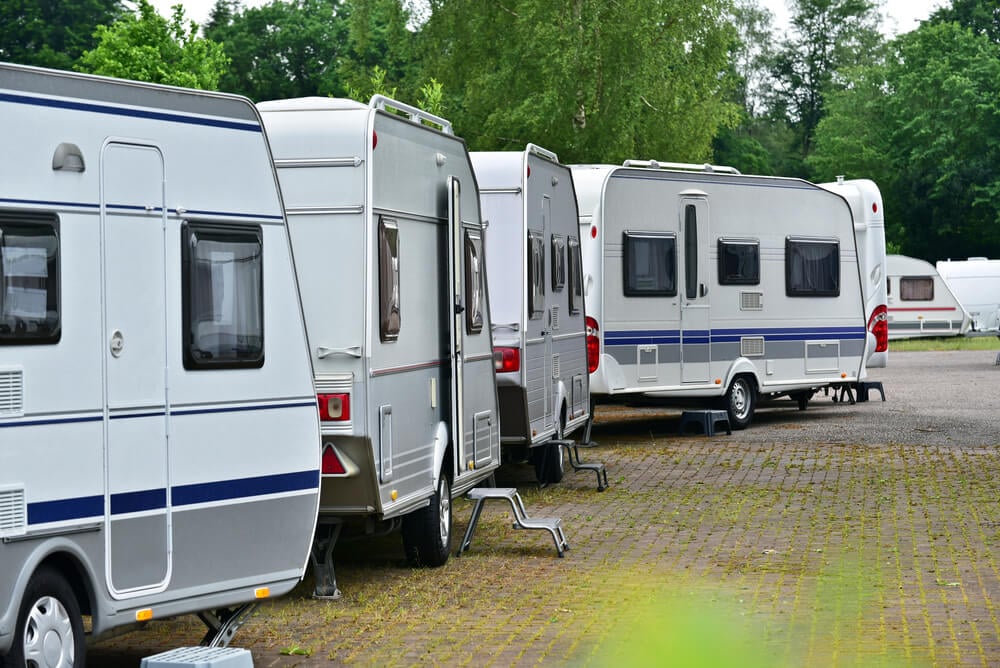
Ansel Adams photographed Olympic Trailer Court on the border of Santa Monica and West Los Angeles, where temporary housing had exploded to meet demand from workers in the booming aircraft industry. The rows of trailer homes represented a transient, desperate housing arrangement that was normalized in the era.
Fishermen at Urban Waterways
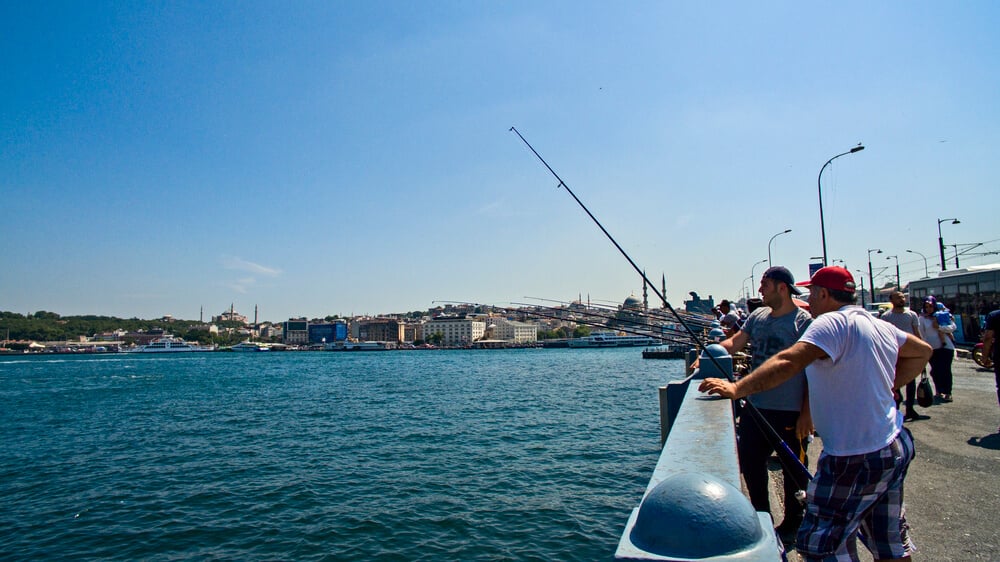
Photographs show people fishing from bridges and riverbanks in the heart of cities, a practice that seems quaint now but was then a basic activity. The Potomac River near the Jefferson Memorial hosted fishing contests attended by families and friends.
Zoo Visits as Mass Entertainment

Friedrich Seidenstücker’s Berlin Zoo photographs from the 1920s and 1930s show the zoo as a central gathering place where entire families spent their Sundays. The animals on display and the curious crowds watching them created a theater of mutual observation.
Newsboys Reading Papers
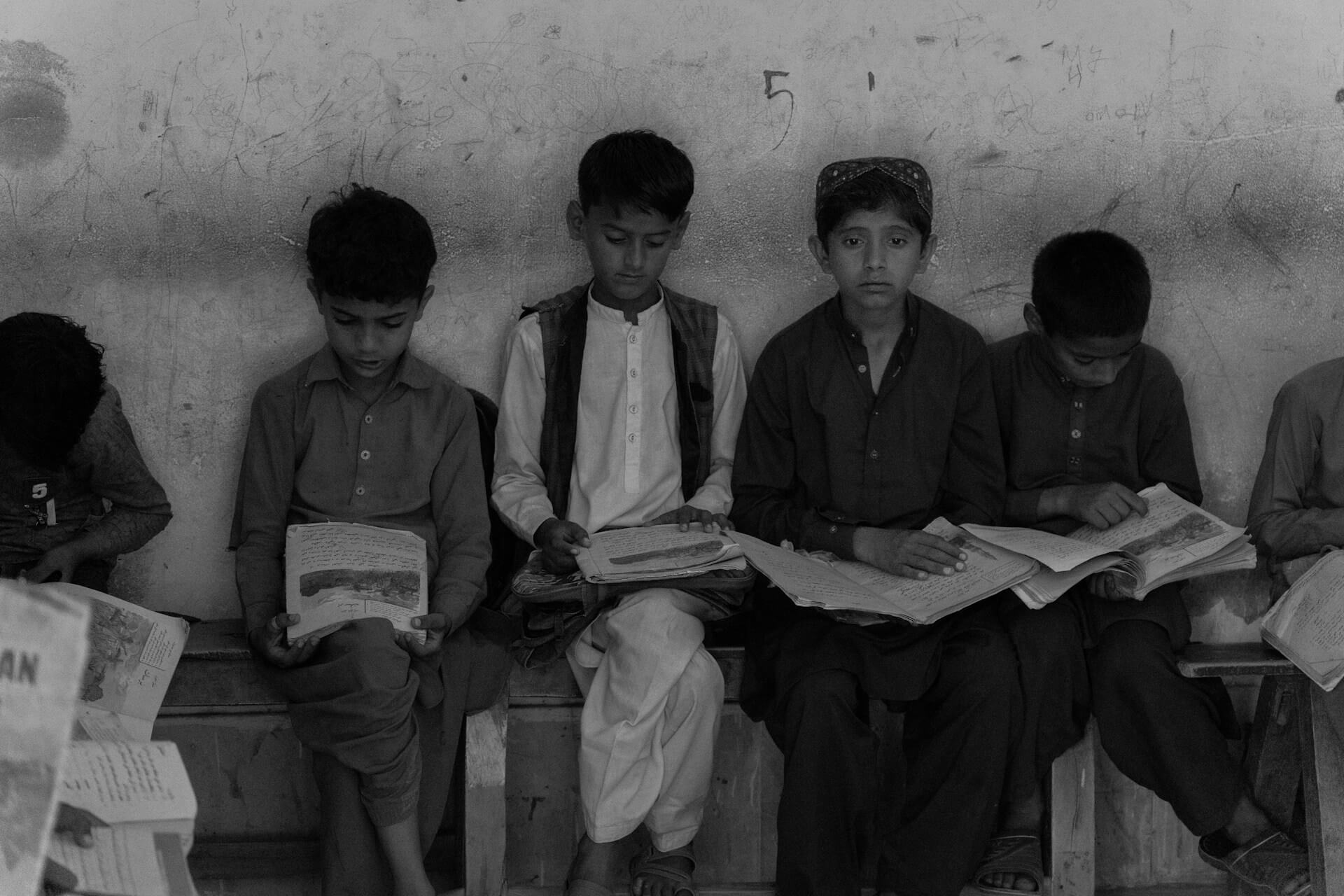
Photographs captured young newsboys reading the very papers they were selling, studying the headlines and stories during breaks between street corner sales. These were often children from impoverished families for whom selling papers was an income source.
Women in Work Clothes at Industrial Sites

Photographs show women working at factory and construction sites during the 1940s and war years, evidence of women’s labor that the peace would partially erase from collective memory. Their work clothes and hard hats were recorded by photographers even as the stories would be largely forgotten.
Horse-Drawn Carts and Wagons
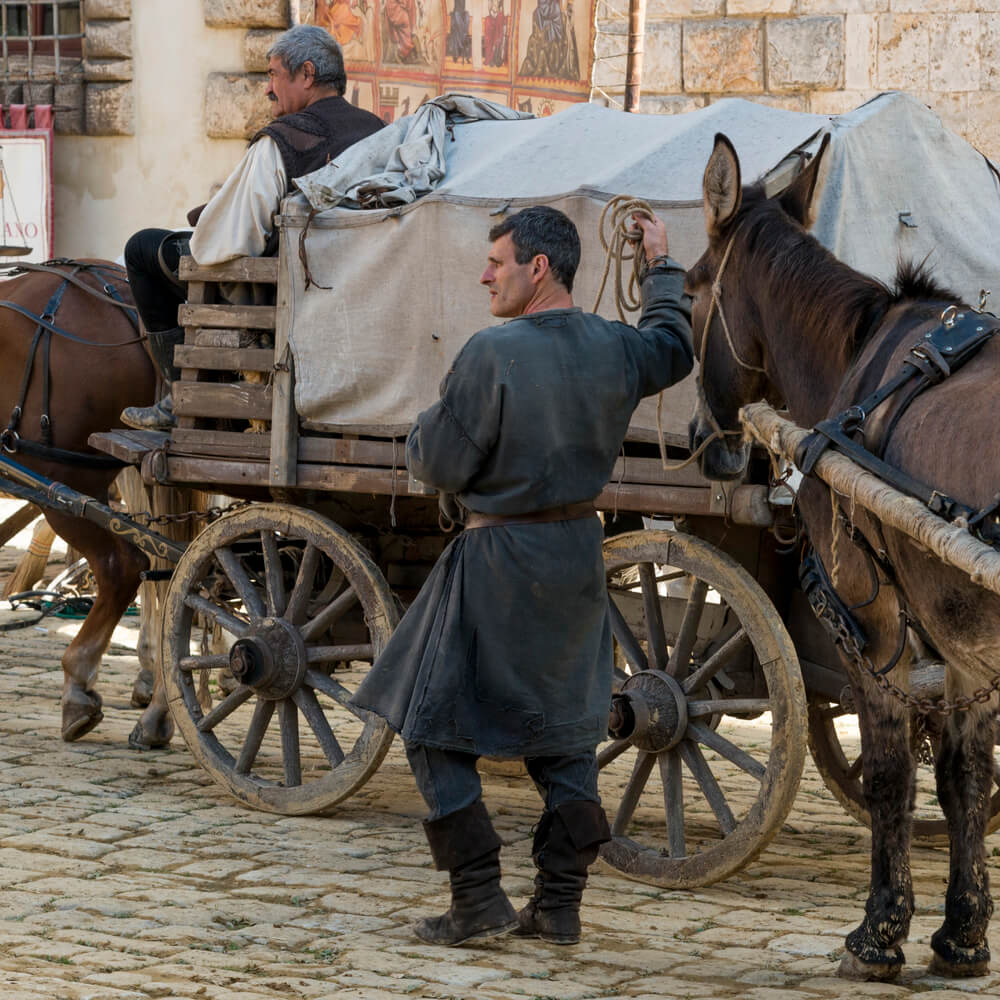
Even into the 1930s and 1940s, horse-drawn carts remained a primary means of goods delivery. Photographs show milk wagons, produce carts, and general delivery wagons sharing streets with the growing number of automobiles.
Public Transportation Crowds
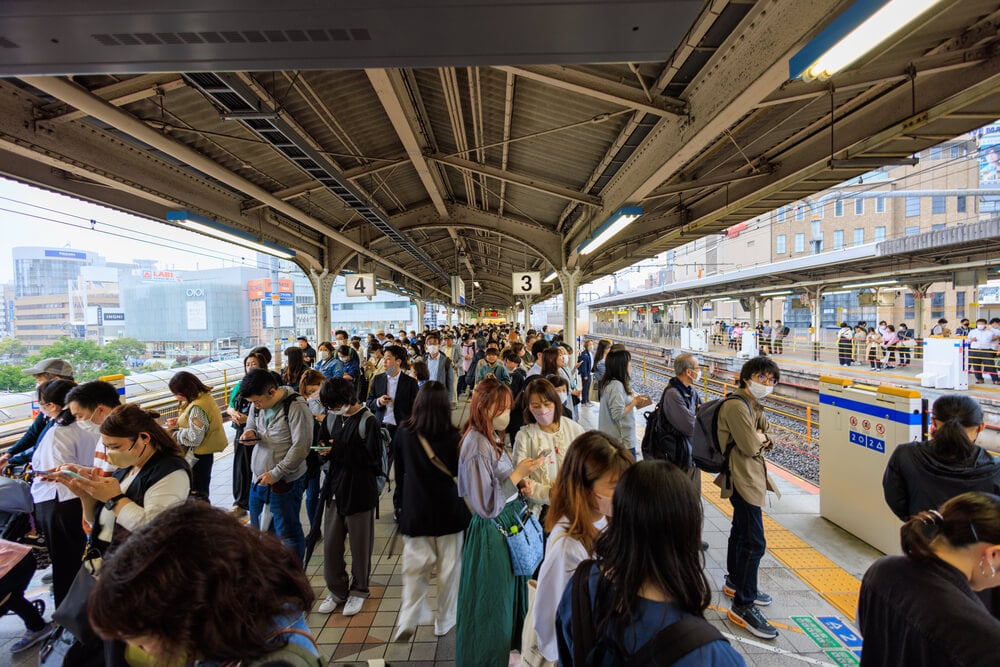
Photographs of buses, trolleys, and trains show them packed with commuters, all crowded together in close physical proximity—a normalcy that seems foreign now. The communal nature of daily transit was inescapable and documented routinely.
Street Corner Entertainers and Musicians
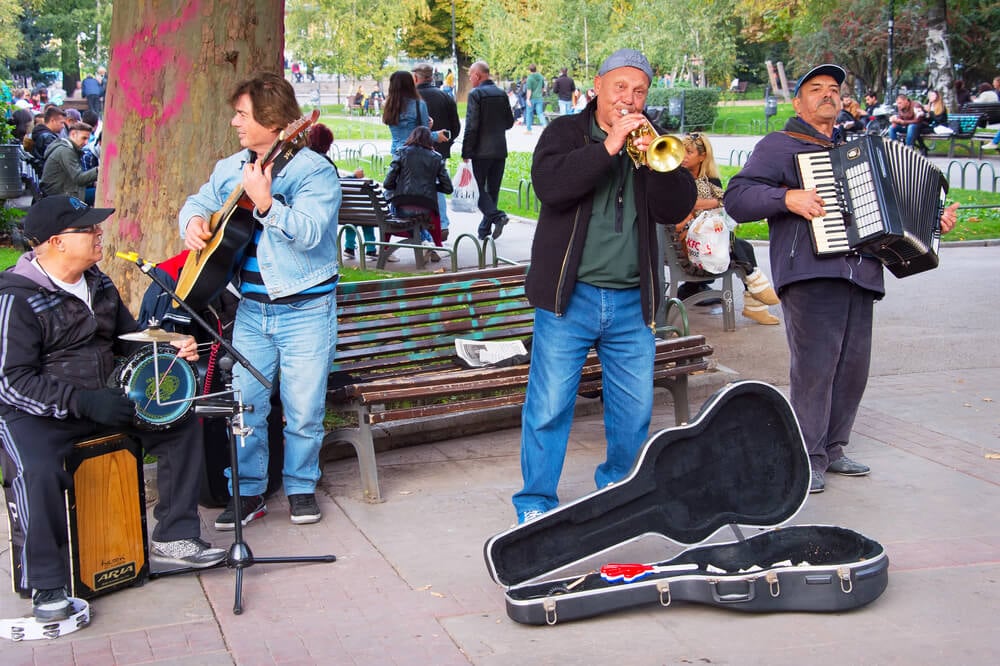
Photographs document street musicians, performers, and vendors of small goods playing and selling on busy corners. These informal economies and entertainments were part of the normal streetscape, not unusual enough to need explanation.
Children Barefoot in Summer

Photographs show children from working-class neighborhoods running barefoot through streets and alleys during summer heat. Shoes were expensive; bare feet were practical.
Crowds at Beaches and Amusement Parks
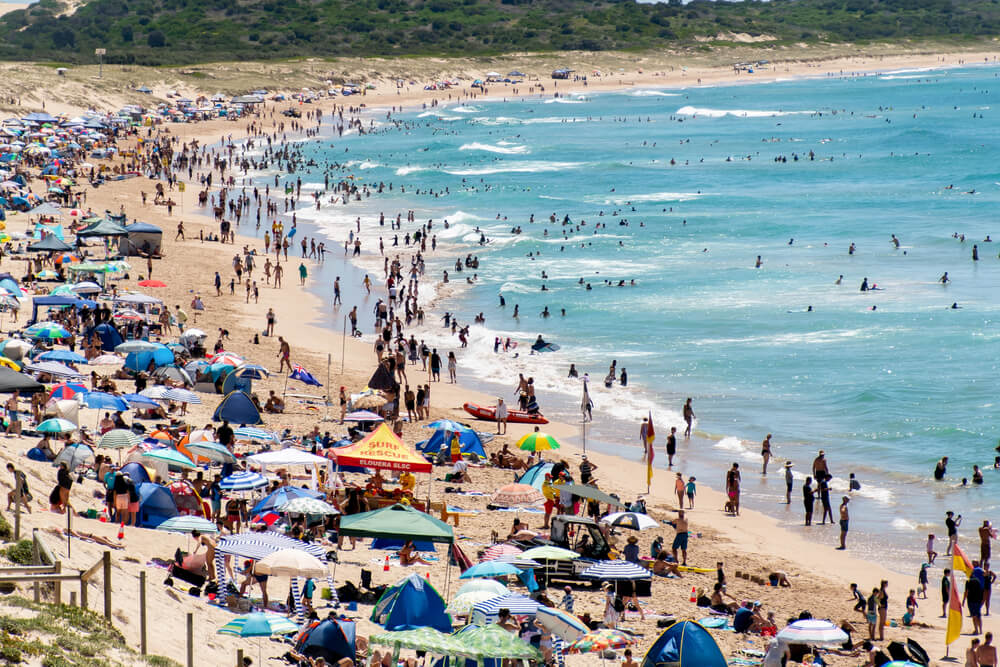
Photographs reveal beaches packed with people in old-fashioned bathing costumes, and amusement parks thronged with crowds. These photographs show how precious and focused leisure time was—entire families devoted their rare day off to a single destination.
Delivery Boys on Bicycles
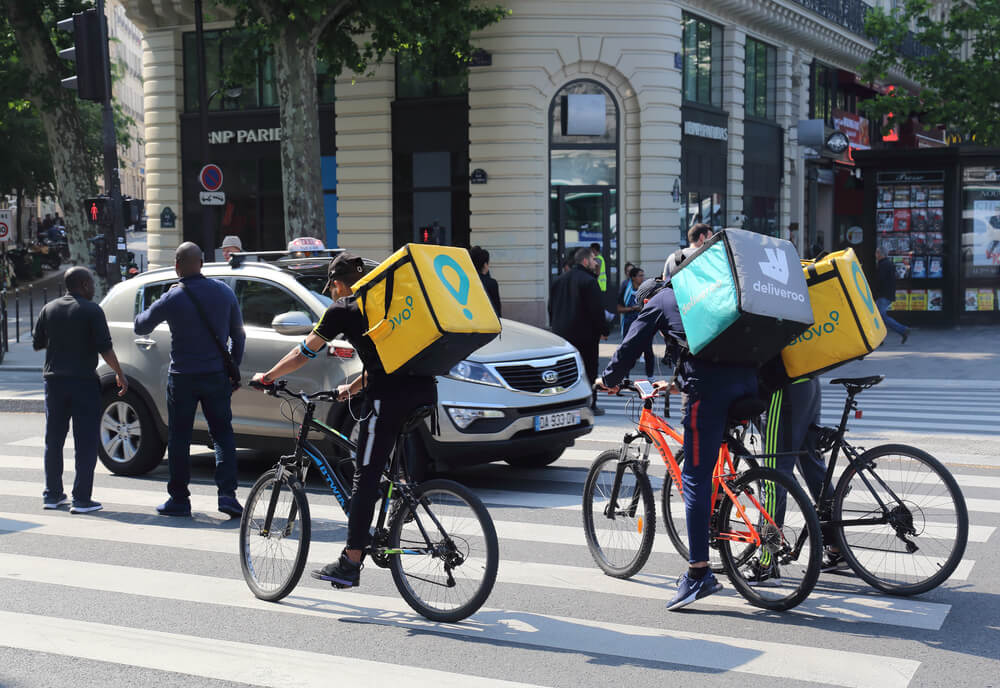
Photographs show young men on bicycles carrying parcels and packages for stores, a job that has nearly entirely disappeared. The bicycle was a vehicle for commerce, not recreation.
Women at Outdoor Markets
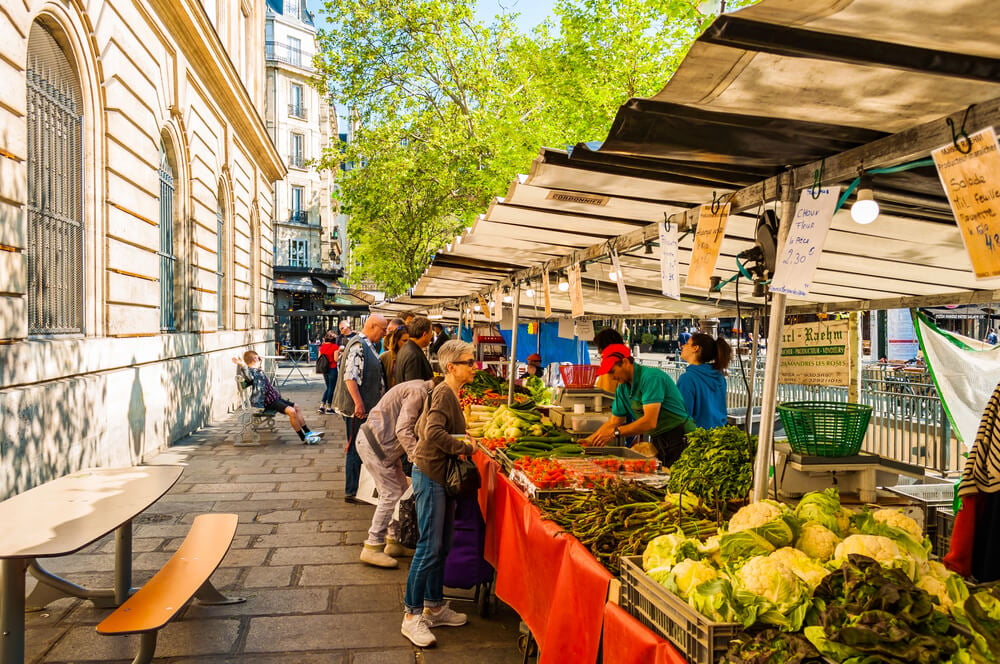
Street photographs capture women shopping at outdoor markets, vegetables and goods displayed on stands and tables. The marketplace was a social gathering space, not just a transaction point.
Shop Windows and Department Stores

Photographs show crowds gazing into elaborate window displays at department stores, the display itself a form of entertainment and aspiration. Window shopping was an activity people deliberately did.
Courting Couples in Parks

Photographs document young couples sitting on park benches, walking hand in hand through public spaces, the courting process visible and public. Romance happened outdoors where it could be observed by photographers.
Telephone Booths and Mailboxes
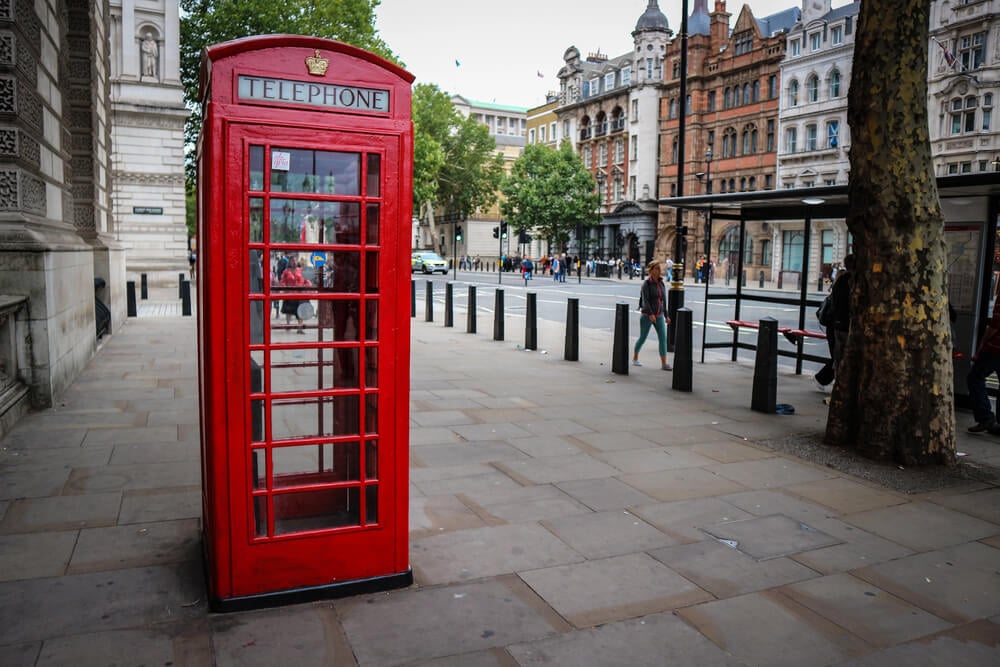
Photographs show crowds around public telephone booths and mail collection boxes, the infrastructure of communication before personal devices. These structures were social nodes where people gathered and waited.
Street Vendors Selling Everything
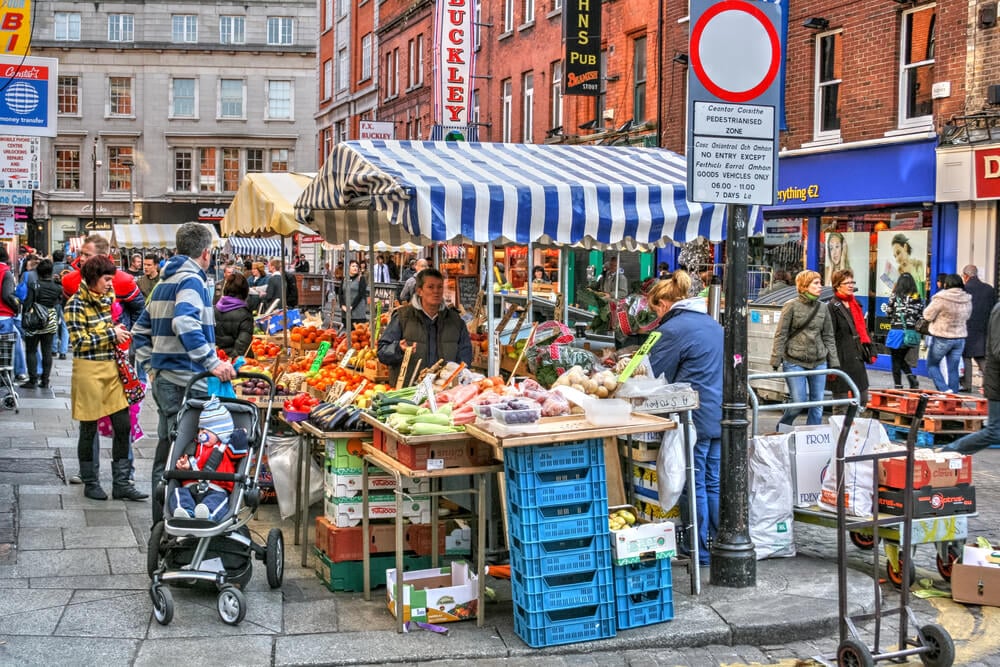
Photographs show vendors selling everything from hot dogs to trinkets, flowers to shoeshine services, working individual corners and routes. Informal commerce was visible and expected.
Crowds at Train Stations
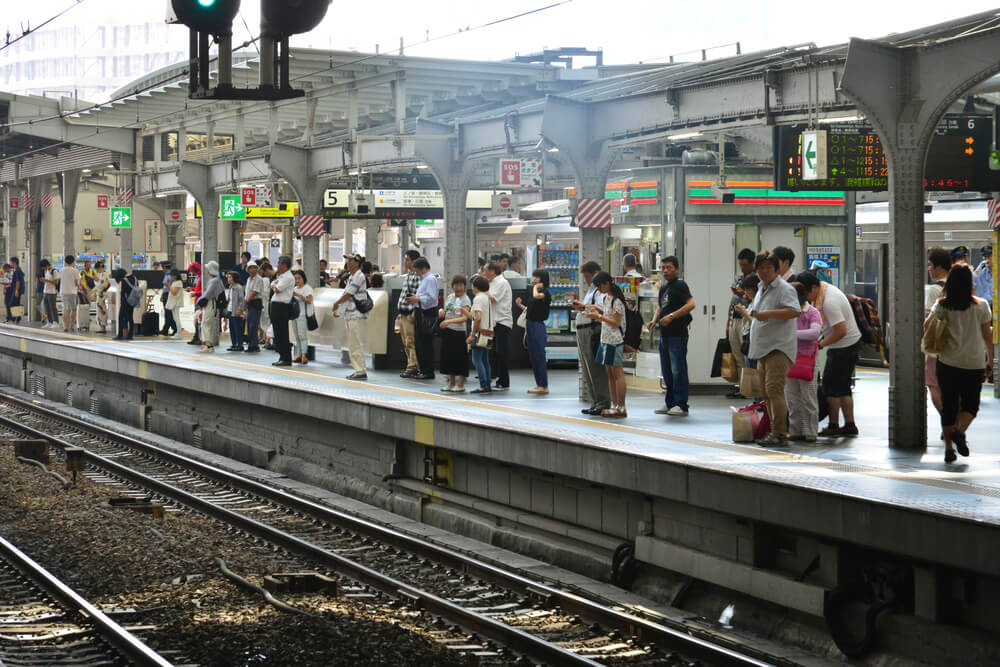
Grand, cavernous train stations filled with travelers, luggage, and families saying goodbye—photographs capture these stations as the hubs of urban life, places where important moments in people’s lives occurred.
Bicycles as Primary Transport
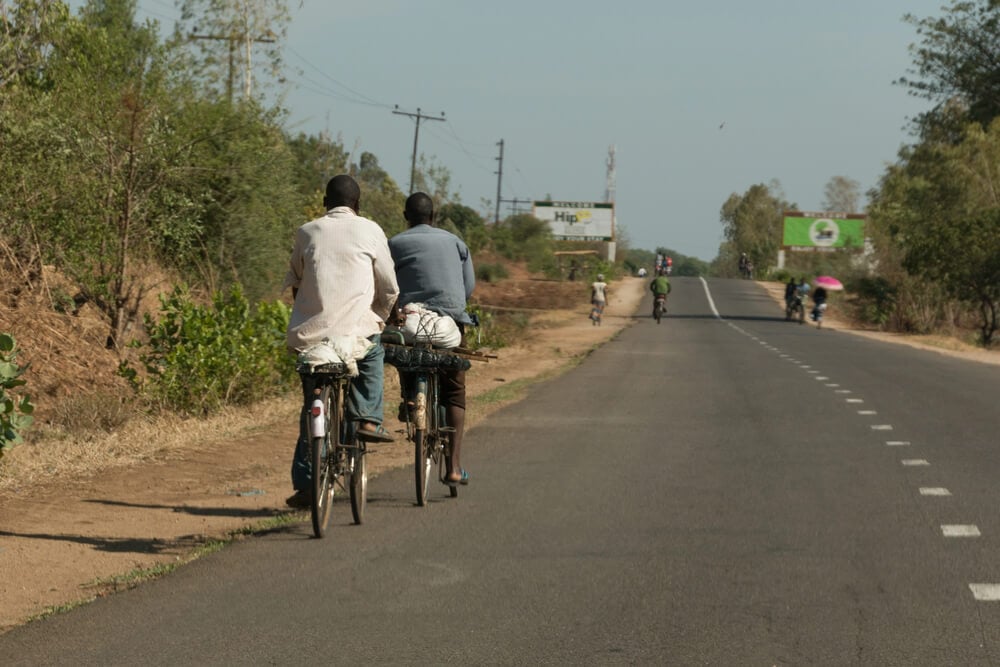
Photographs show bicycles as the dominant personal transportation for working-class people and children, with bicycles parked in enormous numbers outside factories and shops.
Evening Social Gatherings on Stoops
Photographs document families sitting on building stoops in the evening, socializing with neighbors, the building entrance as a public living room during warm months.
Formal Clothing as Daily Wear

Photographs show that even casual outdoor activities involved formal clothing by today’s standards—men in suits and ties, women in dresses and stockings, even for ordinary street activities.
The Weight of Observation
These photographs preserve moments that would otherwise leave no trace—a moment at the zoo, an afternoon of fishing, children playing in rubble. They remind us that a century ago, everyday life was conducted entirely in public, visible to photographers and each other.
The streetscape was the social world, and the camera caught it in passing, creating an unintentional archive of a way of life that has vanished utterly.
More from Go2Tutors!

- The Romanov Crown Jewels and Their Tragic Fate
- 13 Historical Mysteries That Science Still Can’t Solve
- Famous Hoaxes That Fooled the World for Years
- 15 Child Stars with Tragic Adult Lives
- 16 Famous Jewelry Pieces in History
Like Go2Tutors’s content? Follow us on MSN.



