14 Revolutionary Building Techniques in History
Human ingenuity in construction has shaped civilizations for millennia. From ancient Rome’s concrete marvels to modern skyscrapers piercing the clouds, builders have constantly pushed boundaries to create structures that seemed impossible in their time.
These innovations didn’t just change how we build—they transformed entire societies and opened doors to architectural possibilities that continue to inspire us today. Throughout history, master builders and engineers have developed techniques that were so groundbreaking they revolutionized construction forever.
Here is a list of 14 revolutionary building techniques that changed the course of architectural history.
Roman Concrete
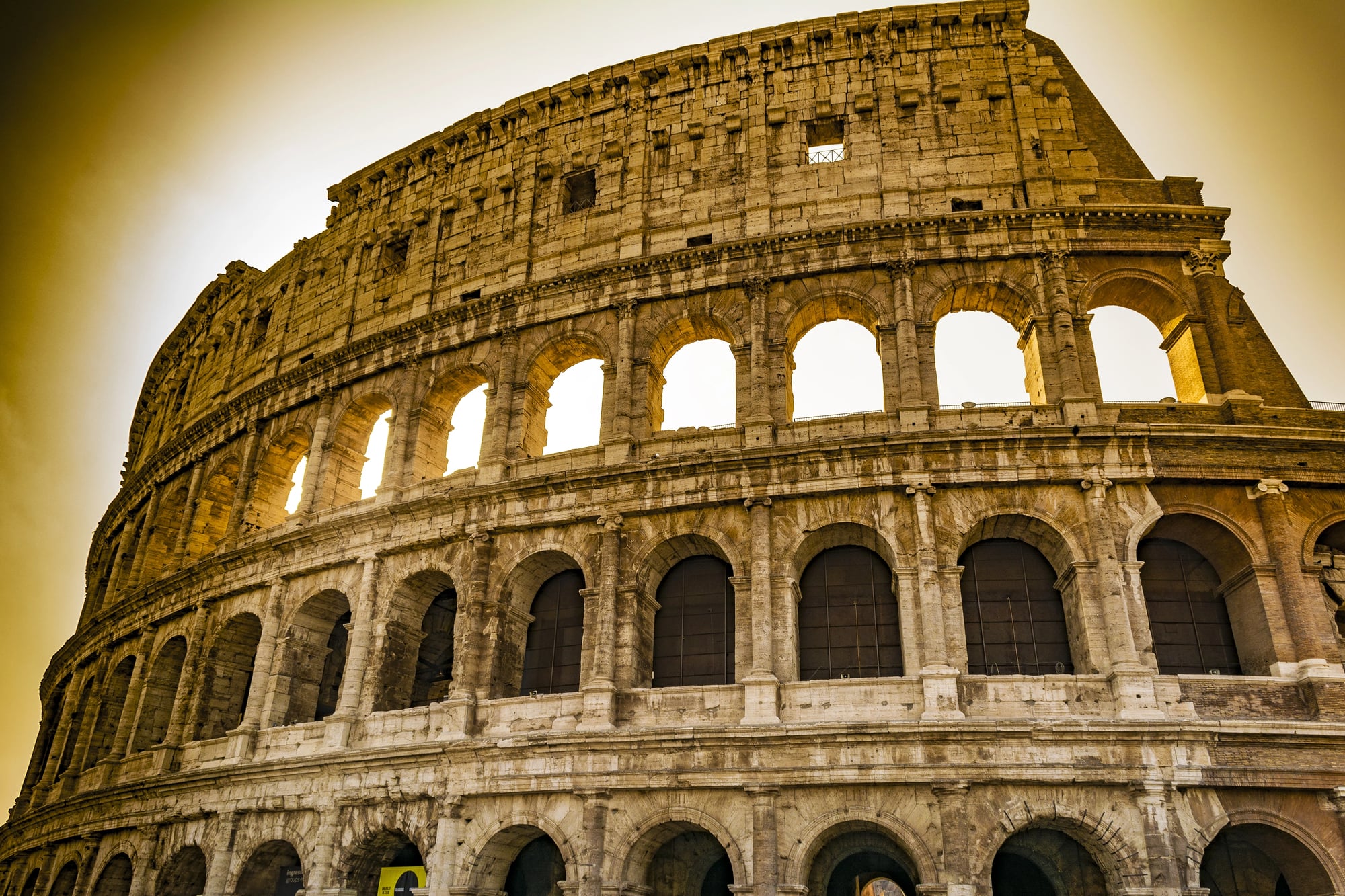
The Romans didn’t just stumble upon concrete—they perfected it into something that has outlasted their empire by over a thousand years. Their secret ingredient was volcanic ash from Mount Vesuvius, which they mixed with lime and seawater to create a material stronger than many modern alternatives.
This technique allowed them to build massive structures like the Pantheon, whose dome remains the world’s largest unreinforced concrete dome nearly 2,000 years later. The Romans were so confident in their concrete that they used it for everything from aqueducts to harbors, many of which still function today.
Gothic Flying Buttresses
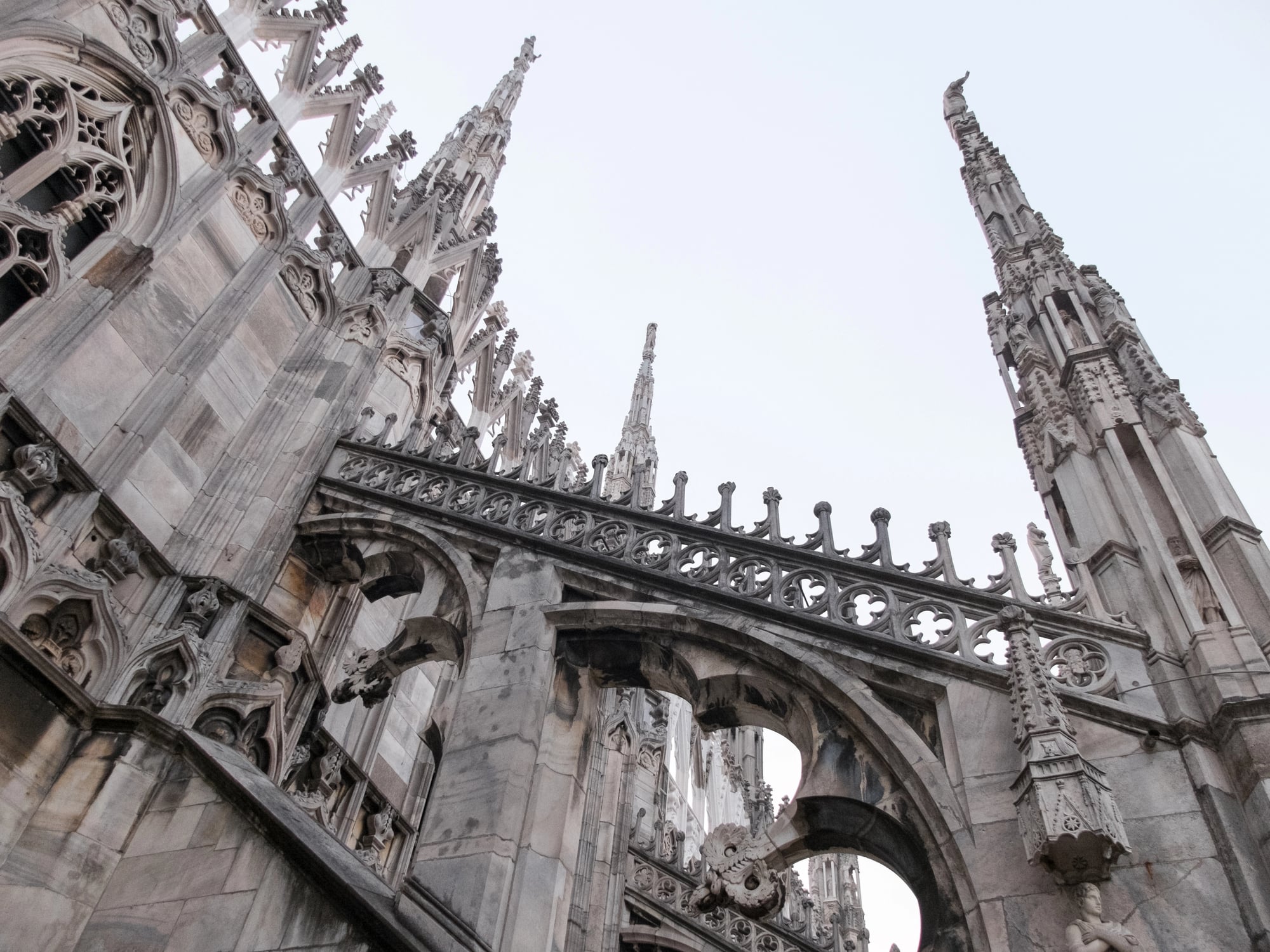
Medieval architects faced a seemingly impossible challenge: how to build walls tall enough to reach toward heaven without having them collapse under their own weight. The flying buttress was their elegant solution, essentially creating an external skeleton that transferred the weight of massive stone walls and soaring ceilings to sturdy supports outside the building.
This innovation allowed cathedrals like Notre-Dame to achieve heights that would have been structurally impossible otherwise. The technique was so effective that it became the defining feature of Gothic architecture, enabling builders to create spaces that felt more like reaching into the divine than standing in a simple building.
Like Go2Tutors’s content? Follow us on MSN.
Chinese Timber Framing
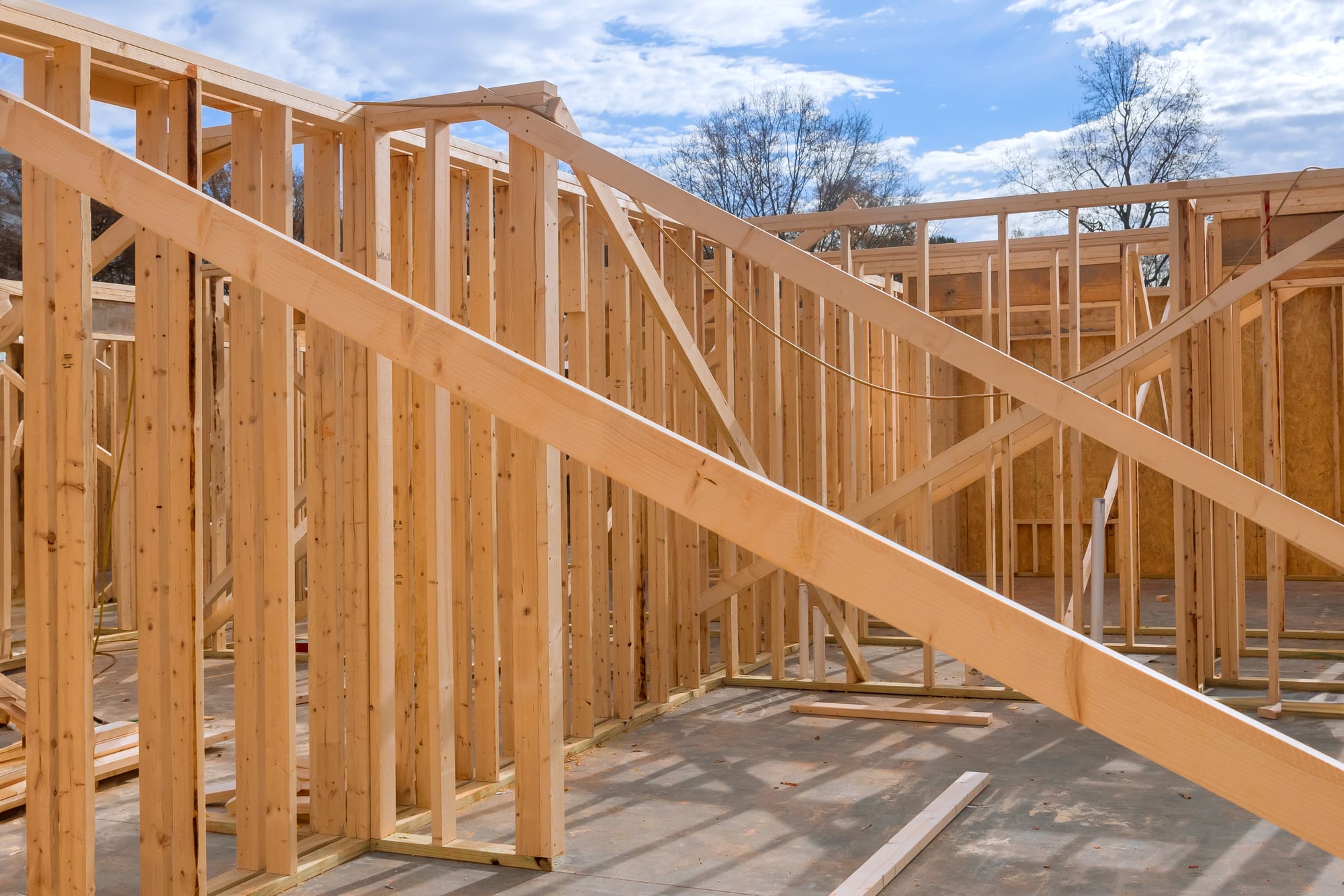
Long before Europeans developed advanced joinery techniques, Chinese craftsmen had mastered the art of building without nails. Their intricate timber framing system relied on precisely cut joints that fit together like a three-dimensional puzzle, creating structures flexible enough to survive earthquakes that would topple rigid buildings.
The Forbidden City in Beijing stands as a testament to this technique, with its complex network of wooden joints holding together for over six centuries. This method proved so durable that many traditional Chinese buildings have weathered natural disasters and human conflicts that destroyed supposedly stronger stone structures.
Islamic Pointed Arches
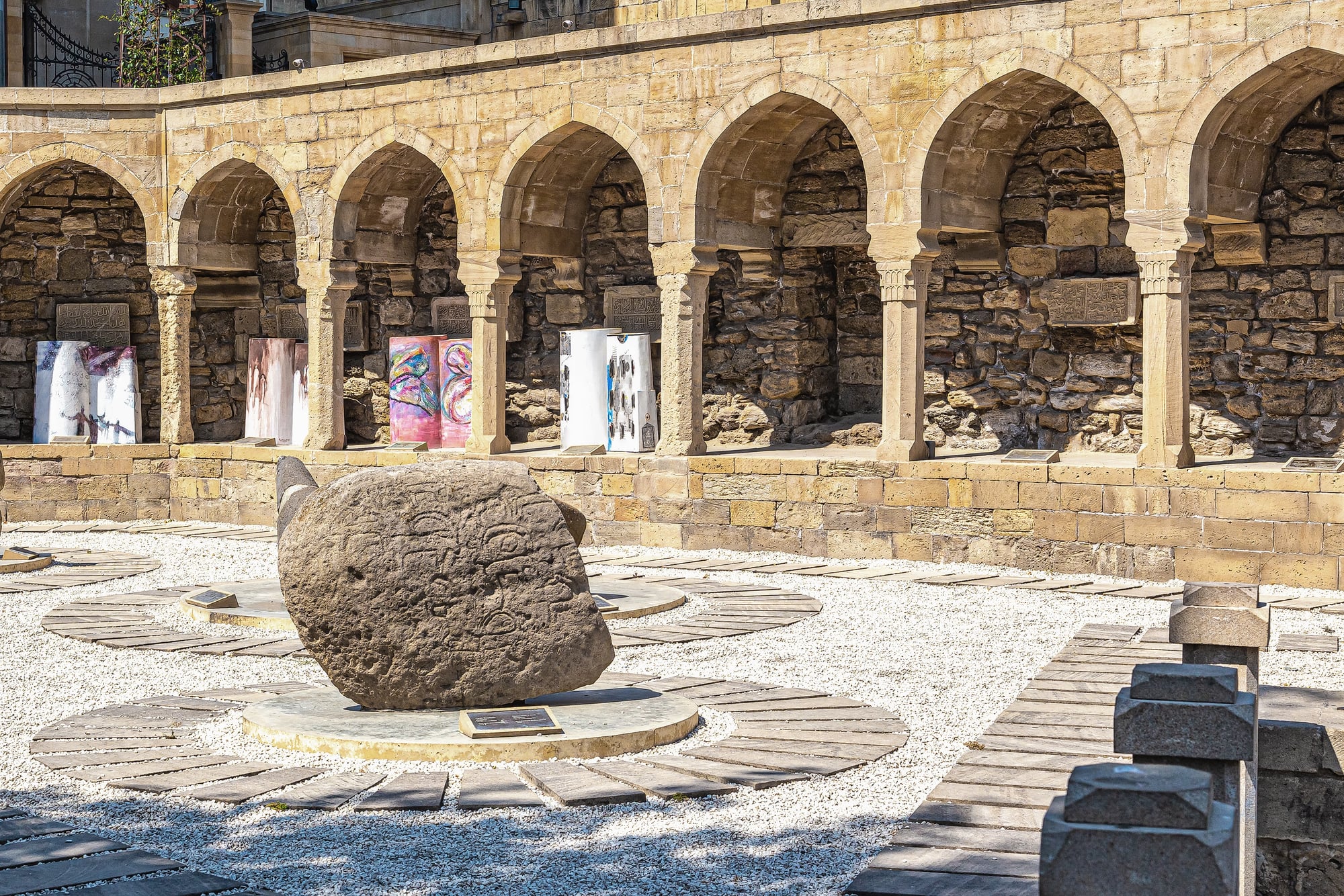
While rounded Roman arches were impressive, Islamic architects took the concept further by developing pointed arches that could carry more weight and span greater distances. This seemingly simple change in geometry revolutionized architecture by allowing builders to create larger interior spaces without the forest of supporting columns that characterized earlier designs.
The technique spread from the Middle East to Europe, where it became a cornerstone of Gothic cathedral construction. Pointed arches weren’t just functional—they created an entirely new aesthetic that emphasized vertical lines and upward movement.
Japanese Earthquake-Resistant Design

Japanese builders developed sophisticated earthquake-resistant techniques centuries before modern seismic engineering existed. Their multi-story pagodas used a central pole system that allowed the entire structure to flex and sway during tremors rather than fighting against them.
This approach, combined with carefully balanced proportions and flexible wooden joints, enabled buildings to survive earthquakes that would destroy more rigid structures. The five-story pagoda at Kyoto’s To-ji temple has stood for over 1,200 years despite countless earthquakes, proving that sometimes working with natural forces beats trying to overpower them.
Like Go2Tutors’s content? Follow us on MSN.
Inca Stone Fitting
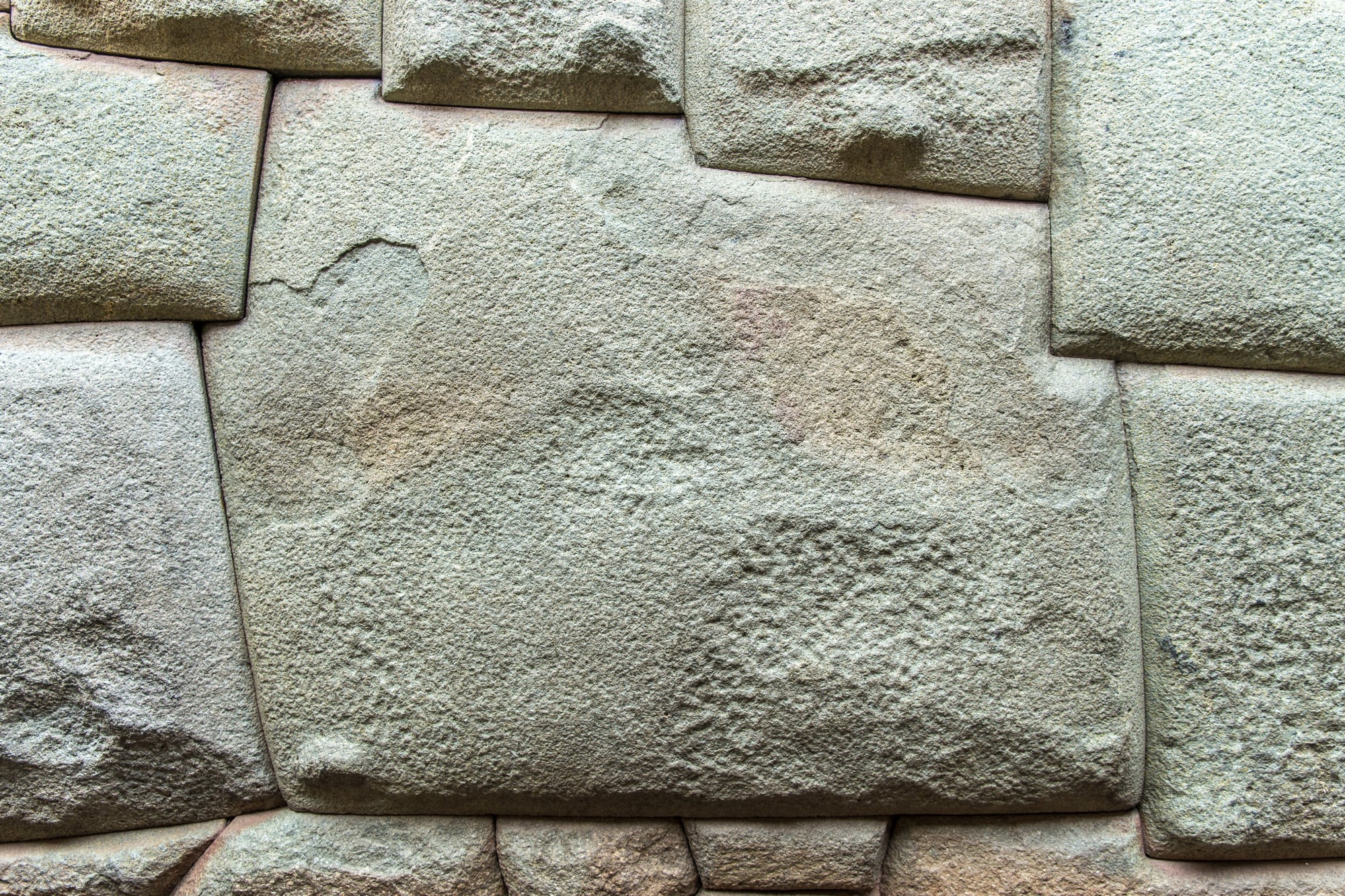
The Inca achieved something that modern engineers still struggle to replicate: fitting massive stone blocks together so precisely that you can’t slide a knife blade between them. Without mortar, metal tools, or wheeled vehicles, they created walls that have survived centuries of earthquakes in one of the world’s most seismically active regions.
Their technique involved carefully shaping each stone to fit perfectly with its neighbors, creating a puzzle-like system where the entire wall gained strength from the precision of individual pieces. Machu Picchu stands as the most famous example of this technique, where walls built 500 years ago remain more stable than many modern constructions.
Renaissance Linear Perspective
Brunelleschi’s development of linear perspective didn’t just change painting—it revolutionized architectural design and construction. This mathematical approach to representing three-dimensional space on two-dimensional surfaces allowed architects to plan buildings with unprecedented precision and communicate their visions clearly to builders.
The technique enabled the construction of complex structures like the dome of Florence Cathedral, where Brunelleschi used his perspective principles to solve engineering problems that had stumped builders for decades. This innovation transformed architecture from a craft based on trial and error into a science based on mathematical principles.
Steel Frame Skyscrapers

The development of steel frame construction in the late 1800s literally changed city skylines forever. Instead of relying on thick masonry walls to support tall buildings, architects could now use a steel skeleton to carry the load while walls became mere curtains hanging from the frame.
This technique made it possible to build structures over ten stories tall, leading to the birth of the modern skyscraper and transforming urban landscapes. Chicago’s Home Insurance Building, completed in 1885, pioneered this method and proved that cities could grow upward as well as outward.
Like Go2Tutors’s content? Follow us on MSN.
Reinforced Concrete
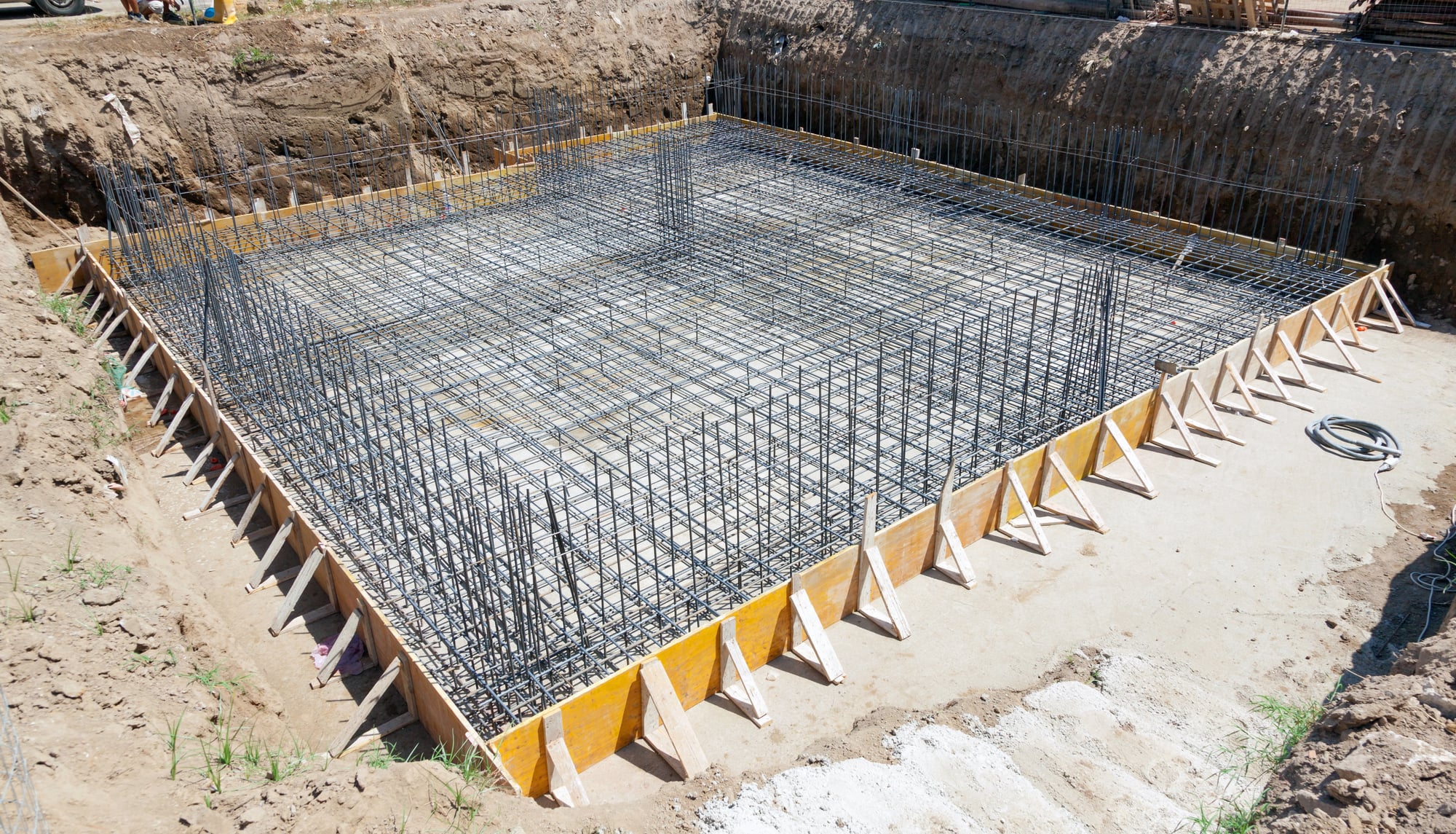
When engineers began embedding steel bars into concrete in the mid-1800s, they created a composite material that combined concrete’s compression strength with steel’s tensile strength. This marriage of materials opened up architectural possibilities that neither could achieve alone, enabling the construction of thin shells, cantilevered structures, and sculptural forms that seemed to defy gravity.
Buildings like Frank Lloyd Wright’s Fallingwater became possible because reinforced concrete could span large openings while maintaining structural integrity. The technique proved so versatile that it became the foundation of modern construction.
Curtain Wall Systems
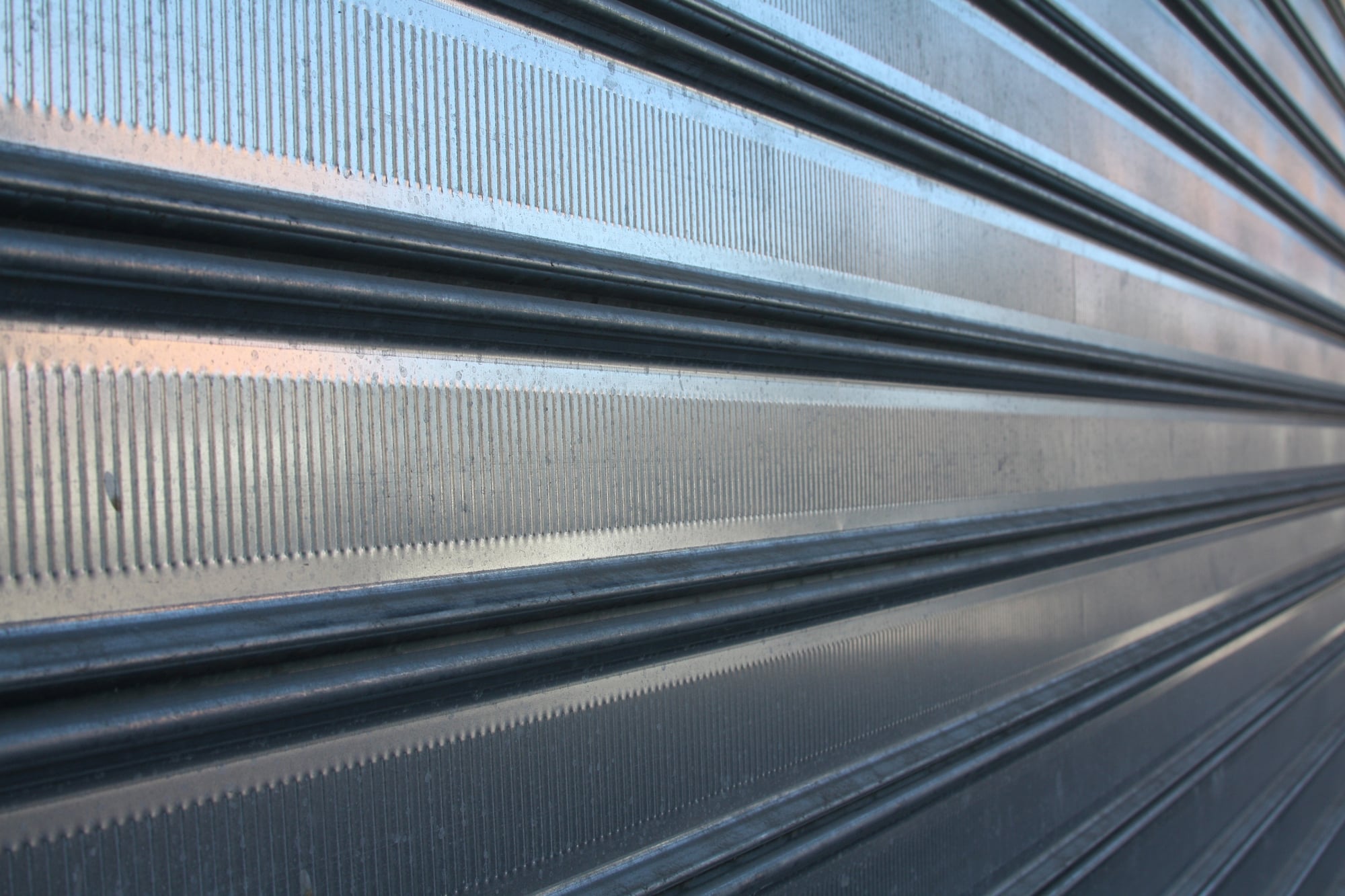
The development of curtain wall technology separated a building’s structure from its exterior covering, creating new possibilities for both engineering and design. Instead of walls carrying structural loads, lightweight panels could be hung from the building’s frame like curtains, allowing for expansive windows and innovative facades.
This technique enabled architects to create buildings with floor-to-ceiling glass walls and complex geometric patterns that would have been impossible with traditional load-bearing construction. Modern office towers owe their distinctive appearance to this innovation, which transformed buildings from solid masses into transparent volumes.
Prestressed Concrete
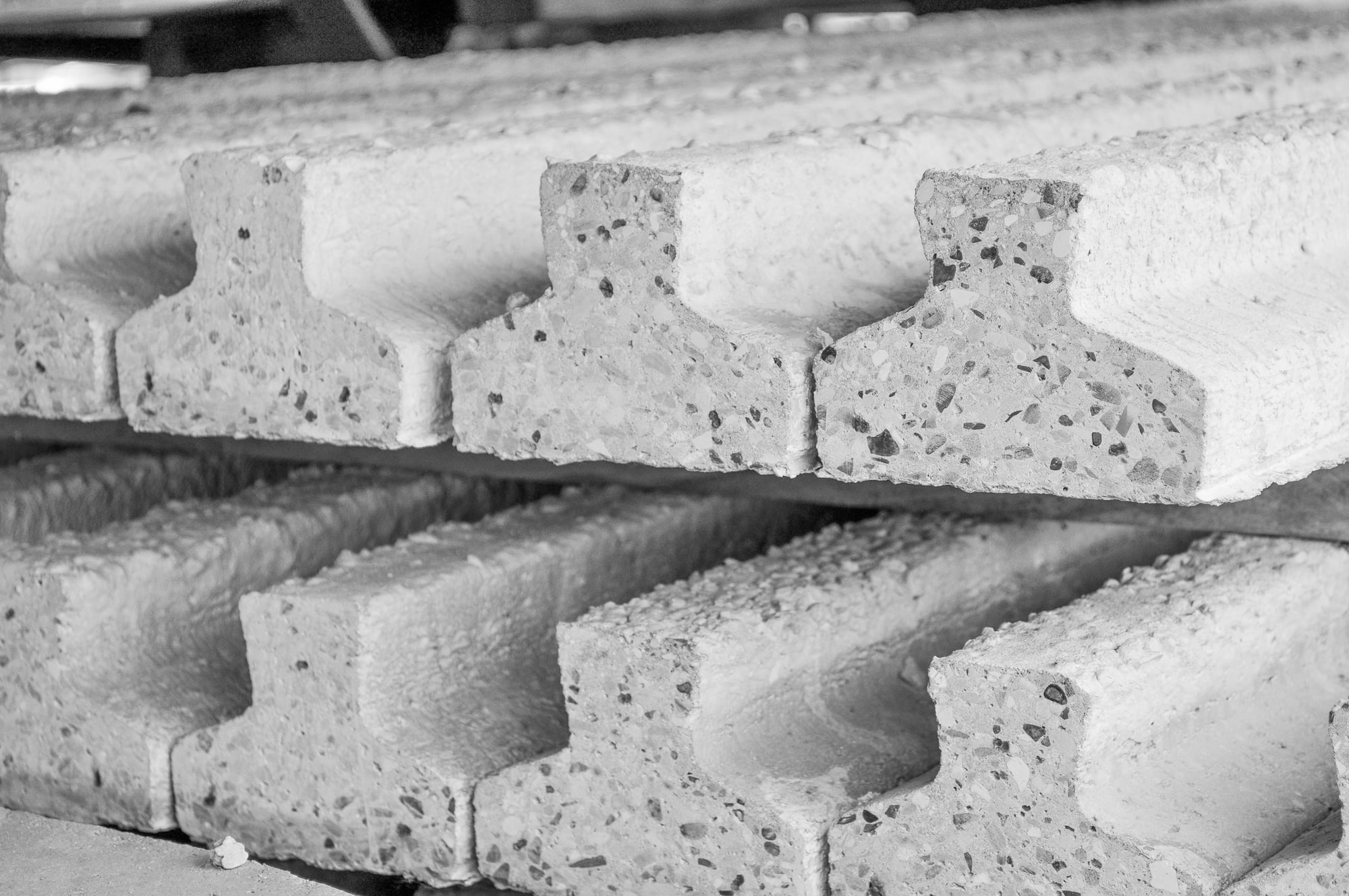
Eugene Freyssinet’s development of prestressed concrete in the early 1900s solved a fundamental problem: how to make concrete structures stronger and more efficient. By stretching steel cables within concrete before it sets, engineers could create beams and slabs that were pre-compressed to resist the tensile forces they would encounter in use.
This technique allowed for longer spans with less material, making possible the graceful bridges and expansive roof systems that characterize modern architecture. The method was so revolutionary that it changed not just how we build, but what we could dare to build.
Like Go2Tutors’s content? Follow us on MSN.
Tensioned Membrane Structures
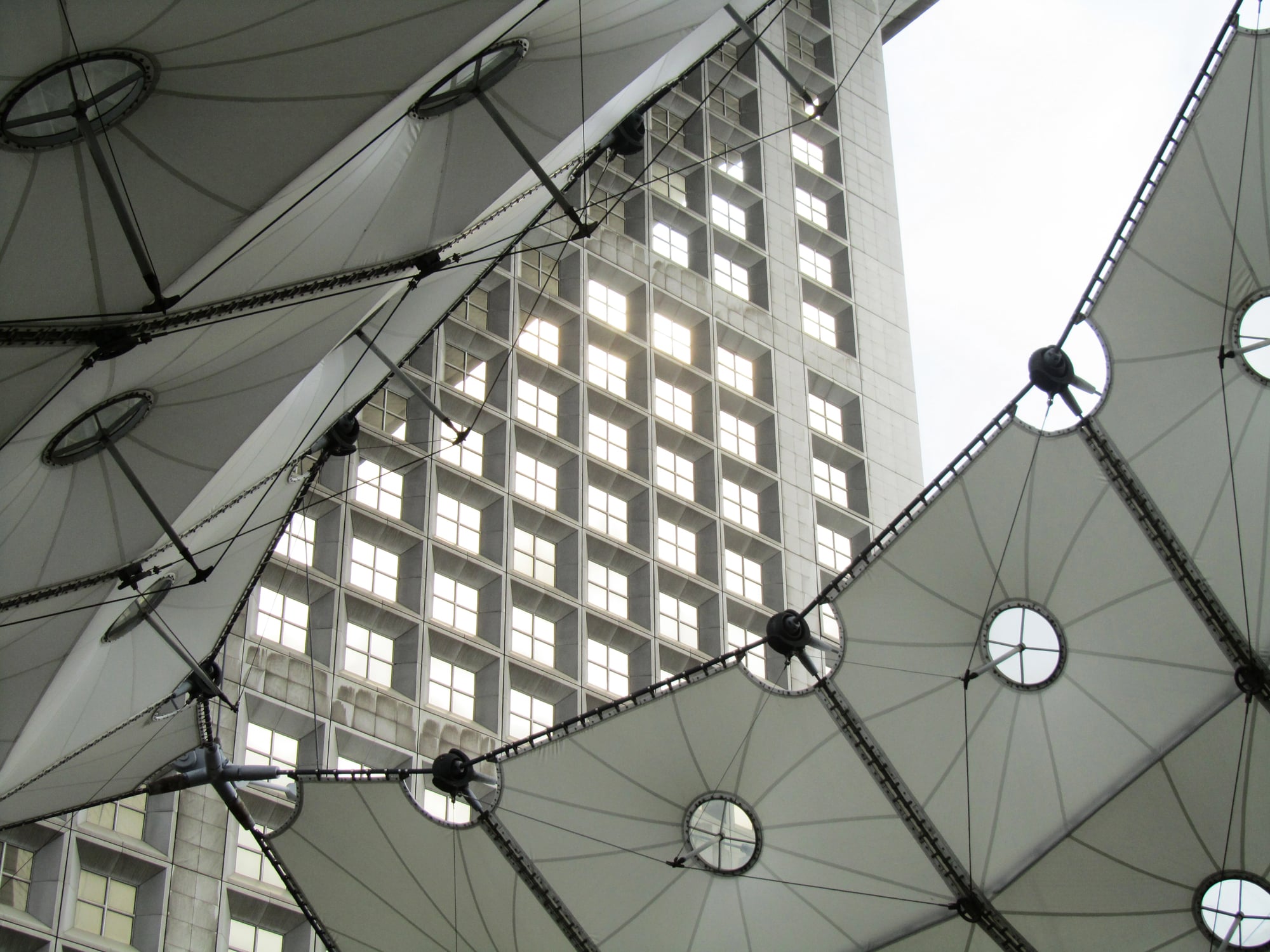
The development of tensioned fabric architecture proved that buildings didn’t need to be heavy to be strong. These structures use cables and lightweight membranes under tension to create spaces that seem to float rather than sit heavily on the ground.
Denver International Airport’s distinctive peaked roof demonstrates how this technique can cover vast areas with minimal structural support while creating visually striking forms. The method combines ancient tent-making principles with modern materials and engineering, showing how traditional wisdom can inspire contemporary innovation.
Modular Prefabrication
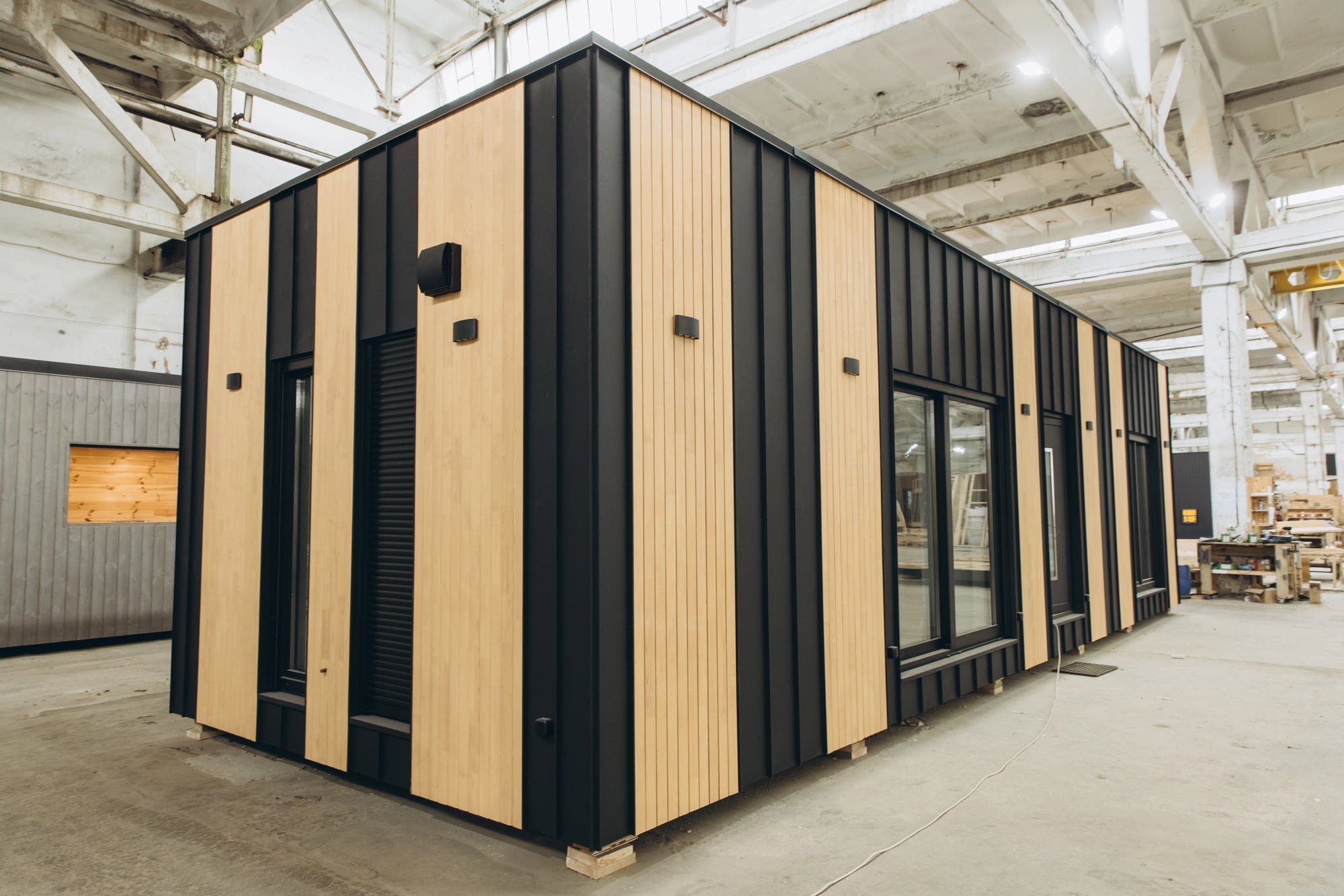
The concept of building structures from factory-made components revolutionized construction by bringing manufacturing efficiency to the building site. Instead of crafting every element from scratch on location, builders could assemble precision-made modules that fit together like giant building blocks.
This technique not only reduced construction time and costs but also improved quality control by moving much of the work into controlled factory environments. Modern hospitals, schools, and housing developments increasingly rely on modular construction to deliver complex buildings faster and more affordably than traditional methods allow.
3D Printing Construction
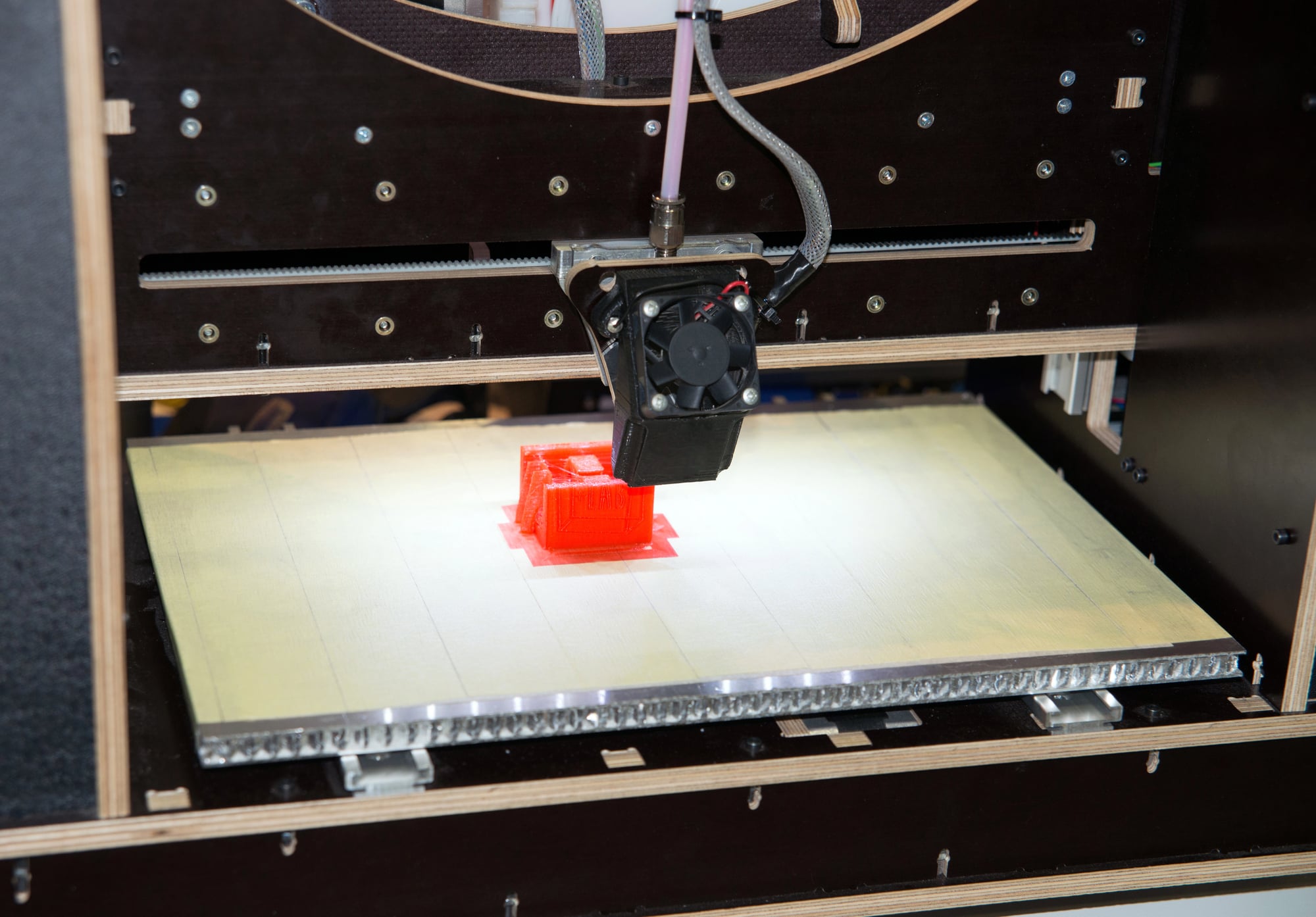
The emergence of large-scale 3D printing for construction represents perhaps the most radical shift in building techniques since the invention of concrete. These systems can extrude concrete layer by layer to create walls, structures, and even entire buildings without traditional formwork or extensive manual labor.
Early projects have demonstrated the technique’s potential to reduce construction waste, enable complex geometries that would be difficult to build conventionally, and potentially make construction possible in remote locations or even other planets. While still in its infancy, 3D printing promises to democratize construction by making it possible to build sophisticated structures with minimal human intervention.
Like Go2Tutors’s content? Follow us on MSN.
Building Tomorrow on Yesterday’s Foundations
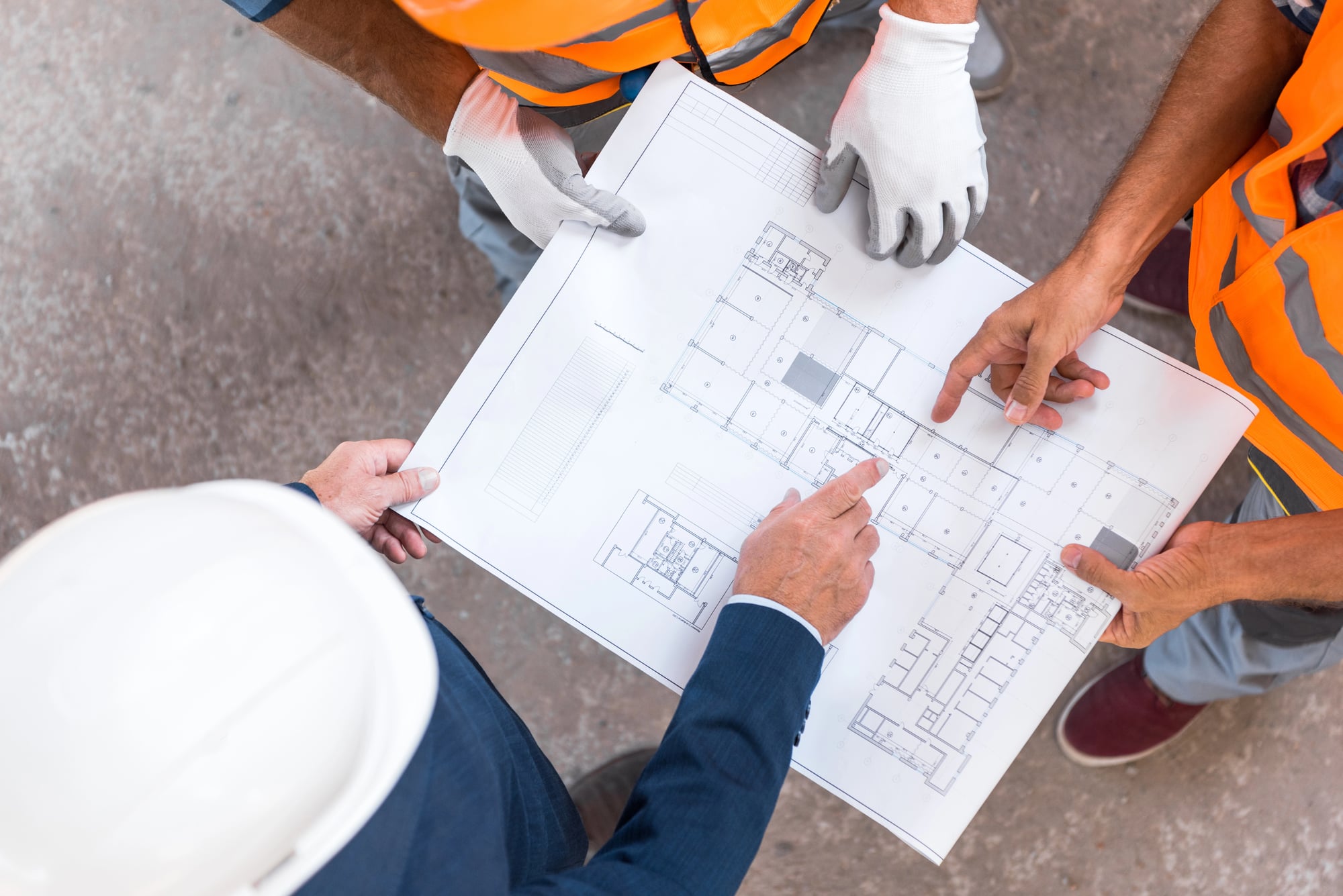
These revolutionary techniques remind us that human progress in construction has always been about solving seemingly impossible problems with ingenious solutions. From Roman engineers mixing volcanic ash to create enduring concrete to modern programmers designing robots that can print entire buildings, each breakthrough has built upon the wisdom of previous generations while pushing into uncharted territory.
Today’s architects and engineers continue this tradition, developing new materials and methods that will undoubtedly seem as revolutionary to future builders as these historic innovations appear to us. The thread connecting ancient Roman concrete to modern 3D printing is humanity’s persistent refusal to accept that something can’t be built, leading us to constantly redefine what’s possible in the built environment.
More from Go2Tutors!

- 16 Restaurant Chains That Went Too Fast
- 12 Things Sold in the 80s That Are Now Illegal
- 15 Strange Things People Have Tried to Ban (And Failed)
- 16 Collectibles People Tossed Out Too Soon
- 17 Myths from Your Childhood That Were Actually Based on Real Things
Like Go2Tutors’s content? Follow us on MSN.



