31 Dog Breeds That Were Once Popular and Are Now Practically Forgotten
In the early 2000s, certain dog breeds dominated American households and captured cultural imagination—Maltese lap dogs, Chihuahuas as fashion accessories, and English Cocker Spaniels as family staples. Today, registration numbers have plummeted for many of these once-beloved breeds.
The American Kennel Club’s comparison of 2004 and 2024 rankings reveals dramatic shifts in preference, with some breeds losing hundreds of thousands of registrations and vanishing from neighborhood dog parks entirely. These aren’t new designer hybrids or health-compromised show dogs—they’re recognized purebreds that quietly faded as tastes, living spaces, and work needs changed.
Norwegian Elkhound
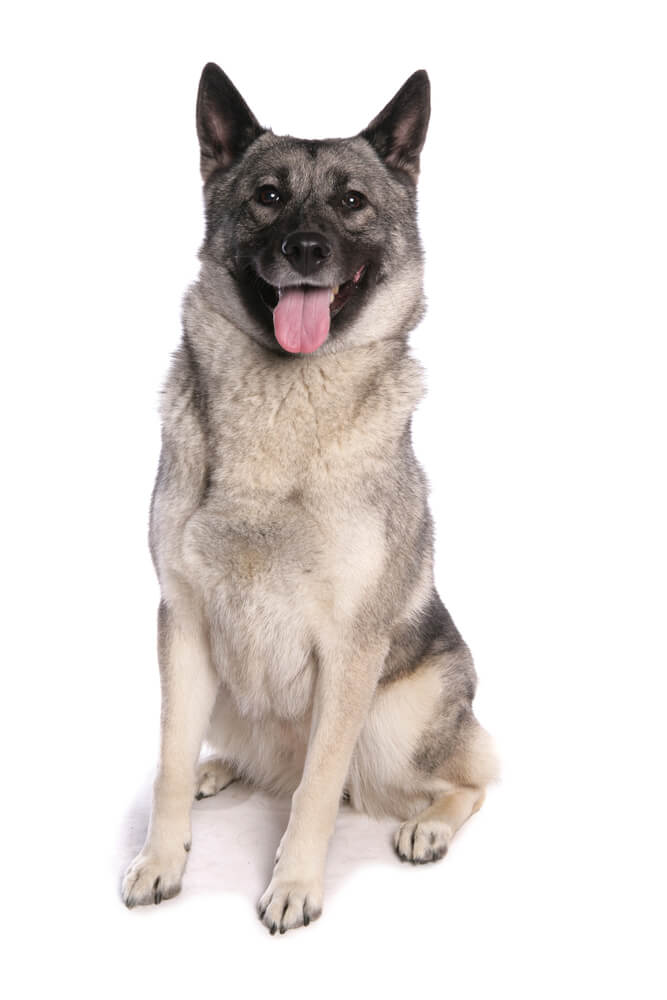
Once a staple Norwegian hunting dog with deep historical roots, the Norwegian Elkhound has seen its American popularity crater over two decades. The breed’s two-ply coat sheds relentlessly—the AKC warns breeders that prospective owners should expect “tumbleweeds” of silver undercoat rolling through their homes during shedding season.
Despite their wolf-like appearance and excellent temperament, the breed’s notorious grooming demands have kept it off most modern wish lists.
American Cocker Spaniel

The American Cocker Spaniel was ranked at number 15 in 2004 but dropped to number 30 in 2024, representing a 15-place decline in popularity. These silky-coated spaniels were once common household pets and show ring favorites, but their need for regular professional grooming and consistent exercise has made them less appealing to contemporary owners seeking lower-maintenance companions.
Maltese

The Maltese was once a beloved purse-sized toy dog that served as an adorable fashion accessory in the early 2000s, but has since gone out of vogue among pet owners. The breed’s pure white coat requires daily grooming and frequent baths to maintain its pristine appearance, making casual pet ownership impractical for most households.
Pug

Like the Maltese, pugs enjoyed enormous popularity as fashion accessories in the early 2000s but have dramatically declined in preference. Beyond changing fashion trends, the breed’s well-documented respiratory and joint issues have made many prospective owners hesitant about potential veterinary costs and quality-of-life concerns.
Chihuahua

Once the quintessential purse dog of celebrity culture, the Chihuahua has experienced a notable decline from its peak popularity. Registration data shows that purse-sized toy dogs like Chihuahuas won hearts as adorable fashion accessories in the early 2000s but have since gone out of vogue.
The breed’s delicate constitution, fragility around children, and behavioral unpredictability has led many families to seek more robust companions.
Otterhound
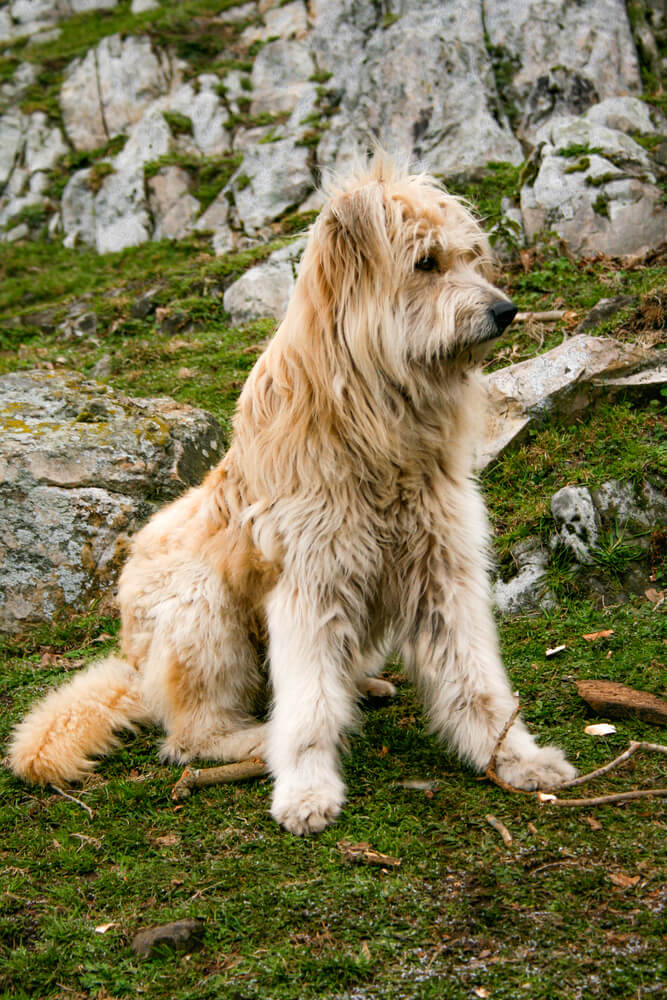
When otter hunting was banned, the Otterhound’s traditional purpose disappeared entirely, sending the breed into a steep decline. These large, webbed-pawed swimmers were purpose-built for hunting otters in British rivers, but with their job gone, they became expensive, high-energy dogs with no clear modern niche, pushing registration numbers toward near-extinction levels.
Dandie Dinmont Terrier

Ancient breeds like the Dandie Dinmont Terrier struggle to maintain their popularity despite being AKC-recognized. This Scottish scent hound, named after a fictional character in a Sir Walter Scott novel, was once moderately popular but now sits among the rarest breeds with minimal registrations outside dedicated breed clubs and show circuits.
Skye Terrier
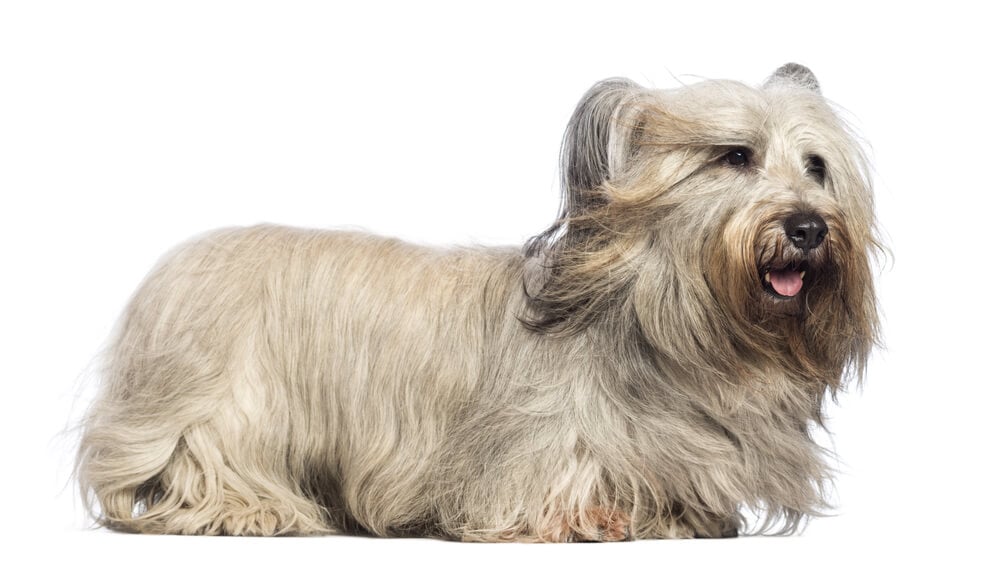
The elegant Skye Terrier once enjoyed considerable popularity among British aristocrats, but its numbers eventually collapsed, with registrations becoming exceptionally small. The breed’s distinctive long coat and low-slung body remain recognizable, but genetic diversity concerns and hereditary disease issues have made careful breeding so critical that few casual breeders maintain populations.
Sussex Spaniel
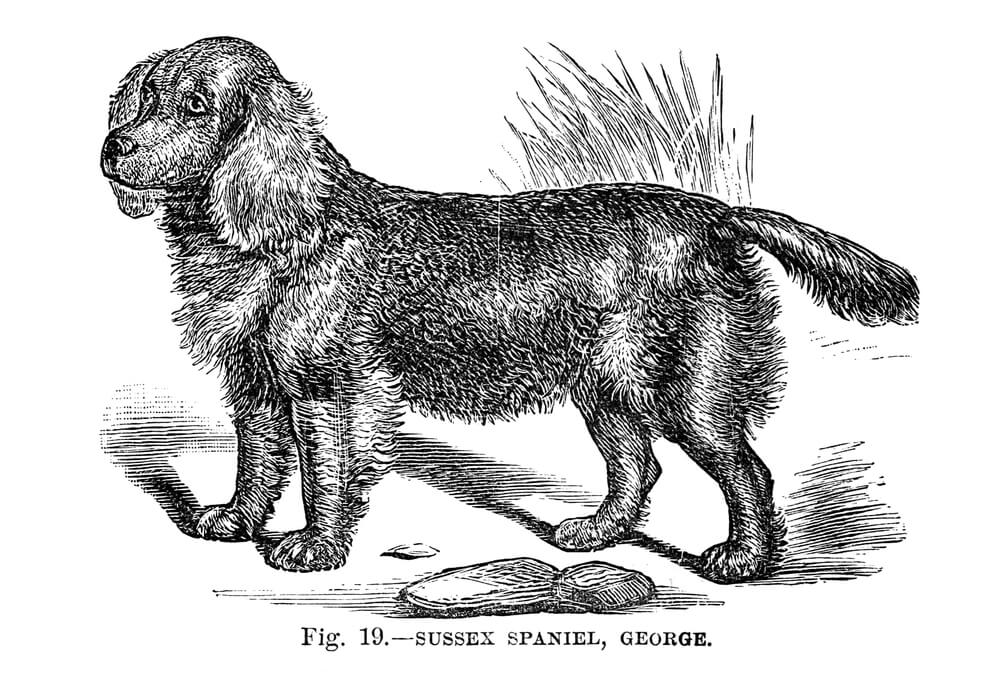
The Sussex Spaniel was developed in Sussex, England, during the 18th century as a low, sturdy field dog capable of pushing through dense undergrowth. Despite their exceptional hunting ability and friendly temperament, these golden-red spaniels remain virtually unknown outside bird-dog enthusiast circles, with registrations numbering in the mere dozens each year across the entire United States.
English Toy Terrier
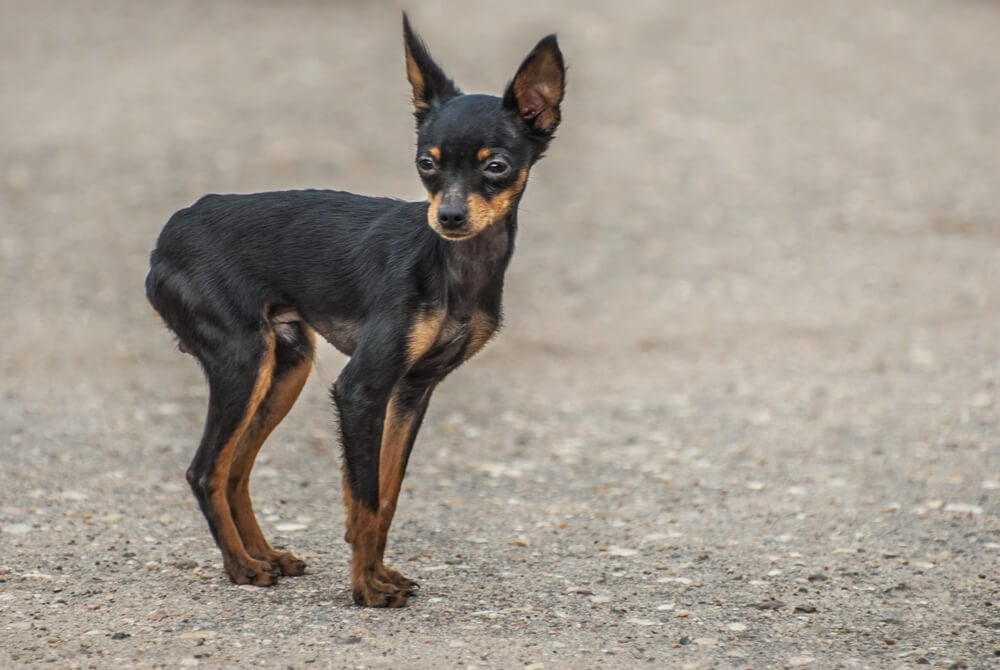
The English Toy Terrier is among the forgotten breeds that once held popularity but is now rarely encountered. Originally developed in the mid-1800s for show ring appeal with pricked ears and athletic frames, the breed failed to capture lasting public interest and exists mainly as a curiosity in terrier preservation efforts.
Greyhound
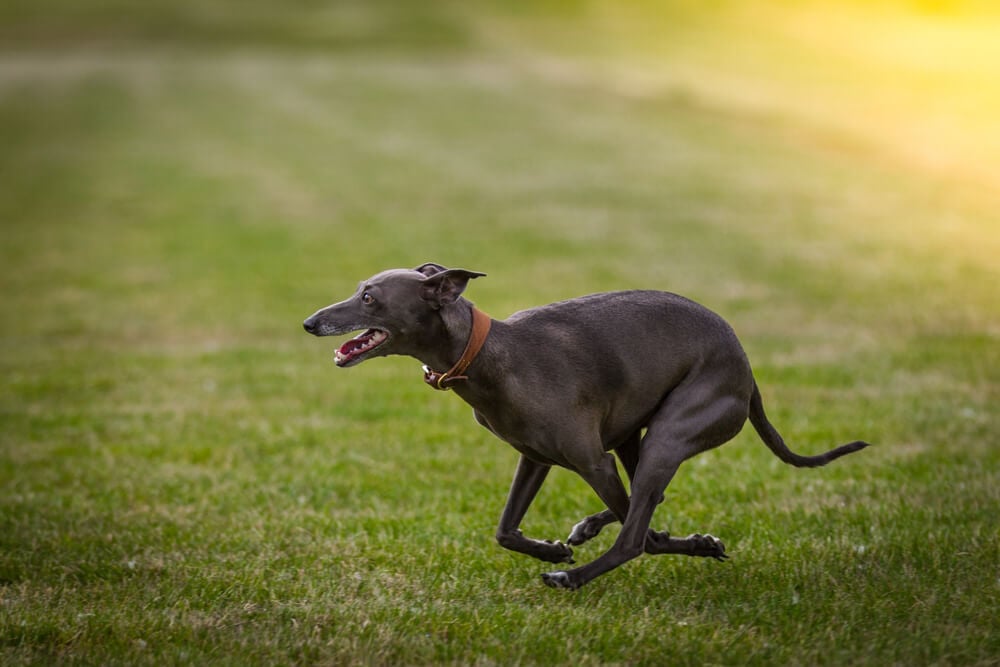
Once celebrated as racing champions and beloved pets, the Greyhound saw a significant change from 2024 to 2025, ranking number 51 as rarest in 2025 versus number 83 in 2024—a 32-rank drop in just one year. The decline in dog racing popularity has eliminated the breed’s primary cultural presence, leaving only sighthound enthusiasts to maintain small breeding populations.
Briard
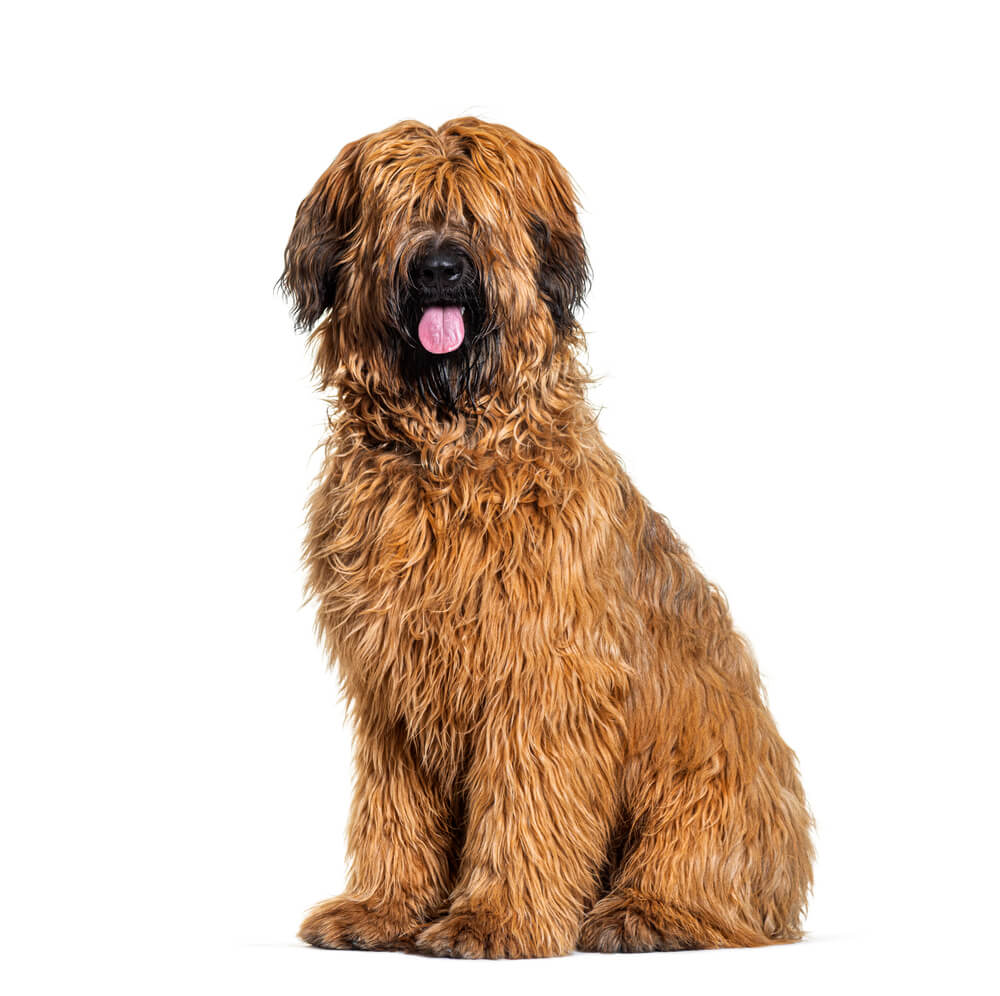
The Briard moved 27 places down the rankings and now sits at number 49 on the rarest dog breeds list. This French herding dog with its distinctive flowing coat and dramatic beard was once moderately visible in American homes but has largely disappeared from modern ownership.
Black Russian Terrier
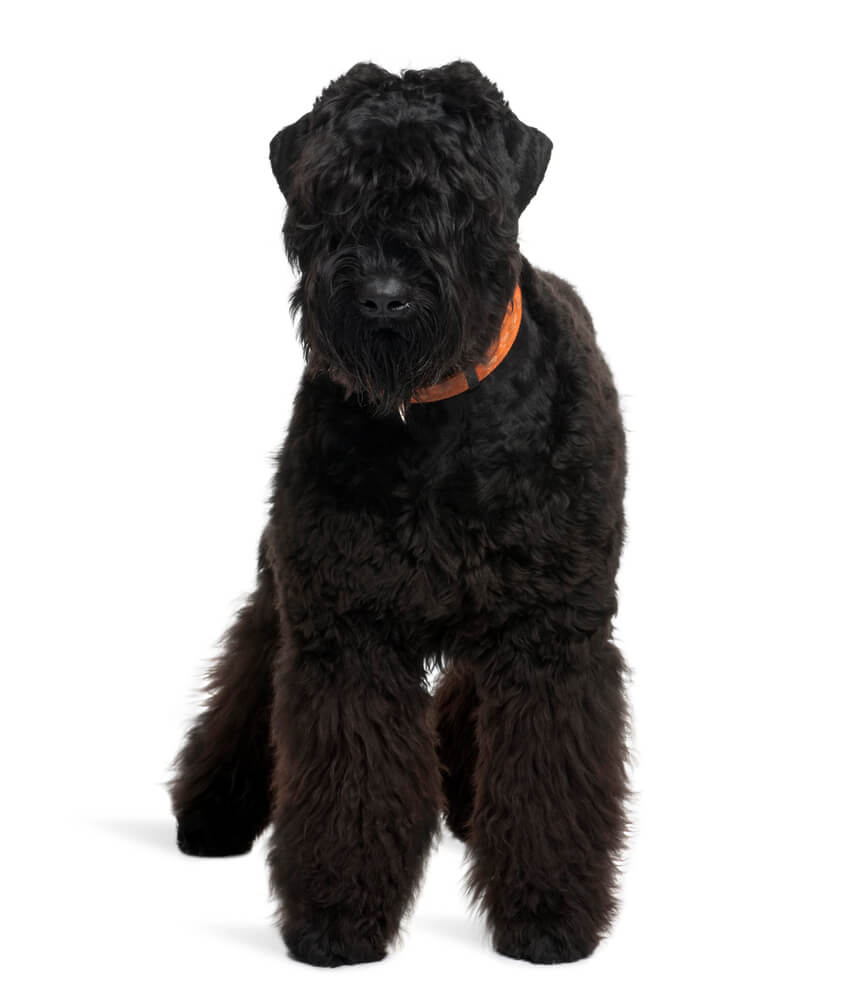
The Black Russian Terrier moved 27 places down the popularity rankings, landing at number 49 as one of the rarest breeds. Originally developed as Soviet guard dogs for military purposes, these massive black dogs never found mainstream appeal in Western households despite their impressive protection instincts and loyal temperament.
Saluki

The Saluki dropped considerably in popularity during 2024, moving 21 spots down to number 141. One of the oldest dog breeds, with ancient Egyptian lineage, the Saluki’s aloof nature and demanding exercise requirements have made it incompatible with suburban living, pushing registration numbers into obscurity.
Black and Tan Coonhound

The Black and Tan Coonhound witnessed a significant decrease in 2024, dropping 20 spots in the popularity rankings. Once essential for hunting raccoons and other game, these powerful scent hounds have become virtually unknown outside of rural hunting communities and coonhound competition circuits.
Wirehaired Vizsla

The Wirehaired Vizsla saw a notable decrease in 2024, dropping 17 spots in the popularity rankings. These Hungarian hunting dogs, bred for endurance and sensitivity, require intense physical and mental exercise that most modern owners cannot provide, leaving them almost exclusively in the hands of professional hunters.
Harrier

Harriers became rarer from 2024 to 2025, moving from number 18 to number 4 on the rarest breed list. These pack hunting hounds were once common in England for hunting hares and small game, but they’re fundamentally incompatible with suburban life and remain virtually unseen in urban and suburban households.
Chinook
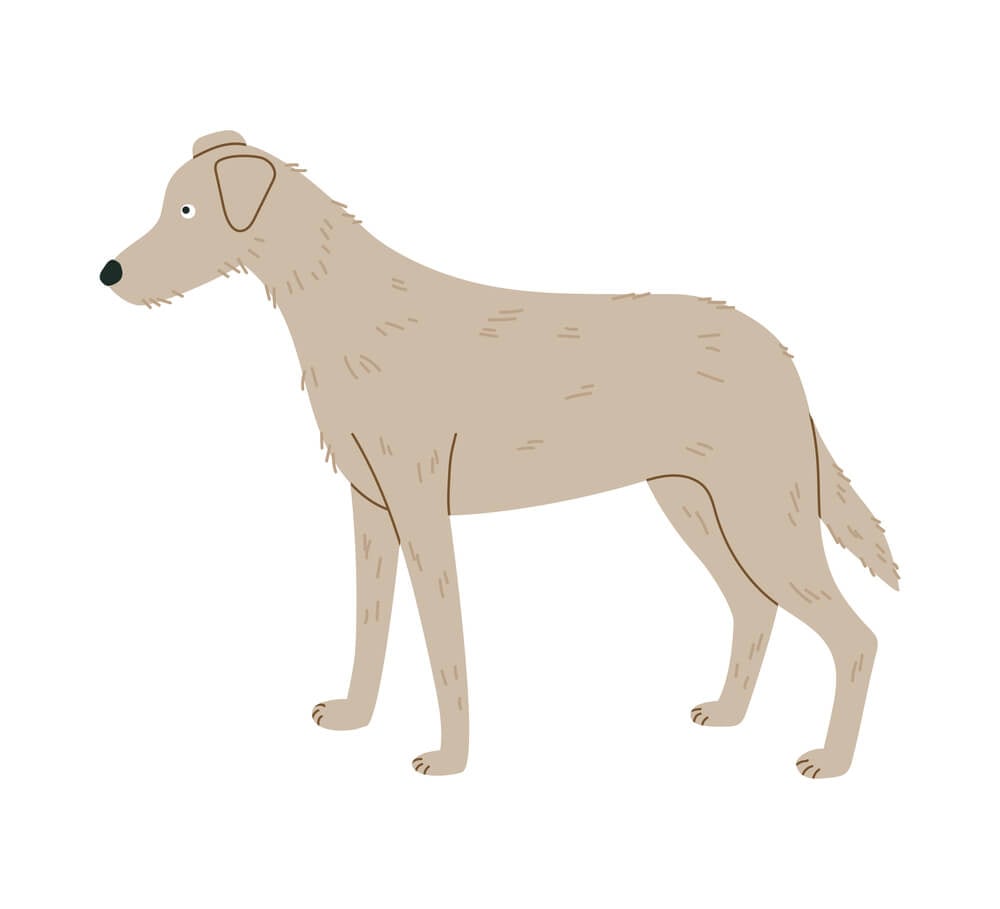
The Chinook moved from number 19 in 2024 to number 5 on the rarest breed list in 2025. Developed specifically as an American sled dog and named after an Inuit word, the Chinook has languished as dog sledding declined and modern owners sought lower-energy companions, pushing the entire breed toward functional extinction.
Cesky Terrier
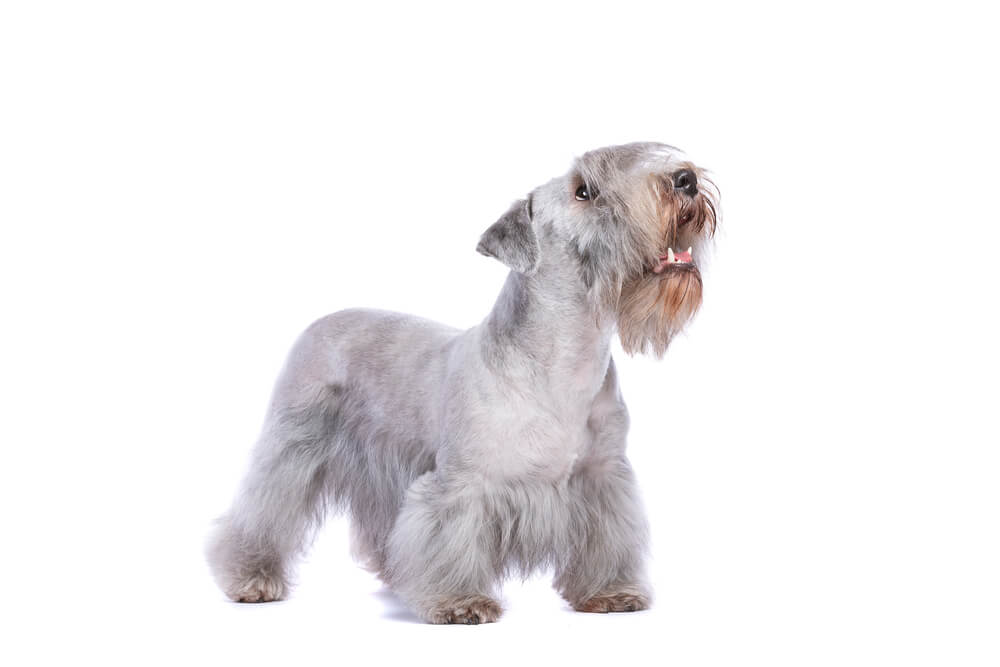
Cesky Terriers moved from number 73 to the rarest breed list, becoming progressively harder to find in the United States. This Czech hunting terrier remains relatively unknown in America and lacks the name recognition necessary to attract casual pet owners, existing primarily within show and hunting circles.
Norwegian Lundehund

The Norwegian Lundehund, ranked as the rarest AKC-recognized breed in the United States in 2025, was developed on Norway’s remote islands to hunt puffins and suffered a devastating population decline. With their distinctive six-toed paws and unique anatomical features, these rare puffin hunters remain extraordinarily uncommon, with only a handful of active breeders maintaining the breed.
Sloughi

The Sloughi, which was ranked last at number 200 in 2023, made the jump to number 197 in 2024 but remains among the five rarest recognized breeds. This North African sighthound resembles a Greyhound but remains virtually unknown in Western culture, existing almost exclusively in breed specialty circles.
Grand Basset Griffon Vendéen

The Grand Basset Griffon Vendéen has consistently ranked among the three rarest breeds, holding the number 199 position in 2024 with only minimal registrations annually. These French scent hounds were never widely adopted internationally and remain relegated to niche hunting circles with dwindling numbers.
Bergamasco Sheepdog
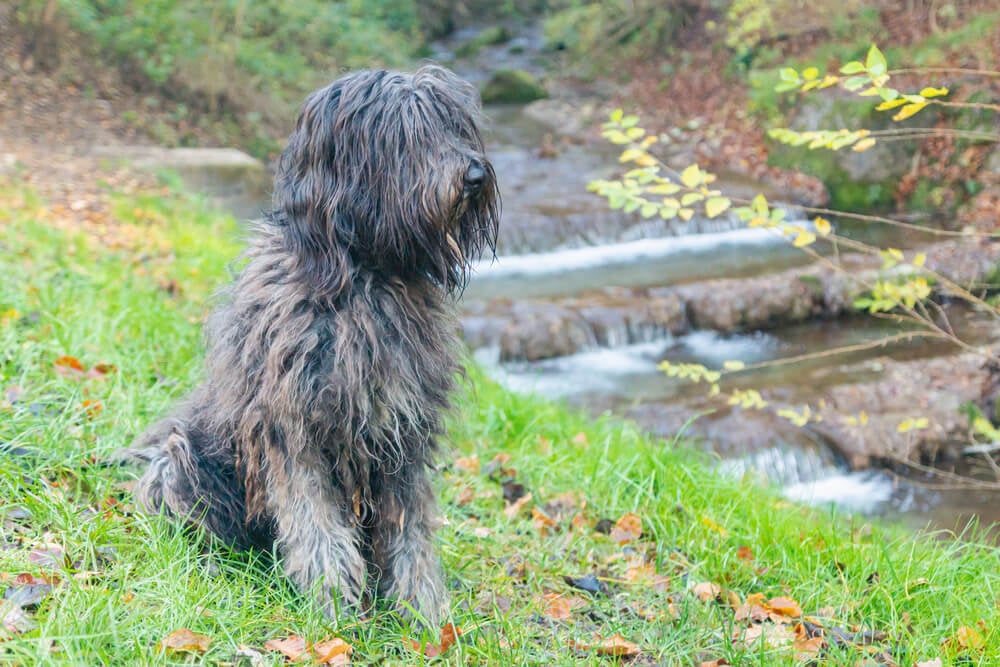
The Bergamasco Sheepdog ranked number 200 in 2024, making it one of the rarest recognized breeds despite its status as a centuries-old Italian herding dog. Its distinctively matted coat—which requires minimal grooming but looks deliberately unkempt—has proven visually off-putting to most modern dog owners seeking conventional beauty.
English Foxhound

The English Foxhound was the least popular dog breed in 2024 according to AKC data, ranking number 201 and falling from number 199 in 2023. Once essential to British aristocratic life and fox hunting culture, this breed has become almost wholly extinct in pet ownership, surviving only in specialized hunting packs.
Belgian Laekenois
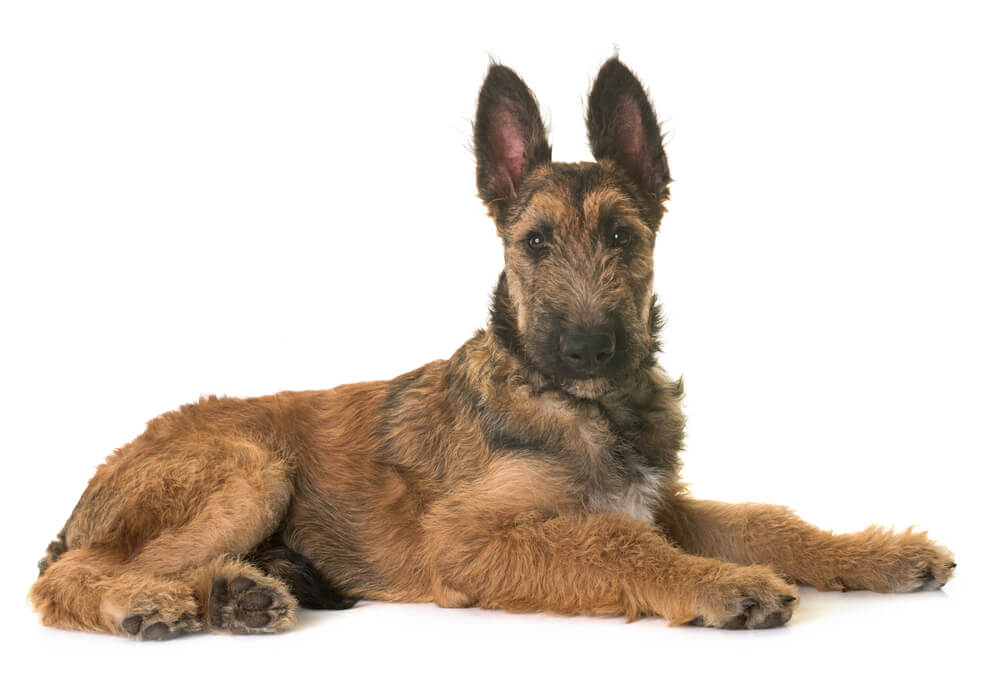
The Belgian Laekenois is a rare breed that was only officially recognized by the American Kennel Club in 2020, although it is thought to have originated in the 1880s as a Belgian herding dog and was even used as a messenger dog during both World Wars. With only about 1,000 individuals remaining worldwide, this breed exists on the edge of extinction despite its remarkable working heritage.
Azawakh
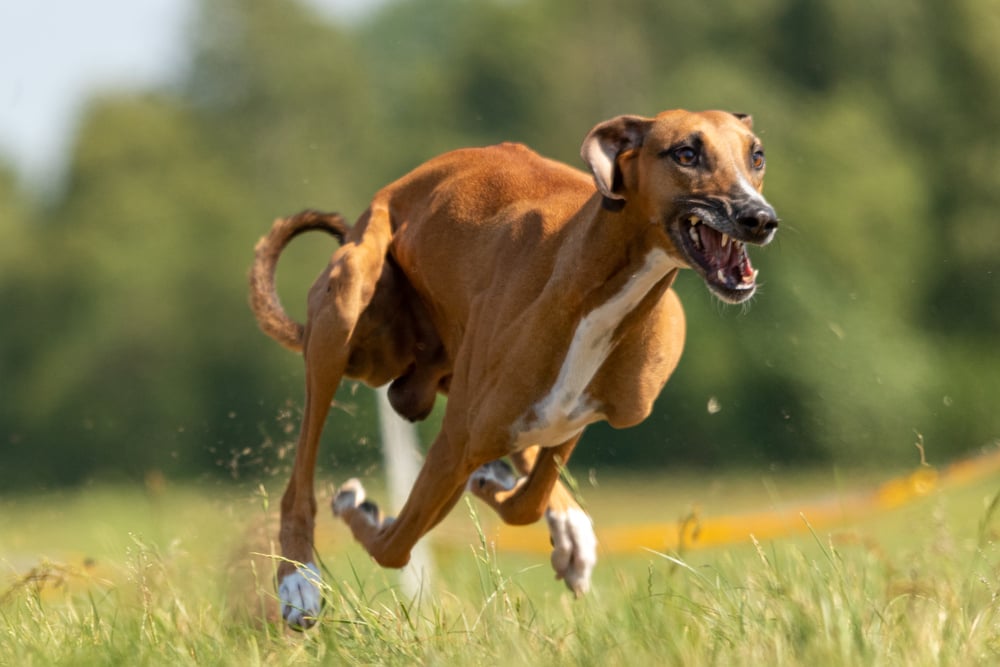
The Azawakh ranks number 195 in the 2025 rarest dog breeds list, putting it squarely among the bottom ten recognized breeds. This West African sighthound, bred by nomadic tribes for hunting and protection, remains culturally foreign to most Western households and lacks the popularity infrastructure of more established breeds.
Finnish Spitz
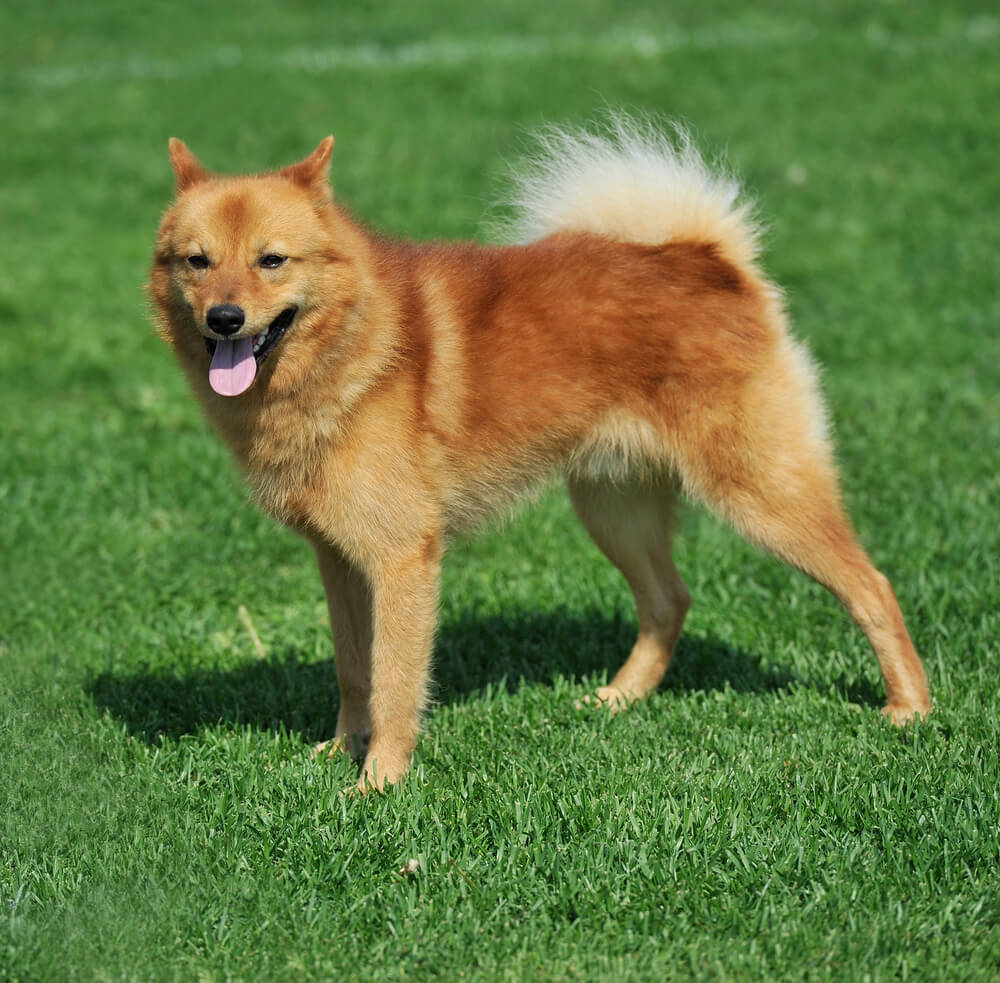
The Finnish Spitz claims the number 194 spot in the 2025 rarest breed rankings. National dog of Finland and bred to hunt birds through a distinctive barking technique, the breed’s original working purpose has no application in modern urban living, leaving them confined to Nordic preservation efforts.
Canaan Dog
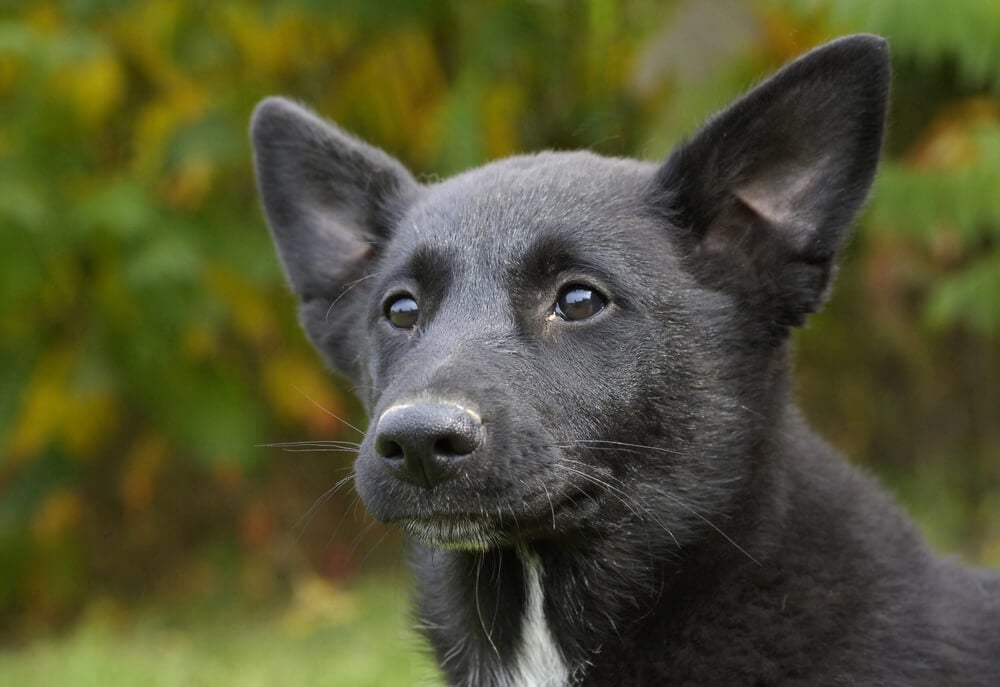
The Canaan Dog ranks number 193 in the 2025 rarest dog breeds list. Originally a feral dog of the Middle East later domesticated for herding and guarding, the breed remains largely unknown outside Middle Eastern communities and academic dog genetics circles.
Lancashire Heeler
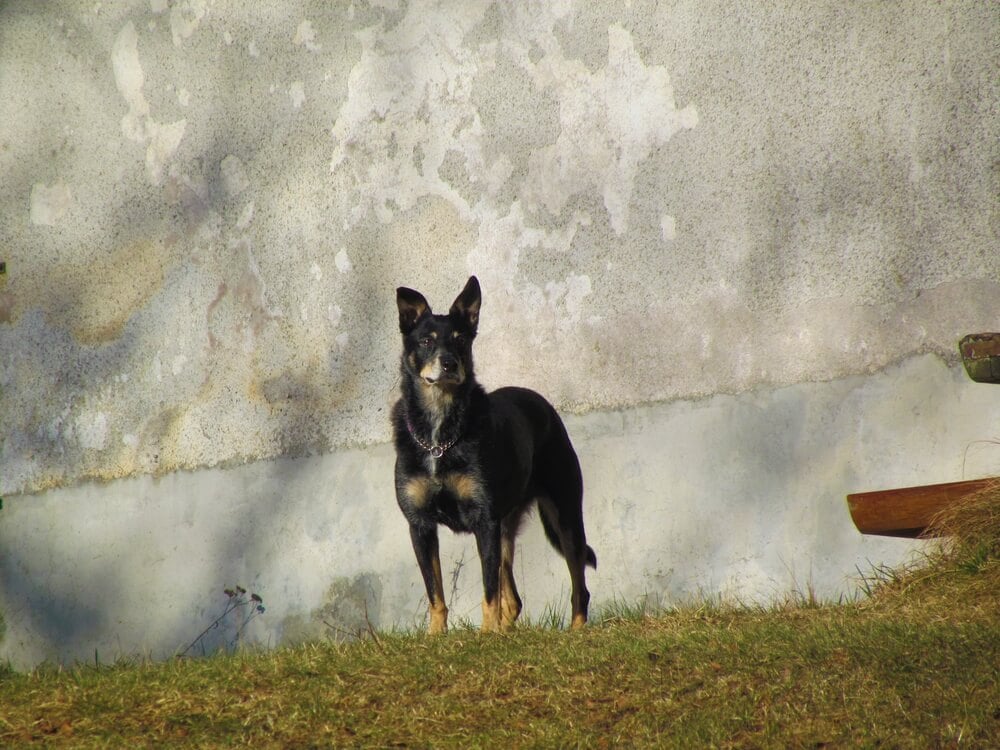
After earning official AKC breed recognition in 2024, Lancashire Heelers ended the year near the bottom of the popularity rankings. These recently recognized cattle dogs from northern England remain almost entirely unknown to the general public, existing primarily as novelties among breed enthusiasts.
Cirneco dell’Etna
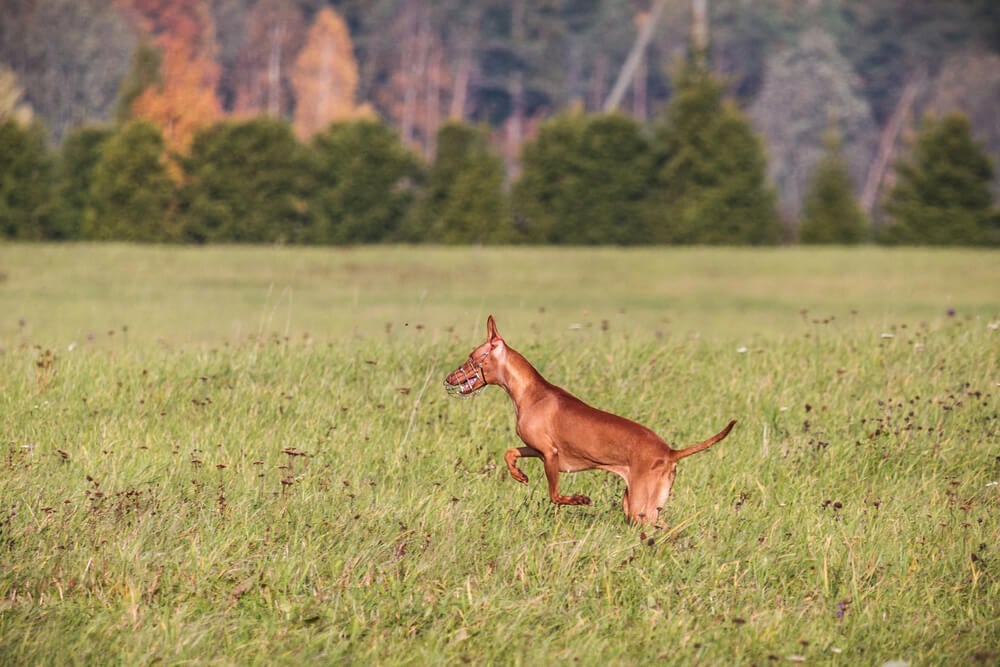
This tiny Sicilian hunting dog, adapted to hunt rabbits on volcanic terrain, remains virtually invisible outside Italy and Mediterranean communities. Its working purpose has no modern application, and lack of name recognition keeps registrations at near-zero levels across North America.
Clumber Spaniel

Once valued as a gentleman’s hunting companion in Victorian England, the Clumber Spaniel has fallen from moderate popularity to relative obscurity as sporting dog ownership declined among American households.
When Popularity Becomes a Liability

These breeds share a common fate: they were engineered for jobs that no longer exist or temperaments that don’t align with contemporary living. A breed developed to hunt otters in Scottish rivers, live in Arctic sleds, or work wild boar in eastern Europe has no obvious place in a suburban cul-de-sac.
As pet ownership has shifted from working partnership to accessory status, breeds once valued for their purpose have become liabilities—high-energy, specialized dogs that demand expertise their owners don’t possess. Some have become so rare that finding a responsible breeder now requires months of searching and thousands in travel costs.
Others teeter on the edge where a few bad breeding decisions or a couple of generations without puppies could push them into functional extinction. The difference between a “forgotten” breed and a true extinct breed is increasingly academic.
More from Go2Tutors!

- The Romanov Crown Jewels and Their Tragic Fate
- 13 Historical Mysteries That Science Still Can’t Solve
- Famous Hoaxes That Fooled the World for Years
- 15 Child Stars with Tragic Adult Lives
- 16 Famous Jewelry Pieces in History
Like Go2Tutors’s content? Follow us on MSN.