26 School Supplies That No Longer Exist
Back-to-school shopping used to mean a specific list of objects that no longer make sense to a kid today. A supply closet from three or four decades ago looked almost nothing like the one schools stock now, filled with tools built for a classroom that ran on paper, ink, and mechanical patience rather than screens.
Most of these items did not vanish because they failed. They vanished because the tasks they were built for got automated, digitized, or simply reassigned to something cheaper and easier to maintain in bulk.
Trapper Keeper With the Velcro Closure
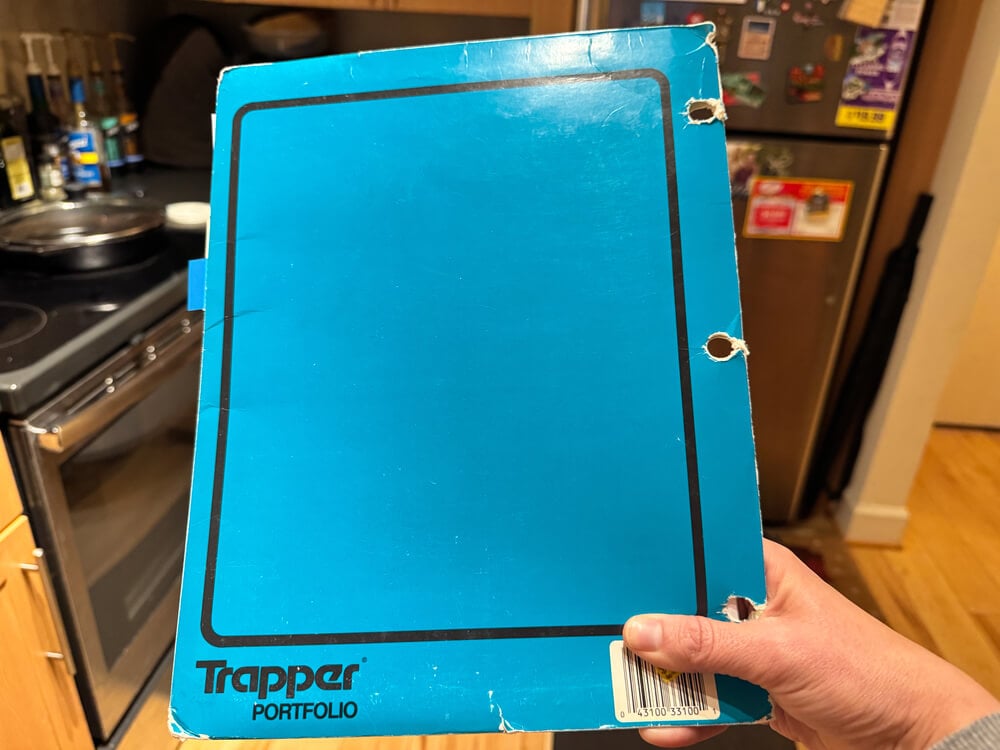
The original Trapper Keeper, introduced by Mead in 1978 and popularized through the 1980s, used sliding plastic rings, angled folder pockets, and a wrap-around flap that closed with a loud strip of Velcro. Complaints from teachers about the noise eventually pushed Mead to switch to a quieter snap closure, and while the Trapper Keeper name still exists today, the specific Velcro-and-designer-cover version that defined the product’s cultural peak is gone.
Mimeographed Worksheets
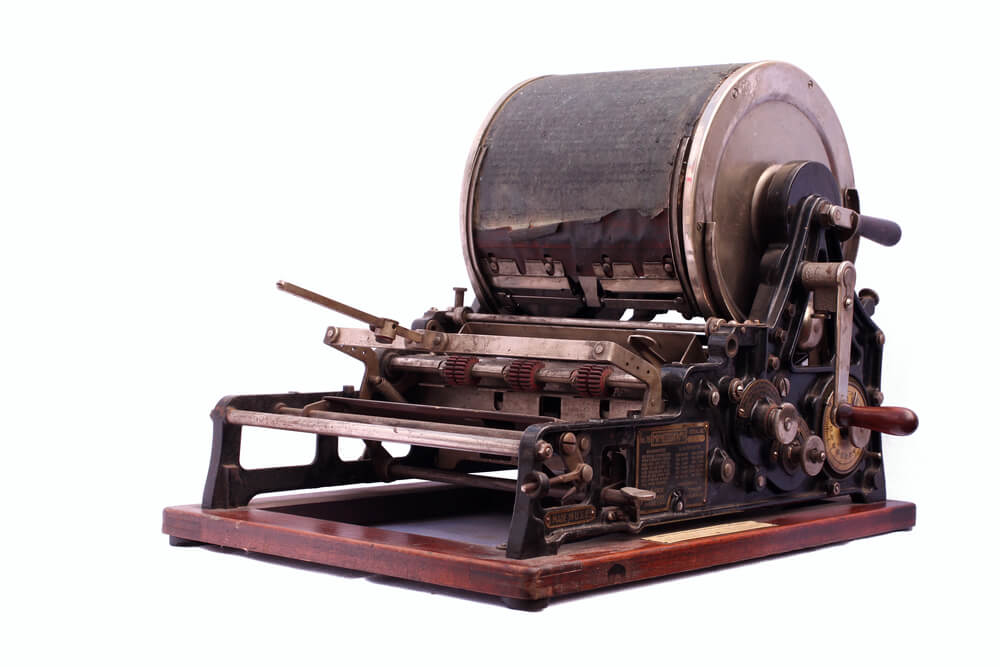
Spirit duplicator worksheets came off the machine in a distinctive purple ink with a solvent smell strong enough that kids would hold fresh copies up to their faces before the teacher even finished handing them out. Photocopiers replaced the mimeograph machine entirely by the 1980s, taking the smell, the color, and the slightly smudged text along with it.
Carbon Paper
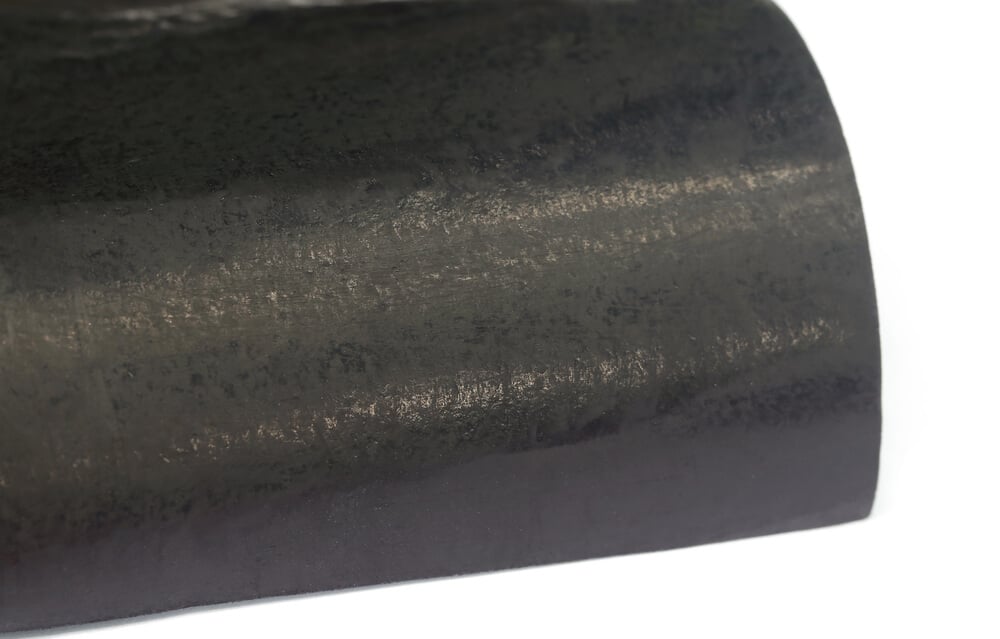
Thin sheets of carbon-coated paper let a student or teacher create an instant duplicate of anything written by hand, a method used for everything from school forms to homework turned in with a required copy. Photocopying and eventually digital forms made carbon paper unnecessary for nearly any school task.
Slide Rules
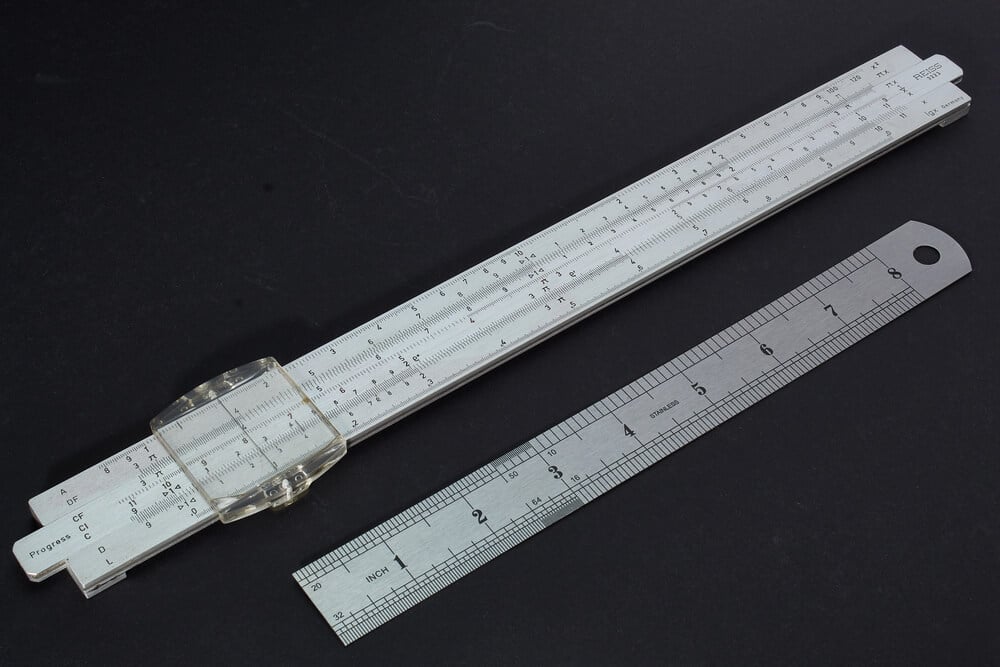
Before electronic calculators became affordable enough for classroom use, students in math and science classes learned to perform multiplication, division, and more complex functions using a sliding ruler with logarithmic scales. The slide rule disappeared from school supply lists almost overnight once handheld calculators dropped in price during the 1970s.
Original Vertical-Pocket Peechee Folders

Peechee folders, sold on the West Coast since the 1940s with their distinctive illustrated covers and vertical interior pockets, inspired the folder design that would later become part of the Trapper Keeper system. The specific original Peechee design has largely disappeared from supply lists, overtaken by generic pocket folders that lost the illustrated cover entirely.
Big Chief Writing Tablets

These rough, tan-paper tablets with wide-ruled lines and a Native American chief illustration on the cover were a standard early-elementary writing supply for decades. Changing sensitivities around the imagery and the broader shift toward standardized notebook paper pushed the product out of most school supply lists.
Rubber Cement Bottles
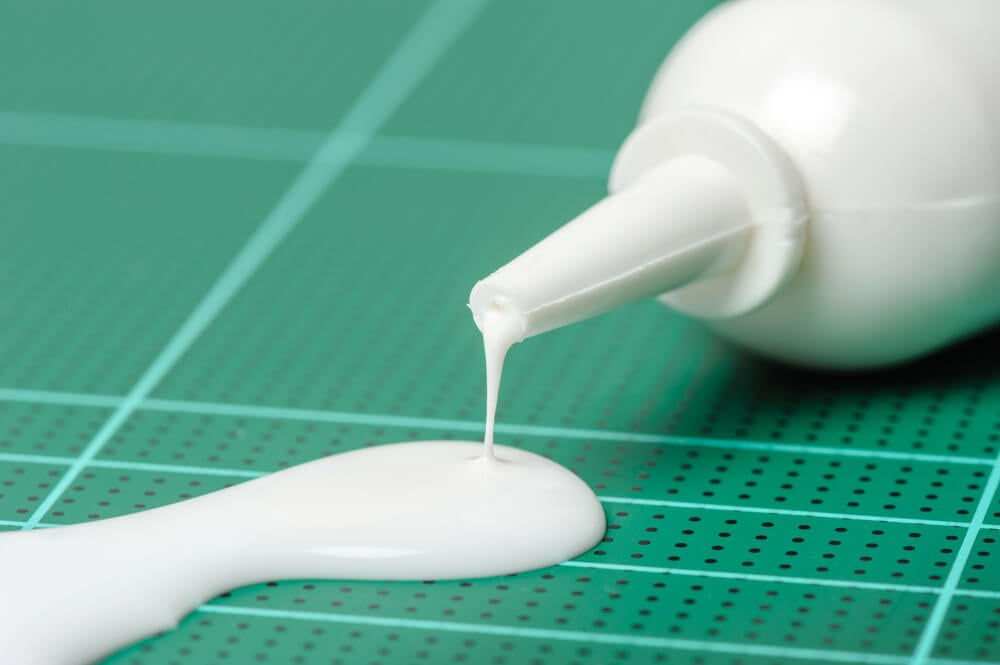
School projects once relied on rubber cement, a rubbery adhesive applied with a brush built into the bottle cap, prized for allowing repositioning before it fully set. Glue sticks eventually replaced it for nearly every classroom use, phasing out both the smell and the brush-cap bottle that came with it.
Erasable Ink Pens
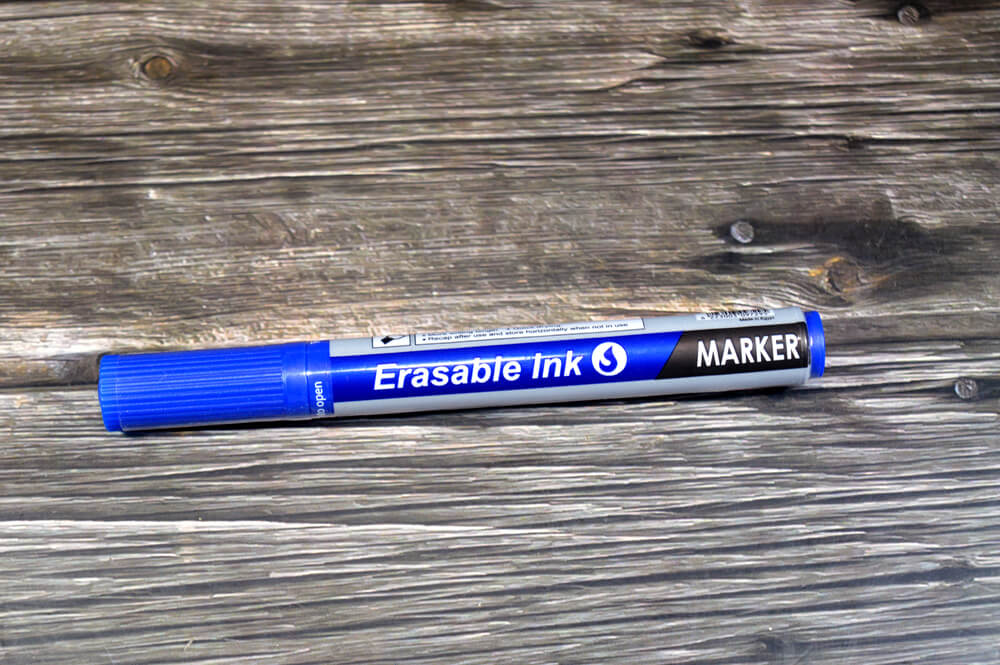
Pens like the Paper Mate Erasermate used a specially formulated ink that could be lifted with a rubber-tipped eraser built into the cap, a genuine novelty when they launched. The formula never matched the reliability of standard ink, and the product mostly disappeared from supply lists as the appeal wore off.
Floppy Disks
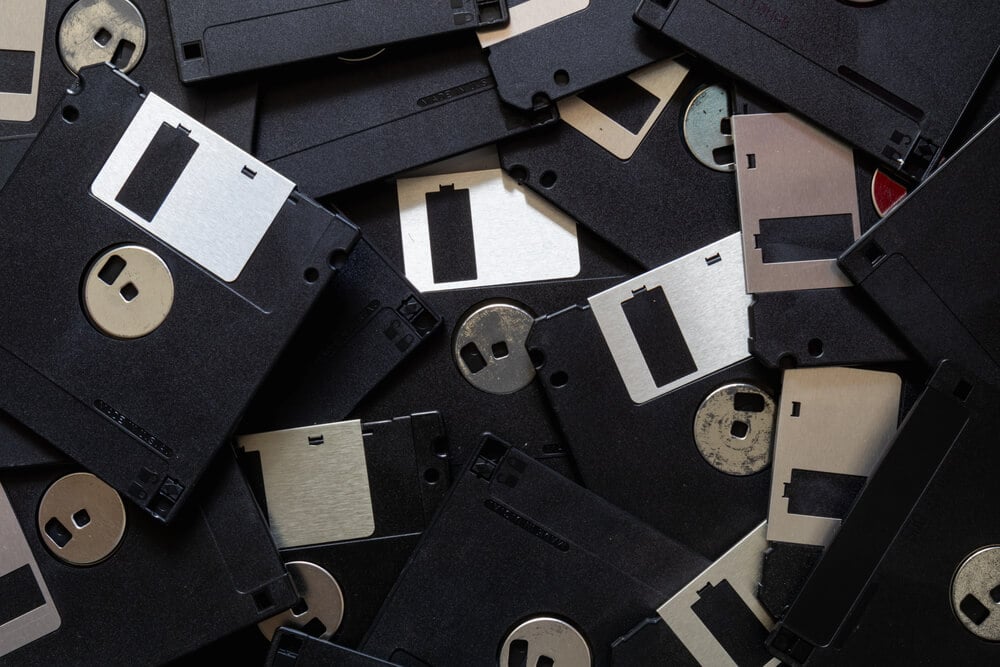
School computer labs once required students to bring their own floppy disks to save assignments, with a single disk holding barely enough space for a short paper. Rewritable CDs, USB drives, and eventually cloud storage made the floppy disk format obsolete well before most students graduated.
Zip Disks
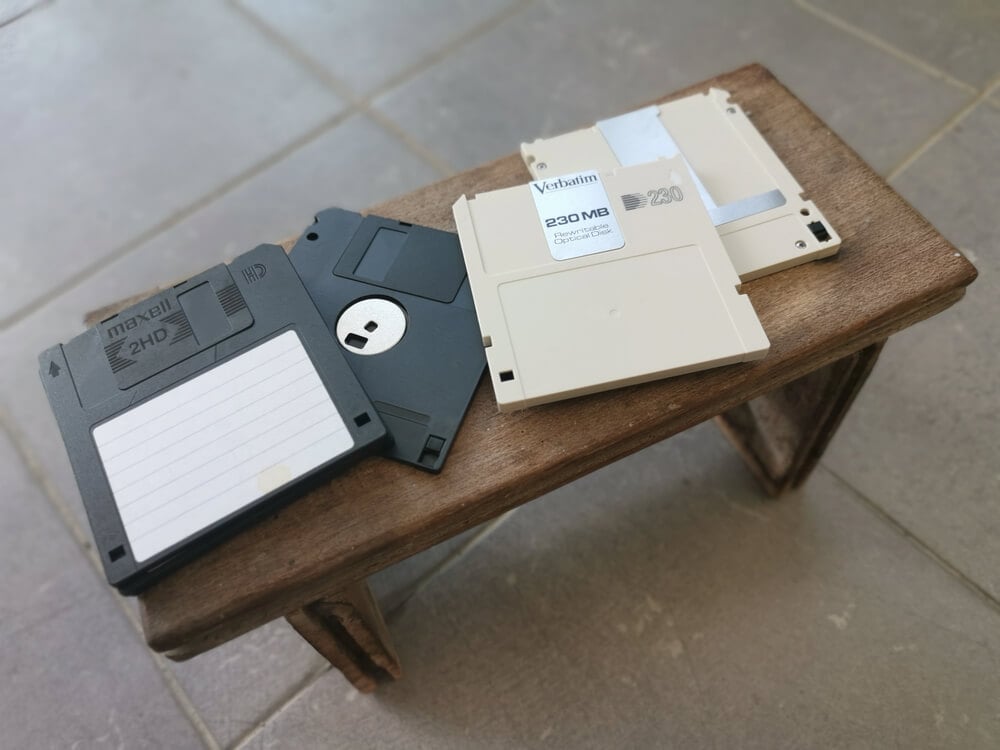
For a brief stretch in the late 1990s, Zip disks offered a higher-capacity alternative to floppies for students working on larger multimedia projects. The format never achieved lasting standardization, and cheaper, larger-capacity storage options phased it out within just a few years of its introduction to school computer labs.
Overhead Transparency Sheets
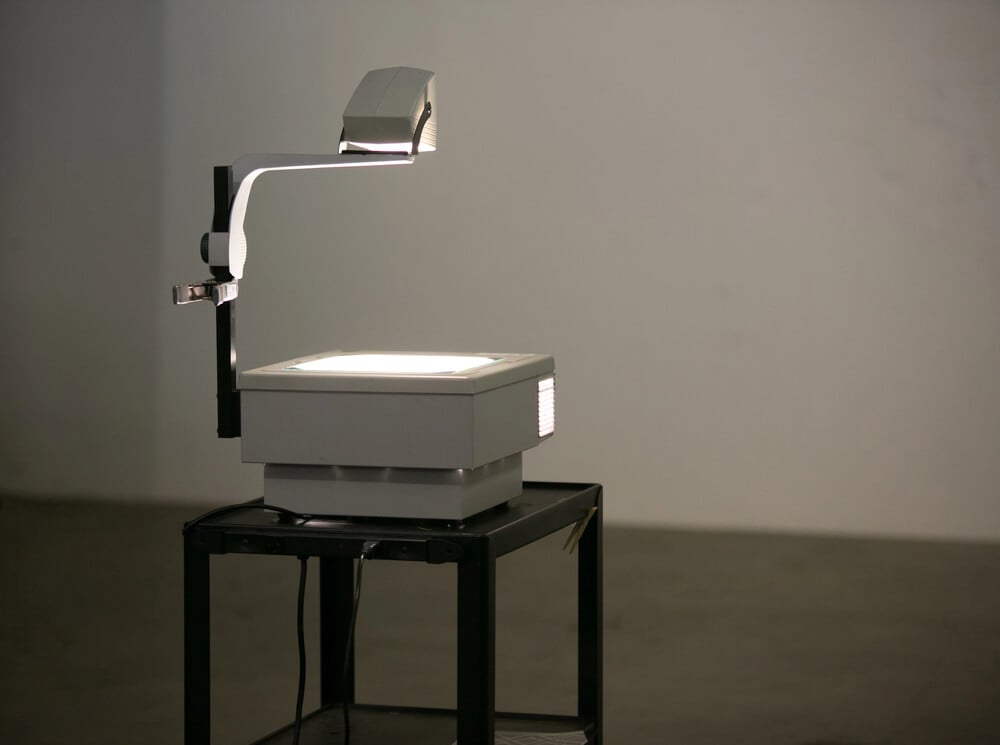
Teachers wrote directly on clear plastic transparency sheets projected onto a screen using an overhead projector, a staple of classroom instruction for decades. Digital projectors and interactive whiteboards replaced the format entirely, taking the specific squeak of a dry-erase marker on plastic film along with it.
Chalk Boxes for Home Use
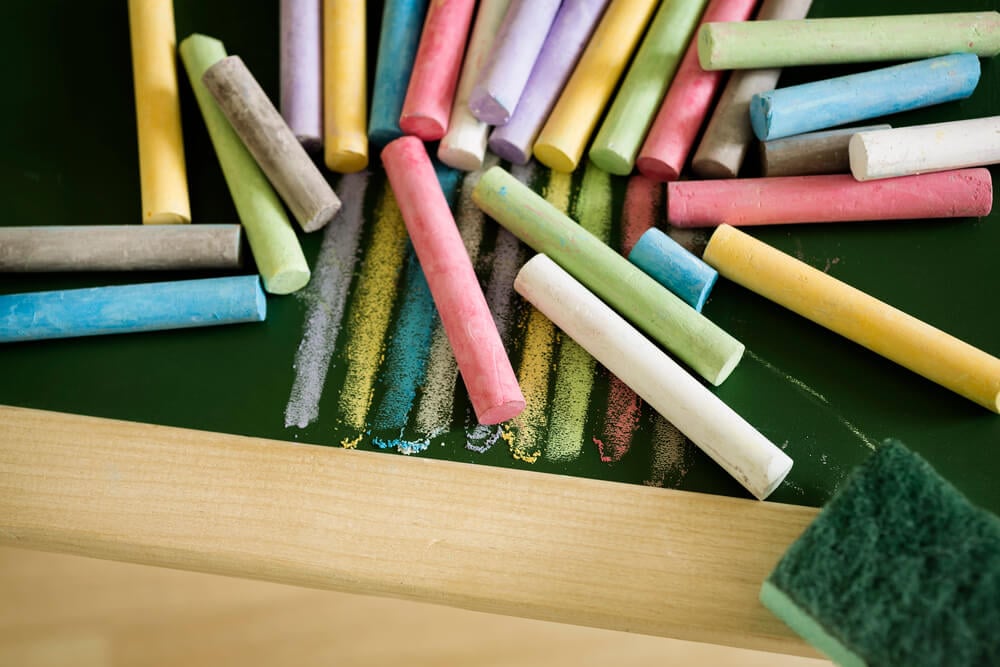
Some school supply lists once included personal boxes of chalk for students who had a small chalkboard at home for practicing lessons. As home chalkboards gave way to whiteboards and eventually tablets, chalk disappeared from most household supply shopping entirely.
Leather Book Carrying Straps
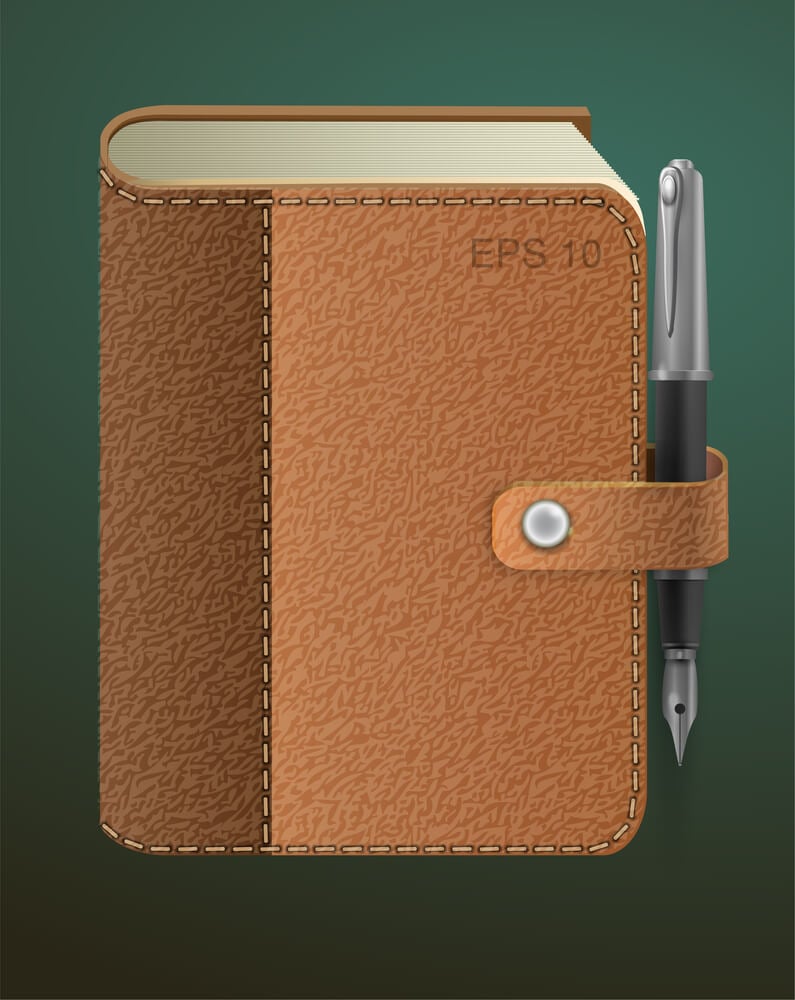
Before backpacks became standard, students carried a stack of books bound together with a leather strap, buckled tight enough to sling over a shoulder. The style faded as canvas and later nylon backpacks became the default way to transport books, making the strap unnecessary for most students within a generation.
Dip Pens and Inkwells
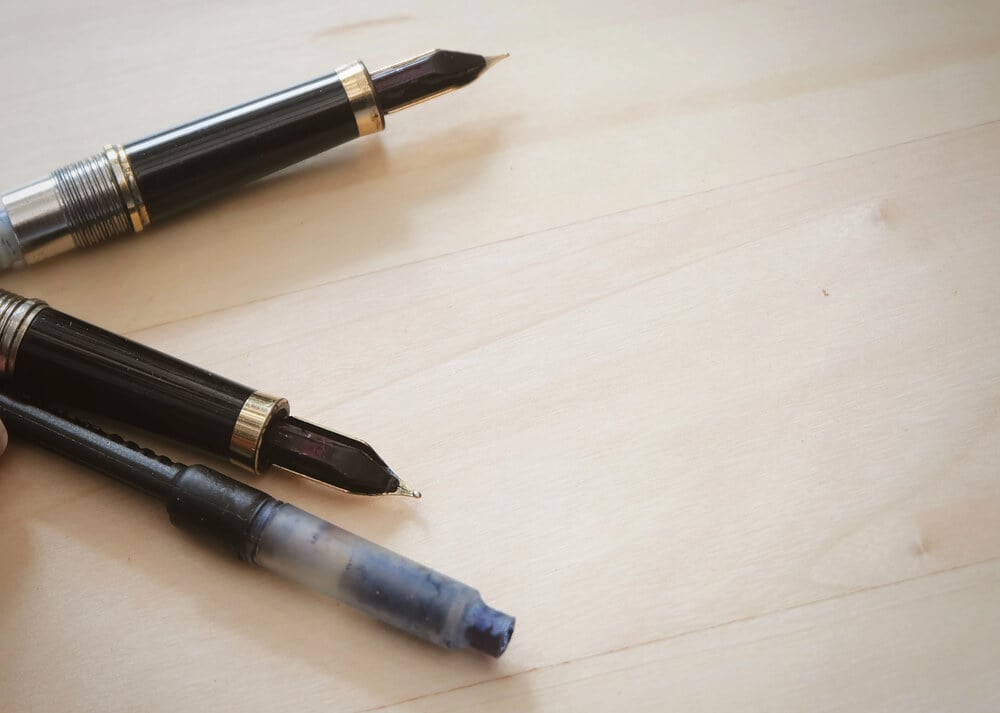
Penmanship instruction once involved actual dip pens and small inkwells built into classroom desks, requiring students to master a technique that modern handwriting instruction skips entirely. Fountain pens and eventually standard ink pens made the dip-and-blot method obsolete for everyday school use.
Elmer’s School Paste Jars
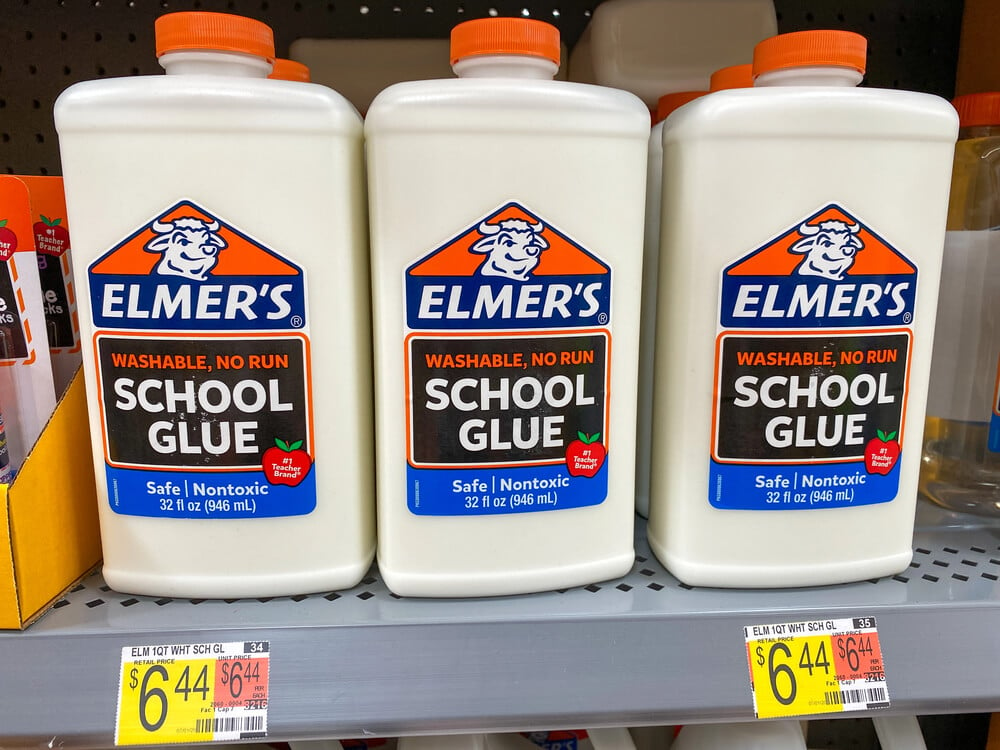
Before glue sticks, young students used white paste applied with a small wooden or plastic spatula straight from a jar, a product mild enough that mild taste-testing by curious kindergartners was practically part of its reputation. Glue sticks replaced the paste jar almost entirely by the 1990s for being less messy and far less likely to end up in a child’s mouth.
Language-Lab Cassette Tapes
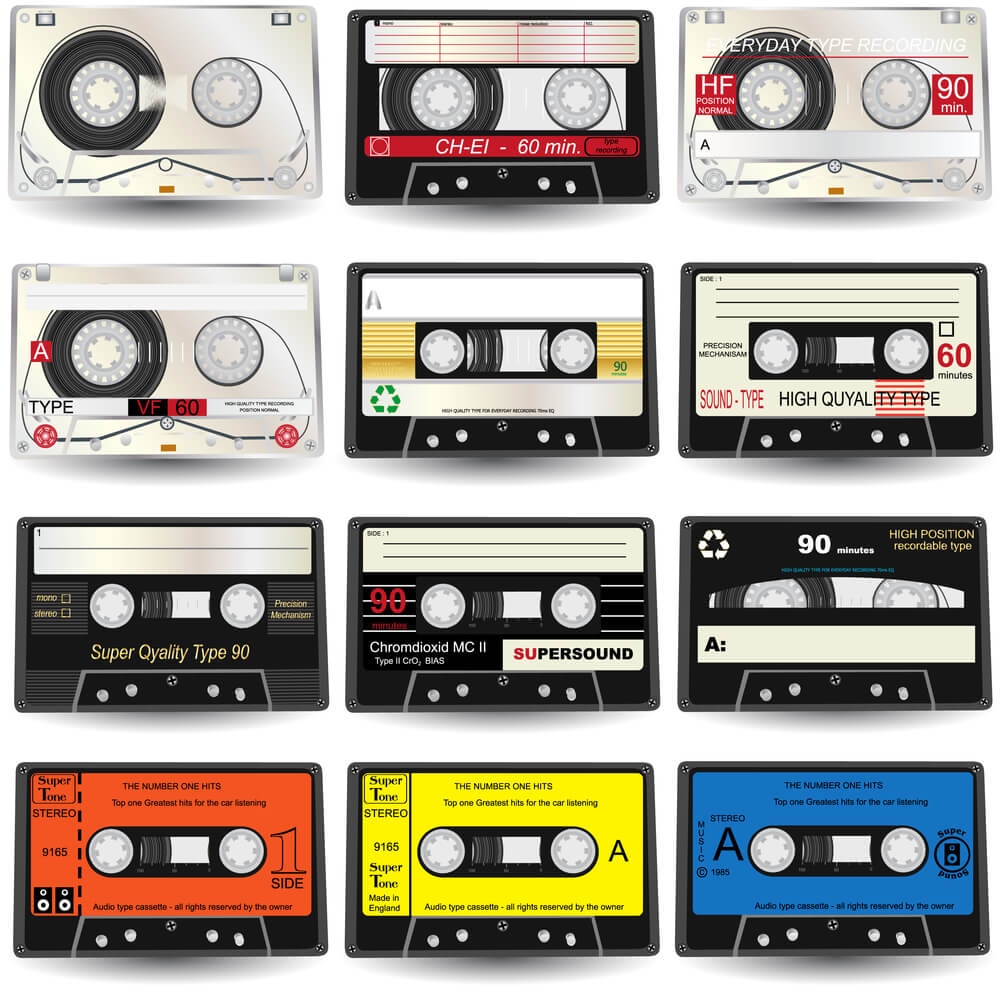
Foreign language classes once required students to bring blank cassette tapes to record their own pronunciation for review in a language lab, listening back through large over-ear headphones at individual booths. Digital audio software eliminated both the cassette and the physical lab booth setup entirely.
Metal Pencil Box Tins

Early school supply lists commonly specified a metal pencil box with a sliding or hinged lid, sturdy enough to survive years of use but heavy enough to rattle loudly in a desk. Plastic and later zippered fabric pencil cases replaced the metal tin for being lighter and quieter.
World Book Encyclopedia Sets

Families once bought entire encyclopedia sets, often sold door to door, specifically to support school research projects, with a fresh edition purchased every few years to stay current. Digital reference tools made the multi-volume printed encyclopedia unnecessary for schoolwork, and most publishers stopped producing new print editions entirely.
Typewriter Ribbons for Typing Class
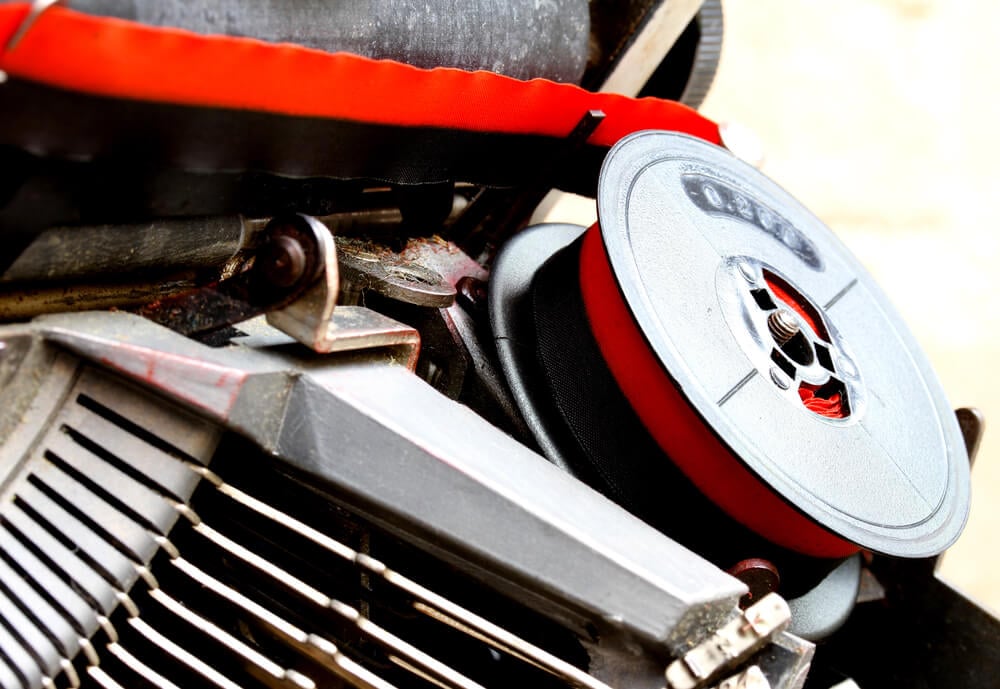
Typing classes required students to know how to replace a typewriter ribbon, a fabric or film strip that gradually faded and needed periodic swapping to keep printed characters legible. Word processing software replaced typewriters in most schools by the early 1990s, taking the ribbon-replacement lesson out of the curriculum entirely.
Dot Matrix Printer Paper
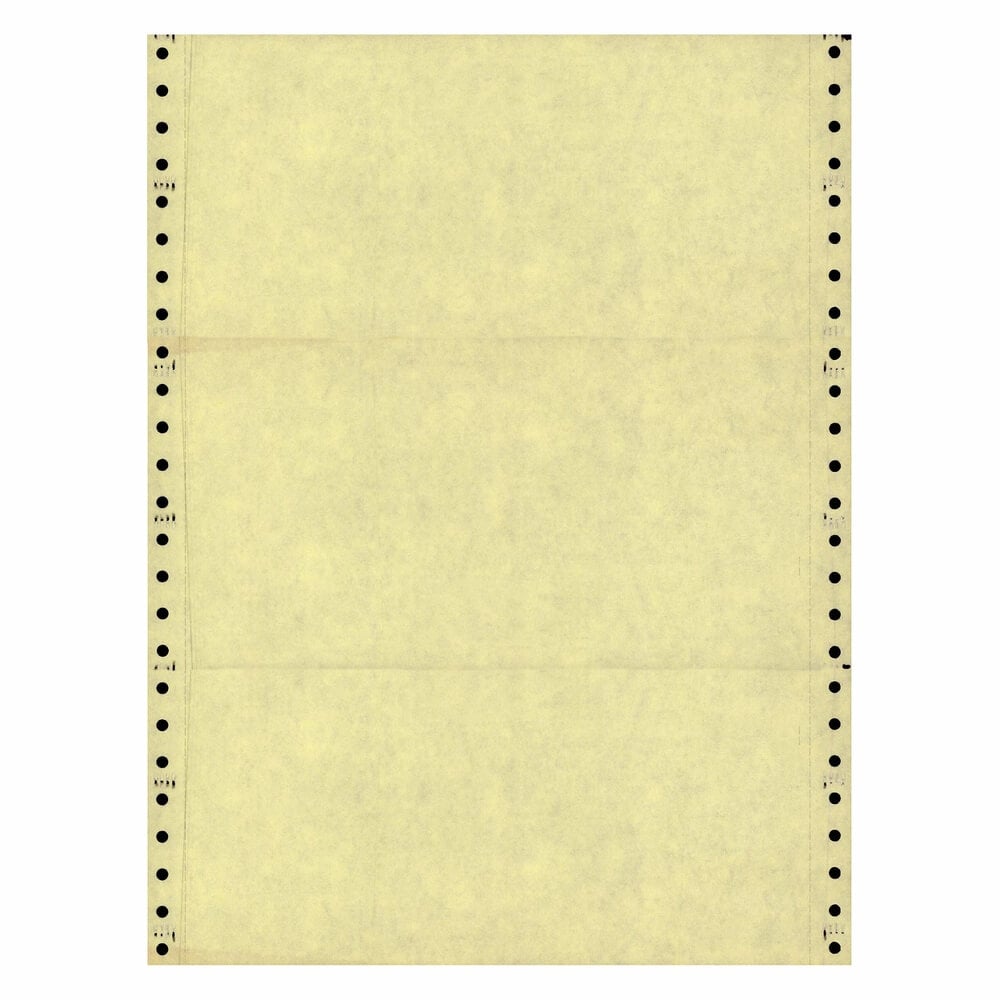
Early school computer labs printed assignments on continuous-feed dot matrix paper, connected sheet after sheet with perforated edges that had to be torn away and separated before turning in an assignment. Standard cut-sheet printer paper made the connected format unnecessary once inkjet and laser printers became standard.
Filmstrip and Cassette Sets

Classrooms once used filmstrip projectors paired with a synchronized cassette tape that beeped to signal when to advance to the next frame, a format that required a teacher to manage both machines at once. Video, and later streaming, made the format entirely unnecessary, and filmstrip projectors disappeared from schools by the 1990s.
Metal-Tipped Compass Sets

Geometry classes once required a compass with an actual sharp metal point for drawing precise circles, a tool that also occasionally functioned as an improvised weapon in the hands of a bored student. Safety compasses with rounded, non-piercing tips replaced the metal-point version in most school supply lists.
Palmer Method Cursive Drill Books
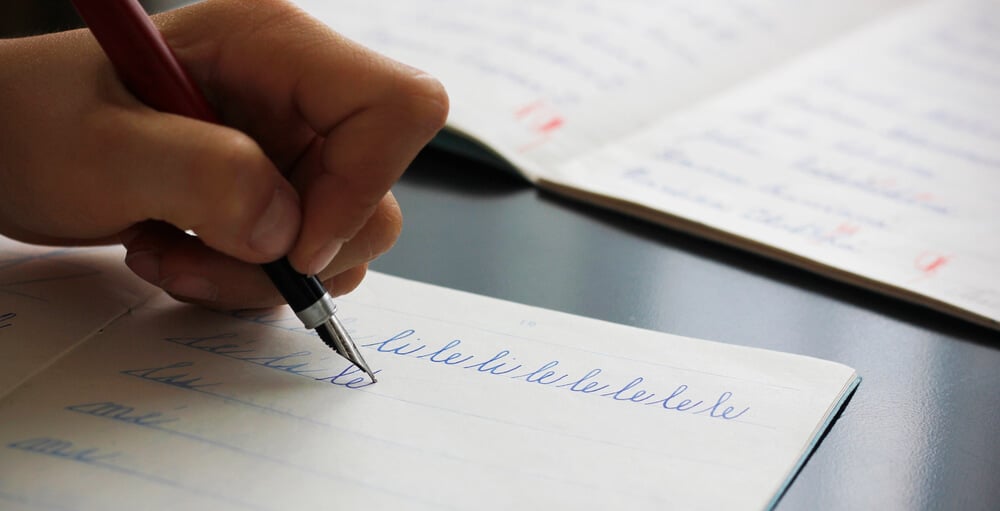
Handwriting instruction once followed the Palmer Method specifically, with drill books built around repetitive looping exercises meant to build muscular memory for uniform cursive letters. As cursive instruction time shrank or disappeared from many curricula, the specific drill-book format faded along with it.
Adhesive Reinforcement Rings
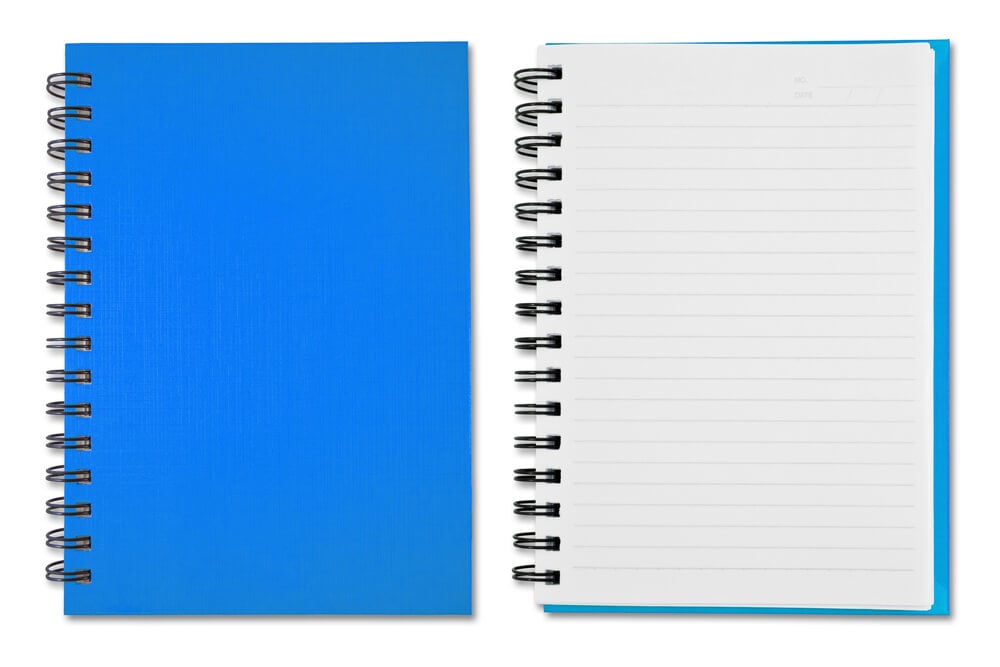
Small adhesive-backed paper rings reinforced the punched edges of loose-leaf paper after repeated use wore through a binder’s rings, sold in rolls specifically for that purpose. As looseleaf binder use declined in favor of spiral notebooks and digital notes, the reinforcement ring largely disappeared from supply lists.
Mucilage Glue Bottles
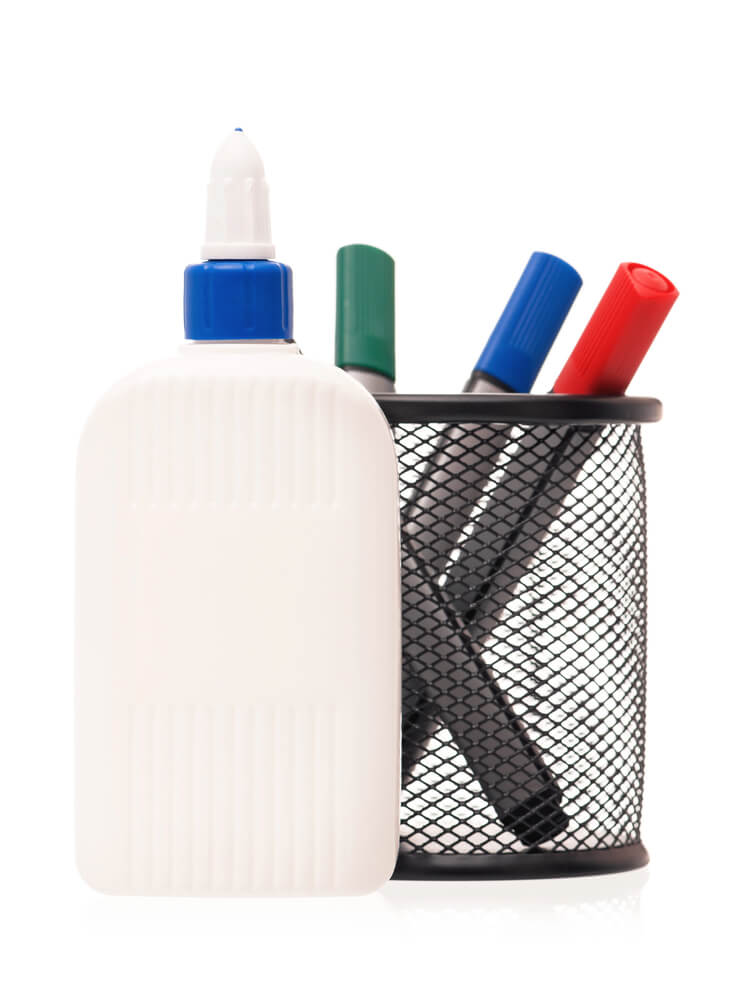
Distinct from paste, mucilage came in a bottle with a rubber applicator tip built into the cap, producing a thinner, faster-drying adhesive used for lighter classroom projects. Glue sticks and modern liquid glue formulas replaced mucilage almost entirely by the 1980s.
Canvas Drawstring Book Bags

Before structured backpacks became standard, some students carried books in a simple canvas bag that closed with a drawstring, offering little in the way of organization or back support. Backpacks with dedicated compartments made the drawstring bag obsolete once they became widely affordable.
What the Supply List Remembers

Every item on this list existed because a specific classroom task demanded it, and every disappearance traces back to that task being solved a different way. The mimeograph gave way to the copier, the slide rule gave way to the calculator, and the encyclopedia set gave way to a search bar, each transition quiet enough that no single school year felt like the turning point.
Looking at the full list at once makes the pace of change obvious in a way living through it never did. A supply closet is really just a snapshot of whatever technology a classroom had access to at a given moment, and every generation’s list eventually becomes the next generation’s nostalgia.
More from Go2Tutors!

- The Romanov Crown Jewels and Their Tragic Fate
- 13 Historical Mysteries That Science Still Can’t Solve
- Famous Hoaxes That Fooled the World for Years
- 15 Child Stars with Tragic Adult Lives
- 16 Famous Jewelry Pieces in History
Like Go2Tutors’s content? Follow us on MSN.



