26 Summer Vacation Traditions That Completely Changed Since the ‘90s
There’s a particular kind of nostalgia that shows up around late June, when the air gets thick and the days stretch out long enough to make you forget what month it is. Back in the ‘90s, summer vacation had a rhythm to it that felt almost ritualistic: the same routines, the same gear, the same slightly sunburned optimism packed into a station wagon.
A lot of that has quietly disappeared, replaced by something faster and, honestly, a little less charming. Here’s a look at what used to define the season and how differently it plays out now.
Road Trip Navigation
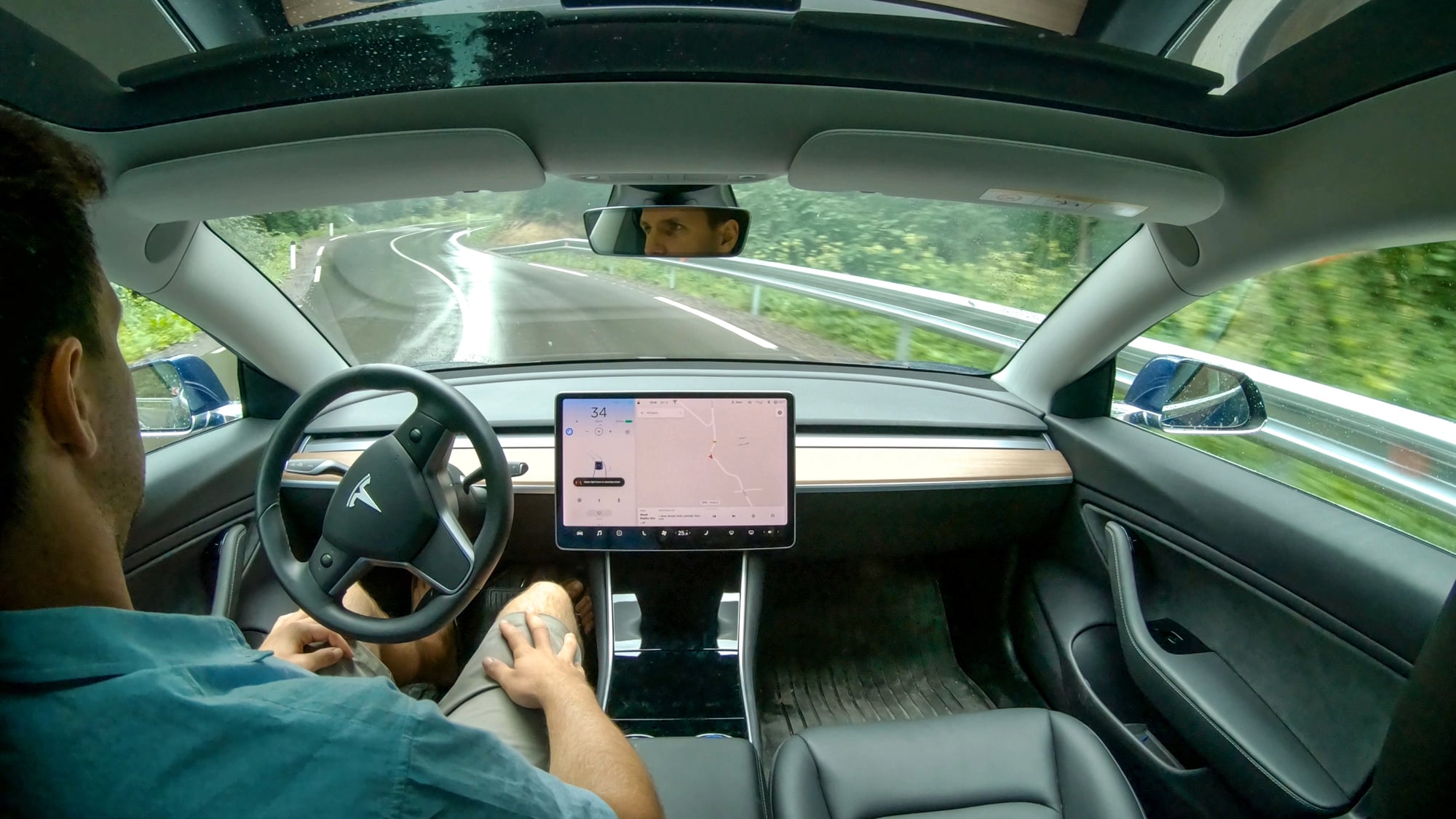
Nobody folds a map anymore. There was a real skill to tracing a route with your finger, arguing over which exit to take, getting lost anyway.
Now a voice tells you where to turn and the argument never happens.
Disposable Cameras
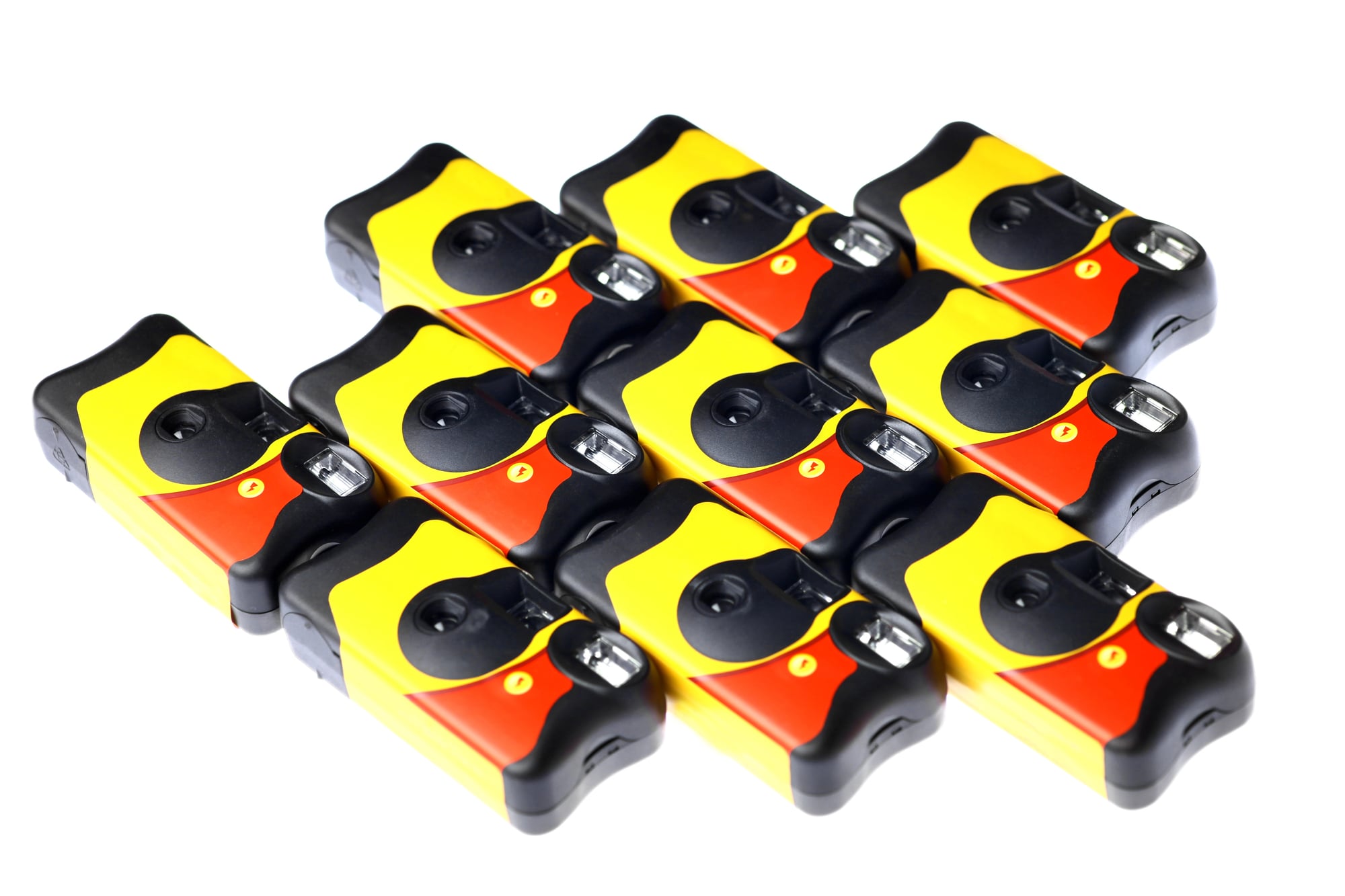
You’d buy three or four of them at the drugstore before any trip worth remembering — cheap plastic things with a wheel you cranked after every shot, and you never really knew what you’d captured until the film came back a week later (sometimes blurry, sometimes with someone’s thumb in the corner, sometimes the single best photo of your childhood). That waiting was the whole point, in a way nobody planned for: it turned pictures into a kind of anticipation instead of an instant reaction.
And now you can see the shot before you’ve even lowered the phone, which is convenient but strips out the surprise entirely. So the photos got better and somehow less precious at the same time.
Postcards
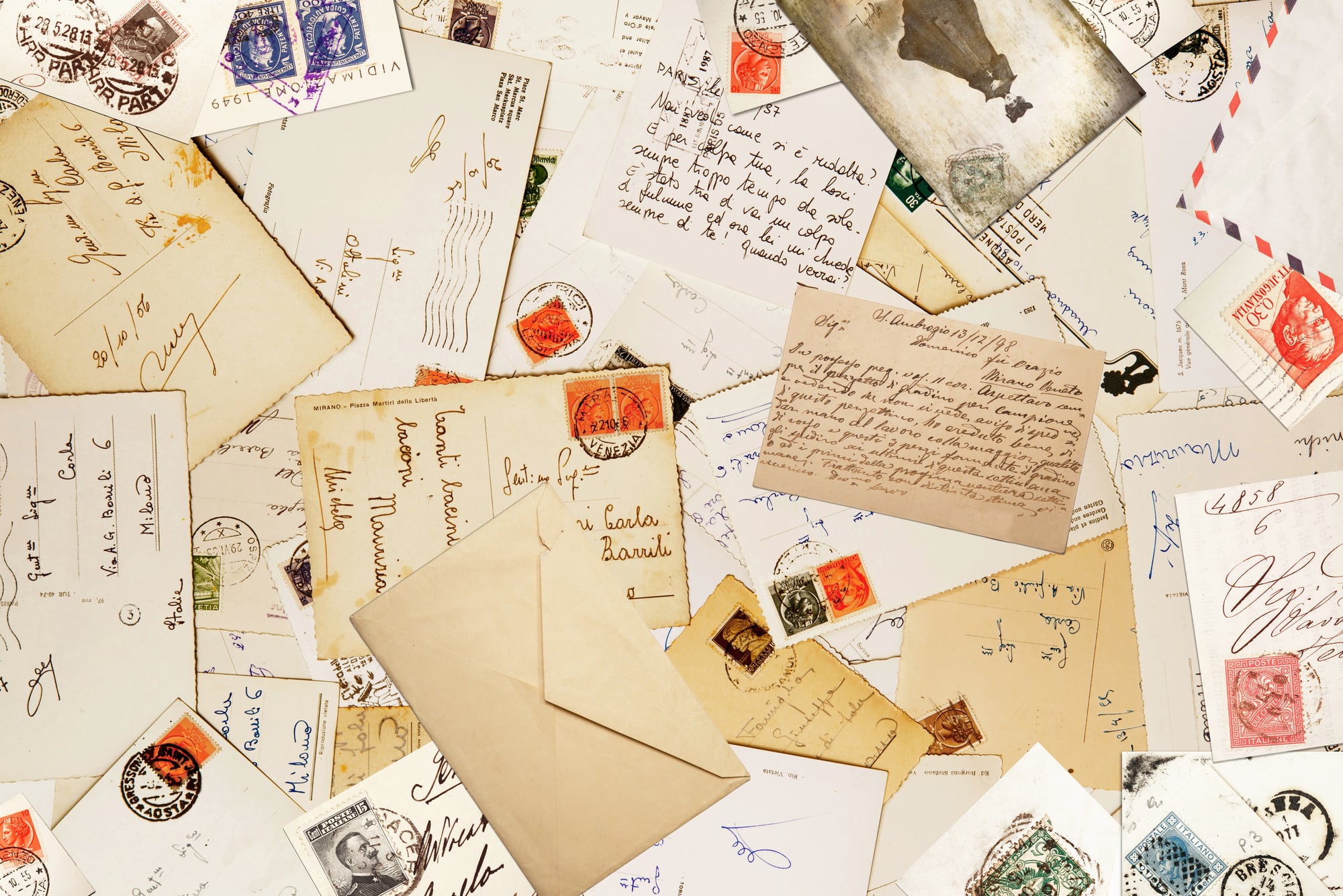
A postcard was never really about the message. It was proof — a small, slightly bent rectangle that said someone thought of you while standing somewhere you weren’t.
The stamp mattered as much as the sentence, and the whole thing traveled slower than the trip itself, arriving sometimes after the person was already home.
Packing for a Flight
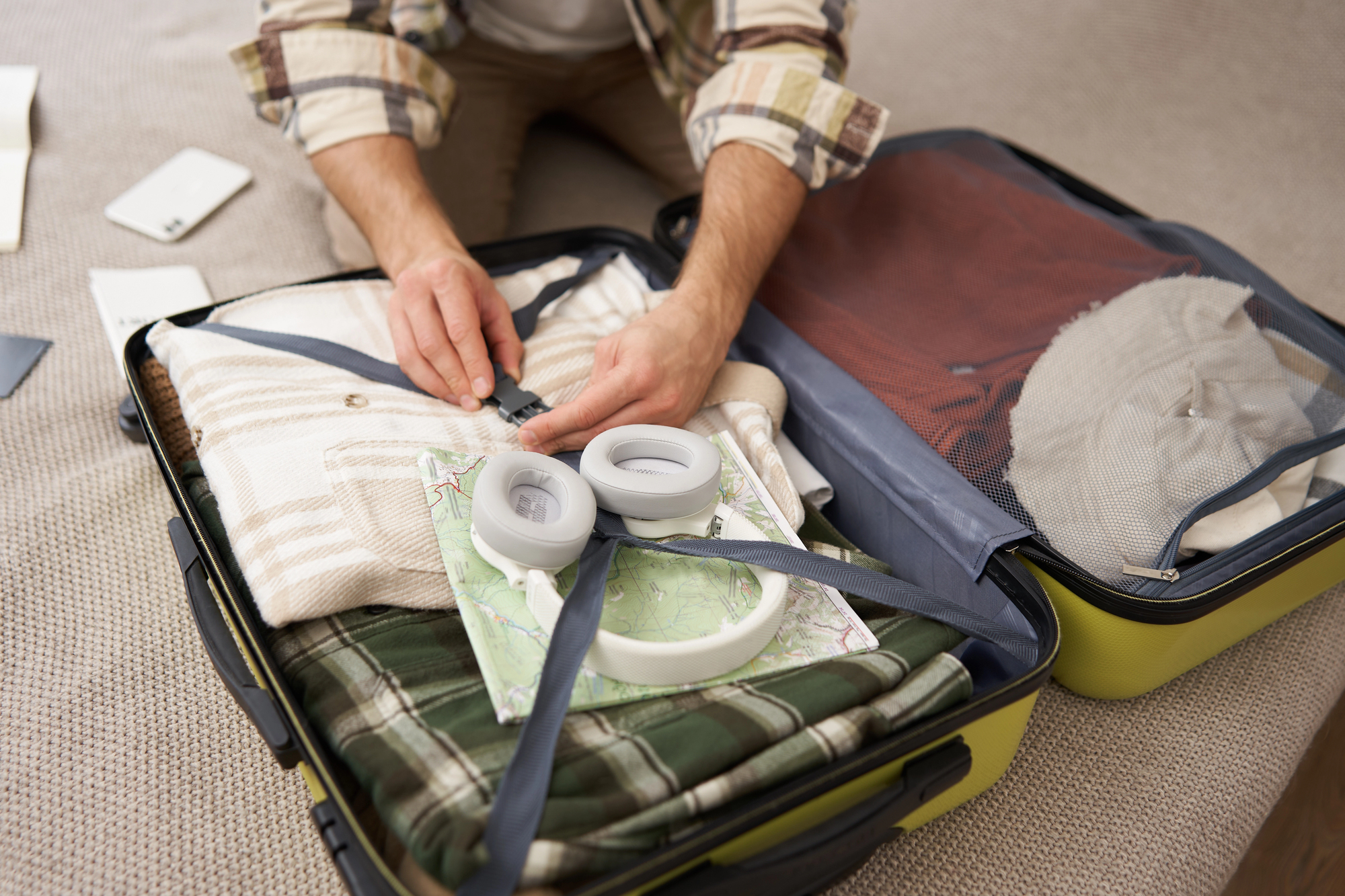
Overpacking used to be harmless. Nobody weighed your bag at the counter with the same suspicion airlines bring now, and checked luggage didn’t cost extra just to exist.
Airports have gotten stingier, and vacations start with a fight about ounces instead of excitement about the destination — which is a genuinely rotten trade.
Renting Videos for the Car
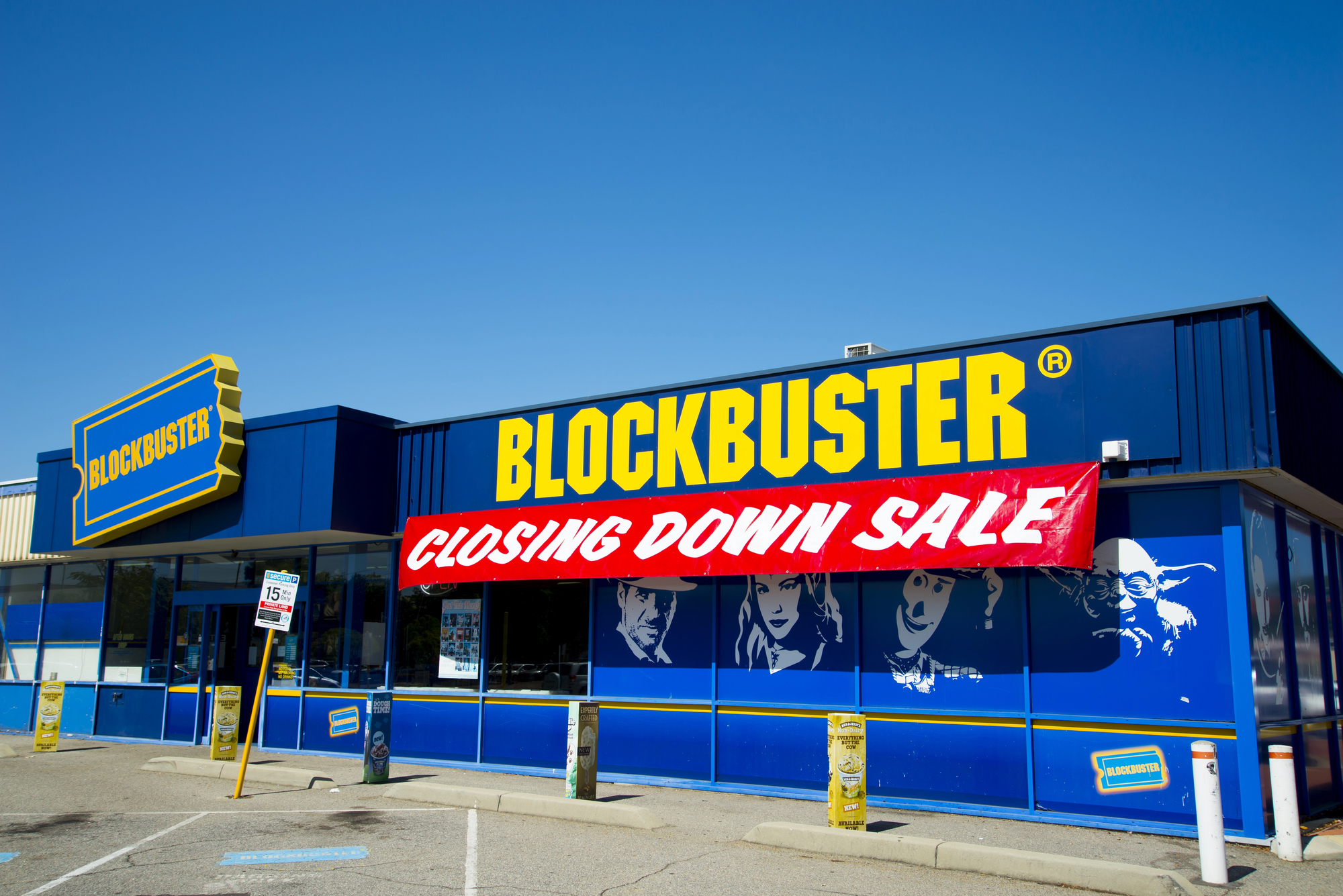
Before a road trip, someone made a run to the video store for a stack of tapes, maybe a portable player propped between the front seats with a bungee cord holding it steady. The kids in the back watched the same movie four times because that’s all there was, and somehow nobody minded — the repetition became part of the trip, background noise to the highway going by.
Streaming replaced all of it with infinite choice, and infinite choice replaced the ritual with restlessness. So the car got quieter in the wrong way.
Booking a Hotel

Booking used to mean a phone call, a real person, a guess about what the room might actually look like. There was no photo gallery to scroll through, no star rating to obsess over, just a name in a travel guide and a little faith.
Now every decision comes with forty reviews and a virtual tour, which sounds like progress but mostly just means more time spent deciding and less time spent actually going anywhere.
Staying in Touch With Friends Back Home
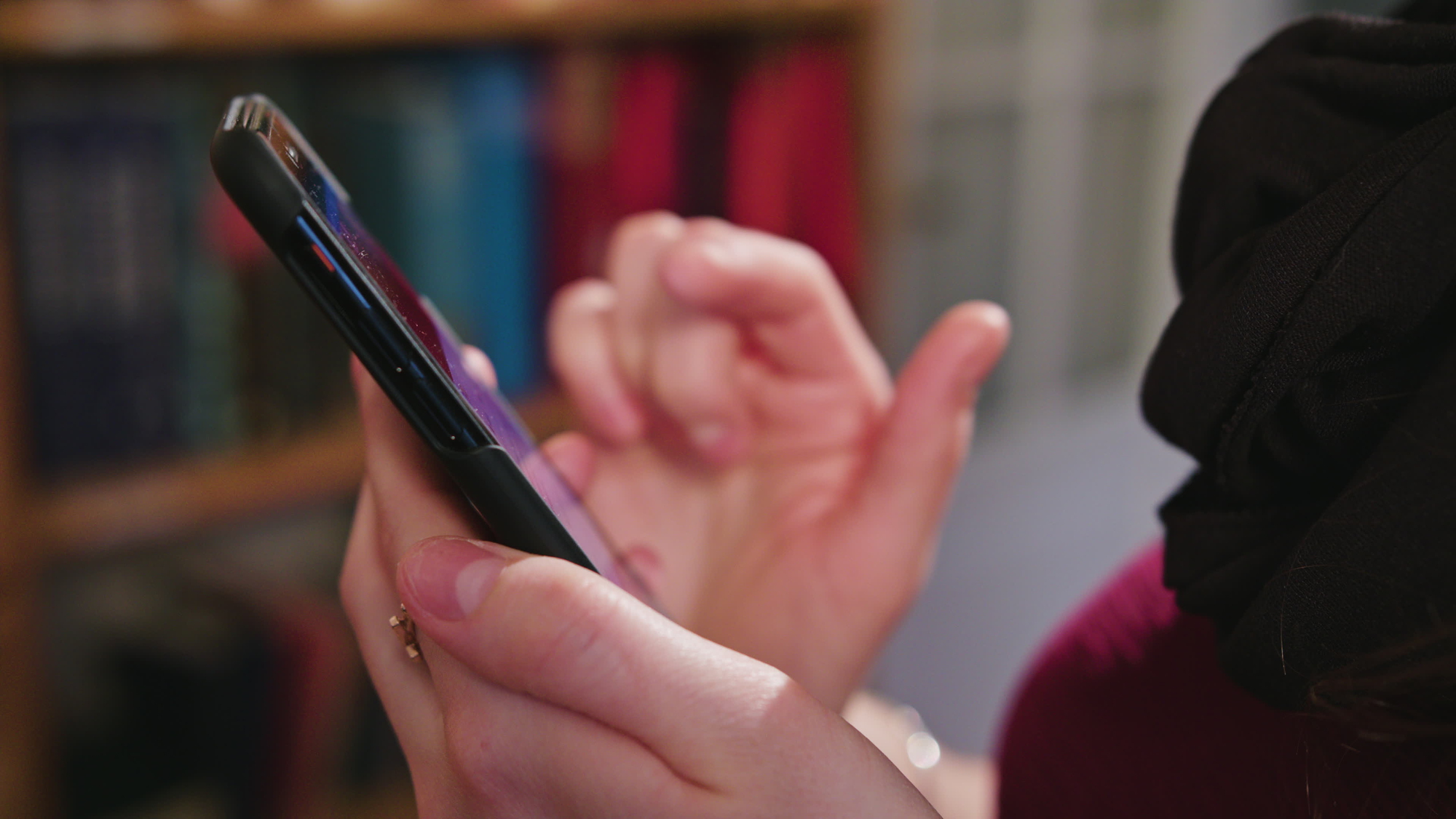
A payphone outside a gas station, a fistful of quarters, a call that had to be short because the quarters ran out. That silence in between — the not knowing what your friends were doing back home for two whole weeks — used to feel normal, even a little freeing.
Group chats erased that gap completely, and something about the constant contact makes the distance from home feel smaller than it should, like the vacation never fully starts.
Amusement Park Lines
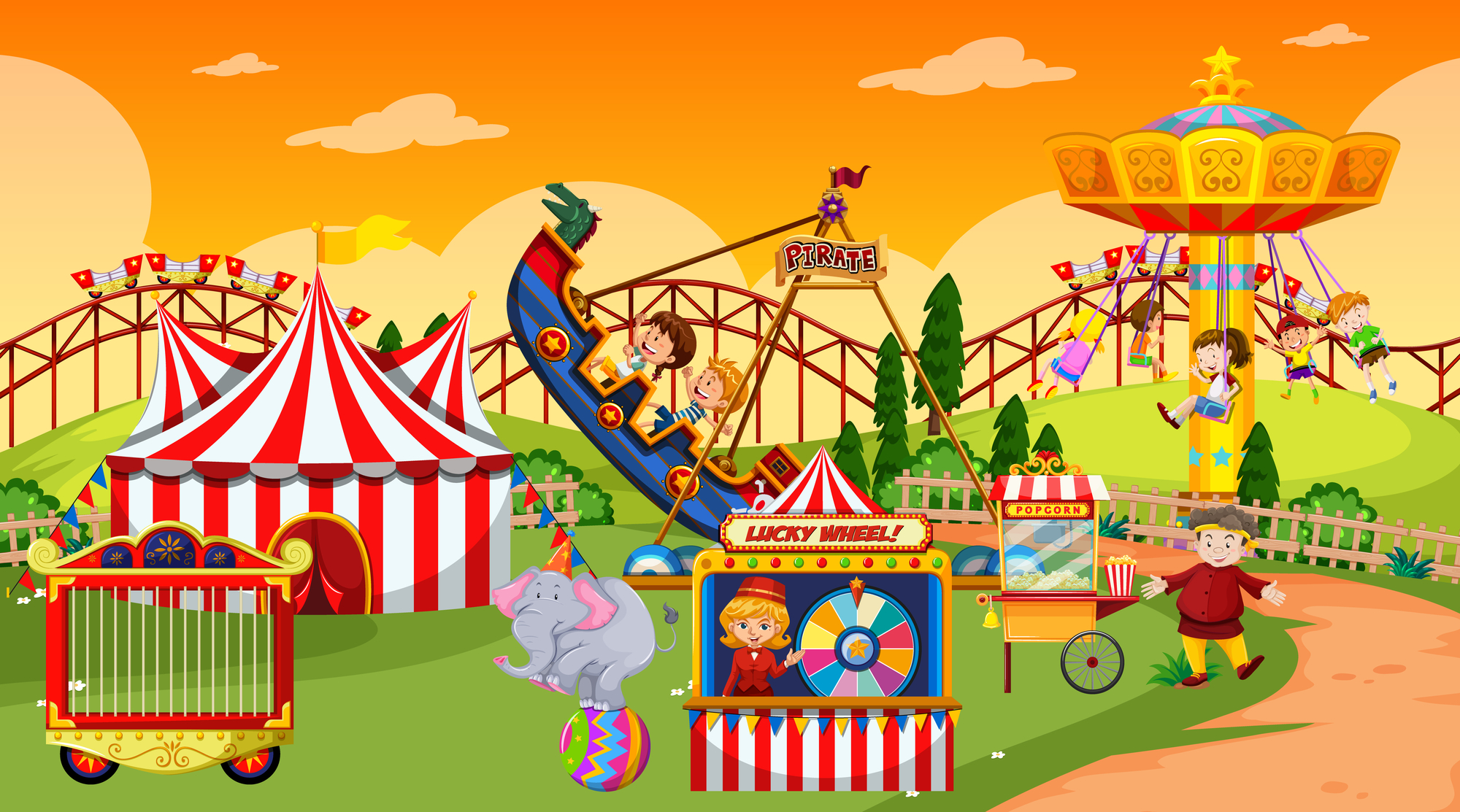
Standing in line used to be part of the deal. You accepted it, complained about it, made friends with strangers in front of you, and the wait became a story you told later almost as much as the ride itself.
Fast passes and paid line-skipping changed the economics of patience, turning a shared inconvenience into a purchased advantage — which, to be fair, works great if you can afford it and feels lousy if you can’t.
Roadside Attractions
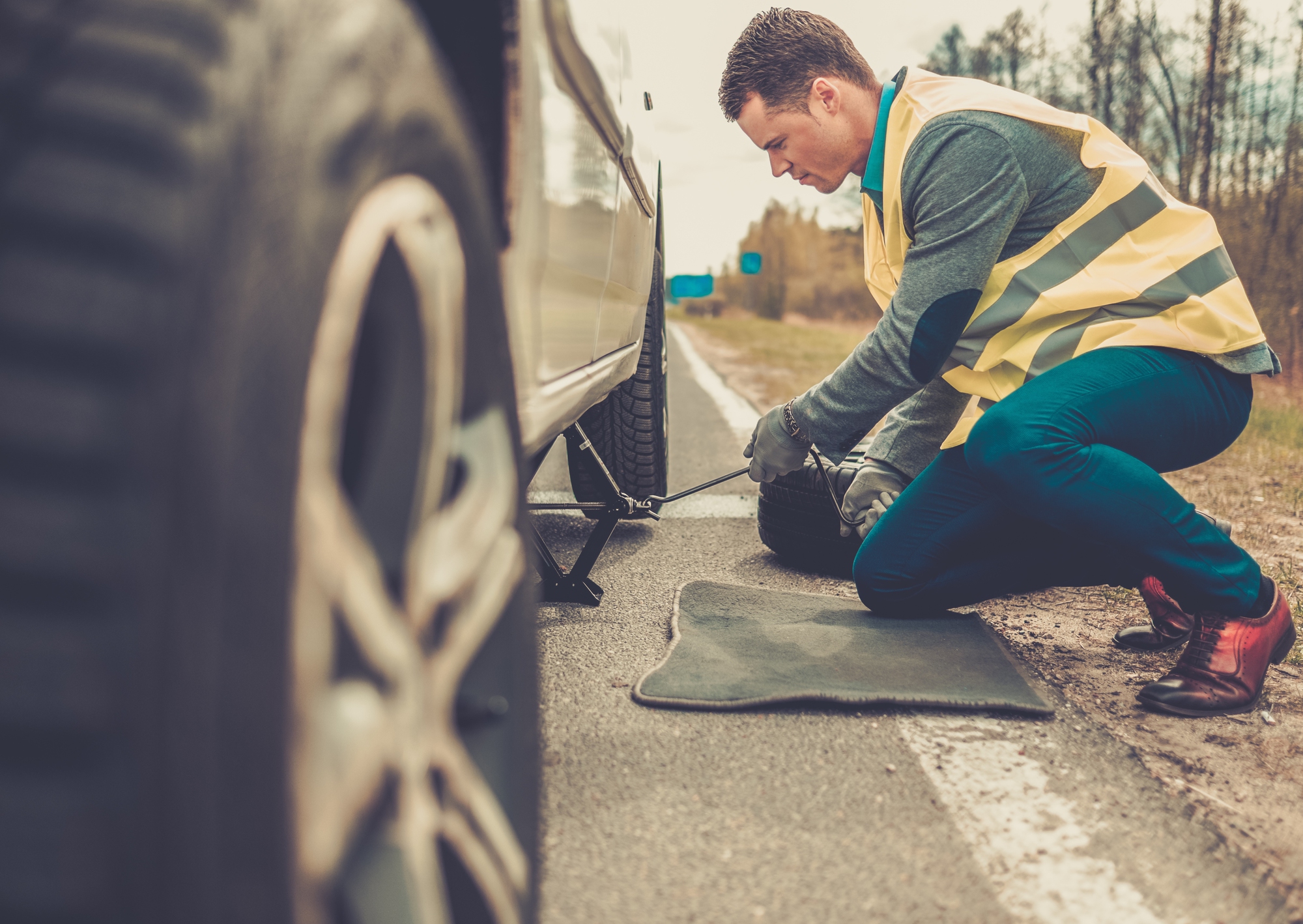
The world’s biggest round of twine. A dinosaur made of concrete.
A diner shaped like a coffee pot, visible from the highway for a mile before you reached it. These places existed because getting somewhere was slow enough to justify a detour, and the detour itself became half the memory — proof that the drive mattered as much as the destination.
Family Road Trip Games
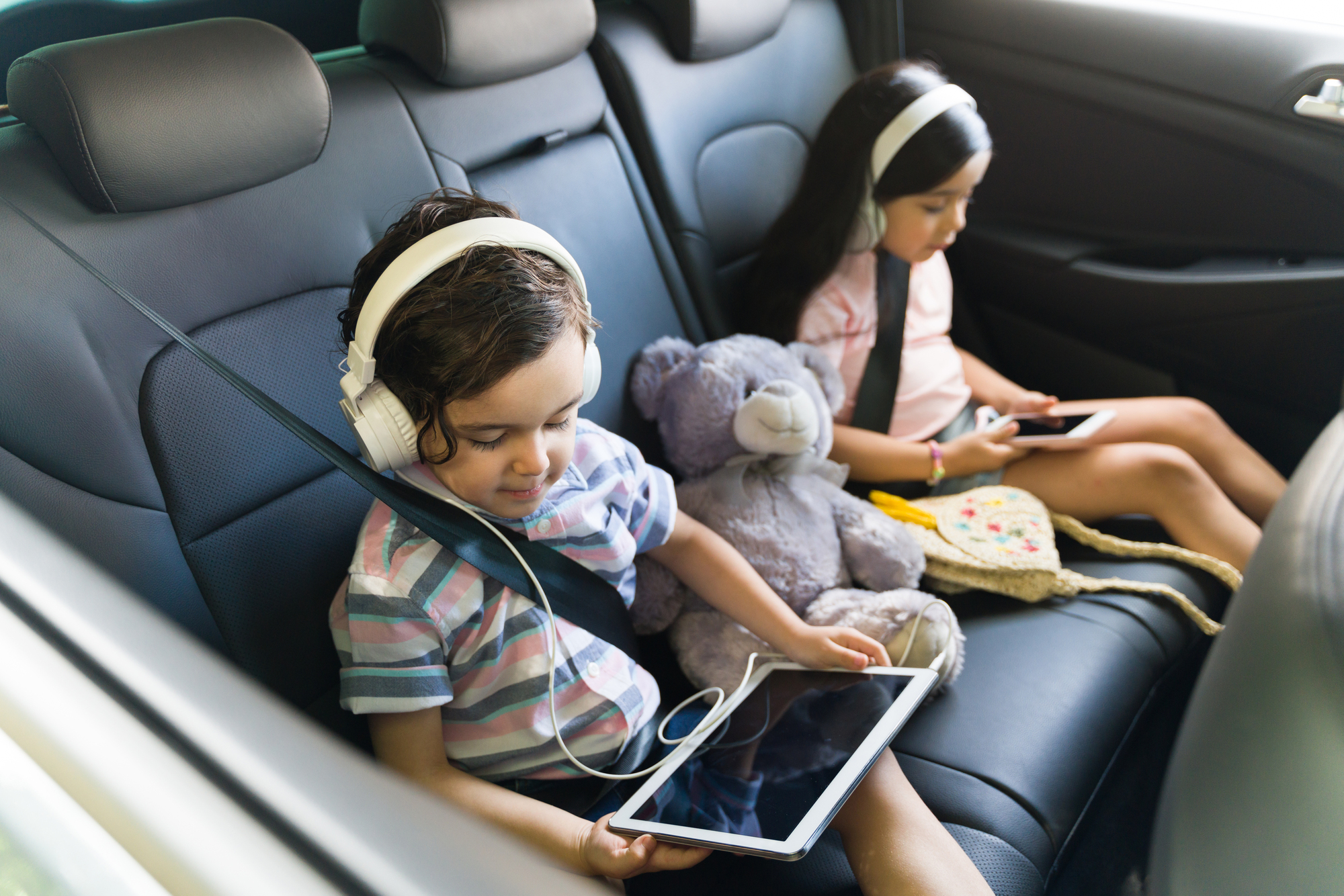
License plate bingo, the alphabet game, counting cows out the window until someone cheated and claimed a whole field. These games filled the dead air of a six-hour drive with something resembling teamwork, or at least noise.
Tablets and phones filled that same dead air with silence instead, each kid in their own screen, and the car got quieter but somehow less together. So the miles pass faster now and mean a little less.
Beach Day Essentials
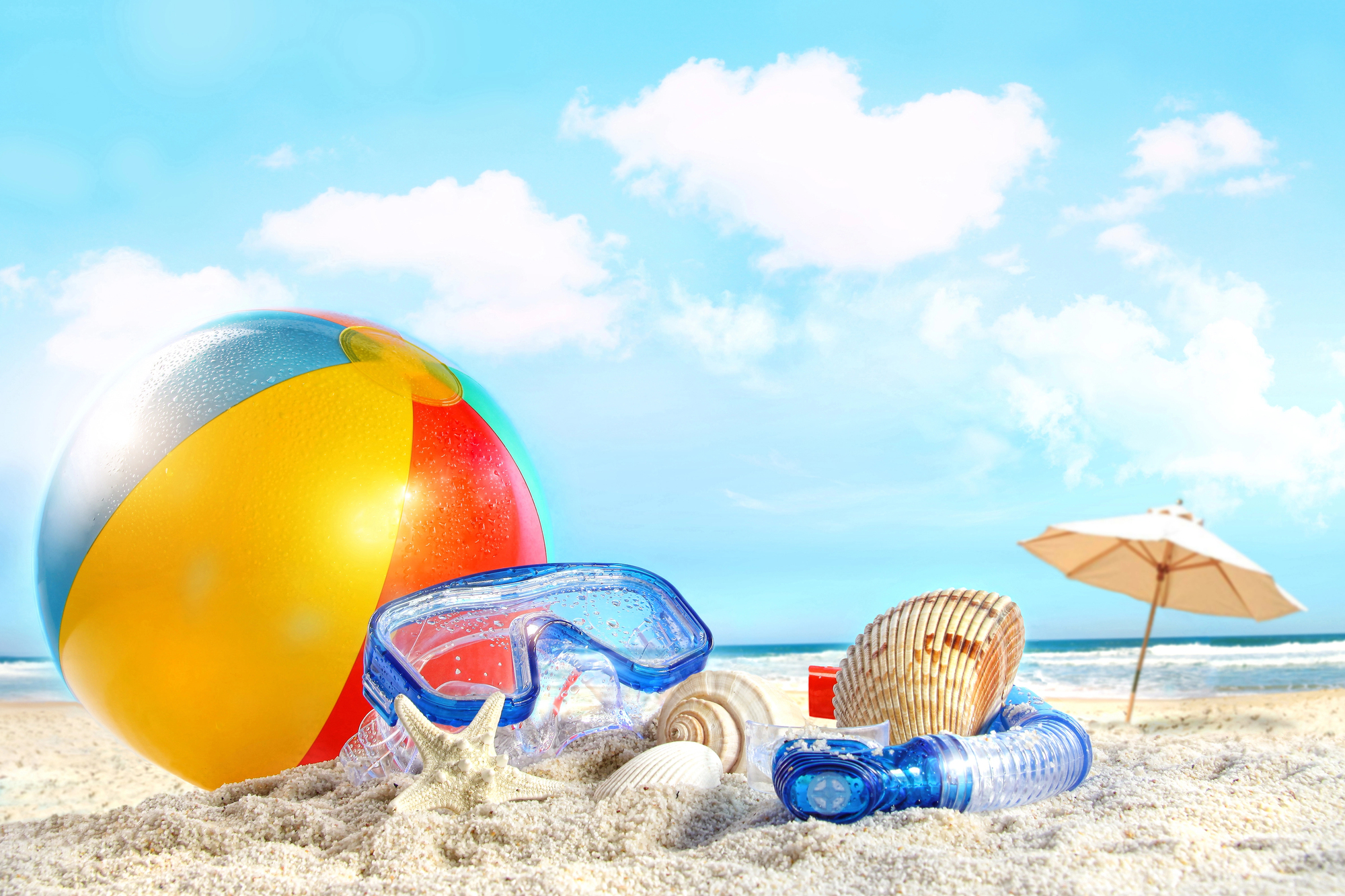
Sunscreen came in one strength and smelled like coconut regardless of brand. A cooler, a blanket, a transistor radio tuned to whatever station came in clearest — that was the whole packing list, no apps involved, no reservations required for a stretch of public sand.
Beach days now involve parking apps, timed permits, and a cooler bag that costs more than the umbrella did in 1994.
Souvenir Shopping
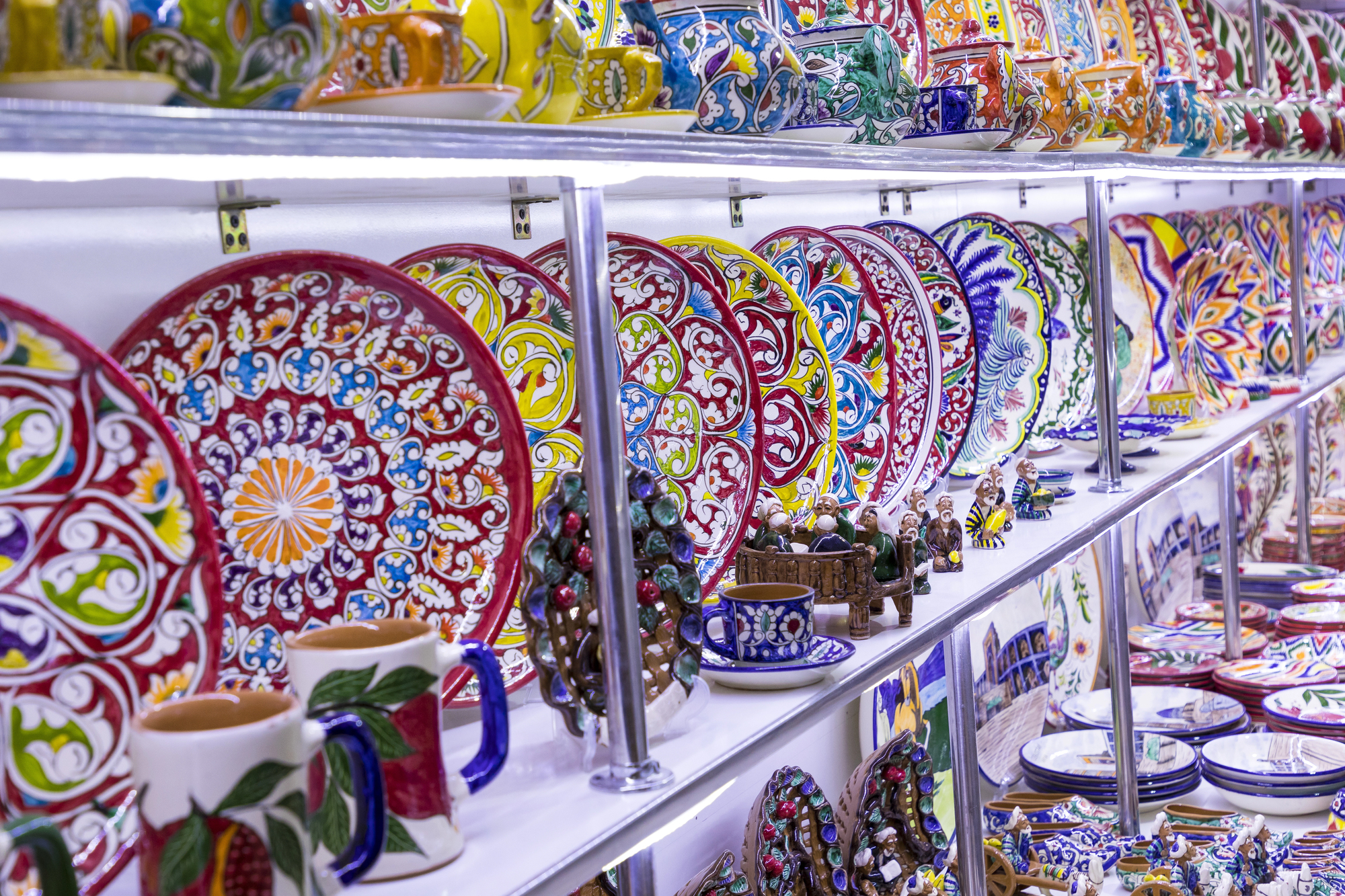
Every gift shop from Florida to California sold the same shot glasses, the same keychains stamped with a state outline, the same postcards nobody sent. It was cheap, a little tacky, and completely beside the point — the point was bringing something back, anything, proof the trip happened.
Souvenirs have gotten more curated and more expensive since, chasing an authenticity the old shot glass never bothered pretending to have.
Camping Reservations
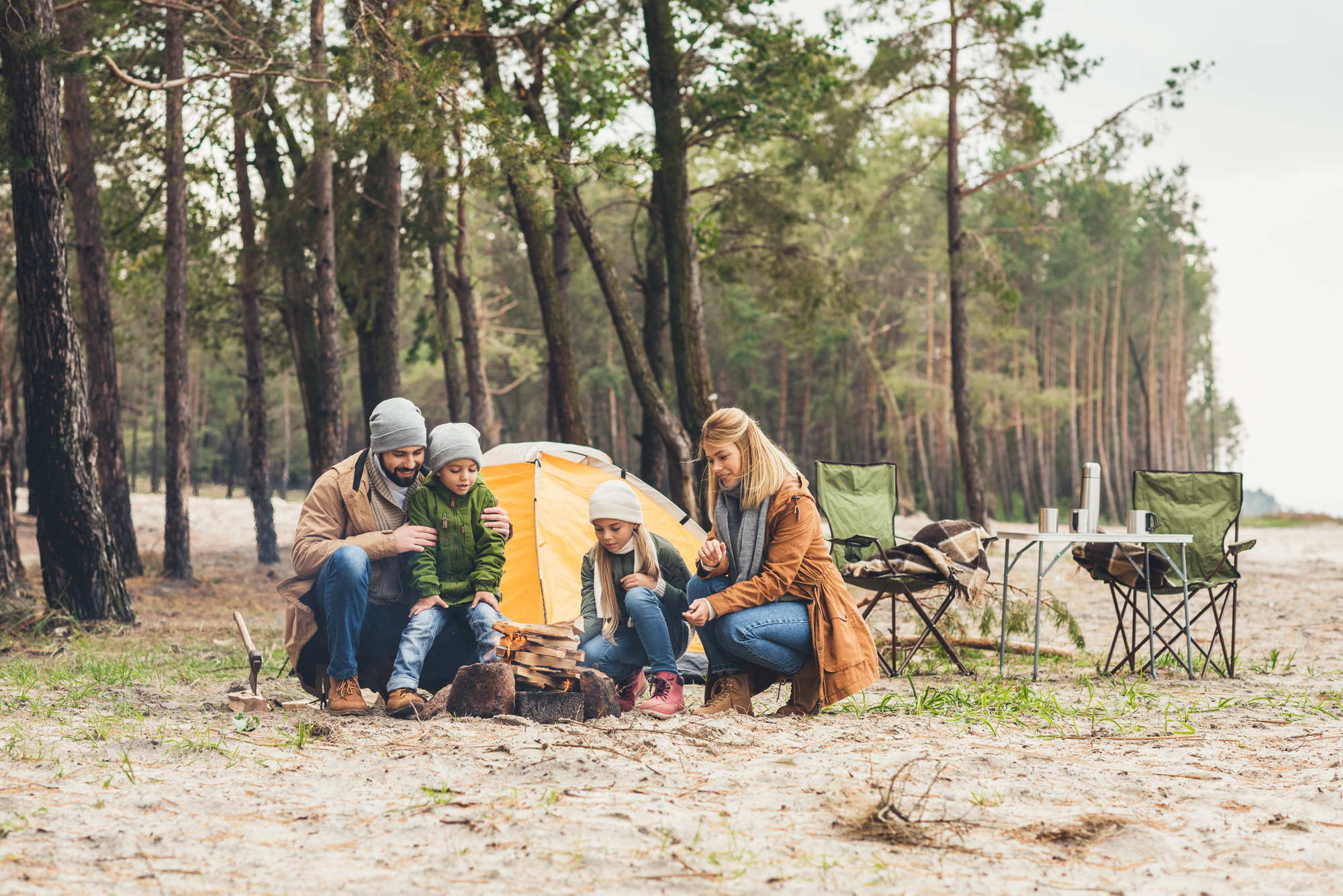
Campgrounds used to fill up on a first-come basis, or close to it — you’d show up with a tent and hope for the best, and mostly the best worked out fine. National park reservations now get snapped up within minutes of release, sometimes months in advance, turning a spontaneous weekend into a calendar event.
That shift says something about how crowded the outdoors got, and none of it is the campground’s fault.
Summer Reading Lists

A stack of paperbacks from the library, chosen mostly by cover art, read on a porch or in the backseat until the pages went soft with humidity. Nobody tracked progress, nobody synced a device, the book just sat there being a book.
Reading apps now count minutes and pages like a competition, and something about turning summer reading into a metric drains the laziness right out of it.
Sunscreen
Sunscreen used to be an afterthought. Applied once at noon and forgotten.
Dermatology has since made its case loudly enough that reapplying every two hours feels less like advice and more like a moral obligation. Nobody’s mad about fewer sunburns, but the spontaneity of just running outside without a routine first is genuinely gone.
Water Parks
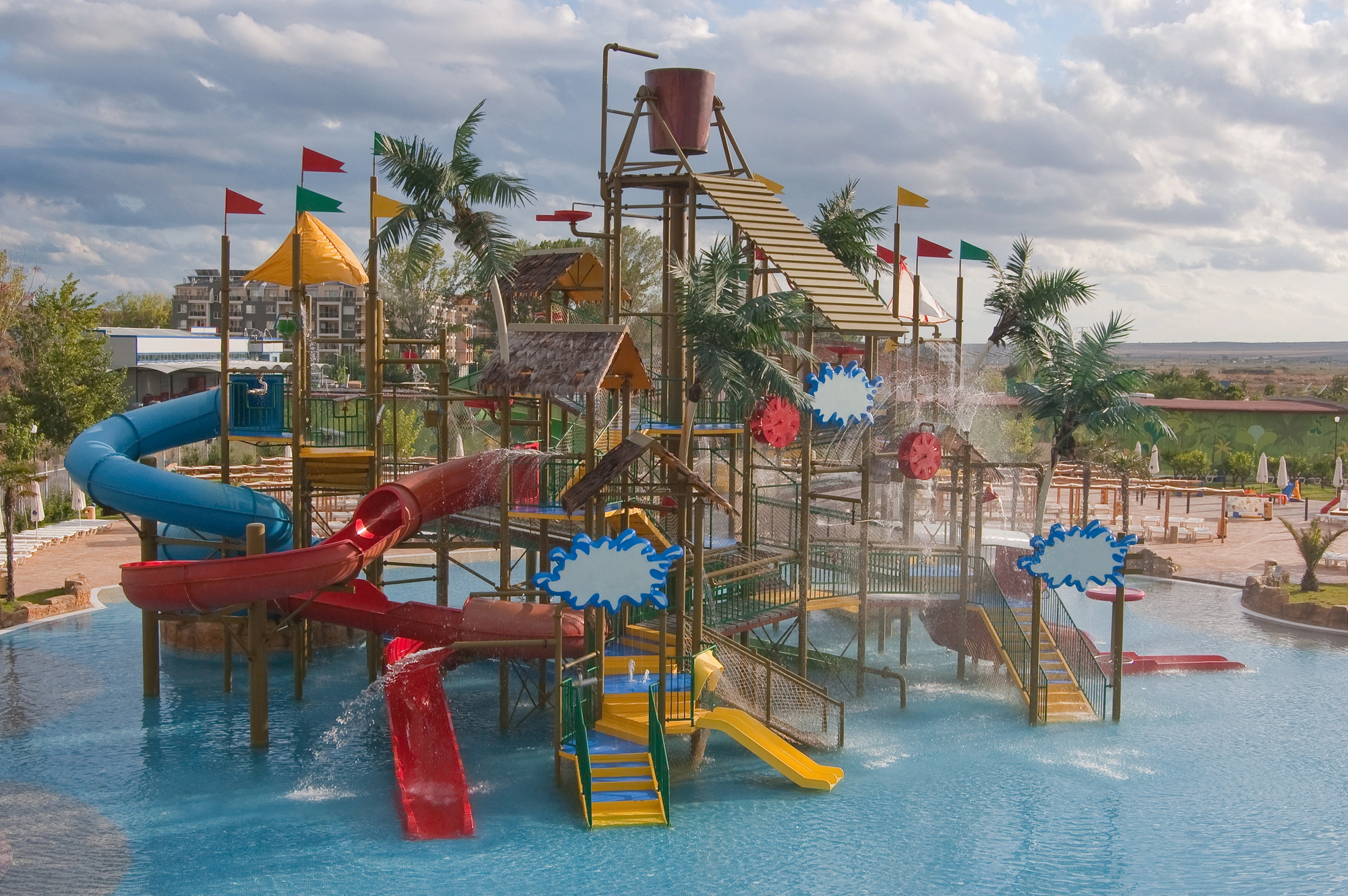
A water park in the ‘90s was a few slides, a wave pool, and a lazy river with an inconsistent current. It felt like a public utility more than a destination — cheap enough that a family could go on a whim without checking a bank balance first.
Water parks have since ballooned into resort-sized operations with ticket prices that make the whim part impossible, and the wave pool now comes with a cabana upsell nobody asked for.
Motel Pools
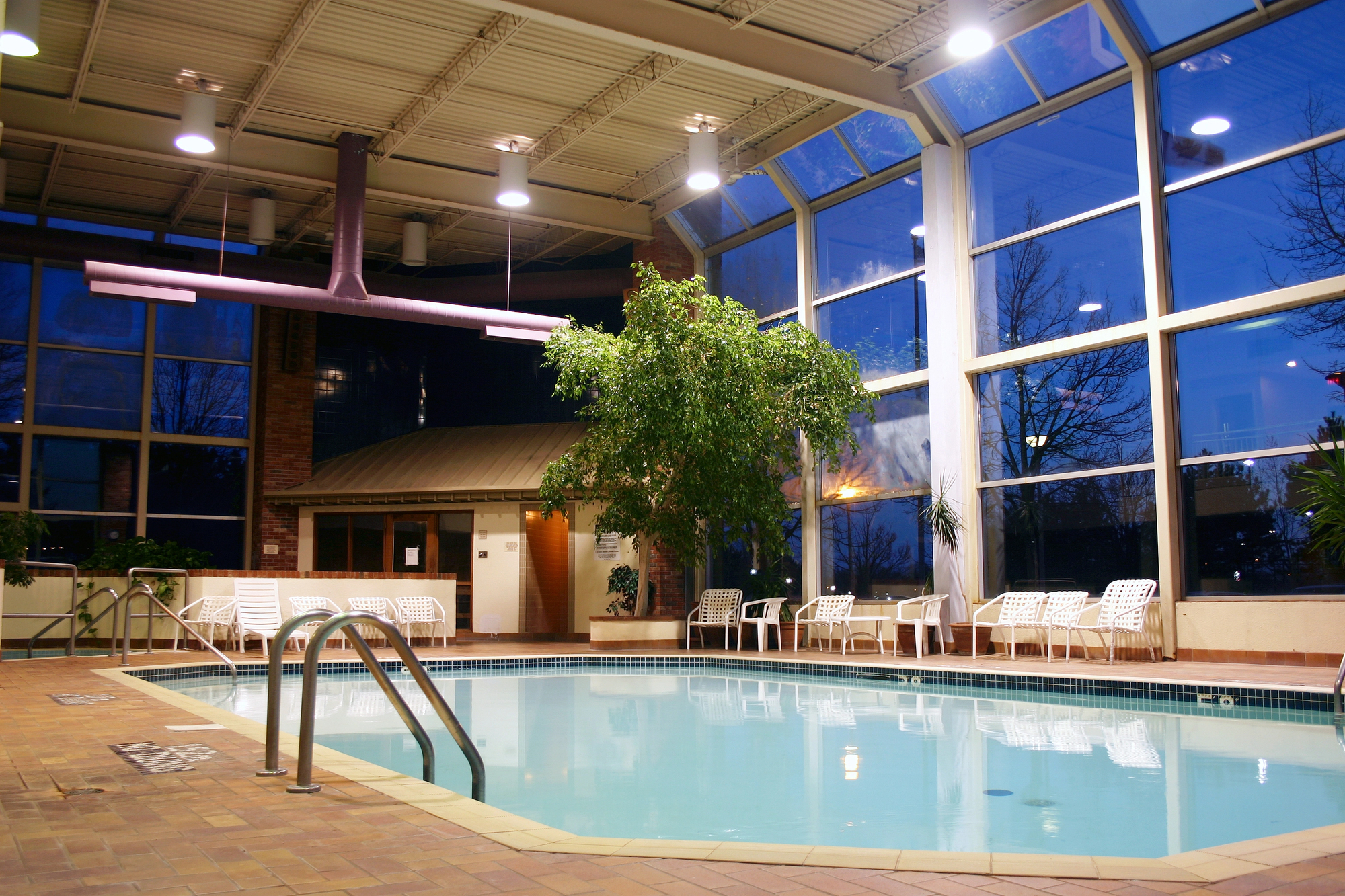
There was something democratic about a motel pool — kidney-shaped, a little too cold, ringed by lounge chairs with cracked plastic straps, and it belonged to whoever was staying there that night regardless of what they’d paid for the room. It asked nothing of you except a towel and low expectations, and somehow that was enough to make an ordinary stop on the highway feel like an event.
Motels have thinned out since, pushed aside by chain hotels with heated pools and key-card gates, and the whole experience got nicer and noticeably less scrappy.
Travel Guidebooks
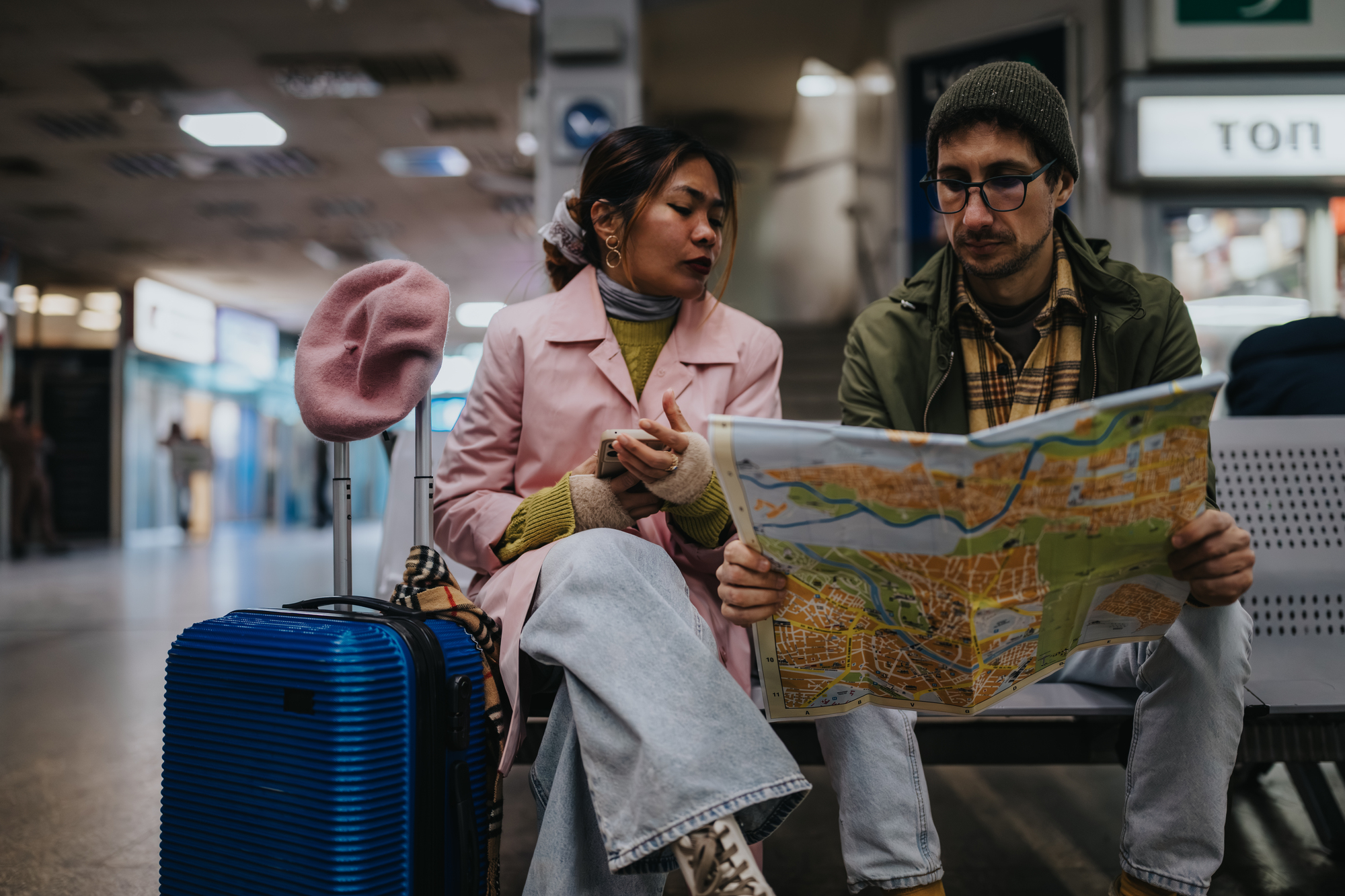
A dog-eared guidebook with a coffee stain on the cover used to be the whole itinerary, its opinions trusted mostly because there was nothing else to trust. Now every recommendation comes crowdsourced from a thousand strangers with a thousand different agendas, which technically means more information but somehow less confidence in any of it.
The guidebook was wrong sometimes, sure, but it was wrong with conviction.
Airport Experience
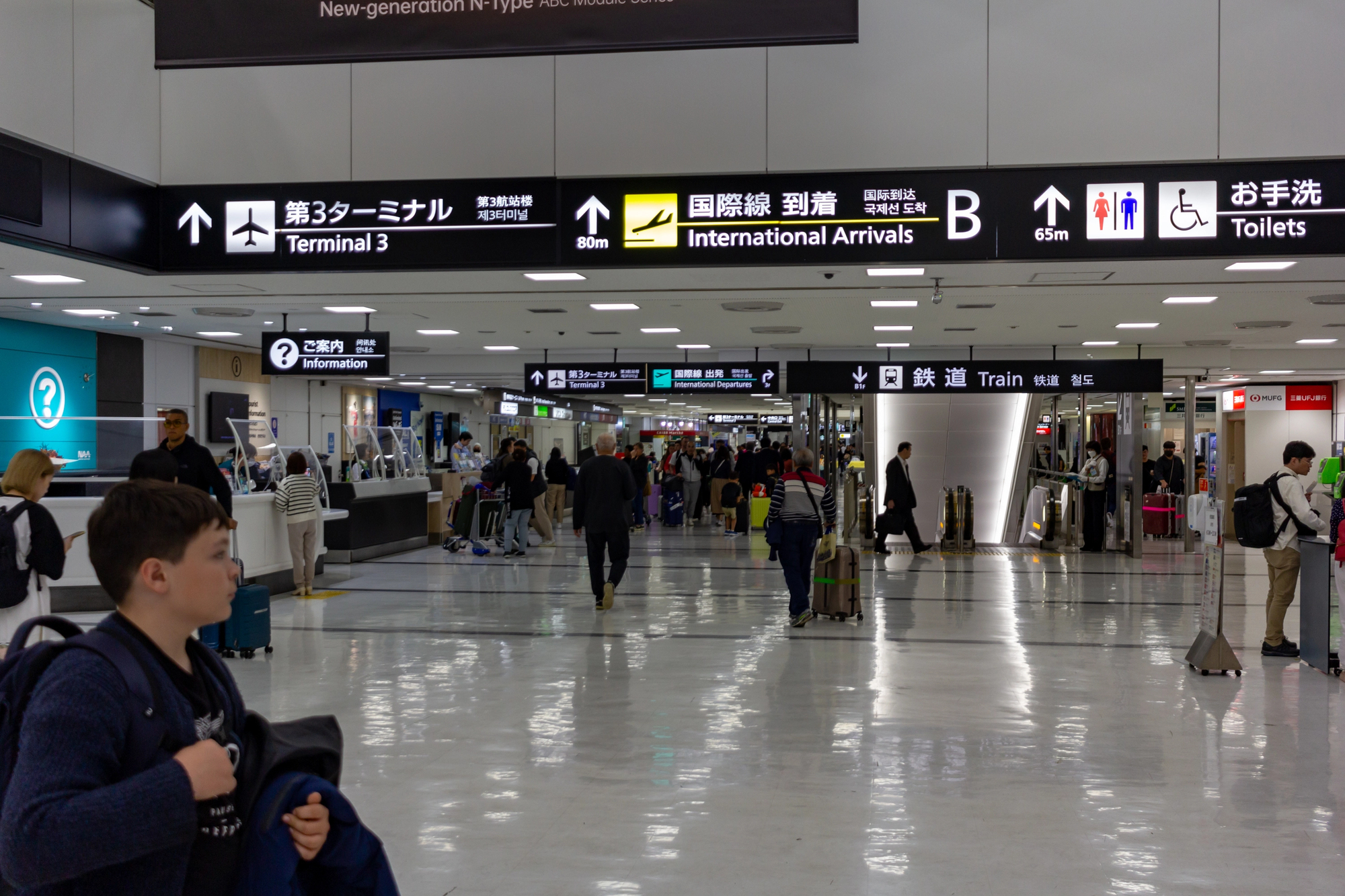
Airports used to let you walk your grandmother to the gate, no boarding pass required, no security line stretching past the ticket counters. That ended fast after 2001, and everything about flying got slower and more suspicious of everybody in line.
Nobody misses the actual security theater, but the freedom of just wandering an airport with someone you loved is gone for good.
Drive-In Movies
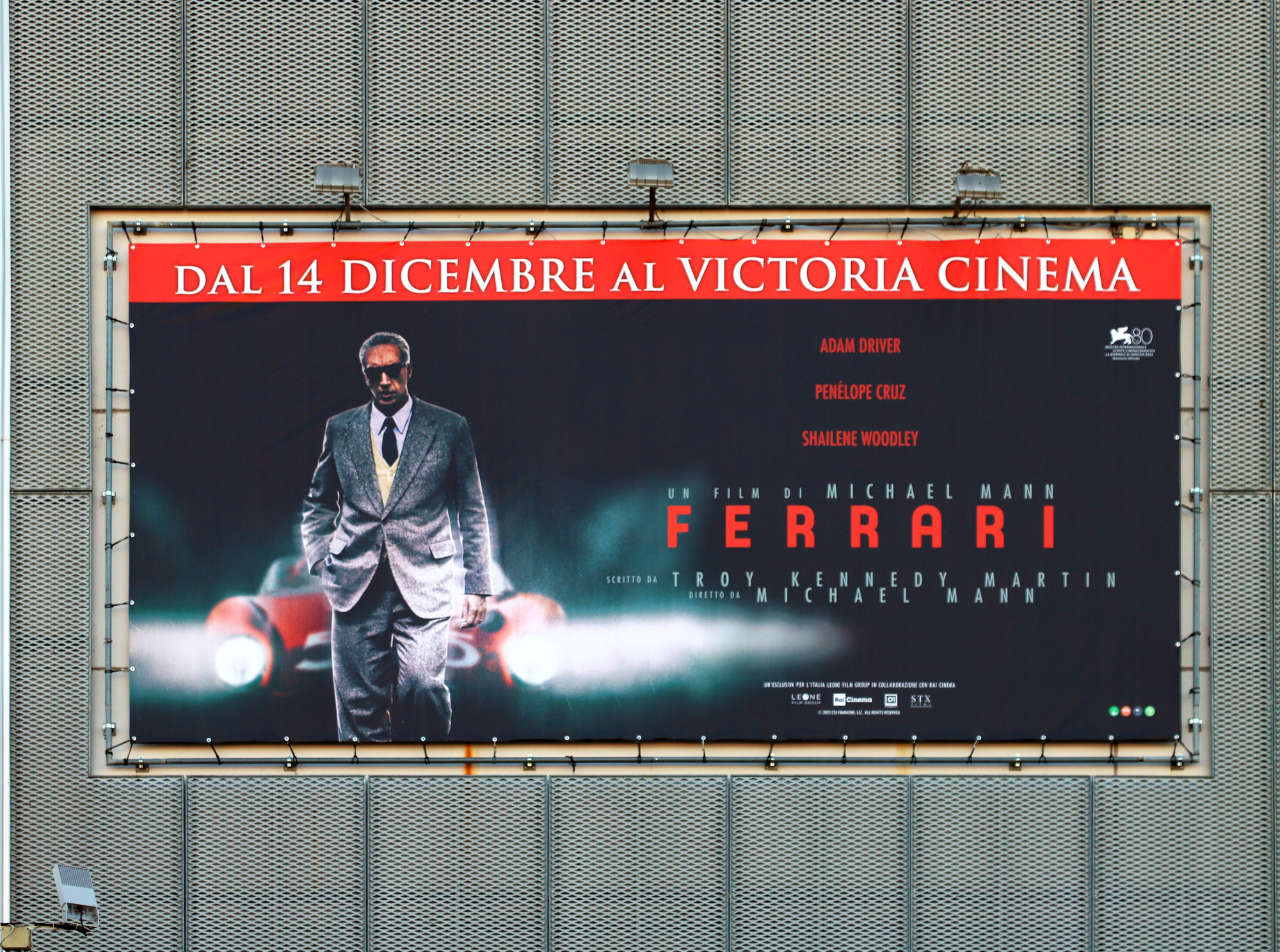
A drive-in required almost nothing — a car, a radio tuned to the right frequency, and a willingness to watch a screen from two hundred feet away while bugs gathered in the headlights. Most of them closed as land got too valuable to leave empty for a few showings a week, and the ones that survived now feel more like nostalgia acts than regular Friday nights.
Streaming a movie at home is easier, technically, but it never smelled like popcorn and cut grass at the same time.
Boombox or Mixtapes for the Car
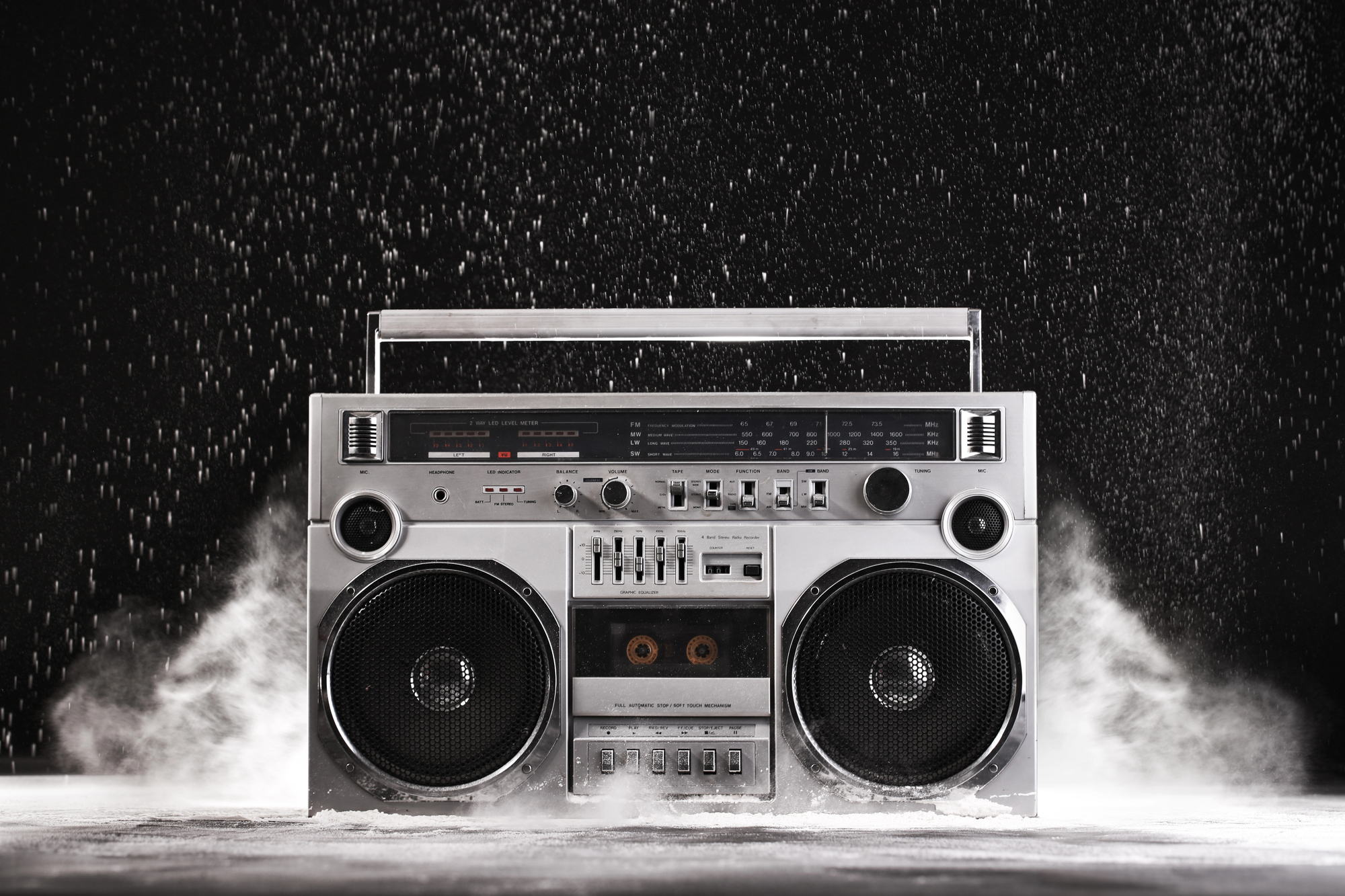
Making a mixtape for a road trip took actual labor — timing songs off the radio, rerecording over mistakes, filling ninety minutes exactly so side B didn’t cut off mid-chorus. That effort was the gift, in a way streaming playlists never quite manage to be.
A Spotify playlist takes four minutes to build and says a fraction of what a mixtape used to.
Theme Park Fast Passes
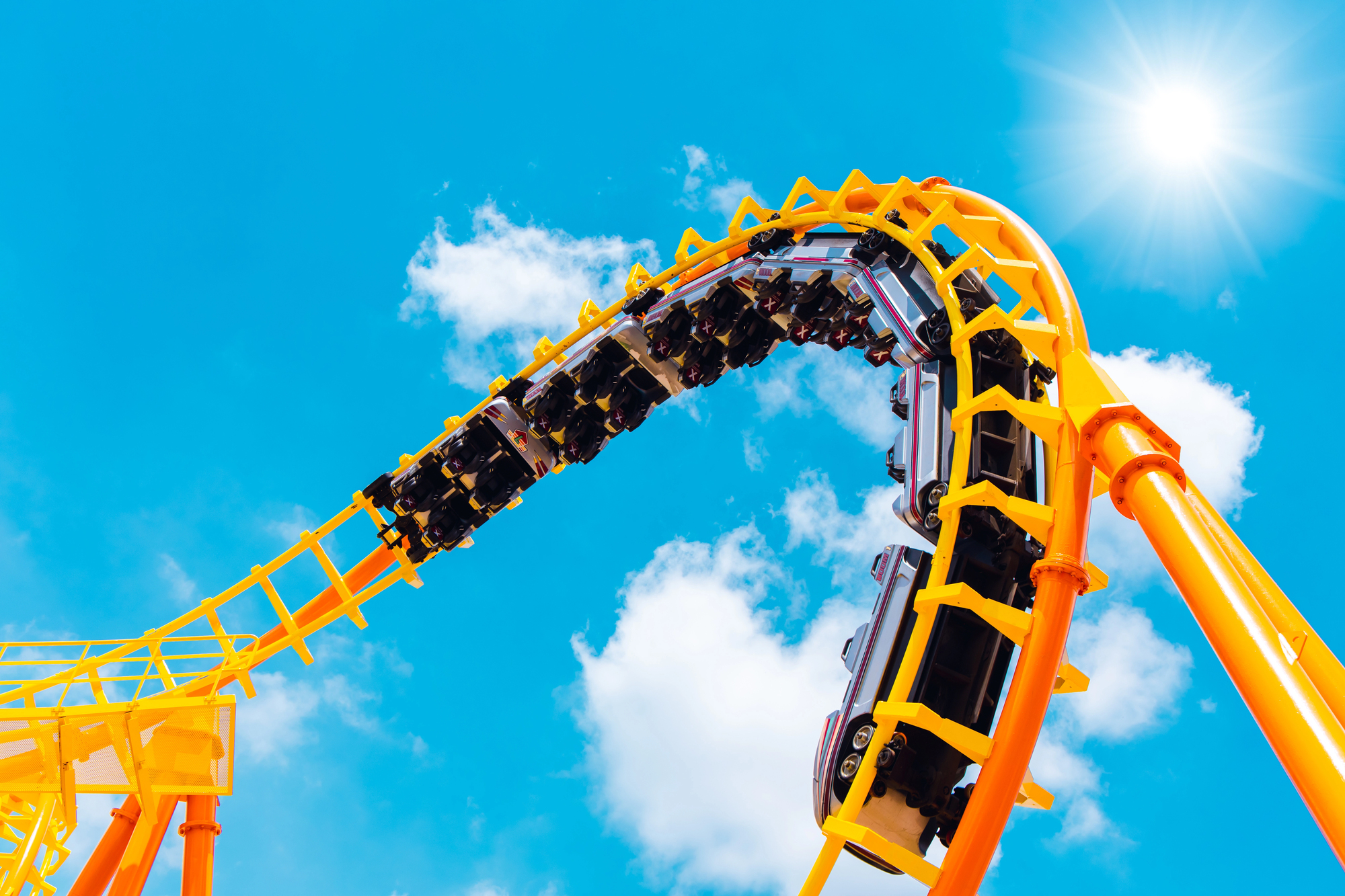
Fast passes used to be free, distributed on a first-come basis at kiosks scattered through the park, a small reward for showing up early. Parks have since turned that system into a paid tier with multiple pricing levels, and what used to be a courtesy is now a revenue stream.
Nobody’s shocked, exactly, but it’s hard not to notice the shift from convenience to upsell.
Postcard Rack at Gas Stations
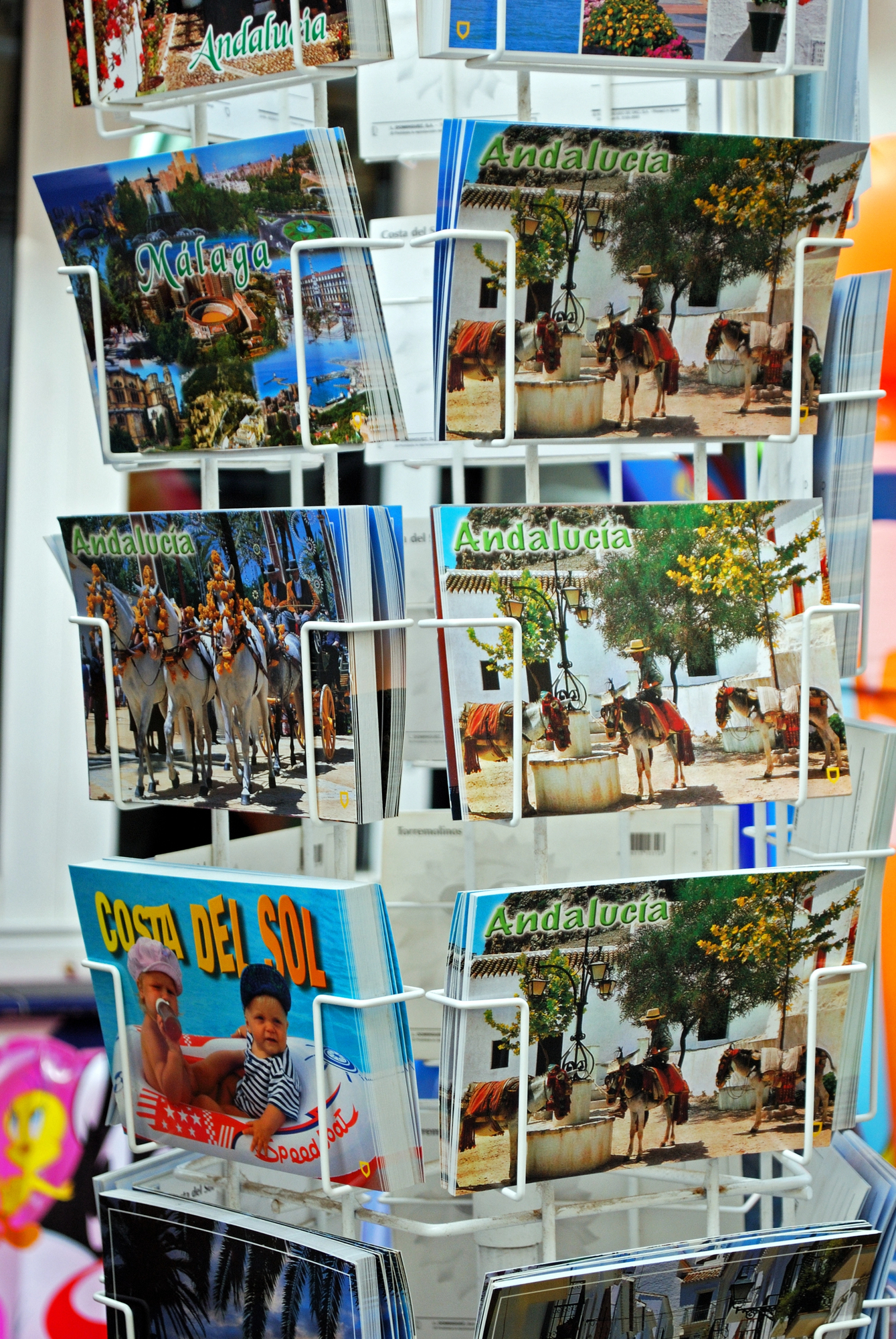
Every gas station off a highway used to keep a wire rack of postcards by the register, faded from sun through the window, showing a sunset the town probably never actually looked like. It sat there quietly next to the beef jerky and the lighter fluid, waiting for someone bored enough at a rest stop to buy one and mean it.
Those racks thinned out along with the postcards themselves, and the gas station counter now just sells phone chargers and energy drinks instead.
Summer Camp Communication

Camp letters home were slow, one-directional, and often exaggerated for effect — kids wrote about bug bites and homesickness knowing the response wouldn’t arrive for days, if it arrived at all. That delay taught a strange kind of patience, the sort that doesn’t get much practice anymore.
Camps that once banned phones now hand out scheduled video calls, and the mystery of not knowing how your kid’s week is going has mostly evaporated.
Renting a Beach House
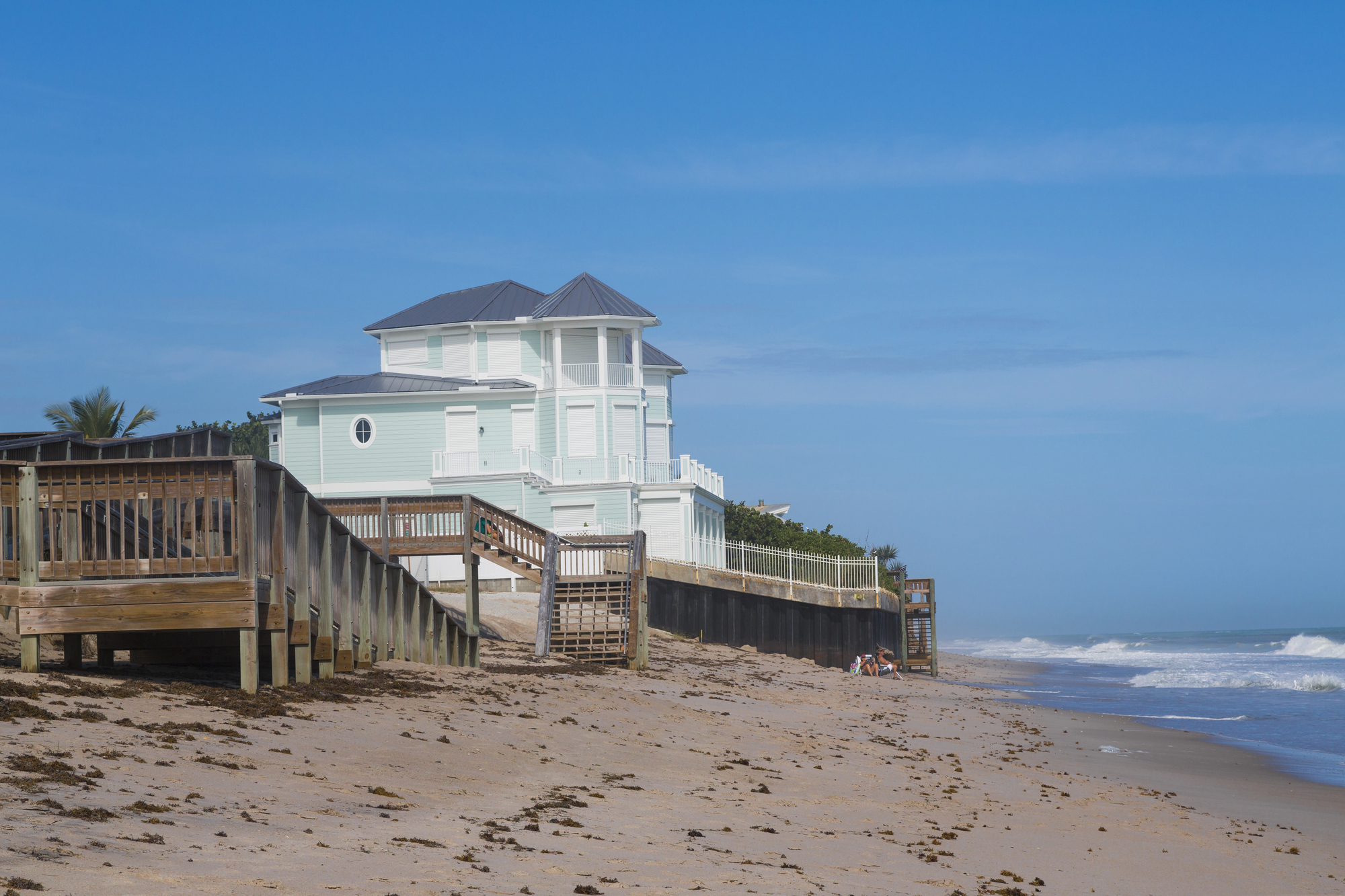
Beach house rentals used to run through a local agency with a laminated binder of photos, a handshake deal, and a landline number for questions. Now everything runs through an app with instant booking and dynamic pricing that spikes the moment a holiday weekend gets close.
It’s more efficient, sure, but the personal relationship with a place — the sense that you were renting from someone rather than a platform — is basically gone.
Fireworks on the Fourth of July

Fireworks used to mean a folding chair in a parking lot, a blanket on a hill, everybody looking up at the same municipal show regardless of income. Plenty of towns still do it that way, to be fair, but private fireworks purchases have exploded since — literally — turning residential streets into competing amateur shows every July.
The community version was better, and it’s not particularly close.
What the Season Still Owes You

Summer vacation was never really about the sunscreen brand or the video store or the exact model of camera in your hand. It was about the stretch of unstructured time itself — the sense that a season could slow down enough to notice it passing.
Some of what changed is genuinely better: safer travel, sharper photos, fewer sunburns. But the parts that got lost — the waiting, the mild boredom, the not-knowing — turn out to have been doing more work than anybody gave them credit for at the time.
More from Go2Tutors!

- The Romanov Crown Jewels and Their Tragic Fate
- 13 Historical Mysteries That Science Still Can’t Solve
- Famous Hoaxes That Fooled the World for Years
- 15 Child Stars with Tragic Adult Lives
- 16 Famous Jewelry Pieces in History
Like Go2Tutors’s content? Follow us on MSN.