Sports Equipment Origins You Never Thought About
Walk into any sporting goods store and you’ll see walls of specialized gear designed with precision engineering and decades of refinement. But every piece of equipment had to start somewhere, and those origins are often far stranger than you’d imagine.
From frozen animal waste to grandmother’s fruit baskets, the humble beginnings of sports gear tell stories of desperation, innovation, and pure luck. Here is a list of 20 sports equipment origins that will change how you see the game.
Hockey Pucks Started as Frozen Cow Dung

The earliest hockey pucks weren’t manufactured at all—players simply used whatever was available, including frozen cow dung and wooden blocks. When the first organized hockey game took place in Kingston, Ontario in 1886, someone sliced a rubber lacrosse and trimmed it into a square shape.
That original puck still exists and looks more like a lump of coal than modern equipment. By the 1870s, players experimented with both wooden and rubber discs, eventually settling on round shapes because they were easier to control.
Basketball Hoops Were Peach Baskets With Bottoms

James Naismith invented basketball in 1891 using a soccerball and peach baskets nailed to the gym balcony railing. The problem was obvious from the first game—the baskets still had their bottoms intact.
Someone had to climb a ladder after every successful shot to retrieve the orb. Eventually they cut craters in the bottom, then replaced the baskets entirely with metal rims and nets that allowed it to drop through.
Like Go2Tutors’s content? Follow us on MSN.
Baseball Gloves Were Considered Unmanly
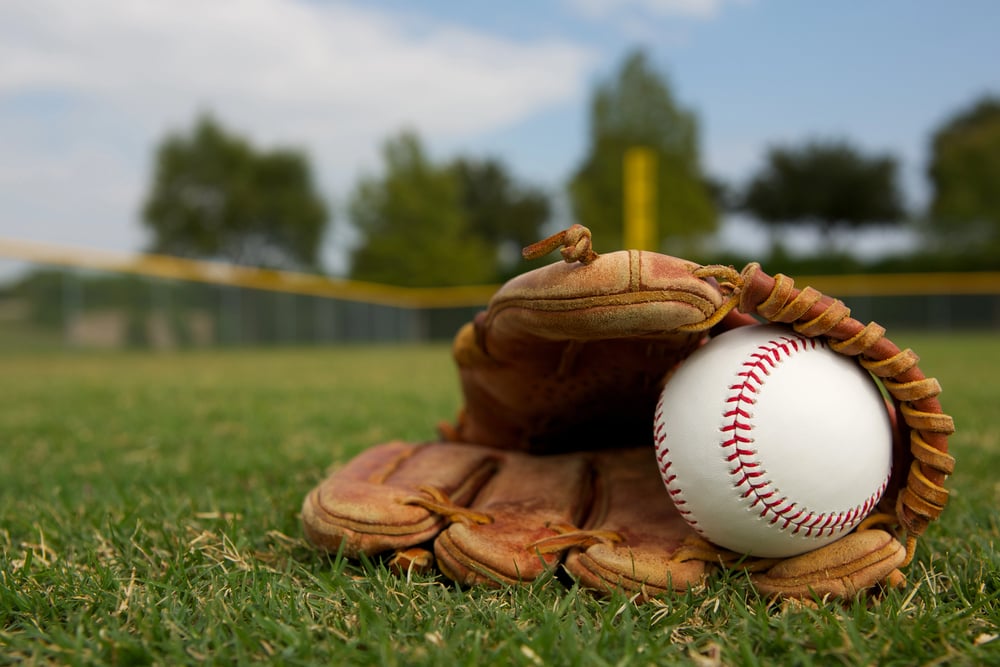
References to amateur players wearing gloves appeared as early as the 1860s, usually by catchers trying to protect sore hands. But most players refused them because wearing protection was seen as weak.
The first patent for a sporting glove wasn’t filed until 1877 by Austin Butts, who designed something similar to a bricklayer’s glove. Even then, acceptance came slowly.
The game-changing innovation came in 1901 when someone added a web pocket between the thumb and forefinger, transforming gloves from mere protection into actual fielding tools.
Shuttlecocks Got Their Name From Roosters

A shuttlecock consists of 16 overlapping feathers embedded into a rounded cork base, and the name comes from two sources—the back-and-forth shuttle motion during play and the rooster feathers originally used. The word ‘cock’ refers to the resemblance to rooster plumage.
Traditionally, feathers were plucked from live geese or ducks, a practice animal rights activists have criticized in recent years. Modern tournaments switched to synthetic shuttlecocks in 2021, though purists argue the flight characteristics aren’t quite the same.
The Golf Tee Is Barely 100 Years Old

Golfers spent centuries hitting orbs off the ground or small piles of sand before someone invented the simple wooden tee. In 1898, dentist Coburn Haskell revolutionized golf when he and a Goodrich Company superintendent wrapped elastic yarn under tension into a sphere covered with gutta percha gum.
When tested, the orb sailed yards beyond any previous drive, changing the game overnight. The modern tee came even later, making it one of sports’ most recent basic innovations.
Like Go2Tutors’s content? Follow us on MSN.
Football Penalty Flags Were Made From Halloween Costumes

Before 1941, football referees blew horns to signal penalties and whistles to stop play, but from the sidelines, coaches couldn’t tell them apart. Youngstown College’s Dike Beede asked his wife Irma to solve the problem, and she sewed triangles of red cloth from a Halloween costume to triangles of white cloth from a bed sheet.
On October 17, 1941, officials used these homemade flags for the first time during a night game. The visual signal worked so well it became standard across all levels of football.
Volleyball Was Called Mintonette

William G. Morgan invented volleyball in 1895 at a YMCA in Holyoke, Massachusetts as a less strenuous alternative to basketball for older businessmen. He borrowed elements from multiple sports—from basketball, the net from tennis, hand use from handball, and innings from baseball.
After an observer named Alfred Halstead watched the volleying nature of play during the first exhibition match in 1896, the name quickly changed to volleyball. The original spelling had two words until 1952.
Bowling Pins Had Religious Origins

The ancient chronicles of Paderborn reveal that bowling began in cathedral cloisters where parishioners would set up pins representing heathens and throw orbs at them. A successful hit indicated a clean and pure life capable of slaying heathens, while a miss meant more faithful church attendance was needed.
Martin Luther became an enthusiastic bowler and settled on nine pins as the ideal number for the game in Germany. The shift to ten pins happened in America to circumvent gambling laws that specifically banned nine-pin bowling.
Like Go2Tutors’s content? Follow us on MSN.
Ice Skates Used Animal Bones

The earliest evidence of ice skating dates to approximately 3,000 BCE when inhabitants of Scandinavia and Russia fashioned the shin bones of large animals like horses, deer, and sheep into skates for wintertime travel on frozen lakes. These bone blades allowed people to glide across ice but weren’t designed for the quick turns and stops modern hockey requires. In 1850, American Edward Bushnell devised a steel blade that was much easier to work with, revolutionizing the sport.
Goalie skates were invented in Montreal in 1909 with special features for stability and protection.
Tennis Rackets Started Wooden and Gut-Strung

The racket as we know it came along in the early 1500s, but early tennis orbs were covered in cork rather than the modern rubber. Bouncier orbs didn’t arrive until the invention of vulcanized rubber in 1850. In 1874, Walter Clopton Wingfield patented equipment and rules similar to the modern game in London.
Rackets evolved from solid wood to metal frames and eventually to today’s lightweight composite materials.
Badminton Got Its Name From a House
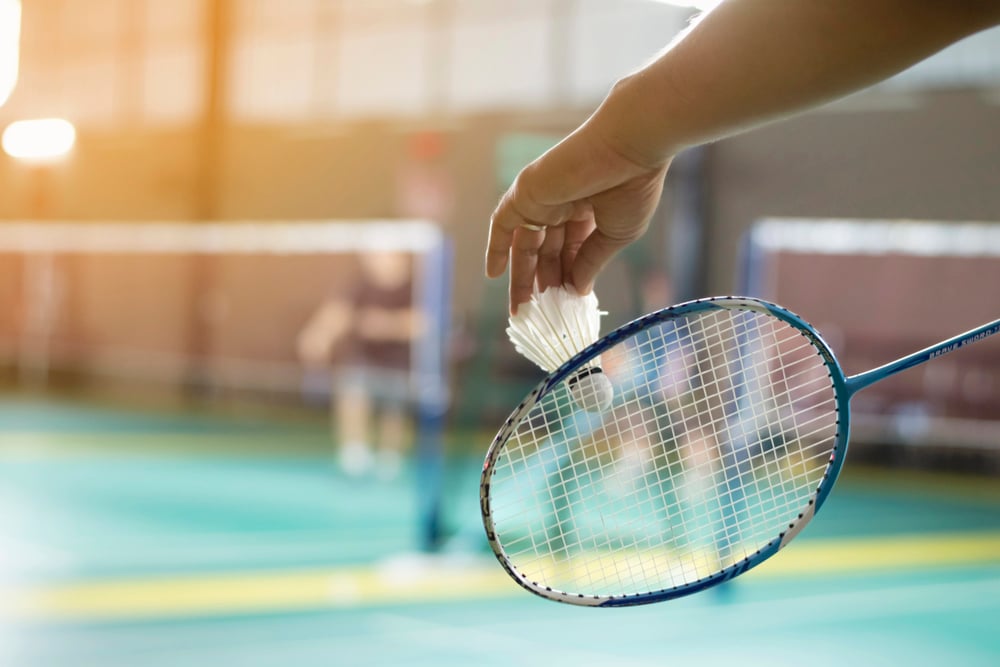
The sport took its name from Badminton House, the Duke of Beaufort’s residence in Gloucestershire, England, where a new version of the old game battledore and shuttlecock emerged by the end of the 1850s. In 1830, the Somerset family set a record of 2,117 consecutive hits without the shuttlecock touching the ground.
The Badminton Association was founded in 1893 when 14 English clubs met at Southsea in Hampshire to agree on uniform rules.
Like Go2Tutors’s content? Follow us on MSN.
Baseball Bats Had No Size Limits Originally

Early baseball bats were quite heavy with thicker handles than modern versions. In 1865, players agreed that bats should be made from ash or hickory, and three years later regulations limited them to 42 inches in length.
The maximum thickness of 2 and 3/4 inches was established in 1895 and remains the MLB standard today. Before standardization, players experimented with all sorts of shapes and sizes, some wildly impractical.
Hockey Sticks Went From Flat to Curved

Originally flat, the blades of early hockey sticks helped keep the puck down on the ice, but the introduction of the curved blade in 1927 changed everything by giving players the ability to take powerful slap shots. This innovation directly led to another piece of equipment—the goalie helmet—because shots became too dangerous without one.
Today’s sticks aren’t made of wood anymore but from composite materials like metal, fiberglass, Kevlar, or carbon fiber.
Football Helmets Arrived Late to the Game
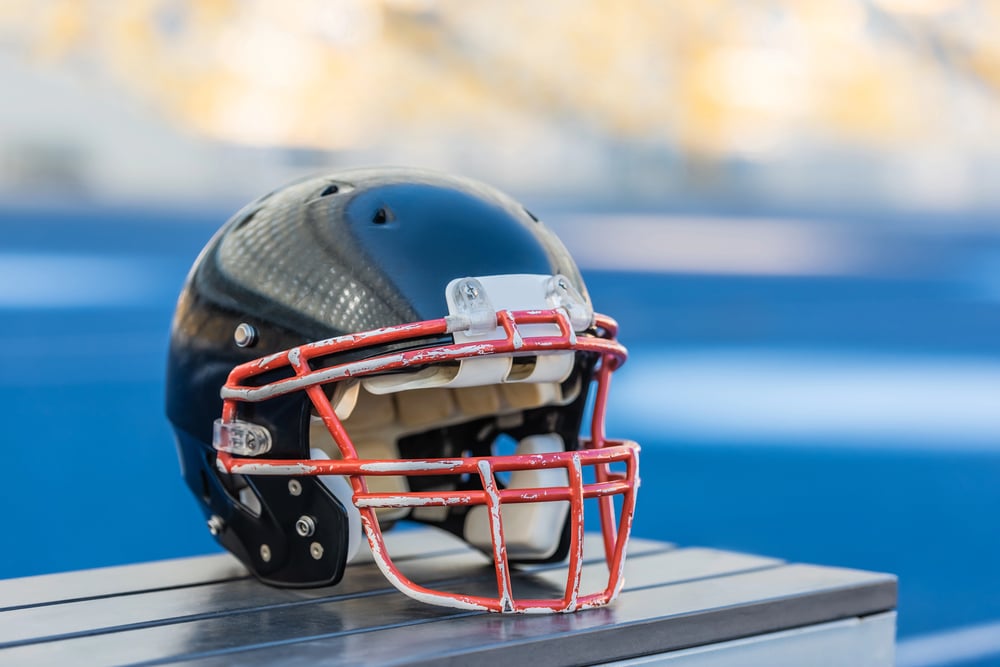
In 1939, Gerry Morgan and the John T. Riddell Company of Chicago patented a molded plastic helmet with a web suspension that could be adjusted to fit the player. Before this, players either went without head protection or wore simple leather caps that offered minimal safety.
Leather helmets were widely in use by World War I, and plastic helmets became popular after the mid-1940s. The transition from no protection to modern helmets took decades because many considered them unnecessary or even cowardly.
Like Go2Tutors’s content? Follow us on MSN.
The Basketball Shot Clock Saved the NBA

Syracuse Nationals owner Danny Biasone, along with general manager Leo Ferris and scout Emil Barboni, calculated that teams should take about 60 shots for a lively game. Divided into 48 minutes of play, this worked out to 24 seconds between shots.
When the Rochester Royals played the Boston Celtics on October 30, 1954, the shot clock became part of the game, and in the first season, average scoring per team jumped by 13.6 points to 93.1. Biasone’s invention is credited with saving professional basketball from becoming unwatchably slow.
Lacrosse Equipment Predates European Contact
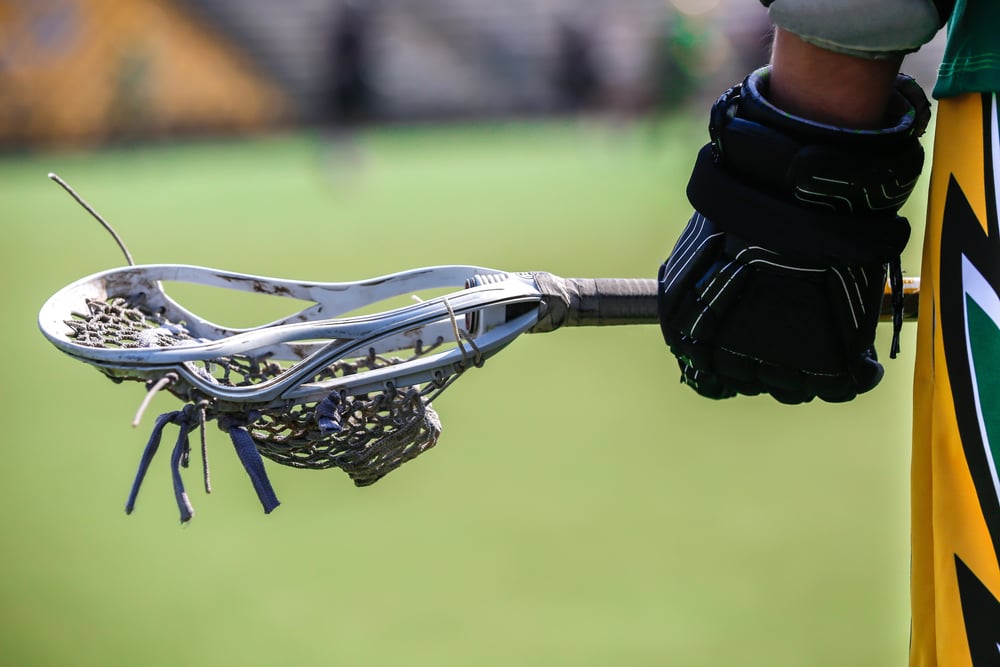
Lacrosse was played by Indigenous people in Canada long before Europeans arrived, using sticks with nets on one end to catch, carry, and shoot into opponents’ goals. Lacrosse is older than the printing press and has roots stretching back centuries.
In 1867, George Beers, a Montreal dentist, wrote the sport’s first rulebook, helping to formalize what had been traditional Indigenous games into the modern version.
Soccerballs Evolved From Animal Skins

Soccerballs date back to ancient China during the Ts’in and Han dynasties between 225 BC and 220 AD, and were made from animal skins. By 1855, Charles Goodyear created the world’s first soccerballs made from vulcanized rubber. By the 1950s, it was made white in color to help fans see it with ease.
The progression from stuffed leather to precisely engineered synthetic spheres represents one of sports equipment’s longest evolutionary journeys.
Like Go2Tutors’s content? Follow us on MSN.
Golf Clubs Were Handmade for Kings

Before the 16th century, golfers often made their own clubs themselves, usually out of wood. King James IV of England had William Mayne make a set of clubs for him, with different designs for long shots, medium shots, and shots close to the crater—this is the origin of the golf club set.
In the 1800s, it became easier to make iron clubs as they could be mass produced. Today’s technologically advanced drivers bear little resemblance to those handcrafted wooden implements.
Hockey Gloves Started as Cold Weather Gear

Original ice hockey gloves were not worn for protection from errant sticks and pucks but to protect players from cold temperatures outdoors. As the game moved indoors and became more competitive, the gloves evolved to include padding and reinforcement.
In 1896, George Merritt wore the first form of goaltender leg pads in an ice hockey game, donning cricket pads to protect his legs. The adaptation of equipment from other sports was common in hockey’s early development.
Bowling Orbs Were Once Made From Tree Wood

The ABC initially used bowling orbs made of Lignum vitae hardwood from the Caribbean, which were eventually replaced by rubber. Columbia Industries, founded in 1960, was the first manufacturer to successfully use polyester resin.
In 1980, urethane-shell was introduced by Ebonite. Each material change transformed how the game was played, with modern reactive resin orbs creating hook potential earlier bowlers couldn’t have imagined.
Like Go2Tutors’s content? Follow us on MSN.
From Necessity to Precision

The makeshift origins of sports equipment reveal something important about human nature—we’ll play games regardless of what tools we have available. Frozen manure became hockey pucks, fruit baskets became goals, and work gloves became fielding equipment.
What began as improvisation evolved through countless iterations into the specialized, scientifically designed gear athletes depend on today. These origin stories remind us that even the most sophisticated equipment started with someone simply trying to make the game work with whatever they had on hand.
More from Go2Tutors!

- 16 Historical Figures Who Were Nothing Like You Think
- 12 Things Sold in the 80s That Are Now Illegal
- 15 VHS Tapes That Could Be Worth Thousands
- 17 Historical “What Ifs” That Would Have Changed Everything
- 18 TV Shows That Vanished Without a Finale
Like Go2Tutors’s content? Follow us on MSN.