26 Toys Kids Begged For and Stores Sold Out Of
Every few years, a toy arrives on shelves and immediately becomes unavailable. Parents camp outside stores overnight, fight in aisles, refresh websites every few seconds, and pay scalpers triple the retail price.
These toys achieve legendary status through their scarcity—demand so overwhelming that manufacturers’ production lines can’t keep pace. Some shortages created riots. Others inspired parents to enter lotteries just to get what should have been a simple holiday gift.
The toys that couldn’t be found become the ones kids remember forever. The shortages documented here represent retail chaos, supply-chain failures, and unexpected cultural phenomena.
They’re the toys that never quite made it to the stores, or made it to exactly one store before vanishing into the hands of resellers and forward-thinking parents. The absence itself became a commodity.
Cabbage Patch Kids
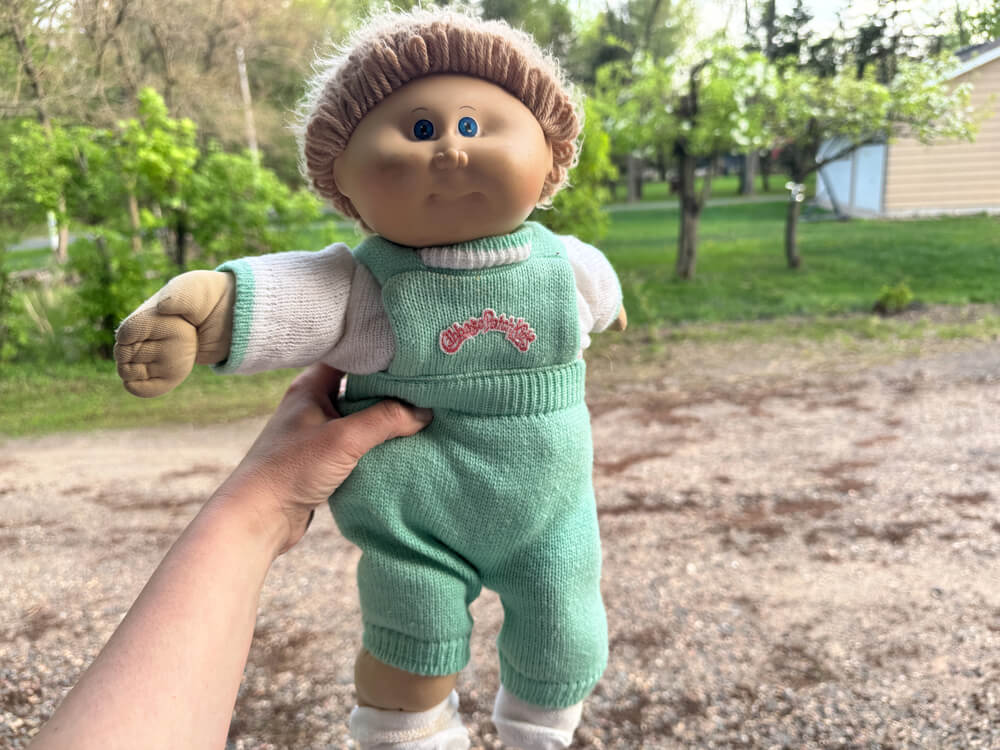
Soft sculpture dolls that came with certificates of adoption, Cabbage Patch Kids debuted in 1983 and became so scarce that the Christmas shopping season spawned what became known as the “Cabbage Patch Kid Riots.”
Parents fought each other in toy stores, and scuffles over dolls turned holiday shopping into a competitive sport. By 1984, production ramped up significantly, but the damage was done—the phenomenon had established the concept of the “must-have toy.”
Tickle Me Elmo
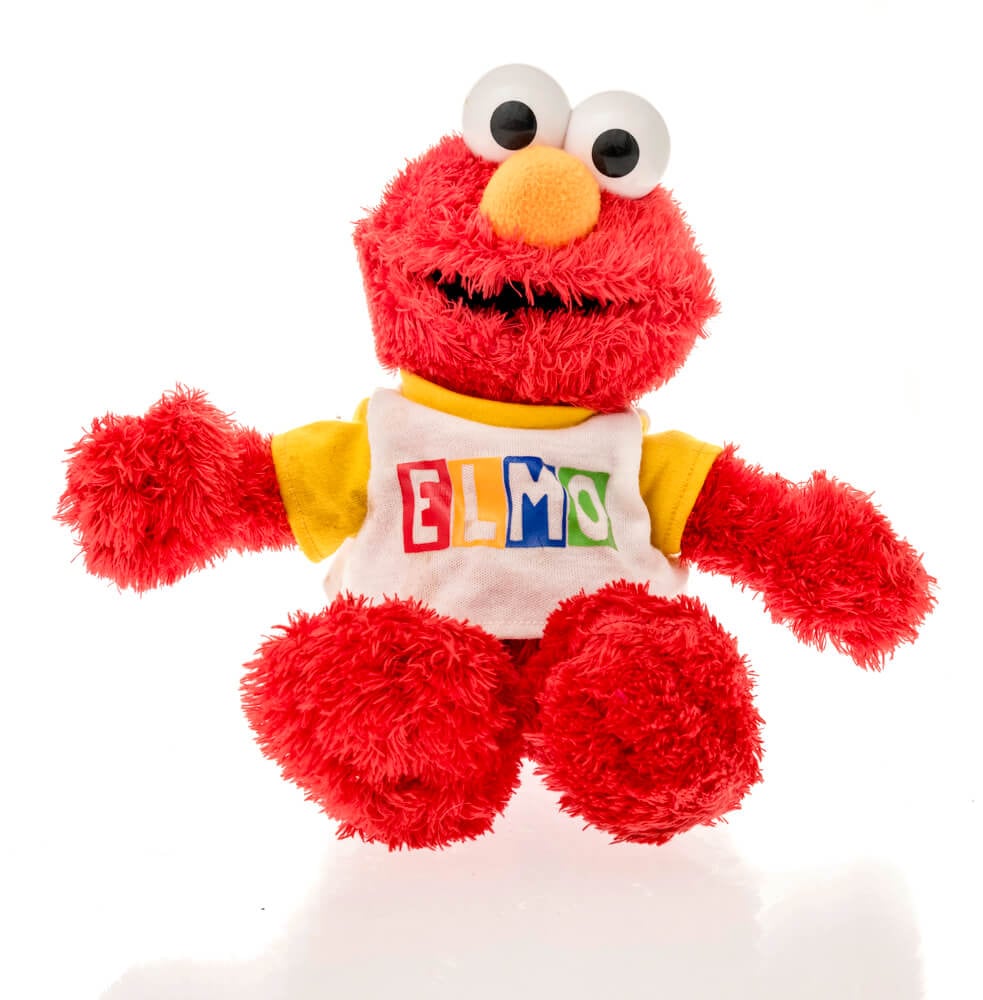
When Tyco’s Tickle Me Elmo launched in summer 1996, no one expected the magnitude of demand. The laughing, wiggling Sesame Street character benefited from endorsements by Rosie O’Donnell and other television personalities that created a frenzy.
By Black Friday, the toy had sold out in minutes at stores nationwide. A store clerk in Canada was trampled as shoppers rushed to grab units.
Tyco shipped over a million Tickle Me Elmos by December 1996, and they sold out immediately. Resellers charged hundreds and then thousands of dollars on the nascent internet market for a toy that originally retailed for under $30.
Nintendo Wii
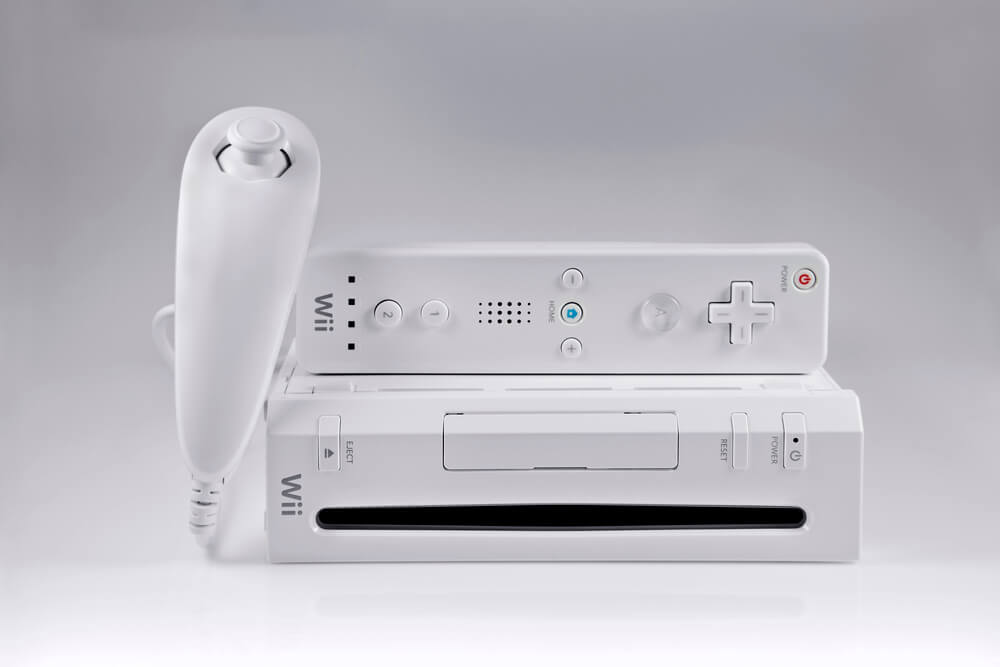
When Nintendo launched the Wii in November 2006, it revolutionized gaming through motion-sensing controllers. The novelty of gesture-based play captured mainstream attention, and the console became a must-have despite availability being virtually zero.
Nintendo increased production by 80 percent and still couldn’t meet demand. By December 2007, the company was issuing gift certificates as rainchecks at GameStop, guaranteeing access in January but leaving Christmas trees empty.
The shortage lasted through multiple holiday seasons before adequate supply finally materialized.
Tickle Me Elmo Again
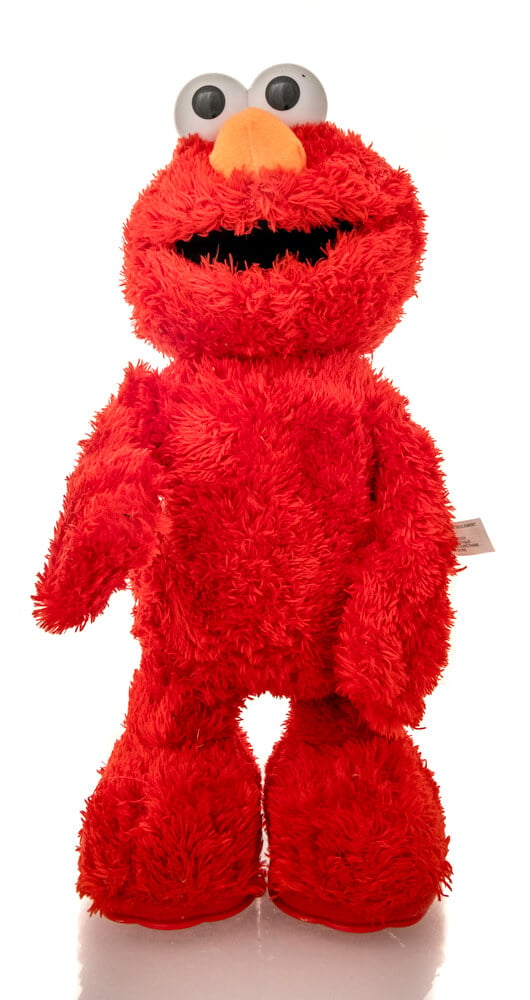
The success of the original Tickle Me Elmo was so overwhelming that its 2006 reboot as “Tickle Me Elmo TMX” immediately sold out again. The new version featured updated animatronics and lights that responded to being tickled.
Parents who had survived the 1996 shortage found themselves in an eerily familiar situation a decade later.
Teddy Ruxpin
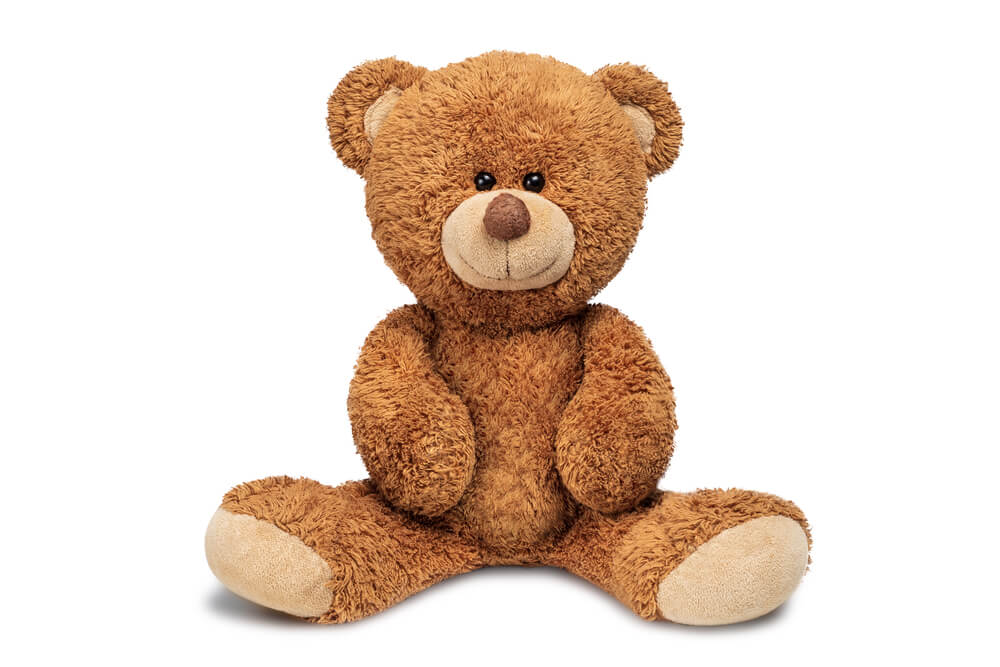
This animatronic bear narrated its adventures through a cassette tape in its back, with mechanics that made its mouth move during the story. The 1985 holiday shortage prompted parents to pay double or triple the retail price.
Those desperate enough to find one would have paid nearly any amount to satisfy their children’s Christmas wishes.
Hatchimals
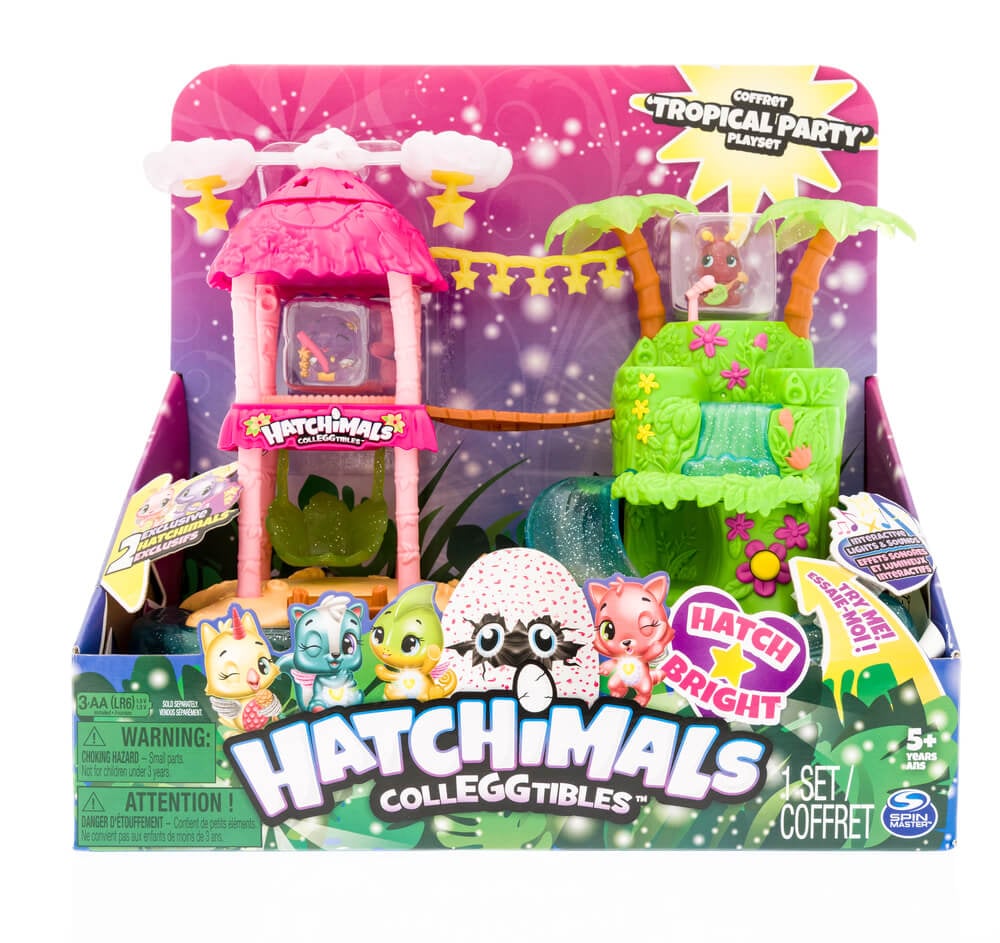
On October 7, 2016, the toy manufacturer Spin Master announced a new line of toys called Hatchimals—eggs that slowly hatched into furry creatures when children interacted with them. The novelty, clever marketing, and interactive nature created a perfect storm. Manufacturers couldn’t produce them fast enough.
Parents entered lotteries and raffles trying to obtain one without paying inflated scalper prices. The shortage continued through 2017 before supply finally caught up with demand.
Tamagotchi
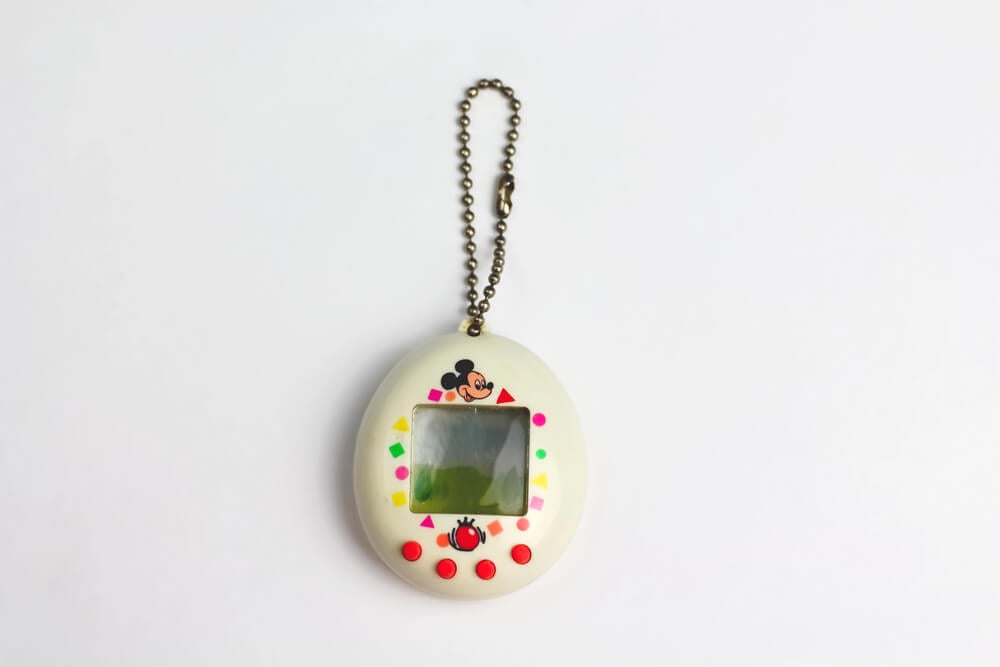
Bandai’s virtual pet phenomenon launched in 1996 and distracted schoolchildren everywhere. These small LCD devices required constant attention to keep the digital creature alive, and the novelty created widespread shortage as kids begged their parents for multiple versions to collect and trade.
Furby
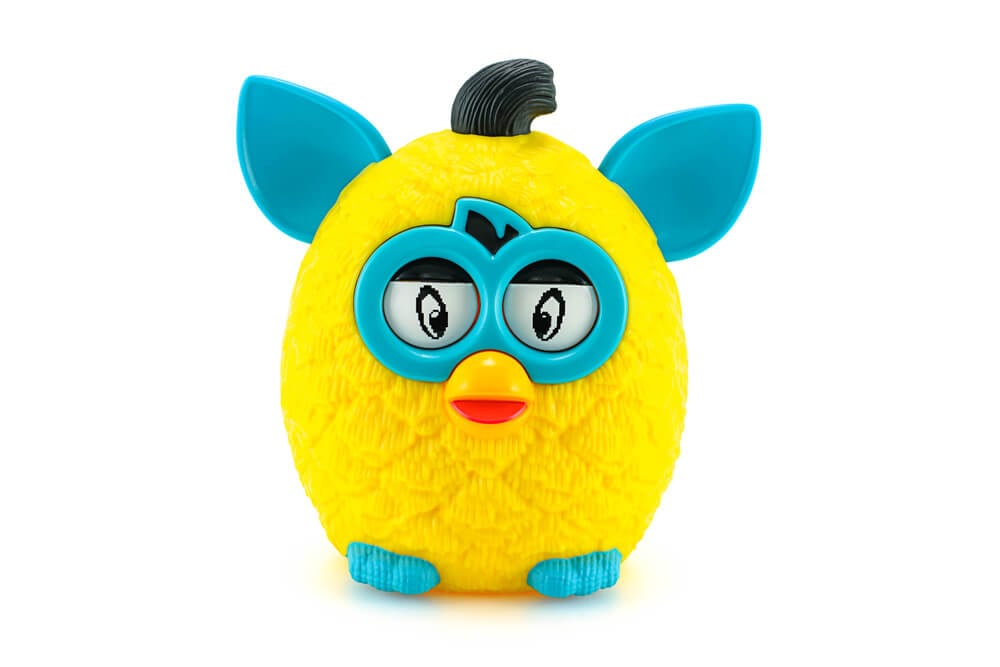
When Furby launched in 1998, its furry exterior, LED eyes, and gibberish language that supposedly mimicked learning English created a new category of interactive toy. Parents fought to obtain them during the 1998 holiday season as supplies dwindled within days of being stocked.
The shortage lasted through subsequent holiday seasons as the toy remained in demand.
Power Rangers Action Figures
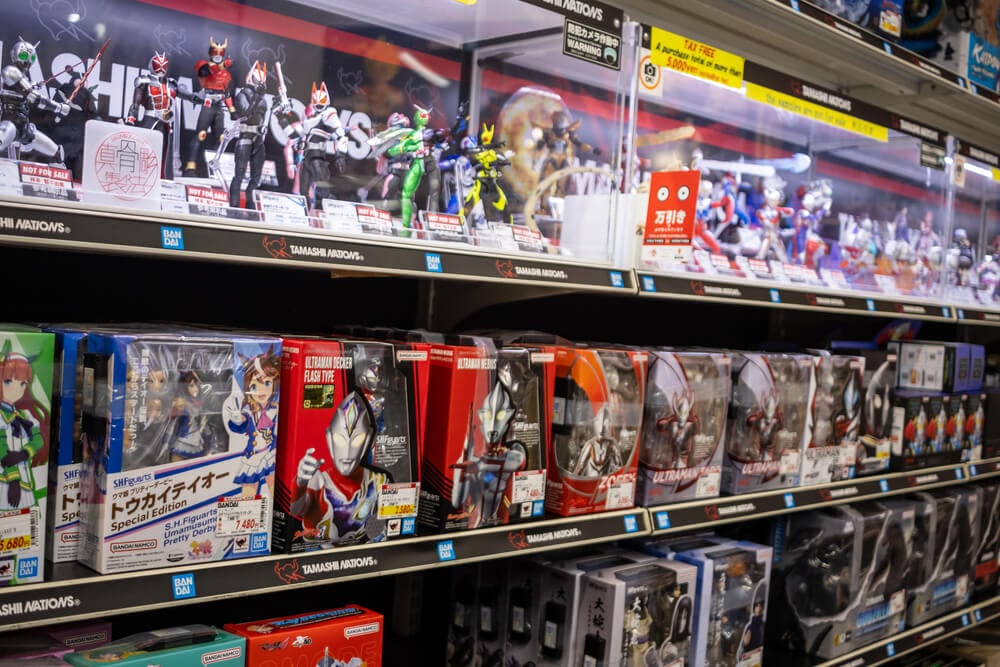
When Mighty Morphin Power Rangers exploded in popularity through television, the action figures became essential collectibles. The 1993 holiday season saw parents overnight camping outside toy stores to secure figures of the Rangers.
After achieving stock levels in 1994, shortages persisted through subsequent years as new characters were introduced.
Buzz Lightyear
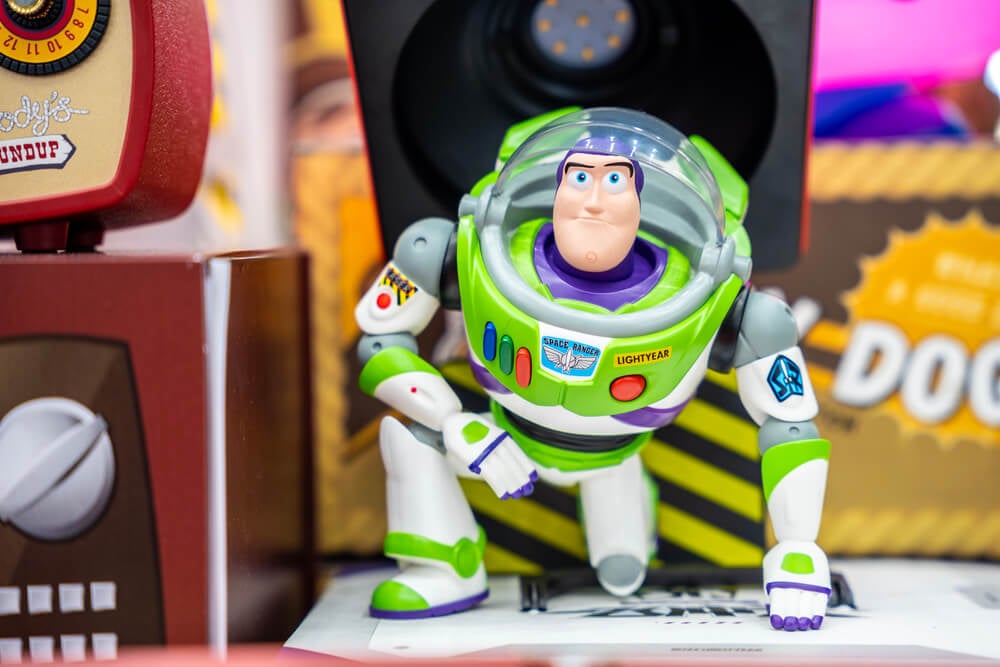
When Pixar’s Toy Story debuted in 1995, the Buzz Lightyear action figure became one of the most sought toys that Christmas season. The character’s appeal translated directly to retail, with the figure selling out in many stores and commanding premium prices on the secondary market.
Razor Scooter
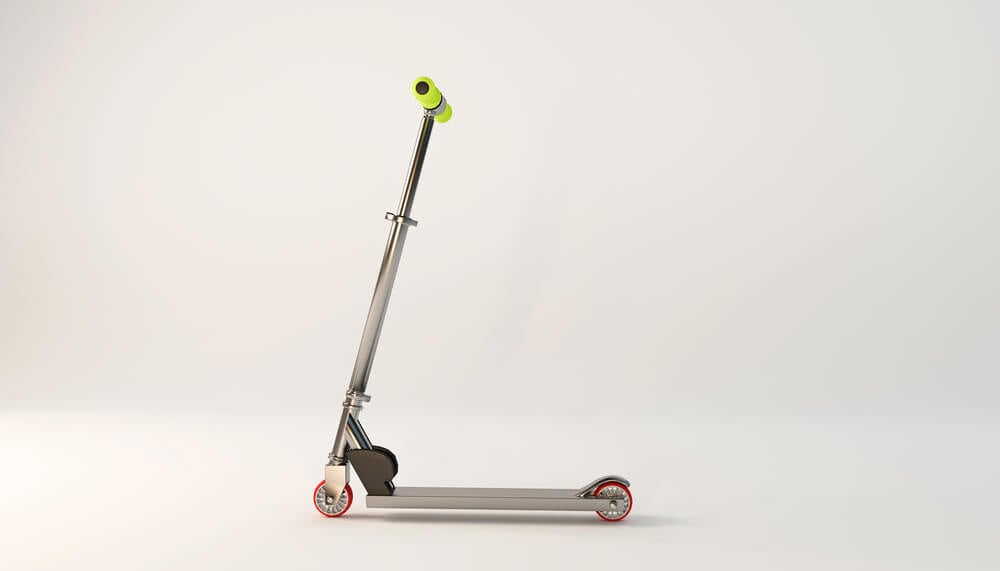
In 2000, Micro Mobility Systems launched the Razor scooter, and over 5 million units sold in just the first six months. The compact aluminum design became a must-have for kids everywhere, and demand far outstripped supply.
The shortage extended through the 2000 holiday season and into 2001 as production struggled to meet demand.
PlayStation 3
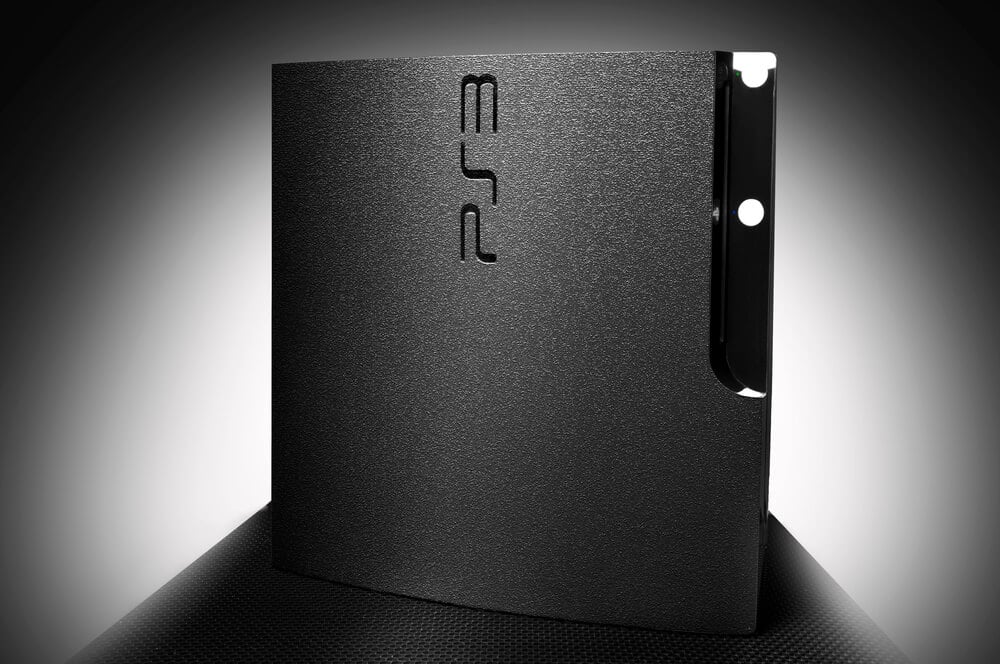
When Sony released the PlayStation 3 in 2006, excitement created immediate shortages. Demand was so overwhelming that several violent incidents were reported as people competed for limited stock.
Gaming enthusiasts struggled to locate PS3s throughout the 2006 and 2007 holiday seasons.
Nintendo DS
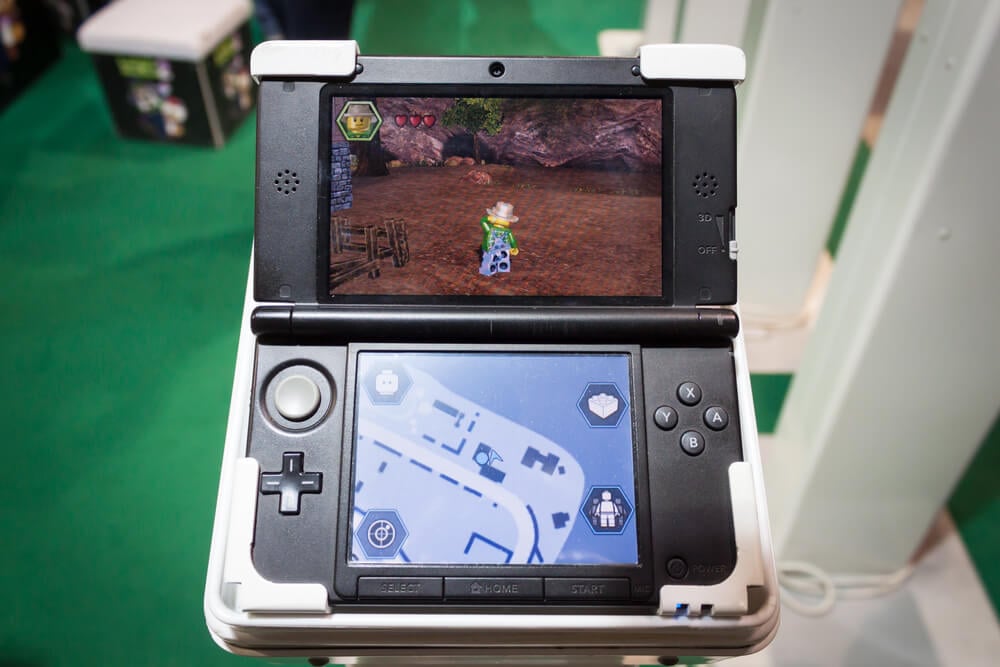
By 2007, the Nintendo DS dominated portable gaming, and the handheld system became the hot holiday gift. More than 2.5 million units sold in December alone that year, but stores still struggled with shortages as stock flew off shelves faster than it could be restocked.
Beanie Babies
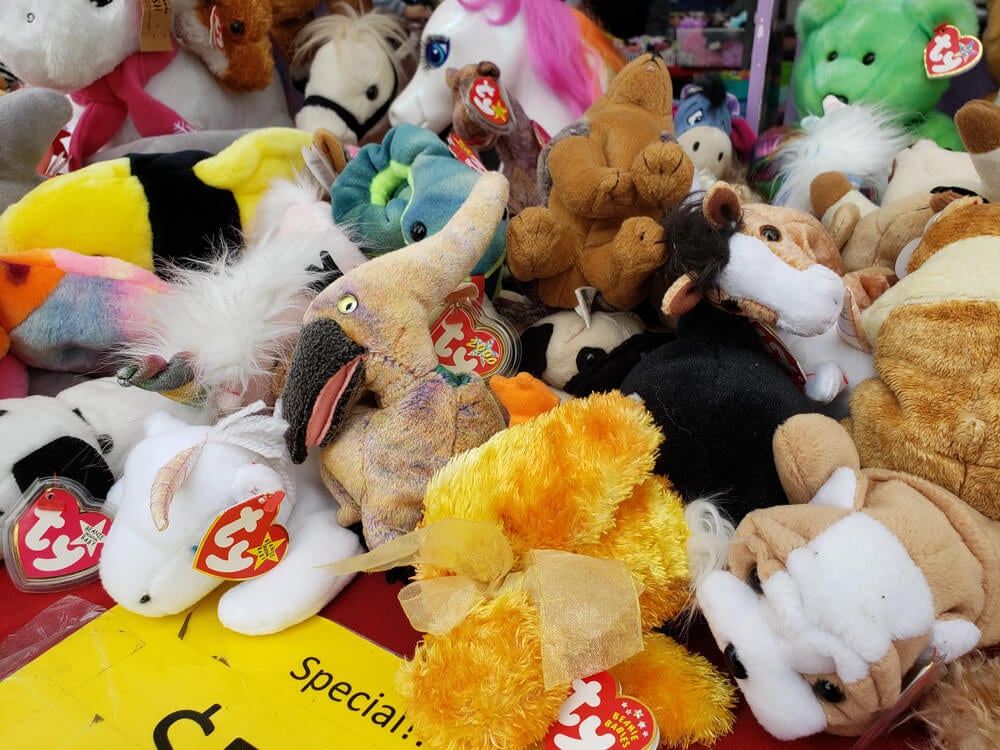
Throughout the 1990s and into the early 2000s, Beanie Babies created a collecting phenomenon where children and adults hunted for rare versions. The shortage of specific rare variants drove resale prices into hundreds of dollars, and the secondary market became as important as retail distribution.
Go Go Hamsters
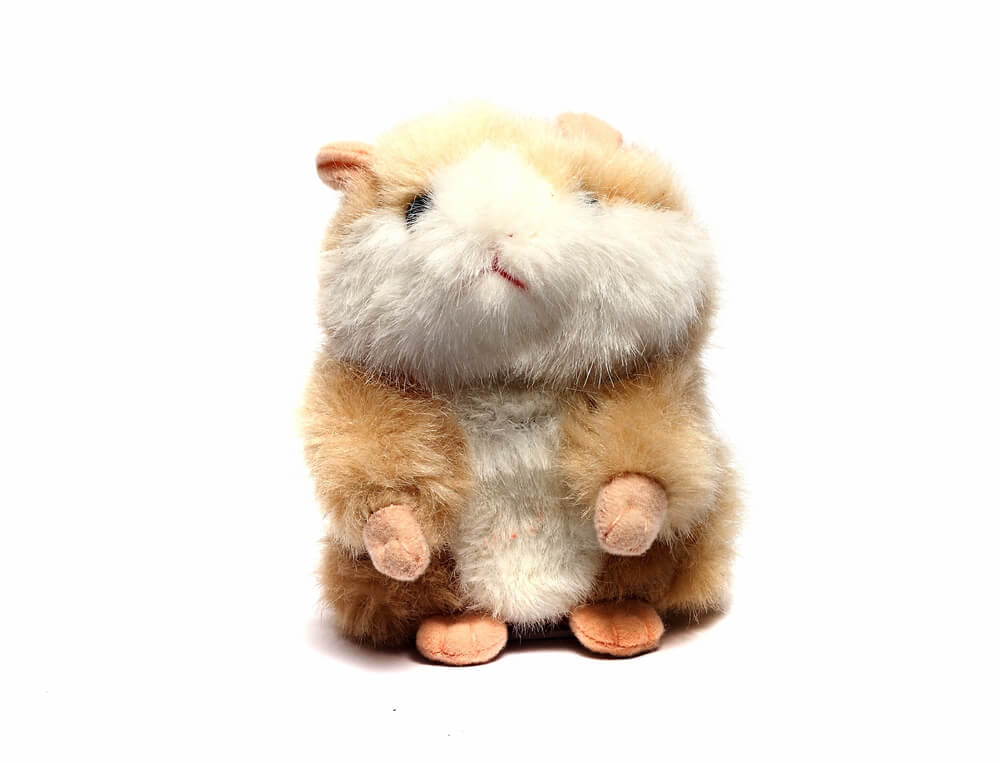
These plush robotic toys became a craze during the 2009 Christmas season. Originally known as Go Go Hamsters in the UK, the toys were difficult to find despite significant advertising, and parents scrambled to locate them.
Zhu Zhu Pets
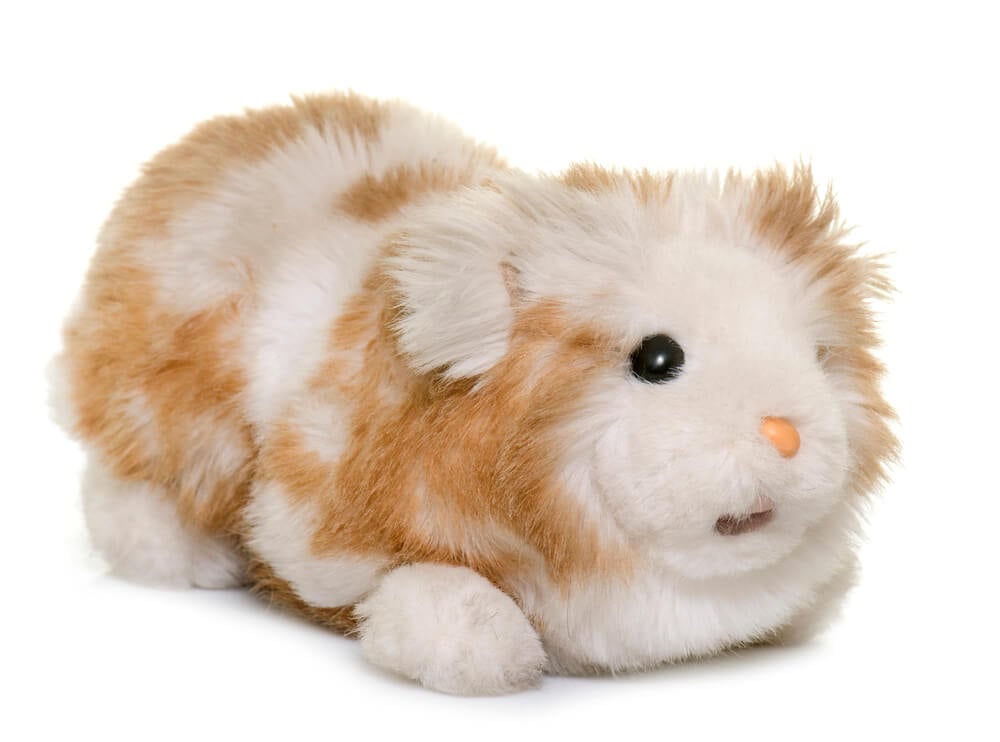
After the success of electronic hamsters and virtual pets, the Zhu Zhu Pets of 2009 combined both concepts into small electronic hamsters that retailed for less than $10 but fetched six times that amount on eBay. The manufacturer eventually sold over 70 million units internationally, but initial shortages created chaos.
Wii Fit
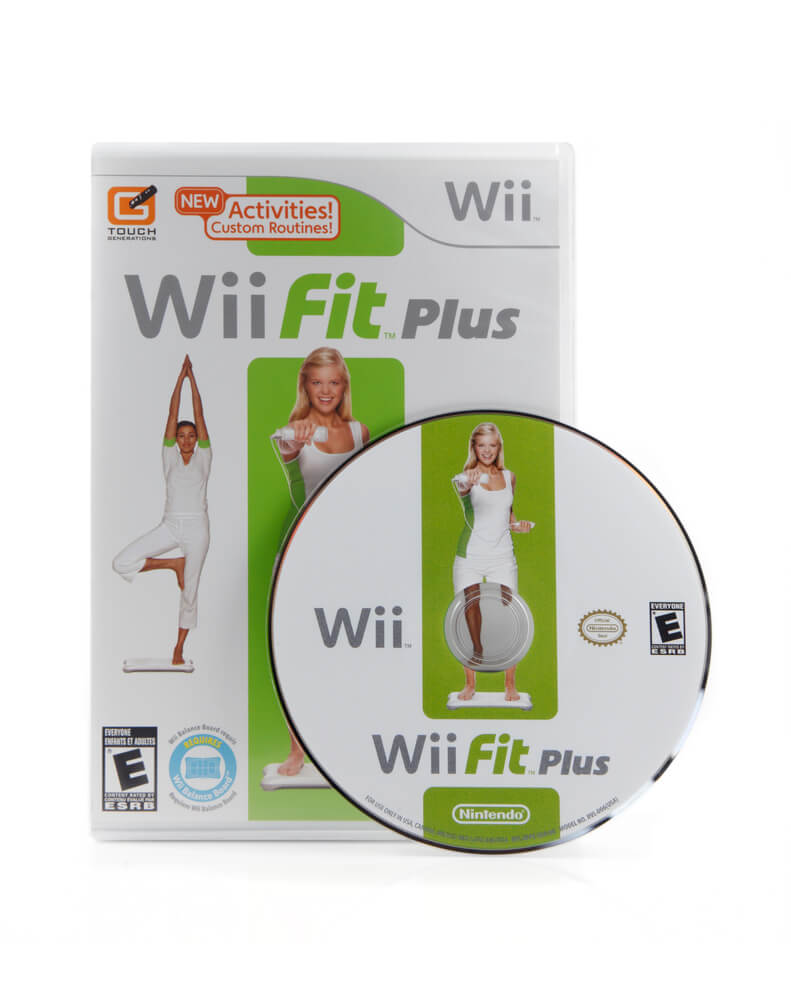
Even as the Nintendo Wii achieved better availability in 2008, the Wii Fit accessory created a new shortage. Nintendo’s Reggie Fils-Aimé admitted before the 2008 holiday season that supply couldn’t match expected demand: “With ‘Wii Fit,’ I know we’ll fall short.”
The accessory remained difficult to find through the following year.
Bratz Dolls

During the early-to-mid 2000s, Bratz dolls competed directly with Barbie and sparked devotion among young girls. Popular versions sold out regularly, with parents searching multiple stores to find specific characters or styles.
Transformers
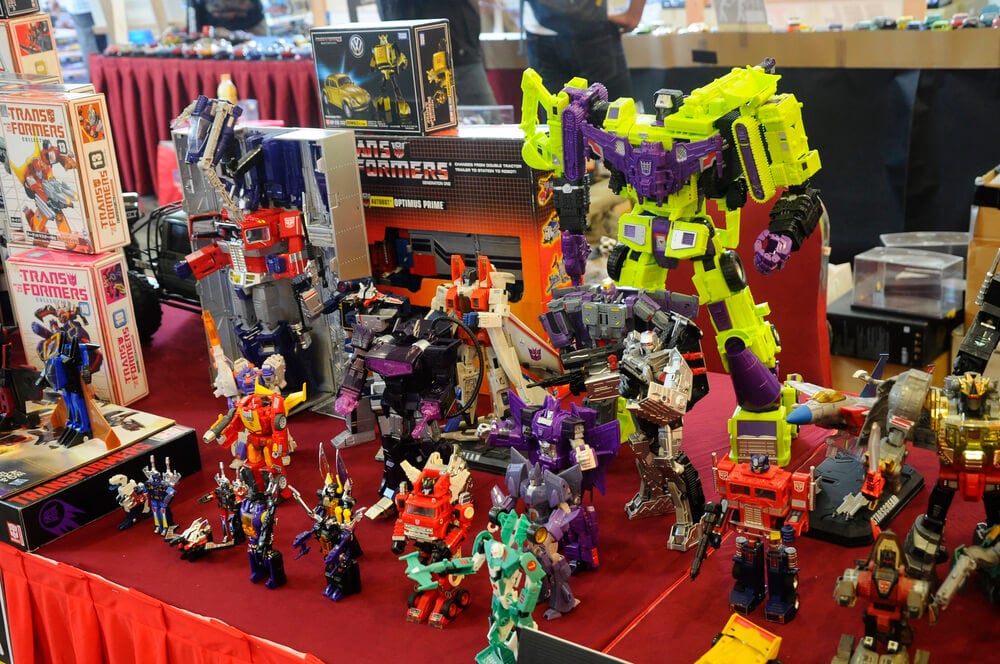
The original line of Transformers action figures in the 1980s experienced shortages as collectors and children competed for figures. Specific character variants remained difficult to locate through multiple holiday seasons.
Pogoballs
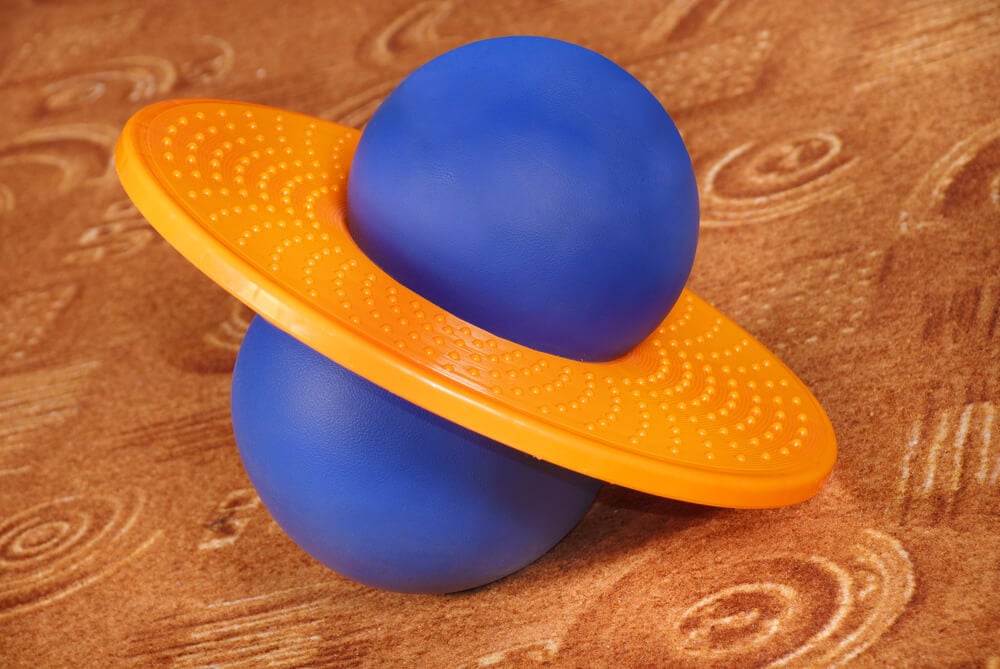
This simple toy—an orb with handles on the sides that you bounced on—created surprising demand and shortages, particularly when marketed through television commercials. The simplicity of the toy contrasted sharply with the difficulty of finding one in stock.
Silly Bandz
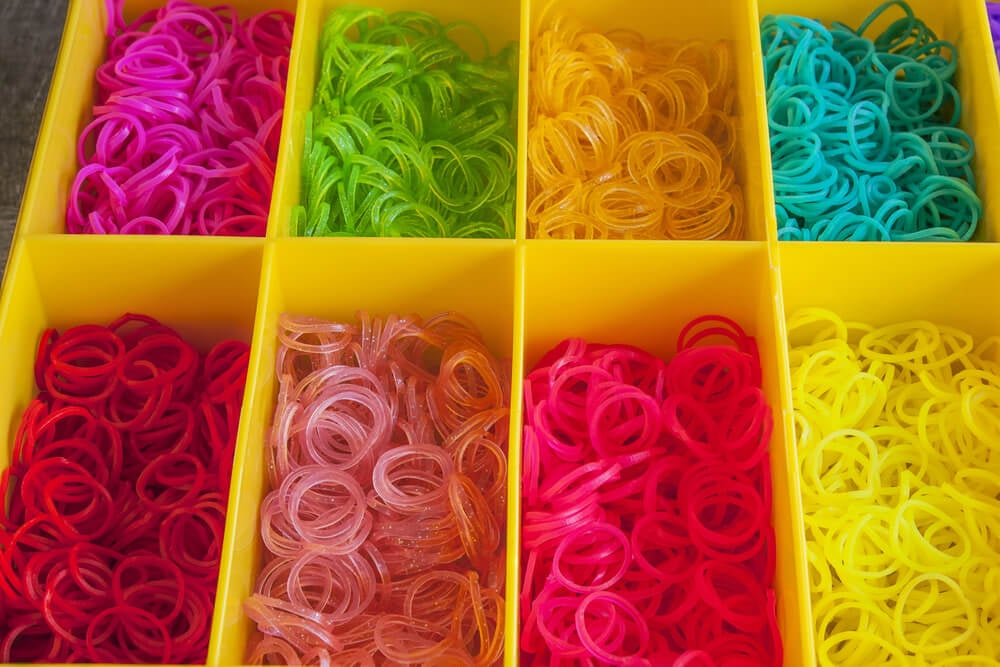
These colored rubber bands shaped like objects and animals became a playground collectible craze in the late 2000s. Certain rare colors and designs were difficult to locate, and trading them became an active marketplace in schools.
LOL Surprise Dolls
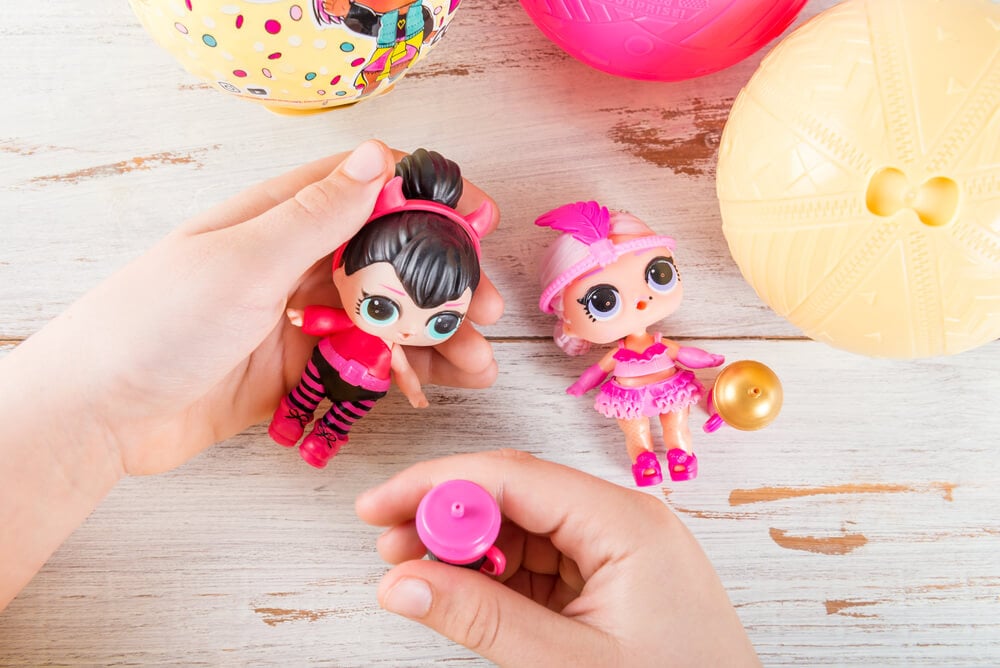
When MGA Entertainment released LOL Surprise dolls around 2016-2017, the collectible element and surprise unboxing experience created intense demand. Popular characters and limited editions sold out regularly, forcing parents to check multiple retailers.
Xbox 360
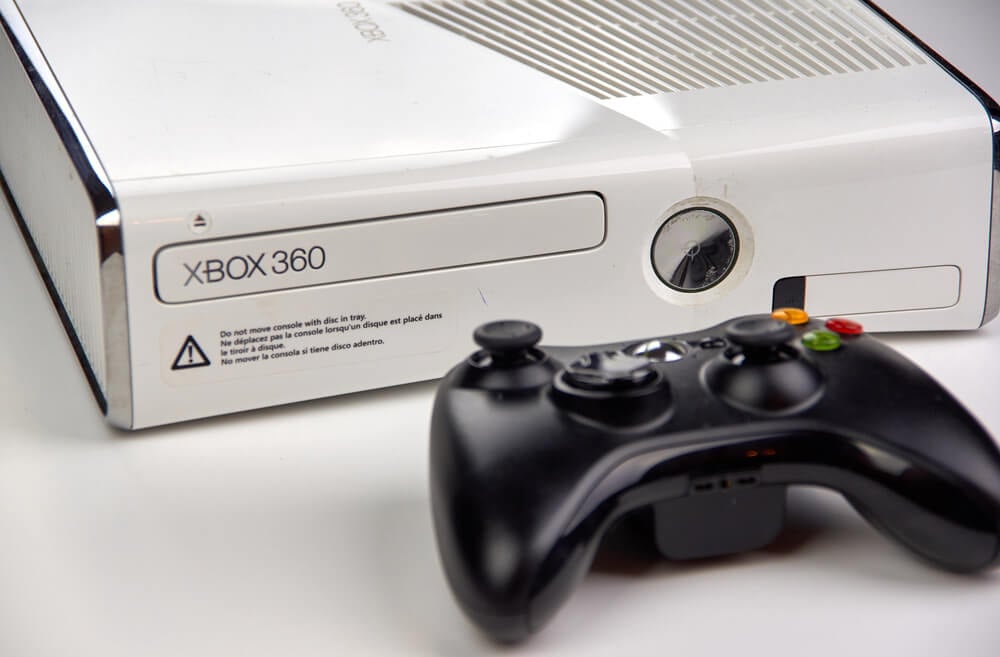
Microsoft’s 2005 launch of the Xbox 360 created shortages that lasted well into 2006. Gamers and parents competed for access, with the innovative controller design creating immediate appeal that outpaced production.
Hot Wheels
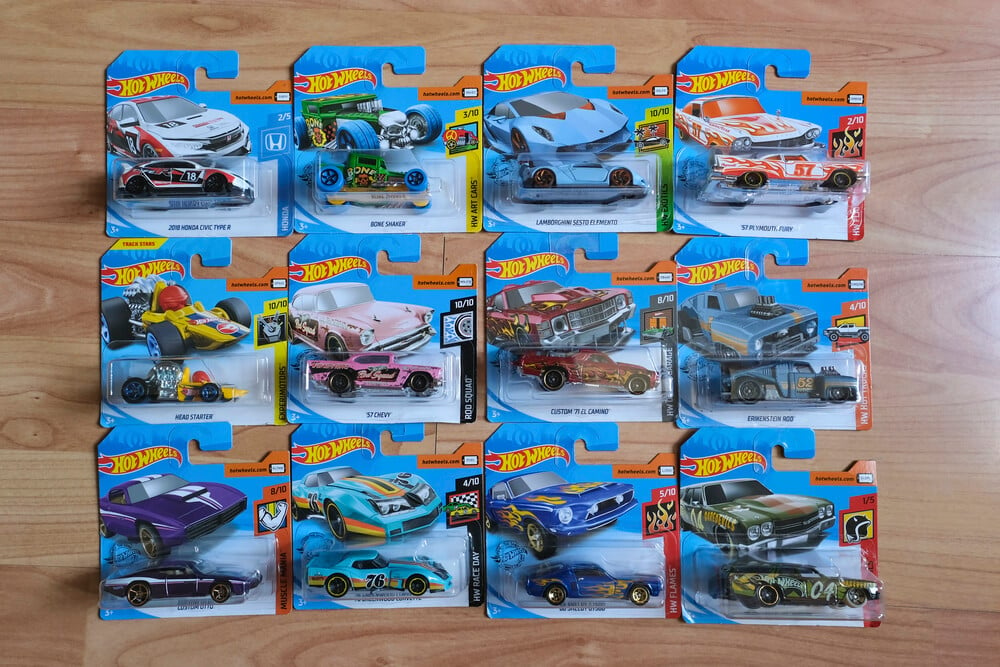
While not a single toy but rather a line, specific rare Hot Wheels vehicles have created shortage situations throughout their history since 1968. Collectors hunt specific variations, creating market dynamics where certain cars are nearly impossible to locate.
Yo-Yo Champion Model

When competitions popularized yo-yos in the 1990s, specific competition models experienced shortages as young players sought the same equipment used by champions.
PlayStation 5

The 2020 launch of the PlayStation 5 created one of the most notorious modern shortages, with systems remaining unavailable through 2021 and into 2022. Supply-chain issues combined with unprecedented demand made finding a PS5 at retail price practically impossible.
The Culture of Scarcity
What these toys reveal is how scarcity transforms desire. A toy that sits on shelves for months attracts no one, but a toy in limited supply becomes essential.
Parents who can’t find an item want it more than ever. Resellers profit from the gap between retail and demand.
News coverage of shortages amplifies desire in children who now understand that the toy everyone wants is also the toy no one can find. The toys that created the biggest shortages are often remembered more fondly than toys that were always available, because the quest to obtain them made them legendary.
More from Go2Tutors!

- 16 Historical Figures Who Were Nothing Like You Think
- 12 Things Sold in the 80s That Are Now Illegal
- 15 VHS Tapes That Could Be Worth Thousands
- 17 Historical “What Ifs” That Would Have Changed Everything
- 18 TV Shows That Vanished Without a Finale
Like Go2Tutors’s content? Follow us on MSN.



