27 Animal Behaviors Captured on Camera That Scientists Still Cannot Fully Explain
There’s something unsettling about watching an animal do something it has no business doing. A crow that seems to grieve. An octopus that appears to dream. A elephant that returns, year after year, to the bones of a relative long gone.
Trail cameras and phone footage have given the world a front-row seat to moments that used to vanish the second they happened, unwitnessed and unrecorded. And what’s turned up in that footage has left plenty of researchers scratching their heads, because the tidy explanations don’t always hold.
Some of these clips have circulated for years, picked apart frame by frame by people with actual credentials, and still nobody has landed on an answer that satisfies everyone. What follows is a look at those moments — the ones caught on camera that keep raising more questions than they answer.
Octopuses Appearing to Dream
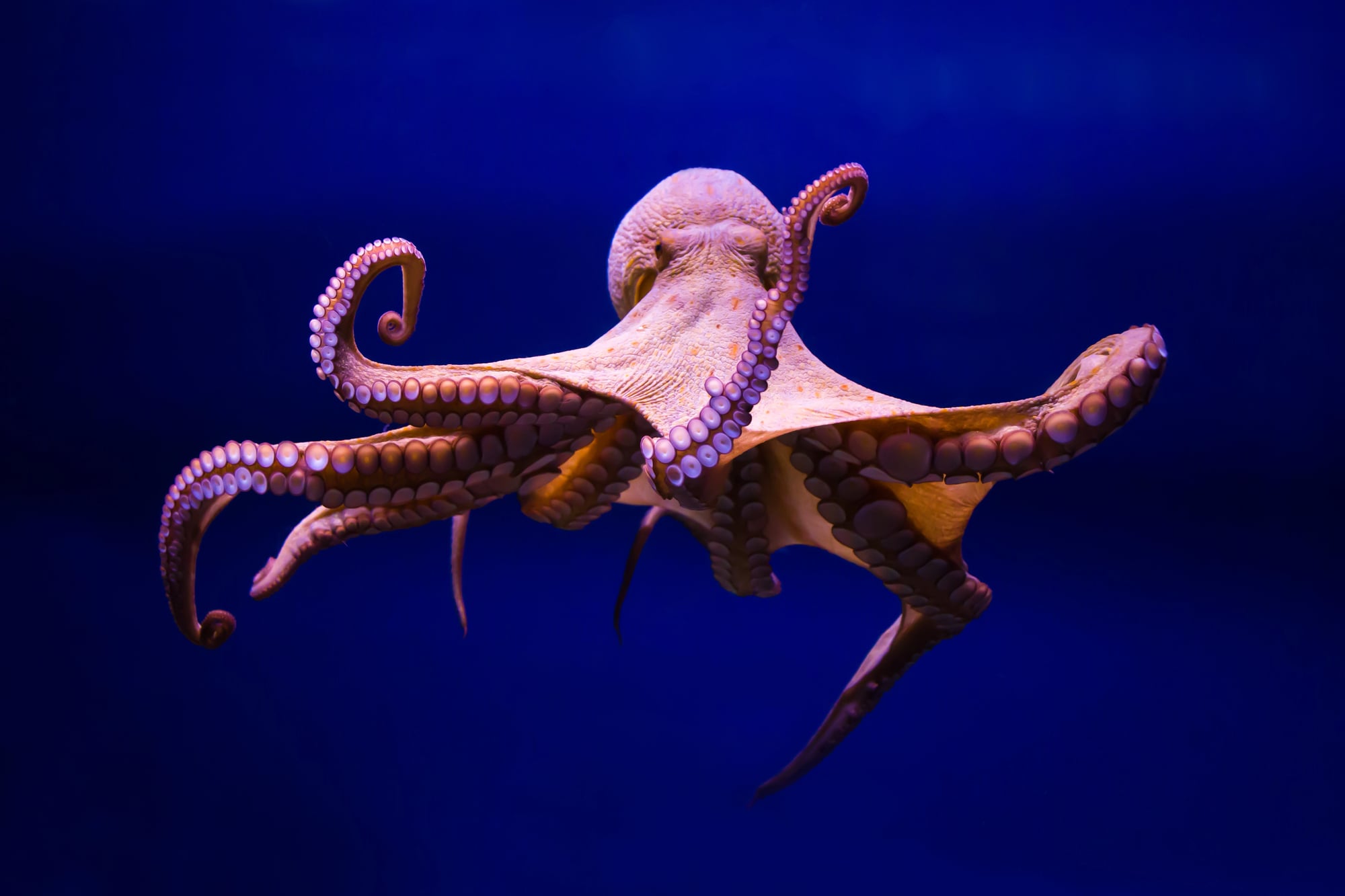
Footage of an octopus named Heidi, filmed for a nature documentary, shows her skin flashing through colors while she sleeps: yellow, then a deep mottled brown, then a burst of white. She wasn’t awake. She wasn’t hunting. Researchers who’ve studied the clip believe she may have been reliving a memory of catching prey, her body reacting the way it would if the event were actually happening.
Nobody can confirm what’s going on inside an octopus’s mind during that state, and that gap between the footage and the explanation is exactly where the mystery sits.
Crows Holding Something Like Funerals
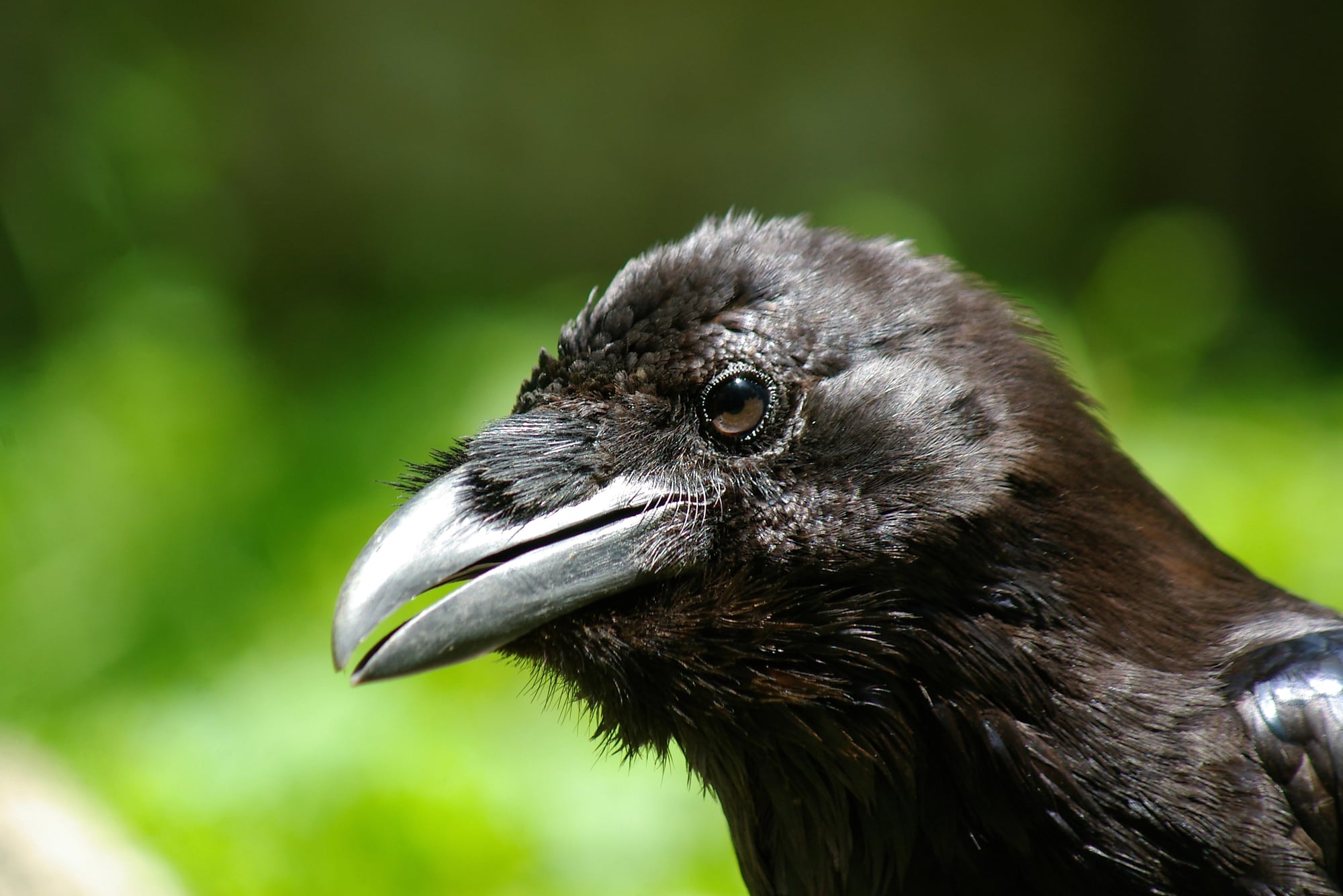
Crows gather around their dead. Camera traps and backyard footage have shown groups of them circling a fallen crow, calling loudly, sometimes for close to an hour before dispersing. Researchers at the University of Washington confirmed the behavior is real and repeatable, not a one-off fluke, but they still can’t agree on what it means to the birds themselves.
Grief, warning system, or something with no human equivalent at all — the footage shows the gathering, not the reason behind it.
Elephants and the Bones of Their Dead
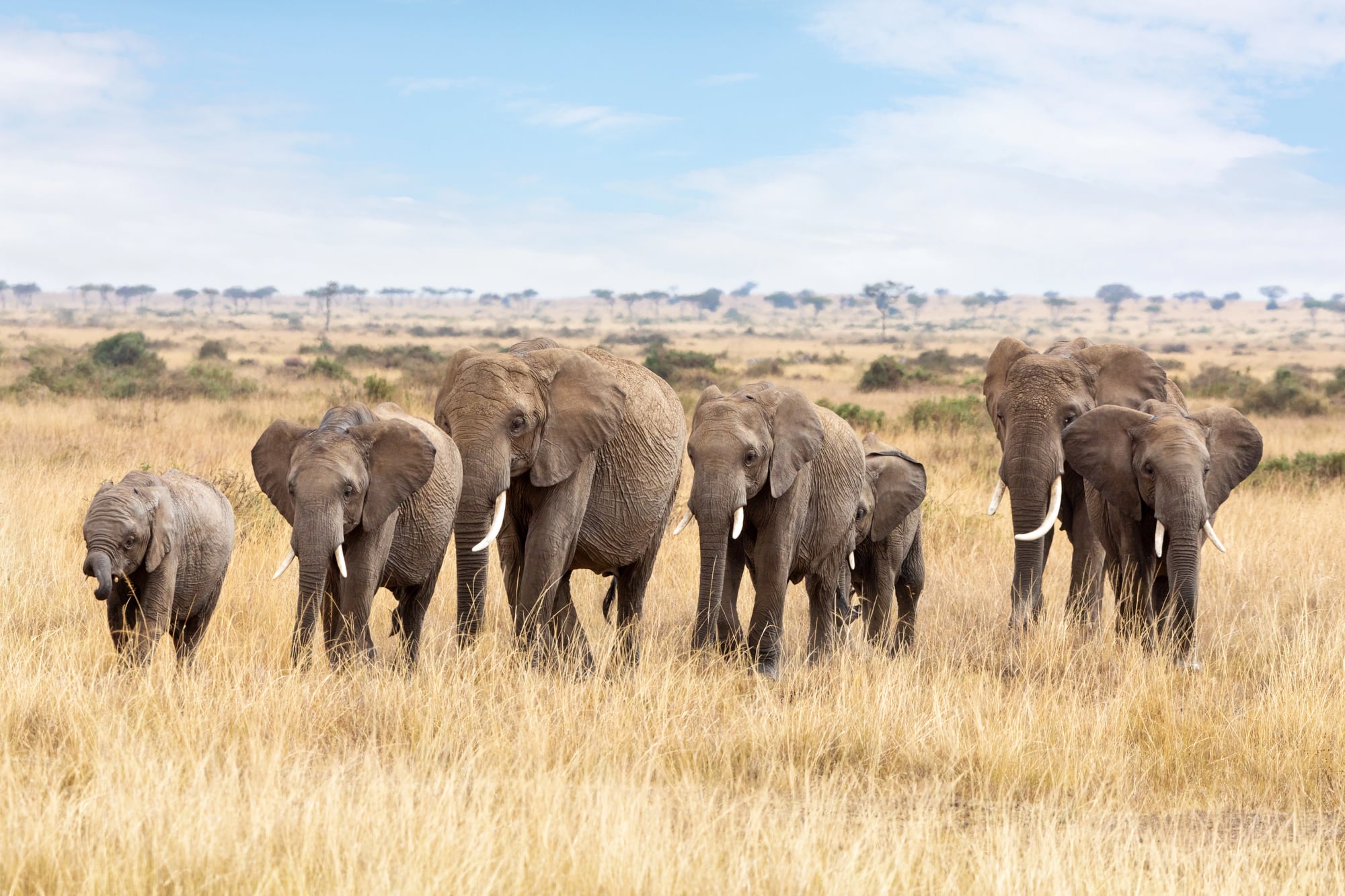
Elephants have been filmed pausing at the skeletal remains of other elephants, running their trunks over the skull and jaw with a slowness that looks almost deliberate, like fingers tracing a name on a headstone (though nobody can say for certain what recognition even feels like to a creature that size). And it isn’t random either — herds have been documented returning to the same remains years apart, as if the bones themselves hold some kind of pull that outlasts memory, outlasts the smell of decay, outlasts whatever a human observer assumes grief is supposed to look like.
Some researchers call it mourning: others call that word too small, too borrowed from a human vocabulary that was never built to describe an elephant standing over a jawbone in the dust. So the footage keeps circulating, and the explanations keep sounding a little unfinished.
Dolphins Passing Around a Pufferfish
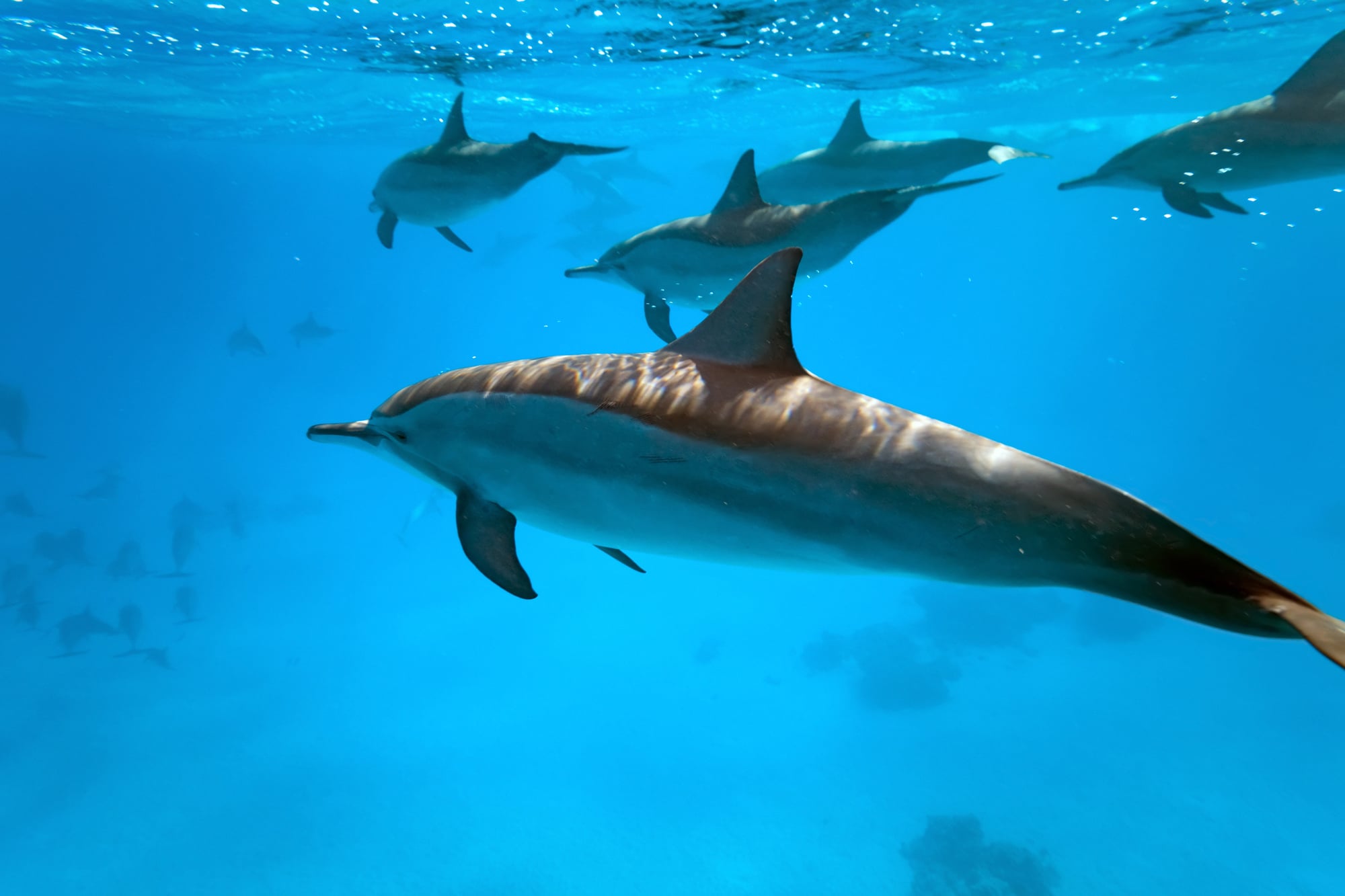
The pufferfish-tossing dolphins are the closest thing marine biology has to a barroom rumor that turned out to be true on camera. BBC footage showed a pod nudging a puffer between them, gently, almost tenderly, then drifting off afterward in a loose, sluggish formation that looked suspiciously like a group of teenagers who’d found something they shouldn’t have.
Scientists studying the clip won’t commit to the word “intoxication,” which is fair, careers have been built on smaller words than that. But watch the footage back to back with sober dolphin play and tell yourself nothing’s different — go ahead, try it.
Orcas Wearing Salmon Like Hats
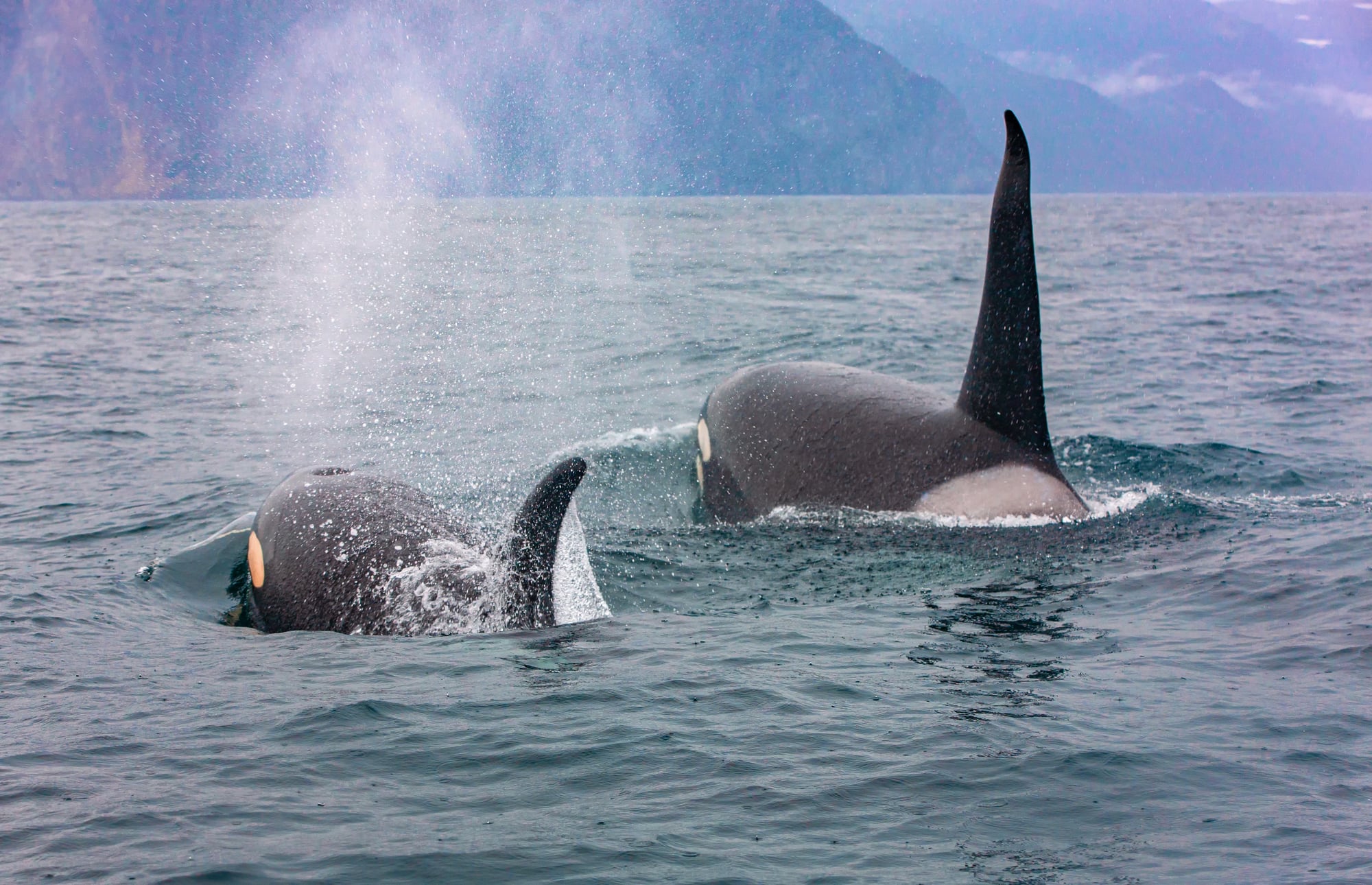
Killer whales off the Pacific Northwest coast were filmed balancing dead salmon on top of their heads, one after another, like some kind of aquatic hat trend nobody signed up for. The behavior first showed up in 1987, vanished completely for almost forty years, then reappeared in 2024 among a different pod entirely.
Researchers have floated theories: food storage, a fad passed between whales, some form of play. None of it sticks, and the salmon just keeps showing up where salmon shouldn’t be.
Humpback Whales Protecting Seals From Orcas
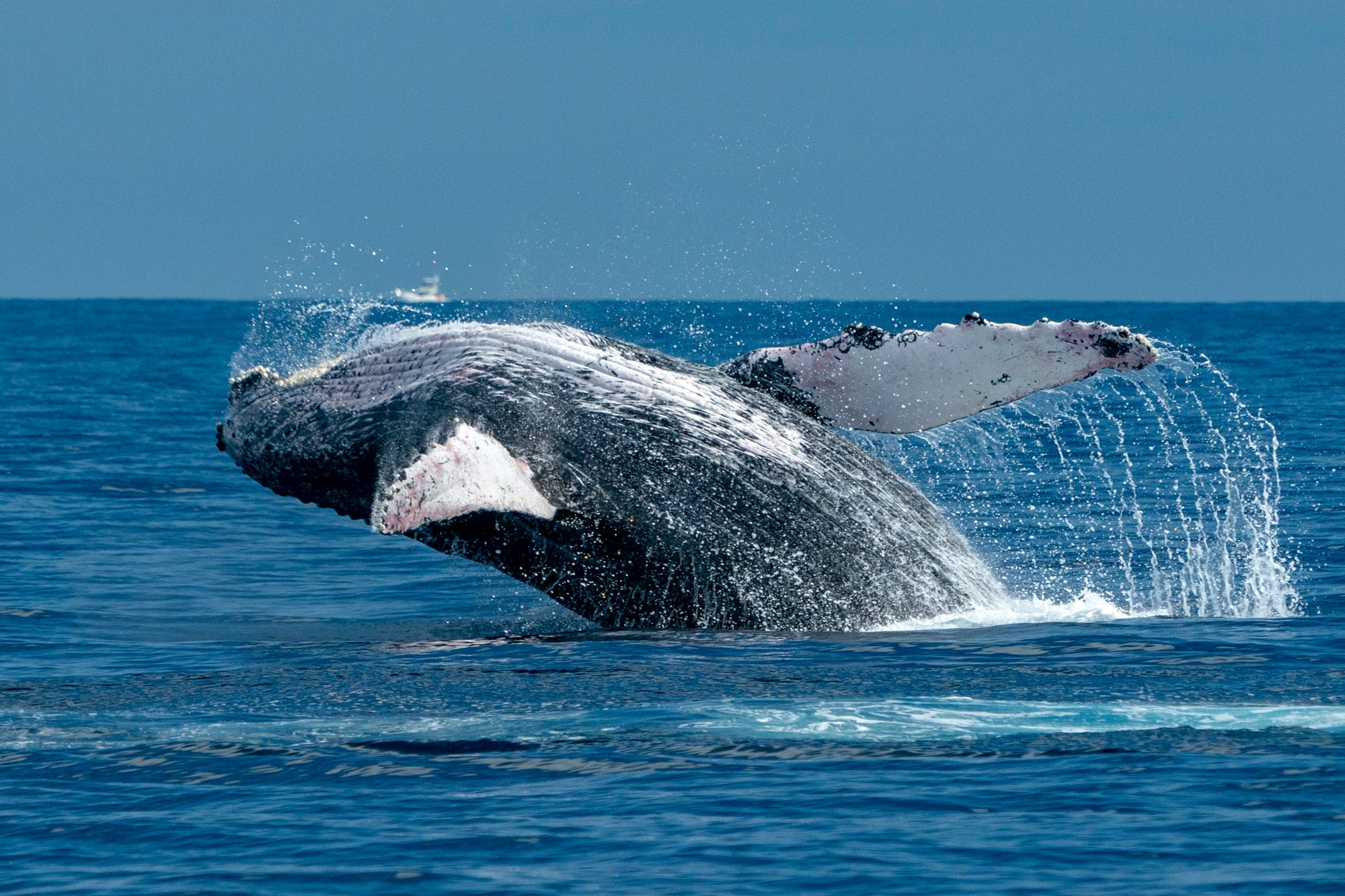
Marine biologist Robert Pitman spent years cataloging humpback whales that intervened in orca attacks on other species entirely — seals, sea lions, even a sunfish once, which is about as far from a humpback’s own family tree as you can get in that ocean. The footage shows whales rolling onto their backs to let a stranded seal ride to safety on their chest, or slapping their tails to drive orcas off a hunt that had nothing to do with them: it happens often enough now, documented across more than a hundred encounters, that calling it coincidence stopped being a serious option.
So the theory that gets floated most is a kind of overcorrected instinct, a defensive reflex against orcas so deeply wired into humpbacks that it fires off even when nobody in their own pod is at risk, but that explanation still leaves the actual choosing part unaccounted for. And that’s the piece nobody’s cracked: why bother saving a seal at all.
Magpies Removing Trackers From Each Other
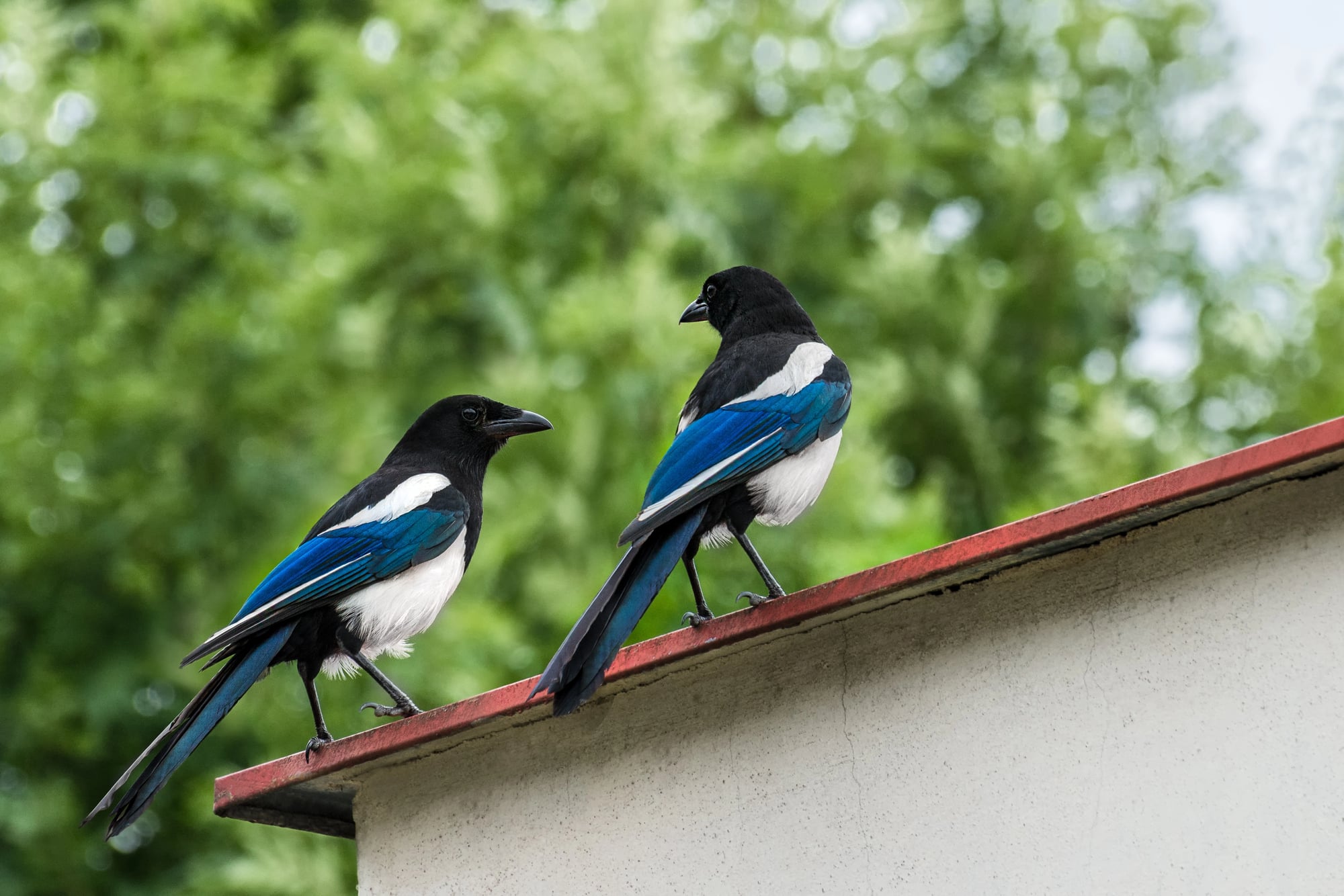
A camera set up to monitor tagged magpies caught something the researchers hadn’t planned for: several birds crowding around a tagged companion, pecking at the small harness until it came loose and fell to the ground like a button snipped from a coat. There was no food reward waiting, no mate to impress, nothing a magpie should logically want out of the exchange.
The moment plays less like an animal solving a problem and more like a neighbor showing up with a screwdriver, uninvited, simply because something looked wrong. Researchers who published the footage called it a curiosity, which is a polite way of saying nobody quite knows what a magpie thinks it’s fixing.
Chimpanzees Throwing Rocks at the Same Trees
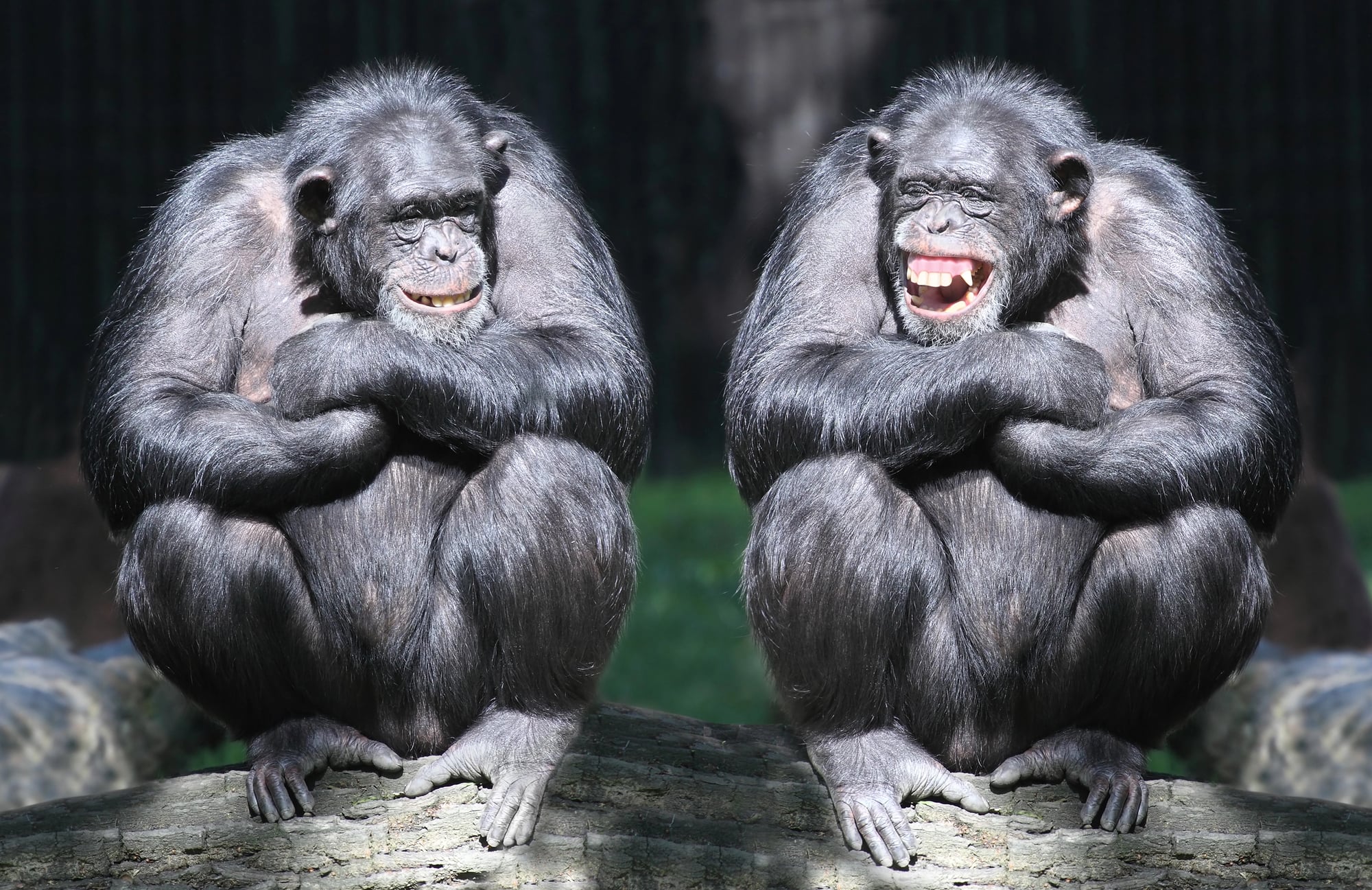
Camera traps across West Africa recorded chimpanzees hurling stones at specific trees, again and again, until piles of rocks built up at the base like some kind of shrine nobody remembers building. The trees weren’t fruiting. There was nothing to knock down, nothing to eat, no rival chimp hiding in the branches.
Researchers who published the footage in 2016 called it possible ritual behavior, and left it there — because that’s as far as the evidence lets anyone go.
Rats Freeing Trapped Companions
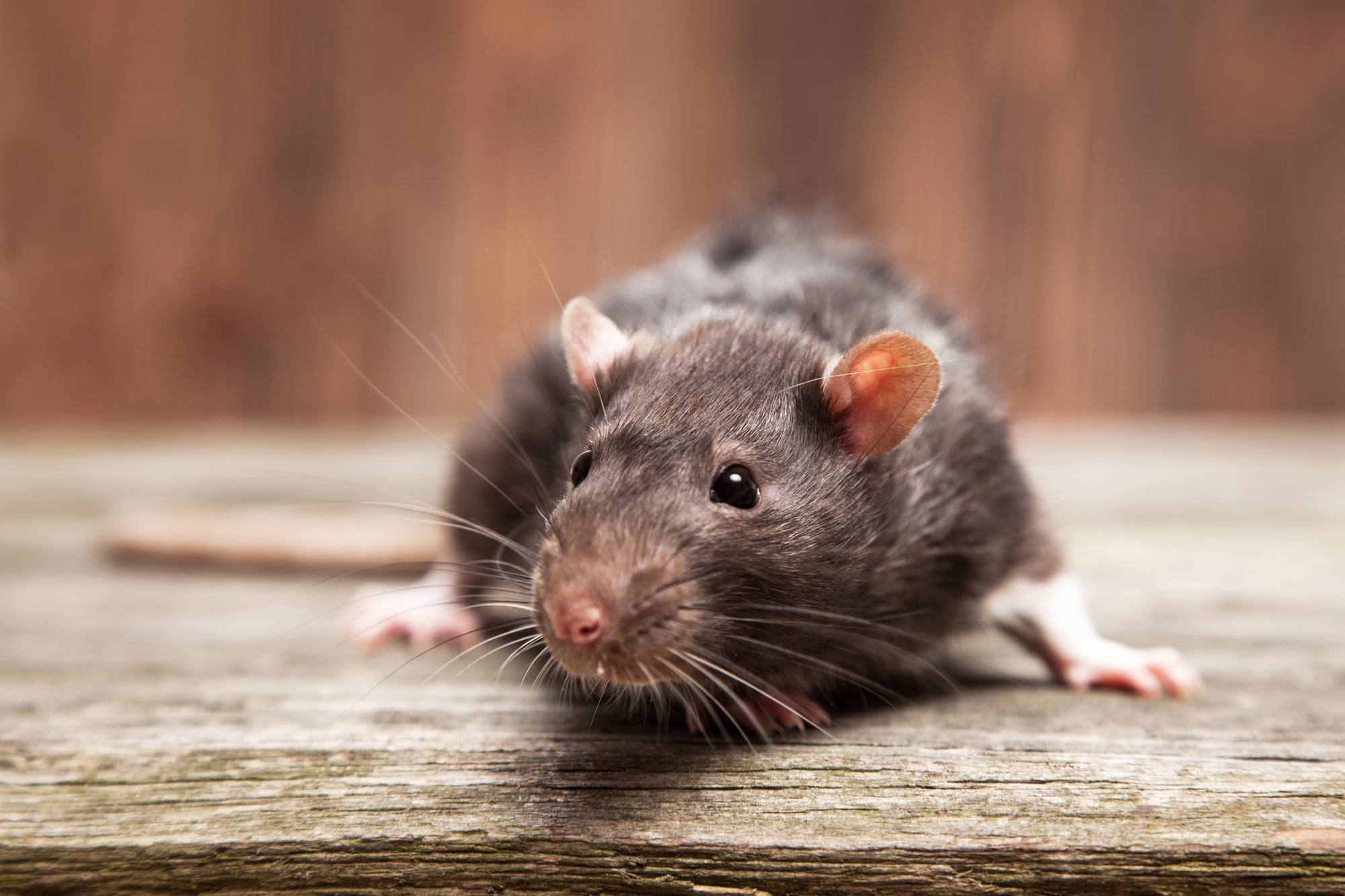
Laboratory footage from a well-known set of rat studies shows something that shouldn’t happen if rats were the cold, self-interested creatures textbooks like to imagine (which, for what it’s worth, is exactly the assumption the experiment was designed to test): a free rat working, sometimes for the better part of an hour, to open a restrainer trapping another rat it had never met before, pawing and nosing at the door until it finally gave way — even with a pile of chocolate sitting in a separate, unlocked container the entire time, food it could have eaten alone, without lifting a paw for anyone. The rat chose the trapped companion first, nearly every time, across trials run in multiple labs, and that kind of consistency stops looking like accident fairly quickly.
So researchers now use the word empathy, carefully, because the alternative is admitting a brain a fraction the size of a human’s might be capable of caring about a stranger’s distress. Nobody has found the moment where self-interest was supposed to win out and simply didn’t.
Beluga Whales Mimicking Human Voices
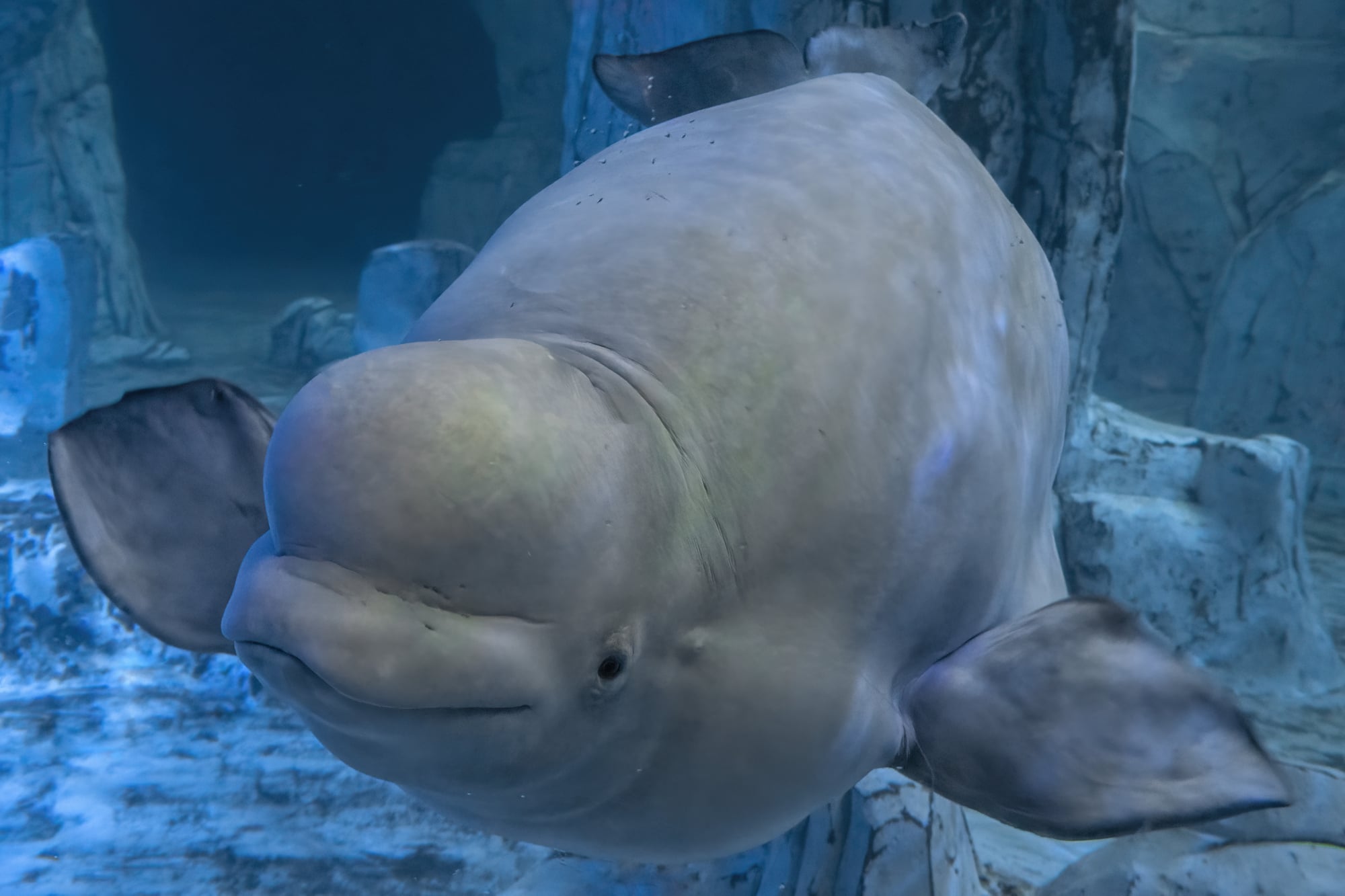
A beluga whale named NOC, held at a naval research facility in San Diego, was recorded making sounds so close to human speech that a diver near his tank surfaced certain someone had shouted at him to leave the water — turned out it was NOC, dropping his pitch by several octaves and adjusting the pressure in his nasal cavities to fake a human cadence, which is an enormous ask for an animal whose entire vocal setup was never designed for it in the first place, and the spectrograms, when researchers finally compared them side by side (expecting, if anything, to debunk the whole story), lined up too closely to call it coincidence. So the recordings got published, peer-reviewed, filed as confirmed mimicry, and still nobody has landed on why a whale would bother imitating a species it had no real need to talk to.
NOC stopped after a few years anyway, the sounds tapering off until they disappeared completely. And that’s the detail that stings a little: whatever reason he had for starting, he seemed to lose it just as quietly.
Sea Otters Holding Hands With Strangers
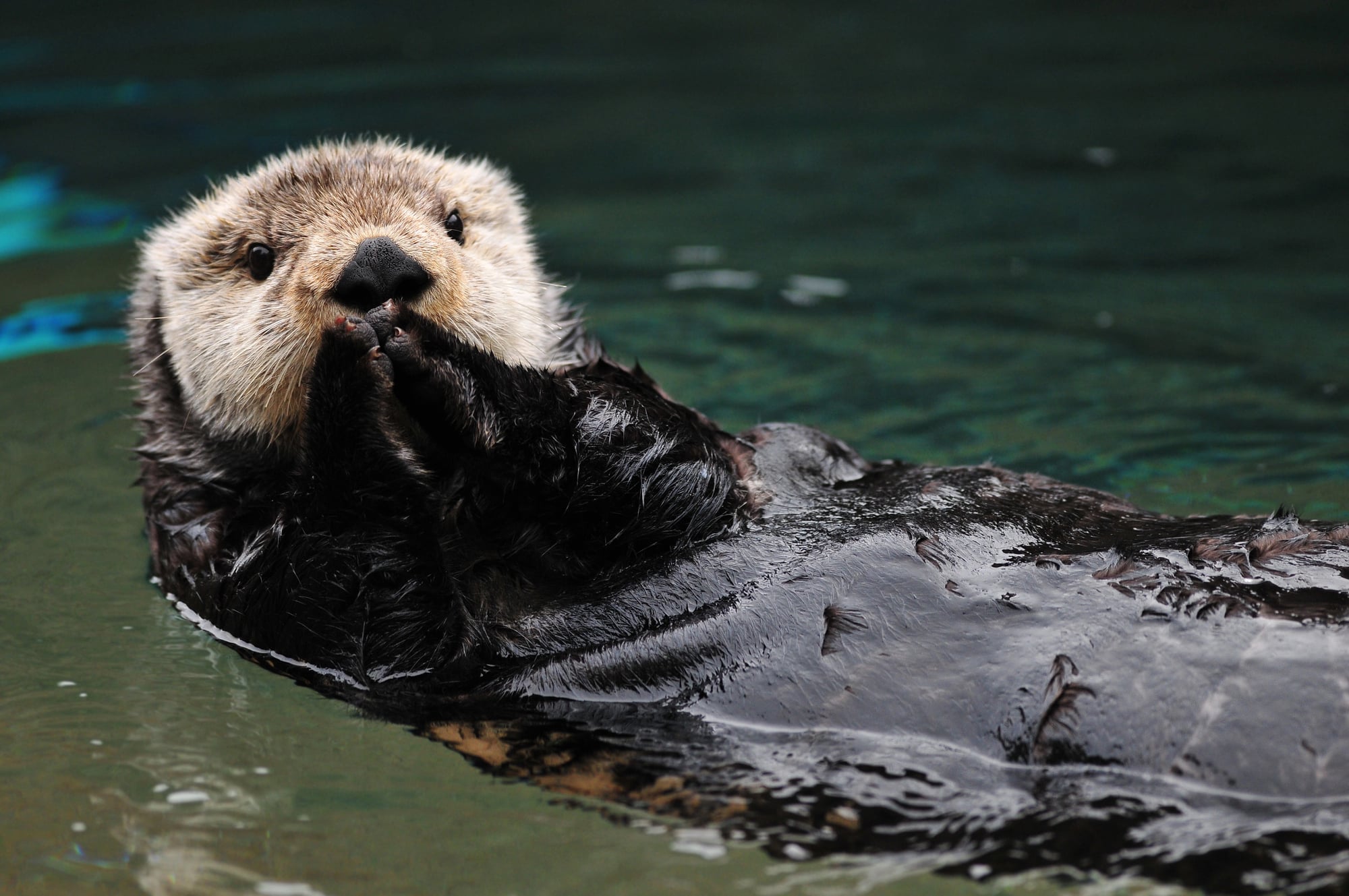
Marine footage off the California coast has shown otters linking paws with otters outside their own raft, floating together in tight little clusters that drift as one unit instead of scattering with the current. Researchers have long explained the hand-holding within family groups as a way to keep from drifting apart during sleep, which makes sense, and accounts for nothing happening here.
These clusters form between otters with no known kinship, no mating interest, no clear reason to bother. So the footage sits there, otters clasped together like old friends at a parade, and the tidy family-bond explanation just doesn’t stretch far enough to cover it.
Manta Rays Recognizing Individual Divers
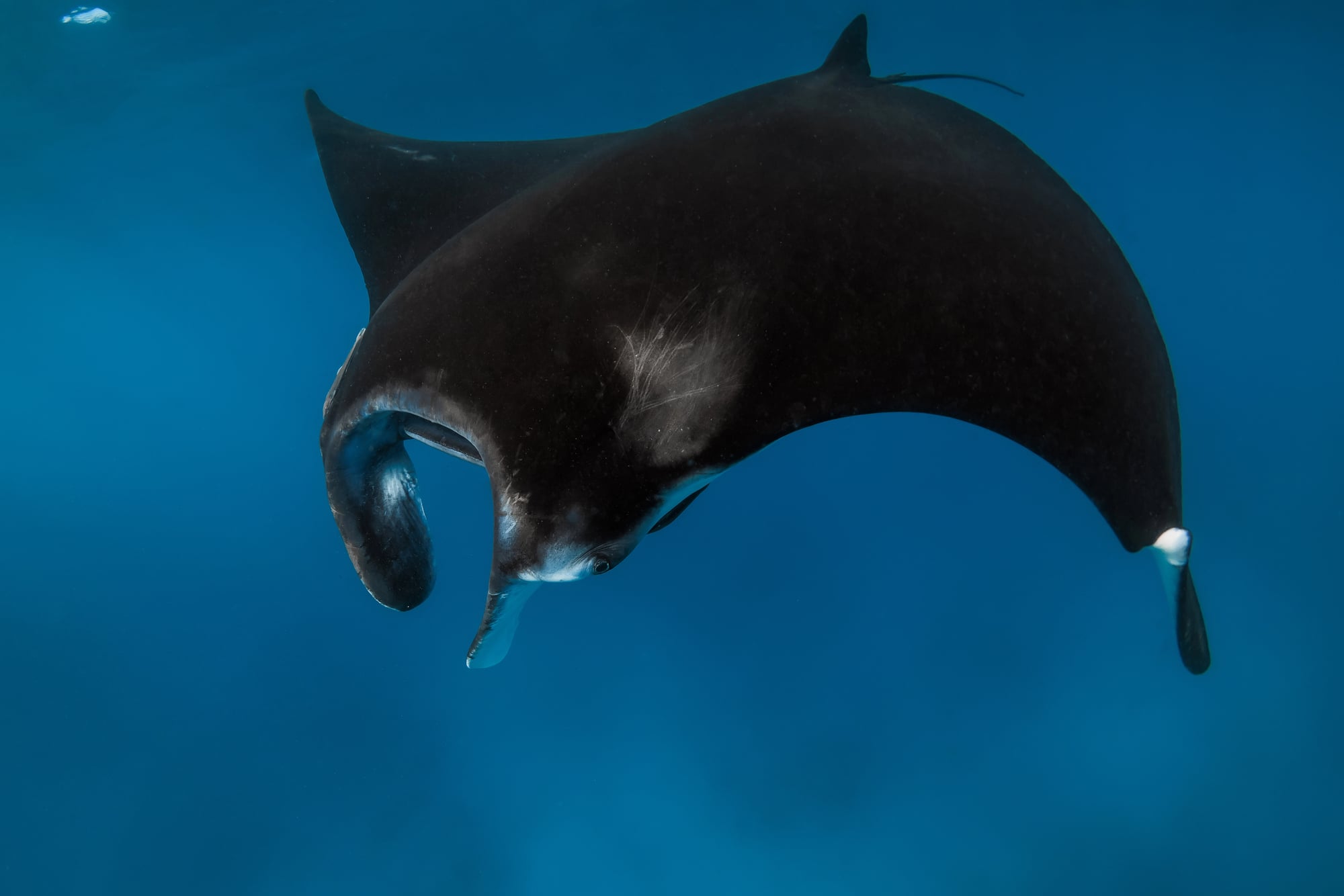
Manta rays remembering specific humans sounds like something out of a documentary script doctor’s fever dream, except divers off Hawaii and Mozambique have footage proving it happens. The same ray shows up, dive after dive, gliding straight toward one particular diver among a dozen people in the water, ignoring the rest like they’re furniture on the reef.
Scientists studying manta cognition already know these animals pass mirror self-recognition tests, which puts them in rare company, so the capacity for memory isn’t really the puzzle here. What nobody’s explained is why a fish with zero social obligation to humans would bother playing favorites at all.
Whales Stranding Themselves in Groups
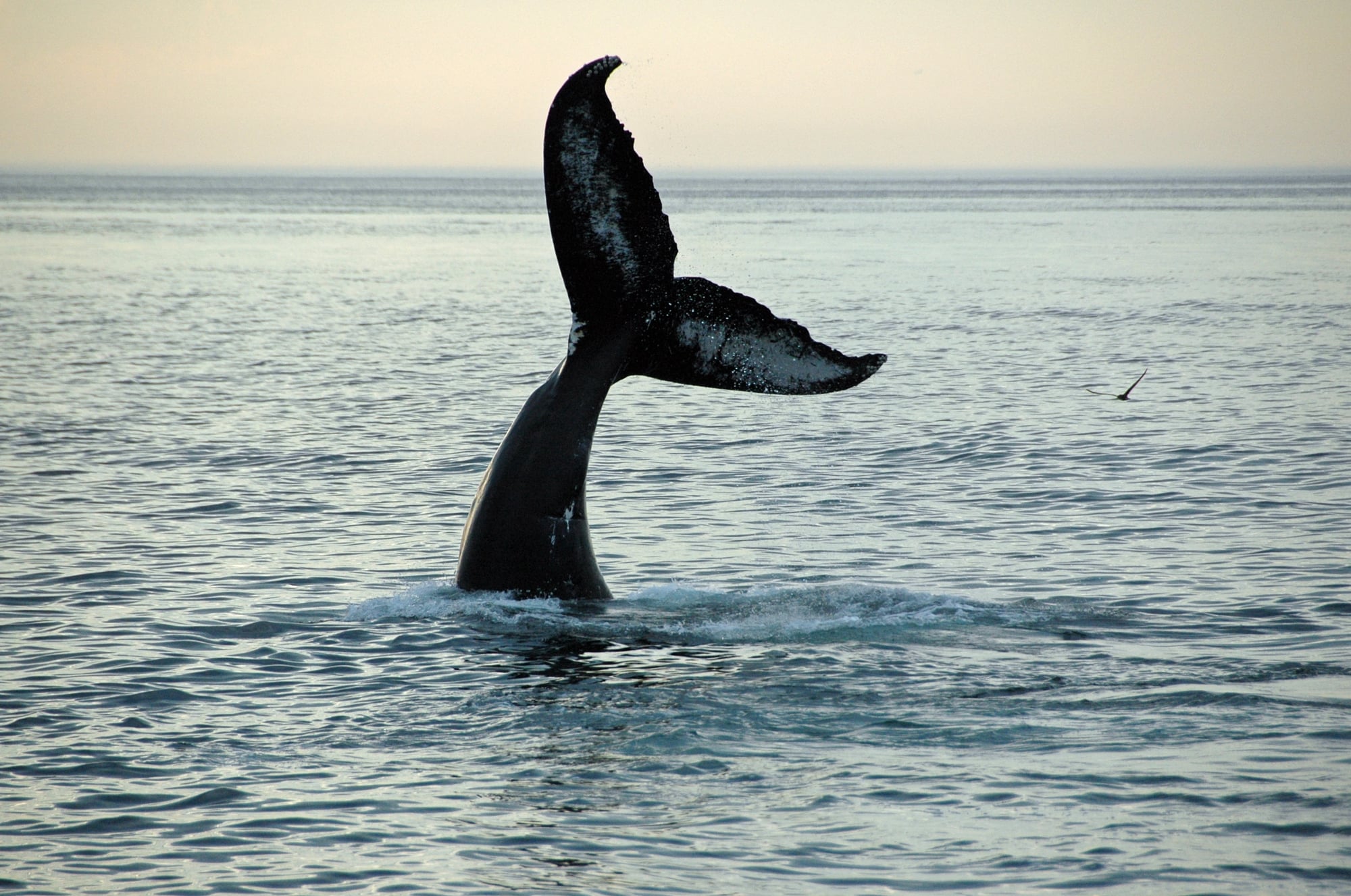
Mass whale strandings keep getting caught on camera, and they never look accidental. Whole pods beach themselves together, healthy animals included, with no predator in sight and no obvious reason to stop swimming. Sonar interference gets blamed.
Magnetic field disruptions get blamed. The footage just shows healthy whales doing it anyway, in unison, like the decision was already made before they hit the sand.
Elephants Babysitting Calves That Aren’t Their Own
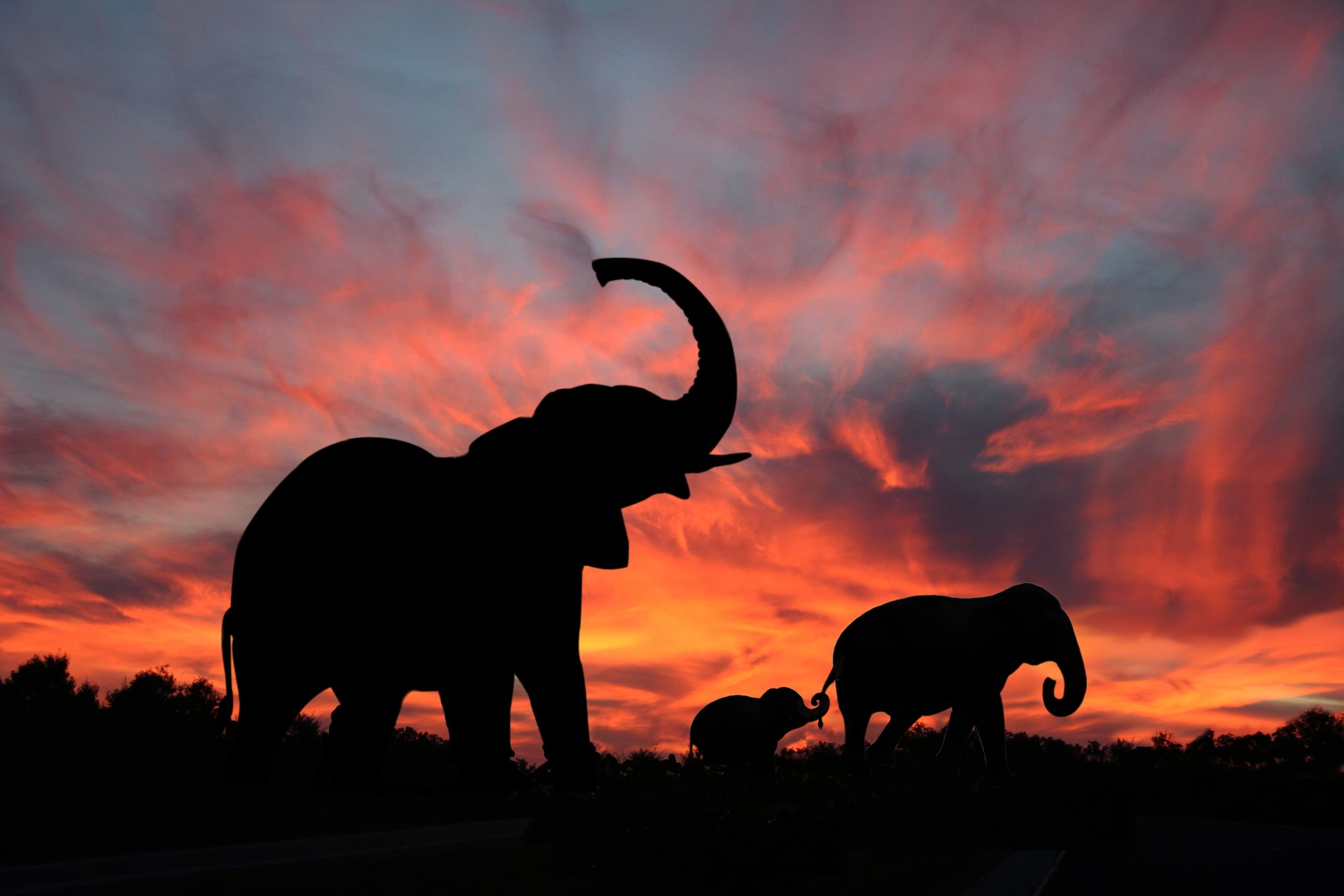
Camera traps across several African reserves have caught something that looks less like instinct and more like a favor: adult female elephants, unrelated to the calf in question, stepping in to shield it from sun, from predators, from wandering too far off from the herd. Researchers call this “allomothering,” which is a tidy name for a behavior that isn’t especially tidy once you sit with it, because the babysitting elephant gains nothing obvious from the arrangement, no offspring of her own being protected, no debt being repaid.
Footage from Amboseli shows a young calf wedged between two unrelated females during a river crossing, practically carried by their bodies without either one glancing toward its actual mother. Nobody’s found the mechanism that explains why an elephant would extend that kind of effort to a calf she didn’t make.
Bearded Vultures Bathing in Red Mud
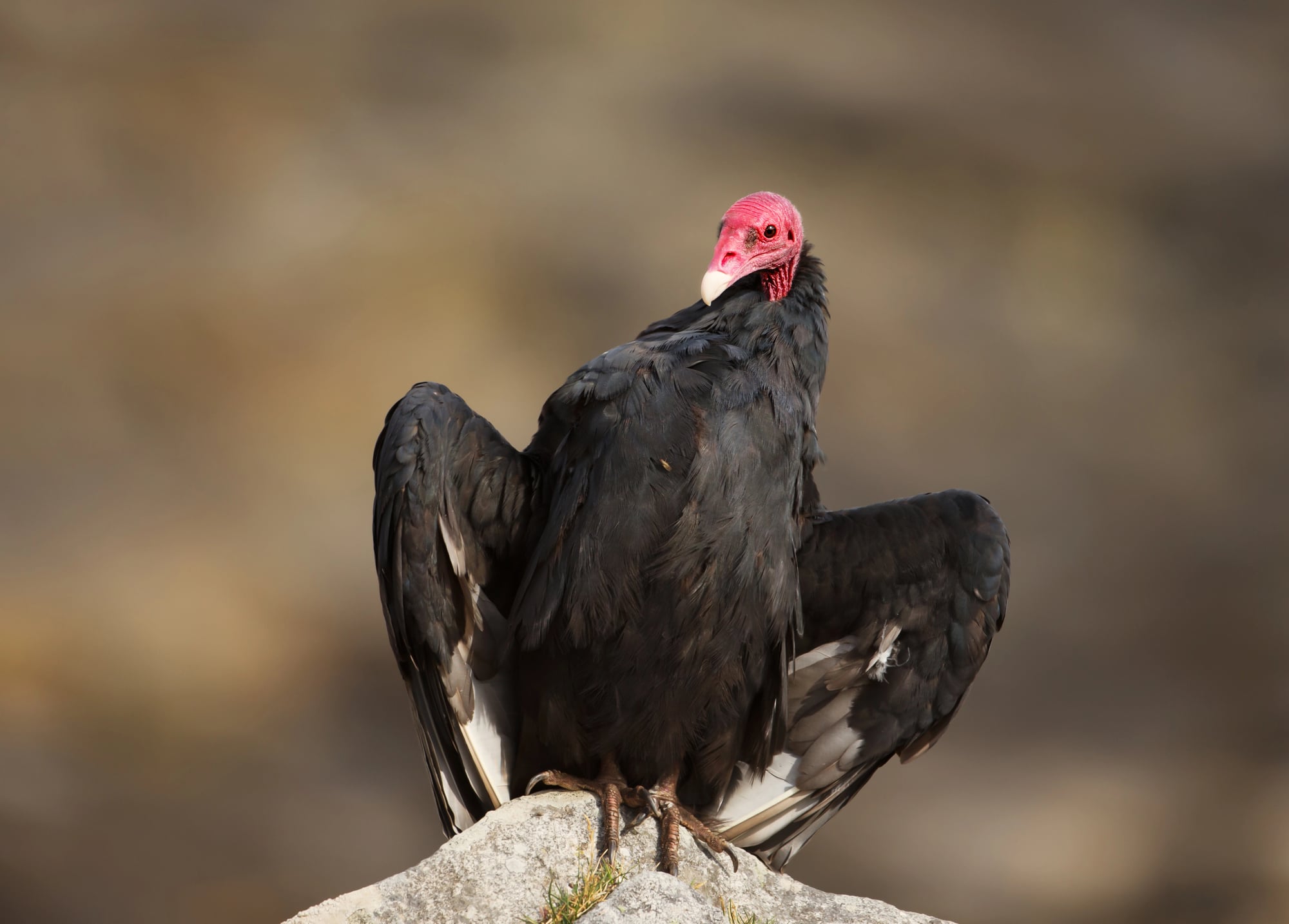
Photographers in the Alps have caught bearded vultures wallowing in iron-rich mud until their white feathers turn the color of a fresh wound, and they do it on purpose, returning to the same ochre pools like a ritual nobody taught them. The stain doesn’t wash off in weeks, it settles into the plumage the way a bruise settles into skin, deep and stubborn and strangely deliberate.
Researchers guess at status signaling, at some feathered version of a name tag broadcast to rivals, but the guess sits uneasily next to a bird that could just as easily stay white and never bother. What’s left is a creature that seems to choose its own color, for reasons it keeps entirely to itself.
Dogs Predicting Seizures Before They Happen

Dogs know a seizure is coming before the person having it does, and no one has a clean answer for how. Home security footage and hospital cameras have caught it hundreds of times now: a dog goes rigid, paces, plants itself against its owner’s legs, sometimes a full twenty minutes before a seizure hits, with zero visible trigger to explain the shift.
Researchers have guessed at scent changes tied to brain chemistry, subtle shifts in posture too small for human eyes, even electromagnetic changes, and none of it has been nailed down with anything close to certainty. The dogs keep doing it anyway, unbothered by the fact that science hasn’t caught up to them yet, which is a little humbling if you sit with it too long.
Fireflies Flashing in Perfect Unison
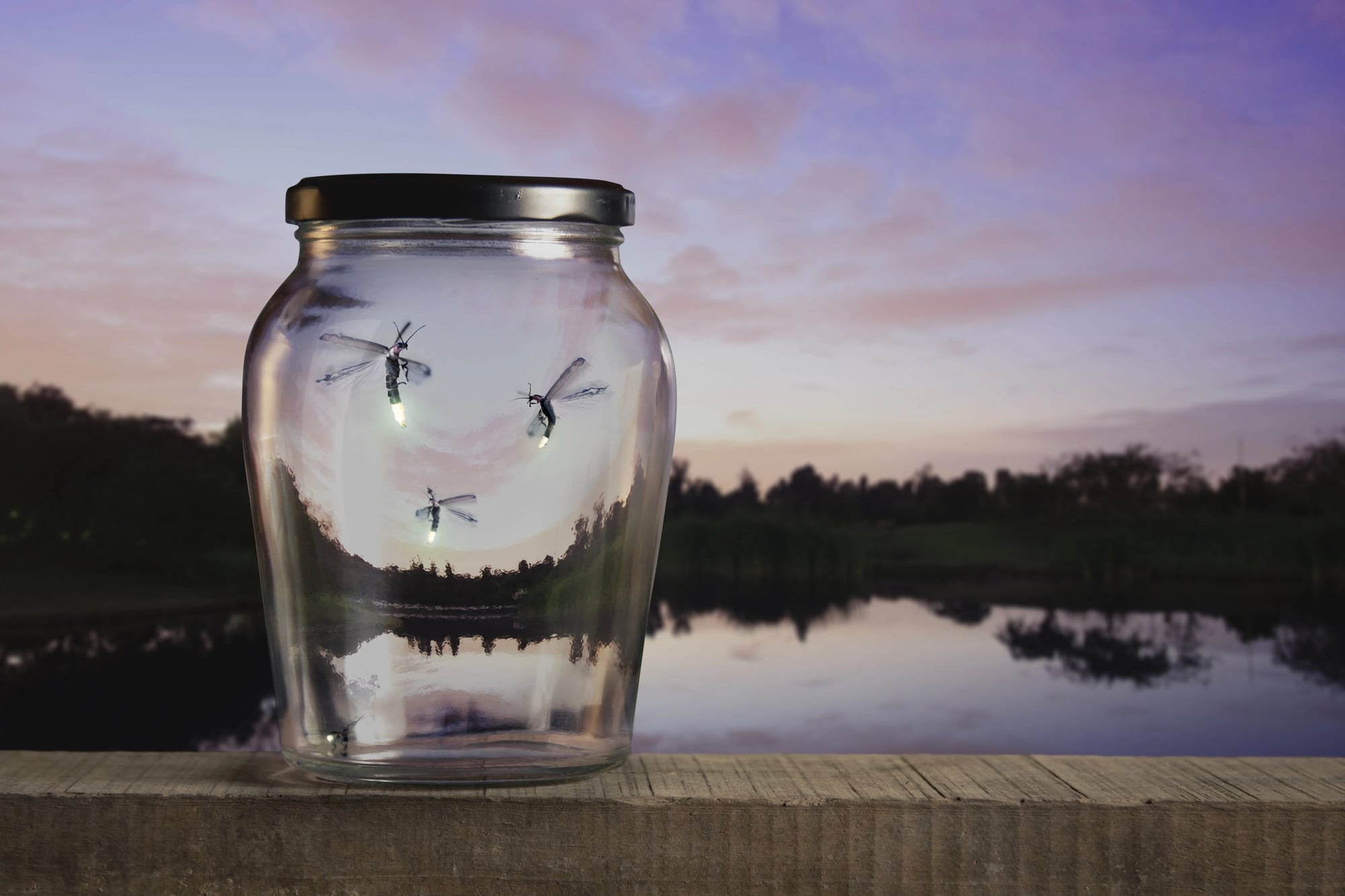
Every summer in the Great Smoky Mountains, thousands of fireflies blink in sync, the whole hillside pulsing on and off like a single organism instead of a swarm. Cameras set up by researchers at Middle Tennessee State University confirmed it wasn’t an illusion caused by human perception.
The insects genuinely lock their rhythm together across huge distances, with no leader and no obvious signal starting the chain. Nobody’s found the mechanism. The pattern just spreads, dark to light, hillside to hillside, until it stops as suddenly as it started.
Vampire Bats Feeding Strangers Their Own Blood
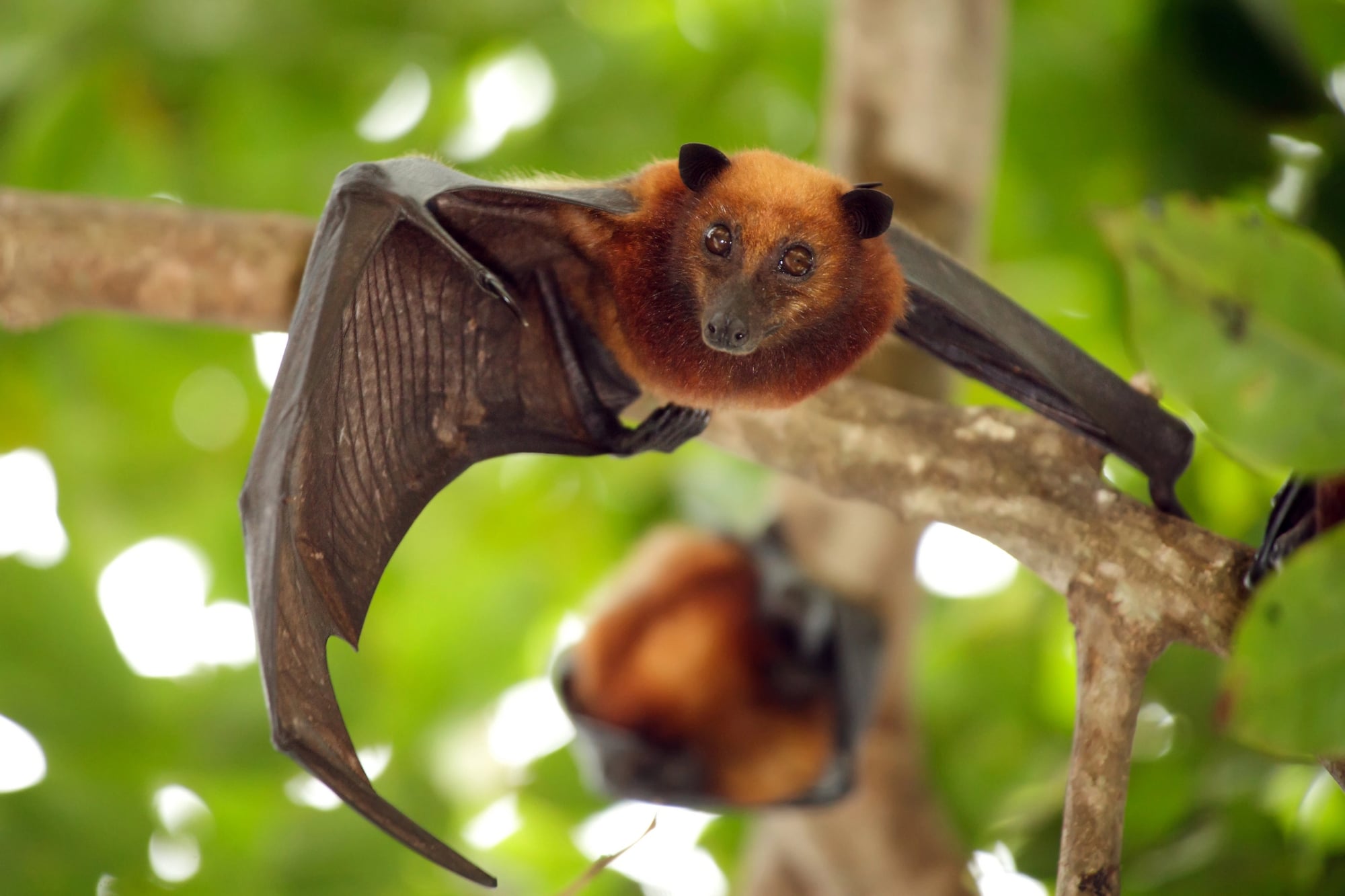
Common vampire bats need to feed every 60 hours or they start dying, which is what makes the roost footage out of Costa Rica so strange to sit with: a bat that fed well one night will regurgitate part of its meal into the mouth of a roost-mate that came up empty, and it does this for bats outside its own family line — sometimes for bats it’s only roosted alongside for a few weeks. Researchers tracking individual colonies for years (in some cases decades, watching the same bats grow old) noticed the sharing wasn’t random at all, it clustered around specific pairs who kept feeding each other again and again long after any genetic payoff should have stopped mattering, and once that pattern showed up on camera it got hard to call it anything but a kind of friendship. So the leading theory involves reciprocity, a running tab of favors owed and repaid: but that still doesn’t explain why the very first favor ever gets extended to a stranger with nothing yet to offer back. Nobody’s caught the actual moment a bat decides someone’s worth the risk, only the aftermath, mouth to mouth, in the dark.
Crows Gathering Around Their Dead
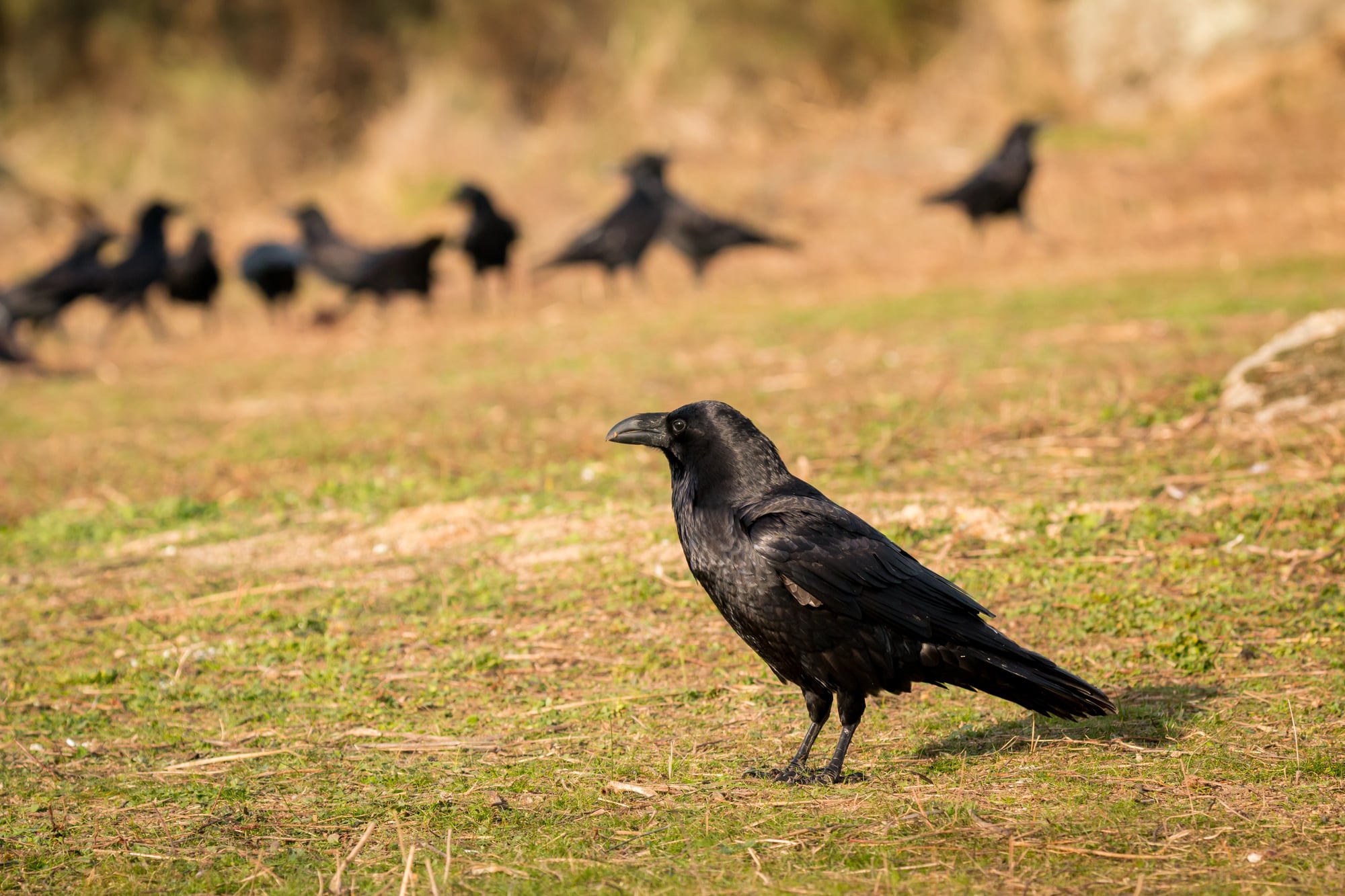
A dead crow on the sidewalk draws a crowd the way a housefire draws neighbors, quick and silent and unmistakably solemn, though nobody sent the invitation. Researchers at the University of Washington filmed dozens of these gatherings, crows circling a fallen one from a careful distance, cawing in a register that sounds nothing like their usual chatter, and then dispersing without ever touching the body.
The behavior reads less like scavenging and more like something closer to a courtroom, crows studying the scene as if trying to memorize the danger that caused it. Nobody’s proven grief lives in there, but the alternative, that it means nothing at all, feels harder to believe every time the footage plays back.
Octopuses Changing Color While Dreaming
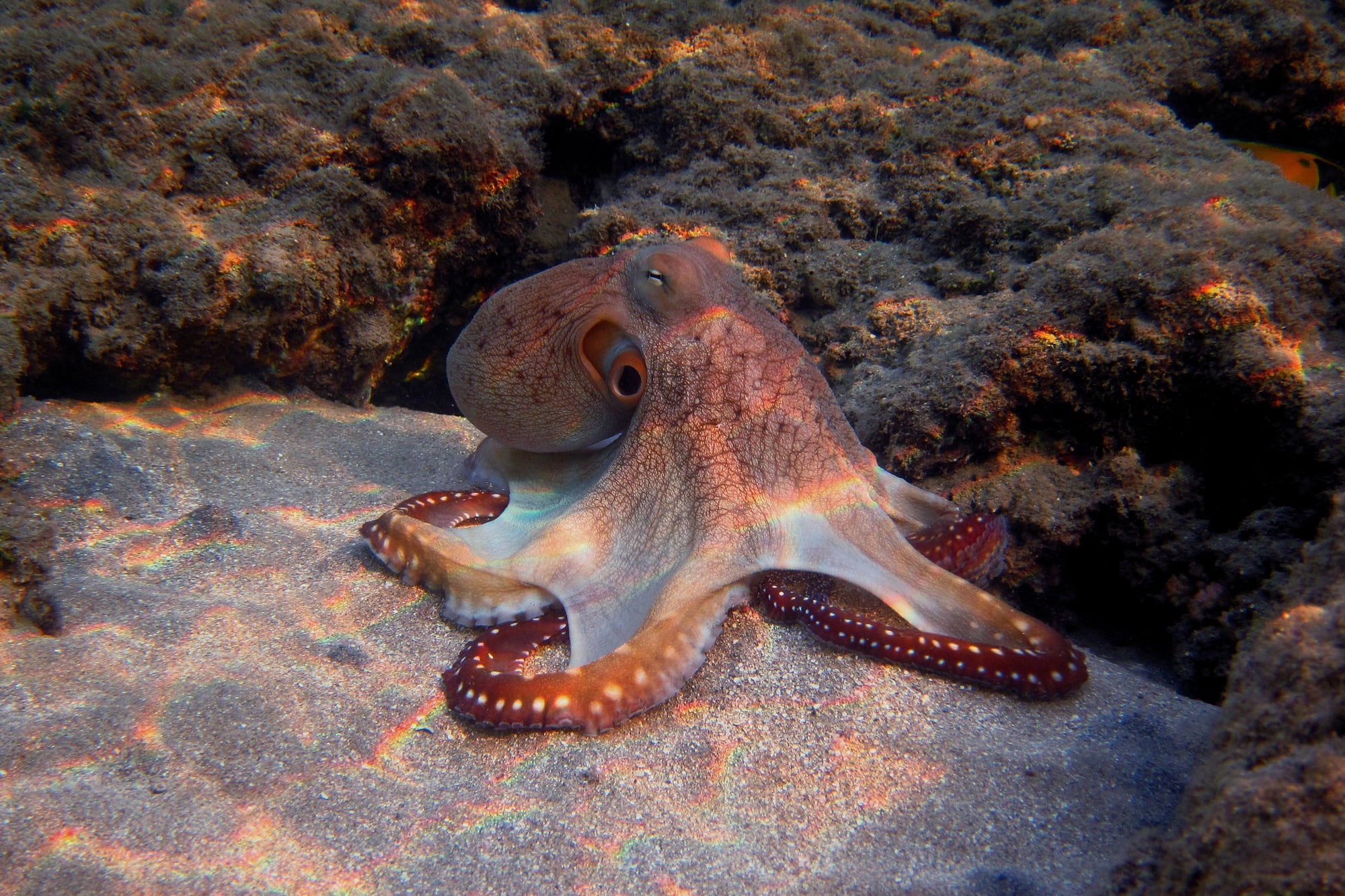
Octopuses dream, or something close enough to it that arguing otherwise starts to feel stubborn. Footage of a captive octopus named Heidi, filmed by biologist David Scheel, shows her skin cycling through camouflage patterns while she’s fast asleep: the mottled tan of a hunt, then a deep speckled burst that looks like an attack, then a ghostly pale that usually signals retreat.
Nothing in the tank required camouflage of any kind, and nobody handed her a script, which makes the whole sequence look less like reflex and more like a rerun playing across her skin. Scientists studying cephalopod sleep won’t commit to the word “dreaming” in print, but off the record most of them don’t have a better one lying around.
Octopuses Changing Color While Dreaming
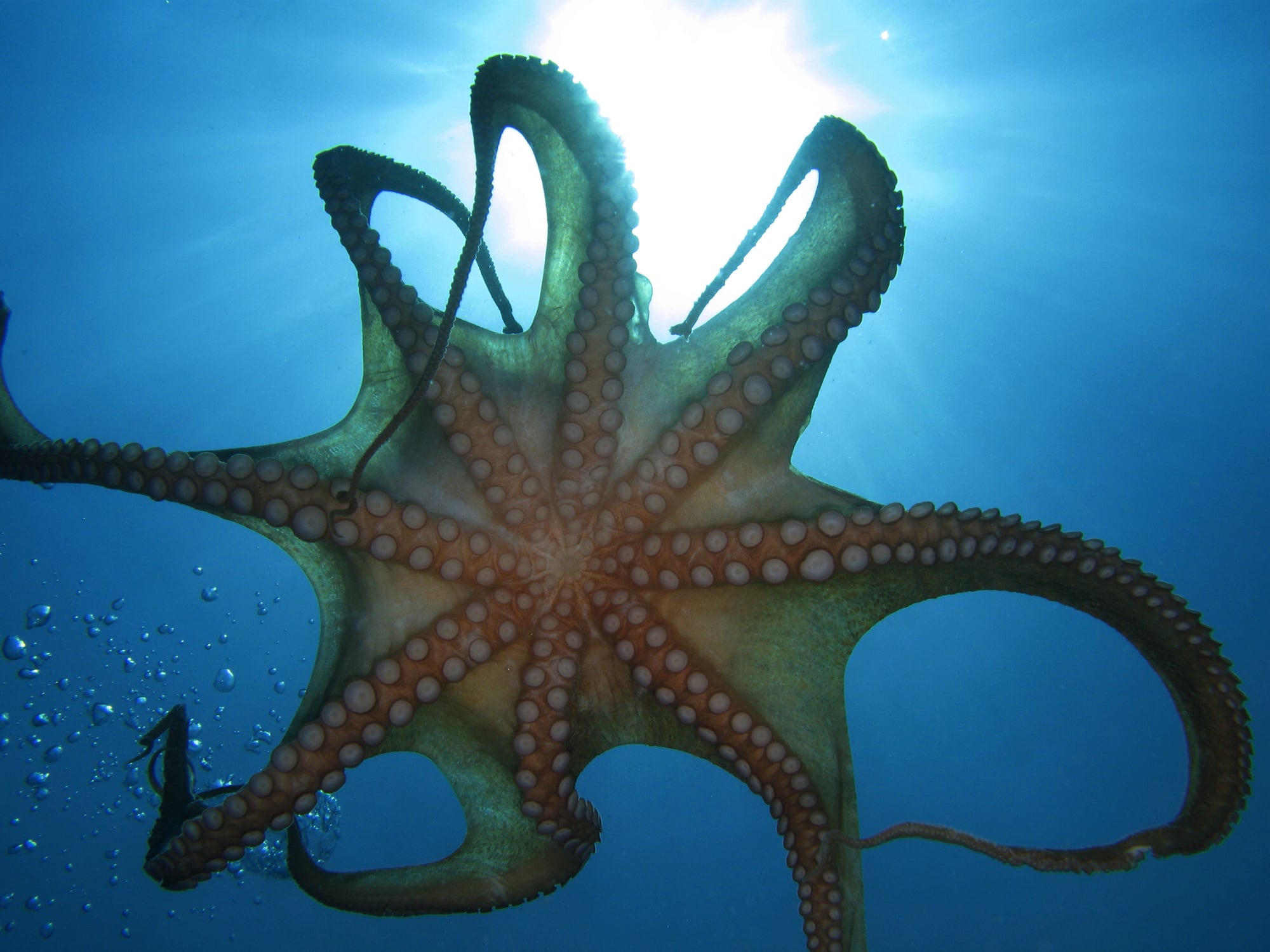
Octopuses dream, or something close enough to it that arguing otherwise starts to feel stubborn. Footage of a captive octopus named Heidi, filmed by biologist David Scheel, shows her skin cycling through camouflage patterns while she’s fast asleep: the mottled tan of a hunt, then a deep speckled burst that looks like an attack, then a ghostly pale that usually signals retreat.
Nothing in the tank required camouflage of any kind, and nobody handed her a script, which makes the whole sequence look less like reflex and more like a rerun playing across her skin. Scientists studying cephalopod sleep won’t commit to the word “dreaming” in print, but off the record most of them don’t have a better one lying around.
Orangutans Treating Their Own Wounds With Plants
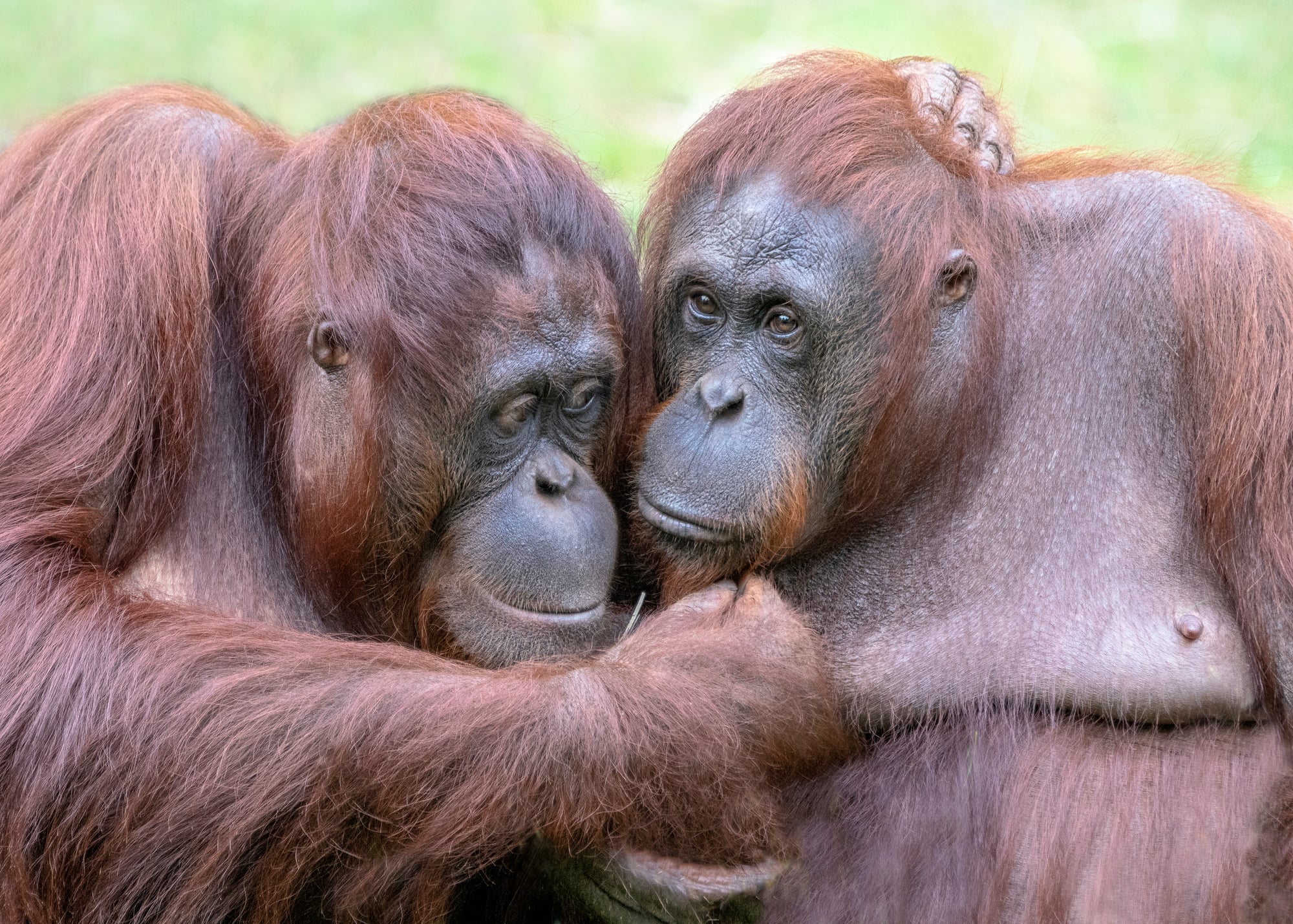
Self-medication in animals used to be one of those claims that sounded like folklore until a camera in Sumatra caught an orangutan named Rakus chewing the leaves of a pain-relieving vine, spitting out the paste, and pressing it directly into an open wound on his own face. He kept at it for days, reapplying the mixture like someone who actually read the instructions, and the wound closed up clean with no infection.
Researchers who published the footage in 2024 noted the plant isn’t part of the orangutan’s regular diet, which rules out the boring explanation that he just happened to be snacking near an injury. Nobody’s figured out how he knew to do it in the first place, and that’s the part that keeps this from being filed away as a fluke.
Dolphins Calling Each Other by Name
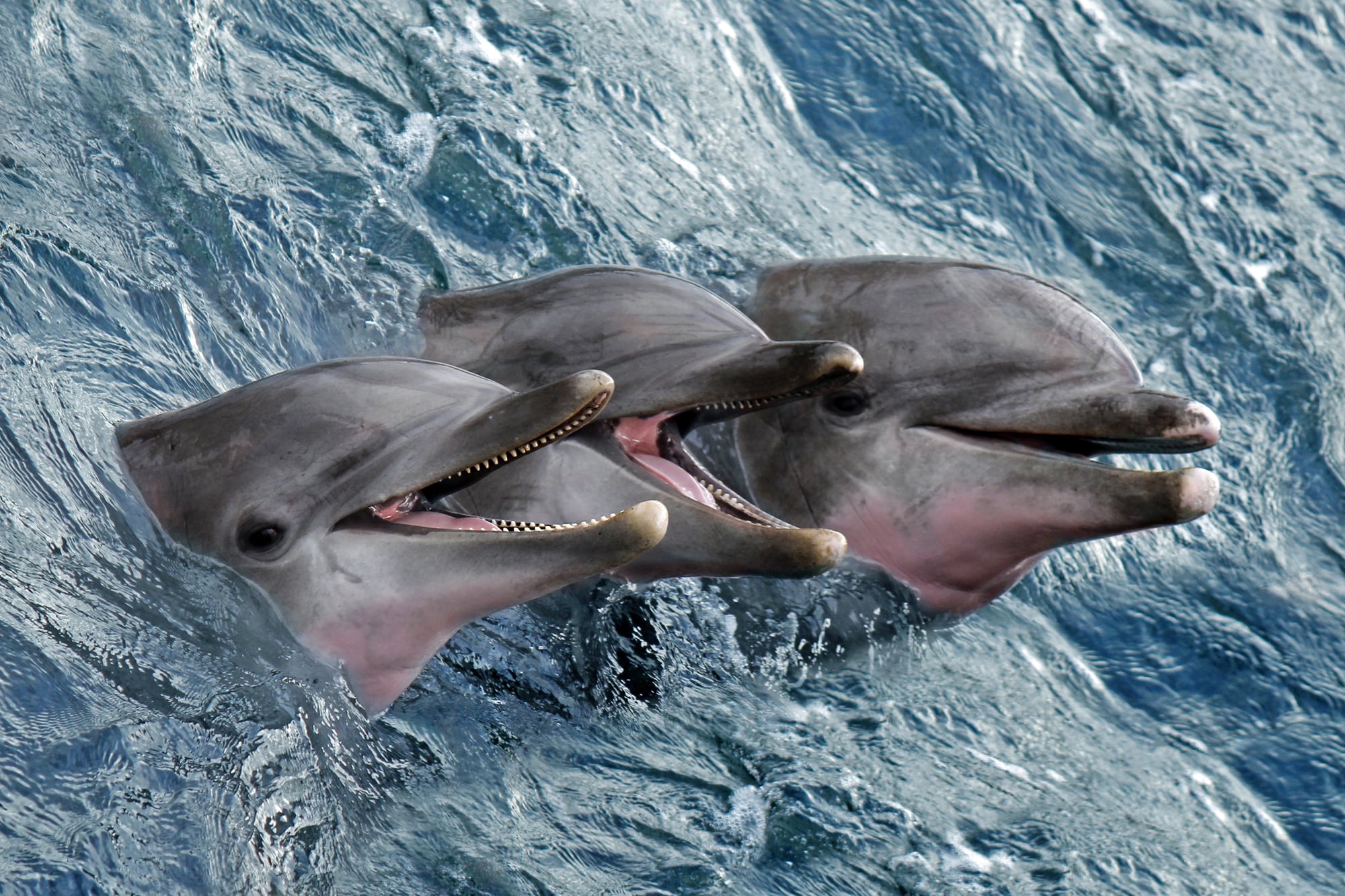
Every bottlenose dolphin develops its own signature whistle early in life, a kind of sound-shaped name it carries for decades, and other dolphins learn to copy that whistle back when they want a specific individual’s attention. Playback experiments off Sarasota Bay found dolphins turning toward speakers echoing their own whistle, and only their own, ignoring whistles belonging to strangers entirely.
It’s less like calling out and more like someone hearing their name whispered across a crowded room and knowing, instantly, it wasn’t meant for anyone else. Nobody’s traced why an animal without hands, without written language, without any obvious need for personal identity underwater, bothered inventing something so close to a name in the first place.
Cuttlefish Passing the Marshmallow Test
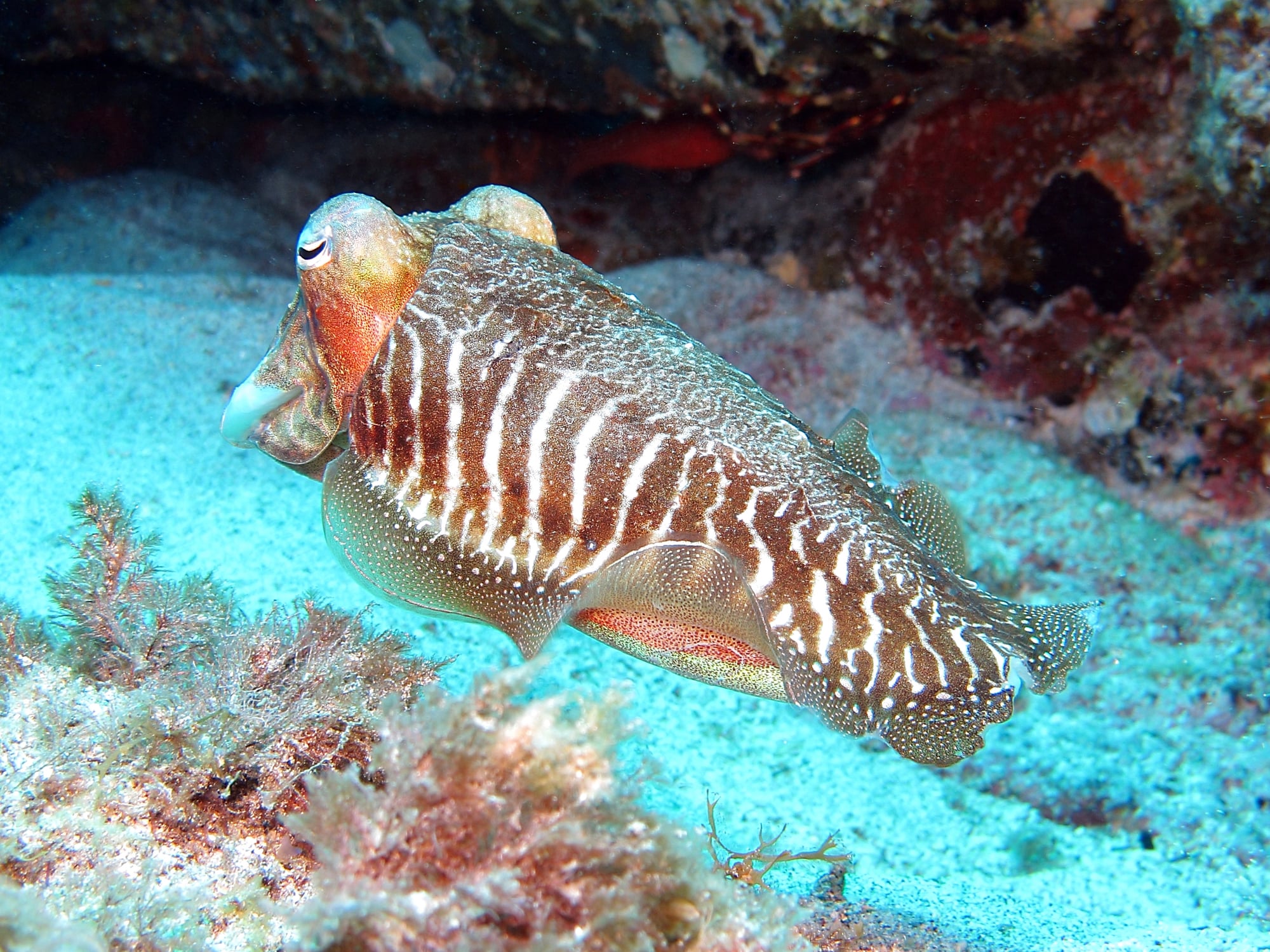
Self-control shouldn’t exist in an animal with no cortex to speak of, and yet cuttlefish keep proving otherwise. In a 2021 study modeled directly on the classic human patience test, cuttlefish given a choice between a mediocre snack now and a better one later chose to wait, sometimes for several minutes, which is an eternity if you’re a mollusk with a lifespan measured in months.
The ones best at waiting also scored highest on a separate learning task, a correlation nobody predicted and nobody’s fully explained since. Turns out patience isn’t a mammal thing after all, it’s apparently just a smart-creature thing, and cuttlefish never got the memo that they weren’t supposed to qualify.
Ants Amputating Injured Nestmates’ Limbs
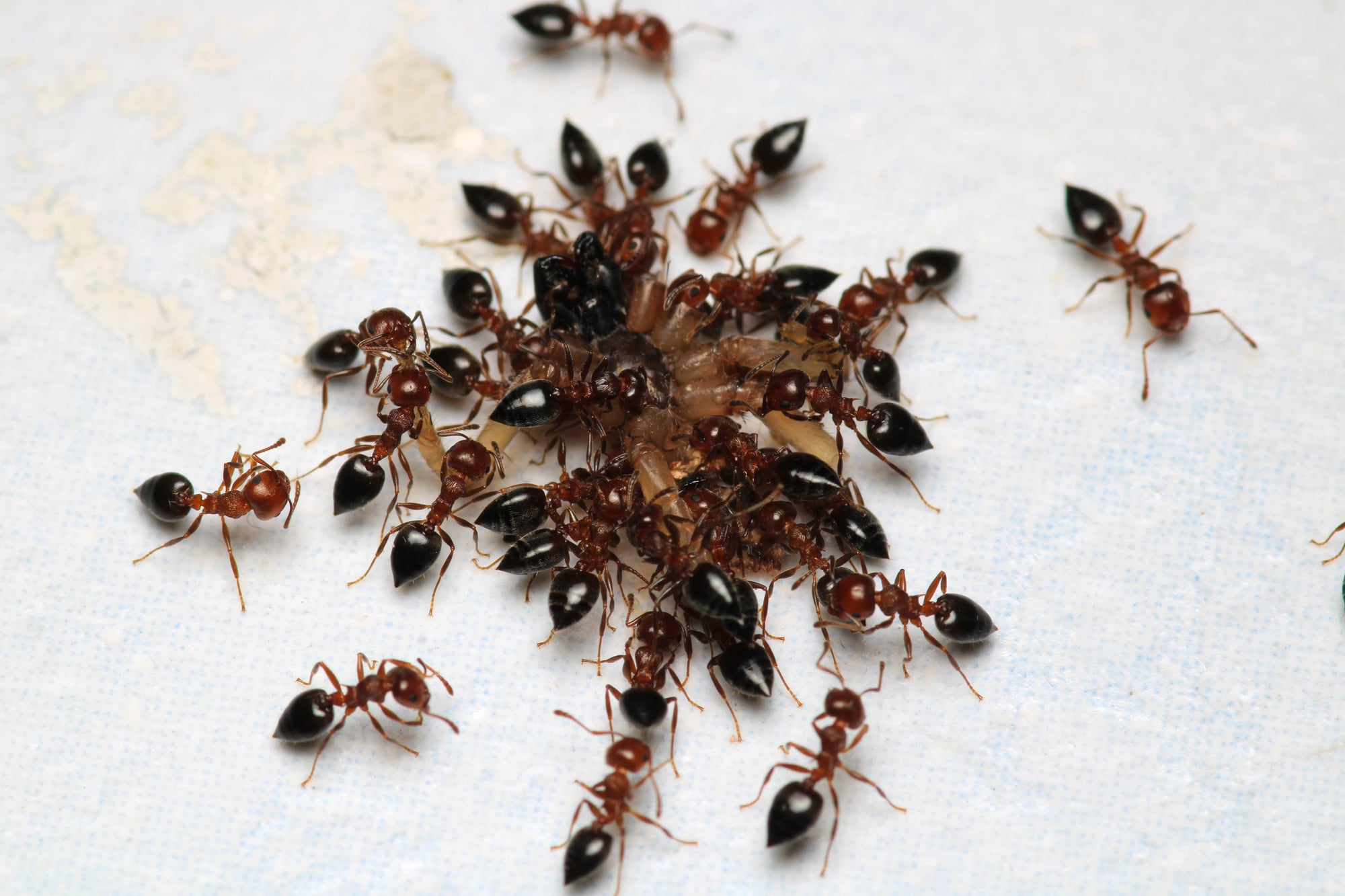
Matabele ants perform amputations, and they do it fast. Researchers filming African termite-raiding colonies in 2023 caught it clearly: an ant wounded in battle drags itself home, and a nestmate bites off the damaged leg within minutes, clean and precise, no hesitation.
Survival rates after the procedure jump to somewhere near 90 percent, compared to a fraction of that for ants left untreated. Nobody’s found the ant version of medical training, yet they know exactly where to cut and exactly when to stop.
Dolphins Passing Around Pufferfish
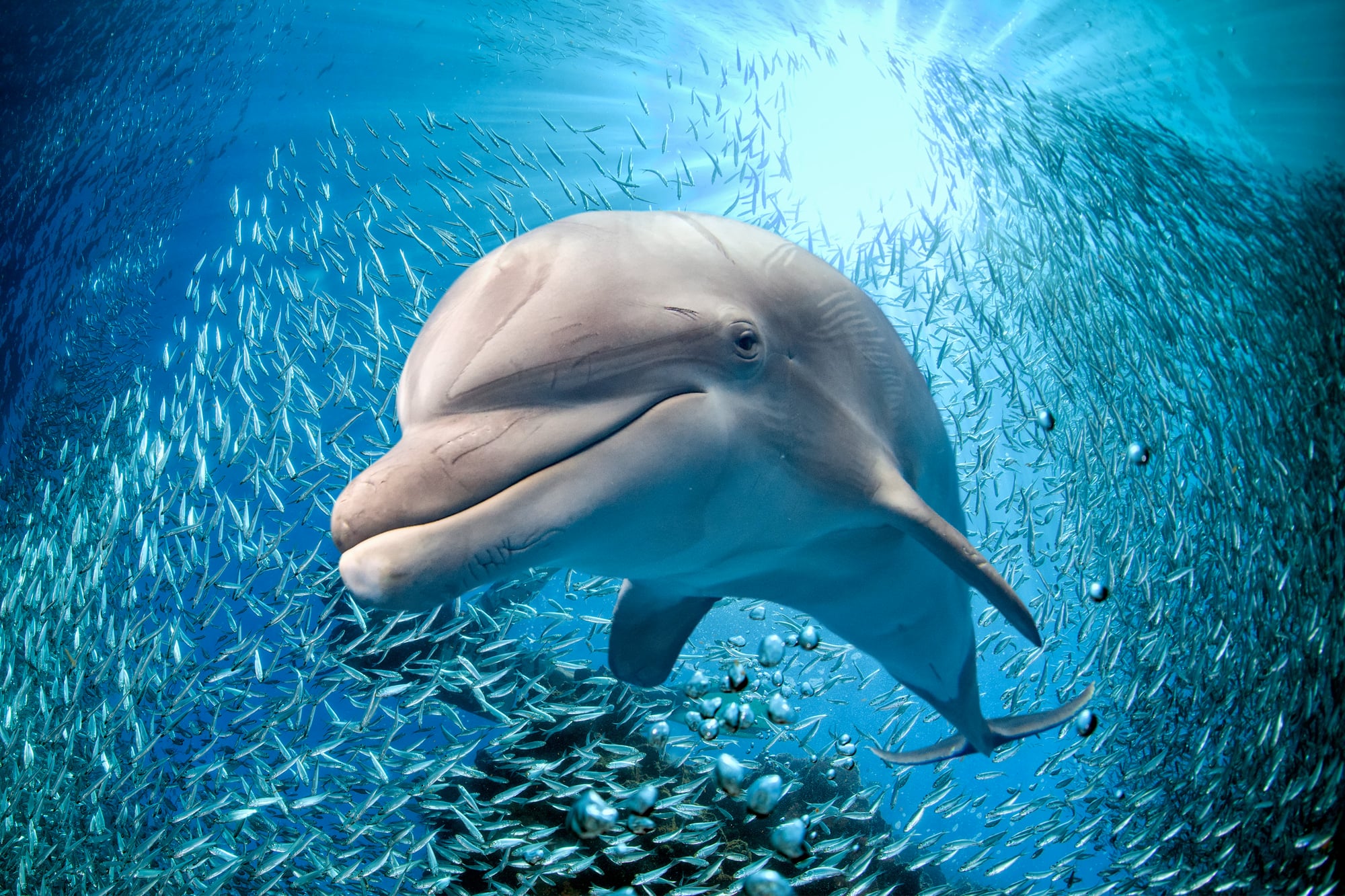
Footage off the coast of the Indian Ocean, first surfaced by a documentary crew and later confirmed by marine biologists watching the same pod for weeks, shows young dolphins nudging a pufferfish gently between them, mouth to mouth, careful not to provoke the fish into releasing its full dose of tetrodotoxin — a neurotoxin lethal in large amounts but apparently narcotic in small ones — and the dolphins, after a few passes, drift into a loose, almost sedated hover near the surface, doing nothing, wanting nothing, for a stretch of time that has no obvious survival value attached to it. And that’s the part marine toxicologists can’t get past. Tetrodotoxin doesn’t reward risk the way food does, it just narrows the nervous system down to something quieter: no hunting benefit, no clear signal to a mate, nothing on the ledger that would justify the danger of a toxin that kills a grown human in under an hour.
But nobody’s caught a dolphin coughing up the fish in disgust either, so the working theory — reluctant as it is — keeps landing on recreation, a word researchers hate using about anything without opposable thumbs.
Beluga Whales Adopting a Narwhal
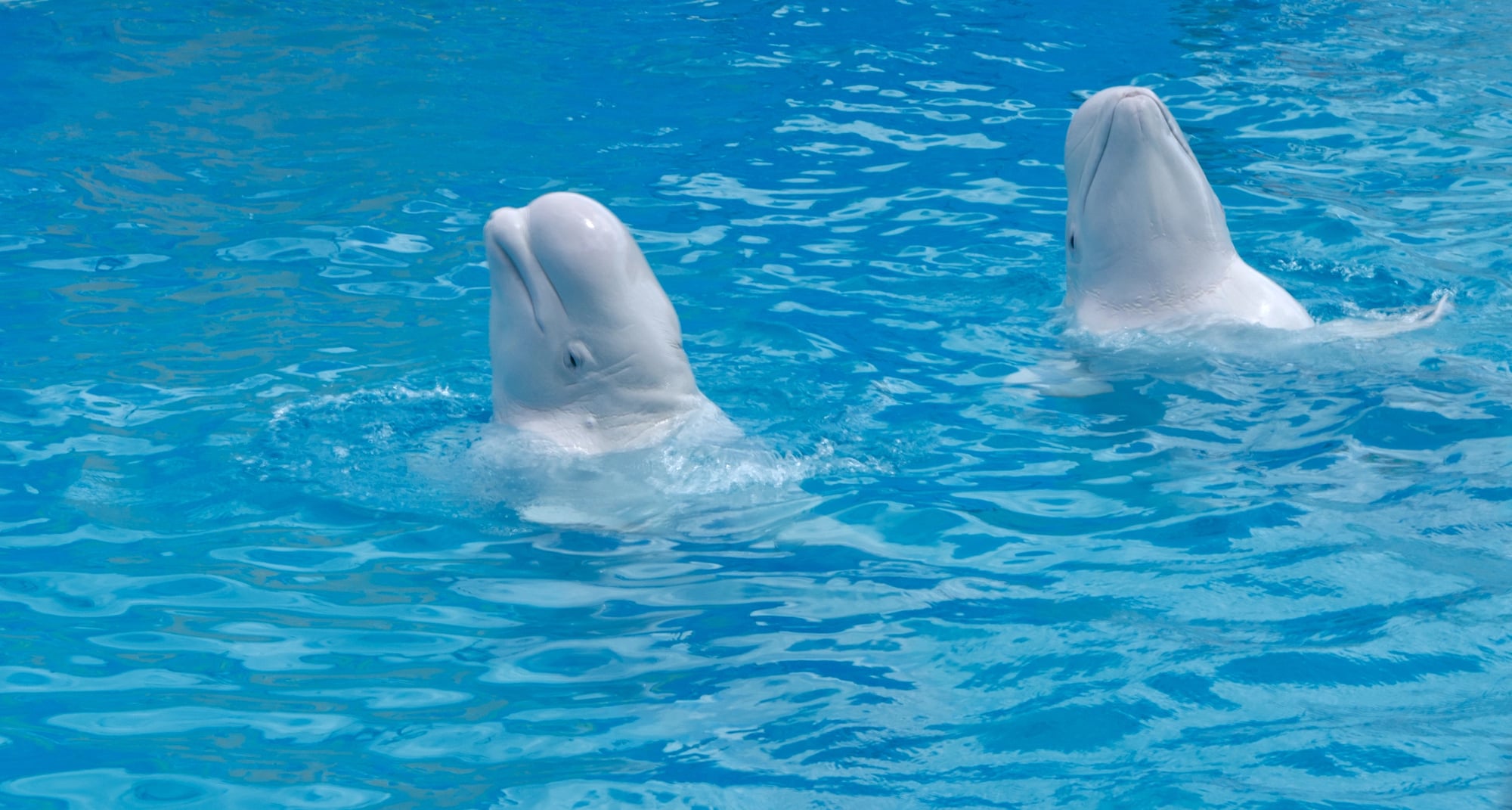
A lone narwhal turned up in the St. Lawrence River in 2016, thousands of miles from Arctic waters where narwhals belong, and it didn’t stay lone for long. Researchers with the GREMM marine mammal group filmed it swimming, breaching, and socializing with a pod of belugas like it had always been one of them.
No other narwhal was anywhere nearby, no obvious reason for the belugas to bother with an outsider that looked nothing like them. Years later the footage still shows the same thing: a stray tusked whale, fully accepted, for reasons nobody’s pinned down.
What the Cameras Keep Catching Us Off Guard With
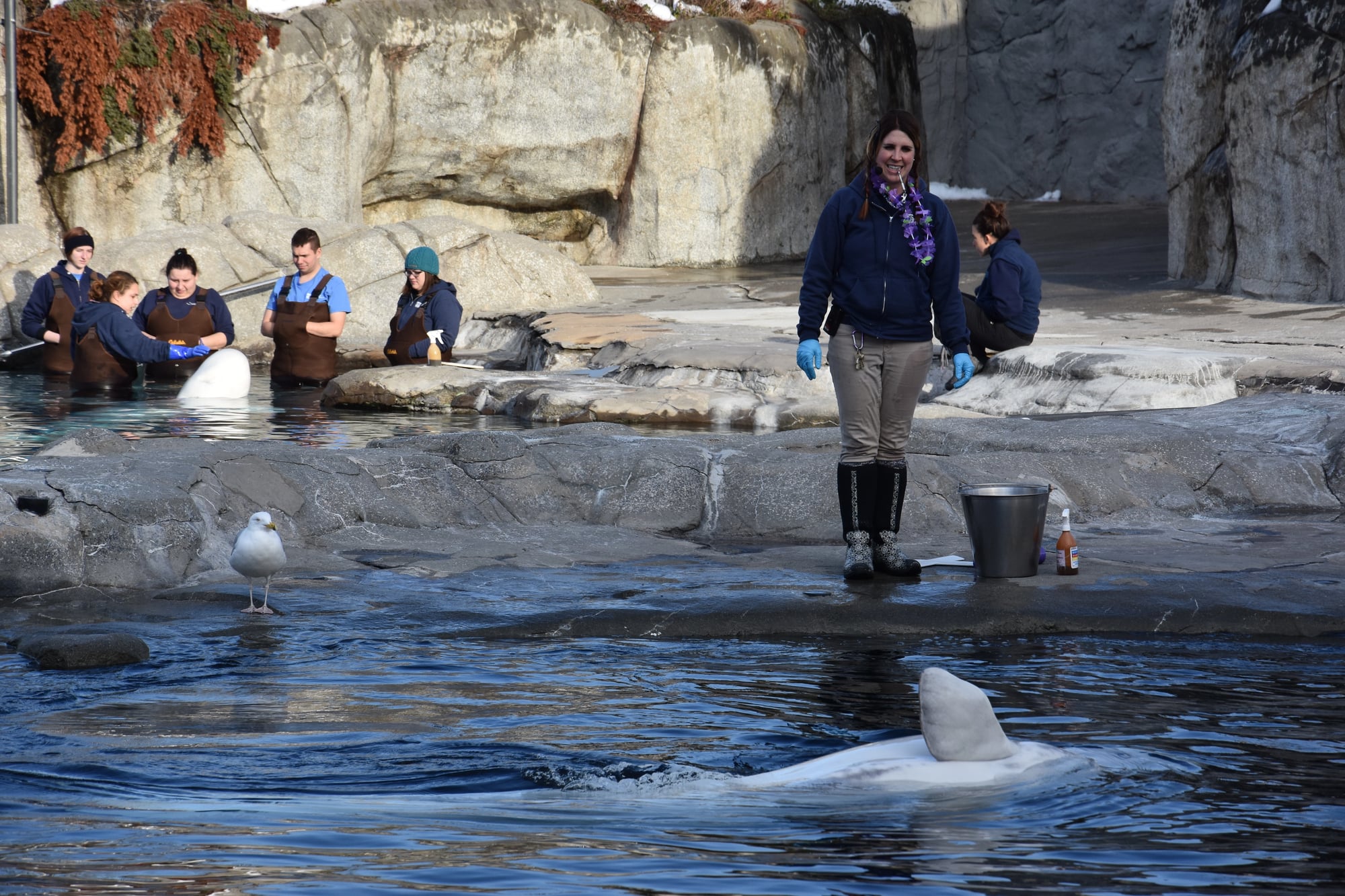
None of this adds up into one clean theory, and maybe that’s the actual takeaway worth sitting with. Every camera trap, every dive log, every grainy bit of trail footage keeps turning up animals doing things that don’t map onto survival, mating, or any tidy evolutionary ledger, and the scientists studying them keep landing on the same shrugging conclusion: it happens, it’s real, and the explanation isn’t ready yet.
That gap between what’s filmed and what’s understood isn’t a failure of science so much as a reminder that a lot of the natural world still runs on logic nobody’s cracked. Maybe that’s exactly how it should stay for a while longer.
More from Go2Tutors!

- The Romanov Crown Jewels and Their Tragic Fate
- 13 Historical Mysteries That Science Still Can’t Solve
- Famous Hoaxes That Fooled the World for Years
- 15 Child Stars with Tragic Adult Lives
- 16 Famous Jewelry Pieces in History
Like Go2Tutors’s content? Follow us on MSN.