27 Candy Wrappers Kids Traded at Recess
A lunchbox packed for school often doubled as a trading floor the moment the bell rang for recess, with kids negotiating over sour powders and gum shaped like unlikely objects as seriously as any adult swapping stock. The wrapper itself frequently mattered as much as the candy inside, since a bright, unusual design carried a kind of playground currency all its own.
Some of these treats have barely changed in decades. Others have quietly vanished from store shelves, though the specific memory of unwrapping one at a folding cafeteria table has stuck around regardless.
Ring Pop
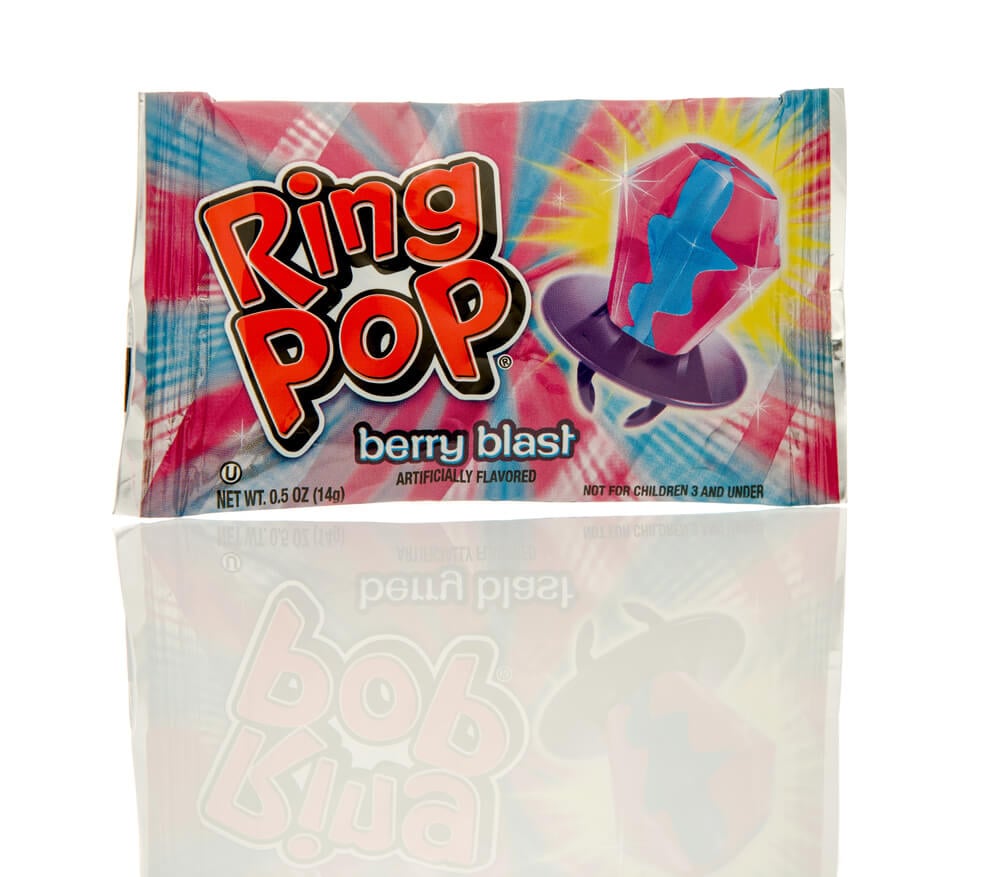
A hard candy jewel mounted on a plastic ring turned an ordinary sucker into something worth showing off, and trading one at recess usually meant admiring the color as much as the flavor before it ever touched a tongue.
Now and Later
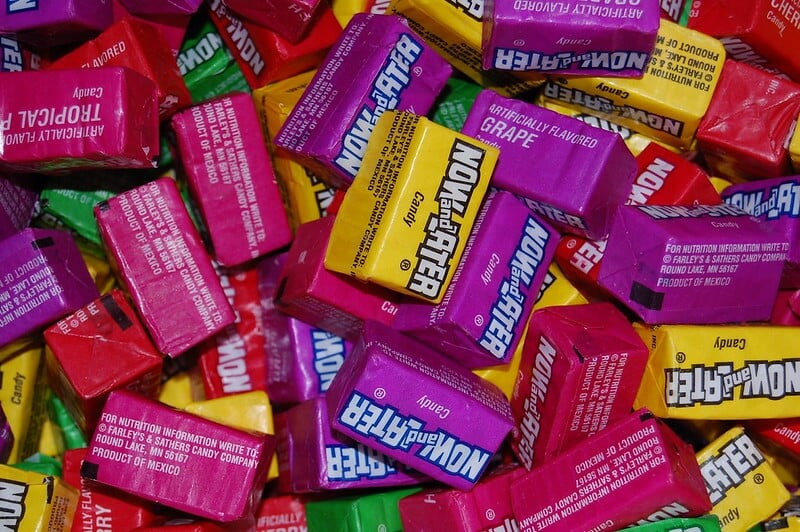
A flat, individually wrapped chew came in a dozen flavors packed into one box, making it one of the easiest candies to split up and trade piece by piece rather than handing over the entire pack at once.
Jolly Rancher
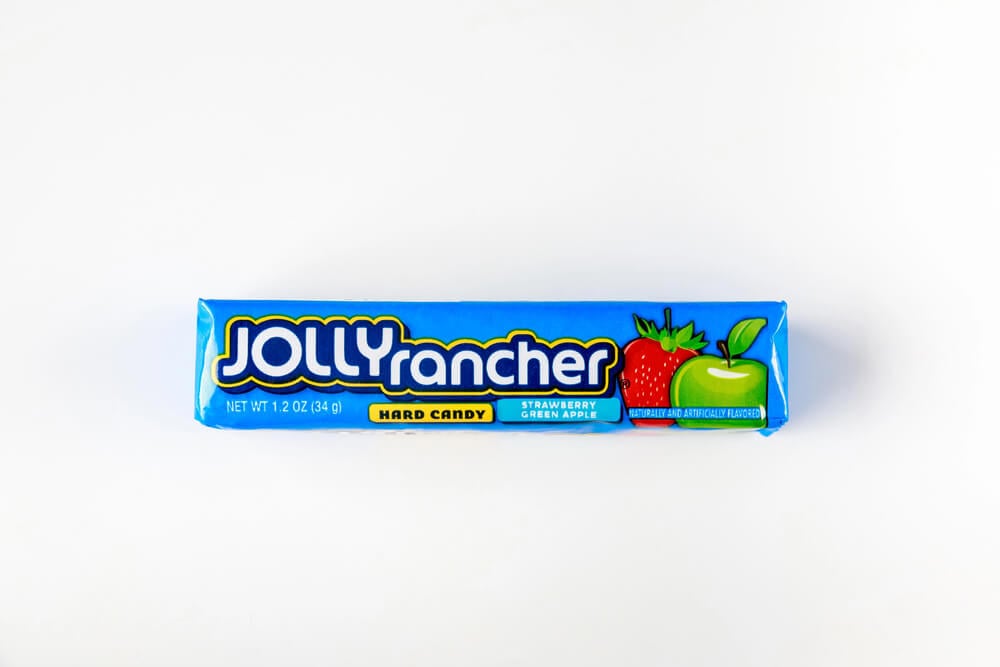
Hard, intensely flavored squares wrapped in twisted foil-style plastic became a lunchbox staple, prized enough at recess that flavors like watermelon and blue raspberry often commanded a higher trade value than the rest of the bag.
Warheads
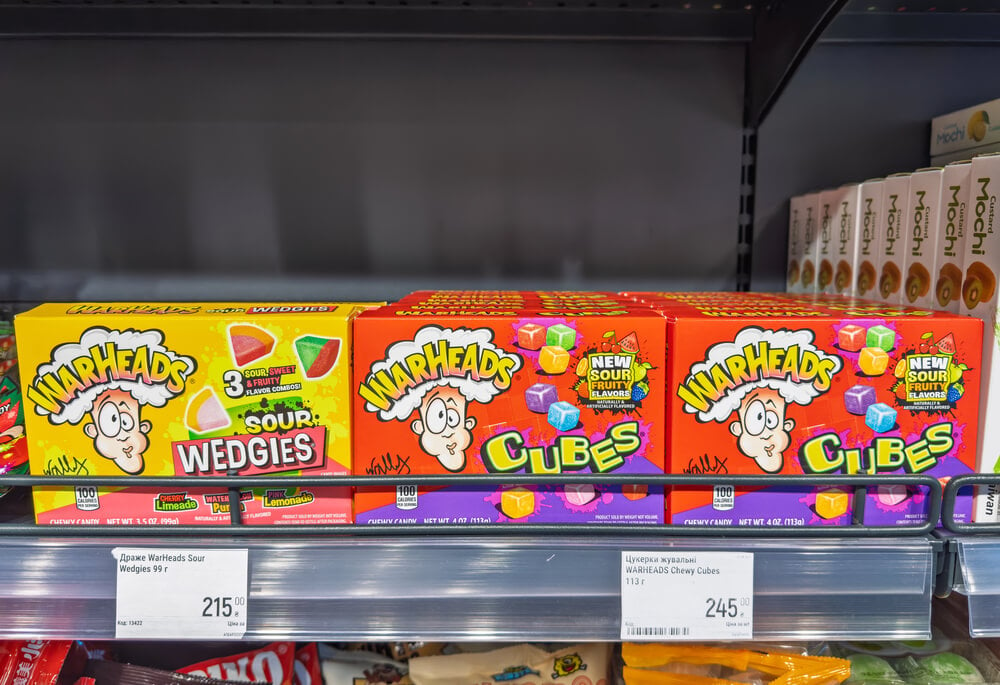
An extreme sour coating on the outside of a hard candy turned unwrapping one into a small dare, with kids timing each other to see who could hold the sourest flavor in their mouth the longest without flinching.
Airheads
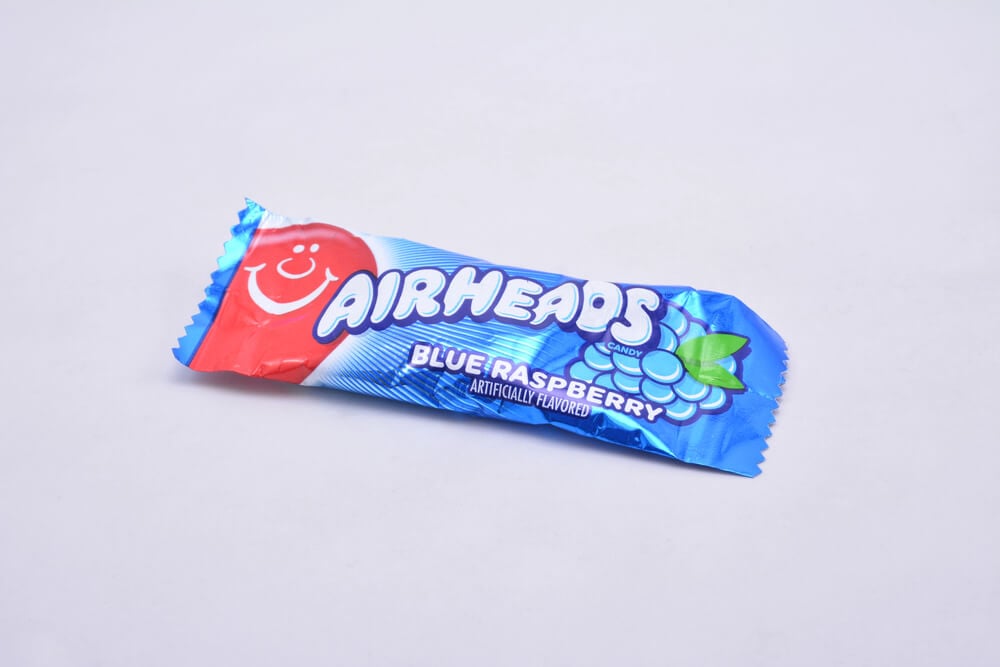
A soft, stretchy bar wrapped in bright, single-flavor packaging became a reliable trade item because of how easily it could be torn in half and shared between two kids without either side feeling shortchanged.
Fun Dip
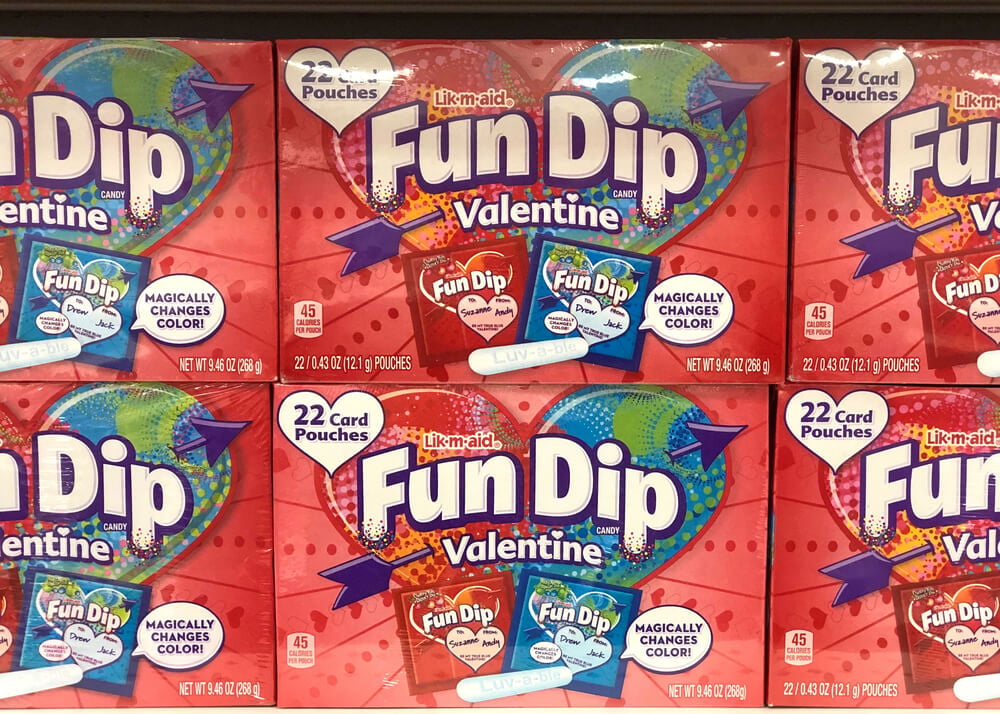
A powdered candy packet paired with a flavored stick for dipping turned snack time into a small ritual, and the leftover stick, licked clean and re-dipped repeatedly, was usually the last thing left once the trading was done.
Nerds
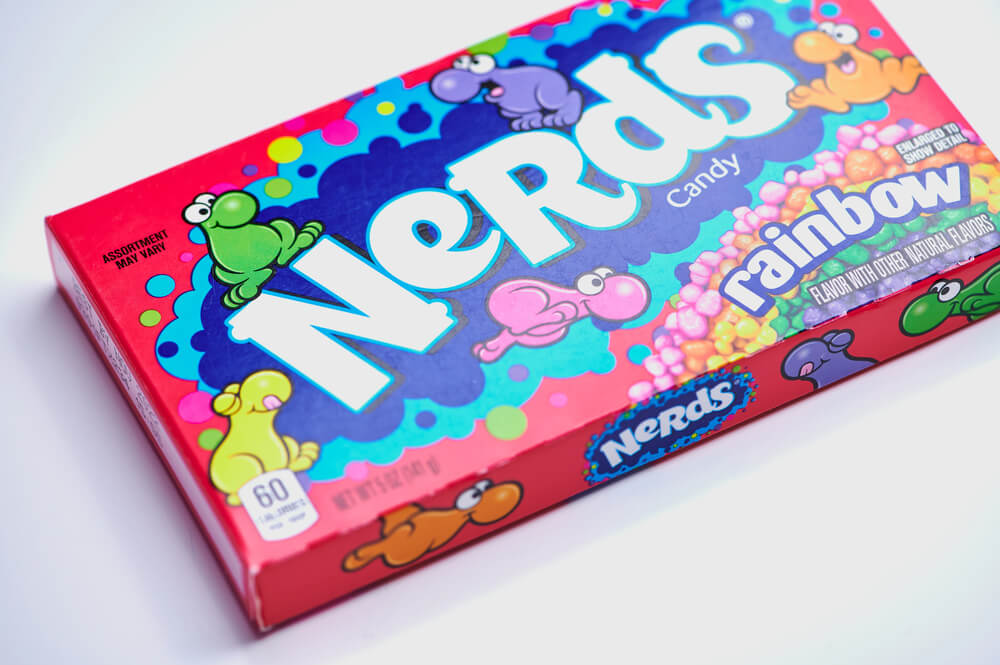
Tiny, densely packed candy pieces poured from a double-sided box made portion control almost impossible, so trading usually meant pouring a small handful directly into a friend’s open palm rather than handing over the entire container.
Skittles
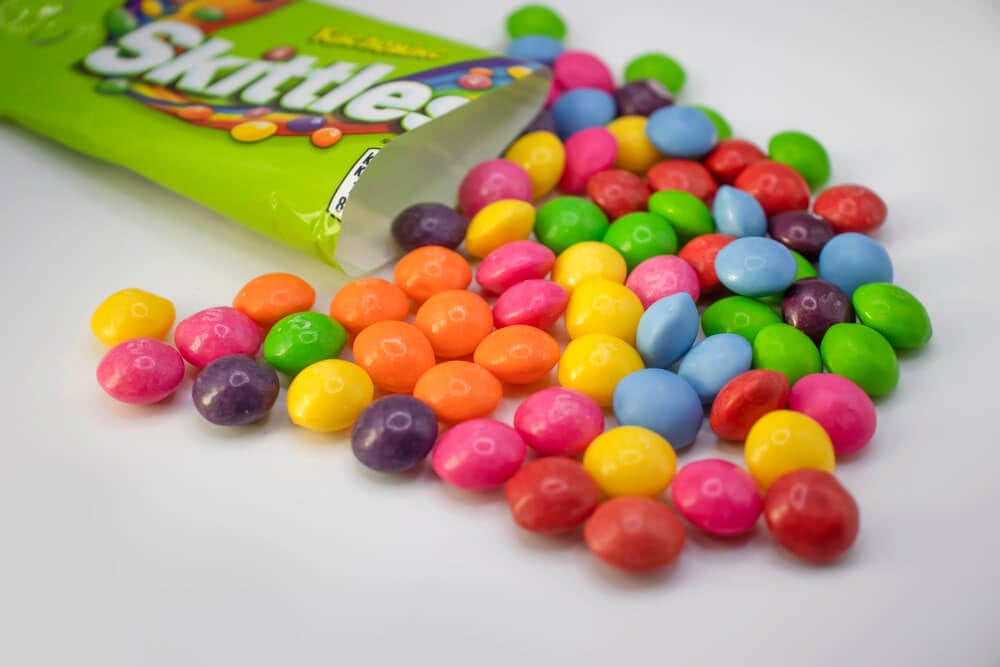
A bag of small, fruit-flavored shells became one of the most commonly split candies at any lunch table, often sorted by color before a single piece was eaten or traded away.
Starburst
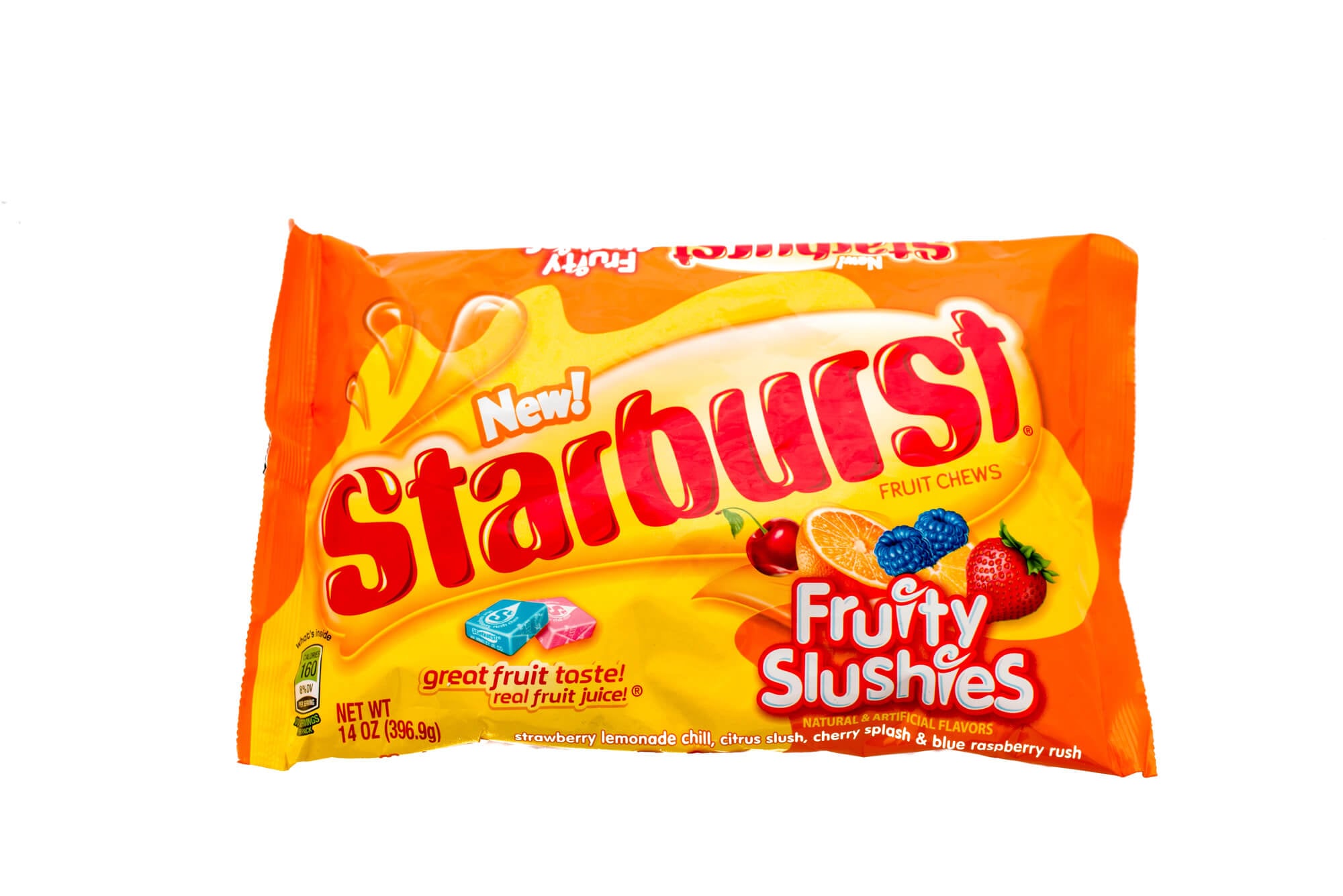
Individually wrapped fruit chews became valuable specifically because of flavor preference, with pink and red pieces often commanding a premium trade rate over the less popular yellow and orange.
Pop Rocks
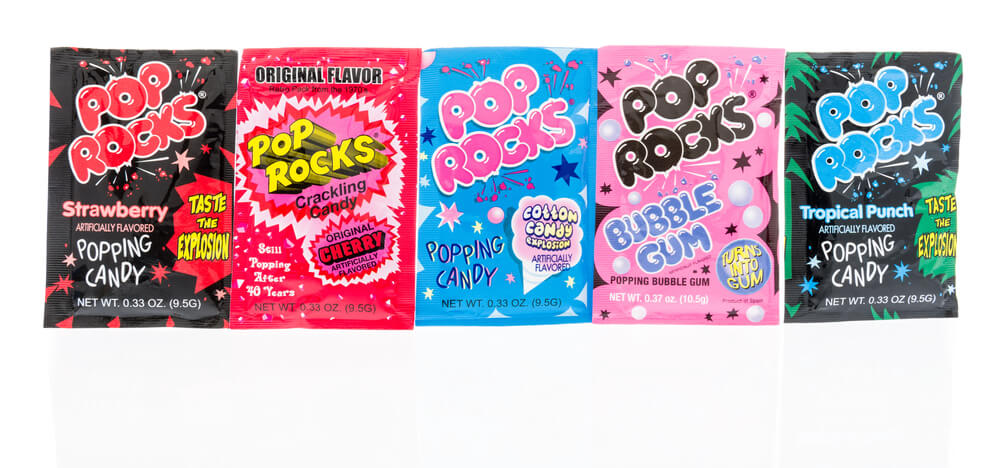
A small packet of candy that audibly crackled and popped on the tongue turned into a novelty demonstration as much as a snack, often traded specifically so a friend could hear the reaction for themselves.
Bazooka Joe Gum
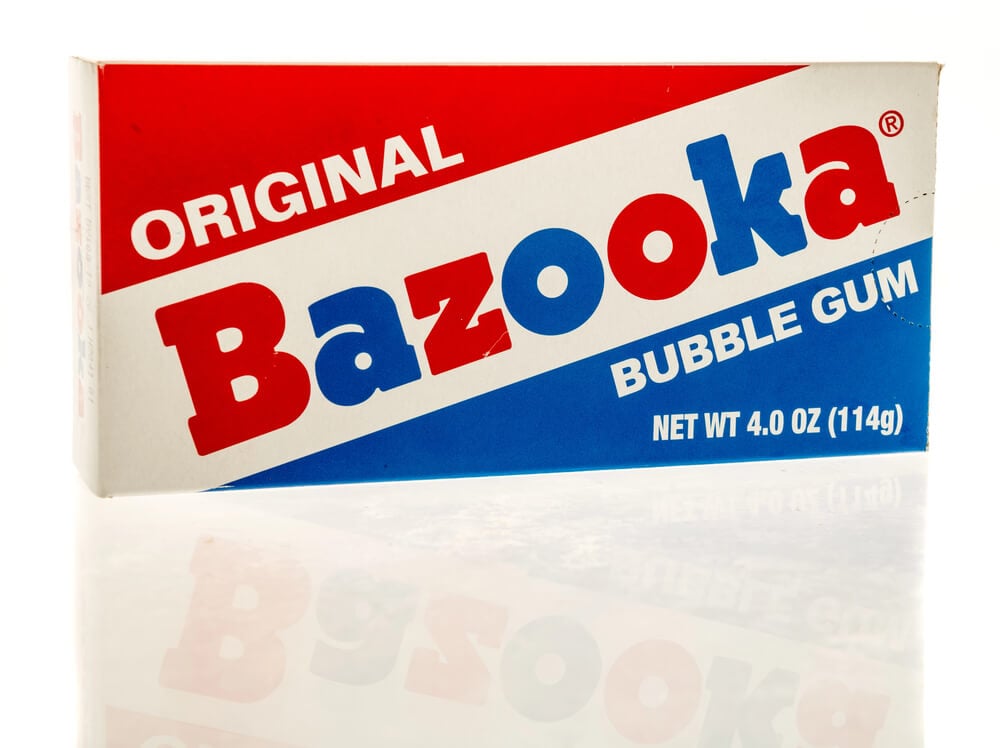
A thick, pink slab of bubble gum wrapped around a tiny comic strip gave kids a reason to keep the wrapper long after the gum itself had lost its flavor, since the comic was often worth more than the gum by that point.
Big League Chew
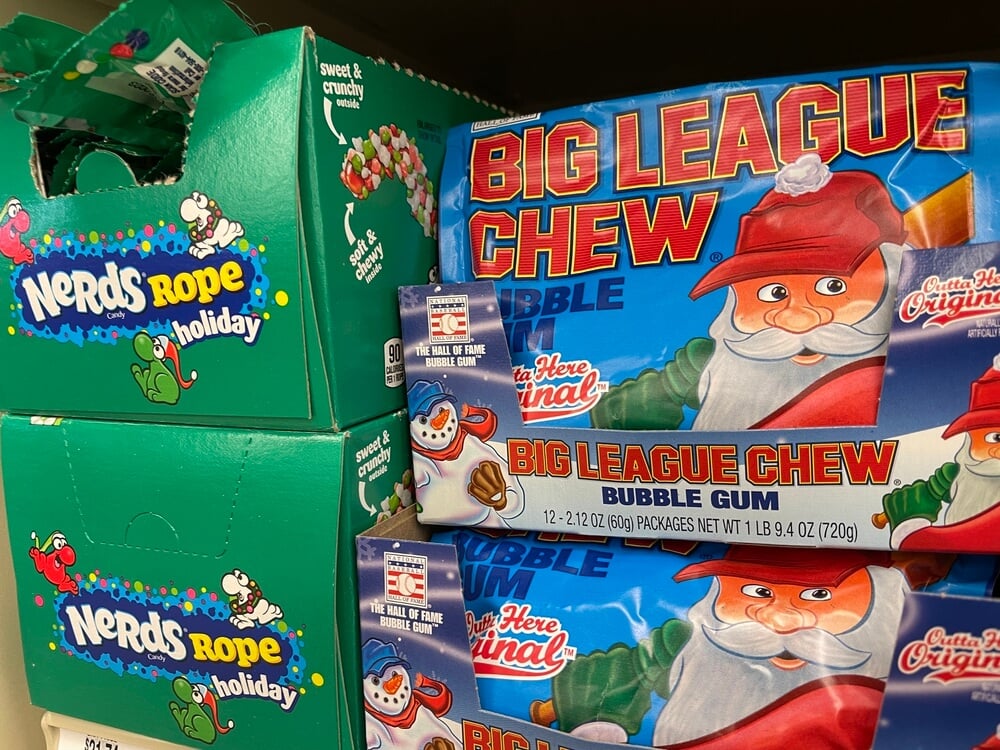
Shredded bubble gum packaged in a foil pouch styled after a resealable sports equipment bag gave kids the novelty of pulling out a fistful at once rather than unwrapping individual pieces.
Wax Bottle Candy
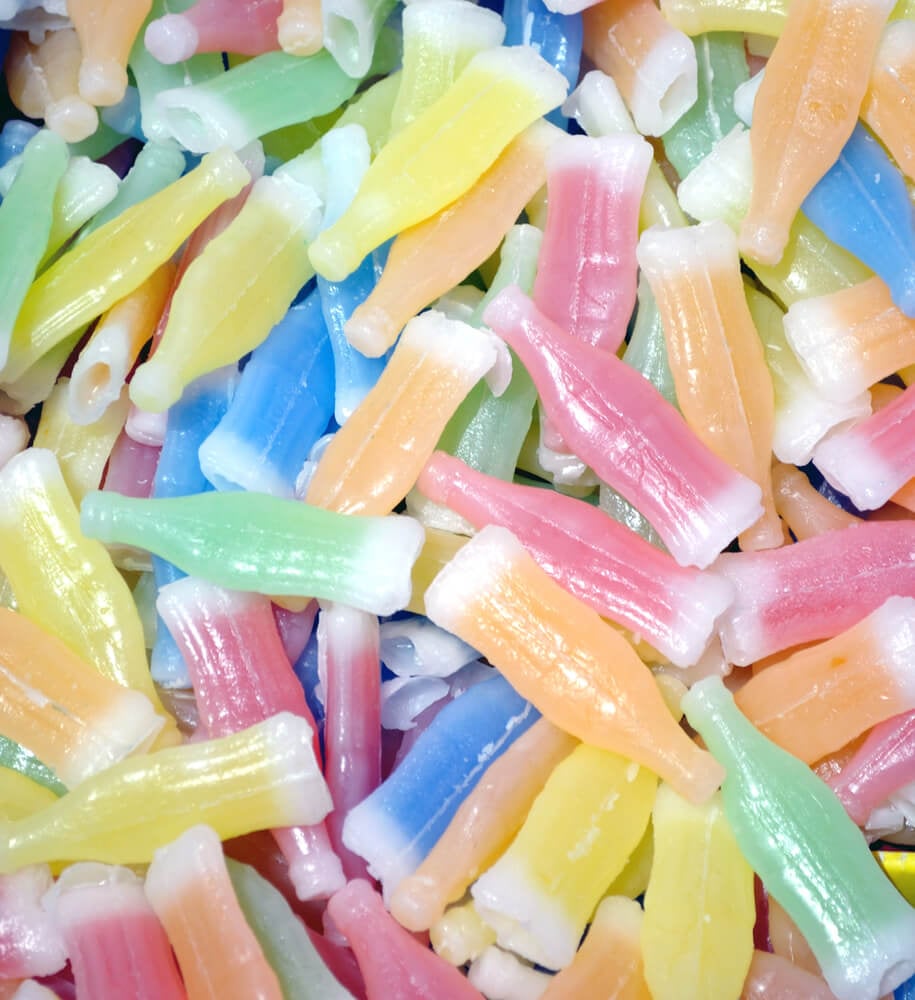
Small wax bottles filled with a few drops of flavored syrup were bitten open at the top and drained in one motion, and the leftover wax was sometimes chewed like gum long after the flavor was gone.
Pixy Stix
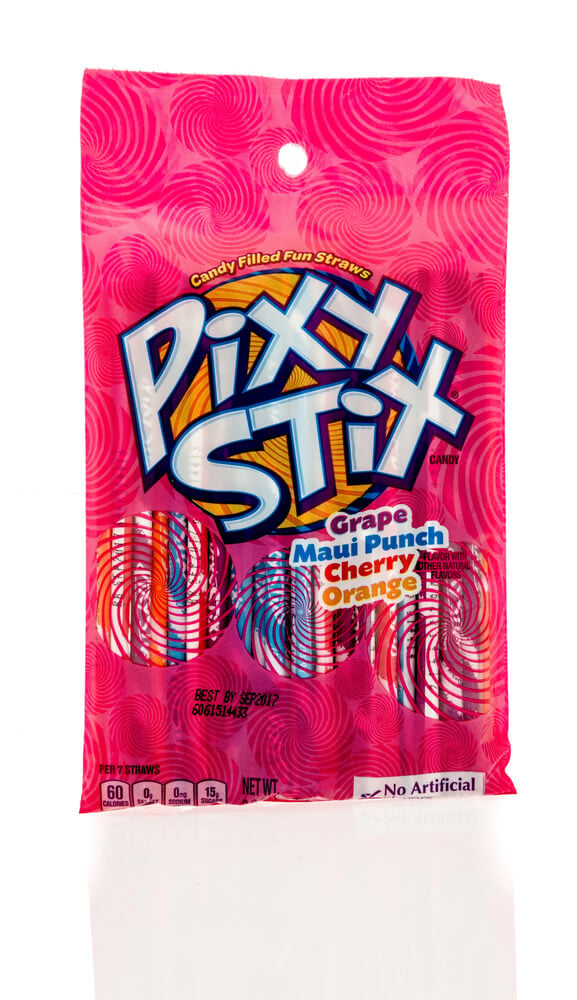
A straw of colored sugar with almost no candy shell to speak of became a favorite for kids who wanted a quick, intense hit of sweetness without the ceremony of unwrapping anything more complicated.
Bottle Caps Candy
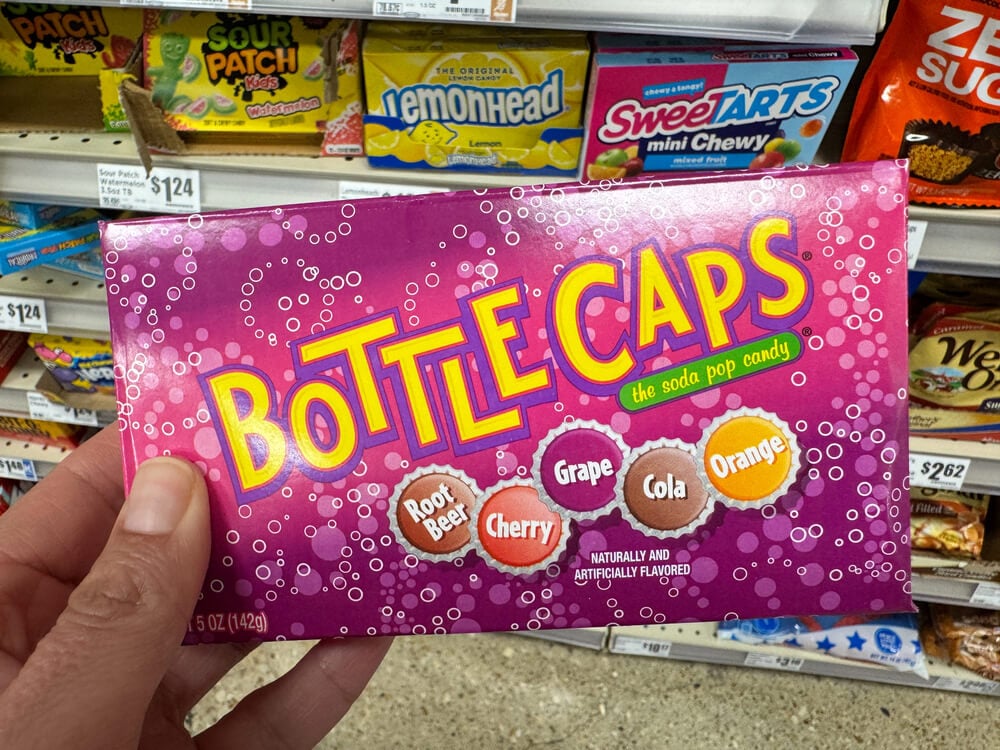
Small tablets shaped and flavored to resemble soda bottle caps came packaged loose in a bag, making them another easy candy to portion out in handfuls during a quick playground trade.
Everlasting Gobstopper
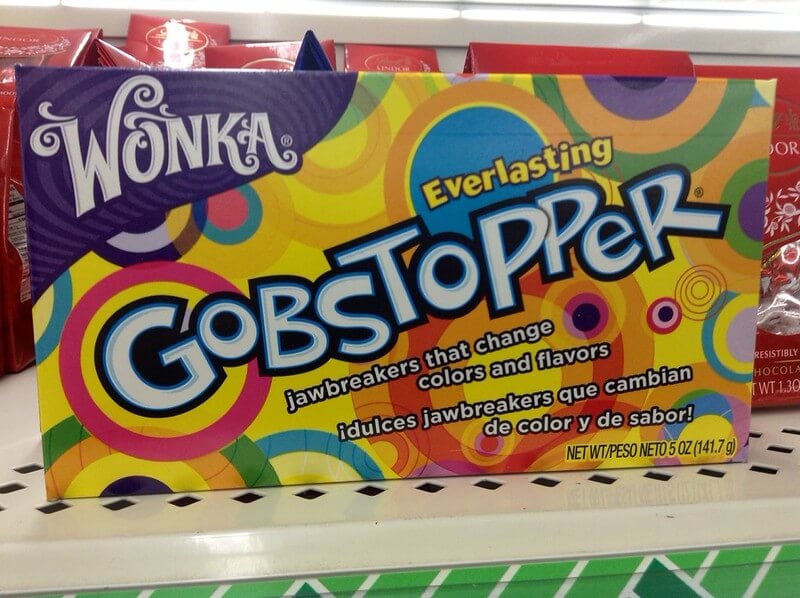
A hard, layered candy that changed color and flavor as it slowly dissolved became a favorite for kids who wanted to make a single piece last through an entire recess period rather than trading it away.
Charleston Chew
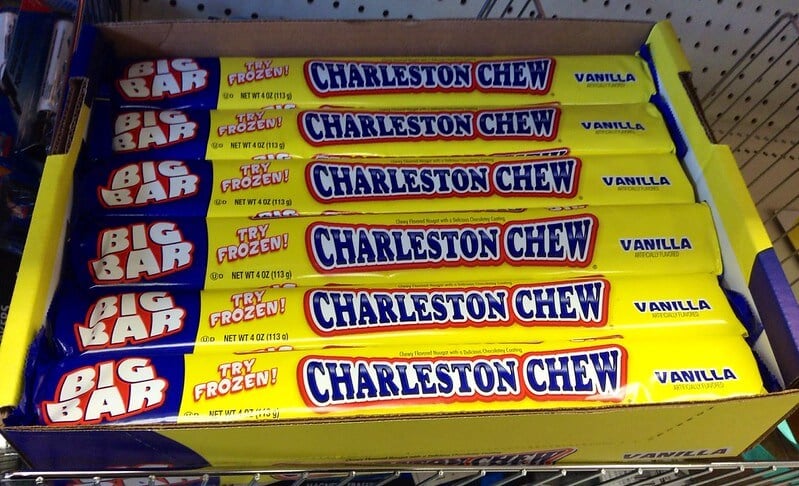
A long, nougat-filled bar wrapped in bright paper was often frozen before eating and then snapped in pieces against a table edge, a preparation ritual that made it one of the more distinctive candies in any lunchbox.
Blow Pop
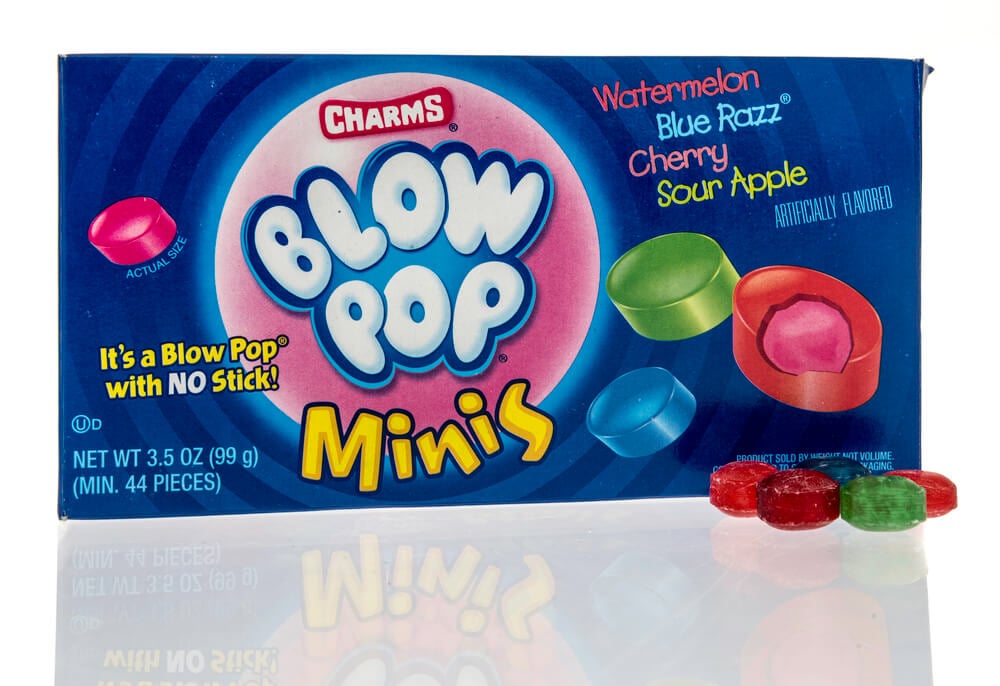
A hard candy shell hiding a bubble gum center inside made this sucker feel like two treats in one, and the moment a kid finally reached the gum was often treated as a small victory worth announcing to the entire table.
Reese’s Pieces
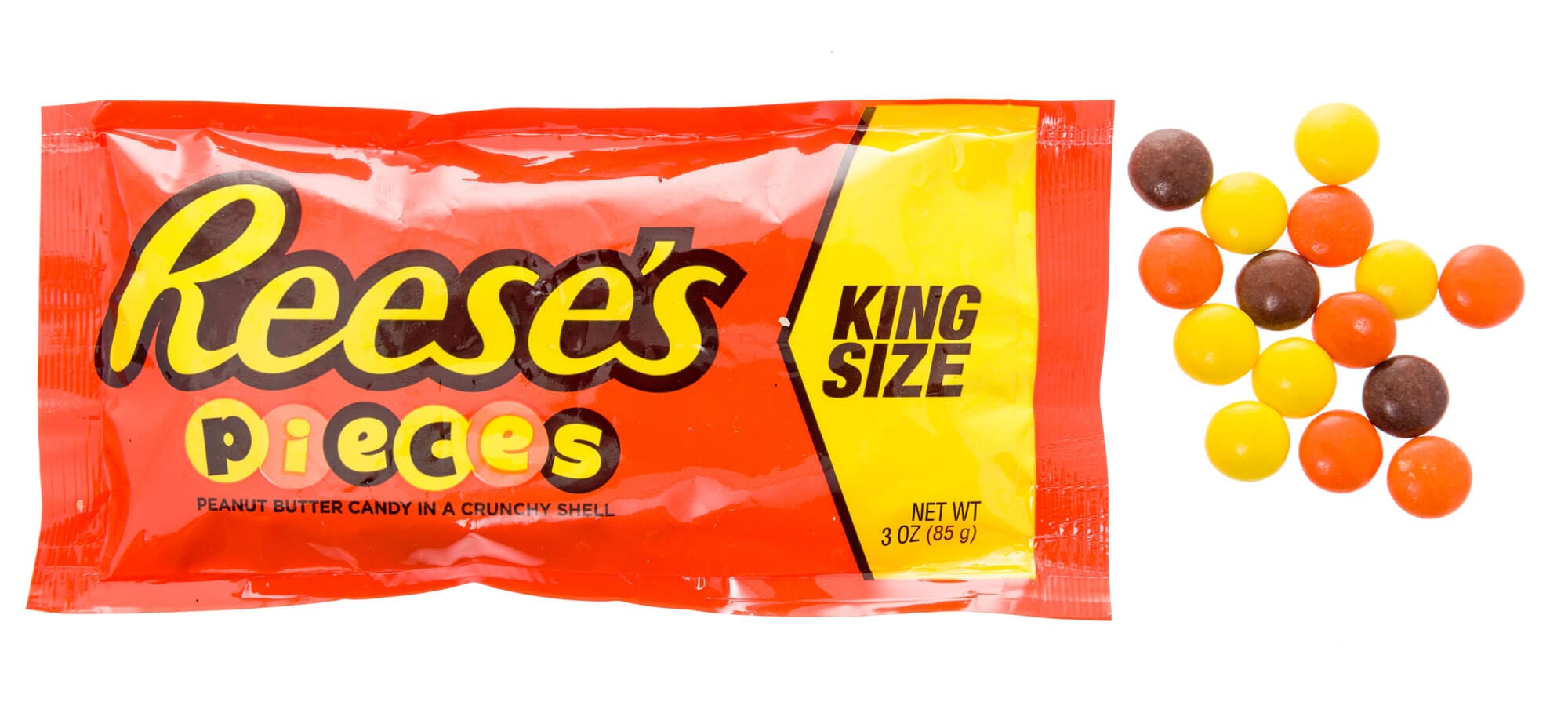
Small, peanut butter-filled candy shells packaged in a foil pouch became especially popular after appearing in a well-known movie, and the pouch’s resealable top made it one of the easier candies to portion out over multiple trades.
Smarties
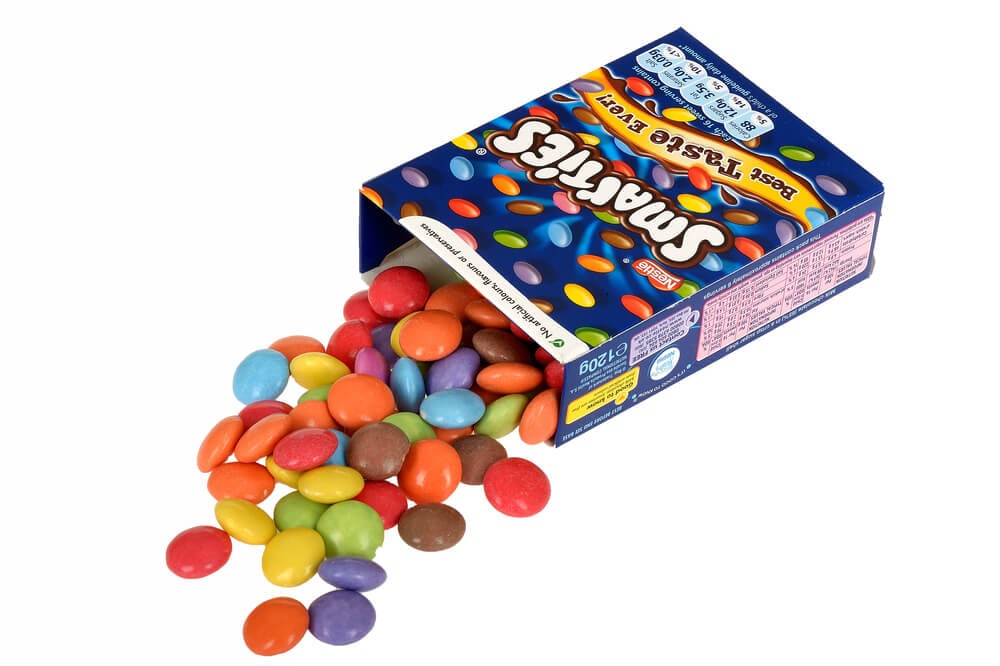
Small, chalky discs packaged in a twisted plastic roll became a lunchbox staple partly because of how easily the entire roll could be passed around and picked apart one piece at a time.
Push Pop
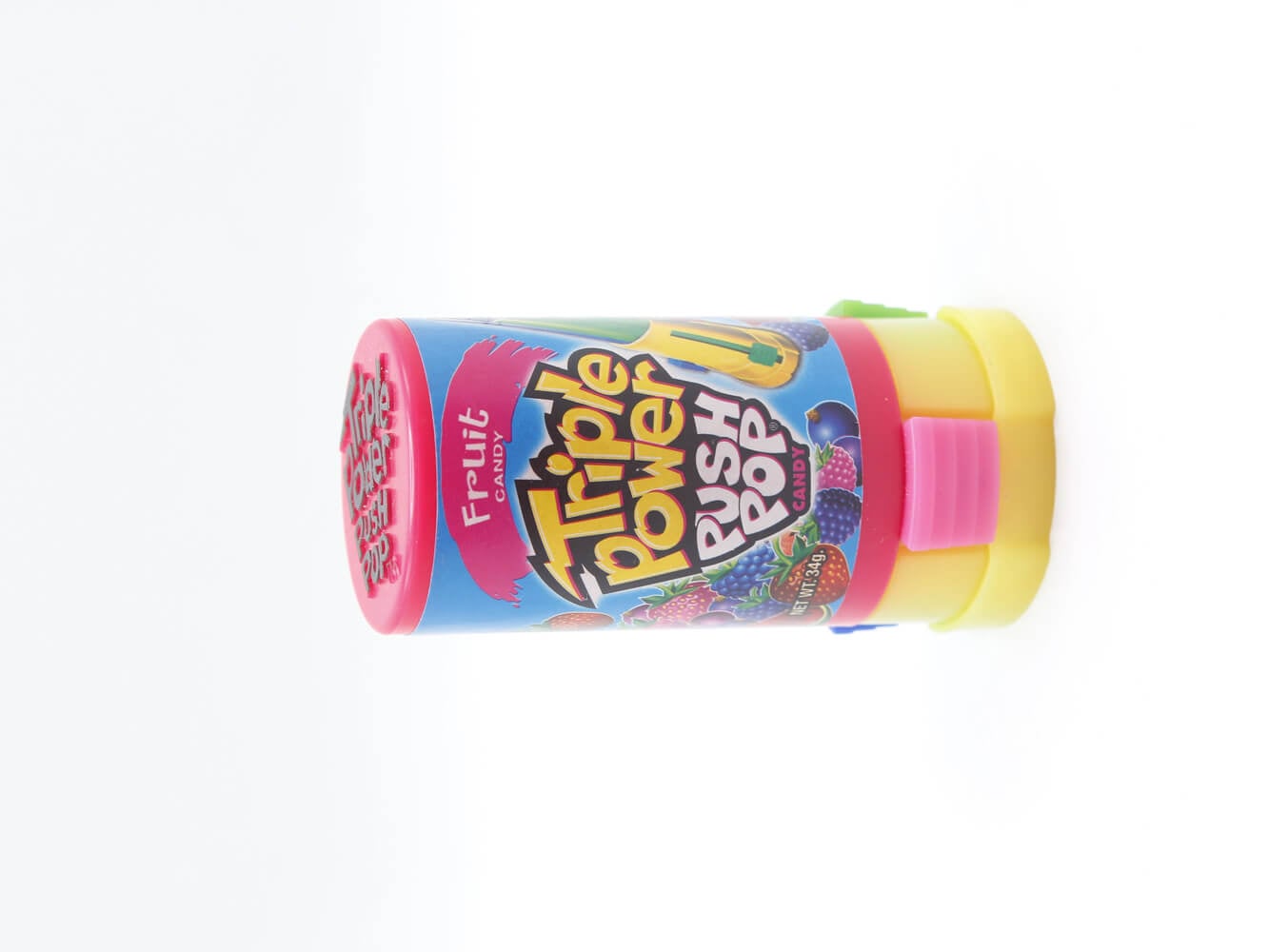
A hard candy that twisted upward out of its plastic tube let a kid control exactly how much was exposed at once, which made it easy to share without anyone actually touching the candy directly.
Candy Necklace
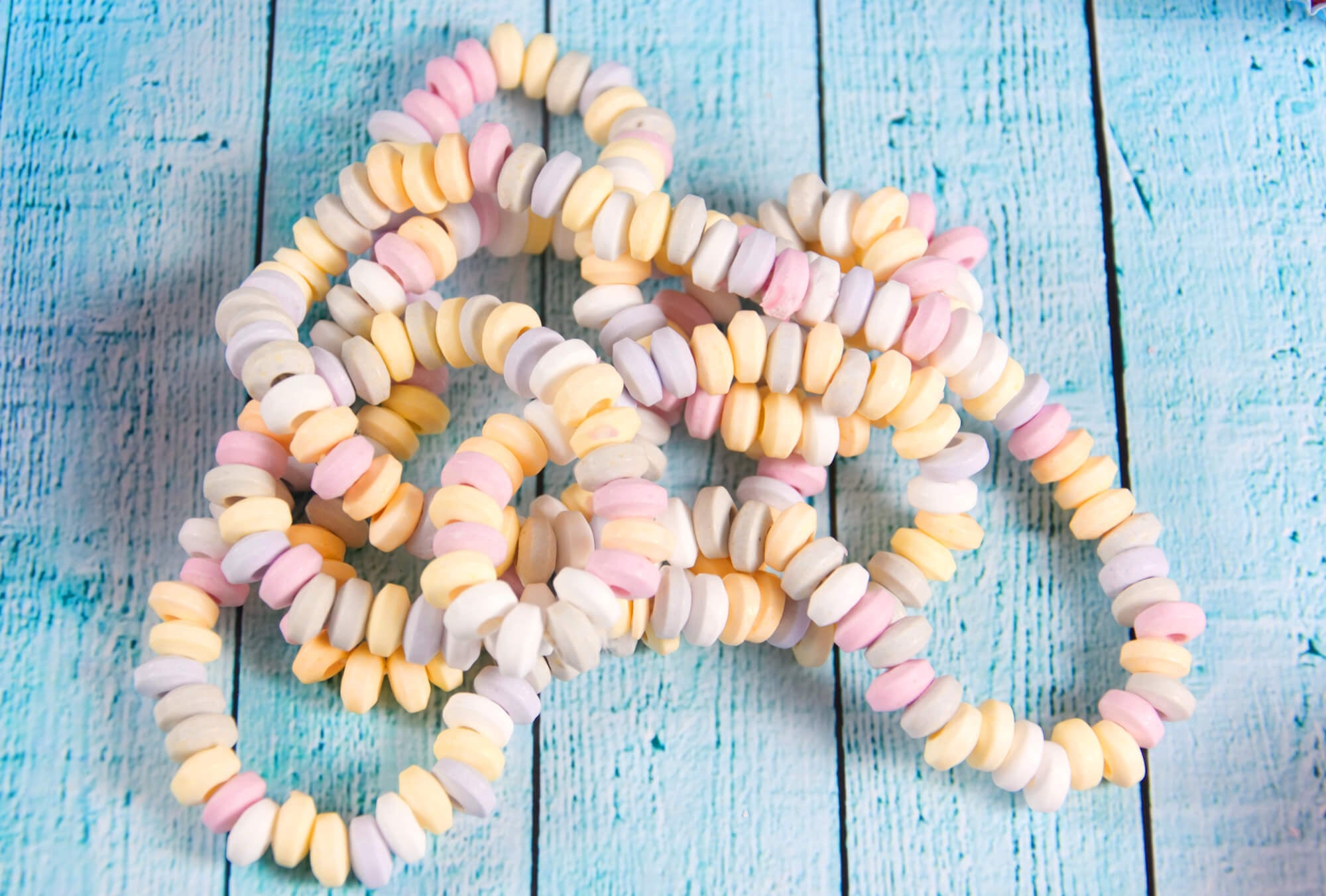
Small, pastel-colored candy beads threaded onto a stretchy string turned a piece of candy into a wearable accessory, often nibbled bead by bead throughout an entire school day rather than eaten all at once.
Runts
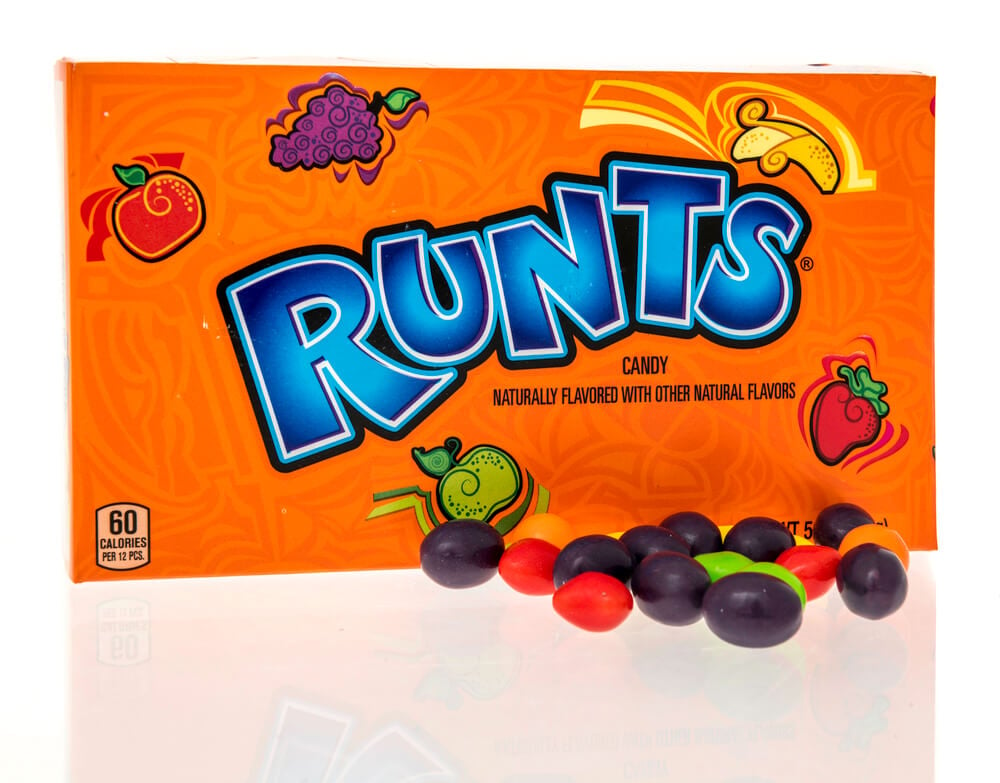
Small, fruit-shaped candy pieces packaged in a box became known specifically for the banana-flavored piece, which was traded away by nearly everyone in favor of the more popular strawberry and grape flavors.
Lemonhead
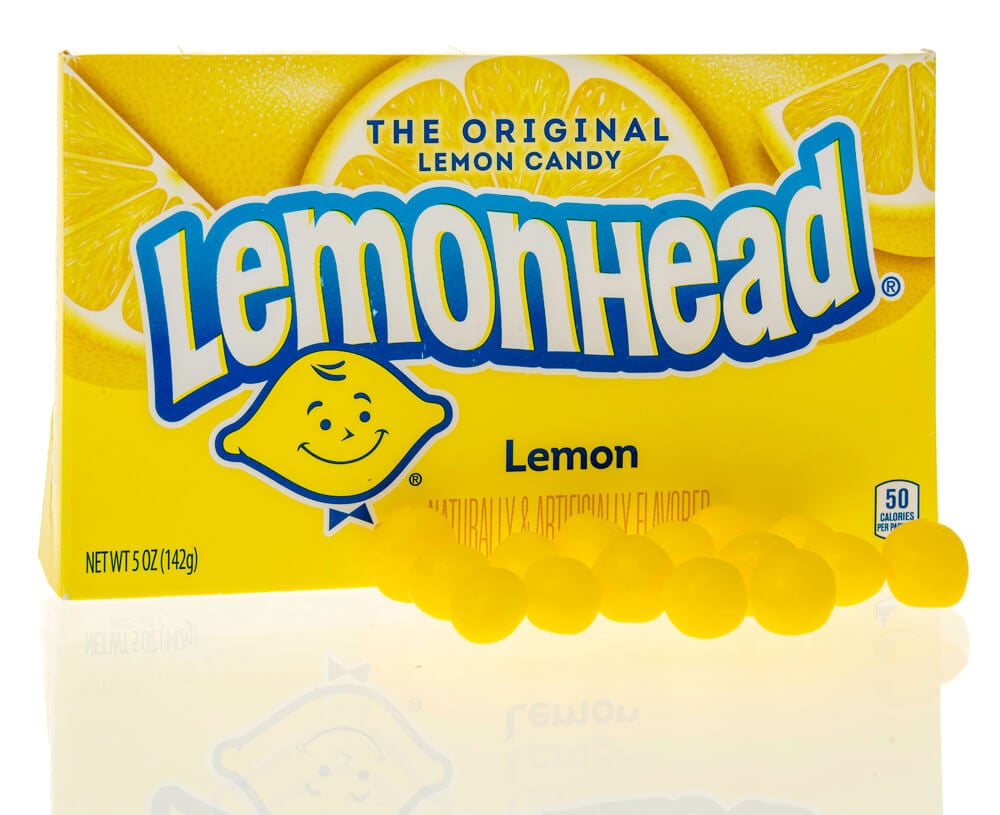
A hard, tangy lemon-flavored candy sold in a small yellow box became a lunchbox regular, valued at recess for how long a single piece could last compared to softer, faster-dissolving candy.
Hot Tamales
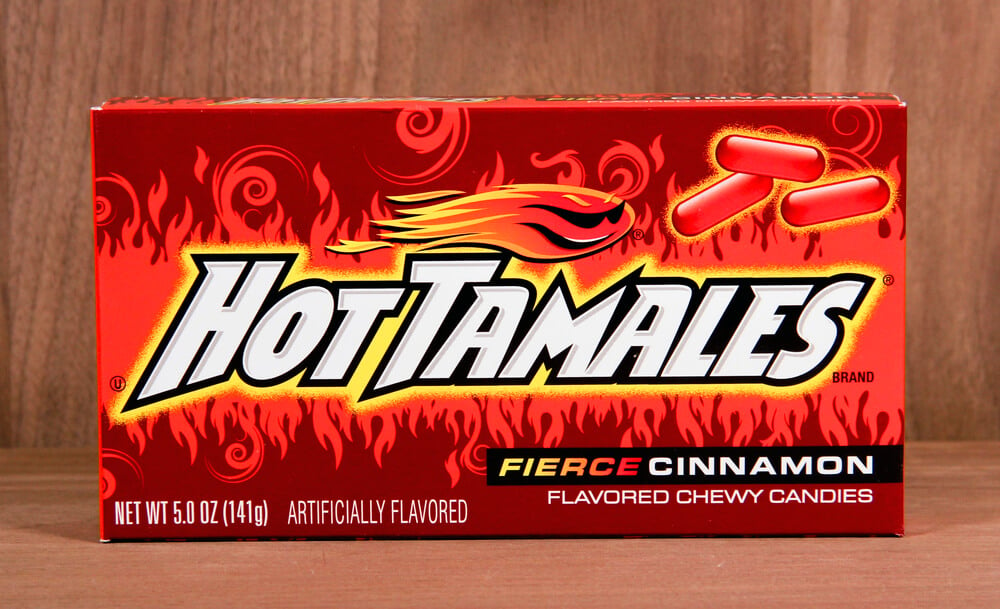
A small, intensely spicy cinnamon-flavored chew sold in a red box became something of a dare among kids, with entire recess periods occasionally spent watching to see who could eat an entire handful without reaching for water.
Dubble Bubble Gum
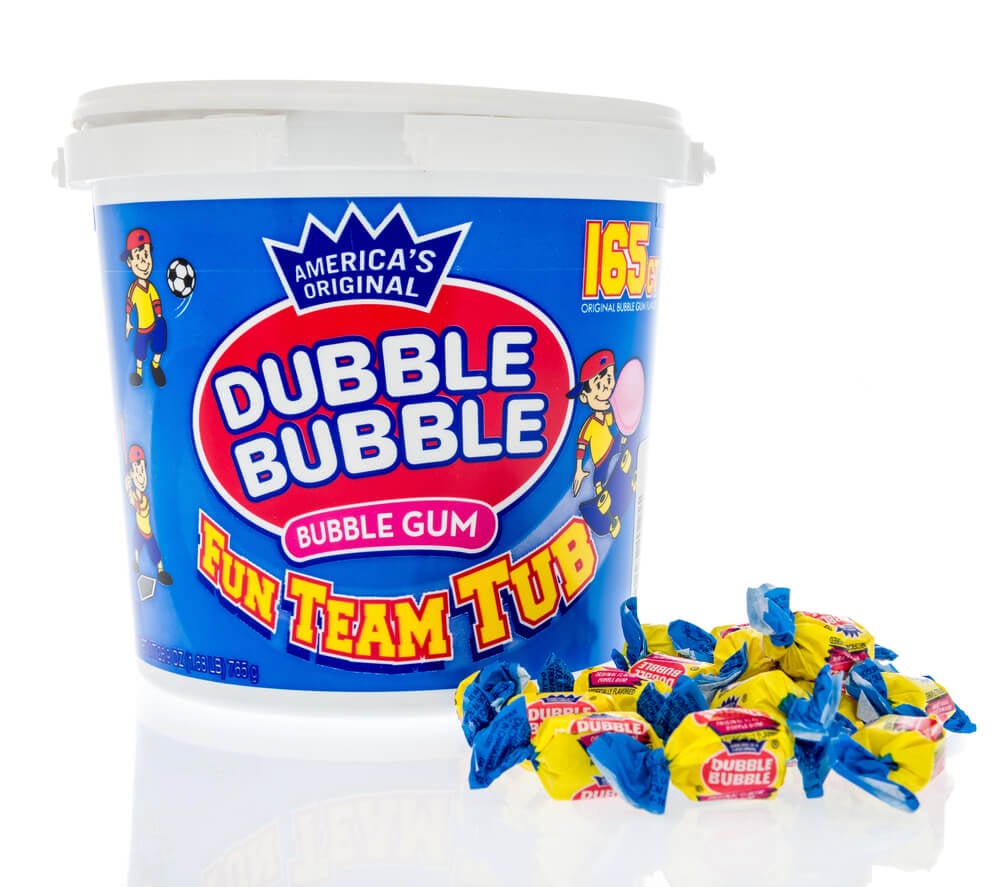
Individually wrapped pink gum pieces, each printed with a tiny fortune or joke on the inside of the wrapper, gave kids a reason to collect and compare wrappers even after the gum itself was gone.
Zotz
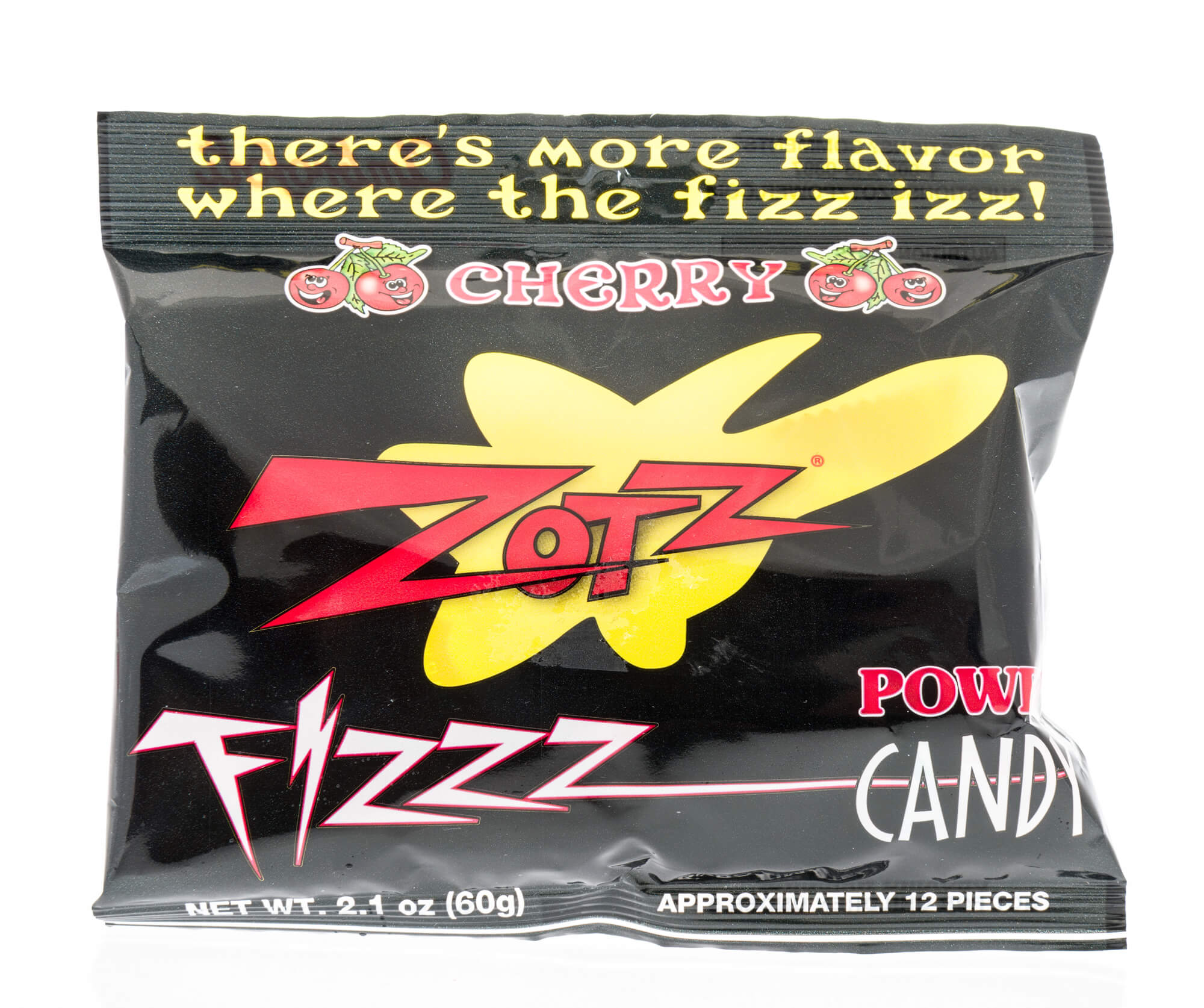
A hard candy shell hiding a fizzing, tangy powder center surprised first-time eaters enough that kids often traded a piece specifically to watch a friend’s reaction to the sudden fizz.
What the Wrapper Was Really Worth
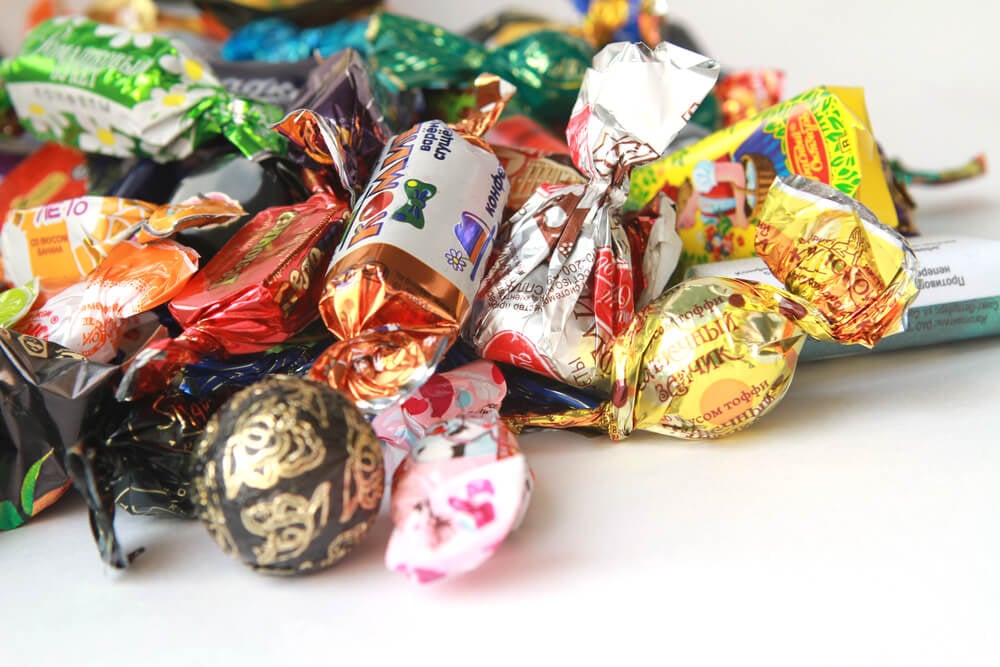
None of these candies were particularly expensive, and most cost only a few cents apiece at the corner store or the grocery checkout line. What made them valuable at recess was scarcity within a single lunchbox, since a kid with three flavors to offer instantly had more leverage than one with a single option.
That small, self-organized economy taught a surprising number of negotiating skills without anyone framing it that way at the time. Decades later, the specific crinkle of a particular wrapper can still summon an entire cafeteria table back into focus, trade included.
More from Go2Tutors!

- The Romanov Crown Jewels and Their Tragic Fate
- 13 Historical Mysteries That Science Still Can’t Solve
- Famous Hoaxes That Fooled the World for Years
- 15 Child Stars with Tragic Adult Lives
- 16 Famous Jewelry Pieces in History
Like Go2Tutors’s content? Follow us on MSN.