Before and After Photos Of Iconic Cities
There’s something almost unsettling about looking at a city you know well — and then seeing what it looked like a hundred years ago. The same streets, the same hills, sometimes even the same rivers.
But everything around them is different. Before and after photos of cities have a way of making time feel both very short and impossibly long at the same time.
Here are some of the most striking transformations captured across the world’s most recognizable cities.
New York City’s Skyline That Grew Up Fast
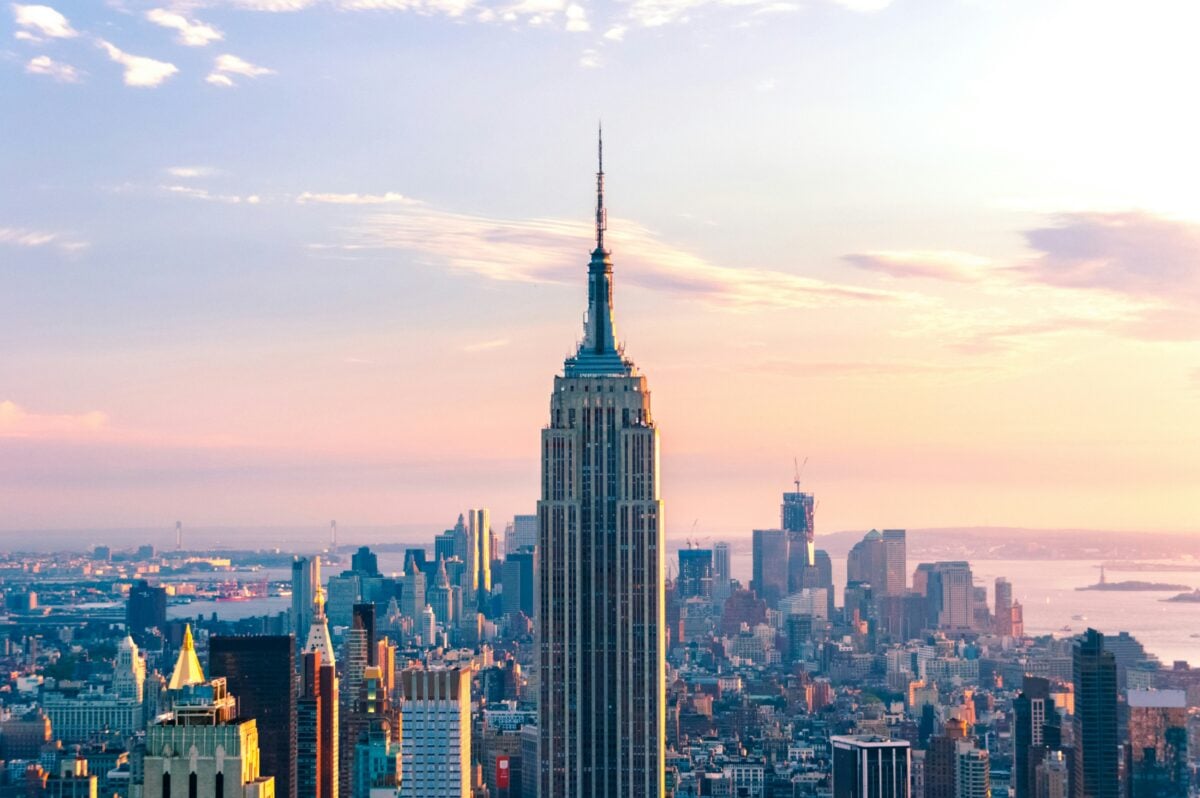
In the early 1900s, Manhattan’s skyline was barely a skyline at all. A few modest towers poked up above the brownstones.
By the 1930s, the Empire State Building and the Chrysler Building had changed everything. Comparing photos from 1900 to 1950 to today shows a city that didn’t just grow — it stacked itself toward the sky in a way that seemed almost competitive.
What stands out most in the older photos isn’t what’s missing. It’s how much sky there used to be.
Dubai Before the Desert Became a Metropolis
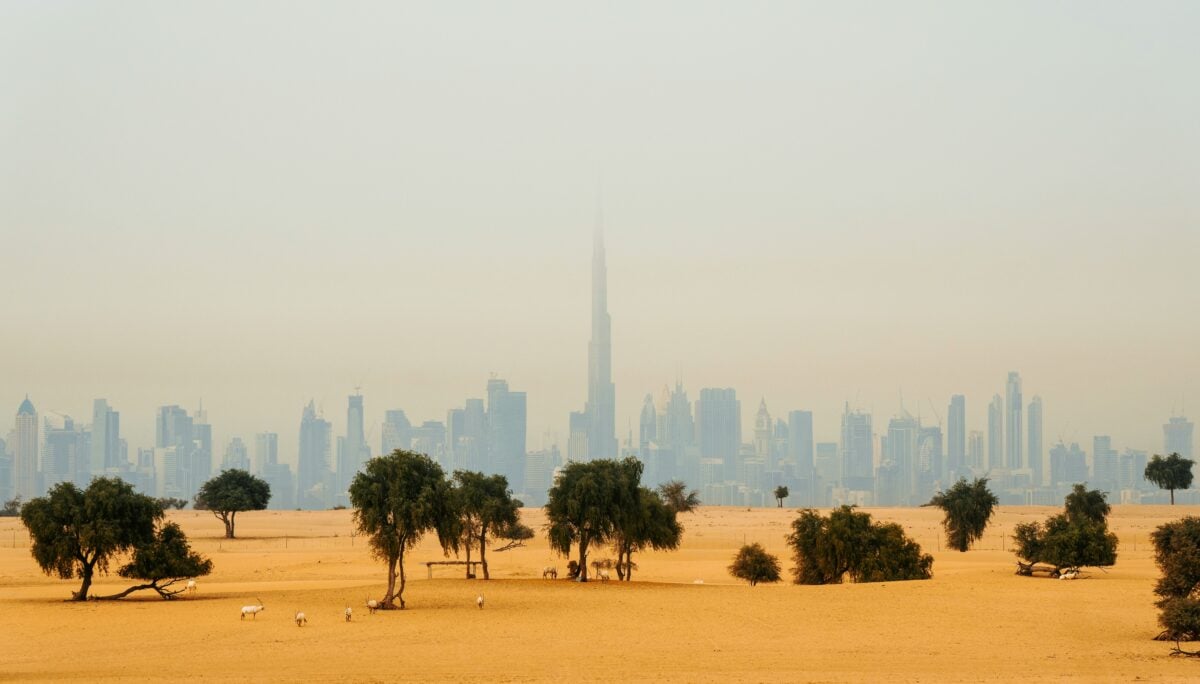
In the 1970s and early 1980s, aerial photos of Dubai show stretches of sand, a modest coastline, and a small cluster of low buildings near the creek. The contrast with photos taken after 2000 is genuinely hard to process.
The Palm Jumeirah, the Burj Khalifa, the highways cutting through what was once open desert — the transformation happened within a single human lifetime. Dubai is probably the most dramatic urban before-and-after story on the planet.
No other city changed this much, this fast.
Paris, Which Barely Changed at All
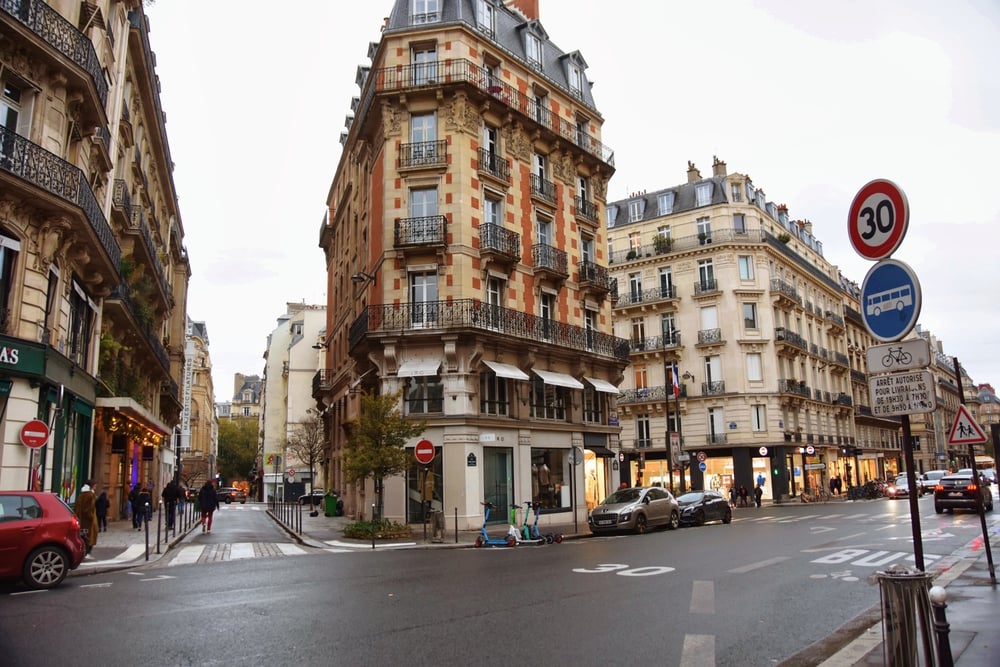
That’s the interesting thing about Paris. Look at photos from the 1860s, right after Haussmann redesigned much of the city, and then look at photos from today.
The broad boulevards are still there. The limestone facades, the wrought iron balconies, the rooflines — largely unchanged.
The city made a decision, deliberately or not, to preserve its form in a way that almost no other major city did. The before-and-after photos of Paris are fascinating precisely because the “after” looks so much like the “before.”
Shanghai’s Pudong District Rose From Farmland

In 1987, the eastern bank of the Huangpu River — Pudong — was agricultural land dotted with small villages. There were no skyscrapers, no financial towers, no Oriental Pearl TV tower reflecting in the water.
By 2010, Pudong had become one of the most recognizable skylines in Asia. Before-and-after satellite images of this area get shared constantly online because they seem fake.
The scale of the change makes them look like two entirely different places.
London After the Great Fire and After the Blitz
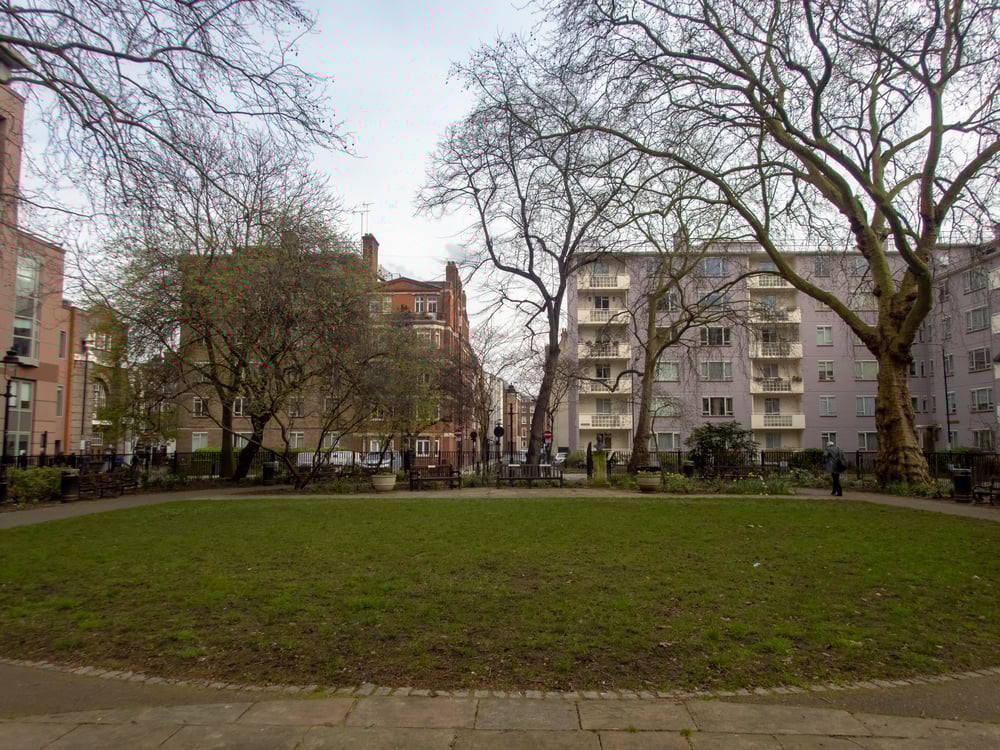
London has been rebuilt twice under dramatic circumstances. The Great Fire of 1666 destroyed much of the medieval city, and Christopher Wren’s churches and St. Paul’s Cathedral rose in its place.
Then, during the Second World War, the Blitz left large sections of the city in rubble. Photos from the 1940s showing bombed-out streets next to photos of those same streets today tell a story of resilience — though the rebuilding that followed the Blitz also produced some of the city’s least beloved architecture.
Tokyo After 1945

Aerial photographs of Tokyo taken in 1945 show a city that had been almost entirely burned down. The firebombing campaigns left mile after mile of ash.
What followed was one of the fastest urban rebuilds in history. By the 1960s, Tokyo was hosting the Olympics.
By the 1980s, it was one of the wealthiest cities on earth. The contrast between those 1945 photos and images of modern Tokyo is difficult to look at for too long.
It carries a weight that pure statistics never quite capture.
Las Vegas in the Middle of the Mojave
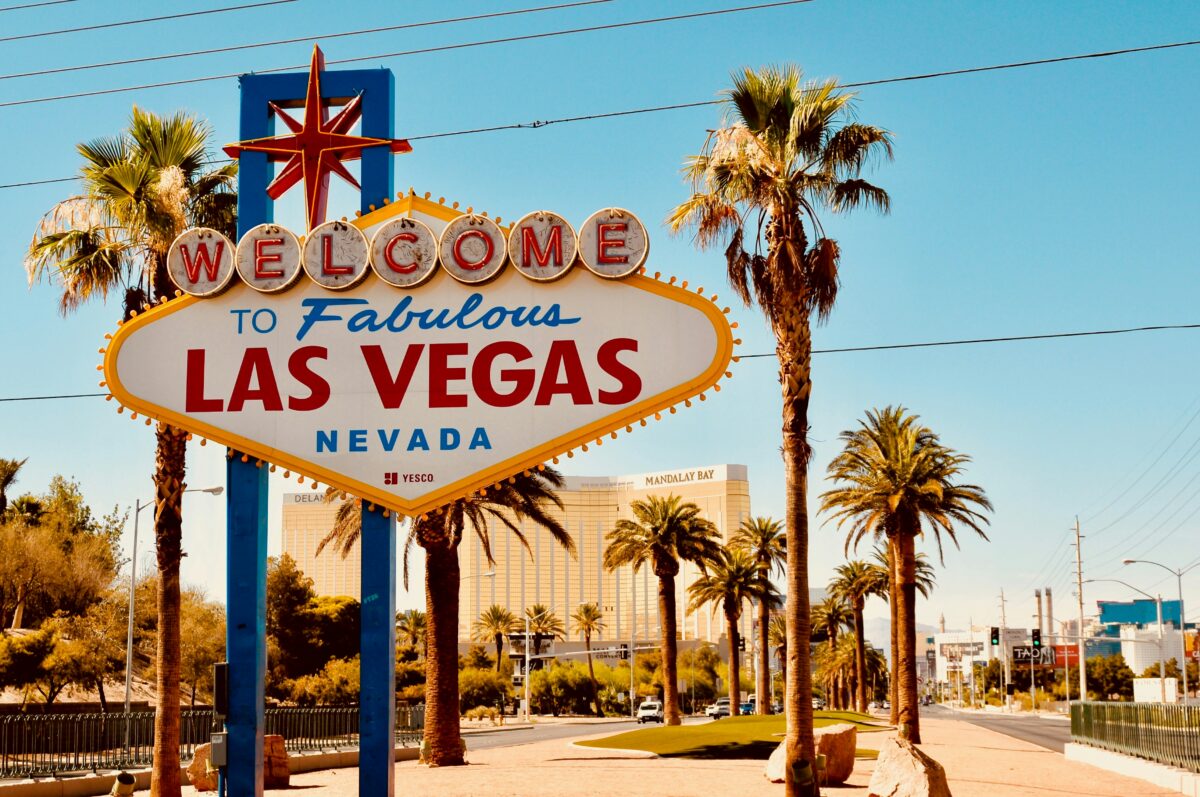
Old photographs of Las Vegas from the 1940s show a dusty highway town. A few casino signs.
Not much else. What’s easy to forget is that the Las Vegas Strip didn’t exist yet — the first major hotel casino on that stretch of road opened in 1941.
The neon explosion came later. Today’s aerial shots of the Strip at night, with the Bellagio fountains and the replica Eiffel Tower and the pyramid with a beam of light shooting into the sky, look nothing like the desert outpost in those early photos.
Singapore’s Transformation From Port to Skyline

Singapore in the 1960s was a crowded, low-rise port city. The shophouses along the waterfront were the dominant architectural feature.
Today, the Marina Bay skyline — with its lotus-shaped arts center, its giant casino resort with a rooftop infinity pool, its gardens with the Supertree structures — is one of the most photographed urban environments in the world. The before-and-after comparison works partly because the old photos survive in good quality.
You can find images of 1960s Singapore and line them up against photos from 2024, and the only recognizable thing is the water.
Chicago and the Fire That Rebuilt It

Chicago’s great fire of 1871 burned down a huge portion of the city. The rebuilding effort that followed drew architects from across the country, and Chicago ended up becoming the birthplace of the modern skyscraper.
Before-and-after photos of the fire are haunting — block after block of smoldering foundations. But the “after” photos, taken just a decade later, show something extraordinary: a city with genuine ambition in its architecture, already starting to build upward.
Beijing’s Hutongs Giving Way to Highways
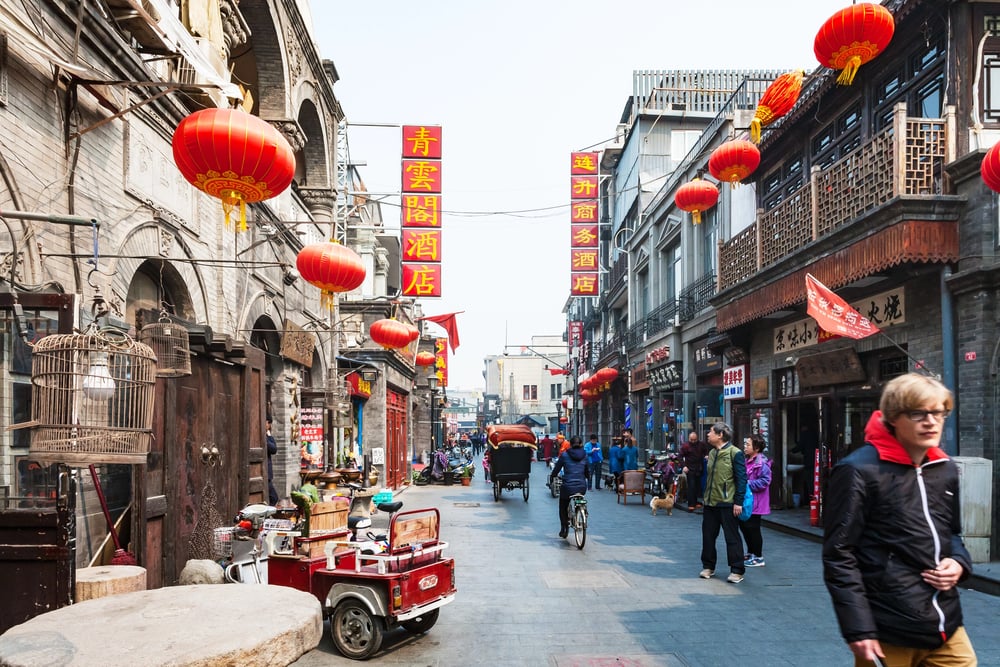
Older photos of Beijing show a city of low grey courtyard homes — hutongs — radiating outward from the Forbidden City. The scale was human-sized.
Streets were narrow. Trees arched overhead.
The demolition of large sections of the hutong districts to build wide boulevards and high-rises began in earnest in the 1990s. Some neighborhoods survive, protected as heritage areas.
But before-and-after photos of areas that didn’t make it show something irreplaceable being erased.
San Francisco’s Waterfront Before the Freeways
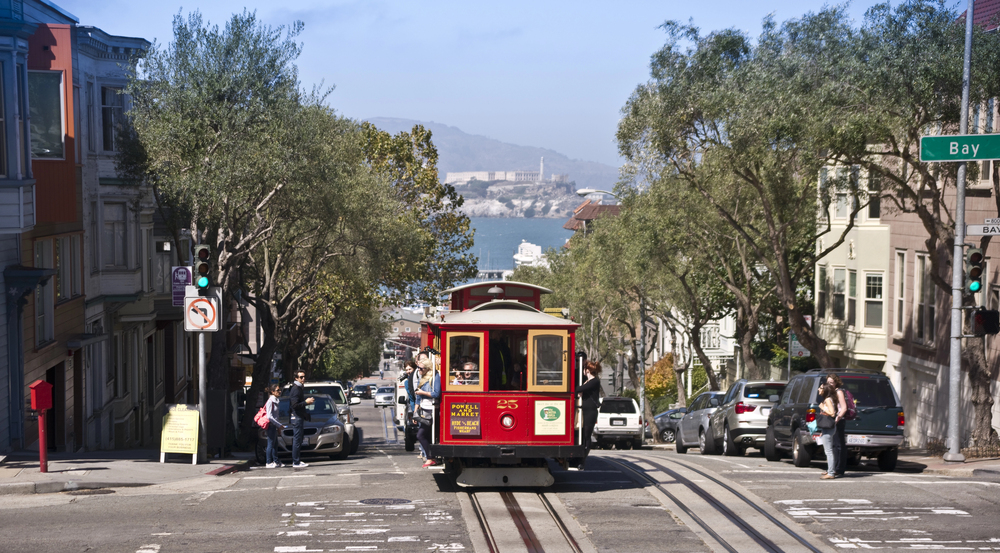
In the decades after the Second World War, San Francisco built an elevated freeway along its Embarcadero waterfront. It blocked the view of the bay from much of downtown.
When the 1989 Loma Prieta earthquake damaged the structure, the city decided to tear it down rather than repair it. The before-and-after photos here run in reverse of what you’d expect.
The “after” — without the freeway — looks more open, more livable. Sometimes cities improve by removing things.
Hong Kong’s Harbor Shrinking
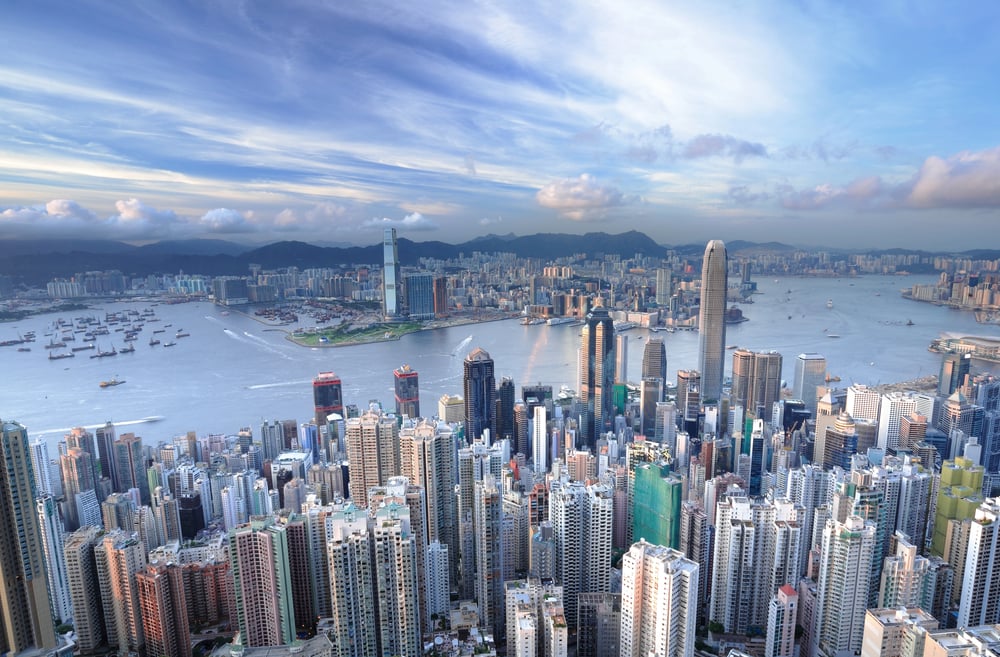
One of the more subtle transformations visible in before-and-after photos of Hong Kong is the harbor itself. Land reclamation projects have been narrowing Victoria Harbour for decades.
Historical photos show a wide expanse of water between Hong Kong Island and Kowloon. Modern photos show a harbor that’s noticeably slimmer.
It’s a change that most visitors don’t notice because they have no reference point. But set an old photo next to a new one and the difference is clear.
Detroit’s Rise and the Long Hollowing Out

Detroit in the 1950s was one of the wealthiest cities in the world. Downtown photos from that era show packed department stores, busy sidewalks, and a density of life that felt genuinely prosperous.
The before-and-after photos that followed — spanning the collapse of the auto industry, population loss, and decades of disinvestment — are among the most discussed urban images in America. Empty lots where houses stood.
Grand theaters converted to parking. Then, more recently, a slow wave of renovation photos that suggest a partial return.
Detroit’s timeline is longer and more complicated than most.
What These Photos Actually Show You
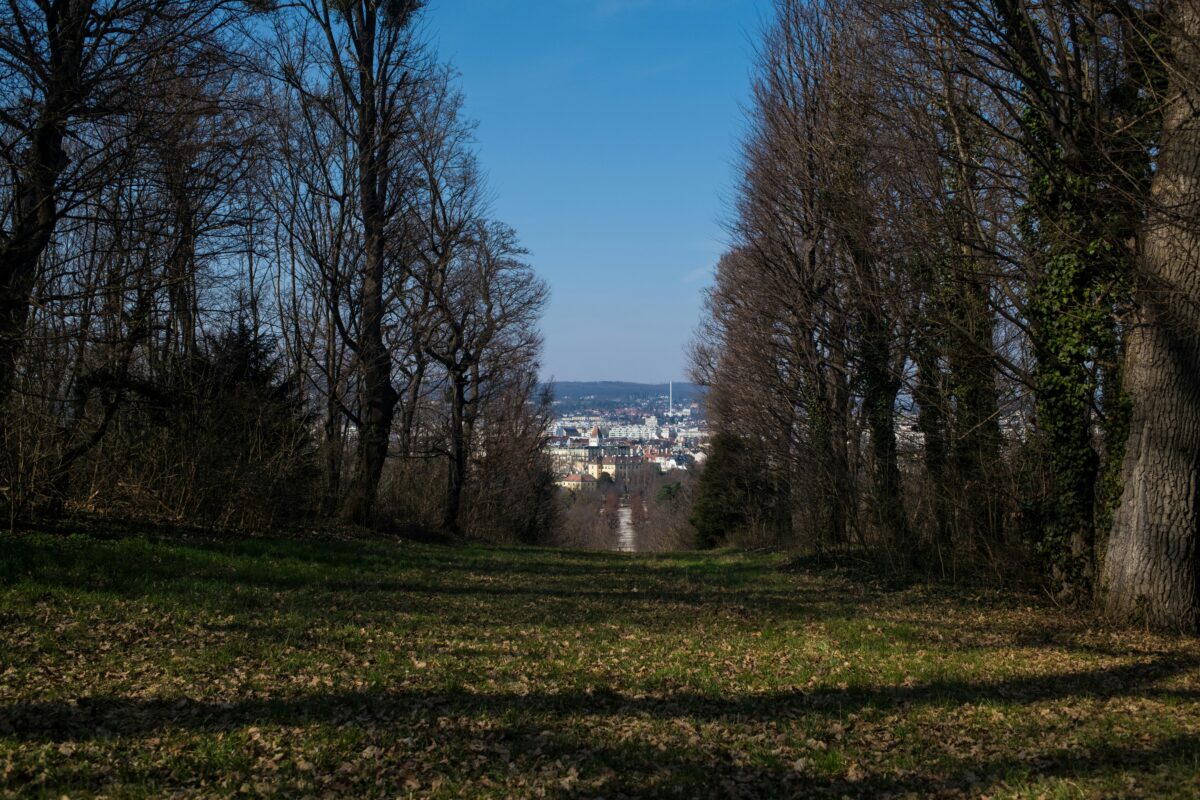
Beyond the spectacle of change, before-and-after city photos do something specific: they make visible the decisions that went into building the places you live and visit. Highways built through neighborhoods.
Waterfronts reclaimed or opened up. Buildings demolished or preserved.
None of it happened by accident. Someone decided to build the Palm Jumeirah.
Someone decided to tear down the Embarcadero freeway. Someone decided which Beijing hutongs were worth saving.
Looking at these photos long enough, you start to see cities not as fixed things but as ongoing arguments — about what space is for, who it belongs to, and what people believe is worth keeping.
More from Go2Tutors!

- The Romanov Crown Jewels and Their Tragic Fate
- 13 Historical Mysteries That Science Still Can’t Solve
- Famous Hoaxes That Fooled the World for Years
- 15 Child Stars with Tragic Adult Lives
- 16 Famous Jewelry Pieces in History
Like Go2Tutors’s content? Follow us on MSN.



