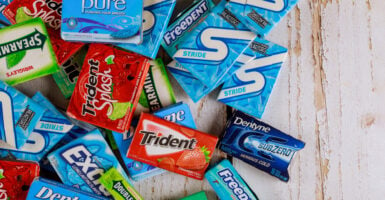
27 Chewing Gum Brands That Disappeared
A pack of gum is about the cheapest thing a store sells, which makes it easy to assume the favorites will always be waiting by the register. They are not.
Gum makers launch, tinker and cancel constantly, and a brand that filled every lunch bag in one decade can be gone without a press release in the next.
Some of the names below lasted a century and some barely lasted a spring. A few have come back in small runs, and those returns are noted where they happened.
Fruit Stripe and Its Painted Zebra
Beech-Nut introduced Fruit Stripe around 1960, selling five fruit flavors in one pack with colored stripes printed across every stick. The mascot, a zebra named Yipes, arrived later and ended up on the wrappers, which doubled as temporary tattoos that kids pressed onto damp forearms.
The gum had a reputation that even its fans admitted: a burst of flavor that faded within a minute or so. Ownership passed through several candy companies before landing at Ferrara, which confirmed in January 2024 that production had ended.
The announcement set off a brief run on remaining packs, and resellers were soon asking several times the shelf price.
Freshen Up, the Gum That Squirted
Warner-Lambert brought Freshen Up to American stores in 1975 with a gimmick nobody else had: a square pellet with a liquid gel center that burst on the first bite. Commercials called it “the gum that goes squirt”, and the line eventually covered spearmint, peppermint, cinnamon and a bubble gum version.
Sales in the United States thinned out over the following decades as newer sugar-free pellets crowded the rack, and in its last years the gum was being made in Brazil. Production was discontinued around 2019.
The name has since resurfaced on a line of oral care products from MKJ Brands of New Jersey, which in 2025 added a liquid-filled functional gum with caffeine, a different product from the 1975 original.
Chewels and the Sugarless Liquid Center
Chewels followed Freshen Up out of the same Warner-Lambert gum operation around 1980, and it borrowed the liquid center while dropping the sugar. That combination was the entire pitch, since sugarless gum of the period was known for being stiff and bland.
The pieces were small, and the ads leaned on the surprise of the soft middle and on the claim that nothing else in the sugarless aisle did the same. Chewels stayed on shelves through much of the 1980s and then quietly went away while its maker kept building Trident.
Few gum lines of that decade are remembered as fondly by so few people, and no revival has ever been announced.
Tidal Wave’s Flooded Middle
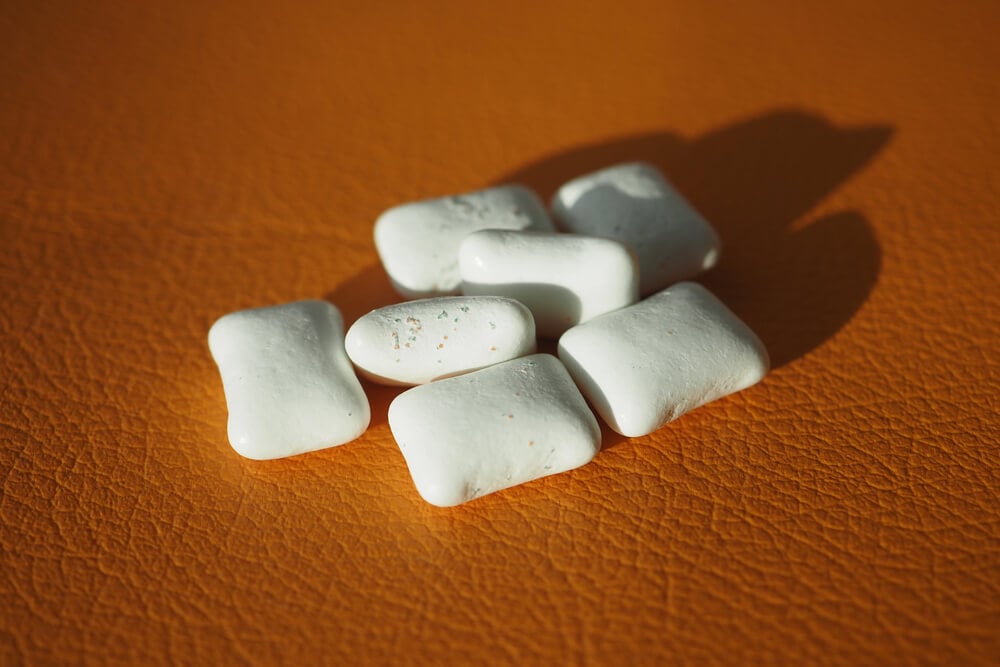
Kids of the 1980s had their own liquid-filled option in Tidal Wave, which Amurol Products, the Wrigley novelty subsidiary, put on sale in 1981. The name was the promise. Biting into a piece released a rush of sweet liquid, and the marketing leaned hard on the idea of a flood of flavor.
It arrived at the height of the liquid-center fad, when several makers were racing to fill gum with syrup. Tidal Wave faded as that fad cooled, in a crowded category where Bubble Yum, Bubblicious and Hubba Bubba took most of the rack space and most of the advertising money. Amurol’s trademark registration was eventually canceled.
Bubble Jug and Its Powdered Gum
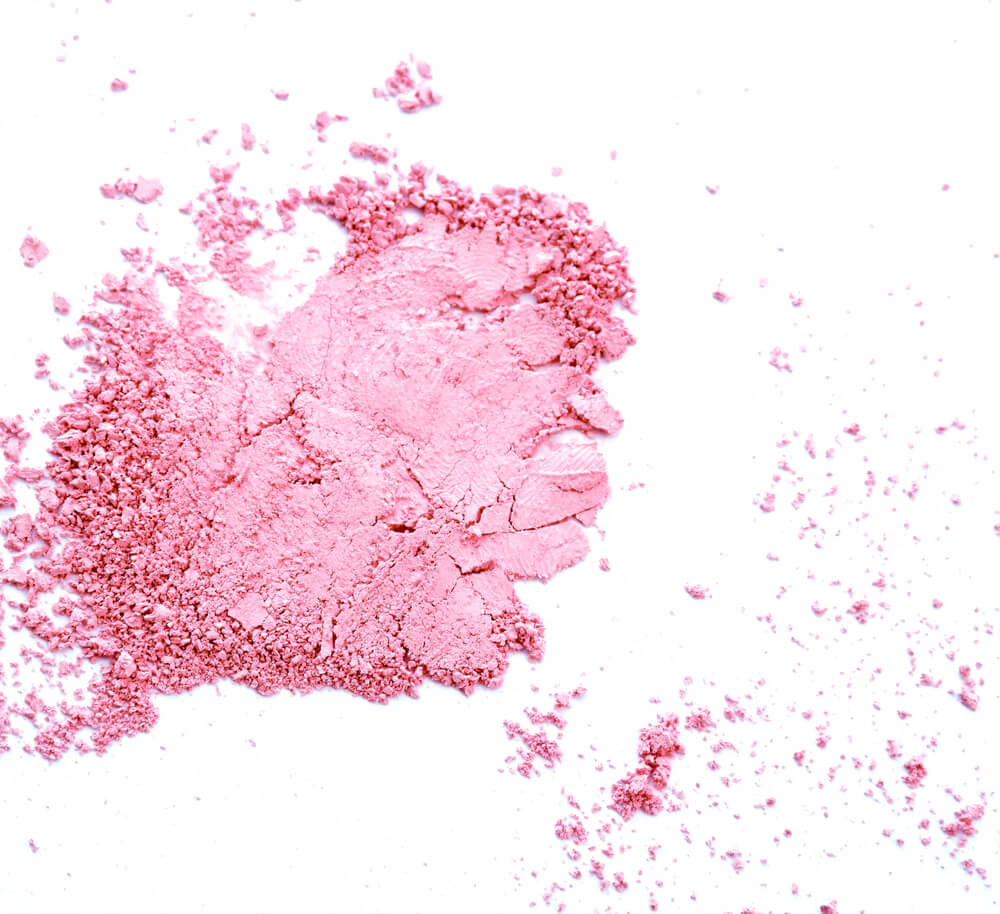
Amurol, the same Illinois novelty house behind Tidal Wave, sold Bubble Jug in the 1990s as gum in a form that barely looked like gum. The package was a small plastic jug with a flip cap, filled with loose flavored powder.
A mouthful of the powder clumped together after a few seconds of chewing and turned into an ordinary roll of bubble gum. Kids tended to pour far more than a serving, which emptied the jug quickly and suited the manufacturer fine.
Amurol made a specialty of this sort of thing, and Bubble Jug disappeared within a few years as the novelty aisle moved on.
Bubble Beeper Clipped to a Belt
Pagers were a status object in the early 1990s, and Amurol answered with Bubble Beeper, a plastic case shaped like a beeper that clipped to a waistband and flipped open to reveal sticks of bubble gum. The product drew complaints quickly.
Pagers were associated in the news with drug dealing, many schools had banned the real ones, and a former federal drug agent told a Philadelphia newspaper in 1992 that a child wearing the candy version could be mistaken for a dealer. The gum stayed on sale anyway.
The case was reusable, so a kid could keep wearing it long after the gum ran out. Bubble Beeper vanished once real pagers did, which removed the joke.
Hubba Bubba’s Missing Decade
Wrigley launched Hubba Bubba in 1979 as its answer to Bubble Yum, built on a formula that was less sticky and peeled off the face after a bubble burst. Television spots set in an Old West town featured a character called the Gum Fighter and the line “Big bubbles, no troubles”.
The brand did well for a decade and then, by most accounts, the original chunk gum was pulled from the American market in the early 1990s, though it carried on in other countries. Wrigley brought it back to United States stores in 2004.
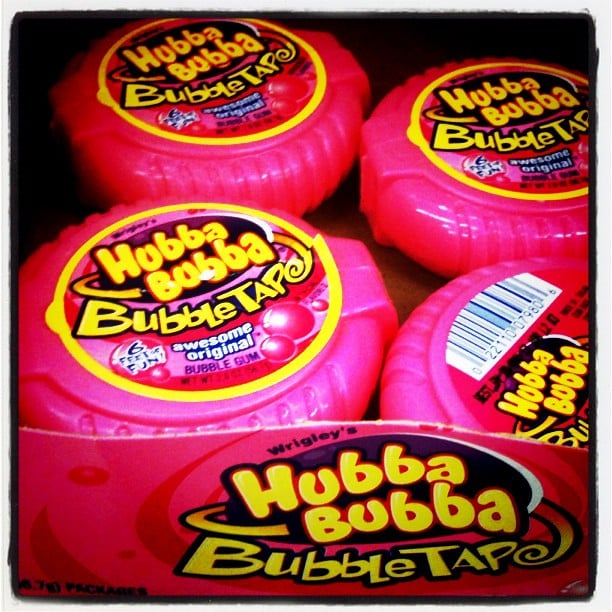
Bubble Tape, the Amurol novelty sold in a round plastic dispenser, had stayed on sale during the absence.
Bub’s Daddy by the Foot
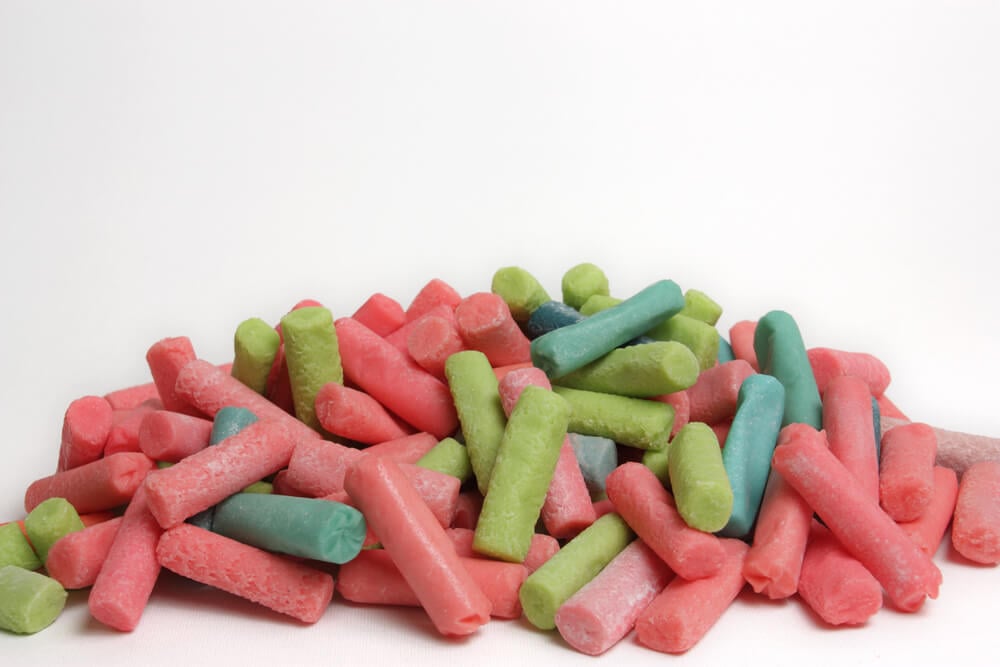
Long before gum came in a tape dispenser, the Donruss Company of Memphis sold Bub’s Daddy, a rope of bubble gum roughly a foot long wrapped in clear cellophane. It cost a nickel or a dime for much of its life and came in flavors such as grape, green apple and strawberry.
Kids tore off a length, chewed it and saved the remainder in a pocket, where it collected lint. Donruss later became far better known for sports cards, which it began issuing in 1981.
Bub’s Daddy dropped out of sight in the 1980s as the company changed owners, and the rope format largely went with it.
Gatorgum for Thirsty Mouths
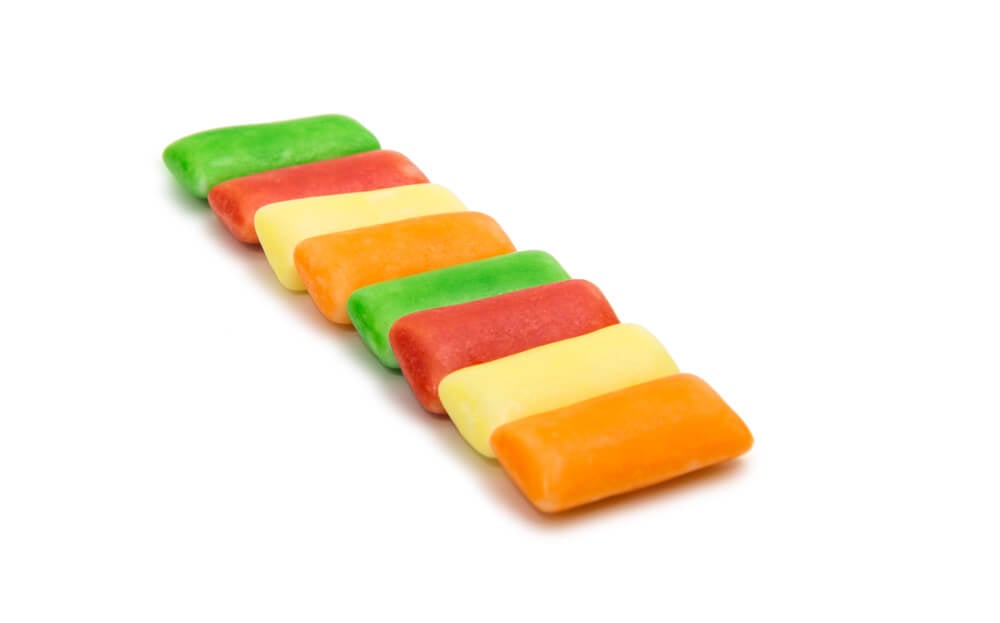
Gatorade’s parent licensed its name to a gum in the 1970s, and Fleer was the first company to make it. Gatorgum came in lemon-lime and orange, the two flavors of the drink at the time, and the wrapper carried the claim that it helped quench thirst.
The effect was real in a narrow sense, since the gum was sharply acidic and made the mouth water at once. Athletes and kids in gym class were the intended market. Production moved to another manufacturer in the 1980s and stopped when the licensing deal ran out in 1989.
The closest living relative is Quench gum from Mueller Sports Medicine.
Chu-Bops in Tiny Album Covers
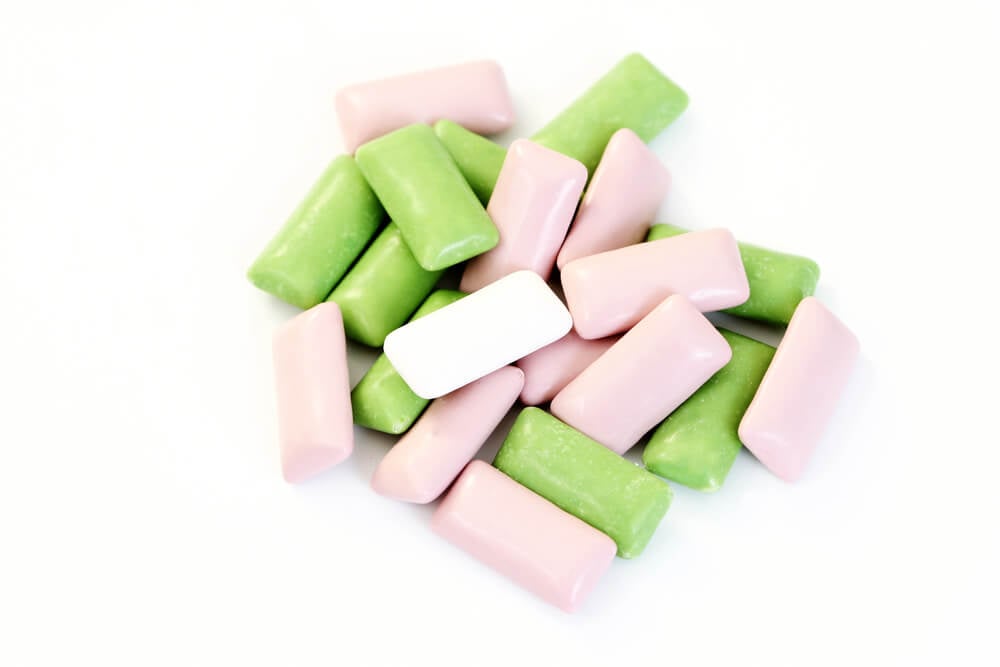
Amurol found a way to sell bubble gum to record buyers around 1980 with Chu-Bops. Each one was a miniature cardboard album sleeve, about three inches square, reproducing the cover art of a real rock or pop LP. Inside sat a thin pink disc of gum molded to look like a record, grooves included.
The sleeves were numbered, which turned them into a collectible series, and the song lyrics were sometimes printed on the back. The gum was beside the point.
The line ran only a few years, and complete sets of the sleeves now trade among collectors of music memorabilia.
Cinn-a-Burst and the Flavor Crystals
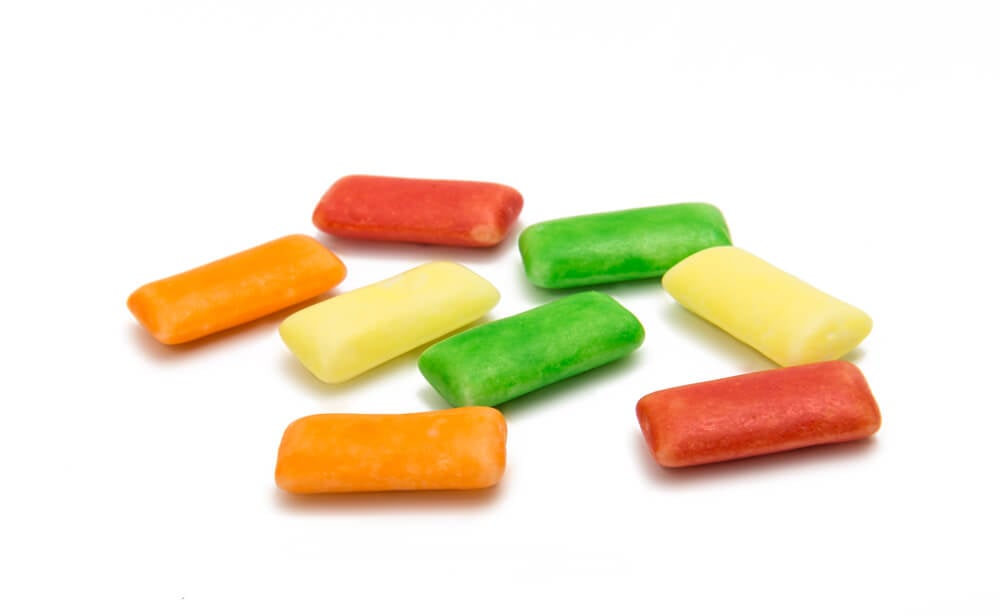
Warner-Lambert introduced Cinn-a-Burst in 1991 as a stick gum studded with visible specks the company called flavor crystals. The specks were meant to release cinnamon in stages so that the taste lasted longer than a standard stick.
Companion versions followed, including Mint-a-Burst, aimed at Doublemint, and a short-lived Fruit-a-Burst, aimed at Juicy Fruit. The crystals gave each stick a speckled look and a faint crunch that set it apart from anything else on the rack.
The line was gone from most stores before the end of the decade. Wrigley’s Big Red, the cinnamon gum it had been sent to challenge, never lost much ground.
Stride and Its Long-Lasting Promise
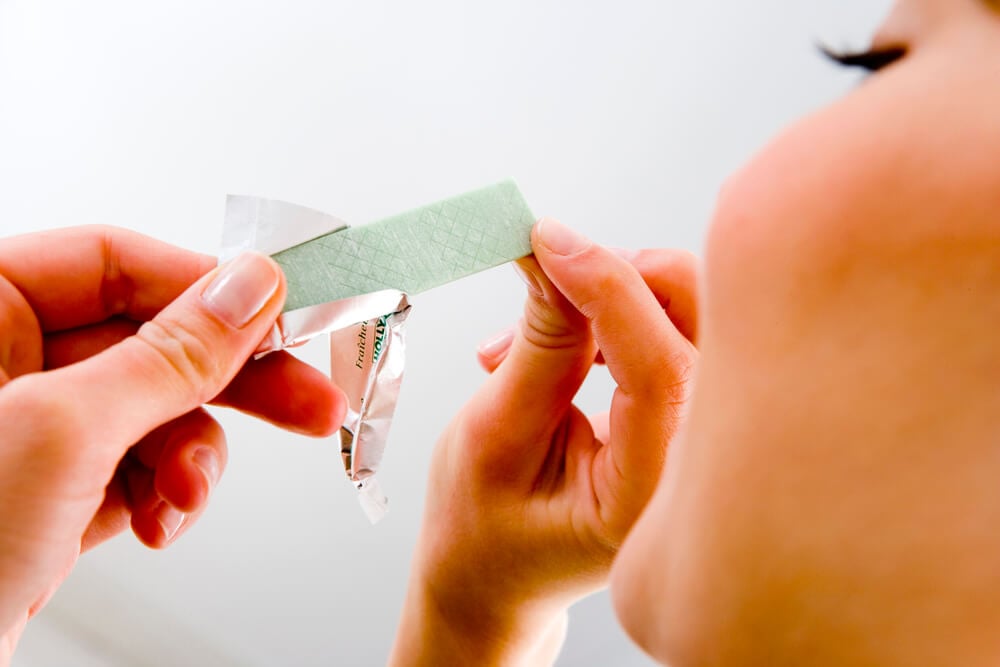
Cadbury Adams launched Stride in 2006 with an unusual slogan, “The ridiculously long lasting gum”, and commercials in which company men begged customers to spit it out and buy more. The pitch worked. Stride arrived in slim, flat packs that slid into a pocket.
The brand passed to Kraft in 2010 and then to Mondelez as its parent was bought and reorganized. Sales in the United States declined through the 2010s as gum chewing in general fell, and Stride was gone from American shelves by the early 2020s.
Mondelez left it out of the 2023 sale of its other gum brands to Perfetti Van Melle, and it remains available in China.
Trident Splash
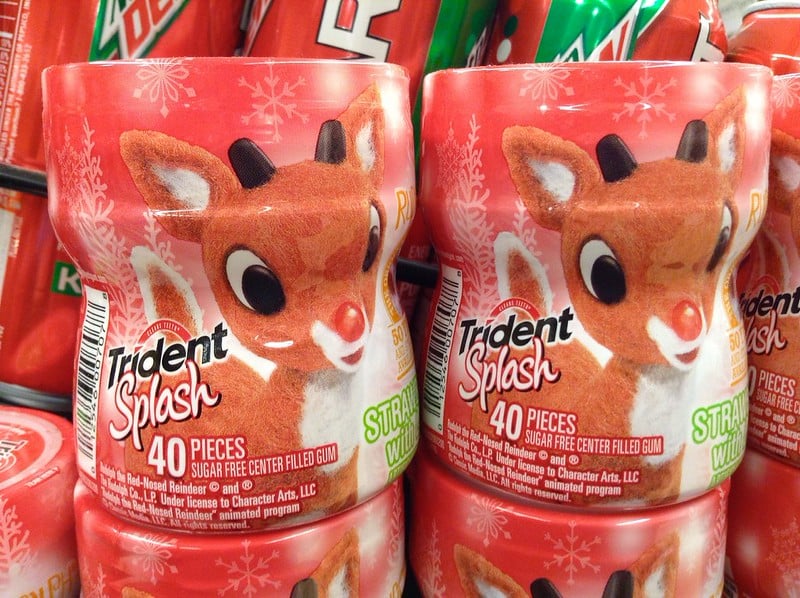
The liquid center returned in 2005 when Cadbury Adams added Splash to the Trident family. Each piece was a hard-shelled sugar-free pellet with a soft gum layer and a liquid core, sold in blister packs.
The flavors were paired in a way that was fashionable at the time, such as strawberry with lime and peppermint with vanilla. Splash was pitched at adults, a contrast with the liquid-filled gums of the 1970s and 1980s that were aimed mostly at kids.
The line was trimmed back after a few years and then dropped as the company shifted its attention to Trident Layers, introduced in 2009, and other newer extensions.
Extra Dessert Delights
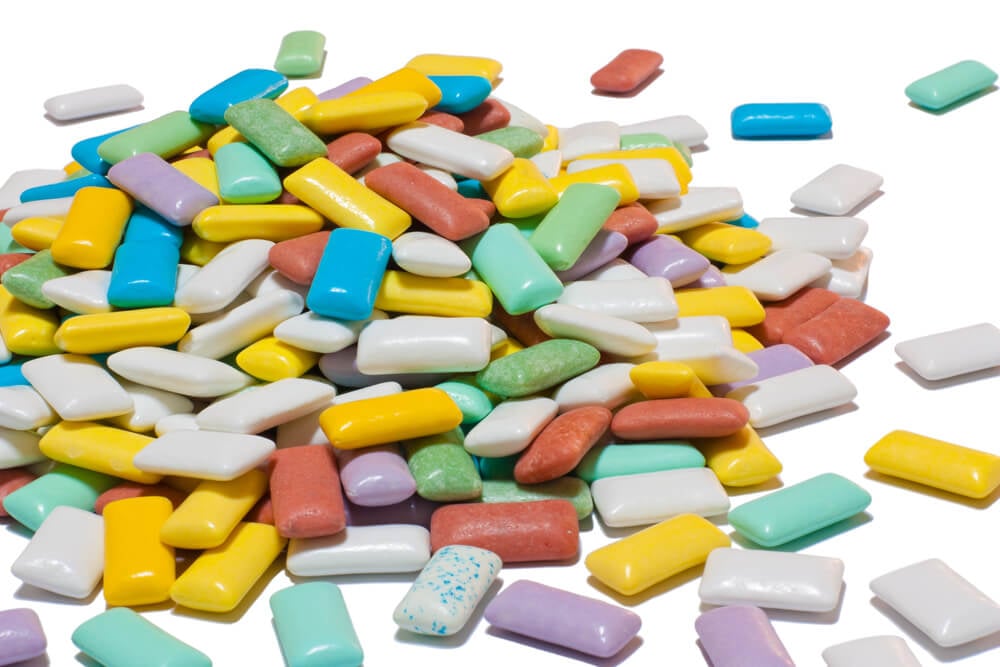
Wrigley’s Extra brand rolled out Dessert Delights around the beginning of 2011 with three sugar-free sticks that tasted like mint chocolate chip ice cream, strawberry shortcake and key lime pie. The marketing was aimed squarely at dieters, suggesting a stick could stand in for the real dessert.
Later additions included root beer float and rainbow sherbet. The flavors were surprisingly accurate, which was either the appeal or the problem depending on the chewer.
Wrigley thinned the lineup over the next several years and eventually retired it. Shoppers who had been buying it by the multipack complained online, and the mint chocolate chip flavor reappeared in stores in 2017 without the Dessert Delights name.
Aspergum
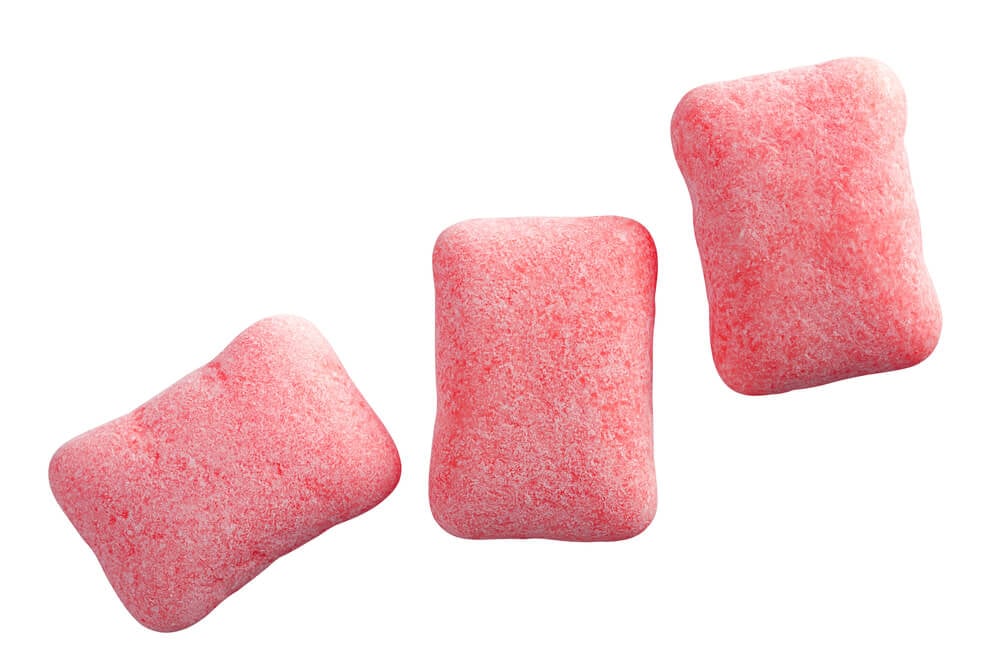
Medicine and candy shared a wrapper in Aspergum, a chewing gum that delivered aspirin and was sold in drugstores from 1928 onward. It came as candy-coated tablets in orange and cherry flavors, and it was marketed especially for sore throats and for children who would not swallow a pill.
Generations of American medicine cabinets held a box. The brand passed through several owners and spent its later decades in the hands of a large pharmaceutical company.
It was discontinued in the 2000s, by which time doctors had long advised against giving aspirin to children because of its link to Reye’s syndrome. It has not returned to regular drugstore shelves since.
Beechies
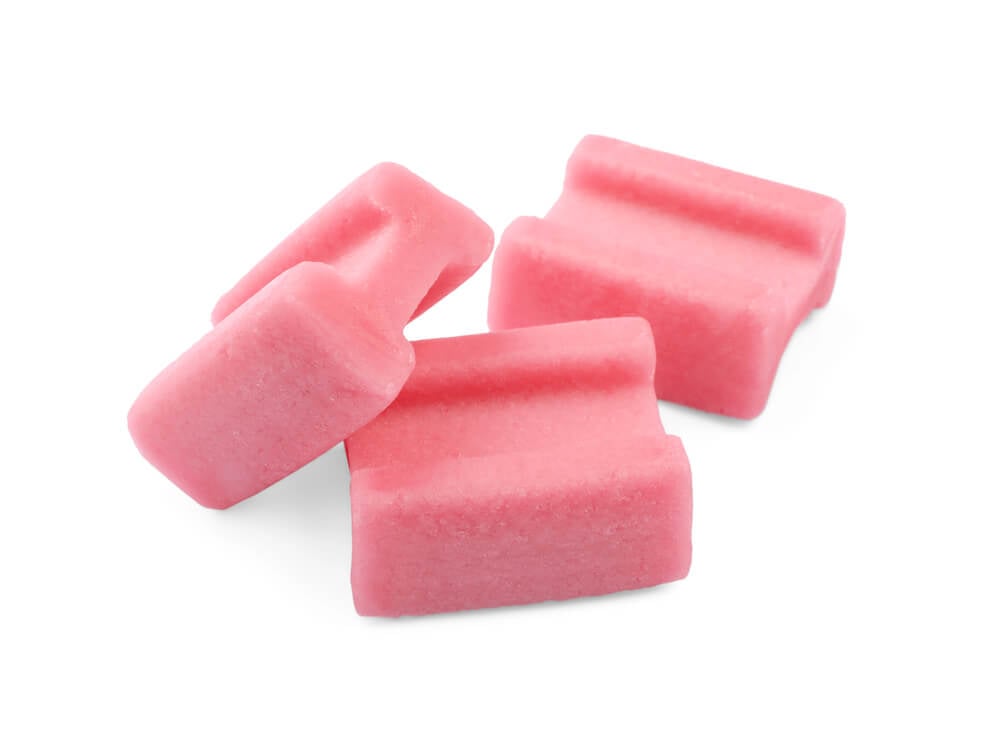
Beech-Nut sold Beechies as its answer to Chiclets: small candy-coated gum tablets packed in a slim cardboard box with a cellophane window. The classic flavors were peppermint, spearmint and pepsin, with fruit versions added later.
Vending machines in train stations and bus depots carried them for decades, often in two-piece packets that cost a penny or two. The brand was strong enough in the 1950s and 1960s to sponsor television programs.
Beechies thinned out in the 1970s as the Beech-Nut candy business changed hands, and the name was eventually retired. The boxes and tin display racks turn up regularly at antique malls.
Beech-Nut Peppermint Sticks
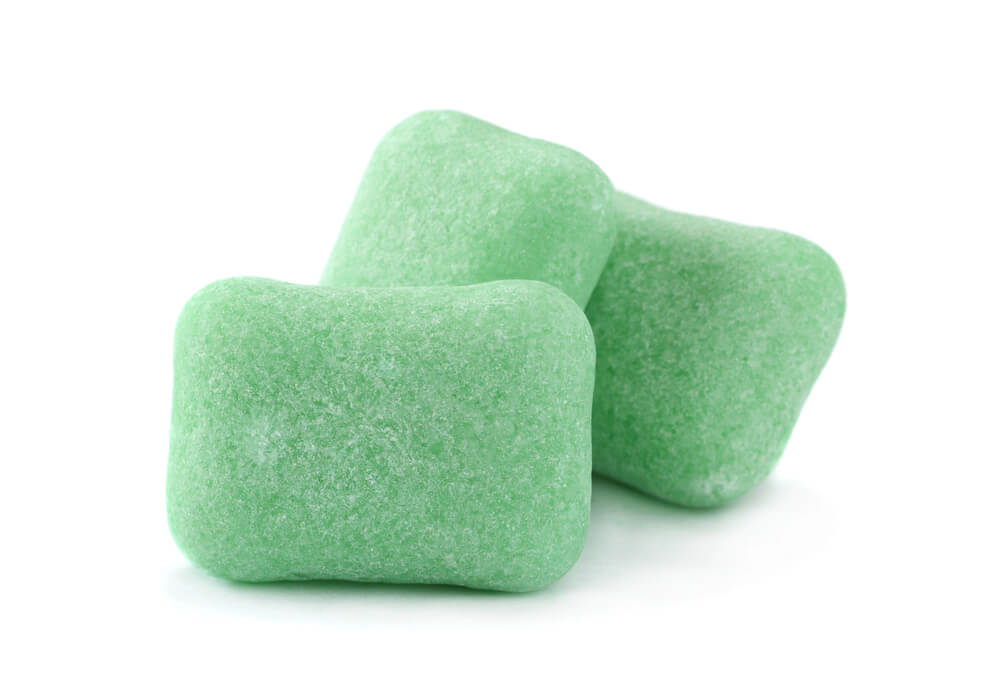
The Beech-Nut Packing Company of Canajoharie, New York, was a ham and bacon packer that moved into chewing gum in the 1910s and became one of Wrigley’s main rivals. Its peppermint stick gum was the flagship. In 1931 the company sponsored Amelia Earhart on a cross-country trip in an autogiro with the Beech-Nut name painted on the side, one of the more unusual promotions in gum history.
Beech-Nut merged with Life Savers in 1956. The gum line shrank over the following decades and the stick gum eventually ceased, while the Beech-Nut name is known today mainly for baby food.
Adams Sour Gums
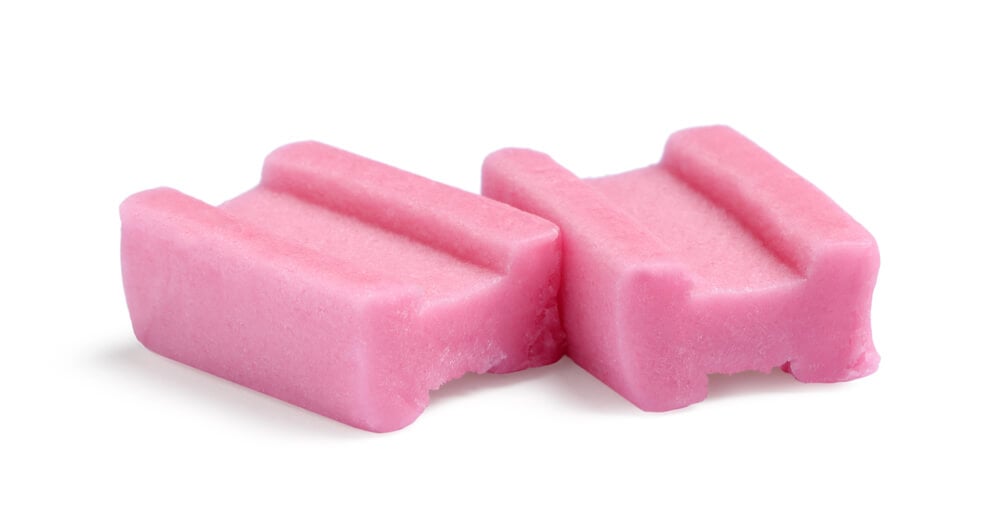
American Chicle put out a line of stick gums around the turn of the 1970s under the plain name Adams Sour, in flavors that included apple, cherry, lemon and orange. Each stick delivered a sharp, acidic jolt that hit before the sweetness did.
The apple version is the one most often remembered. These gums predated the sour candy boom of the 1990s by roughly two decades and were considered fairly extreme for their time. The line was dropped within a few years.
Later sour gums from other makers borrowed the idea without ever reusing the name.
Black Jack
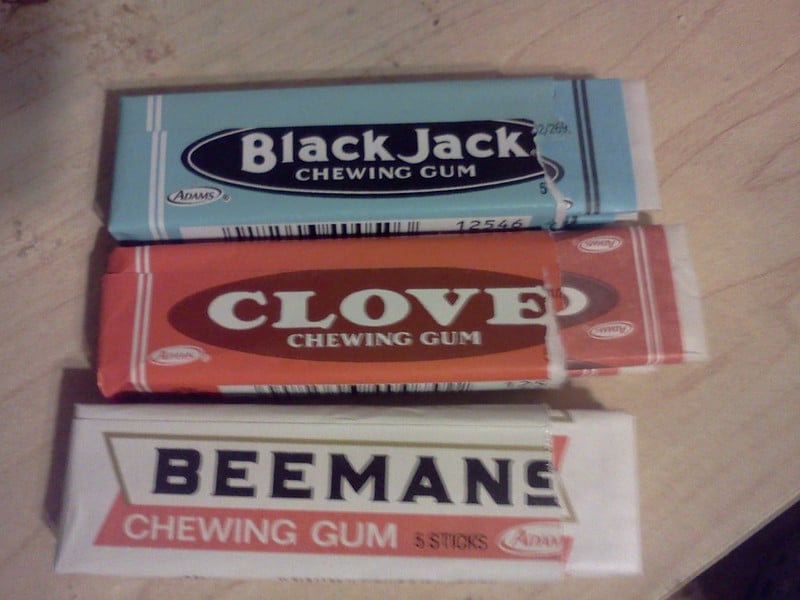
Thomas Adams, the New York inventor who turned Mexican chicle into a commercial chewing gum, added licorice flavoring to his product in 1884 and called it Black Jack. It is often described as the first flavored gum sold in the United States and among the first offered in sticks.
The dark gray gum in its blue and black wrapper sold for most of a century. Its owner discontinued it in the 1970s as tastes moved away from licorice.
Limited revivals followed from 1986 on, and the brand is now made by Gerrit J. Verburg, a Michigan candy company that took over the old Adams gums in 2018.
Clove
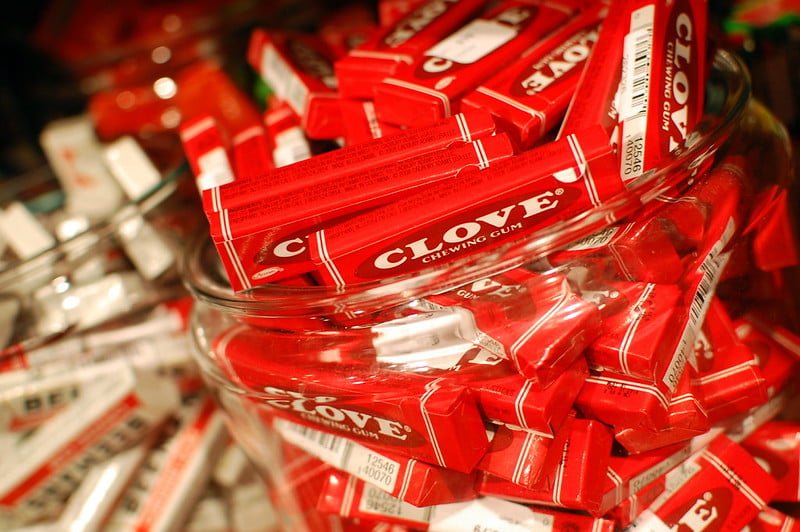
Clove gum came from the Adams line in 1914, flavored with the spice and wrapped in red. Its reputation grew during Prohibition, when it is said to have been favored for covering the smell of alcohol on the breath. The taste was strong, a little medicinal and unlike anything else on the rack.
Clove was discontinued in the 1970s along with its two stablemates from the same company. It has returned several times in limited batches, first under Warner-Lambert and its successors and more recently from Gerrit J. Verburg.
It is in production again, though most buyers find it online or in specialty candy shops instead of at the checkout.
Beemans Pepsin Gum
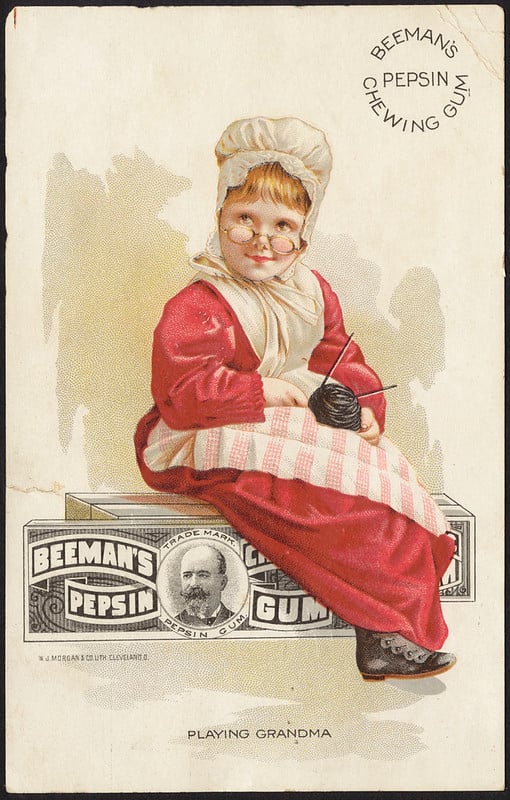
Dr. Edward Beeman, an Ohio physician, began selling a gum containing pepsin in the late 1800s as an aid to digestion. The medical claim faded, and the mild wintergreen-like flavor stayed. Beemans became known as a pilot’s gum, a link cemented by the 1983 film The Right Stuff, in which Chuck Yeager asks a friend for a stick before a flight.
By then the brand had already been dropped once, in the 1970s. Nostalgic demand brought it back in periodic limited runs, and it is currently made by Gerrit J. Verburg. It is far harder to find than it was in Yeager’s day.
Clark’s Teaberry
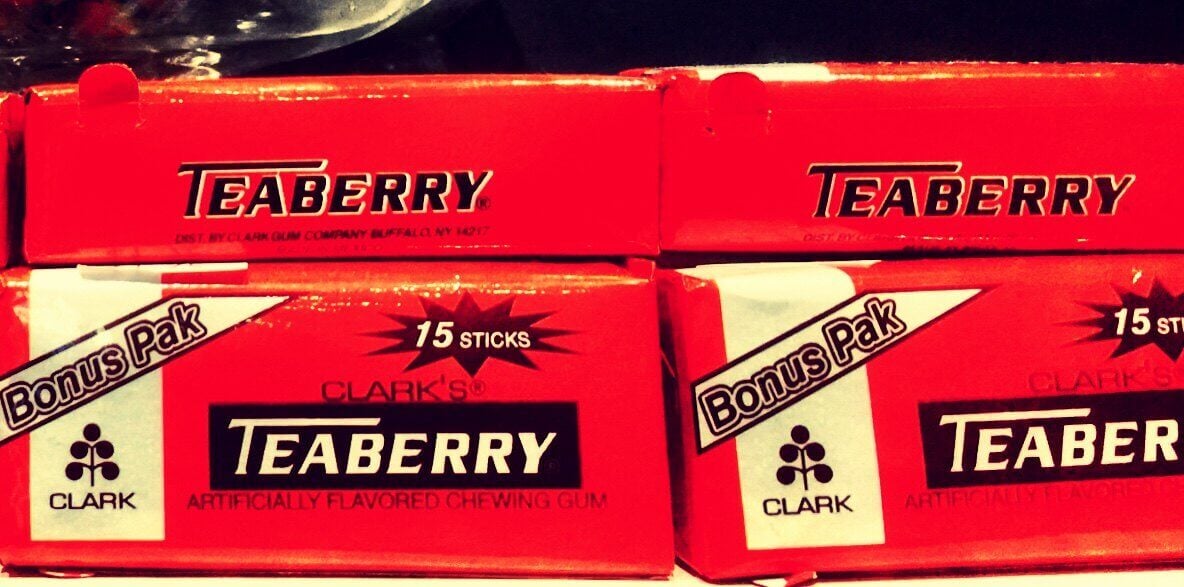
Pittsburgh’s D. L. Clark Company, maker of the Clark Bar, introduced Teaberry gum in 1900. The flavor came from the teaberry plant, a relative of wintergreen, and the gum itself was pink.
Its high point came in the 1960s, when commercials set to a Herb Alpert and the Tijuana Brass instrumental showed people breaking into a little dance called the Teaberry Shuffle. The brand slid after the Clark company was sold and resold, and it left most checkout racks decades ago. It has not vanished completely.
Small quantities are still made in Mexico for a marketer in Buffalo, New York, and sold mainly through specialty candy retailers.
Chiclets
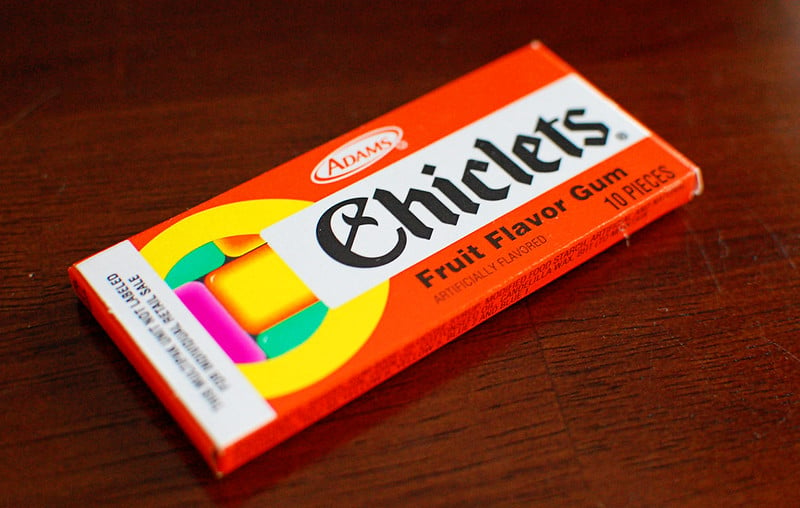
Candy-coated Chiclets date to the first years of the twentieth century and became a mainstay of the American Chicle Company. The small white tablets rattled in a yellow box with a clear window, and tiny two-piece packs were a fixture of vending machines.
Fruit-flavored versions in assorted colors came later. Chiclets remained strong in Latin America and elsewhere, but its owner at the time, Mondelez, stopped supplying the United States around 2016 after years of weak sales.
Mexican-made boxes returned to some American retailers around 2019, and the brand was sold to Perfetti Van Melle in 2023. For most shoppers, the box has stayed missing from the checkout lane.
Wrigley’s PK
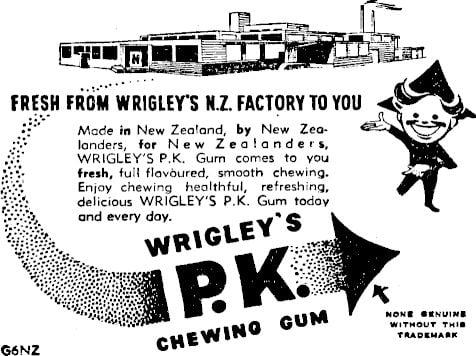
Wrigley added PK to its lineup in the 1920s as a small candy-coated pellet gum, a different format from the flat sticks that made the company famous. The initials have been explained in different ways over the years, as shorthand for the line “Packed tight, kept right” or as a tribute to Philip K. Wrigley, the founder’s son.
PK sold in the United States for decades in slim packets of pellets. It gradually lost its place to newer Wrigley brands and disappeared from American stores in the later twentieth century.
The name carried on abroad, notably in Australia and Kenya, where PK remained a familiar product long after Americans forgot it.
Topps Card Gum
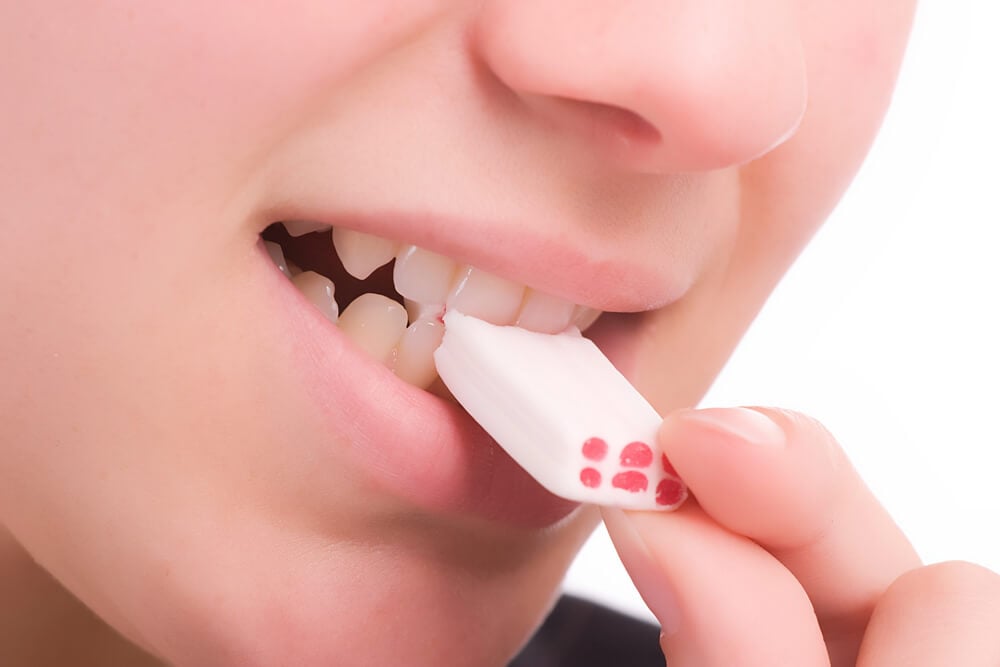
For four decades, a pack of Topps sports cards came with a flat pink slab of bubble gum dusted with powdered sugar. The Brooklyn company had begun as a gum seller, and the cards were originally the premium that moved the gum.
By the 1980s the relationship had reversed. Collectors complained that the slab left a waxy stain on whichever card it touched, lowering its value, and the gum was often stale and brittle by the time a pack was opened.
Topps removed it from regular packs in the early 1990s. It has returned only in occasional retro-themed sets, sometimes sealed in its own wrapper.
Alert Energy Caffeine Gum
Few national launches have been as brief as Wrigley’s Alert Energy Caffeine Gum, which reached stores in April 2013. Each piece contained 40 milligrams of caffeine, roughly what is in half a cup of coffee, and the packaging was labeled for adults.
The timing was poor. The Food and Drug Administration announced almost immediately that it would examine the safety of caffeine added to foods, citing the gum as a new example.
Wrigley said in May that it would pause production and sales out of respect for the agency’s review. The pause became permanent, and Alert never came back.
Ouch Bandage Gum
Hubba Bubba’s oddest package was Ouch, an Amurol novelty of the 1990s that came in a hinged metal tin made to look like a box of adhesive bandages. Inside, each stick of bubble gum was wrapped in paper printed like a bandage.
The flavors were standard grape, strawberry and watermelon. The tin was the real product, and many ended up holding coins, crayons or marbles after the gum was gone.
Ouch was still around in the 2000s, when a redesign added a plain bubble gum flavor, and then Wrigley let it go. The name returned in 2025 from Iconic Candy, an unrelated company that kept the metal tin and the three original flavors.
Flavor That Fades Fast
Gum is a business of small margins and short attention spans. A new format, whether a liquid center, a powder in a jug or a pack shaped like a pager, can win a season of sales and then become a liability once the novelty wears off.
Even the century-old brands on this list were not protected by their age. They were dropped when a spreadsheet said the rack space could earn more with something else.
The revivals tell the other half of the story. A handful of these gums came back because enough people asked, and they now sell in modest quantities to buyers who know what they are looking for.
That is a smaller life than a spot beside every cash register, but it is a life. Most discontinued gums never get even that much.
More from Go2Tutors!

- The Romanov Crown Jewels and Their Tragic Fate
- 13 Historical Mysteries That Science Still Can’t Solve
- Famous Hoaxes That Fooled the World for Years
- 15 Child Stars with Tragic Adult Lives
- 16 Famous Jewelry Pieces in History
Like Go2Tutors’s content? Follow us on MSN.