Artworks Damaged by Visitors
Art museums are supposed to be peaceful places where people can admire beautiful creations from different times and cultures. But sometimes, things go terribly wrong.
Visitors have damaged priceless artworks in ways that range from pure accidents to intentional vandalism, and each incident leaves conservators scrambling to fix what took artists years to create. These moments remind everyone that art, no matter how old or valuable, remains surprisingly fragile.
Let’s look at some of the most shocking times when museum visitors left their mark in all the wrong ways.
The Sunflowers selfie incident

A woman visiting a gallery in the Netherlands got a bit too close to Vincent van Gogh’s famous painting in 2019. She wanted the perfect selfie with the artwork behind her.
While leaning in for the shot, she lost her balance and grabbed the painting to steady herself, leaving fingerprints and causing minor damage to the protective glass. Security rushed over immediately, but the harm had already happened, and the museum had to remove the painting for inspection and cleaning.
Cake on the Mona Lisa
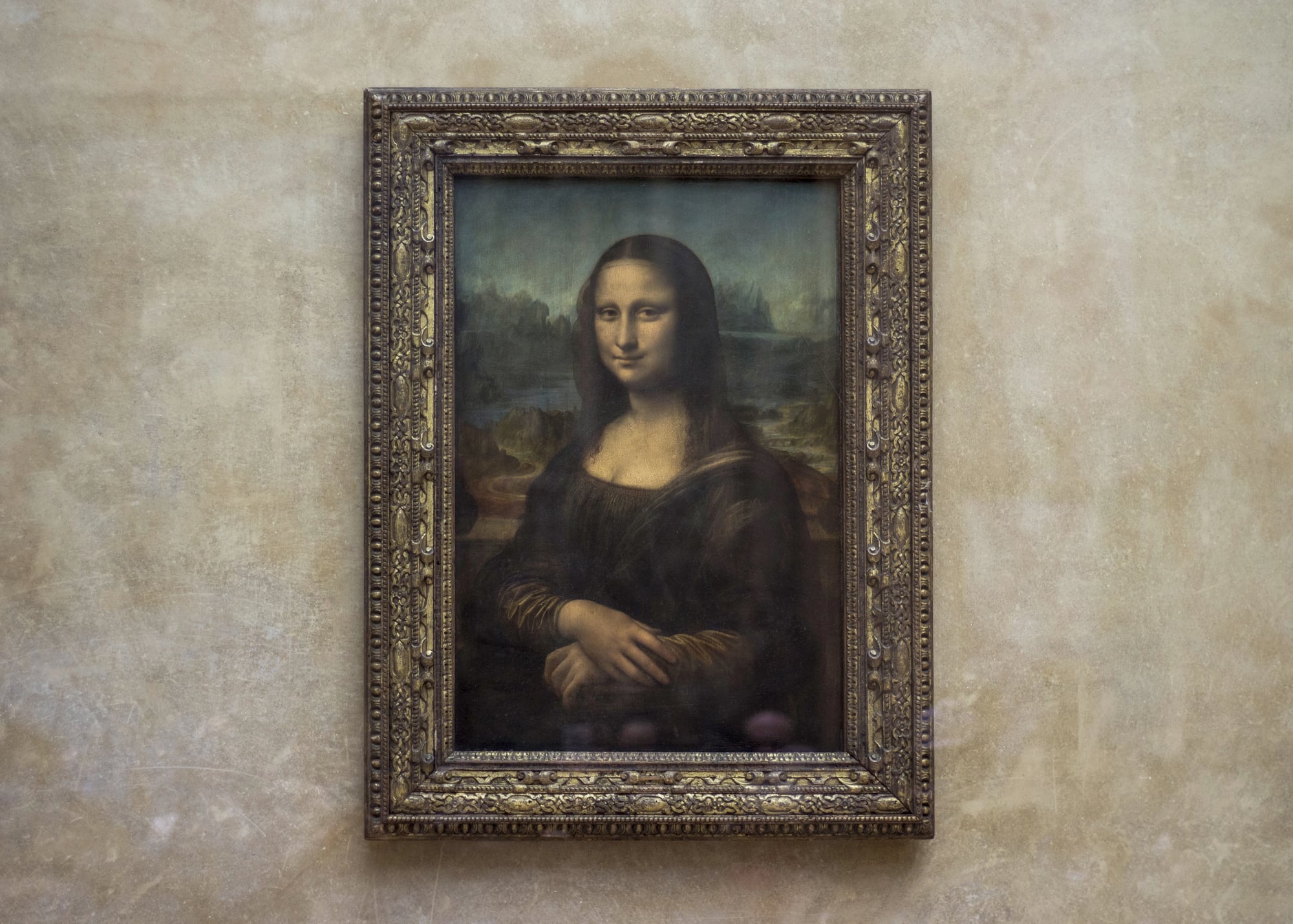
An environmental activist threw a piece of cake at the Mona Lisa in May 2022 at the Louvre Museum in Paris. He first tried to break the protective glass by disguising himself as an elderly woman in a wheelchair.
When that didn’t work, he smeared the cake across the glass and shouted about the planet. Fortunately, the painting sits behind bulletproof glass, so Leonardo da Vinci’s masterpiece remained untouched, though the stunt created quite a scene and raised questions about security measures.
Red paint attack at the National Gallery
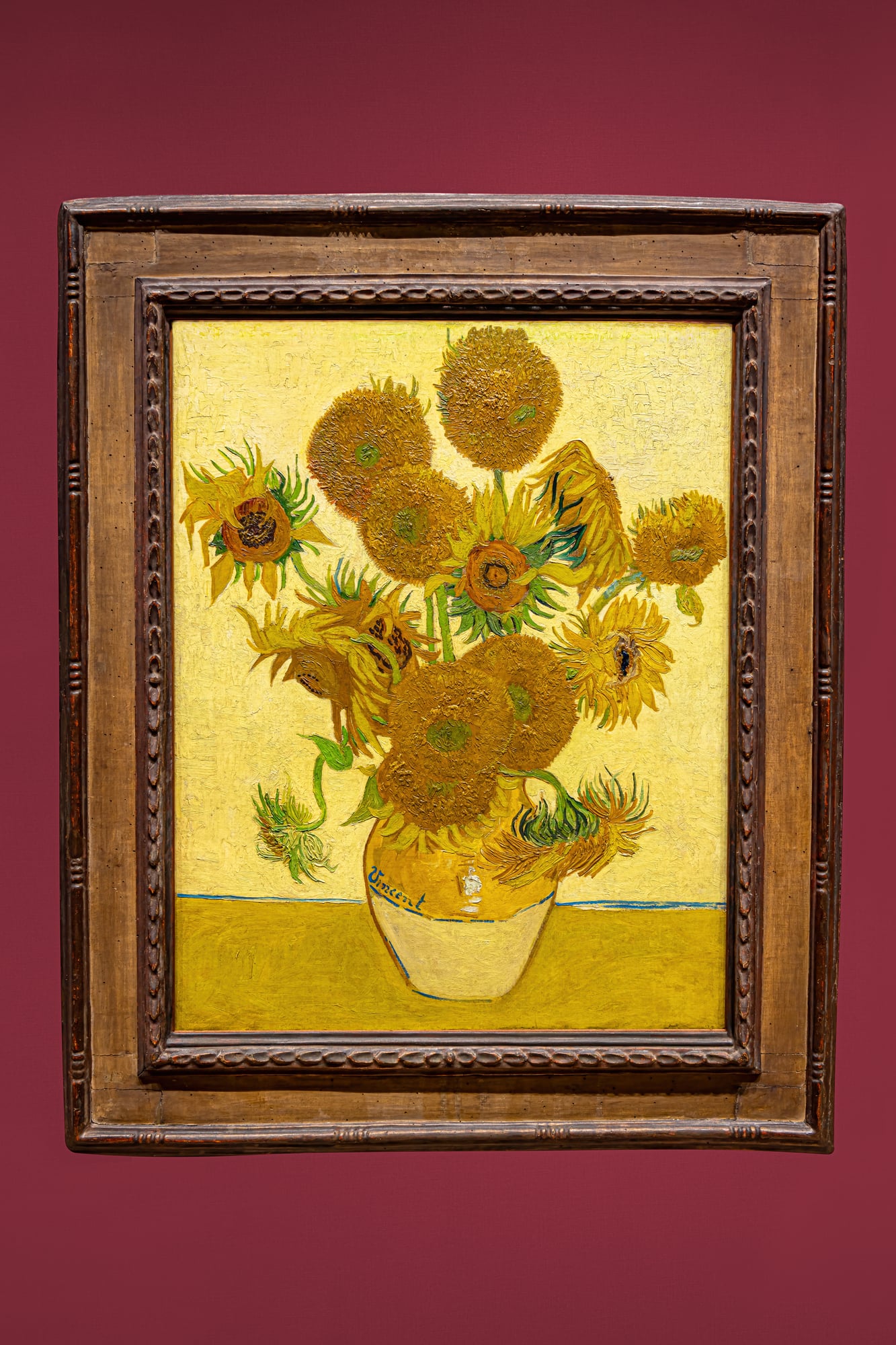
Climate protesters threw tomato soup at van Gogh’s Sunflowers painting in London during October 2022. They glued their hands to the wall beneath the artwork and delivered speeches about oil dependence and environmental destruction.
The soup splattered across the protective glass, leaving the actual painting safe but shutting down the gallery room for hours while staff cleaned up the mess and assessed any potential damage to the frame.
The Porcelain Princess sculpture
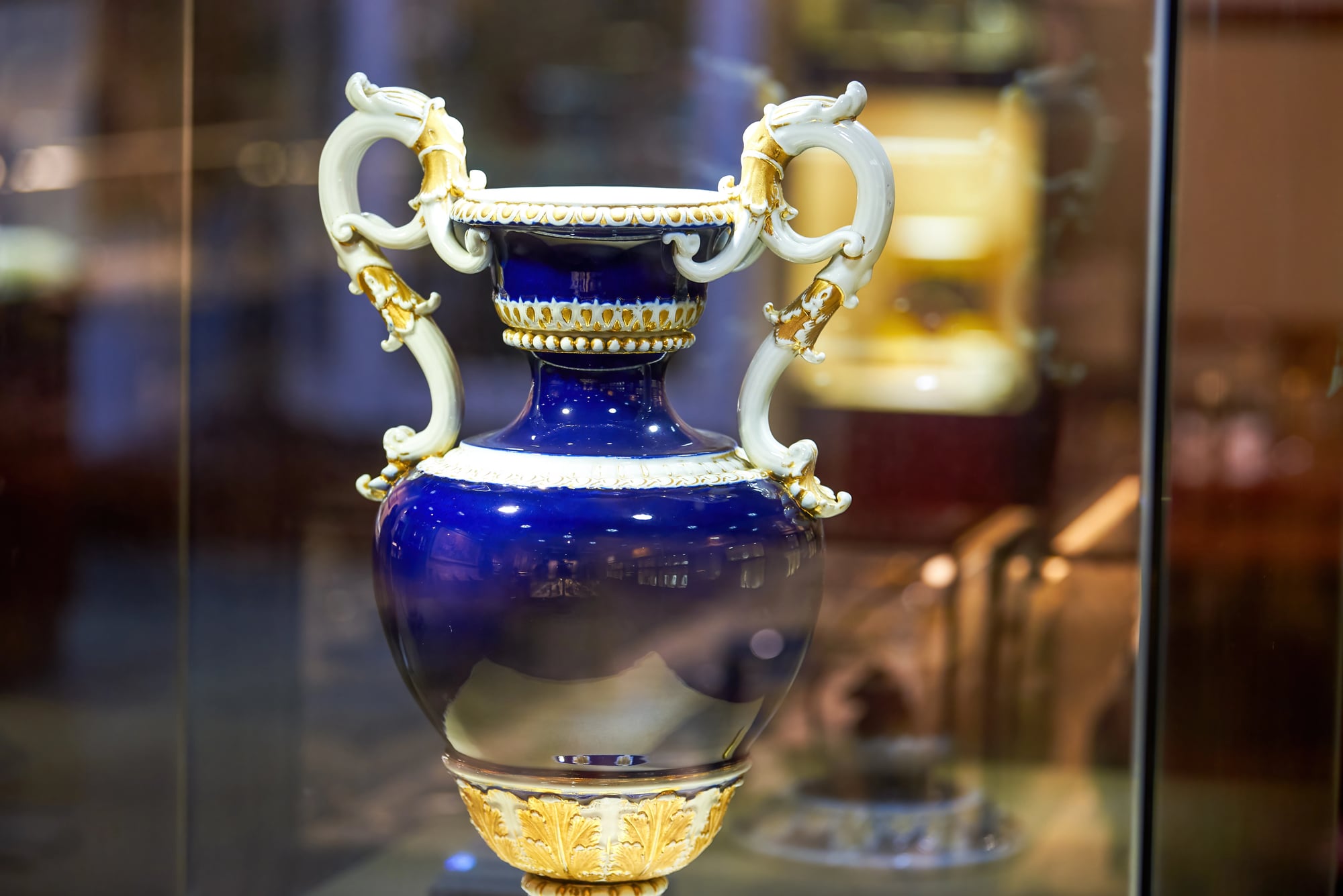
A visitor at a Shanghai museum in 2016 knocked over a rare Qing dynasty vase while trying to get a closer look at the intricate details. The vase, worth millions of dollars, shattered into dozens of pieces on the marble floor.
Witnesses said the man simply leaned too far over the display barrier and accidentally bumped the pedestal with his bag. Museum staff spent months painstakingly gluing the fragments back together, though the cracks remain visible even after restoration.
Picasso painting punched

A man walked up to Pablo Picasso’s painting The Actor at the Metropolitan Museum of Art in New York and punched it directly in 2010. He claimed the artwork had been stolen and wanted to bring attention to art theft.
His fist created a six-inch tear in the lower right corner of the canvas. Conservators worked for months to repair the damage, carefully reweaving threads and matching paint colors to hide the violent attack.
The accidental elbow

During a 2015 exhibition in Taiwan, a boy tripped over his shoelaces and put his hand through a 350-year-old Paolo Porpora painting called Flowers to catch himself. The artwork, valued at around $1.5 million, now had a fist-sized puncture right through the center.
His parents were horrified, but the museum didn’t press charges since it was clearly an accident. Experts spent considerable time repairing the delicate oil painting, though some damage proved permanent.
Statue toppled for a photo

A tourist climbed onto the base of a 200-year-old statue at a Portuguese museum to pose for a picture in 2017. The statue wobbled under the extra weight and crashed to the ground, breaking into several large pieces.
Other visitors watched in horror as the man scrambled down and tried to leave quickly. Security stopped him before he reached the exit, and the museum filed charges for the destruction of cultural property worth thousands of dollars.
Balloon dog disaster

A woman knocked over one of Jeff Koons’ blue Balloon Dog sculptures at an art fair in Miami during February 2023. She tapped it lightly while chatting with a friend, not realizing the shiny sculpture would tip so easily.
The piece shattered into countless fragments across the floor. While some people thought the destruction might make the remaining pieces more valuable, the gallery owner seemed more upset about losing such an iconic work from the display.
The lipstick kiss

An art enthusiast decided to kiss a white painting by Cy Twombly at a French museum in 2007, leaving a bright red lipstick mark on the pale canvas. She later told investigators that she couldn’t resist expressing her love for the artwork.
The museum sued her for damages, and she ended up paying thousands of euros for restoration work. Conservators managed to remove the lipstick without damaging the original paint, but the process took specialized cleaning agents and careful attention.
Ancient urn used as a trash can

Security cameras caught a museum visitor tossing a soda can into a 2,000-year-old Roman urn at an Italian museum in 2018. He apparently thought it was just a decorative trash receptacle.
The acidic liquid from the drink started eating away at the ancient ceramic before staff noticed and retrieved the can. Conservators had to work quickly to neutralize the acid and prevent further deterioration of the irreplaceable artifact.
The unfortunate lean

A gallery visitor in Switzerland leaned against what he thought was a wall in 2020, but it turned out to be a large minimalist painting worth over $100,000. His weight caused the canvas to warp and created visible creases in the artwork.
He apologized profusely and offered to pay for repairs. The artist herself had to assess the damage and decide whether restoration was even possible without compromising her original vision for the piece.
Crown removed from sculpture

Someone pried the golden crown off a wooden religious sculpture at a Spanish cathedral museum in 2019. Visitors noticed the missing crown within minutes, but the thief had already disappeared into the crowd.
The cathedral’s 16th-century statue looked strangely incomplete without its decorative headpiece. Police eventually recovered the crown from a pawn shop several weeks later, and conservators carefully reattached it using the original mounting technique.
Drawing on a Rothko

A man used a black marker to write his name and the date on a Mark Rothko painting at the Tate Modern in London during 2012. He called himself an artist and claimed he was adding value to the work.
Museum staff and visitors were appalled at the vandalism of the multimillion-dollar painting. Conservators spent over a year removing the graffiti without damaging Rothko’s delicate color fields, using specialized solvents and extreme patience.
The camera flash incident

Despite clear warnings everywhere, a visitor used a bright camera flash directly on a 400-year-old tapestry at a Belgian museum in 2016. The intense light caused immediate fading in several sections of the delicate threads.
Museum guides rushed over to stop the photography, but the damage had already occurred. The tapestry now shows visible lighter patches where the flash hit, and no amount of restoration can bring back the original vibrant colors that faded in that instant.
Bronze statue scratched

A group of tourists took turns climbing on a bronze statue in a Roman museum courtyard during 2021 to take photos. Their shoes and belt buckles scratched deep marks into the patina that had developed over centuries.
Guards eventually noticed and stopped them, but the statue bore fresh scrapes across its surface. Experts said the scratches would take decades to blend naturally with the aged bronze, permanently marking the statue with evidence of careless behavior.
Temperature shock damage

A cold drink showed up inside a carefully cooled art room back in 2014. Touching glass met canvas when someone leaned it on a painted surface from the 1800s.
Chill hit warm paint fast – tiny splits opened across the artwork. Eyes caught the act quickly, removing the bottle without delay.
Still, harm had slipped through before anyone could stop it. Experts stepped in later, holding edges together, slowing what might come next.
Up close, traces of that moment still show if you look.
Ancient fresco touched

Fingers keep finding their way to the old paintings in Pompeii, even though signs say not to. Back in 2020, someone ran both hands along a mural that is two millennia old.
Skin leaves grease behind, which eats into color, slowly turning bright scenes dull. Watchmen pay extra attention now, yet too many people have touched too much for too long.
Some parts of these priceless walls will never look the way they once did. What remains shows only traces of what used to be there.
Why protection matters now

One careless second can wipe out what took ages to build. Because someone touched something they should not have, museums now block off pieces behind glass, sometimes thick panels you cannot see well through.
Cameras point down every hall, watching quietly from corners where nobody thinks to look. Staff move differently too – more alert, less relaxed, trained to spot trouble before it happens.
Rules tighten each year; getting close is harder, lingering longer draws attention. It always begins the same – with fingers reaching, bodies shifting too near, curiosity crossing into contact.
Seeing must stay enough. Hands stay empty.
That is how fragile things survive. Break one piece and the whole thing changes, even if glued again.
More from Go2Tutors!

- The Romanov Crown Jewels and Their Tragic Fate
- 13 Historical Mysteries That Science Still Can’t Solve
- Famous Hoaxes That Fooled the World for Years
- 15 Child Stars with Tragic Adult Lives
- 16 Famous Jewelry Pieces in History
Like Go2Tutors’s content? Follow us on MSN.



