27 Civil Rights Milestones Most History Classes Cover in a Single Paragraph
Civil rights history is often taught as a sequence of legislative victories and famous speeches. What follows are twenty-seven moments that shaped the movement but are often compressed into a sentence or two.
Each deserves its own careful attention.
The 1857 Dred Scott Decision
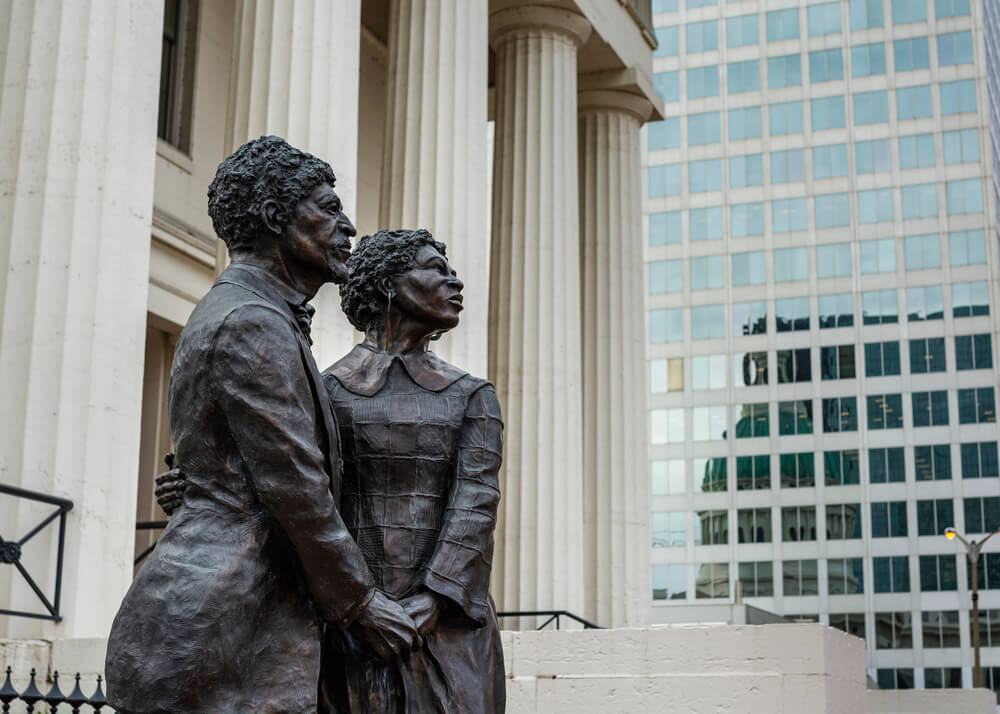
In Dred Scott v. Sandford, the Supreme Court ruled that enslaved people had no standing to sue in federal court and that the Constitution did not grant citizenship rights to African Americans. The decision effectively denied that Black Americans had any constitutional status.
The ruling became the intellectual foundation for slavery’s political defense and remained law until the Thirteenth Amendment.
The 1883 Civil Rights Cases
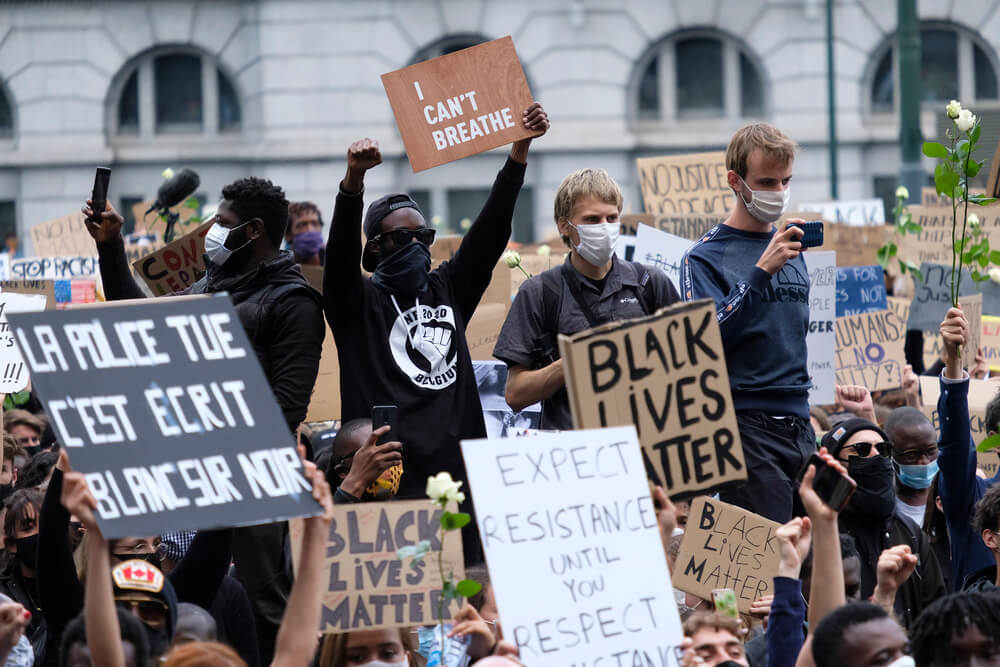
The Supreme Court struck down key provisions of the Civil Rights Act of 1875, which had prohibited racial discrimination in public accommodations. The Court ruled that the Fourteenth Amendment regulated state action only, not private discrimination.
The decision gutted federal protection against racial discrimination for the next seventy years.
Plessy v. Ferguson
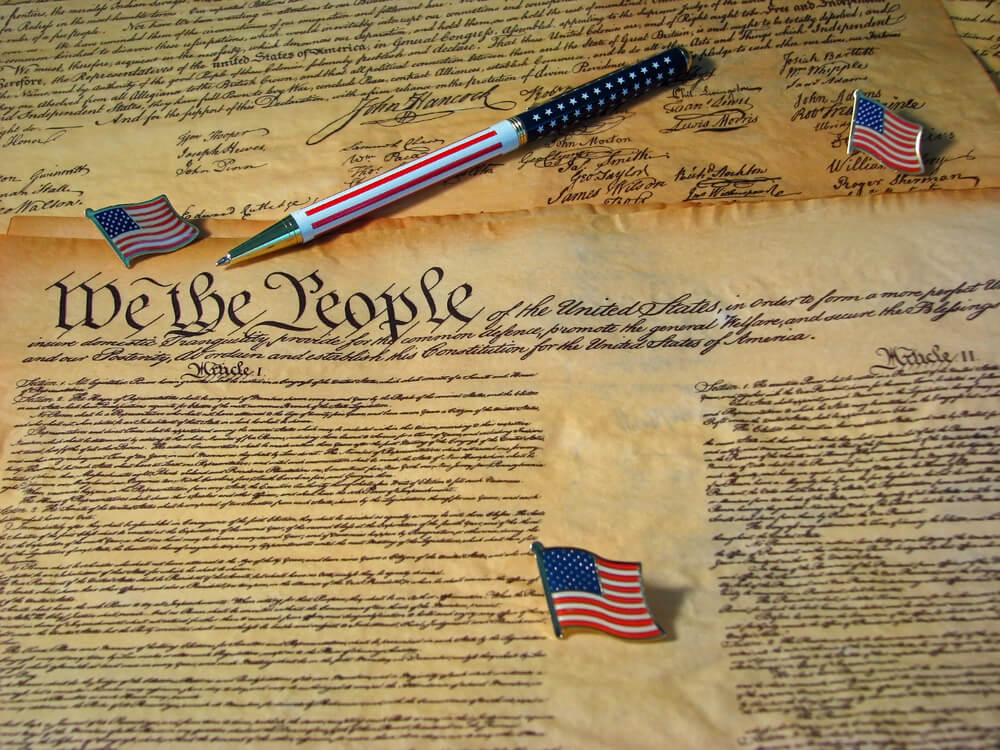
In 1896, the Supreme Court upheld a Louisiana law requiring racial segregation on railroads. Justice Henry Brown wrote that the law did not violate the Fourteenth Amendment if accommodations were “separate but equal.”
The decision became the legal foundation for Jim Crow and would stand for fifty-eight years.
The 1909 Founding of the NAACP
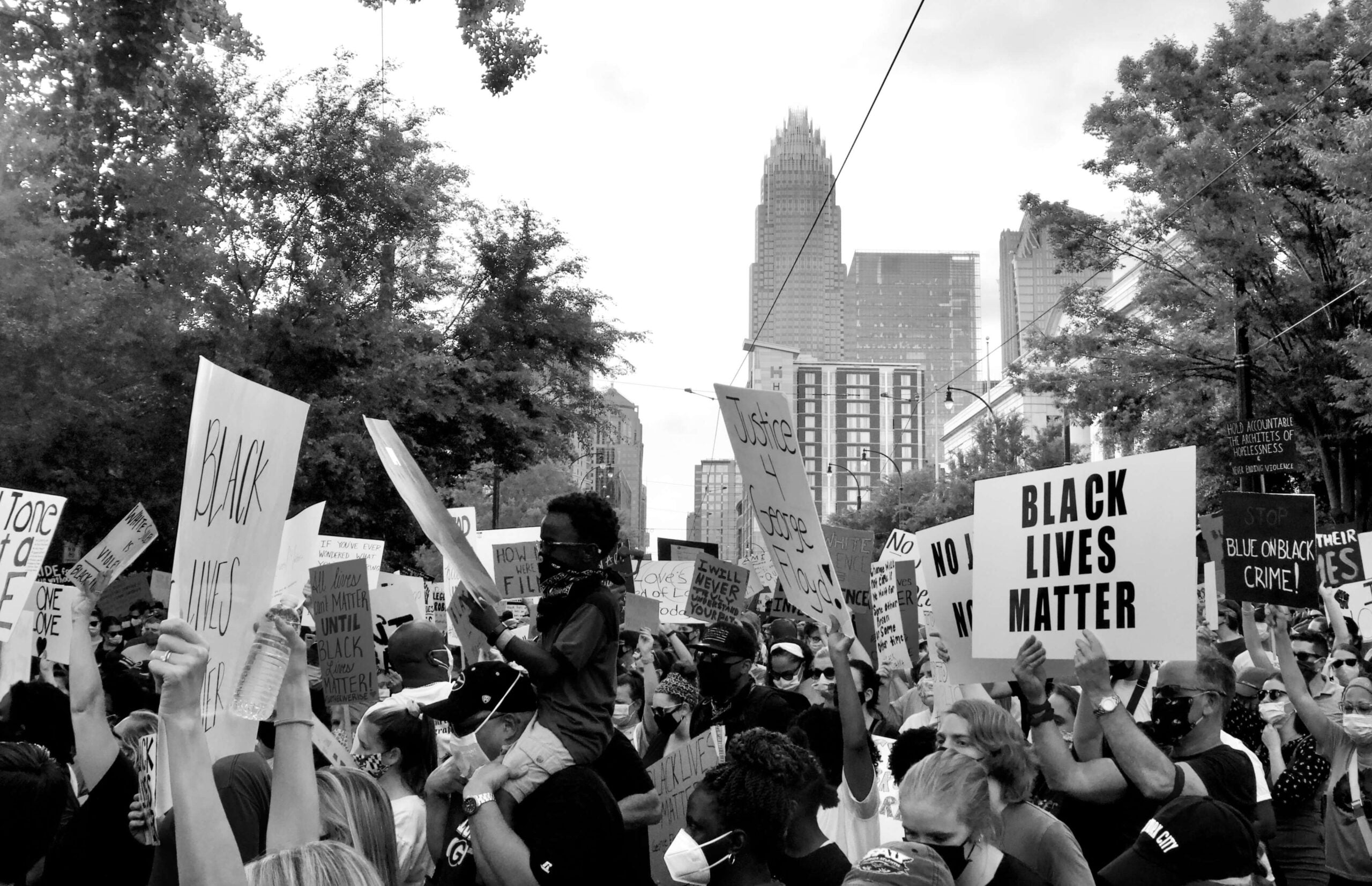
The National Association for the Advancement of Colored People was founded by a coalition of white progressives and Black intellectuals. The organization adopted a legal strategy to challenge segregation through court cases.
The NAACP would become the institutional vehicle for the civil rights movement’s transformation.
Guinn v. United States
In 1915, the Supreme Court struck down the grandfather clause, a voting restriction that exempted voters whose grandfathers could vote before Reconstruction. The decision was a rare victory for voting rights and demonstrated that judicial intervention could constrain state voting restrictions.
Southern states responded by adopting new restriction mechanisms.
The 1919 Chicago Riot
Following the death of Eugene Williams, a Black teenager who drowned after being pelted with rocks while swimming in an all-white beach section, Chicago erupted in violence on July 27, 1919. White mobs killed thirty-eight people over thirteen days of rioting.
The riot and its aftermath forced Chicago to investigate police complicity and to create the interracial Chicago Commission on Race Relations. The commission’s report became the most thorough investigation of racial violence yet published.
The Sweet v. Painter Cases

In the 1930s and 1940s, Donald Murray and Lloyd Gaines sued for admission to all-white graduate programs. Their cases, brought by the NAACP, established that separate graduate facilities were inherently unequal.
The wins were narrow but demonstrated that judicial pressure could crack segregation’s legal foundation.
The Double V Campaign
During World War II, the Pittsburgh Courier created the “Double V” campaign—victory over fascism abroad and racism at home. The campaign articulated how Black Americans served the military while facing segregation.
The contradiction between fighting for democracy overseas and experiencing apartheid at home mobilized Black consciousness.
The 1943 Harlem Uprising
After police shot a Black soldier, Harlem residents rioted, killing six people and causing two million dollars in damage. Unlike some riots that were attributed to outside agitators, the Harlem uprising was clearly rooted in accumulated frustration with police violence and economic inequality.
The riot created political space for demands for police accountability.
The Executive Order 8802
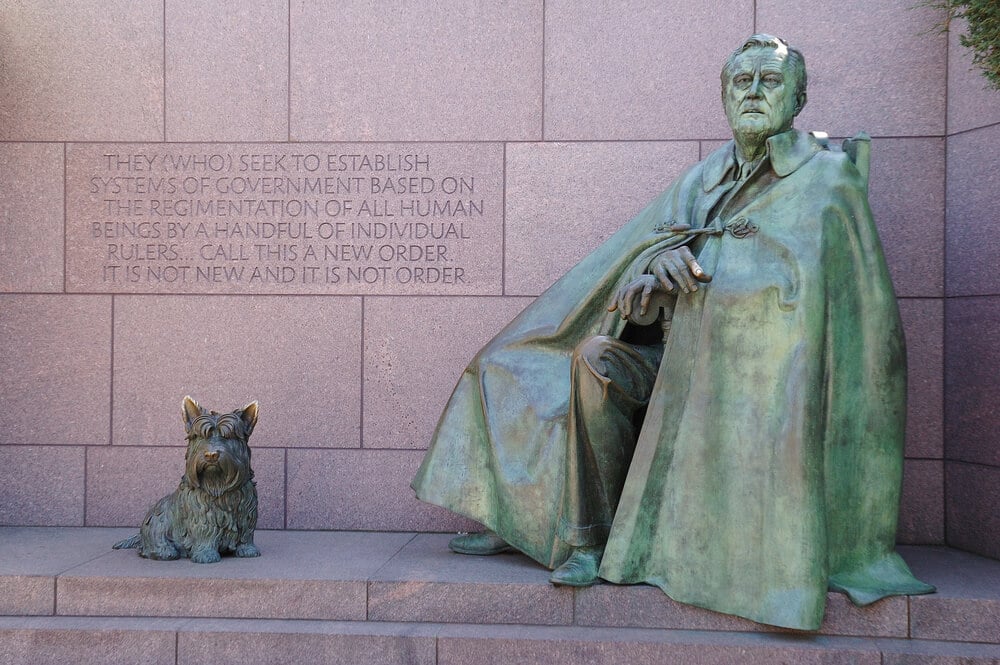
In 1941, President Franklin Roosevelt issued an order prohibiting racial discrimination in the defense industry. Though limited in scope, the order demonstrated that executive authority could constrain discrimination.
The president would be used to justify later, broader executive actions on civil rights.
Brown v. Board of Education

In 1954, the Supreme Court ruled unanimously that “separate educational facilities are inherently unequal” and therefore violated the Fourteenth Amendment. The decision overturned Plessy and made desegregation the law of the land.
Though implementation would be slow, the decision delegitimized the legal foundation of Jim Crow.
The Murder of Emmett Till
In 1955, a fourteen-year-old Black boy was murdered by white men in Mississippi for allegedly flirting with a white woman. The killers were acquitted by a jury.
Till’s mother insisted on an open casket so the world could see her son’s mutilated face. The photographs mobilized Black America and transformed Till into a symbol of racist violence.
The Little Rock Central High Crisis
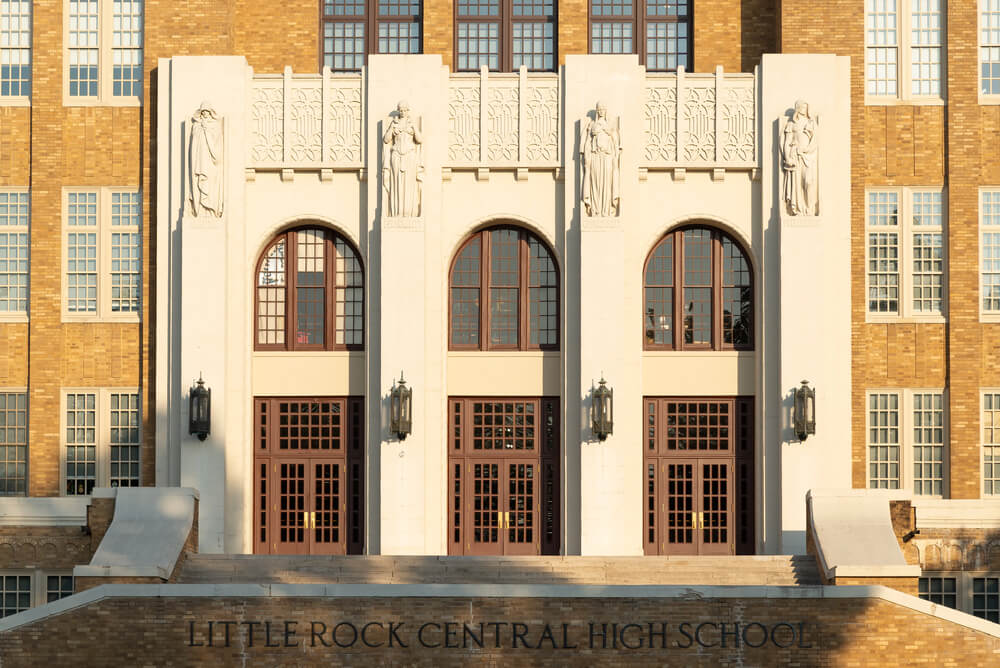
In 1957, nine Black students attempted to integrate an all-white school in Little Rock, Arkansas. The governor called out the state guard to block them.
President Eisenhower federalized the guard and sent in troops to enforce desegregation. The crisis demonstrated that federal force would be required to integrate education.
The Sit-In Movement
In 1960, four Black students in Greensboro, North Carolina, sat at a white-only lunch counter and refused to leave. Within weeks, thousands of students were conducting sit-ins across the South.
The movement shifted civil rights activism from courtrooms to streets and mobilized a new generation of activists.
The Freedom Riders
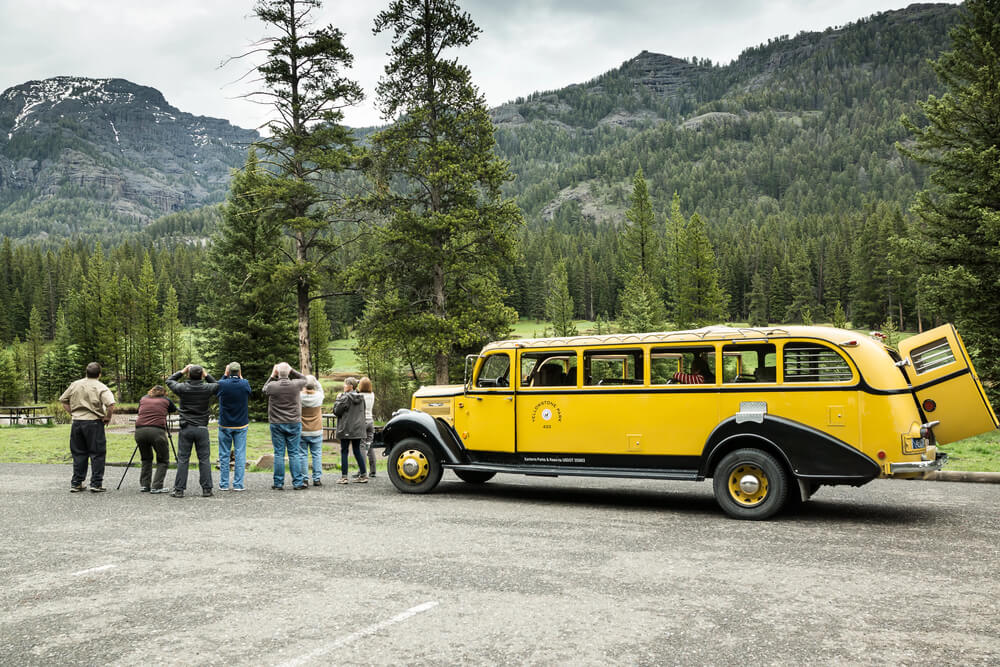
In 1961, integrated groups rode buses through the South to challenge segregation in interstate transportation. Mobs attacked them, and local police arrested them rather than protecting them.
The rides forced the federal government to enforce integration in interstate commerce and created a cohort of committed activists.
The March on Washington
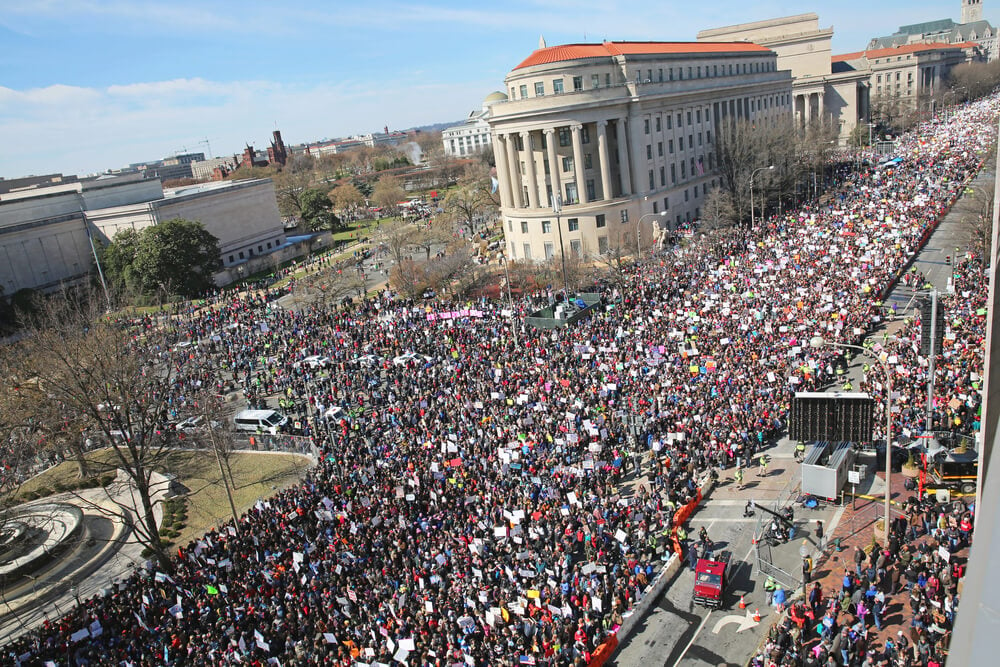
In 1963, a quarter million people gathered in Washington, D.C., to demand civil rights legislation. The march was initially viewed as a radical action that might provoke backlash.
Instead, the massive peaceful gathering shifted public opinion and created political space for the Civil Rights Act.
The Civil Rights Act of 1964
President Johnson signed legislation prohibiting racial discrimination in public accommodations, employment, and education. The law was the most comprehensive civil rights legislation since Reconstruction.
The act addressed legal segregation directly and became the legal foundation for civil rights enforcement.
Malcolm X’s Pilgrimage to Mecca
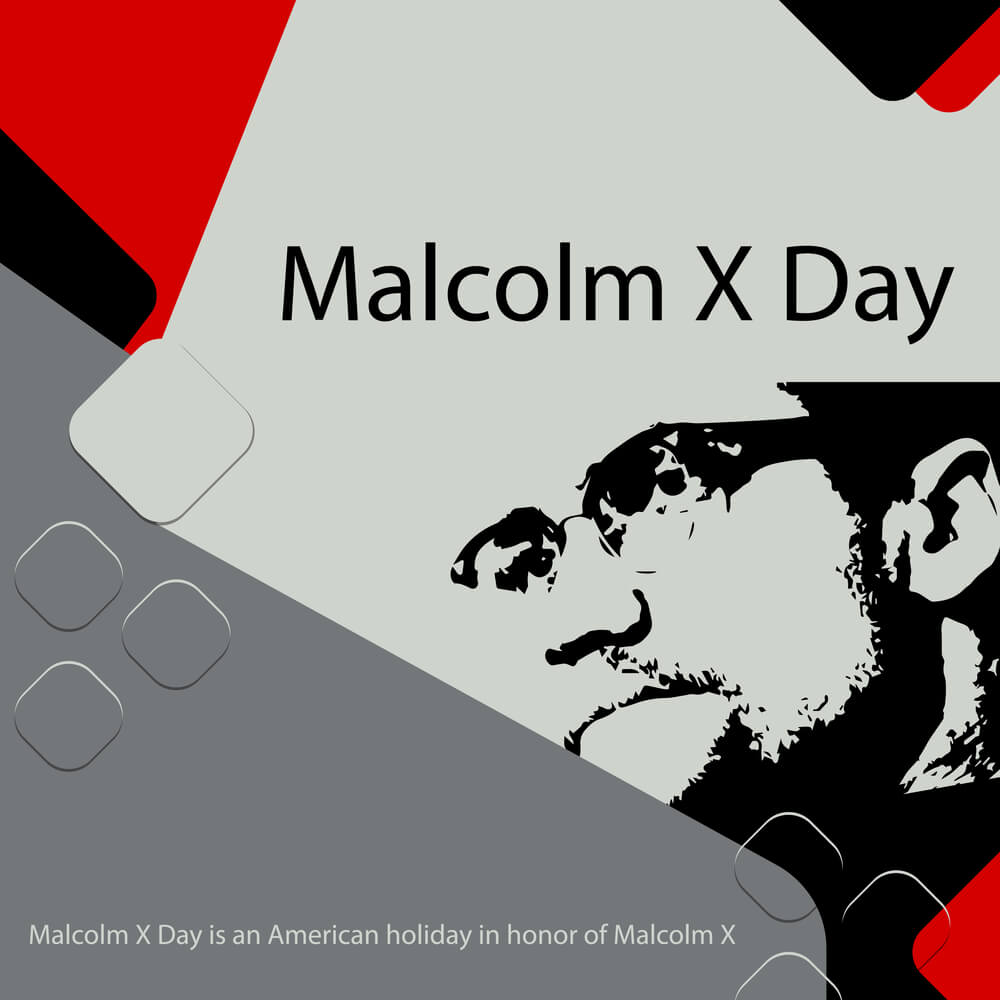
In 1964, Malcolm X traveled to Mecca and encountered Muslims of all races and nationalities. The experience challenged his prior belief in Black separatism and led him to revise his ideology toward multiracial cooperation.
Though assassinated months later, Malcolm X’s evolution influenced the trajectory of Black activism.
The Voting Rights Act of 1965
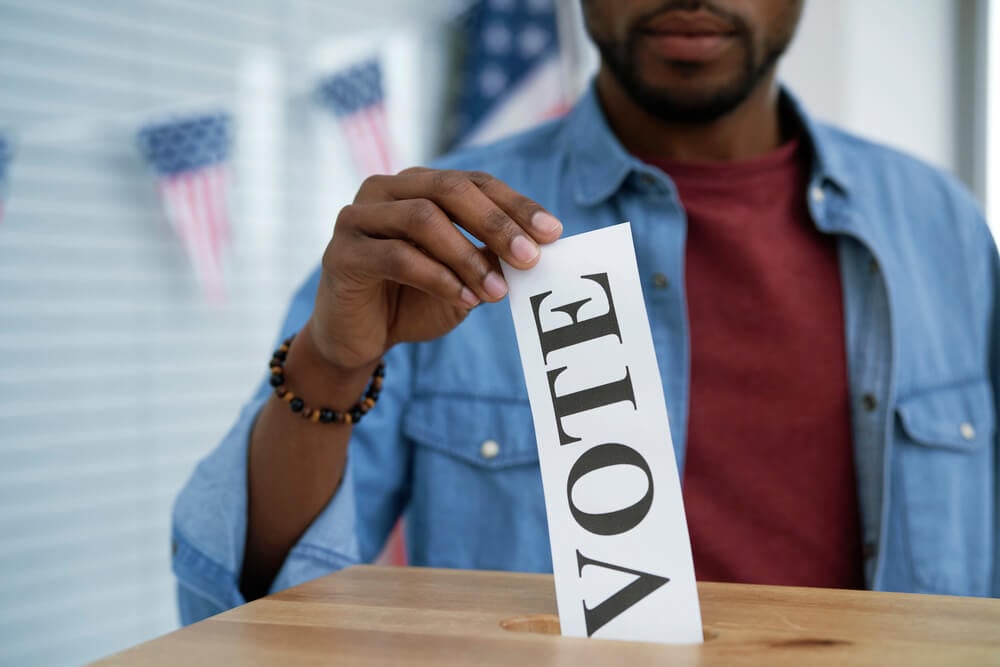
President Johnson signed legislation addressing voting restrictions in the South. The act authorized federal oversight of voting procedures in states with histories of discrimination.
The legislation transformed Southern politics by enfranchising Black voters and reshaping electoral outcomes.
The Detroit Uprising
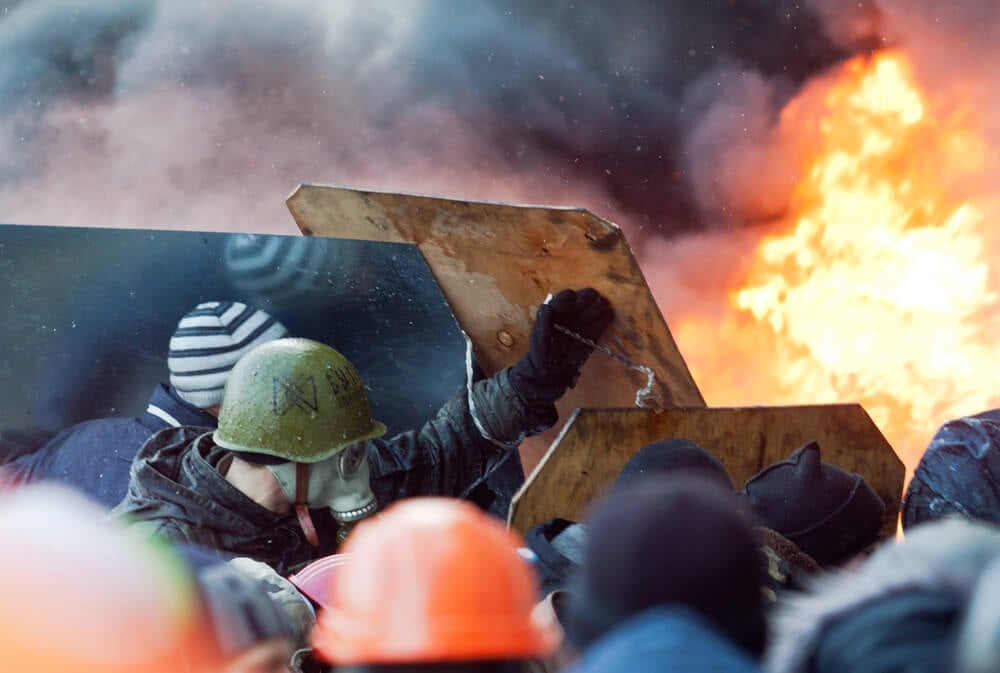
In 1967, police arrested a speeding driver in Detroit, sparking riots that lasted five days. Forty-three people were killed, over a thousand injured.
The uprising, larger than earlier riots, demonstrated that racial violence was rooted in systemic inequality rather than individual criminal acts. It accelerated the transition to Black Power ideology.
The Black Panther Party
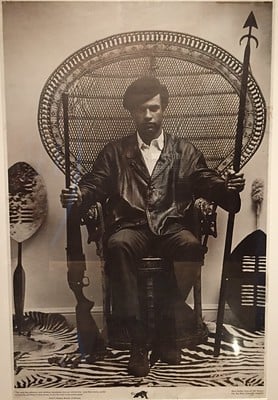
In 1966, Huey Newton and Bobby Seale founded the Black Panther Party for Self-Defense in Oakland. The party combined Black nationalism with Marxist theory and armed self-defense against police violence.
The Panthers became the symbol of Black Power and influenced global decolonization movements.
The Fair Housing Act of 1968
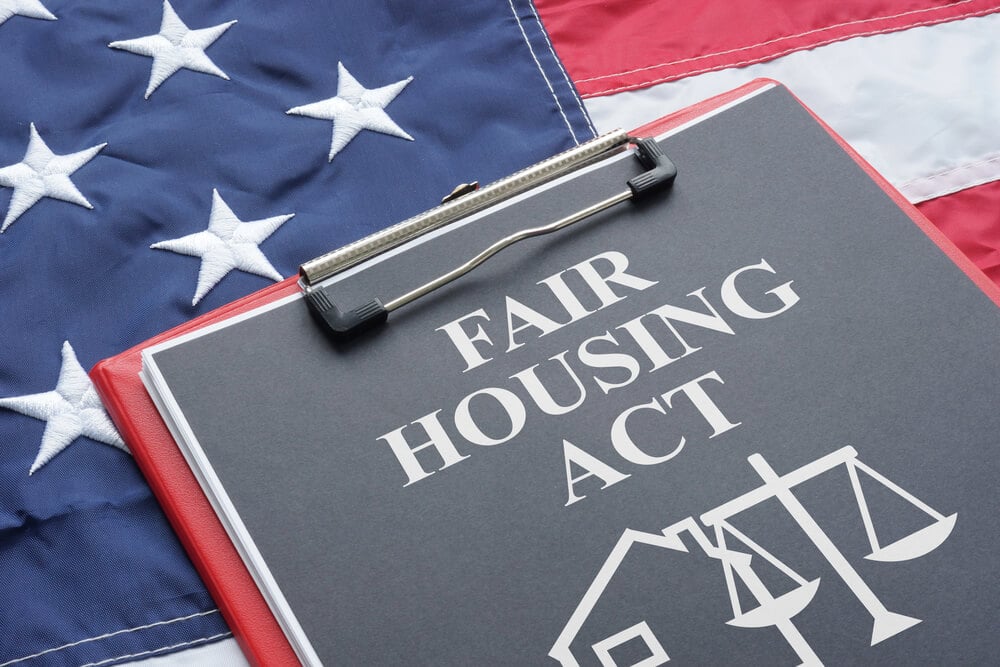
One week after Martin Luther King Jr.’s assassination, Congress passed legislation prohibiting racial discrimination in housing. The act extended civil rights law beyond public accommodations into property ownership.
The law addressed residential segregation, which had been the most persistent form of American discrimination.
Loving v. Virginia
In 1967, the Supreme Court struck down laws prohibiting interracial marriage. The decision was unanimous and uncontroversial legally but was radical in its implications.
Sixteen states still had laws on the books prohibiting interracial marriage, though many were unenforced.
The Kerner Commission Report
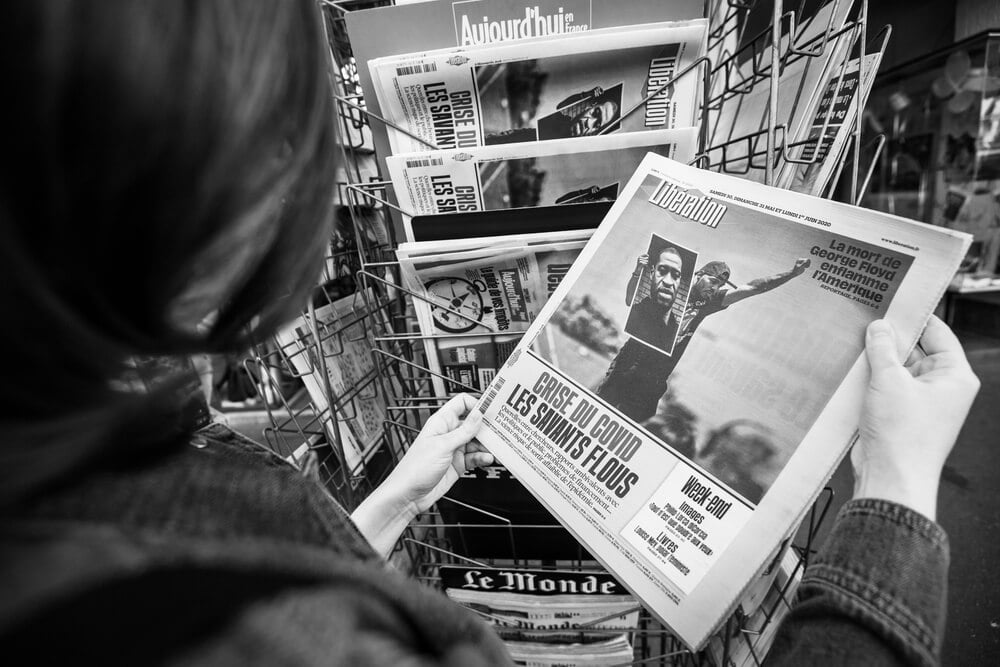
In 1968, the commission investigating the causes of urban uprisings concluded that American racism was systemic and that white racism, not Black criminality, was the root cause of violence. The report was controversial because it implicated America itself rather than rioters.
The report became a canonical text of civil rights analysis.
The Bolling v. Sharpe Decision

This 1954 companion to Brown v. Board addressed segregation in Washington, D.C., where the Constitution’s Fifth Amendment applied instead of the Fourteenth. The Court ruled unanimously that segregation violated the Fifth Amendment’s due process clause.
The decision made clear that segregation was a constitutional violation regardless of which amendment applied.
United States v. Cruikshank
In 1876, the Supreme Court gutted the Enforcement Act, ruling that federal civil rights laws could not address private violence but only state action. The decision effectively ended federal Reconstruction efforts and allowed the Ku Klux Klan to operate unchecked.
The decision shaped civil rights interpretation for the next century.
The 1964 Mississippi Freedom Summer
Volunteers from the North traveled to Mississippi to register Black voters and establish freedom schools. Three volunteers were murdered by the Klan with local police complicity.
The murders and the volunteers’ willingness to risk death mobilized Northern opinion and established that voting rights required federal protection.
The Architecture of Change

These twenty-seven moments are often taught as inevitable progress, but they were contingent and difficult. Each represented a decision to challenge injustice in the face of legal opposition, violent resistance, and institutional inertia.
The victories were partial and required constant renewal.
More from Go2Tutors!

- The Romanov Crown Jewels and Their Tragic Fate
- 13 Historical Mysteries That Science Still Can’t Solve
- Famous Hoaxes That Fooled the World for Years
- 15 Child Stars with Tragic Adult Lives
- 16 Famous Jewelry Pieces in History
Like Go2Tutors’s content? Follow us on MSN.



