27 Classic Fall Activities Kids Did Before Screens
When the first cold snap arrived, kids headed outdoors and stayed until the porch light came on. Entertainment cost nothing, required no charger and usually involved dirt.
The season supplied the equipment: leaves, acorns, sticks and long evenings.
Many of these activities dated back generations, passed from older siblings to younger ones without any instruction manual.
Marbles
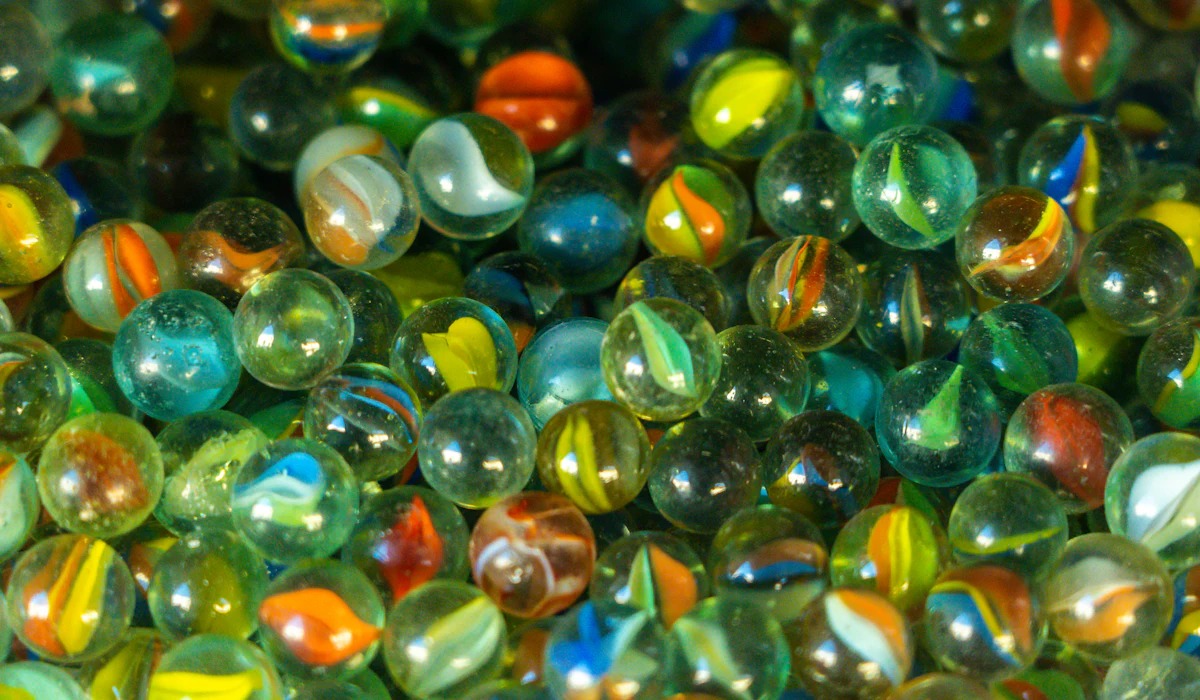
Players knelt on the dirt, drew a ring with a stick and flicked a shooter marble to knock others out of the circle. Marble games have ancient roots and have been played in many cultures.
Their vocabulary, from taws to knuckling down, was part of recess. Winners walked home with pockets that clinked.
Collecting Buckeyes
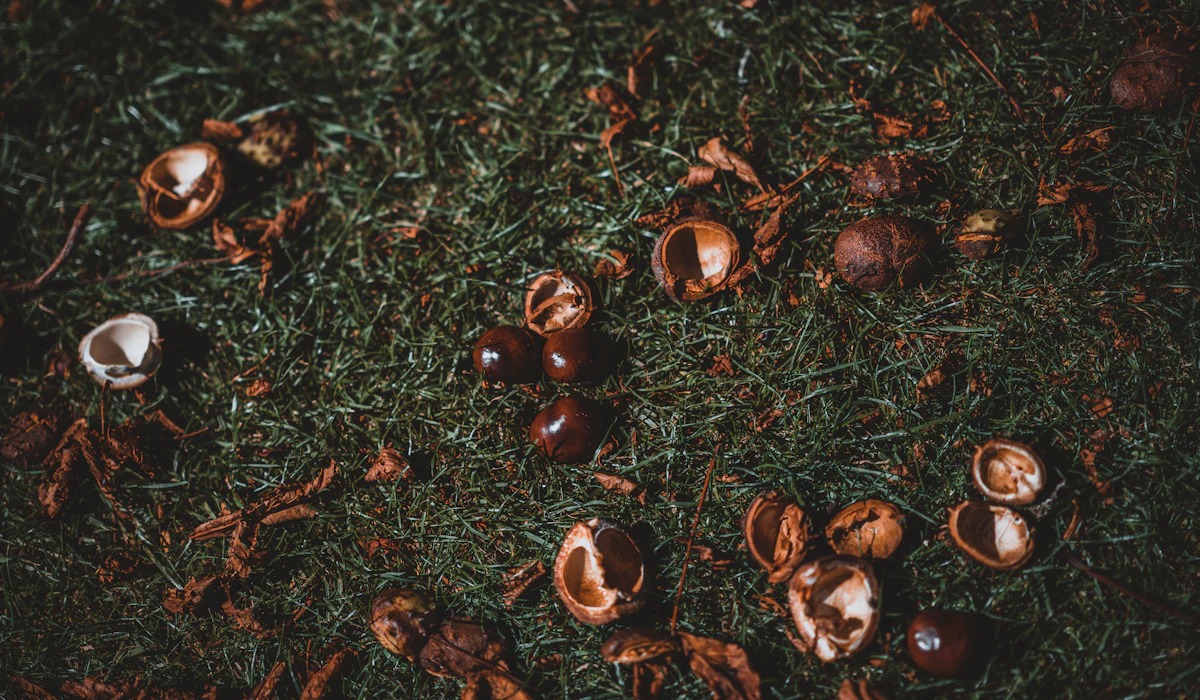
The glossy brown nut of the buckeye tree, Ohio’s state tree, looked like a deer’s eye and felt like polished wood. Folklore held that carrying one in a pocket brought good luck.
Kids filled coat pockets and traded the shiniest ones. Buckeyes are for collecting, not eating, because the seeds are toxic if ingested.
Acorn Cap Whistles and Hats
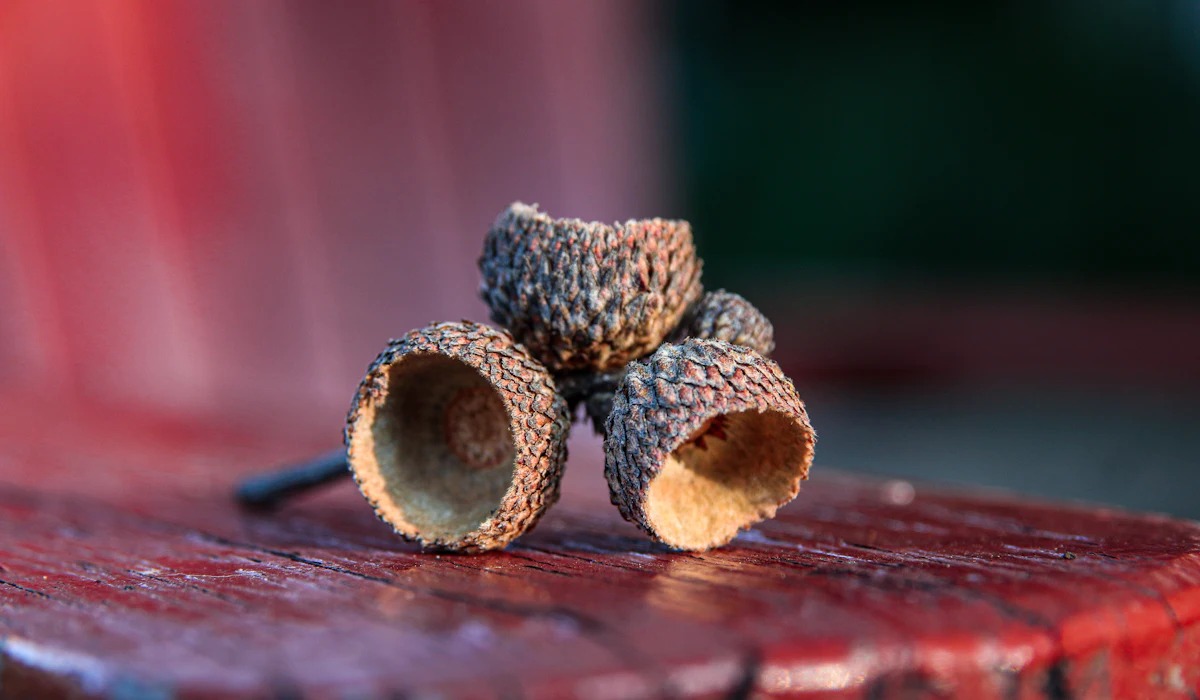
Acorns fell by the thousand, and their caps could be turned into tiny hats, cups or tricky whistles. Pinching the cap between the thumbs and blowing across it made a shrill sound that carried down the block.
The sound irritated neighbors and delighted children.
Leaf Rubbings
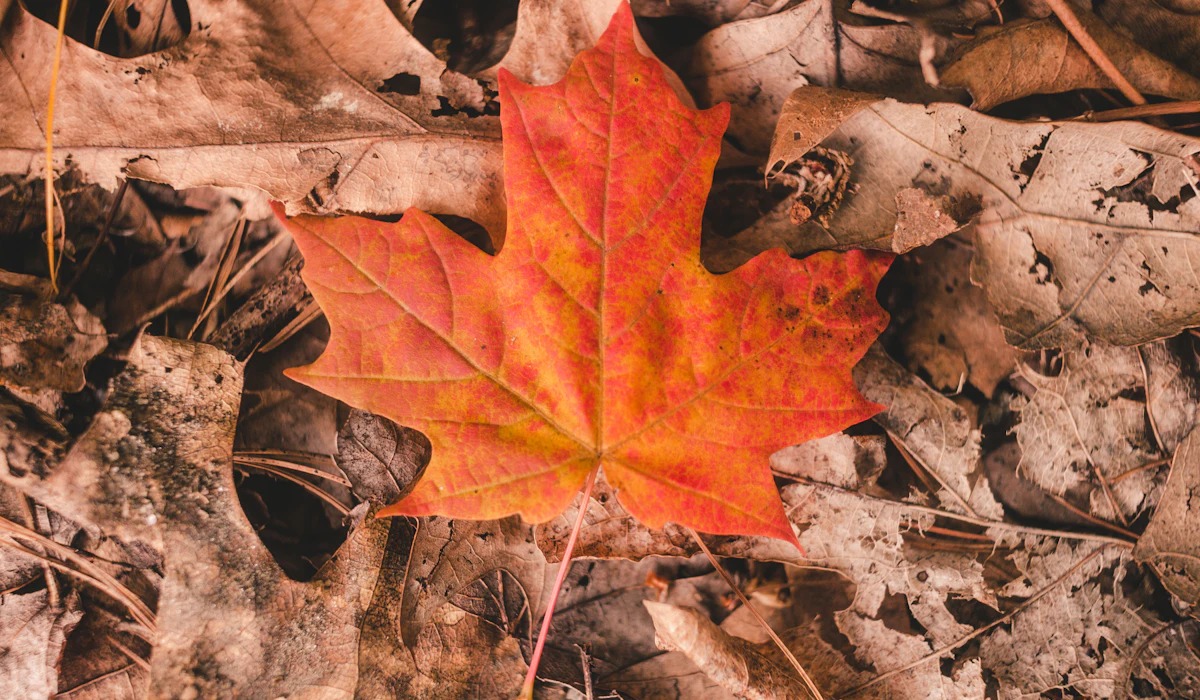
Place a leaf under thin paper, rub the side of a crayon across it, and the veins appear like magic. Maple, oak and sycamore each left their own pattern.
Collections ended up taped to bedroom walls and kitchen refrigerators.
Waxed-Paper Leaves
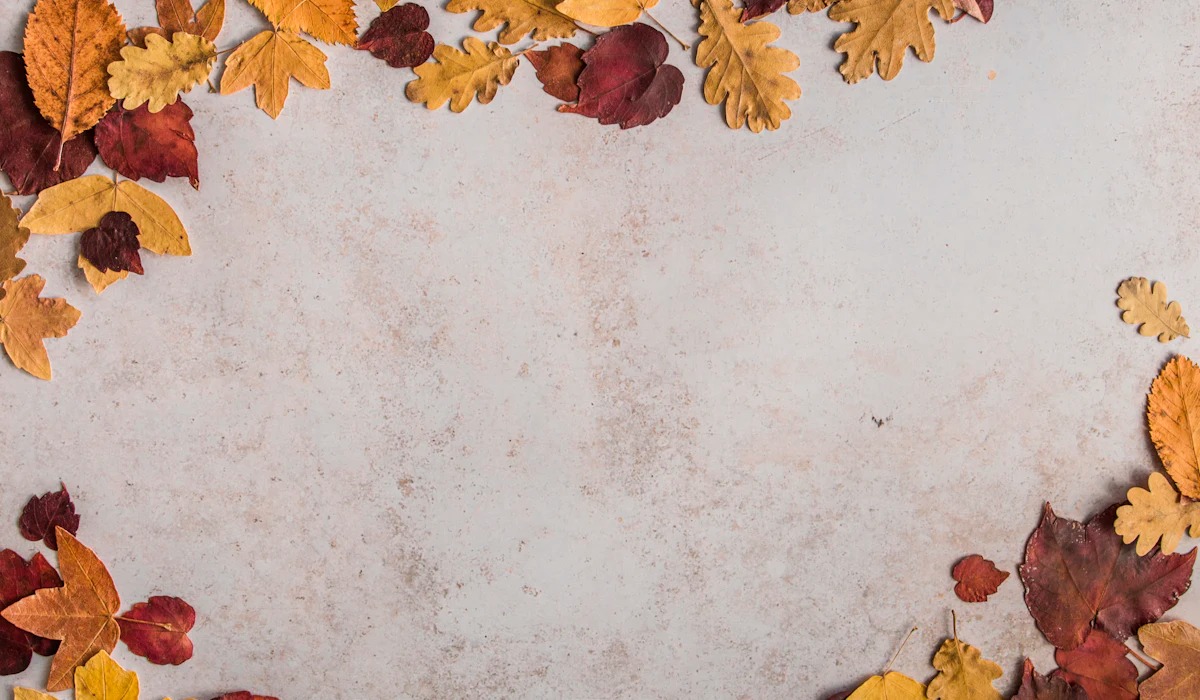
Pressing colorful leaves between sheets of waxed paper with a warm iron preserved them for weeks. Parents handled the iron, and kids supplied the leaves.
The sealed sheets hung in windows like stained glass.
Kick the Can
One player guarded a can while the others hid, and a runner who reached it first could free everyone caught. The game combined tag with hide-and-seek and ran best at dusk.
Rules changed from block to block, but the thrill of a last-second sprint never did.
Ghost in the Graveyard
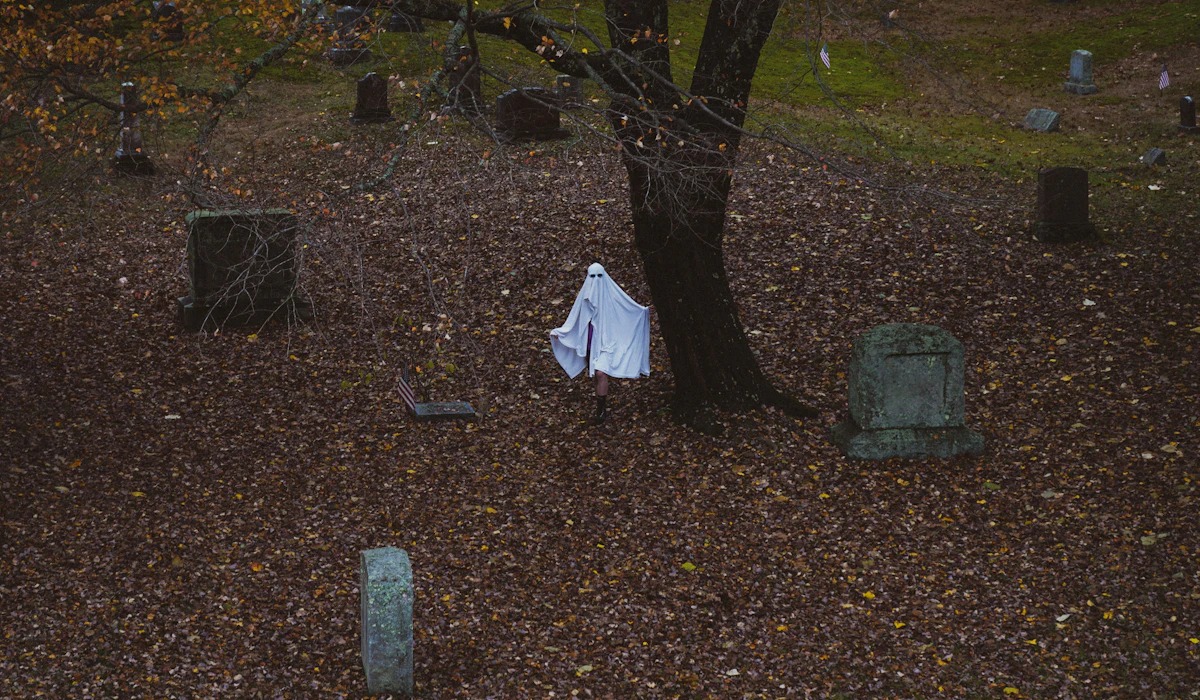
One player hid as the ghost while the rest counted off the hours until midnight. When the ghost leaped out, everyone scattered and ran for home base.
Fall’s early darkness made the game scarier and more popular.
Capture the Flag
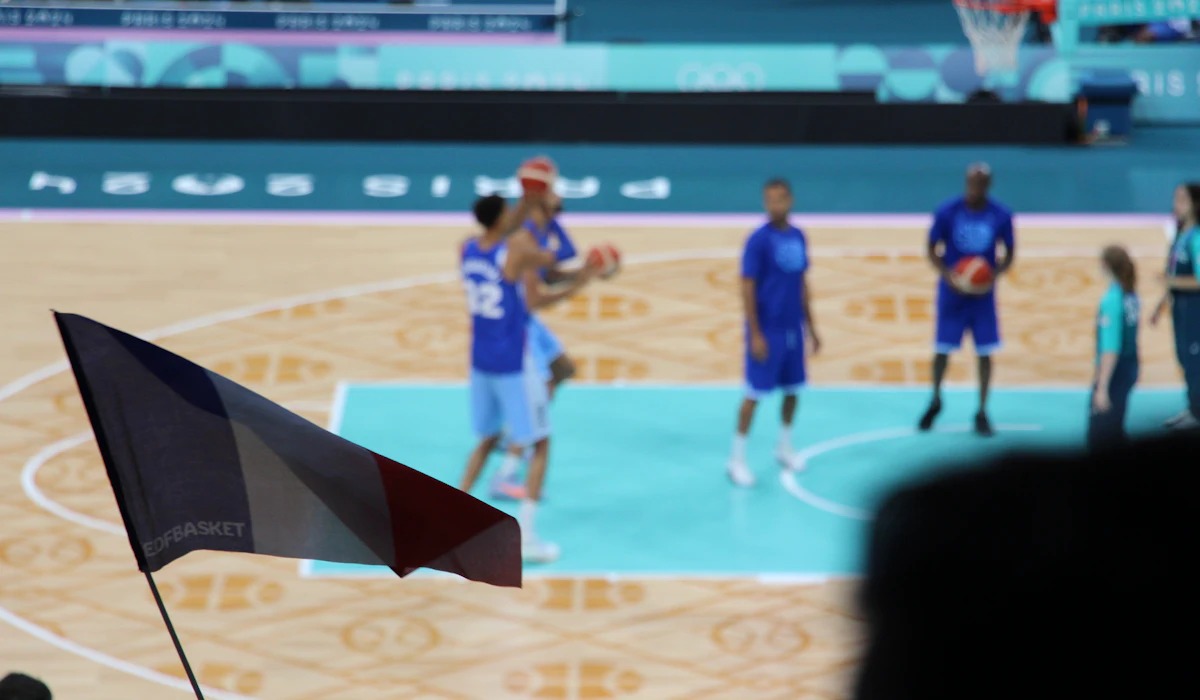
Two teams hid flags in their territory, then tried to snatch the other’s without being tagged. Strategy mattered as much as speed, and arguments about fair play ran as long as the games.
Large yards and empty fields made perfect battlegrounds.
Hopscotch
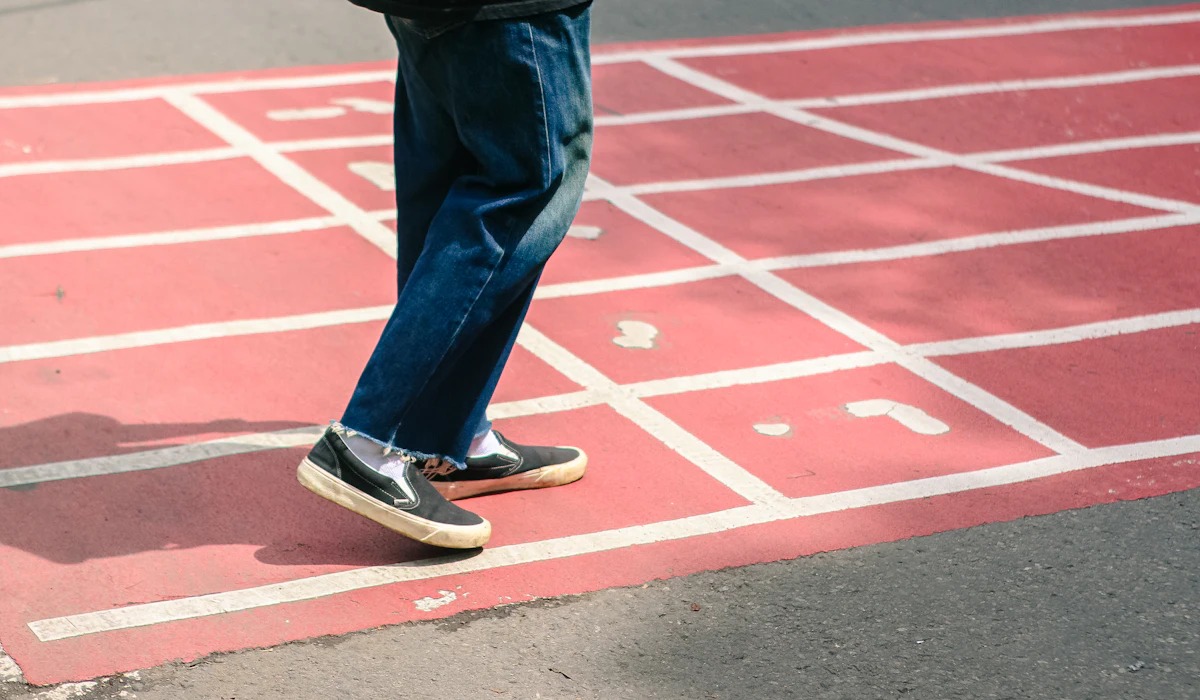
Chalked squares on a sidewalk and a flat stone were all it took. The game’s exact origins are uncertain, but variations have been played for generations.
Every neighborhood invented its own variations, and every driveway had a worn pattern.
Jump Rope Rhymes
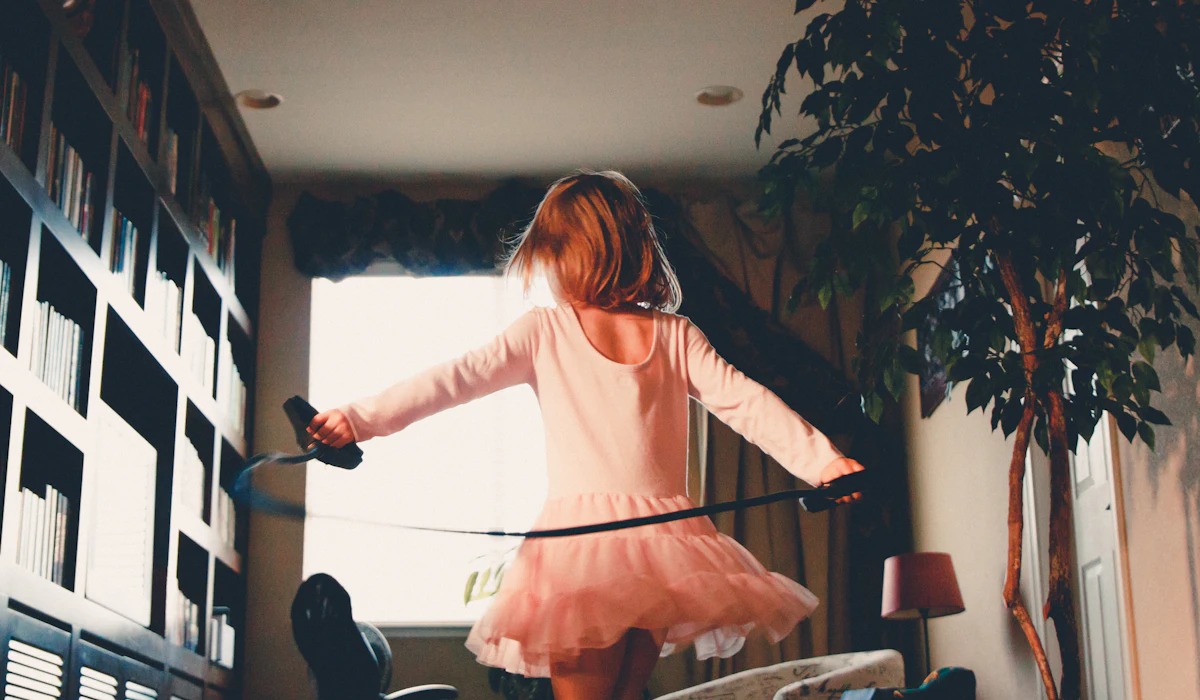
Two kids turned a rope while a third jumped in rhythm to rhymes that no one had written down. The verses changed from playground to playground, and some counted jumps all the way to a hundred.
Fall air kept everyone moving fast enough to stay warm.
Red Rover
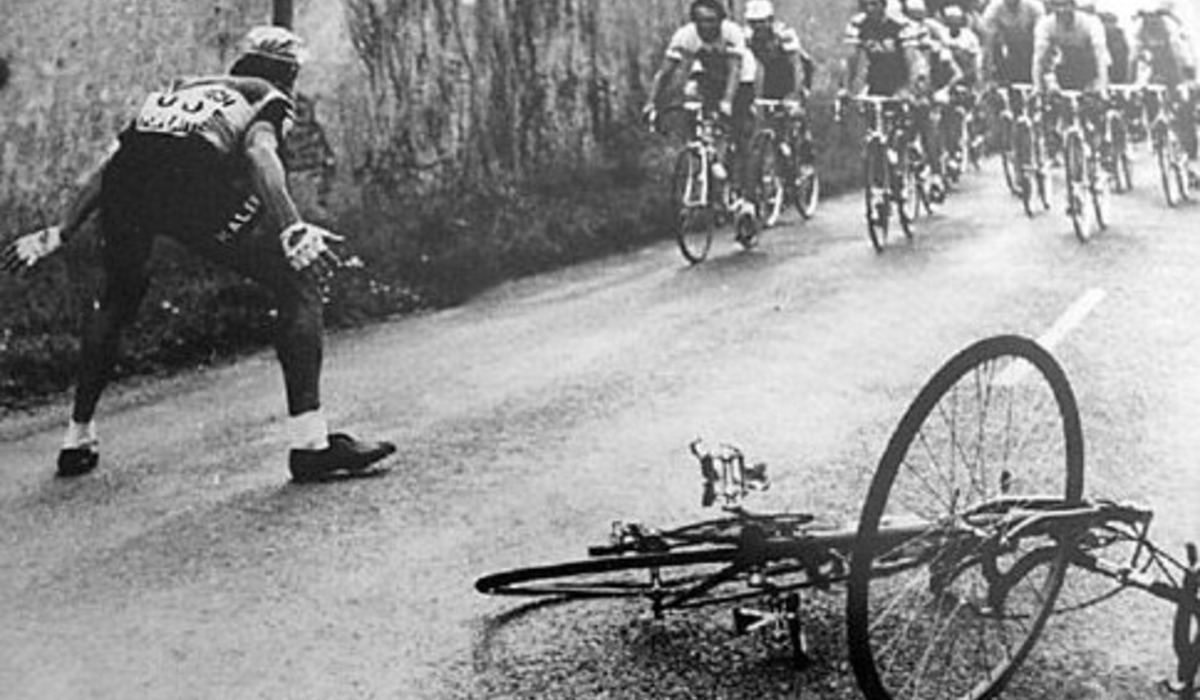
Two lines of kids held hands and called a player over, who tried to break through the link. Winners earned a spot on the opposite team.
The game could lead to collisions and sore wrists, especially when players tried to force their way through linked arms.
Flying Kites
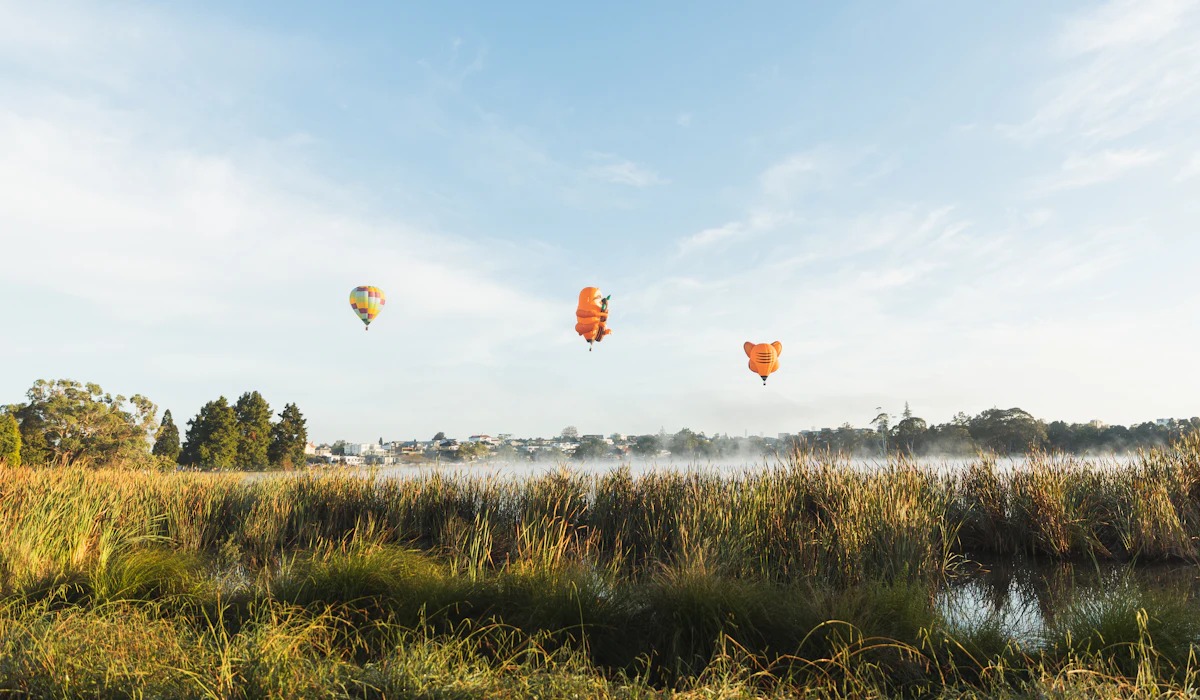
October winds were steady and stronger than summer breezes, which made them ideal for kites. Homemade versions used newspaper, sticks and rag tails.
Kids knew a good day when the string pulled their arm.
Leaf Forts
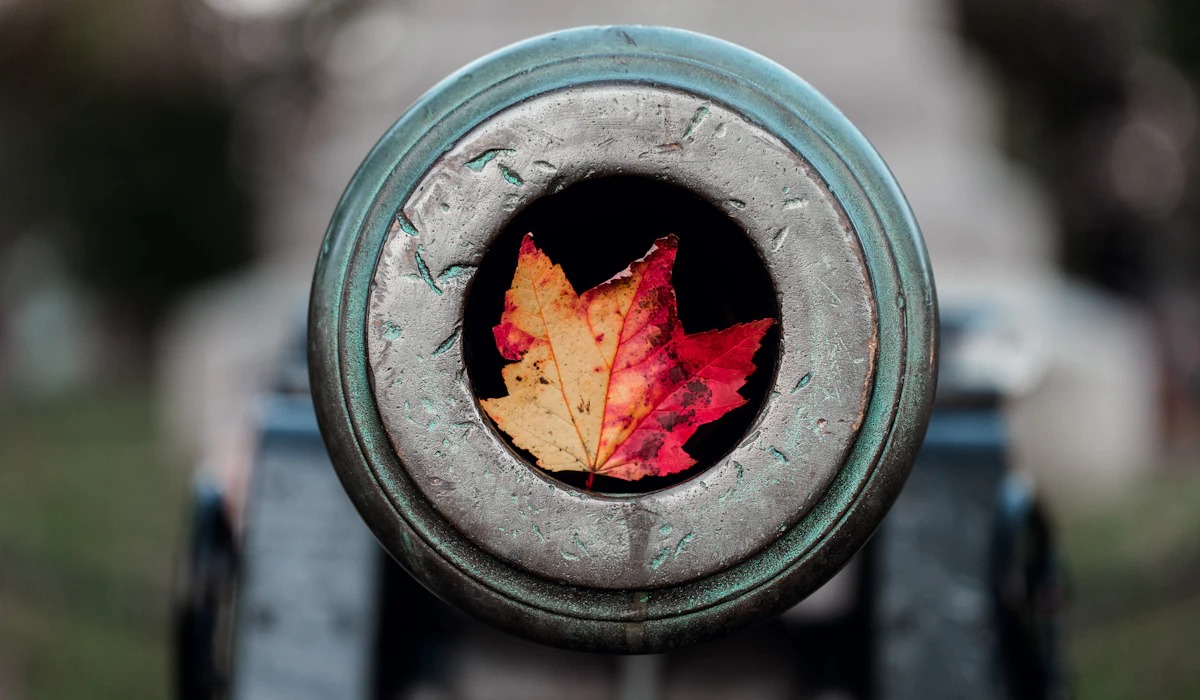
Kids raked leaves into walls, marked rooms with gaps and defended the structure from siblings. The forts often had a kitchen, a bedroom and a secret passage.
A single gust of wind could demolish an entire village.
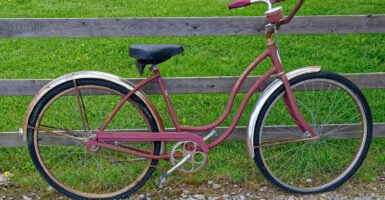
Long Bike Rides
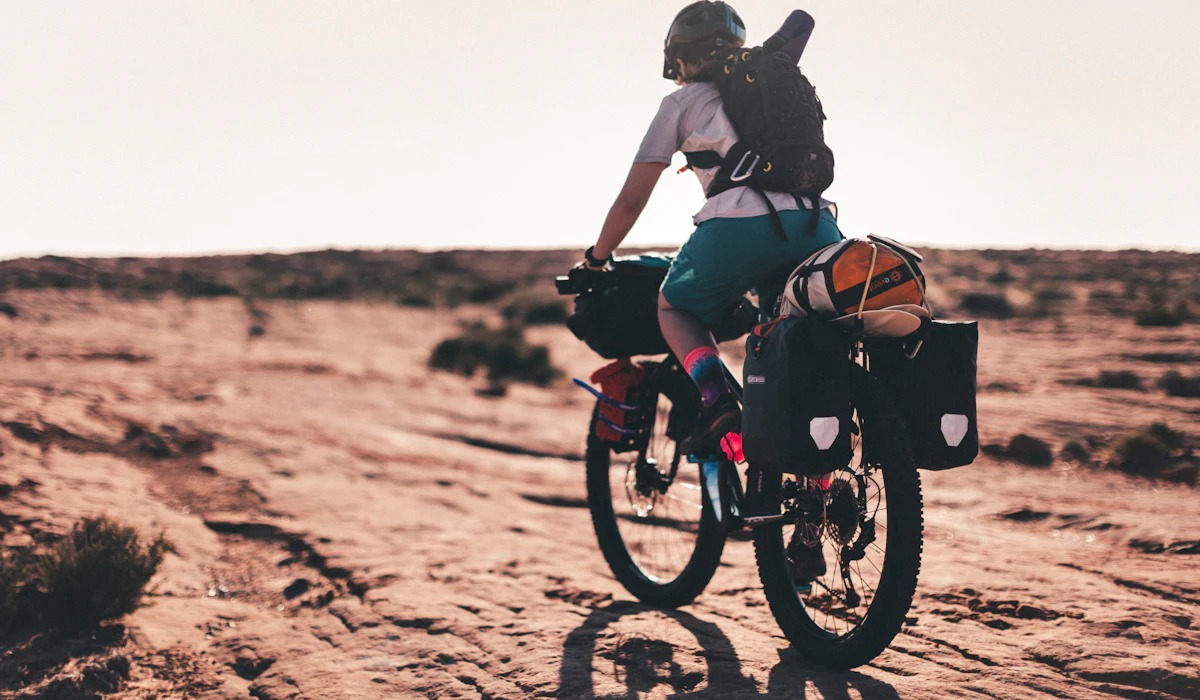
Bikes carried kids to the edge of town and back before dinner. Cool air made pedaling easier, and fallen leaves crunched beneath the tires.
The destination was less important than the freedom.
Reading Woolly Bears
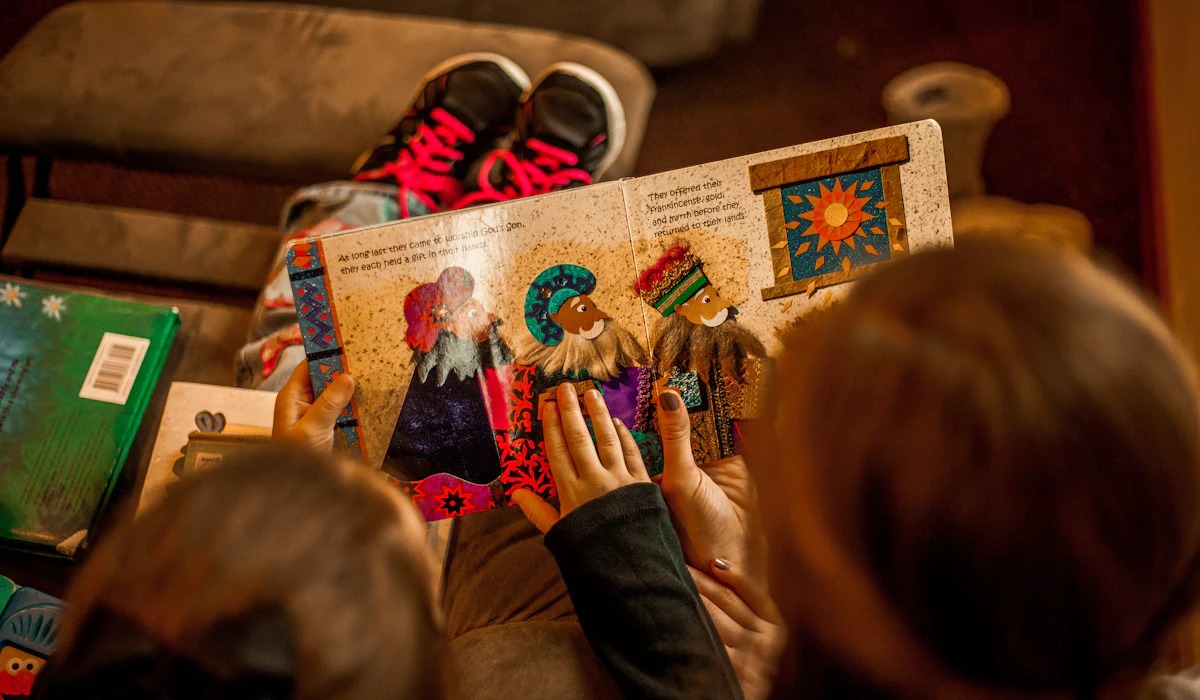
Folklore held that the width of the rusty band on a woolly bear caterpillar predicted the severity of the coming winter. The markings aren’t a reliable way to forecast winter weather, but the tradition lives on.
Kids picked them up from the roadside and studied them with great seriousness. A festival in Banner Elk, North Carolina, still races the caterpillars each October.
Building a Scarecrow
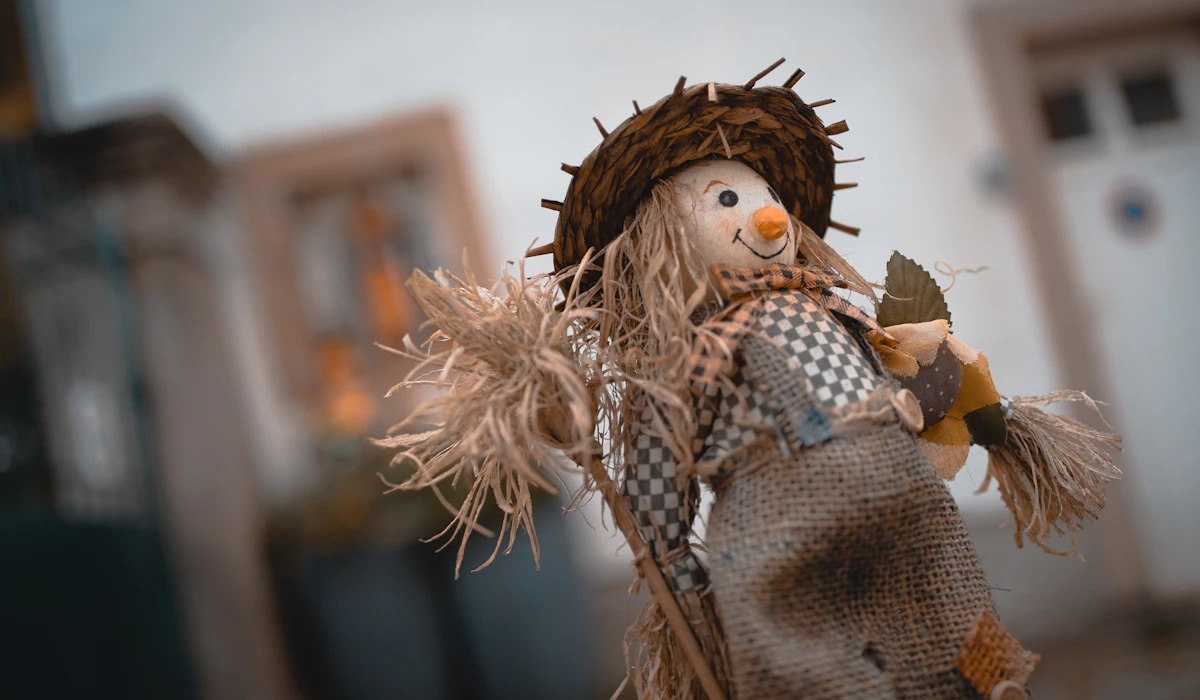
Old flannel shirts, stuffed with straw and pinned to a pole, became scarecrows guarding the garden or the porch. Faces were painted on pillowcases.
Many a scarecrow ended up dressed in a younger sibling’s hand-me-downs.
Roasting Marshmallows at a Bonfire
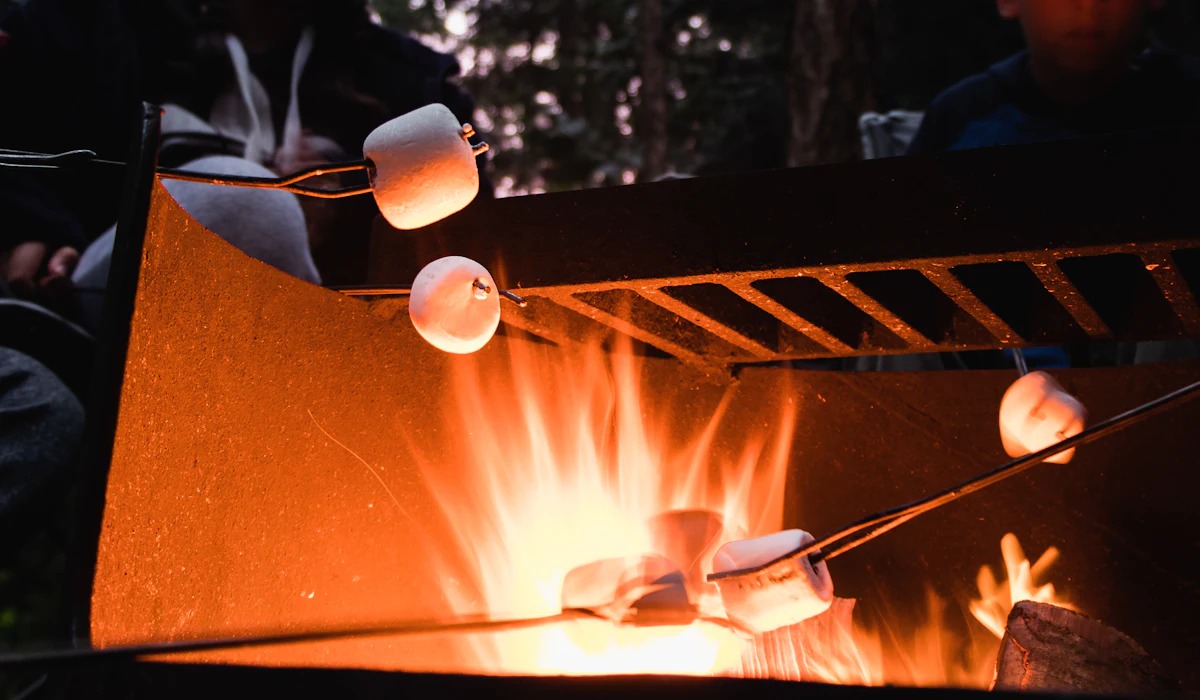
A bonfire in the backyard or at the lake called for sticks, marshmallows and patience. The sugar burned black on one side and stayed raw on the other.
Kids argued about the right level of toasting like seasoned chefs.
Picking Apples
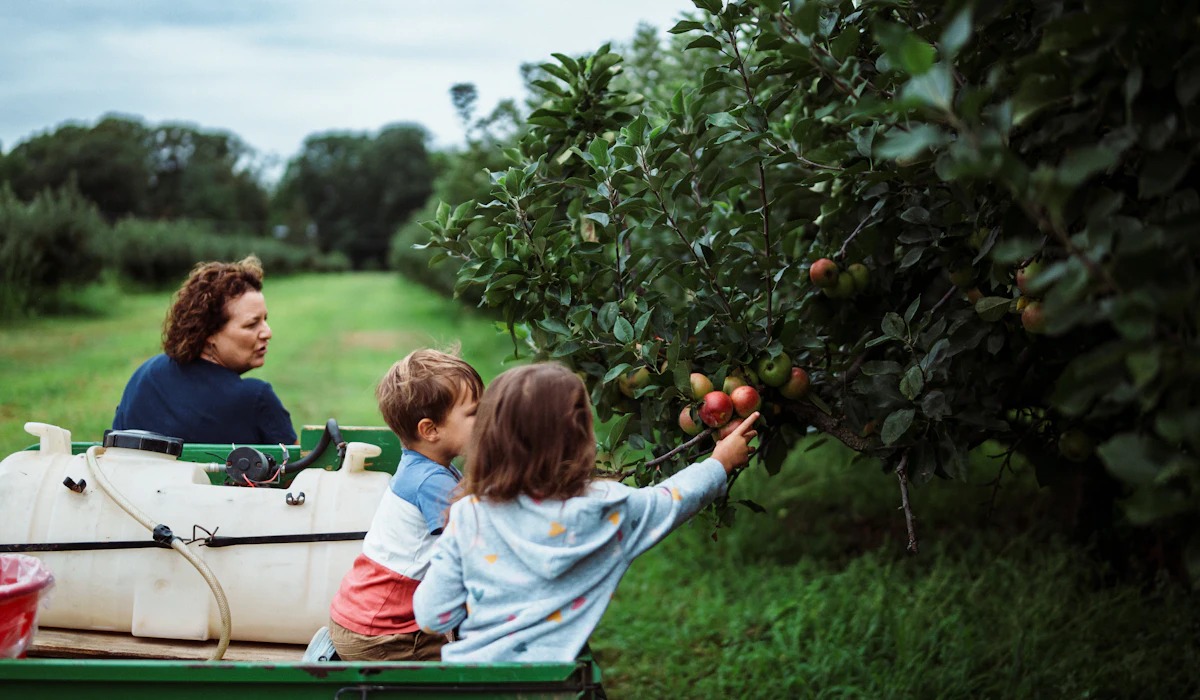
Orchards opened for the season, and kids climbed ladders to reach the best fruit. The smell of crushed windfalls hung in the air.
The best apple of the day was always the one just out of reach.
Flashlight Tag
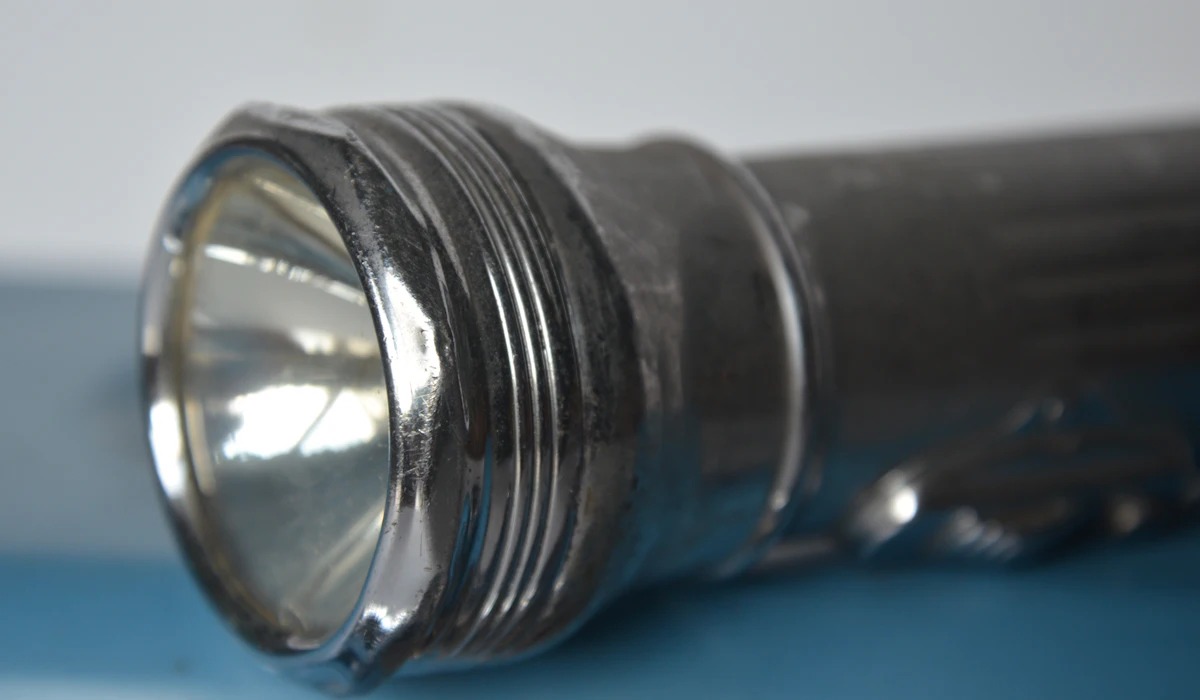
Flashlight tag turned ordinary tag into a night game. The beam acted as the tagger, and shadows provided cover.
Battery life ended more games than parents did.
Telling Ghost Stories
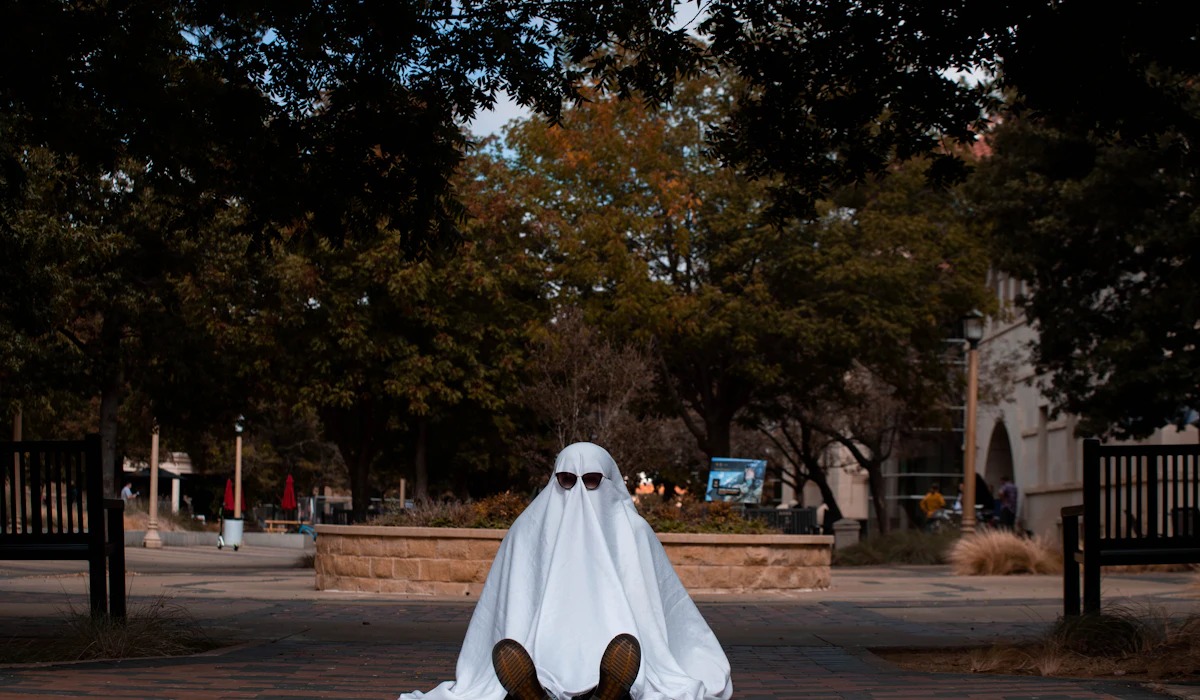
Seated around a campfire or under a blanket, one kid whispered a story about a neighbor’s attic or a hitchhiker on a lonely road. Voices dropped, flashlights clicked off and everyone leaned in.
The best storytellers finished with a sudden shout.
Pressing Cider
Neighbors with an old press turned bushels of apples into fresh cider. Kids took turns cranking the handle and tasting the first trickle.
The cider tasted of the orchard itself.
Cornhusk Dolls
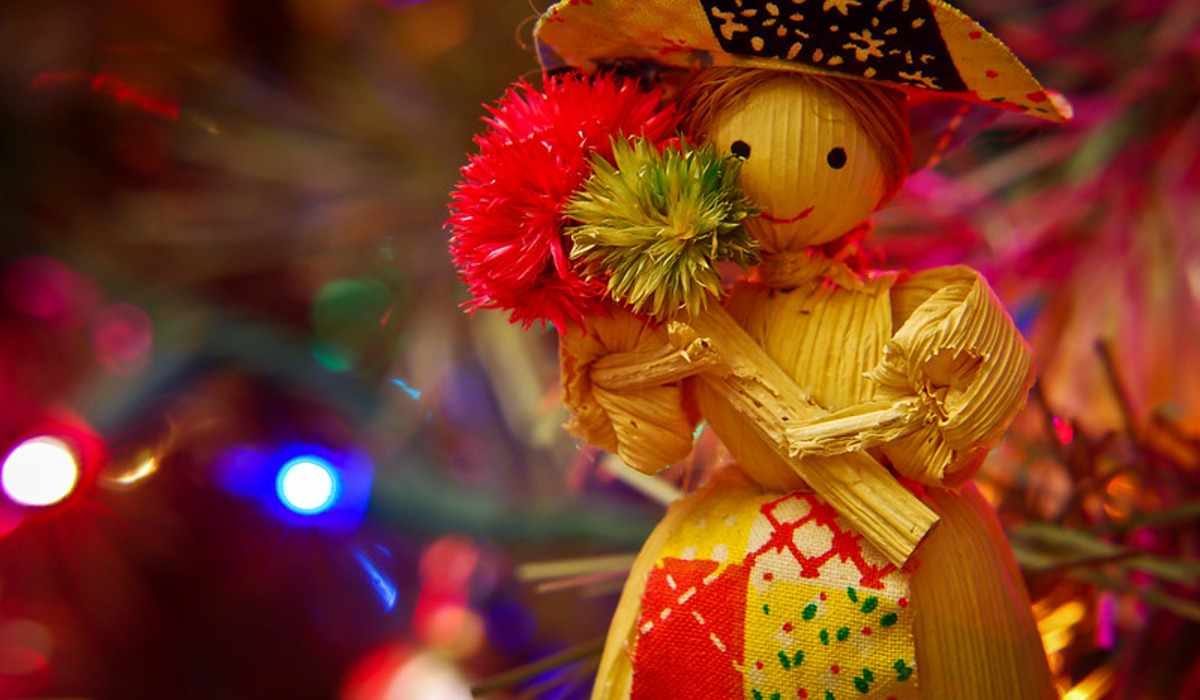
Cornhusk dolls have a long history among Indigenous peoples, including the Haudenosaunee. In Haudenosaunee tradition, the faceless doll carries a lesson about humility.
Children soaked dried husks, folded them into shapes and tied them with string. The finished dolls were simple and strangely expressive.
Jumping in Puddles
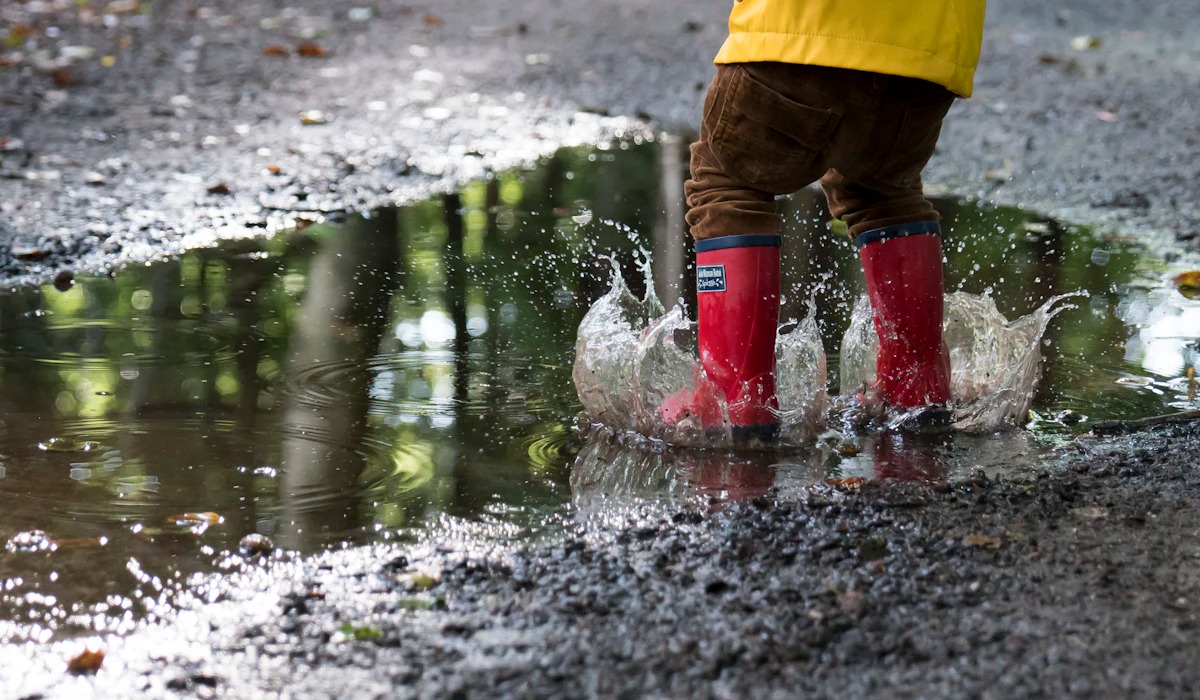
Autumn rain left puddles in every low spot, and rubber boots made every one of them irresistible. The goal was a perfect splash with maximum effect.
Dry socks waited at home.
Skipping Stones
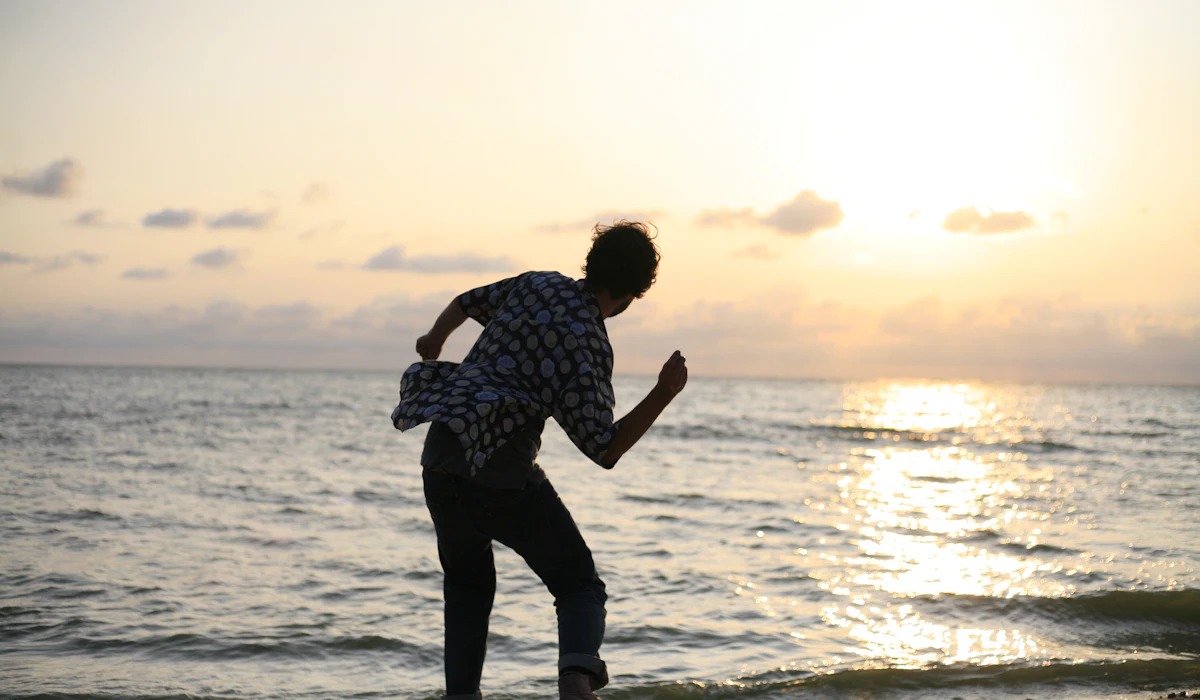
Flat stones, a calm creek and a sideways flick made for hours of contest. Guinness World Records lists Kurt Steiner’s record of 88 consecutive skips, achieved in Pennsylvania on September 6, 2013.
Most kids celebrated a three-bounce throw as a triumph.
Hide-and-Seek
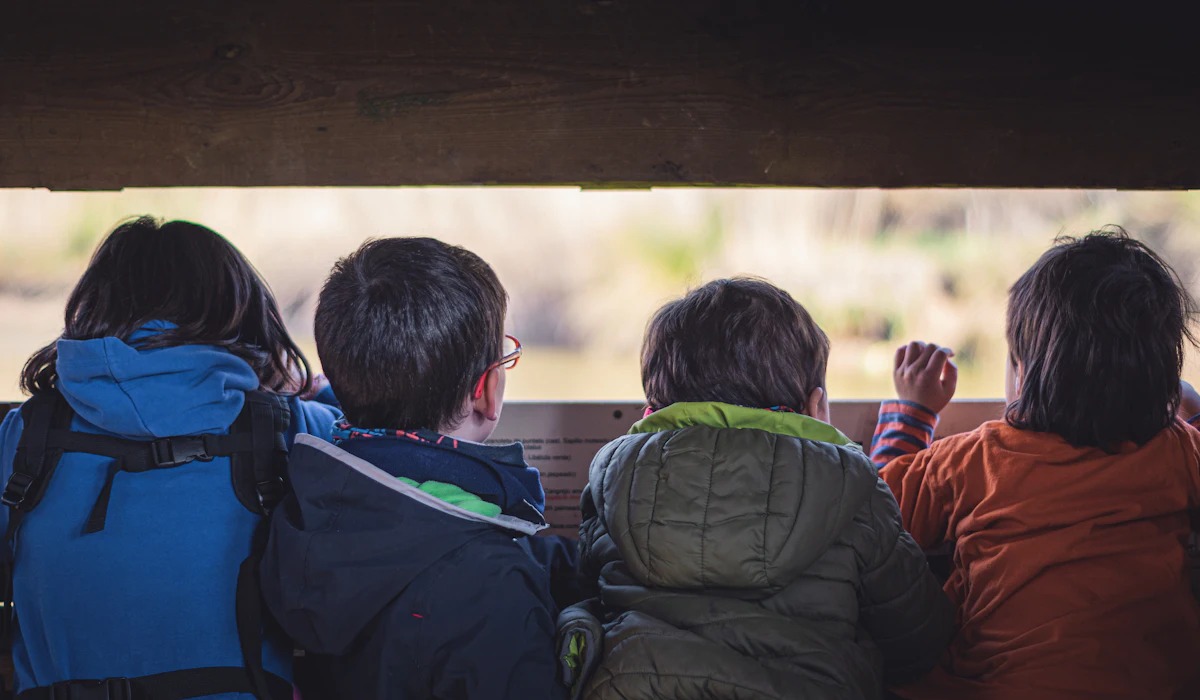
Games resembling hide-and-seek have been played for generations, and every generation has rediscovered them. Leaf piles, tall corn and dark corners multiplied the hiding places in fall.
The loudest part was always the counting.
Sidewalk Chalk Drawings
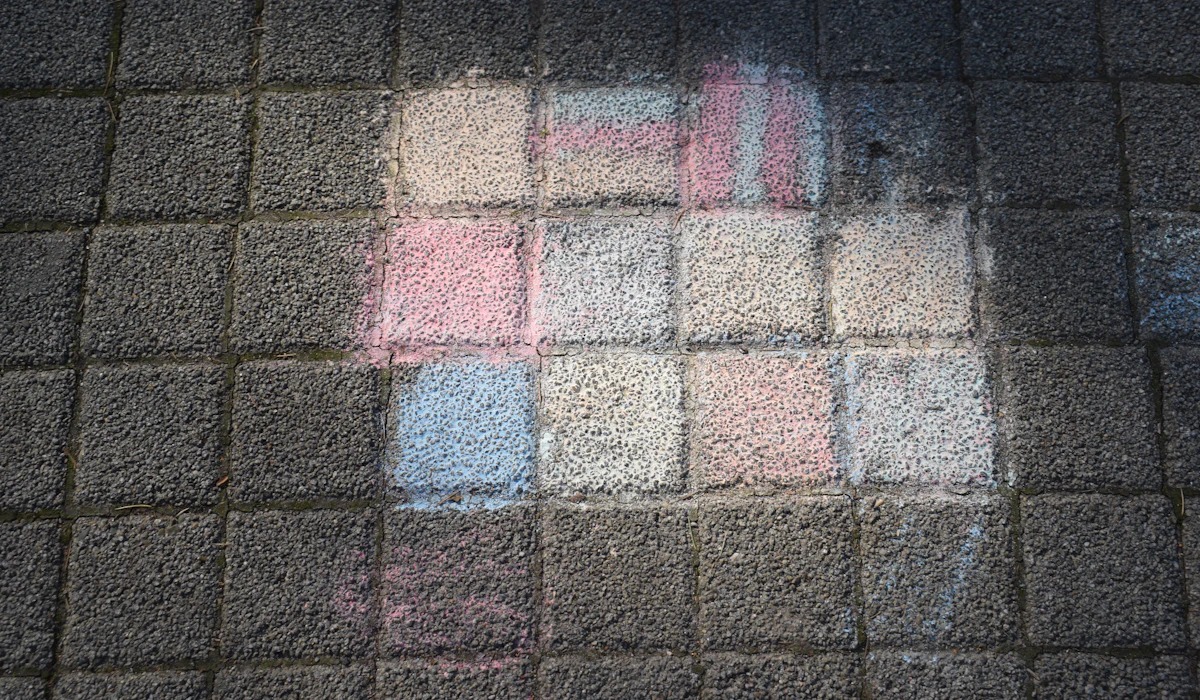
Chalk transformed driveways into art galleries, maps and racecourses. The first rain washed everything away, which meant a new canvas each time.
Colored dust ended up on knees, sleeves and noses.
Monkey in the Middle
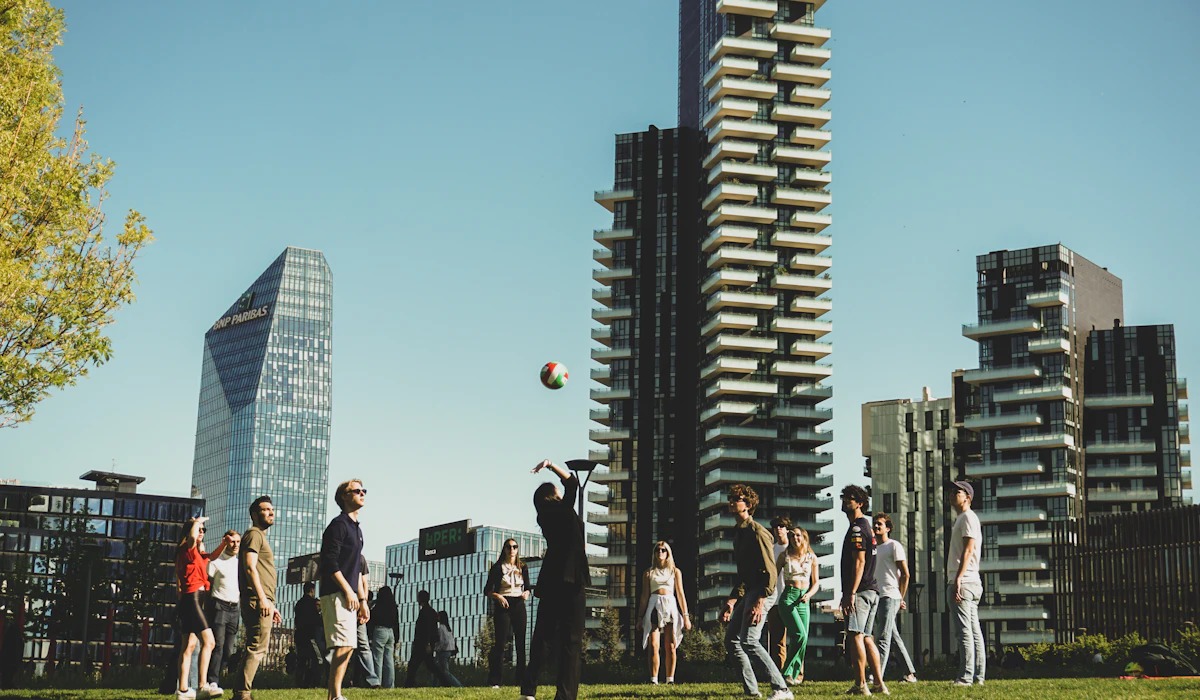
Two kids tossed a rubber toy back and forth while a third leapt between them trying to intercept it. The person who got stuck in the middle received the loudest teasing.
The game required almost no gear and almost no skill, which made it perfect for mixed ages.
The Pocket Full of Acorns
None of these activities needed an app, a subscription or a schedule. Each depended on whatever the season left on the ground, a few friends and a loose agreement about the rules.
Kids turned scarcity into invention without anyone calling it creativity.
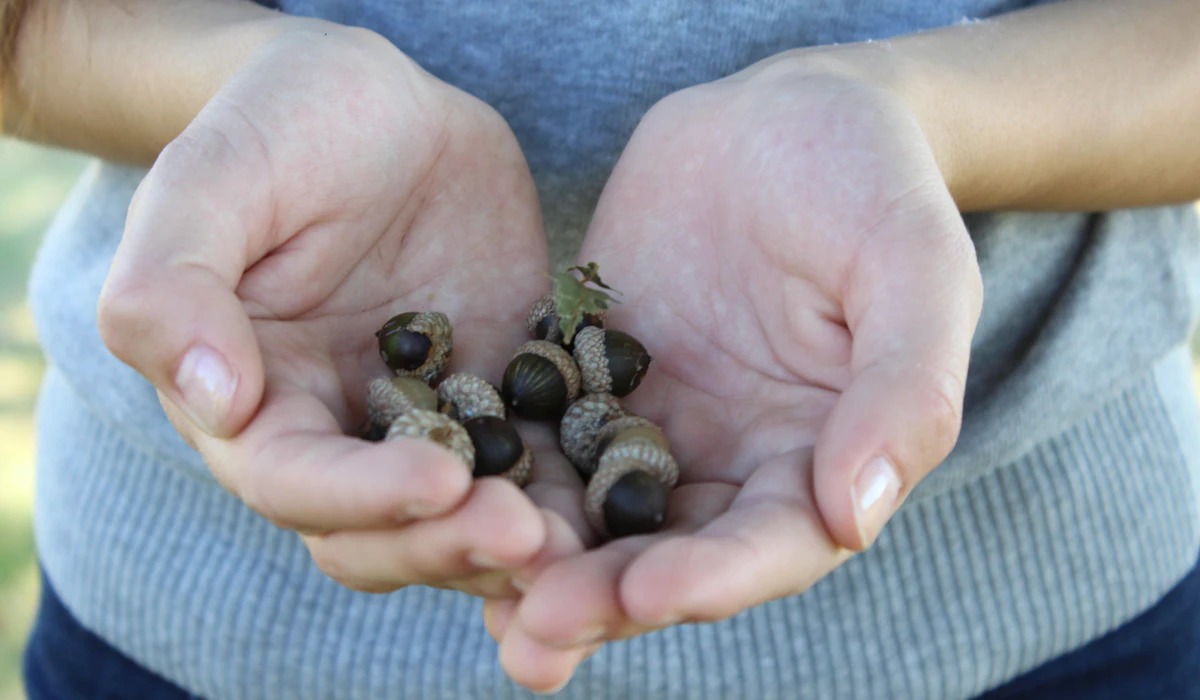
The pockets that came home full of acorns, buckeyes and crumpled leaves were proof of a day well used. They carried a message about attention and play that adults often forget.
Fall handed over the materials, and childhood did the rest.
More from Go2Tutors!

- The Romanov Crown Jewels and Their Tragic Fate
- 13 Historical Mysteries That Science Still Can’t Solve
- Famous Hoaxes That Fooled the World for Years
- 15 Child Stars with Tragic Adult Lives
- 16 Famous Jewelry Pieces in History
Like Go2Tutors’s content? Follow us on MSN.