27 Comic Books From the ’80s Shops Still Hunt Down
The 1980s produced some of the most consequential runs in comic book history, a decade when several writers and artists deliberately pushed the medium into darker, more ambitious territory. Print runs from this era were often smaller than the blockbuster numbers of previous decades, and a lot of these issues got read to pieces rather than preserved. Shops still watch for them specifically.
Amazing Spider-Man #252
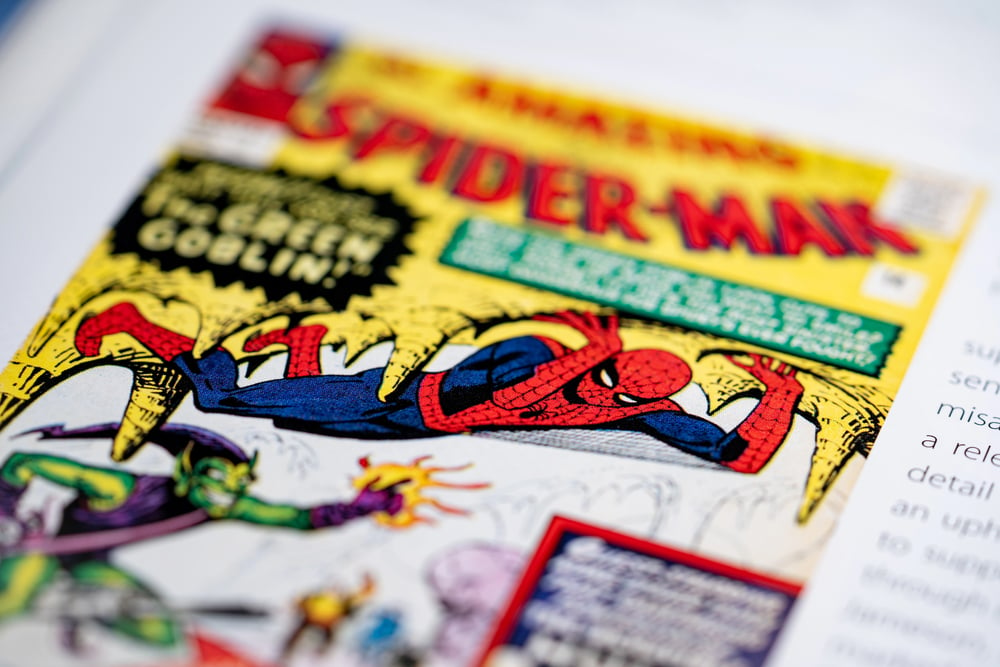
This 1984 issue introduced Spider-Man’s black costume to his main ongoing title, a design that later turned out to be a living alien symbiote and eventually became Venom. The costume actually debuted a few months earlier in “Secret Wars” #8, but this issue is where mainstream Spider-Man readers first saw the change, making it one of the most requested key issues from the decade.
Marvel Super Heroes Secret Wars #8
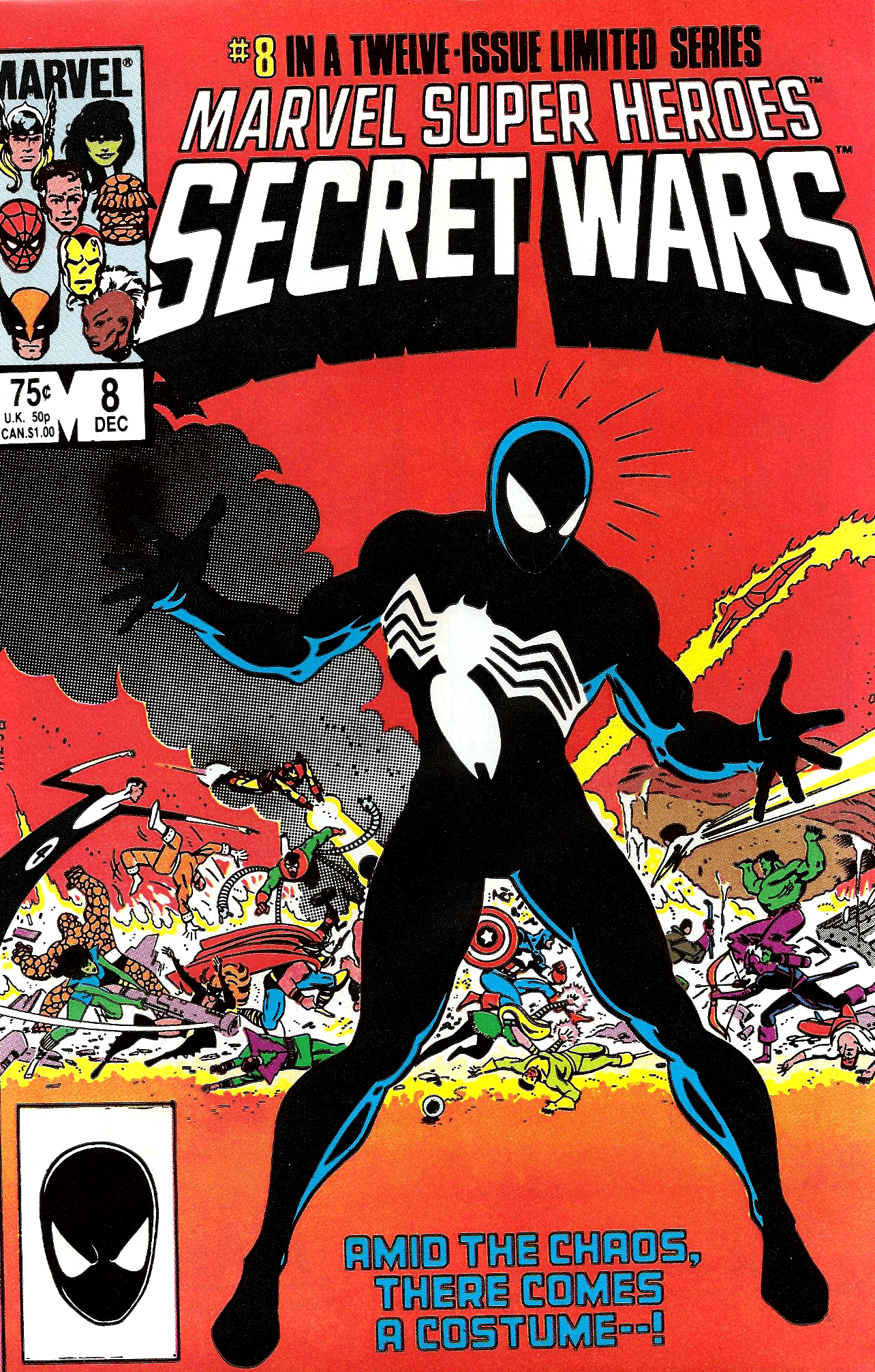
Published in 1984, this issue holds the technical first appearance of Spider-Man’s black symbiote costume, predating its reveal in his own ongoing series by several months. Because the crossover event sold well but wasn’t part of Spider-Man’s core continuity for casual readers at the time, clean copies are somewhat harder to find than the mainstream popularity of the character would suggest.
Teenage Mutant Ninja Turtles #1
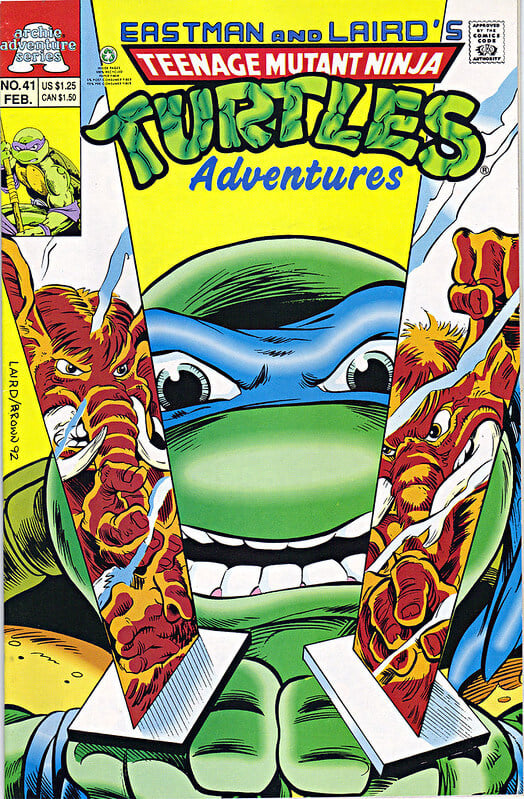
Kevin Eastman and Peter Laird self-published this black-and-white independent comic in 1984 through their own Mirage Studios, printing a small run that had no way of anticipating the media empire the characters would become. Original first printings are dramatically scarcer than the countless reprints and variant editions that followed once the franchise exploded.
Batman: The Dark Knight Returns #1
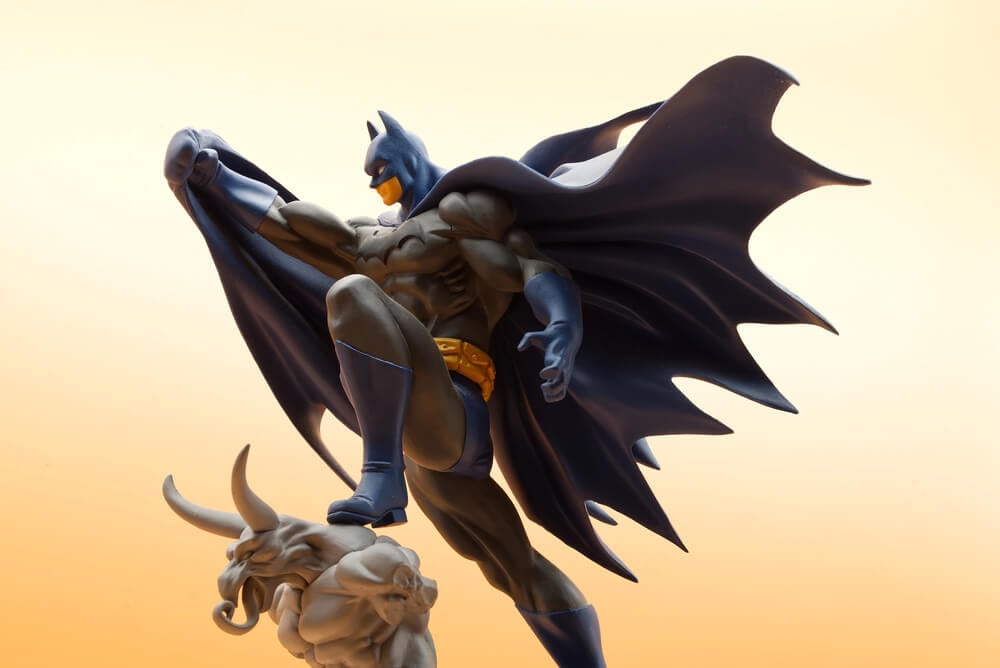
Frank Miller’s 1986 miniseries reimagined an aging Batman in a dystopian future, a tonal shift that influenced how the character has been written ever since. Its first printing, distinct from the many later collected editions, remains one of the most consistently sought-after Batman comics of the entire decade.
Watchmen #1
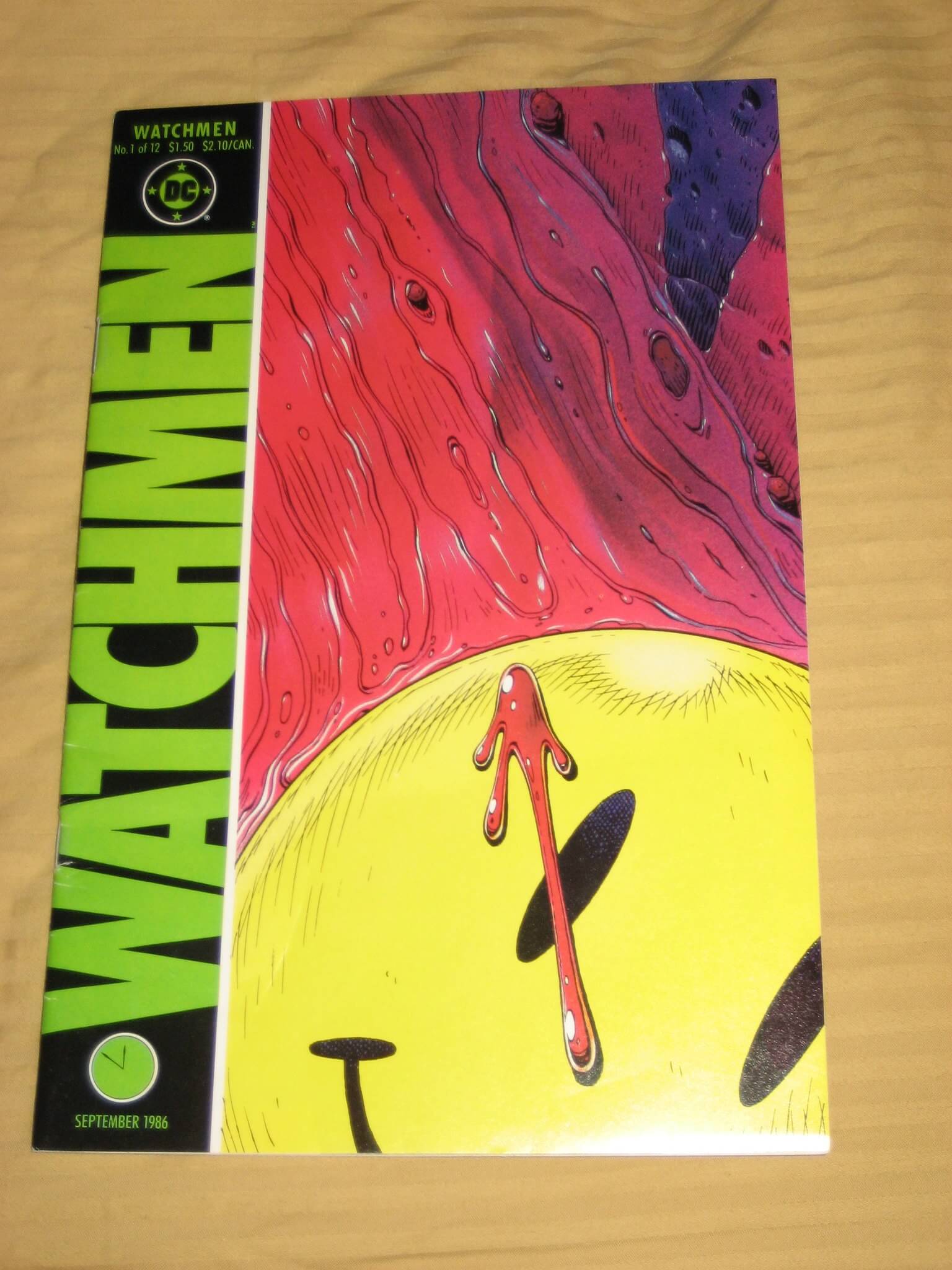
Alan Moore and Dave Gibbons launched “Watchmen” in 1986, a deconstruction of superhero conventions that is still regularly cited as one of the most significant single works in the medium’s history. First printings of the individual issues, rather than the collected trade paperback most readers encountered later, are specifically what serious collectors look for.
Crisis on Infinite Earths #1
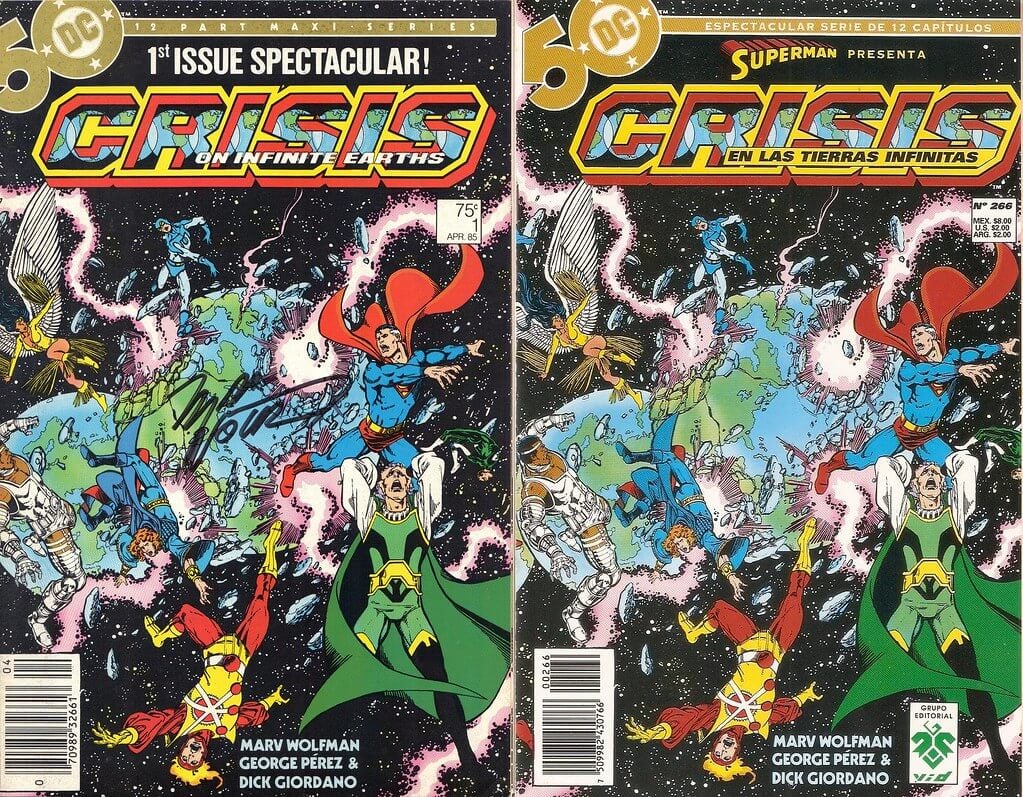
DC Comics launched this 1985 maxiseries to simplify decades of accumulated, often contradictory continuity across its multiverse, killing off several long-standing characters in the process. Its first issue is treated as a genuine turning point in DC’s publishing history, distinct from the many “Crisis” sequels and spin-offs published in the decades since.
Uncanny X-Men #141
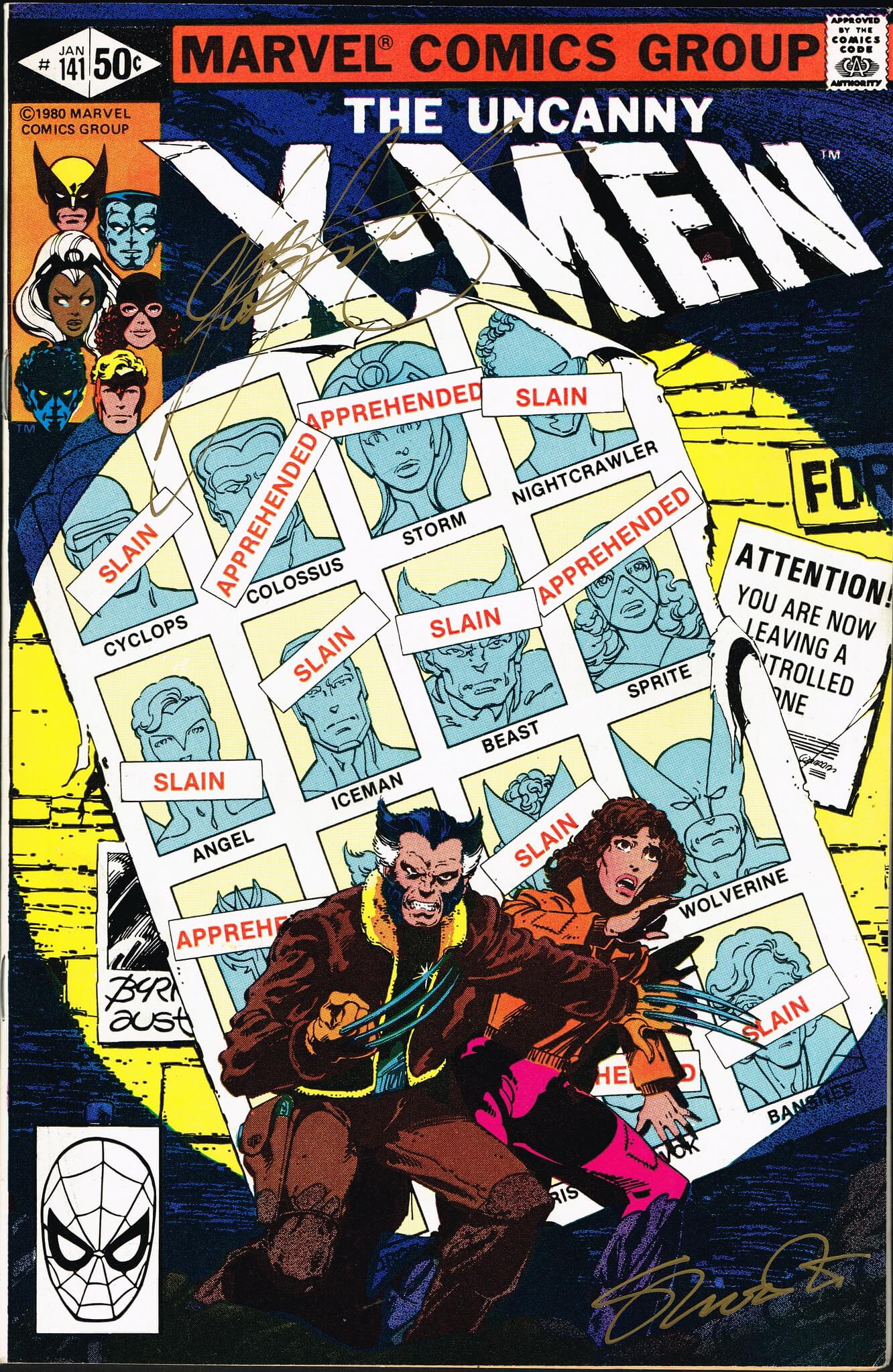
Chris Claremont and John Byrne’s 1981 “Days of Future Past” storyline began in this issue, depicting a dystopian future that has since been adapted into film and referenced across the franchise repeatedly. Its influence on the X-Men’s broader mythology has kept demand for a clean first printing consistently strong.
New Mutants #1
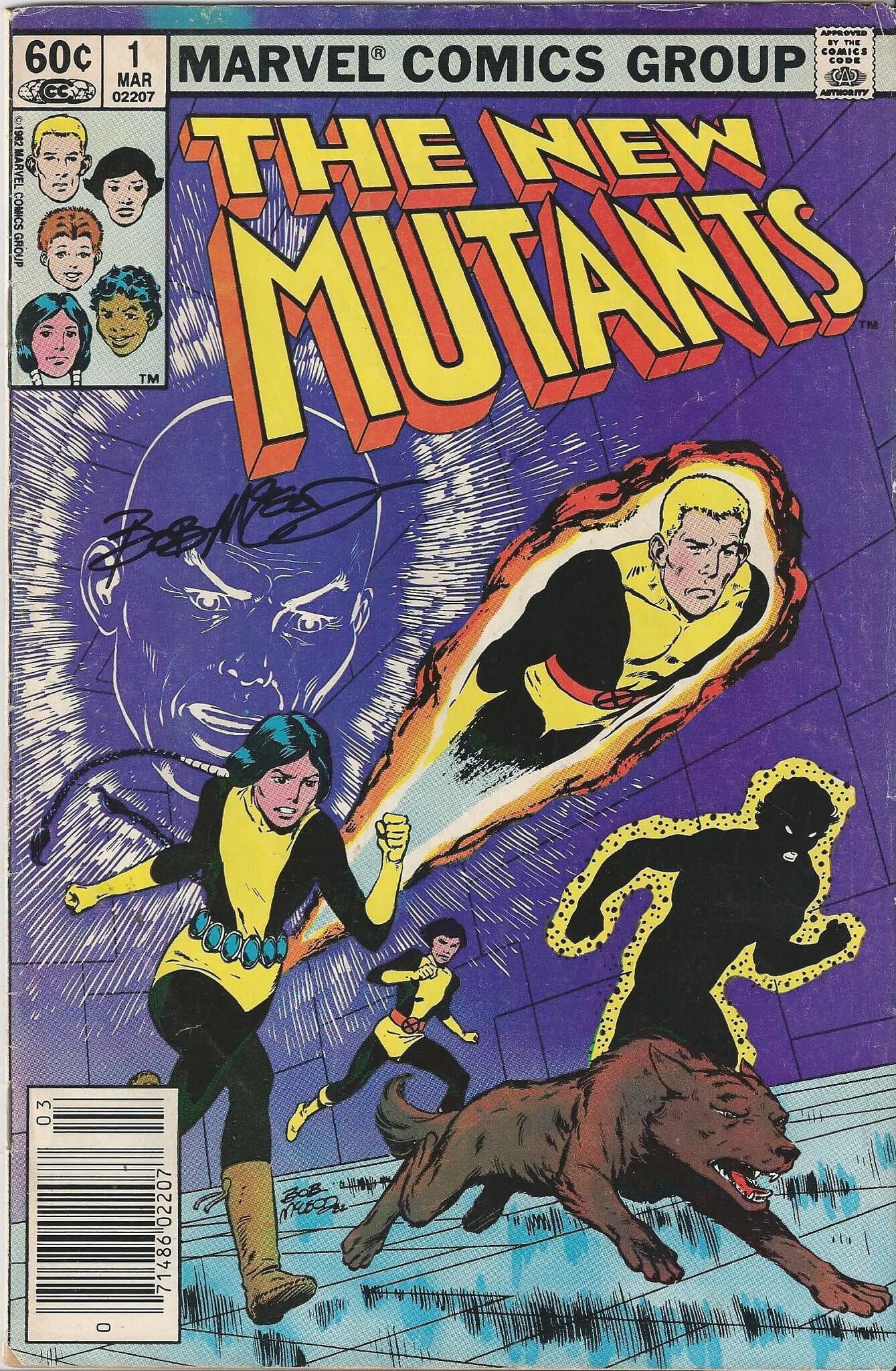
Marvel launched this 1983 spinoff series introducing a younger generation of mutant characters distinct from the main X-Men roster, several of whom went on to become significant characters in their own right. Its first issue represents the starting point of a franchise expansion that continued for decades afterward.
Web of Spider-Man #1
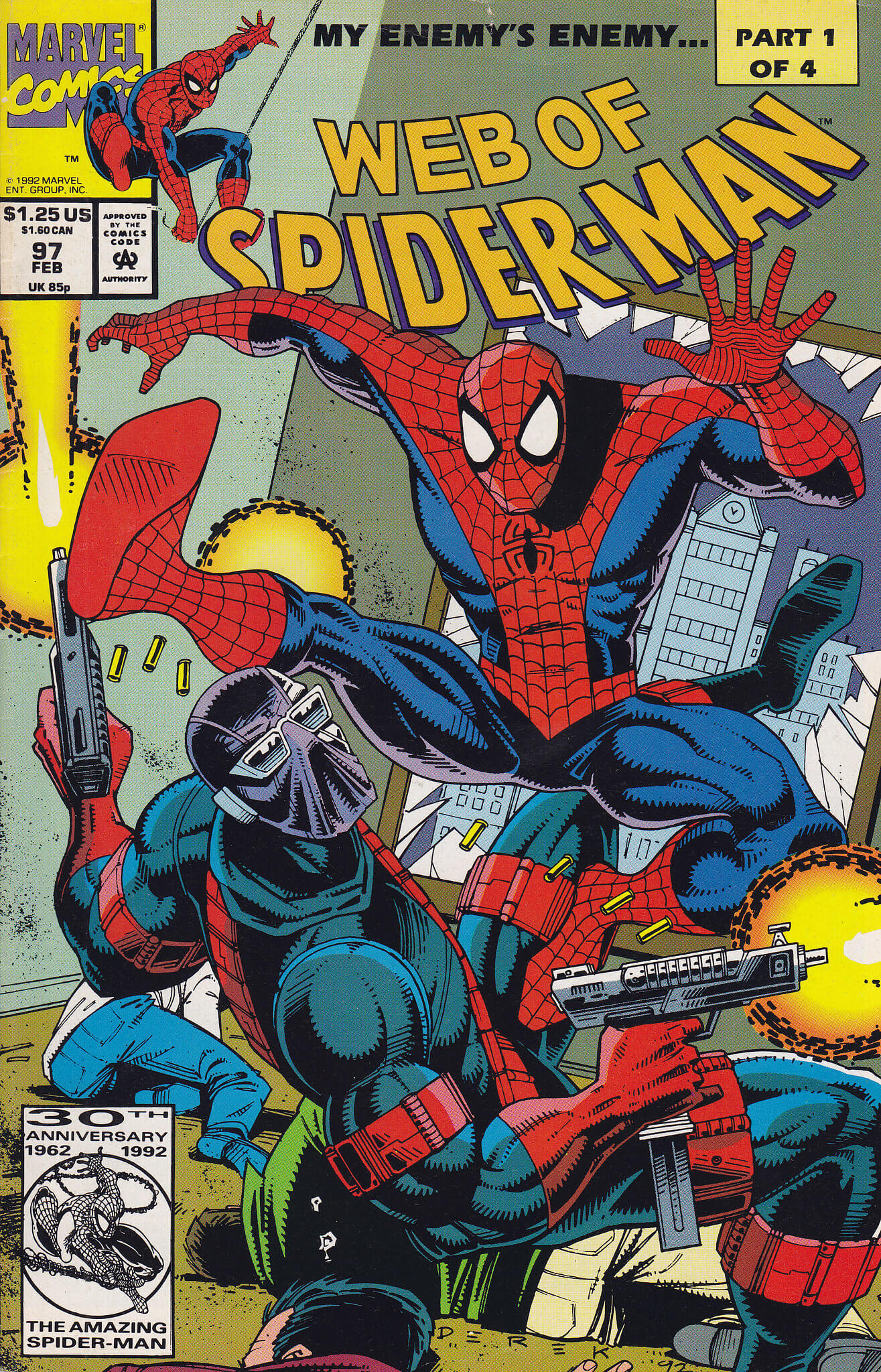
Marvel launched this third ongoing Spider-Man title in 1985, expanding the character’s publishing footprint at a time when his popularity was reaching new commercial heights. Its first issue is a specific target for collectors building a complete run of Spider-Man’s core 1980s titles.
The Punisher #1
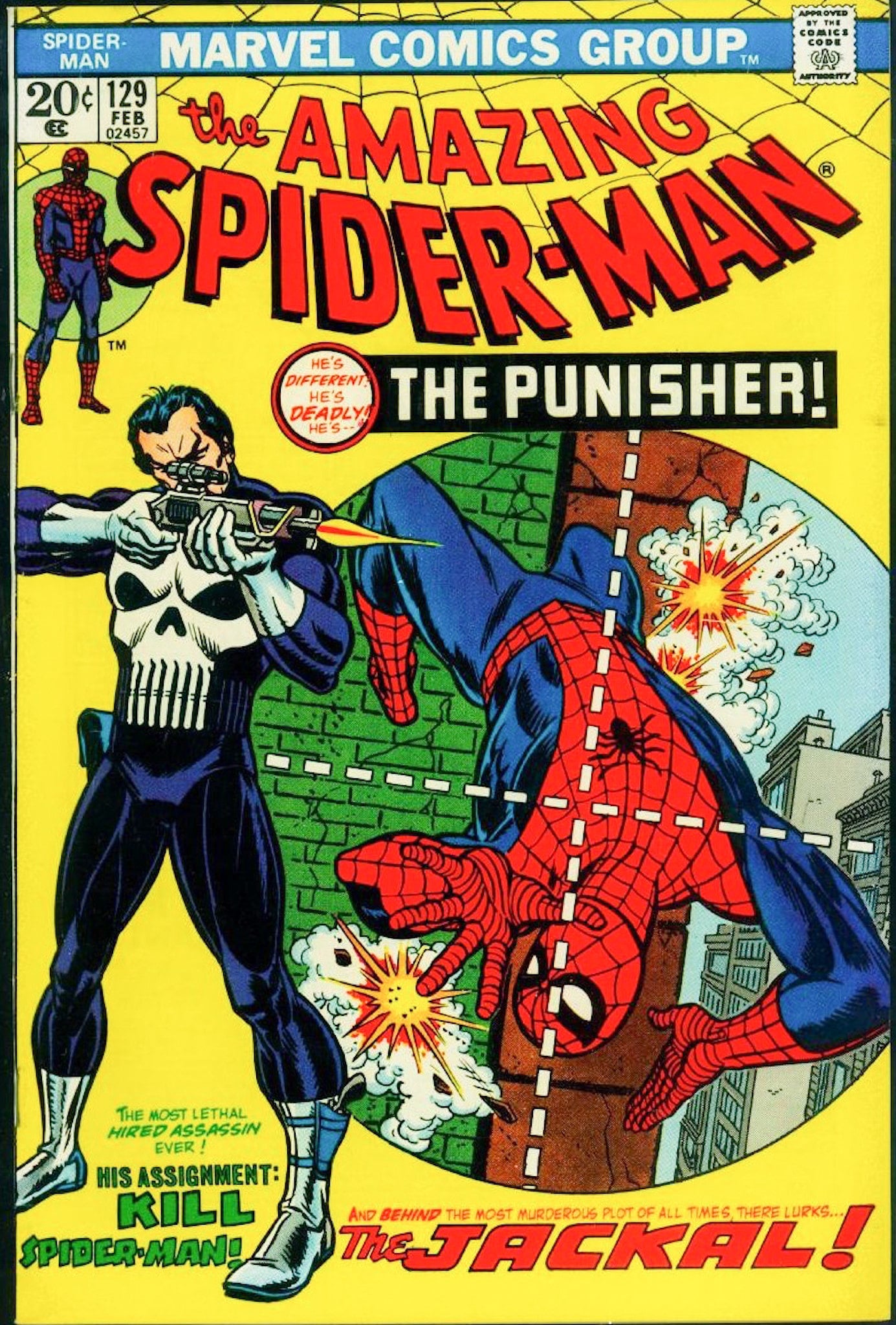
Marvel gave the Punisher his first solo ongoing limited series in 1986, following years of appearances as a supporting character in other titles. Its success helped set the stage for the wave of darker, more violent antihero comics that defined much of the following decade.
Alpha Flight #1

Marvel launched this 1983 series following a team of Canadian superheroes that had first appeared as supporting characters in “Uncanny X-Men,” including Wolverine’s original team before he joined the X-Men. Its first issue remains a specific point of interest for collectors tracing Wolverine’s early publishing history.
Longshot #1

Marvel’s 1985 limited series introduced the character Longshot, created by Ann Nocenti and Arthur Adams, whose visually distinctive art style drew significant attention within the industry at the time. Its relatively short print run compared to the company’s mainstream titles has made complete sets harder to find than the character’s later popularity might suggest.
G.I. Joe: A Real American Hero #1
Marvel launched this 1982 series alongside Hasbro’s toy line relaunch, and writer Larry Hama’s approach to military storytelling gave the comic a level of detail unusual for a toy tie-in property.
Its first issue predates the animated series that many fans associate with the franchise, making it a specific target for toy-line and comic collectors alike.
Transformers #1

Marvel’s 1984 comic launched alongside the toy line and animated series, and its first issue predates most of the media that introduced the majority of fans to the franchise. Collectors specifically seek out the comic’s earliest issues as artifacts of the franchise’s actual publishing origin rather than its later television-driven popularity.
Elektra: Assassin #1
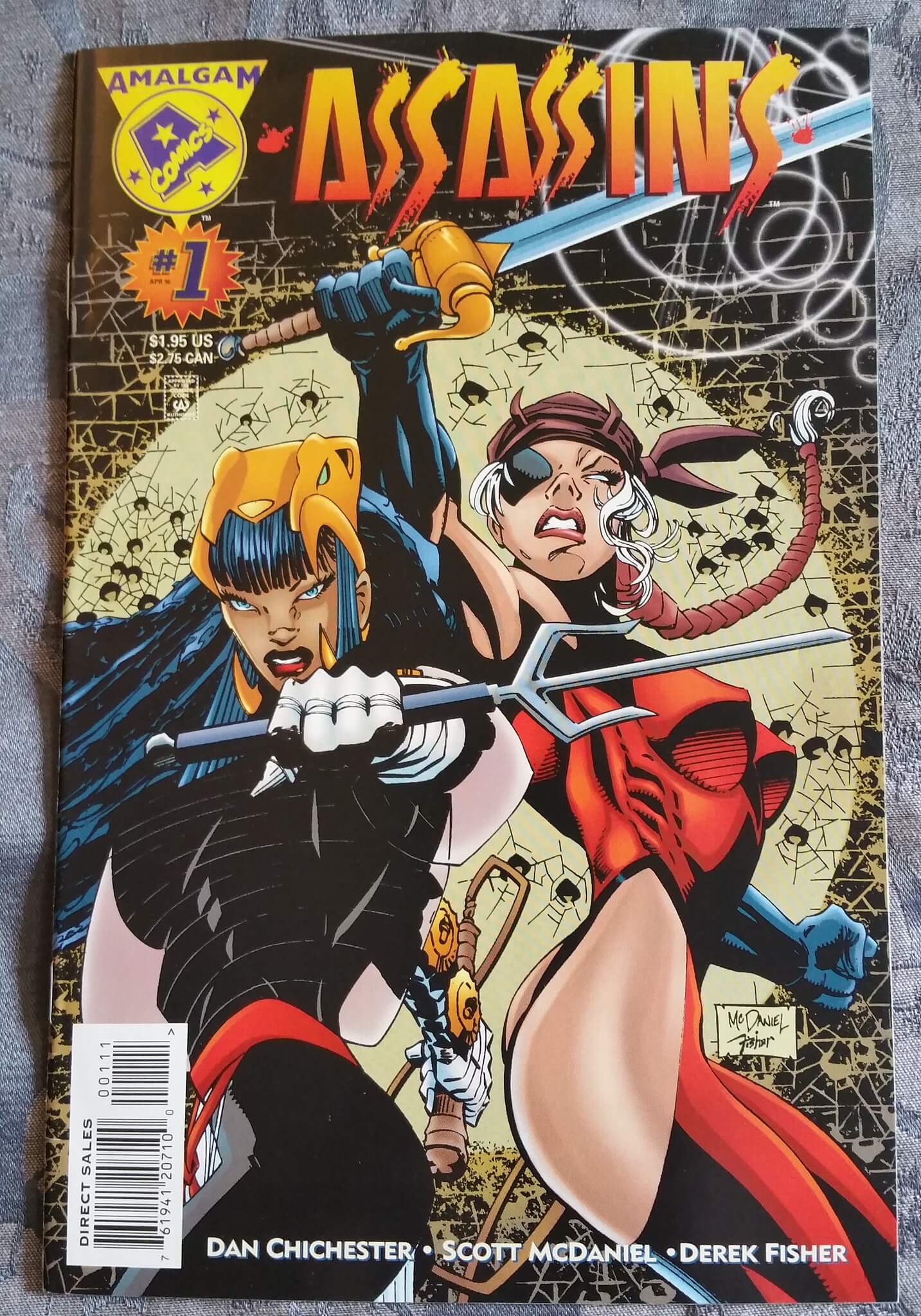
Frank Miller and Bill Sienkiewicz collaborated on this 1986 limited series, giving the character a visually experimental treatment that stood apart from most mainstream superhero art of the era. Its distinctive painted and mixed-media artwork has made it a specific favorite among collectors interested in the more artistically ambitious corners of 1980s Marvel.
Saga of the Swamp Thing #21
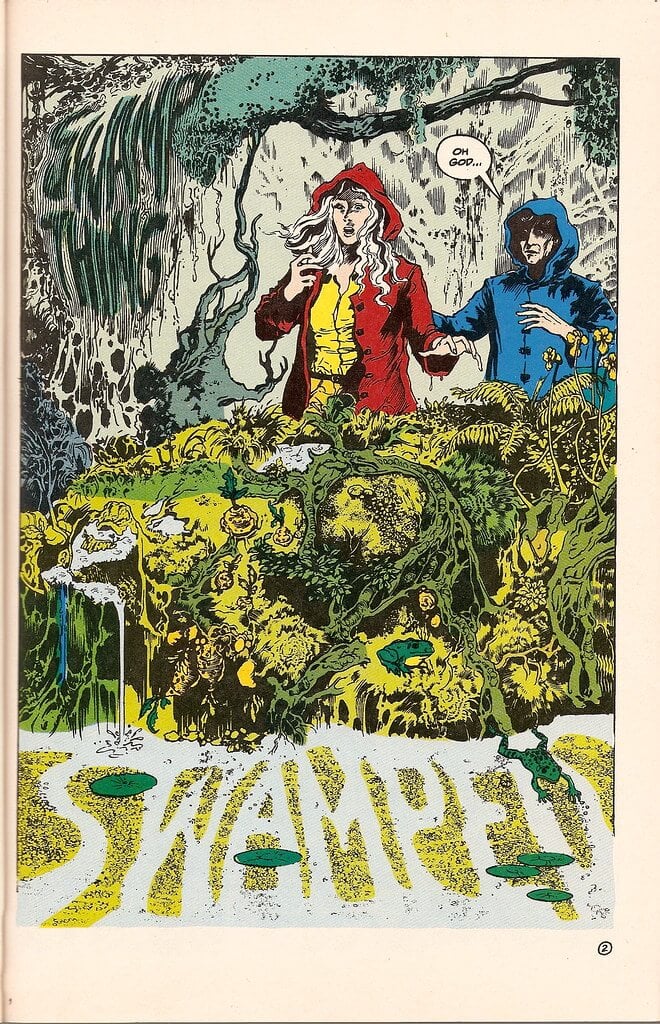
Alan Moore’s first issue on the series, published in 1984, is widely credited with transforming a struggling horror title into one of the most acclaimed runs of the decade. Its relatively low sales at the time of publication, before word spread about the quality of the writing, has made clean early copies harder to find than the run’s later critical reputation would suggest.
Daredevil #227
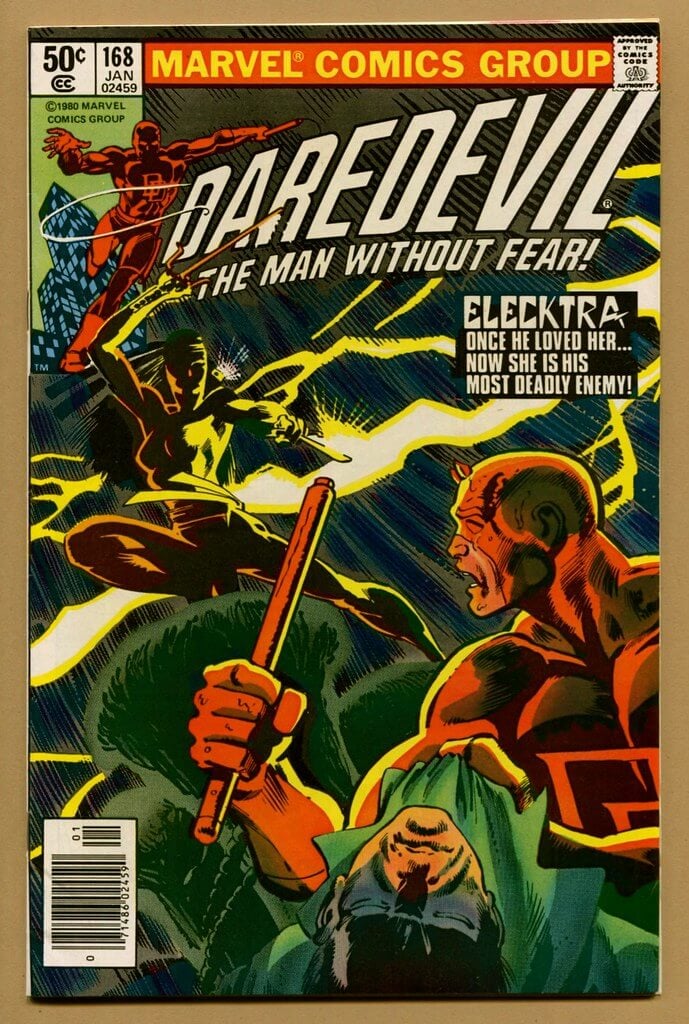
Frank Miller returned to write “Born Again” starting with this 1986 issue, a storyline about the character’s life being systematically destroyed that remains one of the most acclaimed Daredevil arcs ever published. Its influence on later grounded, street-level superhero storytelling has kept demand for the issue steady among collectors decades later.
Camelot 3000 #1
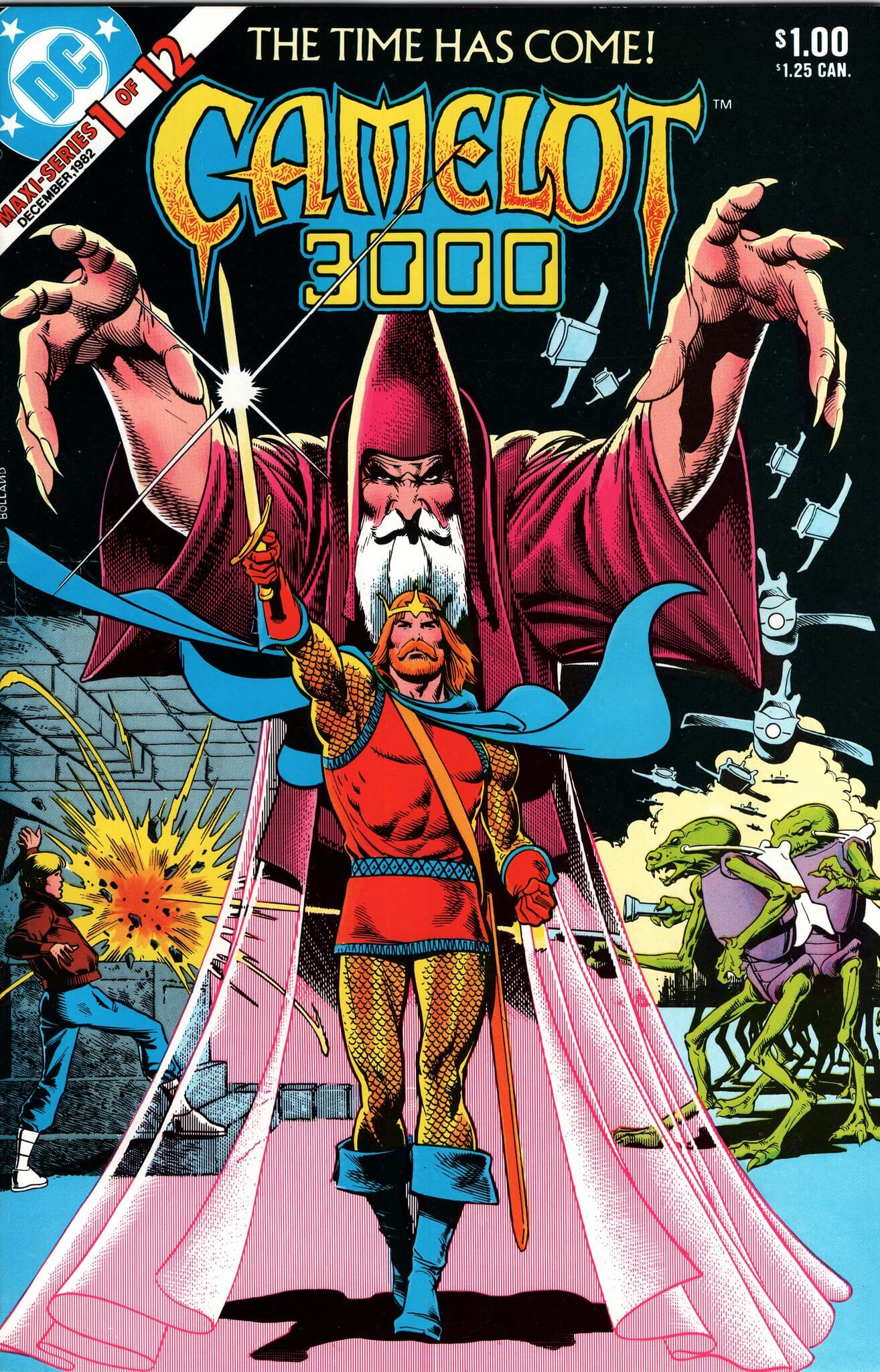
DC published this 1982 series, one of the company’s first prestige-format maxiseries, reimagining Arthurian legend in a science fiction future setting. Its higher-quality paper and larger format compared to standard comics of the era make well-preserved copies a specific point of interest for collectors of early prestige-format publishing.
Ronin #1

Frank Miller wrote and drew this 1983 limited series for DC, blending samurai fiction with cyberpunk themes years before those genres became widely intertwined in popular media. Its distinctive visual style, quite different from Miller’s more famous Batman and Daredevil work, has made it a specific target for collectors focused on his full range as an artist.
Love and Rockets #1

Brothers Gilbert and Jaime Hernandez launched this influential independent series through Fantagraphics in 1982, helping establish an entire alternative comics scene outside the mainstream superhero publishers. Its first issue is treated as a foundational artifact of American alternative comics, and its relatively small original print run has made surviving copies genuinely scarce.
American Flagg! #1
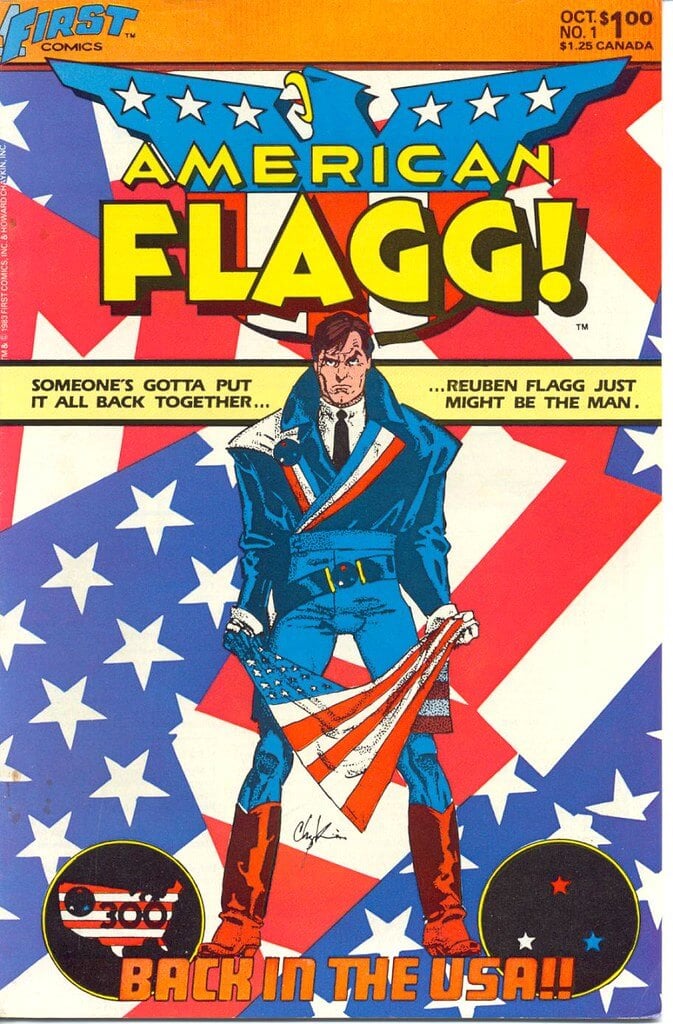
Howard Chaykin launched this satirical science fiction series in 1983 through independent publisher First Comics, and its politically pointed storytelling influenced a generation of creators working outside the major superhero publishers. Its relatively limited initial audience compared to mainstream titles has made original first printings harder to find than the series’ later critical reputation might suggest.
Spider-Man vs. Wolverine #1
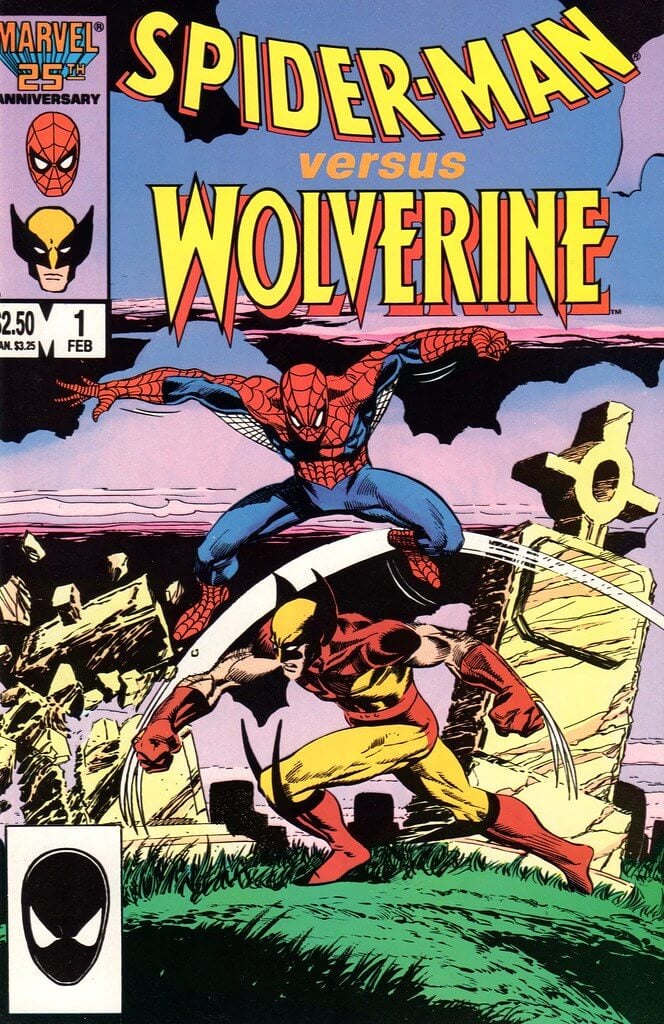
Marvel published this 1987 one-shot pairing two of its most popular characters in a story notable for a genuinely dark plot twist that stood out from typical crossover fare of the era. Its standalone format and the specific creative team involved have kept it a consistently requested issue among collectors of both characters.
New Teen Titans #1
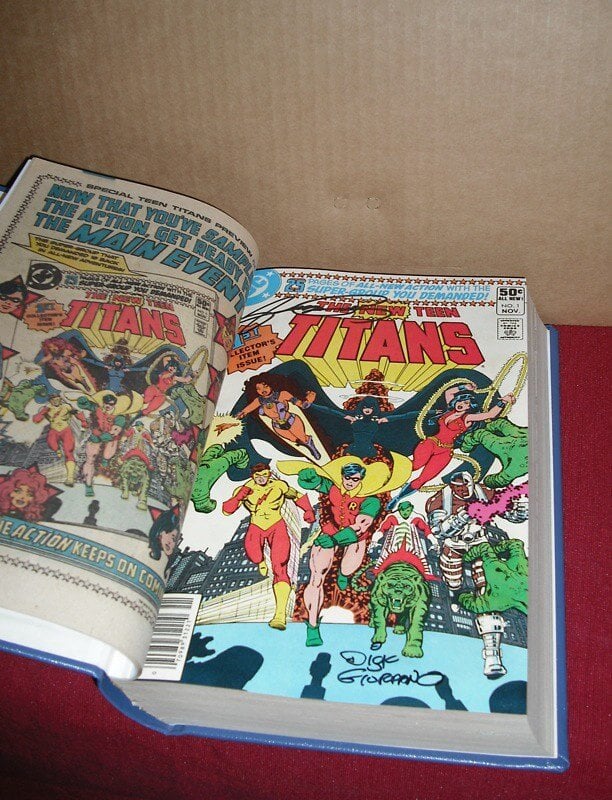
DC relaunched this team title in 1980, and the resulting series became one of the publisher’s best-selling books of the decade, revitalizing a roster of characters that had struggled commercially in earlier incarnations. Its first issue marks the starting point of a run widely regarded as one of the strongest team-based superhero comics of the era.
Marvel Super Heroes Secret Wars #1
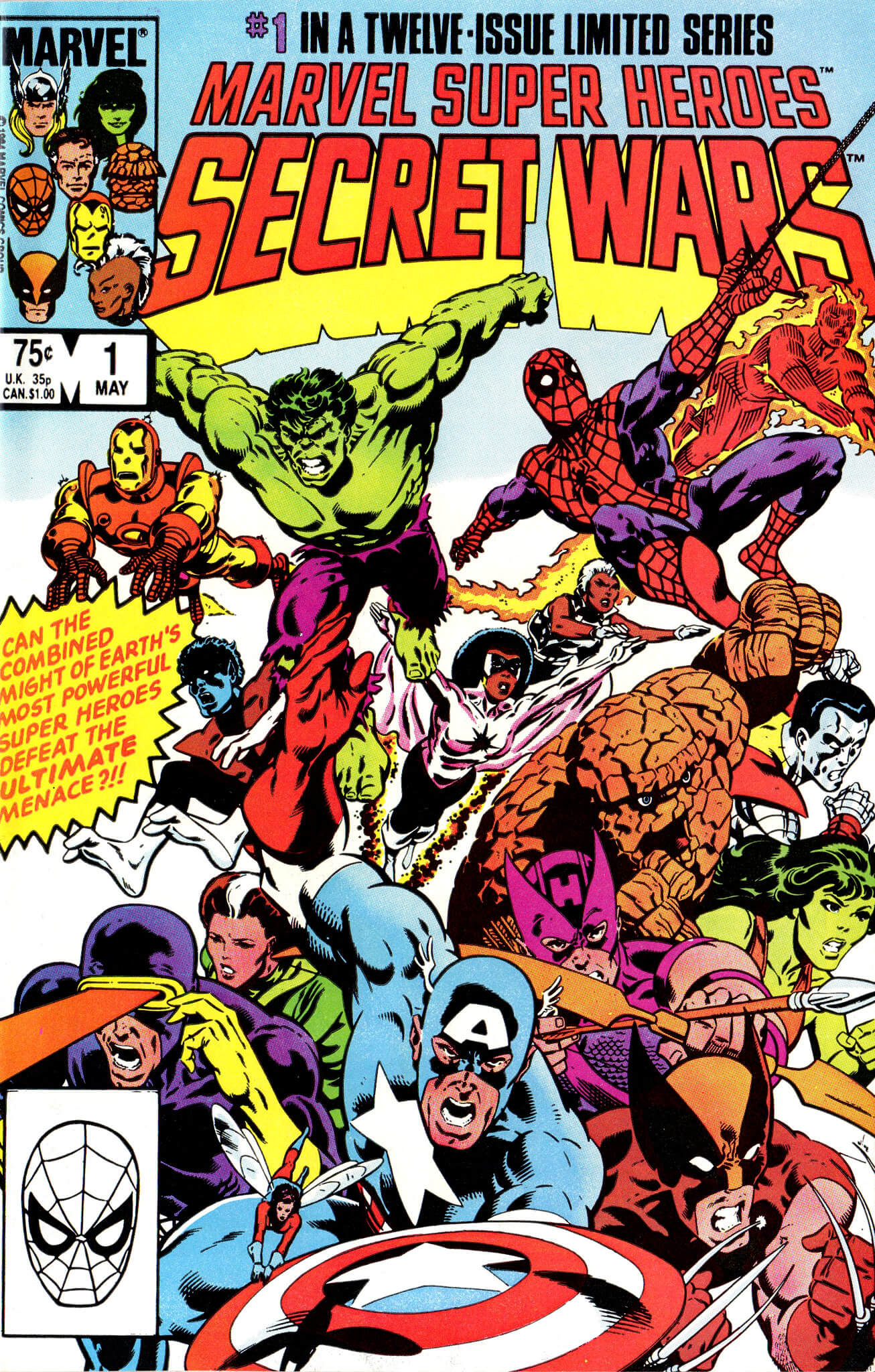
Marvel’s 1984 crossover event, conceived partly to sell a companion toy line, became one of the best-selling comics of the decade and set a template for the crossover events that dominated the industry in the years that followed. Its first issue remains a specific benchmark for collectors interested in the origins of the modern crossover-event format.
Daredevil #181
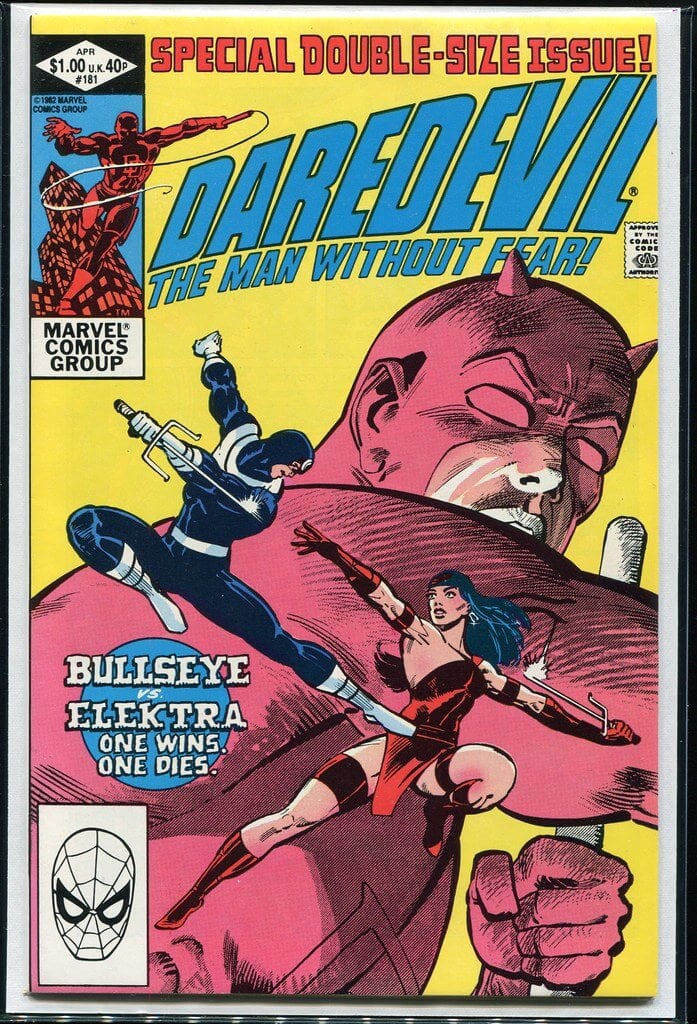
Frank Miller wrote and drew this 1982 issue, which depicted the death of the character Elektra in a story still regularly cited among the most impactful single issues of the decade. Its emotional weight and influence on later dark, consequence-driven superhero storytelling have kept demand for a clean copy consistently high.
Wolverine #1

Chris Claremont and Frank Miller collaborated on this 1982 limited series, the character’s first solo outing after years as a supporting X-Men cast member. Its success proved there was a substantial audience for the character on his own, directly paving the way for the ongoing solo series that followed later in the decade.
Uncanny X-Men #142
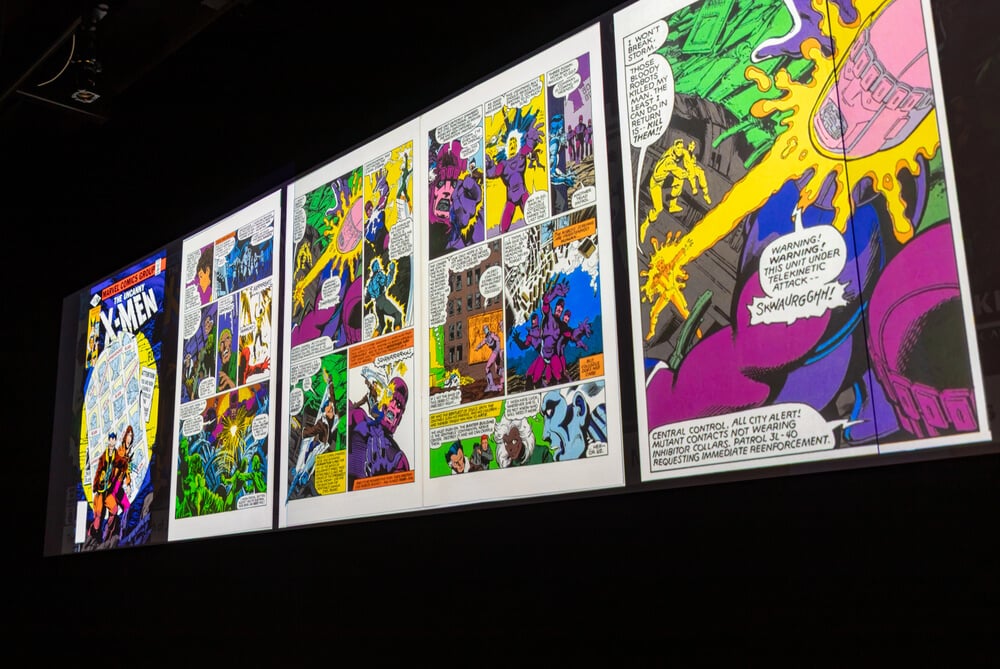
The second chapter of “Days of Future Past,” published in 1981 immediately after issue #141, completed one of the most influential two-part stories in the X-Men’s history. Collectors frequently seek the pair together, since the story’s full impact depends on both issues being read as a single narrative.
Paper That Outlasted Its Print Run

None of these comics were treated as investments when they first hit newsstands and spinner racks. They were read, passed around, occasionally stuffed into a back pocket, and eventually either thrown out or forgotten in a box in someone’s garage, which is exactly why so few clean copies survive today relative to how many were actually printed.
What shops are really hunting for isn’t nostalgia, it’s scarcity created by ordinary carelessness decades ago. A single issue that happened to matter, printed at a moment before anyone involved knew it would, is a much harder thing to replace than the story printed inside it.
More from Go2Tutors!

- The Romanov Crown Jewels and Their Tragic Fate
- 13 Historical Mysteries That Science Still Can’t Solve
- Famous Hoaxes That Fooled the World for Years
- 15 Child Stars with Tragic Adult Lives
- 16 Famous Jewelry Pieces in History
Like Go2Tutors’s content? Follow us on MSN.