Phrases We Use That Come From Sailing
You probably say things every day that sailors invented centuries ago. Most people don’t realize how much sailing language has worked its way into regular conversation.
The sailing connection makes sense when you think about it. For hundreds of years, ships were how people traveled long distances, how countries fought wars, and how goods moved around the world.
Know the Ropes
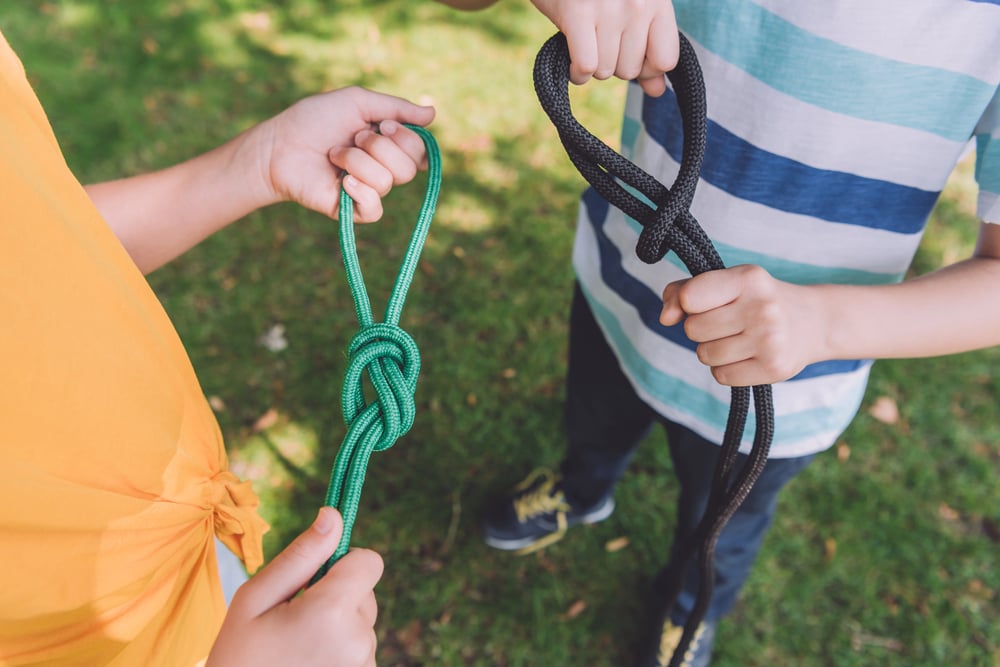
When you know the ropes, you understand how something works. You’ve figured out the system.
Sailors actually had to know hundreds of different ropes—technically called lines—on a ship. Each one had a specific job.
Learning the Ropes
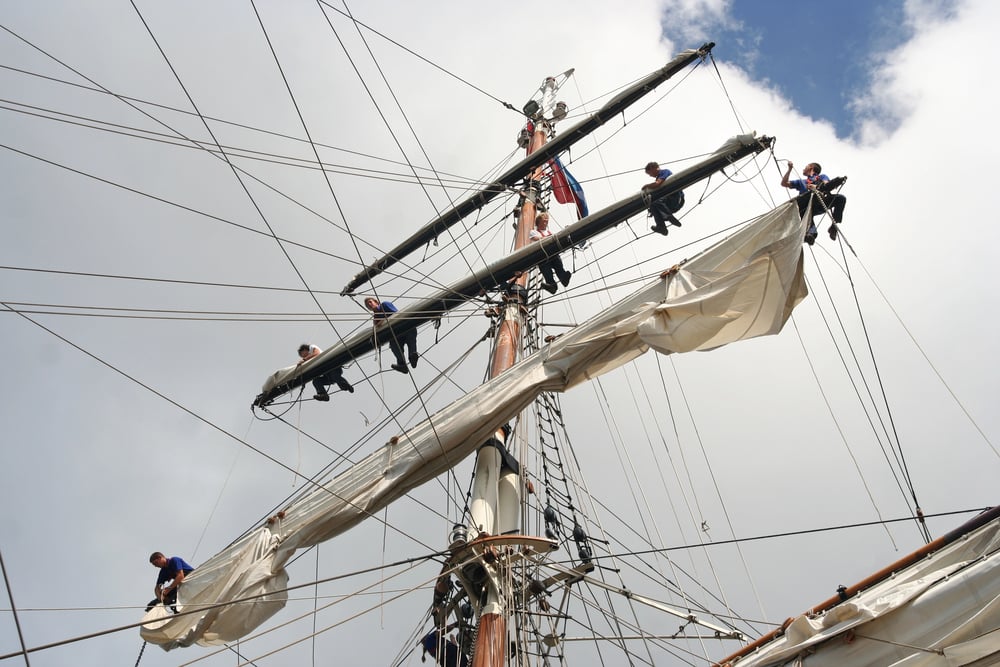
This one comes from the same place as “know the ropes,” but it describes the process instead of the result. You’re still figuring things out.
Ships had so many ropes that the learning period took months. A sailor who was learning the ropes was literally studying how to handle all those lines without causing chaos.
Loose Cannon
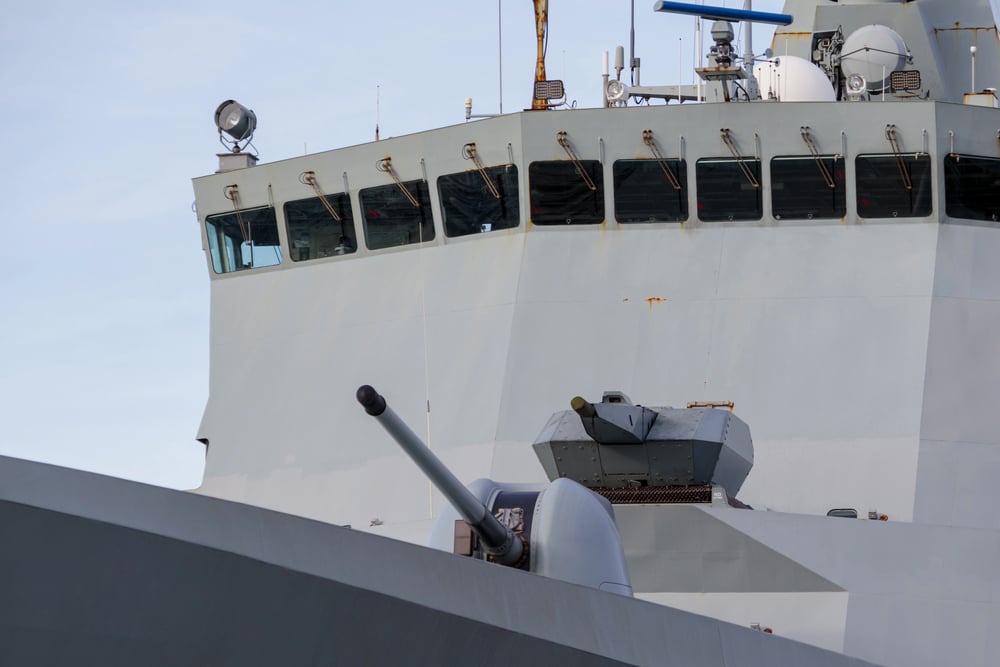
Someone who’s unpredictable and dangerous gets called a loose cannon. They might do something reckless without warning.
Cannons on old warships weighed thousands of pounds and sat on wheeled carriages. Crews secured them with ropes and tackle to keep them from sliding around when the ship moved.
By and Large
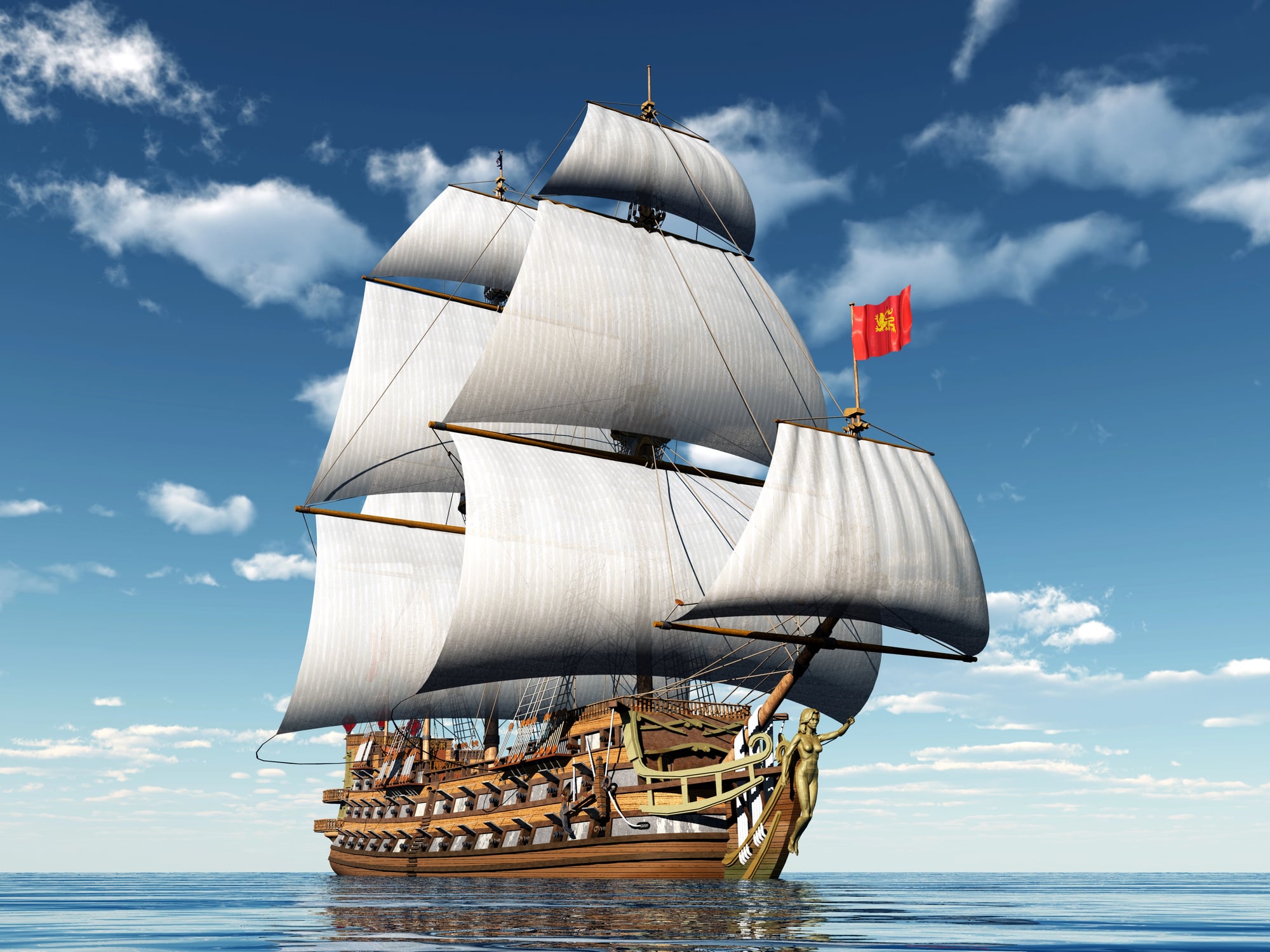
When you say something is true by and large, you mean it’s generally accurate with some exceptions. It’s true most of the time.
“By” and “large” were sailing terms that described different points of wind direction. A ship that could sail well “by and large” handled well in most conditions.
Three Sheets to the Wind
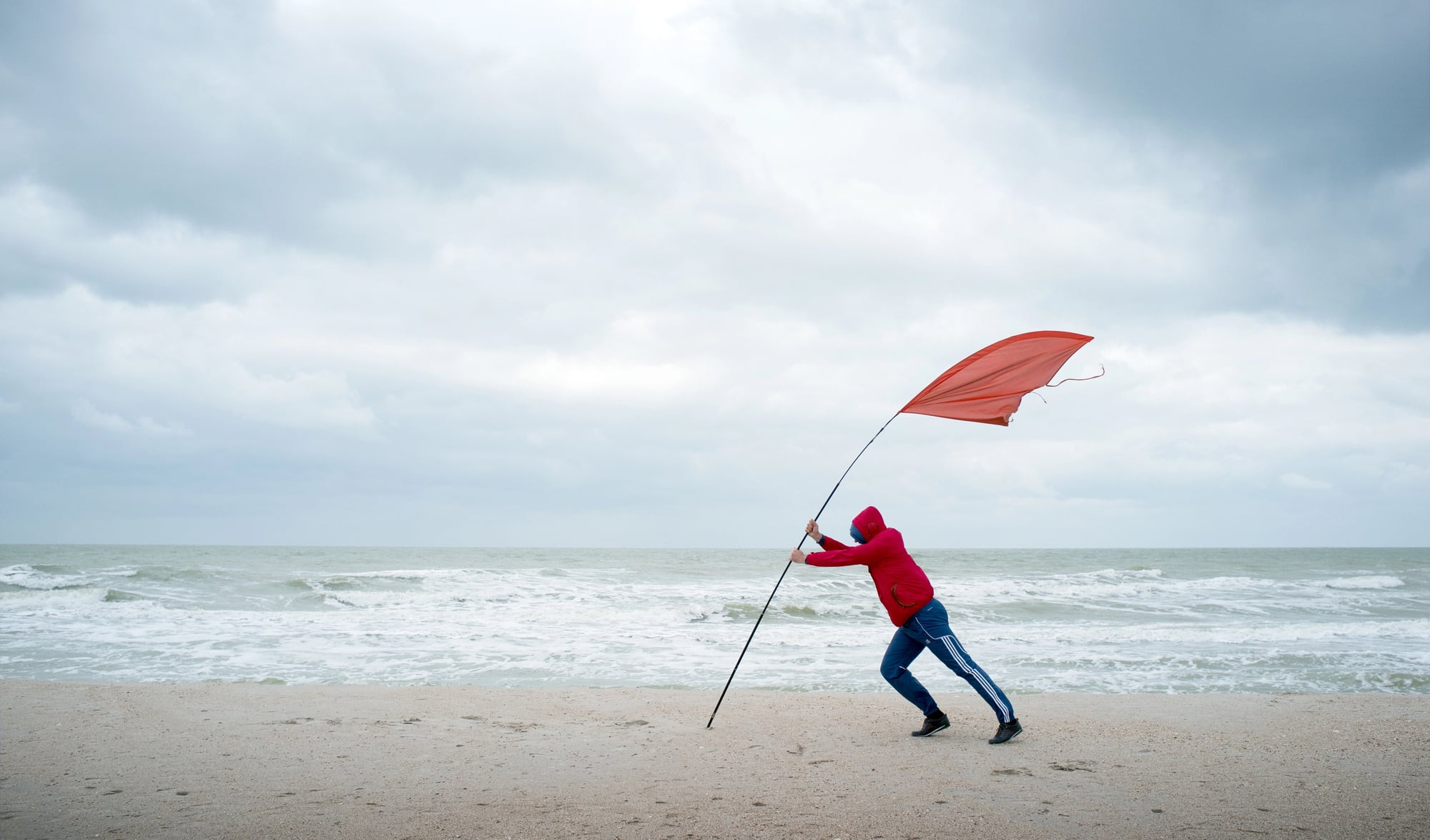
Someone who’s really drunk is three sheets to the wind. They’re stumbling and unsteady.
Sheets are ropes that control the lower corners of sails. If three sheets came loose at once, the ship would be completely out of control, lurching from side to side like a drunk person staggering down the street.
Under the Weather
You feel under the weather when you’re sick or not quite yourself. You’re not at your best.
The “weather side” of a ship is the side facing the wind and waves. Sailors who got seasick were sent below deck or on the sheltered side of the ship—literally under the weather rail, away from the wind and spray.
Taken Aback

When something surprises you completely, you’re taken aback. You didn’t see it coming and need a moment to adjust.
A ship was “taken aback” when wind suddenly hit the front of the sails instead of the back. The sails would press backward against the mast, stopping the ship dead or even pushing it backward.
Touch and Go
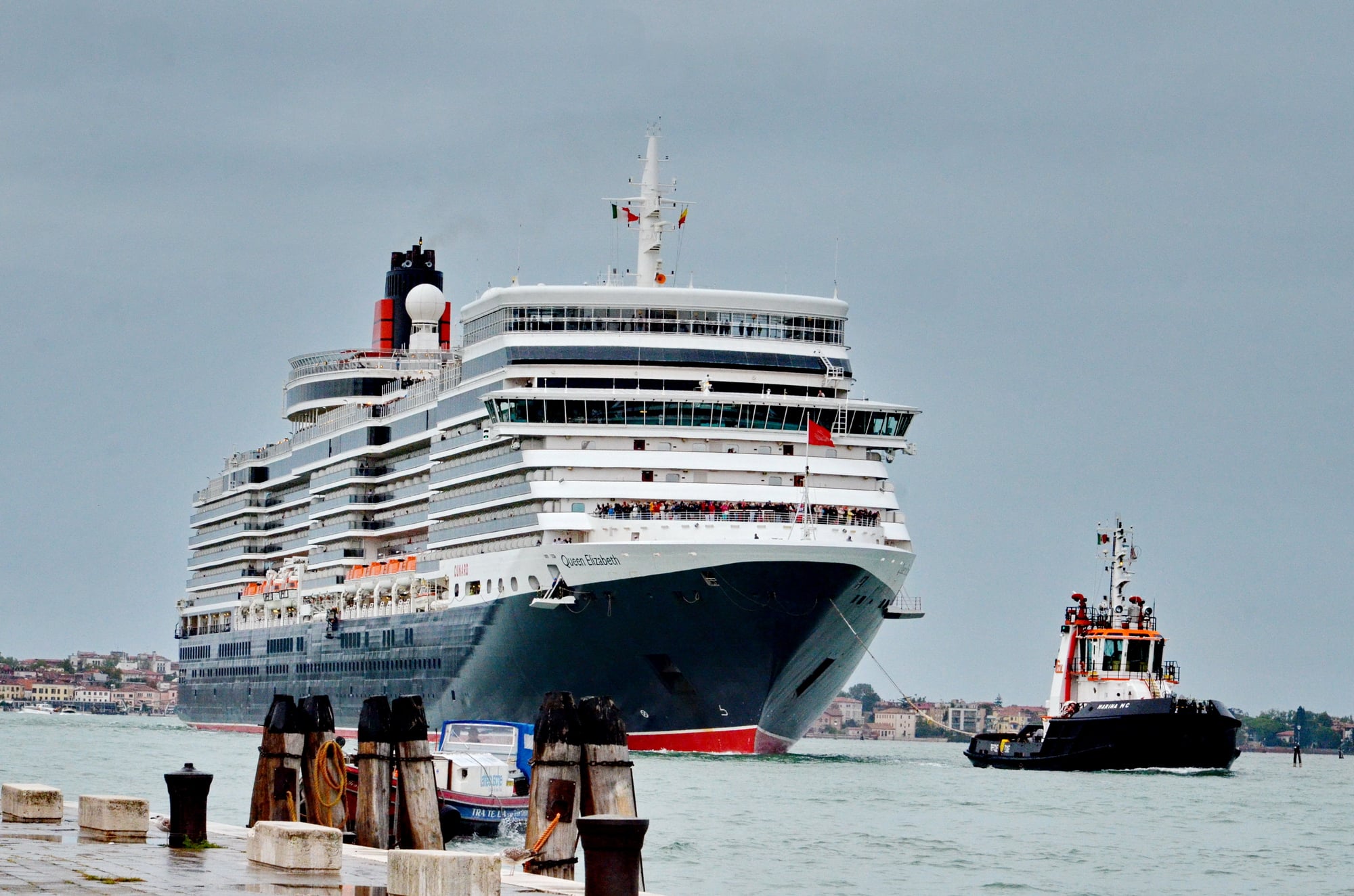
A touch and go situation is uncertain and risky. Things might work out or they might not.
Small boats sometimes had to navigate shallow waters where the bottom of the boat might “touch” the sea floor. The boat would scrape bottom but keep moving—touching and going.
High and Dry
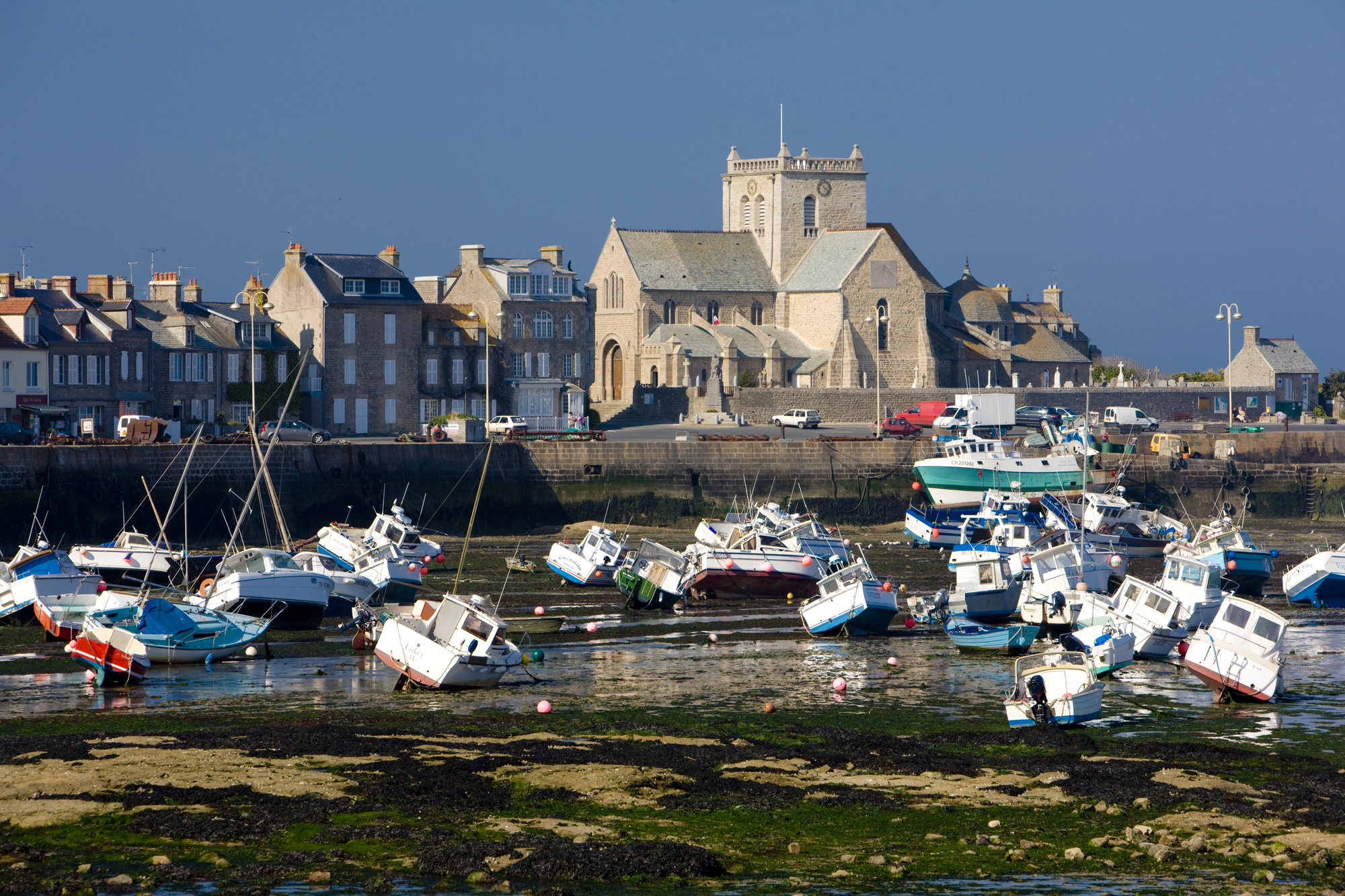
You’re high and dry when you’re stranded or abandoned without help. You’re stuck.
Ships that ran aground during high tide would be left sitting on the beach or rocks when the tide went out. They’d be literally high and dry—up out of the water with no way to float free until the next high tide.
Plain Sailing
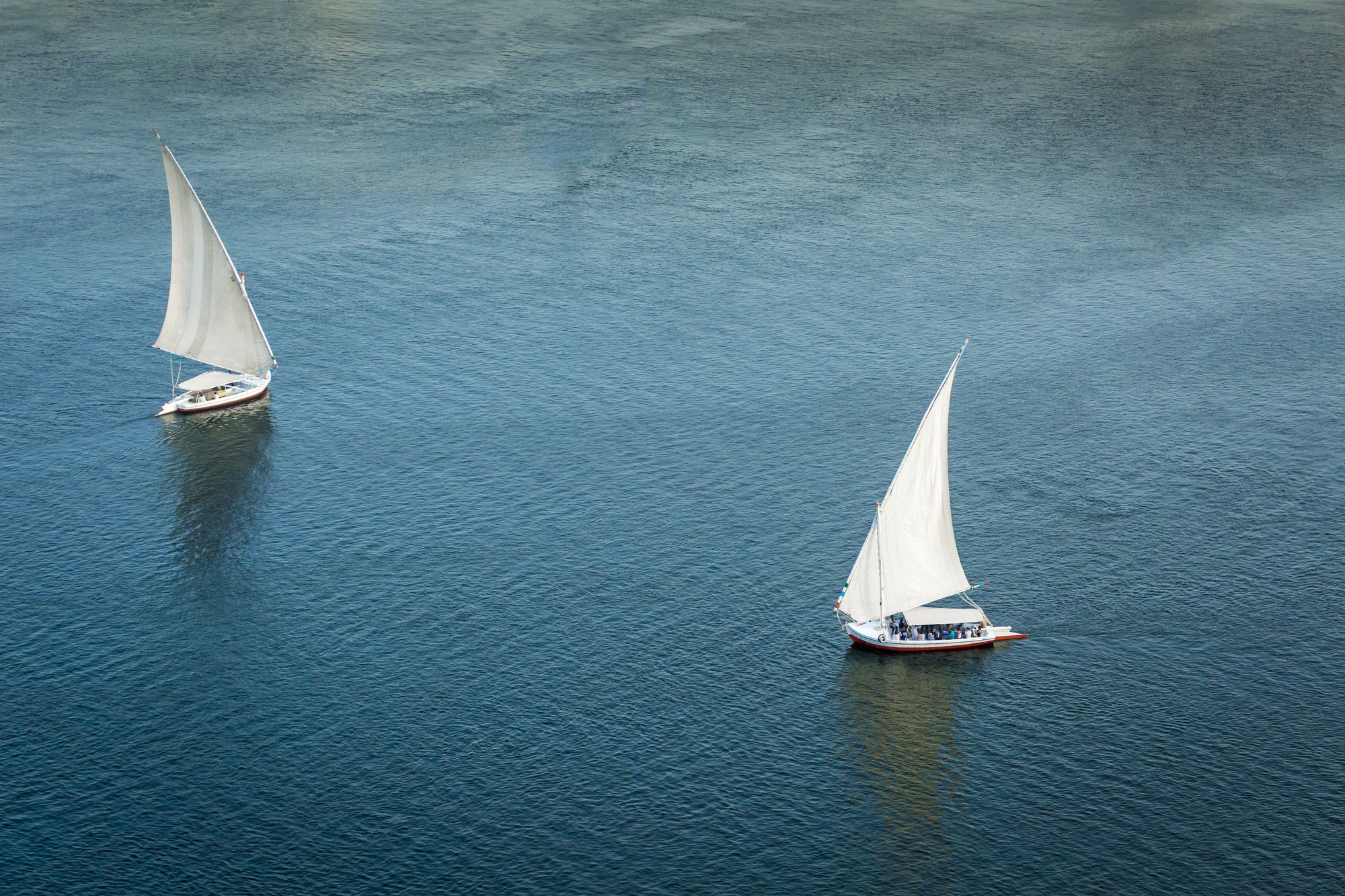
Plain sailing means things are going smoothly without complications. Everything’s easy and straightforward.
This phrase actually started as “plane sailing,” which was a simple navigation method used when sailing in areas where the Earth’s curvature didn’t matter much. Over time, people changed “plane” to “plain” because the meaning was clear either way.
Above Board
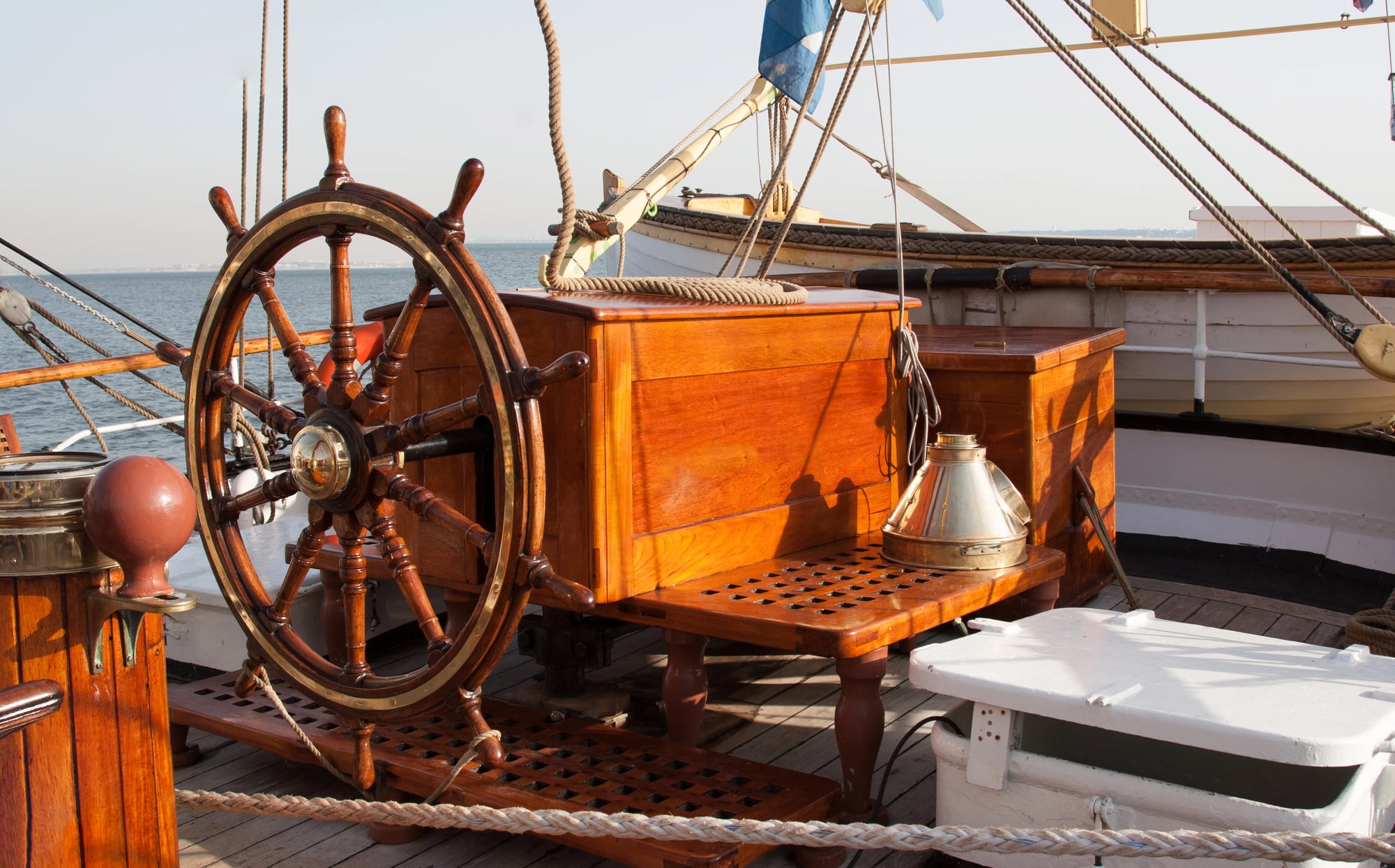
Something above board is honest and legitimate. There’s nothing hidden or shady about it.
Pirates and smugglers would hide crew members below deck to make their ship look harmless. The crew above board—visible on deck—were the only ones you could see.
Batten Down the Hatches
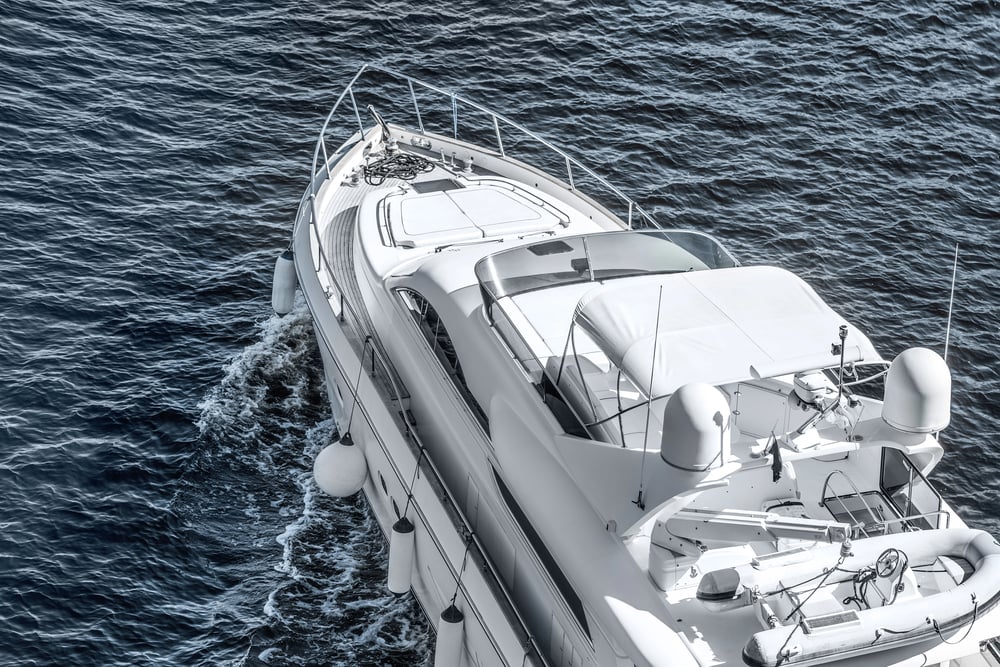
You batten down the hatches when you prepare for trouble. You’re getting ready for a rough time.
Hatches are the openings in a ship’s deck that lead below. During storms, sailors would seal these openings by nailing strips of wood called battens over the edges to keep water out.
Give a Wide Berth
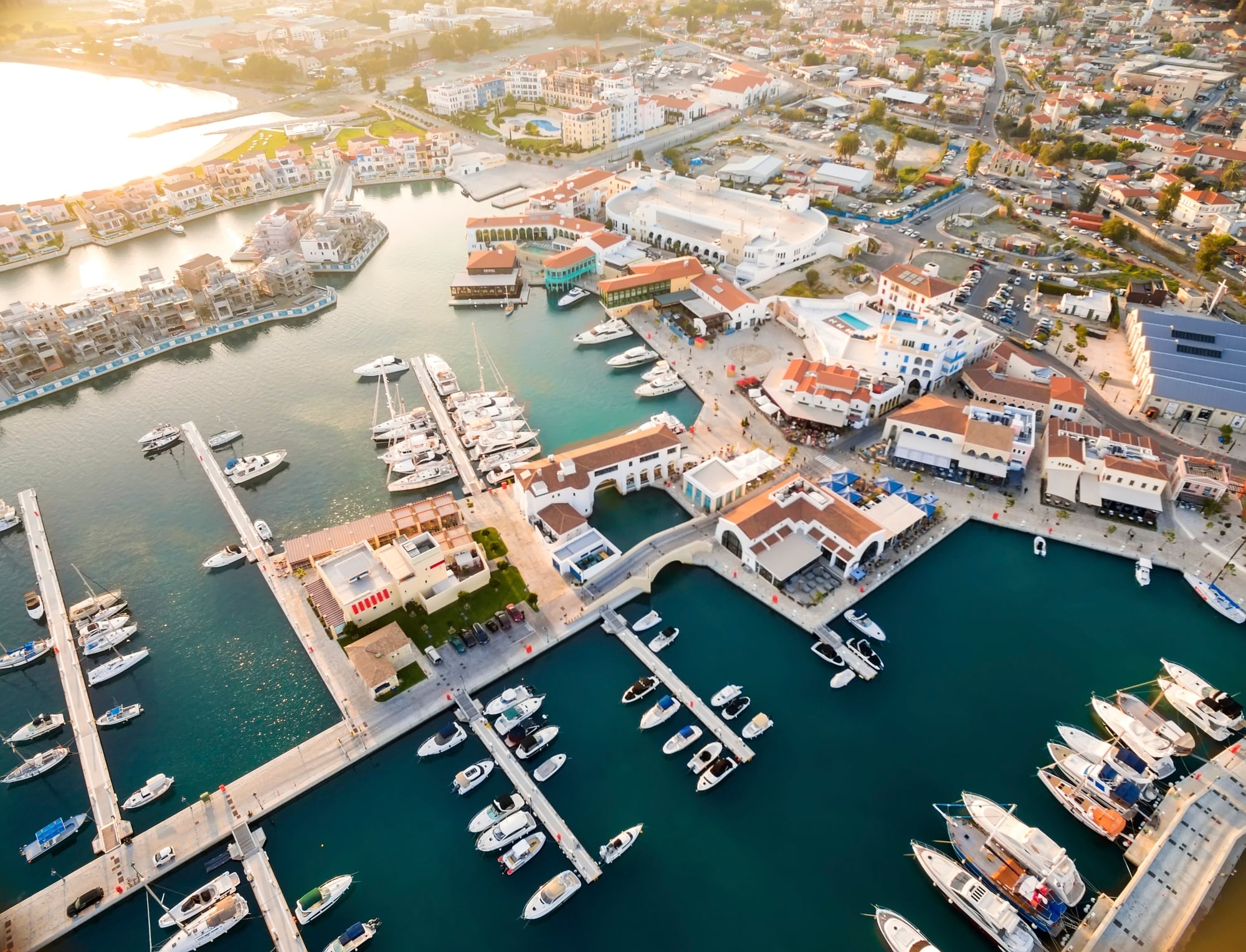
When you give something or someone a wide berth, you stay away from them. You’re keeping your distance on purpose.
A ship’s berth is the space it occupies when docked or anchored. Giving another ship a wide berth meant staying far away from it when passing, to avoid collisions or other problems.
Show Your True Colors
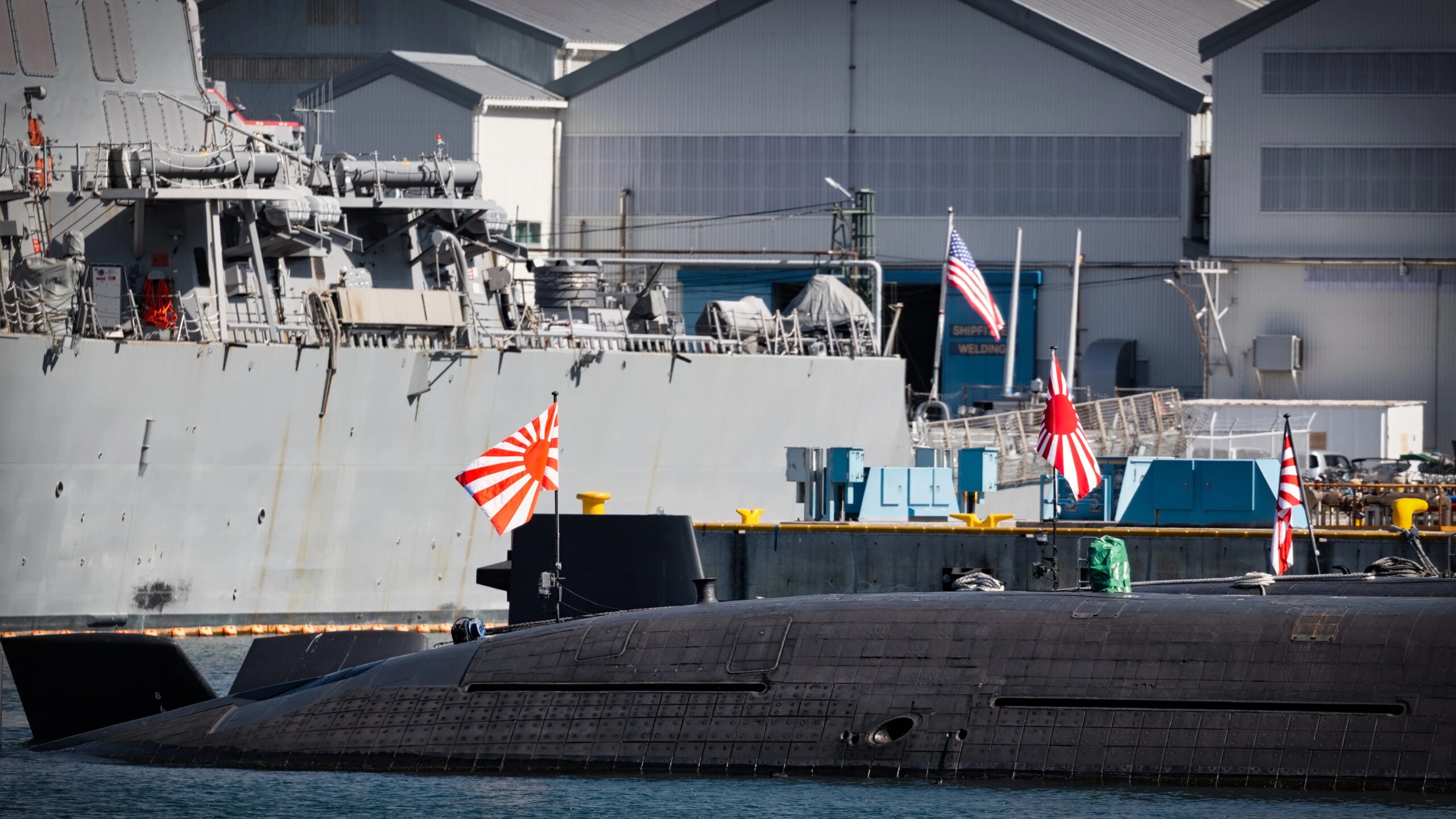
Someone shows their true colors when they reveal what they’re really like, especially if it’s disappointing. You see who they actually are.
Ships identified themselves by flying flags called colors. Pirates would sometimes fly false colors—the flag of a friendly nation—to get close to victim ships before attacking.
Cut and Run
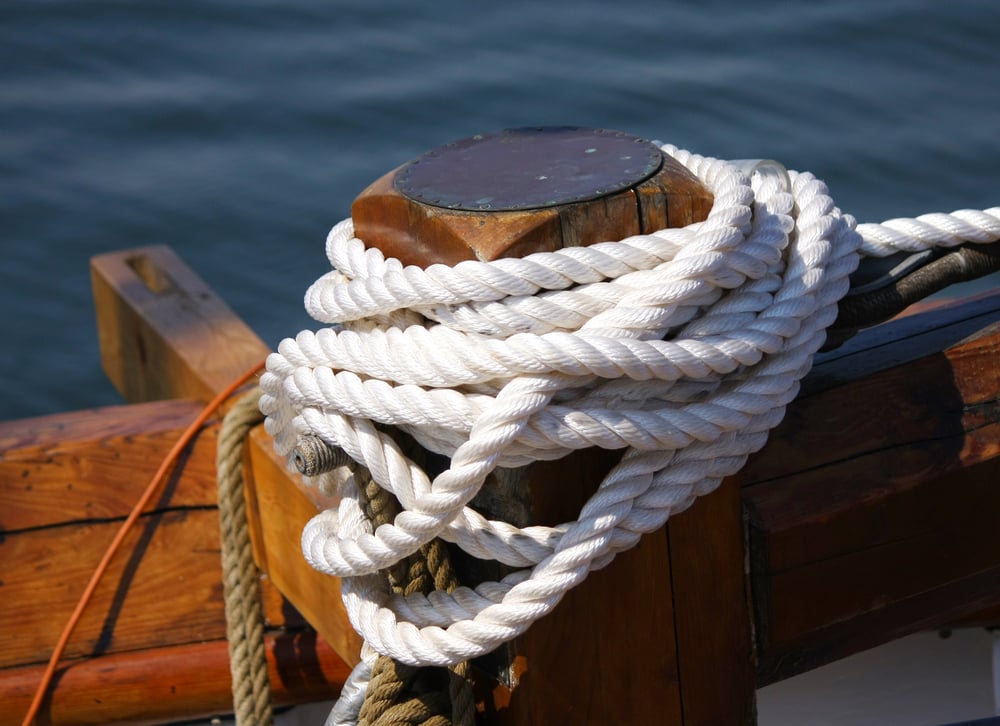
You cut and run when you leave quickly in an emergency, abandoning whatever you were doing. You’re getting out fast.
Ships at anchor would tie their anchor ropes to the deck. In an emergency, sailors would just cut the anchor rope and run up the sails to escape quickly.
Between the Devil and the Deep Blue Sea
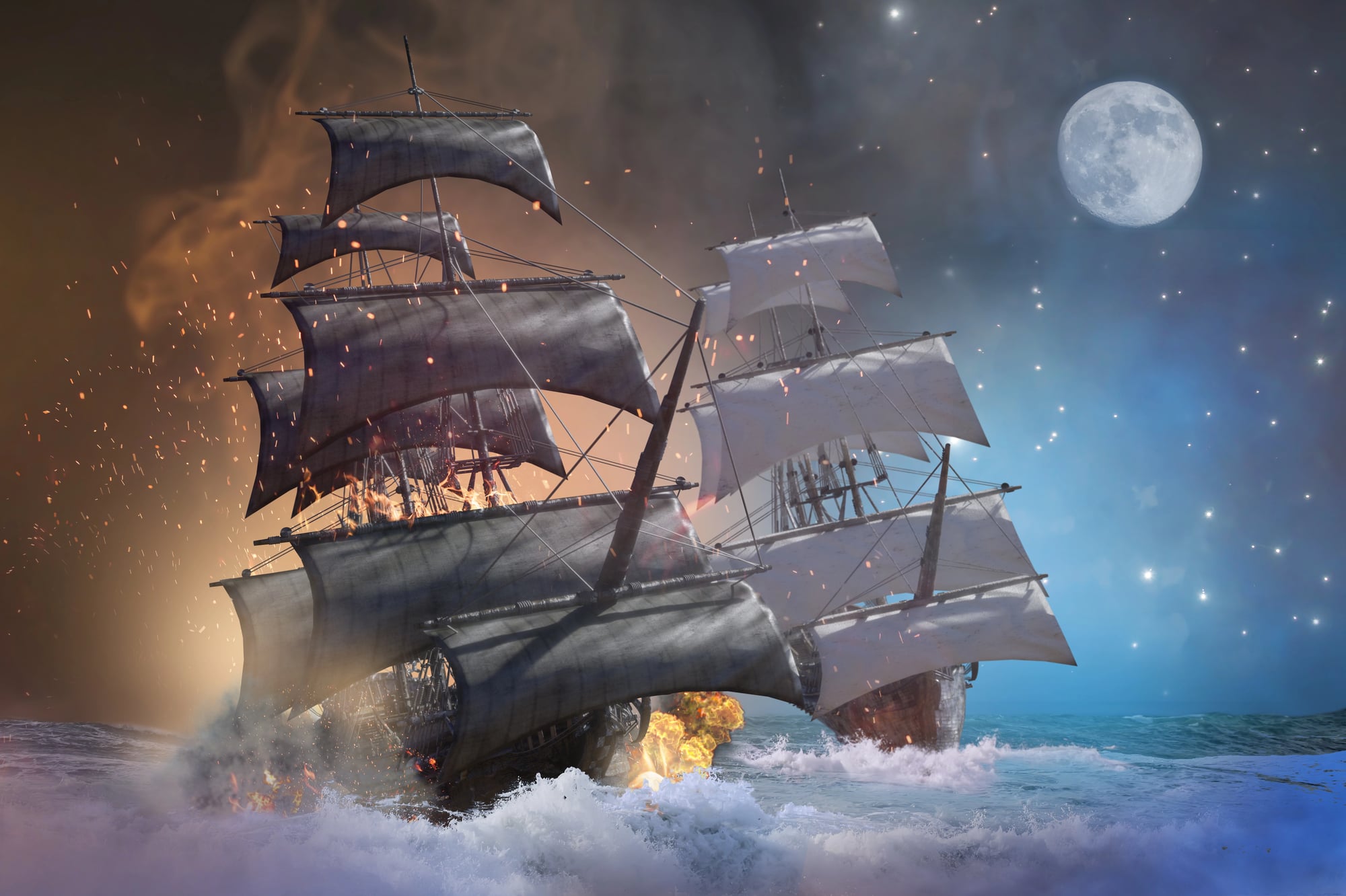
This phrase describes being trapped between two bad choices. Both options are terrible.
The “devil” was the seam between planks on a ship’s deck that sat right next to the side of the ship. A sailor had to work in an awkward, dangerous position—stuck between the devil seam and the ocean just inches away.
The Language Travels On
These phrases survived because they describe real situations with perfect clarity. A ship taken aback by unexpected wind captures surprise better than most alternatives.
You use this language without thinking about ships or oceans. The maritime world gave us precise descriptions that still work hundreds of years later.
More from Go2Tutors!

- The Romanov Crown Jewels and Their Tragic Fate
- 13 Historical Mysteries That Science Still Can’t Solve
- Famous Hoaxes That Fooled the World for Years
- 15 Child Stars with Tragic Adult Lives
- 16 Famous Jewelry Pieces in History
Like Go2Tutors’s content? Follow us on MSN.