27 Films Studios Kept Out of Theaters
Not every movie that never reached a theater failed to get made. Some were finished, reviewed, and then deliberately withheld by the very studio that financed them, for reasons ranging from public outcry to a distributor’s cold feet about the box office.
Government censorship accounts for some entries here, and corporate self-censorship accounts for just as many. Together they form a quieter history of cinema, told through the films audiences were never quite allowed to see on their own terms.
Song of the South
Walt Disney’s 1946 feature mixed live action with animated segments set on a post-Civil War plantation, and its romanticized depiction of that era drew criticism even at its original release. Disney has kept the film out of American theatrical and home distribution since the 1980s, making it one of the studio’s own most consistently suppressed titles.
Segments and songs from the film, including “Zip-a-Dee-Doo-Dah,” continued to circulate separately from the feature itself for decades.
The Interview
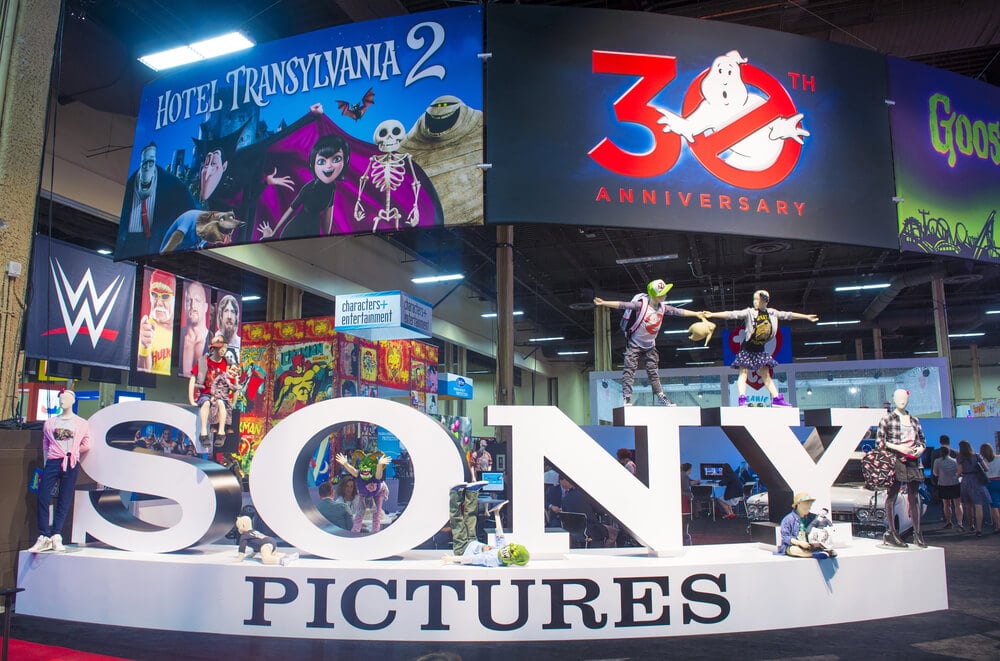
Sony Pictures planned a wide Christmas release for this 2014 comedy about a plot to assassinate North Korea’s leader, until a hacking attack on the studio and threats against theaters led major American chains to drop it entirely. Sony pulled the wide theatrical release just days before its scheduled opening.
The film ultimately reached audiences through a limited theatrical run and same-day digital release instead.
A Clockwork Orange
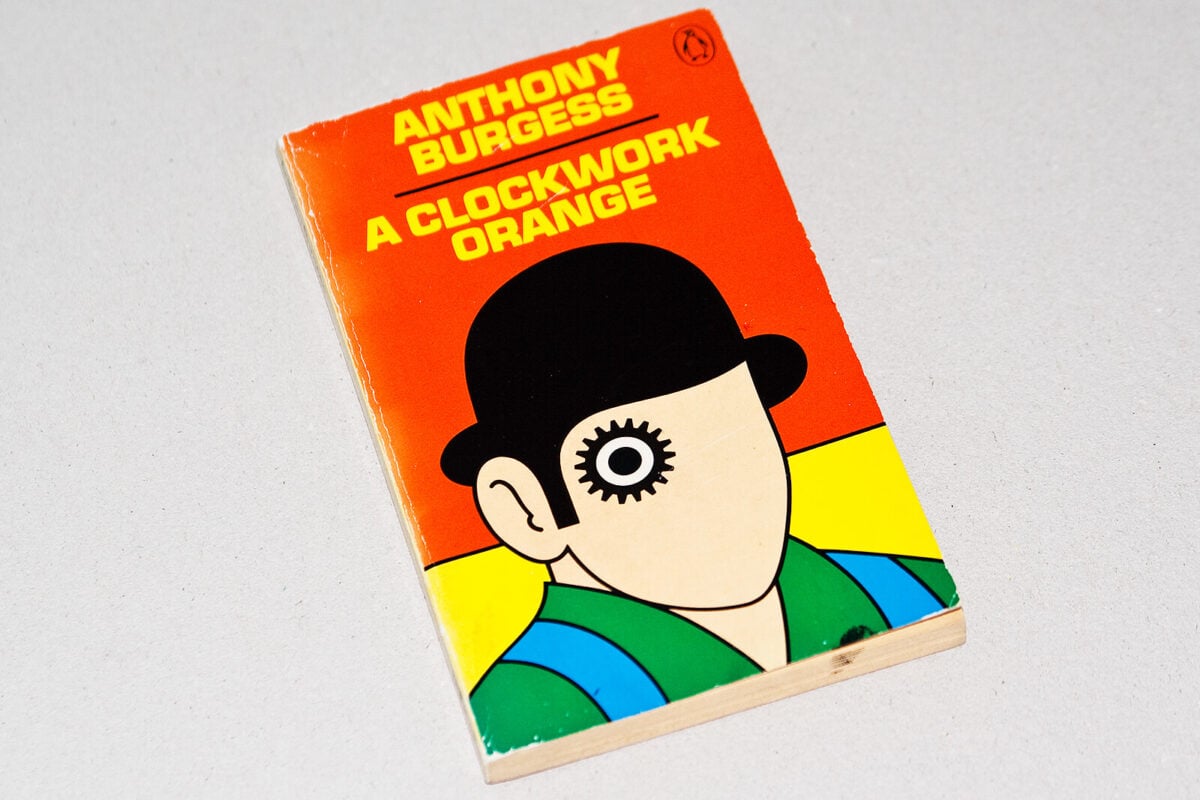
Stanley Kubrick voluntarily withdrew his own 1971 film from distribution in the United Kingdom after reports linked it to copycat violence, a decision he made personally rather than one imposed by censors. The film remained effectively unavailable in British cinemas for nearly three decades.
It was not reissued in the UK until after Kubrick’s death in 1999.
Crash

David Cronenberg’s 1996 film about a subculture drawn to car accidents was passed by British censors for release, but the Westminster City Council in London used its own local authority to ban it from cinemas within the borough. The ban made Westminster a notable holdout in an otherwise approved national release.
Other London boroughs allowed screenings to proceed as scheduled.
Cannibal Holocaust
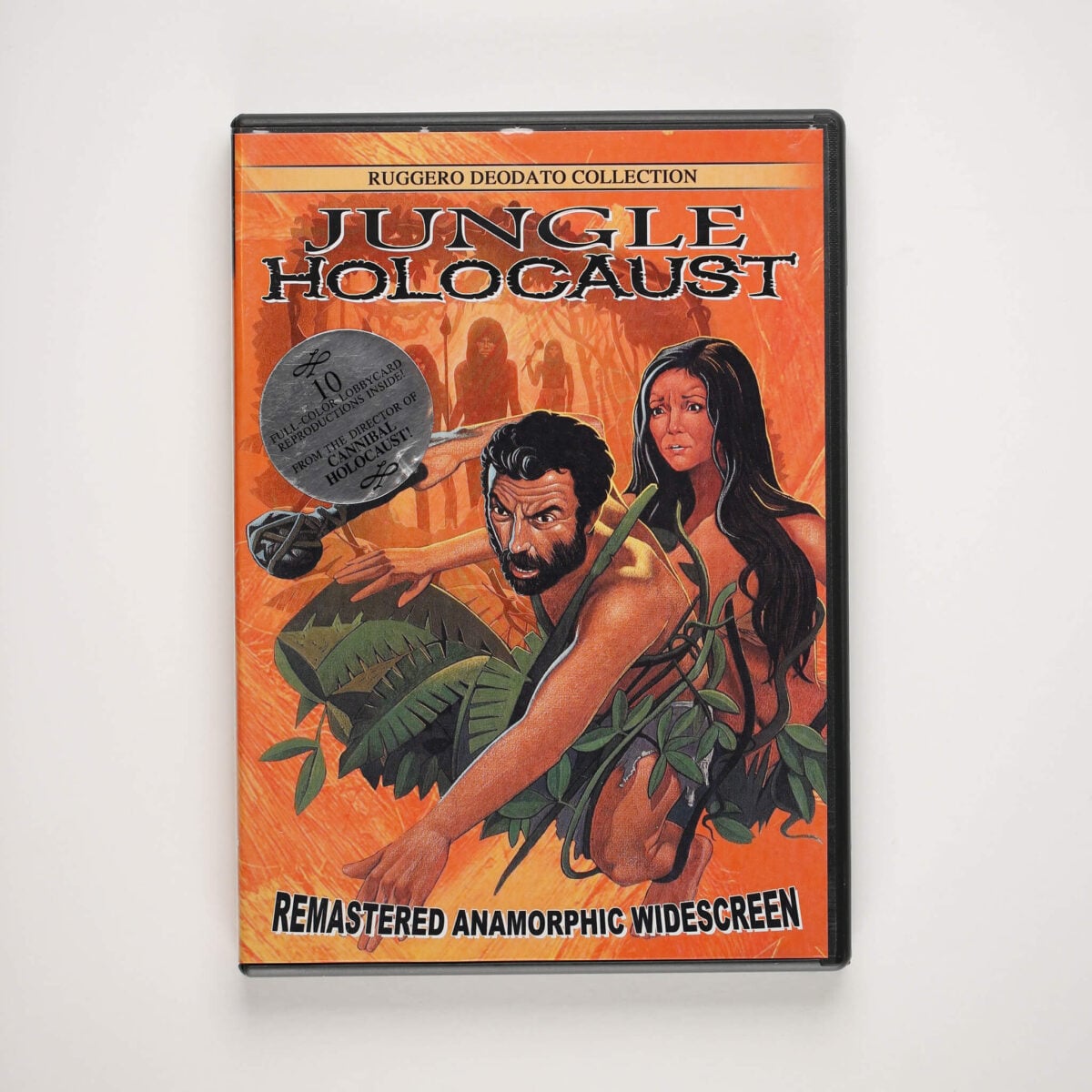
Ruggero Deodato’s 1980 film used effects so convincing that Italian authorities initially arrested the director on suspicion the on-screen deaths were real, requiring surviving cast members to appear in court to prove otherwise. The film was banned outright in numerous countries for decades afterward.
Several nations maintained restrictions on it well into the twenty-first century.
Triumph of the Will
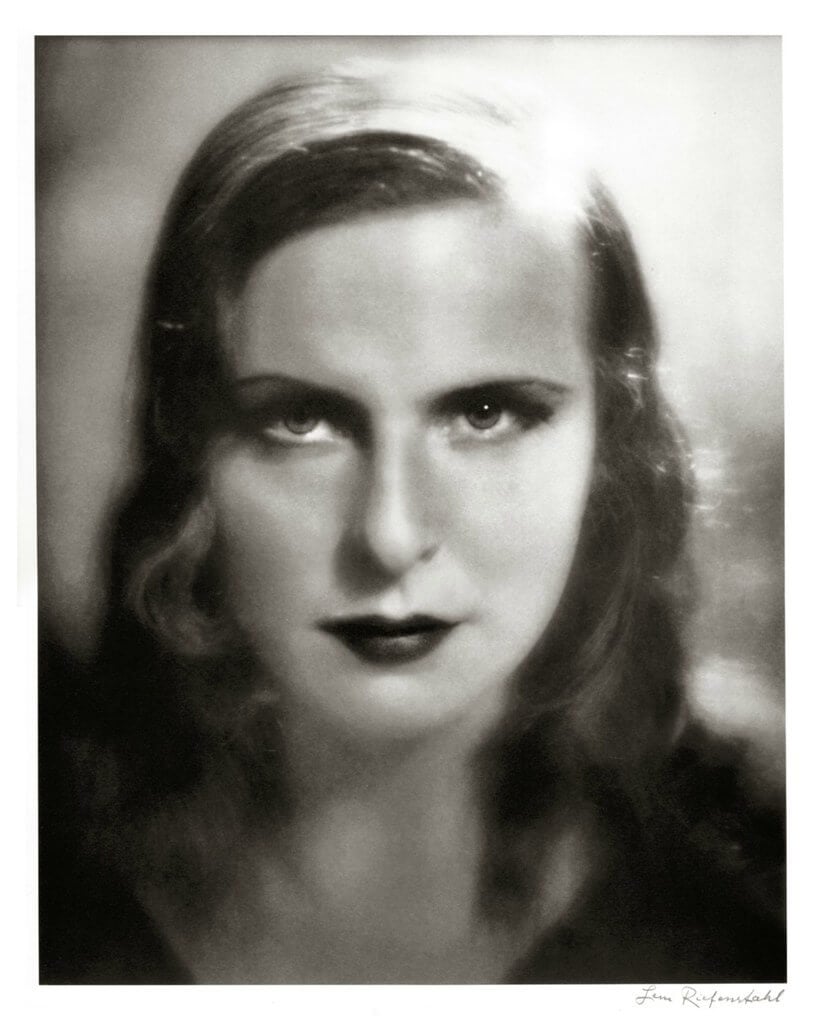
Leni Riefenstahl’s 1935 documentary of a Nazi party rally remains legally restricted from public screening in Germany to this day, permitted only in educational or historical contexts with commentary. Its technical achievements as propaganda filmmaking are studied precisely because of how effectively it served its original political purpose.
Germany’s postwar government classified it alongside a small group of films considered too dangerous to screen without framing.
The Birth of a Nation
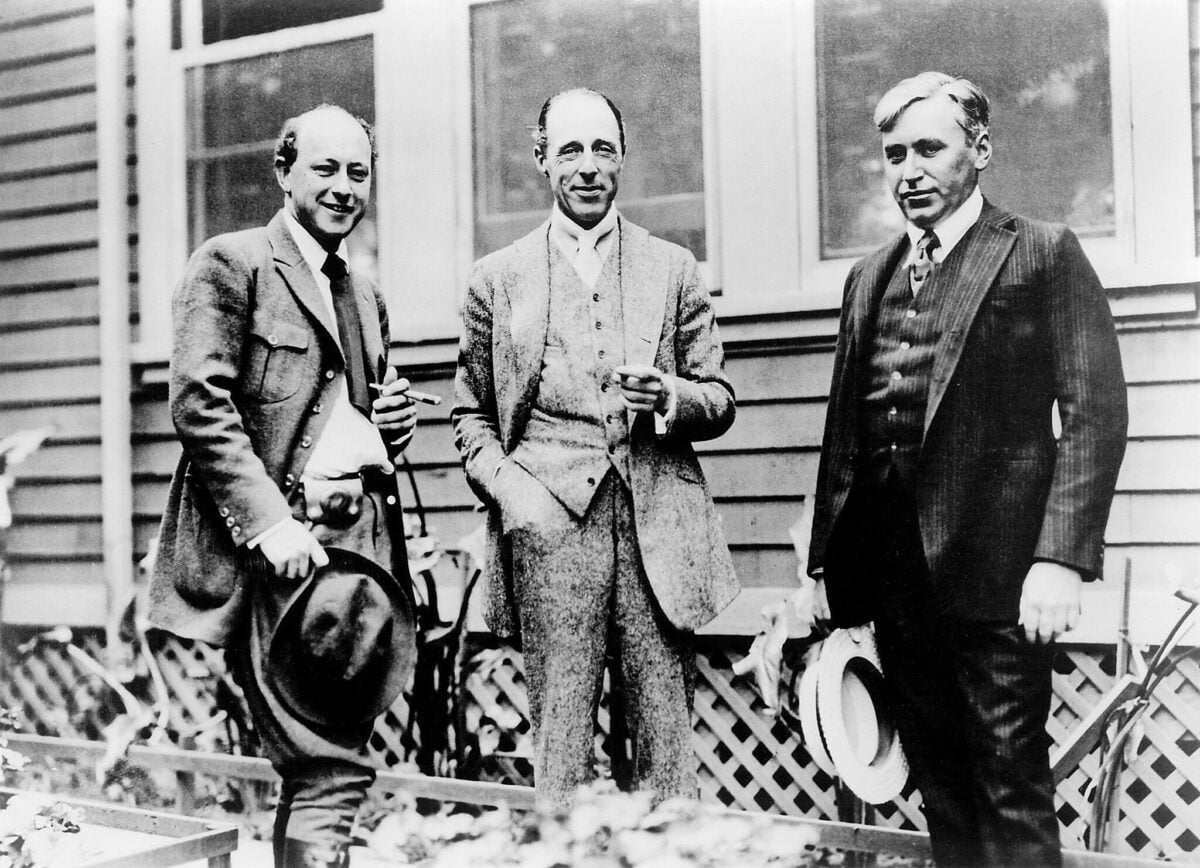
D.W. Griffith’s 1915 epic, groundbreaking in its editing technique, portrayed a deeply racist version of Reconstruction-era history that prompted the newly formed NAACP to organize protests and lobby for bans in multiple American cities. Several municipalities, including Chicago, restricted or blocked its screening entirely at the time of release.
Its theatrical run became one of the first major flashpoints over film censorship in the United States.
Faces of Death
Marketed as documentary footage of real death scenes, this 1978 release was banned outright in numerous countries after its distributor could not or would not verify how much of the content was staged. Several nations classified it alongside material considered obscene rather than as a legitimate documentary.
Its reputation as banned material outlasted the film’s own limited theatrical run by decades.
The Exorcist

William Friedkin’s 1973 horror film played theaters largely uncut on release, but during the home-video panic of the early 1980s, British authorities classified it among titles unsuitable for video distribution. The restriction kept it off British store shelves for years even as it remained available to see in cinemas.
The video ban was eventually lifted in the late 1990s.
Life of Brian
Monty Python’s 1979 religious satire was banned outright by several local authorities across the United Kingdom, blocked entirely in Ireland and Norway, and picketed in numerous American cities where it did open. Some of the British bans on individual towns’ cinemas remained technically in place for decades after the controversy faded, lifted only when a council finally got around to revisiting the old order.
Norway’s ban became the subject of jokes in neighboring Sweden’s marketing for the film.
The Last Temptation of Christ
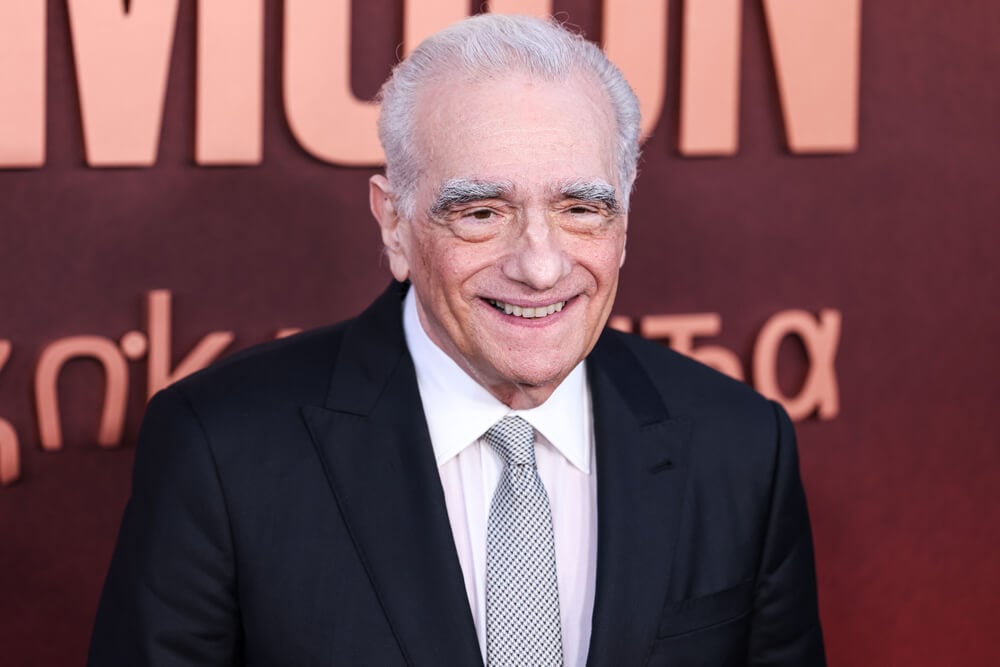
Martin Scorsese’s 1988 film, which imagined an alternate vision of Christ’s final days, was banned in Greece, the Philippines, and Argentina after religious groups organized against its release. Protests outside American theaters accompanied its domestic opening even where it was permitted to screen.
Some of the bans persisted for years before national courts revisited them.
Borat
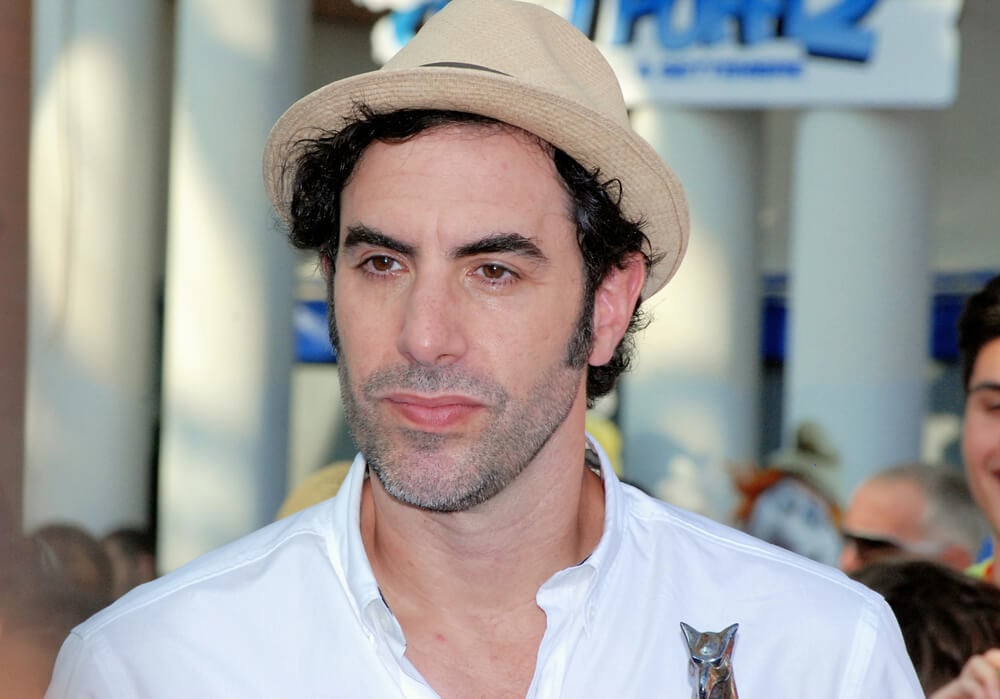
Sacha Baron Cohen’s 2006 mockumentary was banned across several Arab nations and in Russia, governments citing its depiction of the fictional title character’s home country as offensive to the wider region. The film’s satire was aimed at American attitudes rather than the nations that banned it, a distinction that did little to change the outcome.
Kazakhstan’s government, the film’s actual satirical target, later embraced the attention it generated for tourism.
The Great Dictator
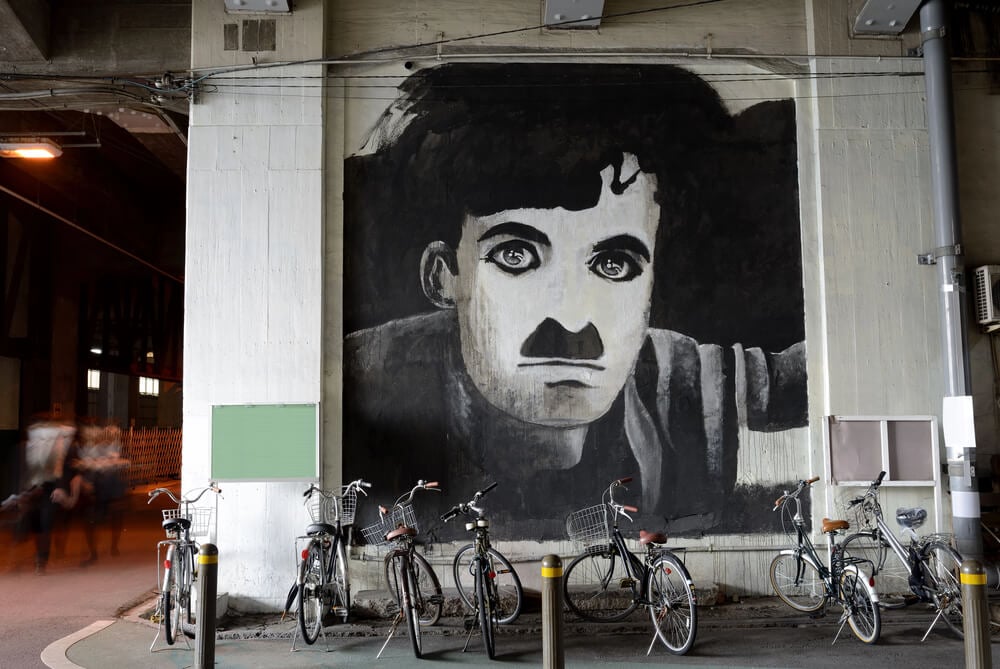
Charlie Chaplin’s 1940 satire of a fascist dictator was banned in several countries prior to and during the Second World War under pressure from Nazi Germany, which pushed neutral nations to block its release. Some Latin American countries withheld distribution rights specifically to avoid German diplomatic pressure.
The film opened in the United States months before the country formally entered the war.
Battleship Potemkin
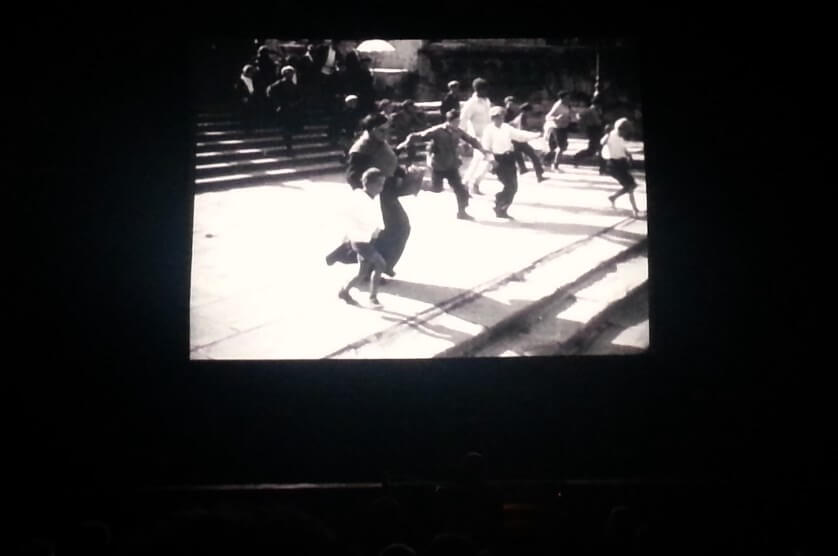
Sergei Eisenstein’s 1925 Soviet film, celebrated for its revolutionary editing style, was banned in Britain, France, and Germany, among other countries, for decades over its explicitly Soviet political content. Britain’s ban held for over thirty years before censors finally cleared it for release.
Its technical influence on filmmaking spread through film schools even in countries where general audiences could not legally see it.
Salò, or the 120 Days of Sodom
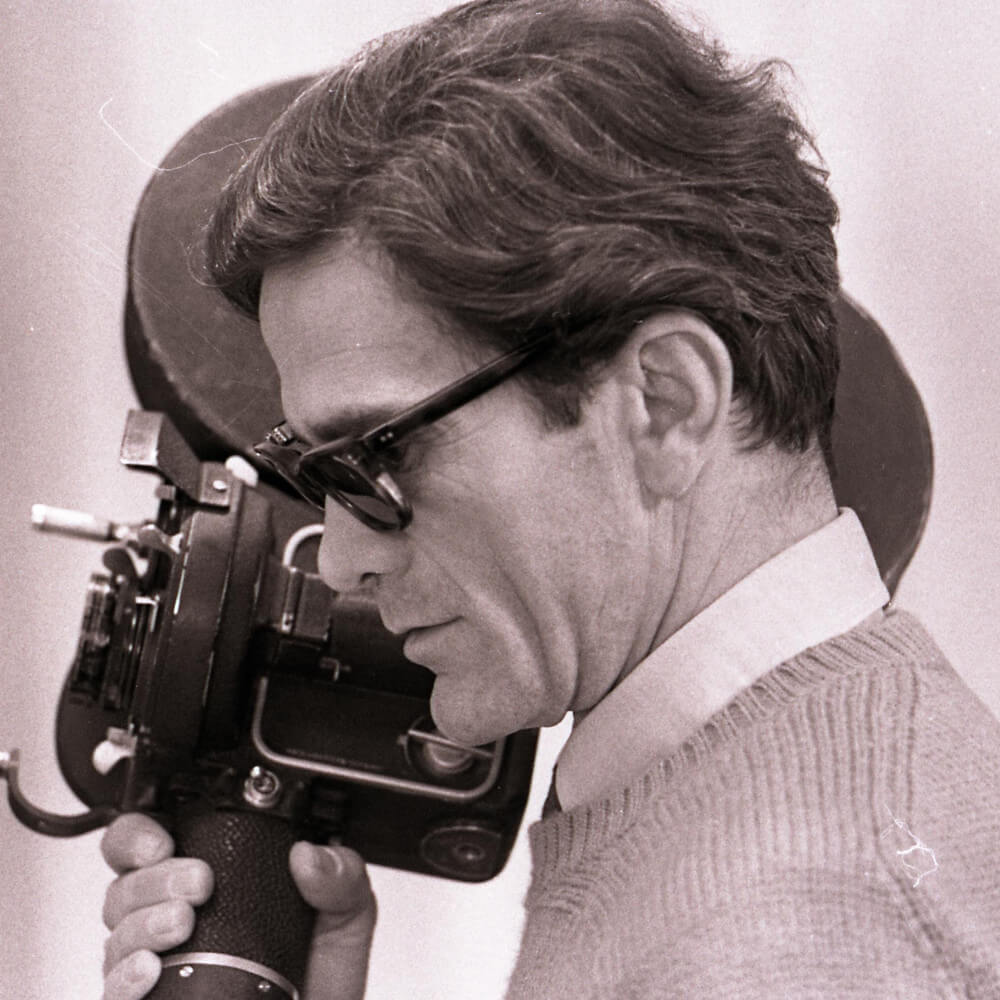
Pier Paolo Pasolini’s final film, released in 1975, was banned in Britain, Australia, and several other countries for its extreme content, restrictions that in some cases lasted decades. Its own director was murdered before the film’s premiere, adding to the controversy that followed its limited theatrical life.
Some nations only lifted their bans after prolonged legal challenges by film preservation groups.
Idiocracy
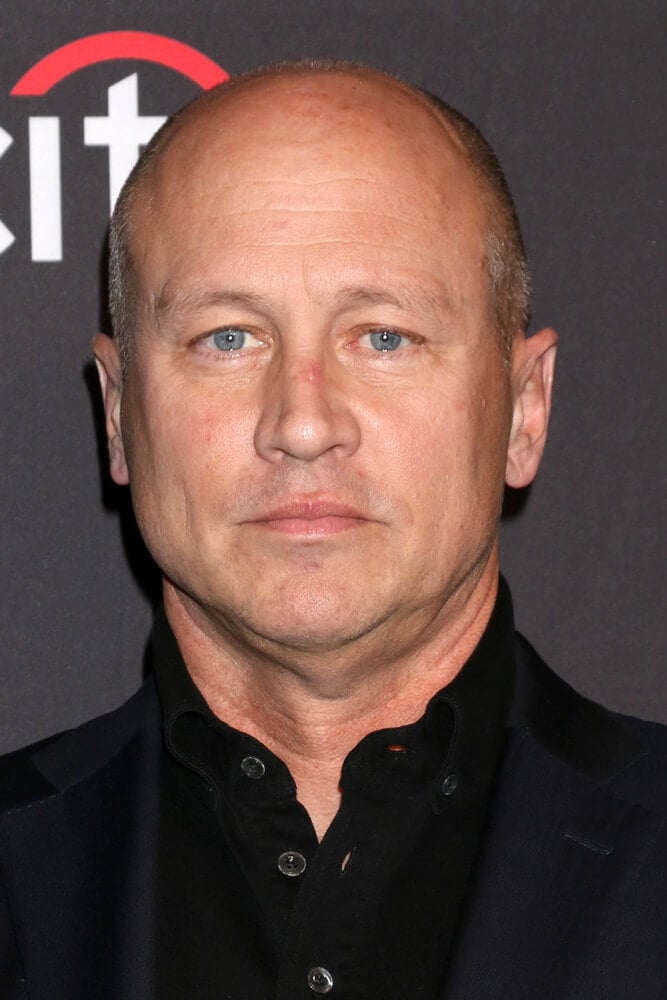
Twentieth Century Fox all but buried this 2006 satire from director Mike Judge, opening it in a small handful of American cities with no advance press screenings and almost no marketing. The studio’s own reluctance, rather than any government action, kept the film out of most theaters entirely.
It found its actual audience later through home video and streaming, where it became a cult reference point.
Noah
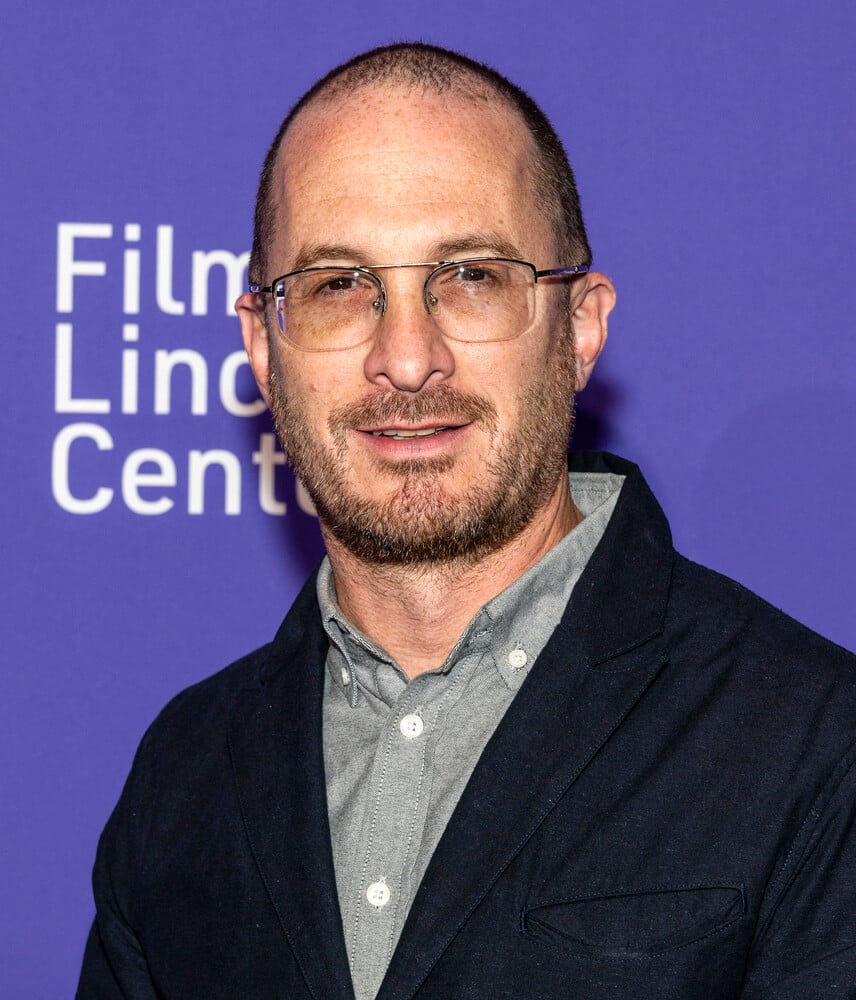
Darren Aronofsky’s 2014 biblical epic was banned across several Middle Eastern nations, including Qatar, the United Arab Emirates, and Bahrain, over its visual depiction of a prophet considered off-limits to portray in Islamic tradition. The film had been in wide theatrical release elsewhere for weeks before the regional bans were confirmed.
Studio Paramount had anticipated the reaction and prepared alternate marketing for the affected region regardless.
Fahrenheit 9/11

Disney instructed its Miramax division not to distribute Michael Moore’s 2004 documentary criticizing the Bush administration’s response to the September 11 attacks, citing concern over the studio’s unrelated business interests. Miramax’s own executives eventually arranged for outside distributors to release the film instead.
It went on to become one of the highest-grossing documentaries of all time despite its original studio’s refusal.
Death of a President
This 2006 film imagined the assassination of a sitting American president through a fictional documentary format, and multiple major American theater chains refused to screen it regardless of its critical reception. Several countries additionally blocked its release outright.
Its subject matter proved more difficult for exhibitors to accept than its actual content, which was more restrained than the premise suggested.
The Wolf of Wall Street
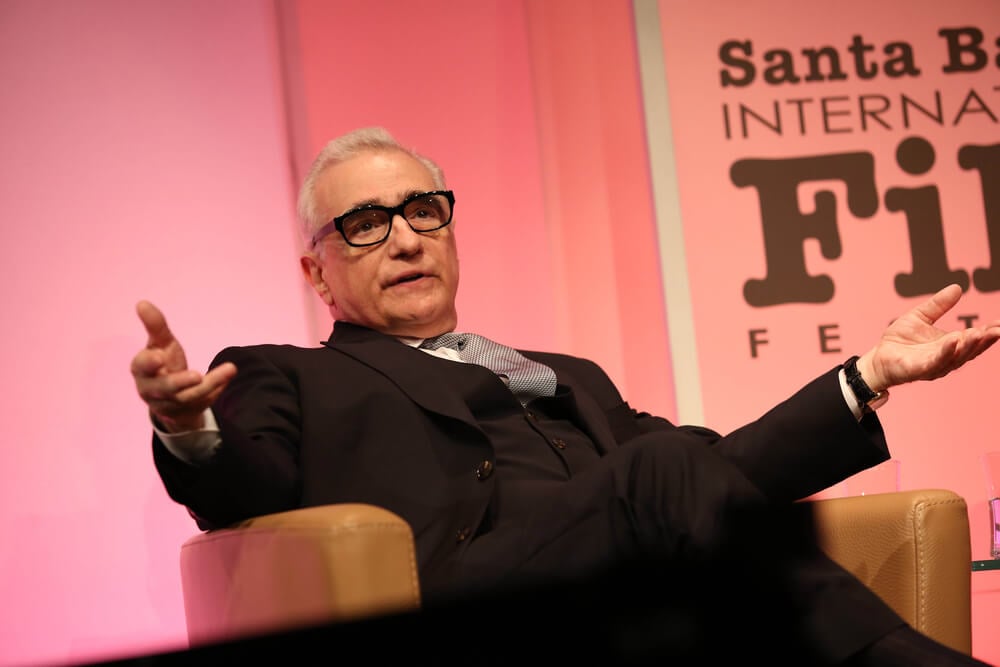
Martin Scorsese’s 2013 film about financial fraud and excess was censored or banned outright in several countries, including Malaysia and Nepal, over its extended depictions of drug use and its general tone. Some nations required substantial cuts before granting release.
Its uncensored version remained unavailable in theaters across a number of markets even after its wide American release.
The Day the Clown Cried
Comedian and director Lewis made this film in 1972, depicting a circus performer’s story set during the Holocaust, and never released it in any form. Lewis himself later called the project a professional mistake and kept it out of public circulation for the remainder of his life.
A limited archival copy became viewable only decades later, and even then under restricted terms rather than a theatrical run.
Threads
The BBC produced this 1984 dramatization of a nuclear attack on an English city with a bluntness that alarmed its own broadcasters, and it received only a single television airing before being withdrawn from further scheduling for years. Its theatrical life outside Britain was almost nonexistent by design, limited mostly to festival and educational screenings.
The film’s reputation grew largely through secondhand description rather than wide access.
Deep Throat

This 1972 adult feature became a defining legal battleground over obscenity law, prosecuted in multiple American jurisdictions and banned outright in others regardless of any theater’s willingness to show it. Its distributor and theater owners faced criminal charges in several states before courts eventually settled the underlying legal questions.
The film’s notoriety far outpaced how many theaters were ever actually permitted to screen it.
This Film Is Not Yet Rated

This 2006 documentary about the film ratings board, directed by an outspoken critic of the system, received the same restrictive rating from that board that the film itself was critiquing, a rating that limited how many theaters would agree to book it. Several major chains declined to screen a film carrying that classification as a matter of standing policy.
The film’s distributor released it unrated in some markets specifically to work around the restriction.
The Passion of the Christ

Mel Gibson’s 2004 depiction of the final hours of Christ’s life was banned in several countries across the Arab world and Asia, where officials cited concerns about its potential to inflame religious tension. The film opened to enormous commercial success in markets where it was permitted, a contrast that made the bans elsewhere more conspicuous.
Some restrictions were lifted only after edited versions were submitted for review.
Persepolis
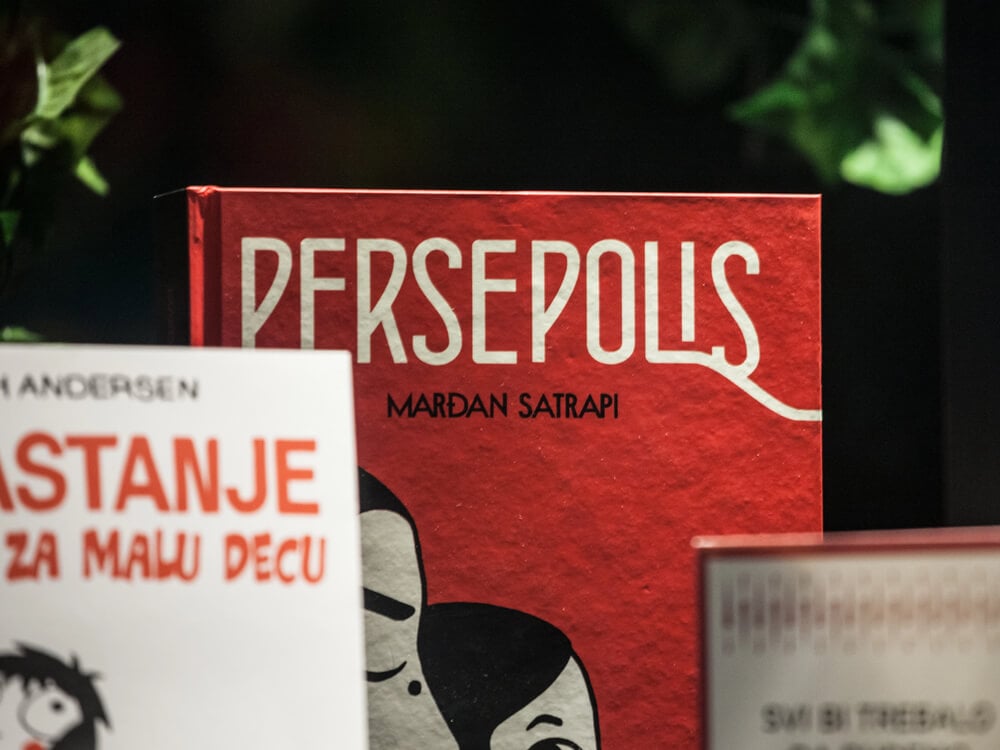
This 2007 animated adaptation of Marjane Satrapi’s memoir about growing up during Iran’s revolution was banned from screening in Lebanon after government pressure, despite having already been scheduled to open there. Iran’s own government formally protested the film’s selection at international festivals before it reached any theater in the region.
The film continued to screen widely across Europe and North America throughout the controversy.
Barbie

Greta Gerwig’s 2023 feature was banned in Vietnam over a background map depicting a disputed maritime boundary, pulled from release just days before its scheduled opening there. Several other countries in the region restricted or delayed the film over unrelated content concerns raised by local censors.
The film went on to become one of the highest-grossing releases of the year in markets where it was permitted to open.
When the Reel Never Reaches the Projector
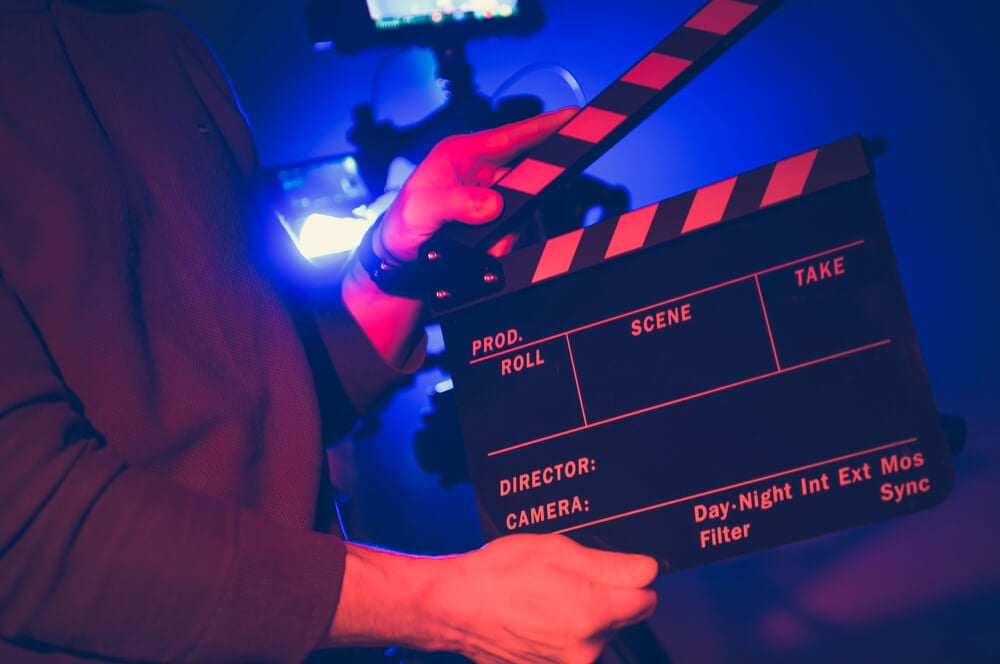
A banned film and a buried one look identical from the audience’s side of the curtain: an empty spot on the marquee where something was supposed to play. The difference only matters to historians sorting out afterward whether a government, a studio, or a director made that call.
What survives from each of these cases is rarely the film alone. It is the argument around it, preserved in court records, council minutes, and press coverage, often more thoroughly documented than the movie itself ever managed to be seen.
More from Go2Tutors!

- The Romanov Crown Jewels and Their Tragic Fate
- 13 Historical Mysteries That Science Still Can’t Solve
- Famous Hoaxes That Fooled the World for Years
- 15 Child Stars with Tragic Adult Lives
- 16 Famous Jewelry Pieces in History
Like Go2Tutors’s content? Follow us on MSN.