27 First Responder Traditions Honored Across the Country
Every fire department and police agency in the country runs on procedure, but procedure is not the same as tradition. Underneath the radio codes and shift schedules is a layer of ritual that has almost nothing to do with efficiency and everything to do with memory.
Some of these customs are more than a century old and trace back to horse-drawn equipment and telegraph bells. Others are newer, built after tragedies that changed the job itself.
All of them are still practiced today, somewhere in the country, exactly as described below.
The Tolling of the Four Fives
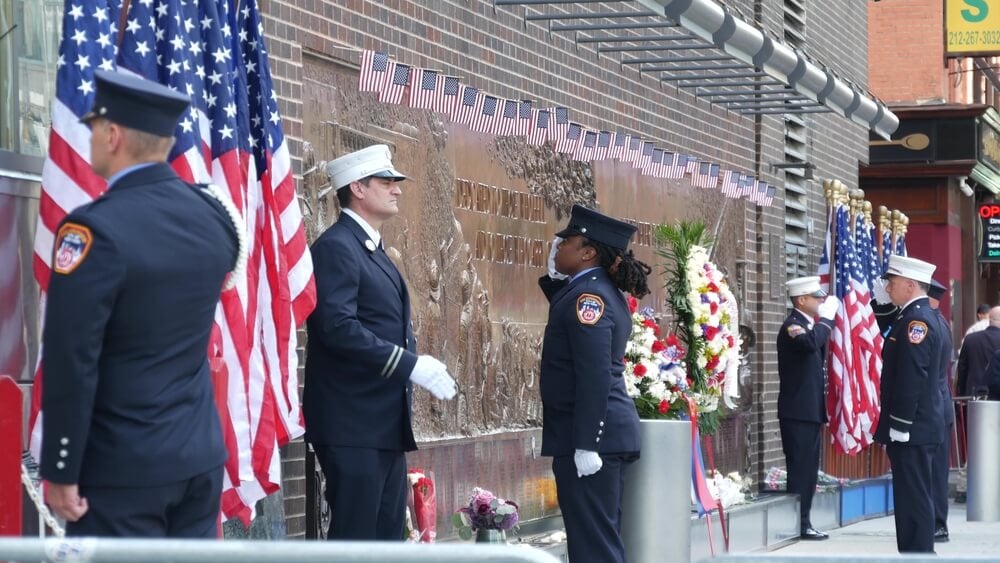
When a firefighter dies in the line of duty, many departments strike a station bell in a pattern of five rings, repeated three or four times with a pause between each set, a signal known as “the four fives.” The custom dates to 1865, when the New York City Fire Department used the same bell code to announce the death of Abraham Lincoln.
It remains one of the oldest continuously observed rituals in American emergency services.
Bagpipes and Pipes and Drums Bands
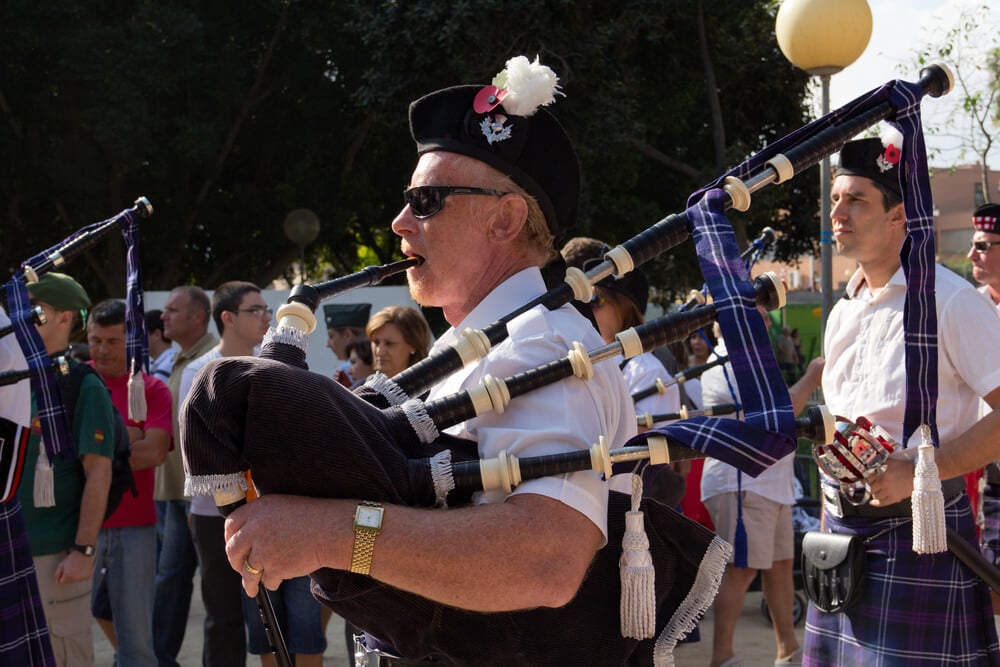
Bagpipes have been played at fire and police funerals in the United States for more than 150 years, a tradition brought over by Irish and Scottish immigrants who filled firefighting and policing jobs that faced heavy discrimination in the 1800s. Many cities maintain dedicated pipe bands, often called Emerald Societies, some with more than 60 uniformed members who perform in traditional dress.
“Amazing Grace” remains the piece most commonly played at these services.
The Last Call
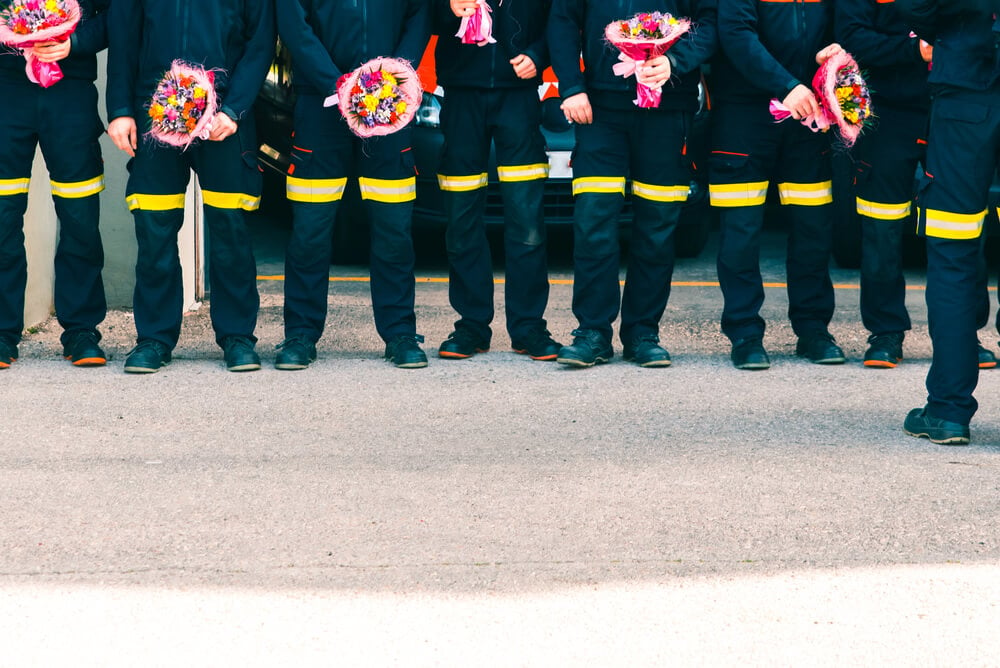
At many funerals, a dispatcher performs a “last call,” reading the fallen responder’s name and badge number over the radio and waiting for a response that never comes. After a pause, the dispatcher formally announces the end of the responder’s service and signs them off duty for the final time.
The moment is considered one of the most emotionally difficult parts of any first responder funeral.
Folding and Presenting the Flag
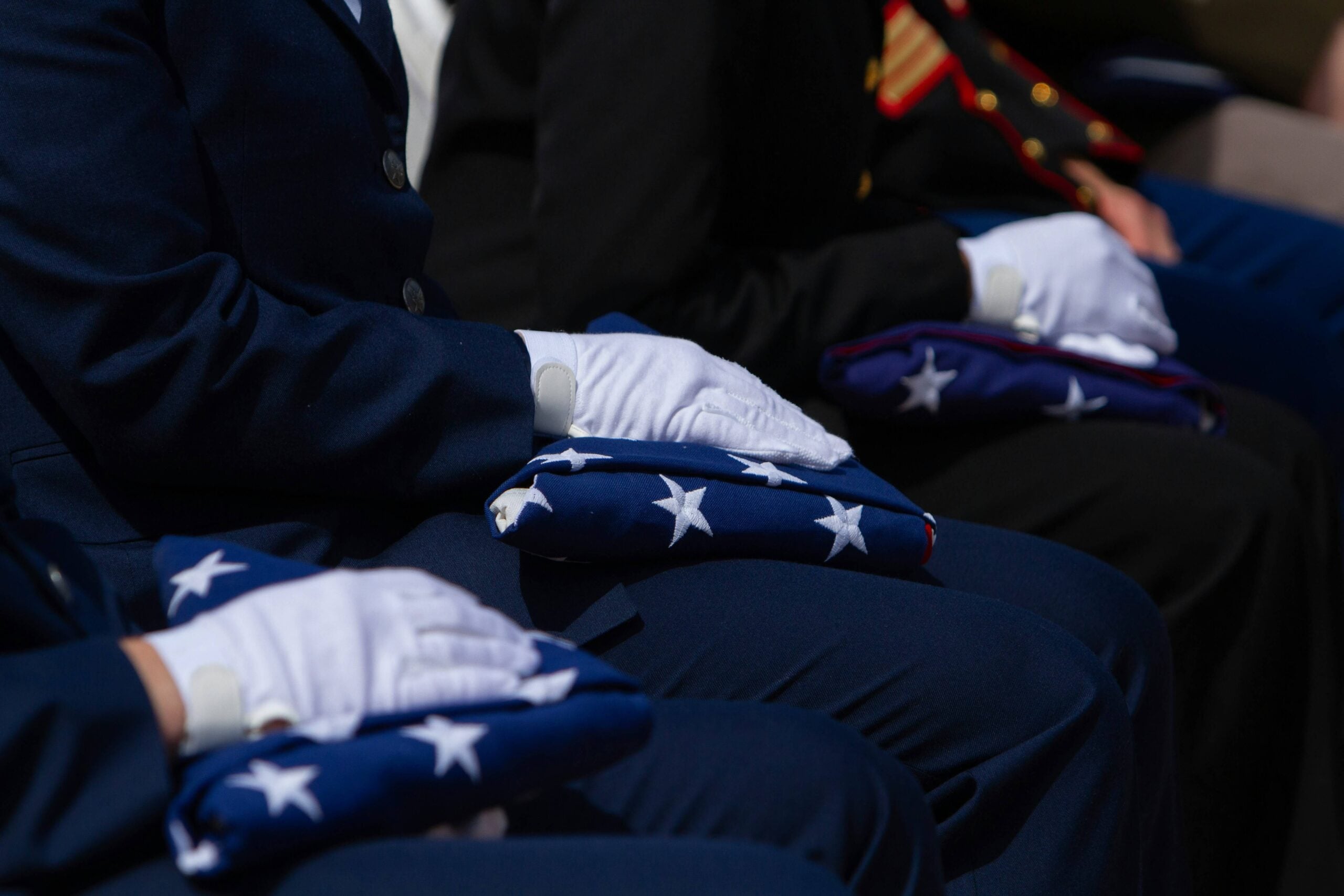
An American flag is ceremonially folded into a triangle and presented to the family of a fallen officer or firefighter, a practice adapted directly from military honors. The folding follows a precise sequence performed by an honor guard, and the flag is typically presented by the department’s highest-ranking official in attendance.
The Maltese Cross and St. Florian
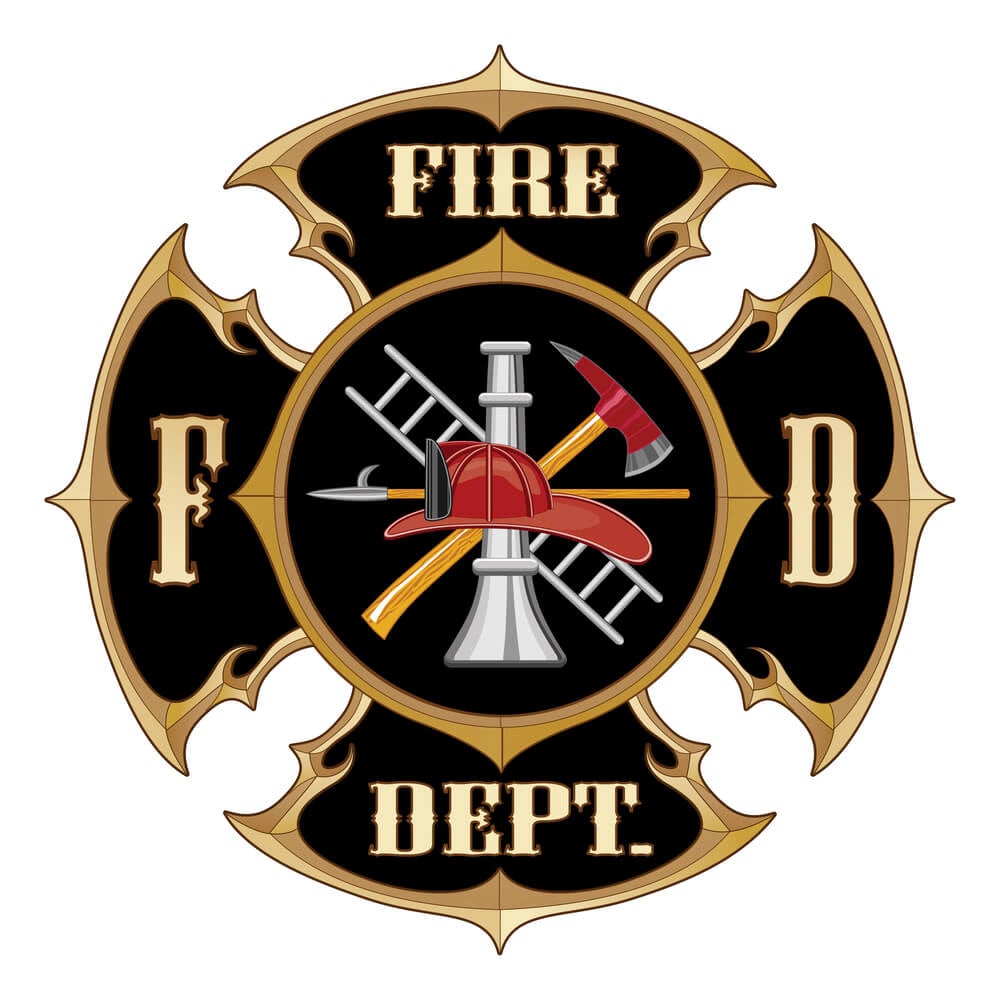
The eight-pointed Maltese cross worn on firefighter badges and apparatus traces back to the Knights Hospitaller, who wore a similar symbol while treating burned soldiers during the Crusades. St. Florian, a Roman army officer martyred in the third century, is honored as the patron saint of firefighters and is depicted on medallions and stained glass in firehouses across the country.
St. Michael Medallions
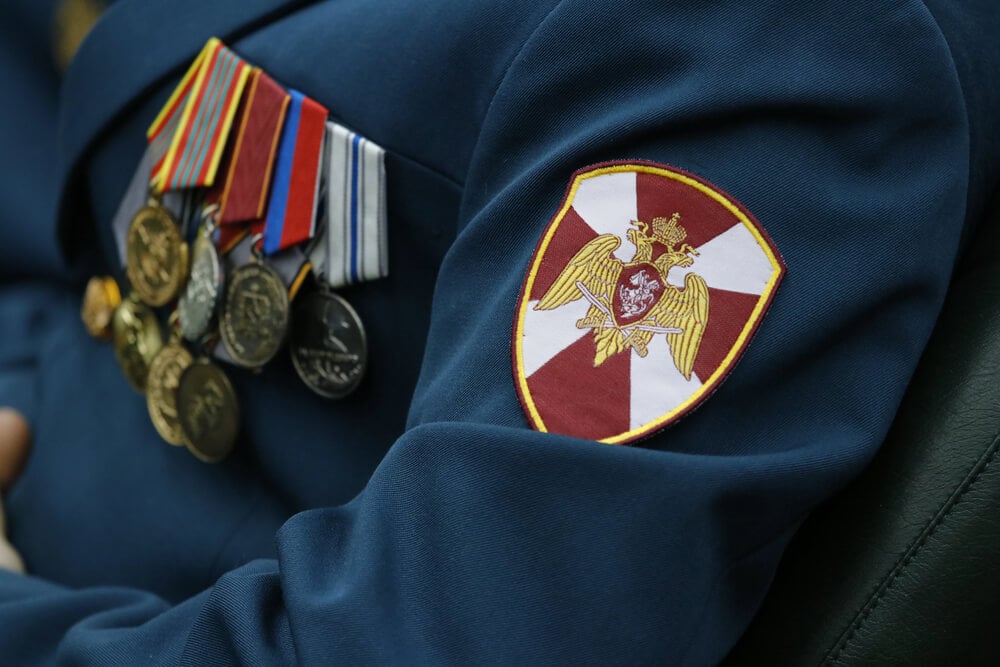
The archangel Michael is widely recognized as the patron saint of police officers, and medallions bearing his image are commonly worn by officers or given as gifts at academy graduations and retirements. The tradition draws on Michael’s depiction in religious art as a protector who stands against threats to the innocent.
Mourning Bands on the Badge
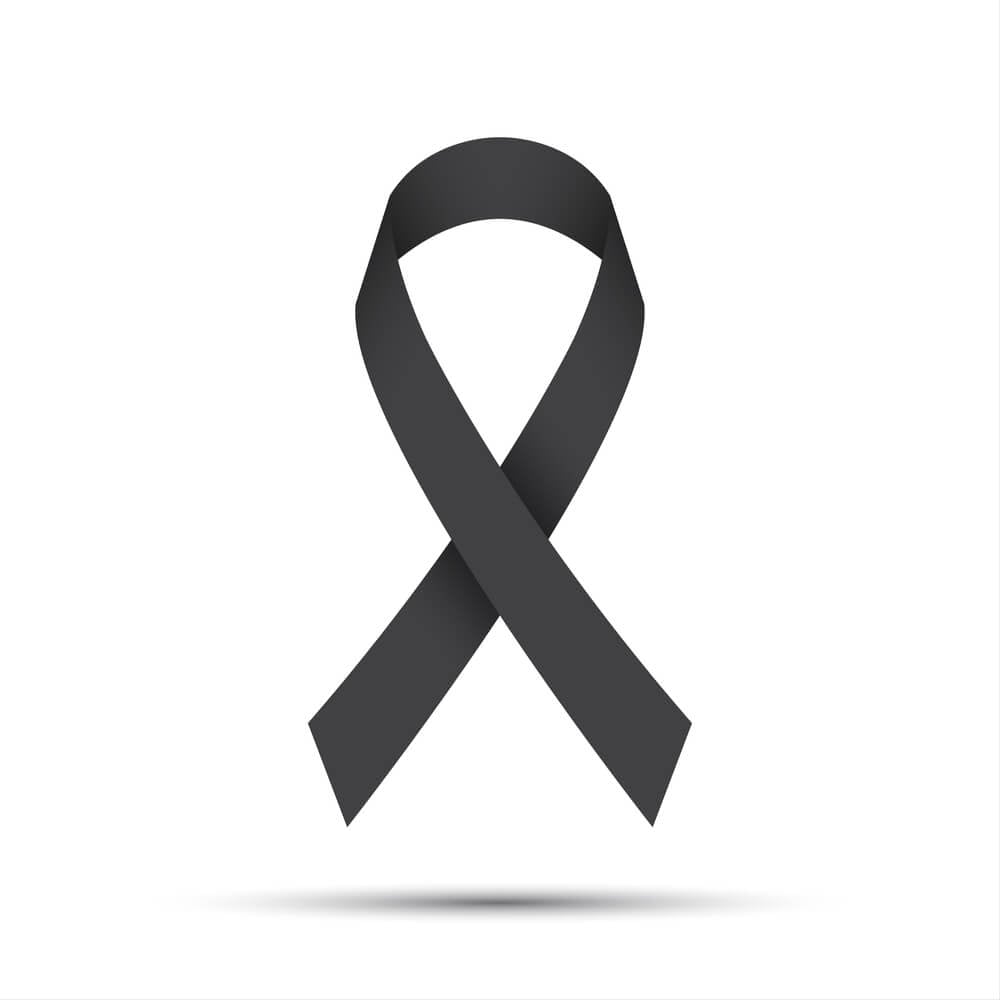
A black band stretched across a badge signals mourning for a fellow officer or firefighter, typically worn from the time of a death through the funeral, and sometimes for thirty days afterward. The practice is observed by departments nationwide regardless of whether the mourning band covers a death within their own agency or a fallen responder elsewhere in the country.
Dalmatians and the Firehouse

The dalmatian’s association with firehouses dates to the horse-drawn era, when the breed was used to run alongside fire wagons and calm the horses pulling them, since dalmatians bond easily with horses and can keep pace over long distances. Some departments still keep a dalmatian mascot today as a living link to that history, even though horse-drawn apparatus disappeared more than a century ago.
The Push-In Ceremony
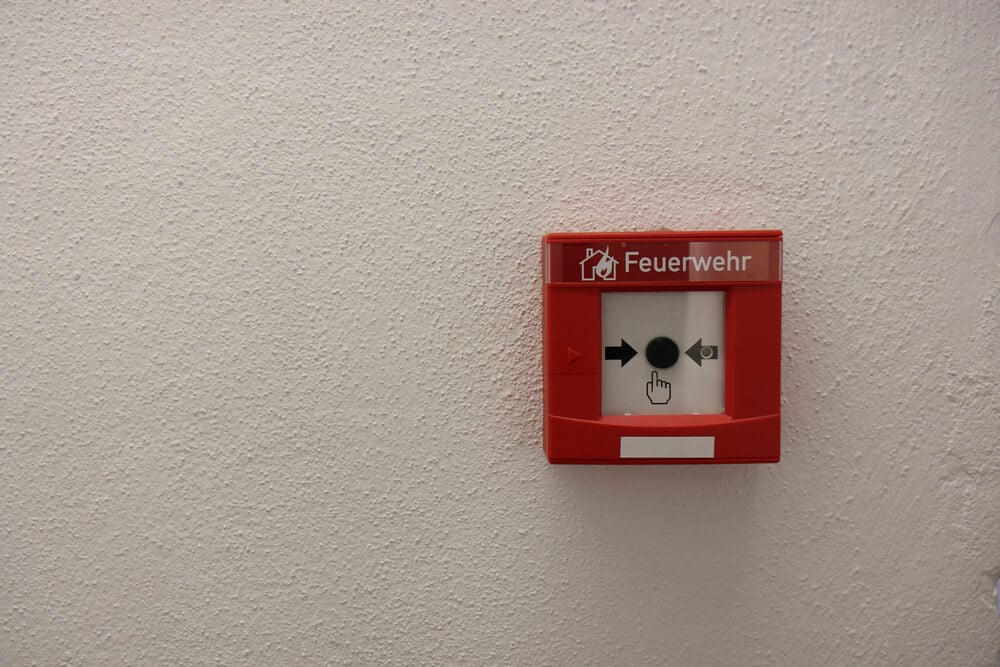
When a new fire engine joins a department, it is traditionally pushed into the station by hand rather than driven in, a custom dating to the era of horse-drawn equipment, when horses could not easily back a rig into the bay. Firefighters would unhook the horses and push the apparatus in themselves, and departments continue the physical push-in today, often inviting local children to help.
The Wetdown Ceremony
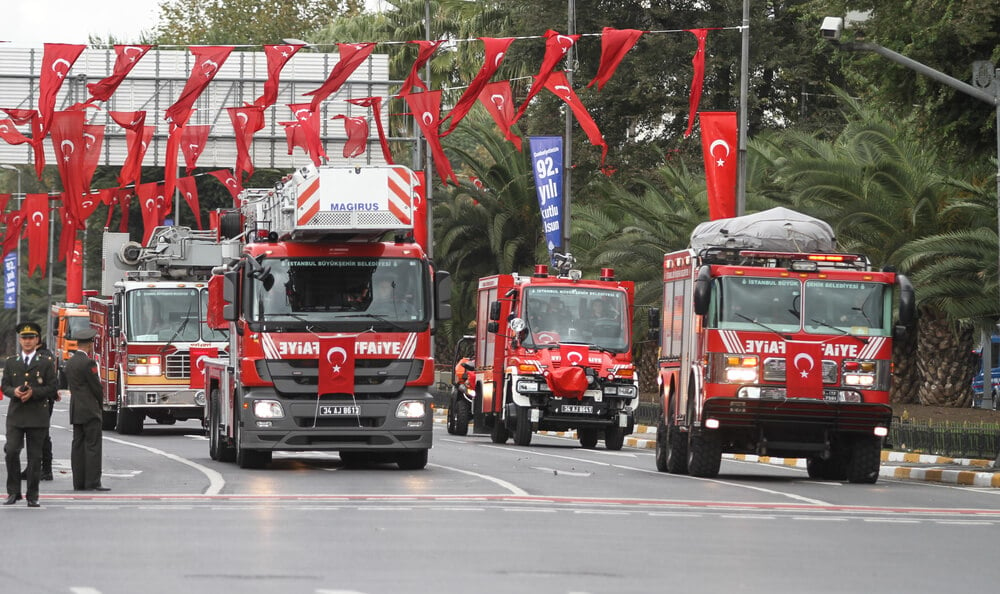
Paired with the push-in, a wetdown ceremony marks a new engine’s arrival by symbolically transferring a bucket of water from the retiring rig into the new one, meant to represent passing the old truck’s service history forward. In the horse-drawn era, crews also wetted down wooden wagon wheels to keep the spokes swollen and tight, a practical step that became part of the same ceremonial occasion.
Riderless Horse Processions
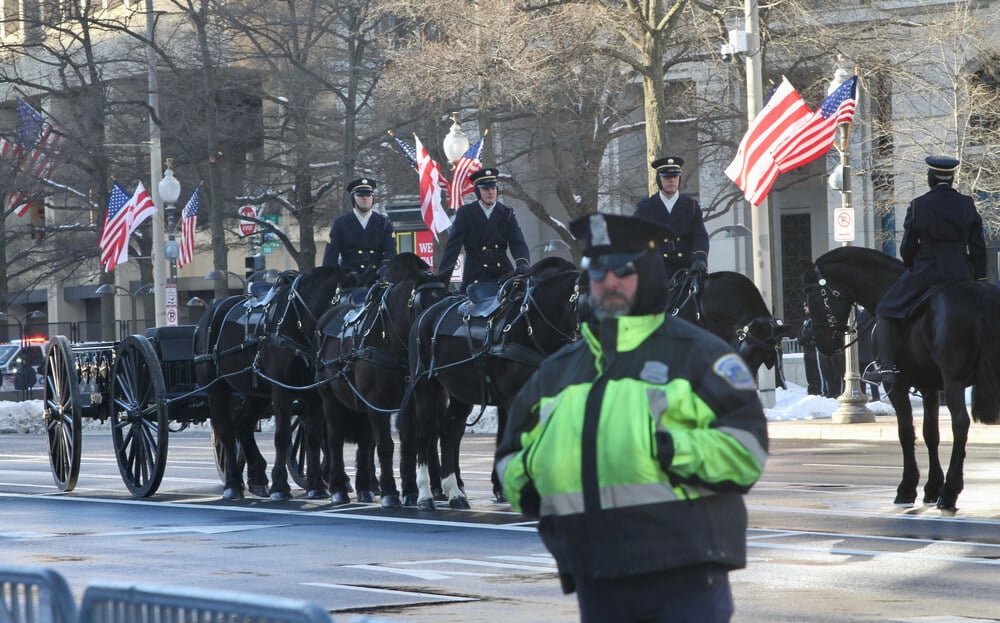
Some line-of-duty funerals include a riderless horse, saddled but empty, led in procession behind the casket, a custom borrowed from military funeral honors for fallen commanders. Departments with mounted units occasionally provide the horse from their own stable when a fallen officer served in that unit.
National Fallen Firefighters Memorial Weekend
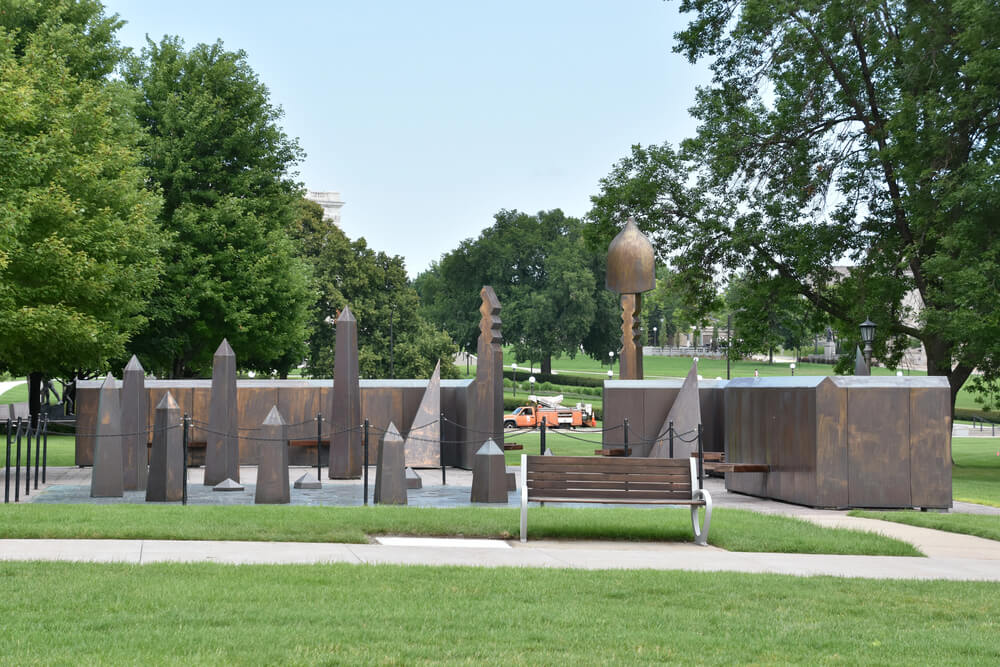
Each year, the National Fallen Firefighters Foundation holds a memorial weekend in Emmitsburg, Maryland, adding the names of firefighters who died in the line of duty during the previous year to a national memorial. The weekend includes a candlelight vigil and a formal memorial service, and it draws families and fellow firefighters from across the country to honor those added to the wall.
National Police Week
President John F. Kennedy signed a proclamation in 1962 designating May 15 as Peace Officers Memorial Day and the surrounding week as National Police Week, a tradition observed every year since. Tens of thousands of officers travel to Washington, D.C., during the week for memorial services, seminars, and remembrance events.
The Candlelight Vigil
Each May during National Police Week, the National Law Enforcement Officers Memorial Fund holds a candlelight vigil on the National Mall, reading aloud the names of officers who died in the line of duty and were newly added to the memorial wall that year. The vigil began in 1982 as a gathering of about 120 people and now draws tens of thousands.
EMS Week
Emergency Medical Services Week, observed each May, recognizes paramedics and emergency medical technicians with department open houses, training demonstrations, and public appreciation events. The observance has been marked nationally since the early 1970s, growing alongside the formal development of modern ambulance and paramedic systems.
The National EMS Memorial Bike Ride

Each spring, current and former EMS providers ride multi-day bicycle routes ending in Washington, D.C., to honor EMS personnel who died in the line of duty or by illness connected to their service. Riders carry the names of the fallen with them for the length of the route, some of which cover several hundred miles over the course of a week.
Concerns of Police Survivors
Concerns of Police Survivors, known as C.O.P.S., holds an annual National Police Survivors’ Conference during National Police Week, bringing together spouses, children, and parents of officers killed in the line of duty. The organization also runs peer support programs and summer camps for children who lost a parent in the line of duty.
Fill the Boot for Muscular Dystrophy
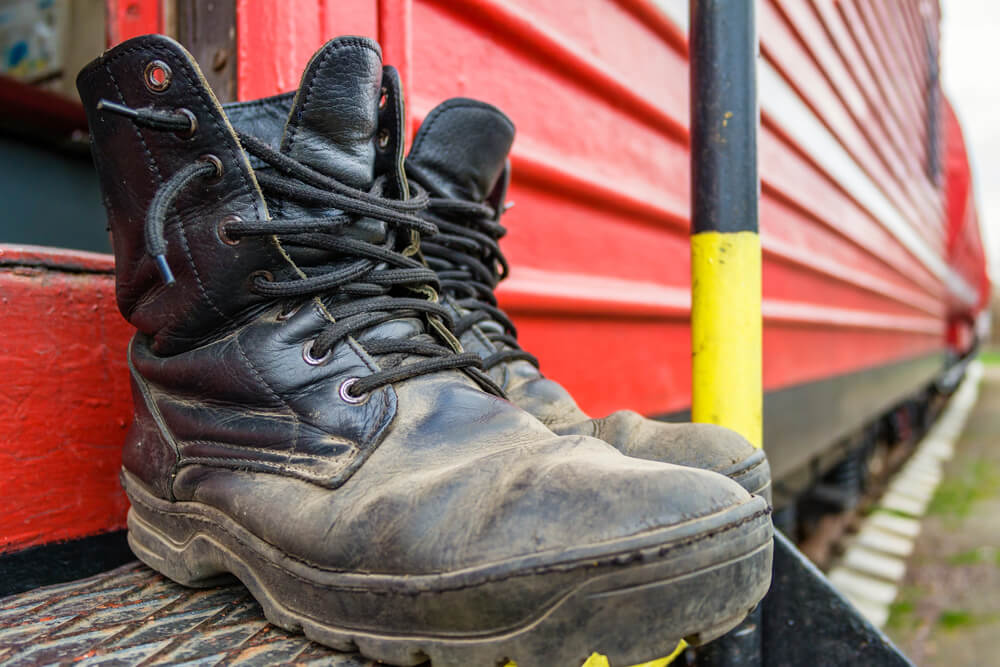
Since 1954, the International Association of Fire Fighters has partnered with the Muscular Dystrophy Association on “Fill the Boot,” in which firefighters stand at intersections and storefronts collecting donations in their turnout boots. The tradition began in 1952 when members of Boston Firefighters Local 718 raised five thousand dollars door to door for a colleague’s children; the partnership has since raised hundreds of millions of dollars nationwide.
Nine-Eleven Memorial Stair Climbs
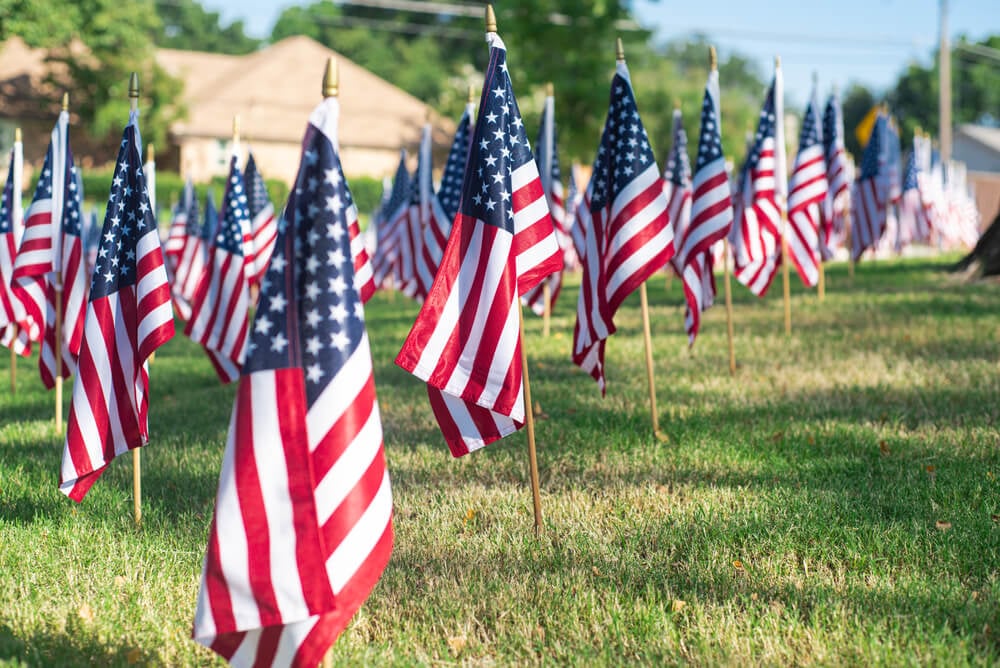
Fire departments across the country hold annual stair-climb events in which participants in full protective gear ascend the height of the World Trade Center towers, typically 110 flights, to honor the 343 firefighters who died responding to the attacks on September 11, 2001. Many climbs assign participants the name of a specific fallen firefighter to carry with them for the duration.
The Housewatch Log
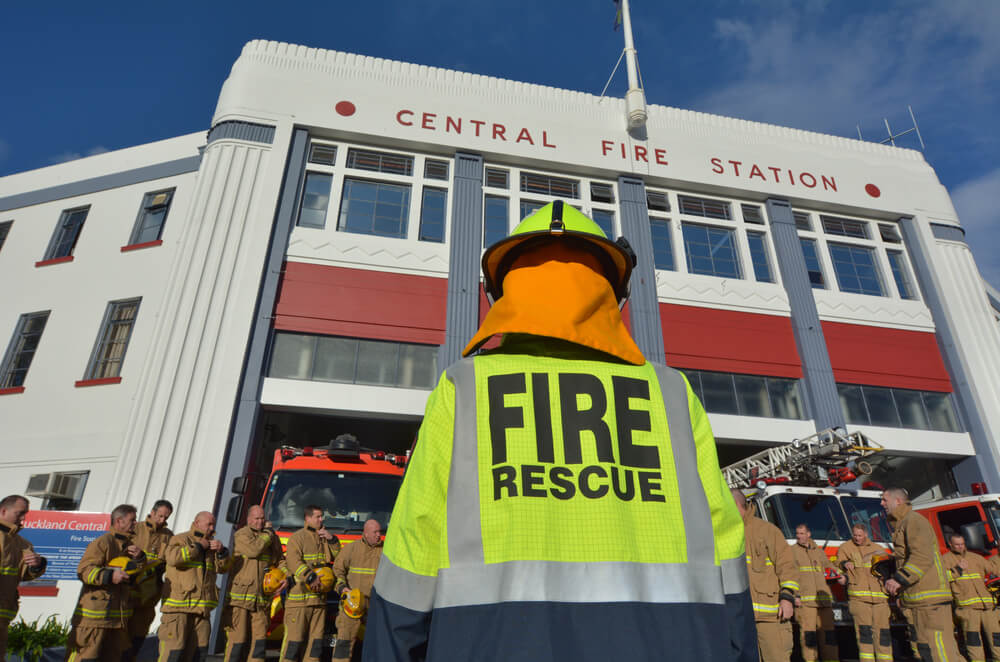
Older firehouses maintained a “housewatch,” a desk near the entrance staffed around the clock where every call, visitor, and event was logged by hand in a running journal. Some departments still keep a ceremonial version of the log for historical record even though dispatch is now fully electronic.
Retiring a Badge Number

When an officer or firefighter dies in the line of duty, many departments formally retire that badge or unit number, removing it permanently from circulation rather than reissuing it to a new member. The retired number is often displayed on a plaque at headquarters alongside the responder’s name and years of service.
K-9 Memorial Ceremonies
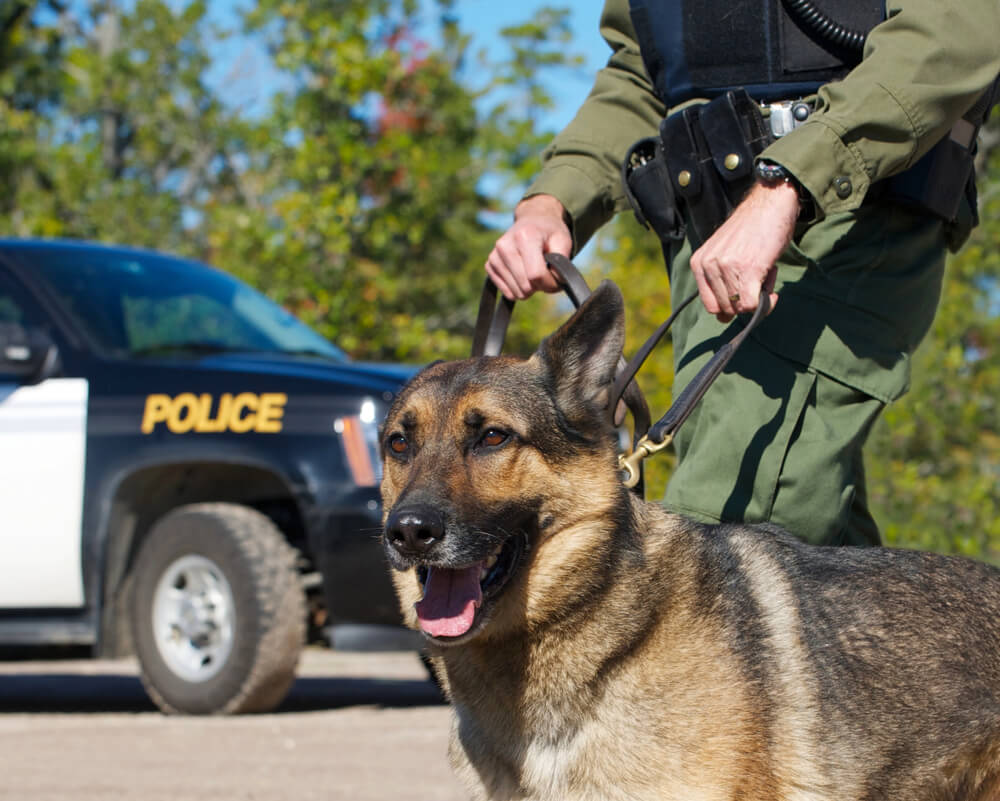
Police and fire departments with canine units hold formal retirement or memorial ceremonies for K-9 partners, often including a badge presentation and a moment of silence identical in structure to those given to human officers. Several departments maintain permanent memorial statues or gardens specifically for K-9s killed or injured in the line of duty.
Wall of Honor Engravings
The National Law Enforcement Officers Memorial in Washington, D.C., adds newly confirmed names of officers who died in the line of duty to its marble walls each spring ahead of Police Week, a process that sometimes includes officers whose deaths were only recently documented from historical records. More than 21,000 names are currently engraved on the memorial.
Sea of Blue Processions
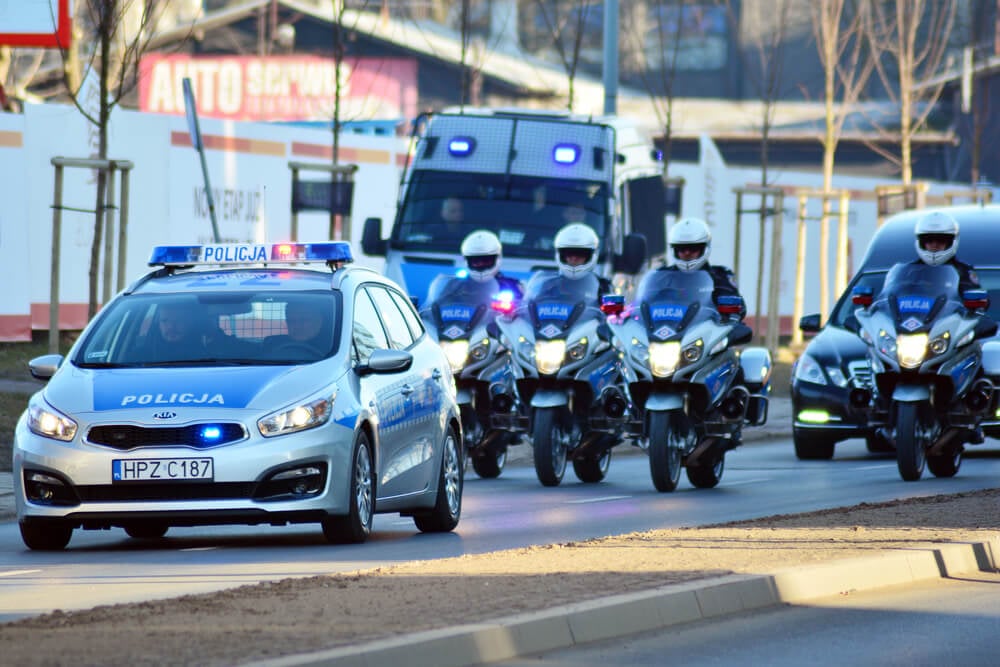
When an officer dies in the line of duty, departments from across a state or region often send patrol cars to the funeral, forming long processions of law enforcement vehicles that can stretch for miles, a display commonly referred to as a “sea of blue.” Officers frequently travel hundreds of miles to attend, regardless of whether they knew the fallen officer personally.
Fire Muster Competitions
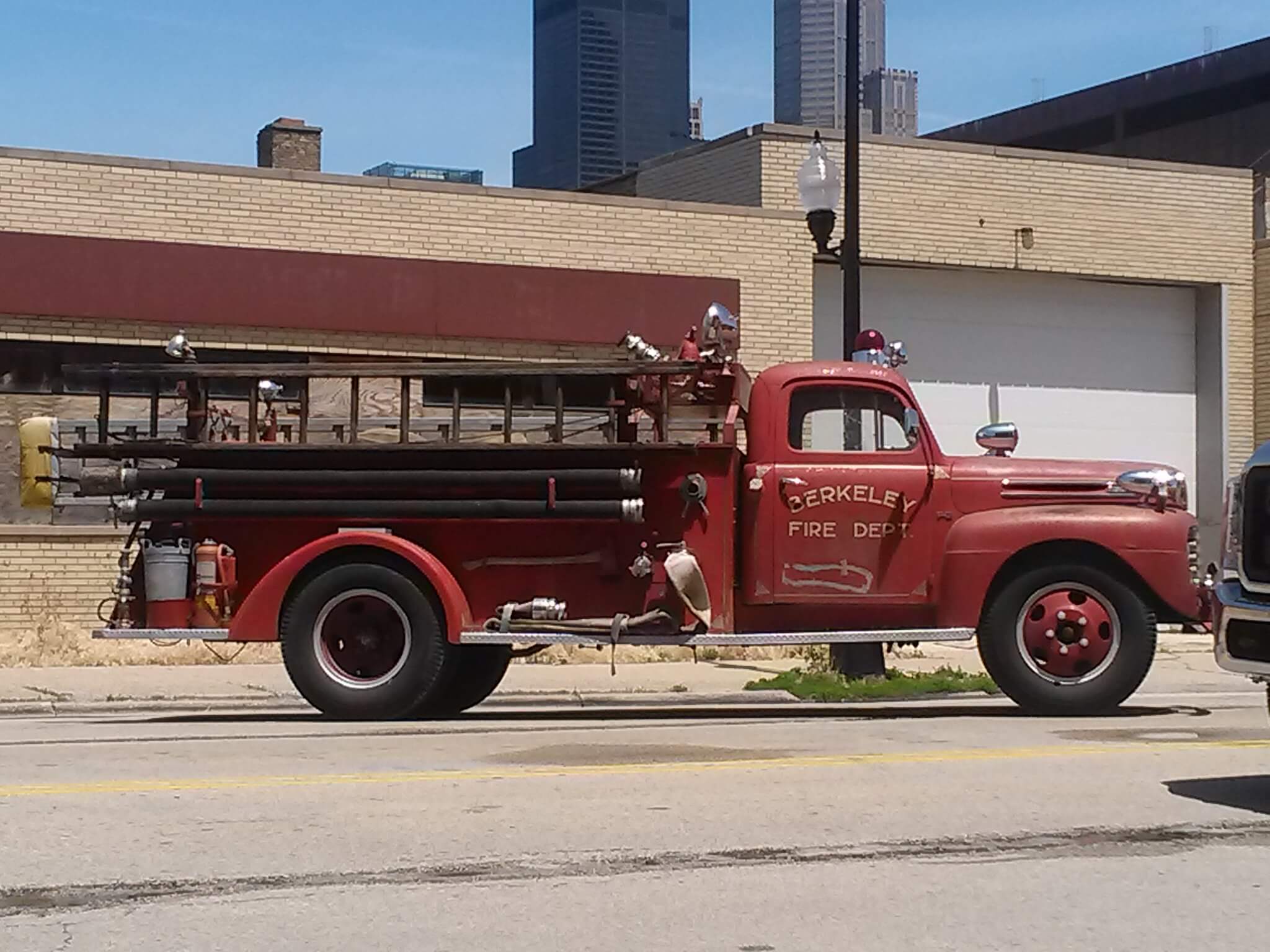
Fire musters are competitive events in which departments race antique steam pumpers, hand-drawn hose carts, and bucket brigades against each other, preserving skills and equipment from the pre-motorized era of firefighting. Musters are held in towns across the country, often as part of larger community festivals, and some antique apparatus used in competition dates back more than a century.
Honor Guard Units
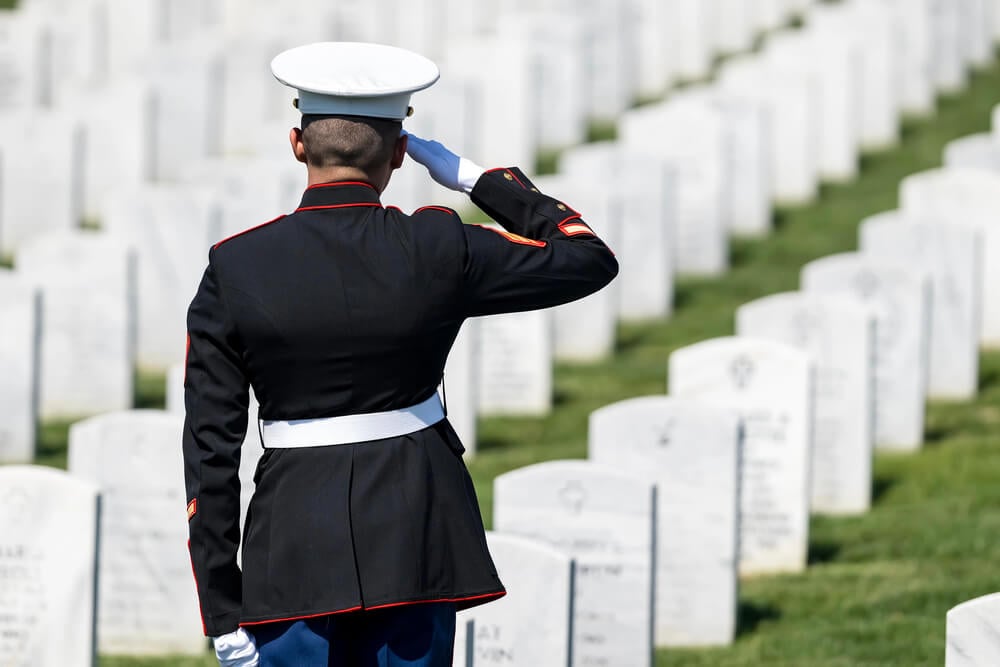
Most large fire and police departments maintain a dedicated honor guard, a unit trained specifically in ceremonial drill, flag folding, and funeral procedure, called upon for line-of-duty deaths, retirements, and civic events. Honor guard members often volunteer for the role in addition to their regular duties and train separately to maintain the precision the ceremonies require.
Hydrant Painting for Retirees
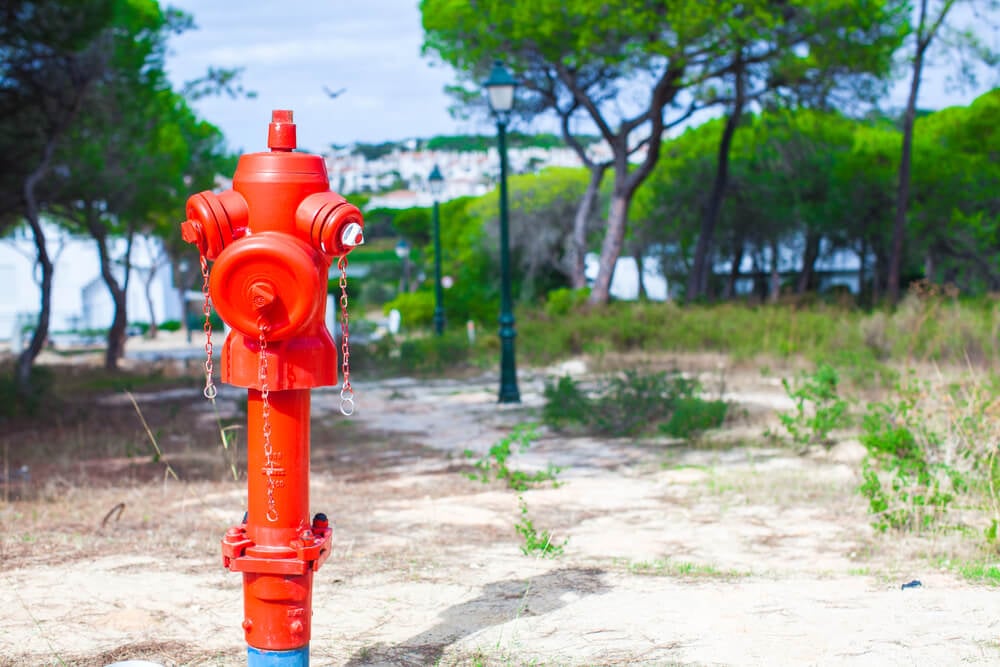
In some departments, a fire hydrant near a retiring member’s home station is repainted in their honor, sometimes bearing their name, badge number, or years of service. The custom is informal and varies widely by department, but it has become a recognized way for a company to mark a career’s end without a formal ceremony.
Closing the Book on a Watch

The traditions above are not about efficiency, and none of them are required by any manual. They persist because the people who show up for the worst moments in a stranger’s life need their own moments, too, ones built specifically to carry grief and pride at the same time.
What holds these customs together across so many decades and so many different departments is repetition. The same bell pattern, the same folded flag, the same bagpipe tune, performed the same way whether the department has twelve members or twelve thousand, so that no loss is marked as smaller than another.
More from Go2Tutors!

- The Romanov Crown Jewels and Their Tragic Fate
- 13 Historical Mysteries That Science Still Can’t Solve
- Famous Hoaxes That Fooled the World for Years
- 15 Child Stars with Tragic Adult Lives
- 16 Famous Jewelry Pieces in History
Like Go2Tutors’s content? Follow us on MSN.