27 Forgotten Basketball Teams That Once Existed
Pro hoops in America did not arrive fully formed. It was assembled from factory teams, dance hall attractions and arena owners with empty winter dates, and most of those early clubs are gone.
Some lasted a single season. A few won championships before disappearing, and one never played a game that counted.
Toronto Huskies
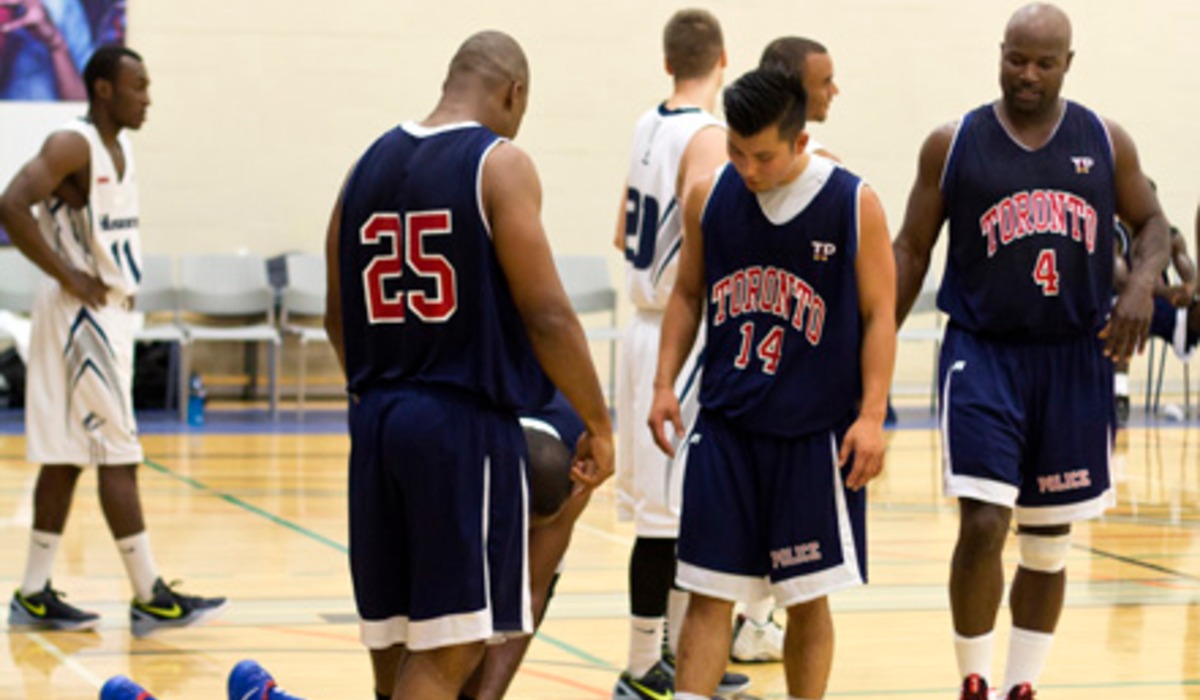
The league that became the NBA played its first game in Canada. On November 1, 1946, the Huskies hosted the New York Knickerbockers at Maple Leaf Gardens and lost 68-66 before a crowd of 7,090, with New York’s Ossie Schectman scoring the opening points.
A promotion offered free admission to anyone taller than George Nostrand, the tallest Husky at six feet eight. The novelty wore off quickly.
Player-coach Ed Sadowski quit about a month in, the club finished 22-38, and it folded on July 27, 1947. Toronto waited almost half a century for another NBA team.
Chicago Stags
Chicago’s first entry in the BAA reached the 1947 championship series, losing to the Philadelphia Warriors in five games, and stayed competitive for four seasons behind guard Max Zaslofsky. Winning did not fill Chicago Stadium, and the club folded in 1950.
Its most lasting contribution came afterward. Three Stags were left unclaimed in the dispersal, and the Celtics, Knicks and Warriors settled the matter by drawing names from a hat.
Boston owner Walter Brown reportedly wanted Zaslofsky and got a rookie named Bob Cousy instead. Cousy had never played a minute for Chicago, which held his rights through a trade with Tri-Cities.
Providence Steamrollers
No NBA team has won fewer games in a season than the 1947-48 Steamrollers, who went 6-54 at the Rhode Island Auditorium. The 2011-12 Charlotte Bobcats posted a slightly higher winning percentage, but the raw total of six still sits at the bottom of the record book.
That same winter, coach Nat Hickey activated himself for two games. He was two days short of his 46th birthday in the second one, which still makes him the oldest player in league history.
Providence won 12 games the next year and folded in 1949, just as the BAA and NBL were merging.
Washington Capitols
Red Auerbach’s first pro coaching job was in Washington, where his 1946-47 Capitols went 49-11 and then lost in the playoffs to Chicago. The club reached the 1949 championship series against Minneapolis and lost again, after which Auerbach moved on.
Its place in history was secured on October 31, 1950, when rookie forward Earl Lloyd took the floor in Rochester and became the first Black player to appear in an NBA game. The schedule put him one day ahead of Boston’s Chuck Cooper.
Lloyd was called into the Army soon afterward, and the Capitols folded in January 1951.
Baltimore’s Original Bullets
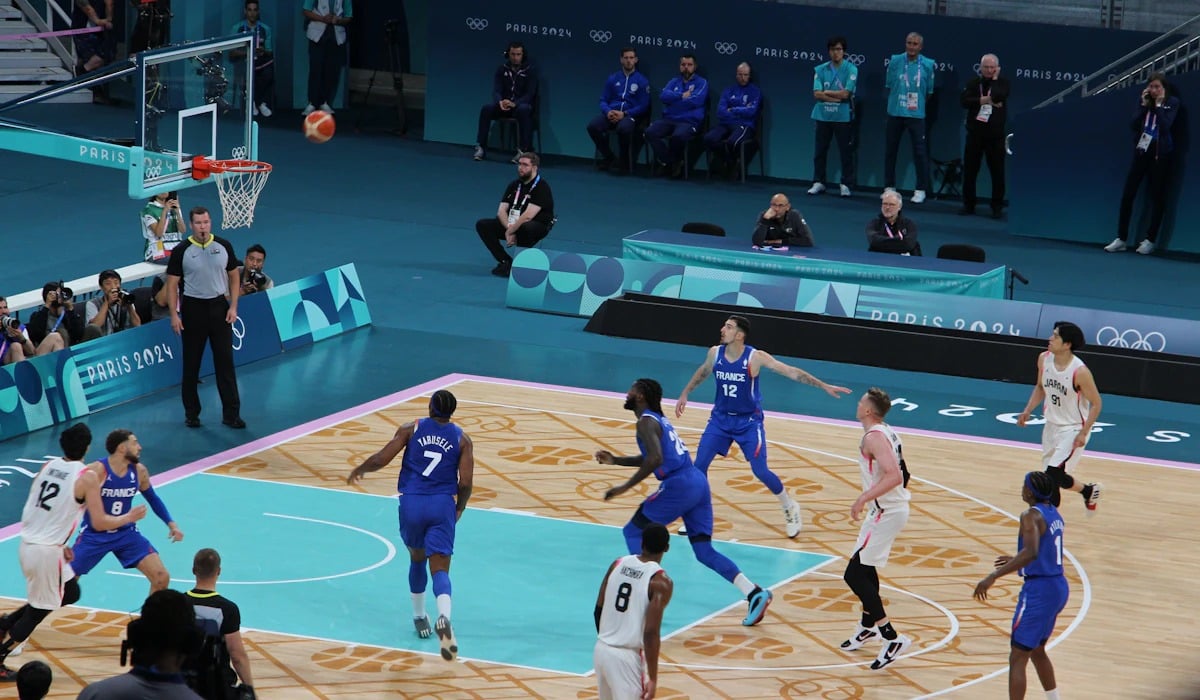
The Bullets joined the BAA from the smaller ABL in 1947 and won the championship in their first season, beating Philadelphia in six games under player-coach Buddy Jeannette. That 1948 title remains a curiosity, since no other club that won the league’s championship has gone out of business.
The decline afterward was steady. By the fall of 1954 the team was 3-11 and out of money, and it disbanded on November 27 with the season under way.
No NBA franchise has folded since. The later Baltimore Bullets, who arrived from Chicago in 1963, borrowed the name and nothing else.
Anderson Packers
Anderson, Indiana, a factory town northeast of Indianapolis, had a team because two local meatpackers, brothers Ike and John Duffey, wanted one. Their Duffey Packers won the NBL’s last championship in 1949 and were absorbed into the new NBA that summer.
Anderson then went 37-27 and advanced through two playoff rounds before losing to George Mikan’s Minneapolis Lakers. It was a strong showing and it made no difference.
The larger markets wanted the small towns gone, and the Packers left after one season for a short-lived rival circuit. They disbanded in 1951.
Sheboygan Red Skins
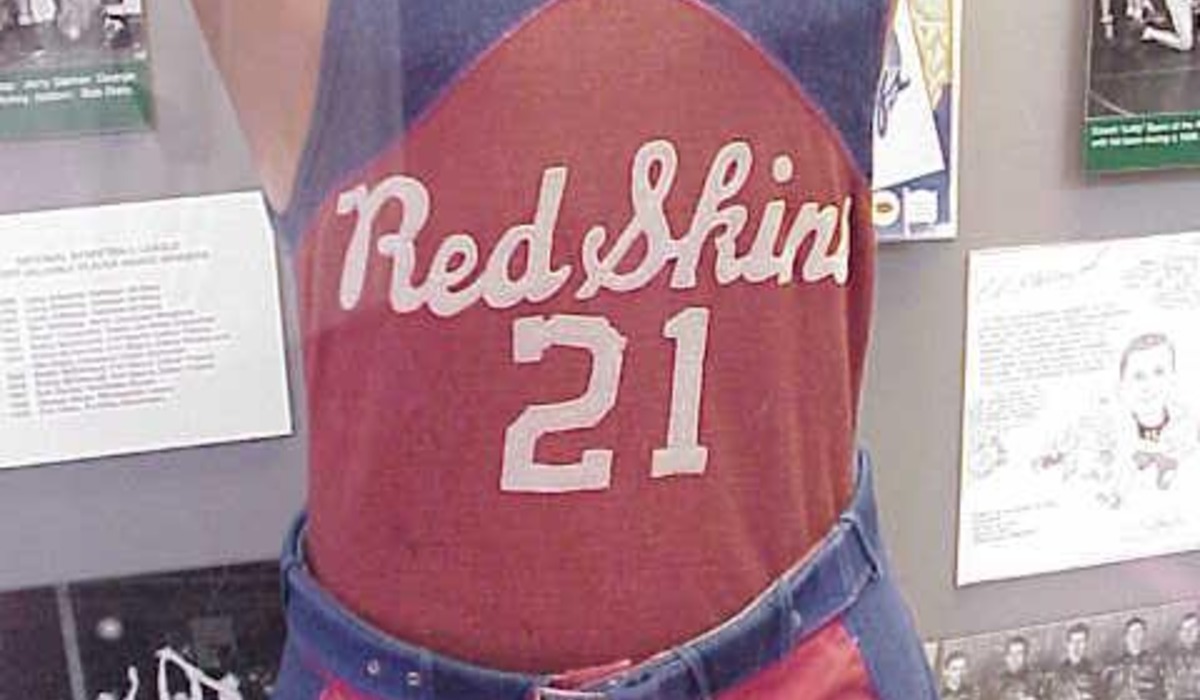
Sheboygan, Wisconsin, had roughly 42,000 residents when its team spent the 1949-50 season in the NBA. The Red Skins were NBL veterans, champions in 1943 and frequent finalists, and they played in a lakefront municipal armory that held about 3,500.
At home they were a problem for anyone. On the road they were far less dangerous, and the club finished 22-40, though it still qualified for the playoffs before losing to Indianapolis.
Bigger-city owners pressed the smallest markets to leave after that season. Sheboygan moved to a rival league, then played as an independent before folding in 1952.
Waterloo Hawks
Iowa has had one NBA team, and it lasted one season. The Waterloo Hawks came over from the NBL in the 1949 merger, played at a fairgrounds arena called the Hippodrome and went 19-43 in 1949-50.
Their center, Harry Boykoff, had been a scoring star at St. John’s in New York and was among the taller players of his day.
Waterloo was squeezed out along with Anderson, Sheboygan and Denver when the league shrank from 17 teams to 11. The Hawks spent one more winter in a rival league and then disbanded, leaving a trivia answer behind.
Denver’s First Nuggets
The Nuggets name is older than the current franchise by a generation. Denver’s original club grew out of the city’s powerful amateur scene, turned pro in the NBL in 1948 and entered the NBA a year later as its westernmost outpost by a wide margin.
Travel was punishing and the results matched, with an 11-57 record that was the worst in the league in 1949-50. The team dropped out after that single season.
Today’s Nuggets have no corporate link to it. They began in the ABA in 1967 as the Rockets and adopted the old name in 1974, ahead of the move to the NBA.
Indianapolis Olympians
Five University of Kentucky players, four of them gold medalists at the 1948 London Olympics, were handed their own NBA franchise in 1949 and allowed to own shares in it. Alex Groza and Ralph Beard made the Olympians a division winner in their first season.
On January 6, 1951, they beat Rochester 75-73 in six overtimes, still the longest game in league history. That October, Groza and Beard were arrested for shaving points while in college, and league president Maurice Podoloff banned both for life.
The club limped on without its two best players and folded in 1953.
Indianapolis Kautskys
Frank Kautsky ran a grocery in Indianapolis and sponsored a team that carried his name, amateur at first and professional by the early 1930s. One of his guards was a high school teacher named John Wooden, who is often credited with making 134 consecutive free throws for the club long before he coached UCLA.
The Kautskys were charter members of the NBL in 1937 and won the World Professional Tournament in Chicago in 1947. A jump to the BAA in 1948 required a new name, since that league frowned on sponsor branding.
As the Jets they went 18-42 and were gone within a year.
Oshkosh All-Stars
For a stretch before World War II, one of the best pro teams in America played in a Wisconsin city of about 40,000. Oshkosh reached the NBL championship series five straight times from 1938 to 1942 and won the title in 1941 and 1942.
The centerpiece was Leroy Edwards, a burly former Kentucky center nicknamed Cowboy who led the league in scoring in its first three seasons. His dominance near the basket is often cited as one reason the three-second rule exists.
The All-Stars lasted all twelve NBL seasons, lost the final championship series to Anderson in 1949 and never played an NBA game.
Akron Firestone Non-Skids
Firestone named its team after a tire tread. Like its crosstown rival Goodyear, the company fielded a squad whose players held jobs at the plant, and the Non-Skids took the NBL championship in both 1939 and 1940.
Goodyear’s Wingfoots had won the league’s first title in 1938, which gave Akron three straight championships in a sport then run largely by industrial sponsors. A paycheck from a rubber company was steadier than anything a pro promoter could offer.
Firestone pulled its team out in 1941 as the country moved toward war production, and the rubber capital’s run at the top ended.
Chicago American Gears
Maurice White owned a gear manufacturing company and a team named for it, and in 1946 he signed DePaul center George Mikan to what was reported as one of the richest contracts the sport had seen. Mikan held out for part of that first season in a pay dispute, returned, and carried the Gears to the 1947 NBL title over Rochester.
White then overreached. He pulled out of the NBL to launch a league of his own, with clubs scattered across the Midwest and South.
It collapsed within about a month that fall with the Gears unbeaten at 8-0. Mikan landed in Minneapolis, where a dynasty followed.
New York Renaissance
Bob Douglas founded the Rens in 1923 and named them for the Renaissance Casino in Harlem, where games were followed by dancing. The all-Black club spent most of its life on the road, barred from the major leagues and often from hotels and restaurants, and it won anyway.
A streak of 88 consecutive victories in 1932-33 is the best known figure. In 1939 the Rens took the first World Professional Tournament in Chicago.
Their only league season came late and far from home, as the Dayton Rens of the NBL in 1948-49, finishing a schedule that a folded Detroit team had abandoned.
Philadelphia SPHAs
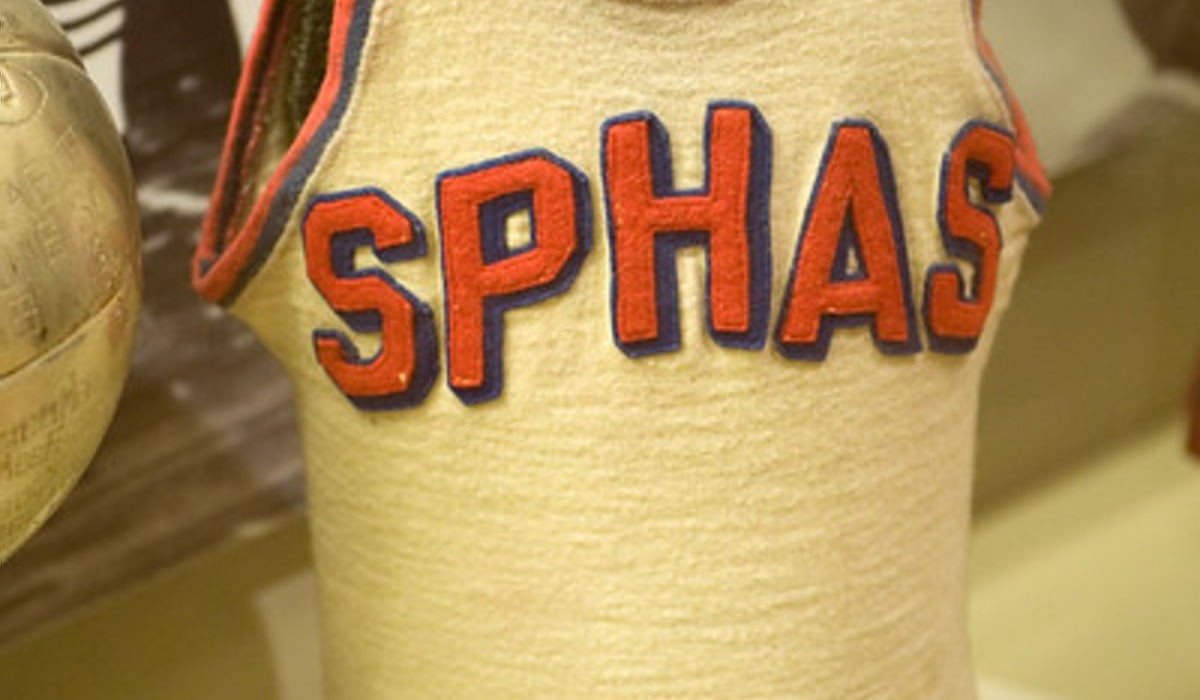
Their initials stood for the South Philadelphia Hebrew Association, and the team founded by Eddie Gottlieb and two friends in 1918 kept them long after the association dropped its sponsorship. In the 1930s and 1940s the SPHAs won seven ABL championships, playing Saturday nights at the Broadwood Hotel, where the floor was cleared afterward for a dance.
Tickets were said to cost less for women. Gottlieb went on to run the Philadelphia Warriors, and the SPHAs became a touring opponent for the Harlem Globetrotters.
Red Klotz later took over the club and turned it into the Washington Generals.
New York’s Original Celtics
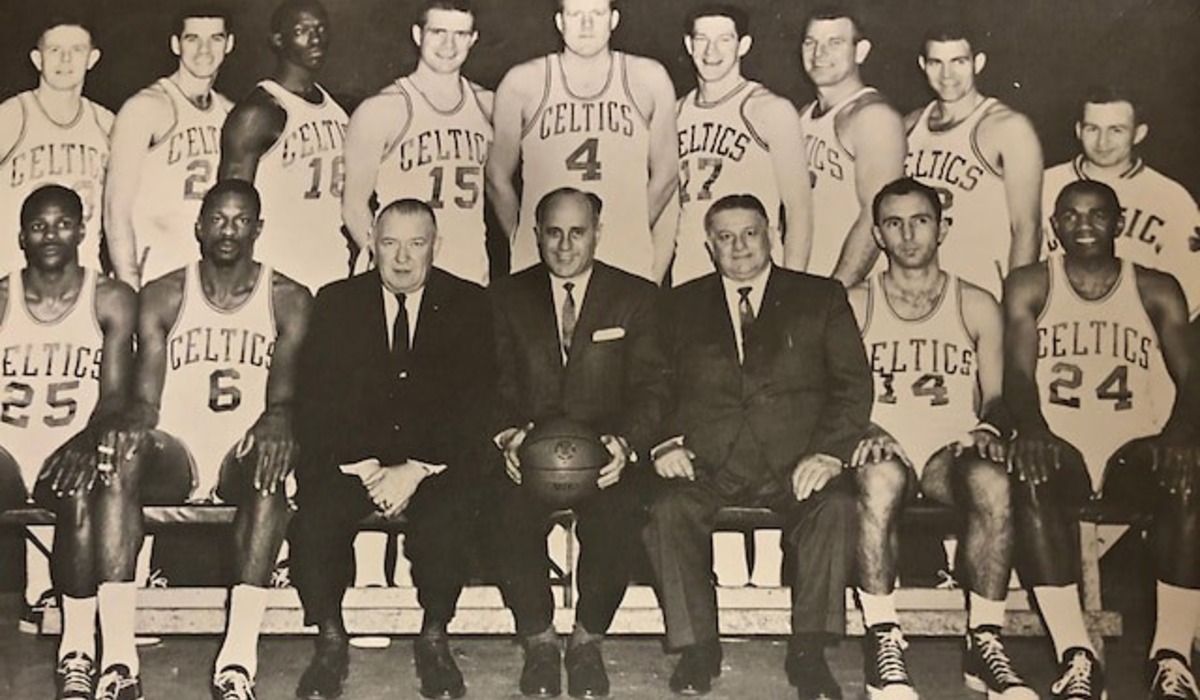
Boston’s team took the name, but the Celtics who mattered in the 1920s came from the West Side of Manhattan. Reorganized after World War I by promoter Jim Furey, the Original Celtics signed players to exclusive season-long contracts at a time when most pros sold their services night by night.
Keeping Nat Holman, Joe Lapchick and Dutch Dehnert together produced something new, including the pivot play run through Dehnert with his back to the basket. They won ABL titles in 1927 and 1928.
The league then broke the roster up, reasoning that a team nobody could beat was bad for business.
Cleveland Pipers
George Steinbrenner was 30 when he bought an industrial league team in Cleveland, more than a decade before he owned the Yankees. His coach, John McLendon, is widely recognized as the first Black head coach in a major pro league, and the Pipers won the 1961 national AAU title before joining the new ABL.
McLendon left during the 1961-62 season, and Bill Sharman finished the job, beating the Kansas City Steers three games to two for the championship. Steinbrenner then signed Ohio State’s biggest star and applied to enter the NBA.
Payments to the league went unmade, and the club never played again.
Spirits of St. Louis
Two seasons in the ABA produced one great playoff upset, over the defending champion New York Nets in 1975, and the most lucrative exit in sports business. When four ABA clubs joined the NBA in 1976, the Spirits were left out, and owners Ozzie and Daniel Silna negotiated a one-seventh share of each of those teams’ national television money instead of a simple buyout.
The agreement had no end date. It paid the brothers for nearly four decades until the NBA bought most of it out in 2014 for a reported 500 million dollars.
The team’s young radio announcer, Bob Costas, also did well.
Kentucky Colonels
Louisville supported the Colonels for all nine ABA seasons, and the team is generally credited with more victories than any other club in that league’s history. Artis Gilmore, Dan Issel and Louie Dampier won the 1975 championship over Indiana under coach Hubie Brown.
A year later the franchise was gone. Owner John Y.
Brown Jr., who had made his fortune with Kentucky Fried Chicken, accepted a buyout of about 3 million dollars instead of paying to join the NBA, then bought into the Buffalo Braves. Gilmore went to Chicago in the dispersal draft, and Louisville has not had a top-level pro team since.
Pittsburgh Pipers and Condors
Pittsburgh won the first ABA championship in 1968 with a team built around Connie Hawkins, a Brooklyn forward who had been shut out of the NBA over a college gambling investigation in which he was never charged. Hawkins was the league’s most valuable player, and the Pipers beat New Orleans in seven games.
Ownership then moved the champions to Minnesota. They came back a year later, changed their name to the Condors in 1970 and tried one promotion after another to draw crowds to the Civic Arena.
Nothing worked, and the franchise was shut down in 1972.
Minnesota Muskies
Minneapolis housed the ABA’s league office in 1967 because commissioner George Mikan lived there, and the Twin Cities got a team to match. The Muskies were good.
They went 50-28 in 1967-68 behind Mel Daniels, the league’s rookie of the year, and reached the division finals before losing to Pittsburgh. Few people watched at the Met Center in Bloomington, and the owners reported heavy losses.
After one season the club moved to Miami and became the Floridians, and Daniels was sold to Indiana, where he won two most valuable player awards. Minnesota’s replacement team lasted one year as well.
Virginia Squires
Julius Erving and George Gervin both began their pro careers with the same team, and it sold them both. The Squires, who had arrived from Oakland by way of Washington, split home games among Norfolk, Hampton, Richmond and Roanoke beginning in 1970.
Erving signed in 1971 after leaving the University of Massachusetts early and was sent to the New York Nets two years later. Gervin went to San Antonio in 1974.
Stripped of talent, Virginia sank to the bottom of the standings and folded in May 1976, only weeks before the merger it had been trying to survive long enough to see.
Baltimore Claws
Baltimore’s ABA team existed for a few weeks in the fall of 1975 and never played a game that counted. A Maryland group bought the Memphis Sounds, first announced the team as the Hustlers and changed the name under pressure.
A deal for Kentucky star Dan Issel fell apart when the 500,000 dollars owed to the Colonels never arrived. The Claws lost all three of their preseason games, the last before roughly 500 people at a small college arena.
The ABA expelled the club on October 20, days before opening night. Players later recalled being told to take office furniture in place of pay.
Utah Stars
Salt Lake City’s first major pro team won a championship in its first season there. The Stars arrived from Los Angeles in 1970, and with center Zelmo Beaty in the middle and Bill Sharman coaching, they beat Kentucky in seven games for the 1971 ABA title.
In 1974 the club signed Moses Malone directly out of Petersburg High School in Virginia, a move that was rare enough to make national news. The money ran out anyway.
Utah folded in December 1975, a few weeks into the season, and the Jazz did not arrive from New Orleans until 1979.
Oakland Oaks
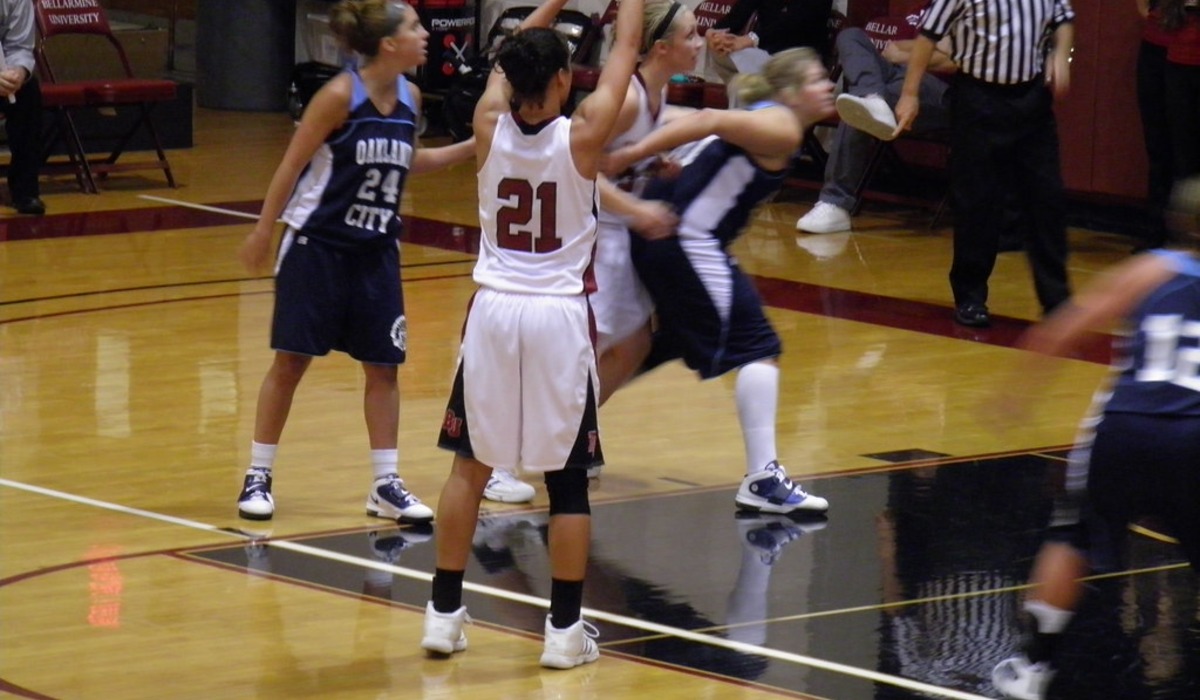
Singer Pat Boone was a part owner, and the biggest signing, Rick Barry, could not play. Barry had jumped from the NBA’s San Francisco Warriors across the bay, and a court ruling kept him off the floor for the entire 1967-68 season, which the Oaks finished in last place.
When he finally suited up the next year, Oakland went 60-18 and won the ABA championship over Indiana under coach Alex Hannum, even though Barry missed much of the season with a knee injury. Crowds stayed small.
The champions were sold that summer and moved to Washington after two seasons in town.
San Diego Conquistadors
San Diego’s expansion team, the only one the ABA ever added, spent its first two seasons locked out of the city’s main arena by an operator who had wanted the franchise himself. The Conquistadors, known locally as the Q’s, played instead in a 3,200-seat college gym and then a downtown convention hall.
In 1973 owner Leonard Bloom gave Wilt Chamberlain a reported 600,000 dollars to be player-coach. The Lakers sued to stop him from playing, so one of the great scorers of any era stood on the sideline for a 37-47 season.
Renamed the Sails in 1975, the club folded that November at 3-8.
Franchises Are Only as Permanent as Their Payroll
Read in order, these stories trace how a regional pastime sorted itself into a business. Factory sponsors gave way to arena owners, small towns gave way to big ones, and rival leagues rose mostly to be absorbed.
Each round left clubs behind, including several that were plainly good enough to stay.
Very little of it was wasted. The names, players, rules and even a television contract carried forward into the league that survived, usually without credit.
A championship in Oshkosh or Oakland counted for as much on the night it happened as any banner hanging today. Permanence, in this sport, has mostly been a matter of who could afford the next season.
More from Go2Tutors!

- The Romanov Crown Jewels and Their Tragic Fate
- 13 Historical Mysteries That Science Still Can’t Solve
- Famous Hoaxes That Fooled the World for Years
- 15 Child Stars with Tragic Adult Lives
- 16 Famous Jewelry Pieces in History
Like Go2Tutors’s content? Follow us on MSN.