27 Gym Class Activities Schools Stopped Running
Physical education has changed dramatically over the past few decades, shaped by shifting safety standards, liability concerns, and changing ideas about what actually builds fitness. Plenty of activities that were once weekly staples of gym class have quietly disappeared from school schedules altogether.
Here are 27 of them.
Rope Climbing
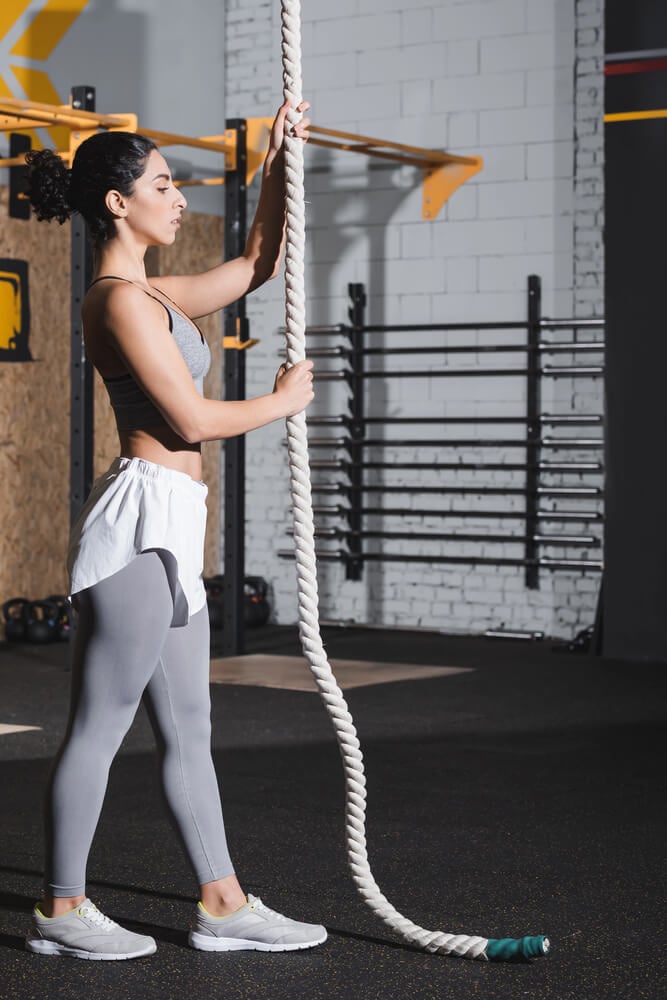
Climbing a thick knotted rope suspended from the gymnasium ceiling, often timed and graded, was a standard fitness test in American schools for much of the 20th century. It required significant upper-body strength that many students simply didn’t have, making it a source of dread for years.
Liability concerns around falls led most schools to remove climbing ropes from their equipment entirely.
The Presidential Fitness Test
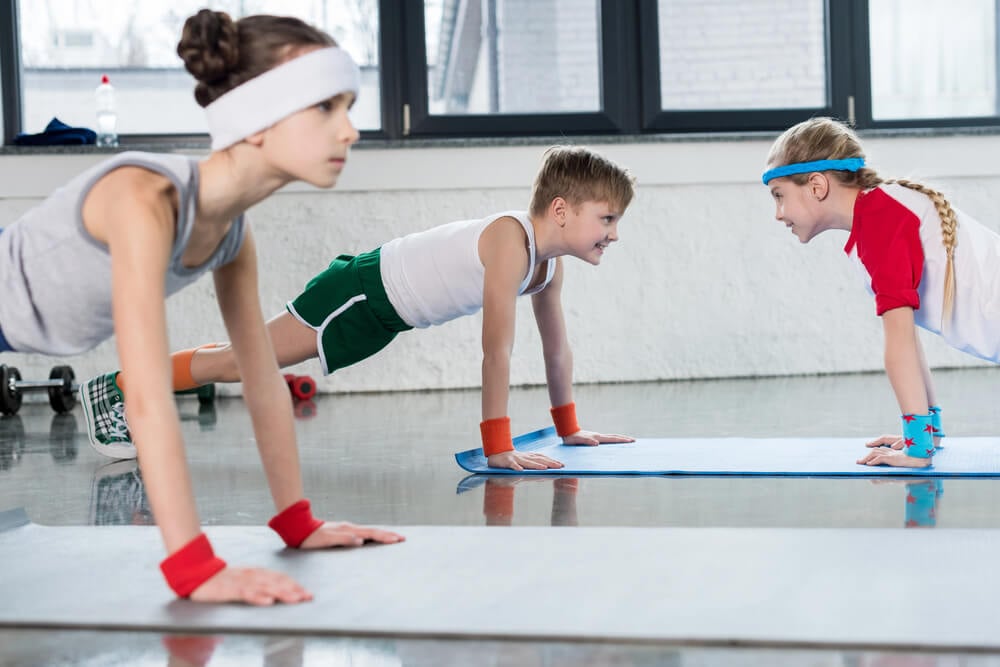
Introduced in 1966, this annual battery of exercises included a shuttle run, sit-ups, pull-ups, and a timed mile, with results compared against national benchmarks and the best performers awarded a certificate. It was replaced in 2012 by a program that measured health indicators like cardiovascular fitness rather than ranking students against each other competitively.
Many schools moved away from the comparative scoring model that made it memorable, and often uncomfortable, for lower-performing students.
Square Dancing Unit
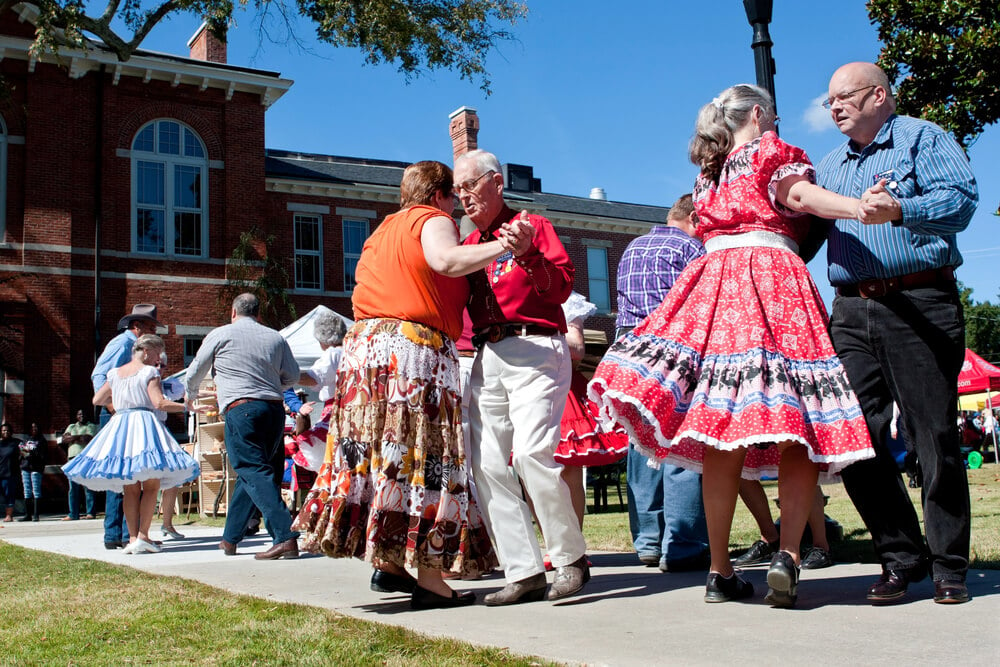
A multi-week square dancing unit, complete with a caller and rotating partners, was a common part of elementary and middle school physical education for decades, often framed as both exercise and a social skill. Many students remember it as an awkward mandatory pairing exercise more than a fitness activity.
It has largely disappeared from modern curricula in favor of more individualized fitness activities.
Maypole Dancing
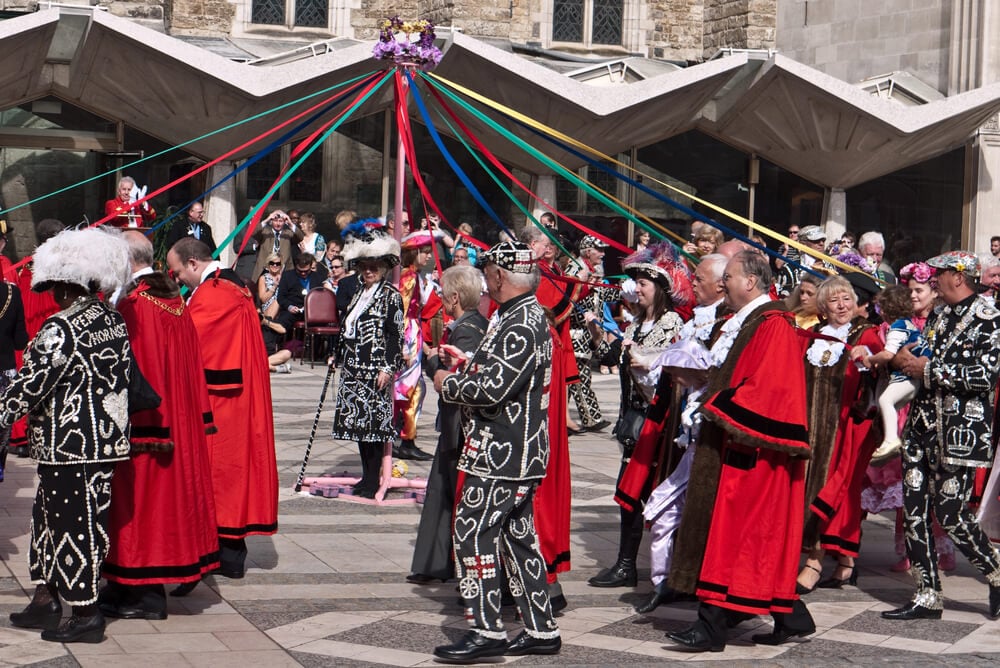
Weaving ribbons around a tall pole in a coordinated group dance, often tied to spring celebrations, was once taught as part of physical education in many elementary schools. It required significant coordination between students moving in opposite directions to avoid tangling the ribbons.
The activity has largely vanished from modern school calendars along with the broader seasonal celebrations it was tied to.
Trampoline Units
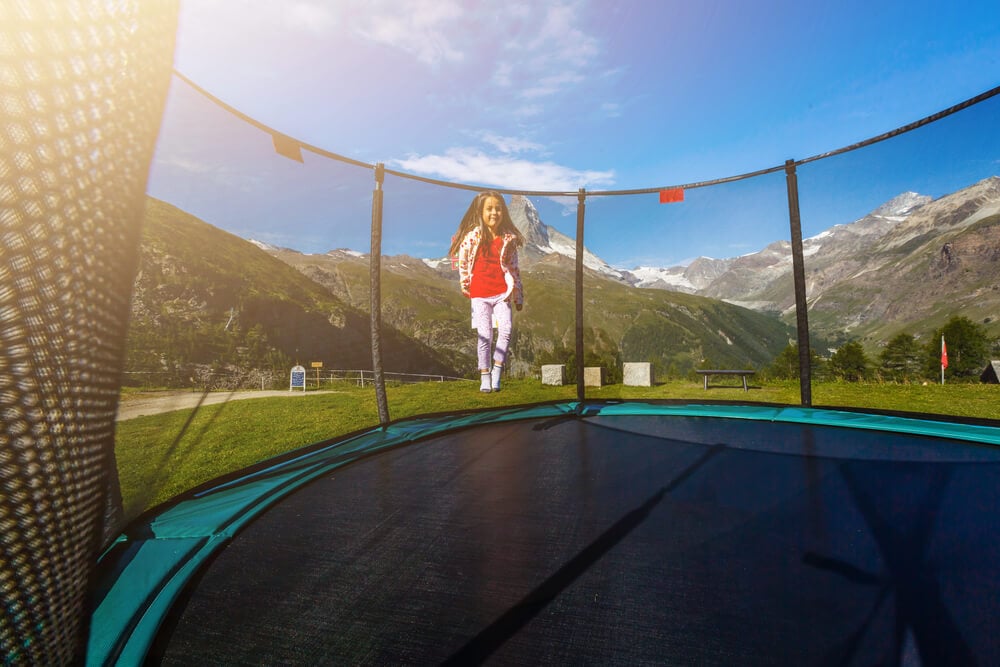
Some schools once included supervised trampoline exercises as part of their gymnastics curriculum, using large mounted trampolines for controlled bouncing and basic aerial skills. Rising injury rates and insurance liability made trampolines one of the first pieces of equipment removed from school gyms nationwide starting in the 1970s and 1980s.
Very few schools still have trampoline equipment in active use today.
Tumbling and Floor Gymnastics
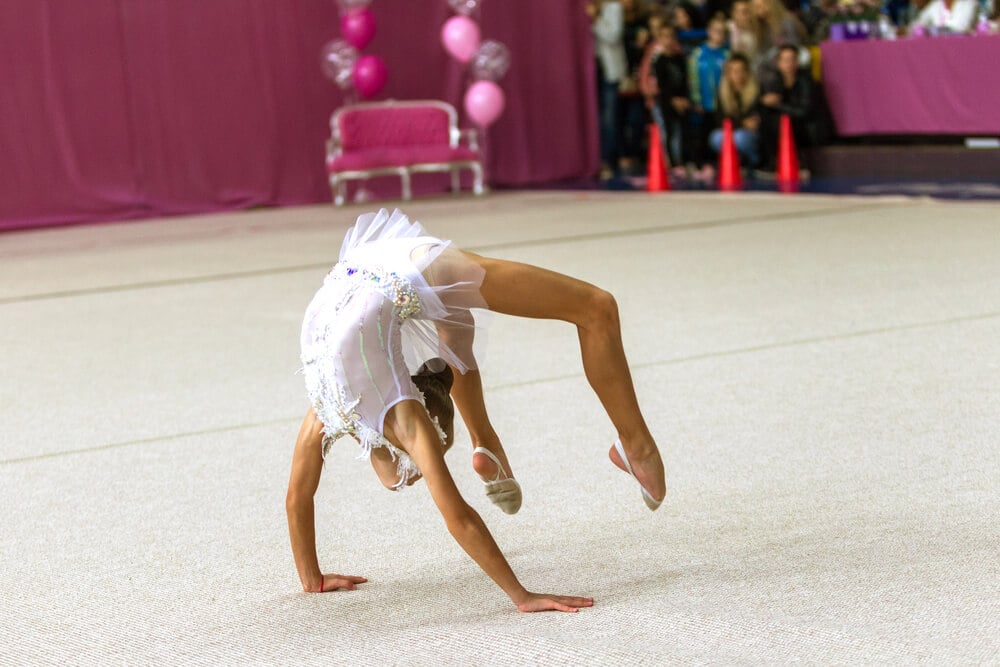
Structured tumbling units teaching forward rolls, cartwheels, and basic floor routines were once a standard part of gym class for weeks at a time. Concerns about injury and the specialized supervision required to teach the moves safely led many schools to scale the unit back dramatically or drop it.
It’s now typically limited to students enrolled in dedicated gymnastics programs outside regular school hours.
Parachute Games
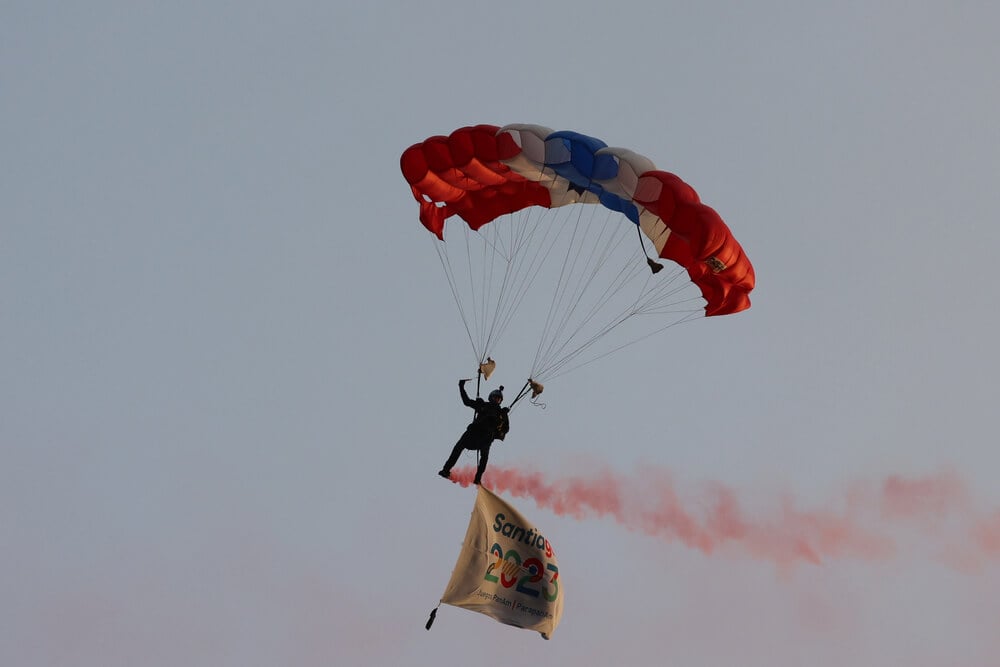
Using a large, colorful parachute that an entire class would hold and manipulate together, creating waves, bubbles, and coordinated movements, was a beloved elementary school activity for generations. It required no specialized skill and worked well for large groups of young children.
It has become less common as elementary physical education shifted toward individual fitness tracking.
Red Rover

This game, in which two lines of students linked arms and called individual players to run and try to break through, was a schoolyard and gym class staple for decades. Concerns over collision injuries eventually led most schools to phase it out entirely.
It’s now largely remembered as a nostalgic rather than active part of physical education.
Duck Duck Goose
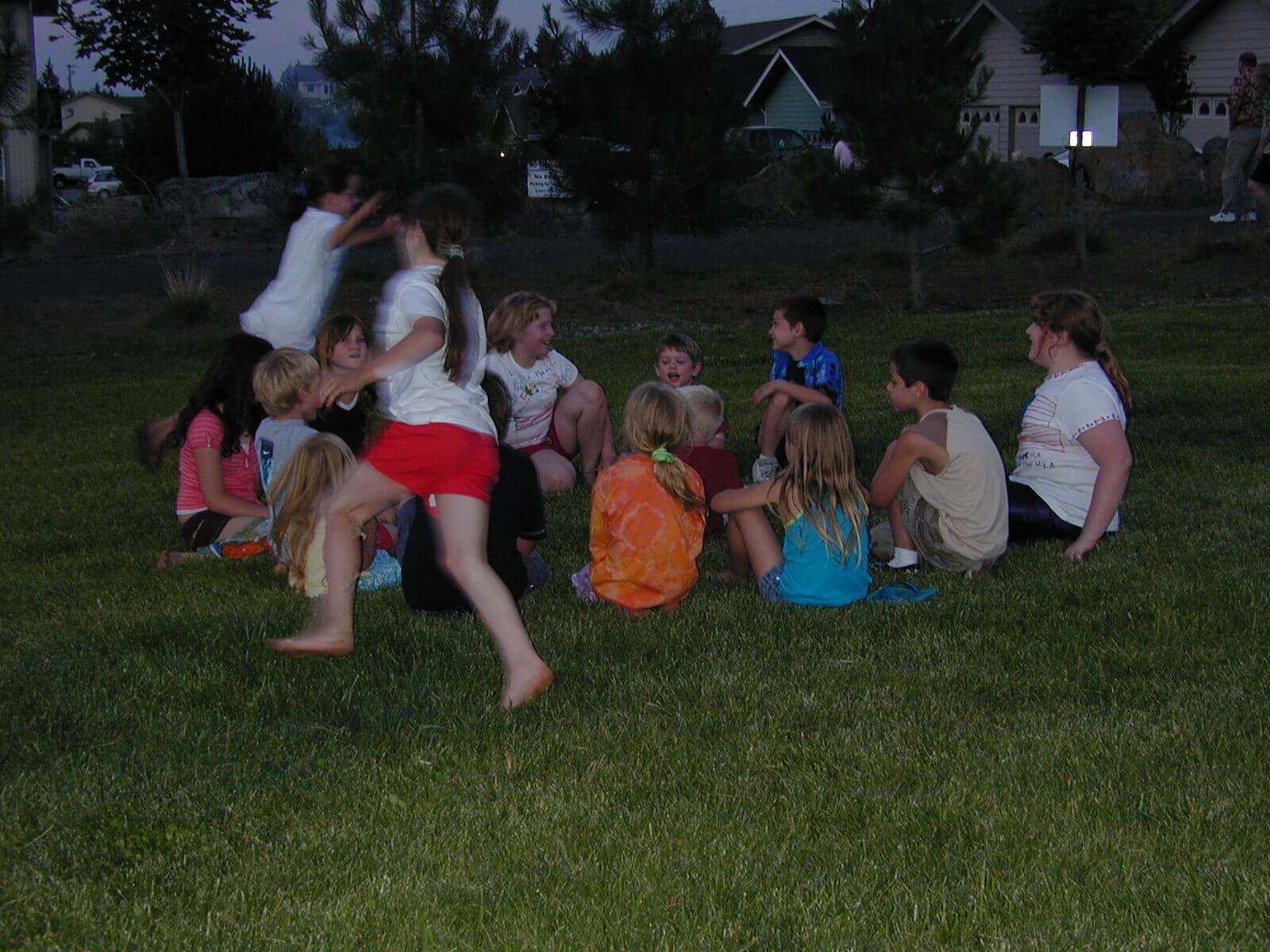
A simple circle game where one student taps others on the head while running around the group, this was a common activity in early elementary physical education classes for generations. Its simplicity made it accessible to very young children with no coordination requirements.
It has become less common as structured, skill-based curricula replaced open-ended circle games.
Steal the Bacon
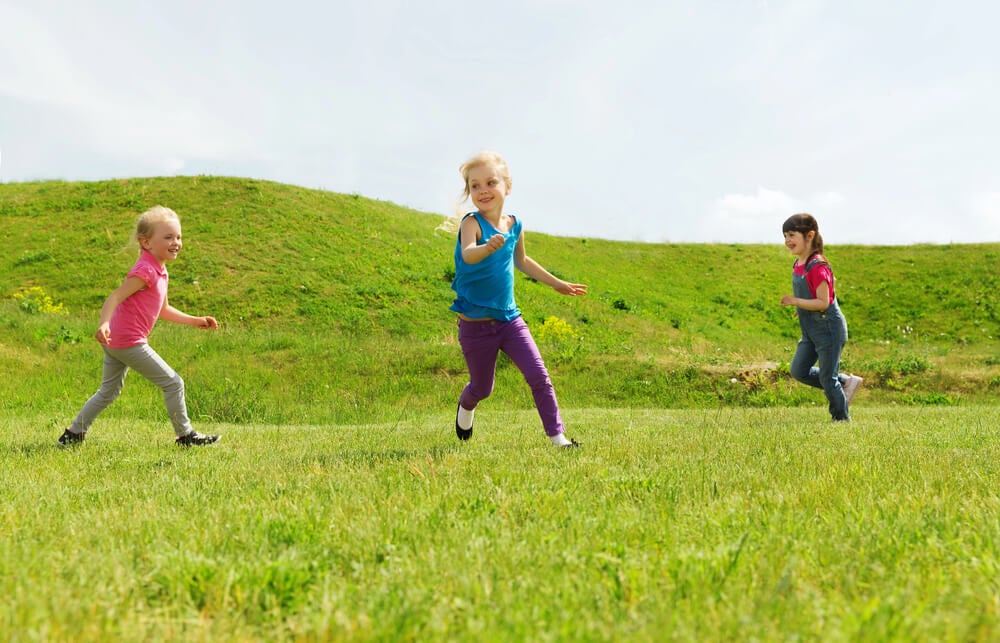
This tag-based game, in which two teams raced to grab an object placed between them without being caught, was once a common gym class activity built around speed and reaction time. Concerns about collisions between opposing players running toward the same object led many schools to discontinue it.
It’s largely disappeared from modern physical education in favor of less contact-heavy alternatives.
Capture the Flag
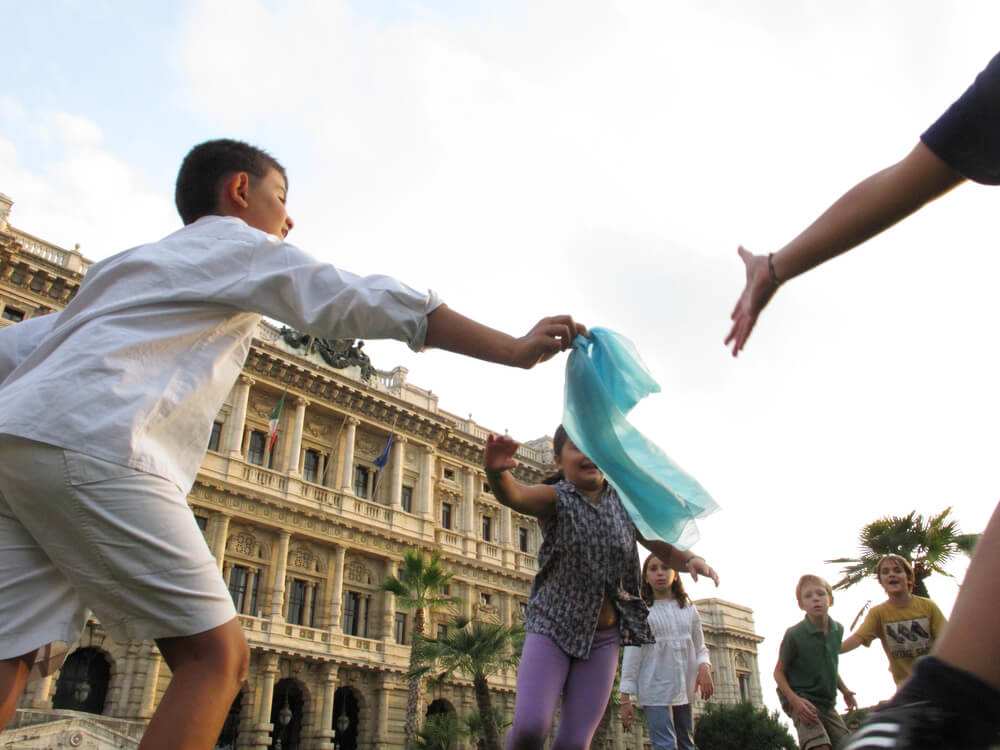
A large-scale team game involving two territories, hidden flags, and a version of tag used to send players to a designated area, capture the flag was once a common way to fill an entire gym or outdoor class period. Its large scale made supervision difficult, and injuries from collisions during chases were common.
Many schools have scaled it back or removed it in favor of smaller, more controlled games.
Relay Races With Batons
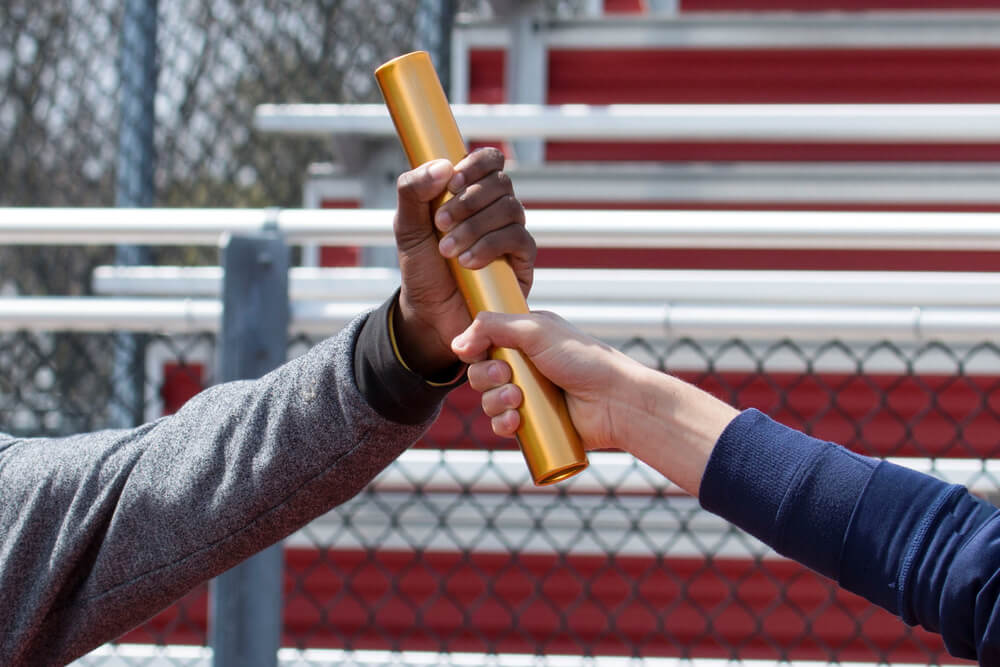
Traditional relay races using a physical baton passed between runners were a common way to teach both speed and teamwork in gym class for decades. Dropped batons and awkward handoffs made the activity frustrating for younger students still developing coordination.
Many schools have replaced baton relays with simpler tag-based relay formats.
Scooter Races
Using low, wheeled plastic scooter boards that students would sit or lie on and propel with their hands, scooter races were a popular gym class activity, particularly for younger students. Collisions and pinched fingers made the activity a frequent source of minor injuries.
Many schools have phased out scooter equipment due to ongoing safety concerns.
Tug of War
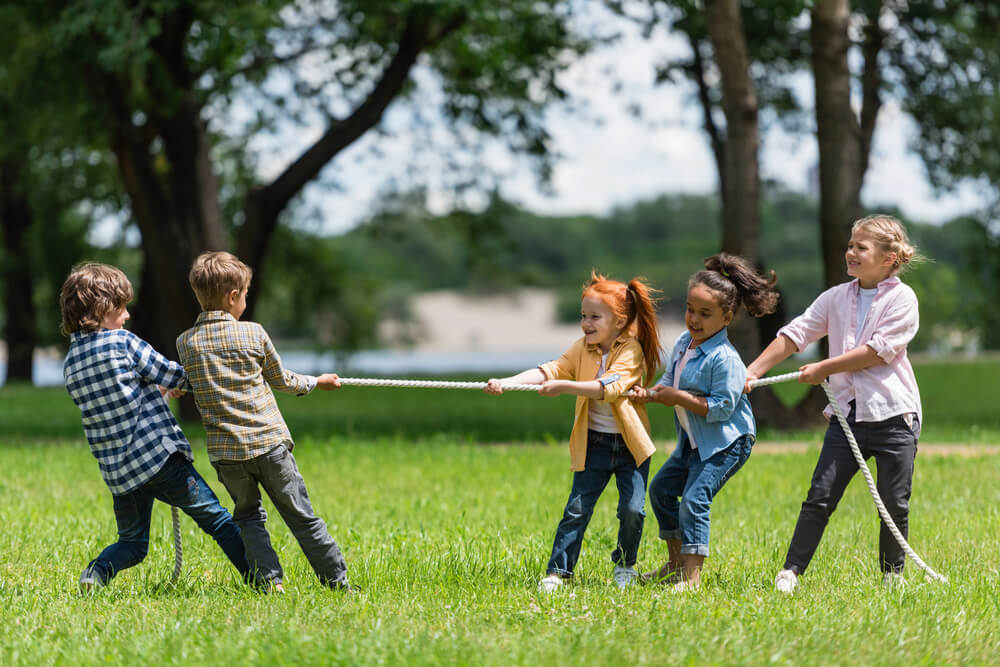
A simple contest of two teams pulling on opposite ends of a rope was a common field day and gym class activity for generations. Reports of rope burns, falls, and occasional more serious injuries from sudden rope snaps or releases led many schools to discontinue the activity.
It now survives mostly as an occasional field day novelty rather than a regular curriculum activity.
Wheelbarrow Races
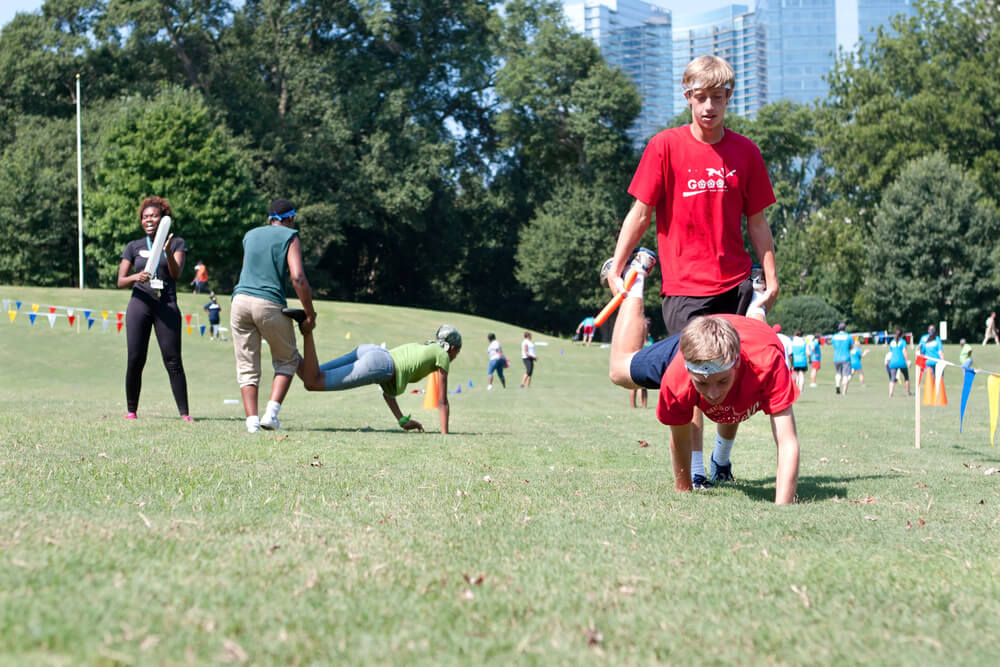
A partner activity in which one student held another’s legs while the second walked on their hands, wheelbarrow races were a common field day and gym class activity for decades. The activity required significant upper-body strength and coordination that not every student had, leading to frequent falls.
It has largely disappeared from modern physical education programs.
Sack Races
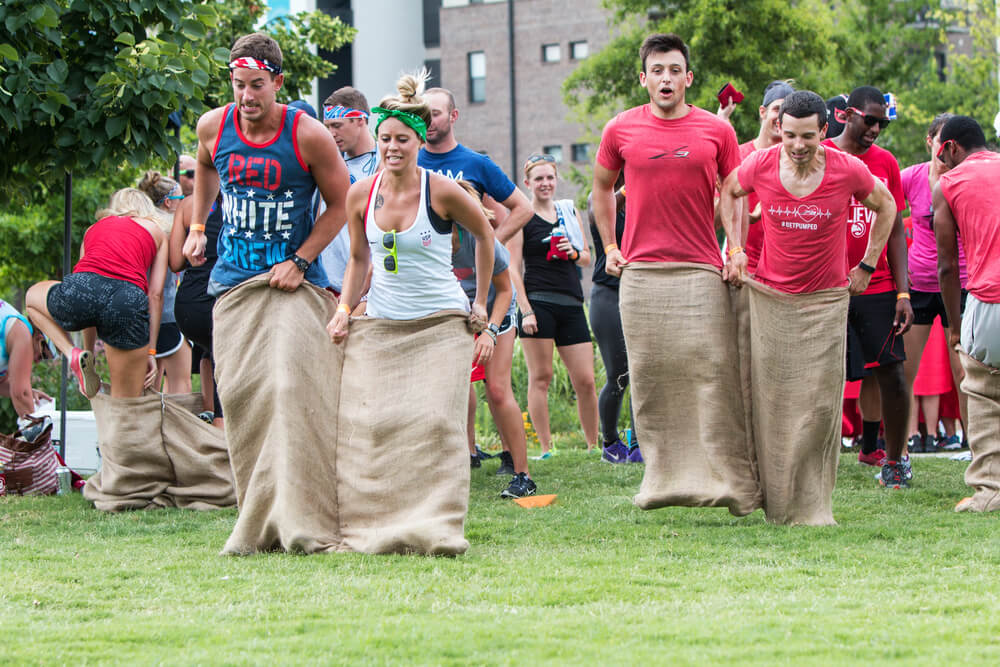
Racing while hopping inside a burlap or cloth sack was a common field day activity tied to gym class programming for generations. Falls were common and considered part of the fun at the time.
It has become rare in modern schools as liability concerns around fall-related injuries increased.
Three-Legged Races
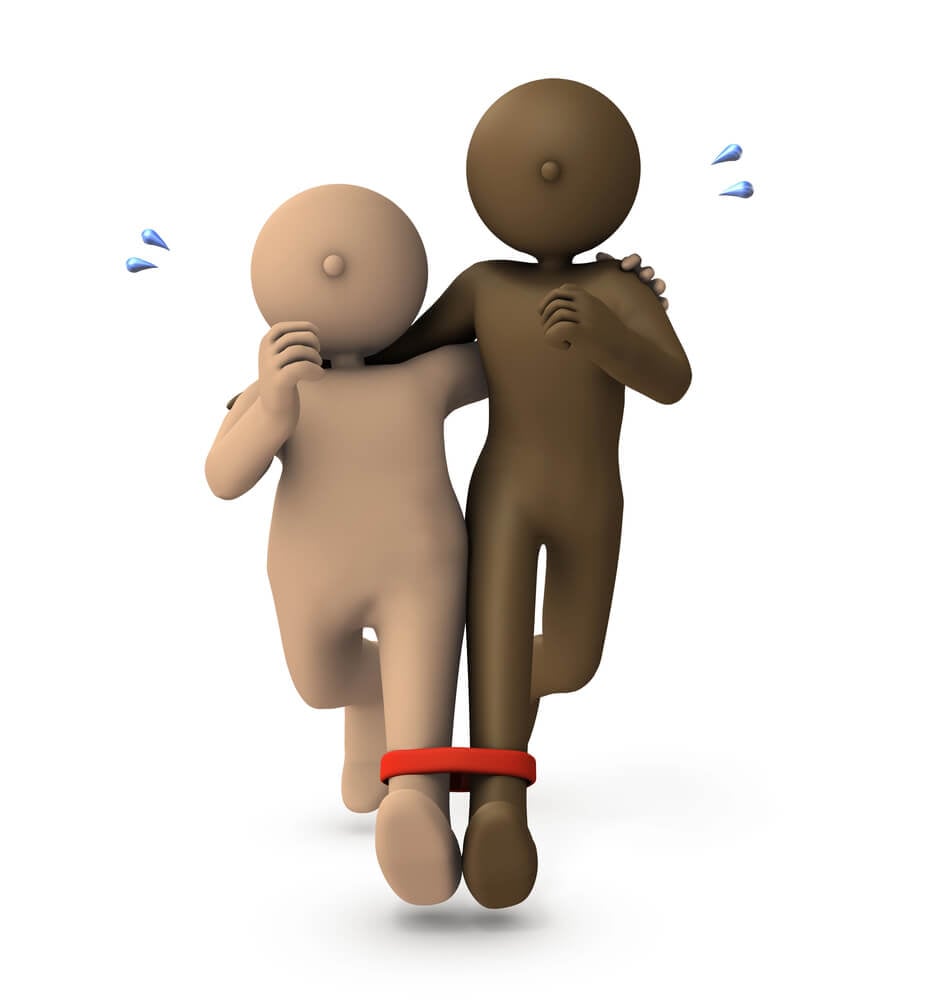
Pairing students together with one leg each tied to a partner’s leg for a coordinated race was a classic field day and gym class activity for decades. The activity required significant trust and coordination between mismatched partners, often leading to falls.
It has largely faded from modern school programming alongside other traditional field day games.
Crab Walk Races
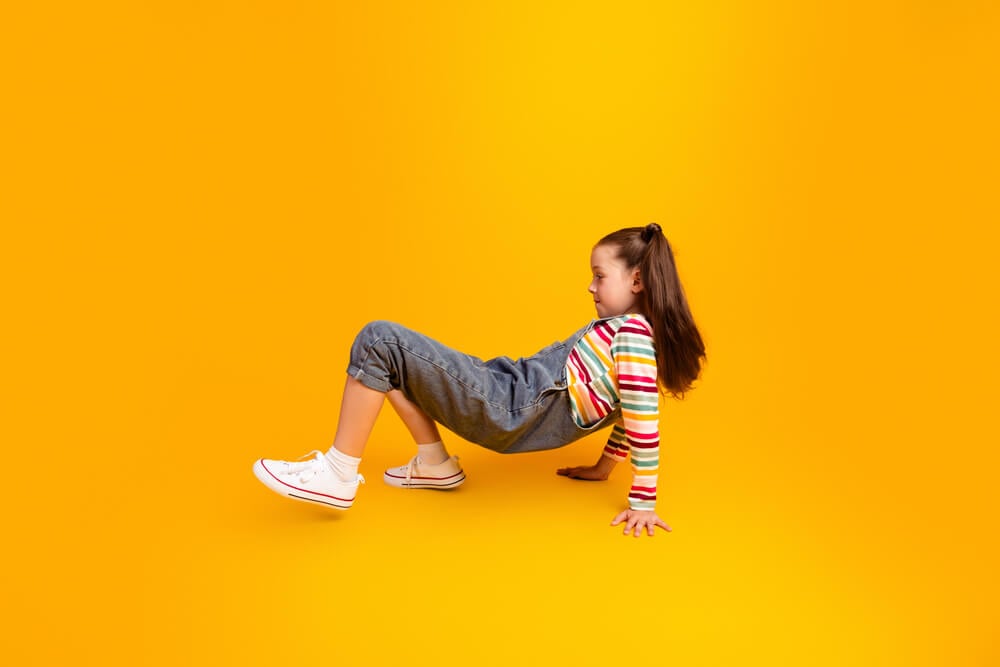
Racing while moving in a crab-walk position, hands and feet on the ground with the stomach facing up, was once a common gym class exercise combining core strength with a competitive element. It required considerable arm and core strength that made it difficult for many students.
It has become far less common as gym curricula shifted toward more structured fitness stations.
Cargo Net Obstacle Courses
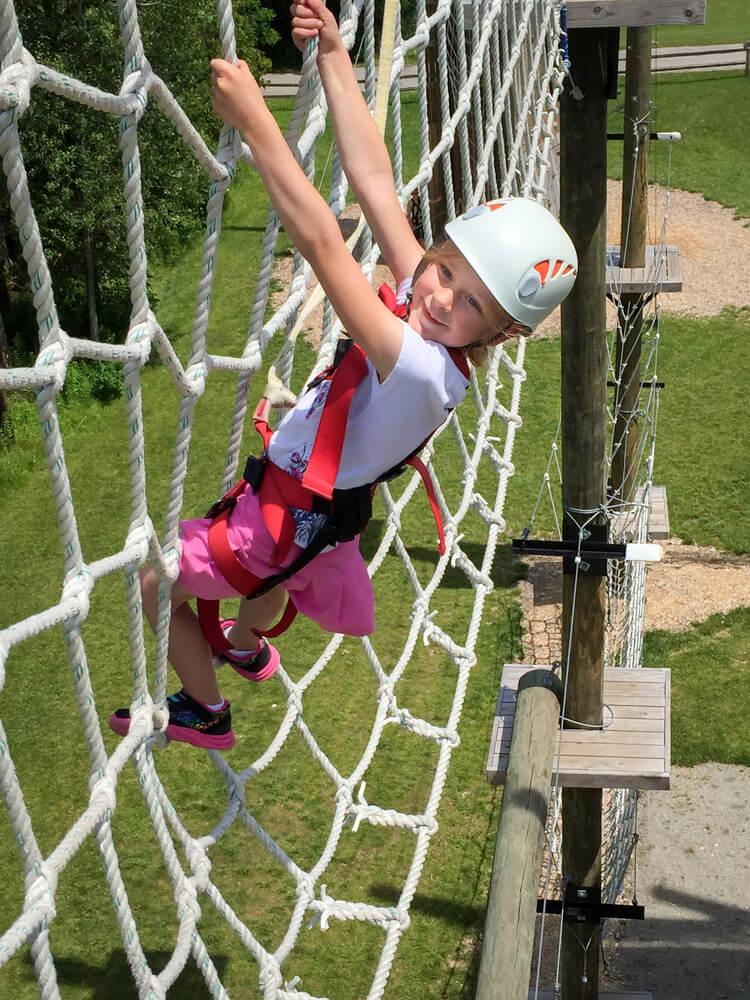
Some schools once included climbing over large cargo nets as part of obstacle course units, testing upper-body strength and coordination. The height and complexity of cargo net equipment made it one of the more injury-prone pieces of gym equipment.
Most schools removed this equipment decades ago due to safety and insurance concerns.
Log Rolling
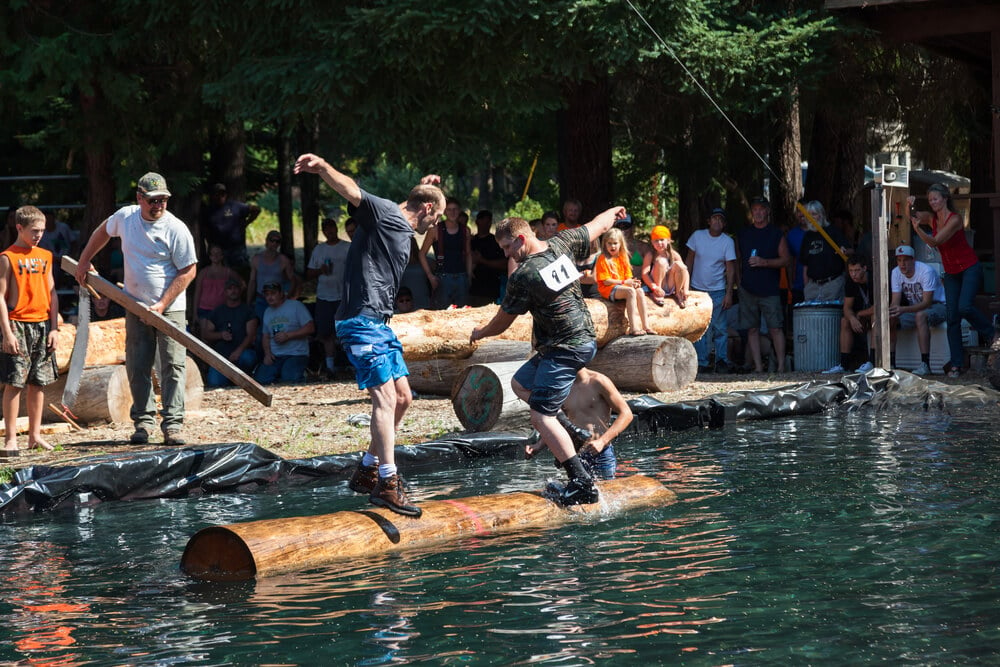
A niche but once-taught activity in some regional physical education programs, log rolling involved balancing on a rotating cylindrical log, often over a padded surface, to build core strength and balance. Its specialized equipment requirements meant it was never universal, but it disappeared entirely as schools consolidated and standardized their physical education equipment.
It’s now typically found only at summer camps rather than regular school curricula.
Archery Unit
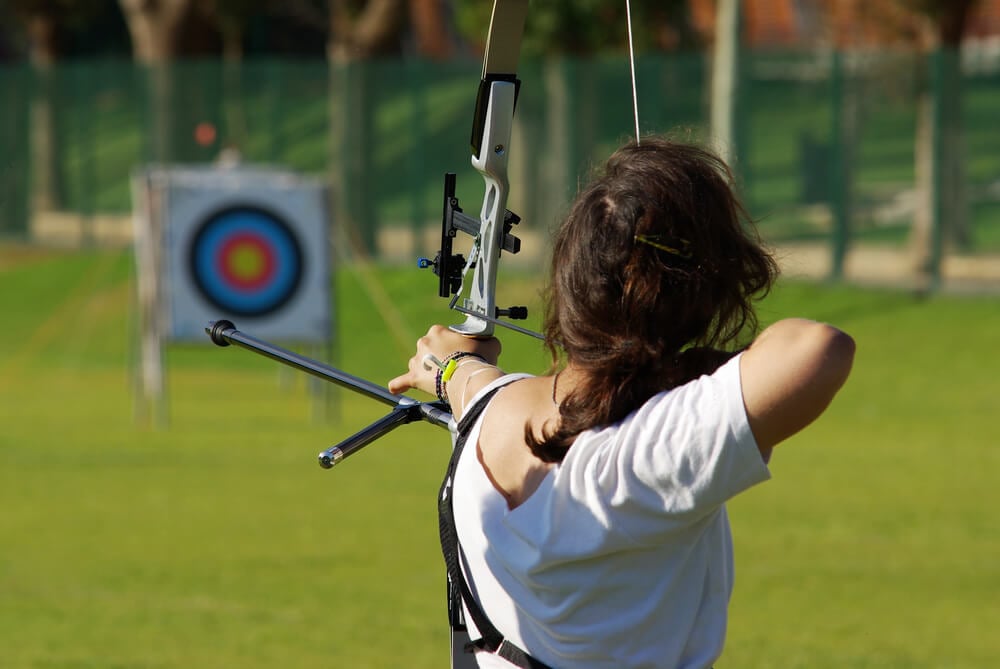
Some high schools once included a supervised archery unit as part of their physical education rotation, teaching basic bow handling and target shooting. Liability concerns and storage requirements for equipment led many districts to phase the unit out entirely by the late 20th century.
It now survives mostly as an extracurricular club activity rather than a required class unit.
Riflery Unit
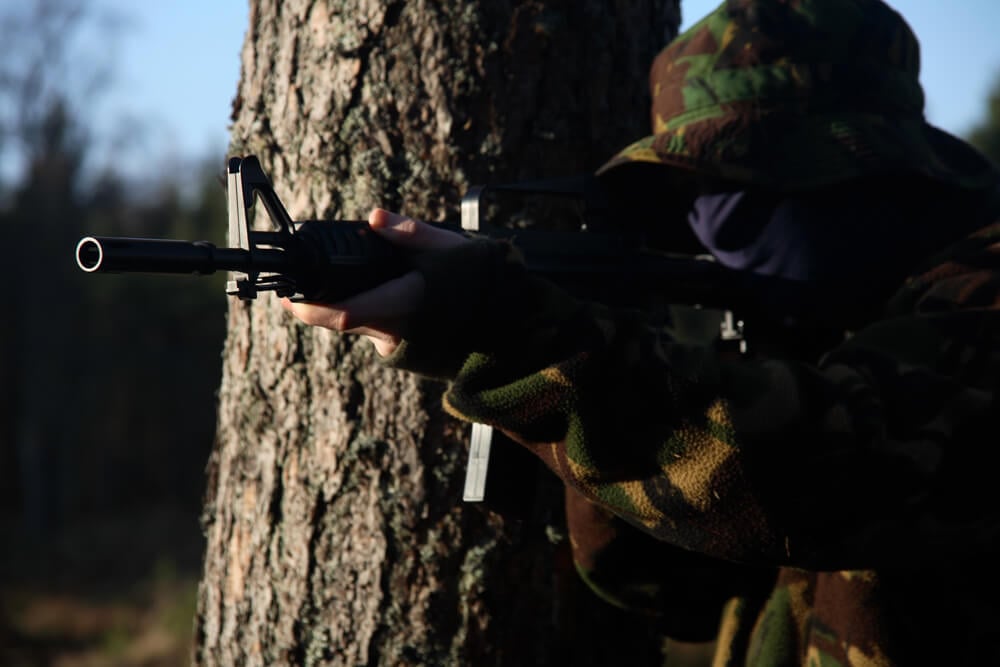
A small number of American schools, particularly in rural areas, once included a supervised riflery or marksmanship unit as part of physical education, using .22 caliber rifles under close instructor supervision. Changing safety standards and shifting school policy around firearms led to the near-total elimination of these programs by the later 20th century.
It’s now essentially unheard of in mainstream school physical education.
Ice Skating Unit
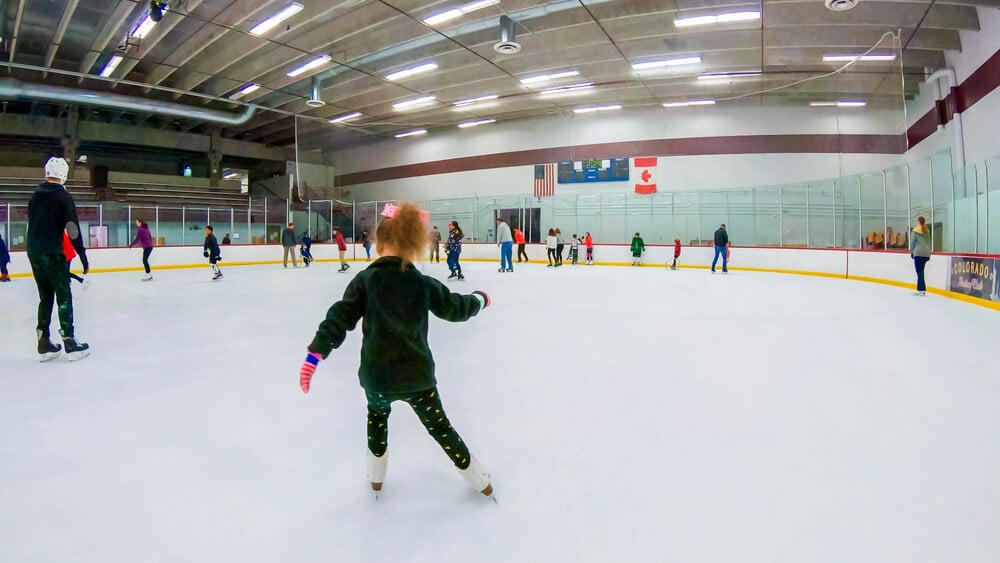
Some schools in colder climates once bussed students to a local rink for a multi-week ice skating unit as part of winter physical education. The cost of transportation, rink rental, and equipment made the unit expensive to maintain as school budgets tightened.
It has largely been replaced by indoor activities that don’t require off-campus travel.
Roller Skating Unit
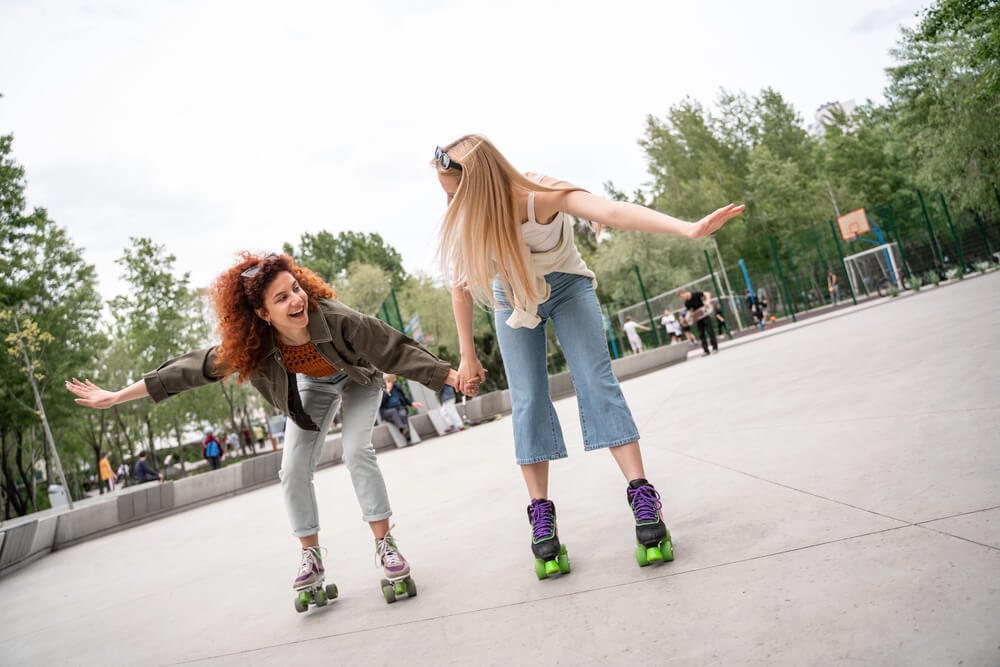
Similarly, some schools once held roller skating units either on a gym floor fitted with a temporary surface or at an off-site rink, teaching balance and coordination. Falls and the logistics of fitting an entire class with rental skates made the unit increasingly difficult to justify.
It has largely disappeared from standard physical education programming.
Folk Dance Unit
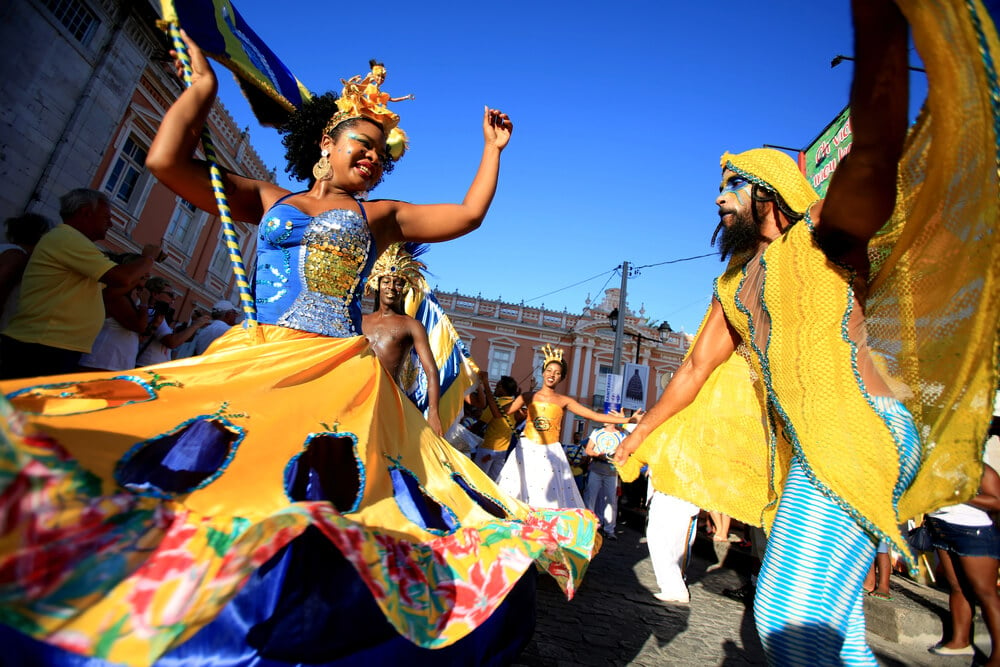
Beyond square dancing, many schools once taught a broader rotation of folk and traditional dances from different cultures as part of physical education, often tied to a specific unit on rhythm and coordination. Shrinking class time and shifting curriculum priorities pushed most folk dance units out of standard rotation.
It now survives mainly in schools with a specific cultural or arts focus.
Balance Beam Routines
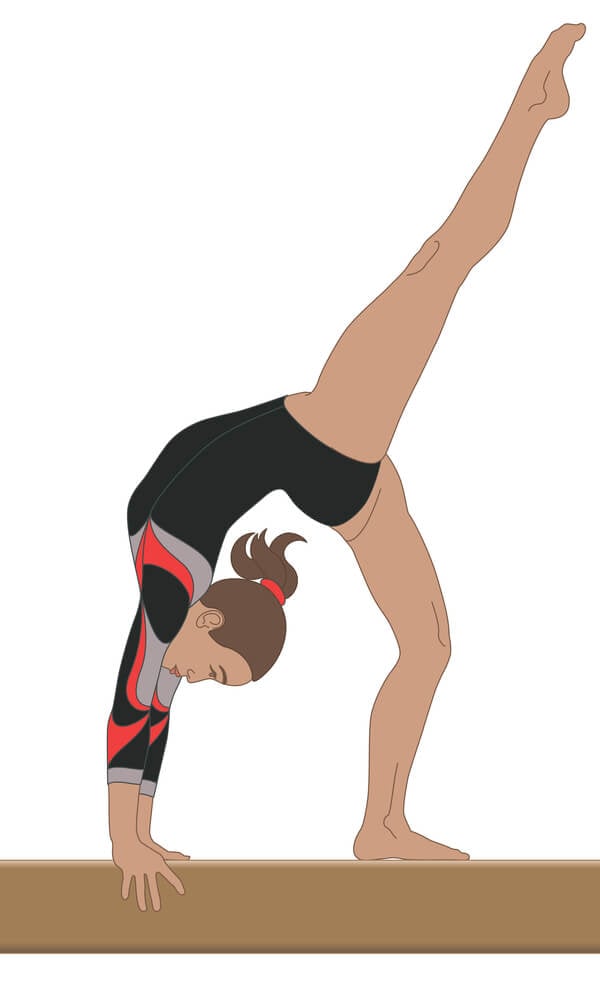
Structured balance beam routines, teaching basic poses, turns, and simple movements along a raised beam, were once part of many elementary and middle school gymnastics units. The specialized supervision and spotting required to teach the equipment safely made it difficult to maintain as class sizes grew.
It’s now mostly limited to dedicated gymnastics programs outside the regular school day.
Rings and High Bar Routines
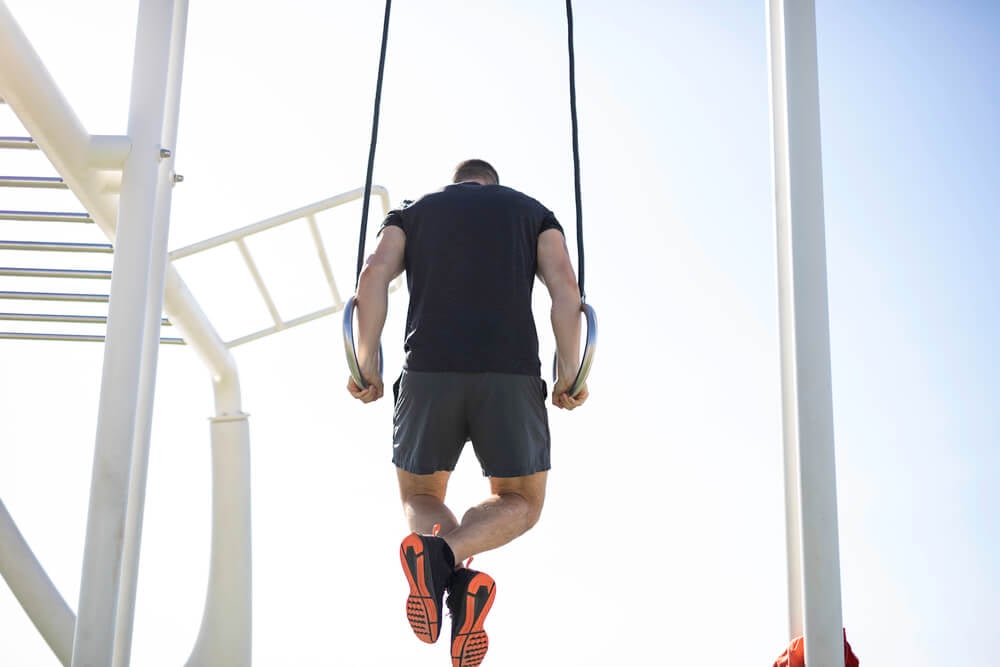
Some schools once taught basic routines on gymnastics rings and a high bar as part of an upper-body strength unit, requiring significant supervision and spotting for safety. The specialized equipment and injury risk made it one of the first pieces of gymnastics apparatus removed from general physical education.
It now survives almost exclusively in club and competitive gymnastics settings.
The Fitness Test Nobody Misses the Same Way
Looking back at this list, the throughline isn’t that these activities were bad ideas. Most of them taught real coordination, strength, or teamwork.
What changed was the tolerance for the bumps, falls, and awkward pairings that came along with them, along with school budgets that could no longer justify specialized equipment for a single unit. What replaced them tends to be safer and more individualized, tracking a student’s own progress rather than putting them through a public test of strength against their classmates.
Whether that trade produced better outcomes is a separate question from whether it produced fewer bruises. It almost certainly did the second.
More from Go2Tutors!

- The Romanov Crown Jewels and Their Tragic Fate
- 13 Historical Mysteries That Science Still Can’t Solve
- Famous Hoaxes That Fooled the World for Years
- 15 Child Stars with Tragic Adult Lives
- 16 Famous Jewelry Pieces in History
Like Go2Tutors’s content? Follow us on MSN.



